USMC M1928 Navy Thompson Submachine Gun #5576
Documented as shipped to the USMC Depot Quartermaster at Corinto, Nicaragua on June 14th, 1928.
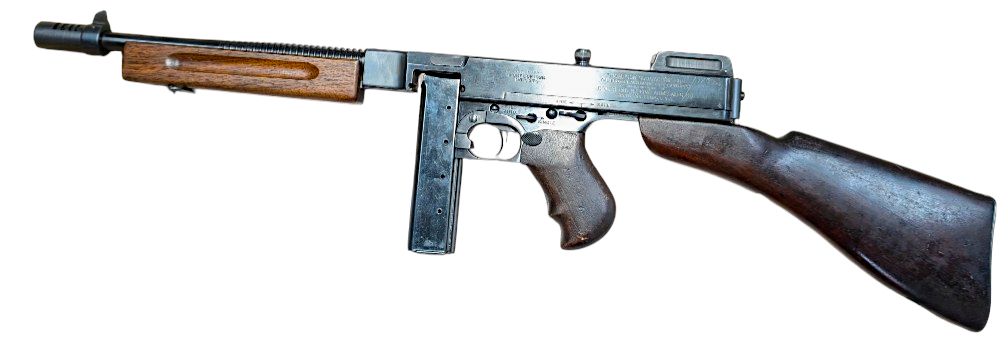
The 2nd Battalion, 5th Marine Regiment would deploy to Nicaragua in 1927, and the jungle warfare that would ensue would prove the perfect environment for the use of the service’s newest weapon: the Thompson Submachine Gun. While the bulk of 2/5 would land on the eastern coast of the country, 51st (G) Company would land on the western coast at Corinto. Colt M1928 Navy Thompson Submachine Gun #5576 was one of five that would be shipped to the Marine Depot Quartermaster in Corinto for use with the 51st Company in the late spring of 1928. Elements of the 11th Marine Regiment would land in Corinto around the same time, boosting the number of Marine infantrymen in action on the Pacific side of the nation.
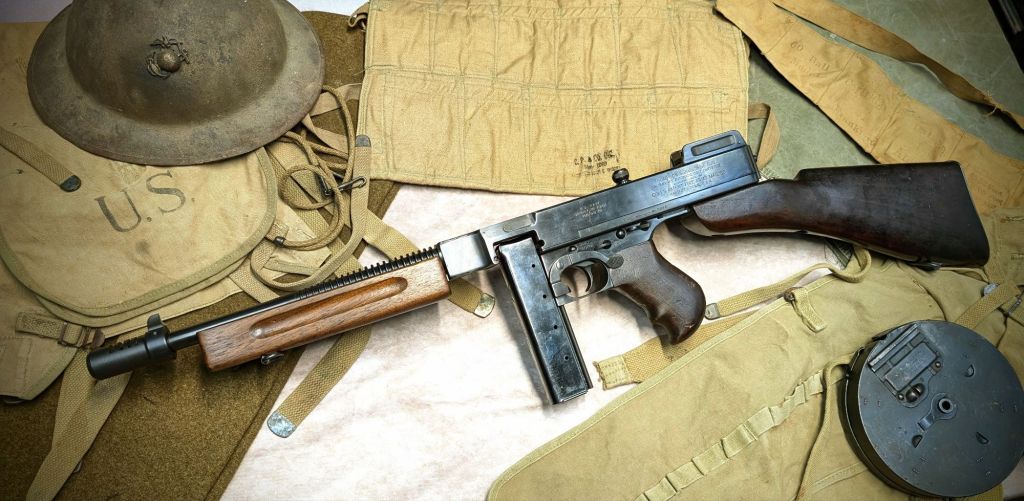
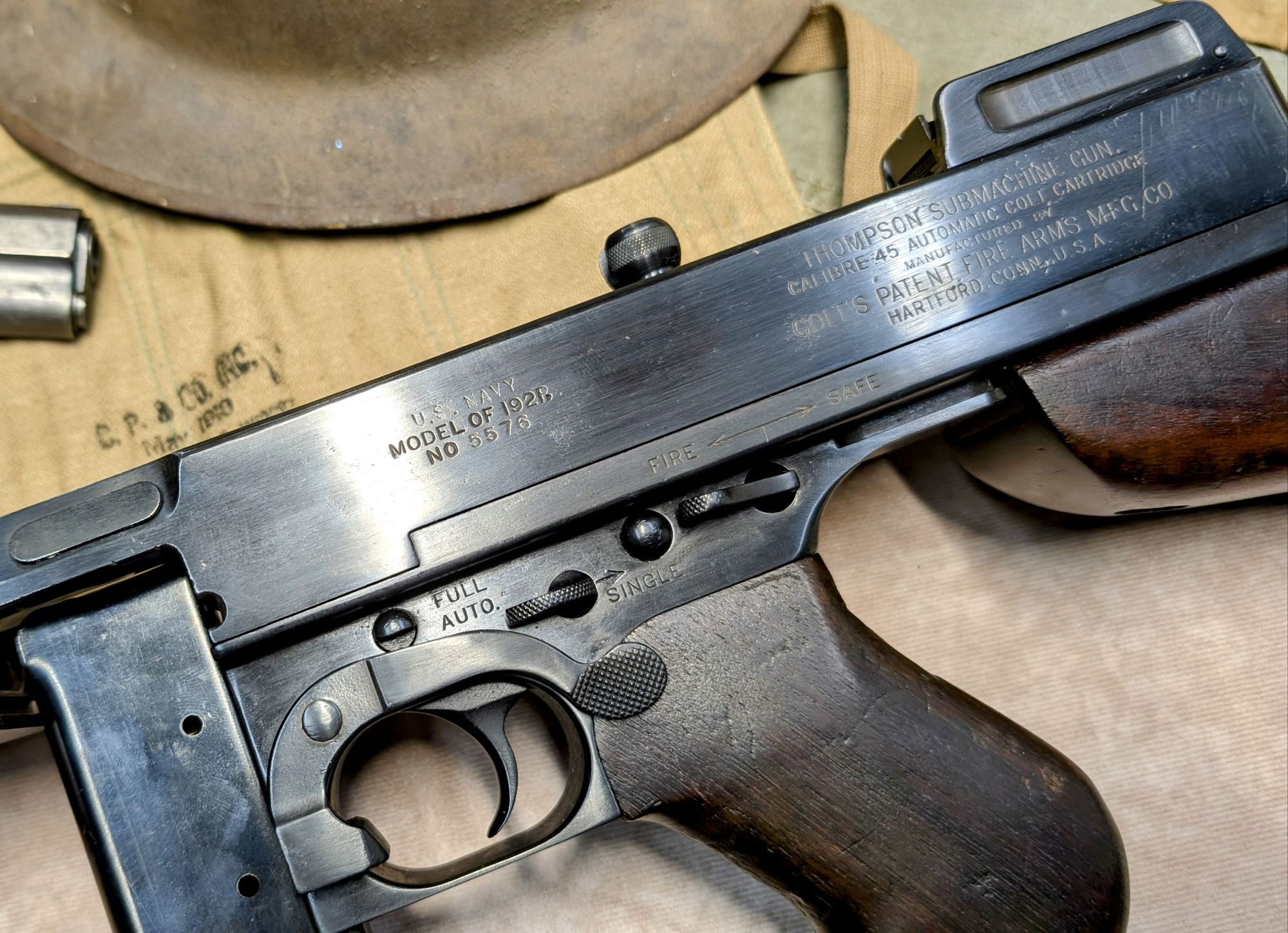
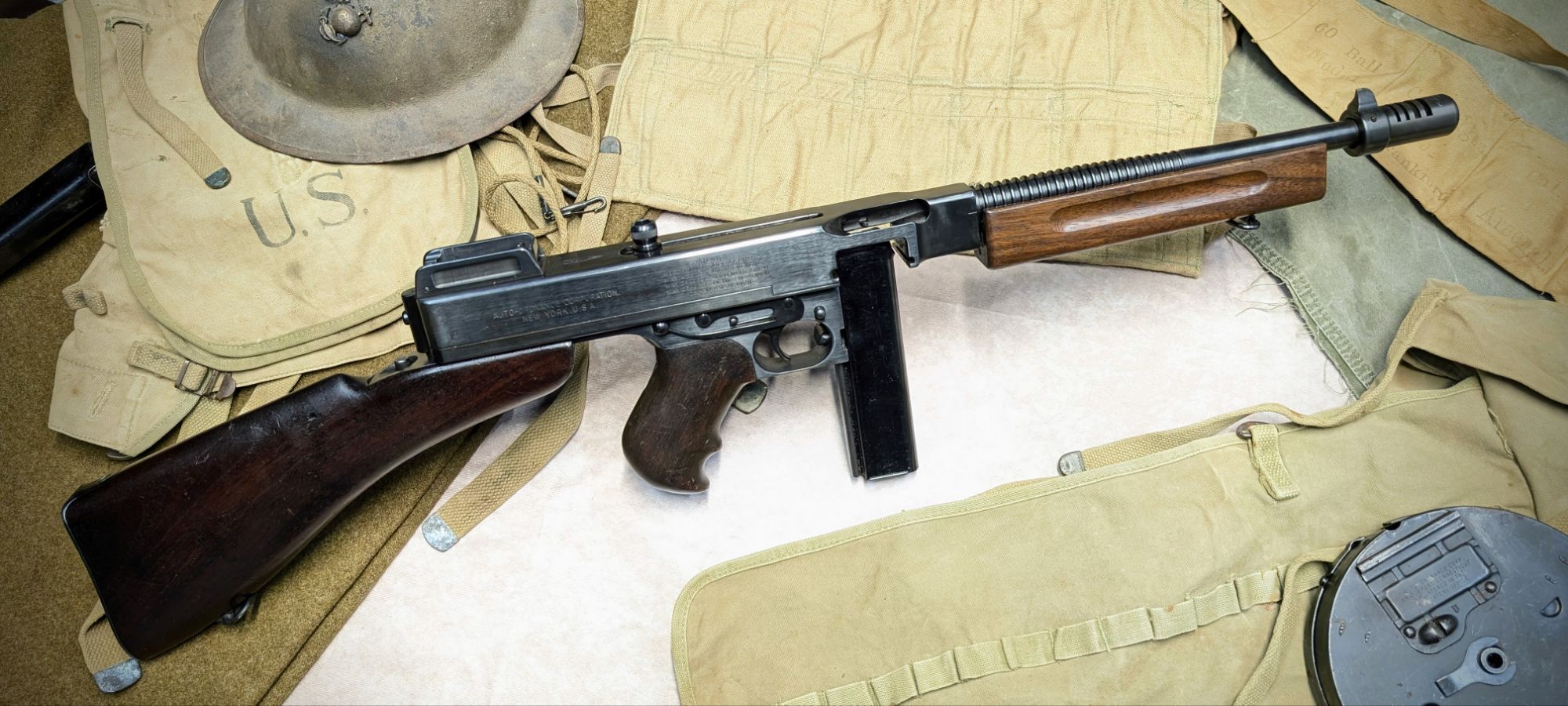
Like most of the Thompson Submachine Guns sent to Nicaragua, #5576 would remain in the nation as various battalions of the 5th and 11th Marine Regiments would cycle in and out for combat deployments. When the Marines would depart the island in for good in 1933, some weapons would be left behind for the Nicaraguan Guardia Nacionale. One of the TSMGs included was #5576. In a remarkably uncommon occurrence, #5576 would be reimported to the United States in 1957 by INTERARMCO, one of twenty-four former USMC TSMGs to make their way back home. Incredibly rare and fully transferable, #5576 is one of a very small number of documented Marine Corps machine guns known to exist (Plowman collection).
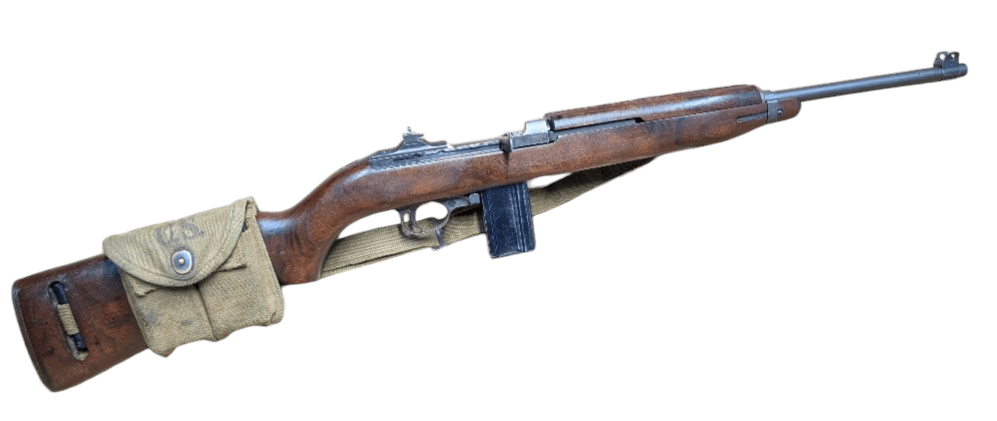
USMC M1 Carbine #517700
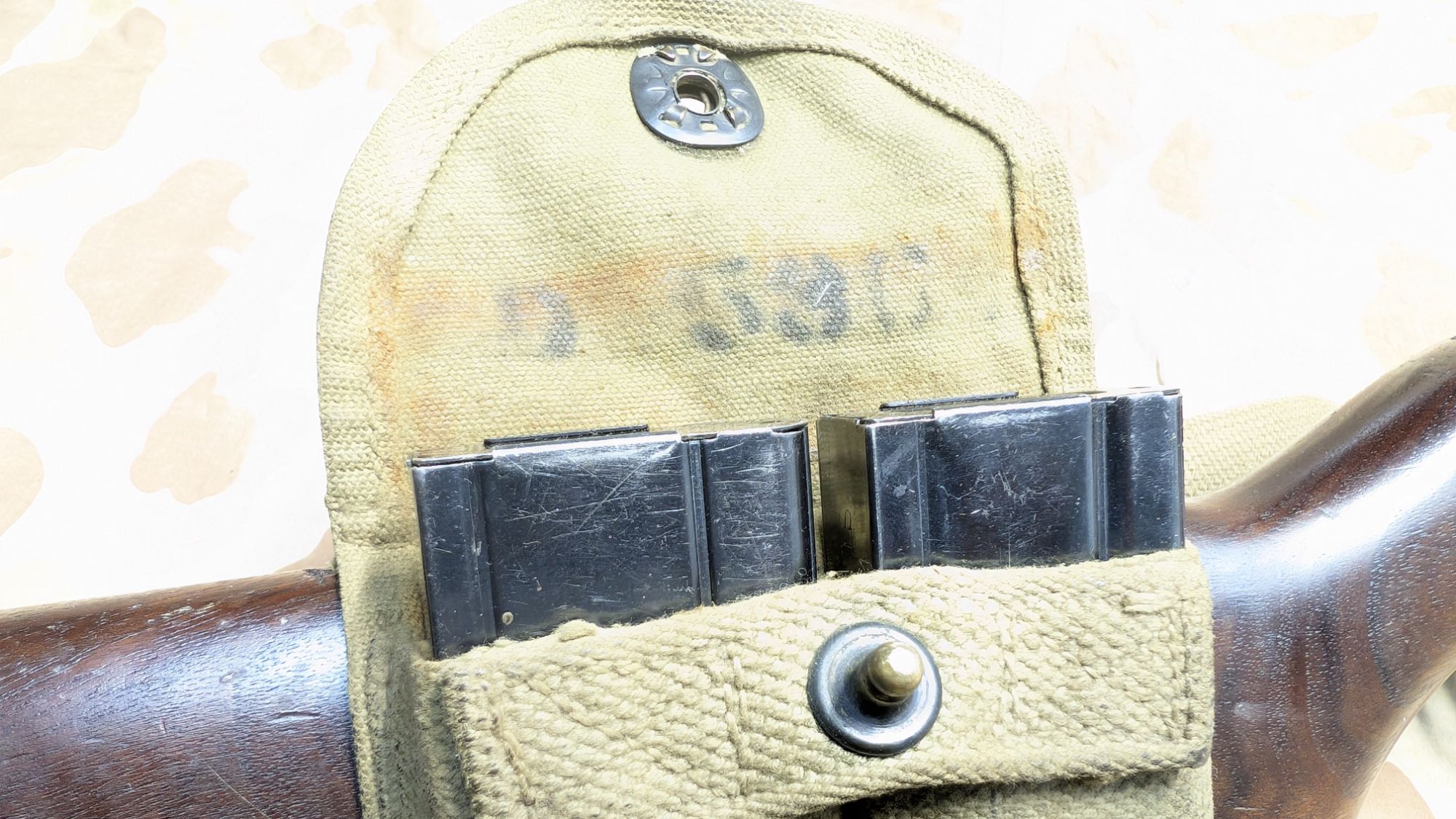
Brought home from Iwo Jima by F1c Donovan Wagner of the USS Lander
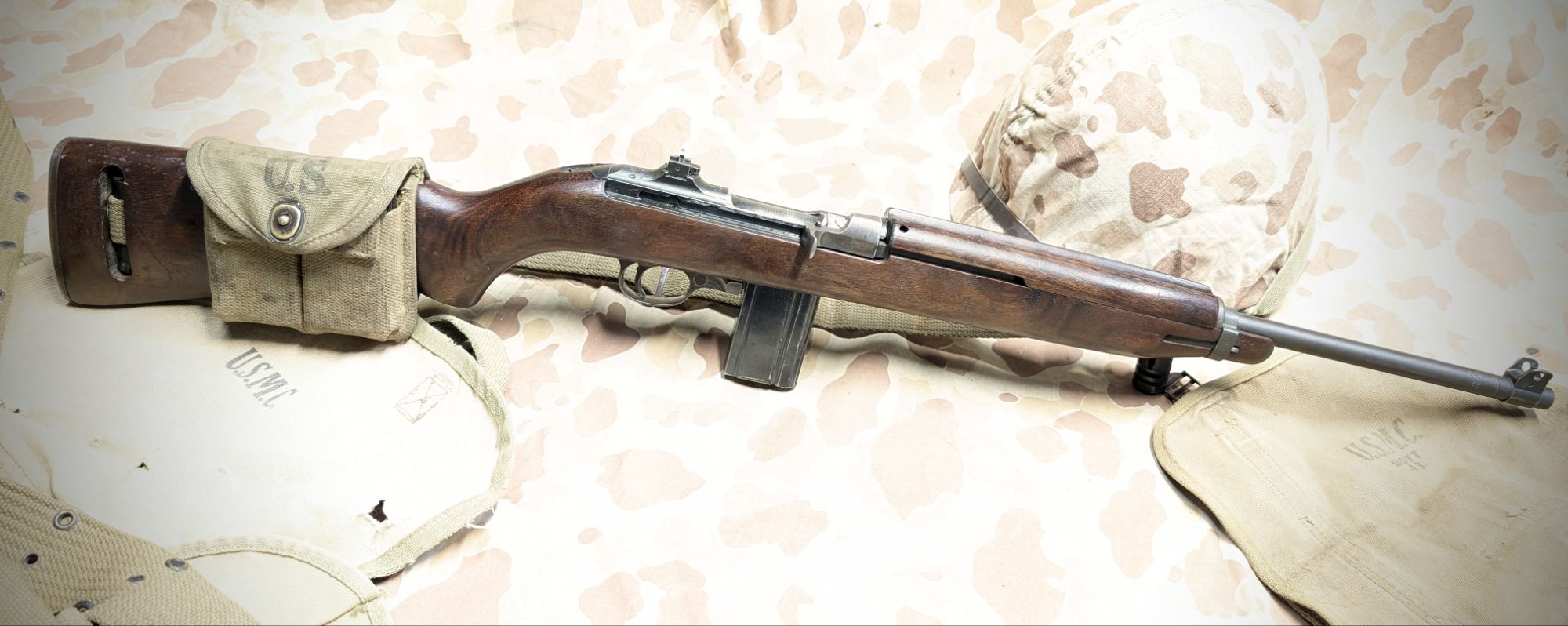
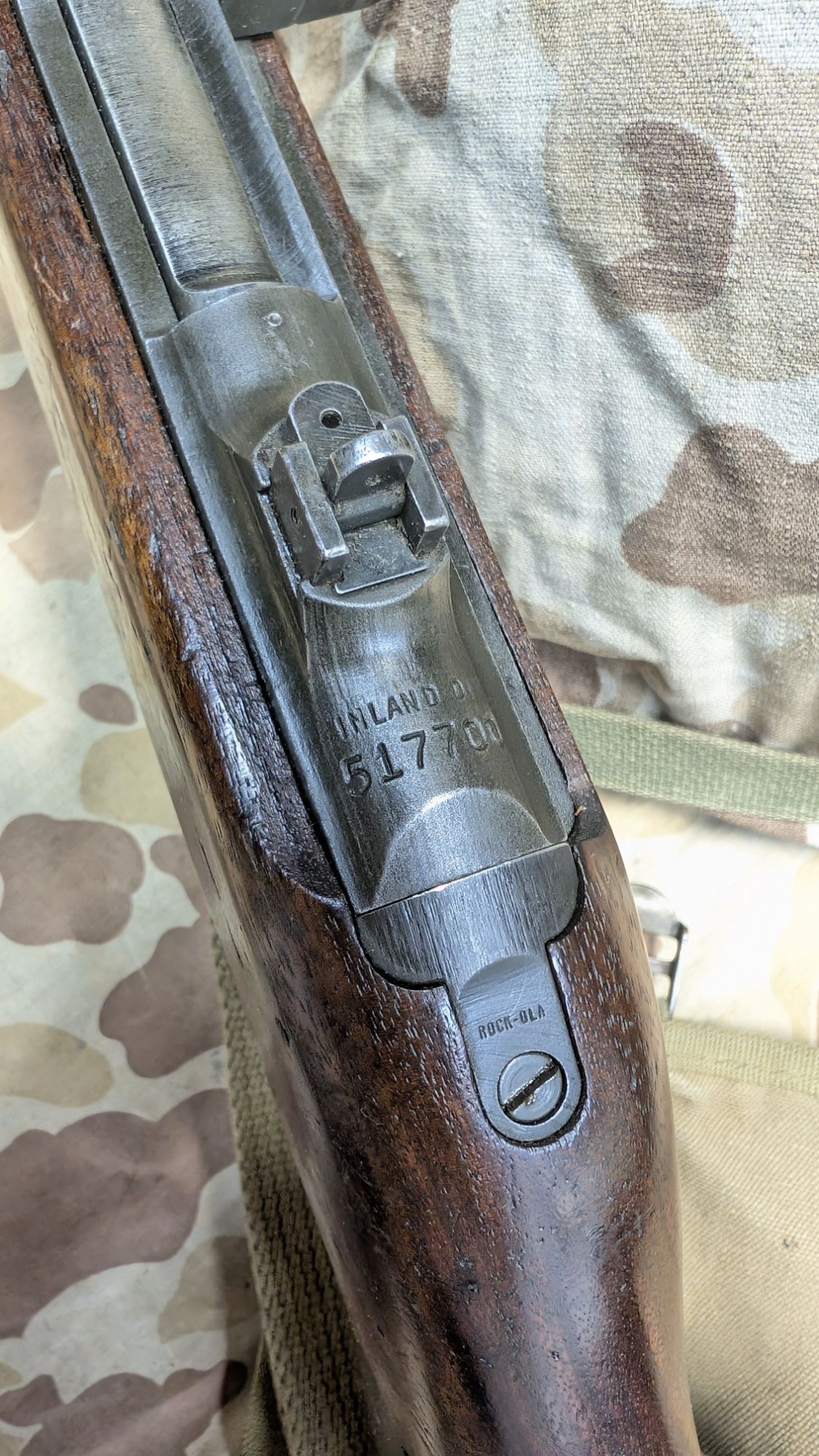
USMC Inland M1 Carbine #517700 was acquired by F1c Donovan Wagner, a sailor on the USS Lander during the Battle of Iwo Jima. The Lander was tasked with transporting the 1st and 2nd Battalions of the 25th Marine Regiment, 4th Marine Division back to Hawaii as the battle came to a close. The 25th Marine Regiment saw heavy combat during the battle.
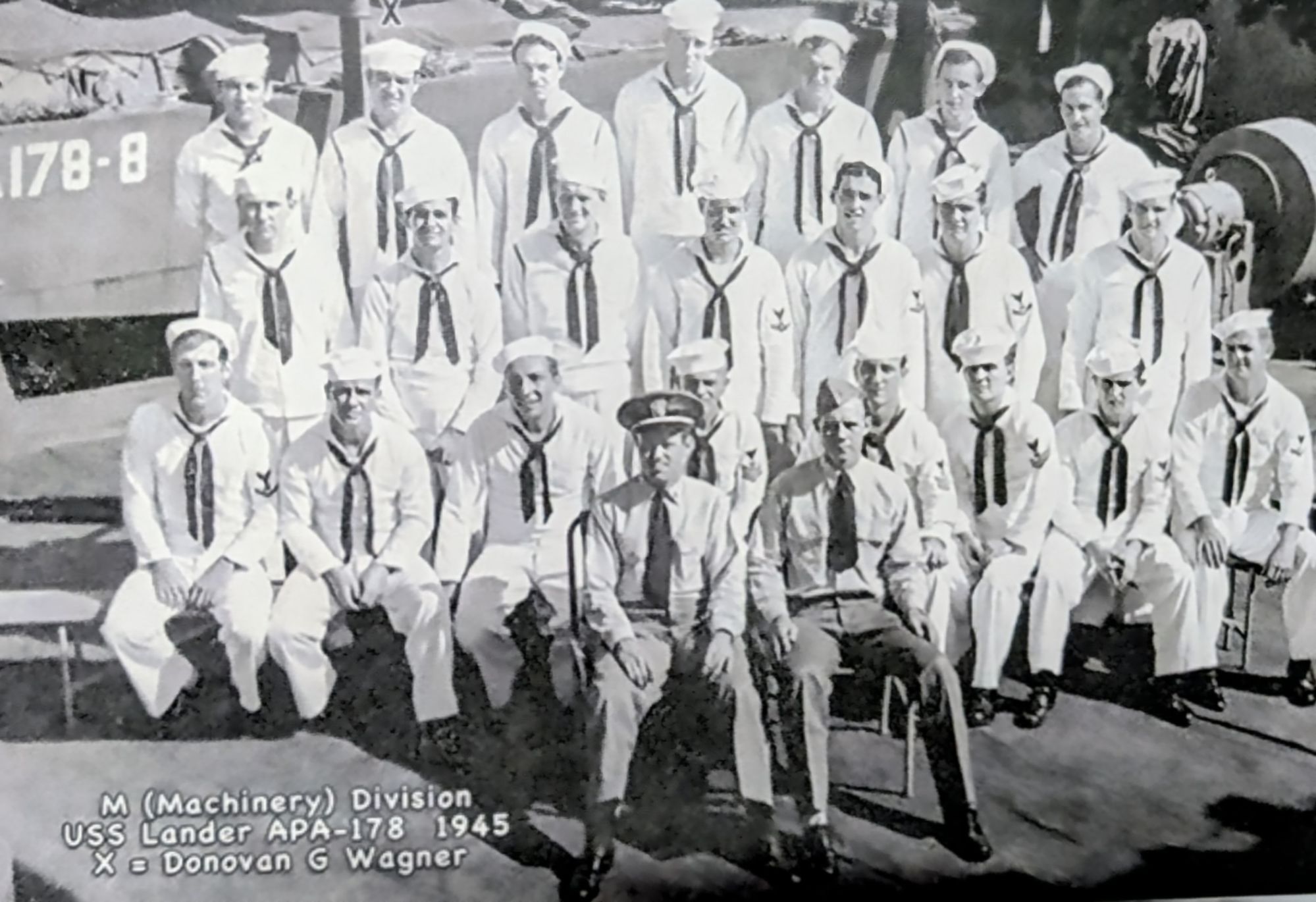
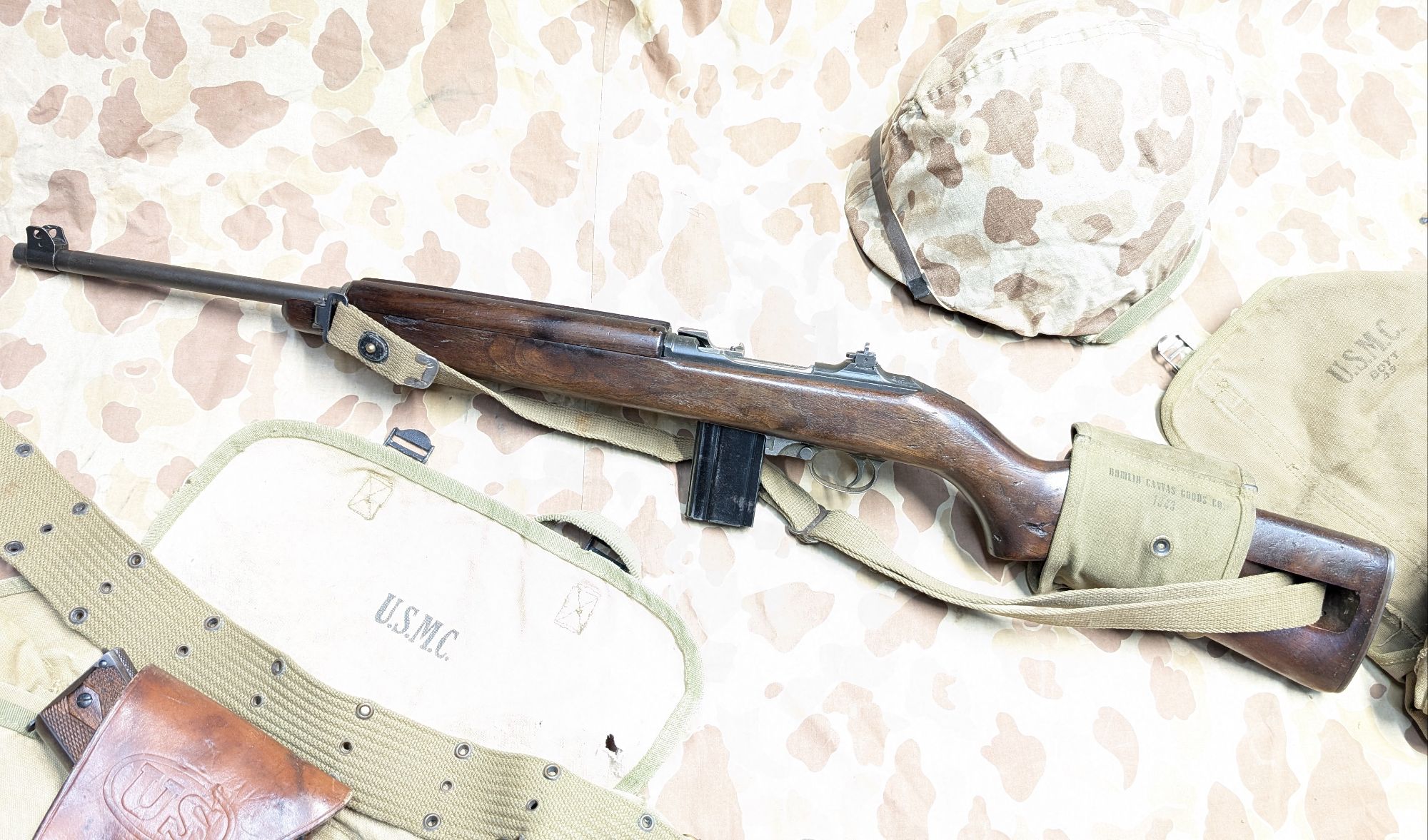
As detailed in a notarized letter and on video, F1c Wagner would purchase this M1 Carbine on the trip back to Hawaii from a shipmate who bought it off one of the Marines for two dollars. F1c Wagner and another shipmate who was able to acquire an Iwo Jima bring back would be able to mail their Carbines home when ported in San Francisco at war’s end.
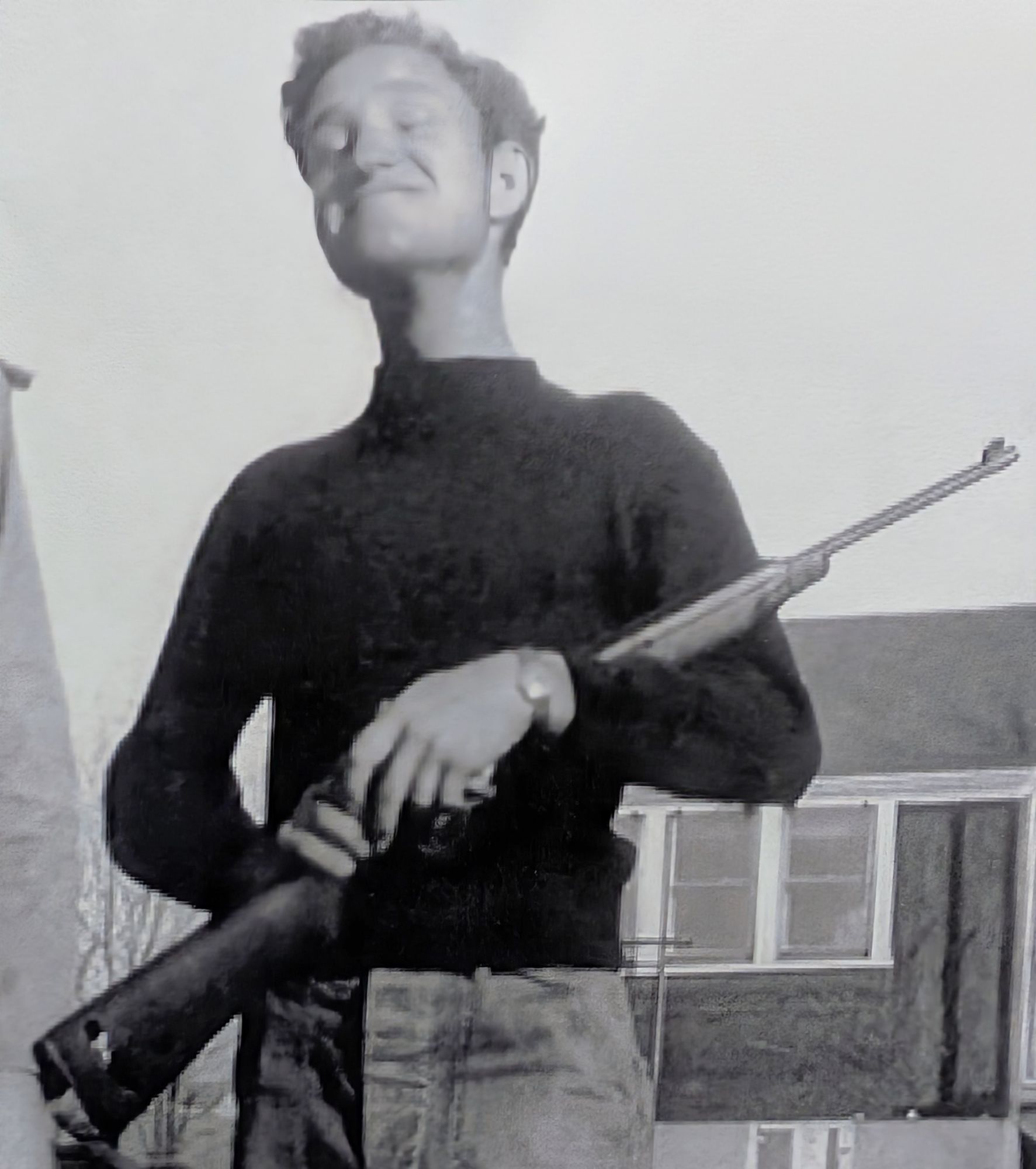
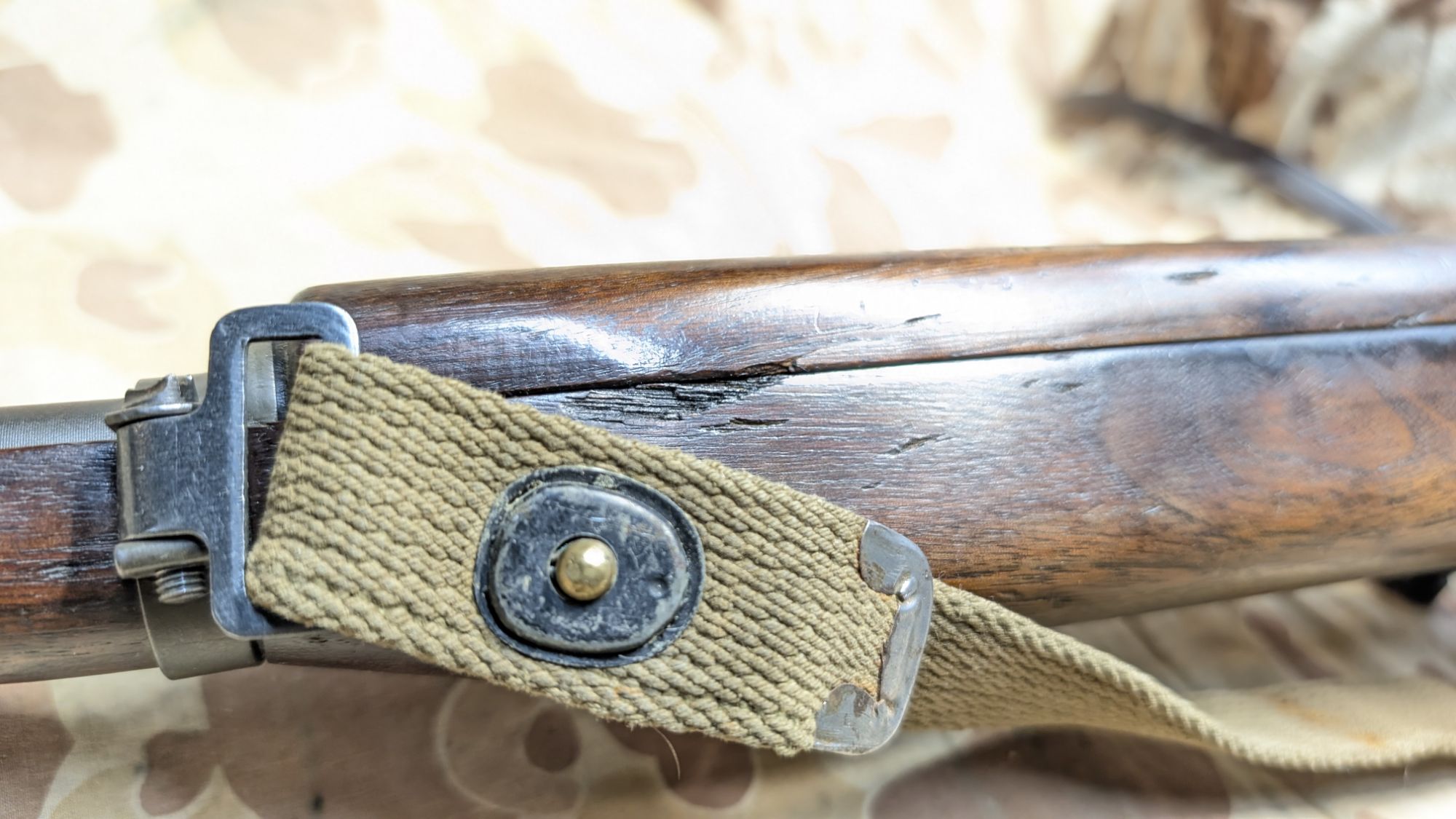
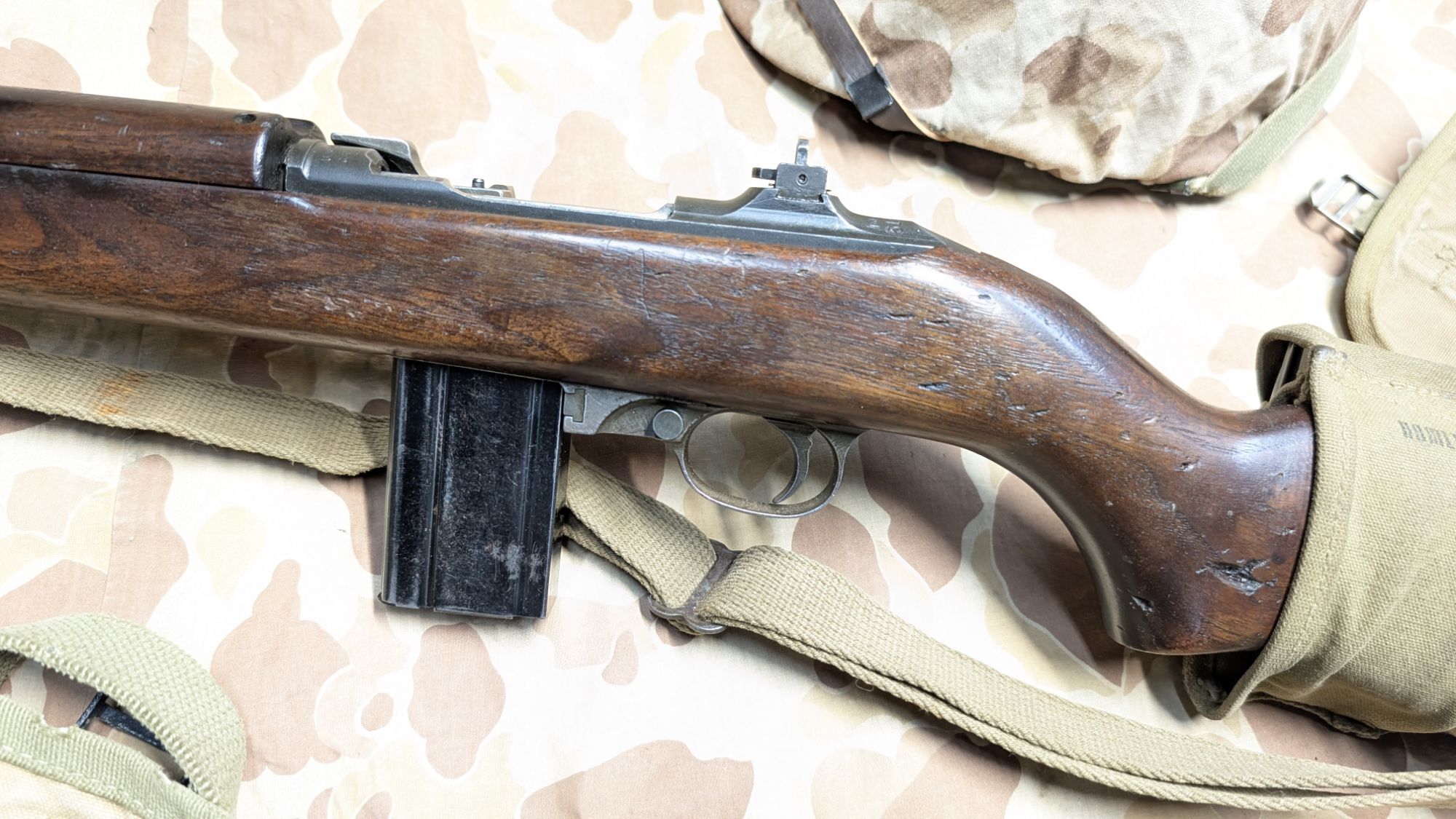
Left: Donovan Wagner in 1946 with his M1 Carbine
Middle & Right: Shrapnel damage visible on the Carbine’s left side
After the war, Mr. Wagner was photographed with his prized M1 Carbine, which he would keep until he was very old. As mentioned in his letter and in interviews, he always wondered about the Marine who carried it, as the left side of the Carbine shows damage from shrapnel – a testament to the savage fighting the USMC faced on Iwo Jima. The magazine pouch that was on the M1 Carbine bears markings that may suggest it was issued to 3rd Battalion, 25th Marines, and further research is ongoing. The 25th Regiment connection however is certain, making this incredible M1 Carbine one of the few solid bring backs that have a unit history to share (Plowman collection).
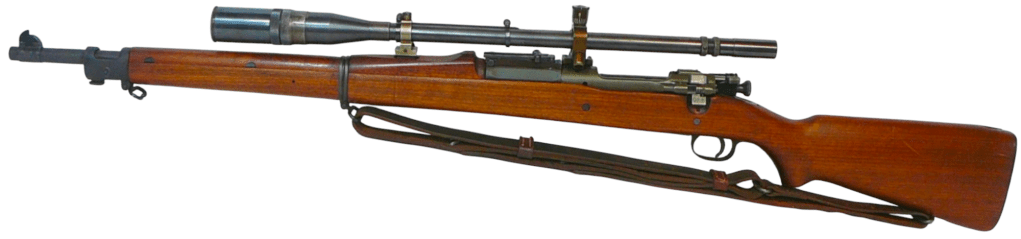
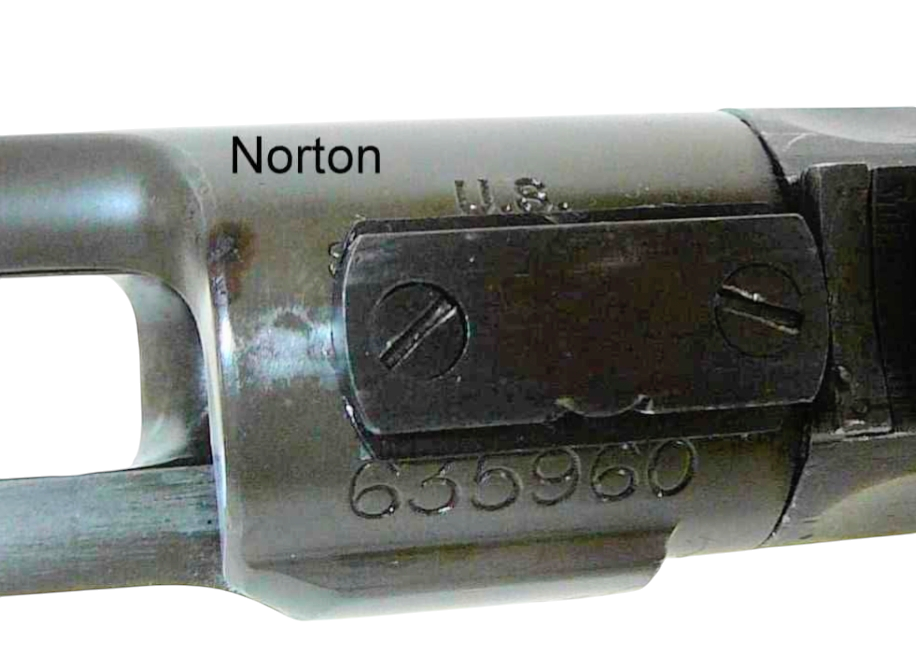
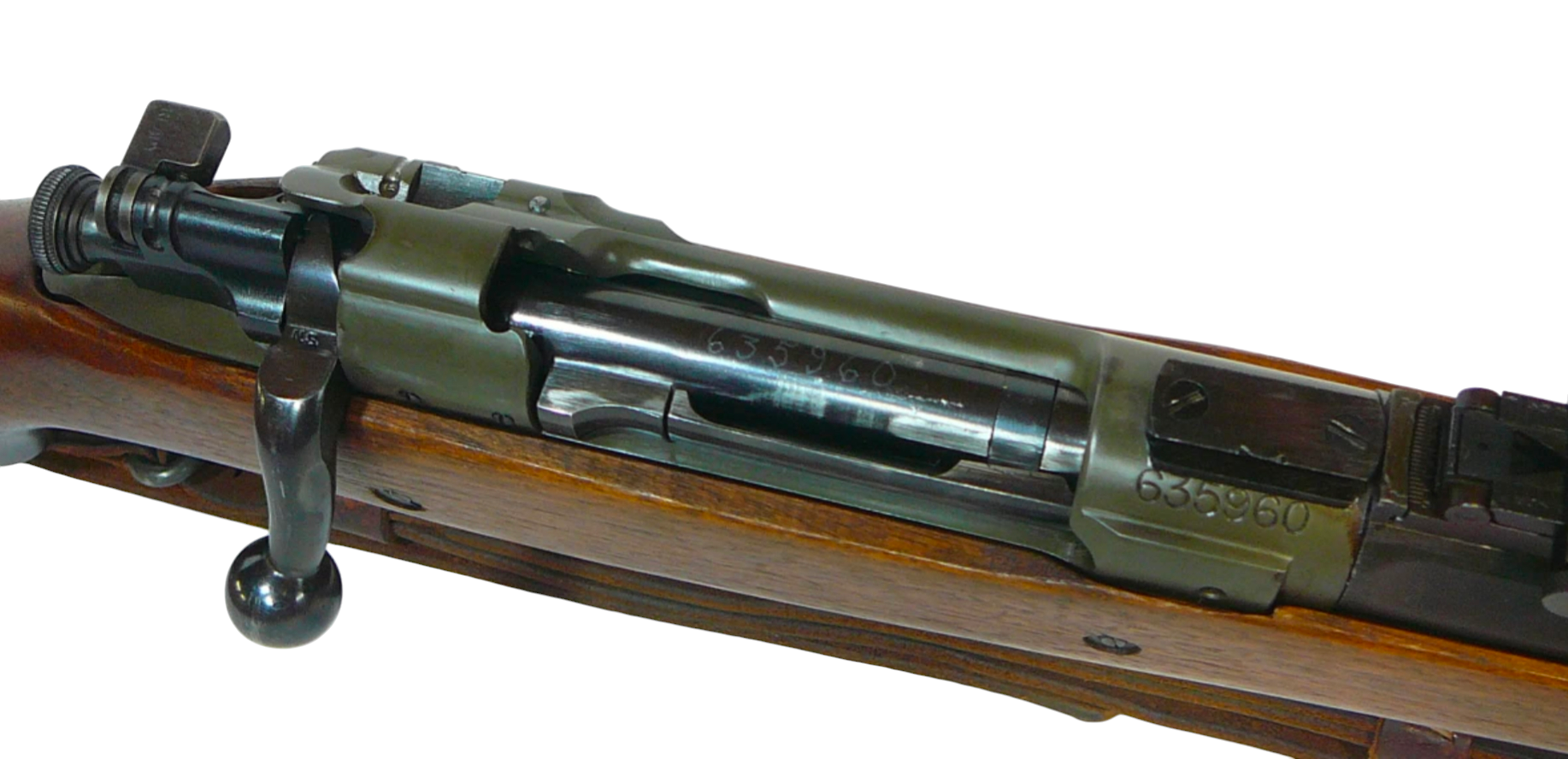
USMC International Match M1903 #635960
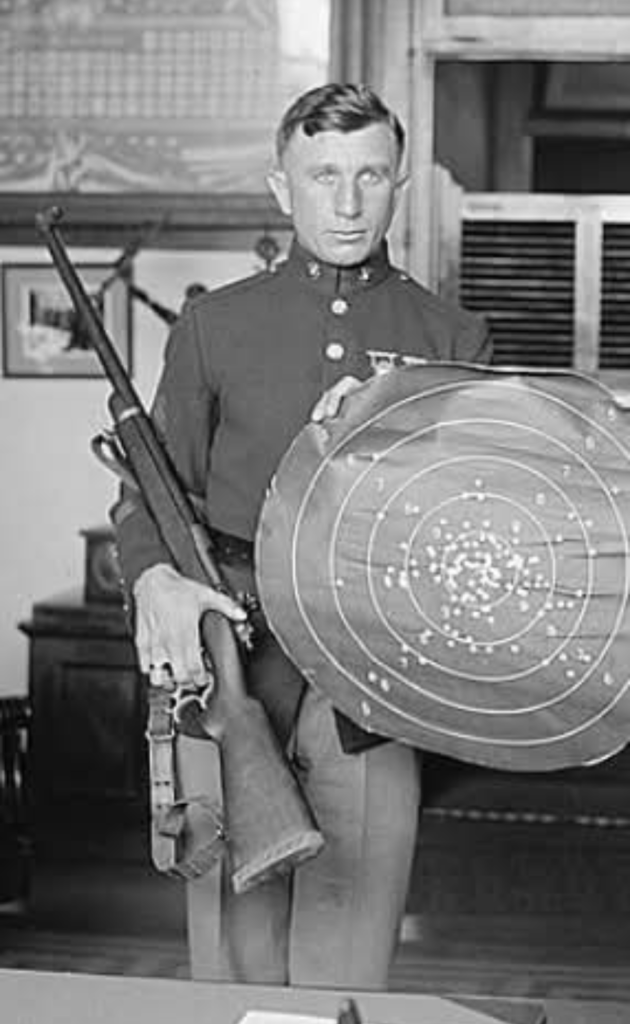
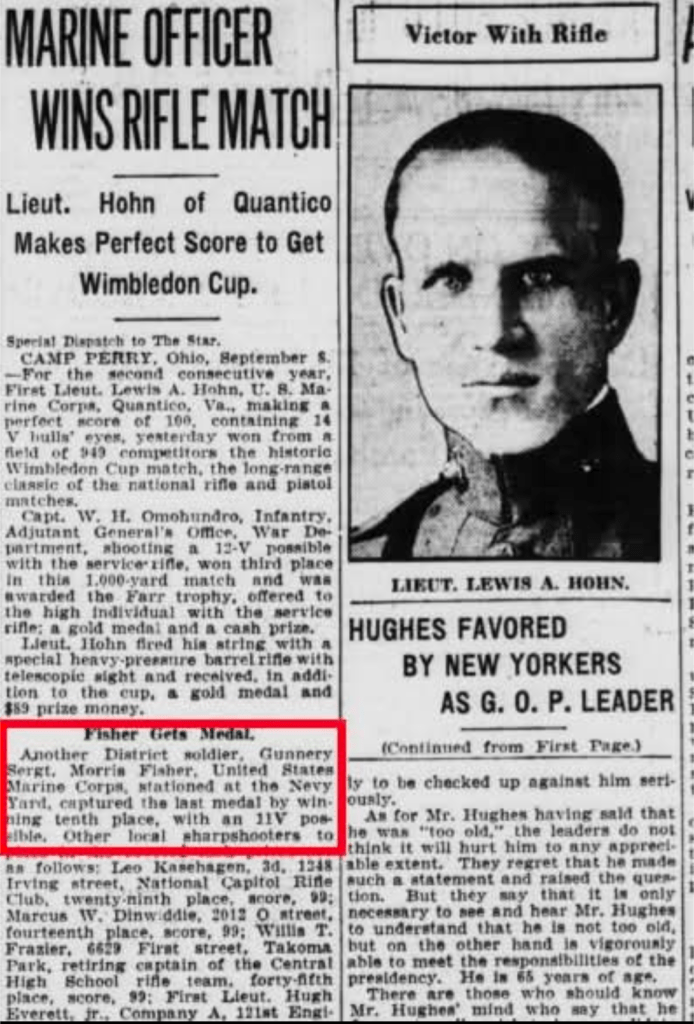
Documented as used by Gunnery Sergeant Morris Fisher as an International Match rifle at Camp Perry
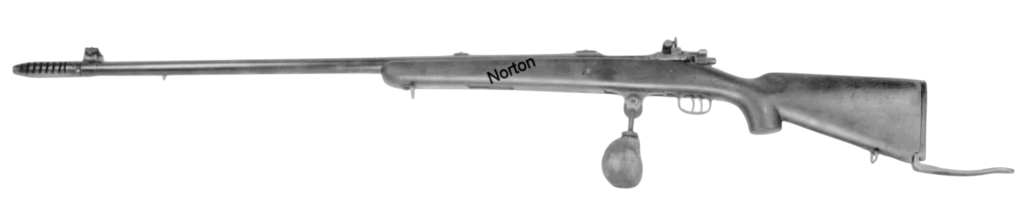
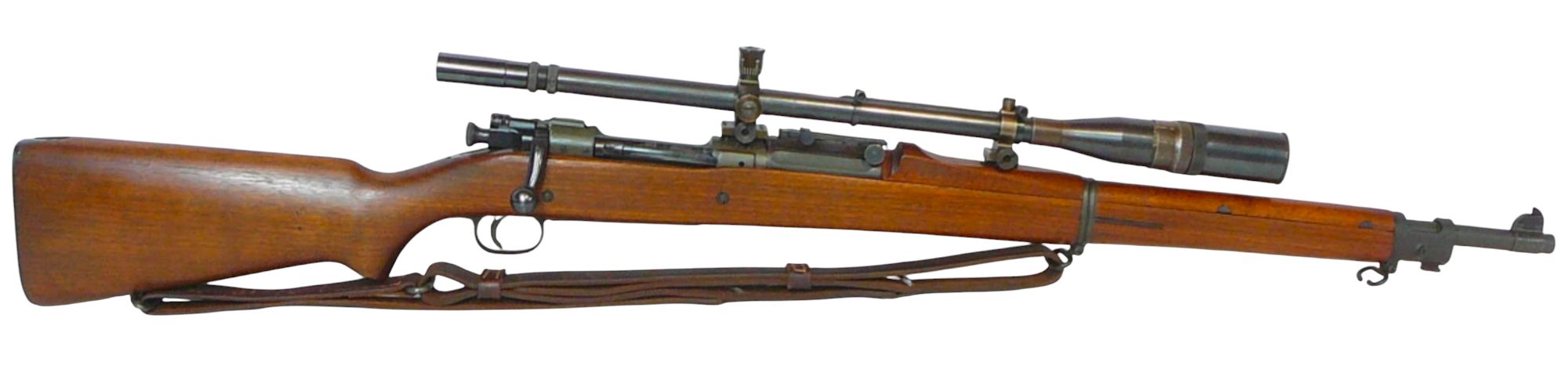
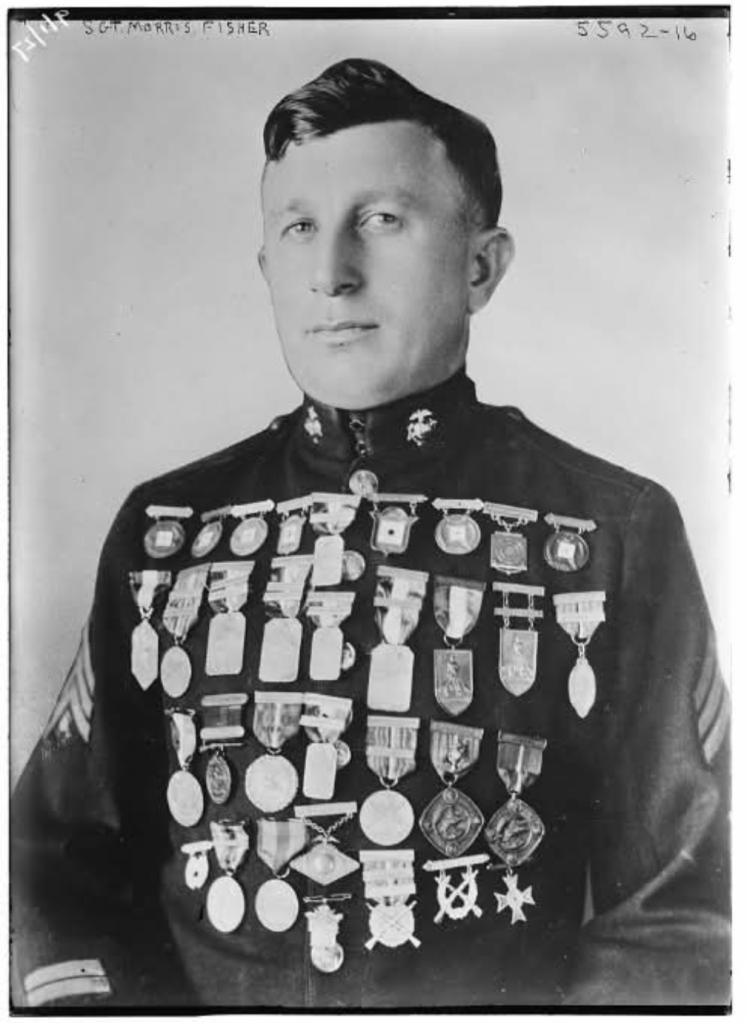
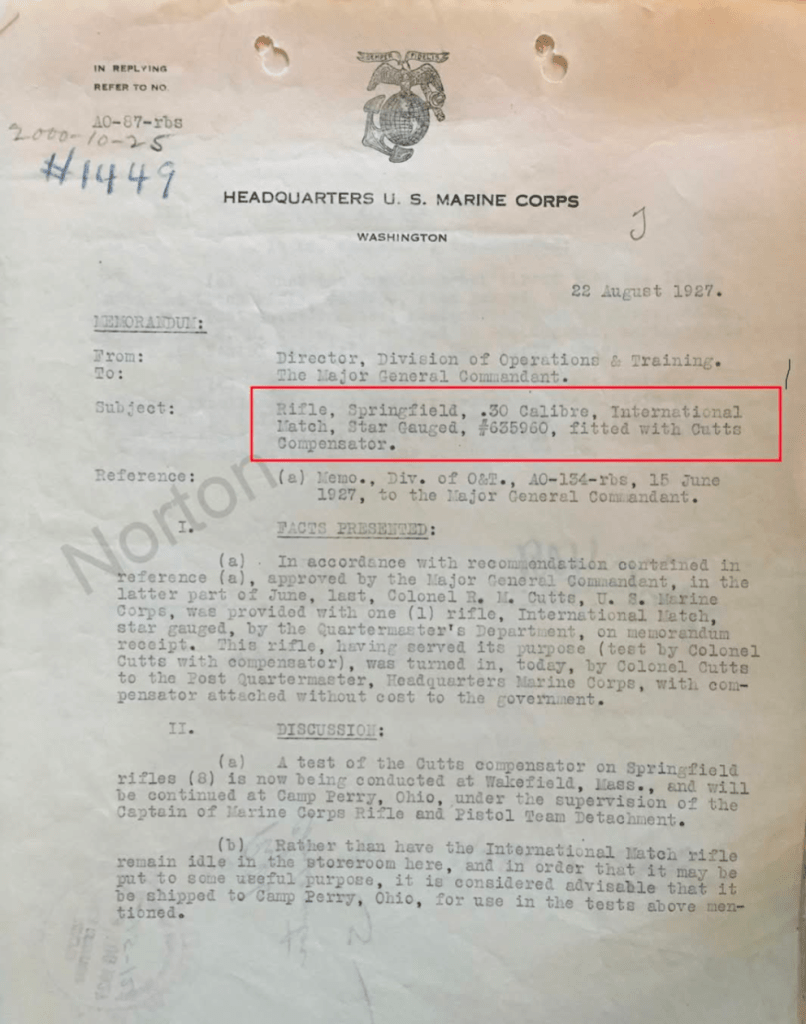
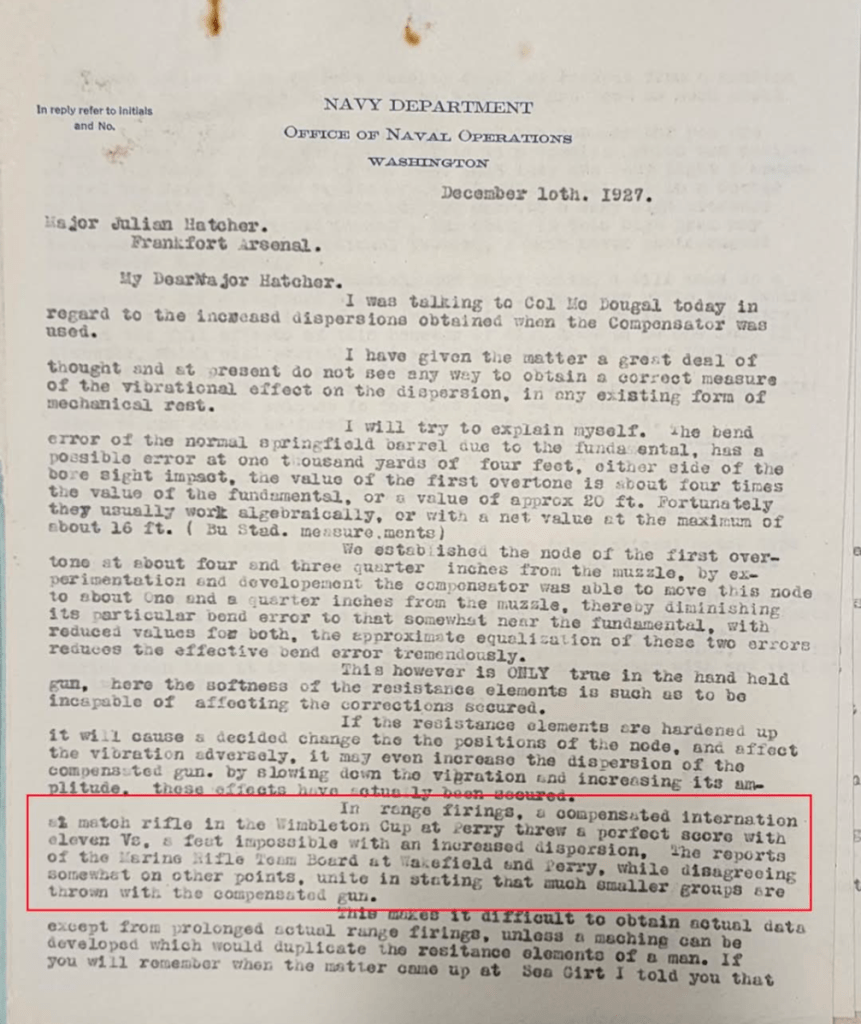
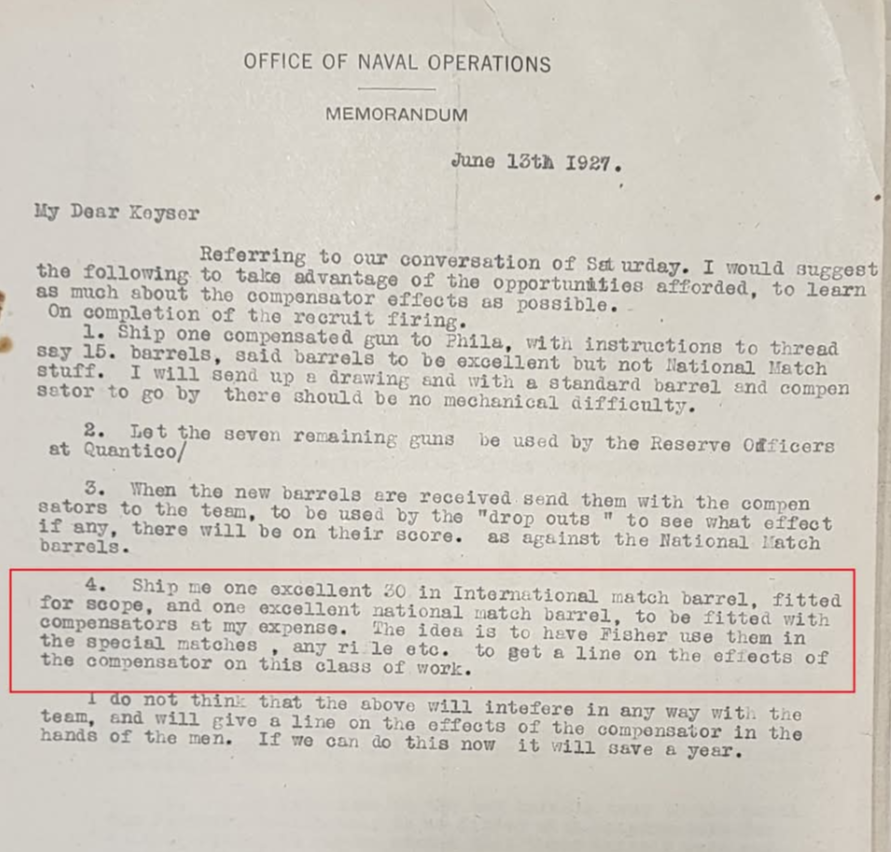
Springfield Armory M1903 #635960 almost certainly began its life as USMC M1903 A5 sniper rifle. Following World War I this rifle like many other A5 sniper rifles was broken down and stored as a loose receiver. In 1927, the Marine Corps Rifle Team requested the construction of several International Match M1903s, with #635960 being one of the receivers used for the builds. Once converted into an International Match rifle, #635960 would have a Cutts Compensator attached for testing before being issued to Gunnery Sergeant Morris Fisher for use in the Wimbledon Match during the National Matches at Camp Perry. Concluding an incredible story, #635960 would be one of the 1047 National Match rifles built into a USMC M1903 Unertl sniper rifle for service in World War II, which is the condition it is in today (Norton collection).
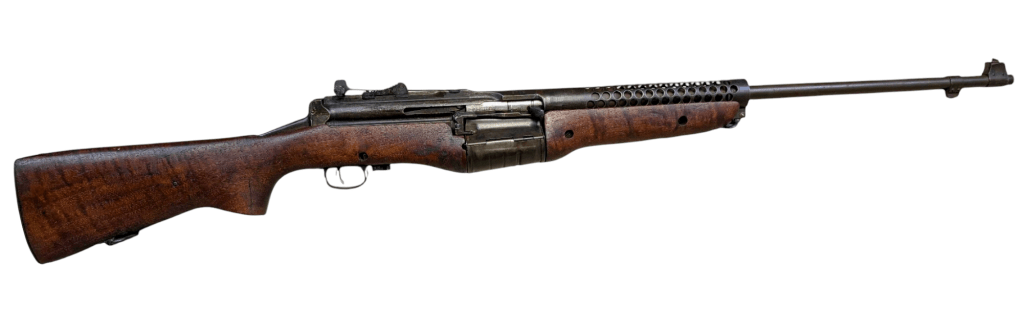
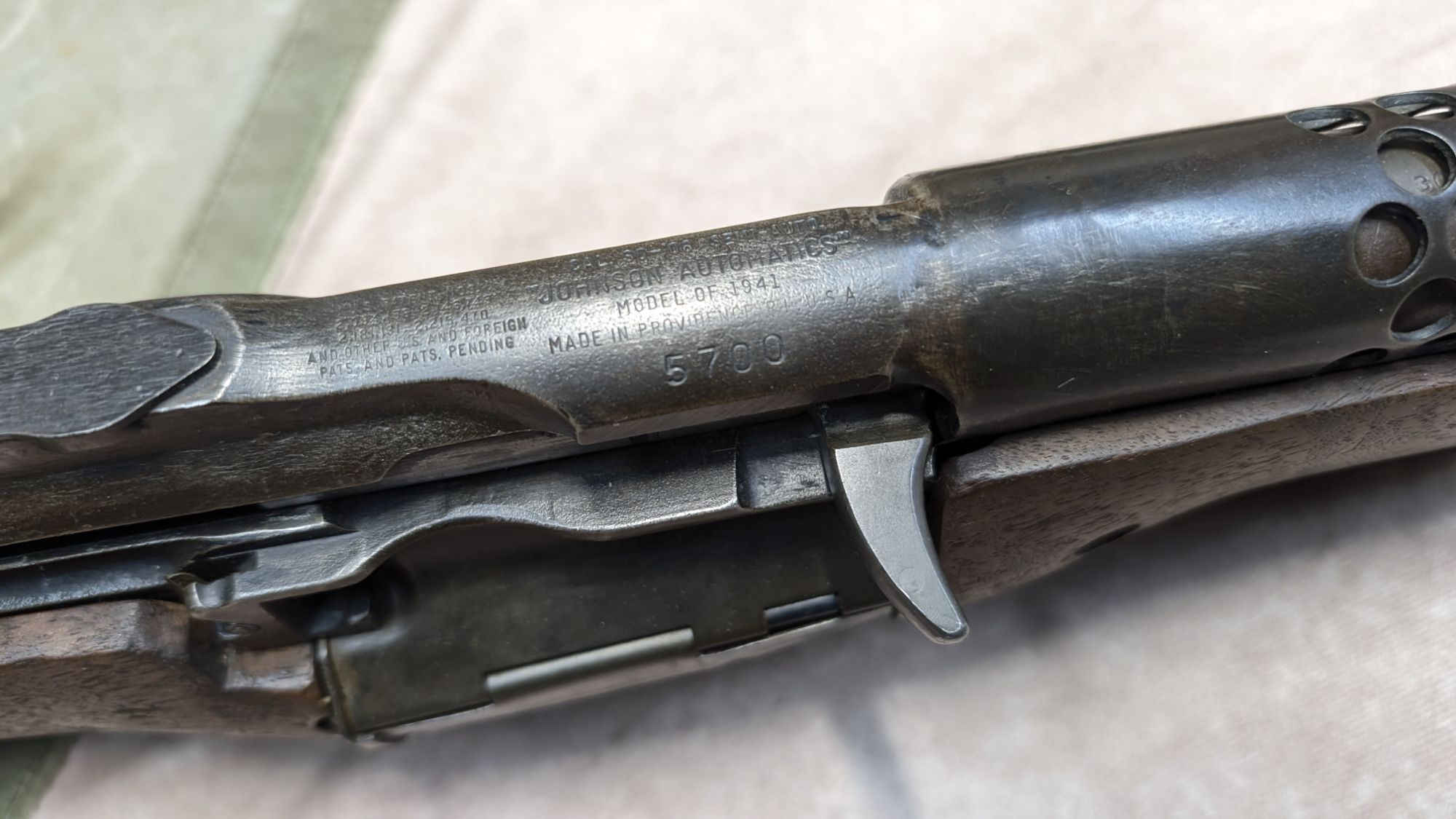
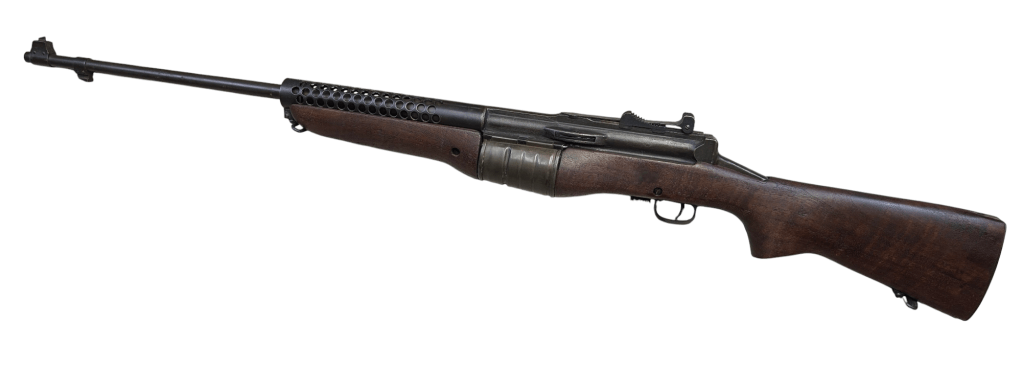
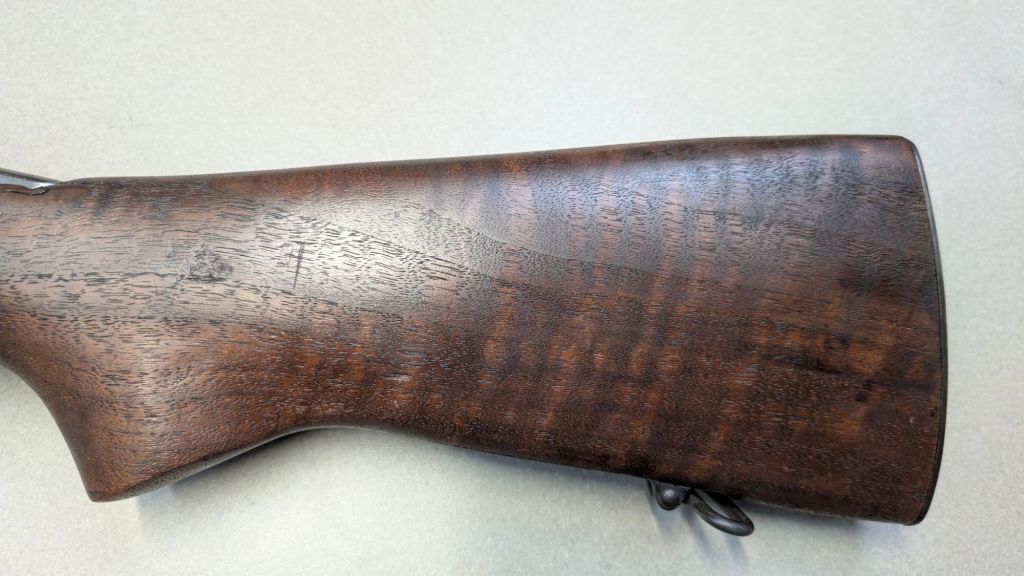
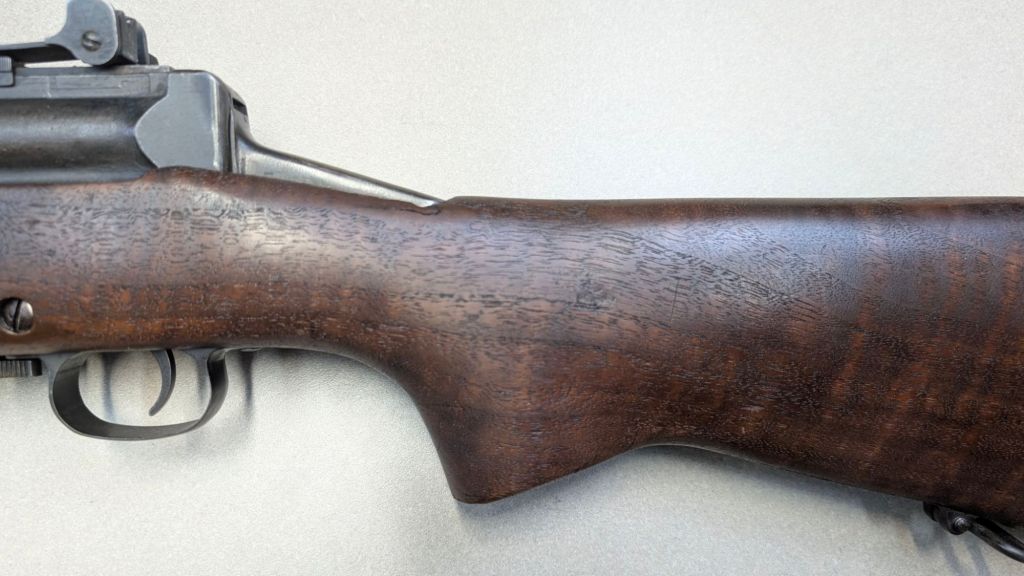
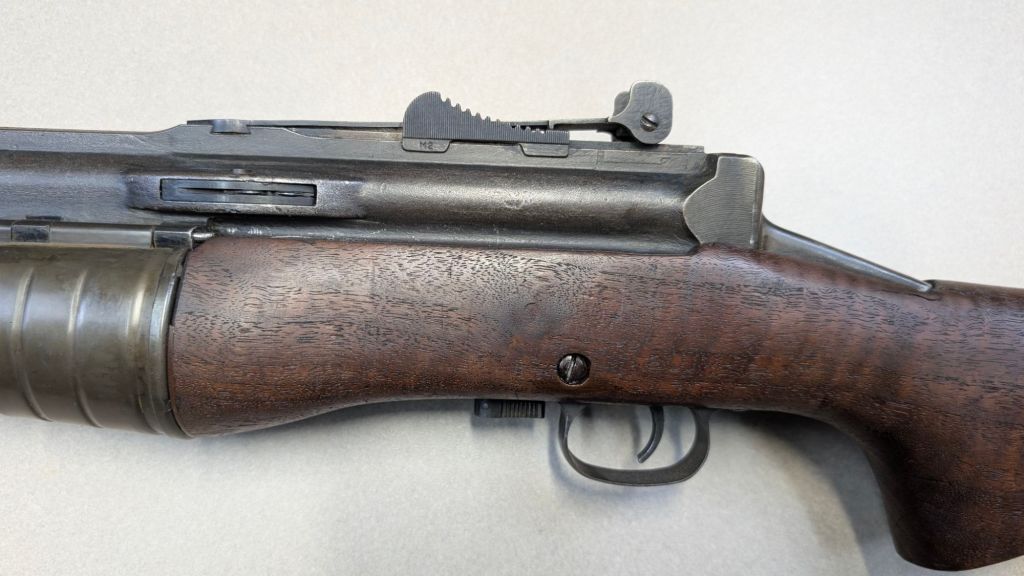
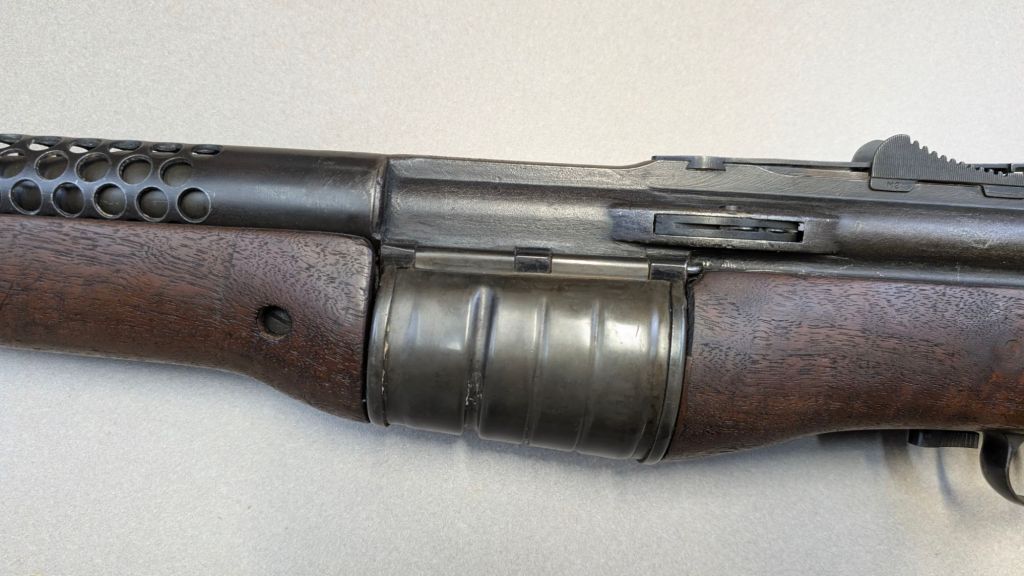
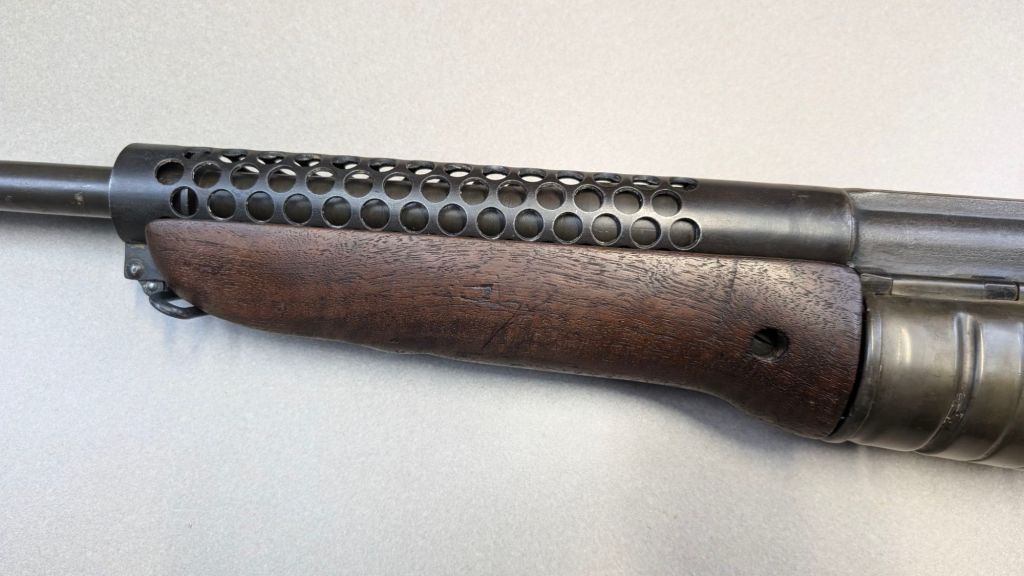
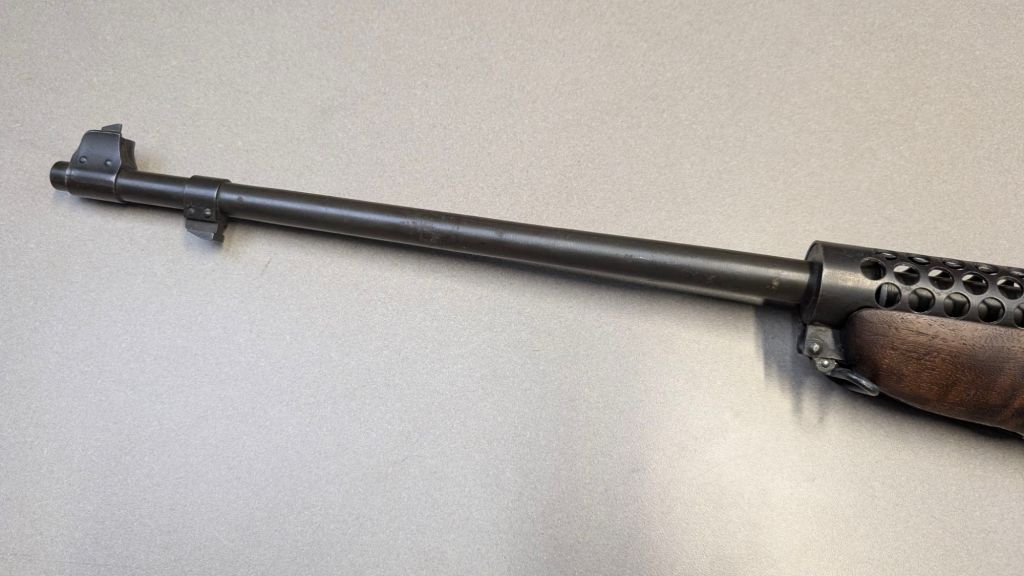
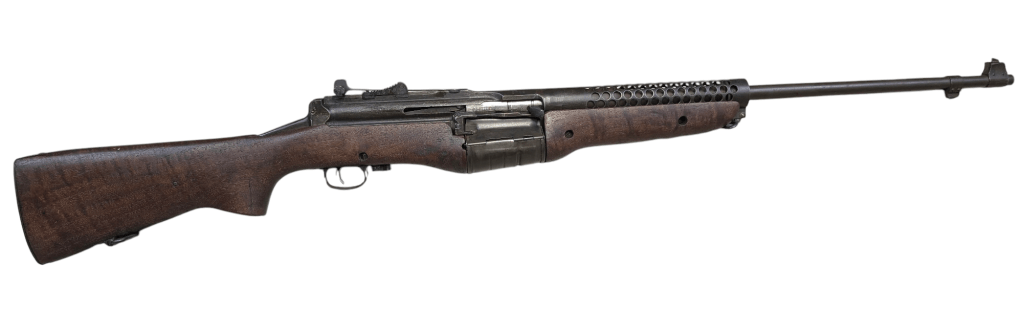
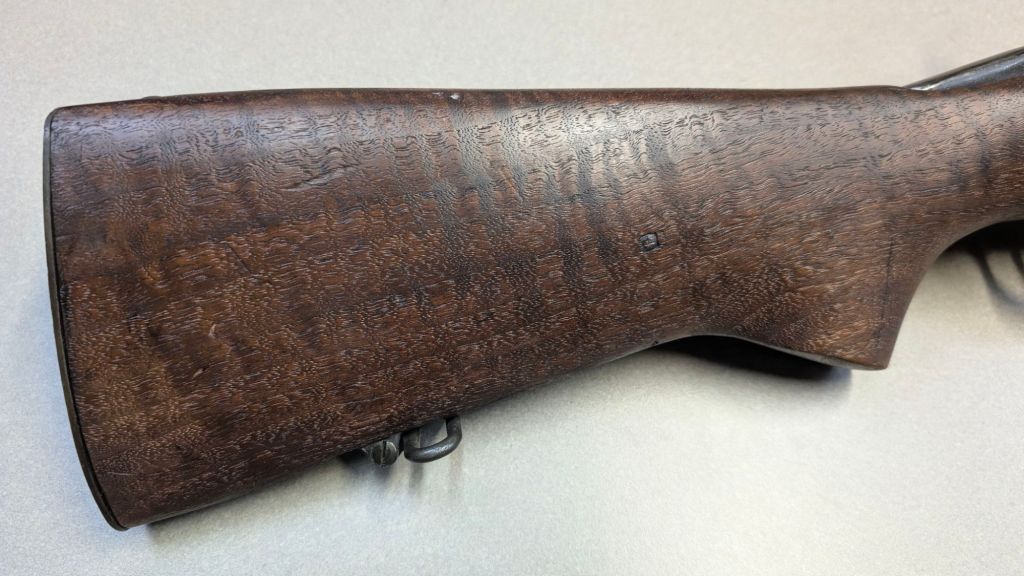
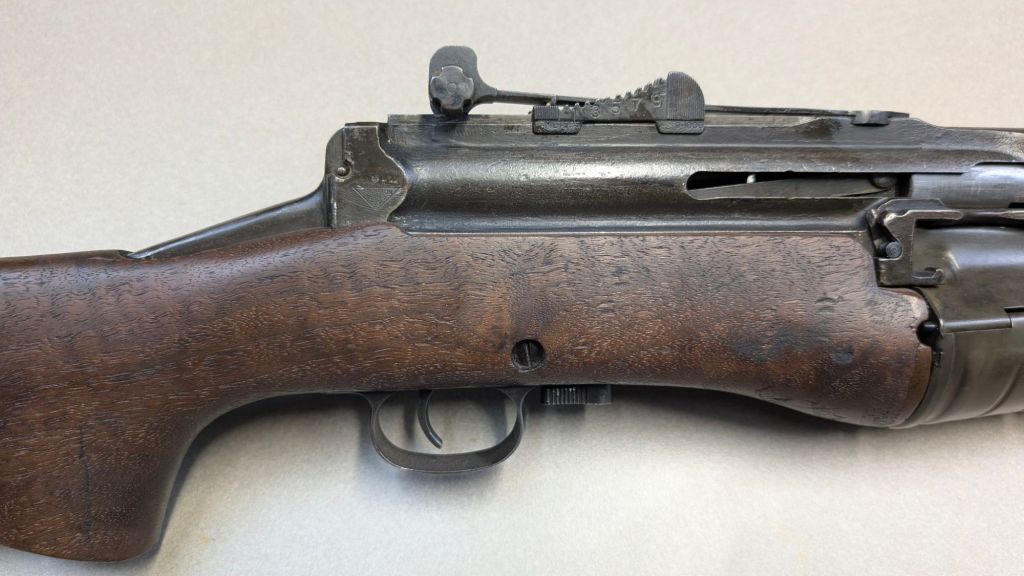
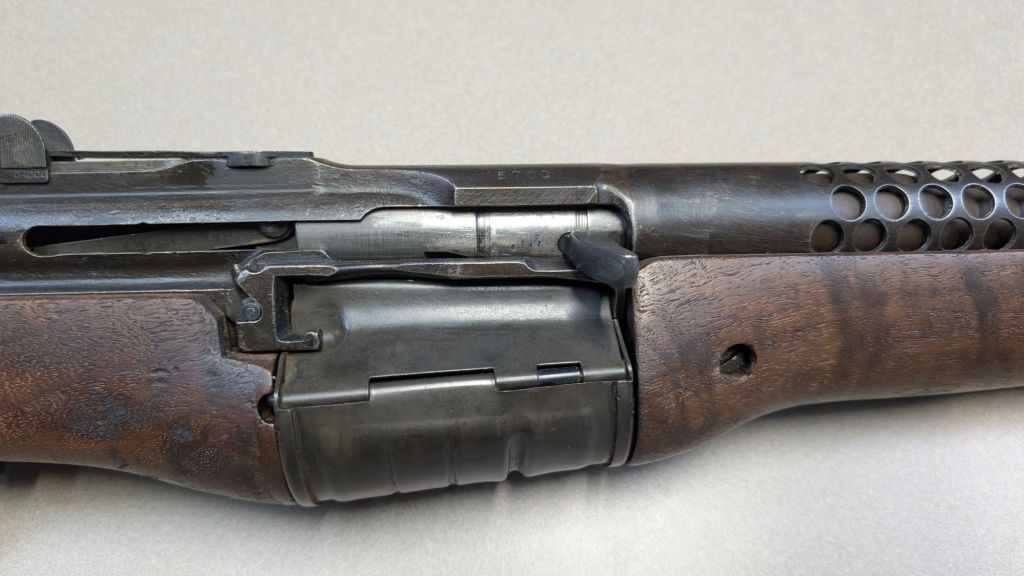
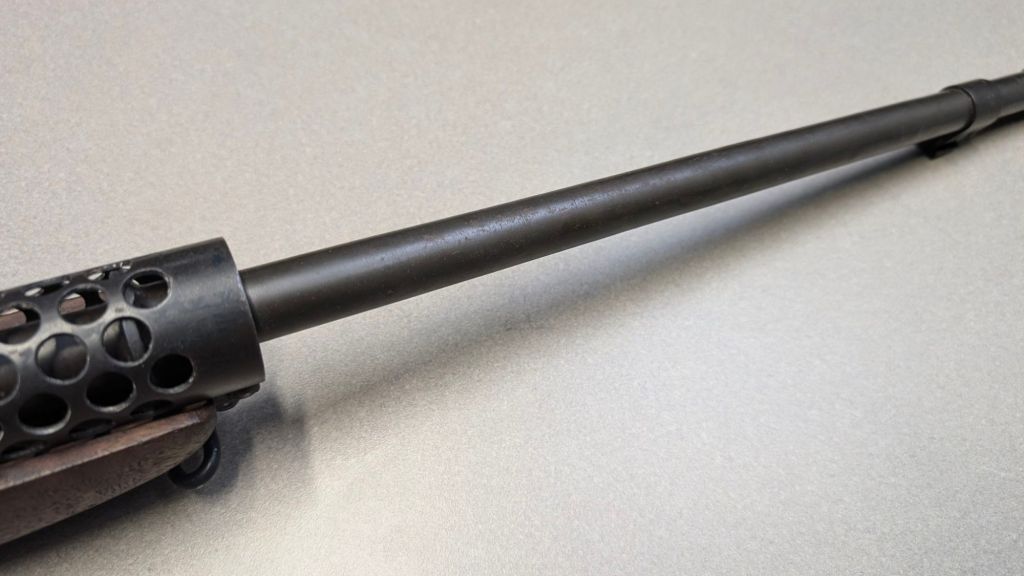
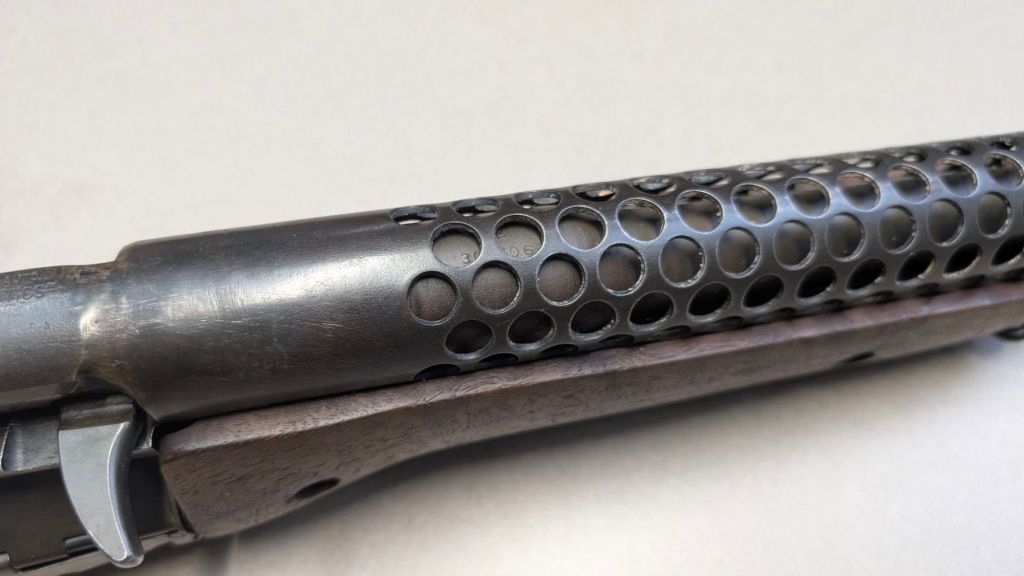
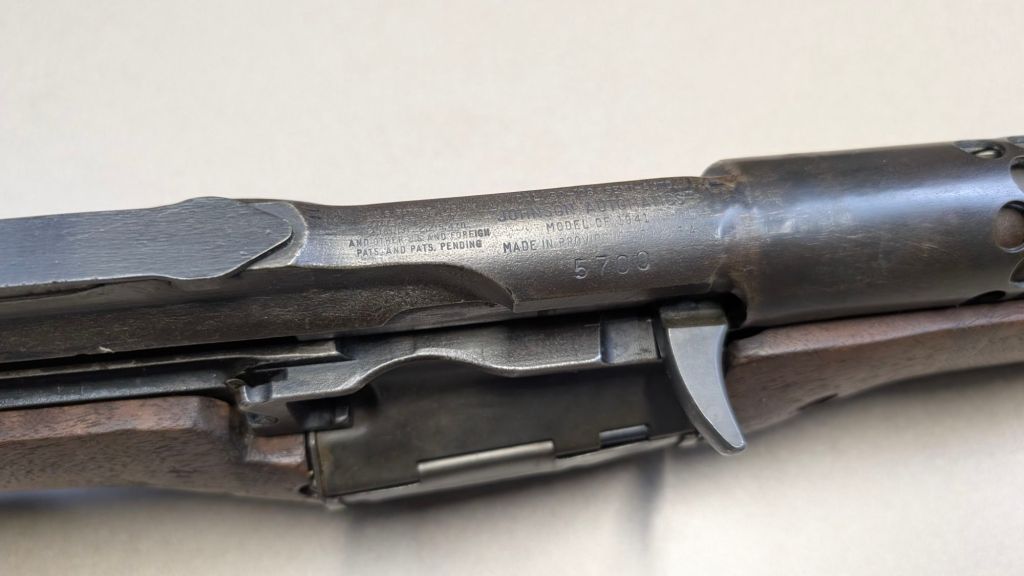
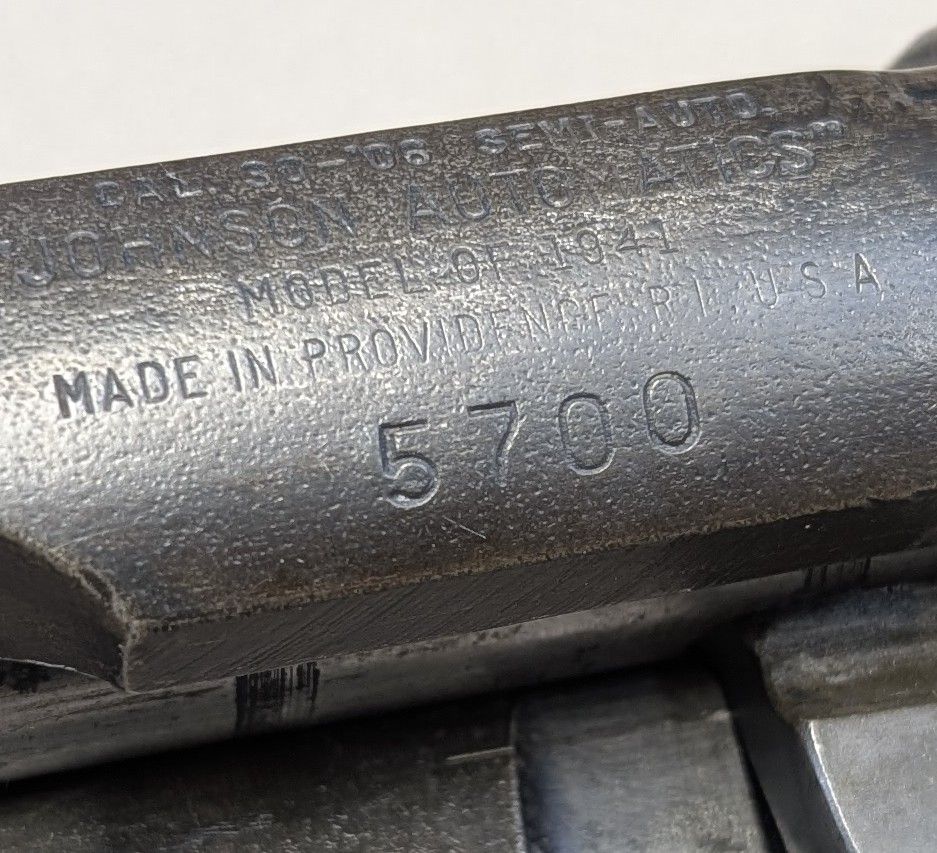
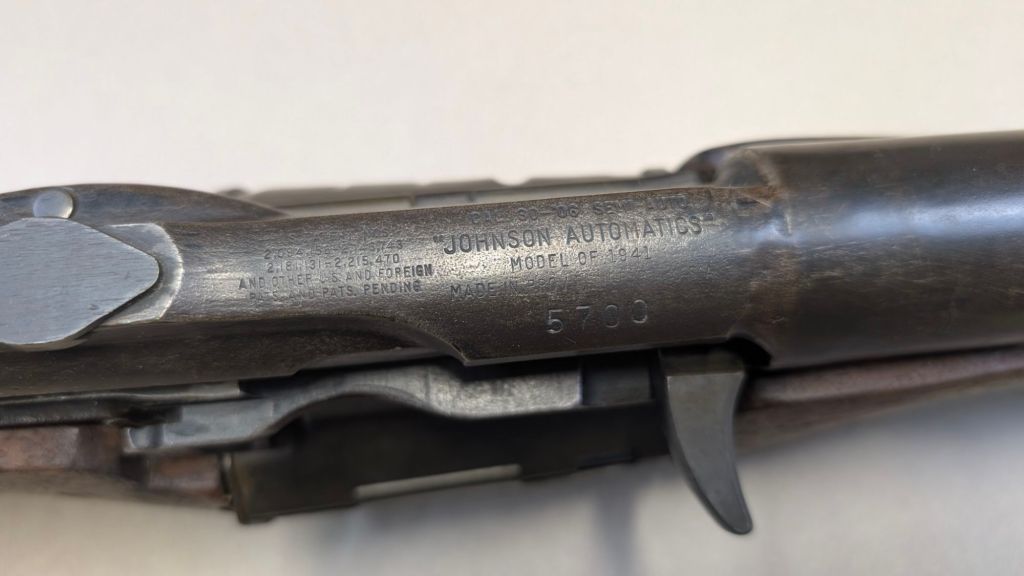
USMC M1941 Johnson Rifle #5700
Documented to the 1st Marine Parachute Battalion on Guadalcanal
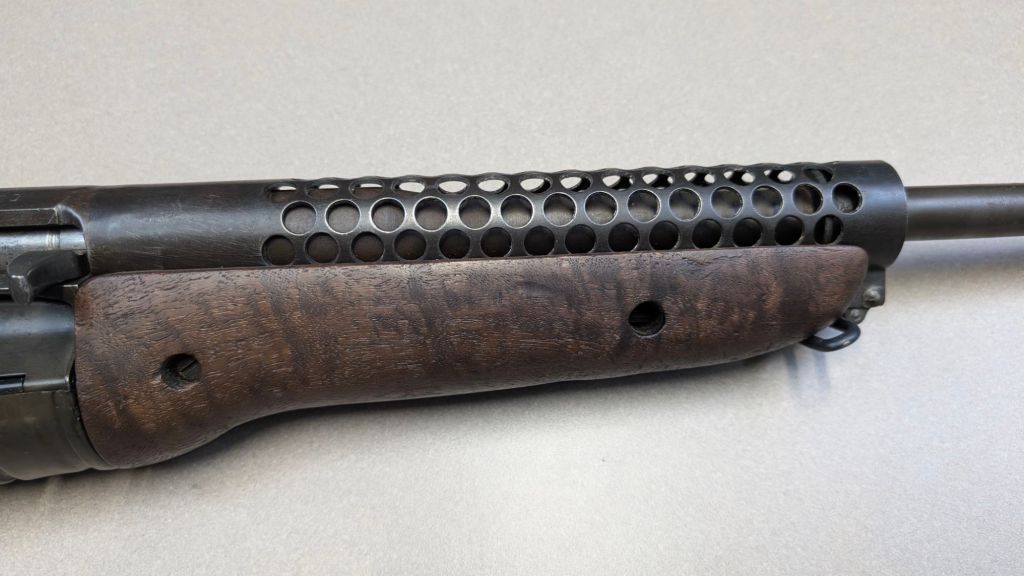
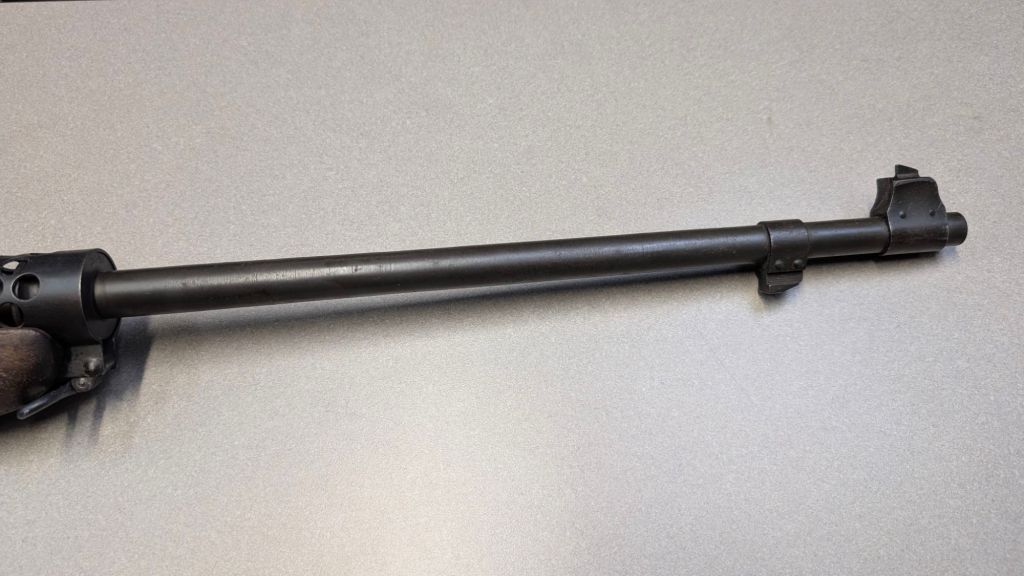
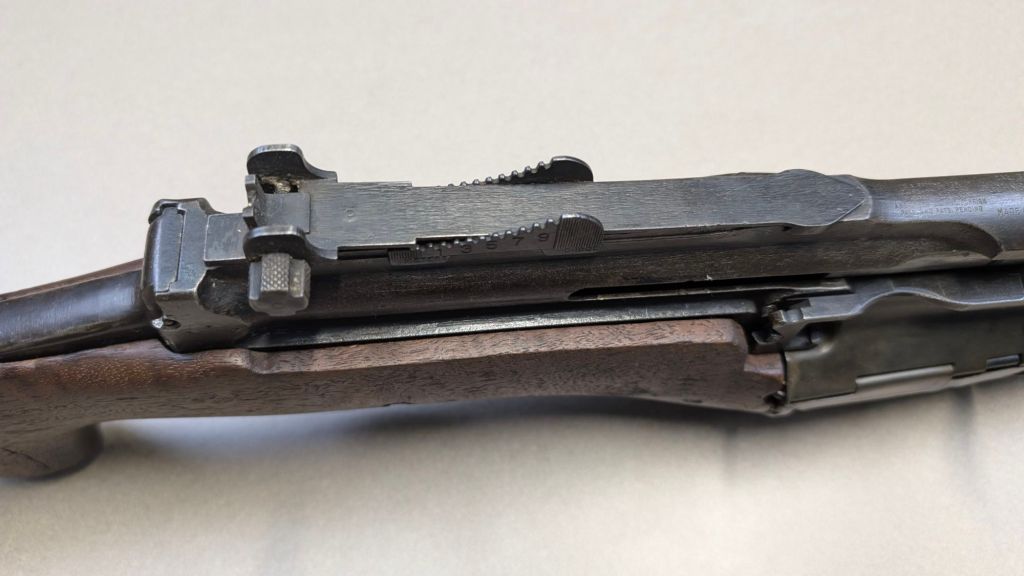
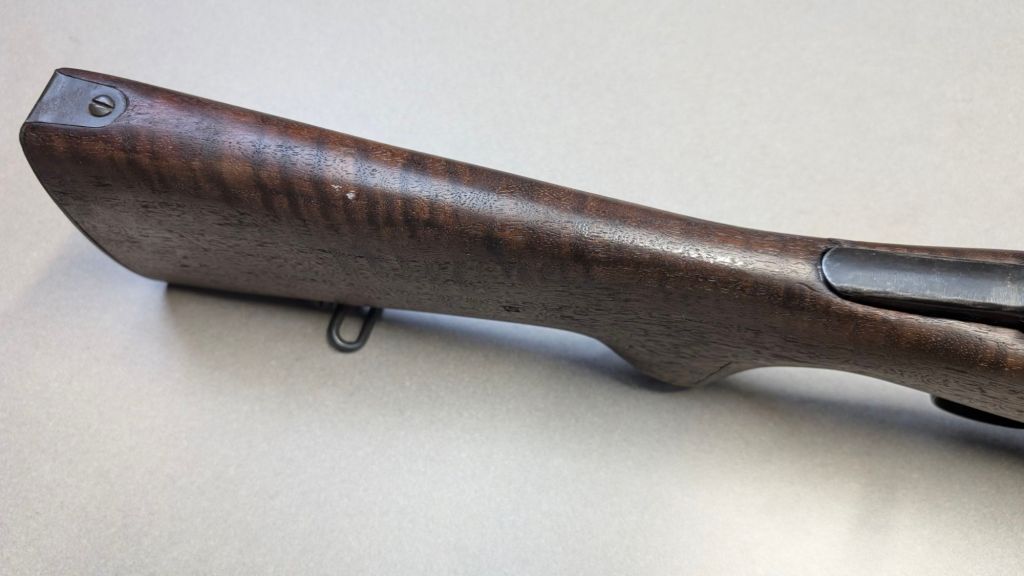
Prior to deploying for the Guadalcanal Campaign, the 1st Marine Parachute Battalion was given twenty-three M1941 Johnson Rifles by Captain Melvin Johnson for use during combat operations. Initially considered a loan, the serial numbers of these rifles were retained by the Johnson Automatics company. While the M1941 may not have been chosen as the standard issue battle rifle for American troops in WWII, it was an excellent rifle for paratroopers. The elite “Paramarines” were given special considerations when it came to weapons, much like the fabled Marine Raiders. The twenty-three Johnson rifles would be put to good use on Guadalcanal, participating in famous stands like the Battle for Edson’s Ridge. #5700 is one of four of the twenty-three known to exist today. Two are on display at the National Museum of the Marine Corps, and two are in the hands of private collectors.
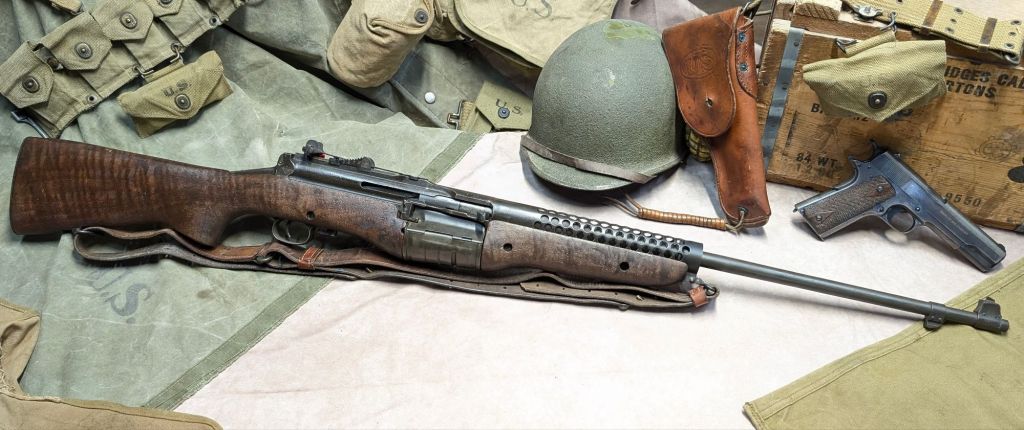
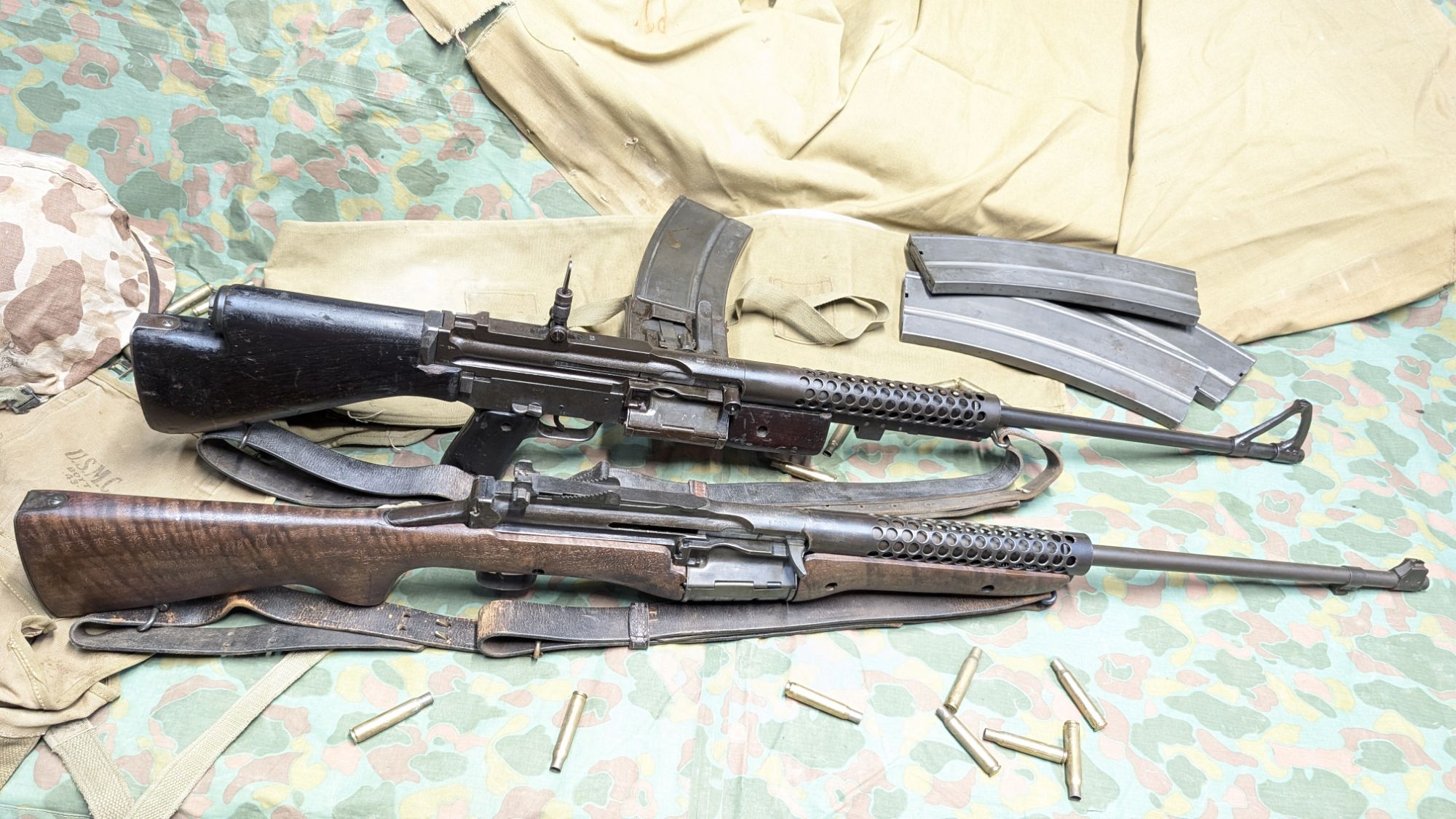
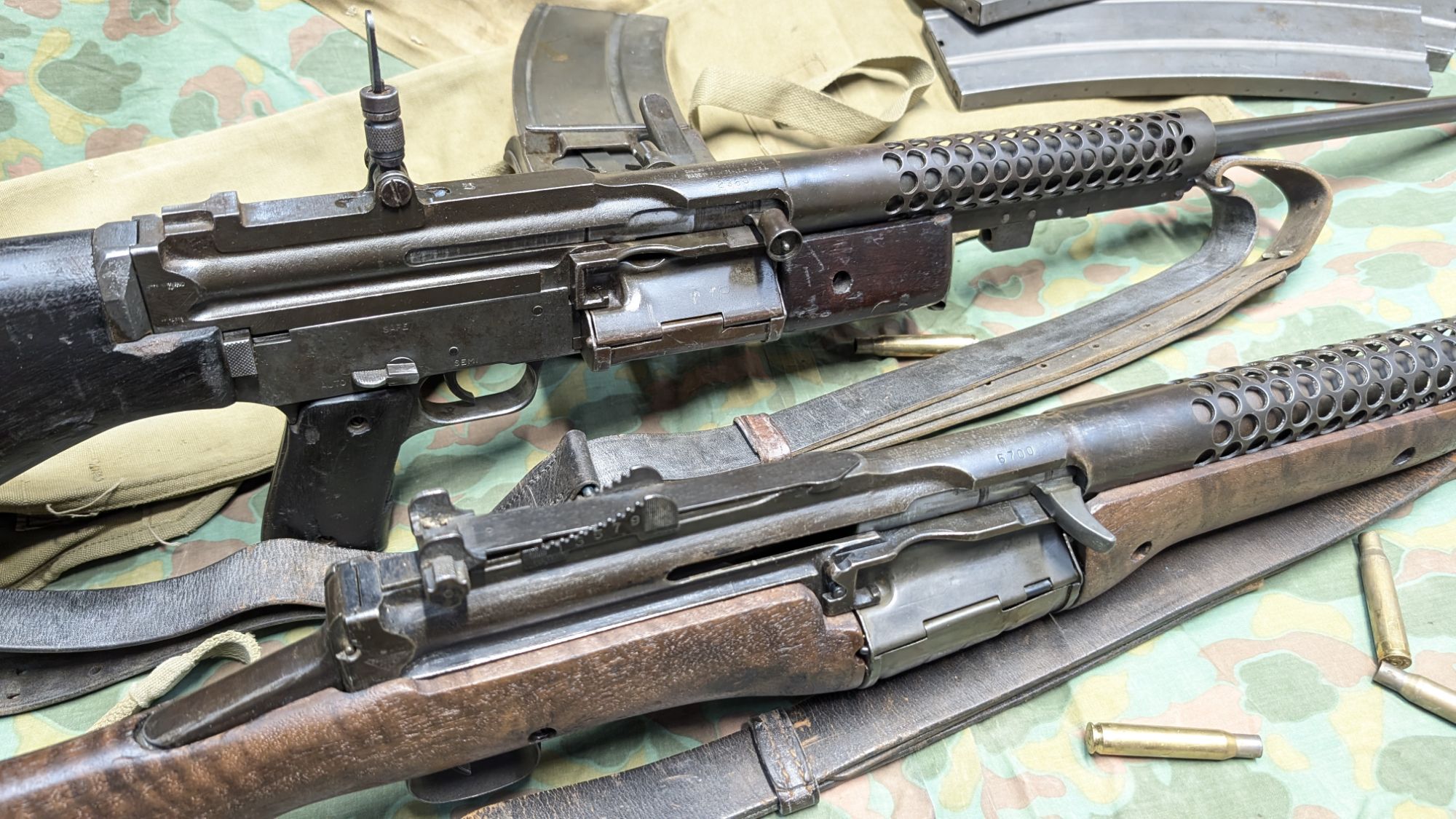
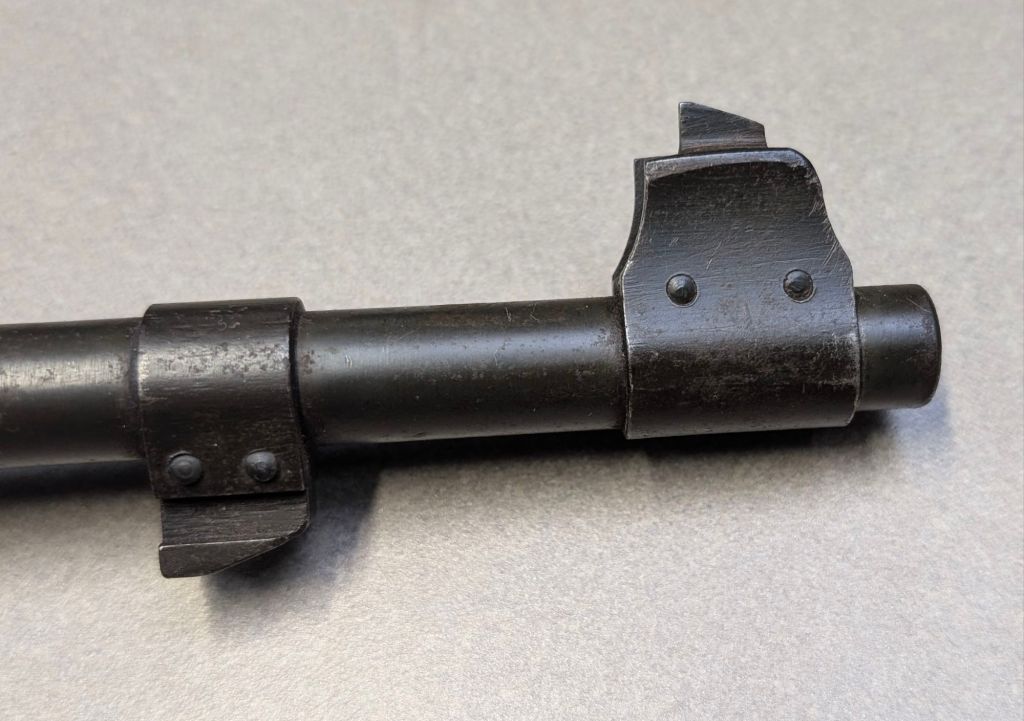
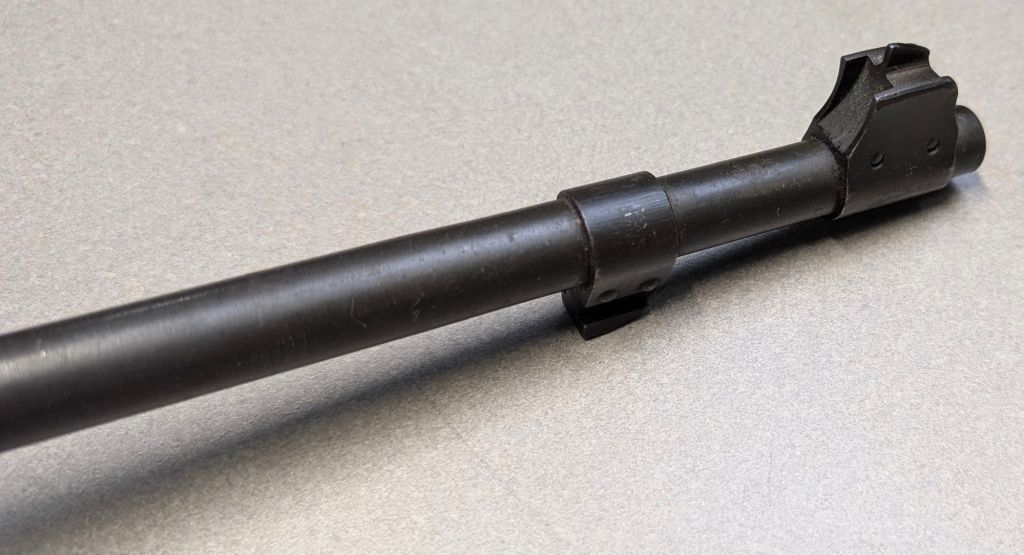
#5700 bears some interesting modifications, some long associated with Marine Corps weapons in WWII. The rear sight aperture has been modified from a circular peep into a V-cut, and the barrel has had the sight ears removed. The original circular charging handle has been replaced with a custom made one similar to an M1 Garand or BAR as well, the first example of such. As of now, #5700 and the other three M1941s are the only rifles documented to the Guadalcanal Campaign. (Plowman collection).
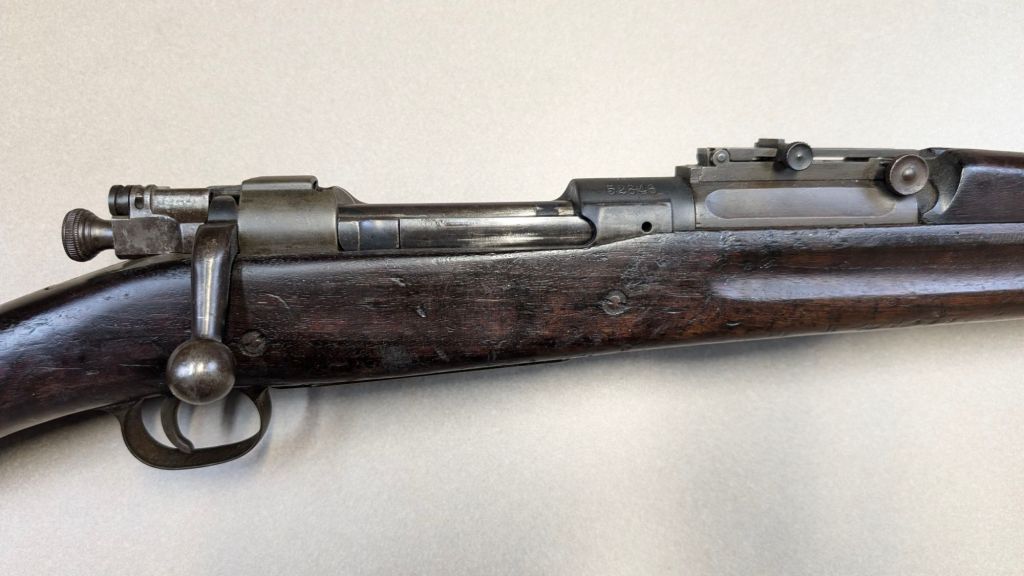
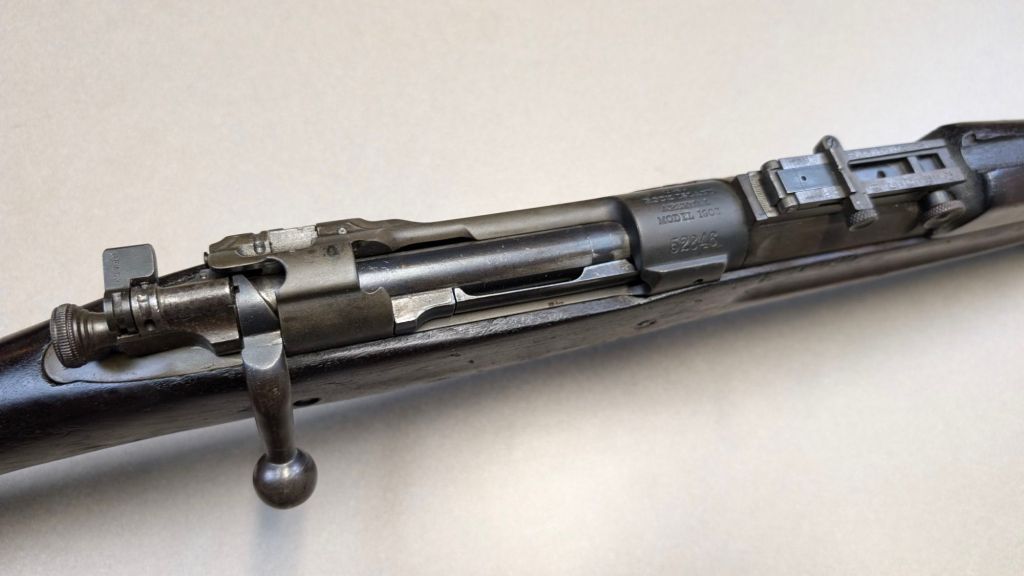
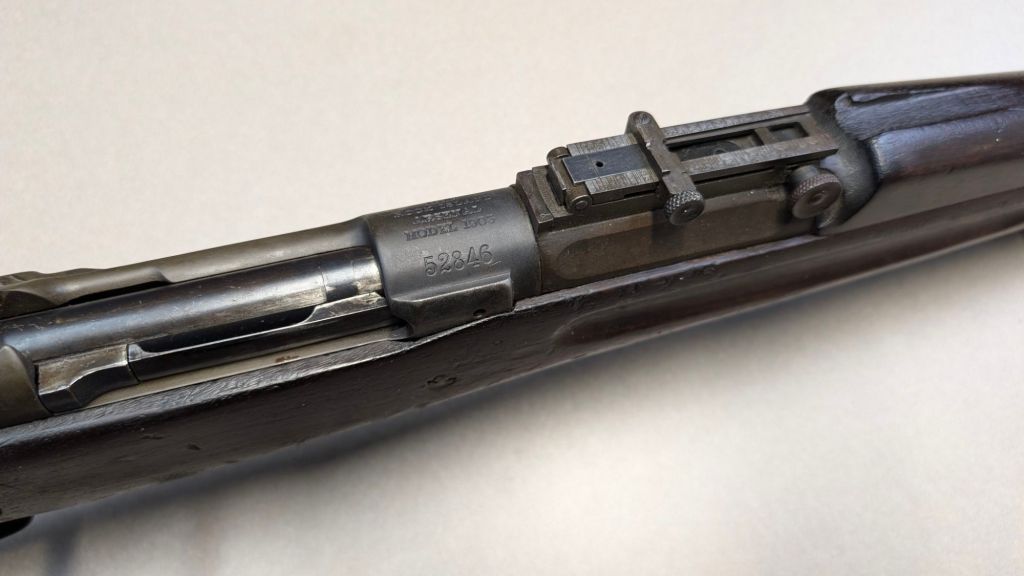
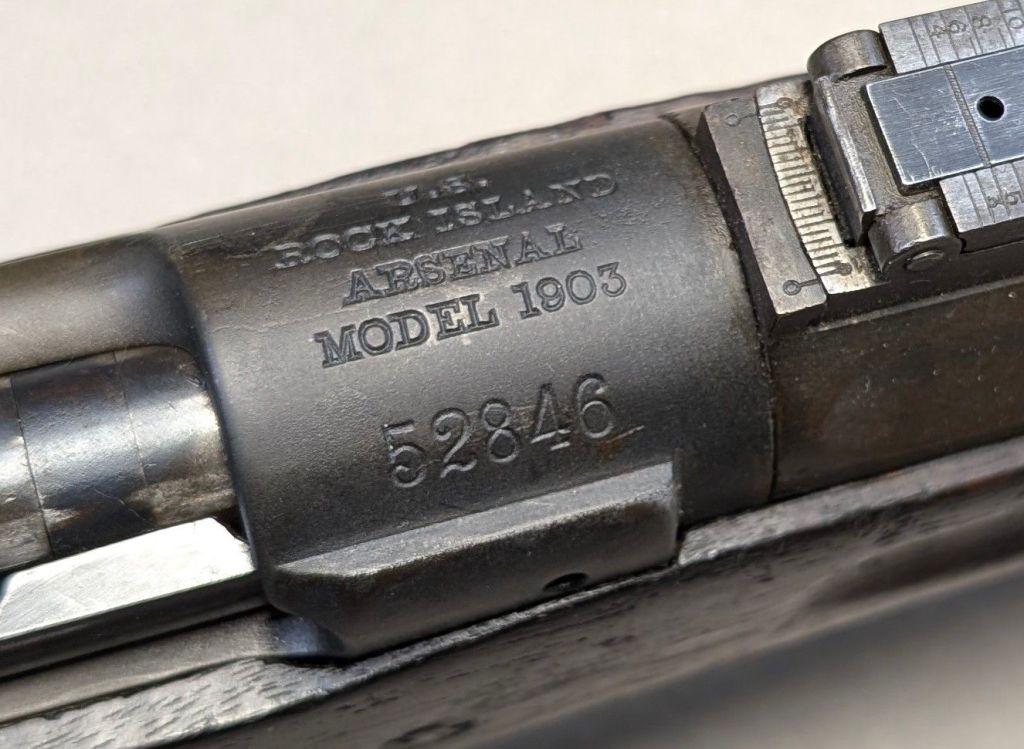
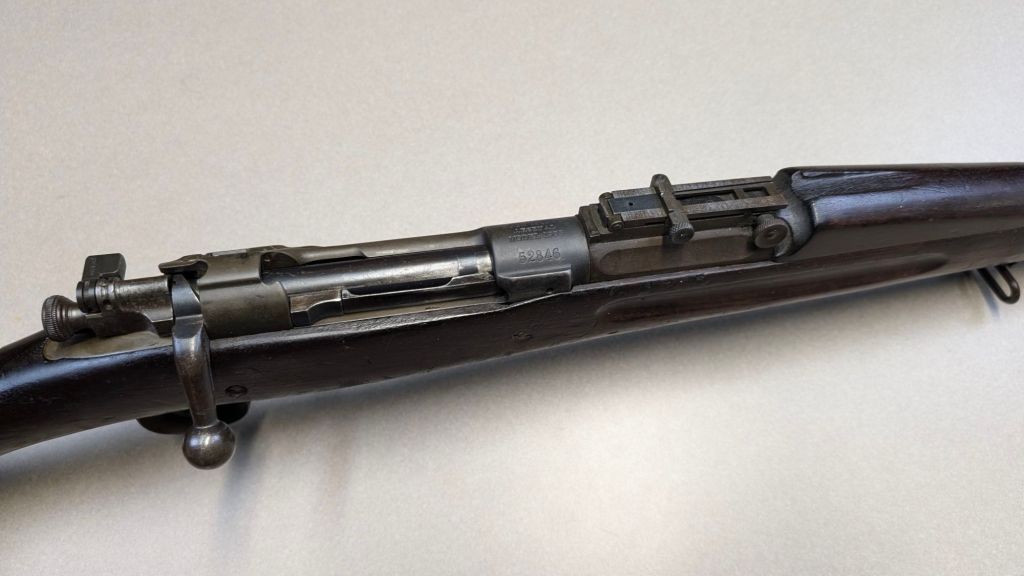
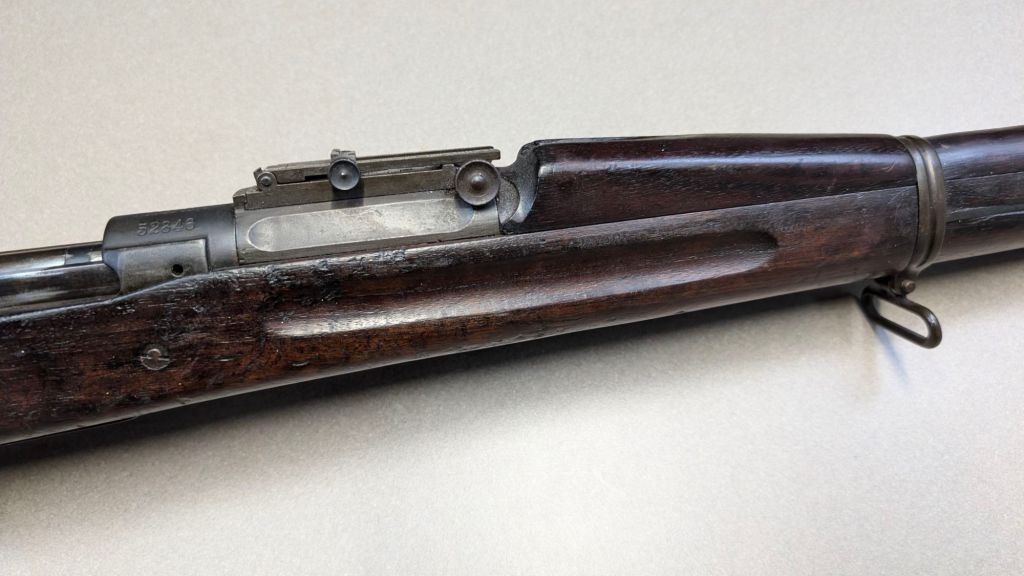
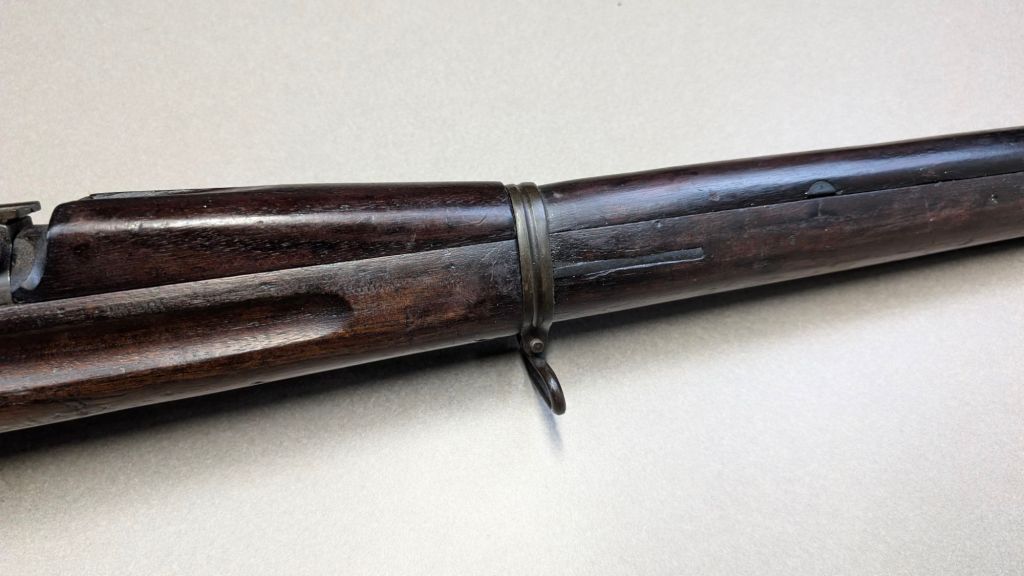
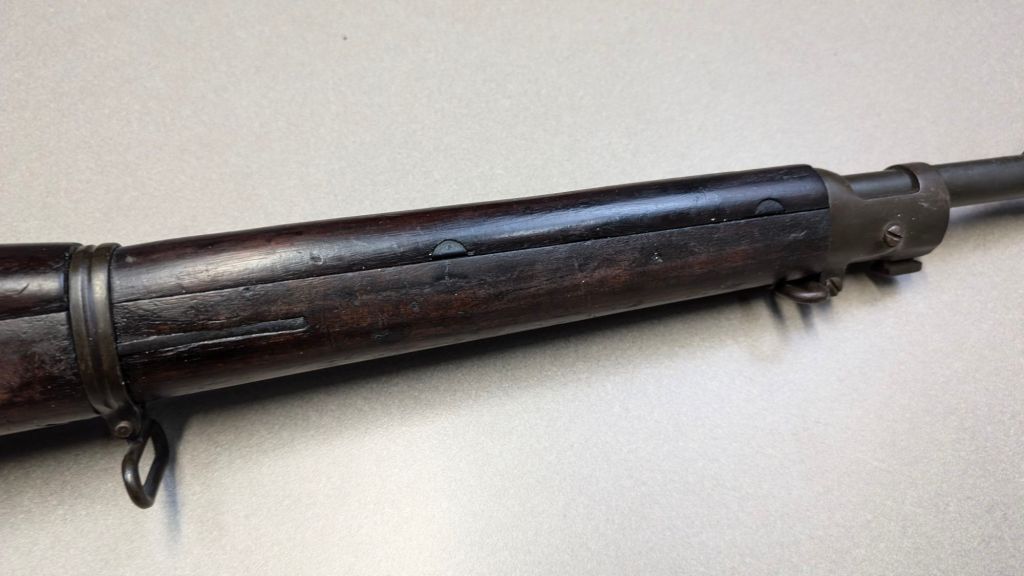
USMC M1903 #52846
Documented to Sergeant Guy Charles Stickney, 18th Company, 2nd Battalion, 5th Marines Battle of Belleau Wood
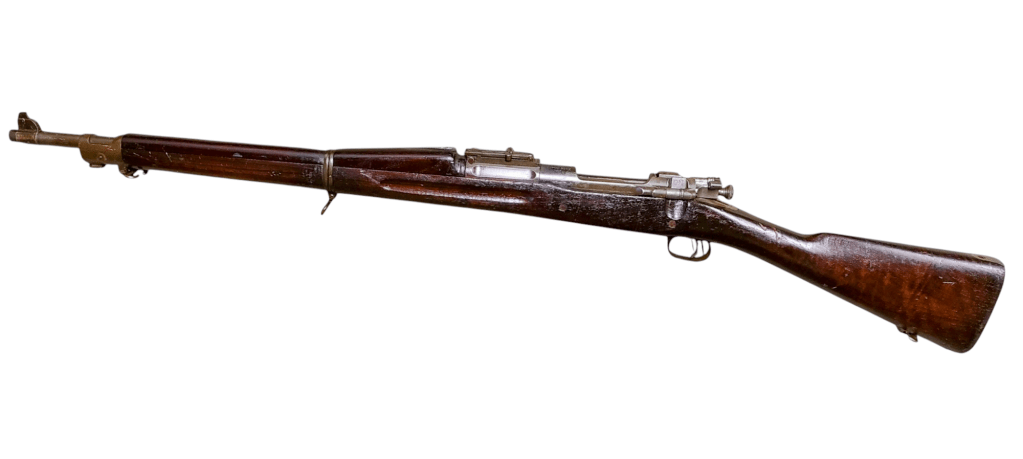
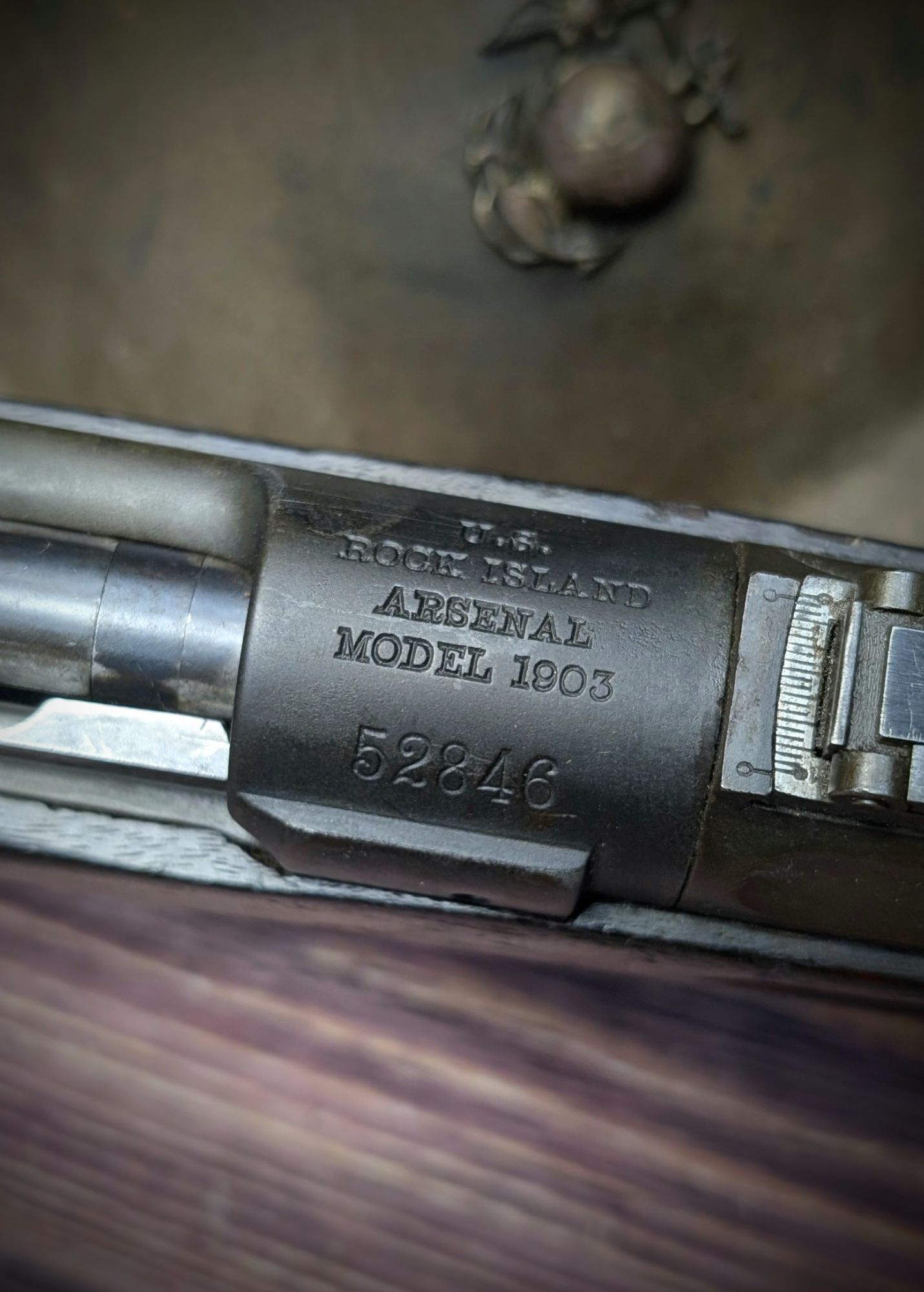
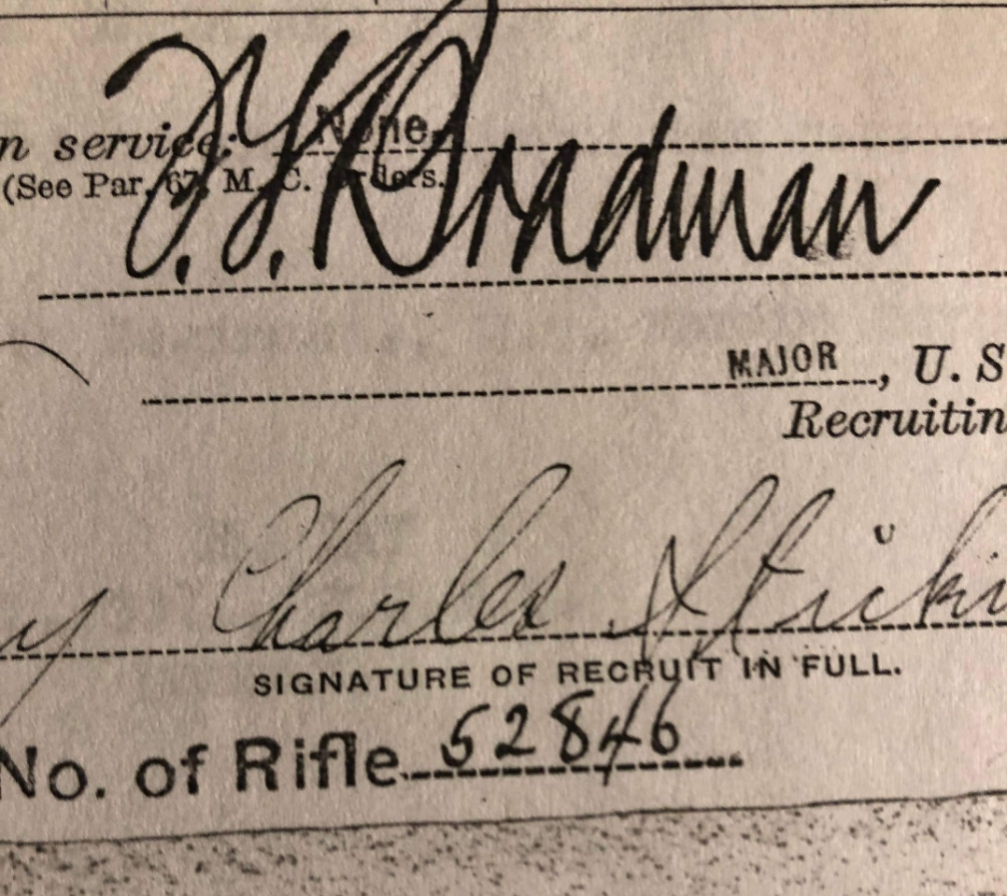
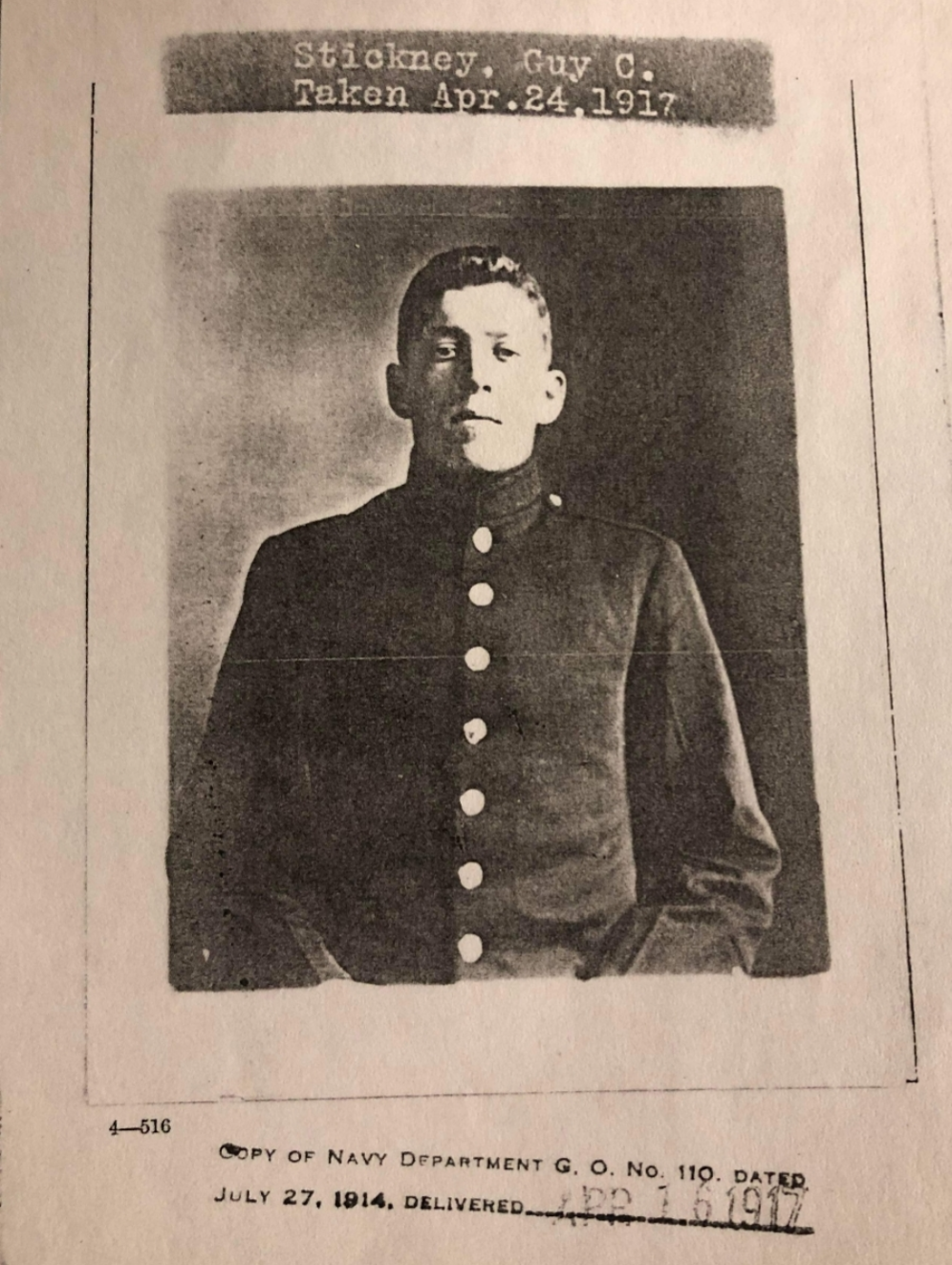
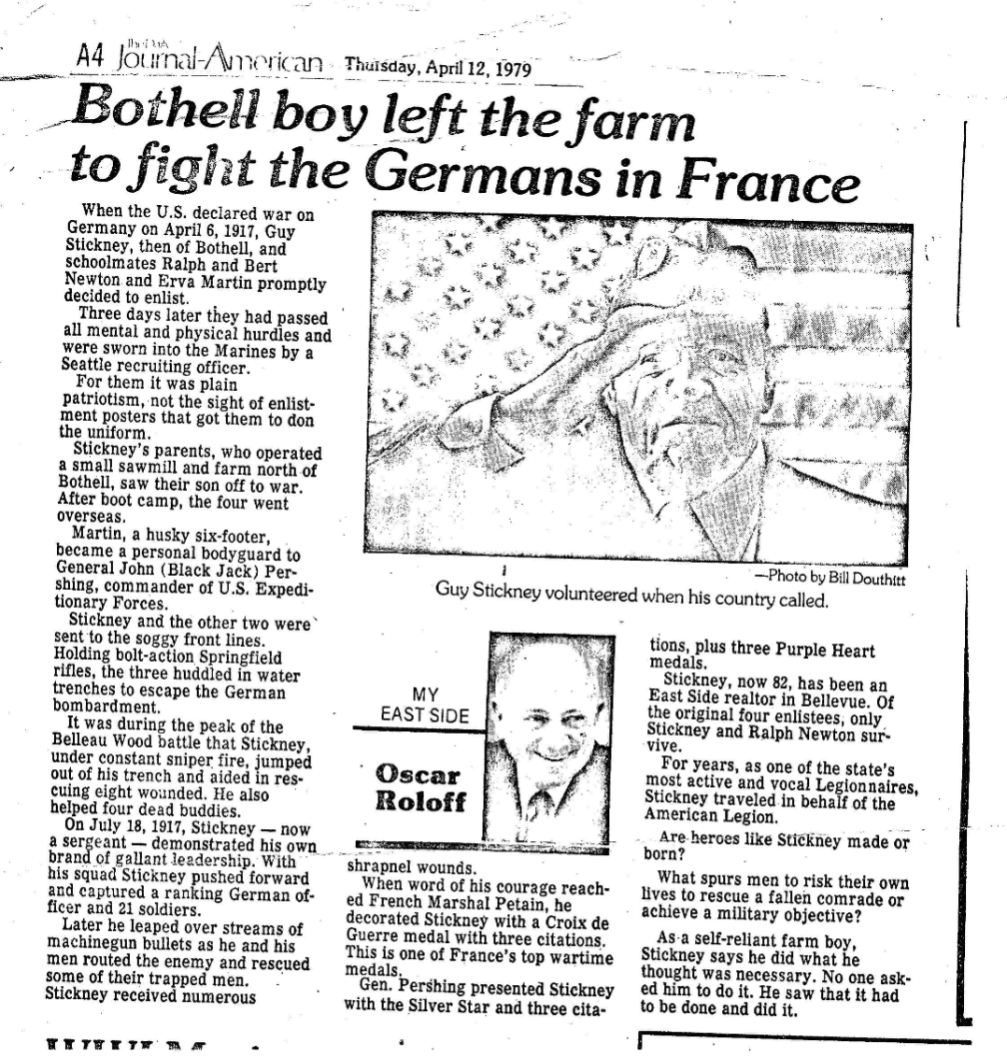
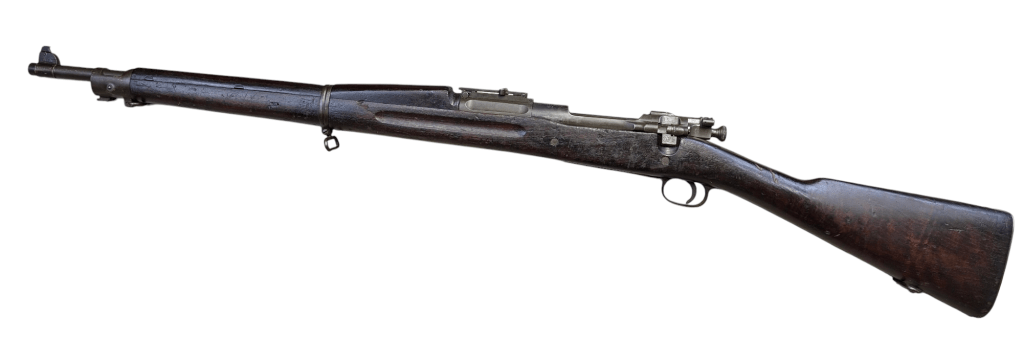
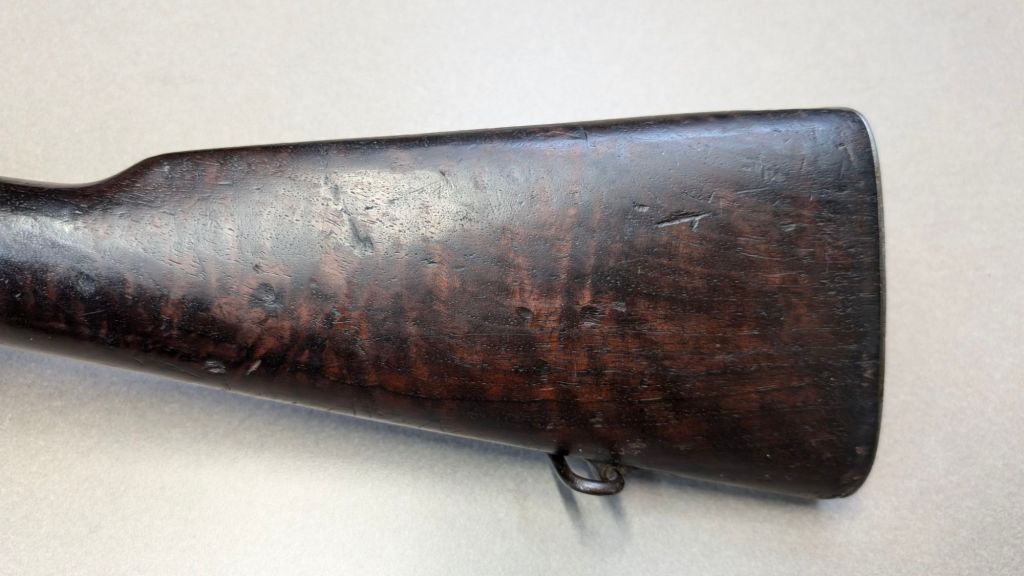
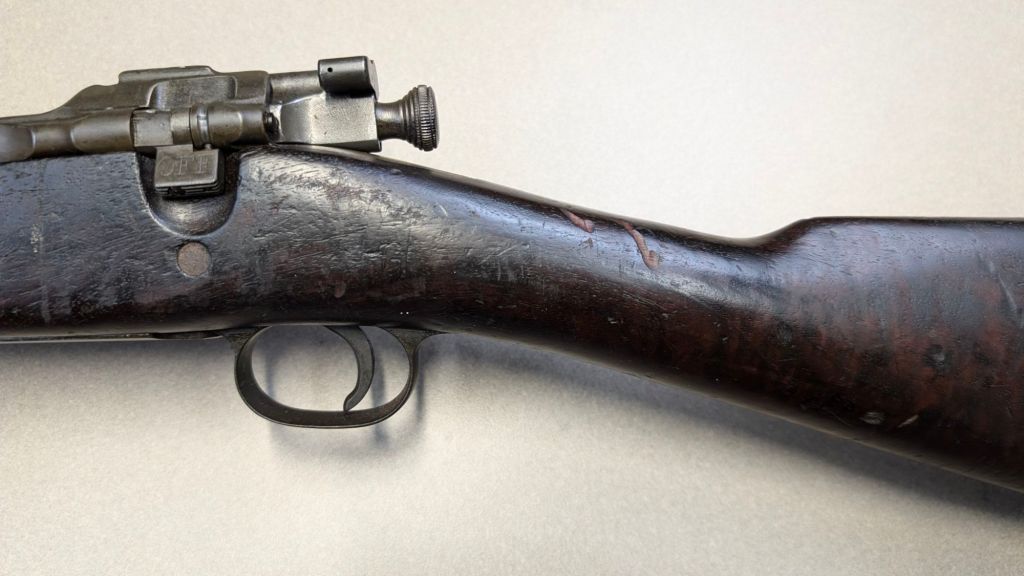
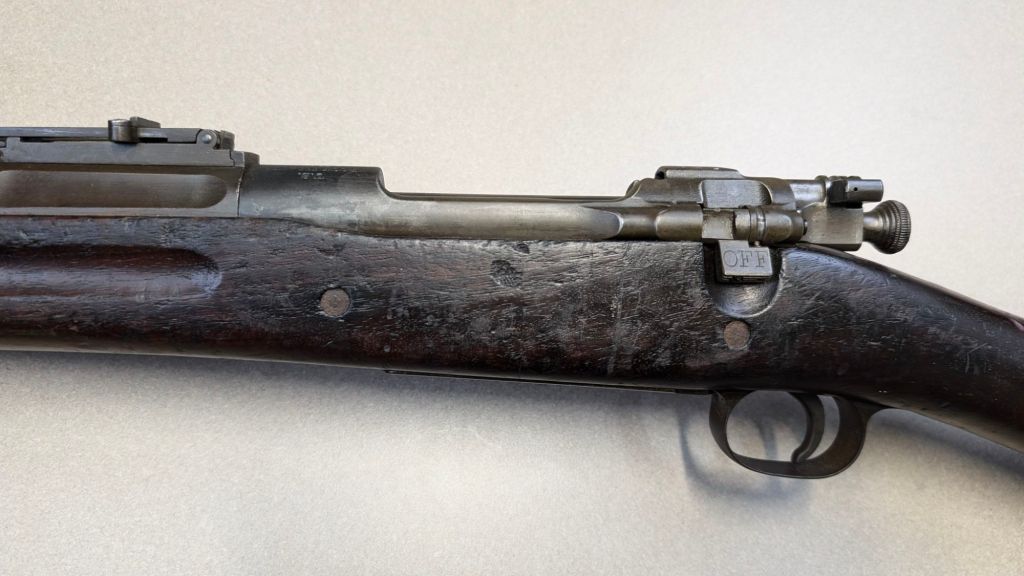
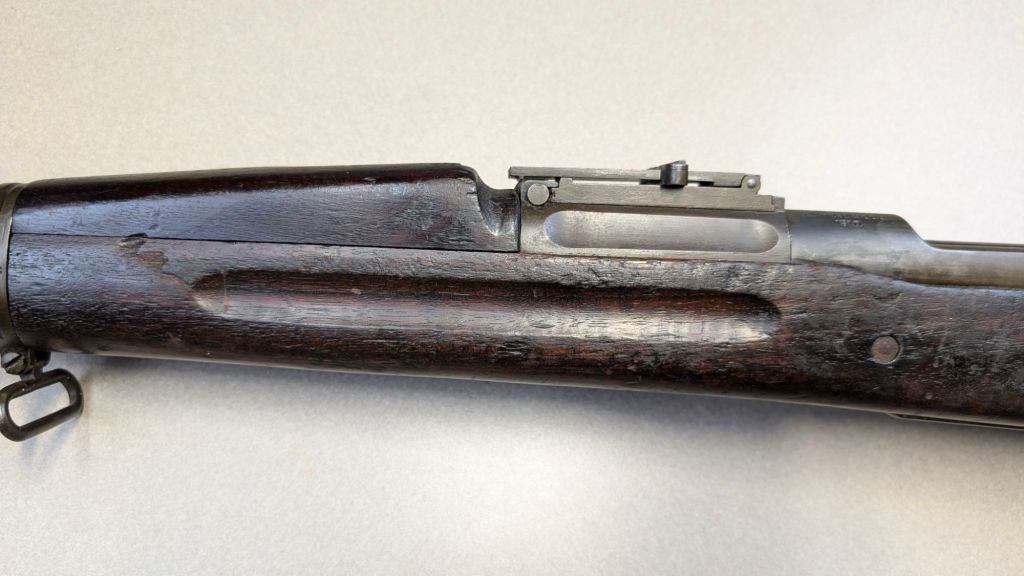
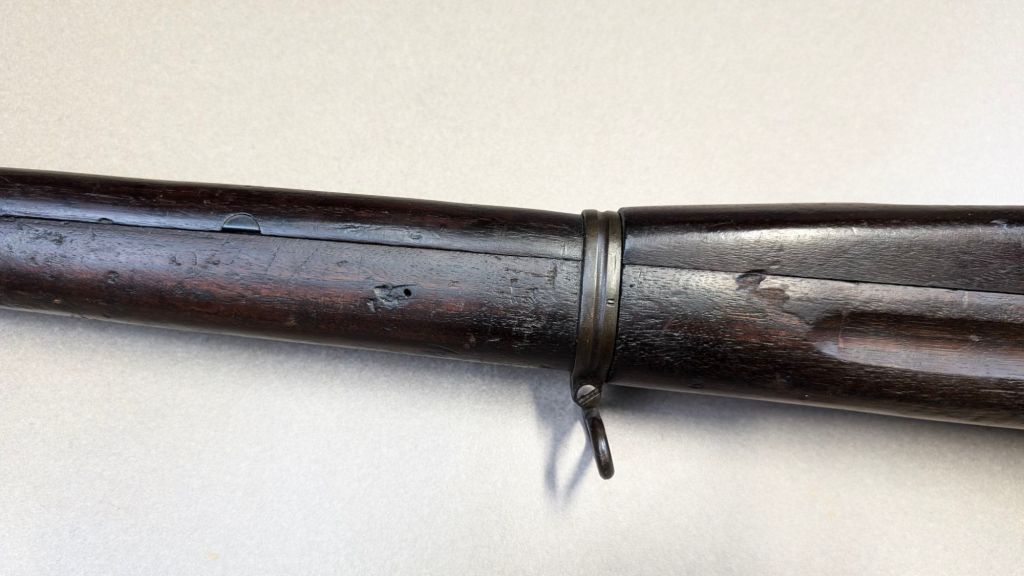
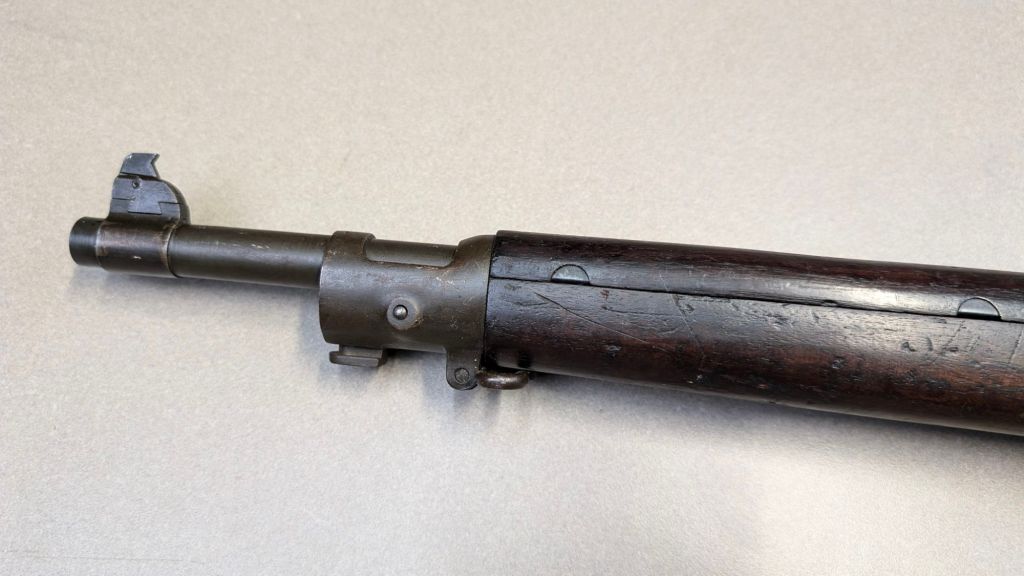
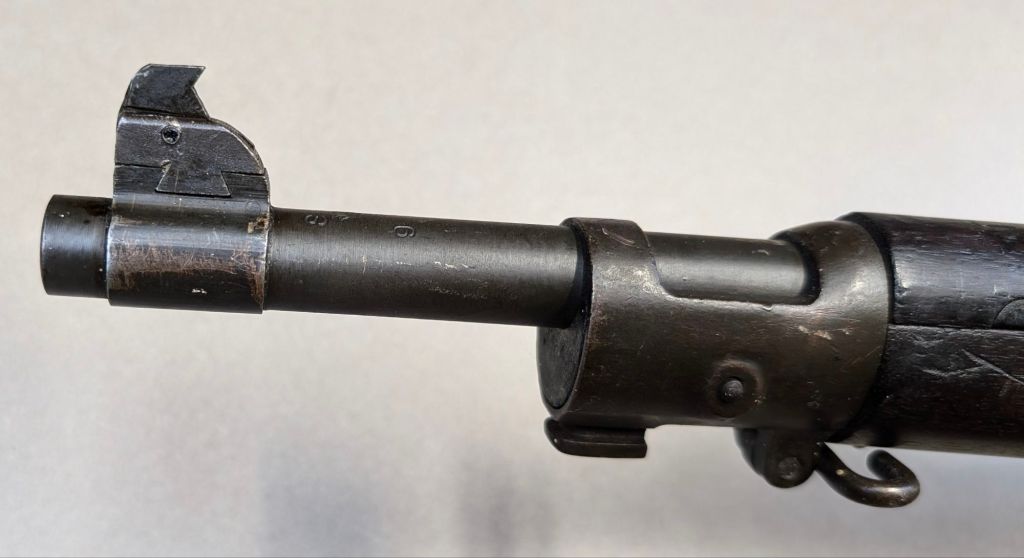
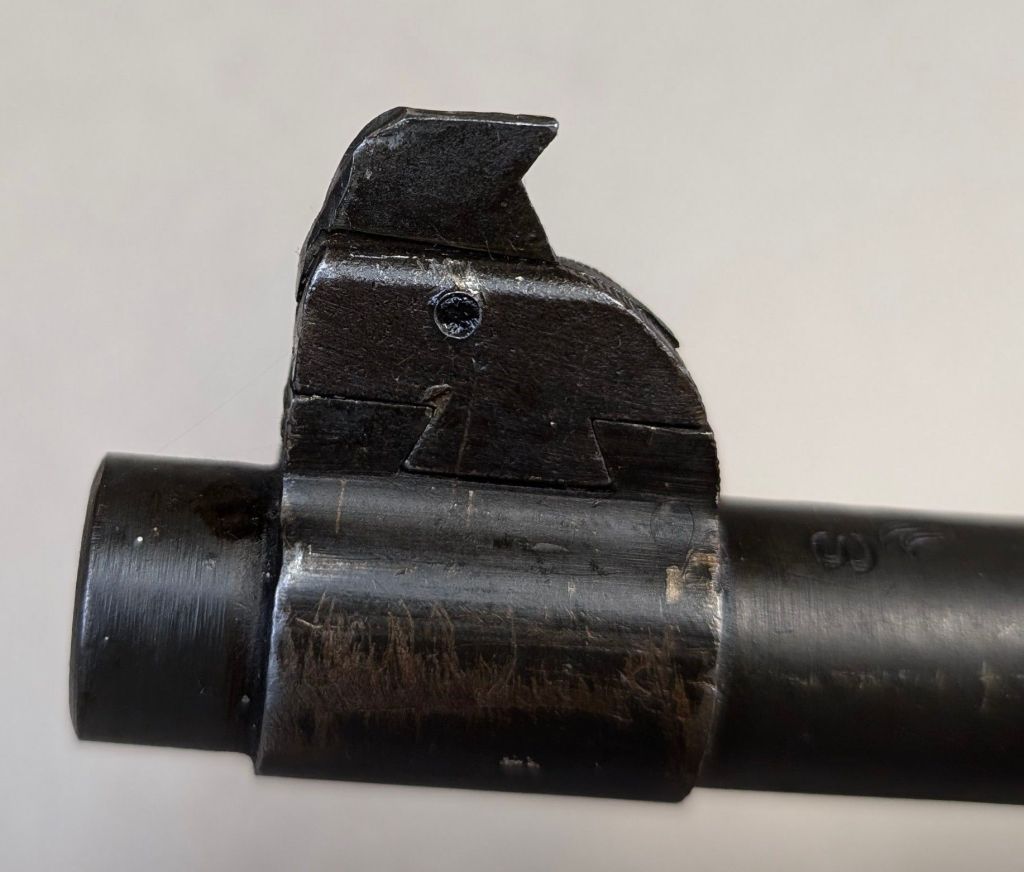
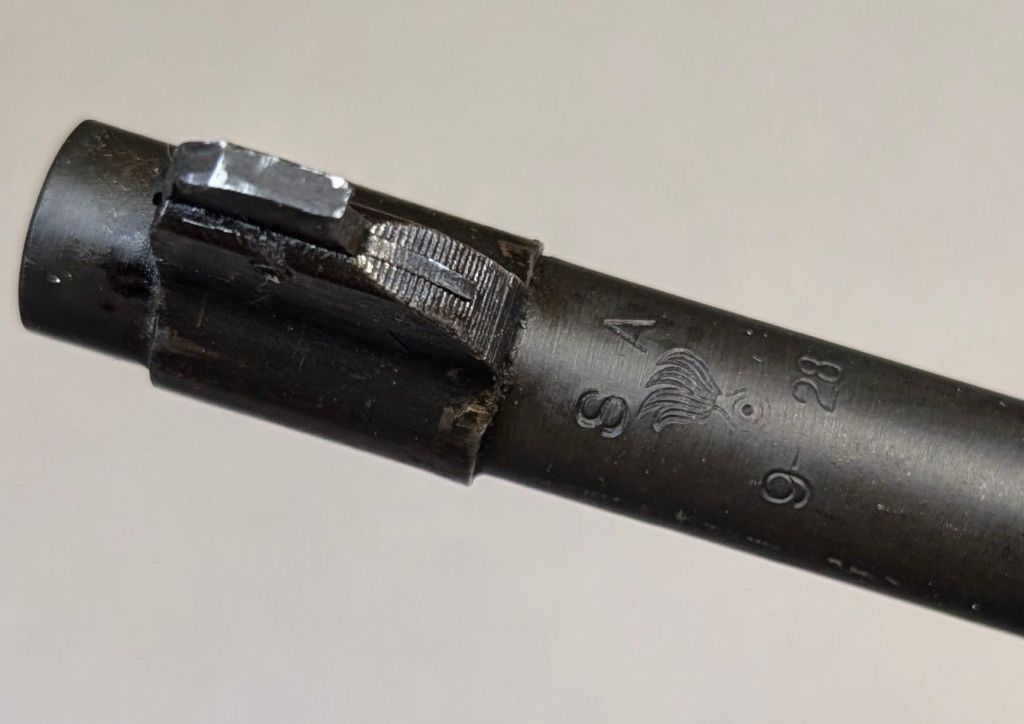
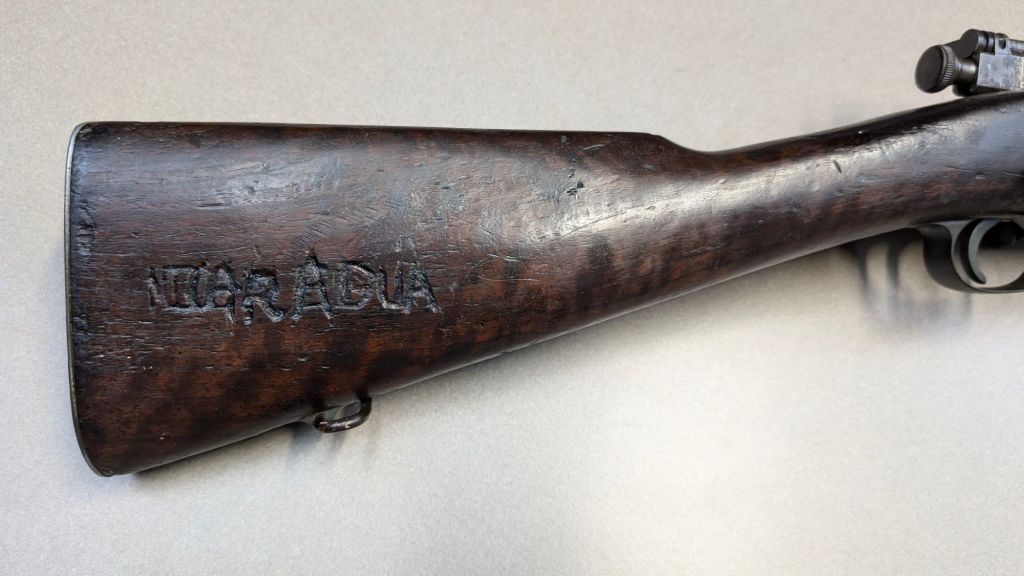
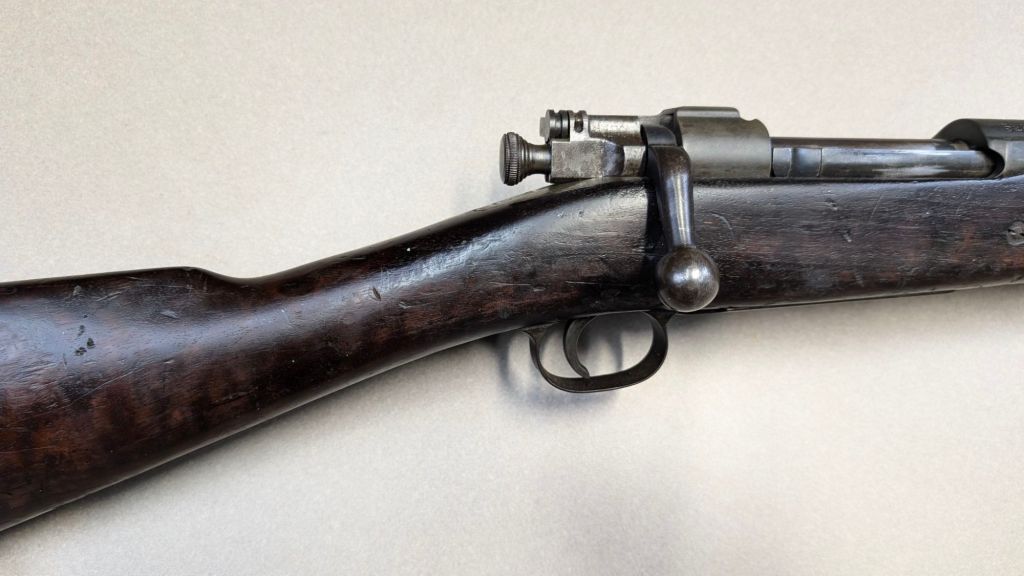
To date, only one Belleau Wood documented M1903 has been located, the rifle carried by Sergeant Guy Charles Stickney. Sergeant Stickney served with 18th Company, 2nd Battalion, 5th Marine Regiment. At Belleau Wood, Sergeant Stickney would be wounded multiple times, as well as awarded the Silver Star for his actions. The vast majority of his peers who went into battle with him would not make it home alive. Sergeant Stickney’s service record book shows he was issued Model 1903 serial number 52846. This rifle was found in poor condition, a sporterized Rock Island Arsenal M1903 with USMC traits bearing an incredible serial number. The rifle had been parkerized following World War I, so it was restored to how it would have looked during the interwar years, complete with the USMC #10 sights that were used by the Marines from 1919 until 1935. Sergeant Stickney’s service record book did not denote whether he was issued a Springfield Armory or Rock Island Arsenal made M1903, as the Marine Corps never distinguished between the two. However, over the course of many years of compiling USMC serial numbers it is clear the odds are overwhelming that he carried this Rock Island Arsenal made M1903. Through documentation and known examples, many USMC Rock Island Arsenal M1903s with very close serial numbers to this rifle have been found, while the nearest Springfield Armory M1903 serial numbers are tens of thousands away. Coupled with the USMC traits the rifle was found with, this was indeed the M1903 issued to Sergeant Stickney (Plowman collection).

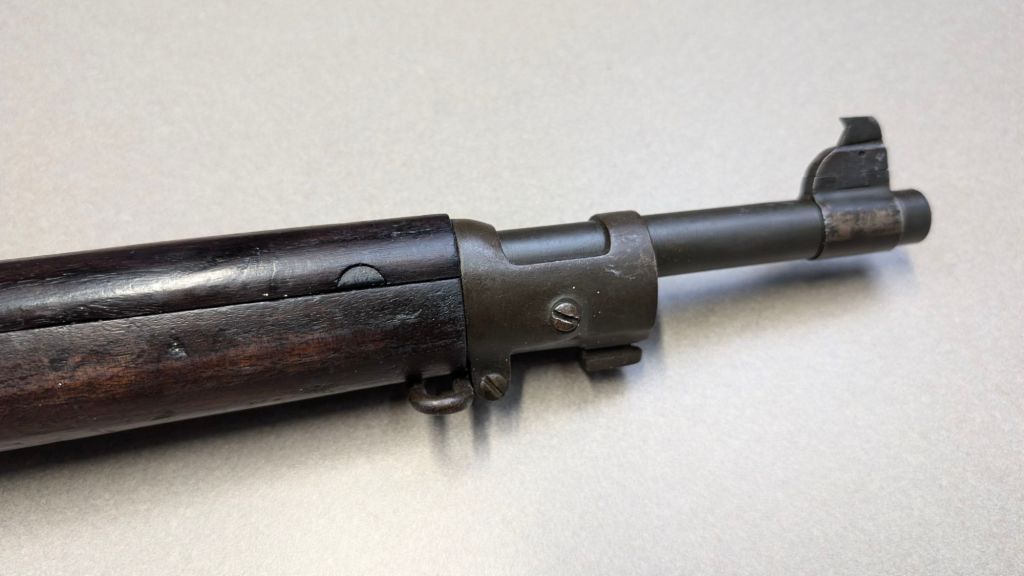
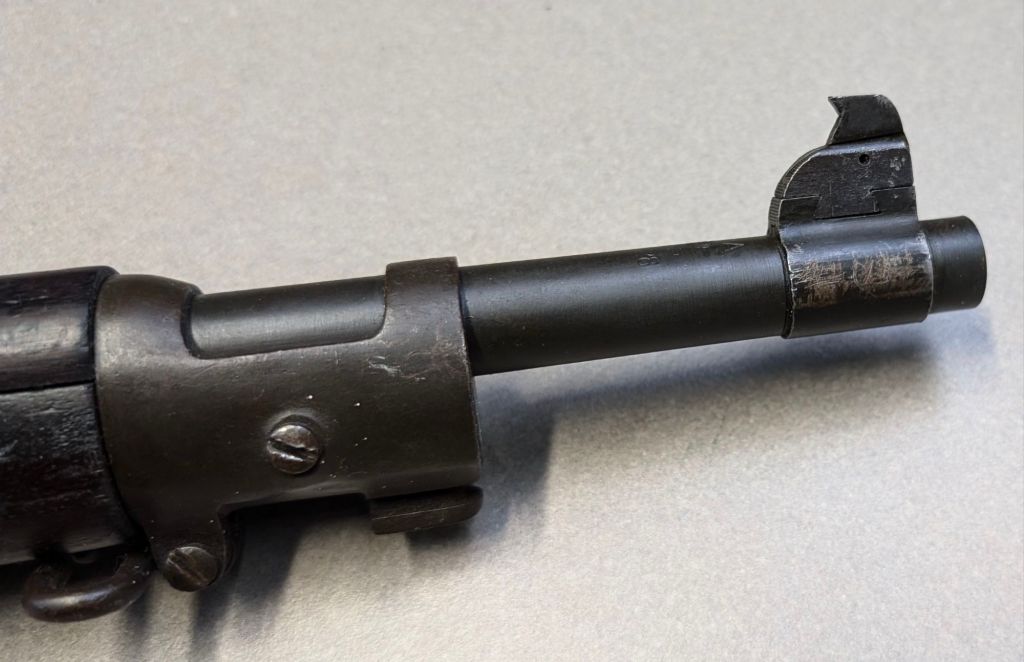
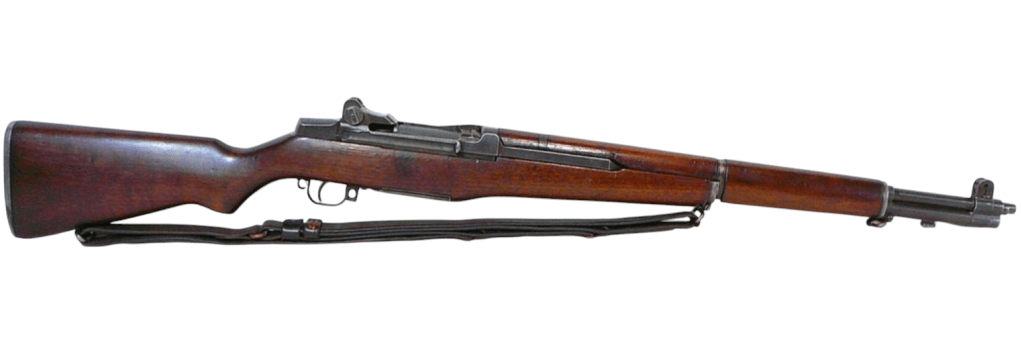
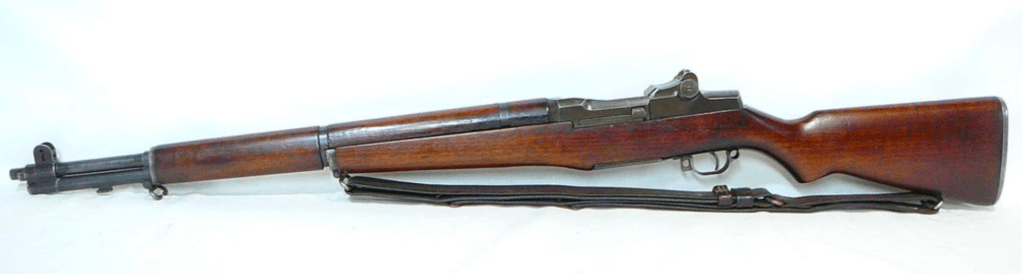
usmc M1 Garand #2020049
Brought home from Iwo Jima by P-51 ace Major Todd Moore
USMC Springfield Armory M1 Garand #2020049 was picked up in March, 1945 on Iwo Jima by Major “Todd” Moore. Major Moore was the commanding officer of the 45th Fighter Squadron and the leading ace of the Seventh Air Force with 12 confirmed kills, 1 probable and 3 damaged. Major Moore served overseas for 37 months and flew over 150 combat missions. His awards include the Silver Star, the Distinguished Flying Cross with four Oak Leaf Clusters, and the Air Medal with nine Oak Leaf Clusters. Major Moore stated that he picked up this rifle following a skirmish between Marines and Japanese near the island’s 2nd Airfield.
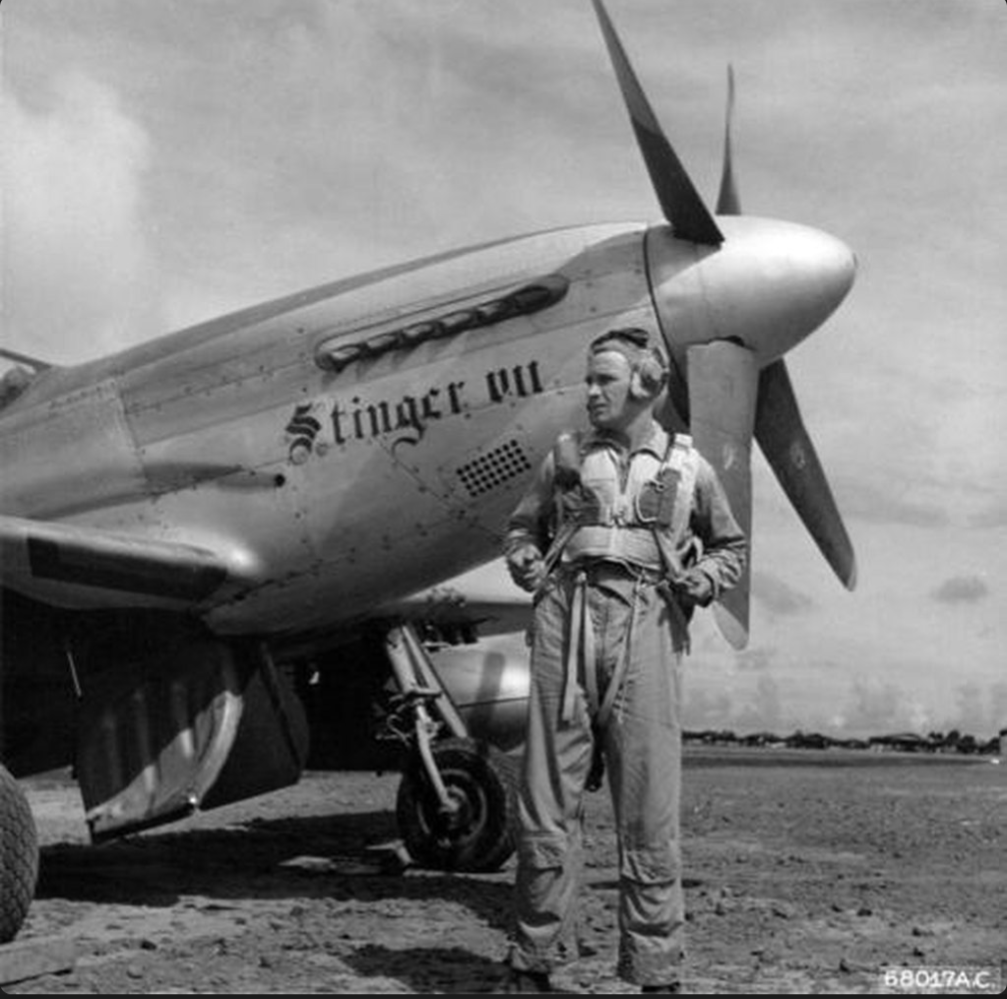
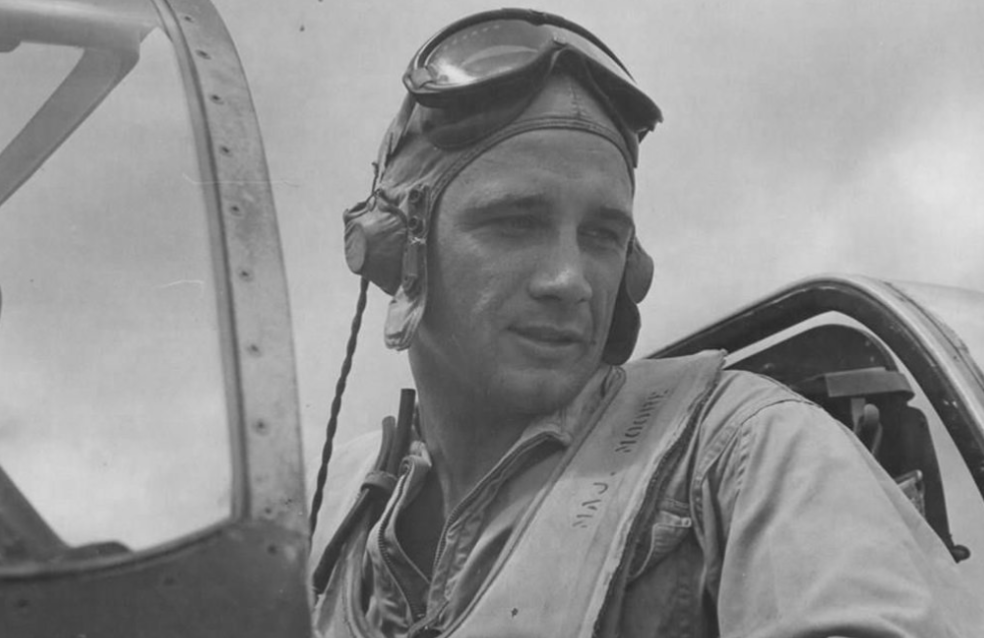
Major Todd Moore and his P-51 Mustang
#2020049 has a worn SA 10-43 barrel and SA EMcF cartouched stock with USMC depot made sling. Internally, the rifle retains traces of volcanic sand. Inside the stock a small DOPE tag was found, with the windage and elevation zeroes for the Marine who carried this incredible rifle into combat. Due to serial number proximity and the location in which this rifle was found, it is believed that #2020049 was carried by a Gyrene from the 3rd Marine Division. Many years after bringing #2020049 home with him, Major Todd Moore would go on video with the rifle in order to preserve its history. A phenomenal bring back, #2020049 is the only USMC M1 Garand with firm ties to the Battle of Iwo Jima (Norton collection).
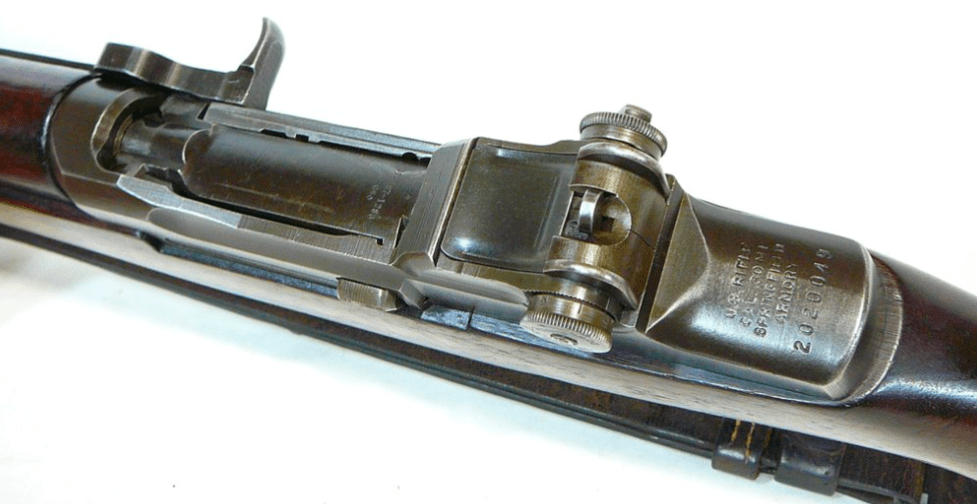
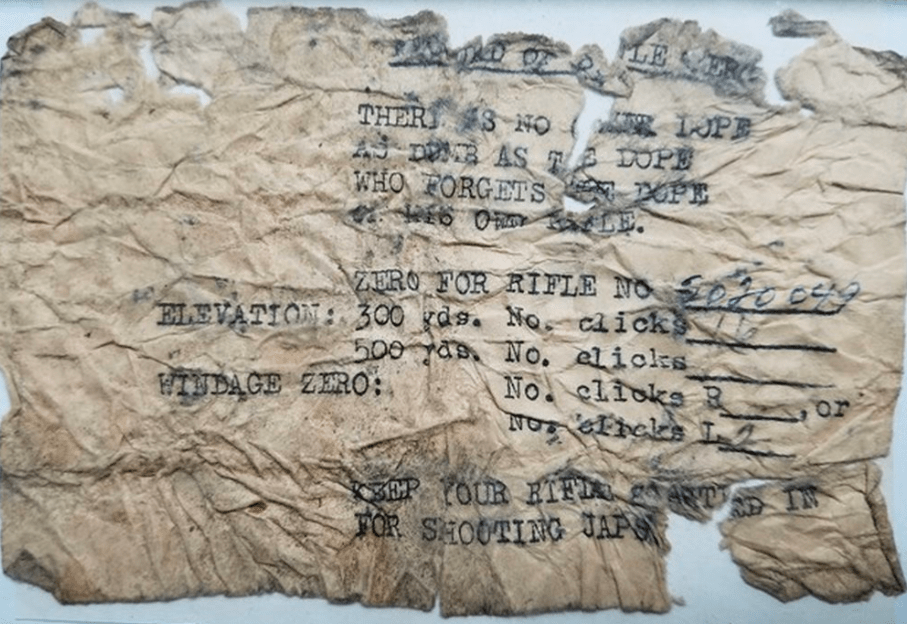
Iwo Jima bringback M1 Garand #2020049 still has traces of volcanic sand in the stock.
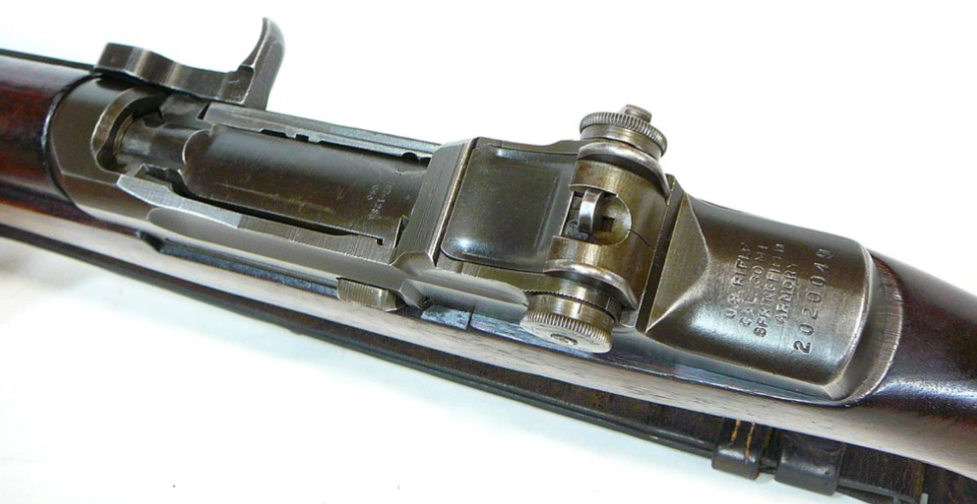
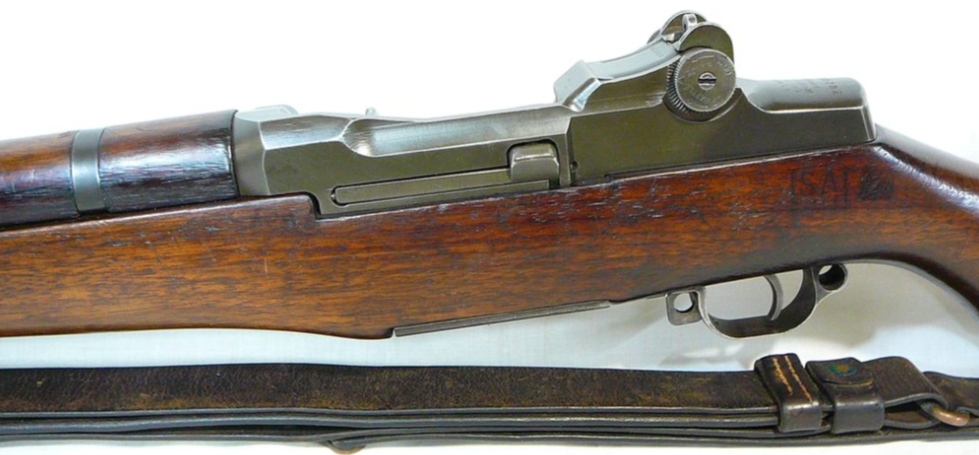
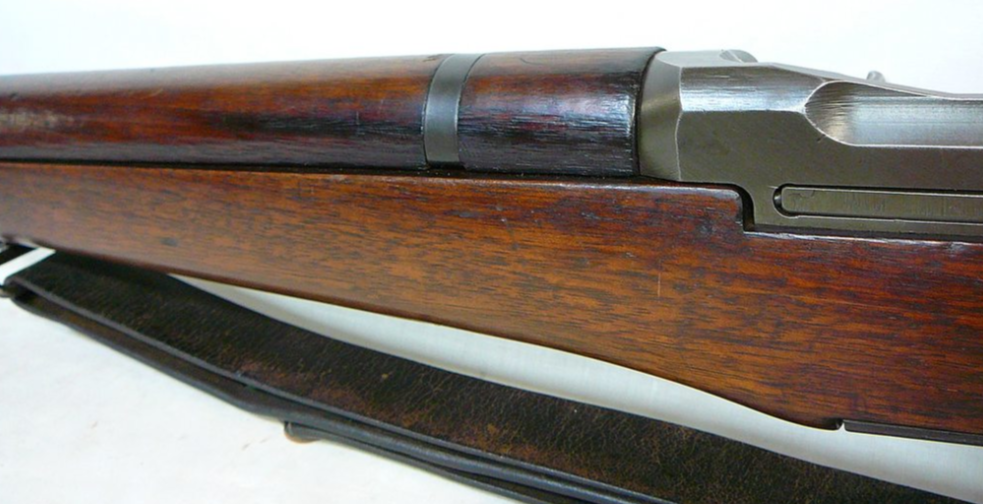
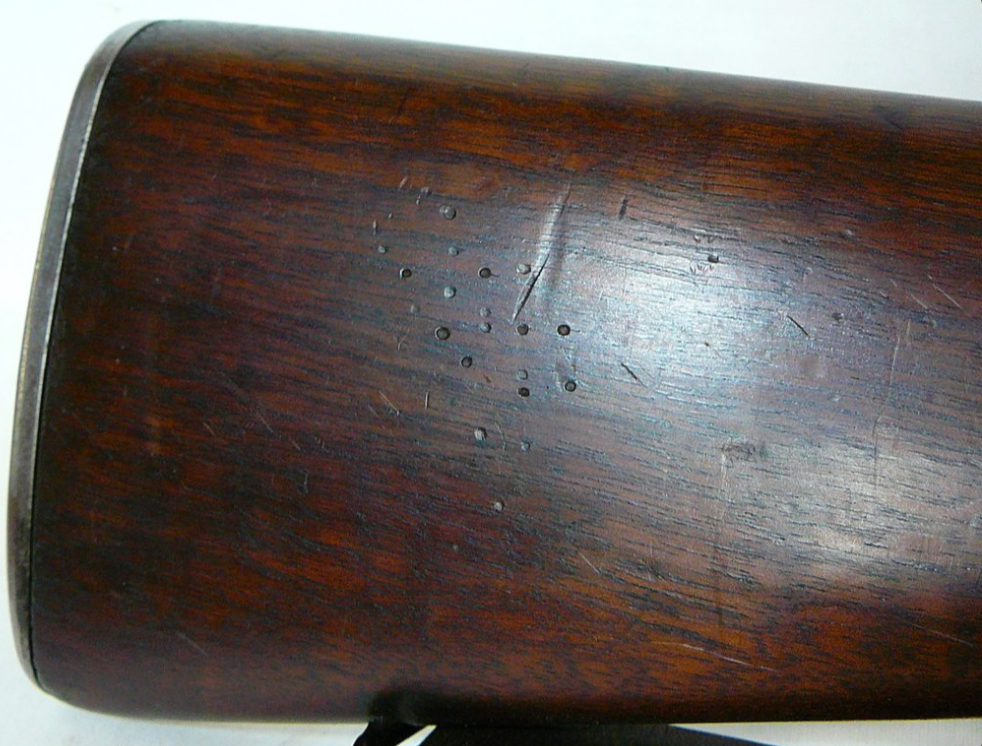
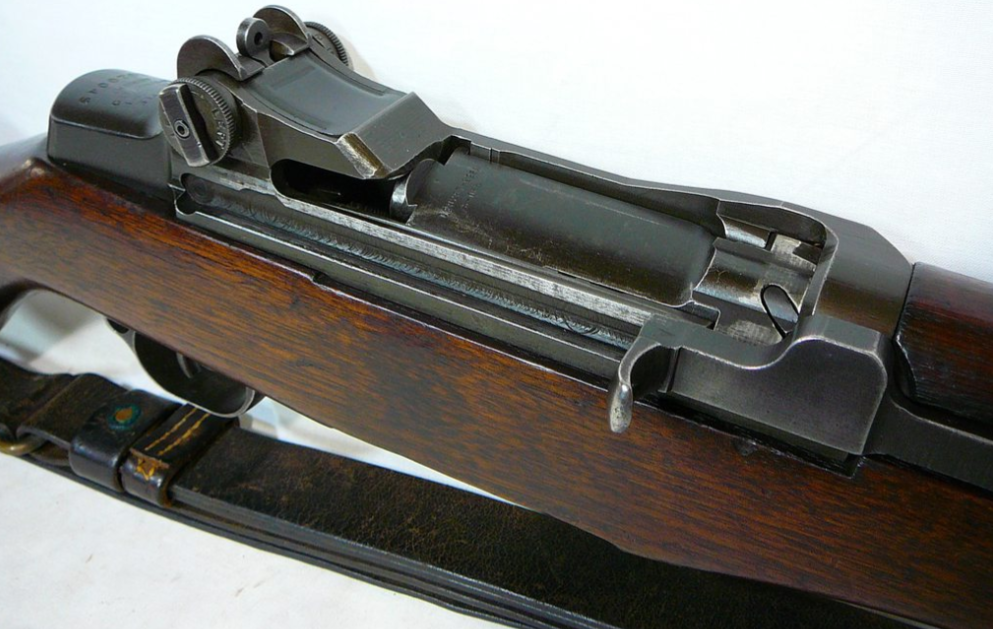
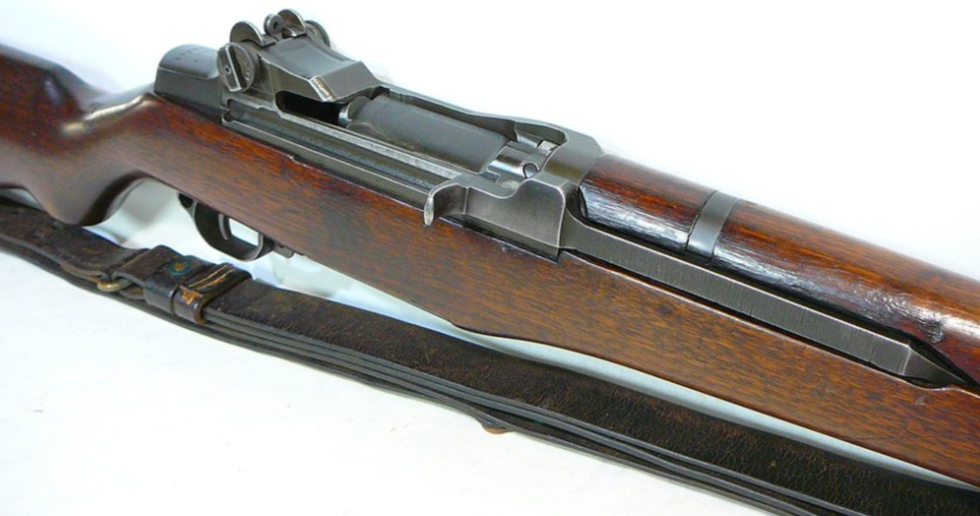
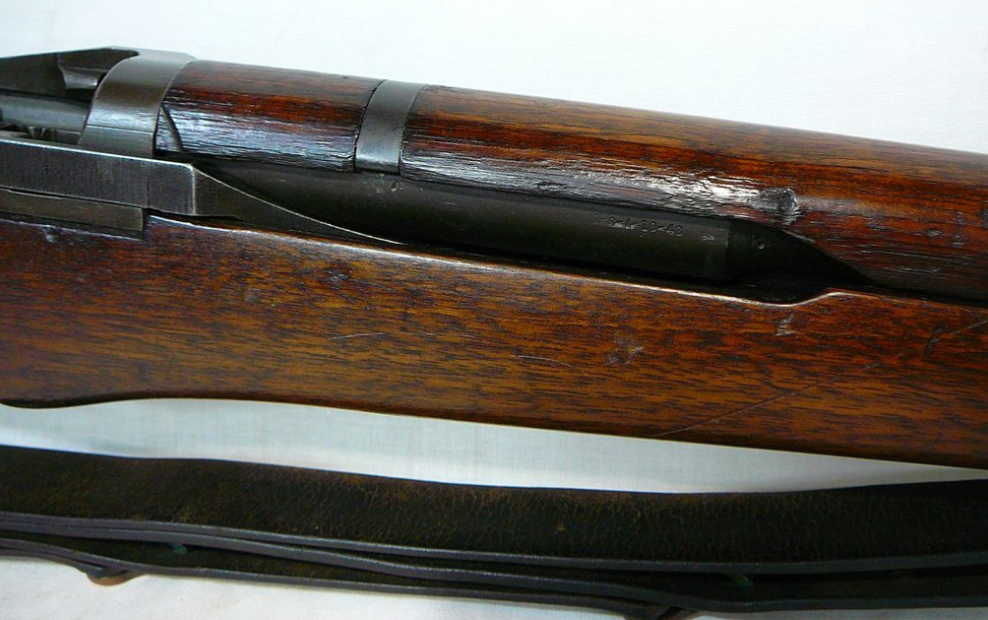
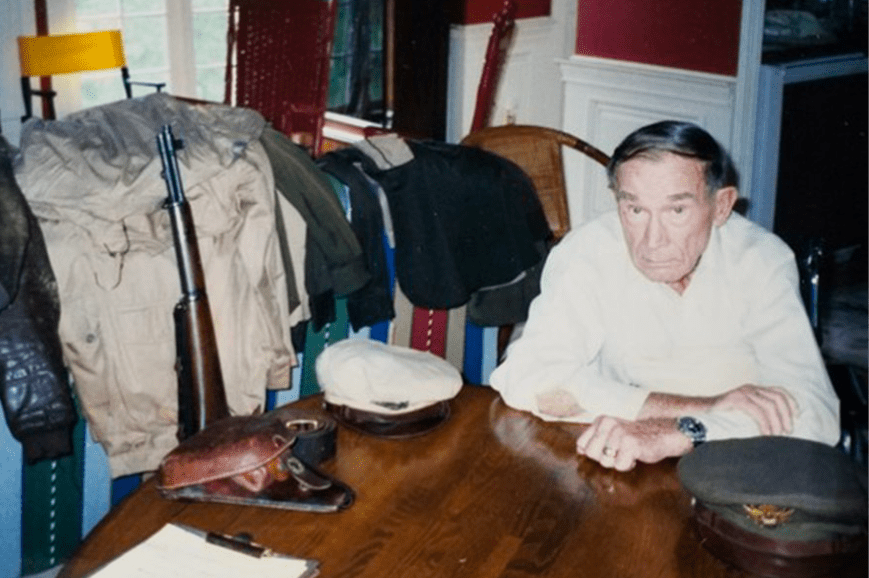
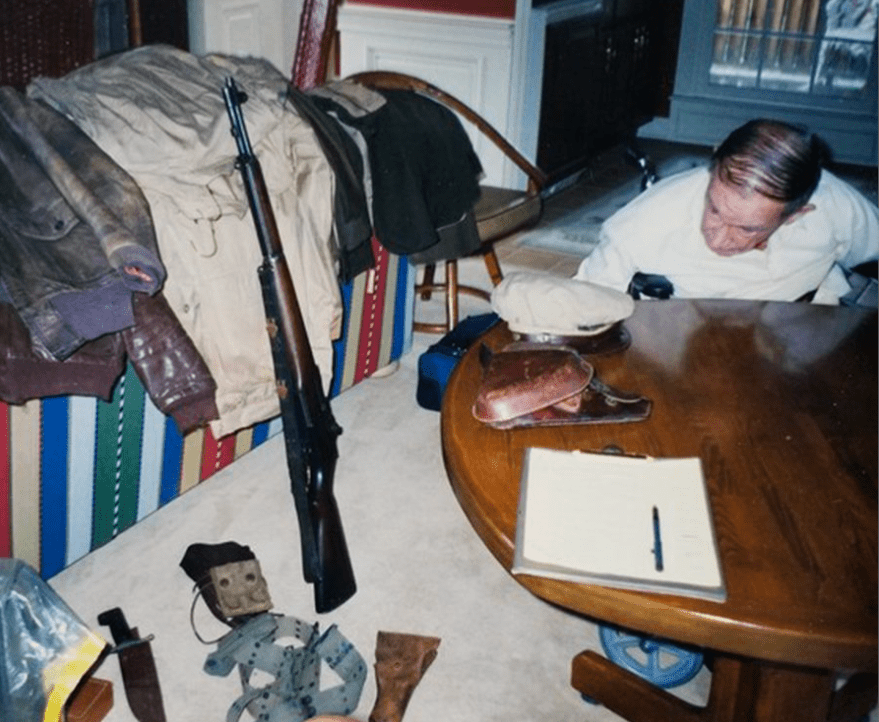
Major Todd Moore at his home with M1 Garand #2020049 and other items from his time in service.
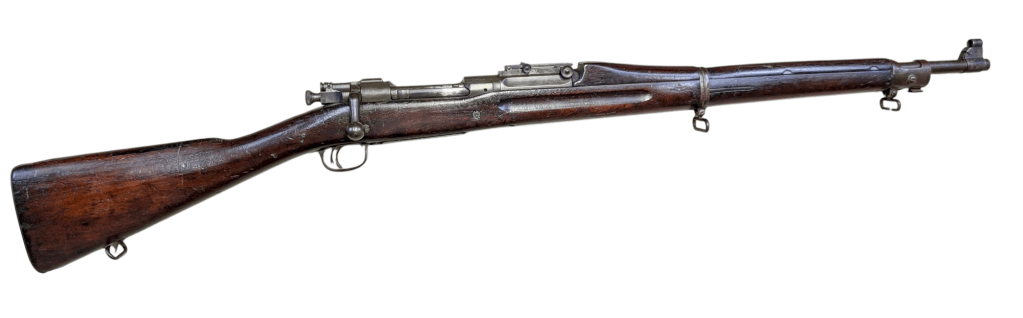
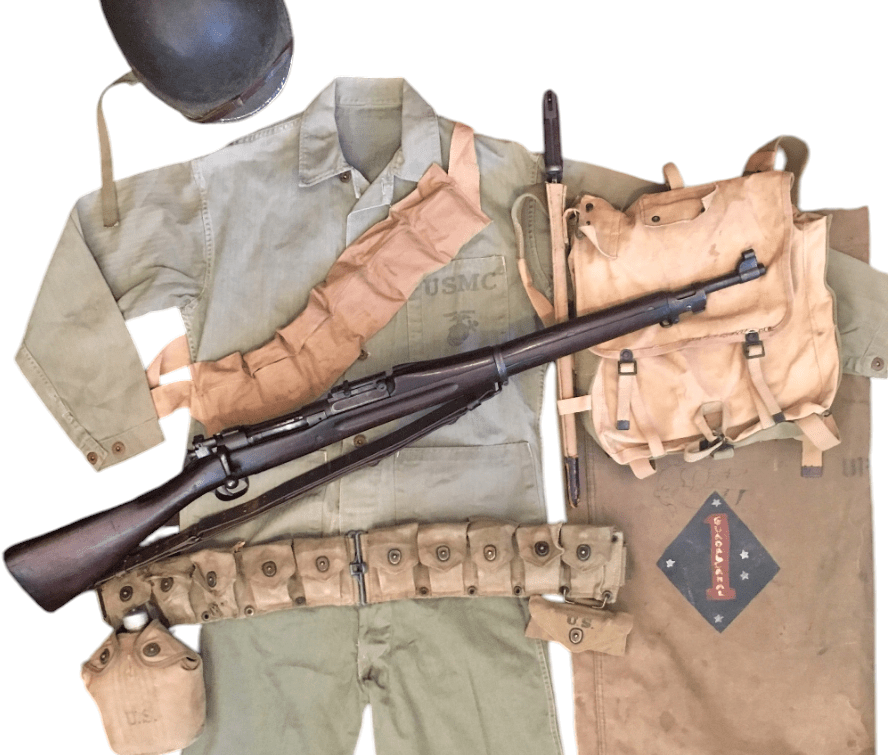
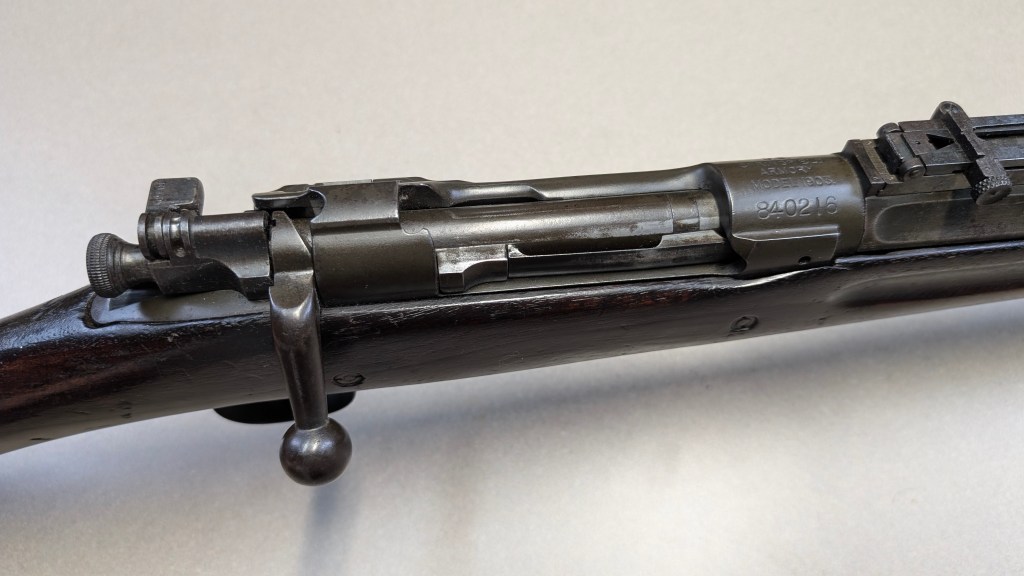
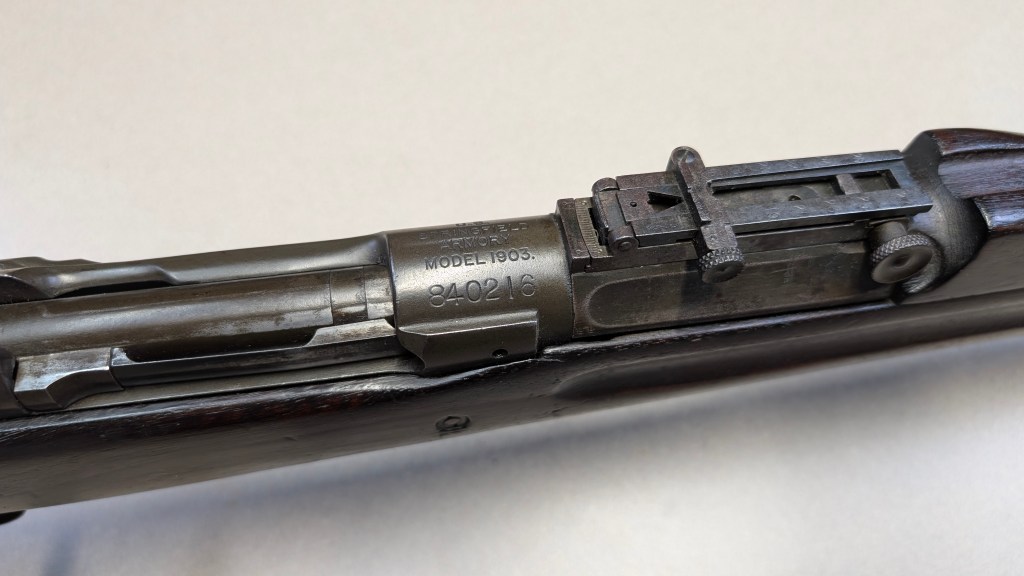
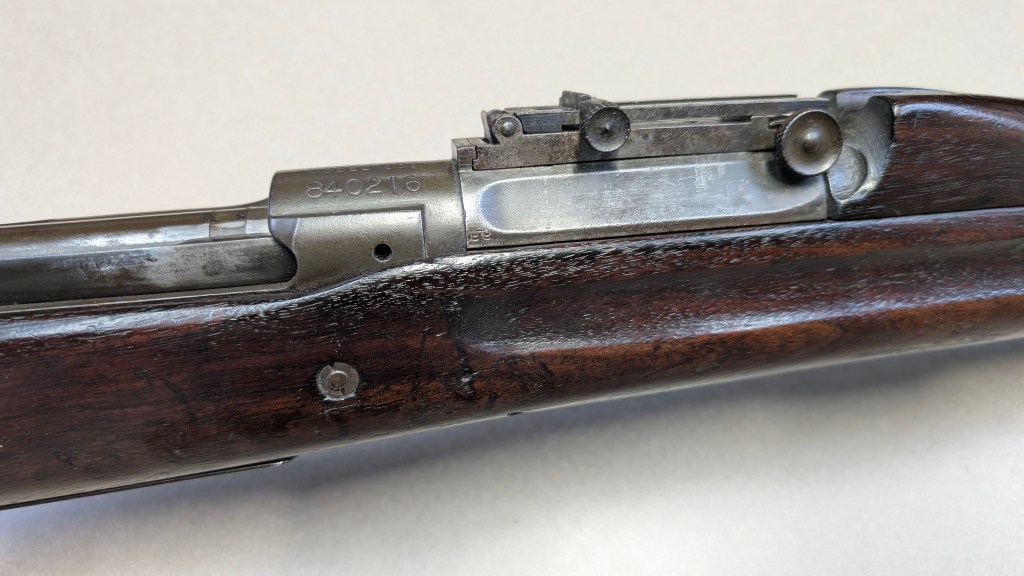
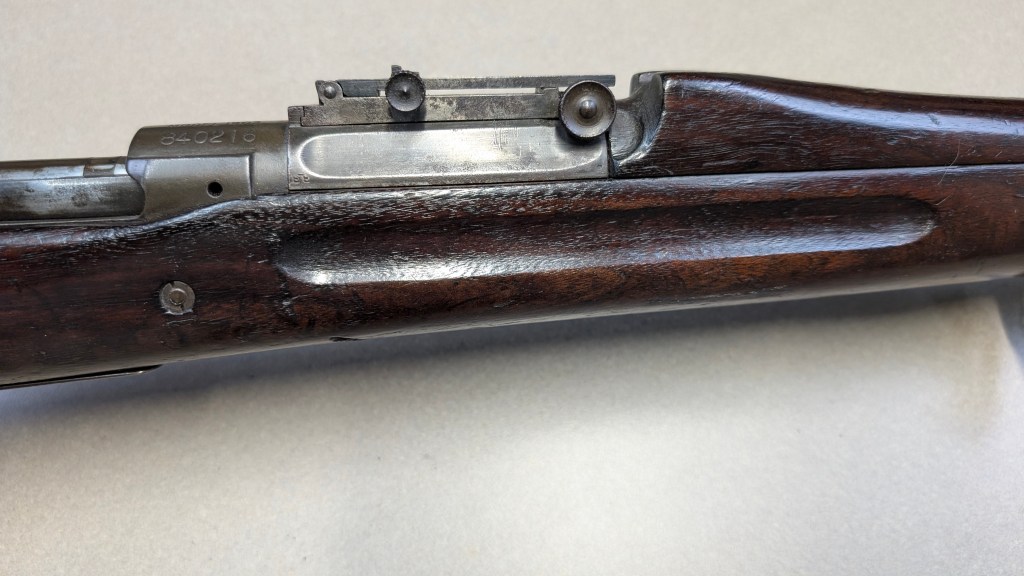
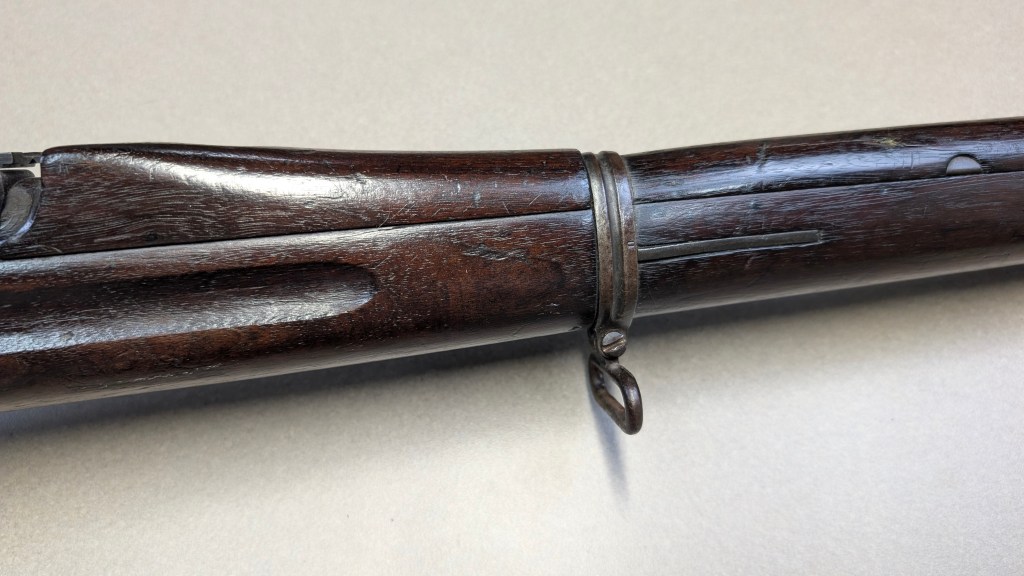
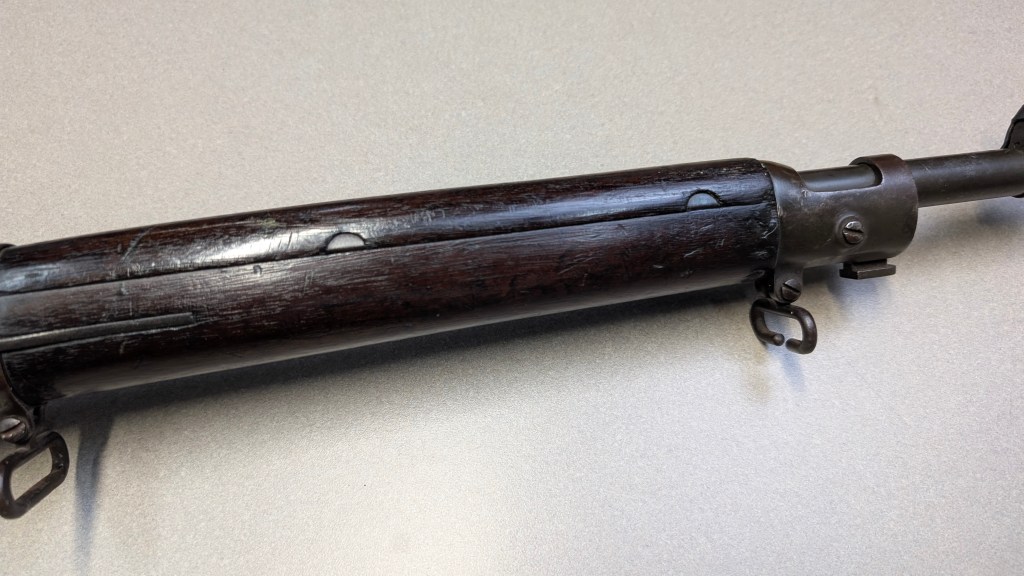
USMC M1903 #840216
Brought back from Guadalcanal by H Company, 2nd Battalion, 5th Marines Platoon Sergeant Roy Jowers
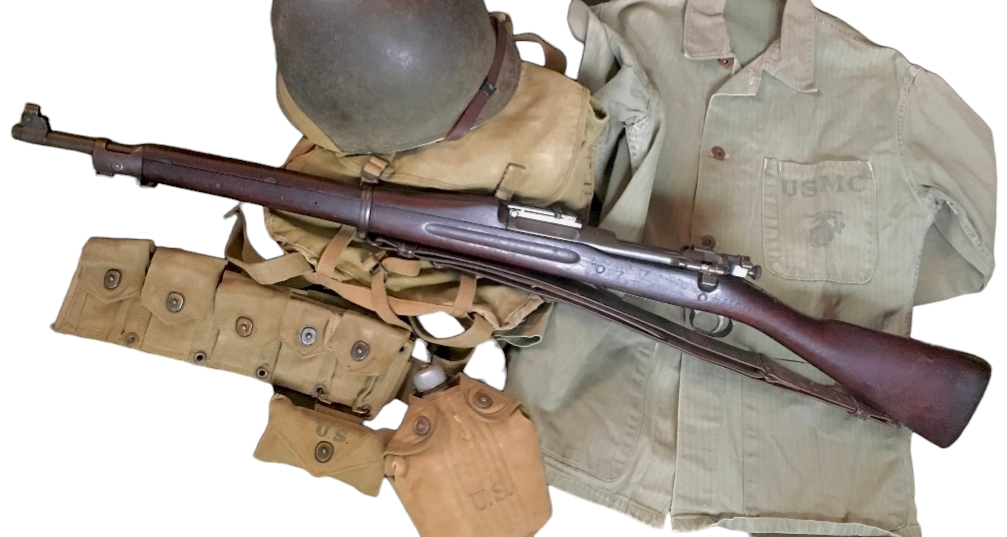
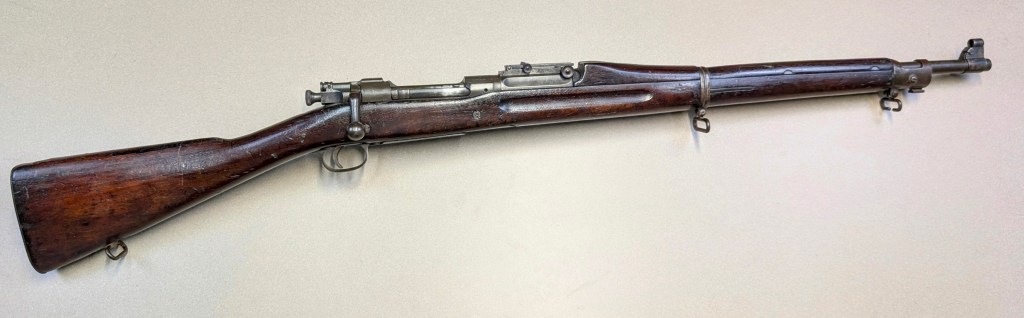
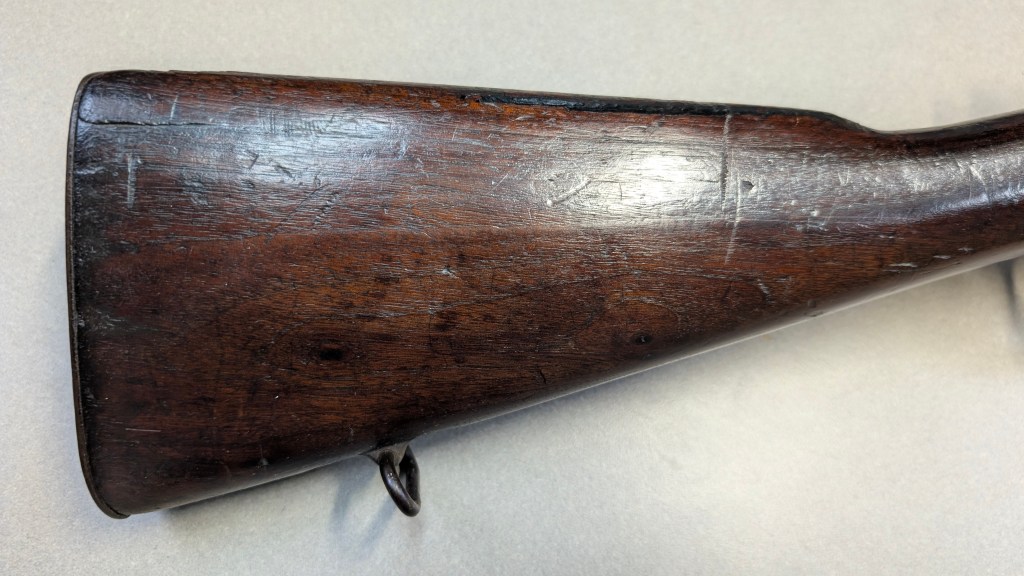
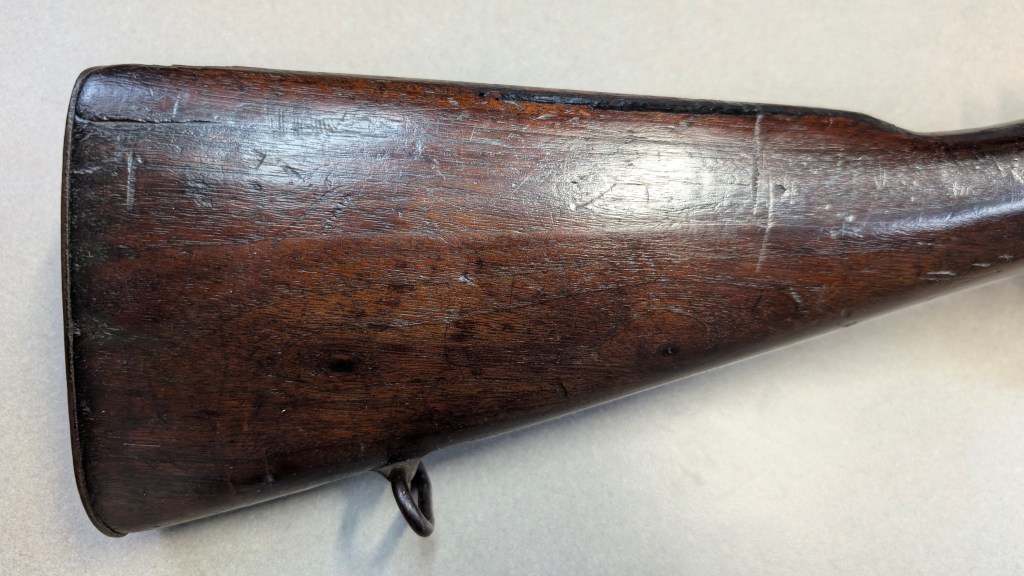
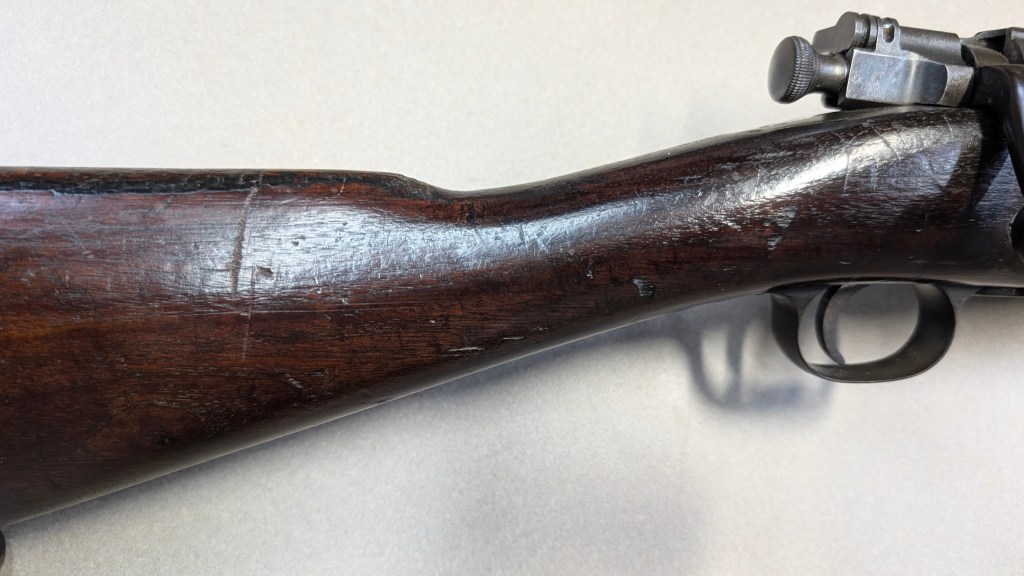
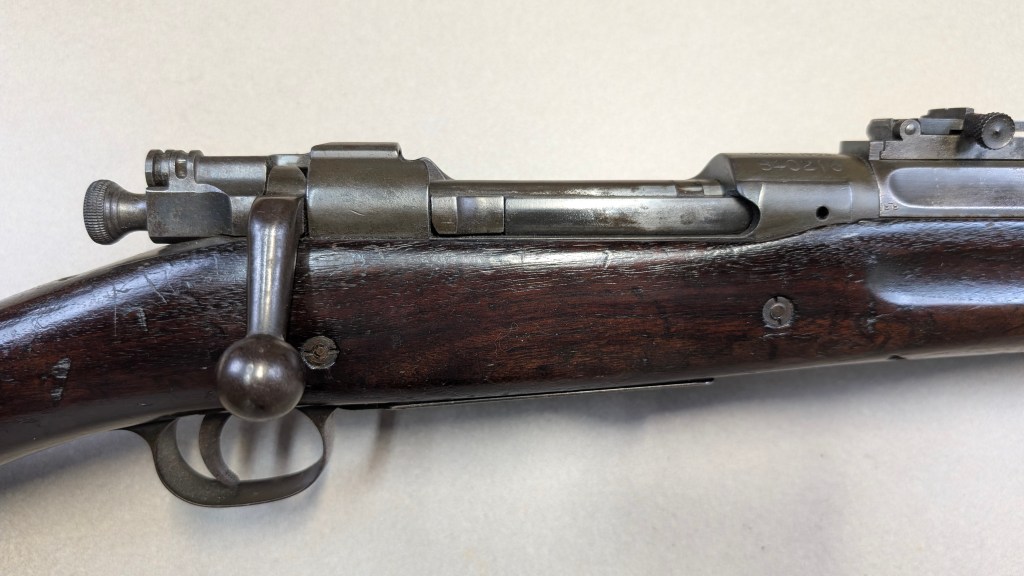
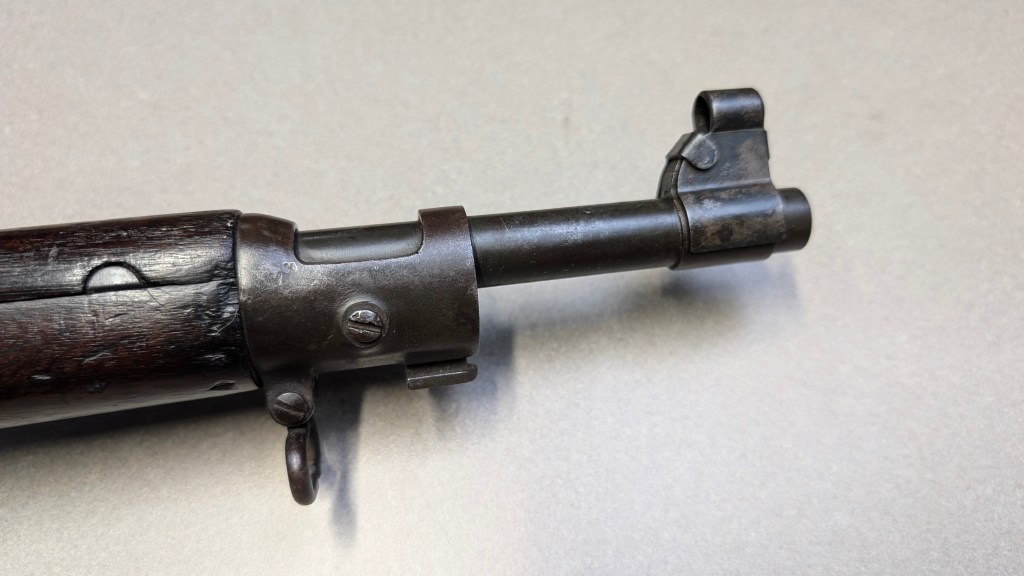
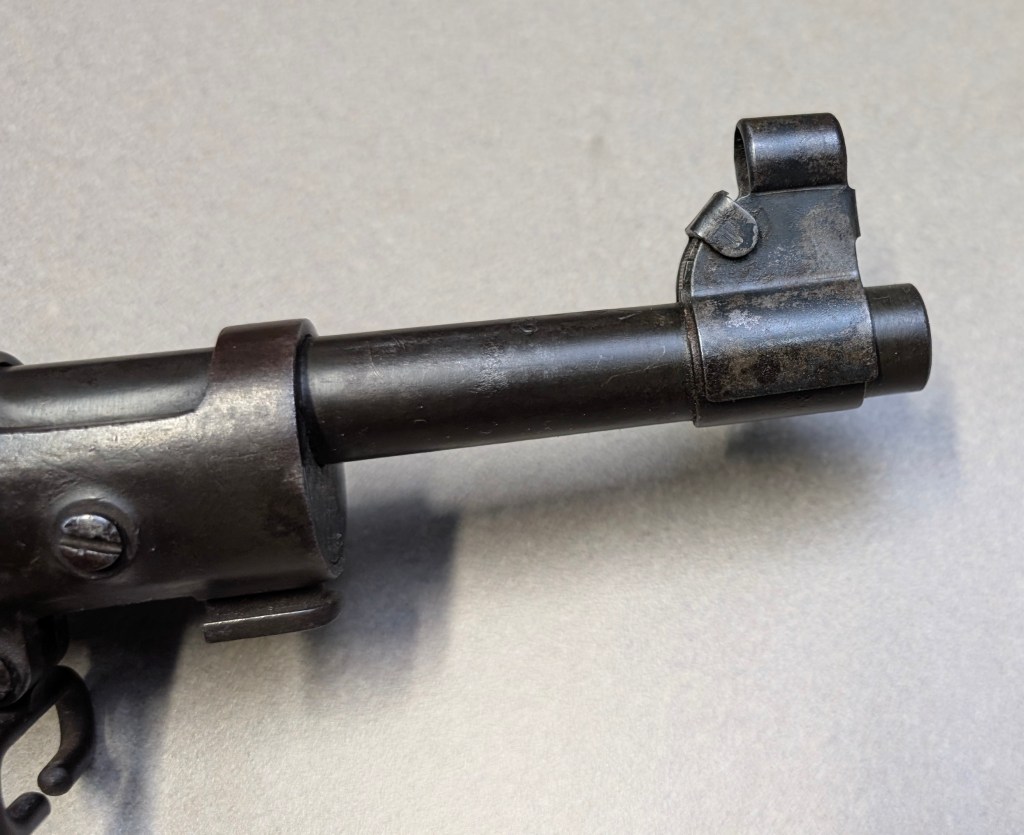
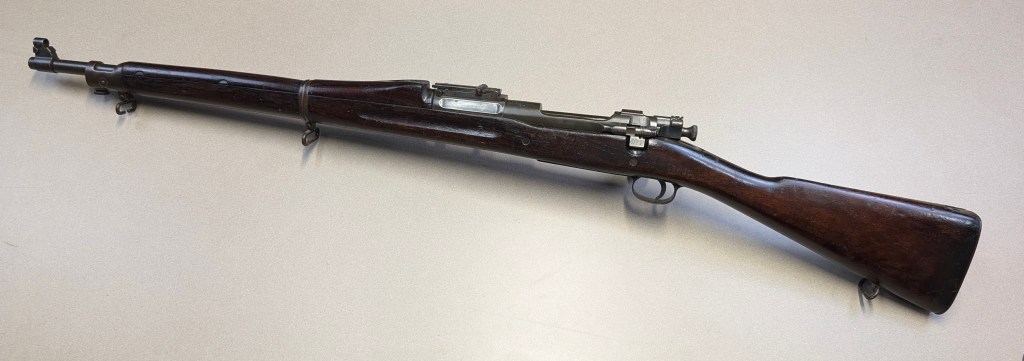
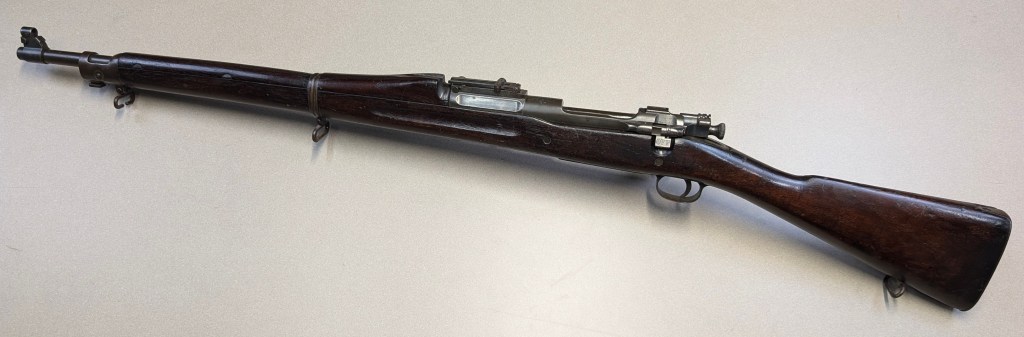
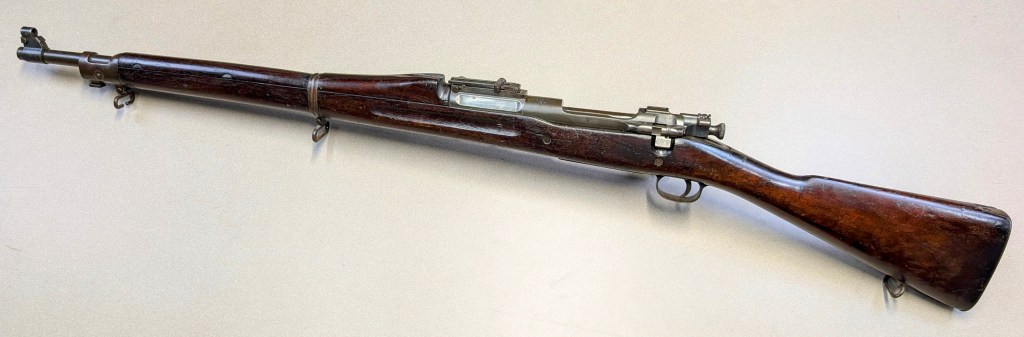
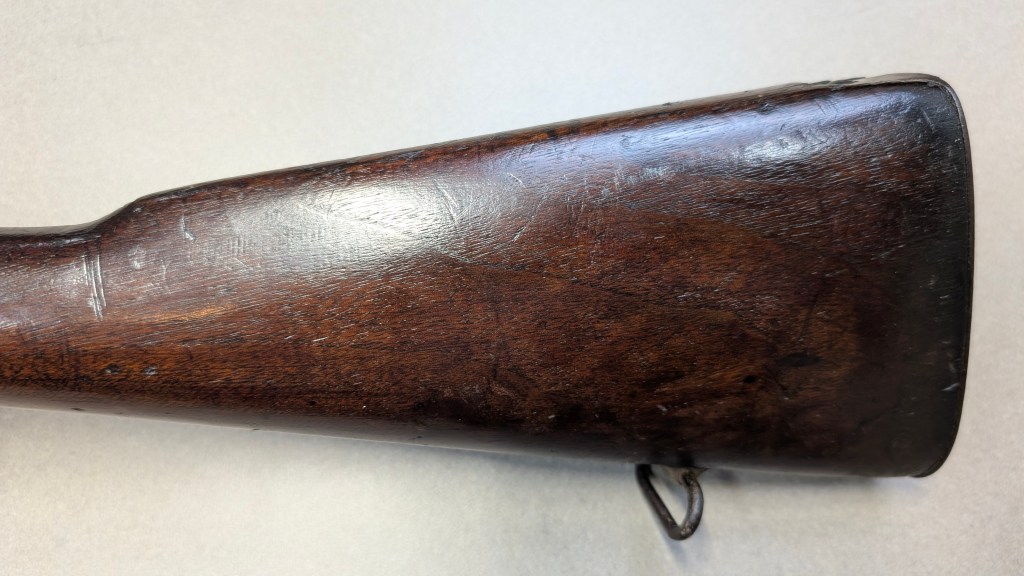
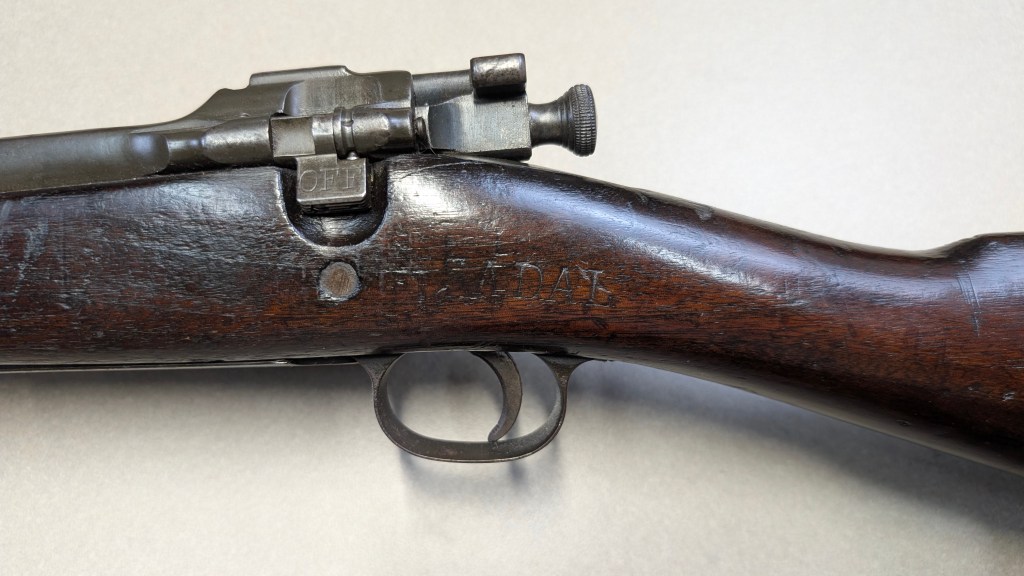
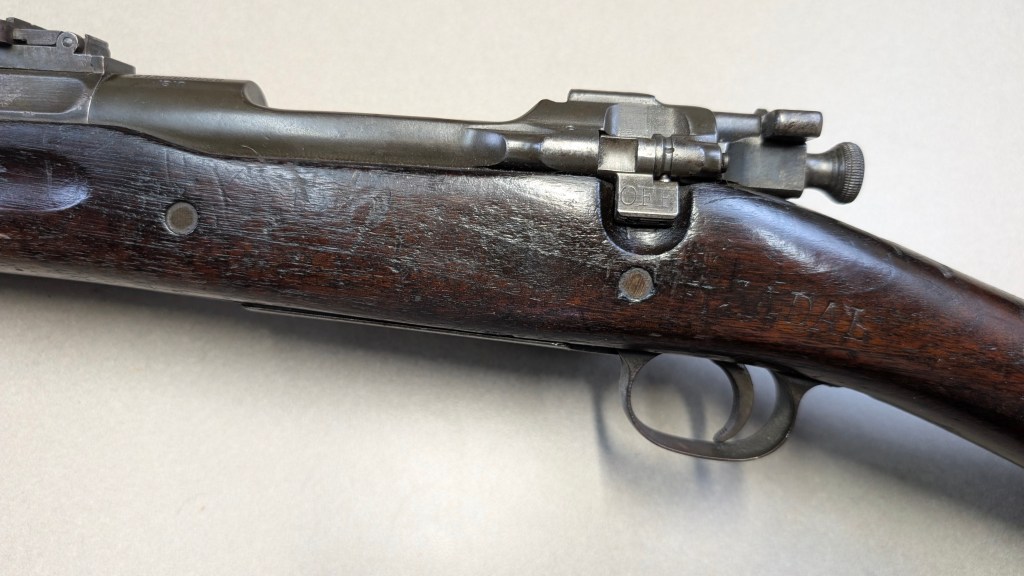
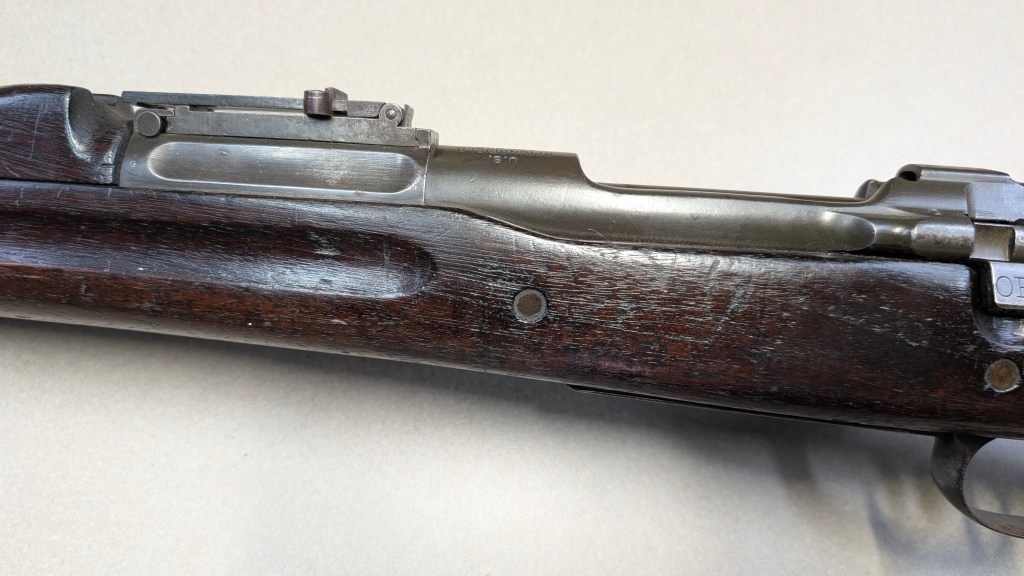
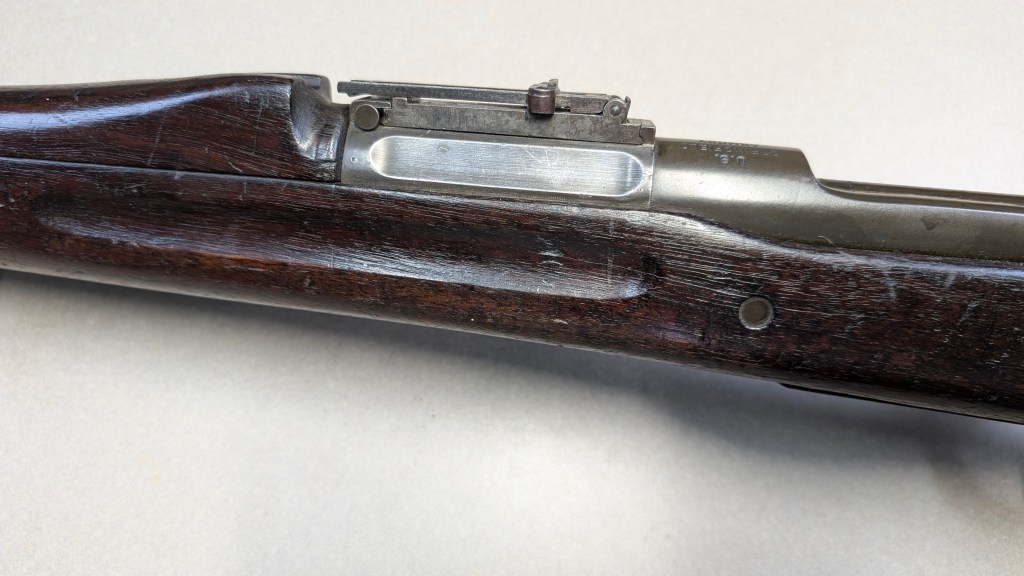
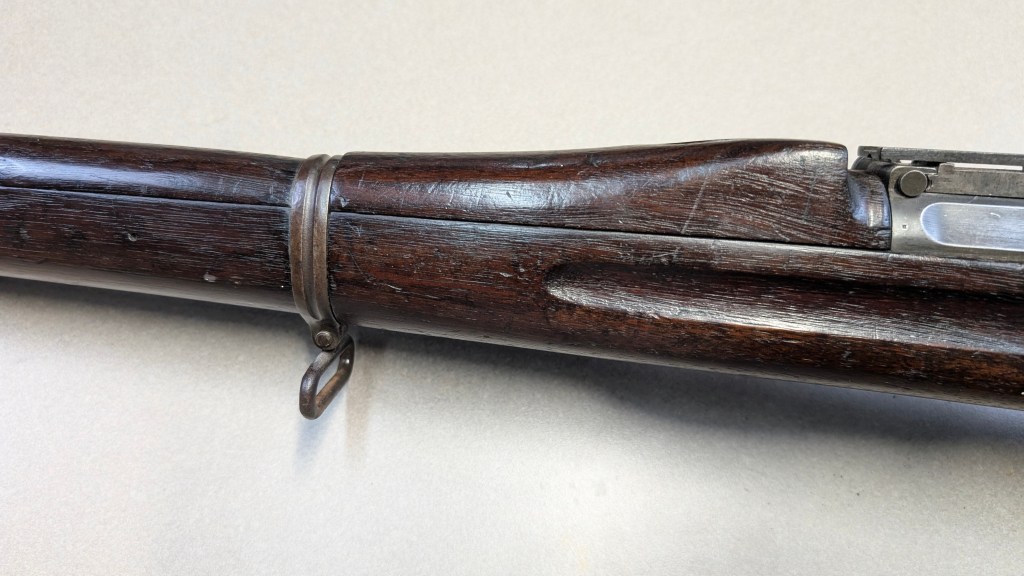
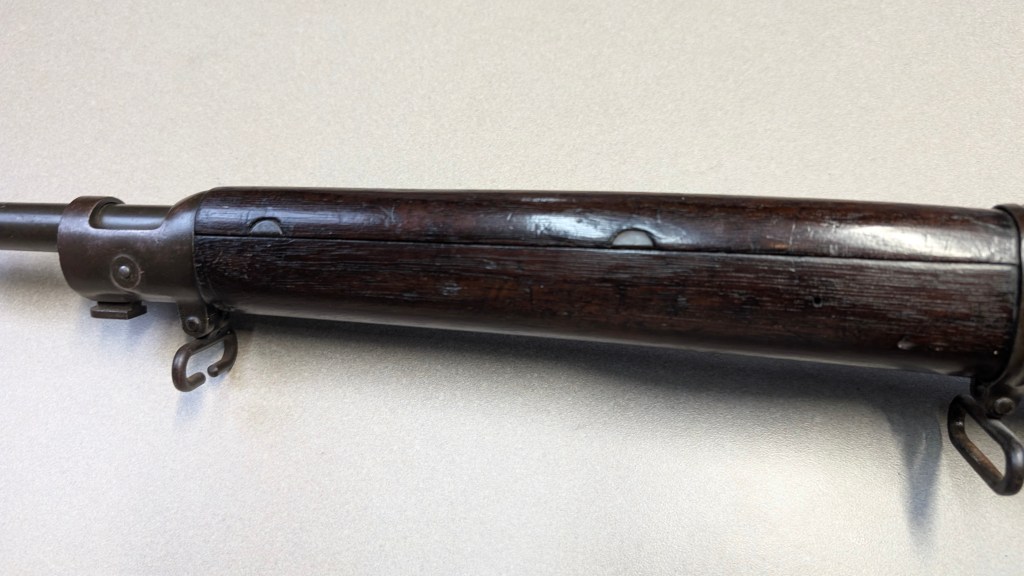
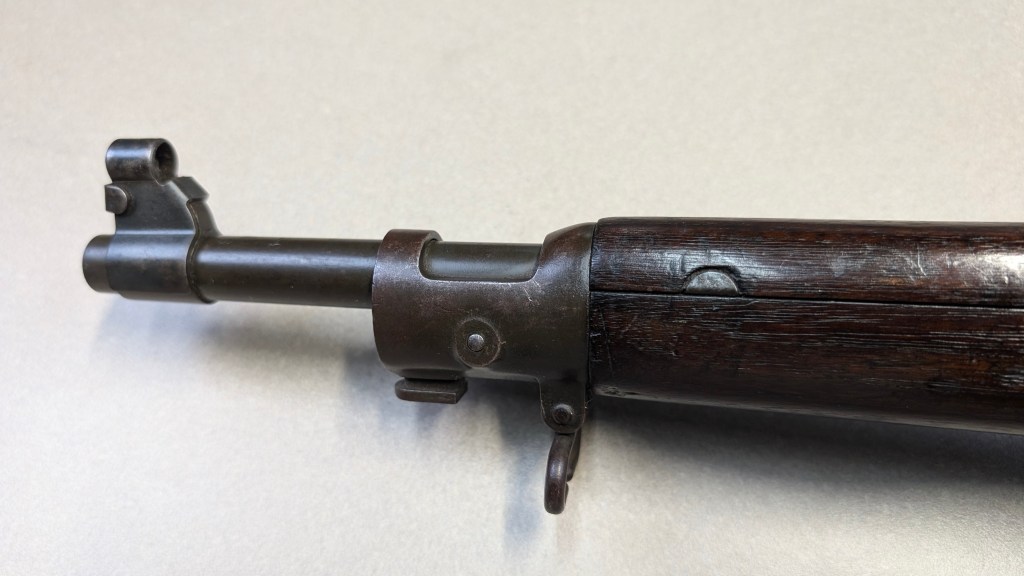
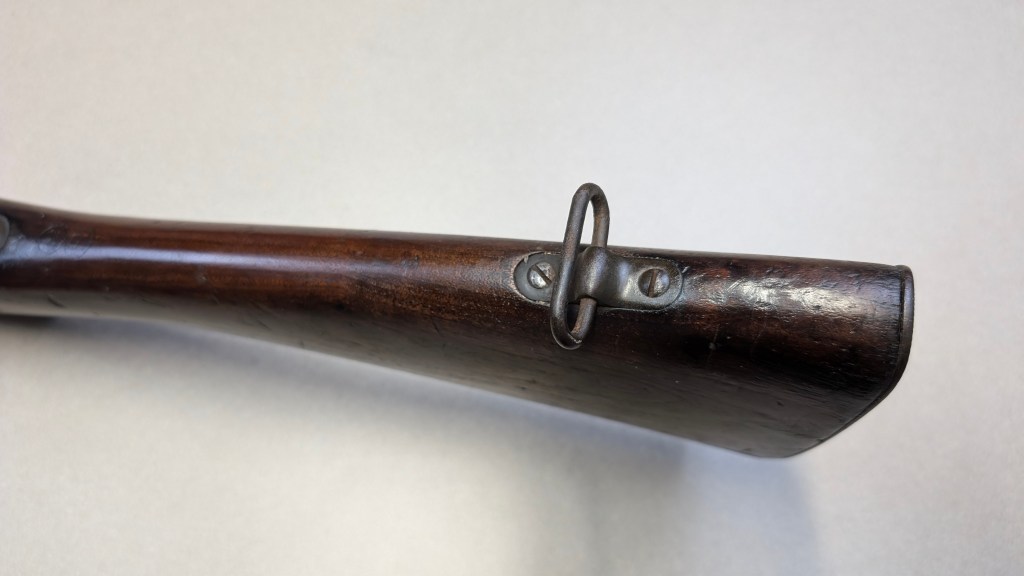
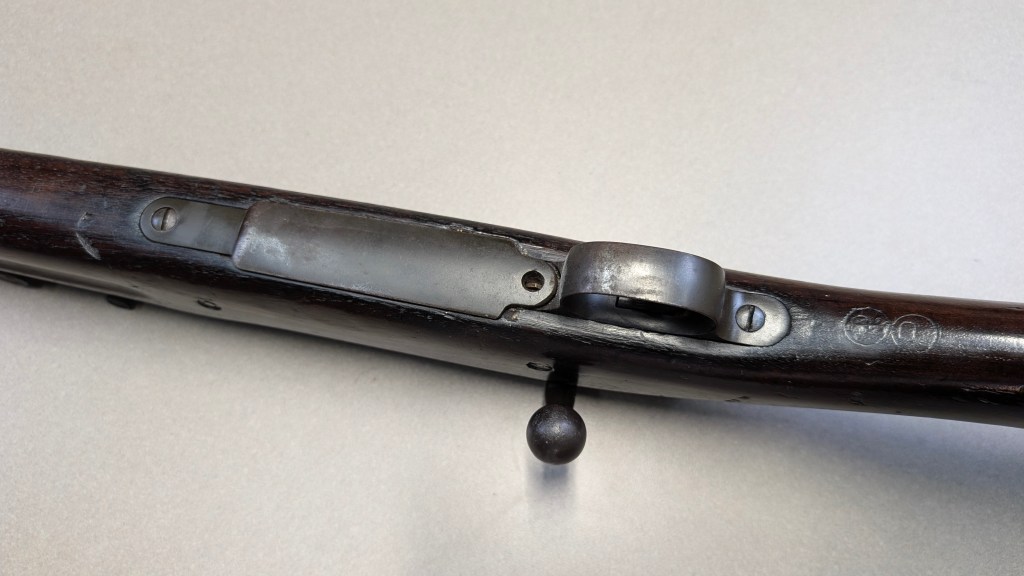
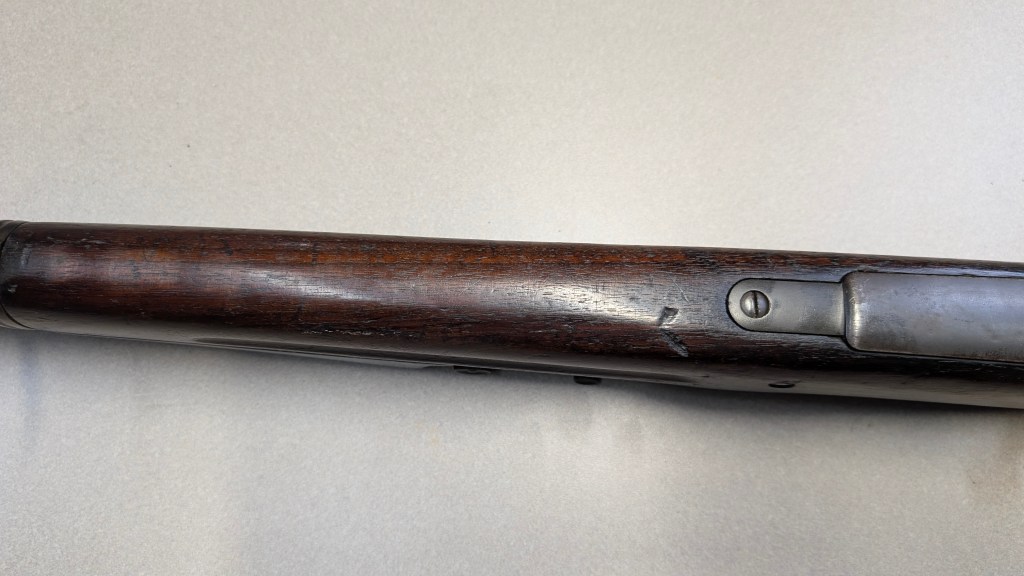
USMC Springfield Armory M1903 #840216, brought home following the Guadalcanal Campaign by H Company, 2nd Battalion, 5th Marines Platoon Sergeant Roy Jowers. Following the conclusion of the 1st Marine Division’s Guadalcanal combat operations, Platoon Sergeant Jowers was transferred back to Camp Pendleton to instruct at the School of Infantry. Platoon Sergeant Jowers was tasked with transporting his company’s old M1903 rifles stateside as they had been replaced with the new M1 Garand in Australia. #840216 bears a variety of early/mid 1930’s rebuild traits. It has an SA 3-32 barrel, .40 height numbered front sight, and a checkered buttplate (Plowman collection).
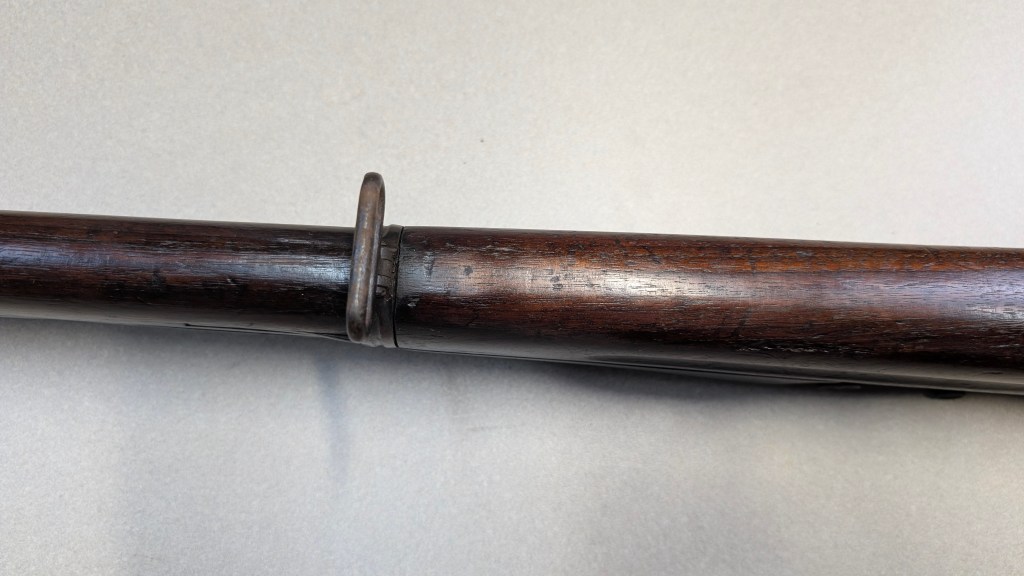
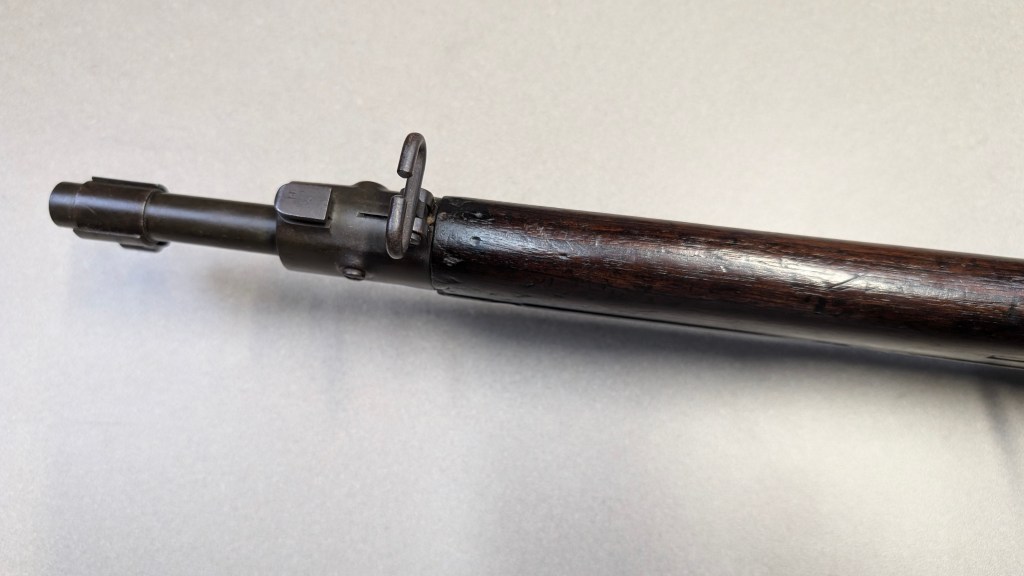
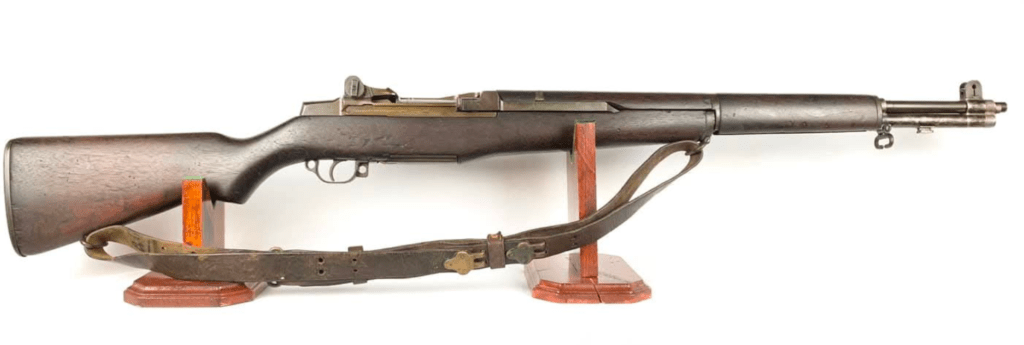
USMC M1 Garand #1618269
Documented to the 21st Marine Regiment Detachment in Palestine in 1948
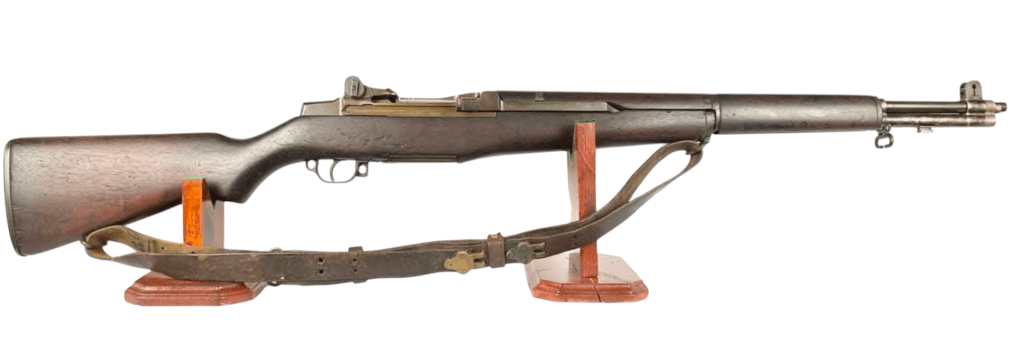
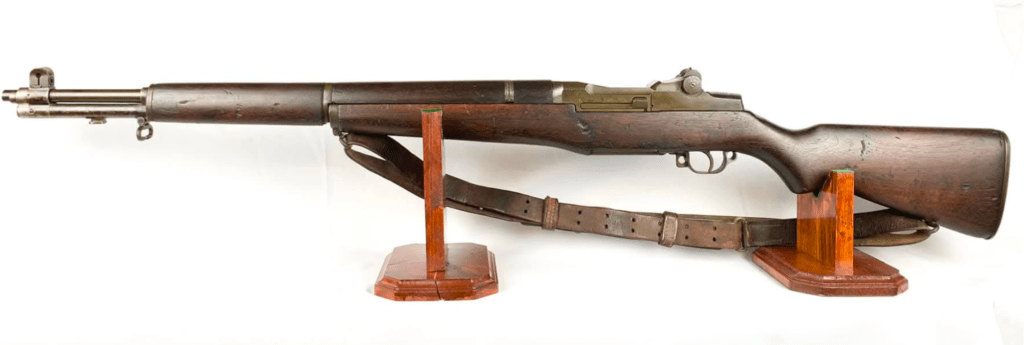
Following World War II, elements of the 21st Marine Regiment would deploy to Palestine as part of a United Nations peace keeping mission. These Marines would depart the USS Kearsarge in 1948, specifically tasked with protecting the US consulate during the Arab-Israeli wars. As the 21st Marine Regiment was deactivated in 1945, it existed in name only and was comprised of infantrymen from the 2nd Battalion, 2nd Marine Regiment of the 2nd Marine Division.
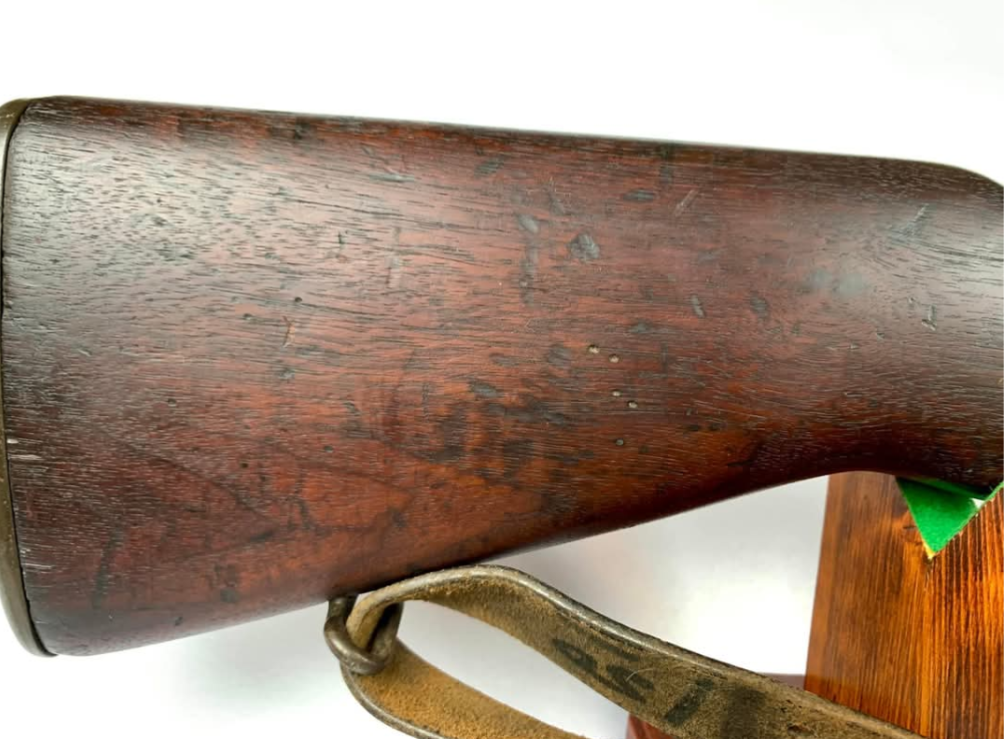
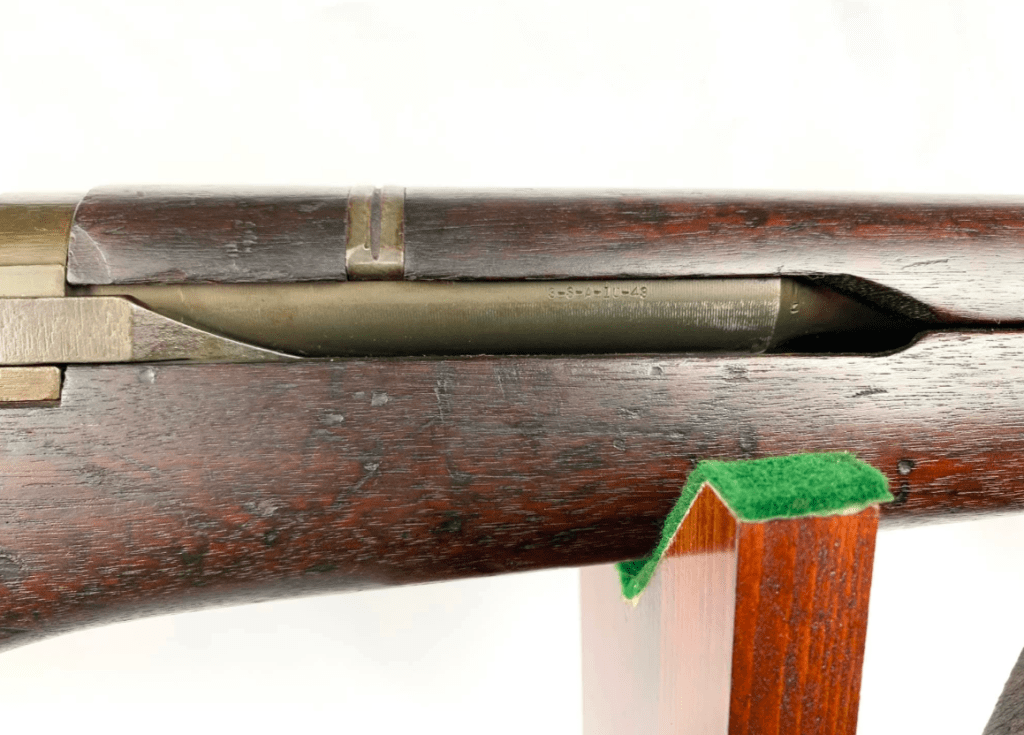
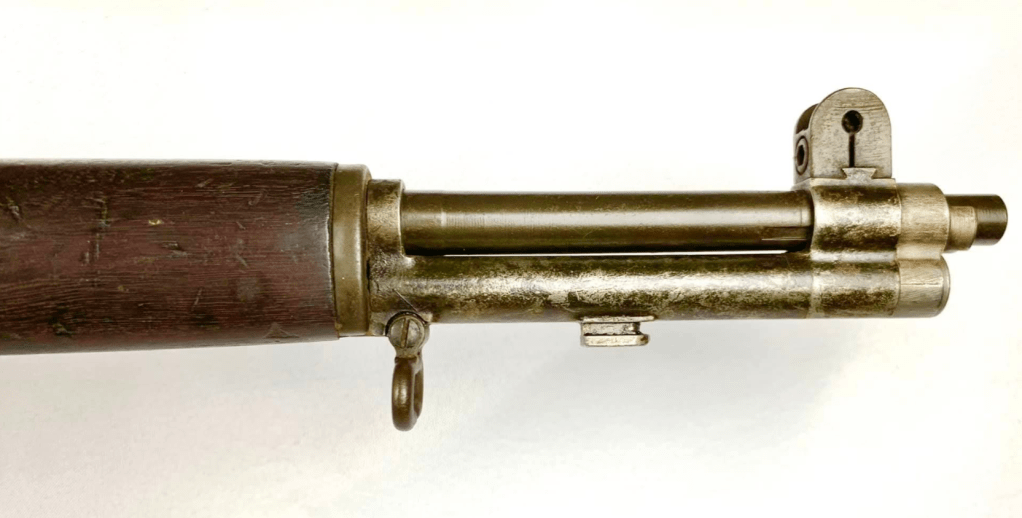
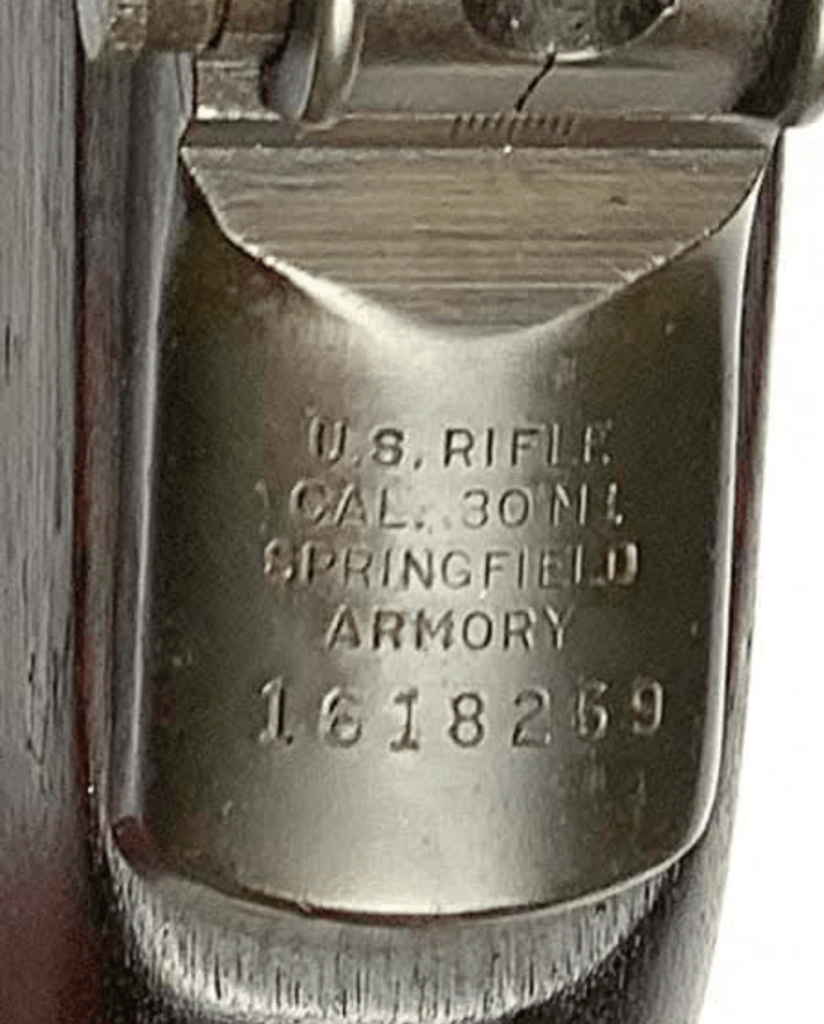
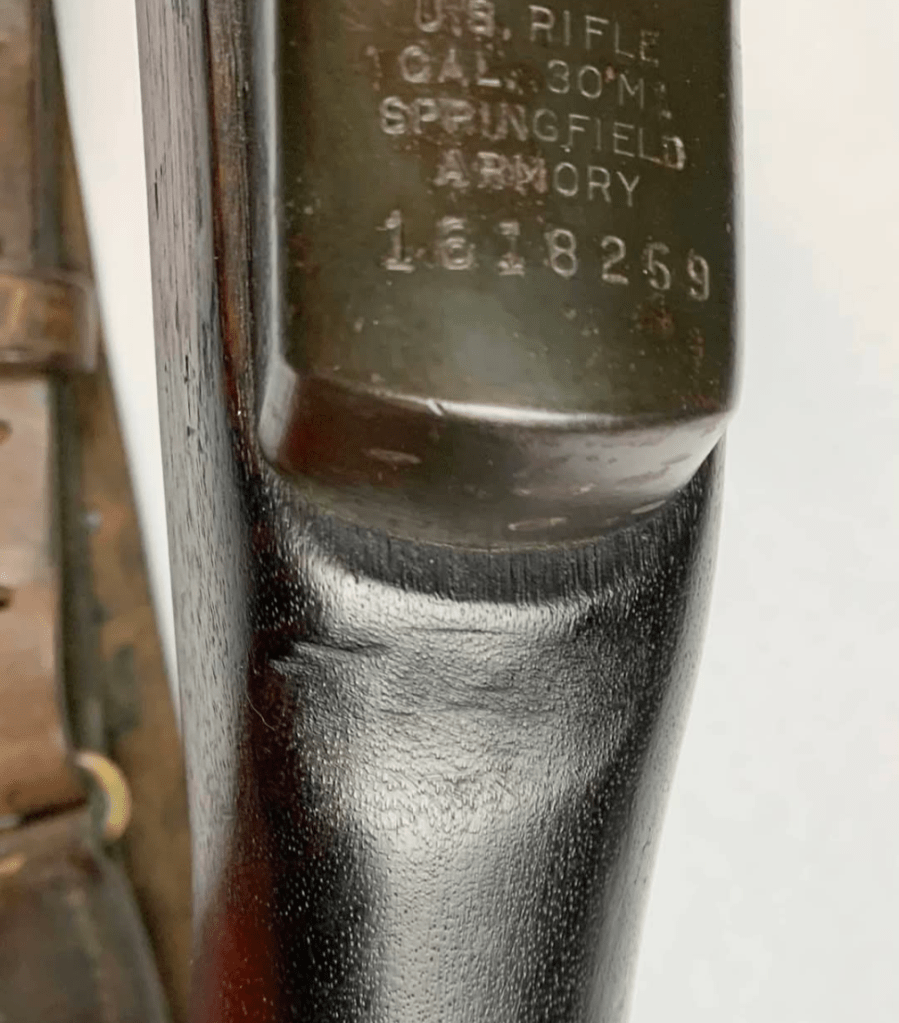
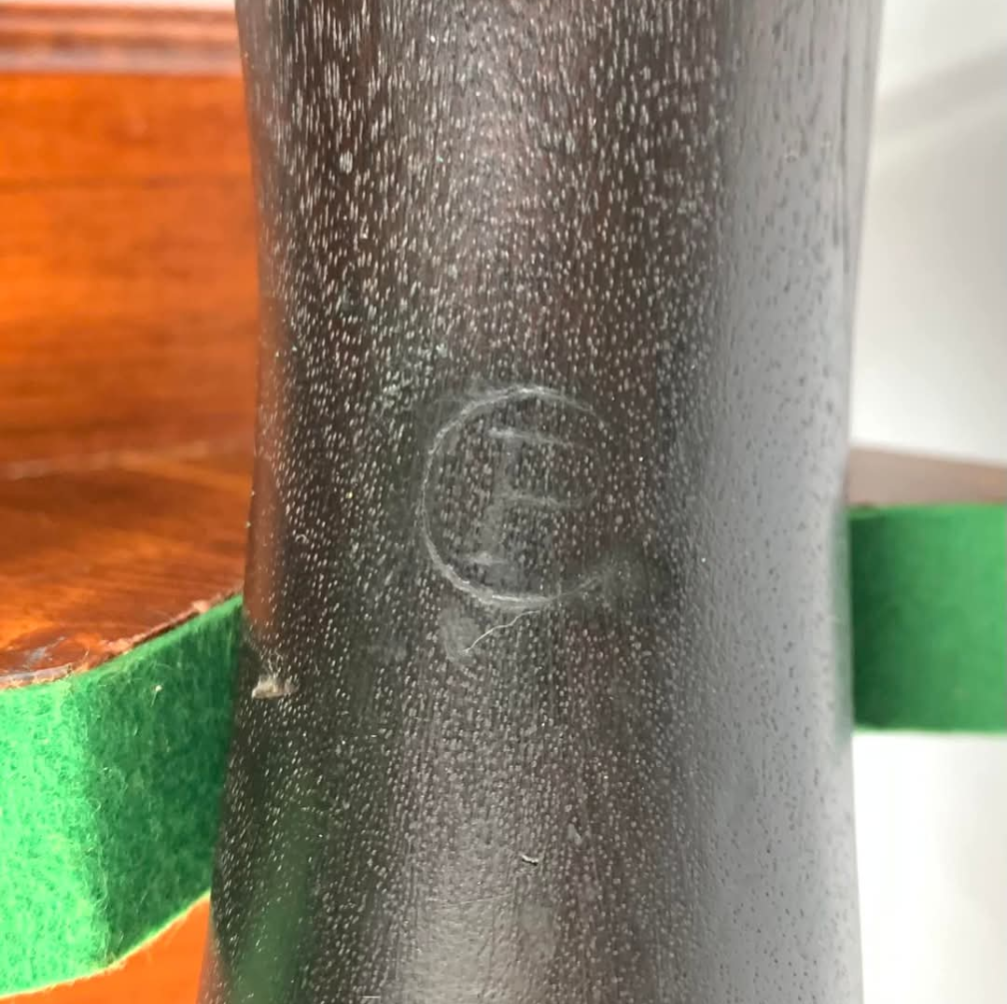
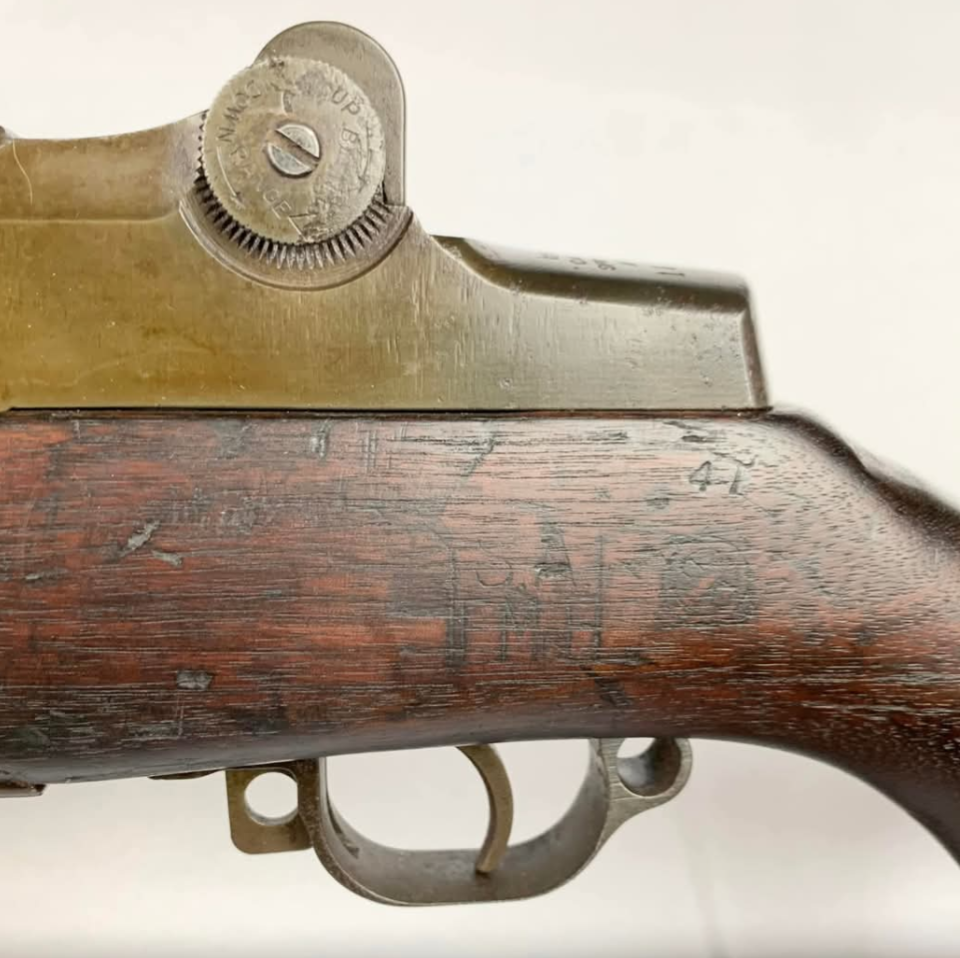
Archival documentation lists #1618269 as one of the rifles belonging to this detachment on September 15th, 1948. #1618269 is mostly if not entirely original, with an SA 10-43 marked barrel and EMcF cartouched stock. A true timepiece, #1618269 is one of only a handful of USMC M1 Garands in original World War II condition (Plowman collection).
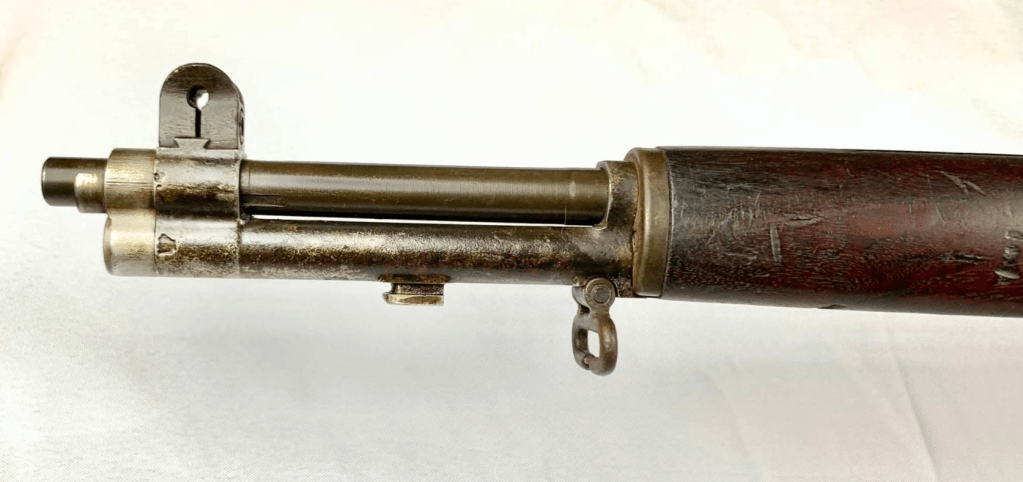
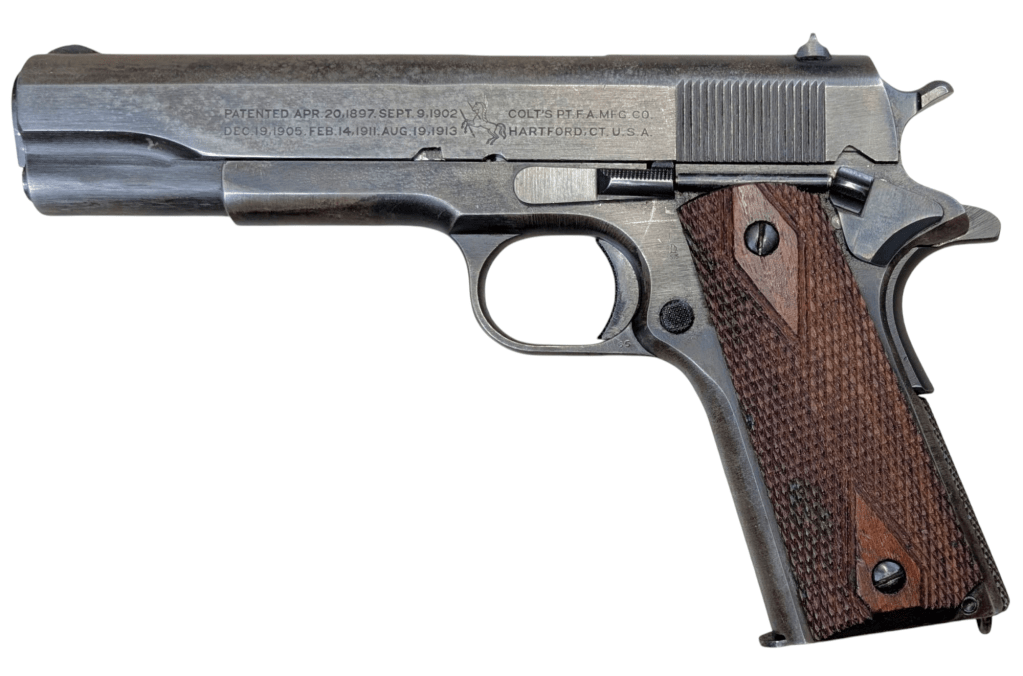
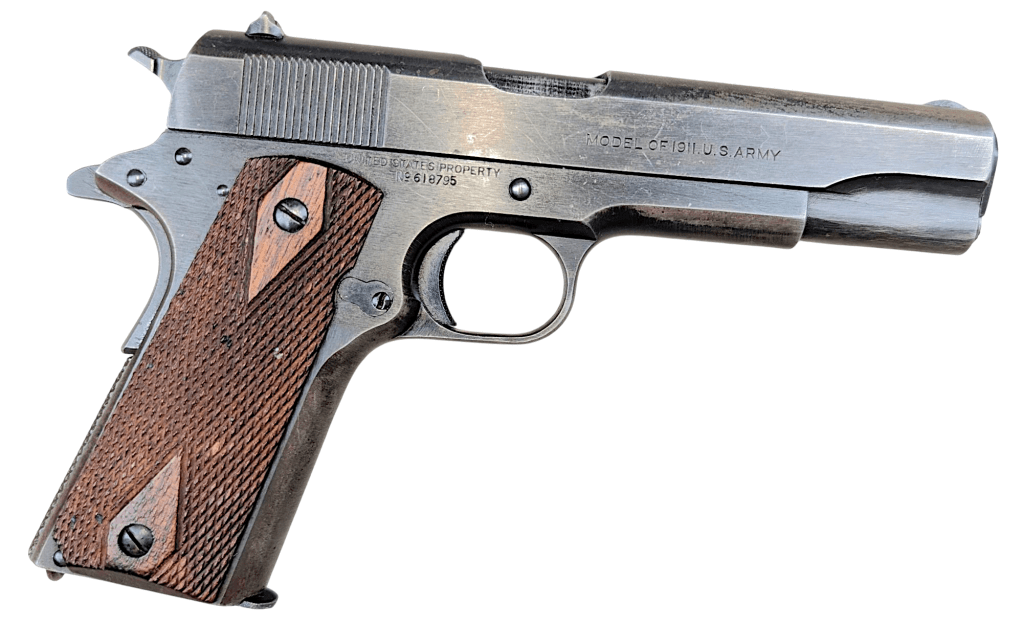
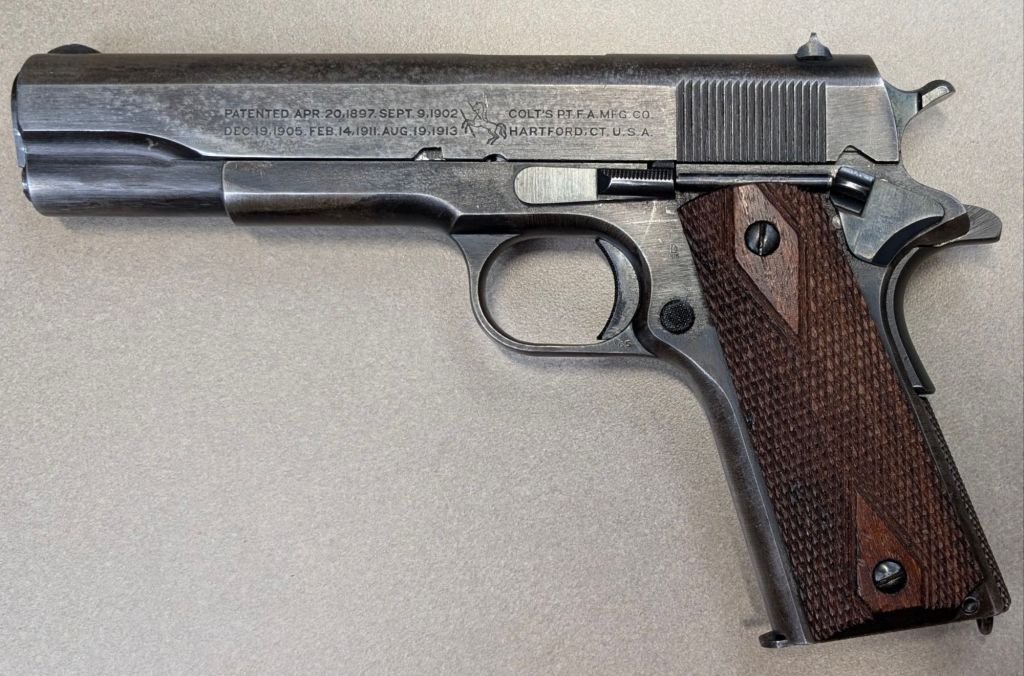
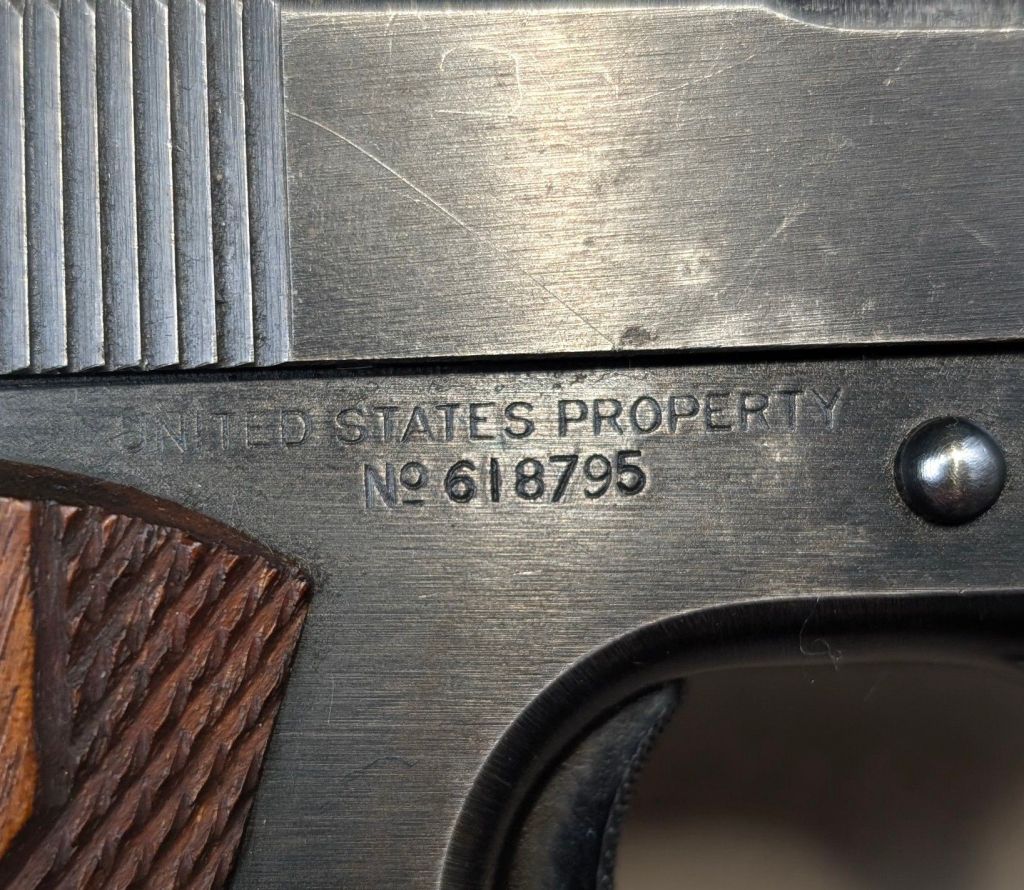
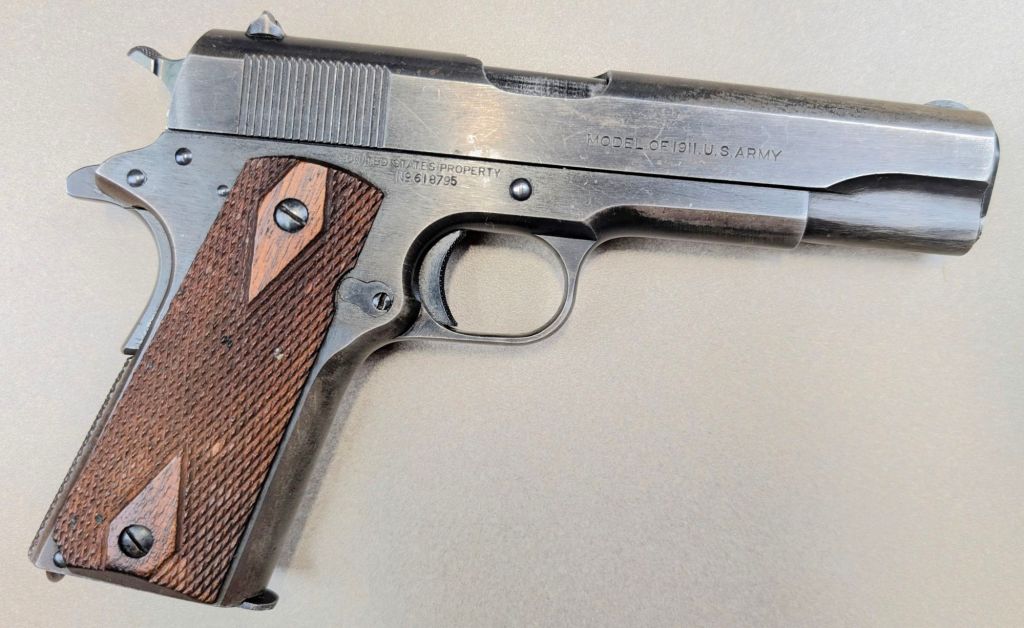
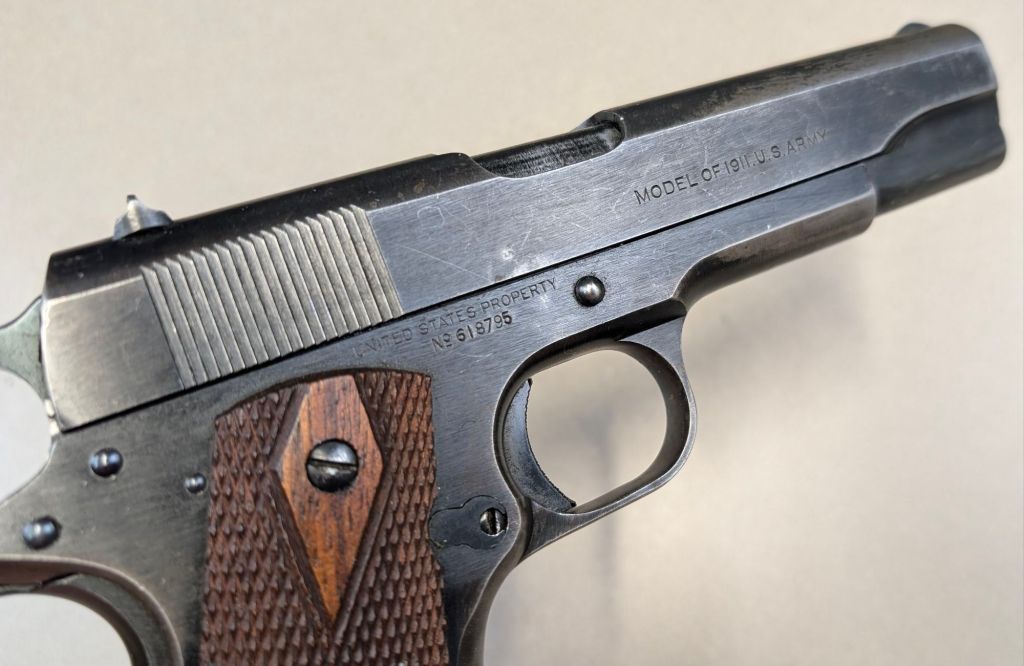
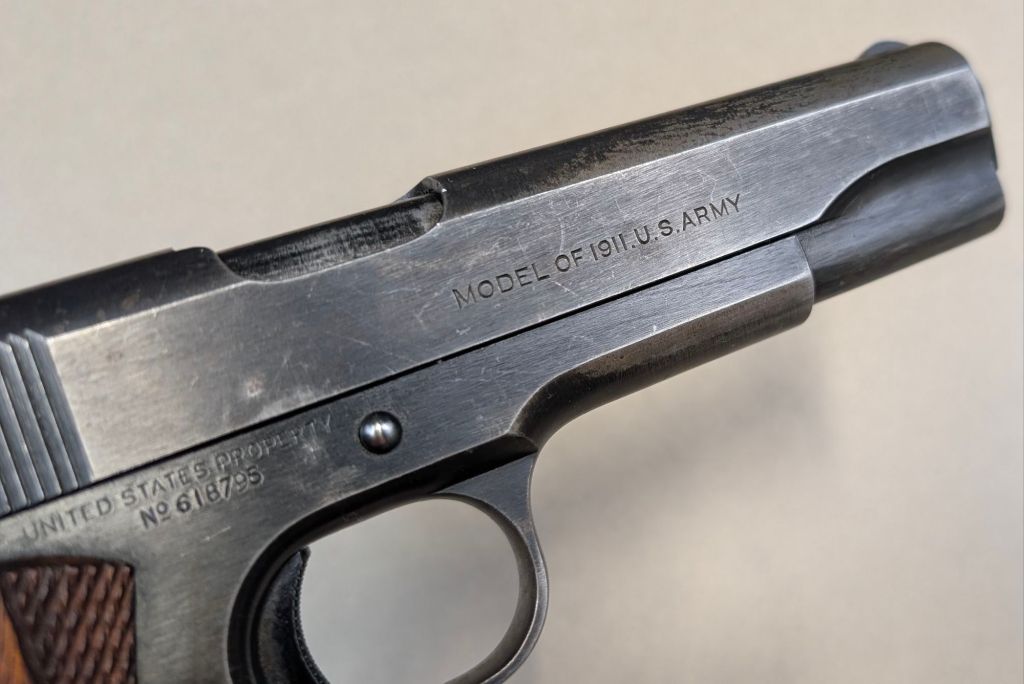
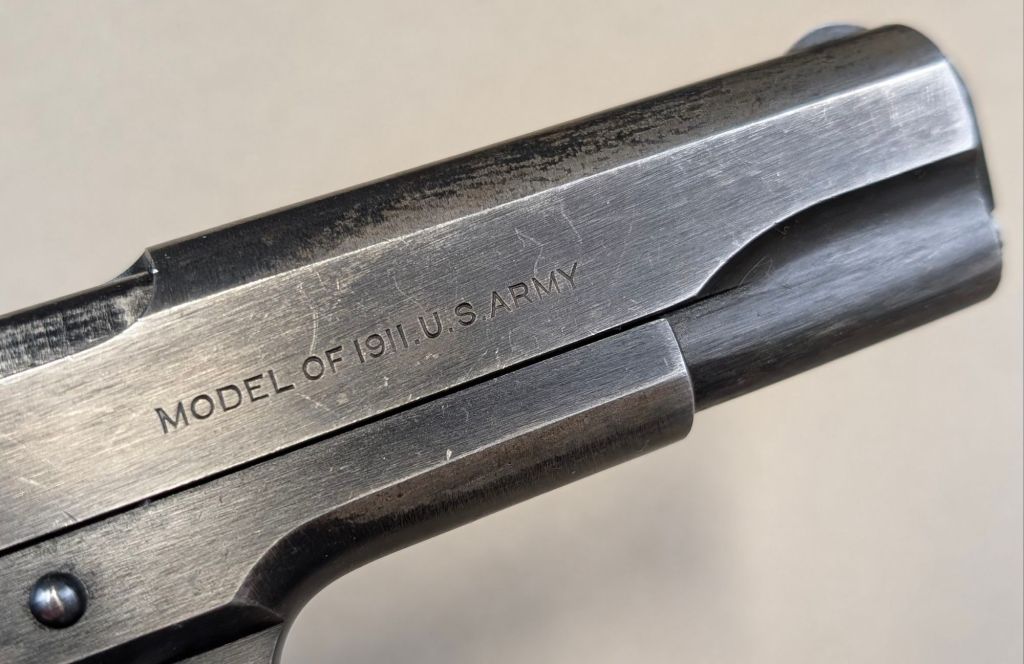
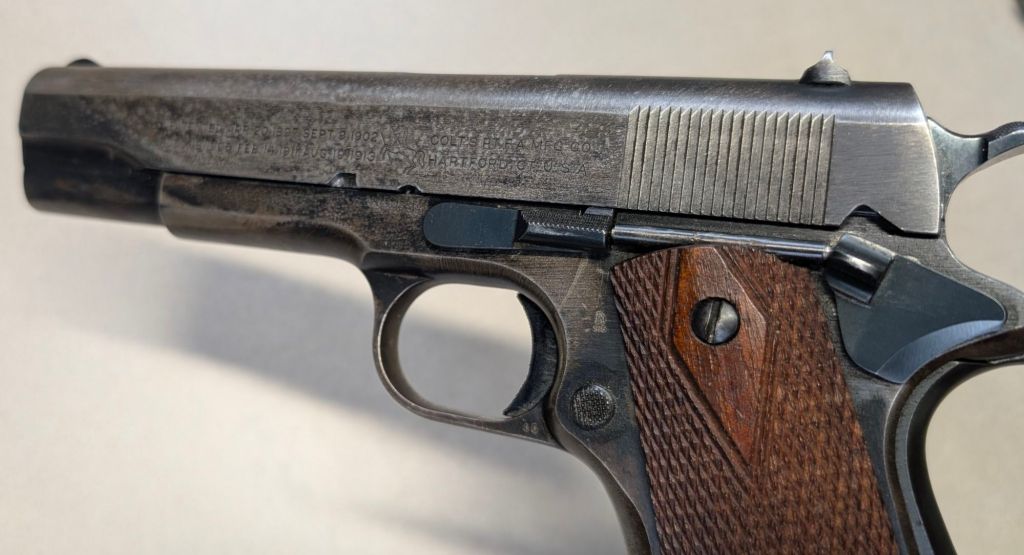
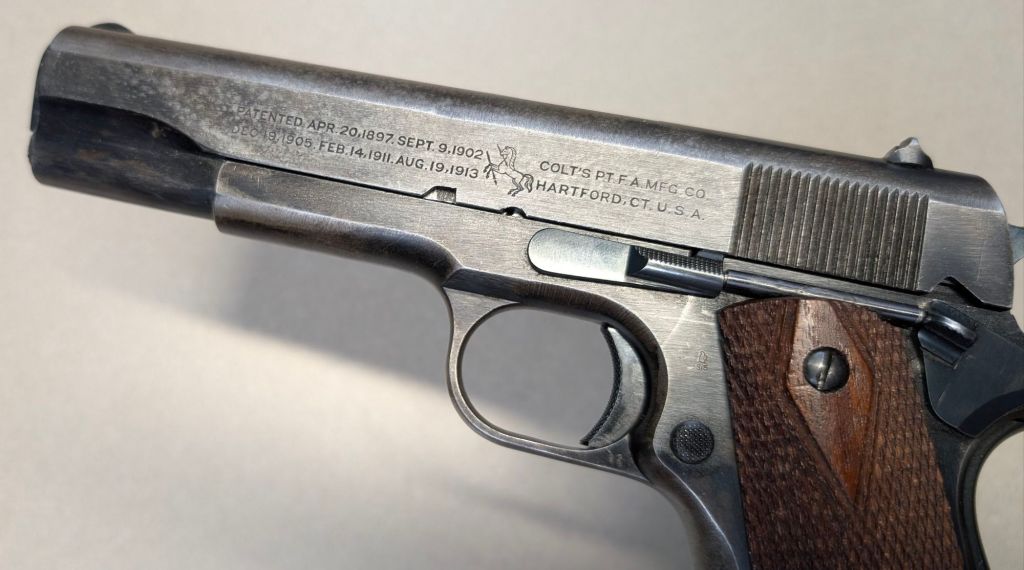
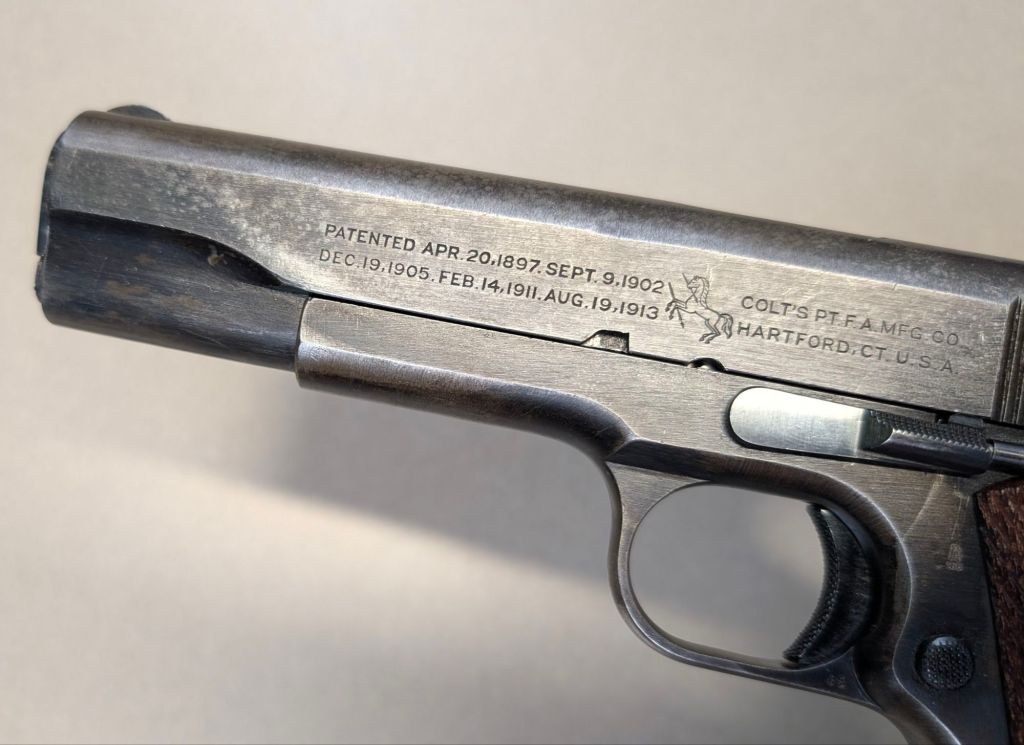
USMC M1911 #618795
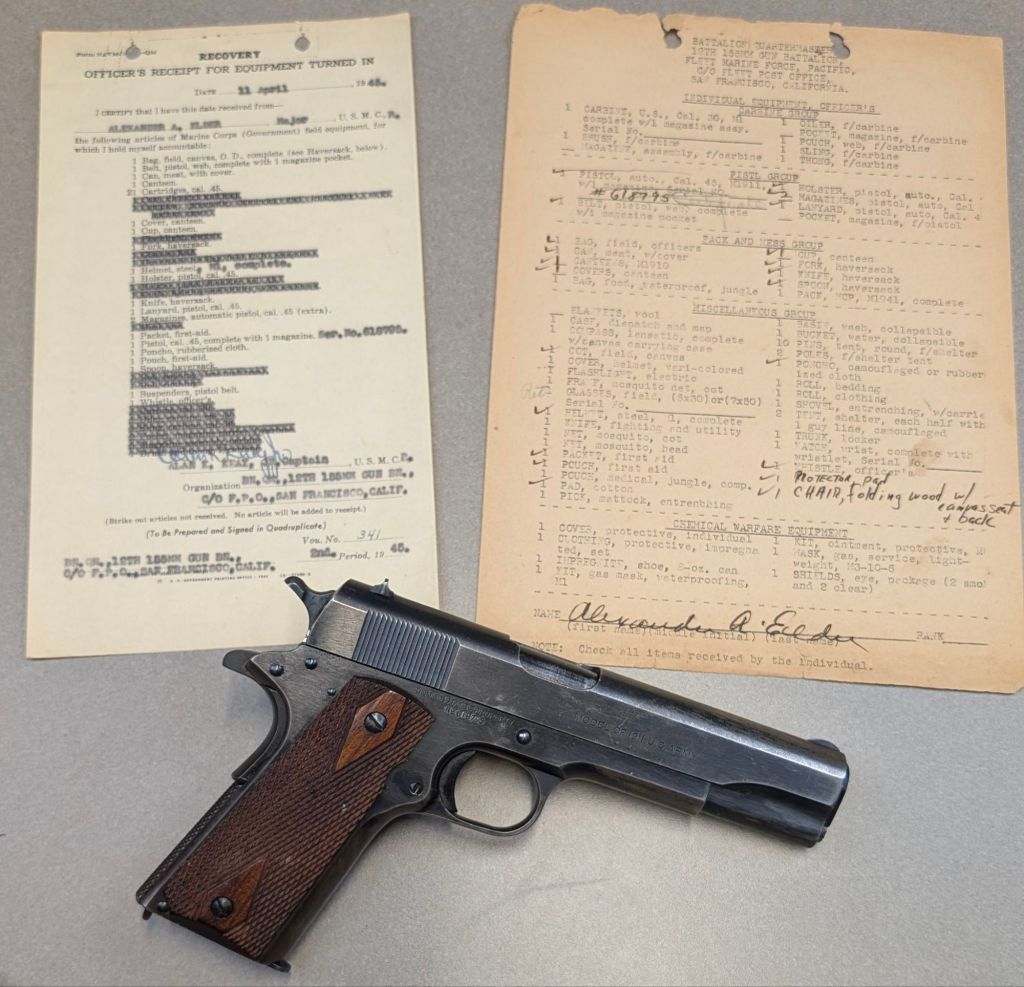
Issued to Major Alexander Elder, Executive Officer of the 2nd 155mm Howitzer Battalion, 1st Provisional Field Artillery Group on Iwo Jima
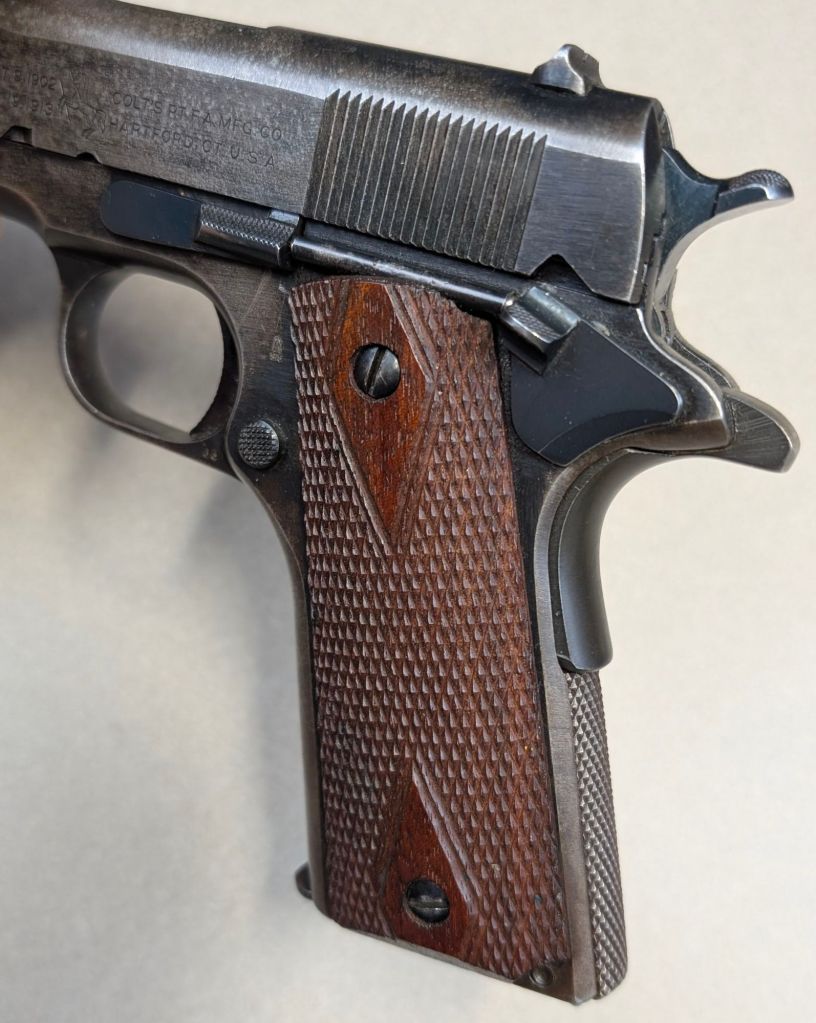
USMC Colt M1911 #618795 was issued to Major Alexander Elder, a Marine artillery officer upon his joining the 12th 155mm Gun Battalion in the fall of 1944. Renamed the 2nd 155mm Howitzer Battalion of the 1st Provisional Field Artillery Group for the invasion of Iwo Jima, Major Elder’s howitzer would serve as the battalion’s executive officer. Major Elder’s unit would provide heavy artillery support for the 3rd, 4th and 5th Marine Divisions during the battle, under constant enemy fire themselves.
Marines with the 2nd 155mm Howitzer Battalion providing fire support during the Battle of Iwo Jima (USMC).
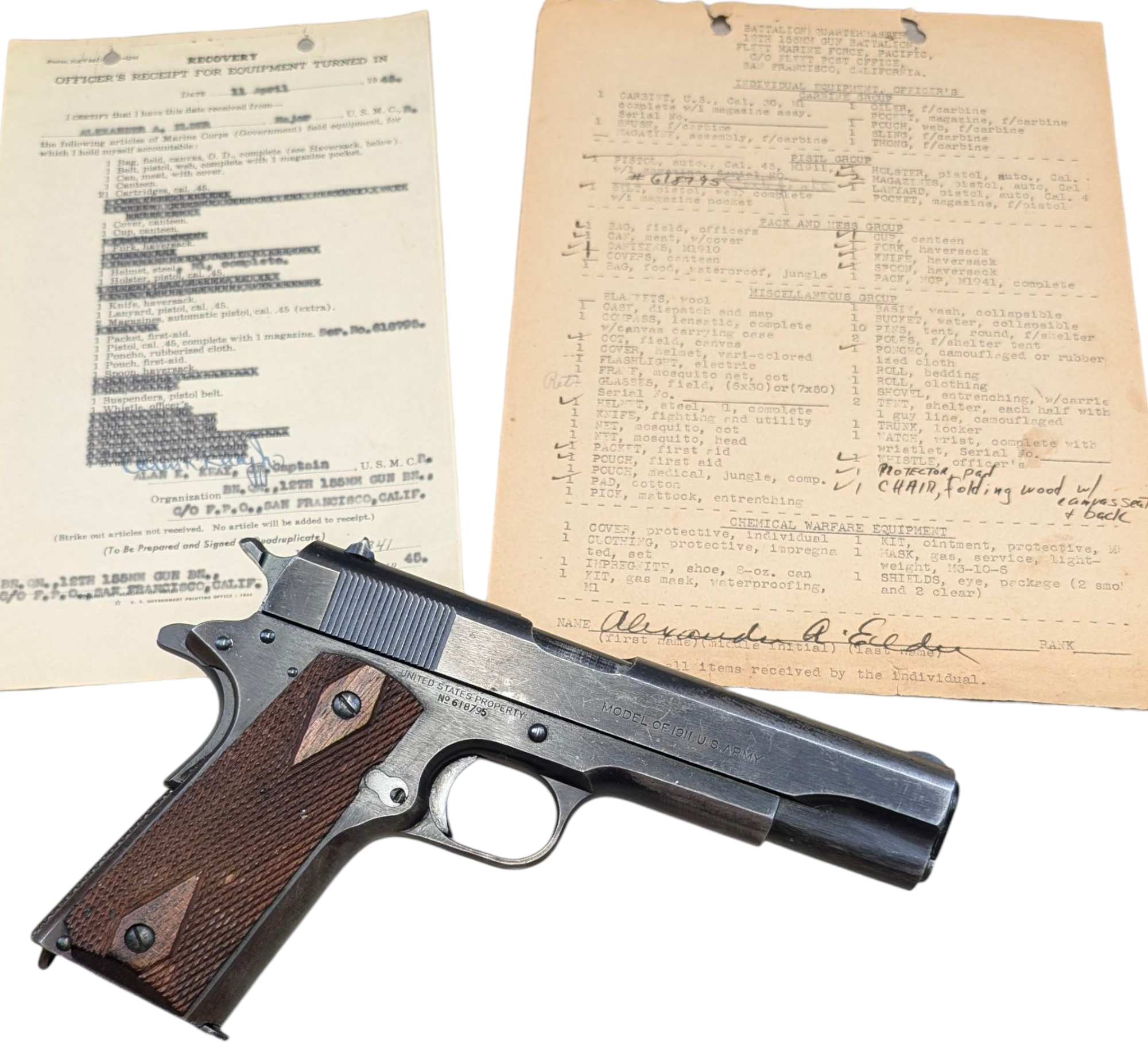
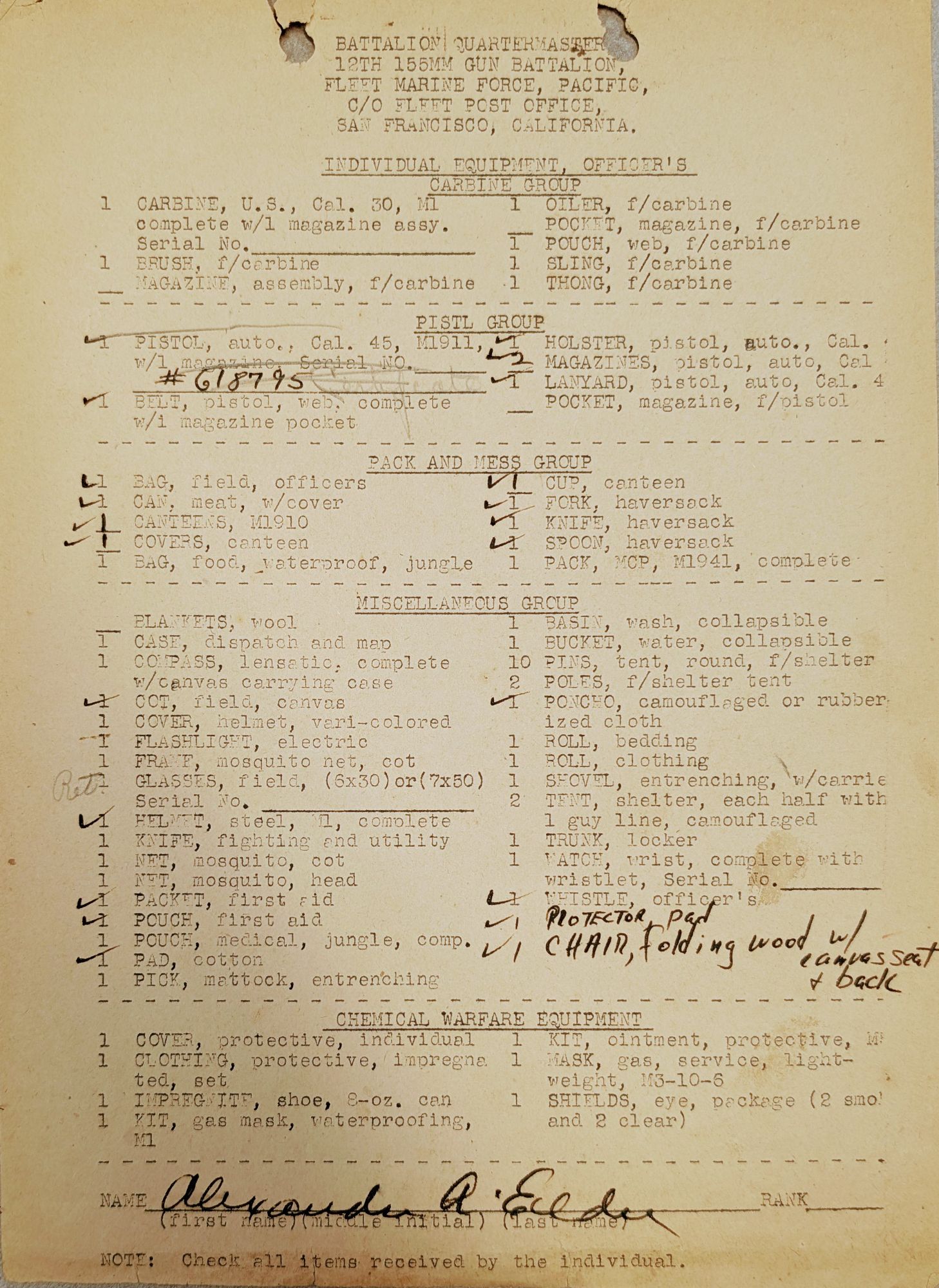
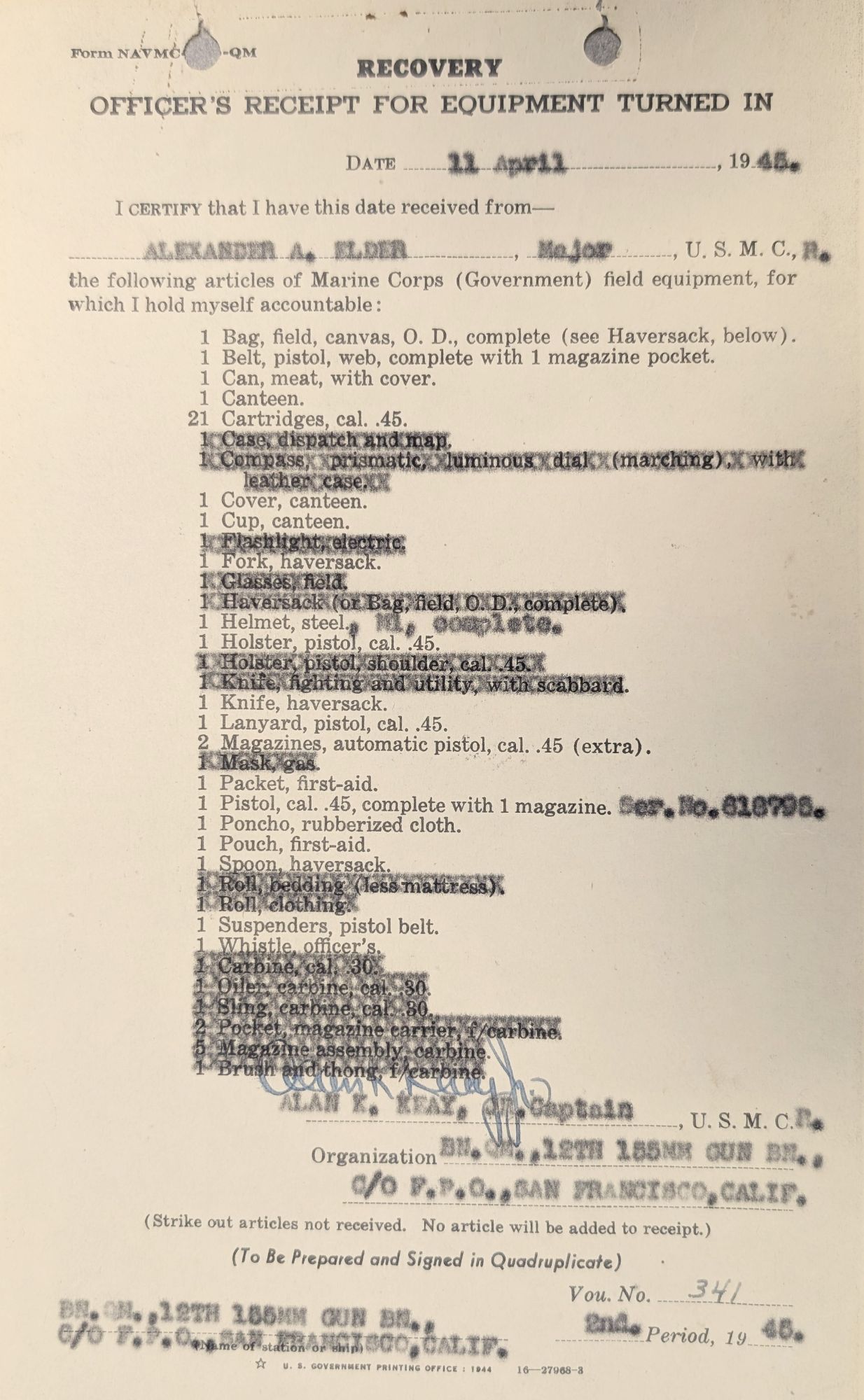
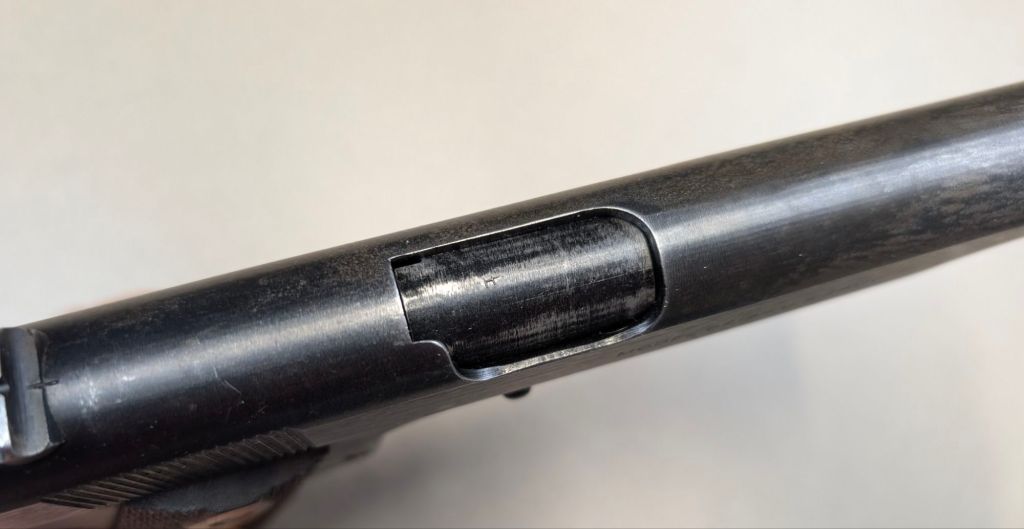
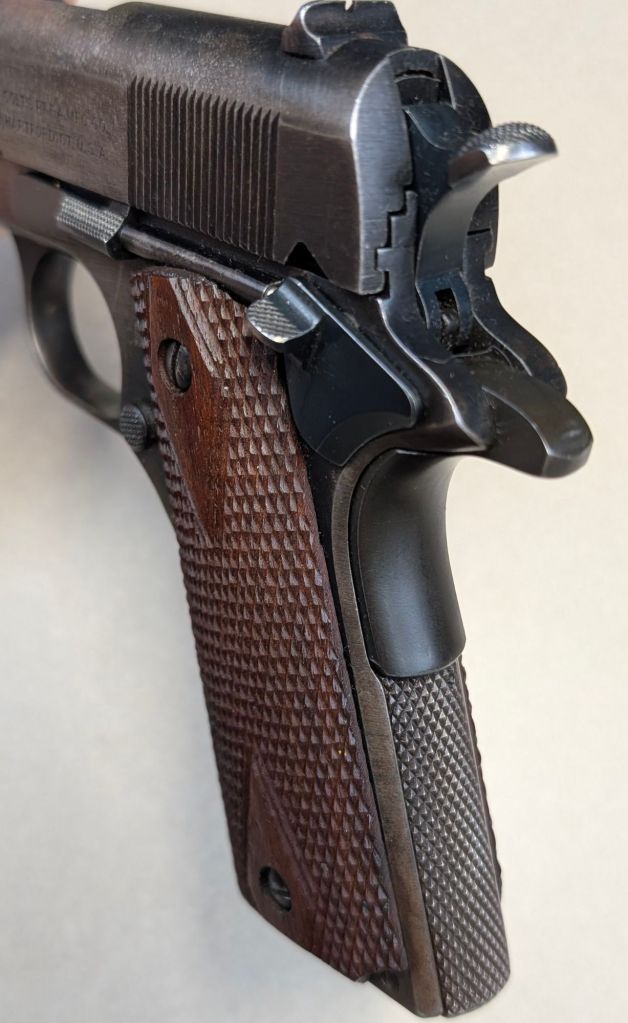
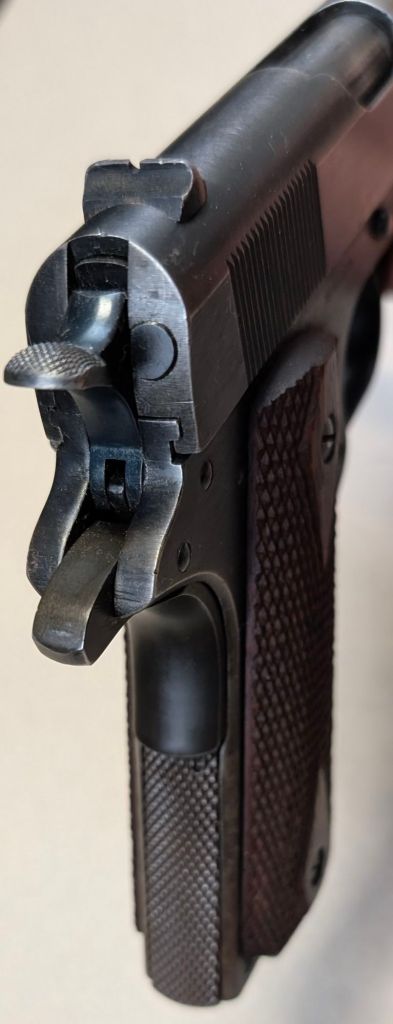
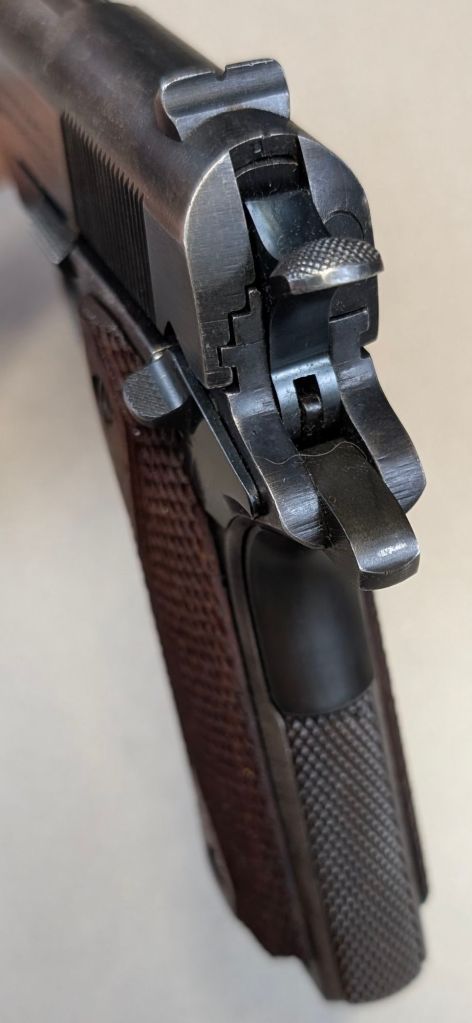
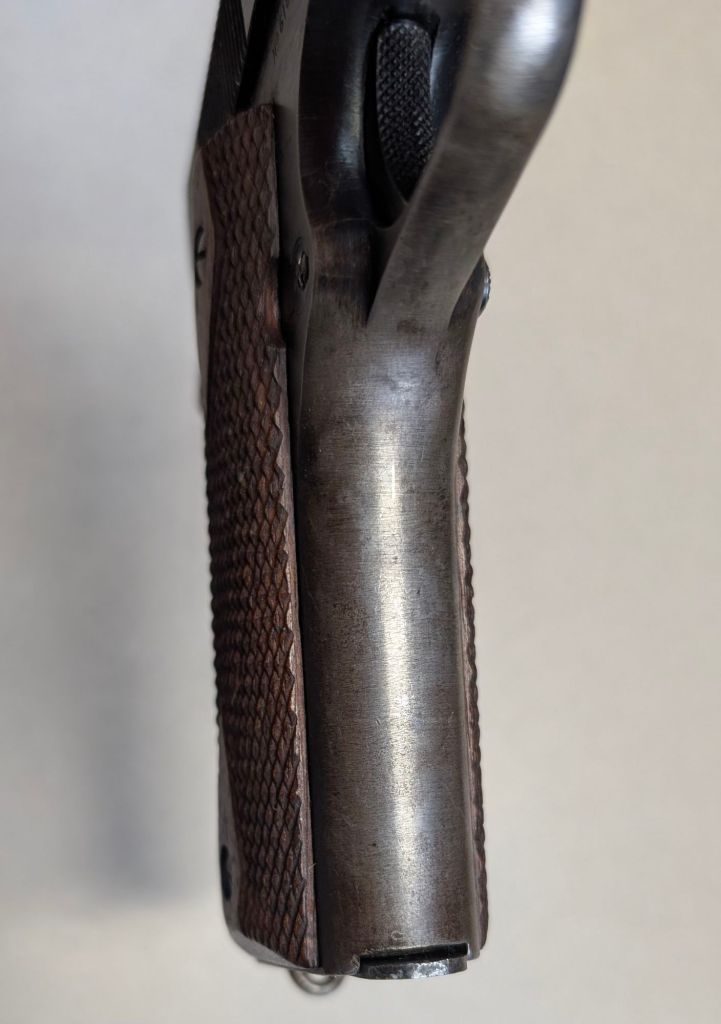
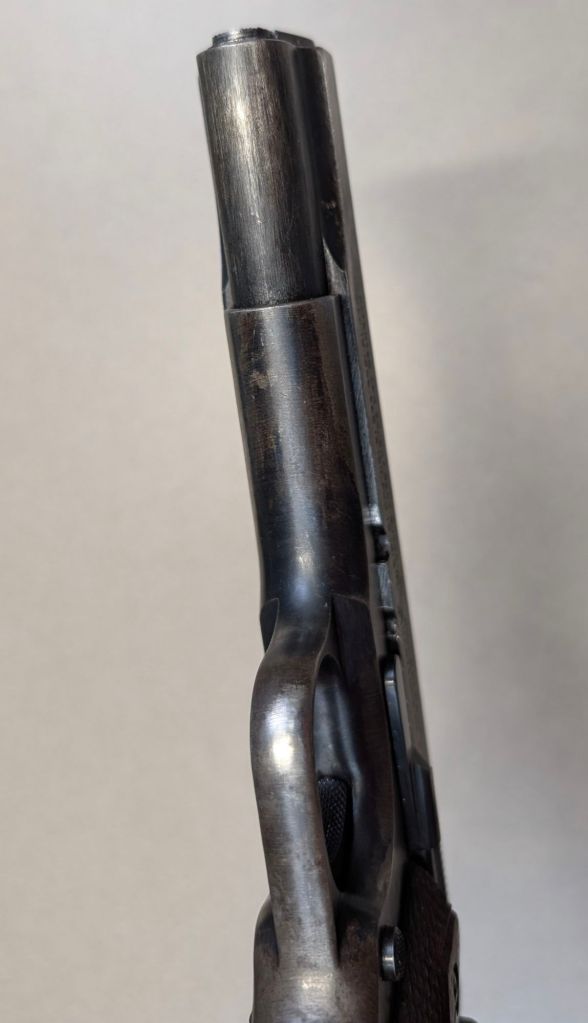
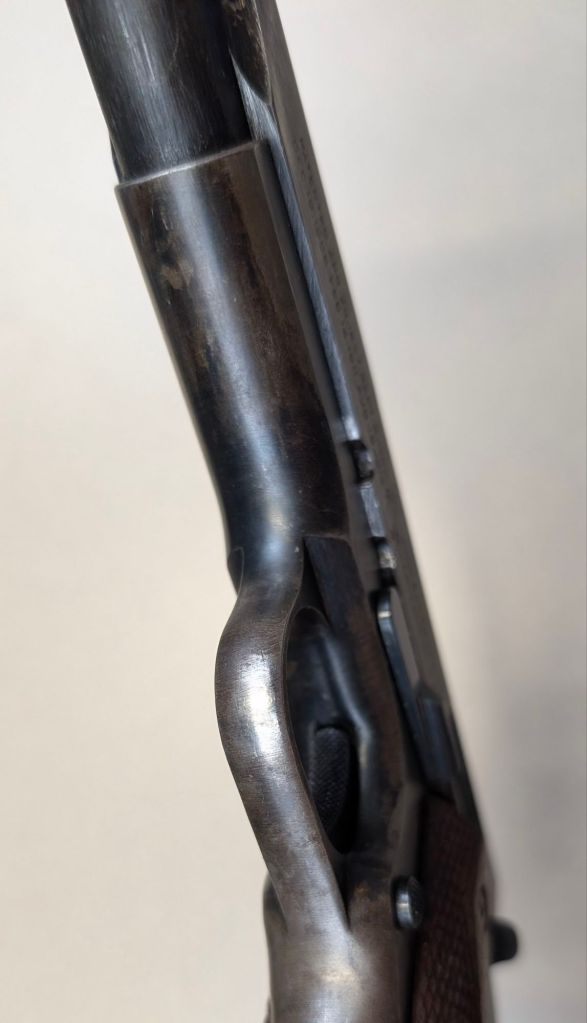
One of 10,700 Colt M1911s produced and sent to the Marine Corps in 1919, #618795 retains its original blued finish with some minor parts replacement during its subsequent decades of service. The trigger has been updated to a M1911A1 type and the grips were replaced, while the barrel remains original. The overall condition is nice considering the service this pistol saw. As World War II came to an end and Major Elder would see no further combat, he would be given the opportunity to purchase his M1911. Considering the original documentation #618795 possesses, this pistol is in exceptionally rare company as a battle documented Marine Corps Weapon (Plowman collection).
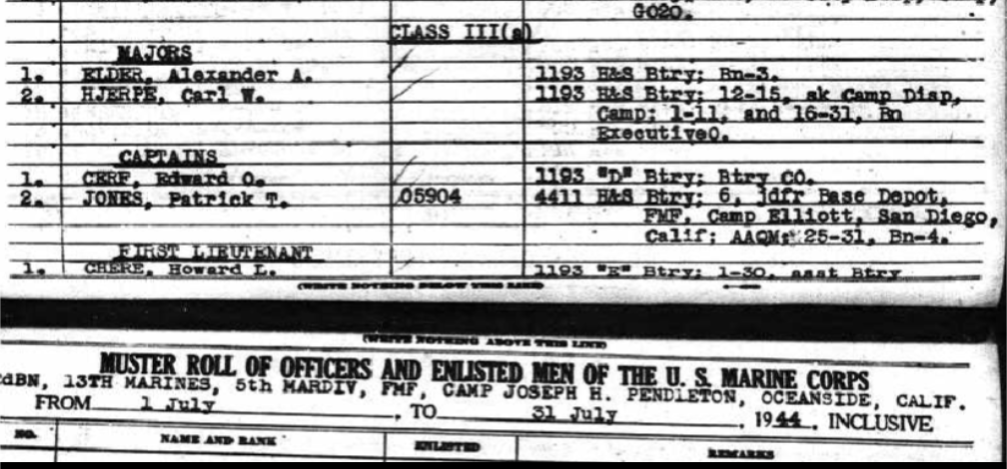
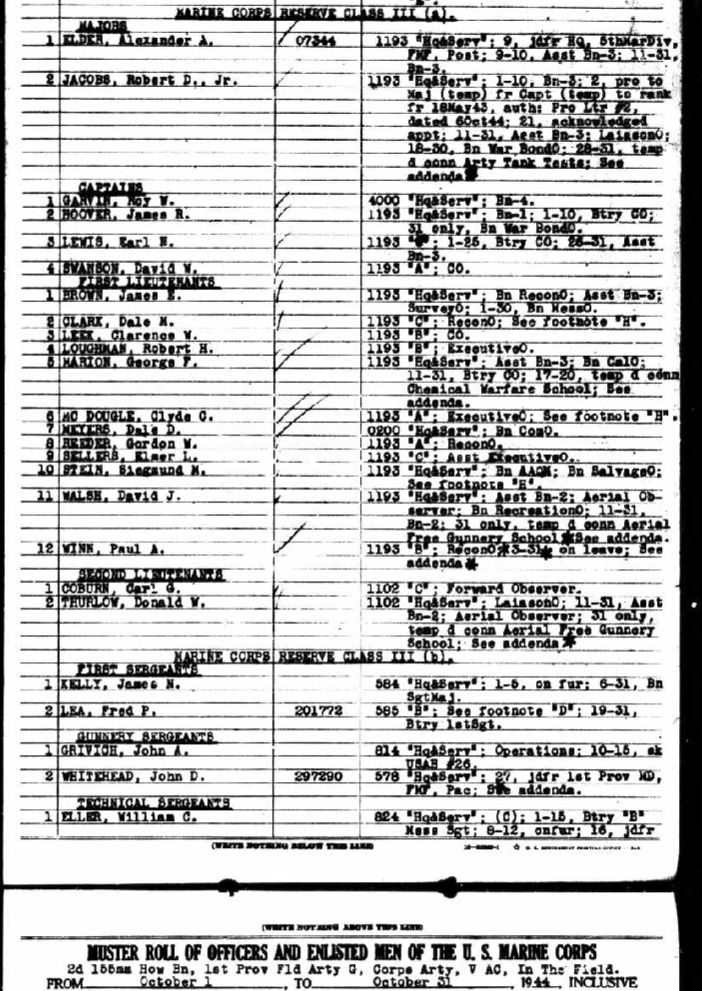
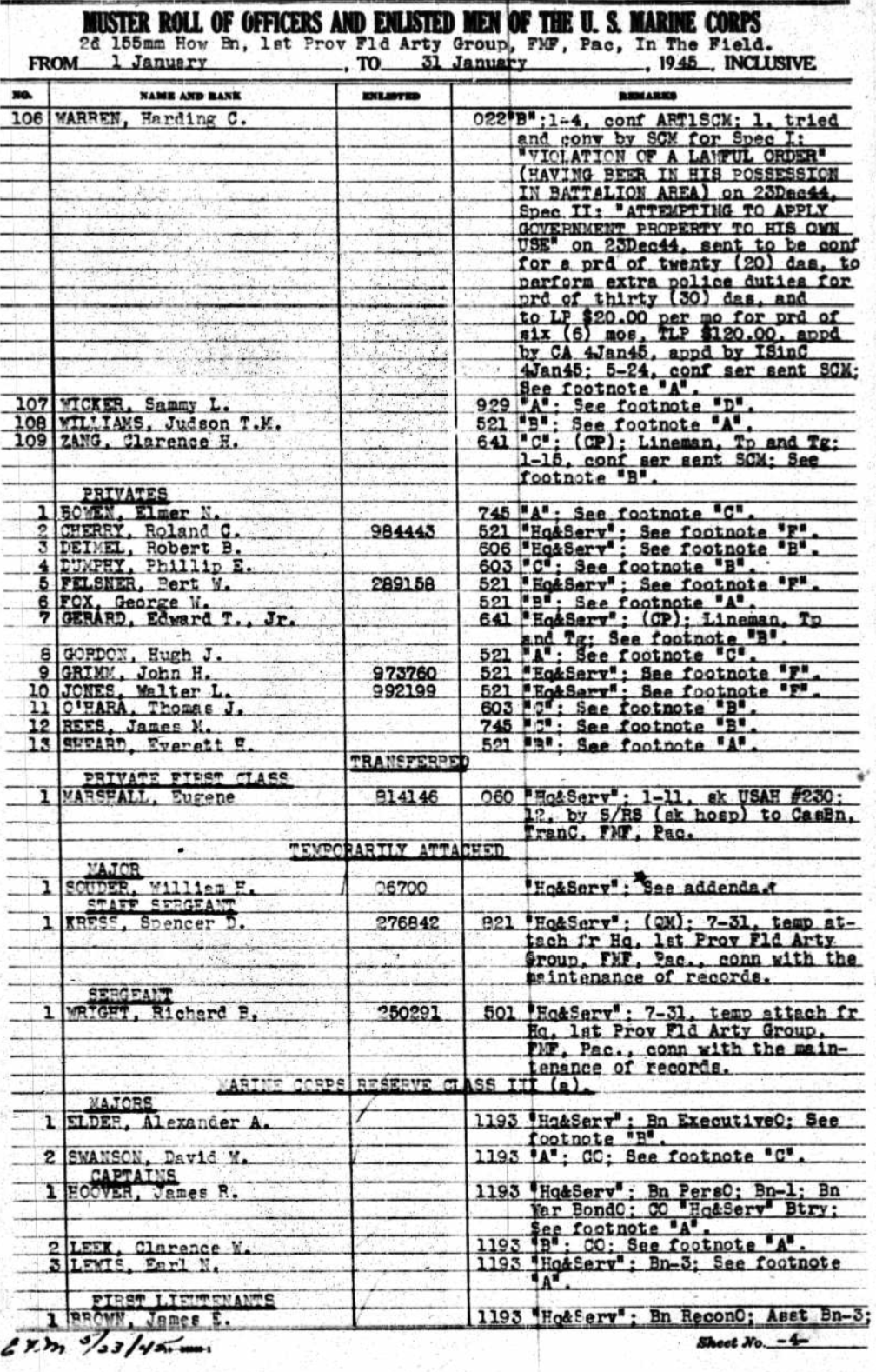
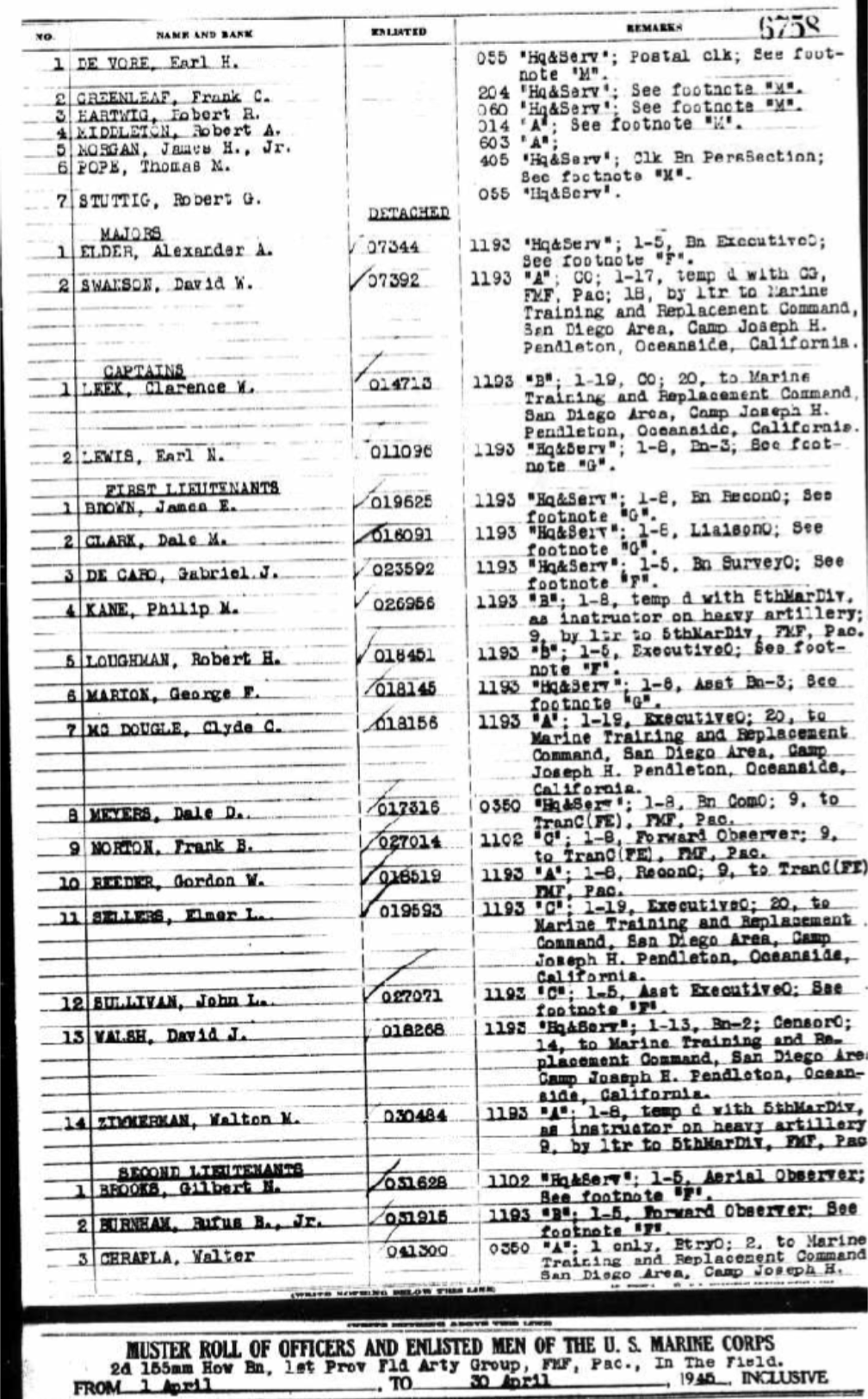
Marine Corps muster rolls for Major Elder in late 1944 & 1945 (NARA)
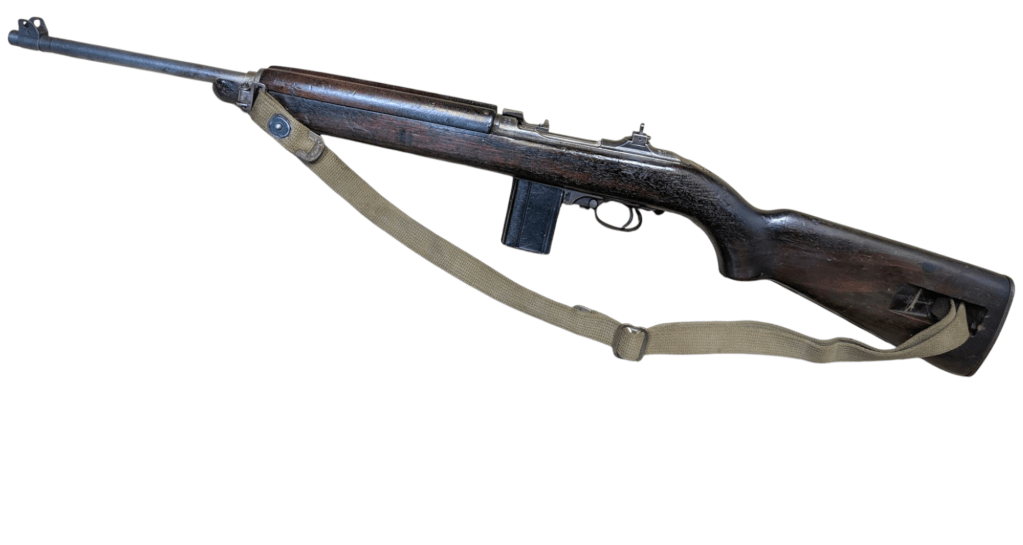
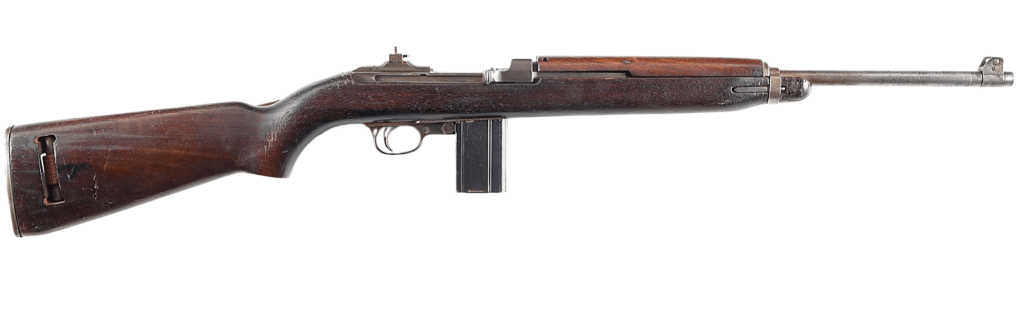
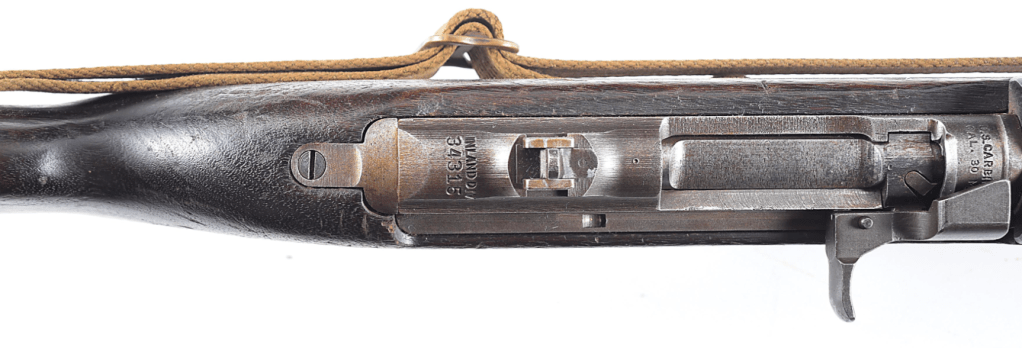
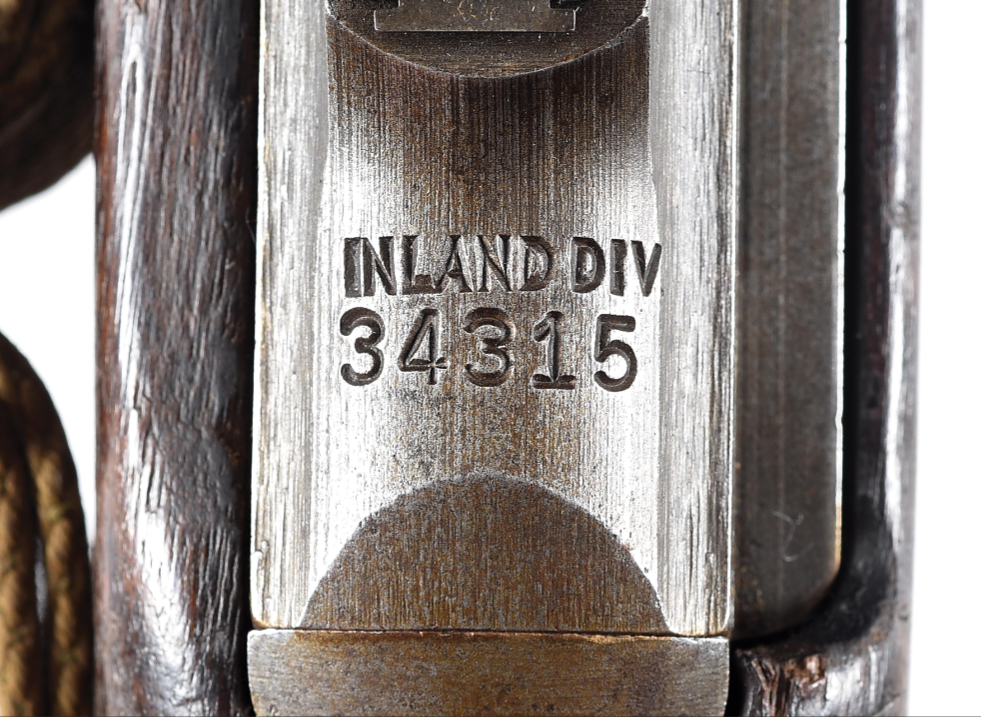
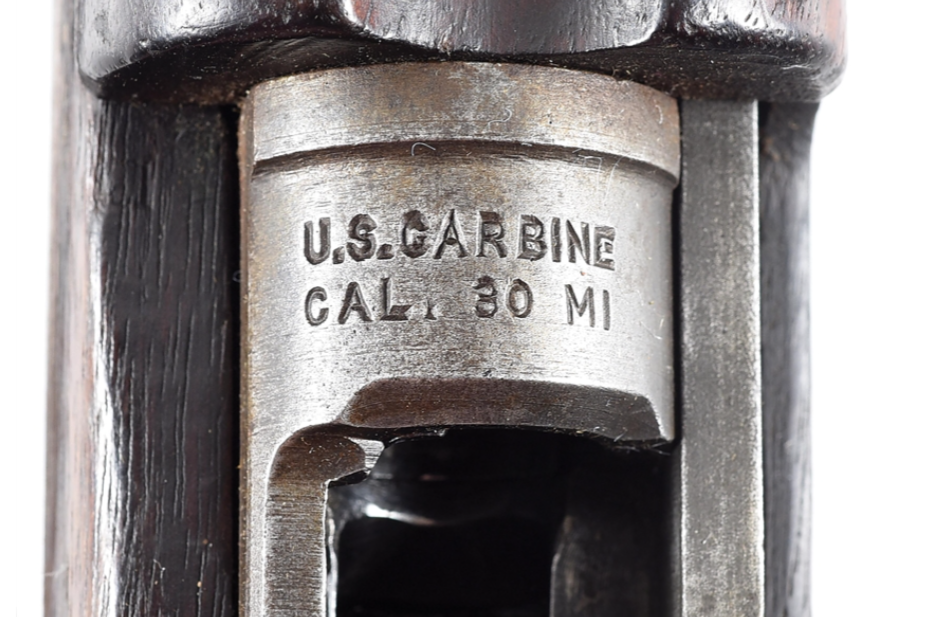
USMC M1 CArbine #34315
Brought home from Iwo Jima by B-29 Navigator Captain Malcolm Fleming
On the return from a bombing mission to mainland Japan, Captain Fleming’s B-29 was forced to make an emergency landing on Iwo Jima due to a lost engine. Late in the battle, pockets of Japanese resistance had begun targeting the airfield, with the crew of Captain Fleming’s B-29 being ordered to guard their aircraft in shifts. One noteworthy event, and likely the one mentioned in Captain Fleming’s narrative is the attack on the 21st Fighter Group on March 26th, 1945, where several hundred Japanese defenders launched a banzai charge that was defeated by Marine pioneers, Navy Seabees and the Army Air Force.
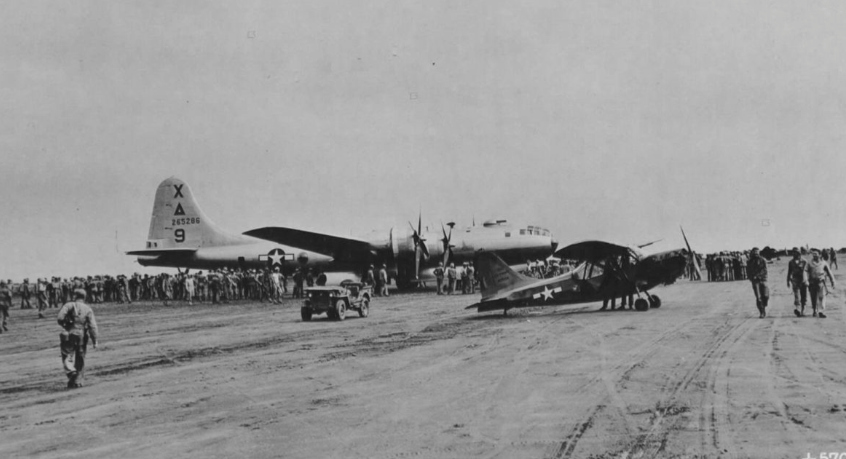
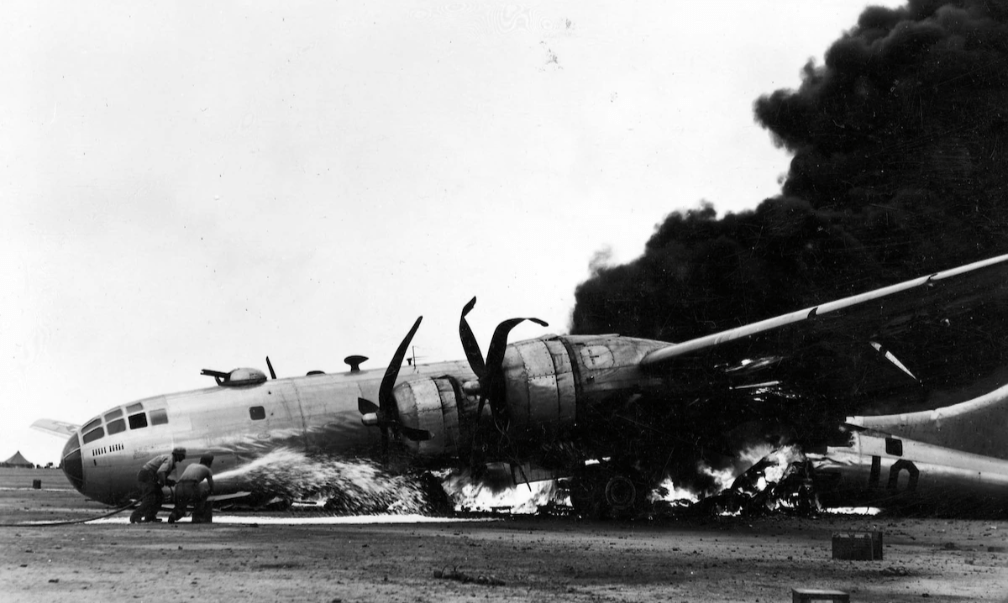
B-29s began using the runways on Iwo Jima as soon as they were secured. Many crewmembers, including Captain Fleming credited this with saving their lives.
During his week on the island, Captain Fleming would befriend various officers, including a captain and lieutenant from a company of Marines charged with destroying caves with demolition as some Japanese defenders remained inside. This led to the opportunity to collect souvenirs, and while Japanese weapons – particularly swords were the most desired, Captain Fleming would grab this M1 Carbine which was found in a large cave complex with a mix of Japanese and captured Marine weapons. This particular encounter would end with Captain Fleming and the Marines receiving fire from a Japanese holdout, who would refuse to surrender and instead be sealed in the cave permanently by demolitions.
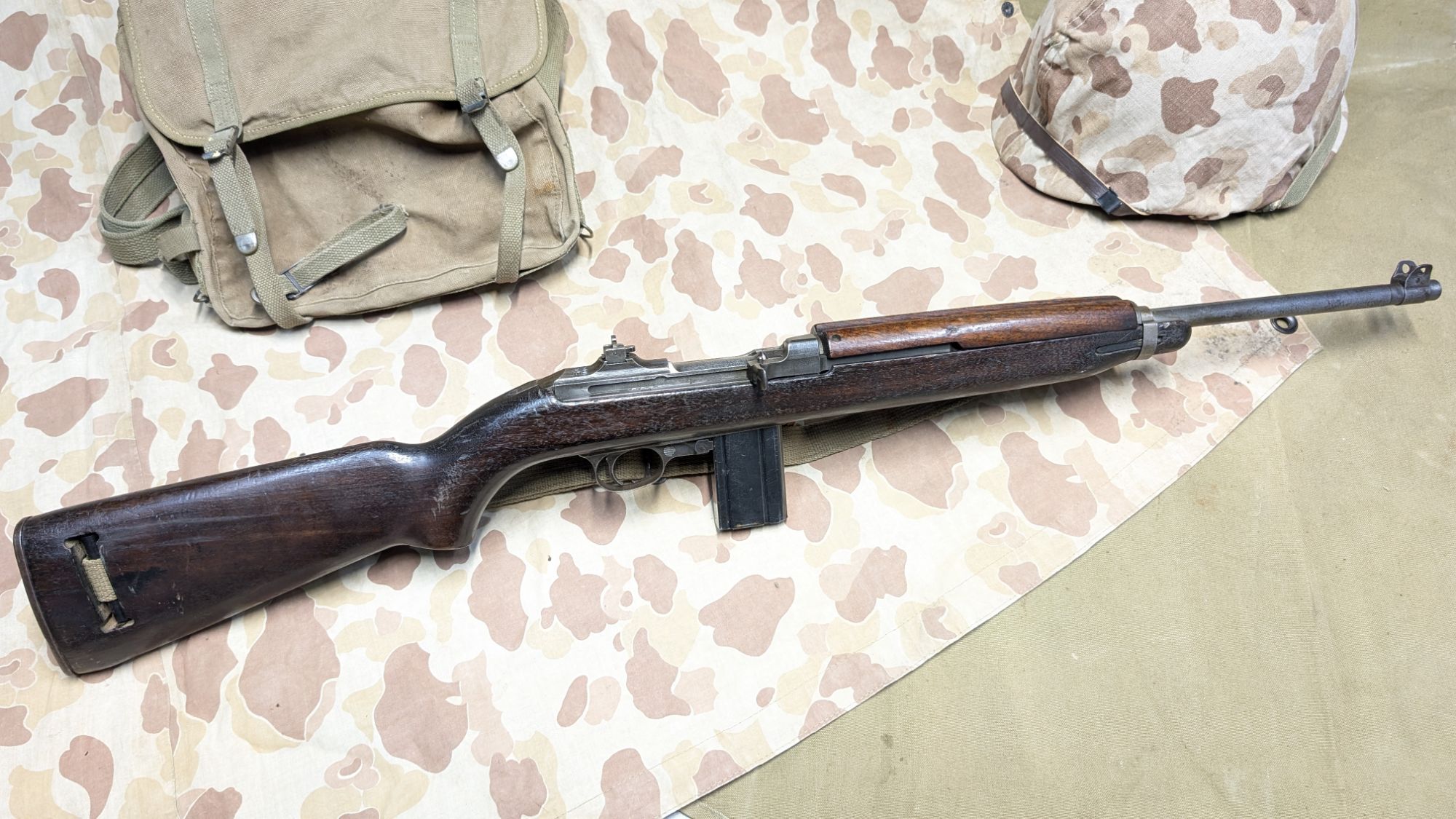
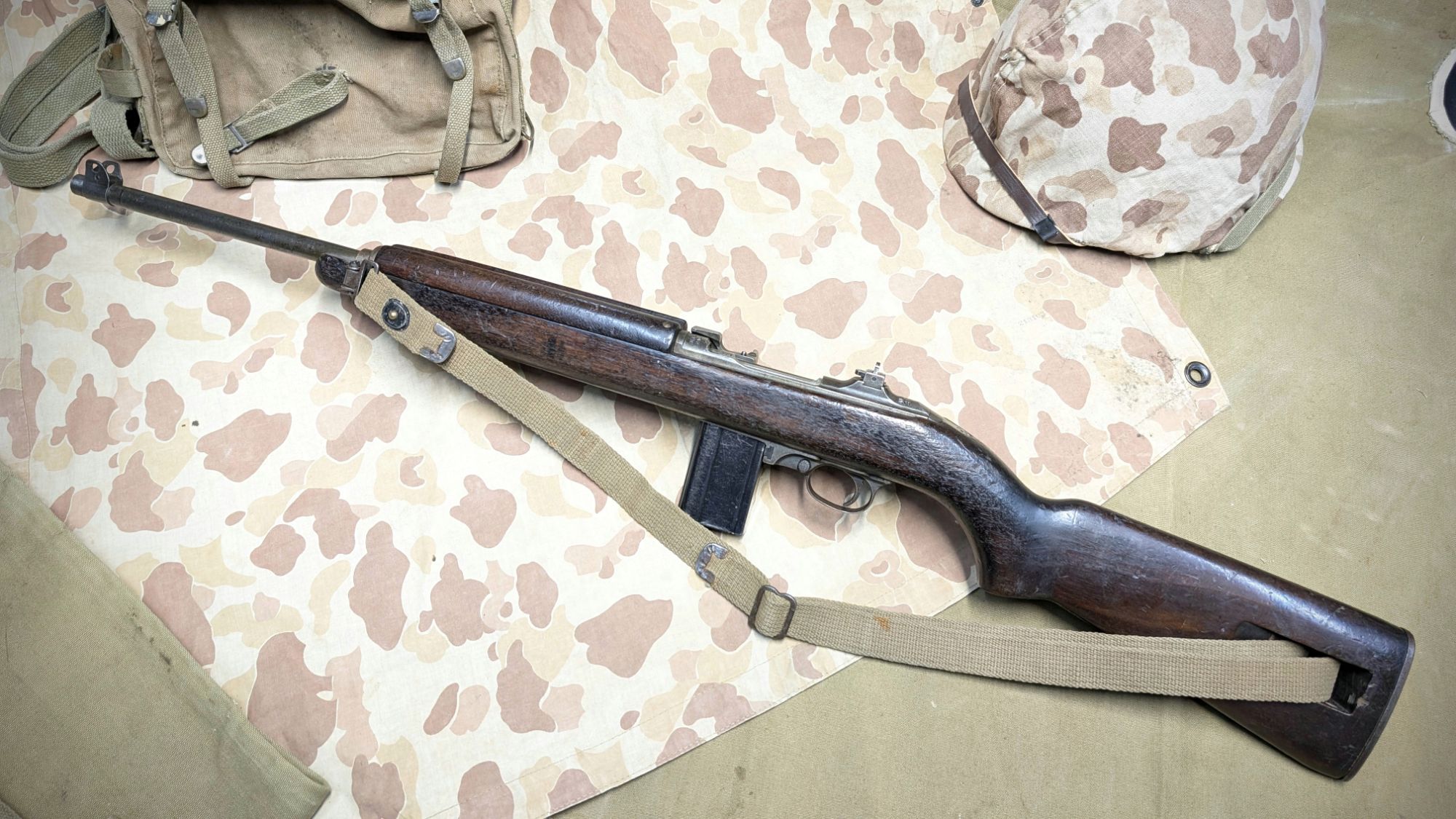
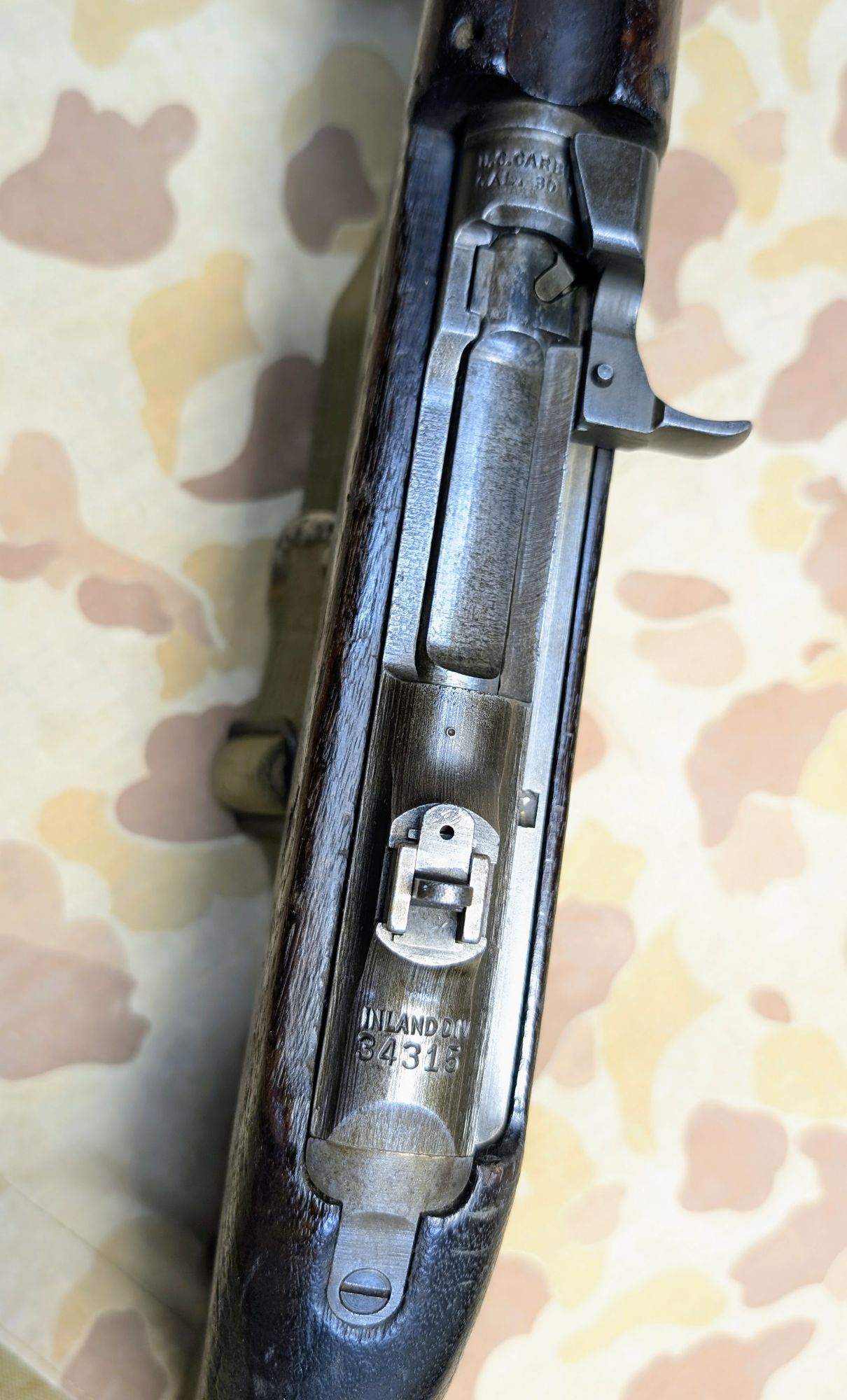
Captain Fleming would bring M1 Carbine #34315 and other souvenirs back home after the war, the stench of death and the incredible toll of the Battle of Iwo Jima forever etched into his memory.
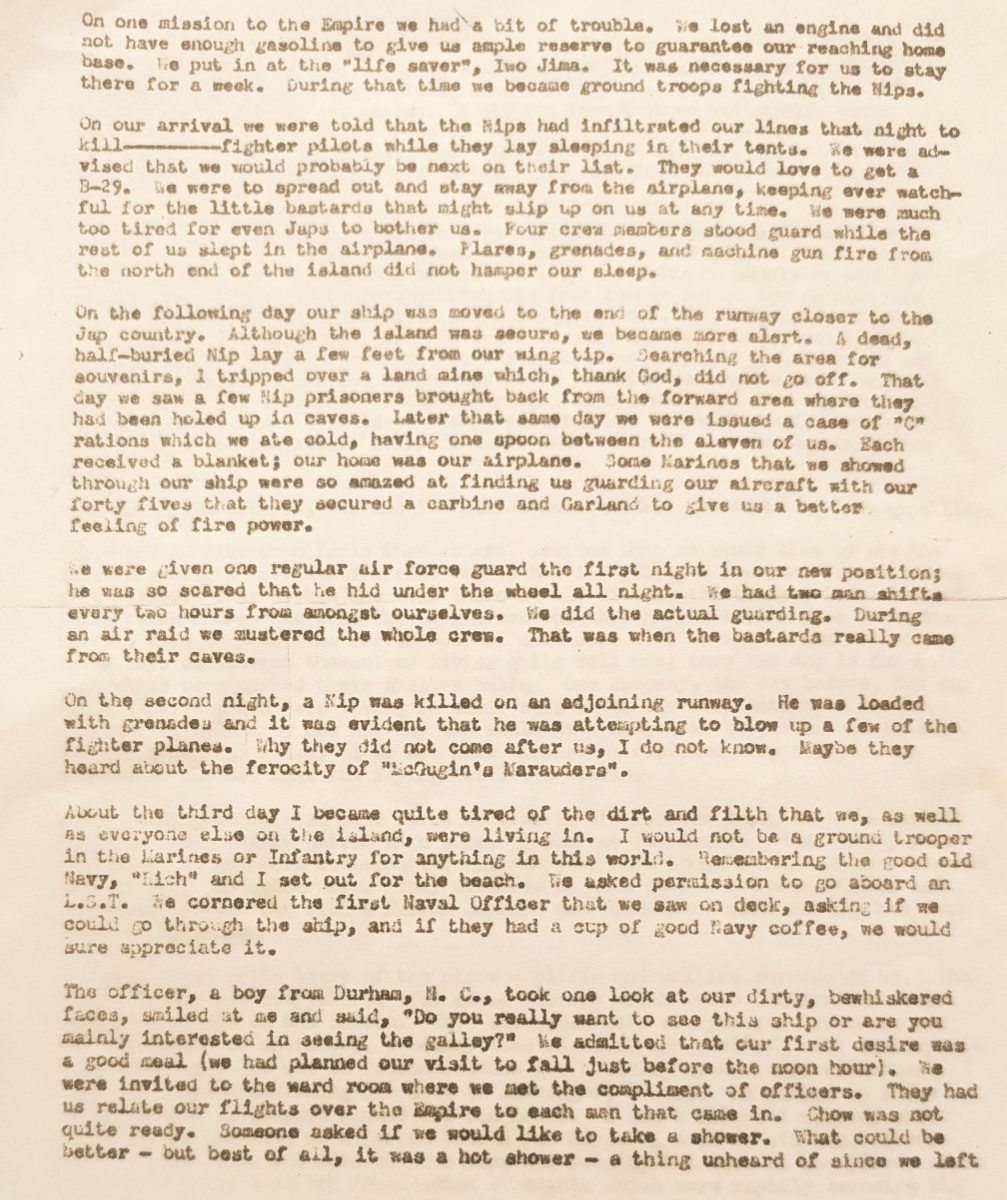
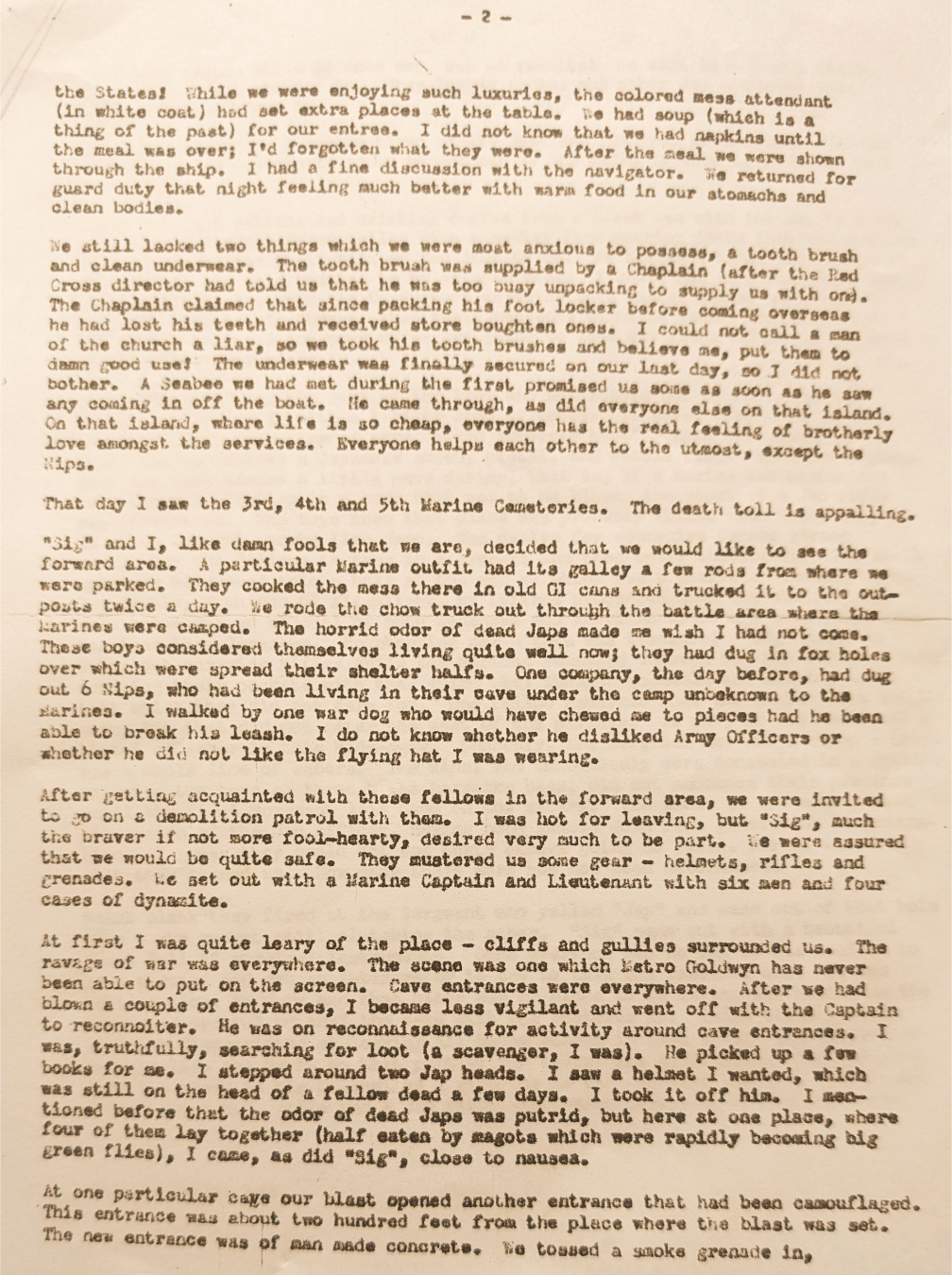
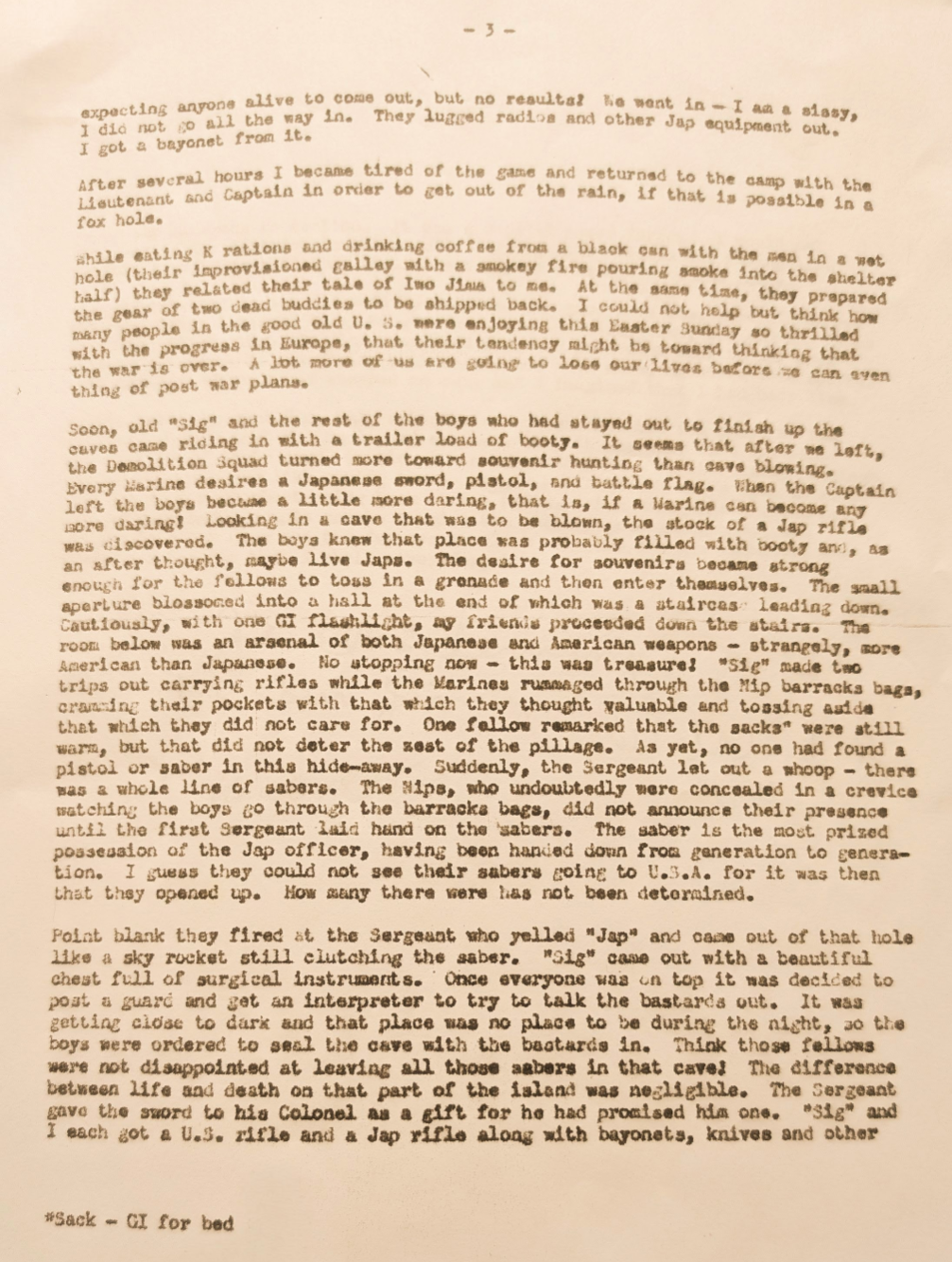
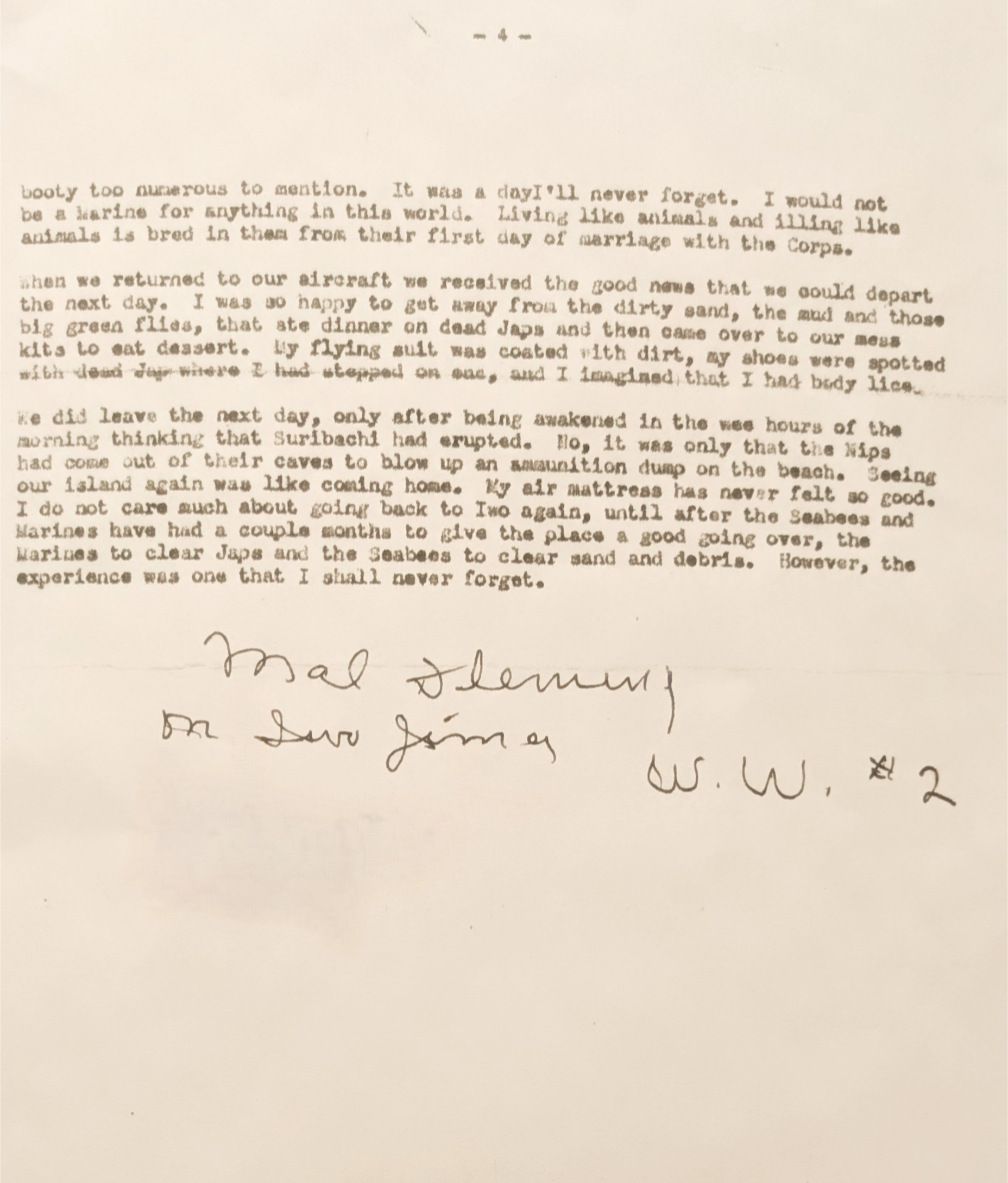
Captain Fleming’s account of his time on Iwo Jima following an emergency landing at the end of the battle.
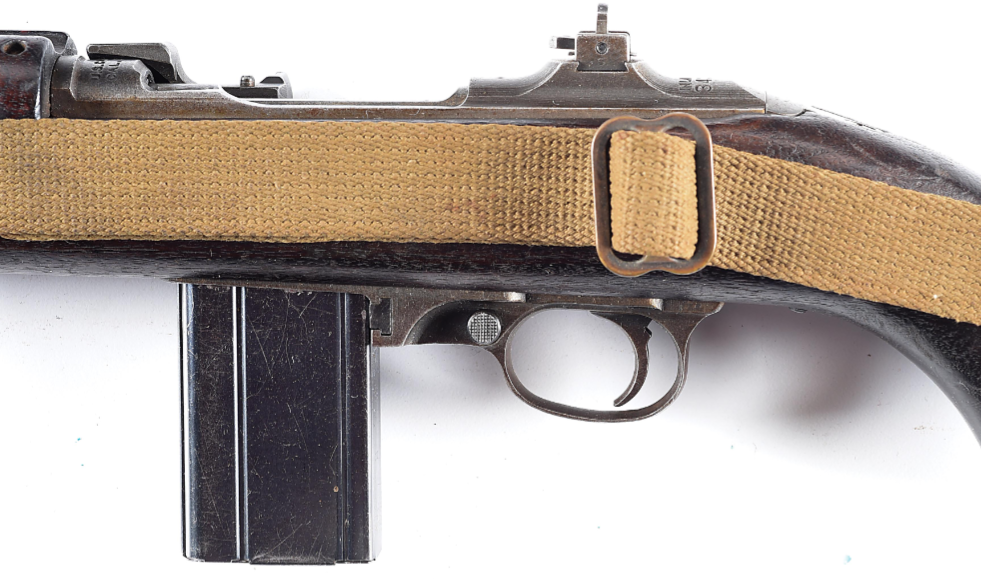
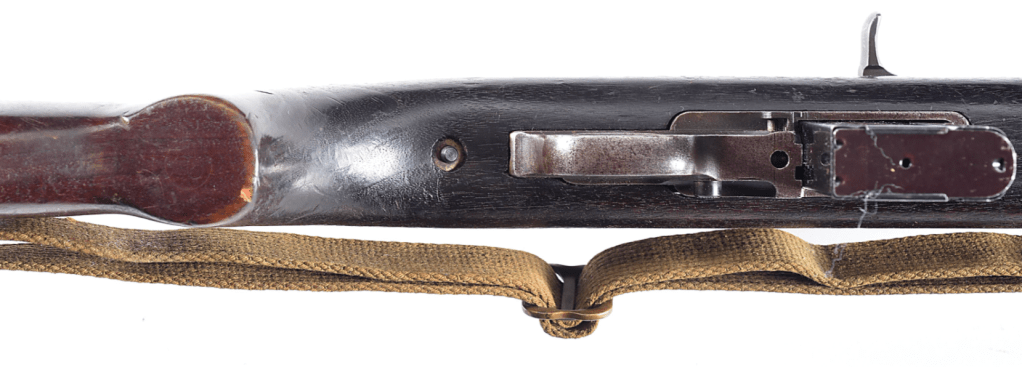
An Inland M1 Carbine produced very early in production, #34315 is largely original and in fair condition. Like Springfield Armory M1 Garand #2020049, this Carbine has a copious amount of volcanic sand remaining in the stock, particularly behind the buttplate. Sold at auction last year with Captain Fleming’s narrative and a signed document identifying #34315 as the “rifle” he brought home with him, this M1 Carbine is an excellent time capsule to the Battle of Iwo Jima (Plowman collection).


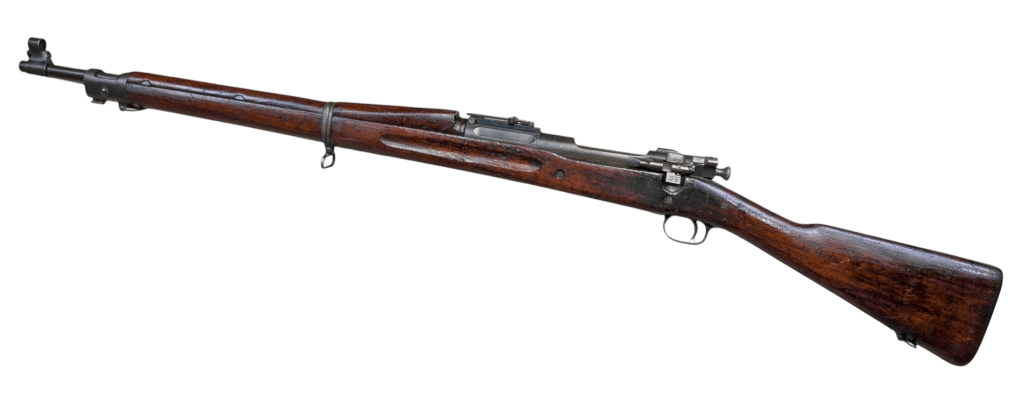
USMC M1903 #324219
Documented to the 2nd Marine Regiment
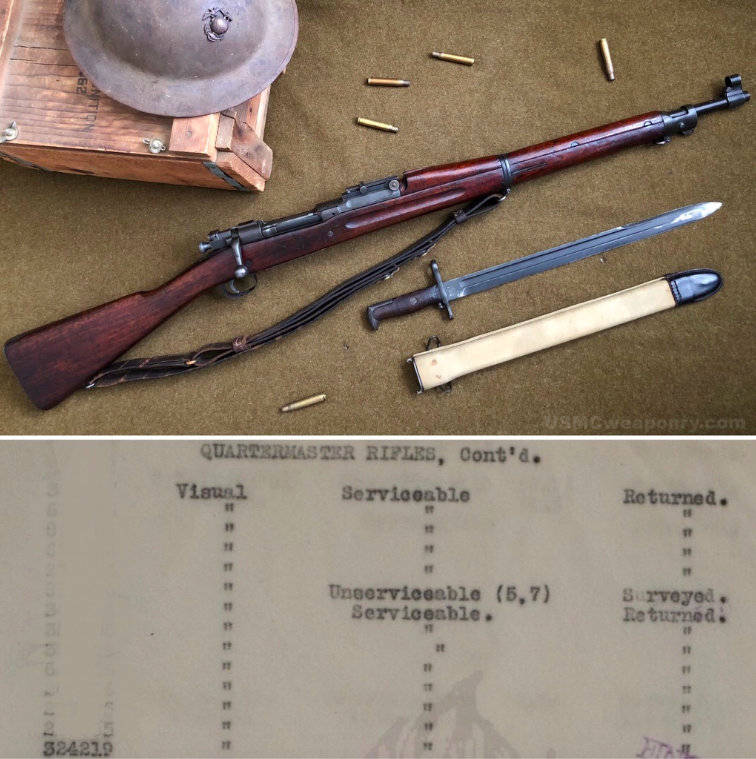
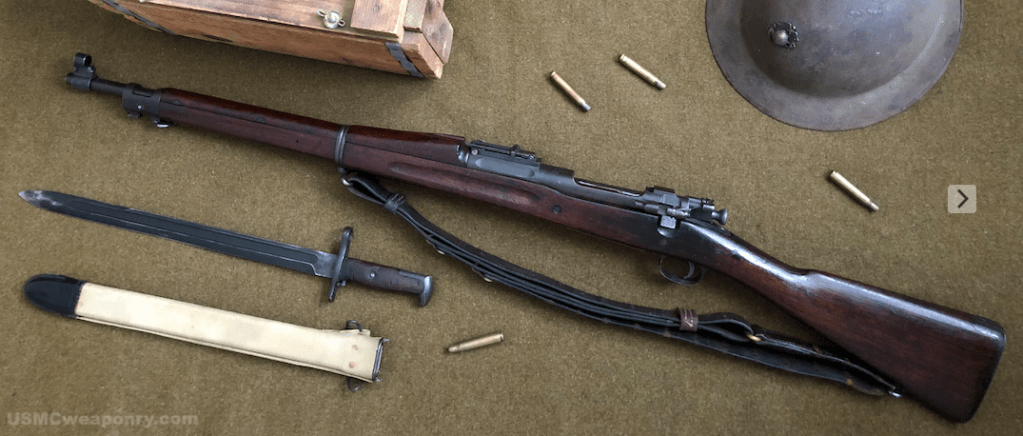
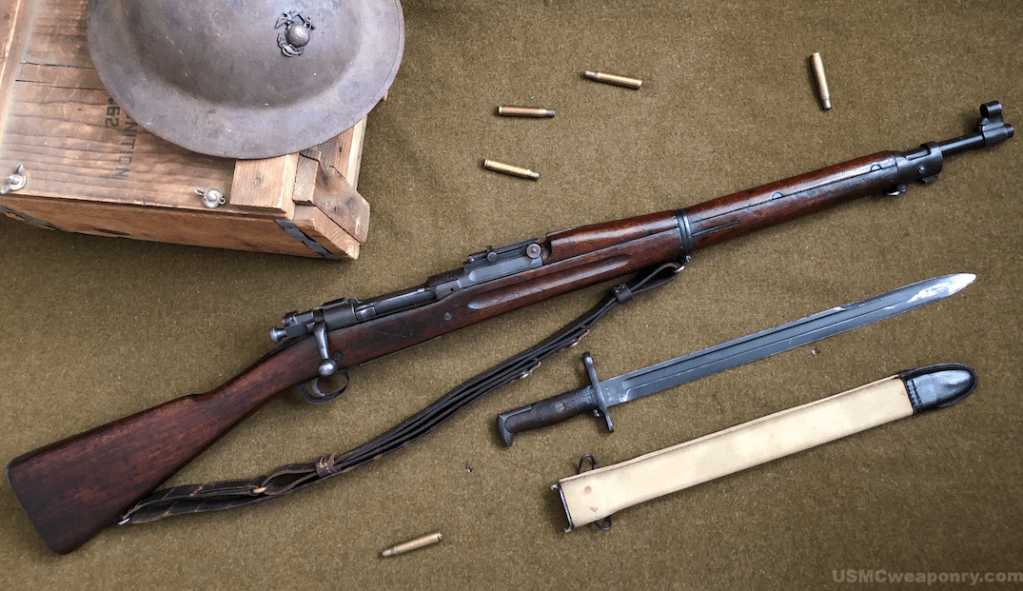
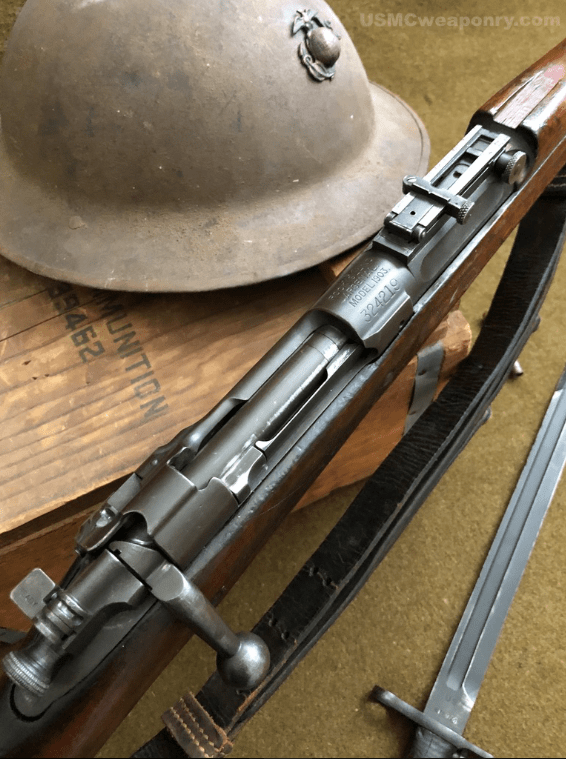
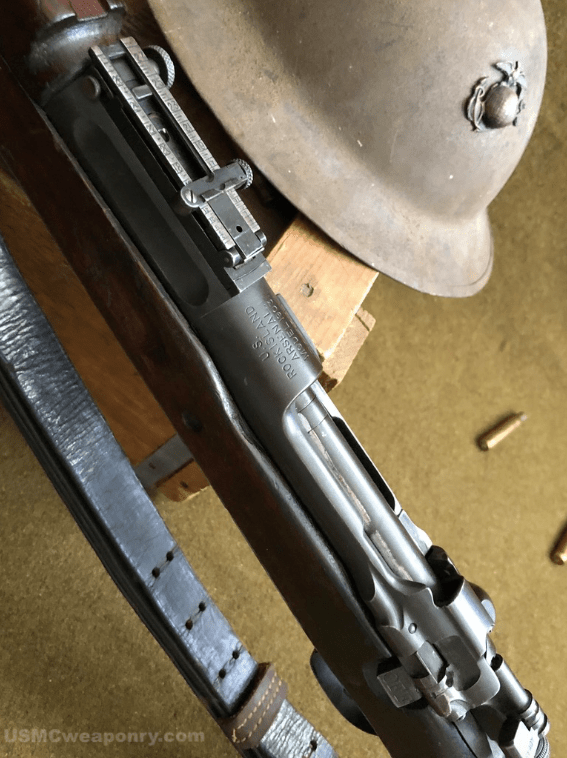
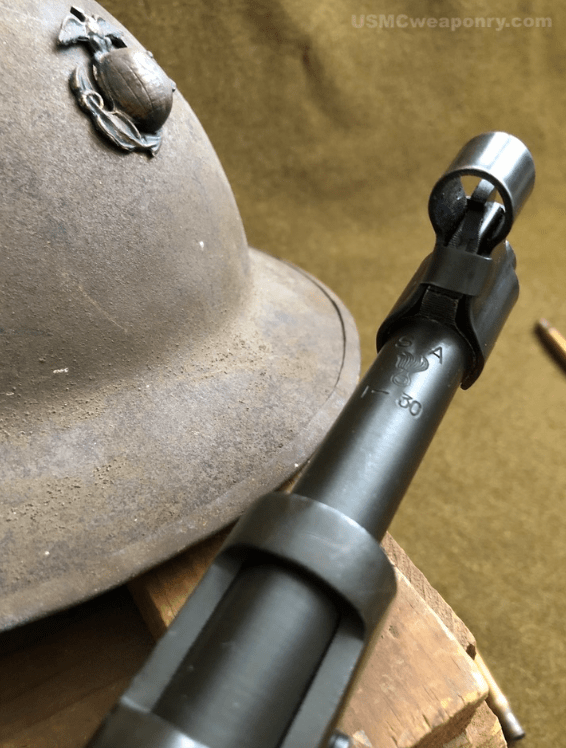
USMC Rock Island Arsenal M1903 #324219, documented 2nd Marine Regiment of the 2nd Marine Brigade. The 2nd Marine Brigade had been involved with the post World War I “Banana Wars” conflict in Haiti, and many of their rifles were in need of service. Upon arrival to California, the San Diego Depot Quartermaster surveyed the Brigade’s rifles.
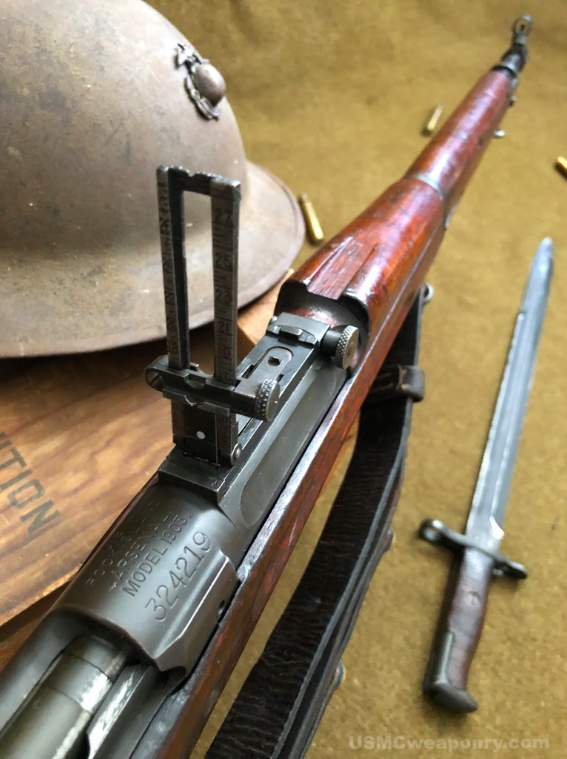
While USMC M1903 #324219 was surveyed in 1926, the Marines did not record if a serial number was for Springfield Armory or Rock Island Arsenal rifle, which overlapped each other in serial number ranges. We do know that the Marines received very large amounts of Rock Island Arsenal rifles in the 300,000 serial number range. Coupled with the Marine Corps attributes on this rifle, the document’s serial number its practically certain to be referring to the Rock Island Arsenal rifle below. #324219 has the appropriate #10 sight system used by the Marine Corps in the Interwar years, checkered buttplate, and Springfield Armory 1-30 dated barrel dating to its final major overhaul (Plowman collection).
USMC M1898 Krag-Jørgensen Rifles #231425 & #257294
Documented to the Marine Corps during the Philippine Insurrection of the Spanish American War
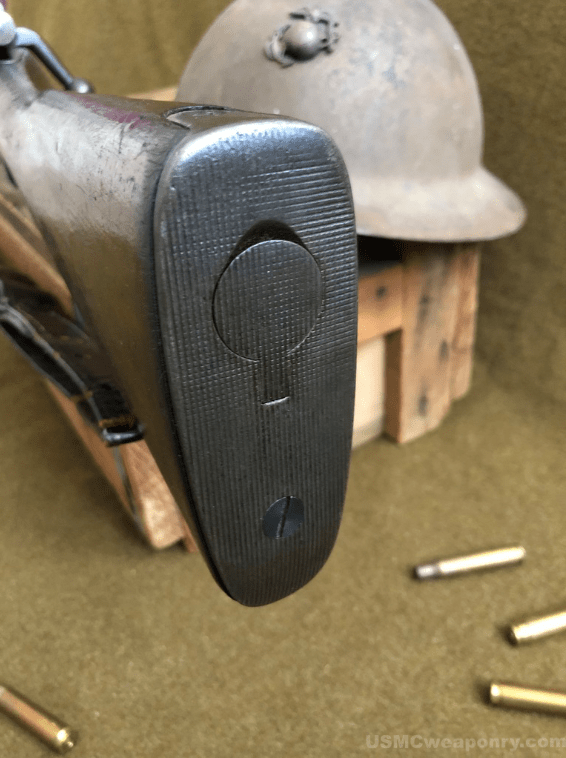
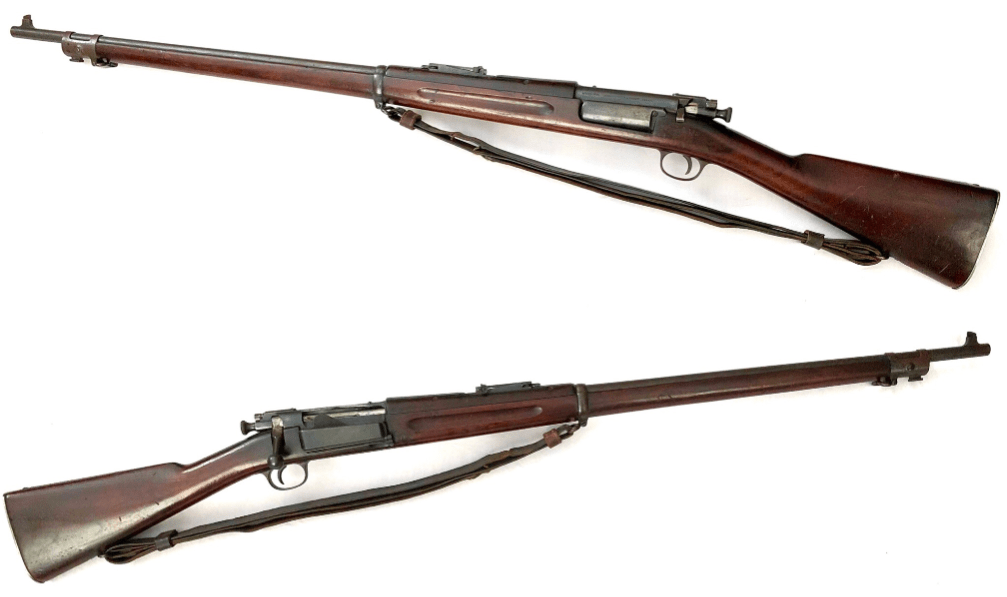
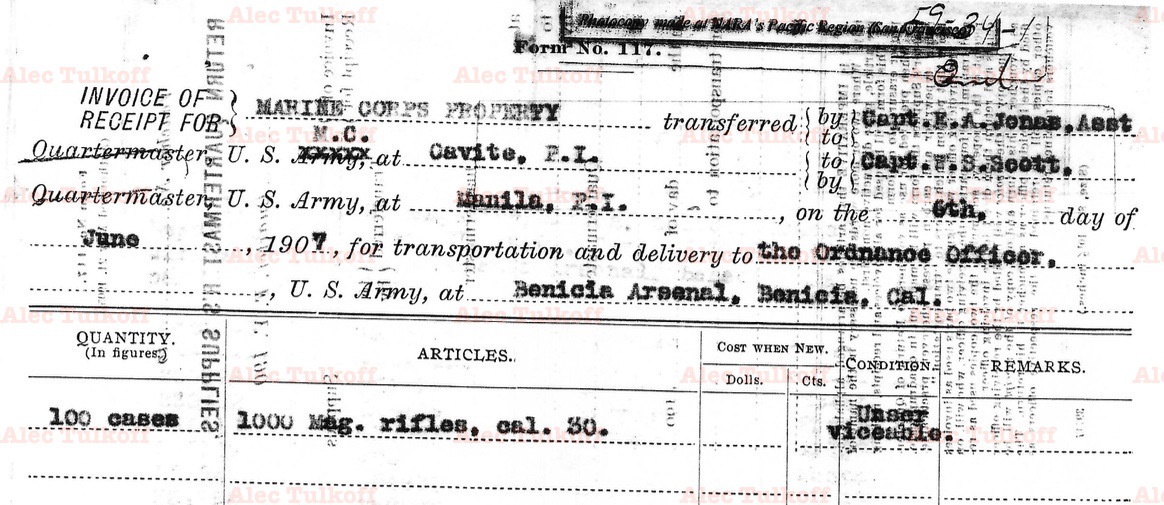
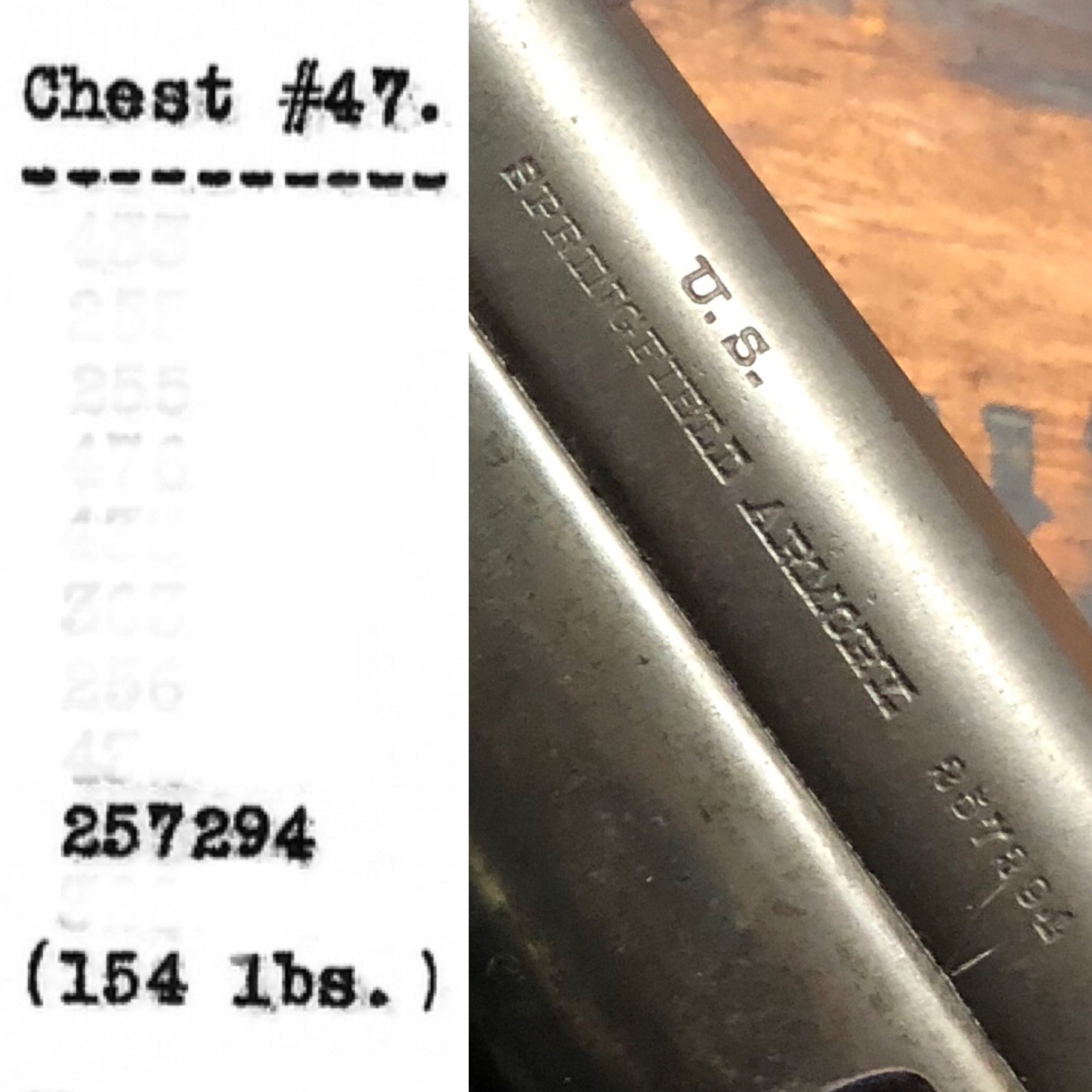
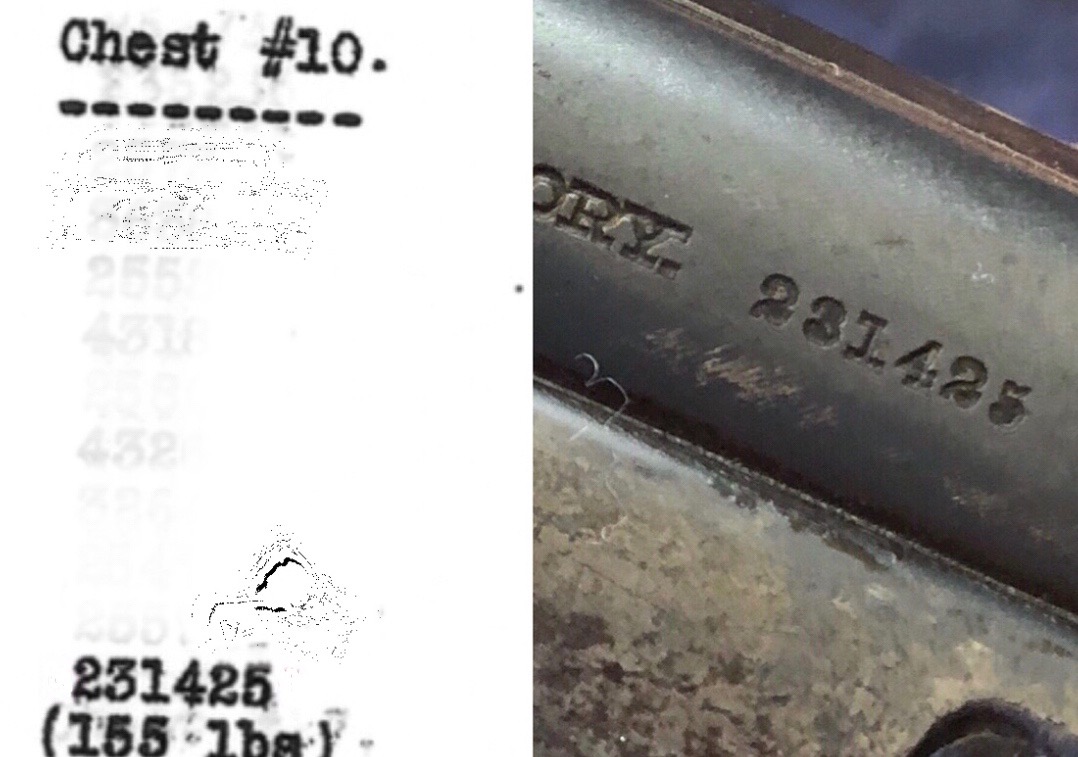
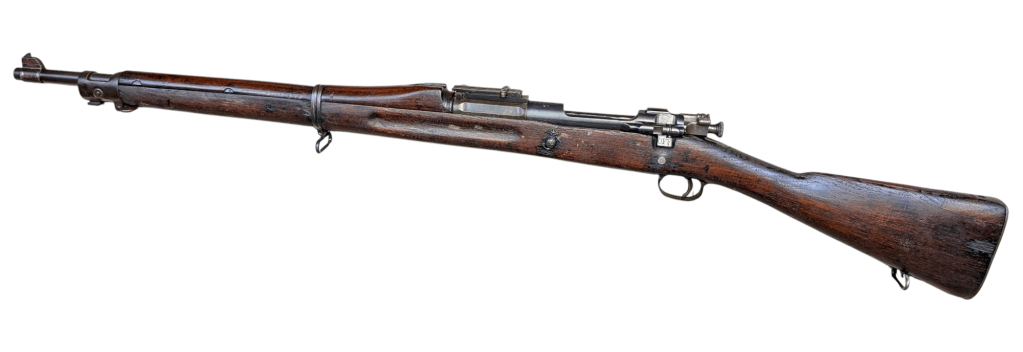
Springfield Armory M1898 Krag-Jorgensen Rifles #231425 and #257294 are two of a thousand transferred from Marines in the Philippines to the Marine ordnance officer at Benecia Arsenal in California. These 1000 rifles were sent back stateside after the end of the Philippine insurrection. As of now, less than ten USMC provenance M1898 Rifles to have been identified (documents: Alec Tulkof, rifles: Anderson & Plowman collections).
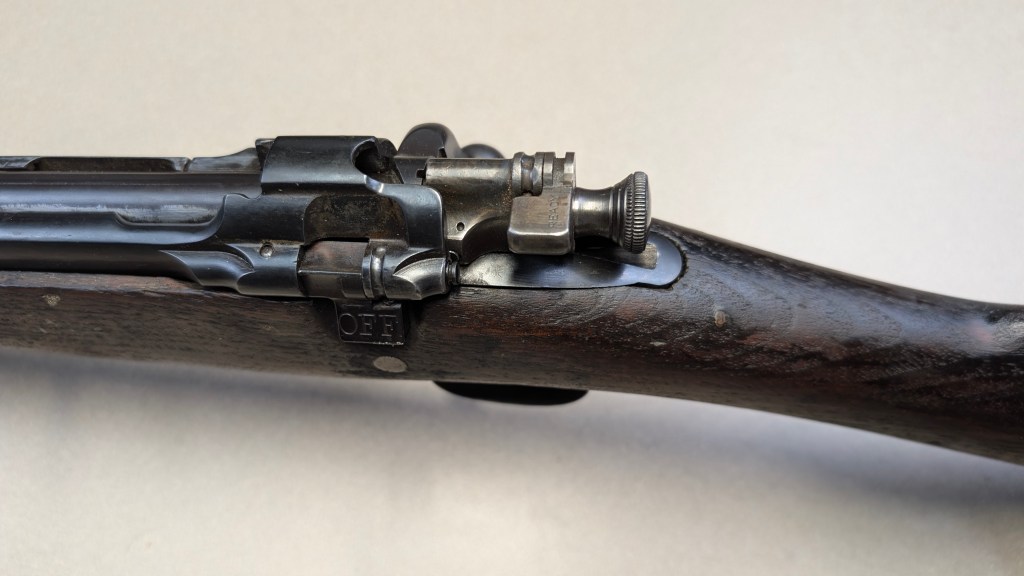
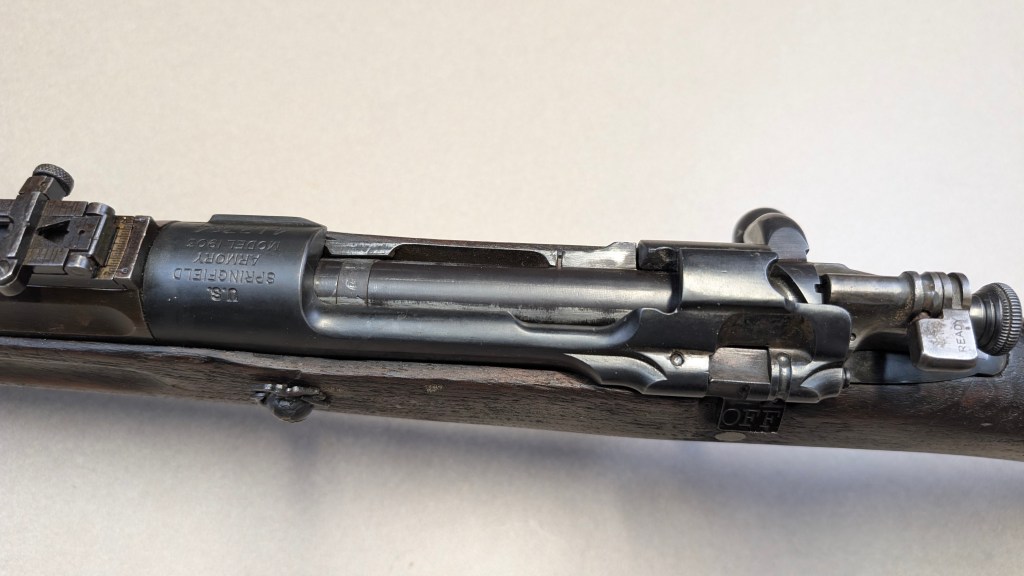
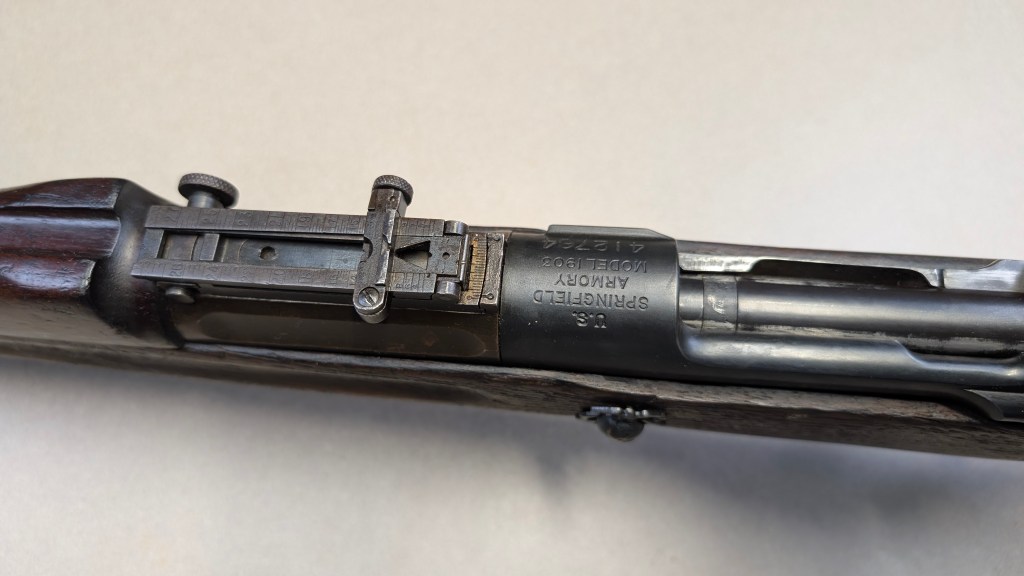
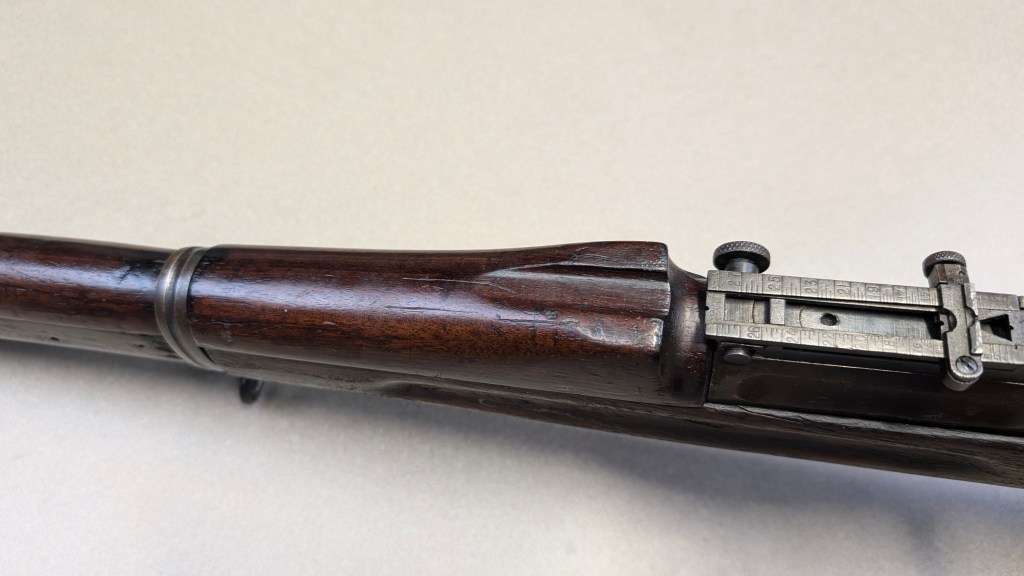
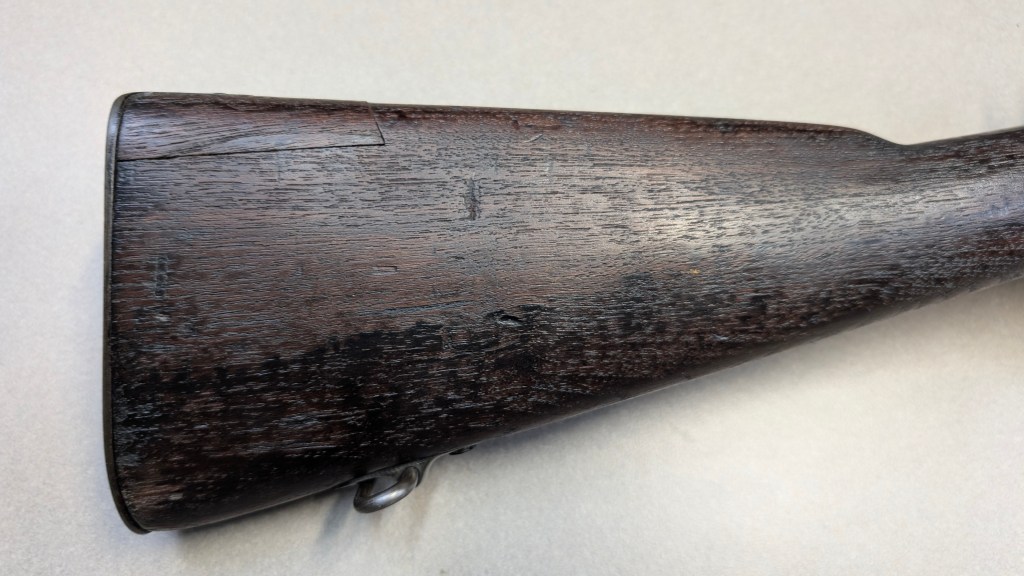
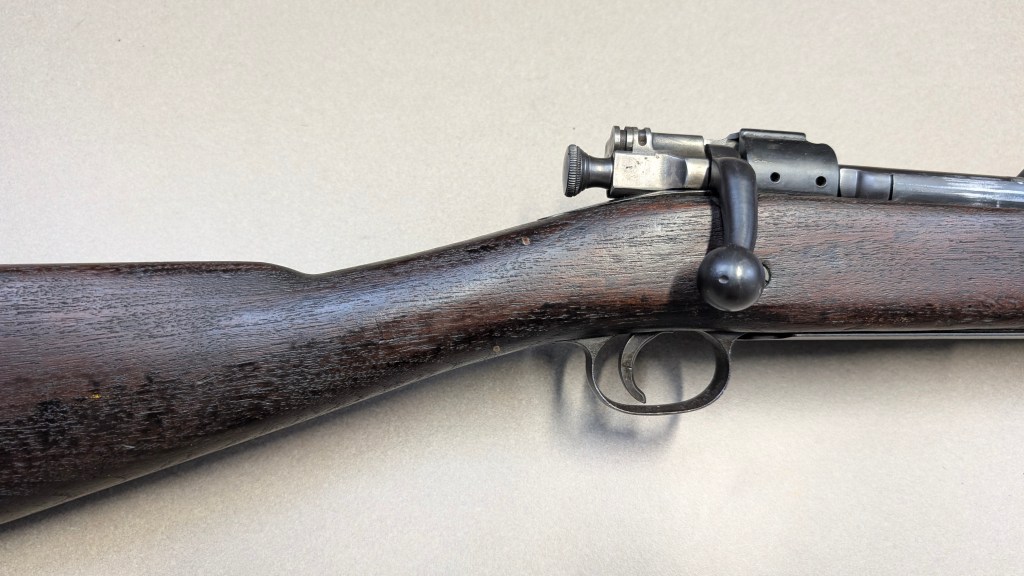
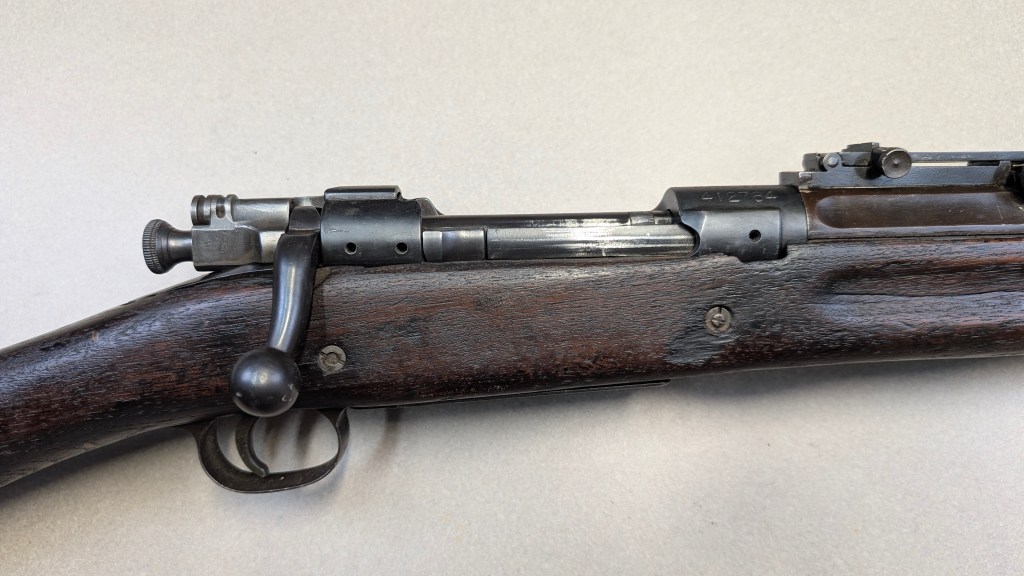
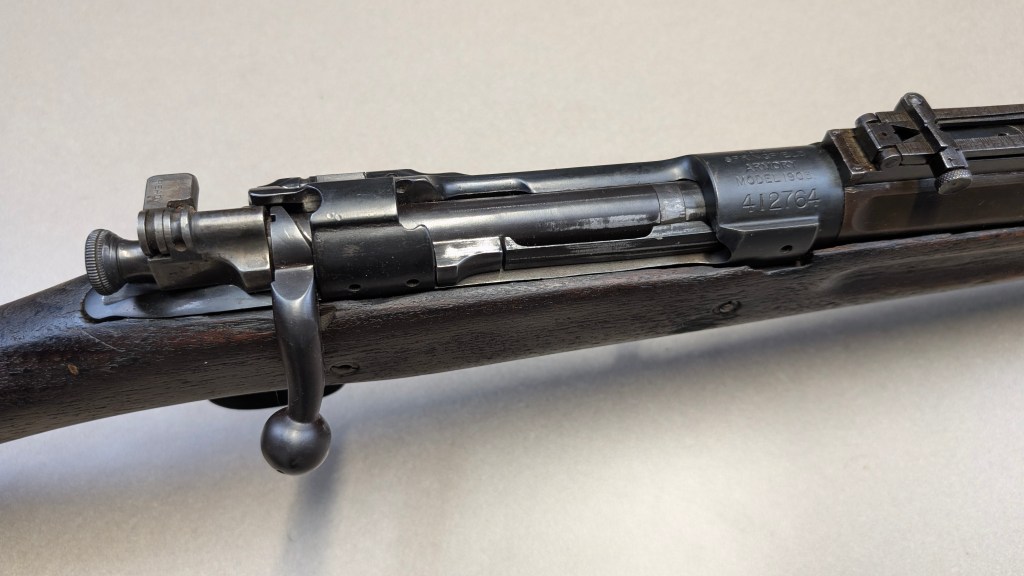
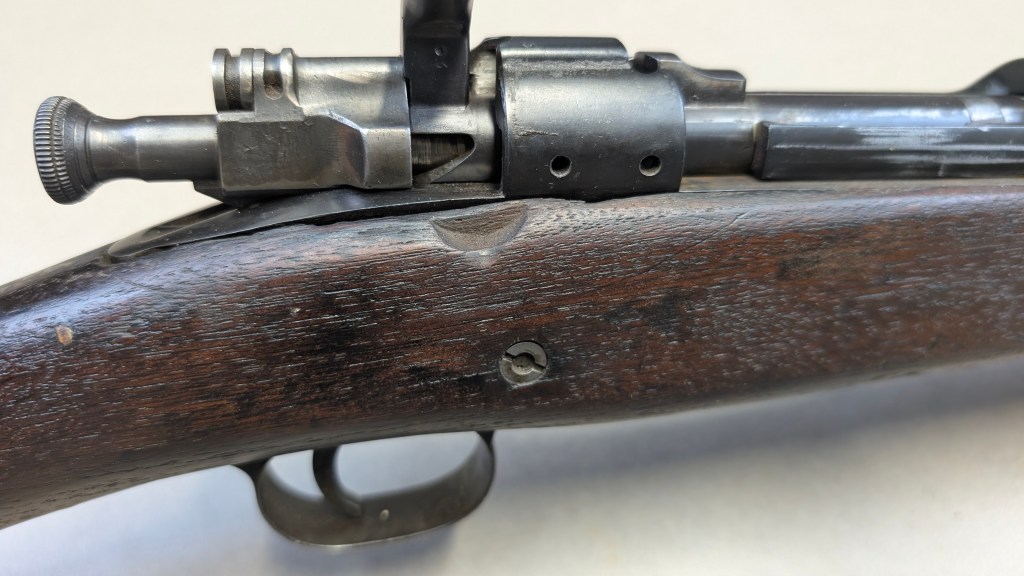
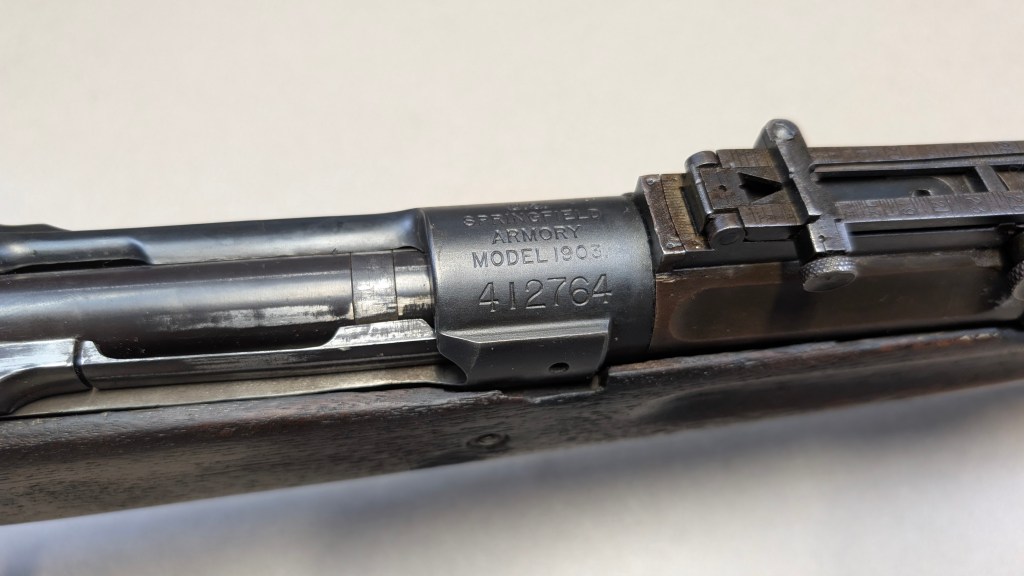
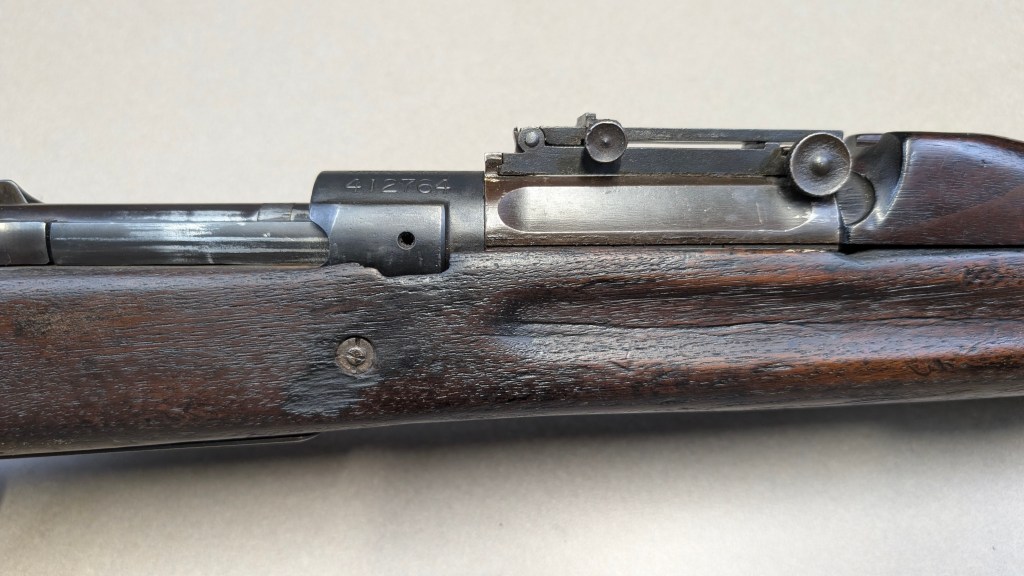
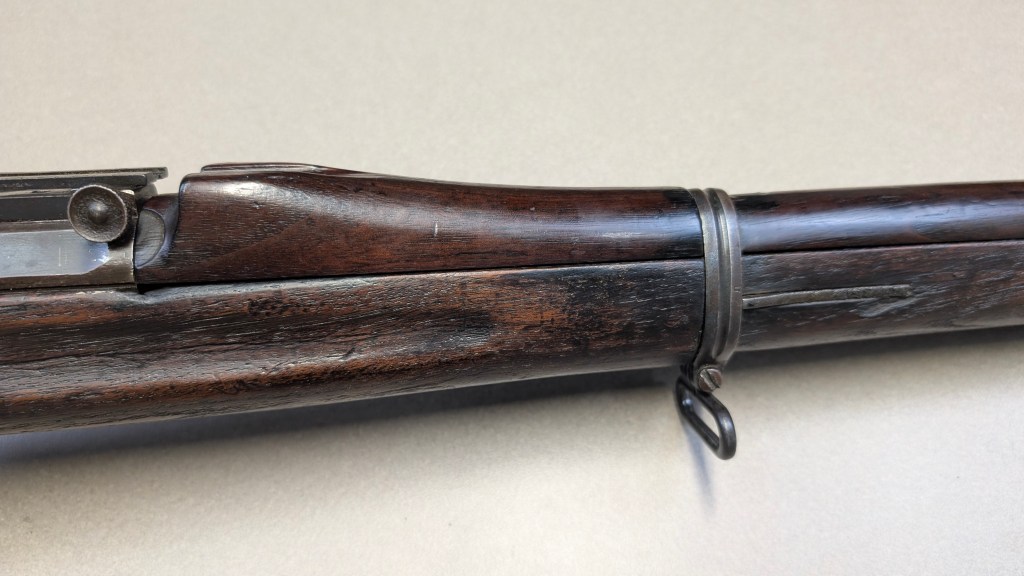
USMC M1903 #412764
Documented to the 4th Marine Regiment in the Dominican Republic
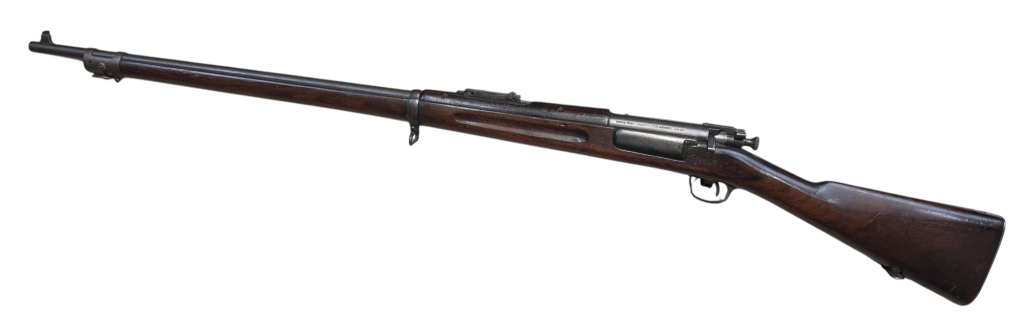
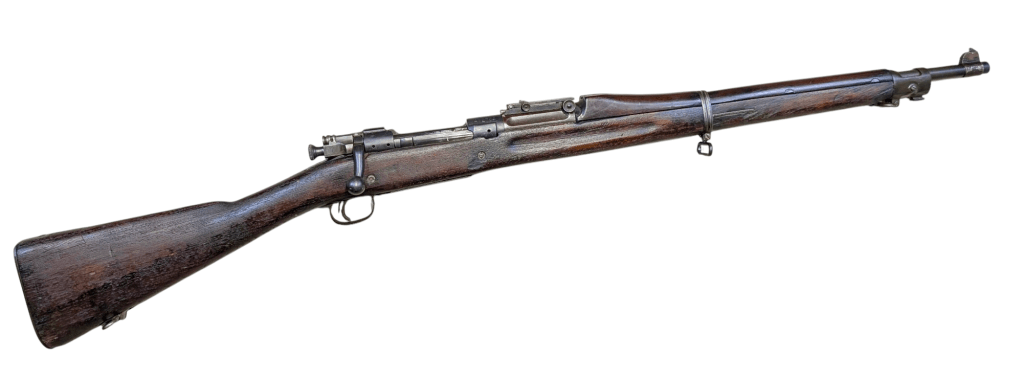
Following World War I, the 4th Marine Regiment would be involved in combat operations and occupation in the Dominican Republic. USMC M1903 #412764 is documented with the 4th Marines in 1922 during this time. An interesting rifle, #412764 has an Eagle, Globe and Anchor threaded into one of the stock’s cross bolts, as well as numbered front sights (Plowman collection).
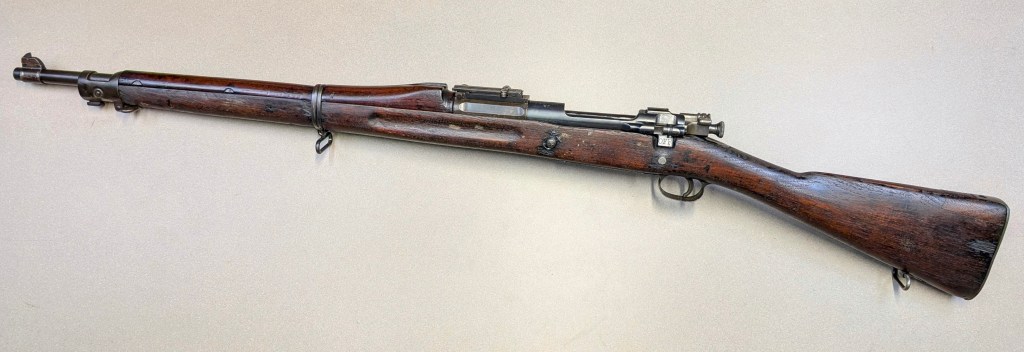
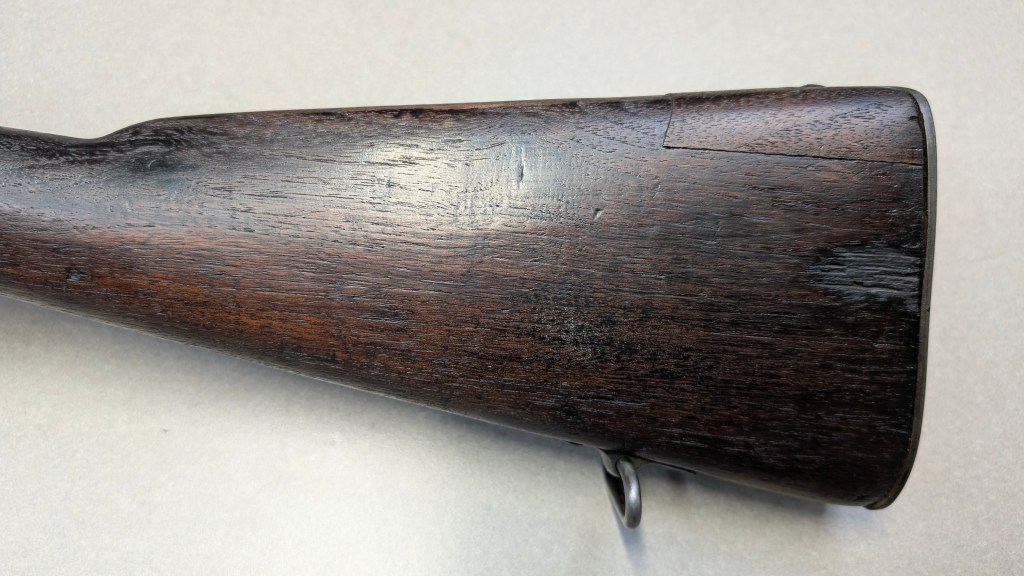
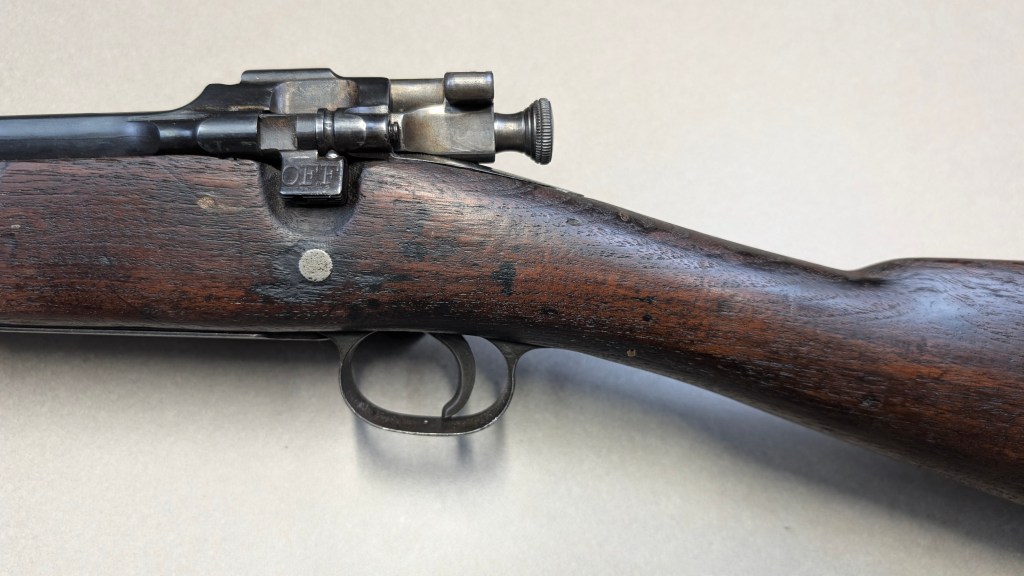
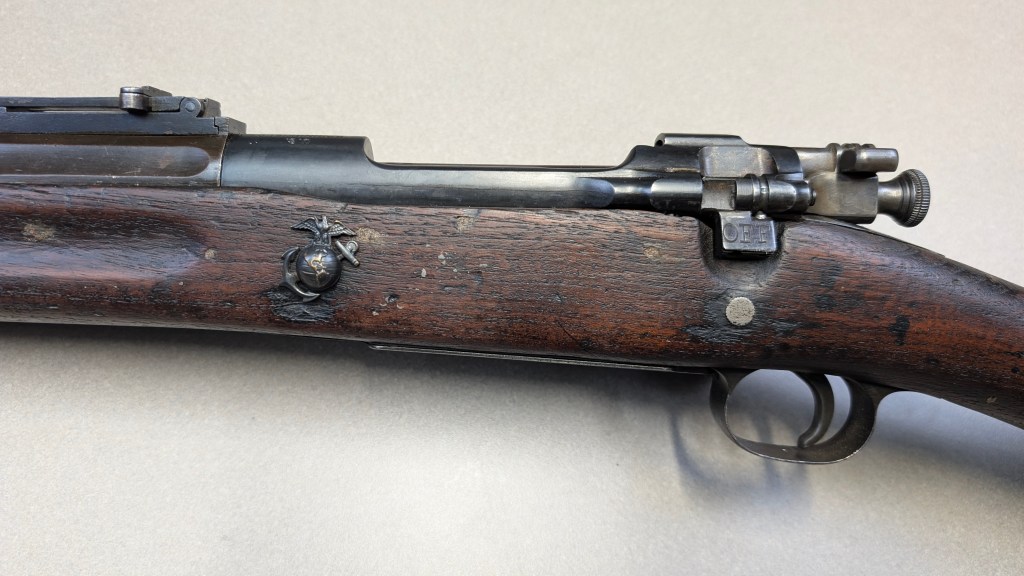
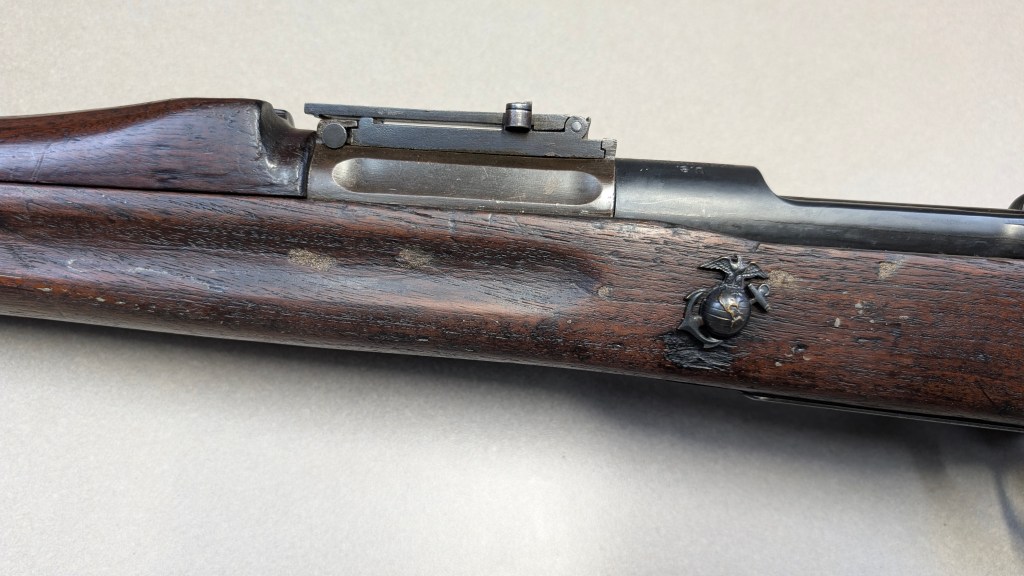
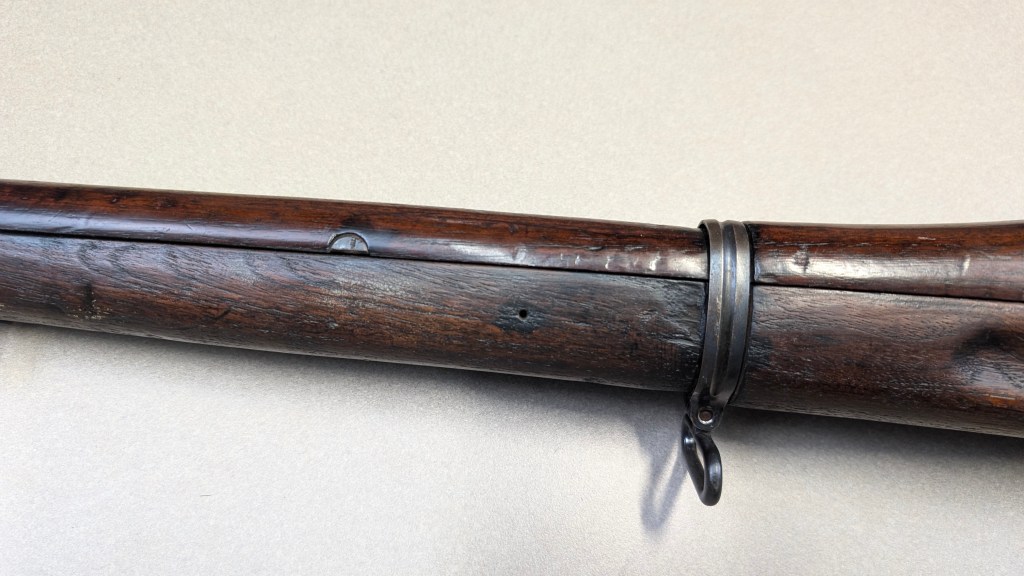
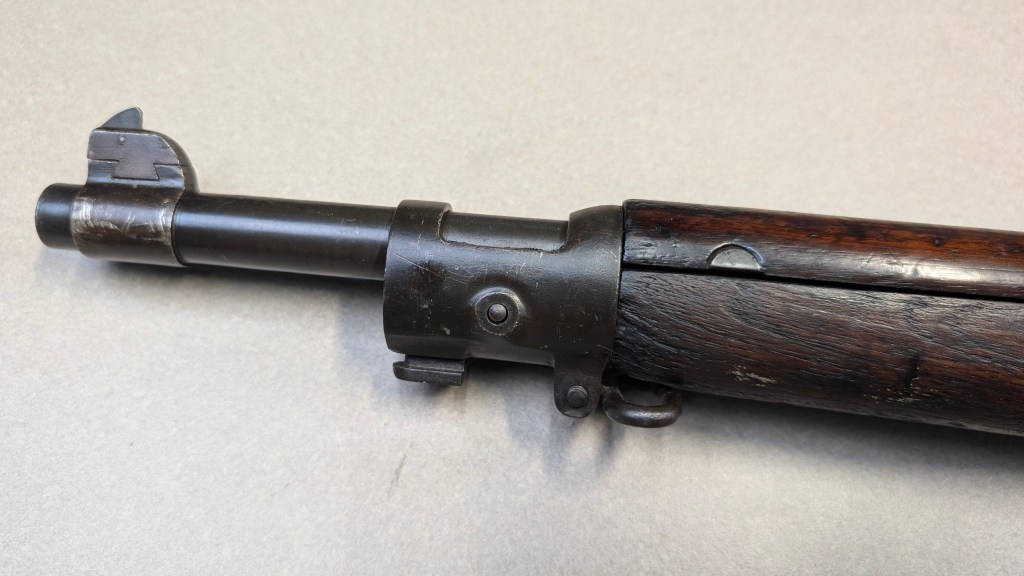
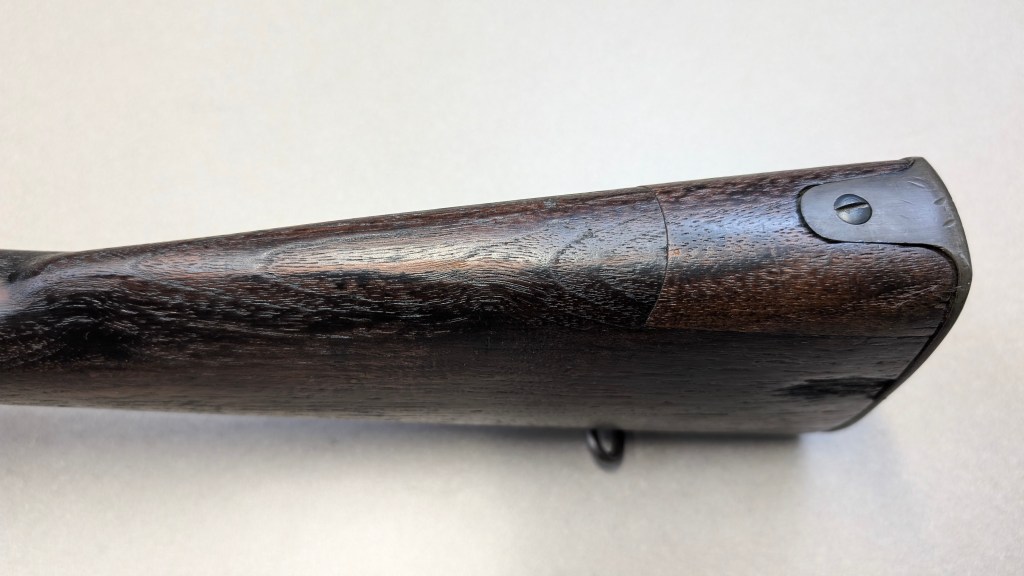
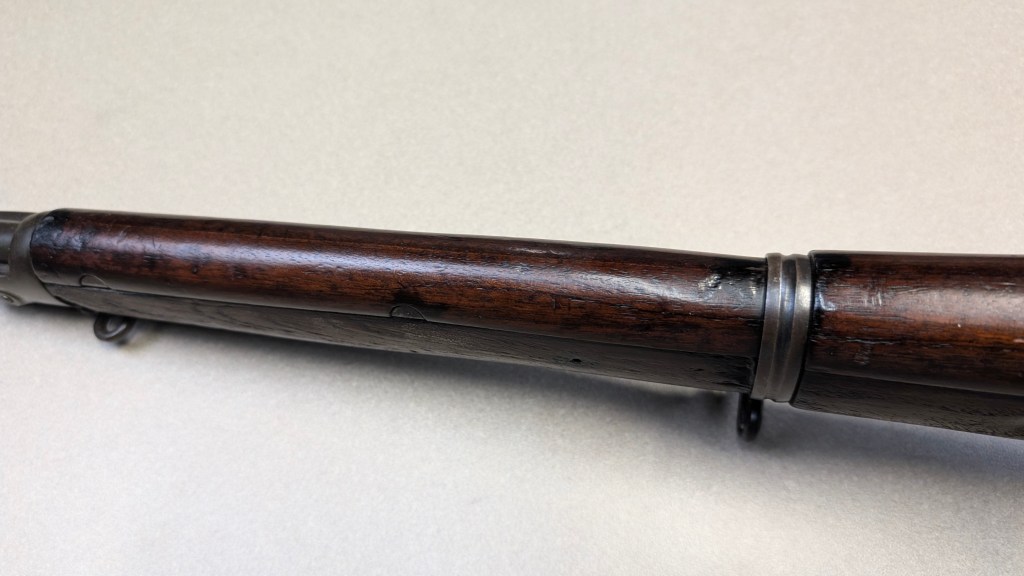
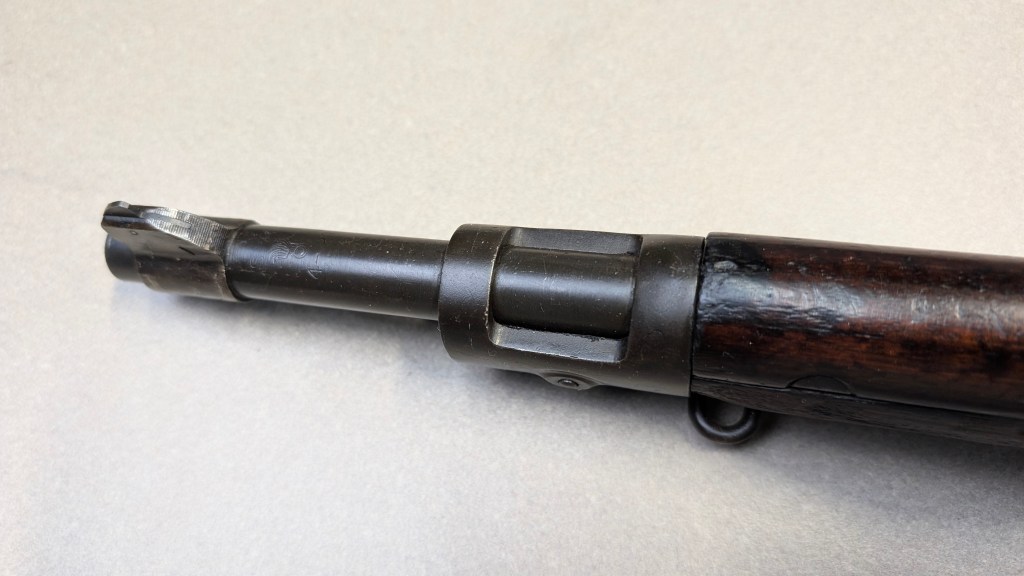
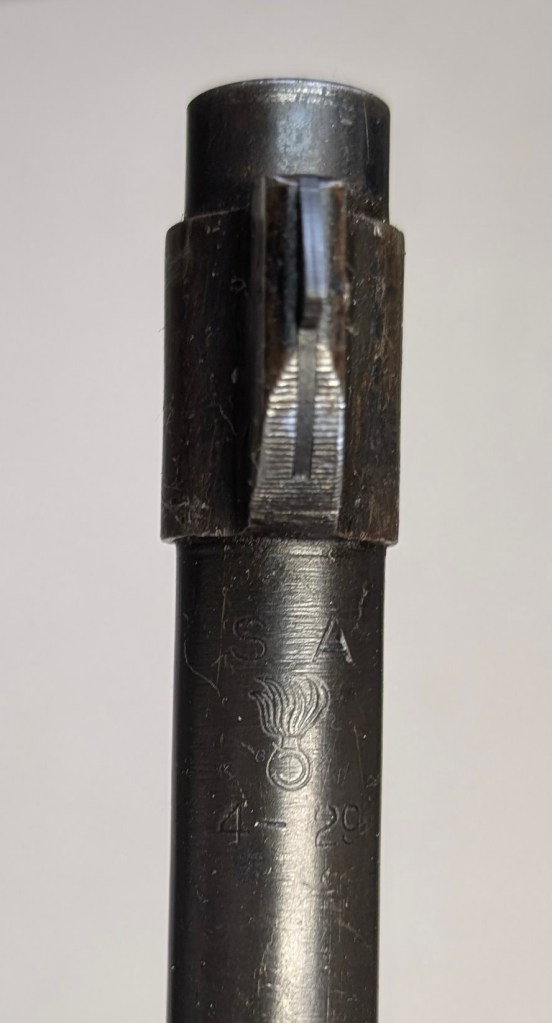
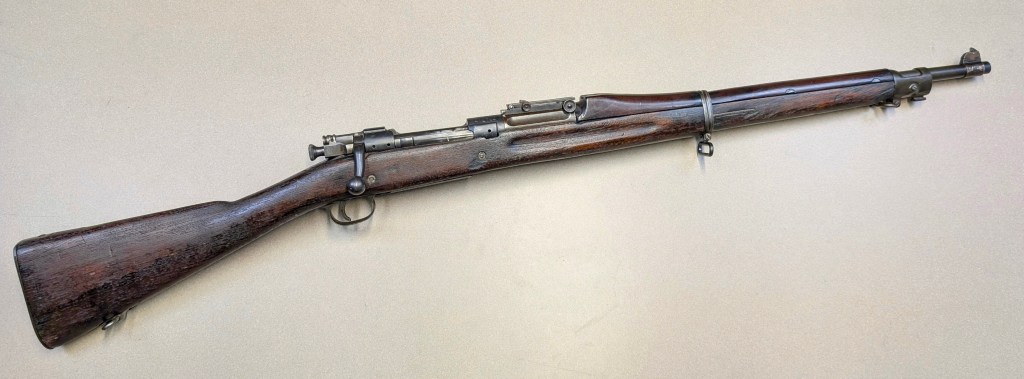
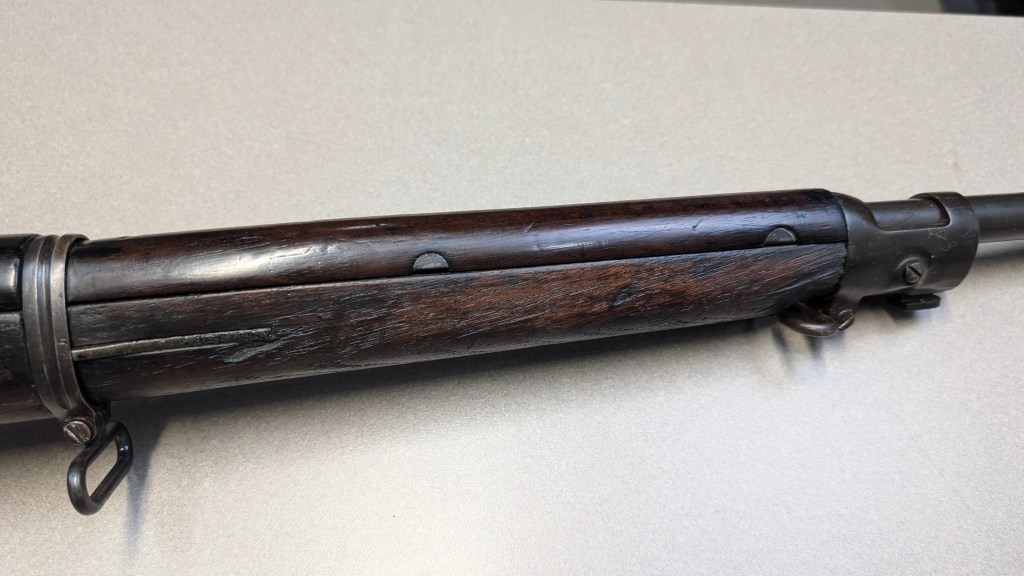
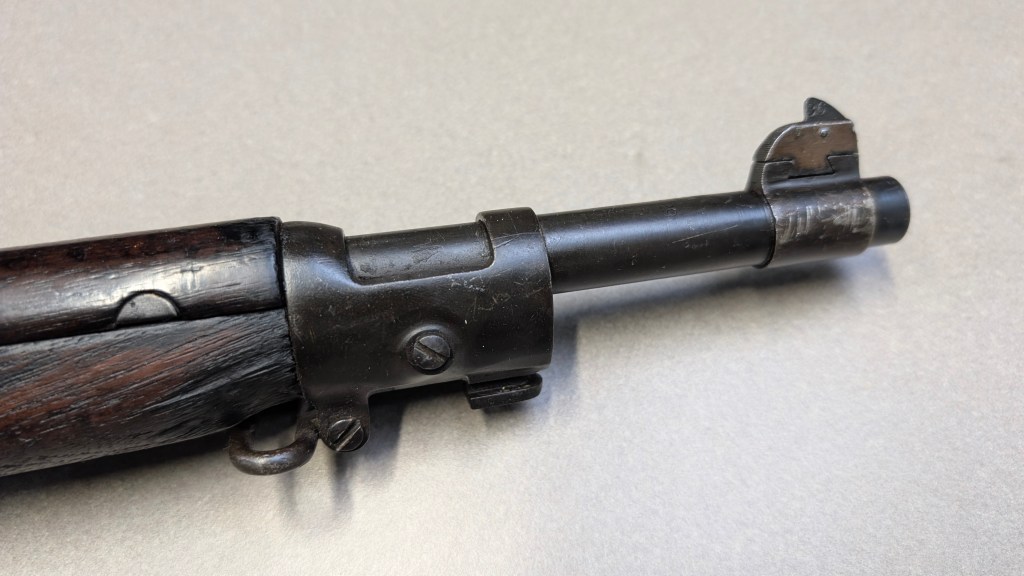
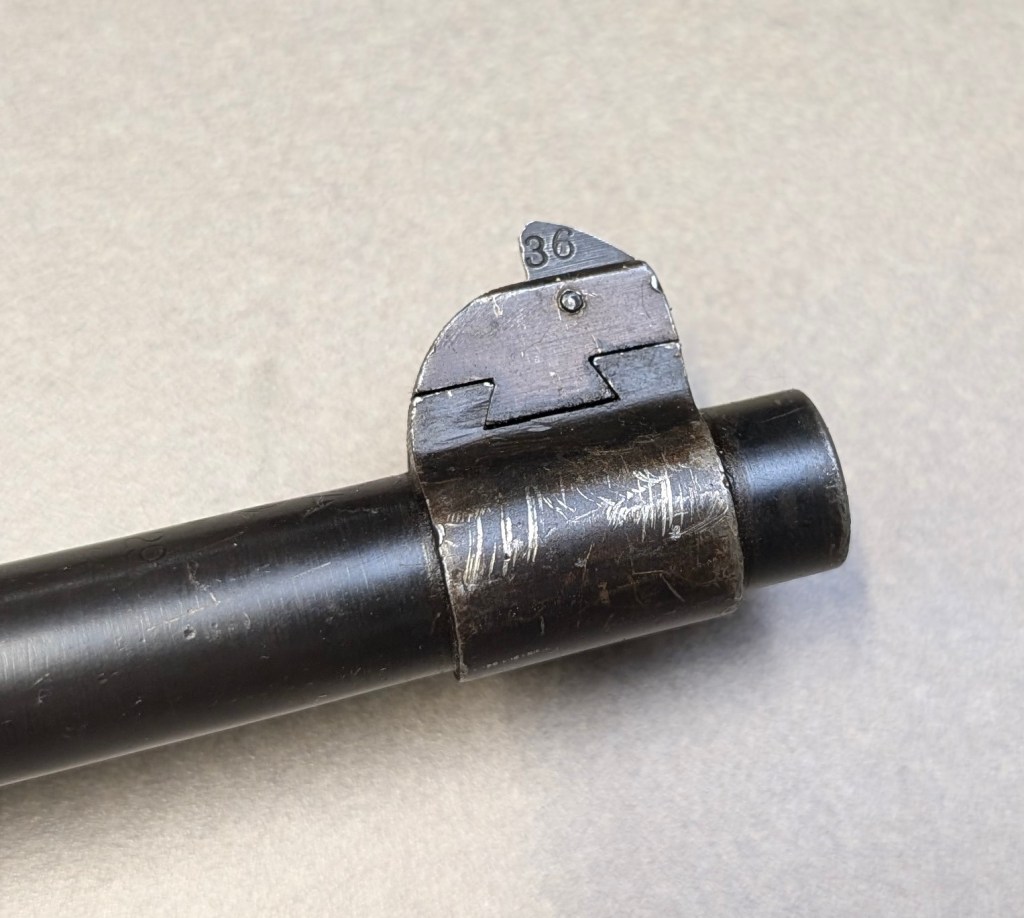
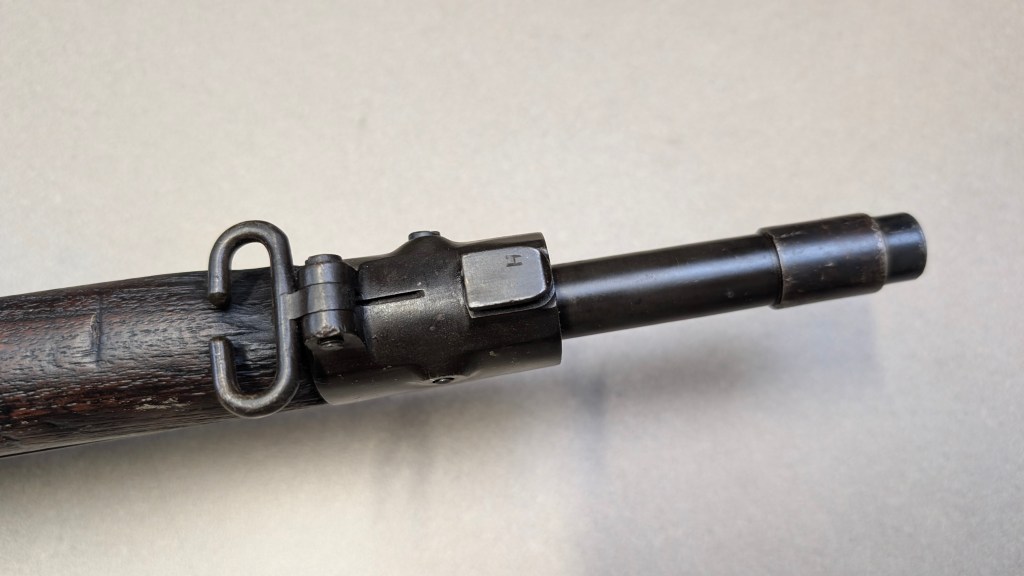
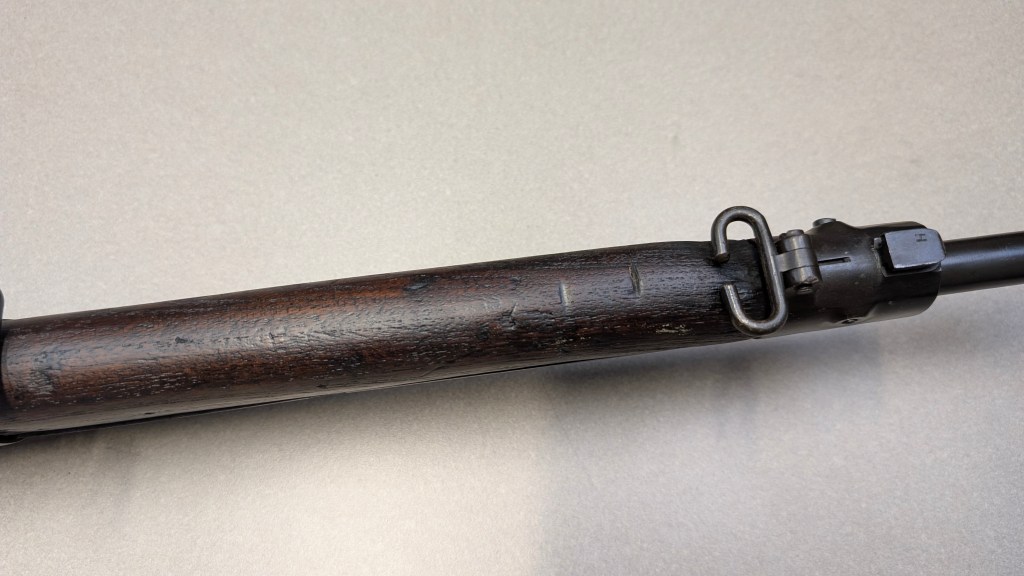
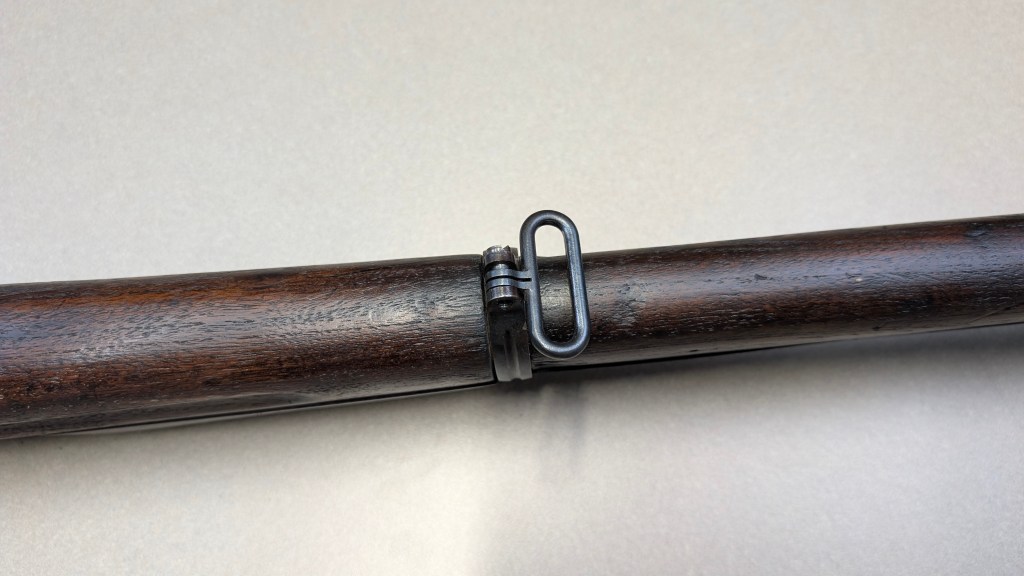
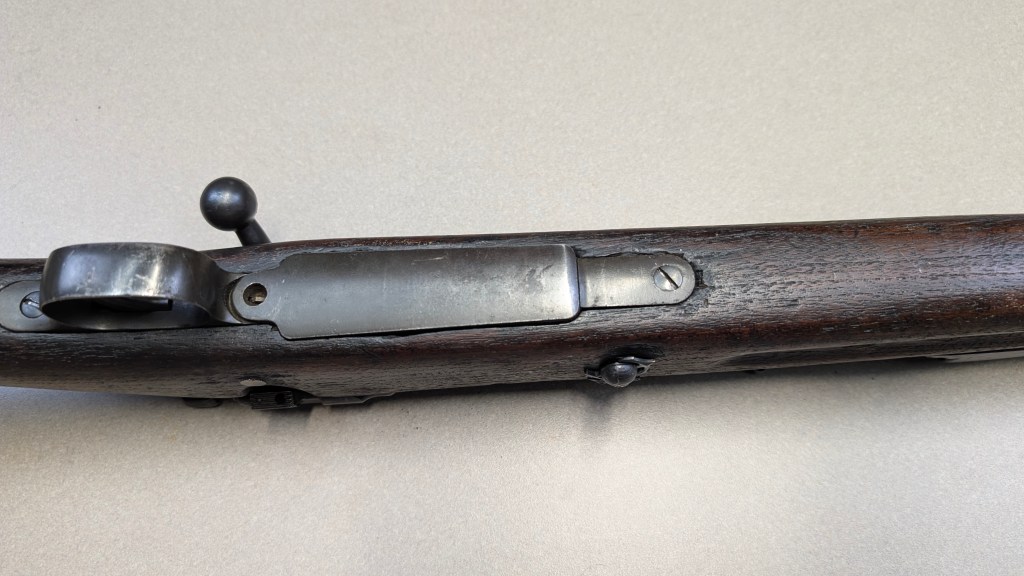
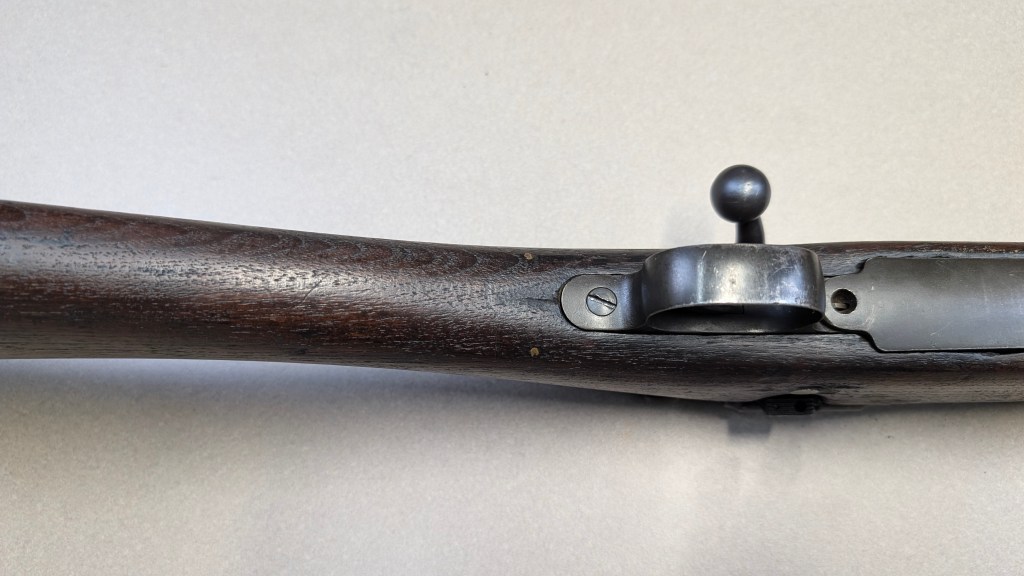
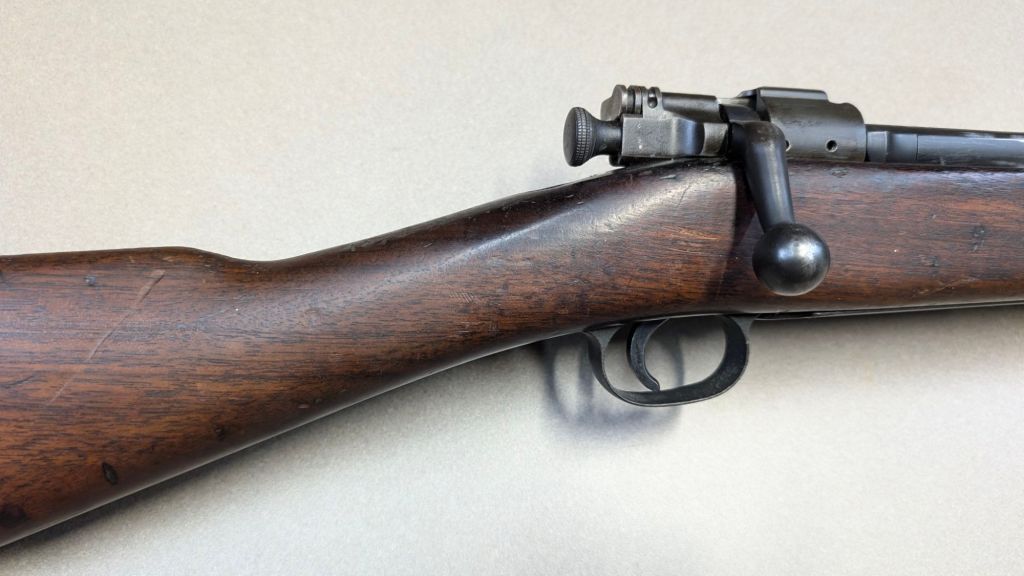
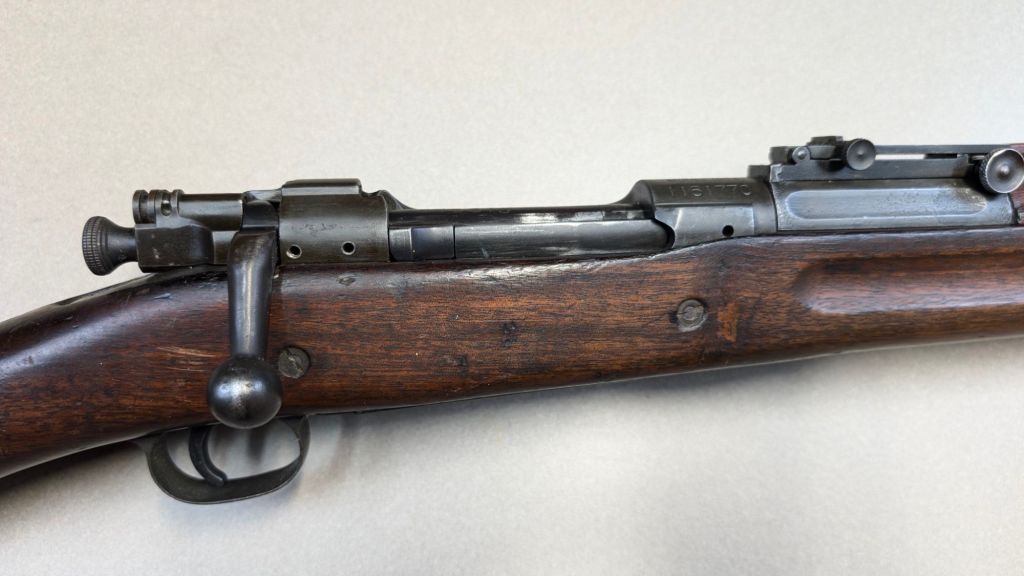
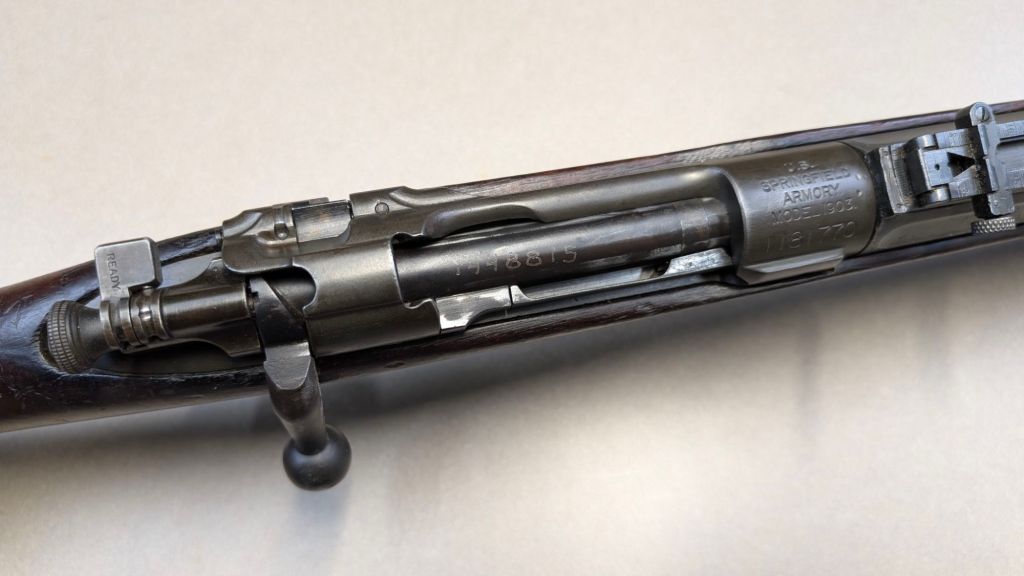
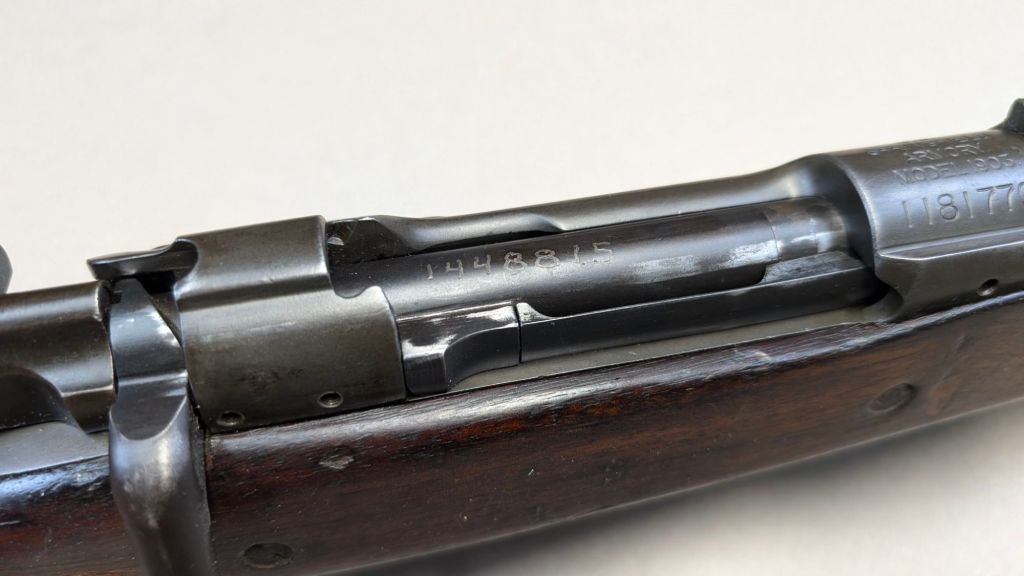
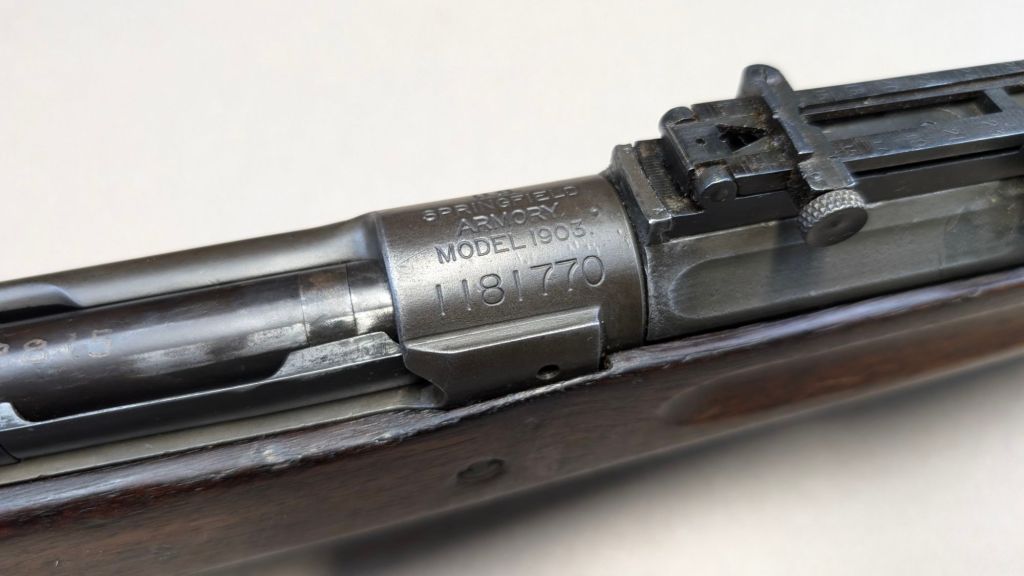
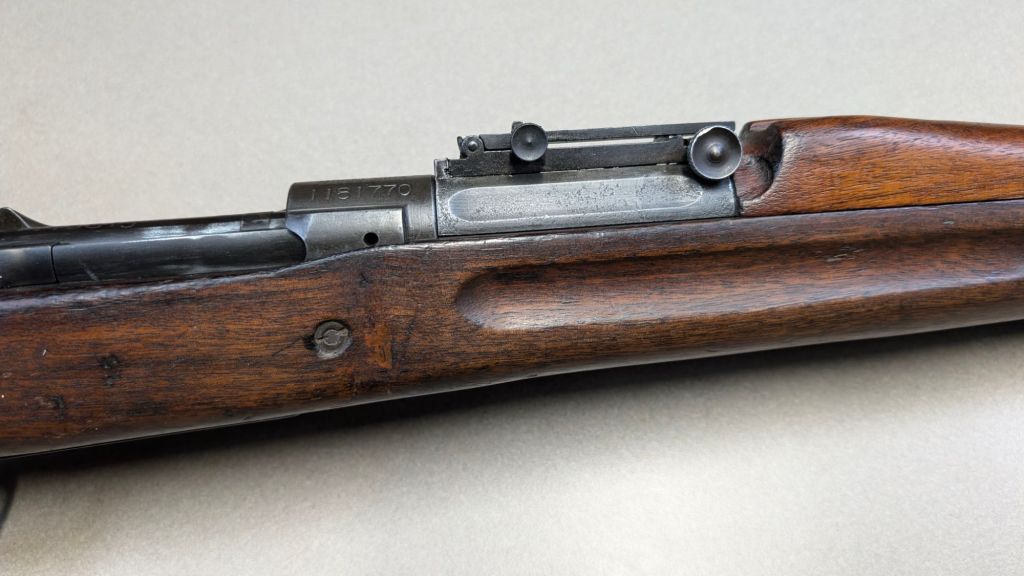
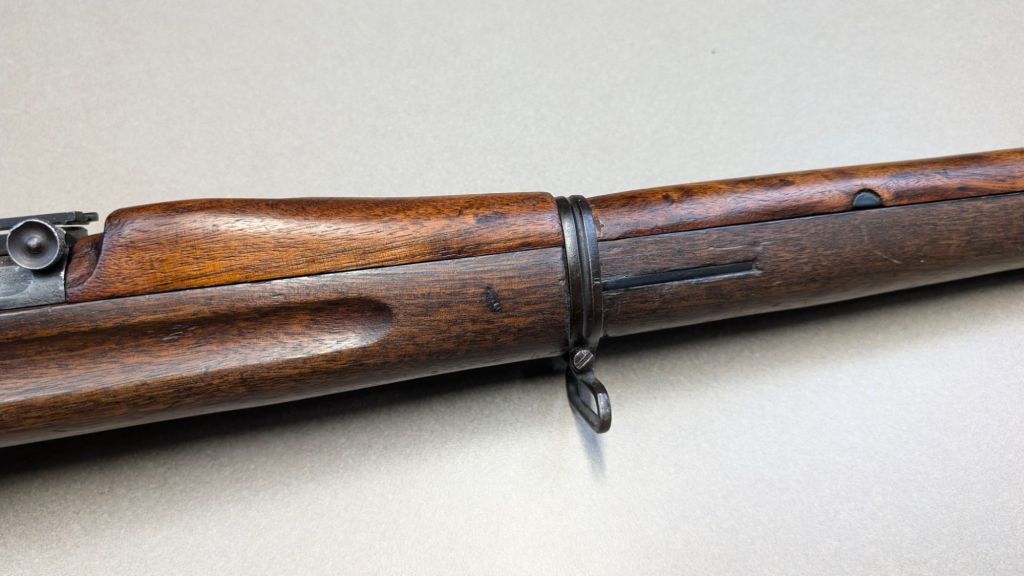
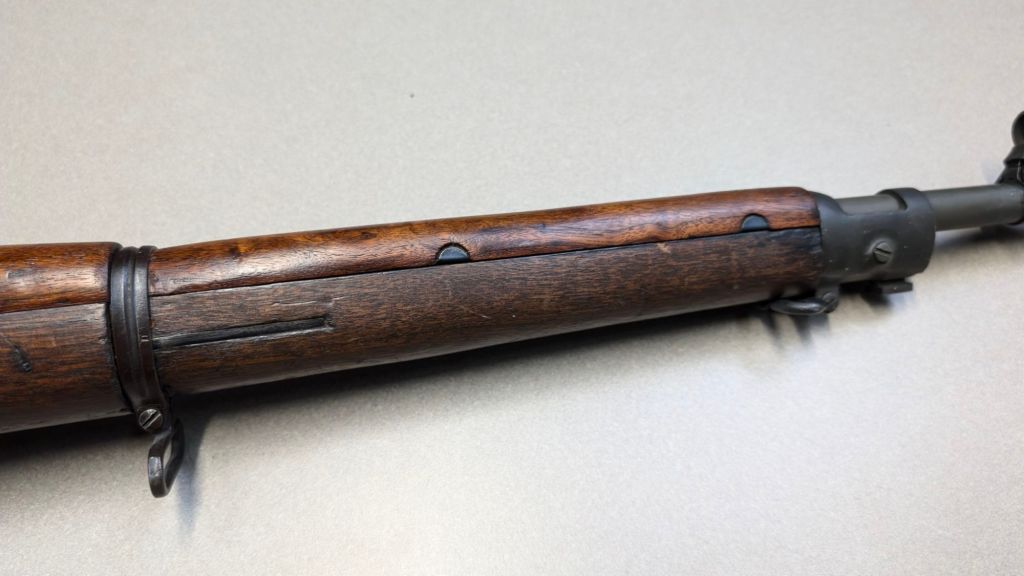
USMC National Match M1903 #1181770
Documented to the Marine Corps Rifle Team in 1928
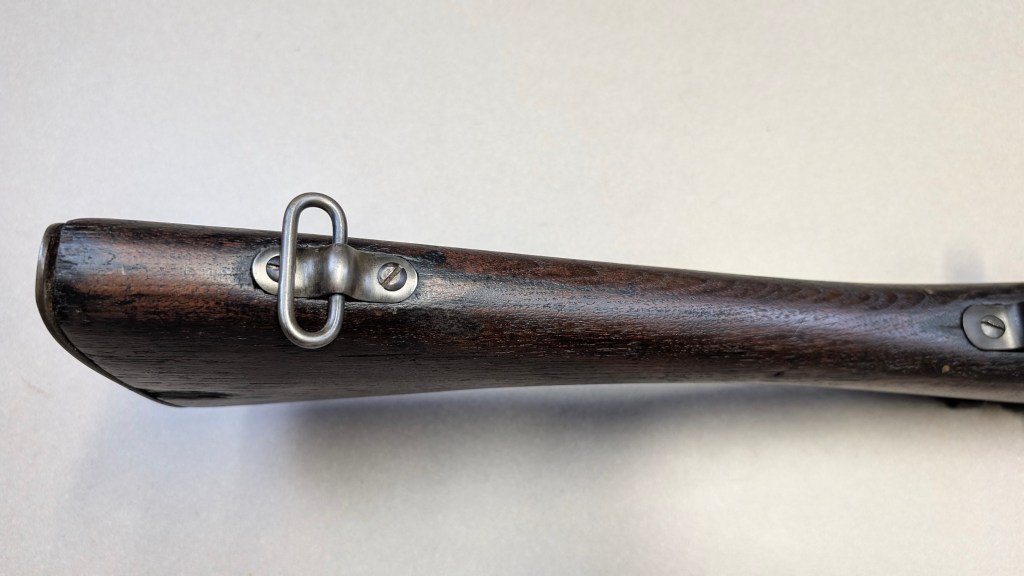
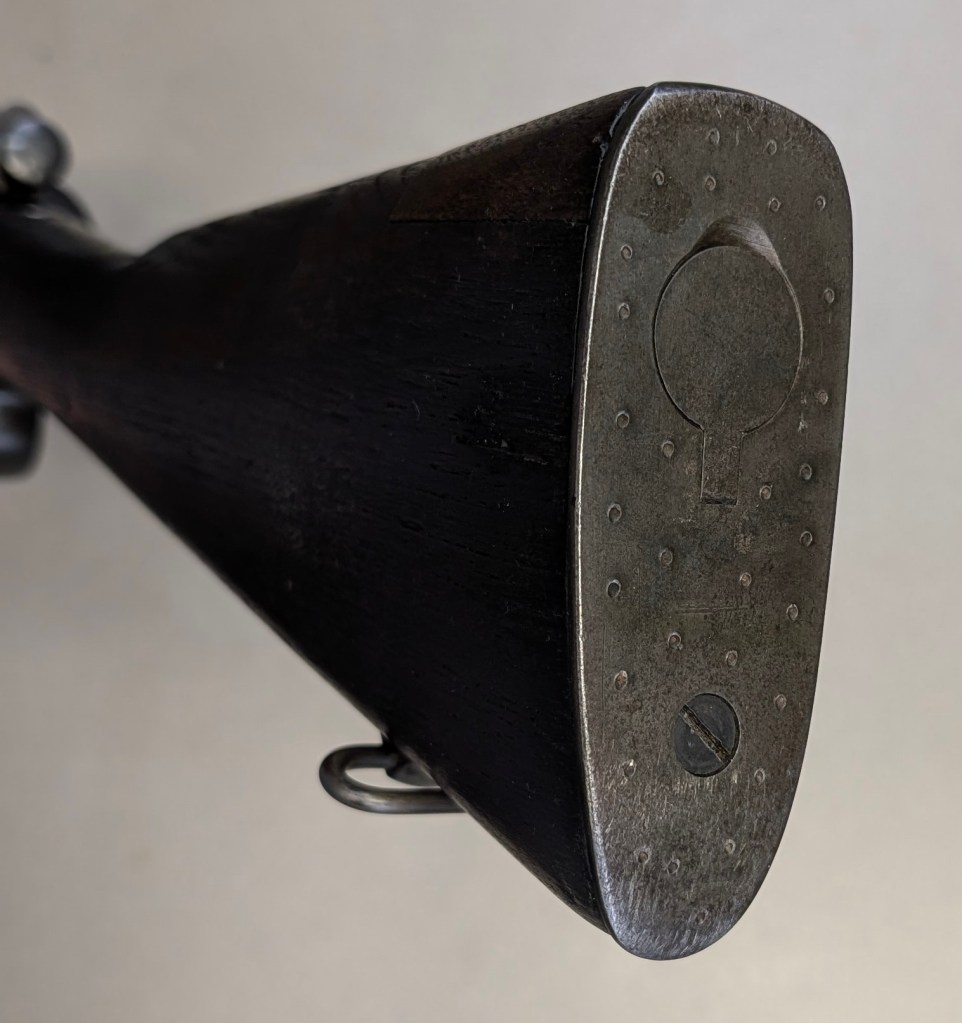
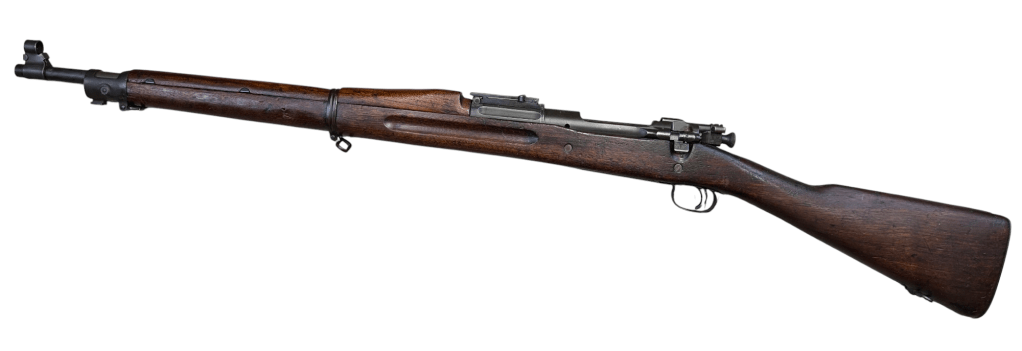
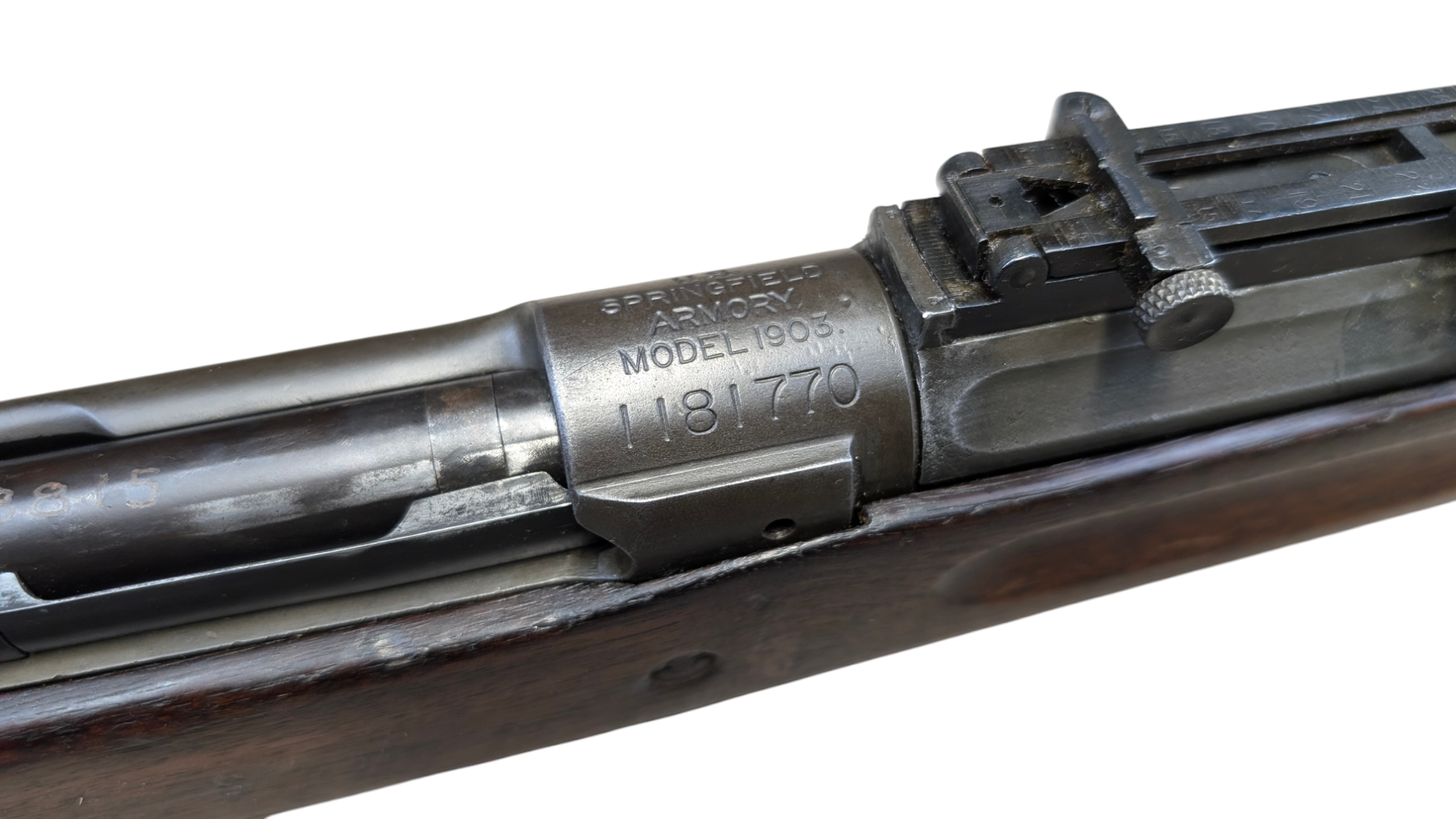
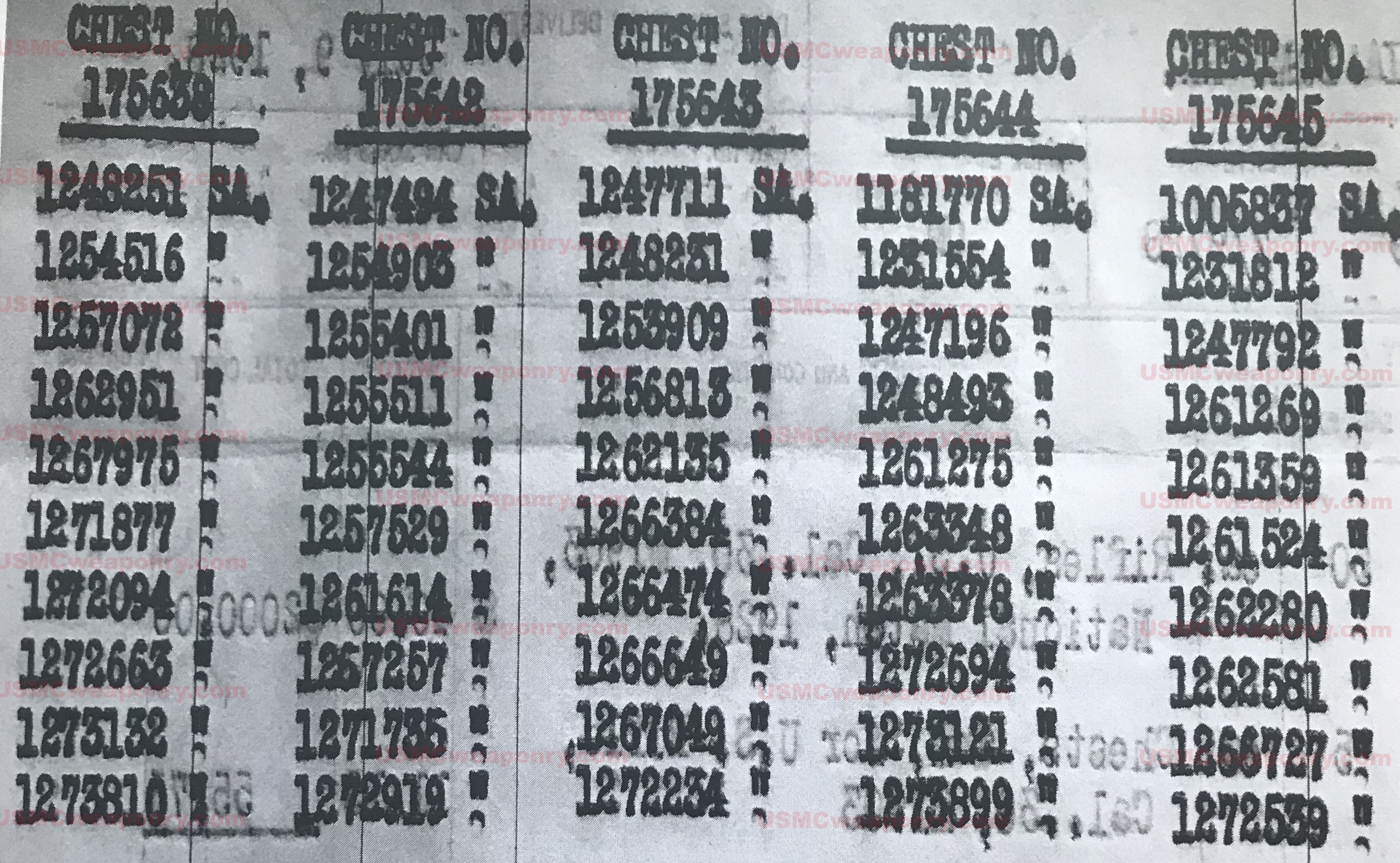
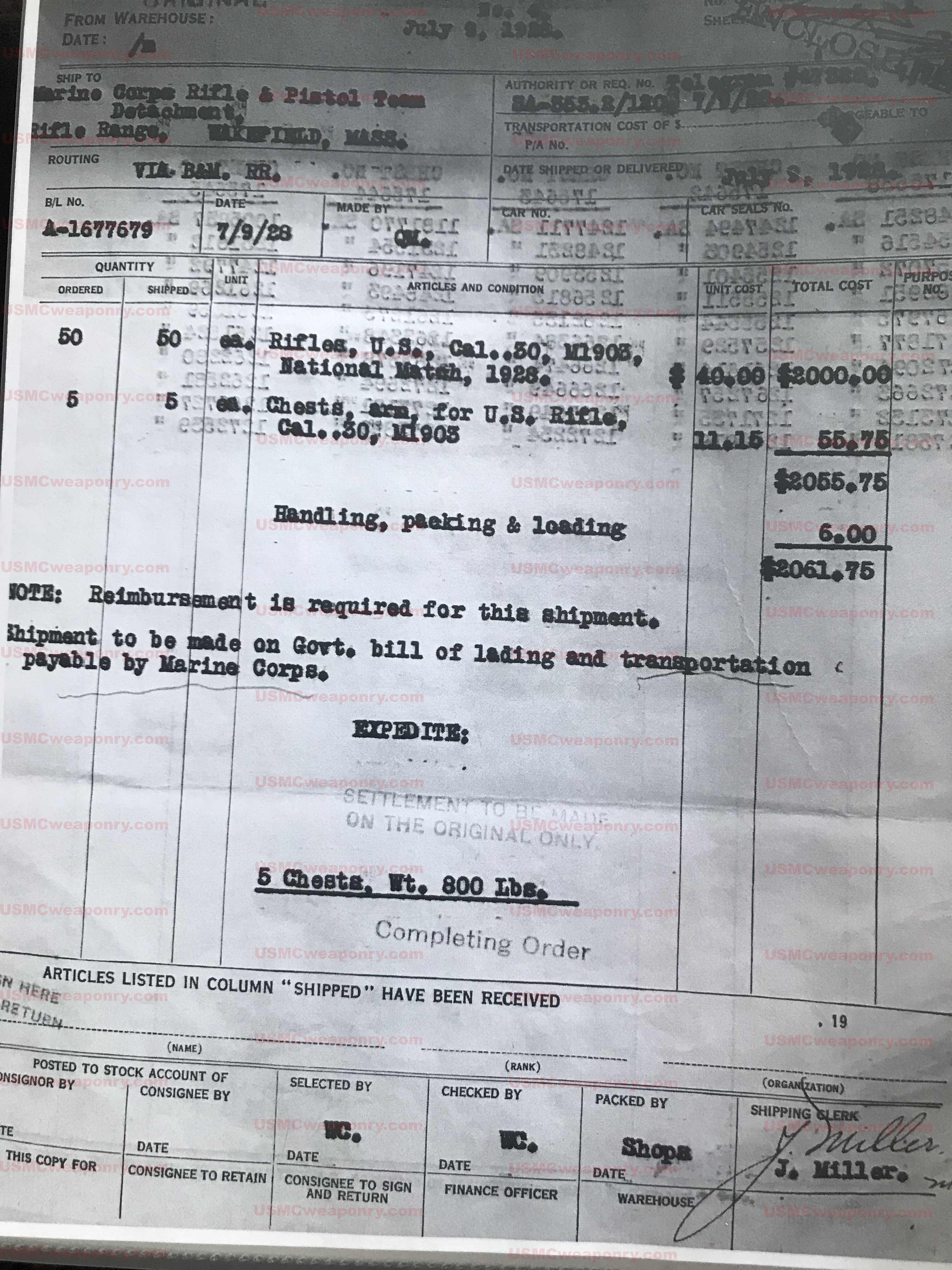
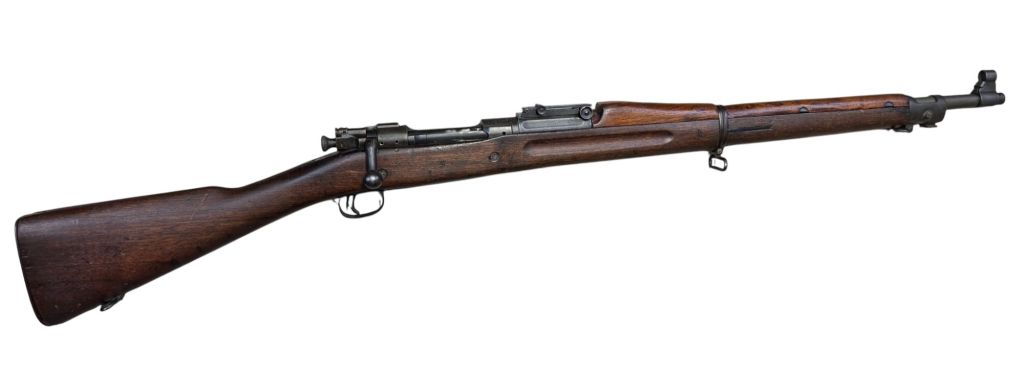
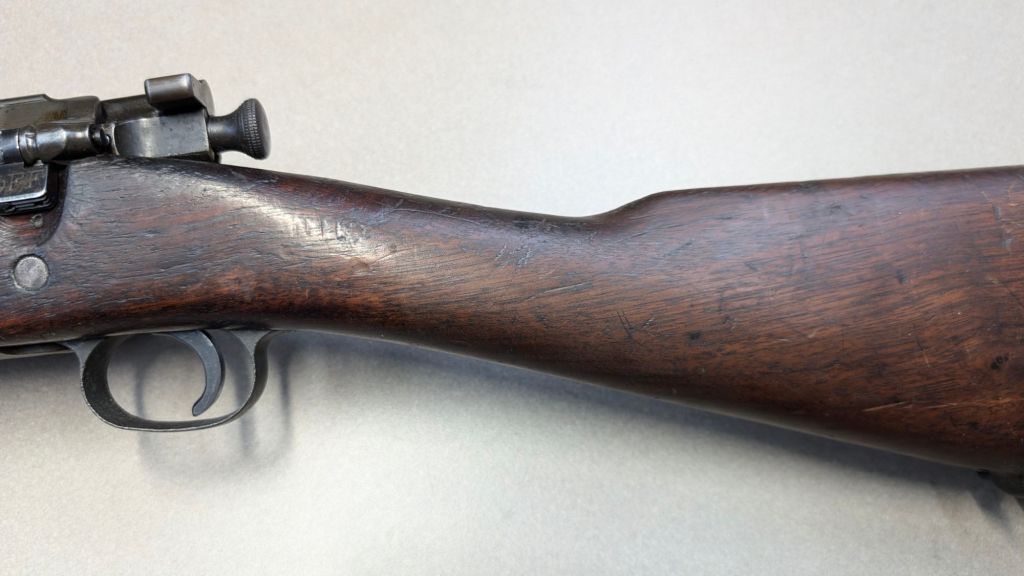
Every year, the Marine Corps Rifle Team would receive a shipment of brand new National Match M1903s from Springfield Armory. #1181770 was one of 50 National Match M1903s received by the Marines in 1928. Later in its service #1181770 was built into a “Special Target” rifle, the USMC designation for National Match M1903s that were rebarreled with standard-issue service rifle barrels but still used for lower level matches. It was from these rifles that the Marine Corps built their M1903 Unertl sniper rifles. While #1181770 was never built into a Unertl sniper, it is one of just several documented USMC National Match rifles found thus far (Plowman collection).

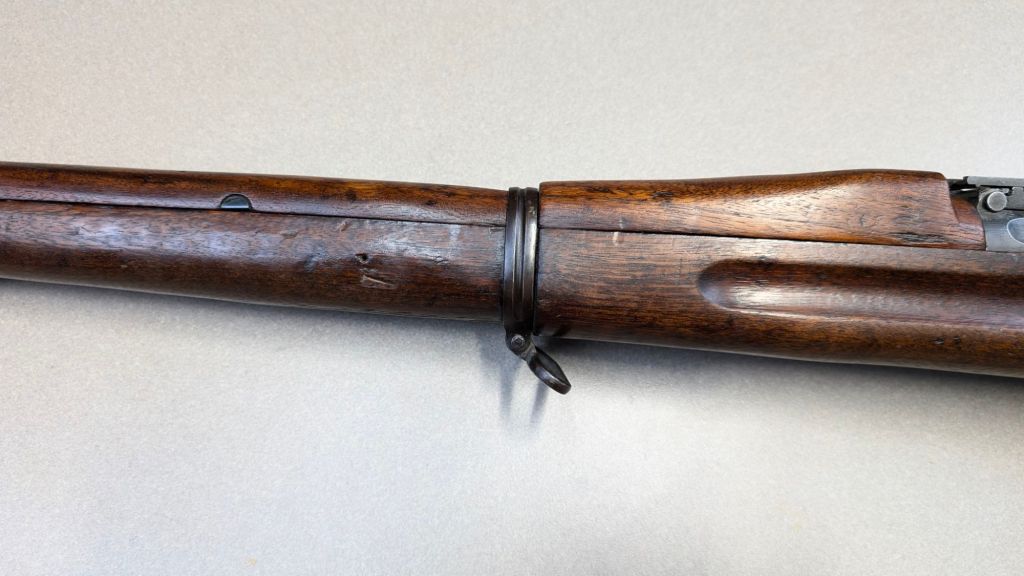
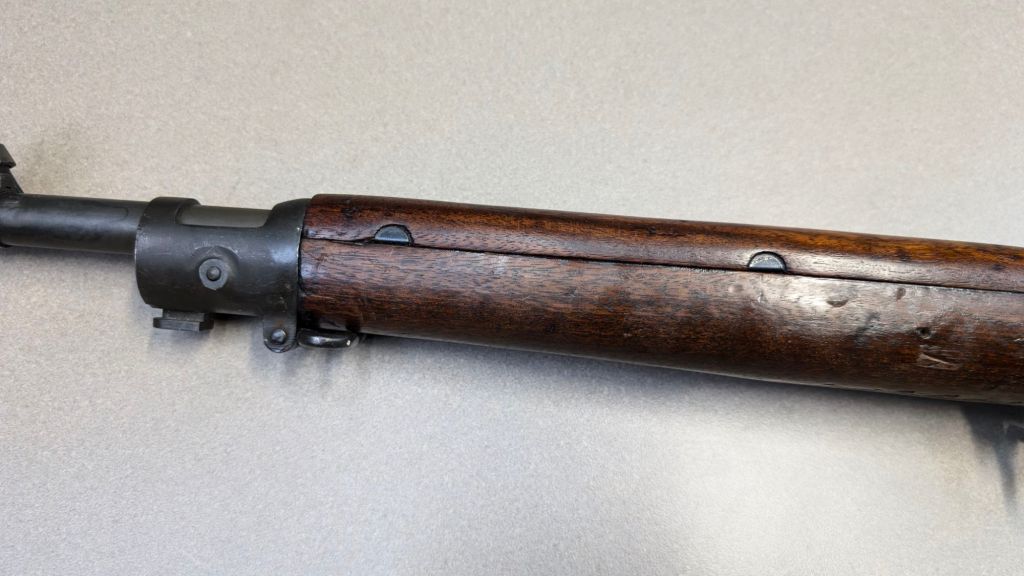
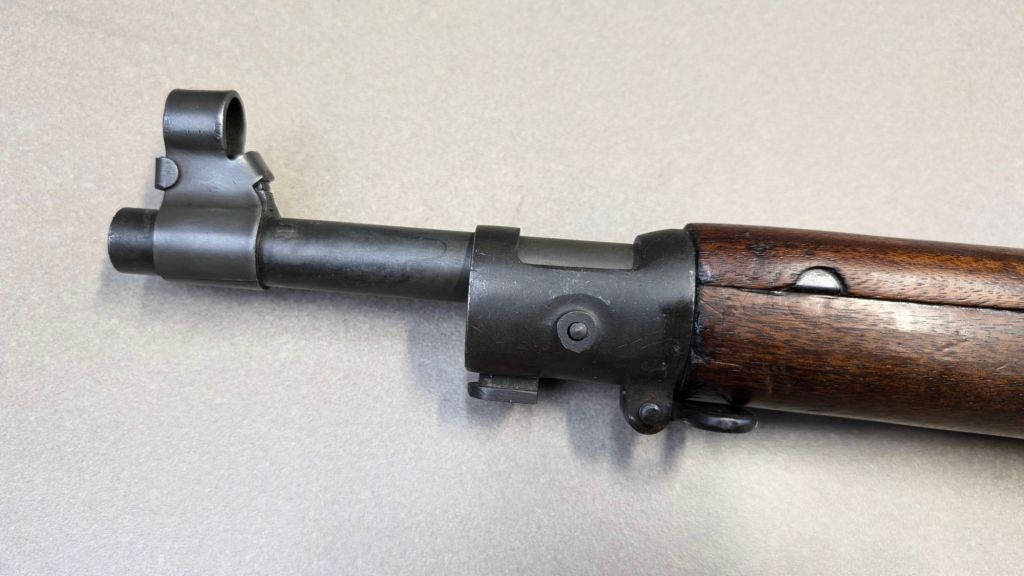
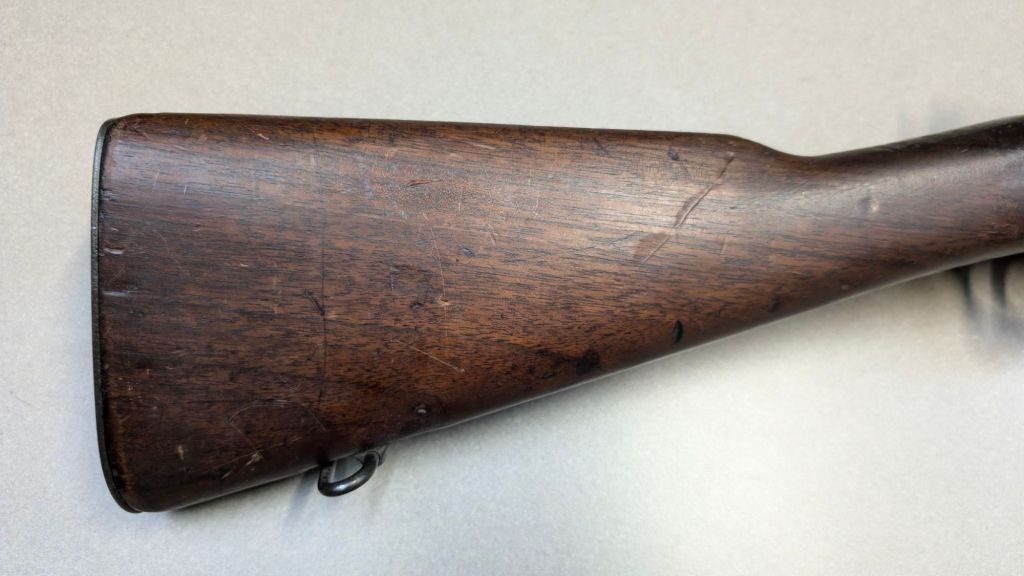
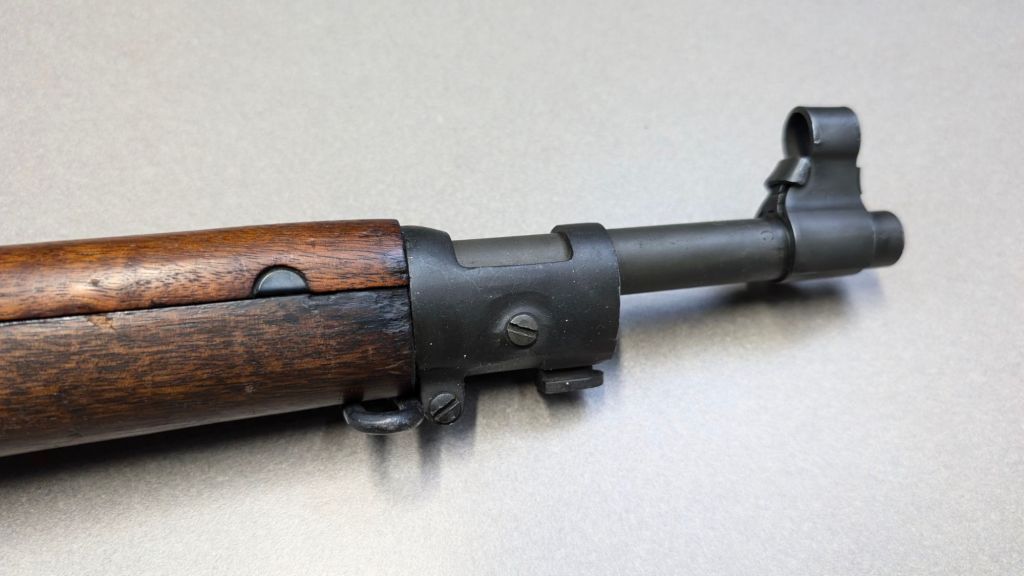
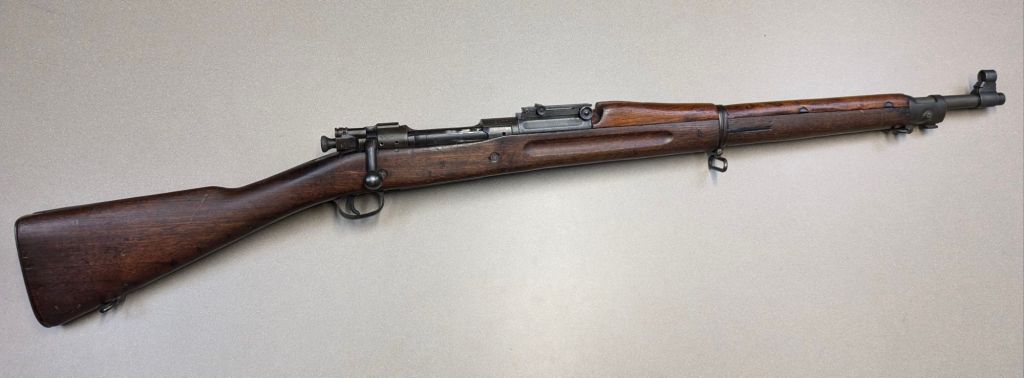
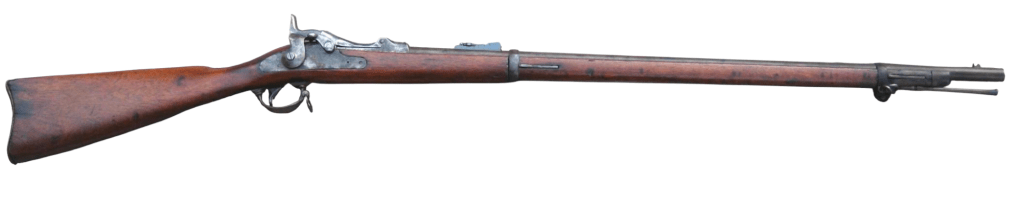
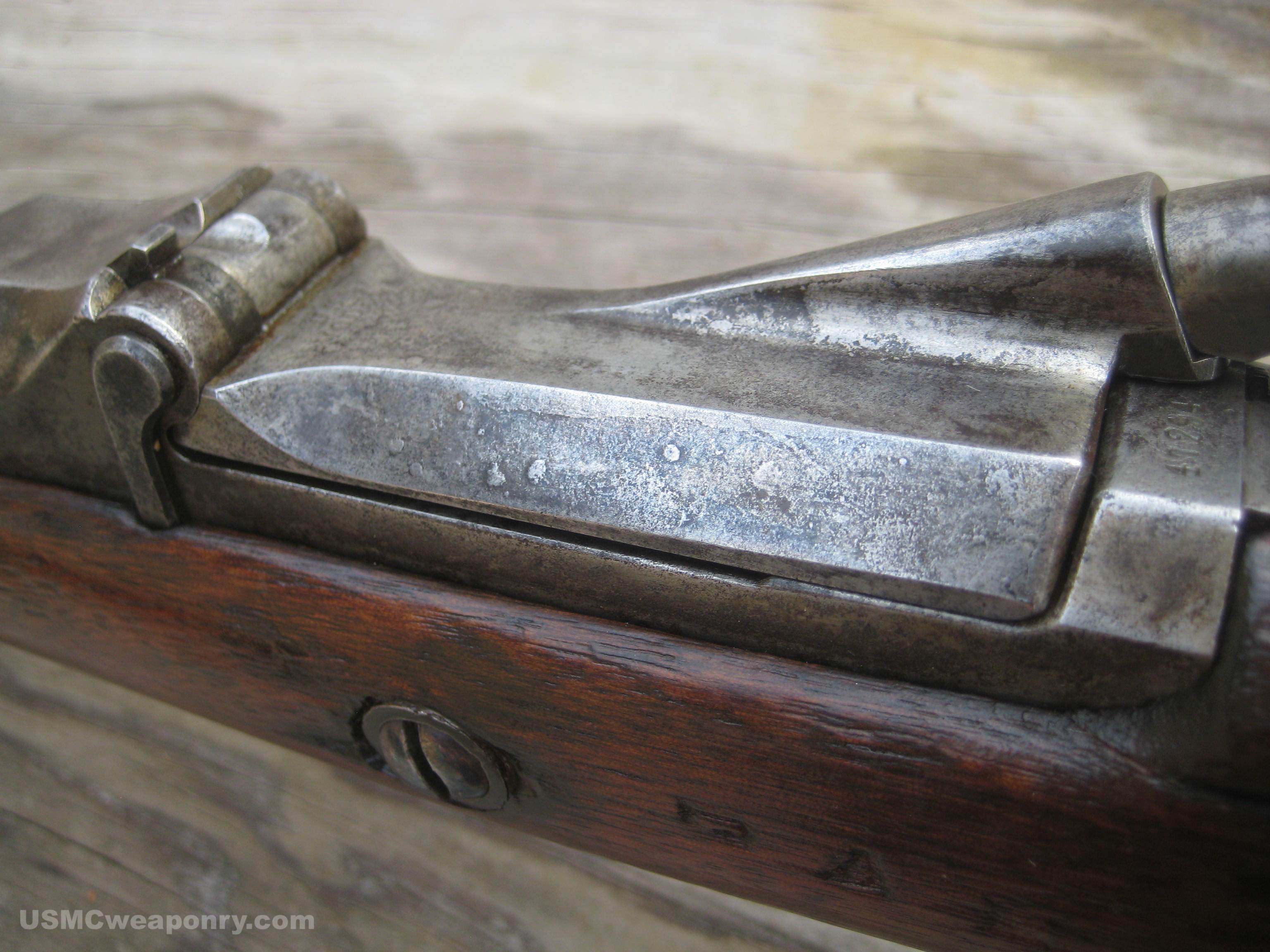
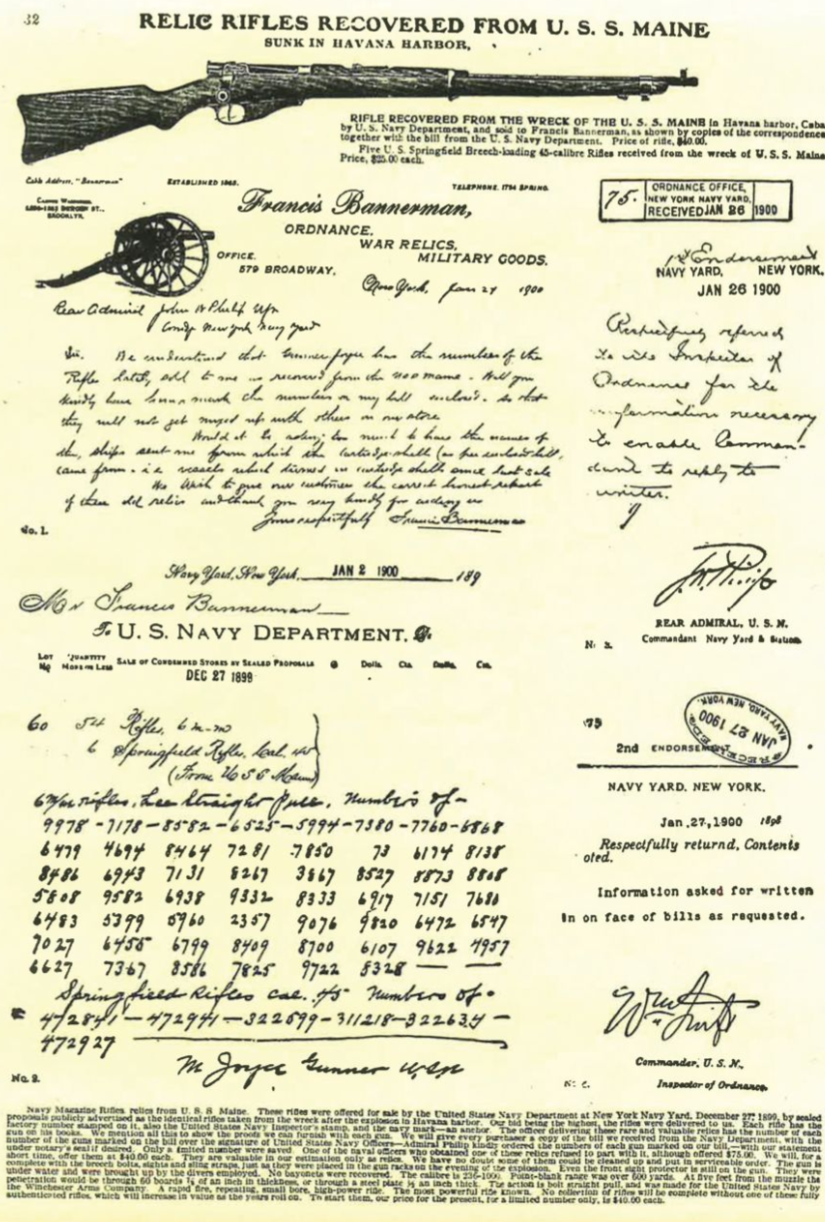
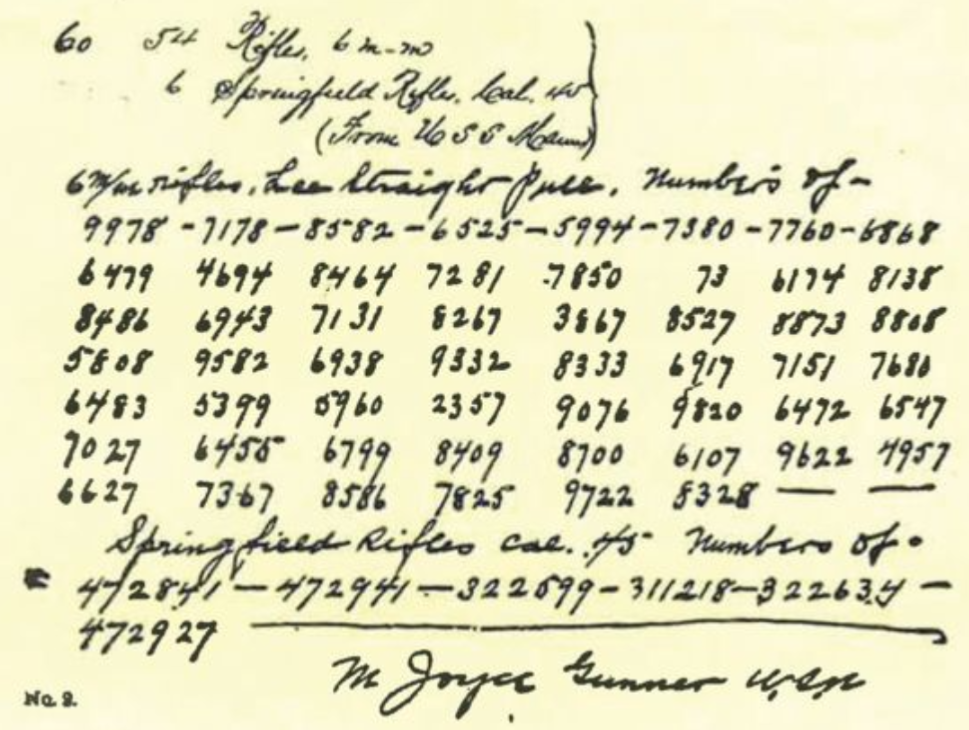
USMC M1884 Trapdoor Rifle #472941
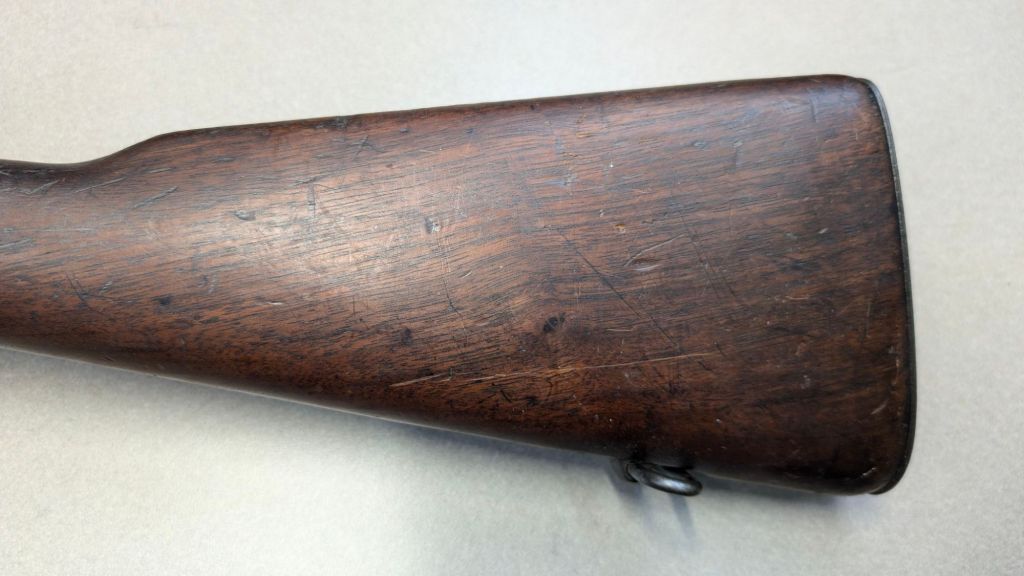
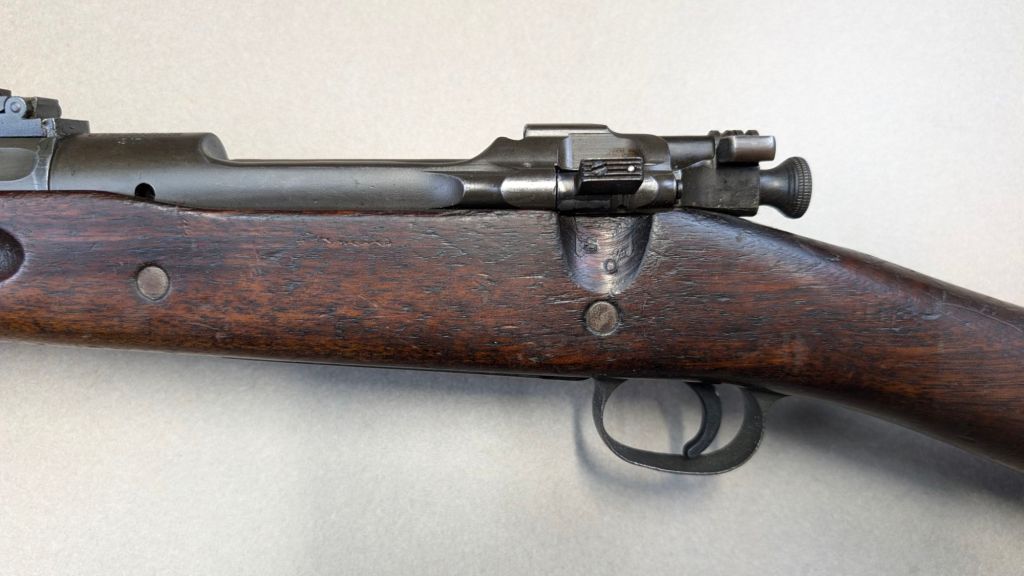
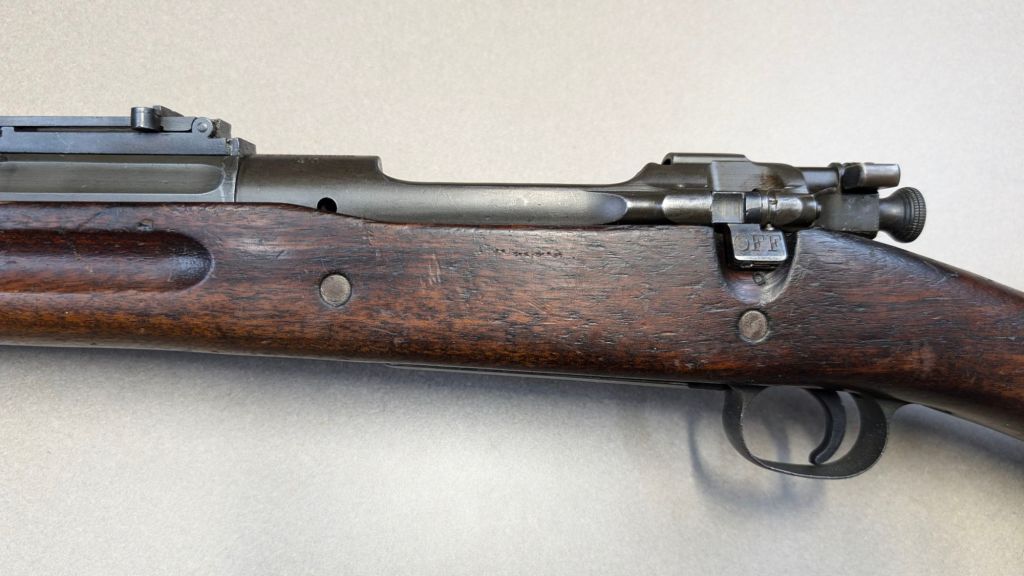
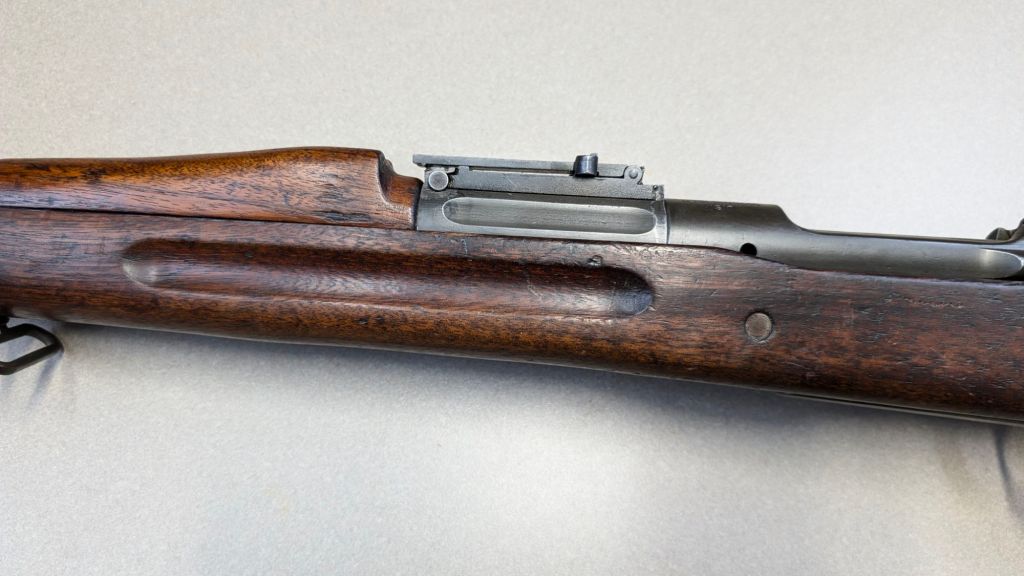
Years after the USS Maine disaster, the Bannerman company recovered 40 Winchester M1895 Lee-Navy and 6 Springfield Armory M1885 Trapdoor rifles from the wreckage. The 6 Trapdoors belonged to the ship’s Marine detachment, and as of now are the only USMC provenance Trapdoor rifles that can be verified through any type of documentation (Anderson collection).

 USMCWEAPONRY.COM