
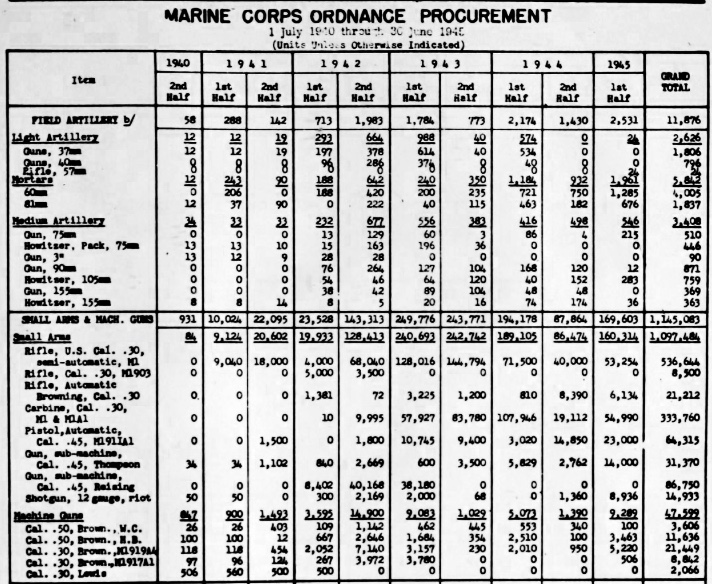
One of the more difficult weapons to identify as USMC in provenance, the M1 Carbine faithfully served a broad genre of Marines from the steamy jungles of the South Pacific to the bitter cold of the Chosin Reservoir. Initially the Marine Corps would be allotted a disproportionate number of M1 Carbines, making many very early in manufacture. The Marine Corps would receive 333,370 Carbines in total during WWII, accounting for just over 5% of production.
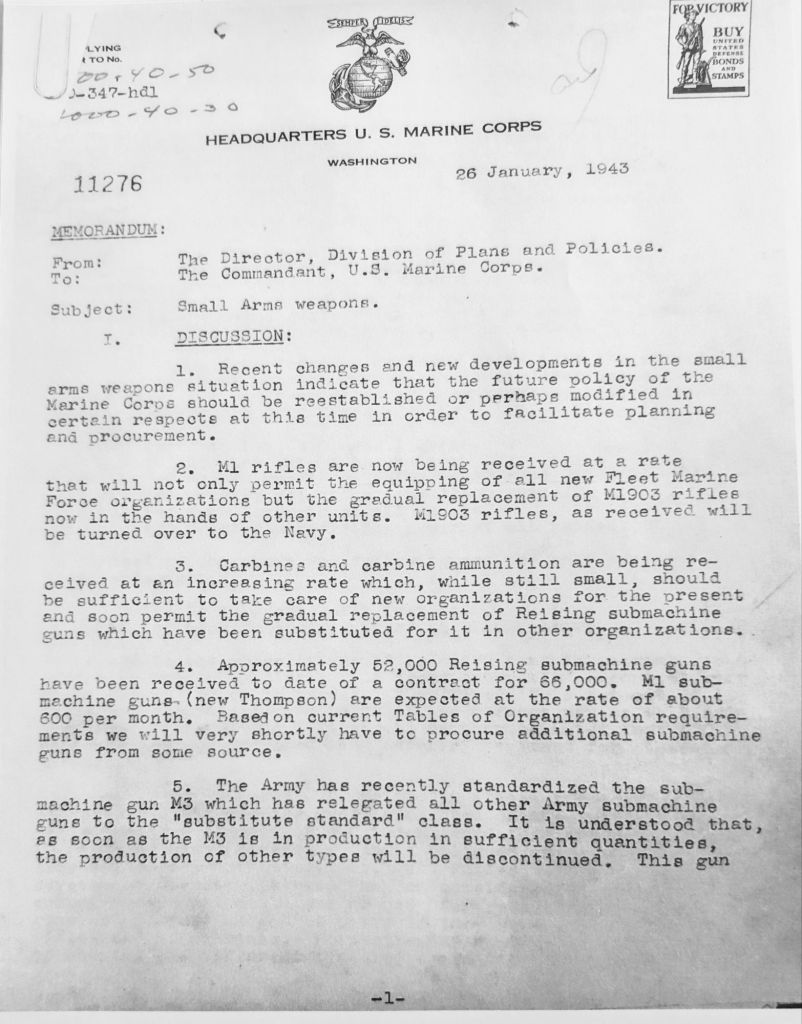
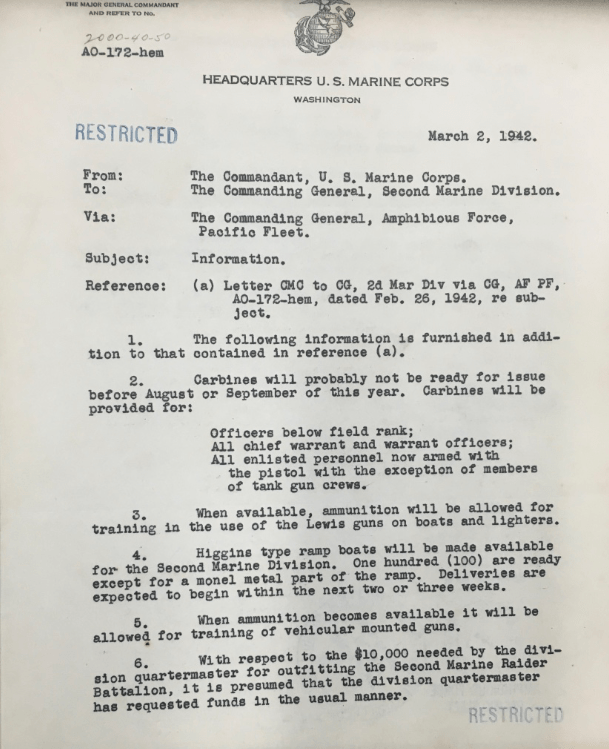
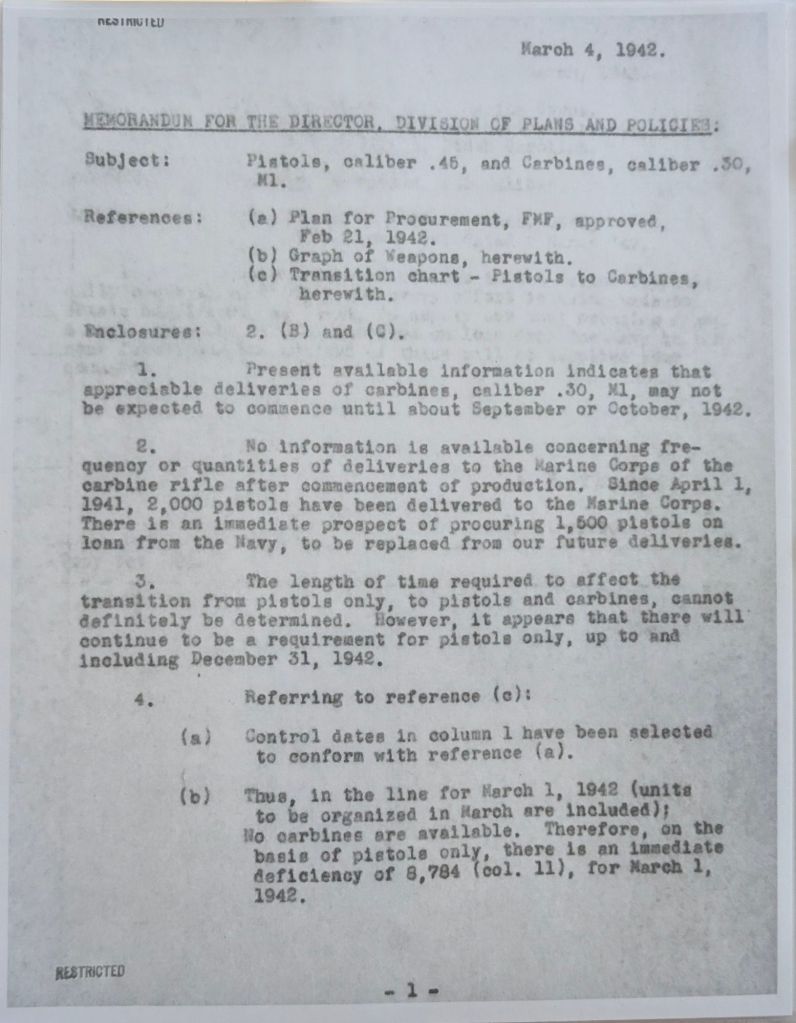
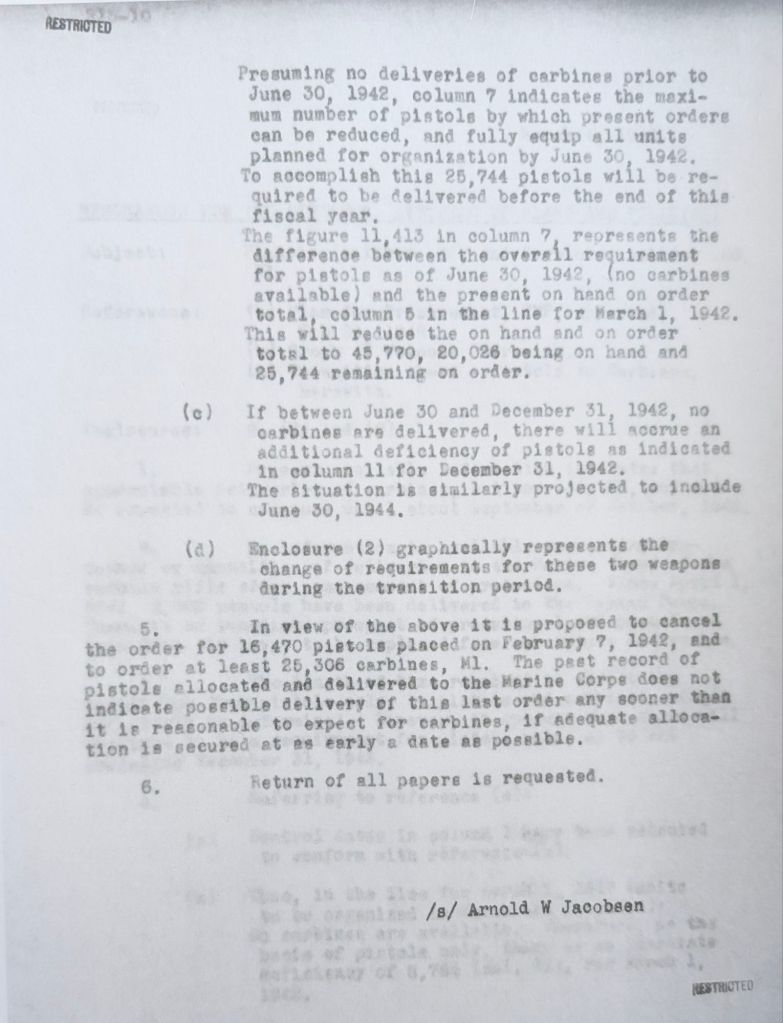
The story of the M1 Carbine in Marine Corps service begins with the realization that the new weapon would not be ready in time fo the Guadalcanal campaign. In the interim, the Marine Corps would source other weapons to fill the intended role of the M1 Carbine. Extra M1911 pistols were made available by the Navy, and as M1911A1 production surged the Marines sought to acquire more. and In order to supplement existing Thompson submachine guns, the USMC would procure the Reising Model 50 submachine gun and its folding stock paratrooper variant, the Model 55. While fully automatic, the Reisings would perform very poorly during the Guadalcanal campaign.
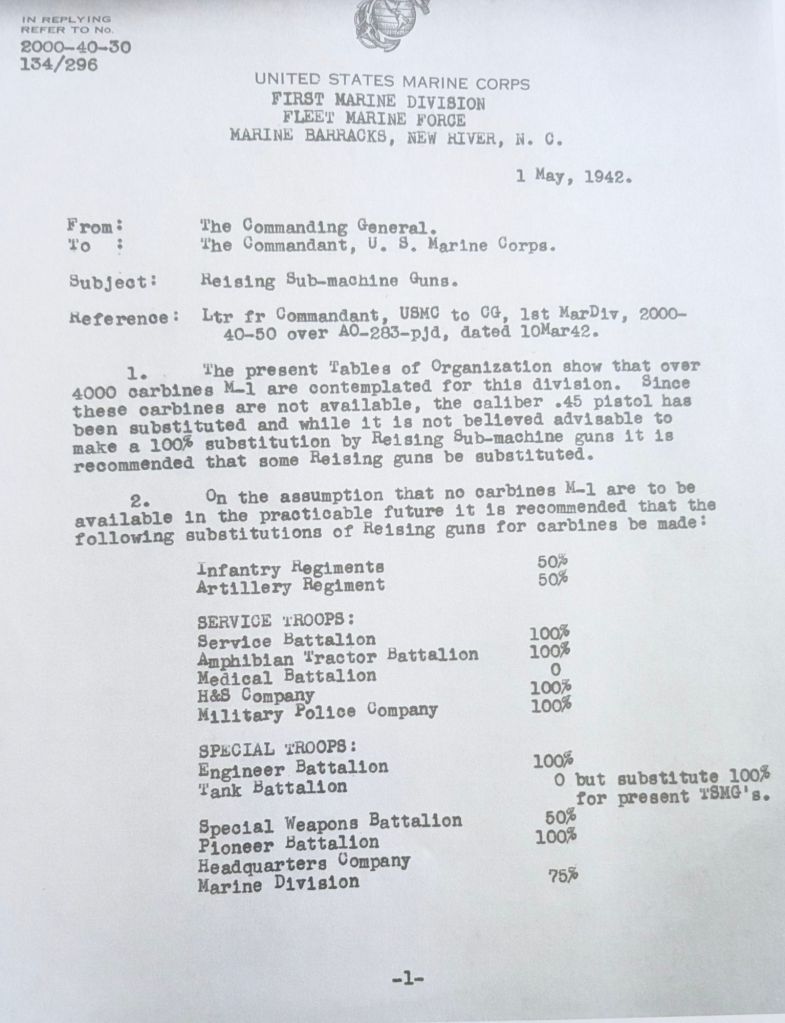
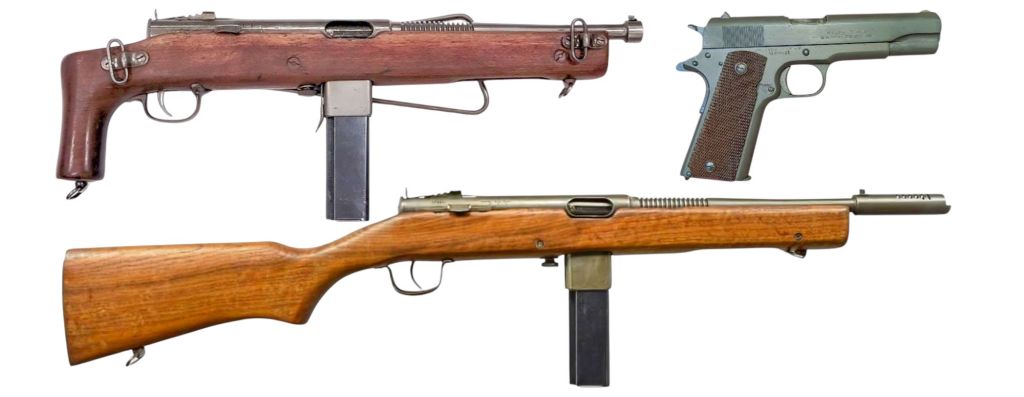
1942 M1 Carbine Substitutes
- Reising M50 Submachine Gun
- Reising M55 Paratrooper Submachine Gun
- Additional M1911/A1 pistols & Thompson Submachine Guns
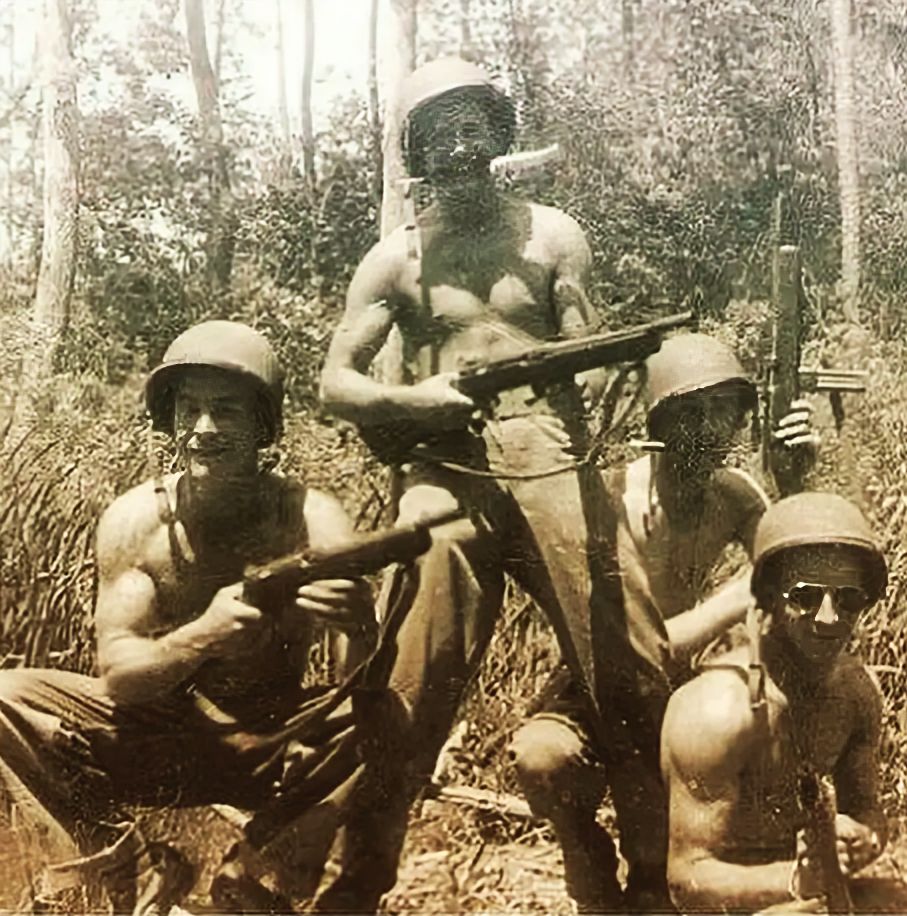
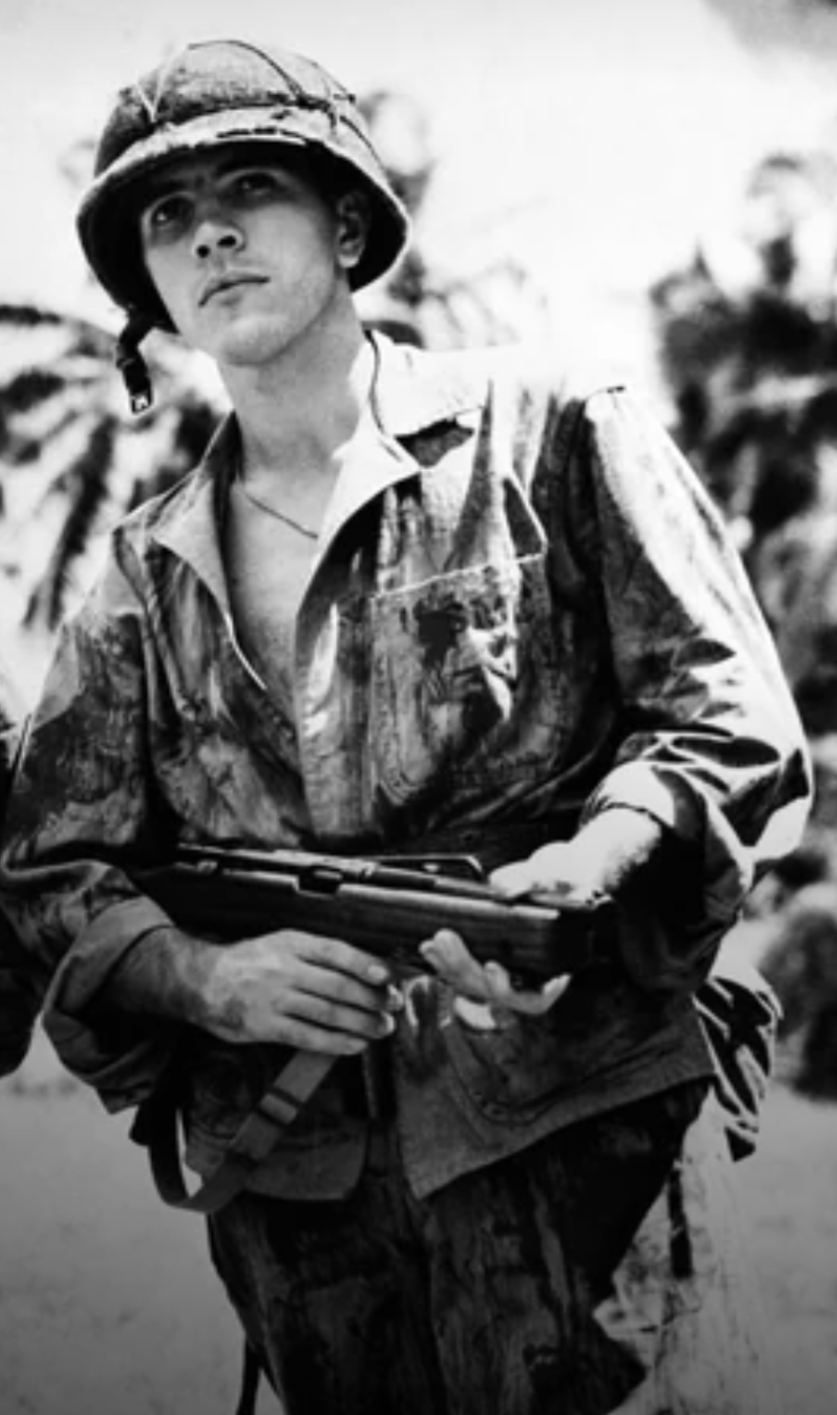
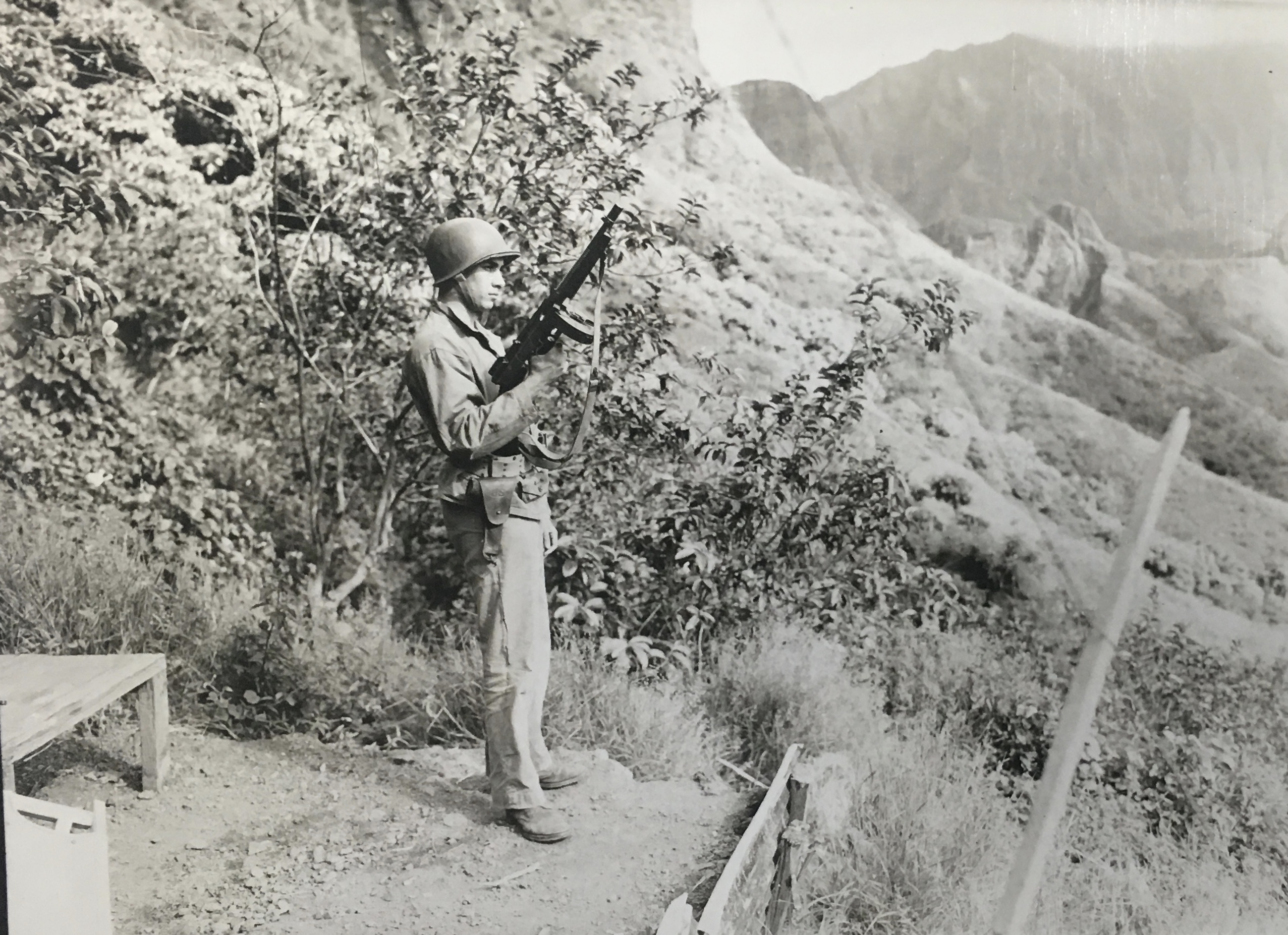
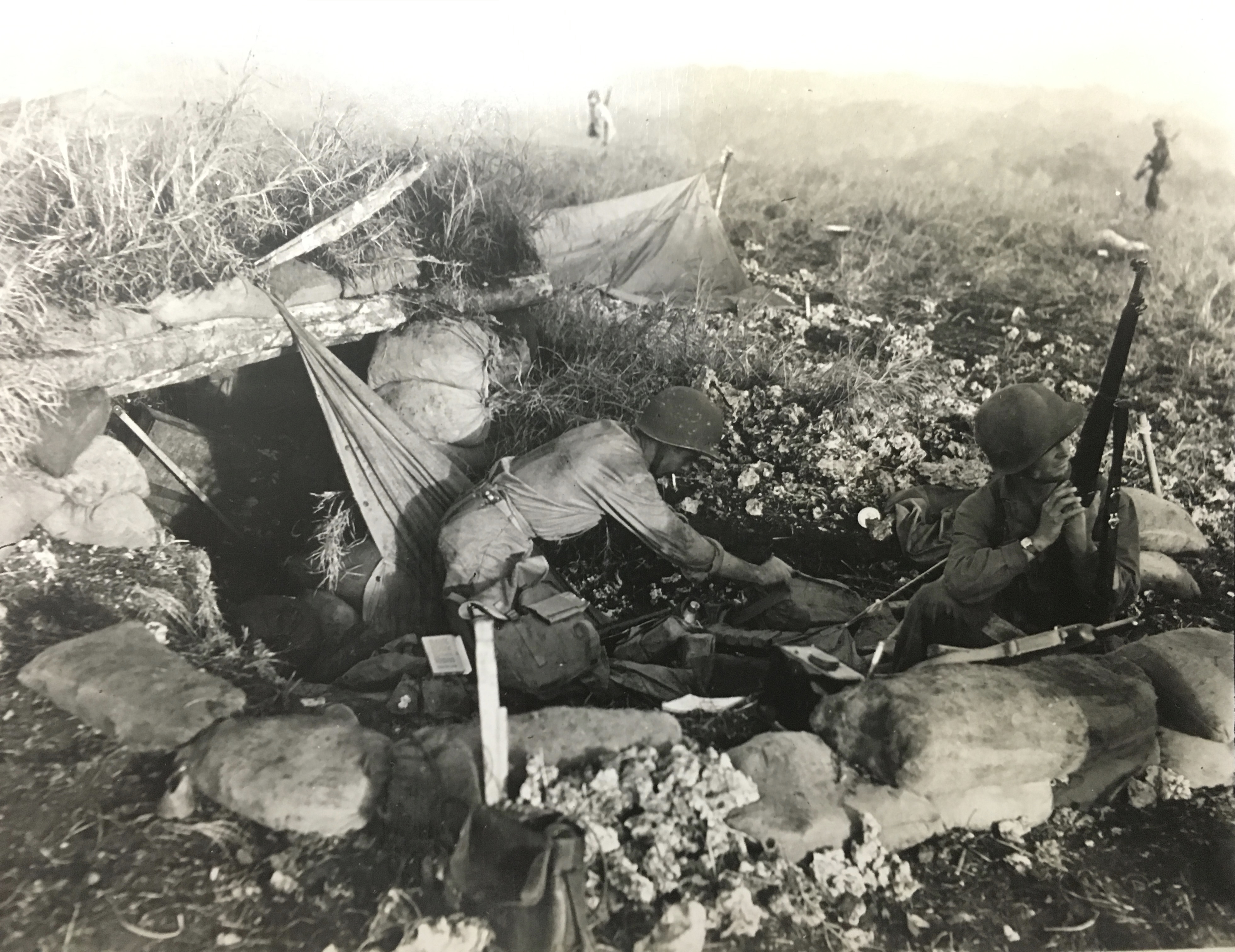
Marines with Reising and Thompson Submachine Guns prior to the implementation of the M1 Carbine (USMC & NARA).
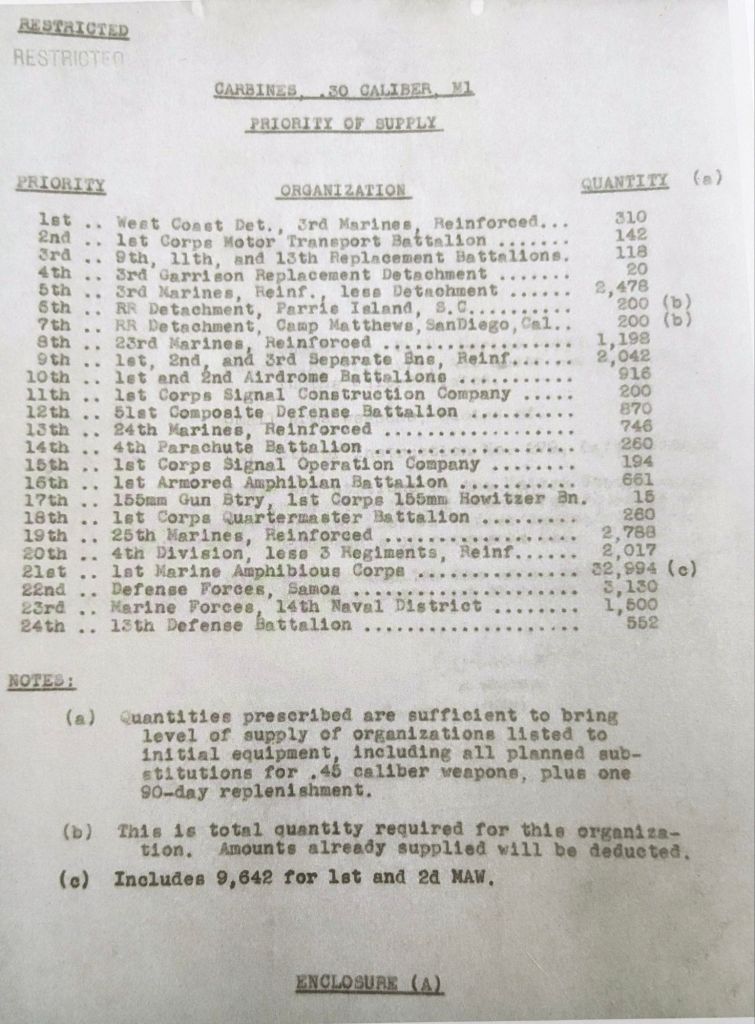
InitiaL USMC M1 Carbine Distribution Plan
Once the Marine Corps began receiving M1 Carbines in late 1942, they were distributed by priority number. Rapid mobilization of private industry allowed the M1 Carbine to be produced in large numbers expediently, with the USMC being fully outfit with the new weapon by mid 1943 (NARA).
M1 Carbine Manufacturers & Production Numbers
- Inland: 2,632,097
- Winchester: 828,059
- Underwood: 545,616
- Saginaw: 517,212
- National Postal Meter: 413,017
- Quality Hardware & Machine: 359,666
- IBM: 346,500
- Standard Products: 247,160
- Irwin-Pedersen: 223,620
- Rock-Ola: 228,500
- Total Production: 6,221,220
- Total USMC Procurement: 333,760
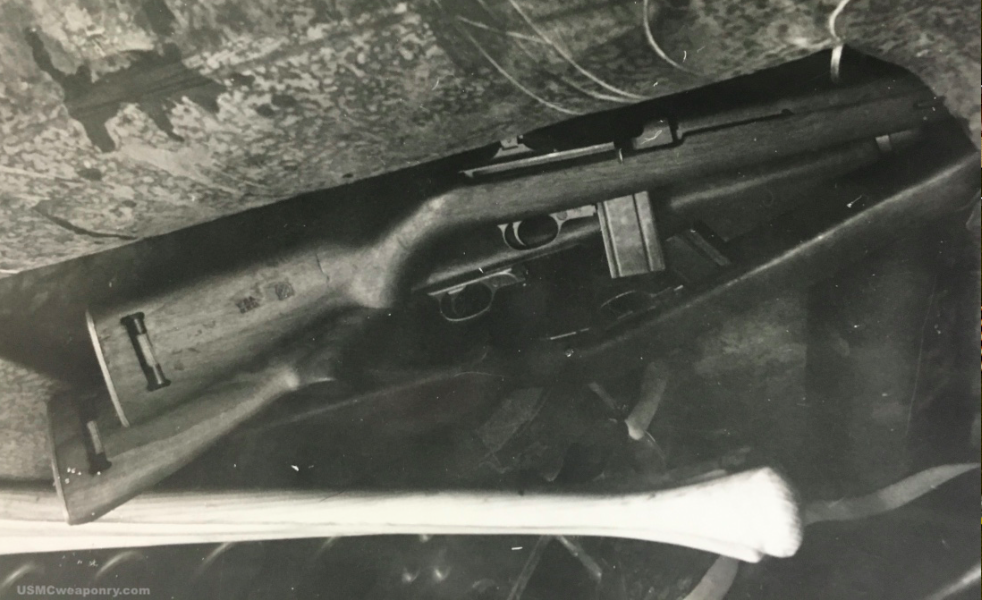
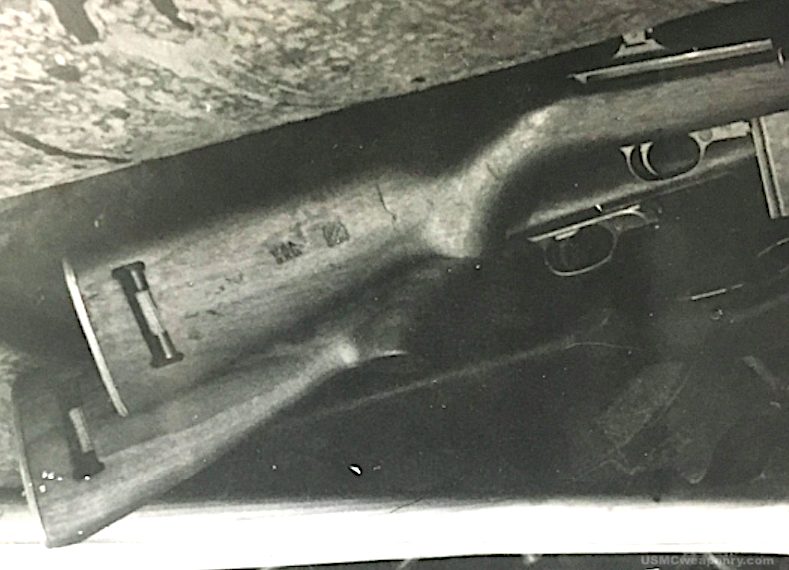
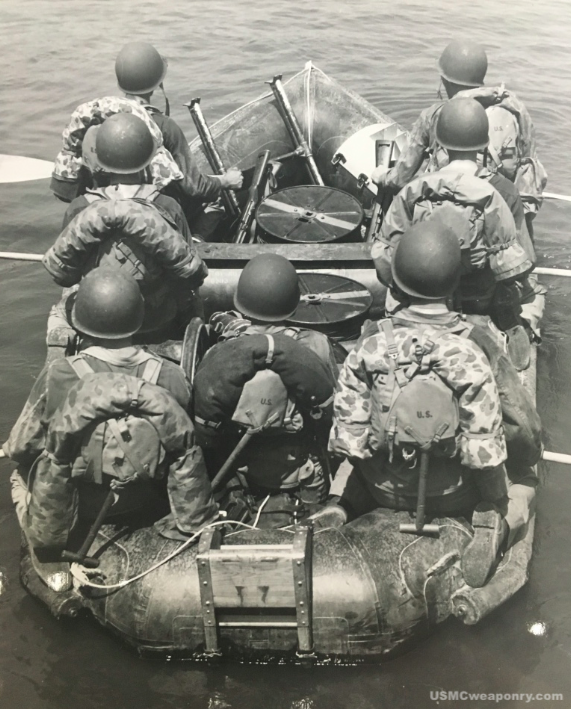
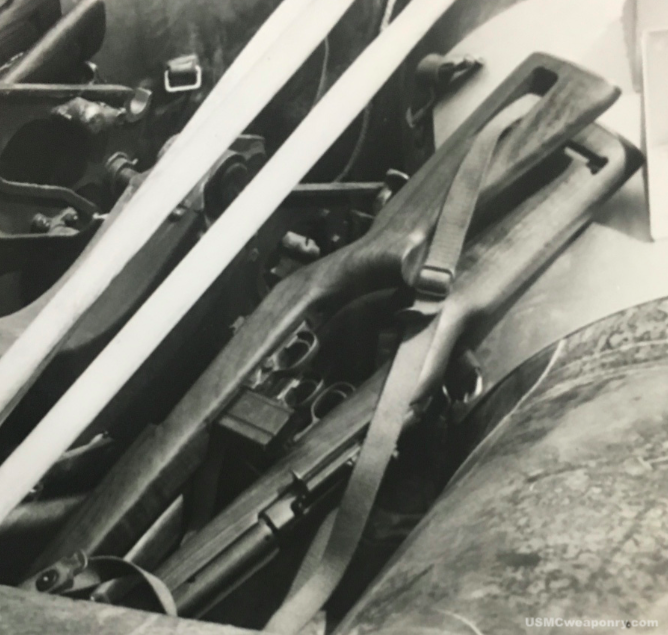
Early I-cut M1 Carbines, including one Winchester, during Marine Corps equipment trials in WWII. The M1 Carbine was well received during testing (NARA).
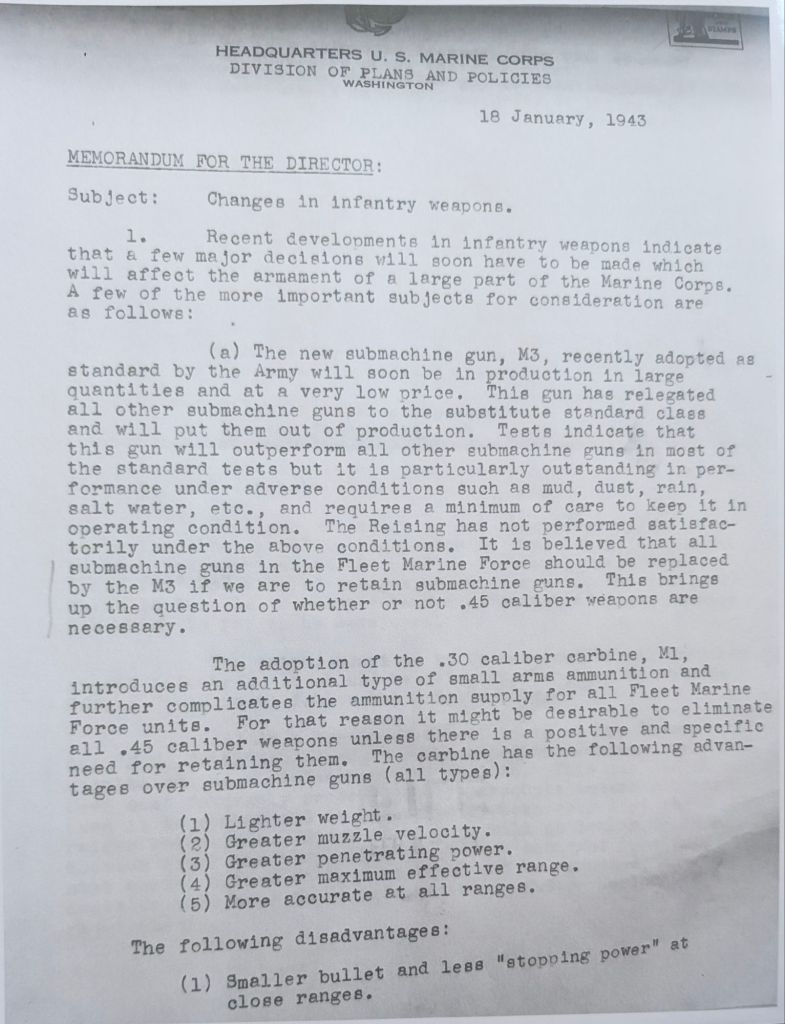
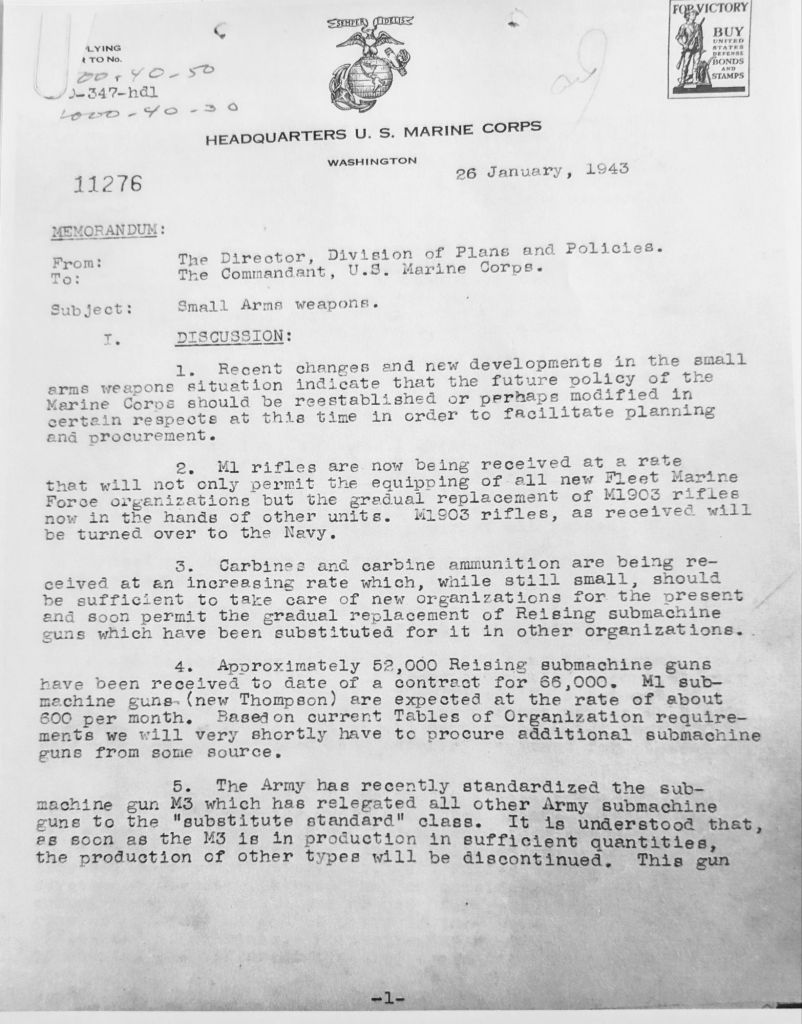
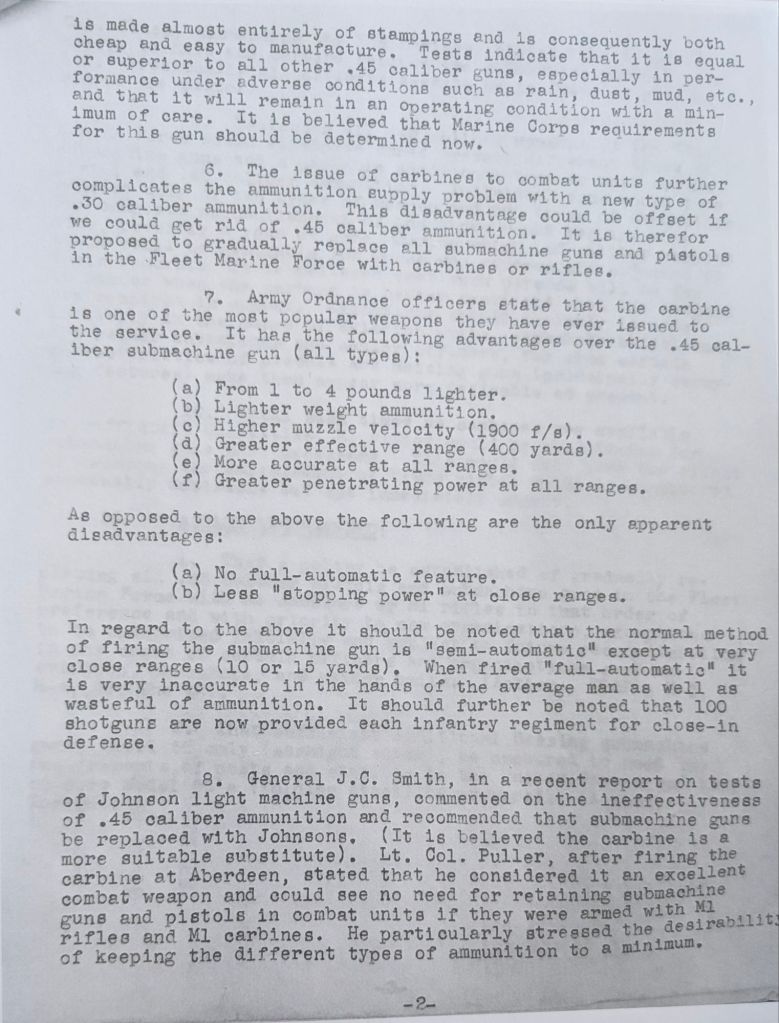
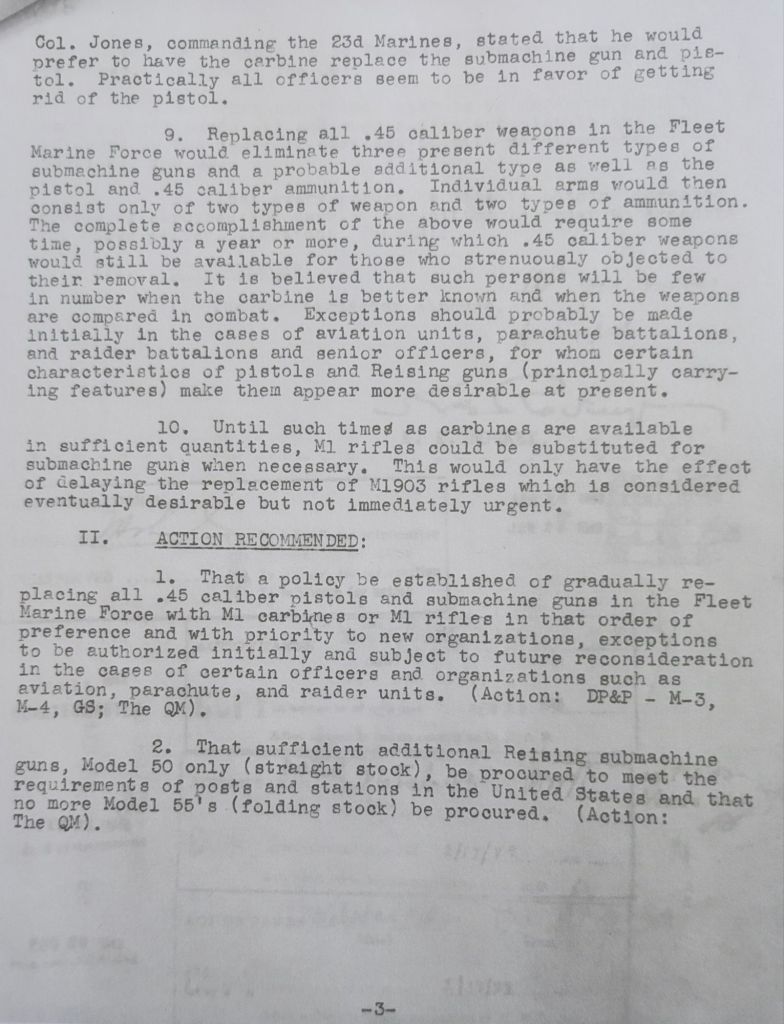
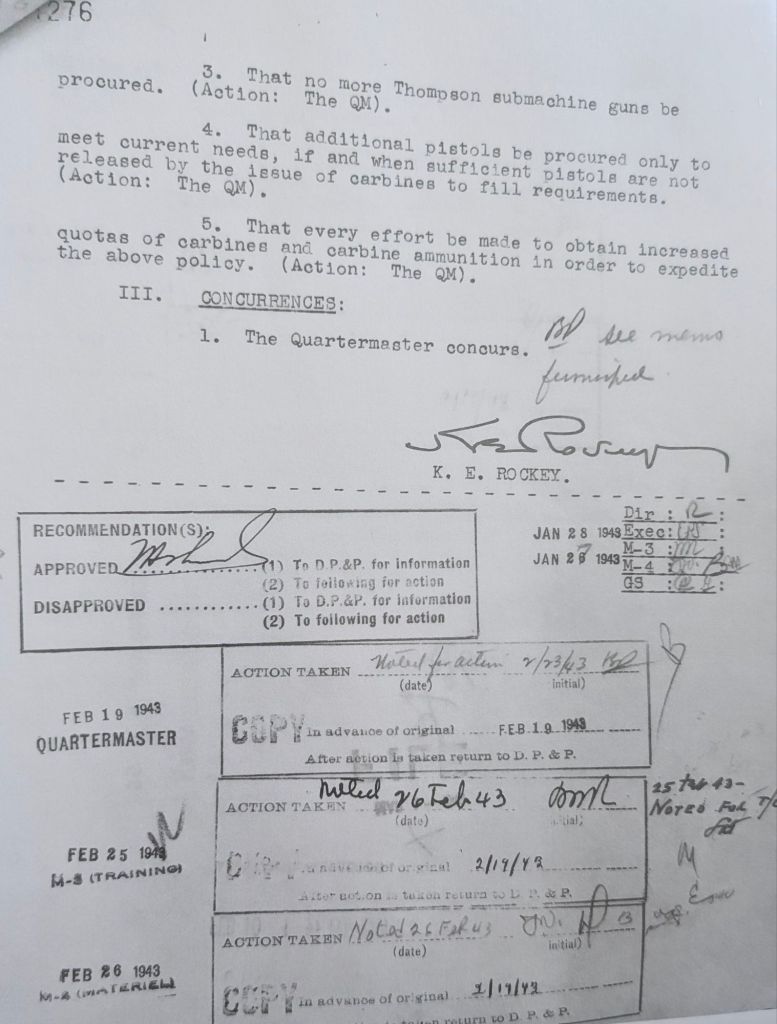
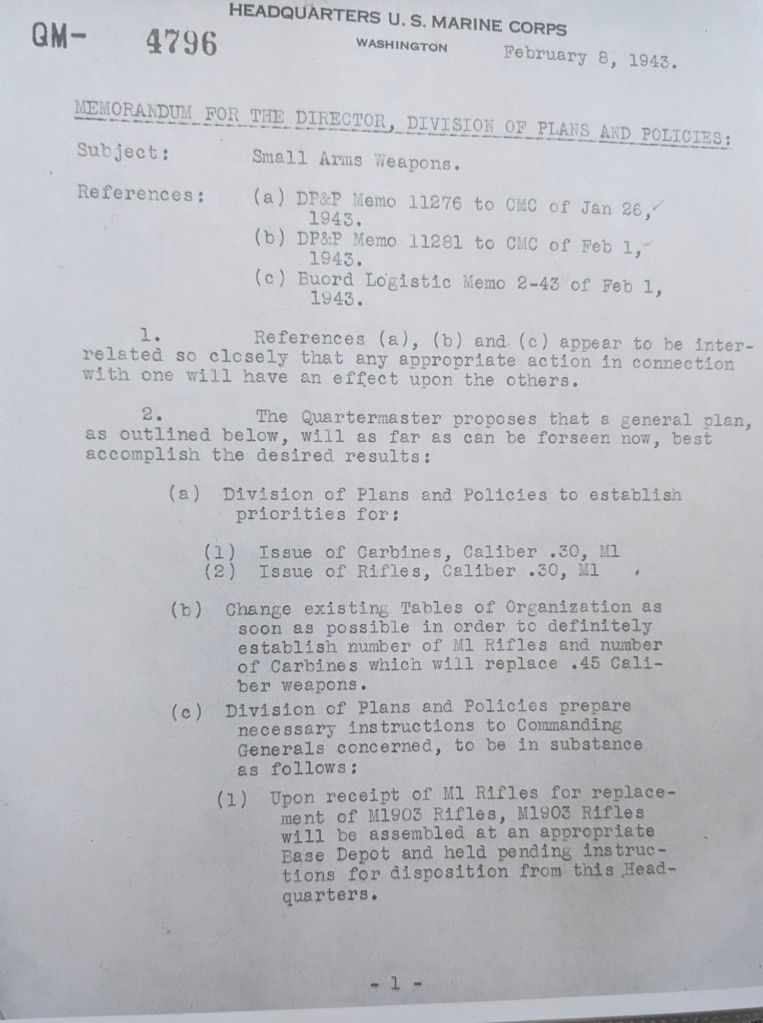
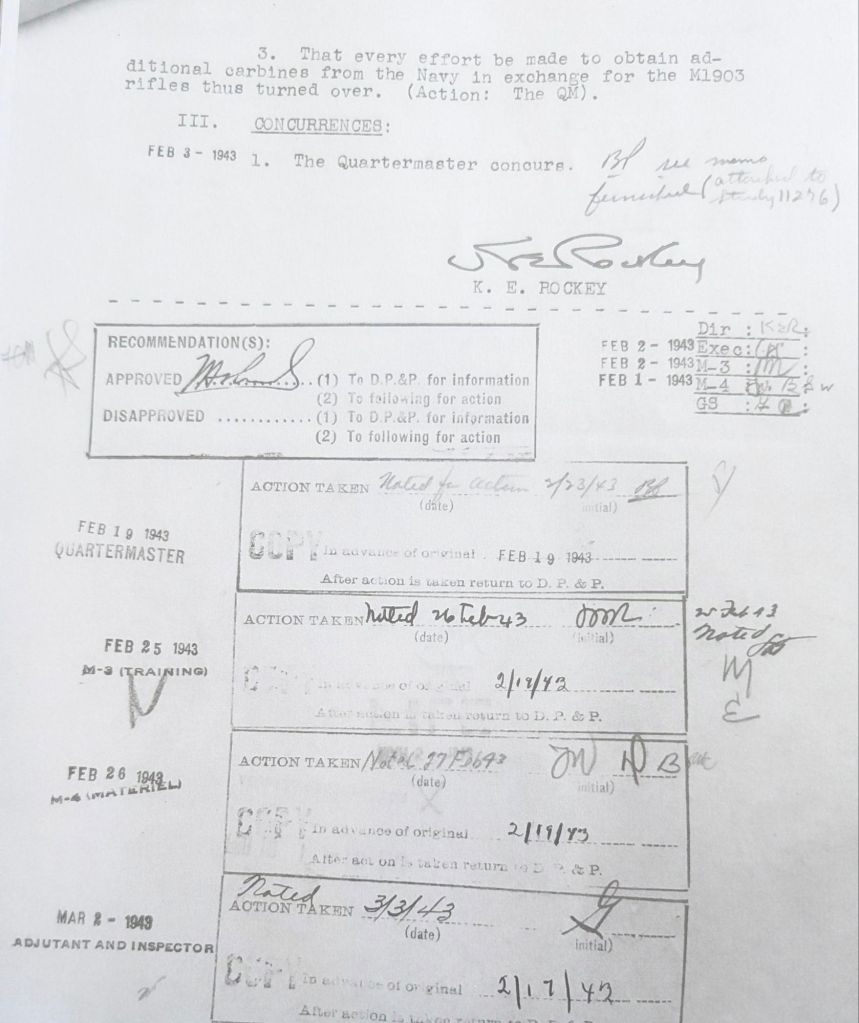
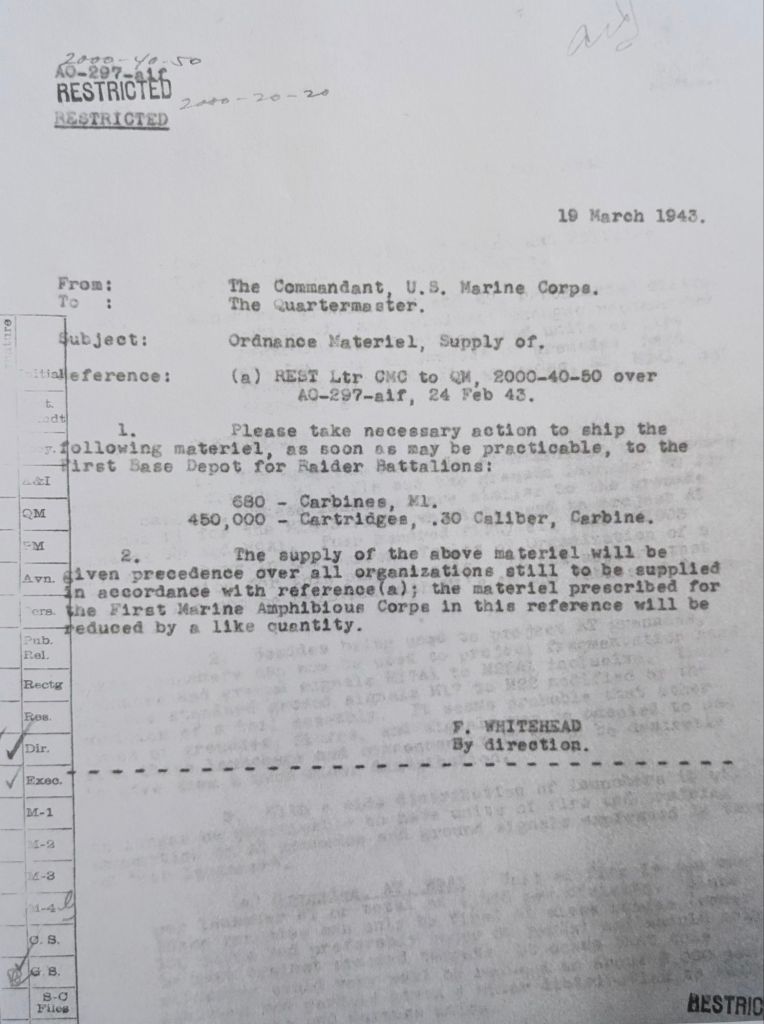
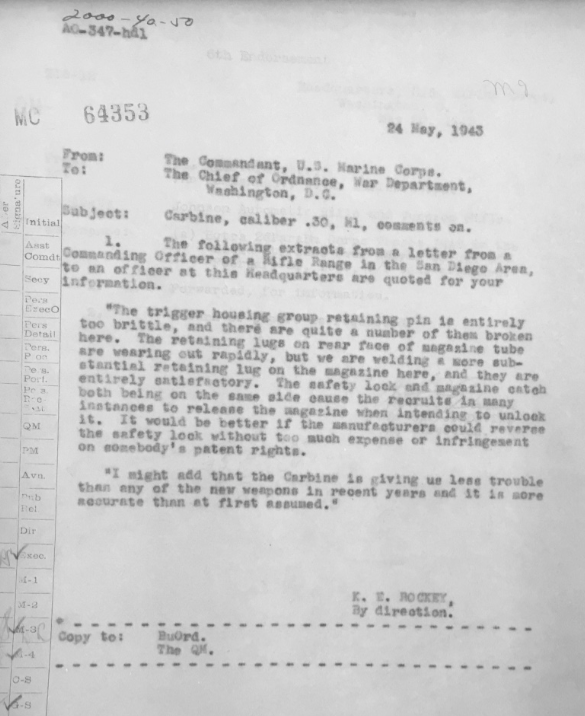
Documents detalailing M1 Carbine procurement by the Marine Corps in early 1943 (NARA).
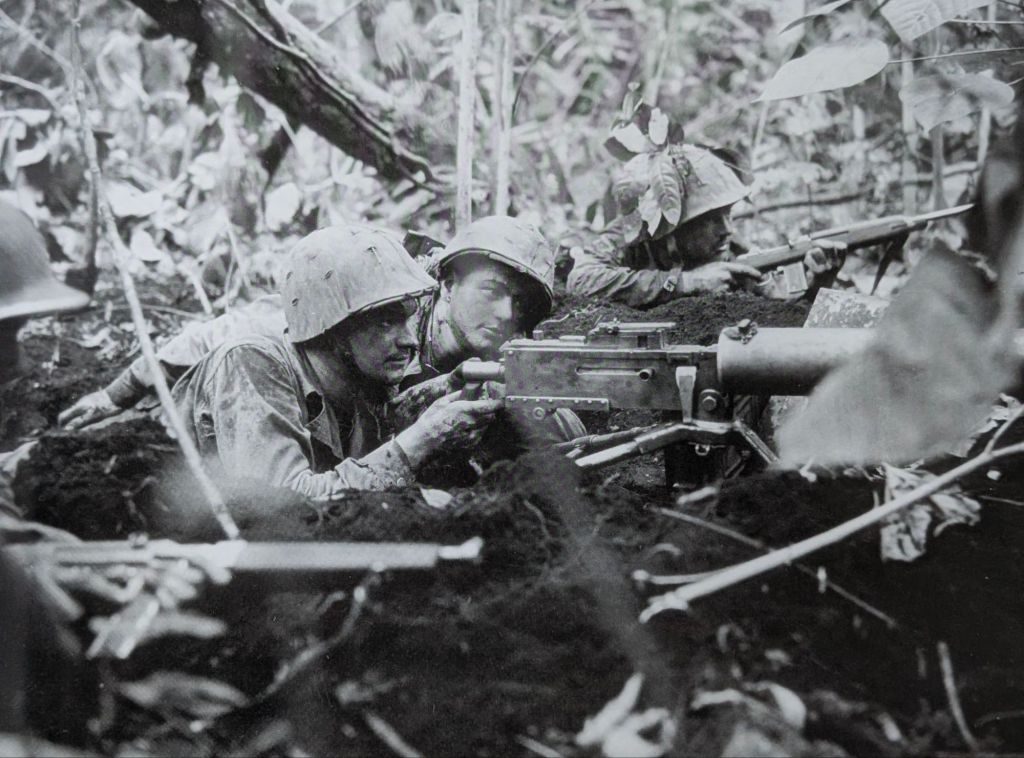
The M1 Carbine with the Marines in combat
The First Shots
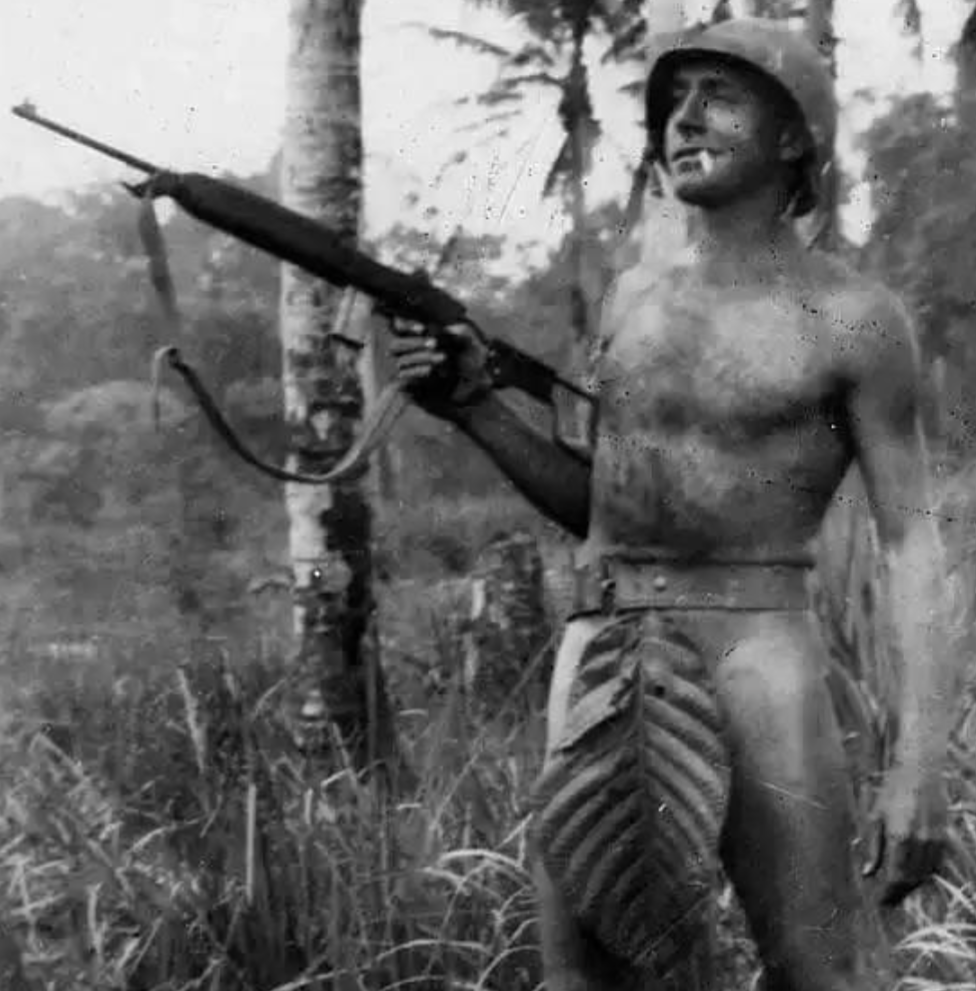
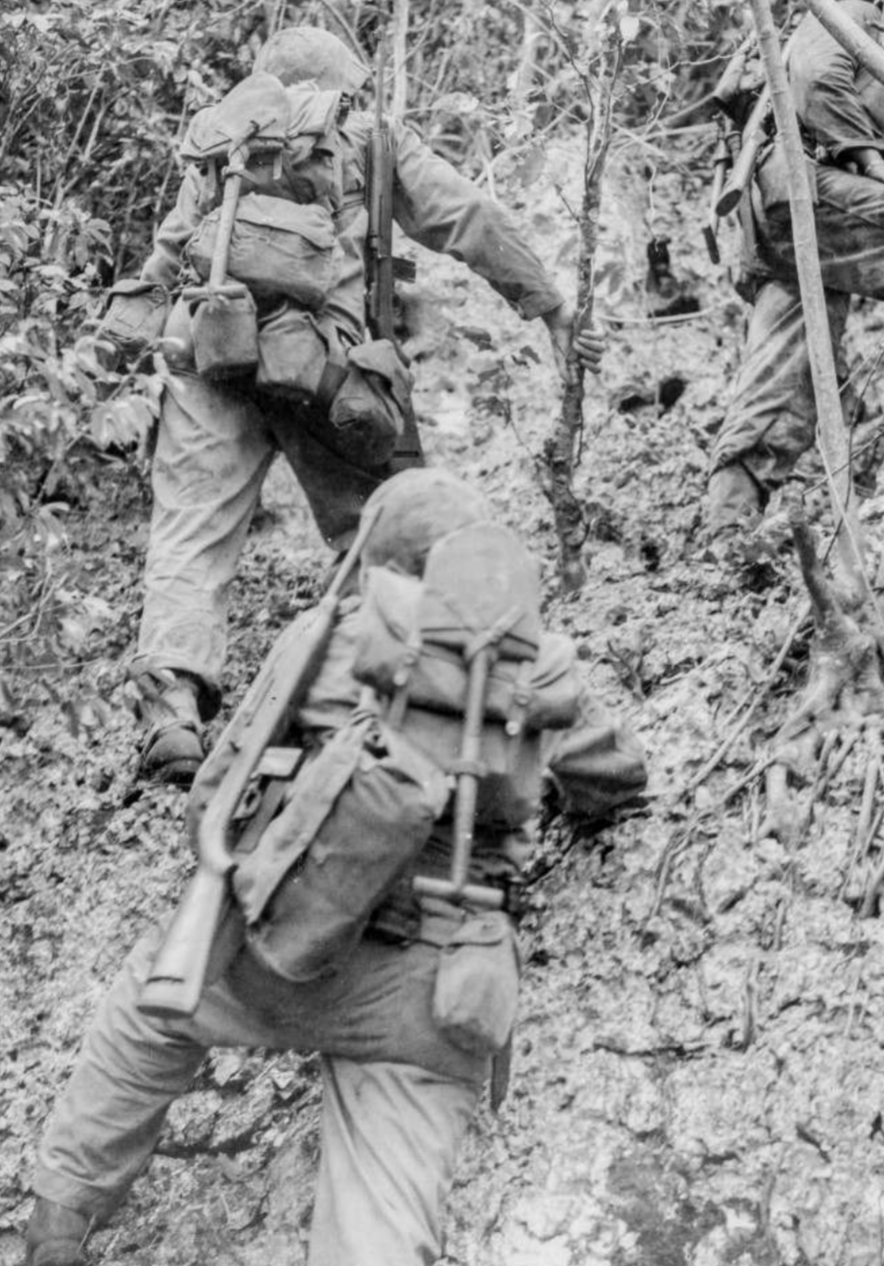
The USMC would be outfit with M1 Carbines following the Guadalcanal Campaign. The first action the M1 Carbine would see with the Marine Corps would take place in New Georgia in mid-1943. Later actions that year at Bougainville and Cape Gloucester would put the new weapon to the test in the most grueling jungle conditions the USMC would encounter in World War II.
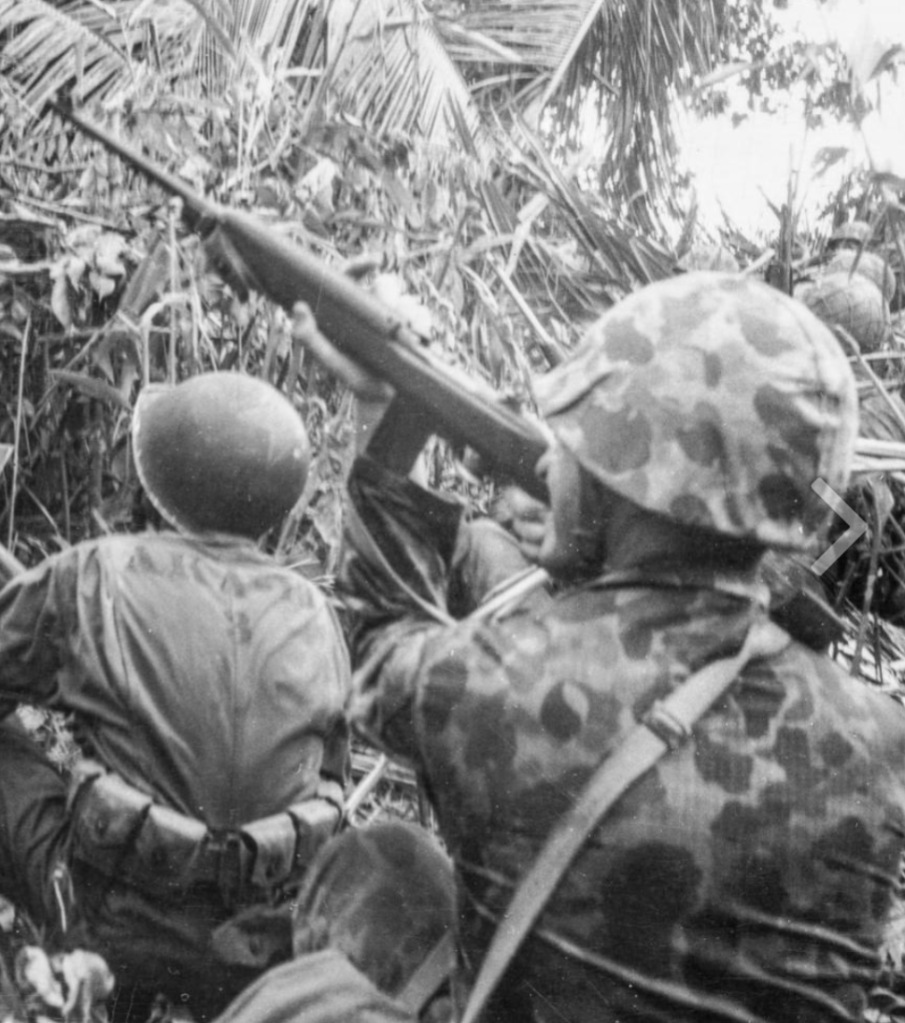
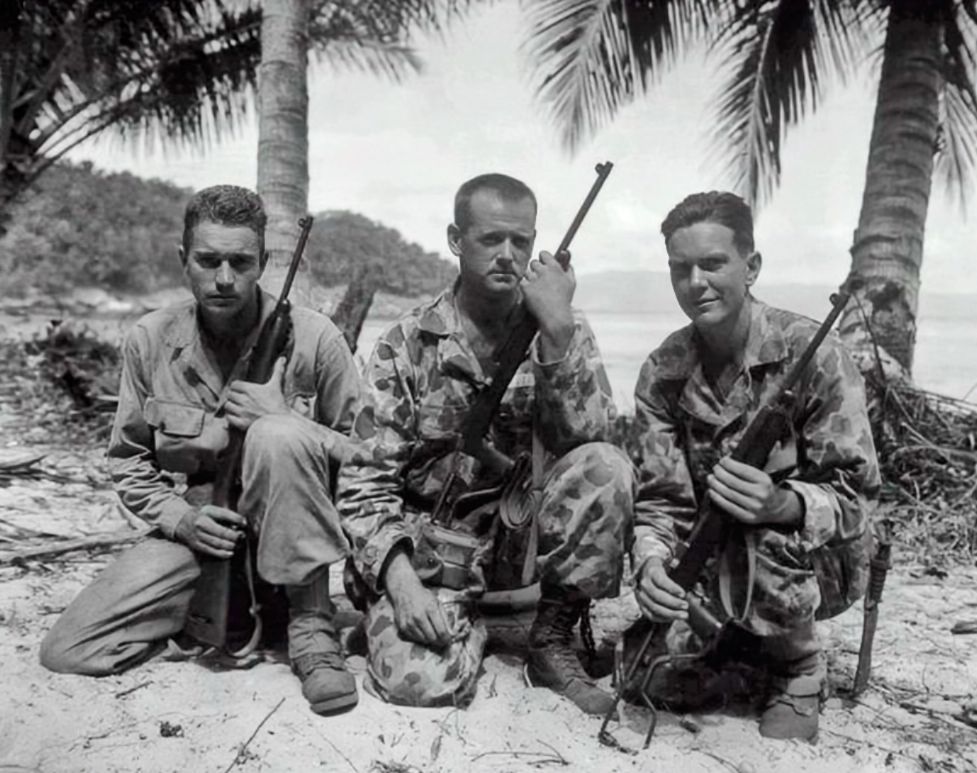
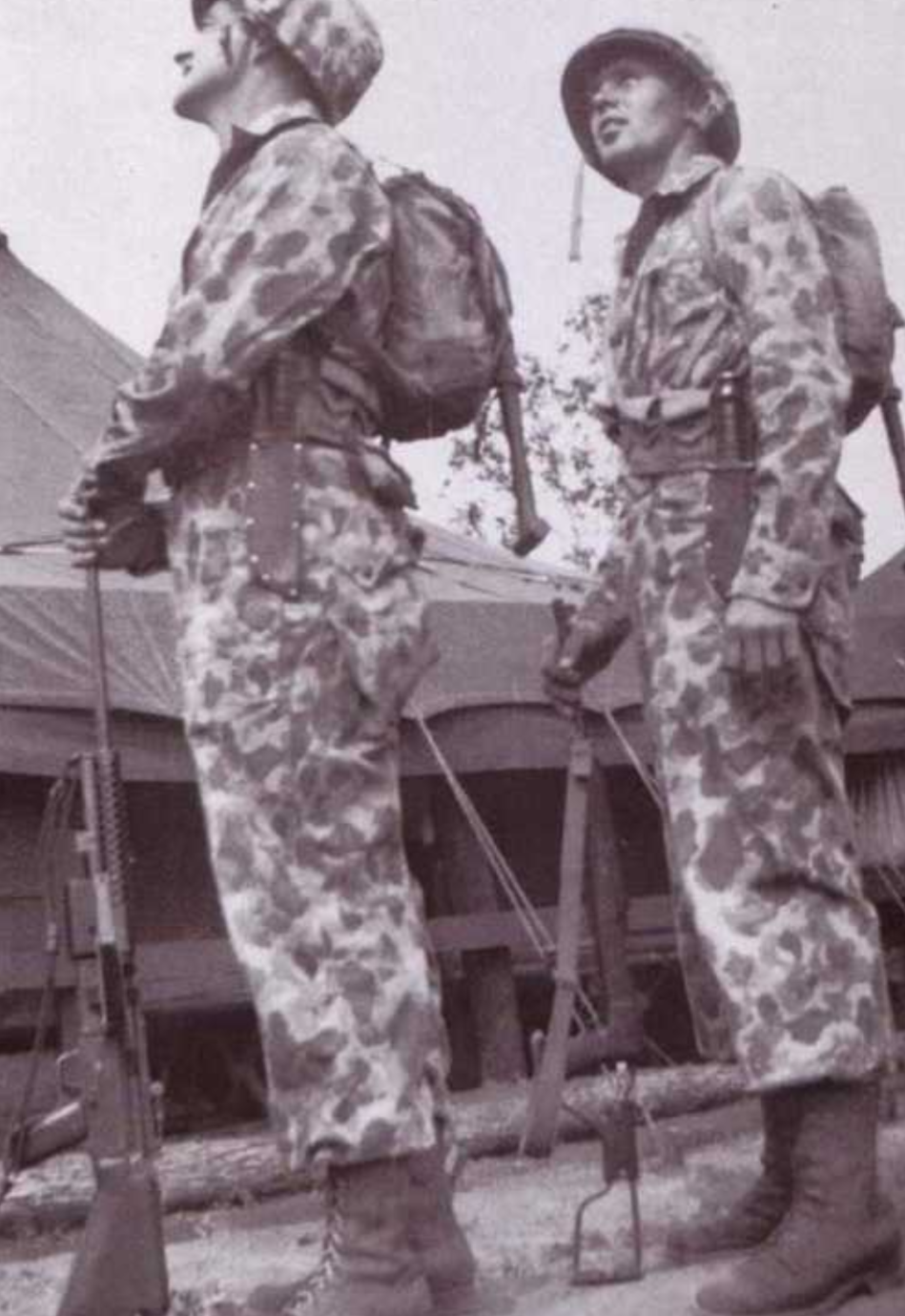
Parachute Regiment Marines with the M1A1 Carbine, a folding stock variant issued for airborne operations (USMC).
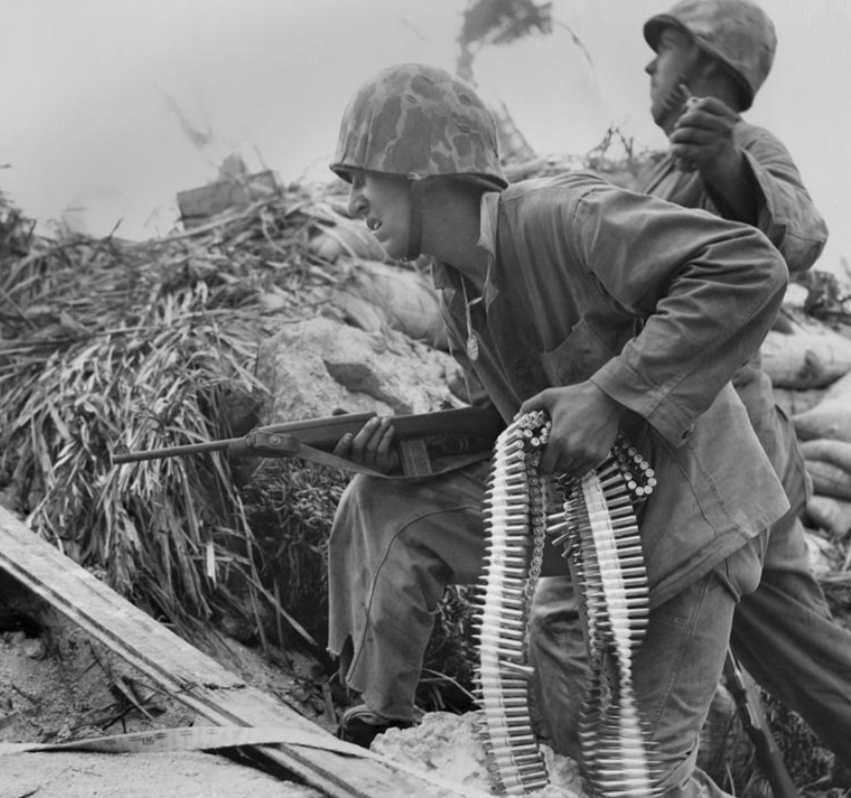
The Big Test
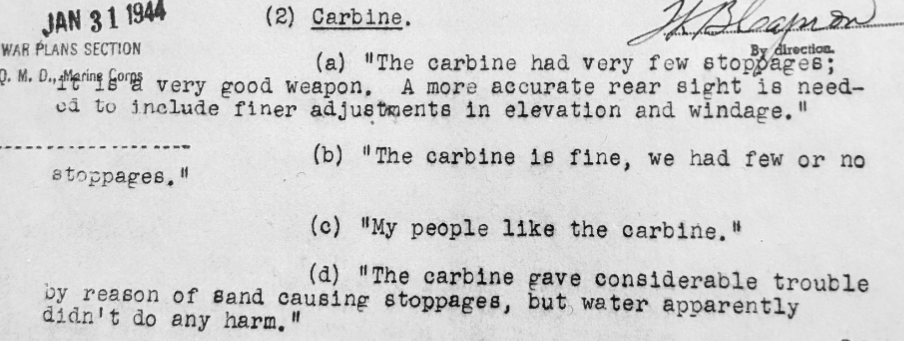
The Battle of Tarawa would be a prototypical amphibious operation, with the Marine Corps being employed exactly as envisioned during the Second World War. The 2nd Marine Division would fight their way ashore and secure the island after three days of nonstop, intense combat. USMC Headquarters was particularly interested in weapons performance during the battle, and after action reports would mention the M1 Carbine as being generally satisfactory (NARA).
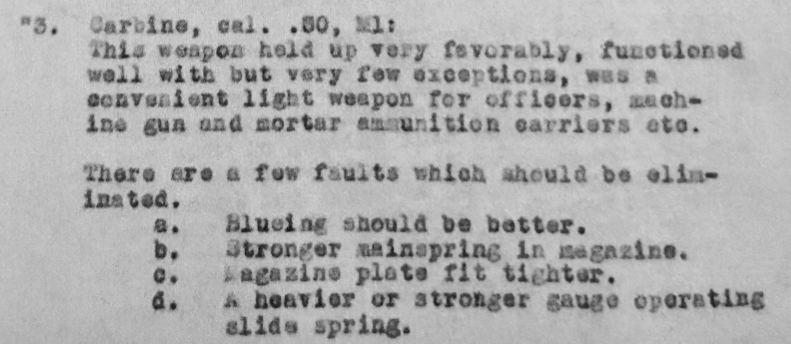
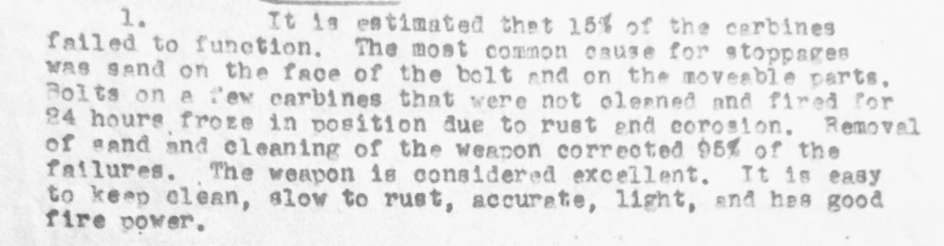
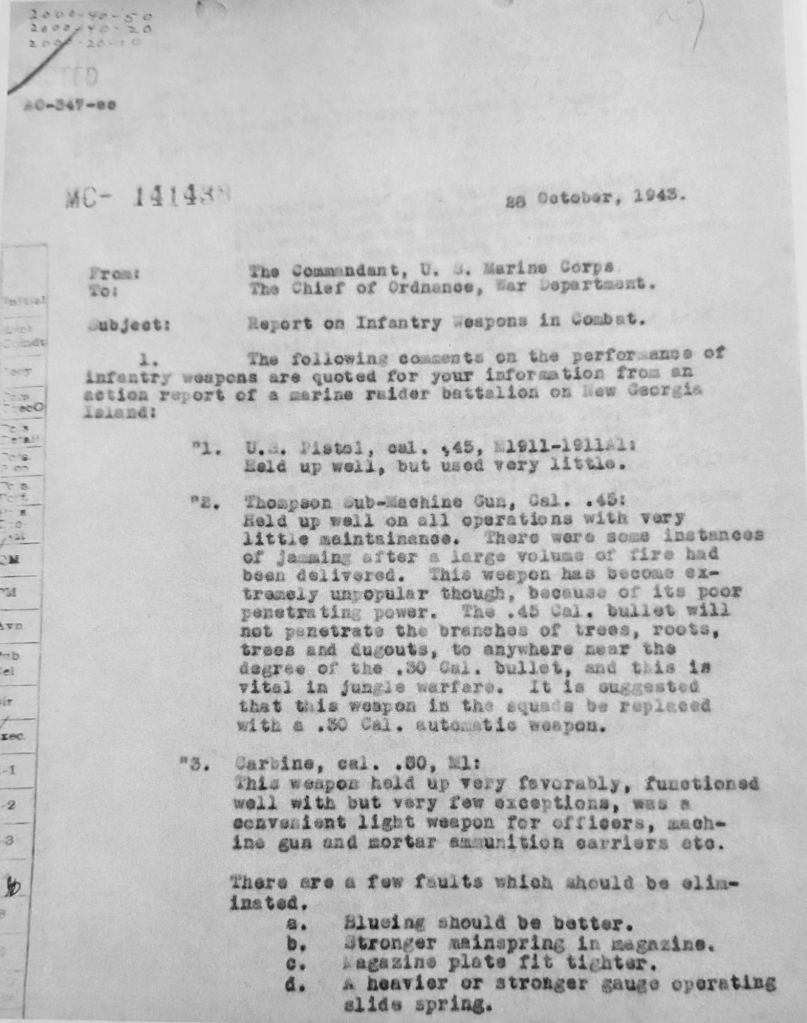
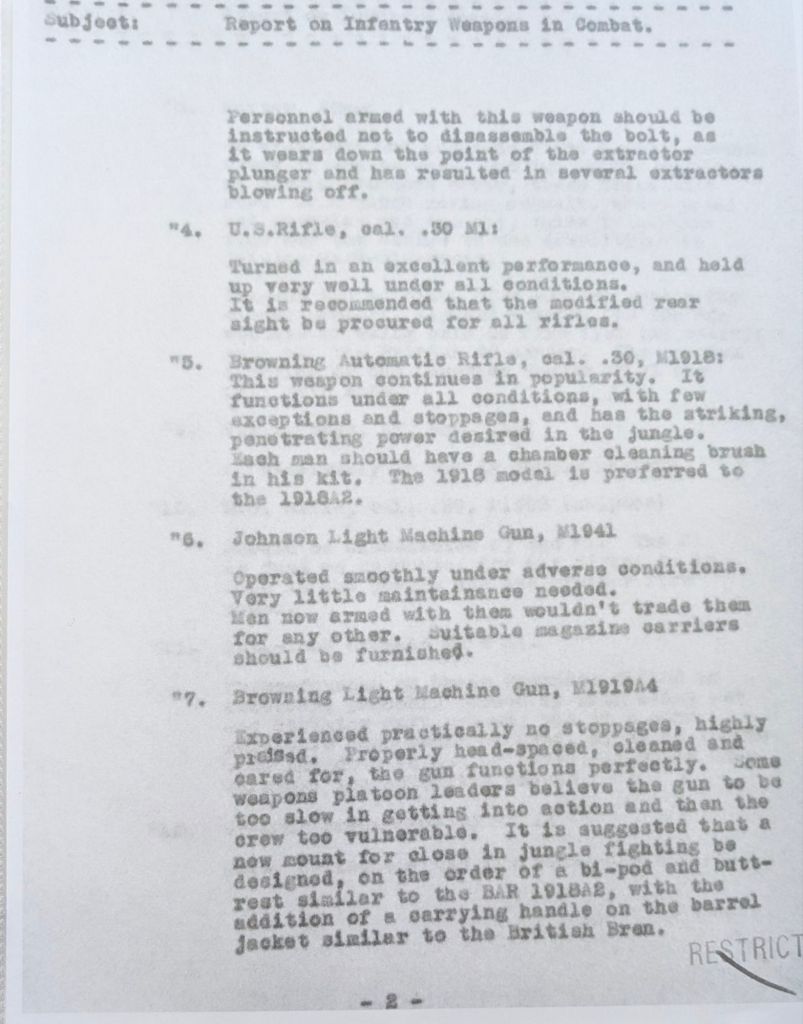
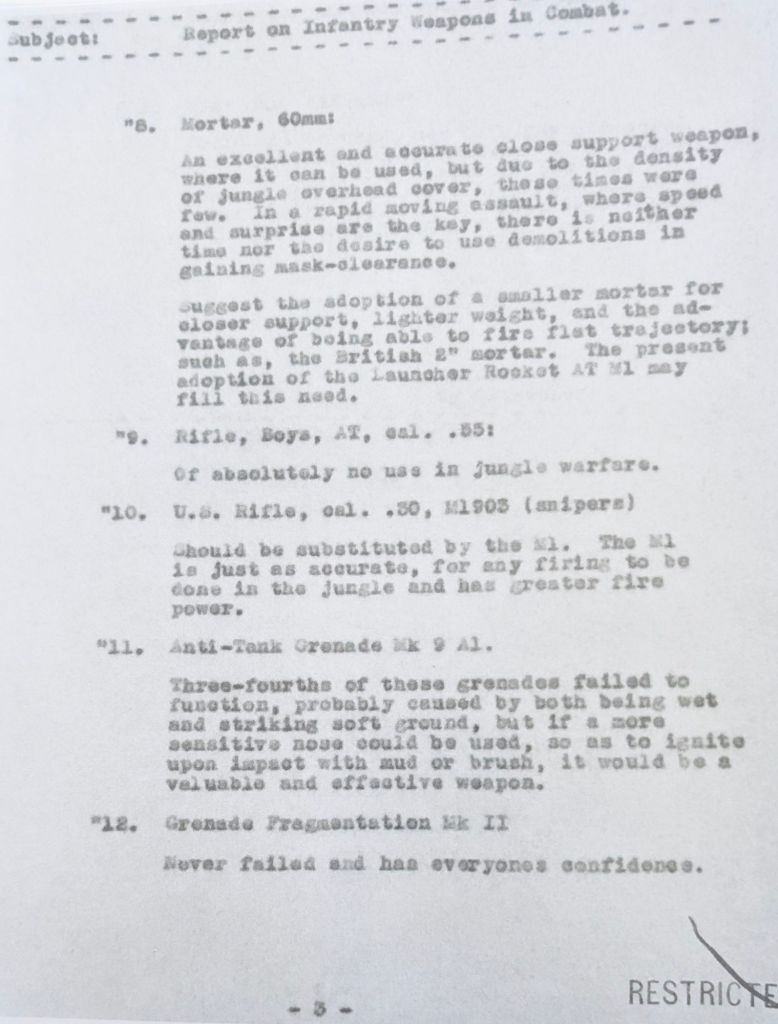
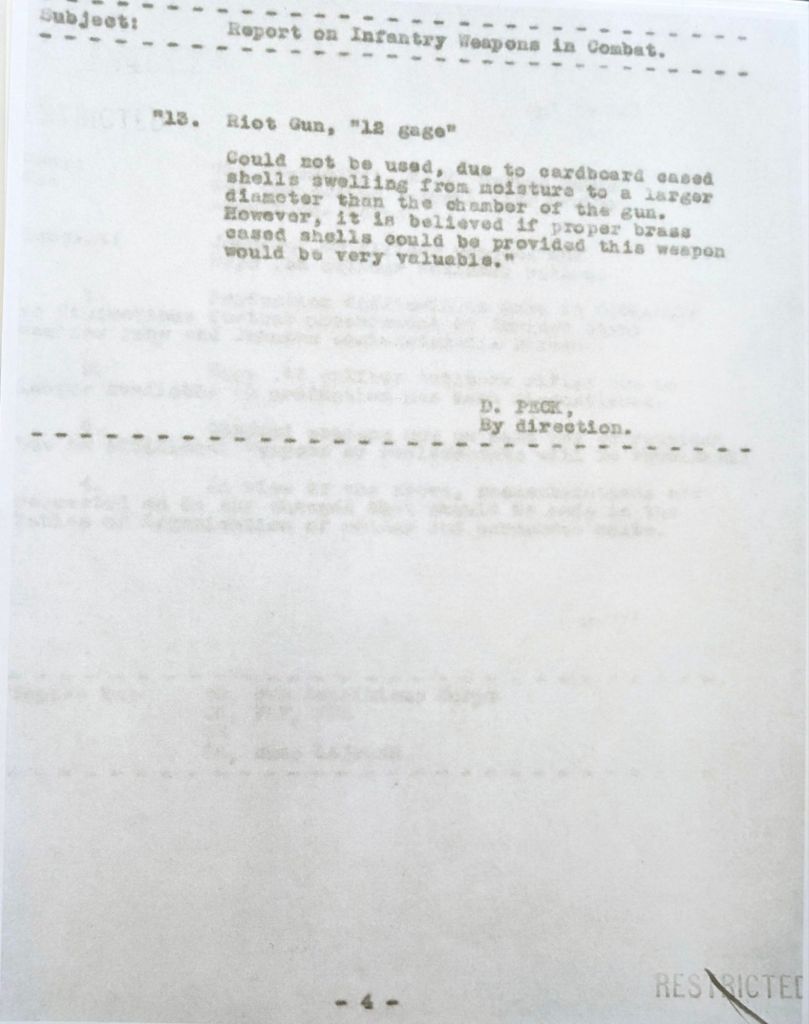
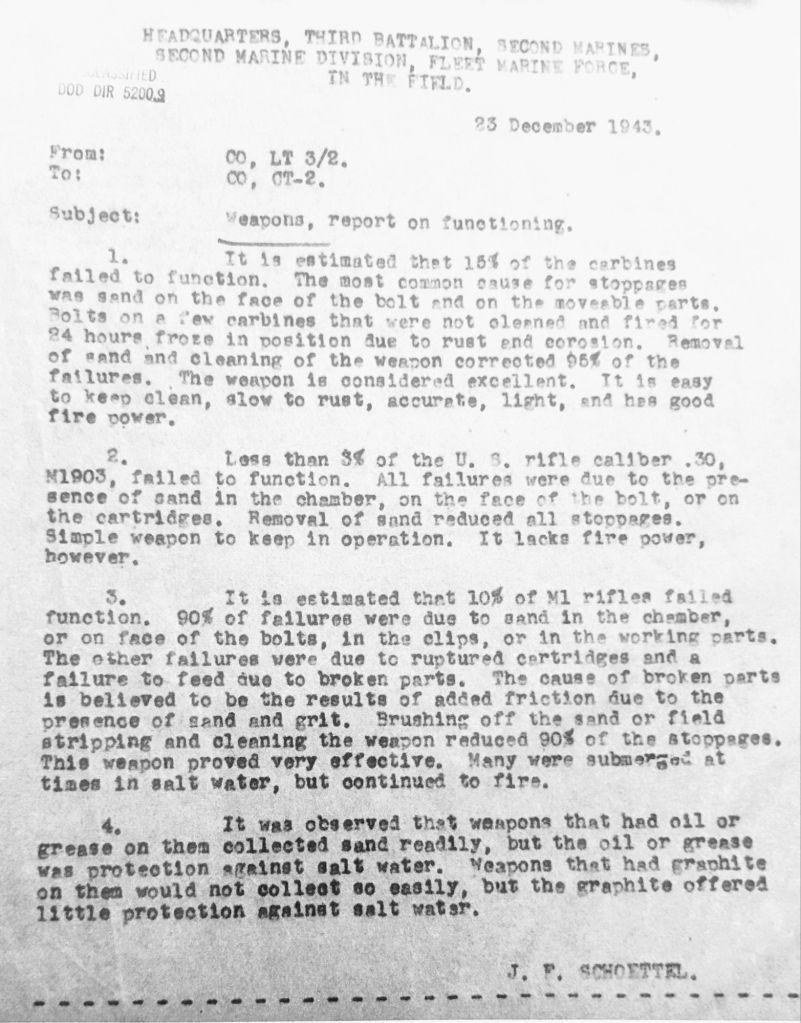
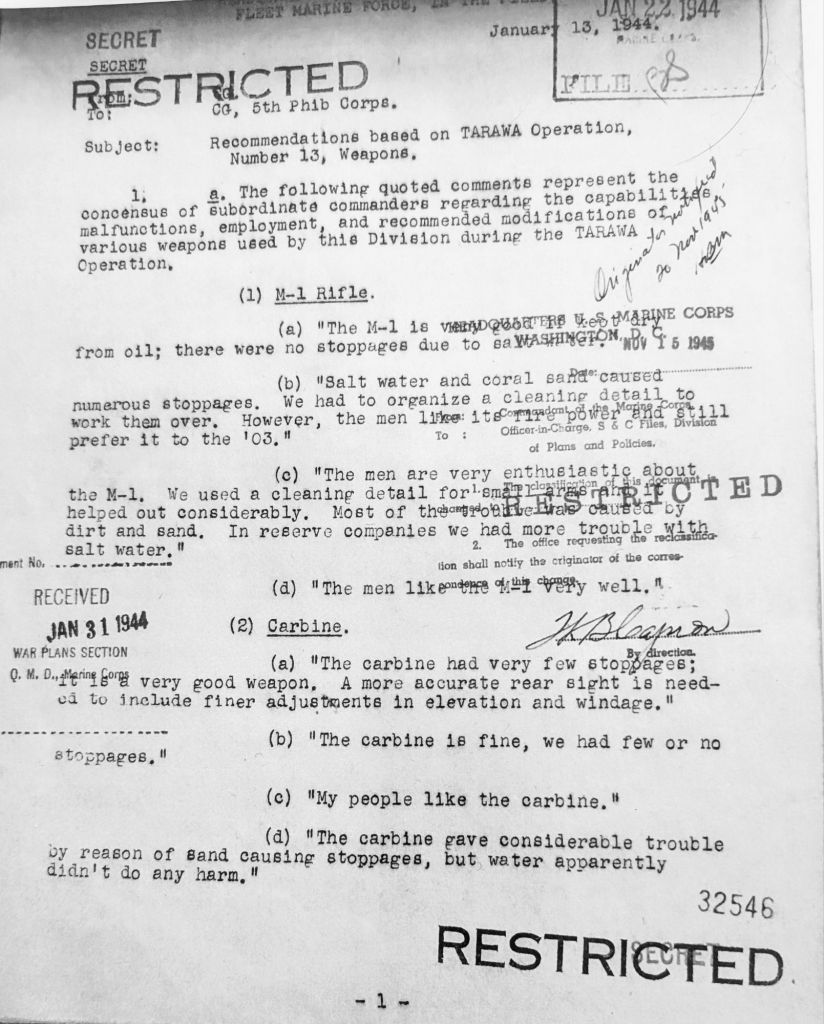
After action reports from different battalions in the 2nd Marine Division detailing weapons performance at Tarawa (NARA).
Identifying USMC M1 Carbines
The Marine Corps would receive M1 Carbines from all manufacturers and they would be exactly the same as those issued to other services, making identification difficult and extremely rare. The only way to definitively identify an M1 Carbine as having served with the USMC is through the presence of documentation. Beyond this, the only attribute that can increase the likelihood of a given M1 Carbine being of USMC provenance is a modification to the rear sight. Marines in the South Pacific were keen to file their rear sights into a V to allow better target acquisition in the dense jungles and during the frequent nighttime Japanese banzai charge. There are solid examples of V-Cut M1 Garands, M1941 Johnson rifles and M1 Carbines documented to the Marine Corps. V-Cuts were not particularly common in M1 Garands, but quite a few M1941 Johnsons and M1 Carbines share this trait.It is important to note that the V-Cut was not strictly Marine however, as US Army soldiers would do this modification as well. That said, it has been observed on M1 Carbines with strong USMC provenance at a higher frequency and can increase the likelihood of Marine Corps service.
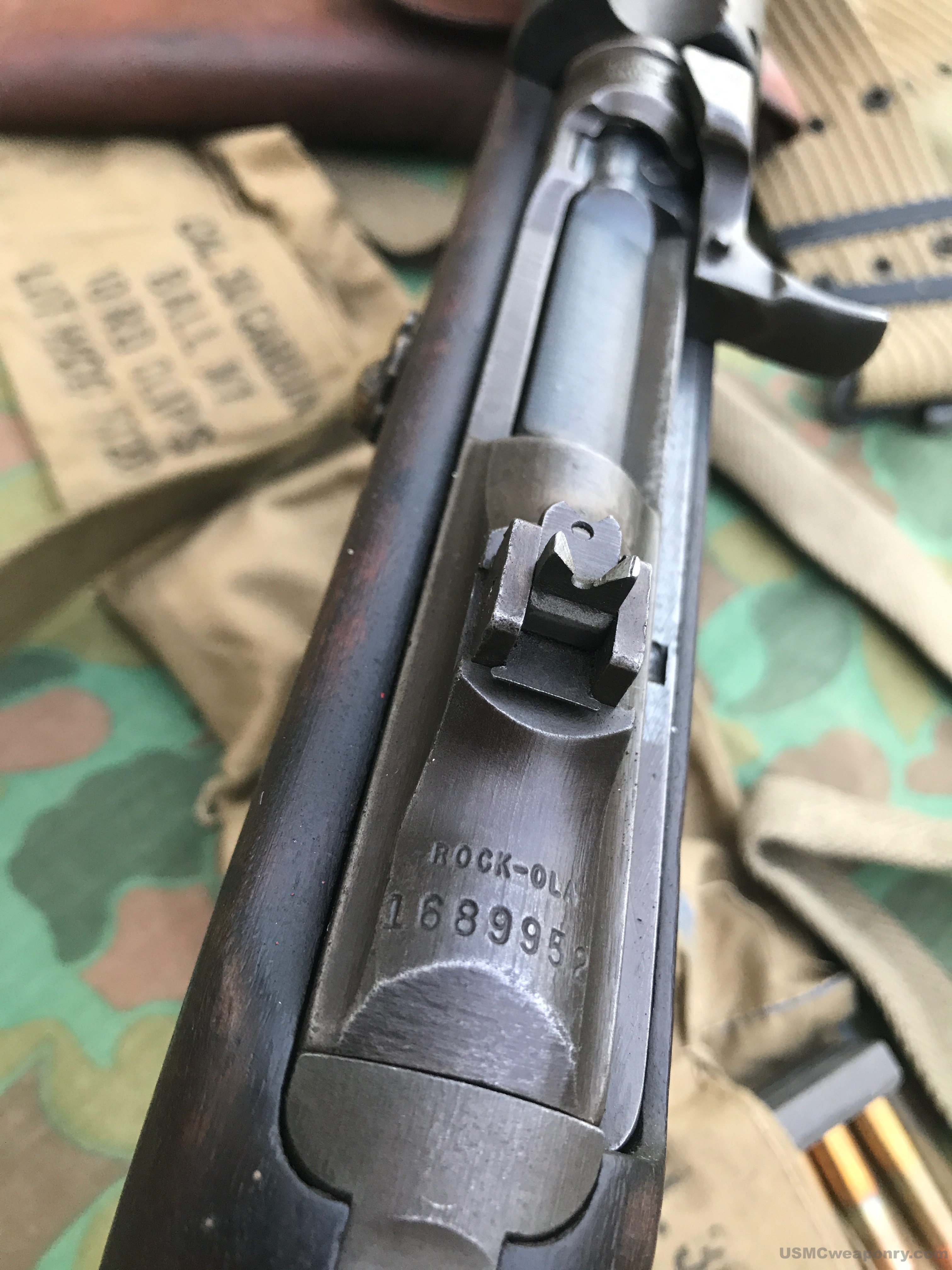
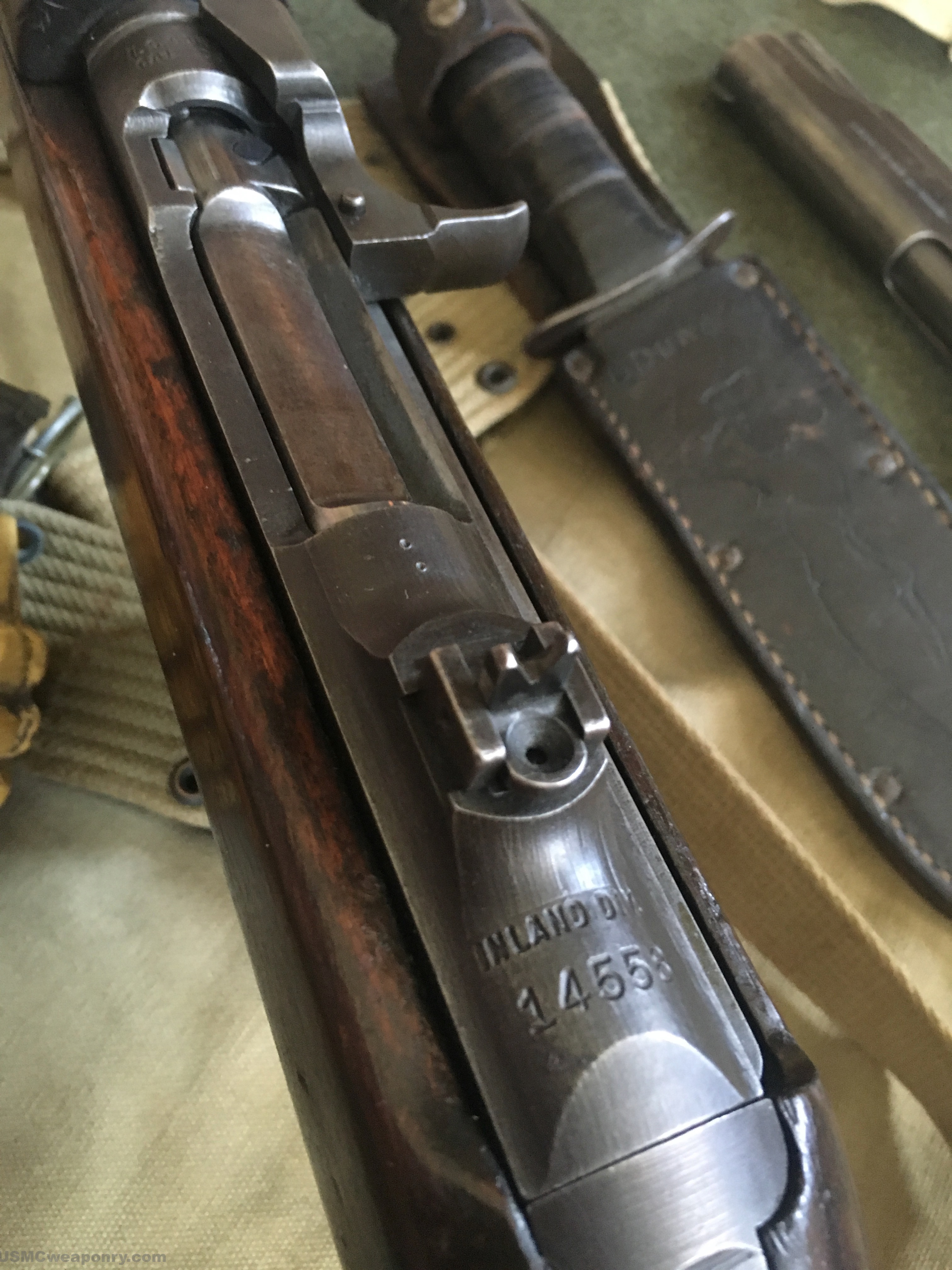

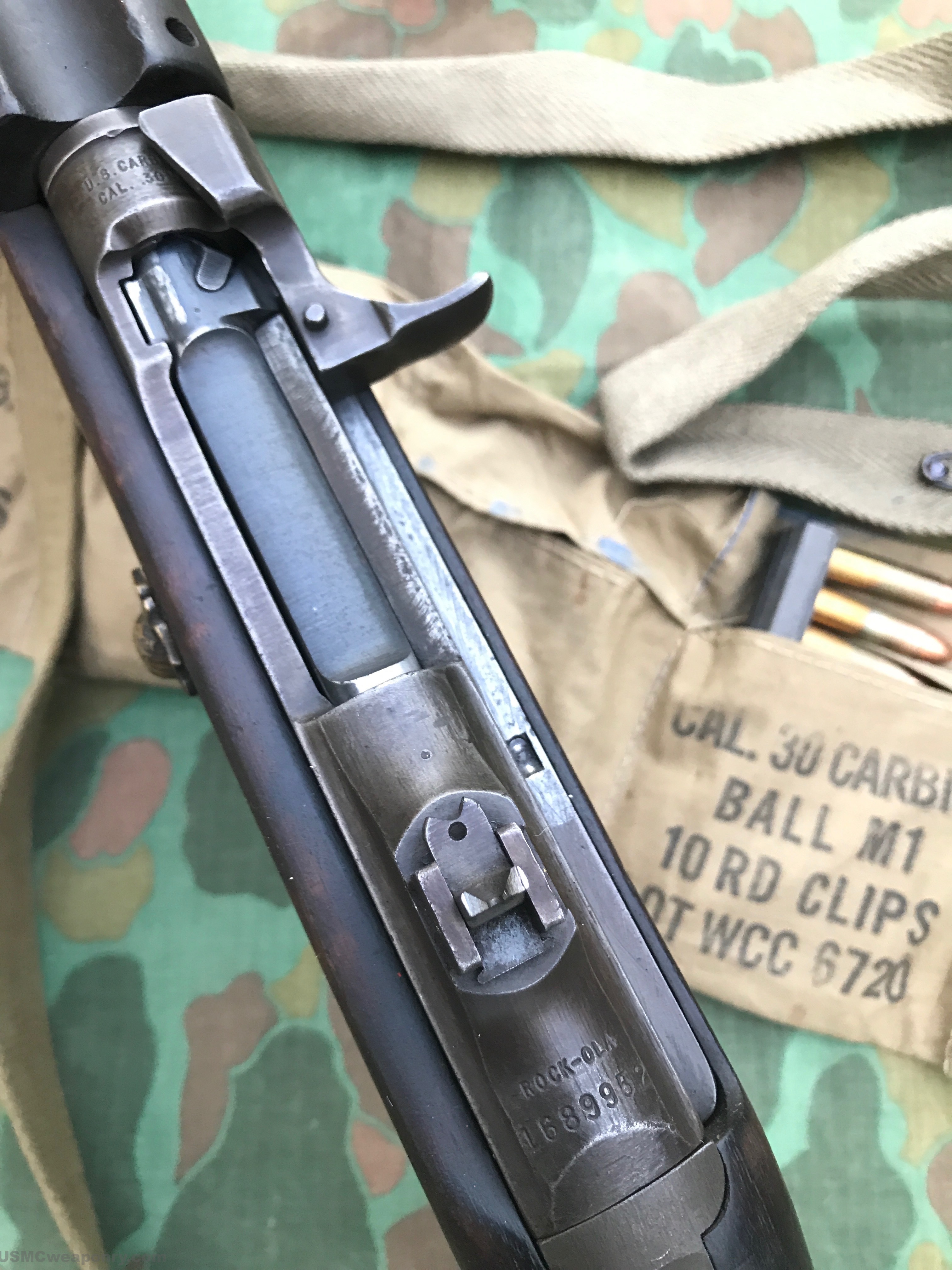
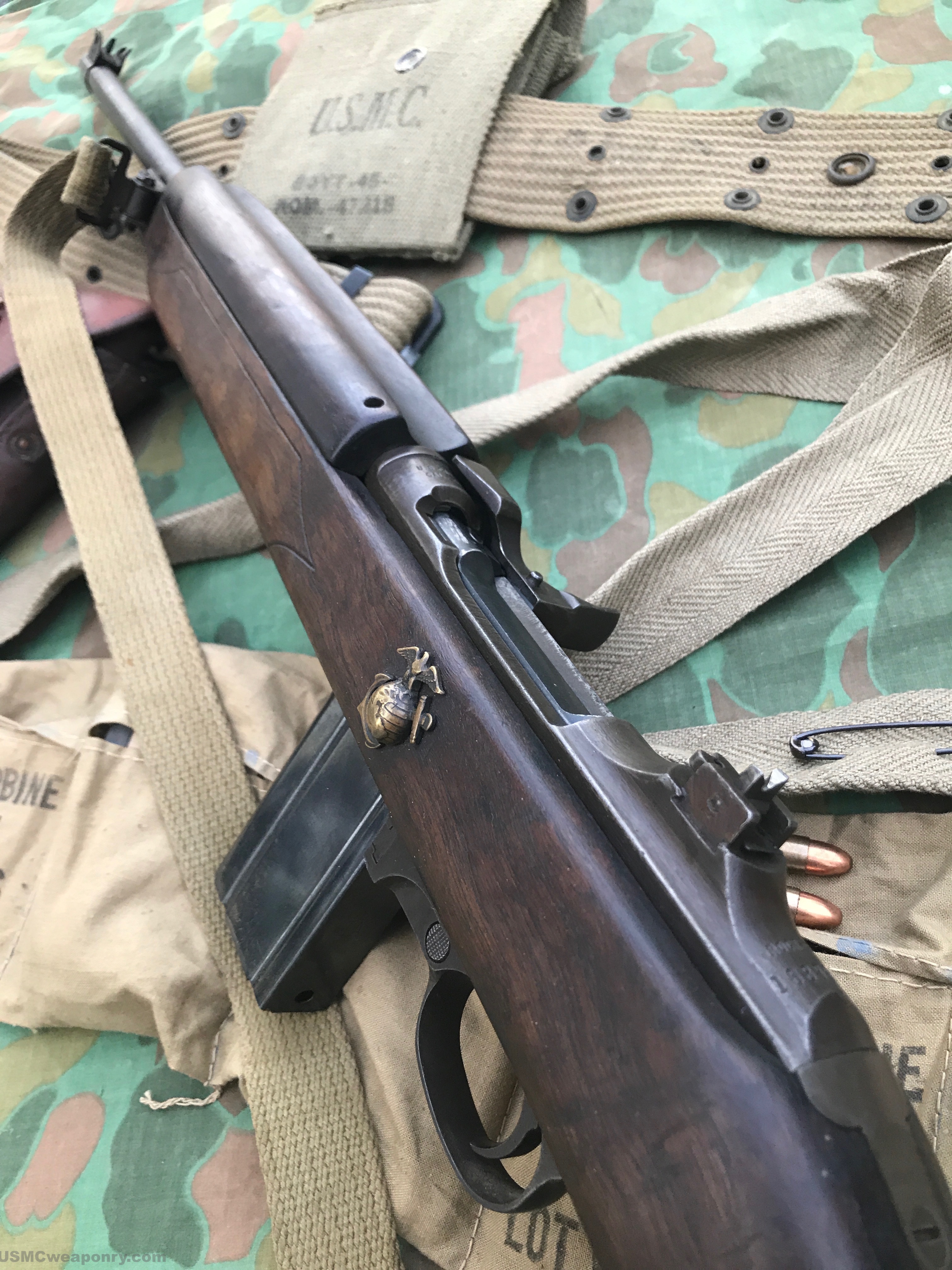
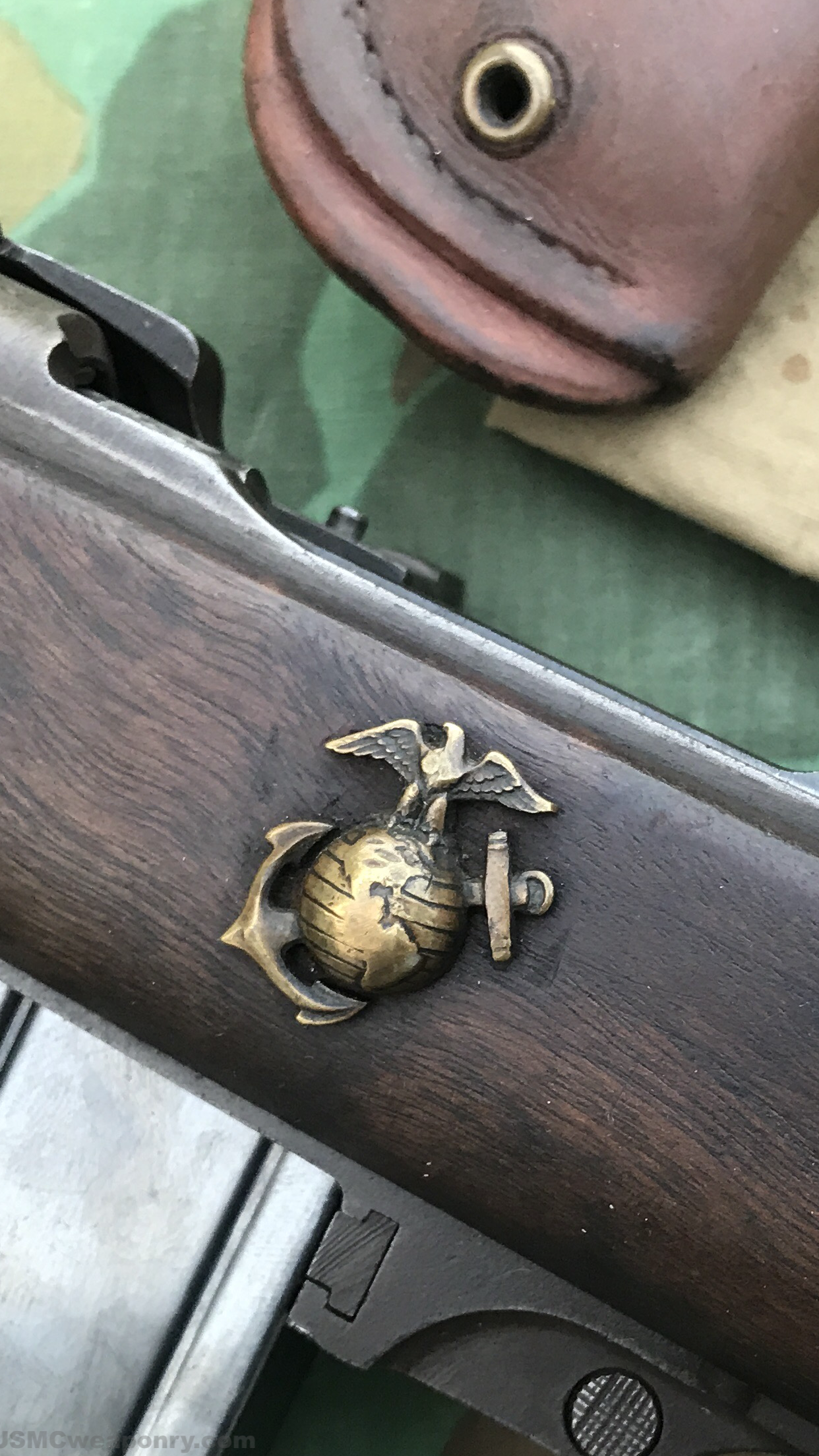
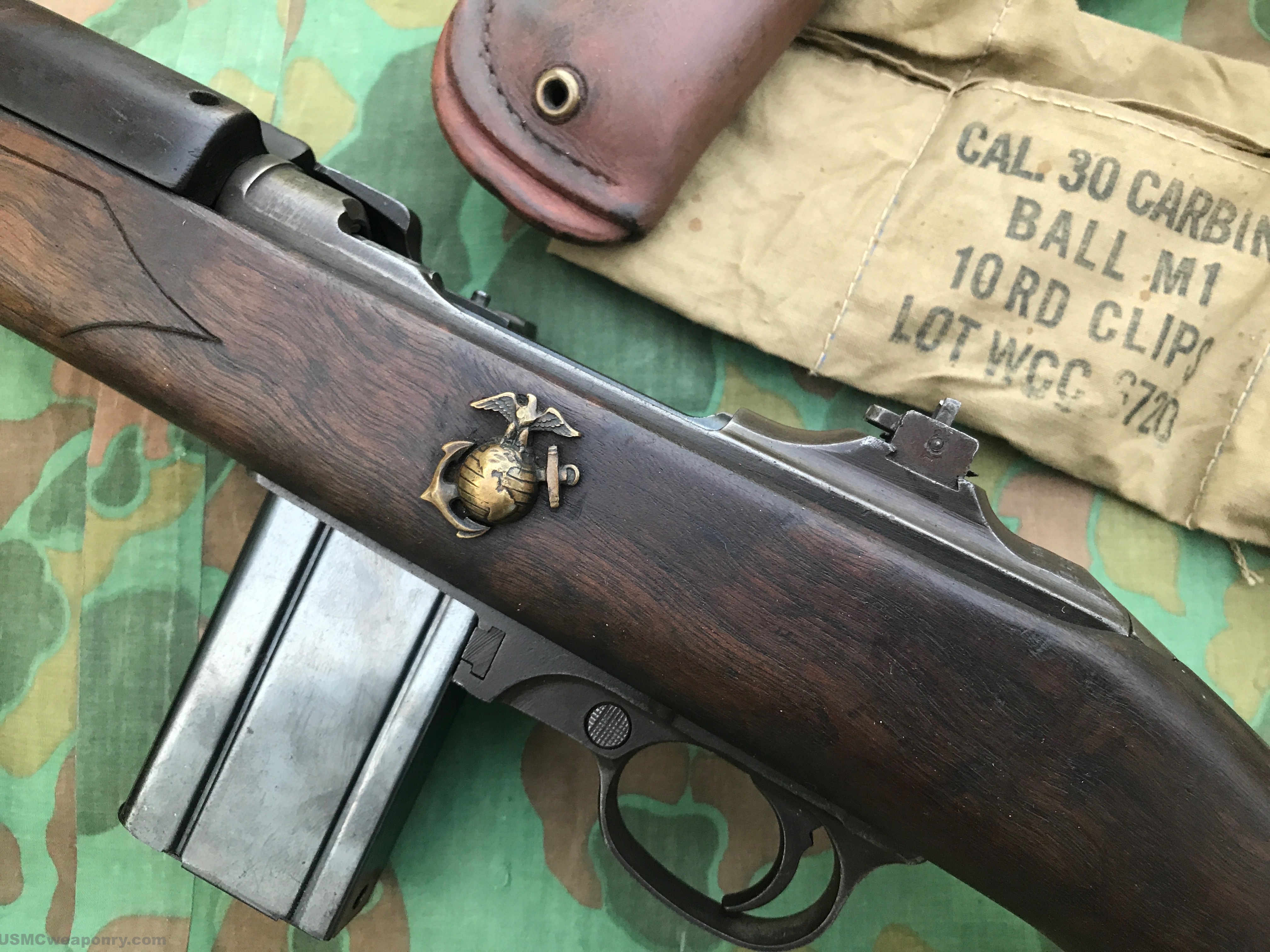
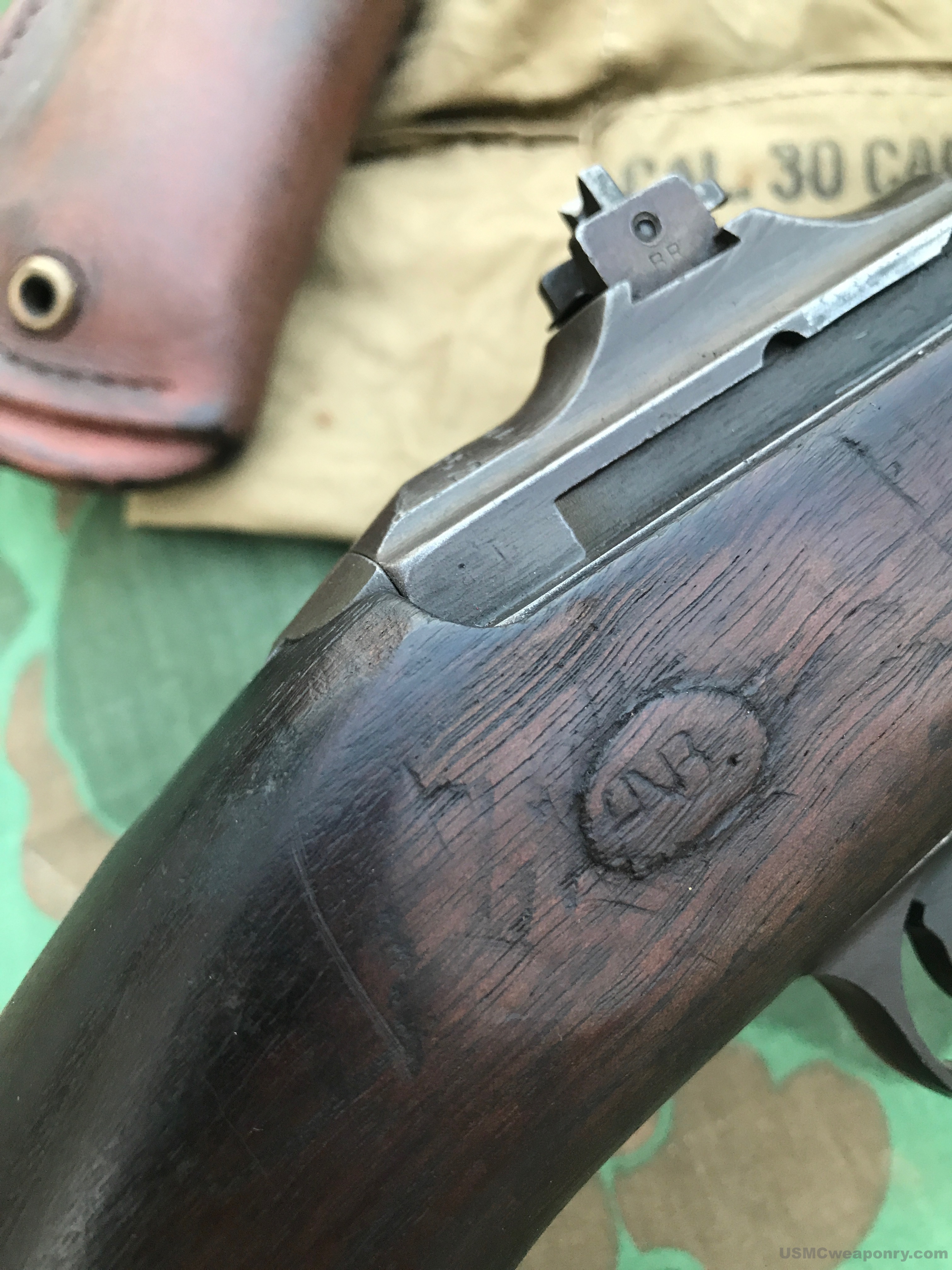
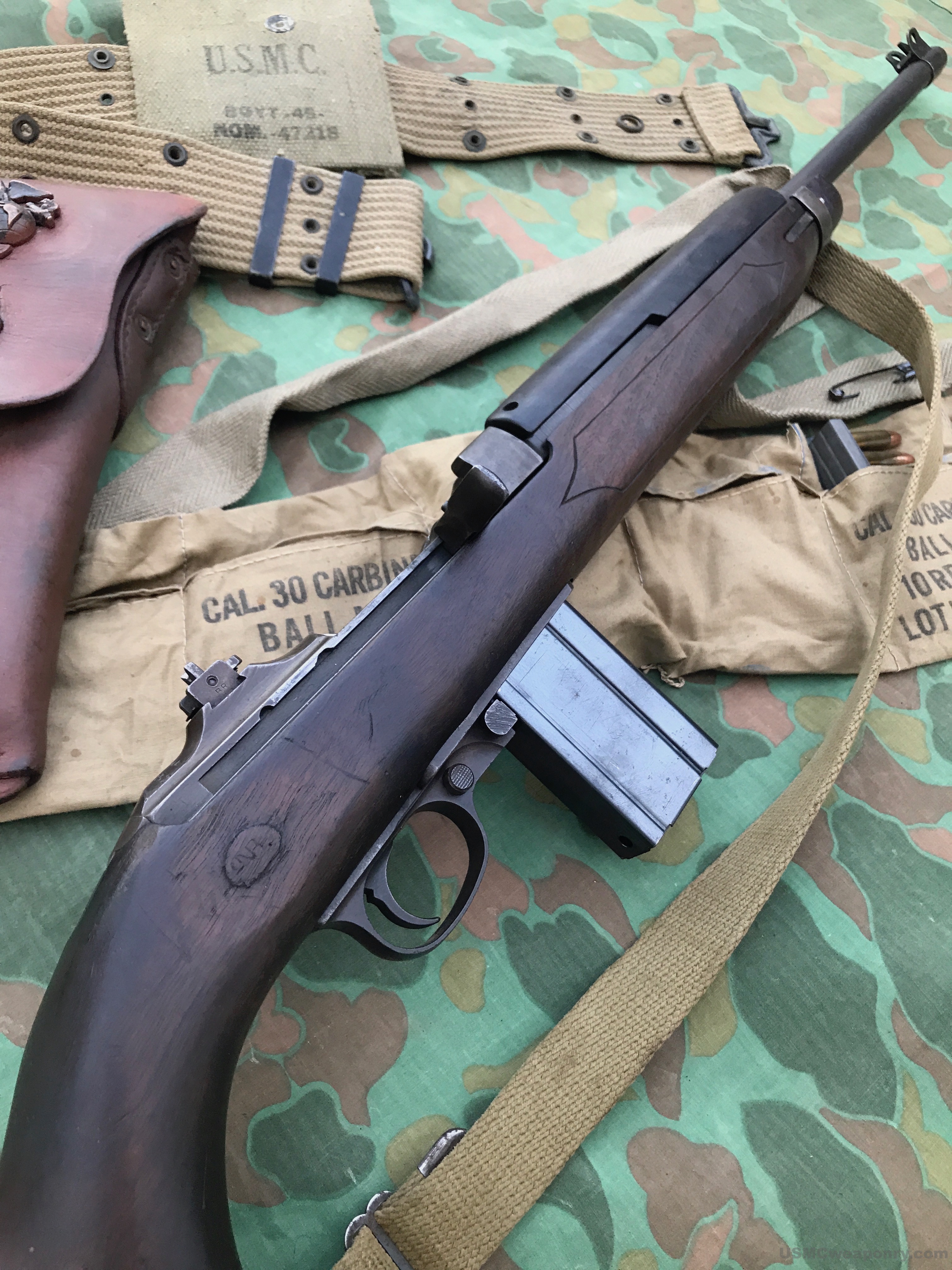
Rock-Ola M1 Carbine with EGA and double V cut rear sights.
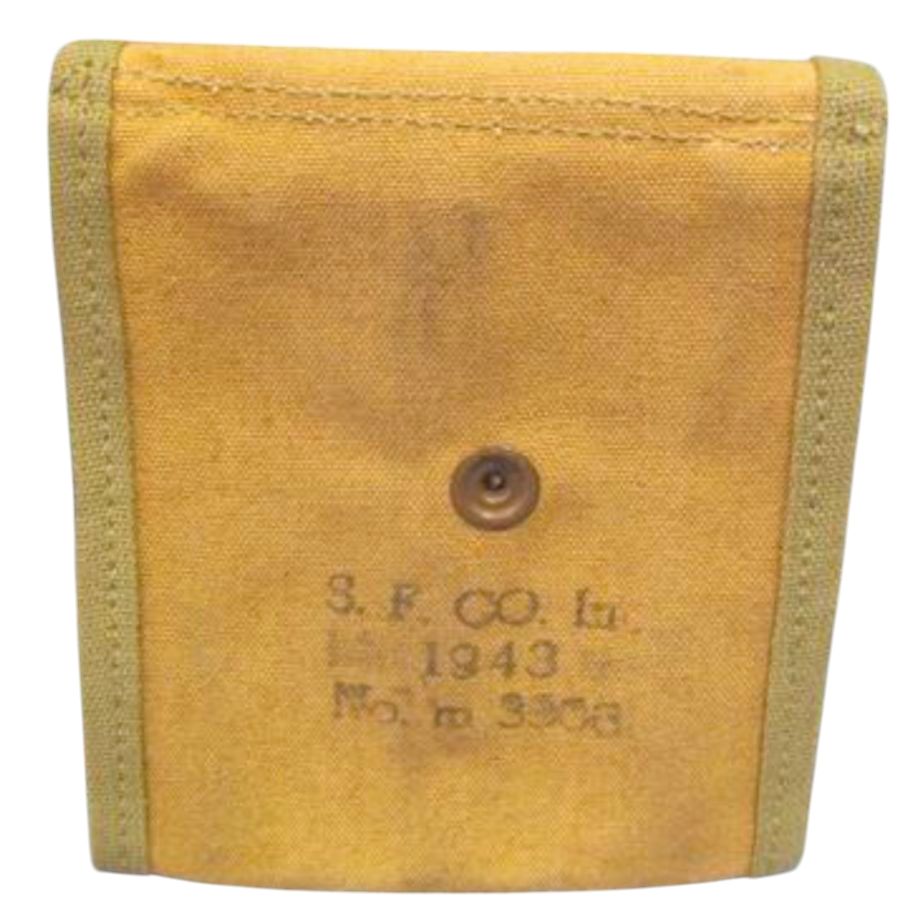
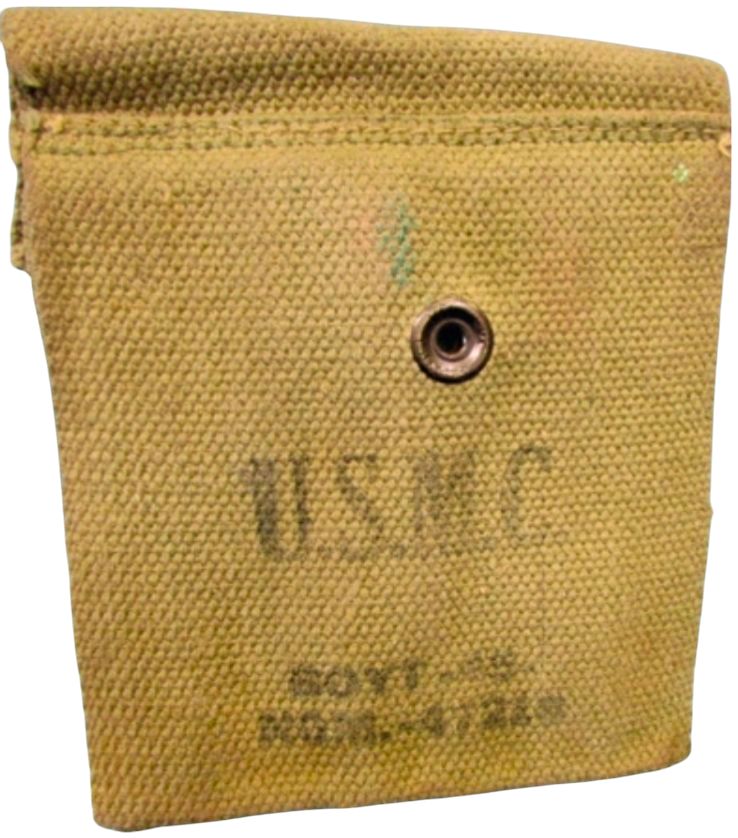
USMC Contract M1 Carbine Magazine Pouches
M1 Carbines often would have pouches that could contain an additional two magazines slid onto the buttstock. The Marine Corps would have contracts with S.F. Co and Boyt for these, which can be seen on the stocks of USMC Carbines in period photographs. S.F. Co pouches are typically dated 1943, while Boyt pouces are often 1944 or 1945.
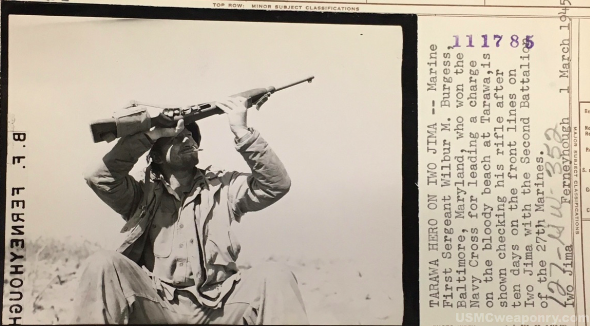
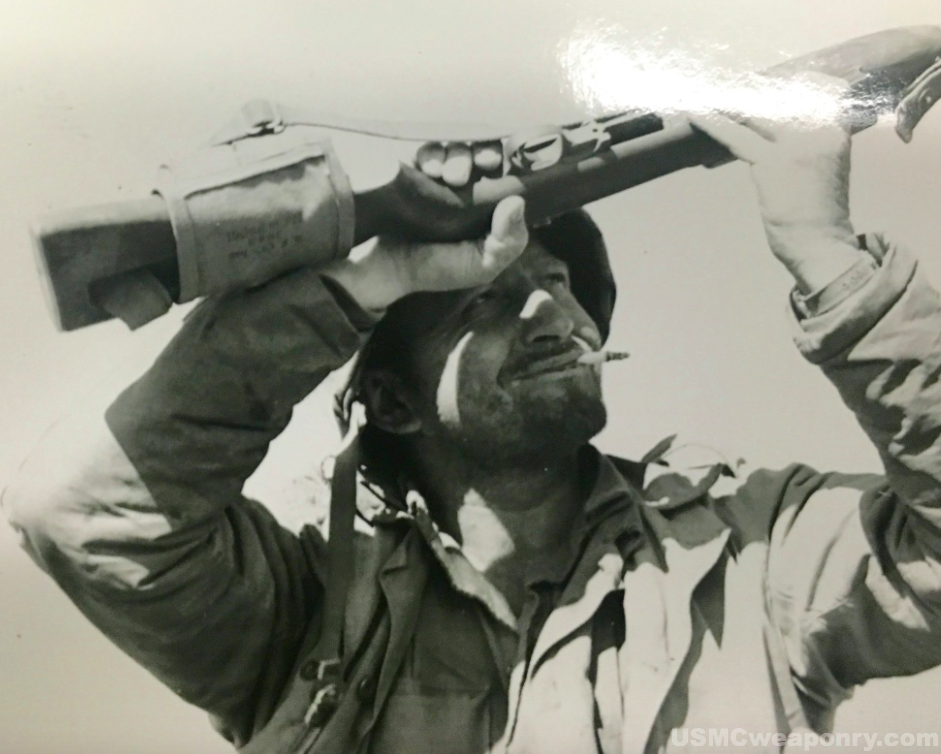
S.F. Co. magazine pouch on First Sergeant Wilber Burgess’s M1 Carbine on Iwo Jima (NARA).
USMC M1 Carbine Bringbacks
Some M1 Carbines can be identified as having served with the Marine Corps if they have provenance as a being brought home by a serviceman. A good example of this is Inland M1 Carbine #34315. Manufactured very early in the first production run, #34315 is largely original and in fair condition with a copious amount of volcanic sand remaining in the stock, particularly behind the buttplate. Sold at auction last year with Captain Fleming’s narrative and a signed document identifying #34315 as the “rifle” he brought home with him, this M1 Carbine is an excellent time capsule to the Battle of Iwo Jima and a great example of a battlefield bring-back.
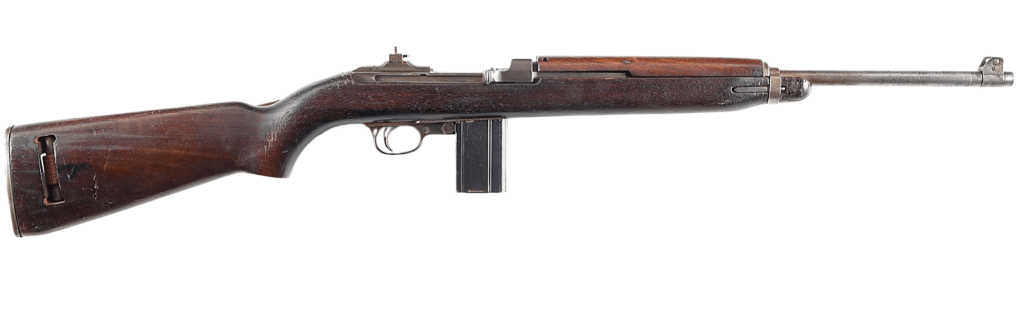


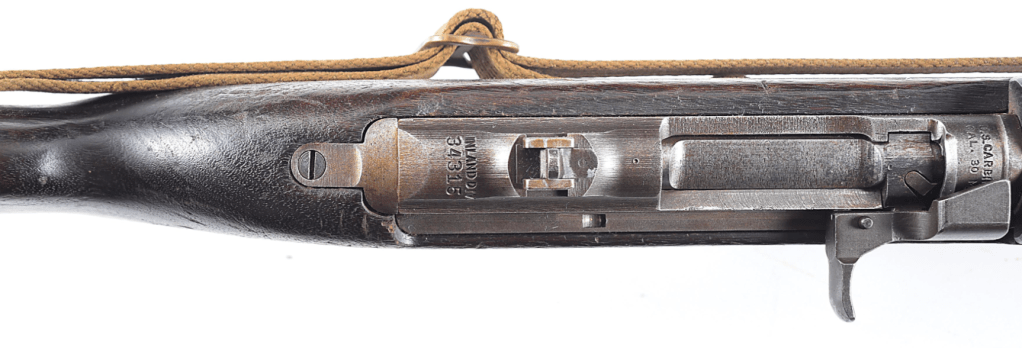
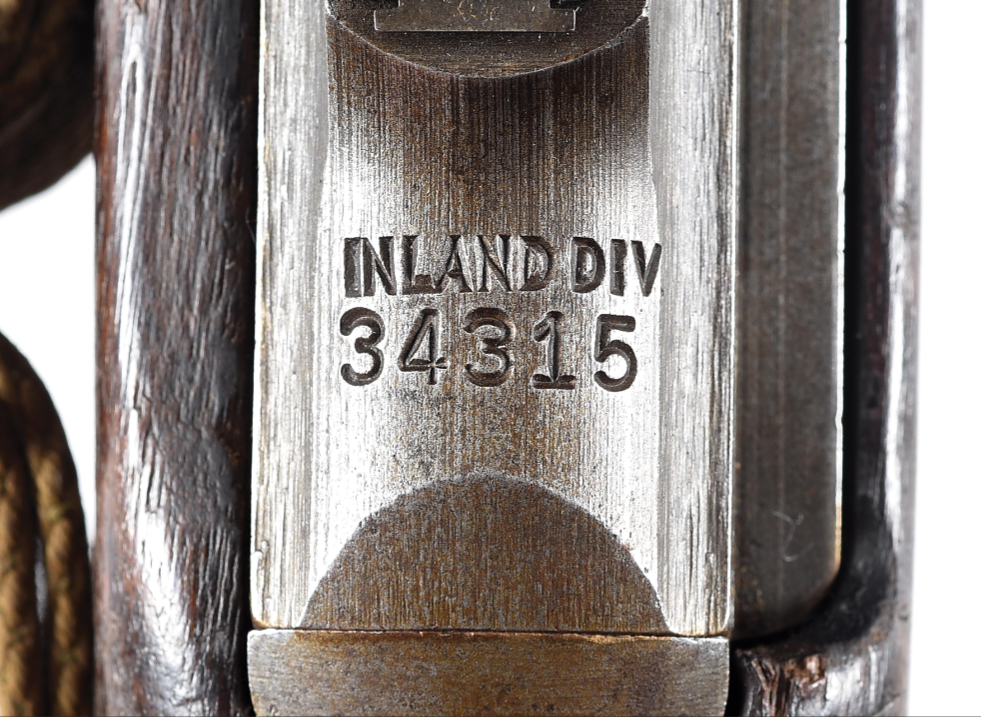
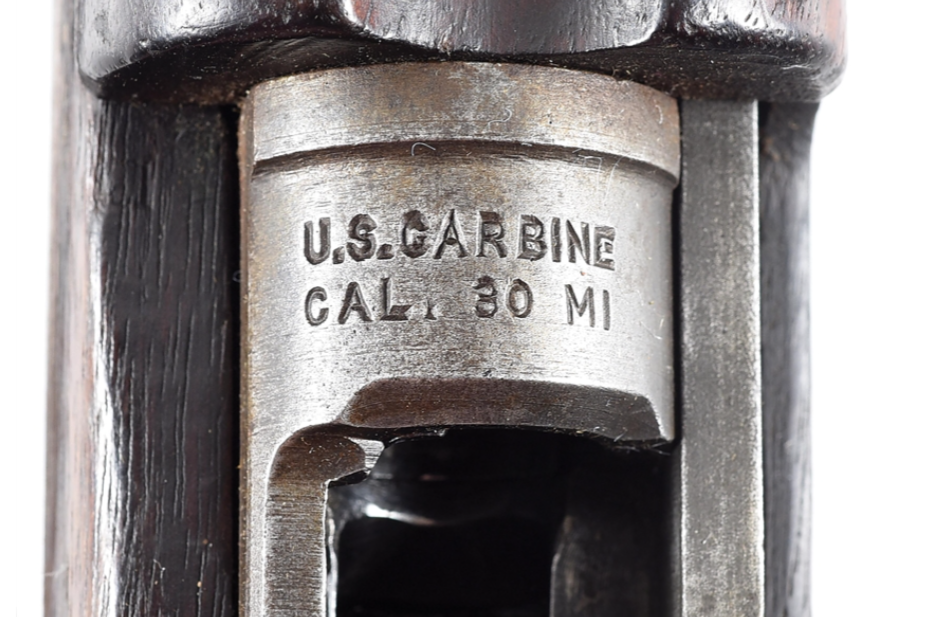
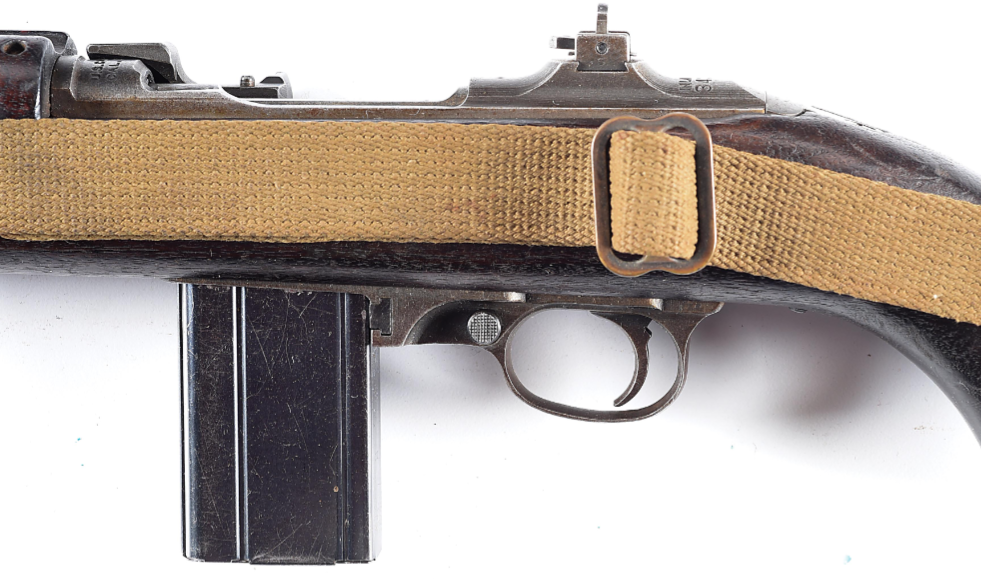
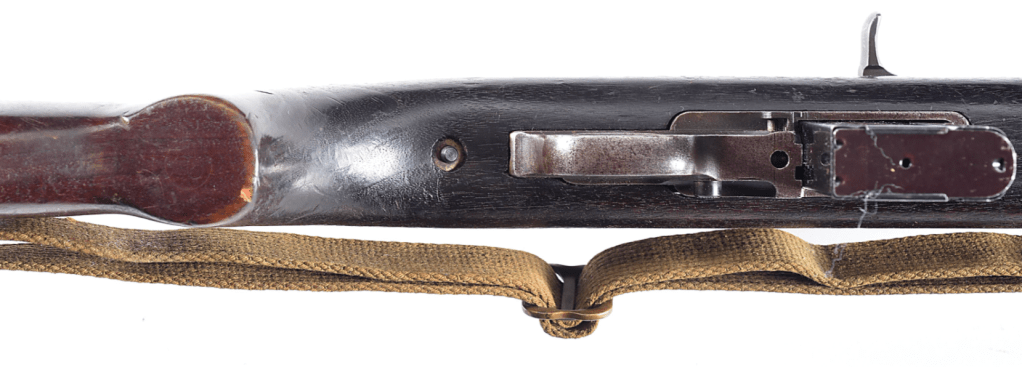
USMC M1 Carine #34315, brought home from Iwo Jima by B-29 Navigator Captain Mal Fleming. More about this Carbine and other Iwo Jima documented or brought home weapons can be here (Plowman collection).
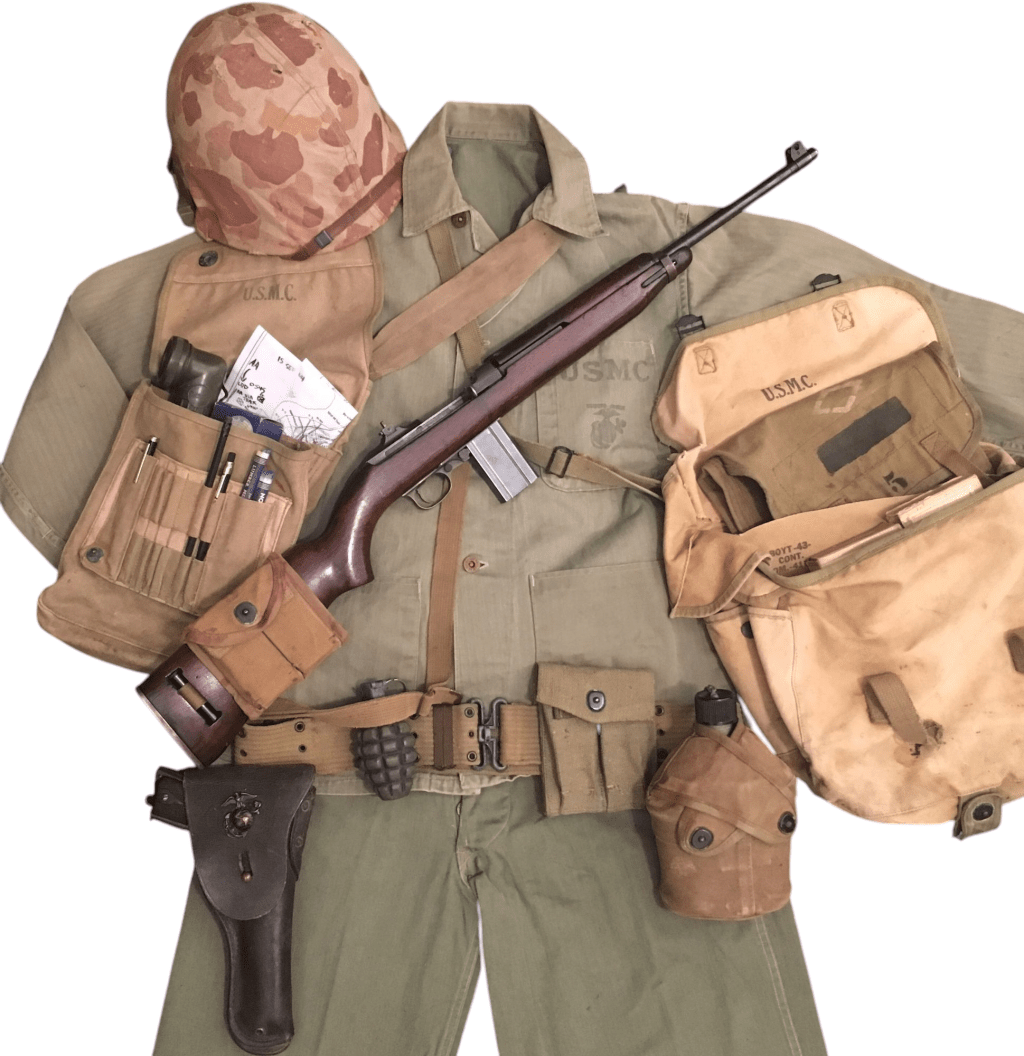
A Marine infantry officer’s kit in 1944 & 1945
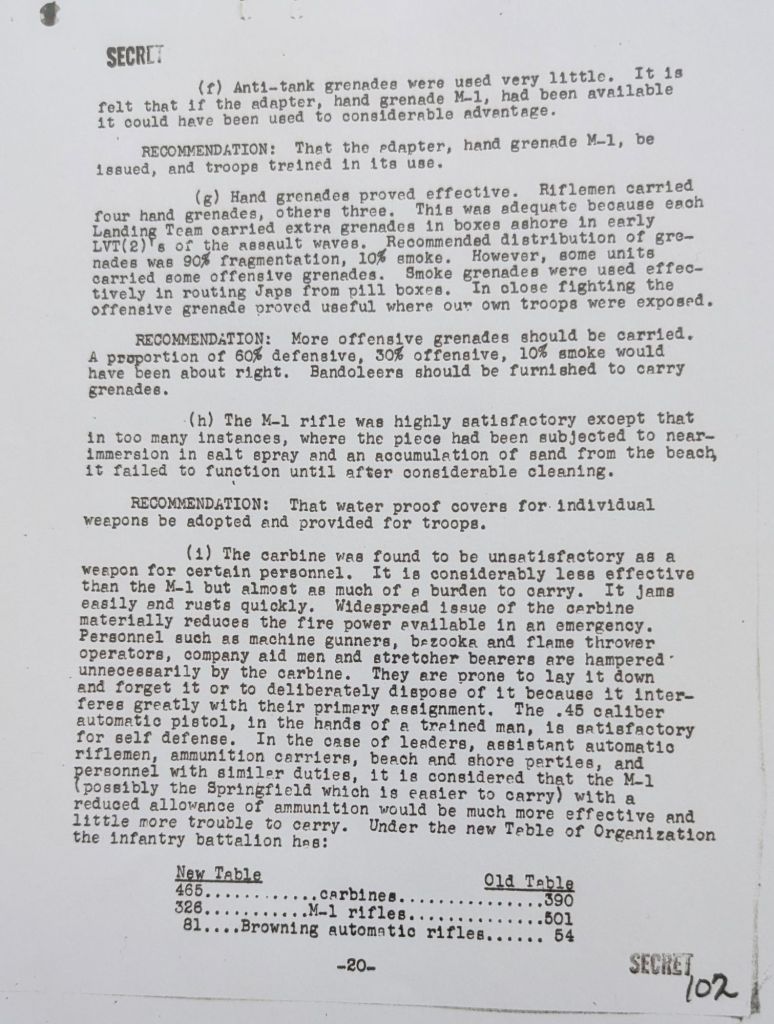
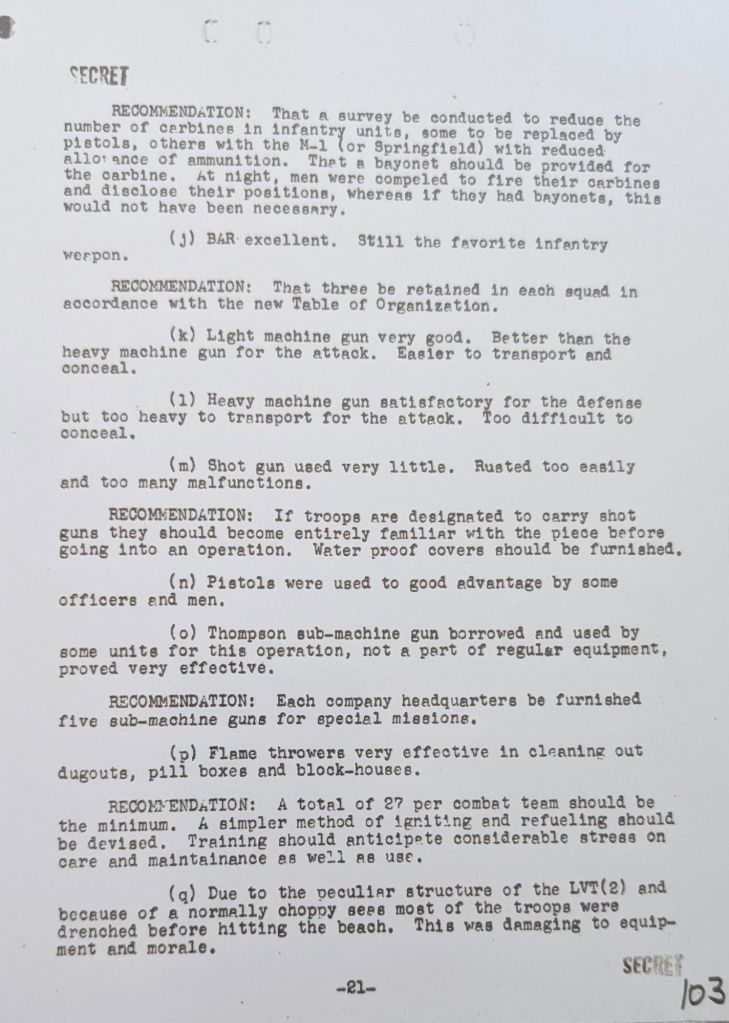
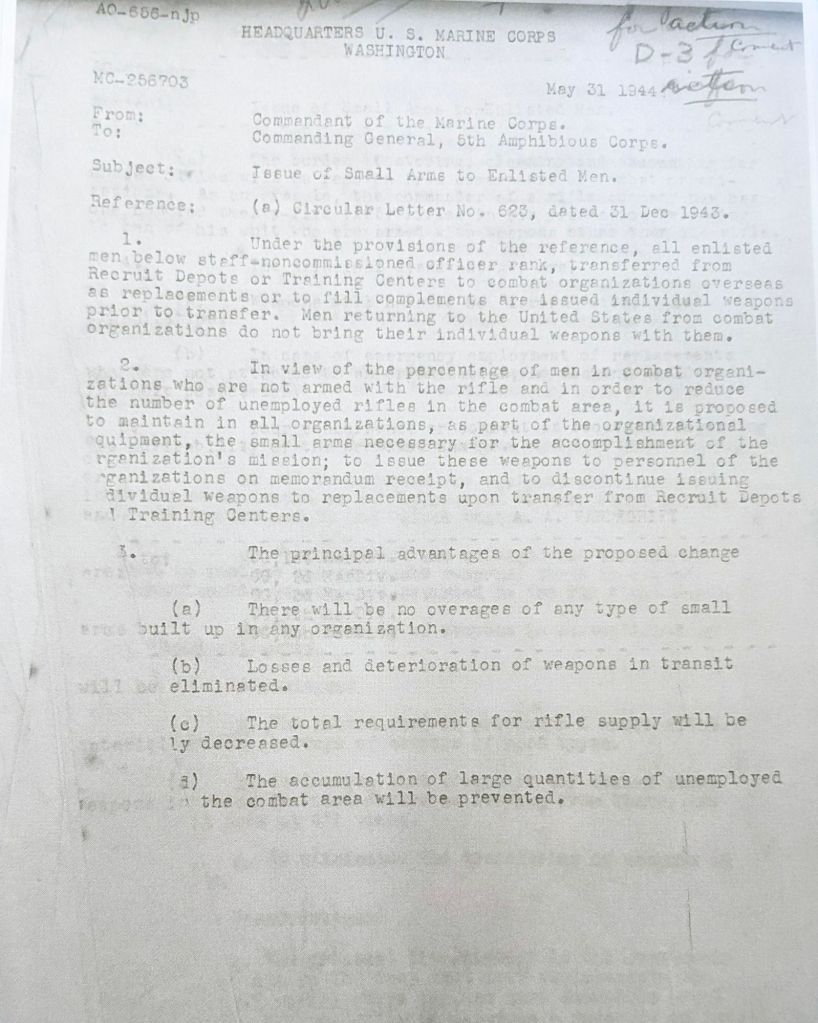
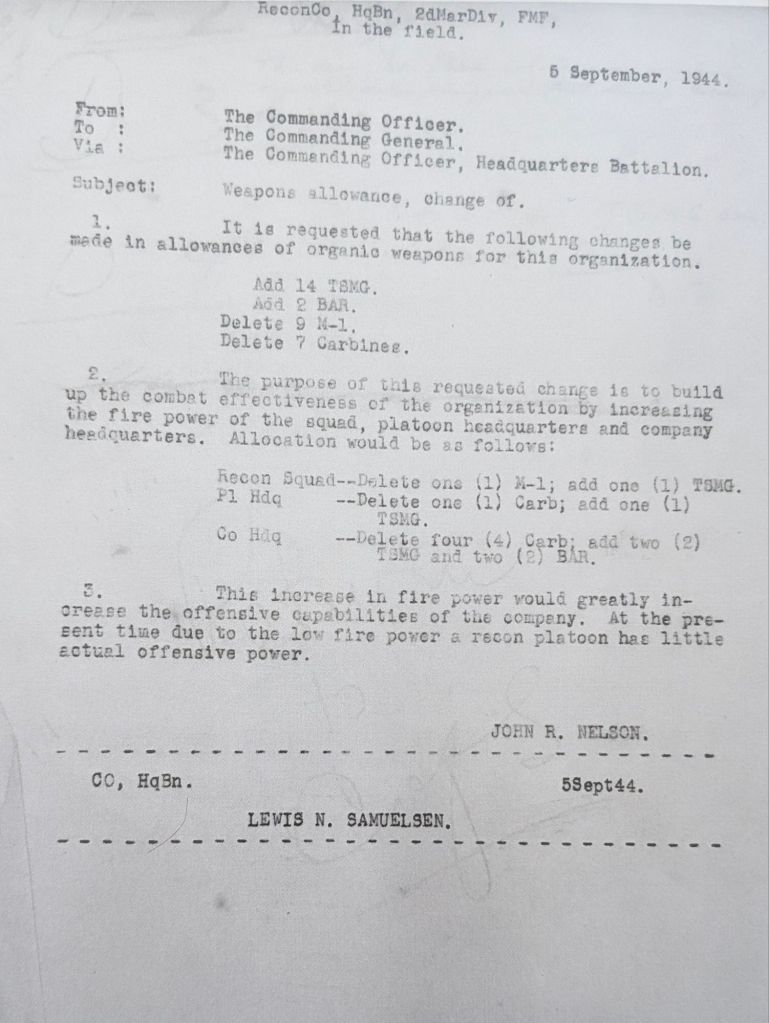
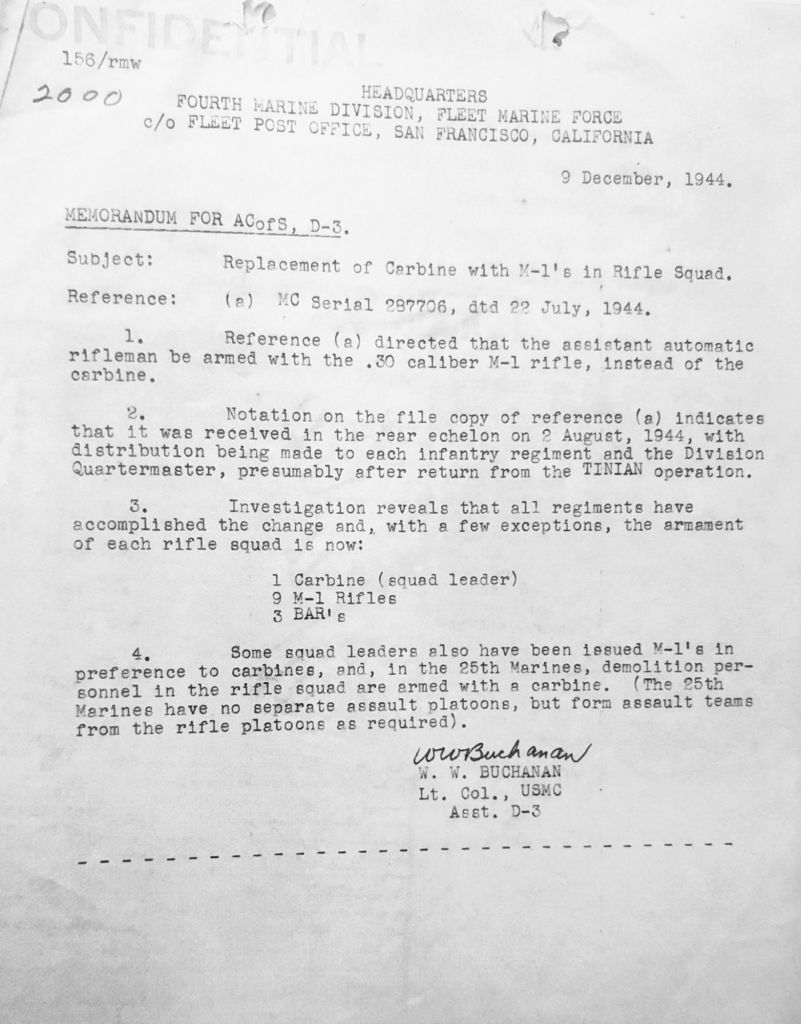
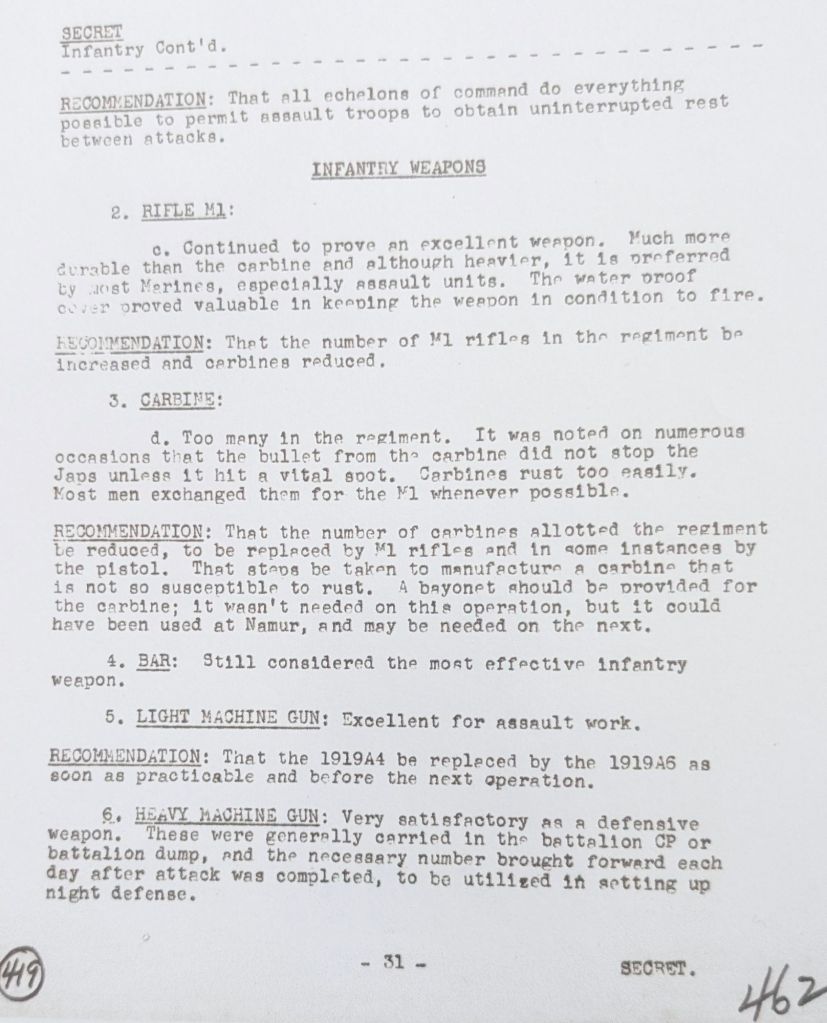
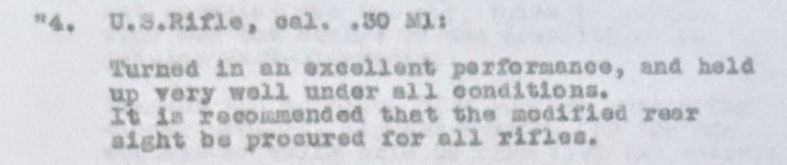
Following the Saipan Campaign, the 4th Marine Division found the M1 Carbine to have performed poorly and recommended a reduction in the amount issued in exchange for M1 Garands (NARA).
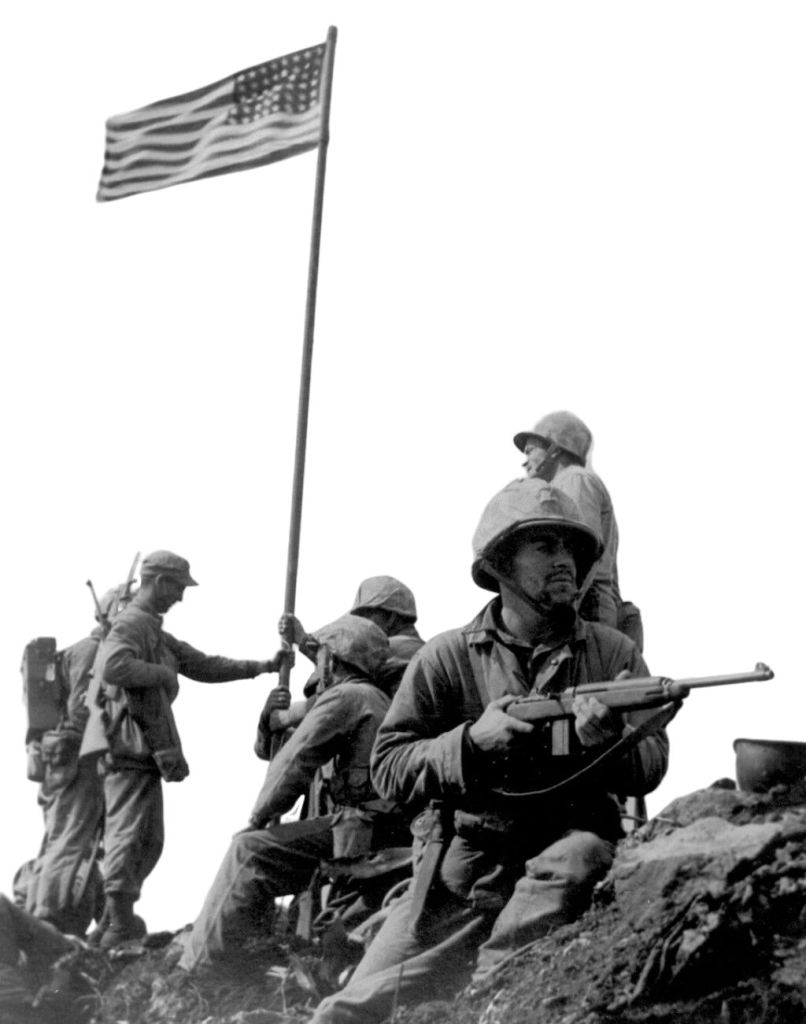
Some of the most iconic images of Marines in World War II would include the M1 Carbine, as pictured here during the first flag raising on Mount Suribachi on Iwo Jima (NARA).
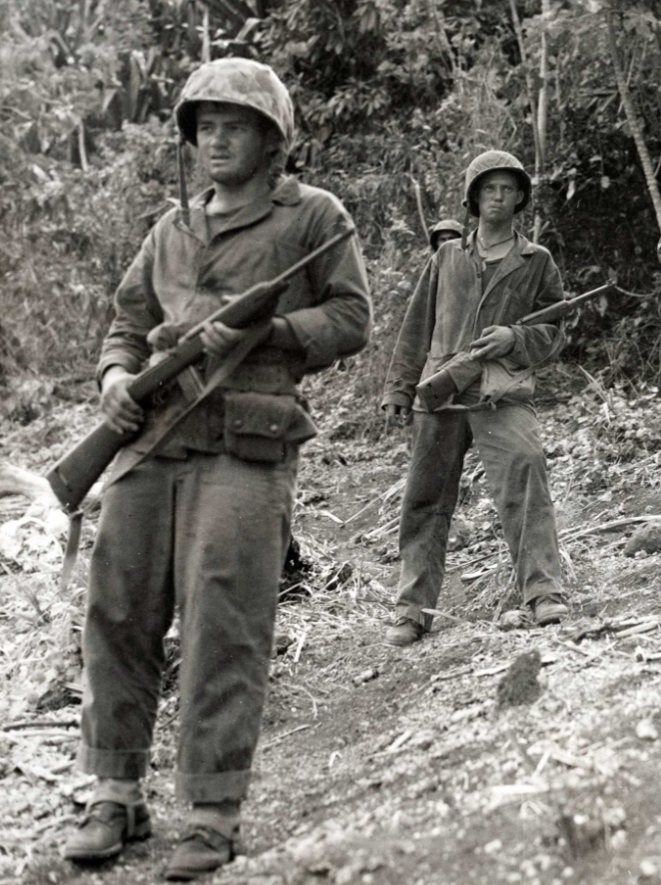
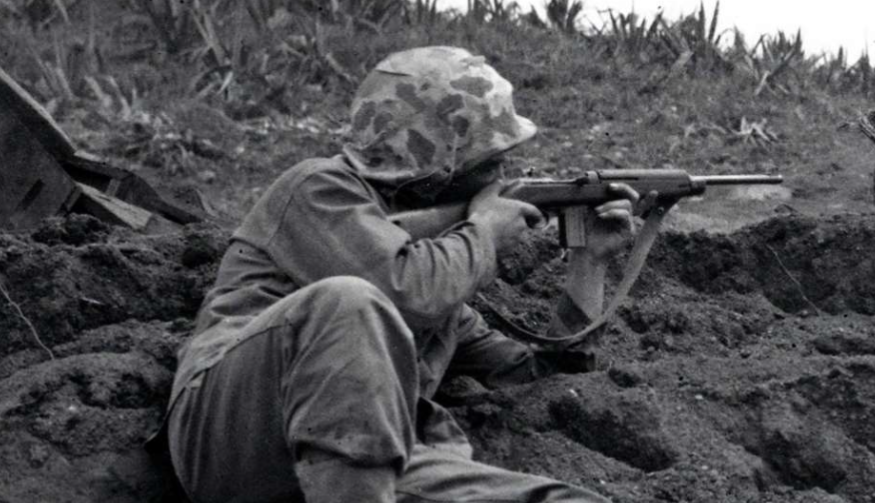
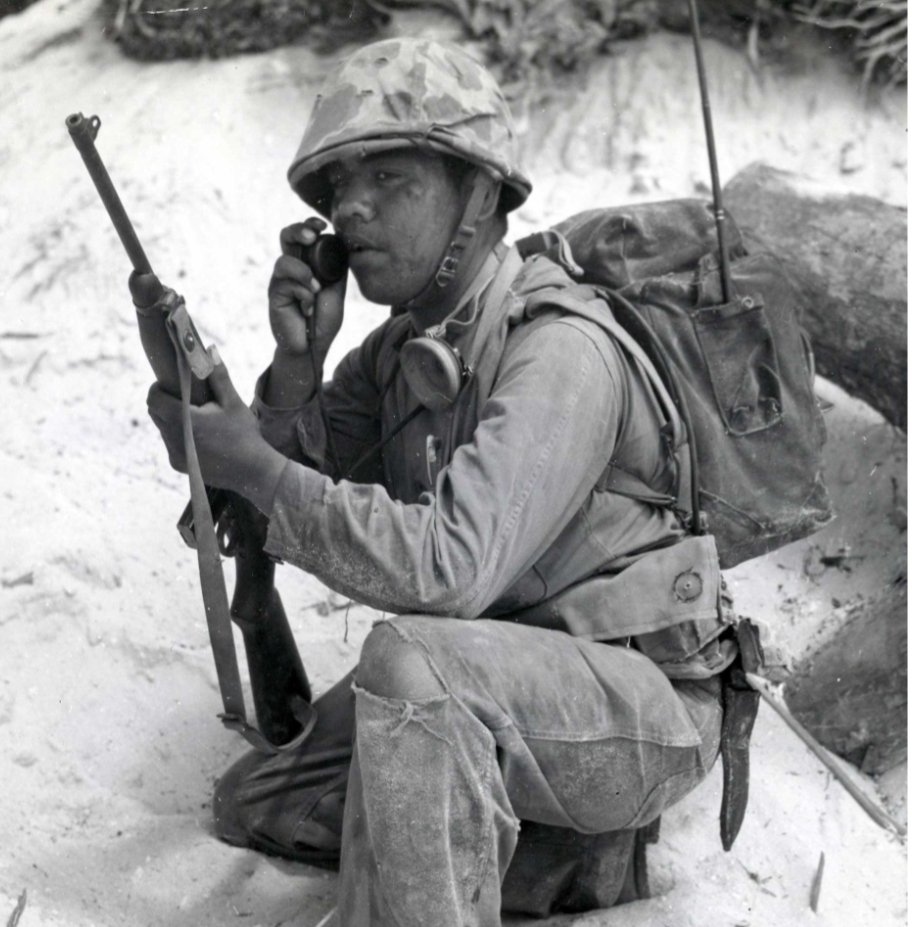
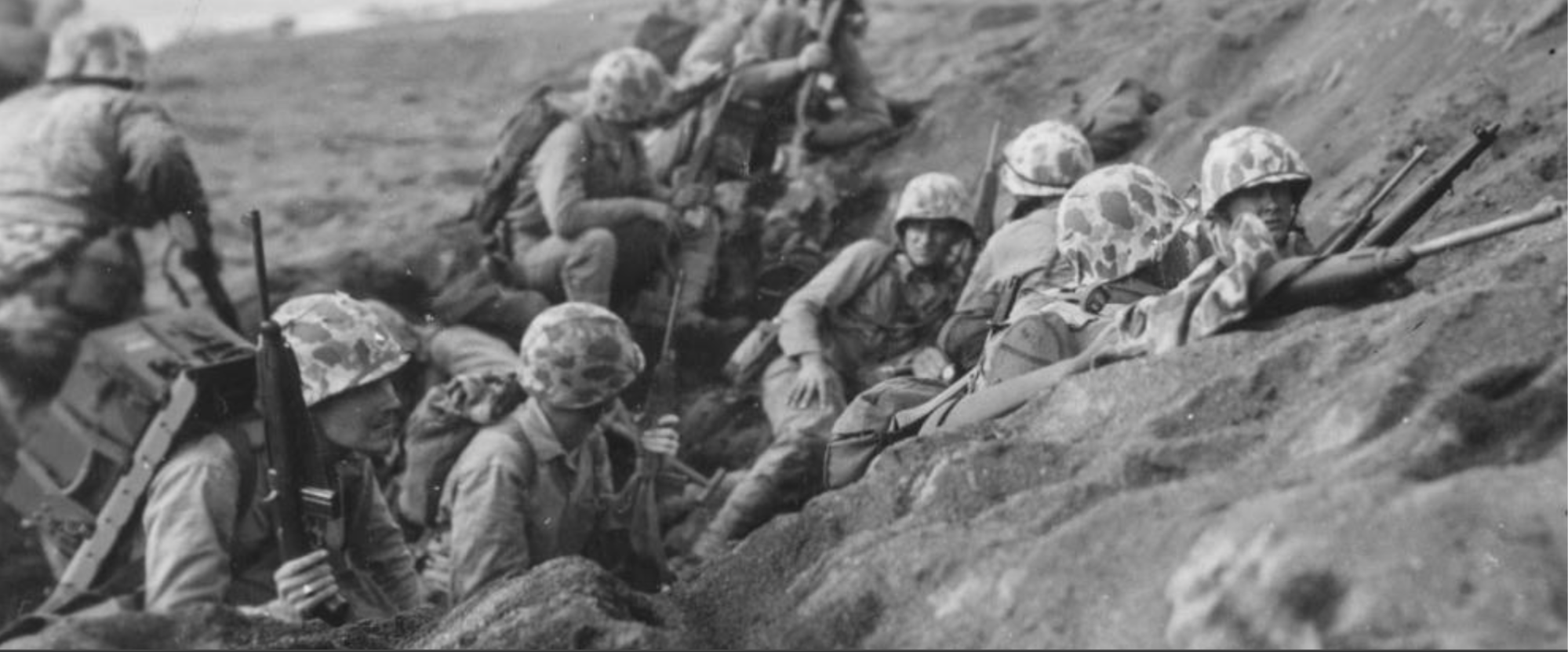
In 1944, the Ordnance Department would mandate an adjustable rear sight for the M1 Carbine, as well as a stronger upper band with more stock contact. The upper band would be improved further with the inclusion of a bayonet lug for the M4 Bayonet, and an improved switch style safety would help the operator differentiate from the magazine release.While there are photographs of these improvements on M1 Carbines in the European Theater, none so far have surfaced in the hands of Marines. Work order documents from the 2nd Marine Division show these updates having been completed by early 1946, after the war had ended.
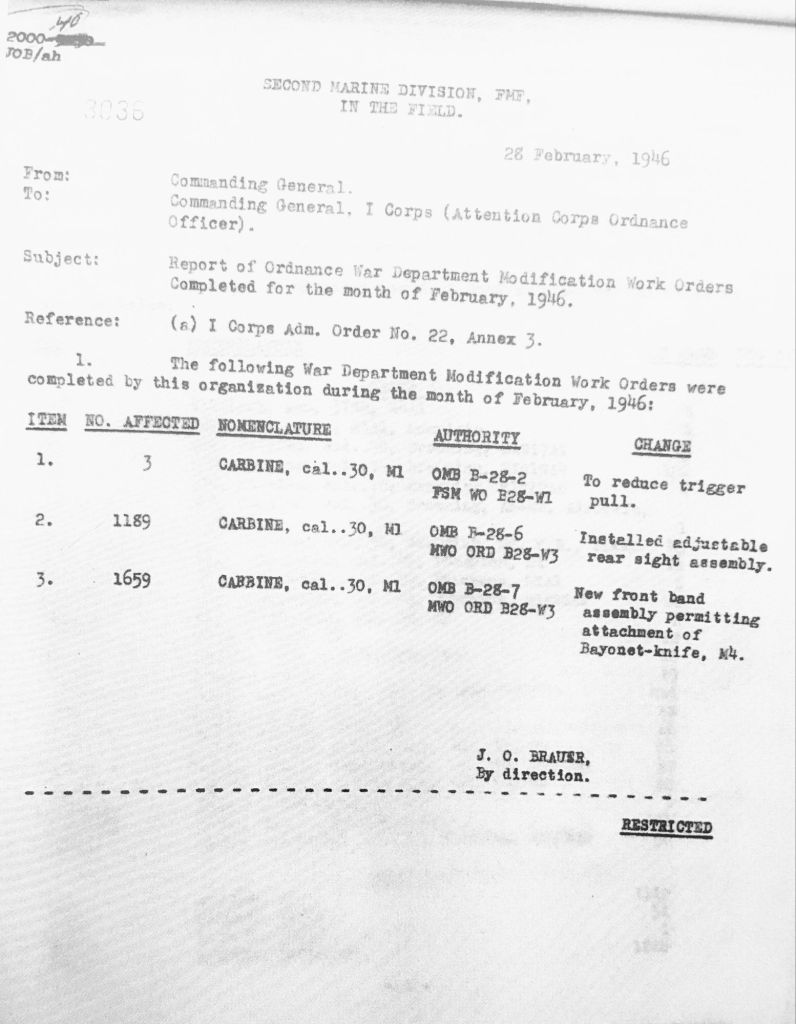
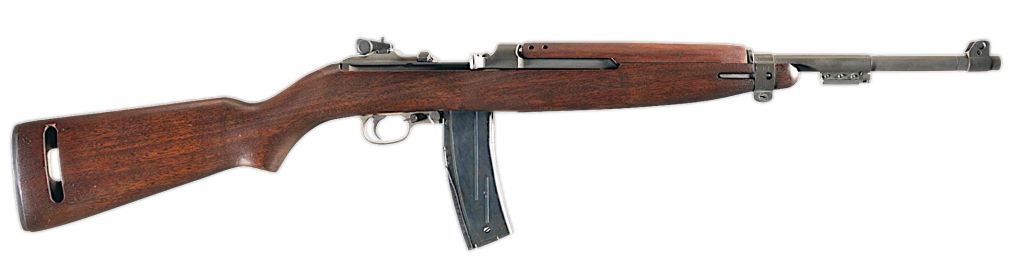
The Post-WWII USMC M1 Carbine
- Improved triggers with lighter pull
- Type III upper band that allowed attachment of the M4 Bayonet
- Adjustable Rear Sight
- Redesigned safety
- Fully automatic fire capability
- 30 round magazine
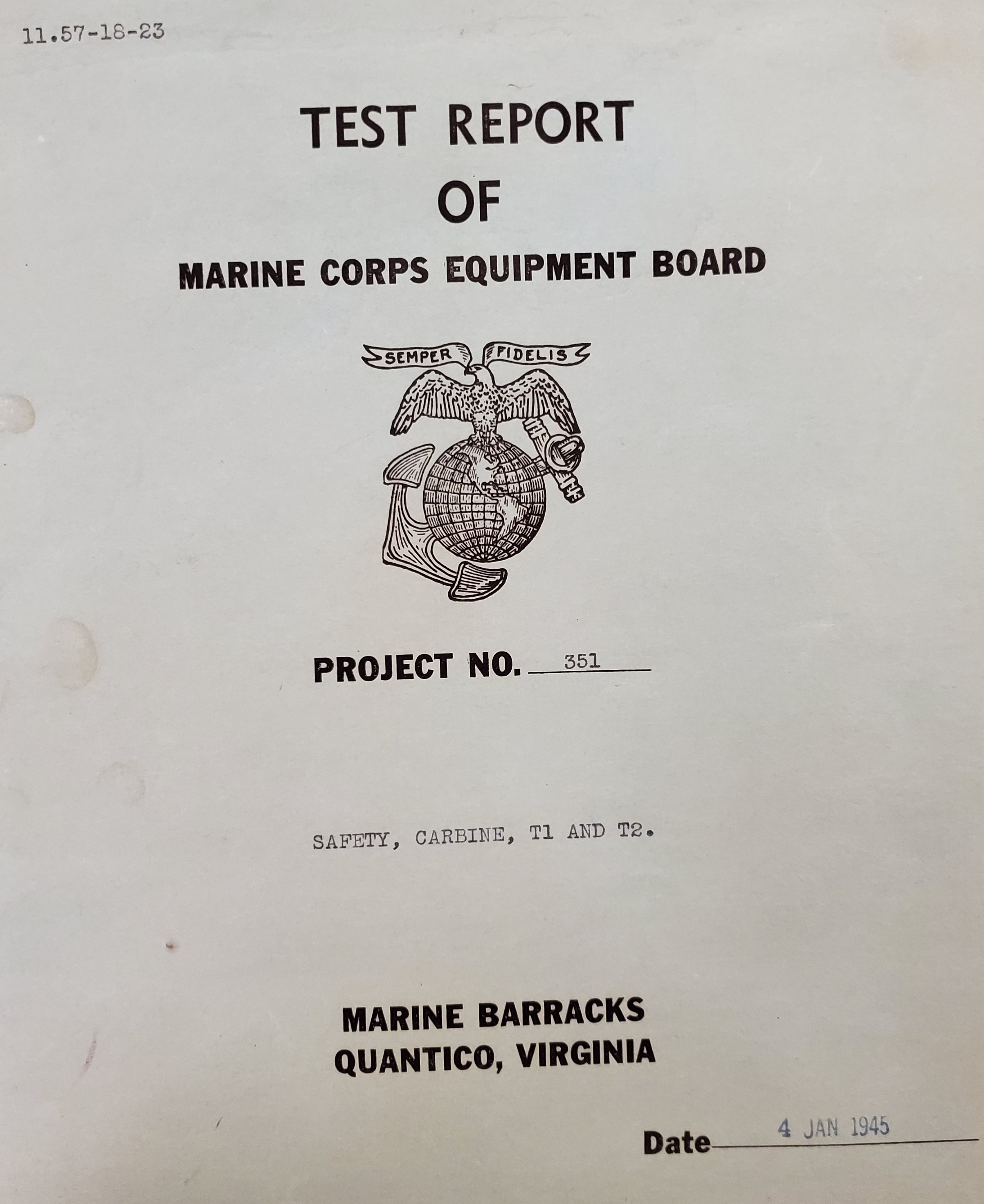
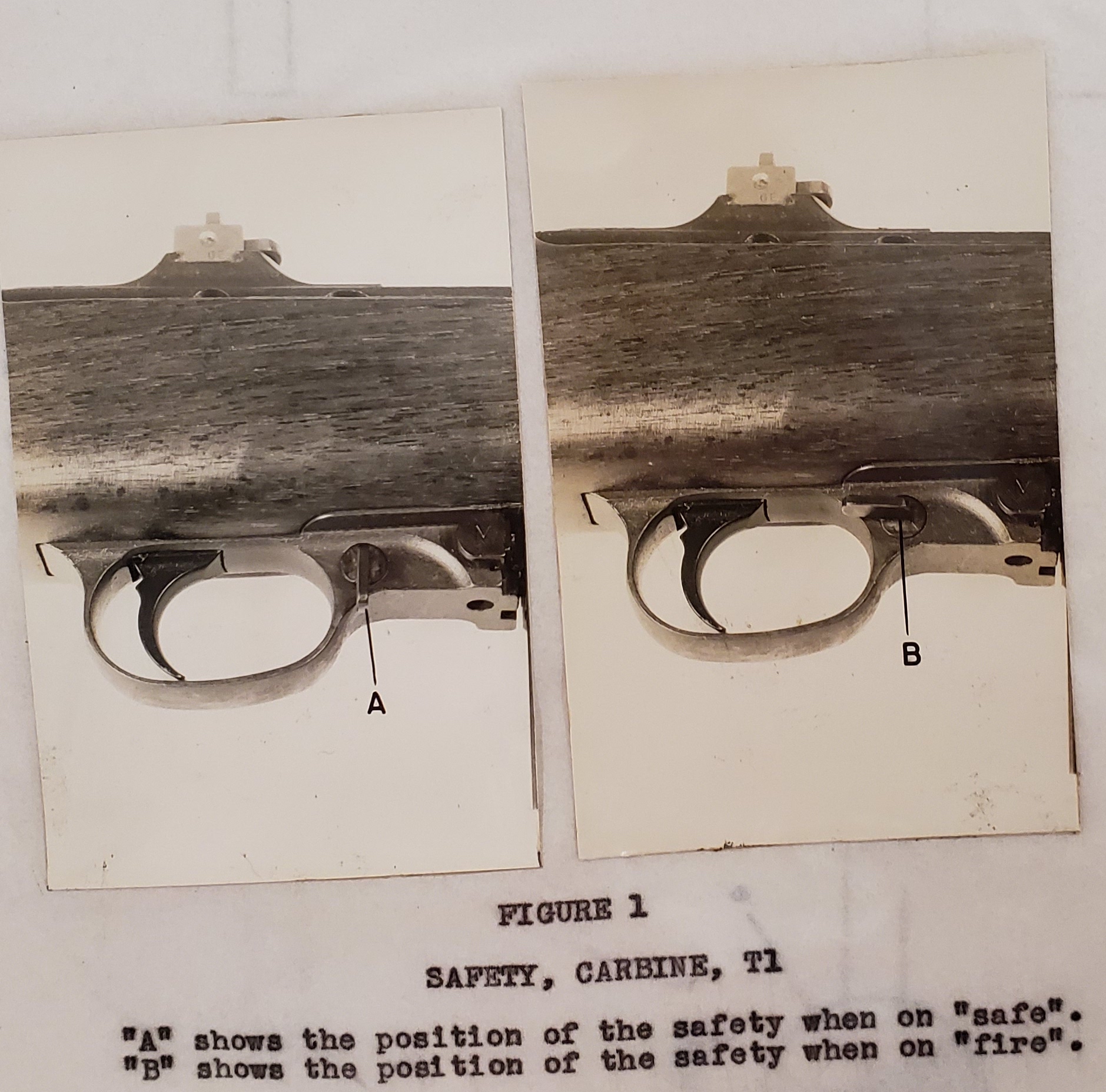
Marine Corps test report of the improved safety dated January 4th, 1945 (USMC).
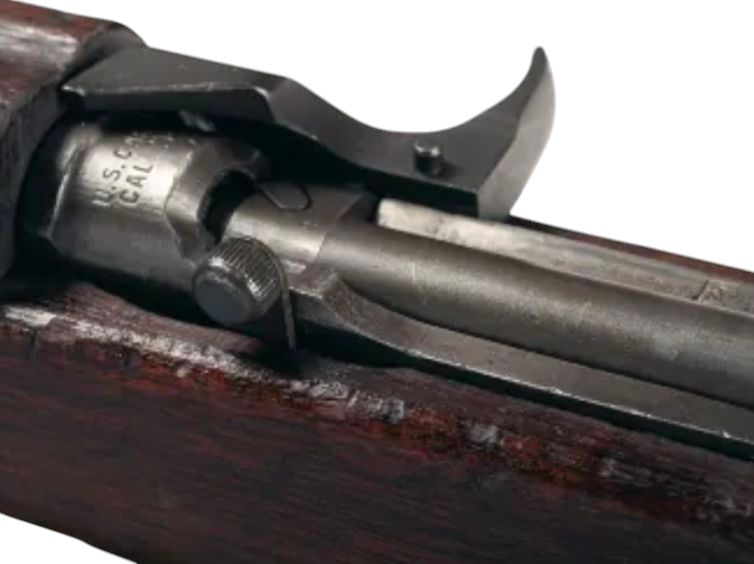
The very end of M1 Carbine production would feature the arrival of the fully automatic M2 Carbine. While relatively few M2 Carbines would be produced, the parts necessary to upgrade M1 Carbines to fully automatic would be distributed throughout the Marine Corps following World War II. By the time the Korean War began, the 1st Marine Division would report 75% of their M1 Carbines had been converted to fully automatic fire capable.
M2 Carbine selector switch allowing full automatic fire. The majority of 1st Marine Division M1 Carbines would have select-fire kits installed prior to the Korean War.
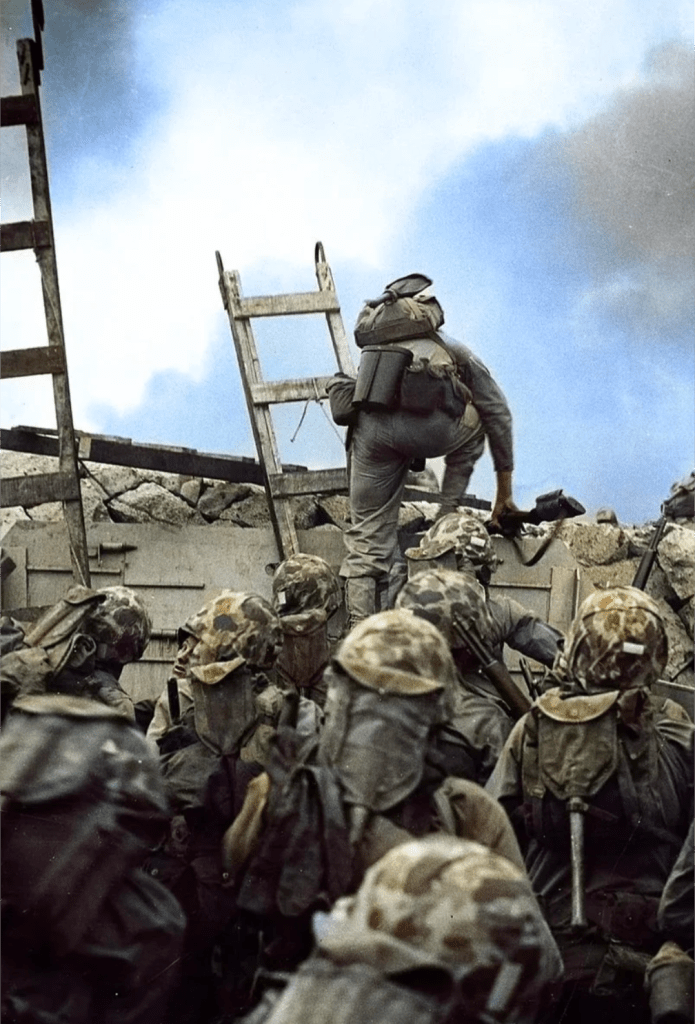
The USMC M1 Carbine in Korea
With most of their M1 Carbines converted to fully automatic, the 1st Marine Division would put them to good use in the Korean War. The waves of assaults employed by the Chinese at the battles like the Chosin Reservoir would make any weapon with automatic capability preferred. The .30 Carbine round would be deemed particularly poor in performance however, with Marine grunts attributing the many layers of cloths worn in the subzero temperatures as capable of diminishing “stopping power.” Whether this was factual or more of a myth is up for debate to the day, but the perception was enough to limit the M1 Carbine’s time in service. By the mid-1950s, the desire of the American military to have a one-size-fits-all rifle would lead to the development of the M14. The M1 Carbine would be phased out by the mid-1960s, and never would undergo the rebuild programs of that era that allow other weapons systems to be identified as having served with the Marines.
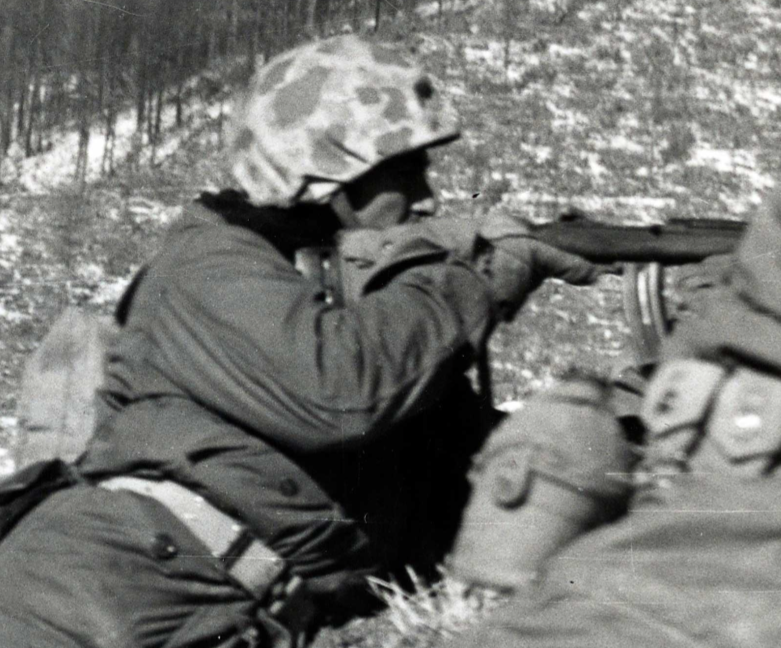
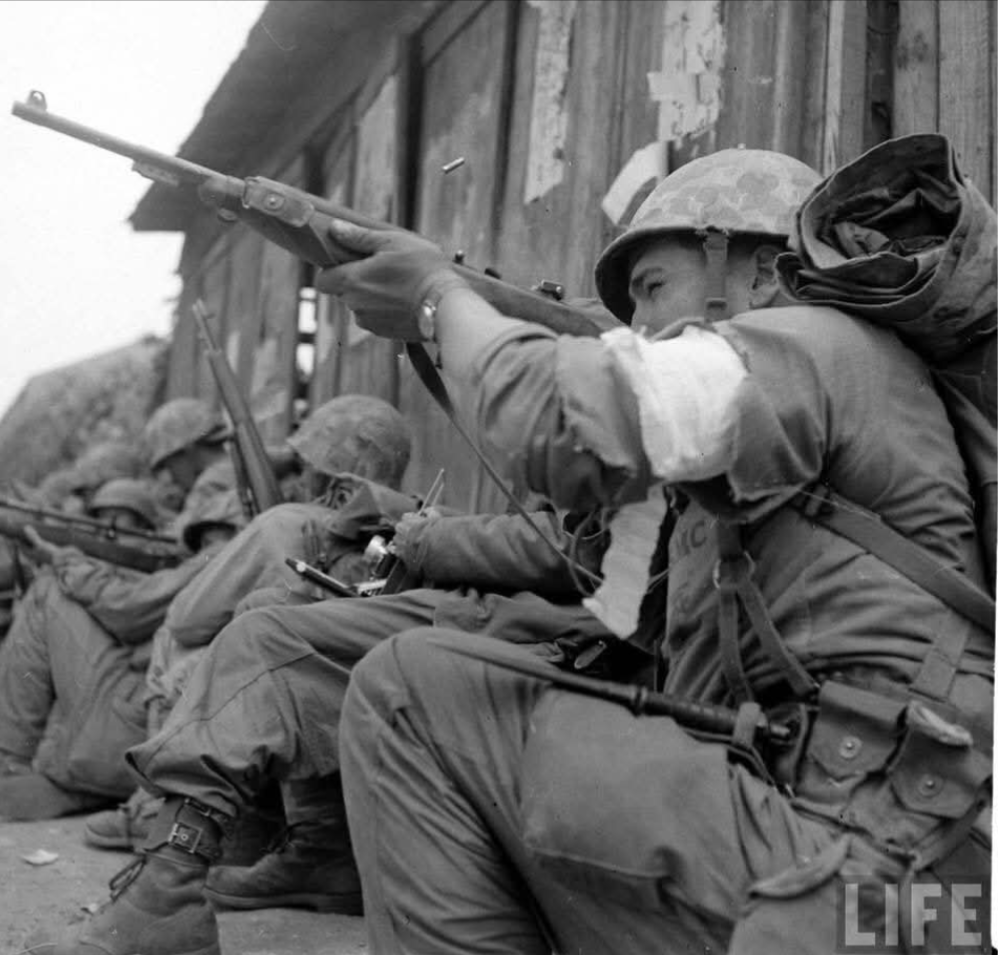
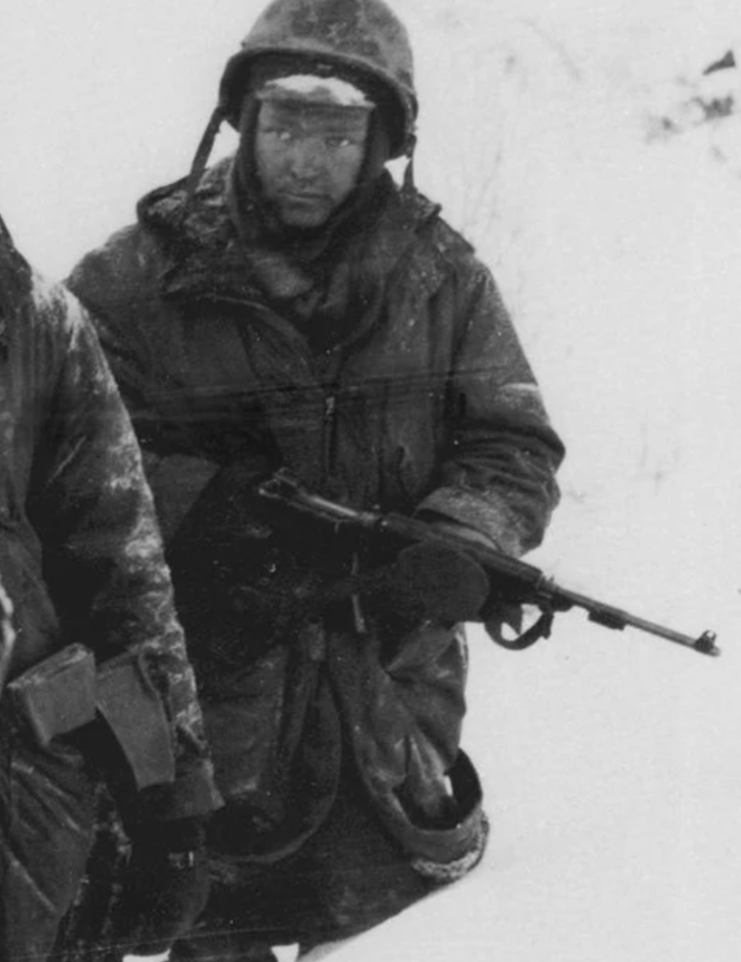
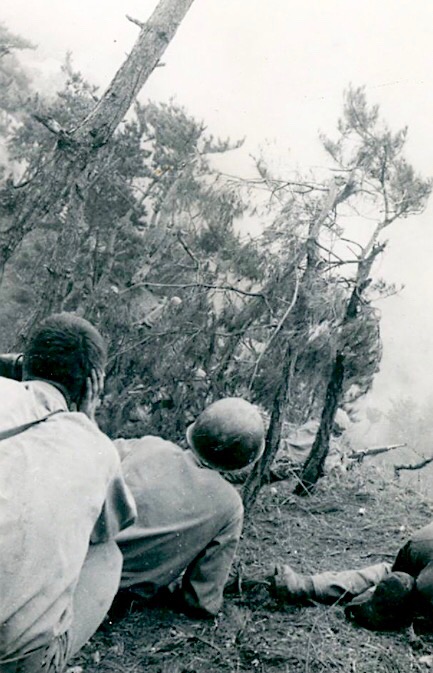
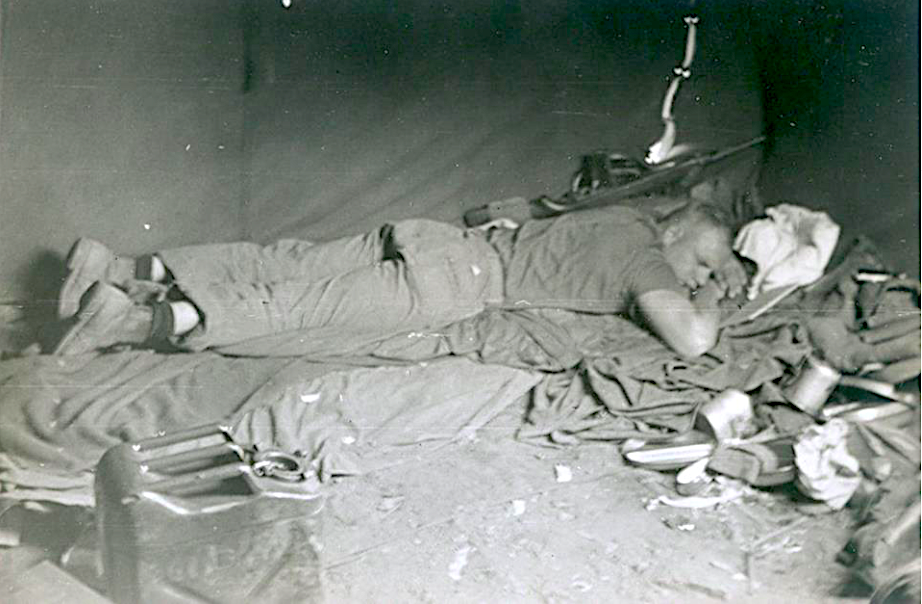
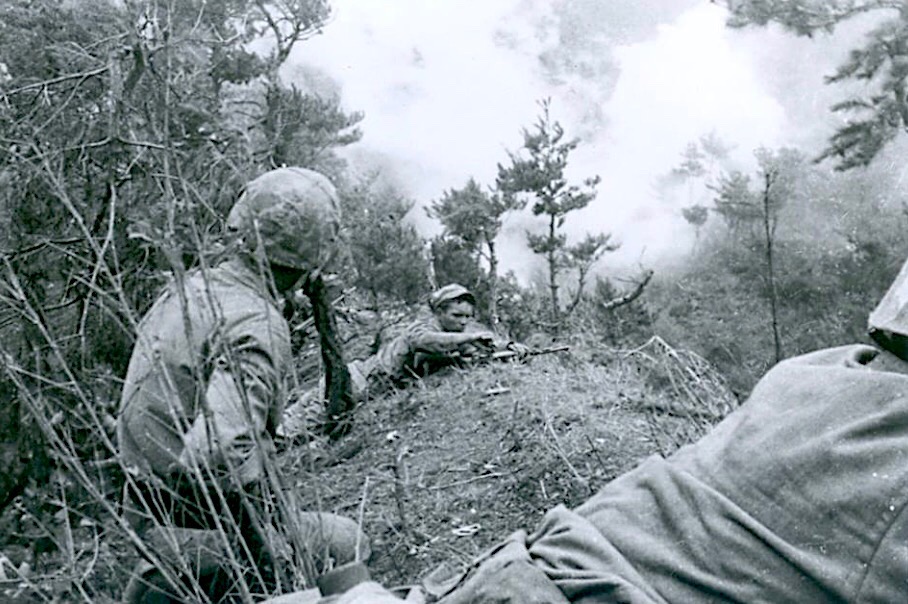
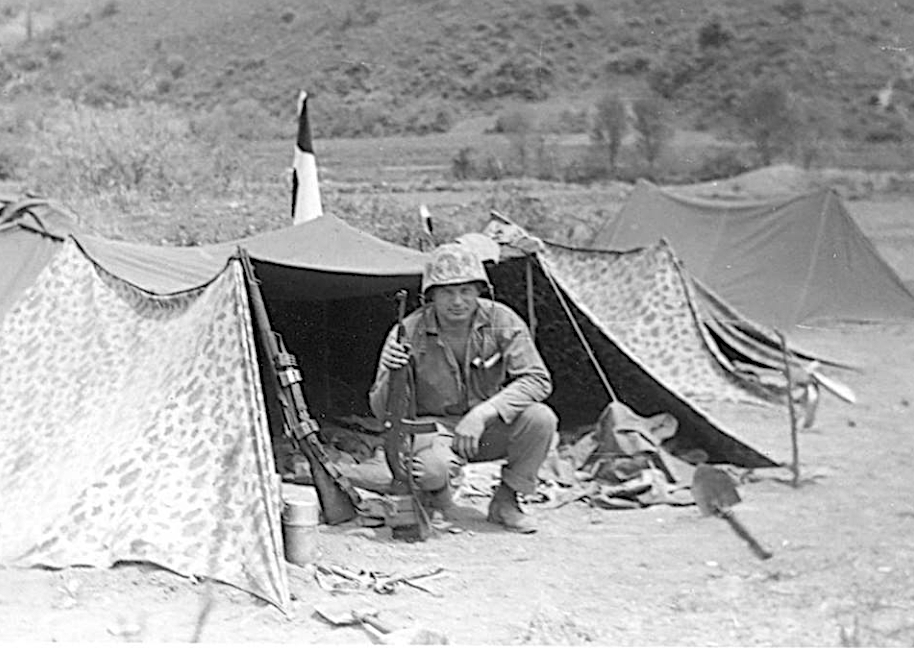
The 5th Marines in action in Korea, circa 1951-1952. Photos taken by regimental communications man Sergeant George Zurlinden Jr (Cook family collection).
 USMCWEAPONRY.COM