
Since the beginning of combat in World War II, the Marine Corps had desired to simplify logistics by minimizing ammunition calibers and weapons platforms. An average Marine rifle platoon in WWII would carry M1 Garands, M1 Carbines, M1903s, BARs, M1911s, Reising and Thompson Submachine Guns, and at times special weapons like Johnson Rifles and trench guns. By the Korean War, USMC use of submachine guns was replaced by the M1 Carbine being converted to fully automatic. Despite this, the Marine rifle platoon still carried the M1 Garand, M1 Carbine and BAR on top of special weapons. The belief at the time was that with new advances in automatic capabilities, one weapon could do the role of all of those weapons, and it was from this belief that the M14 was born.
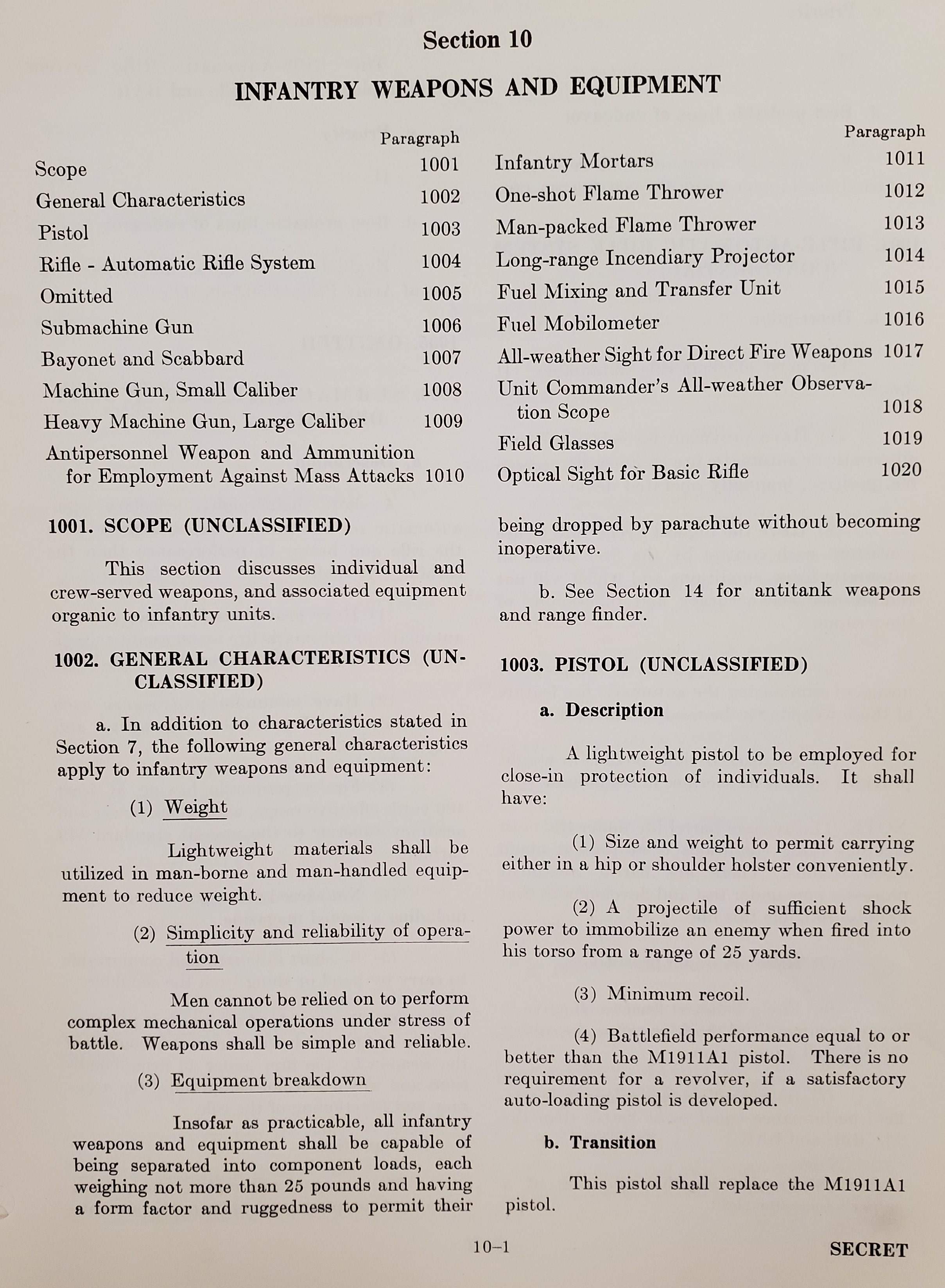
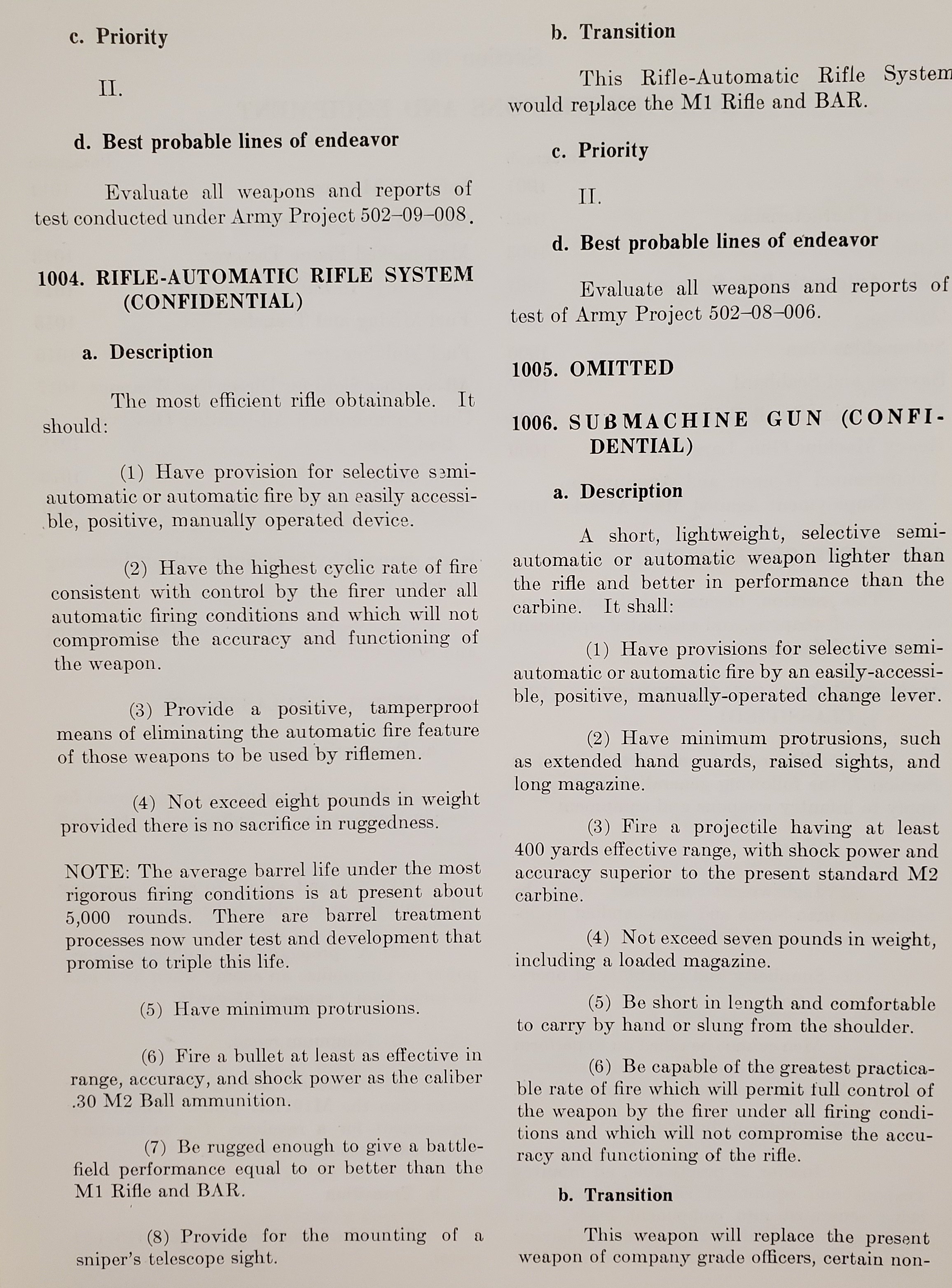
The Marine Corps sought to combine the duties of the Browning Automatic Rifle (BAR) and the M1 Garand (USMC).
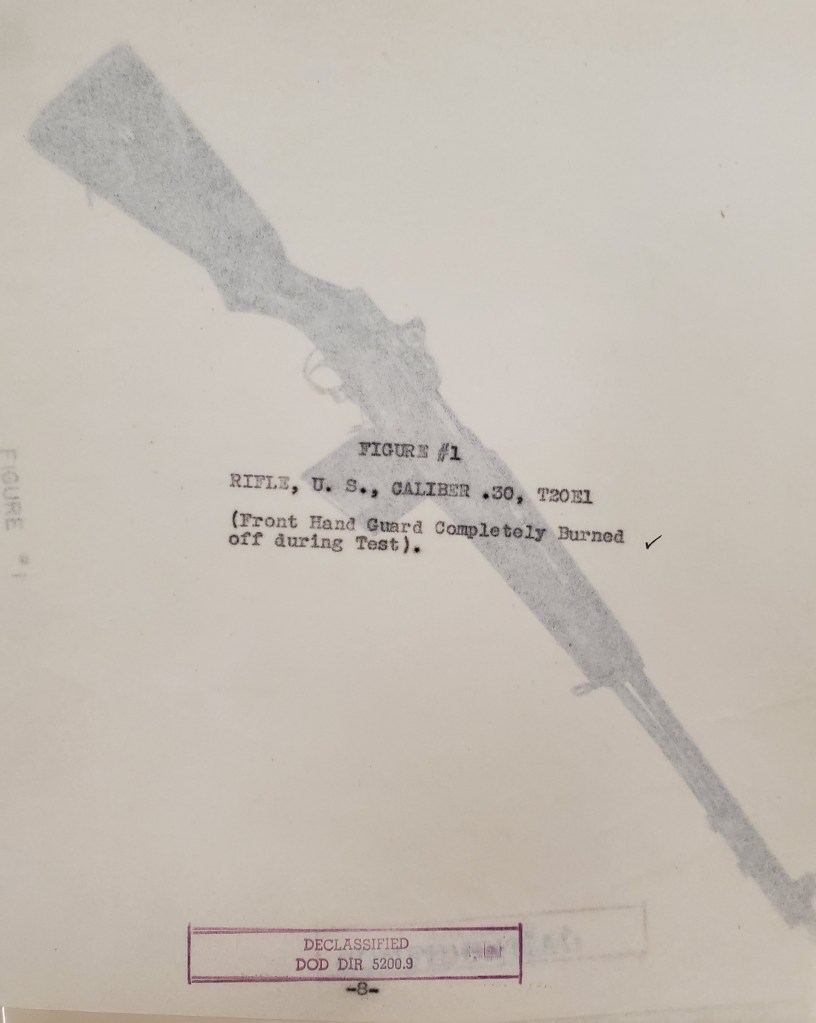
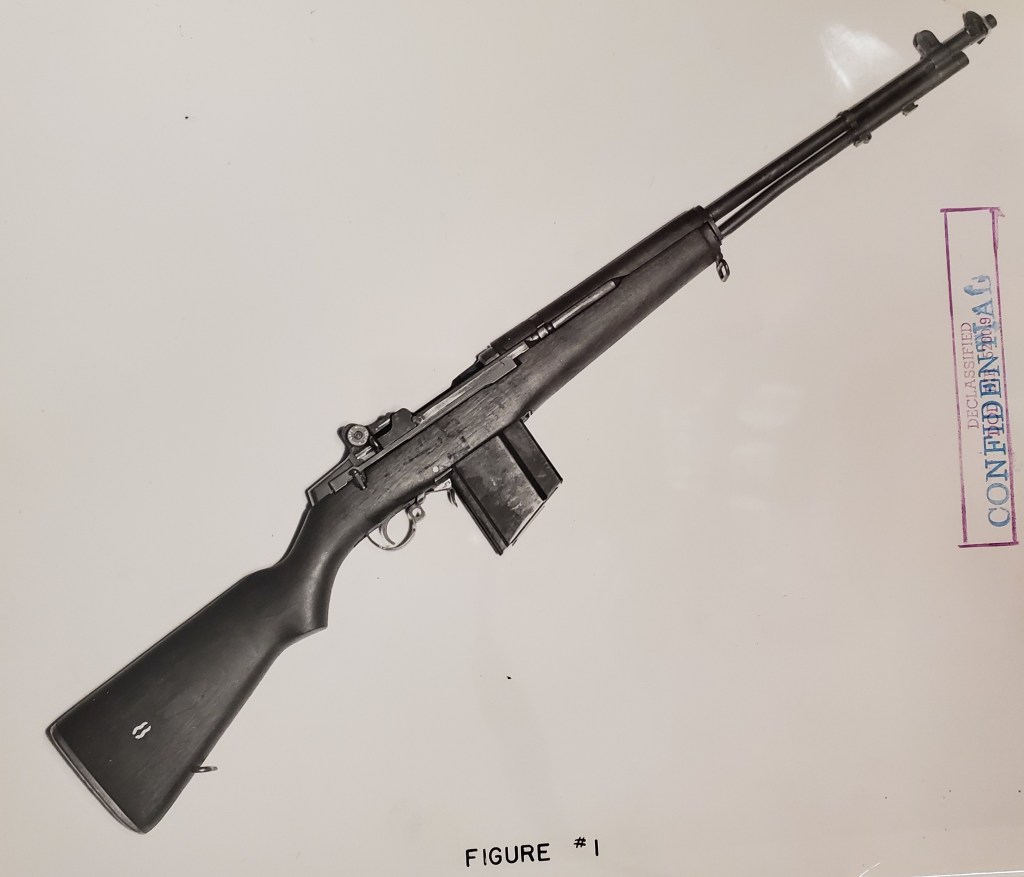
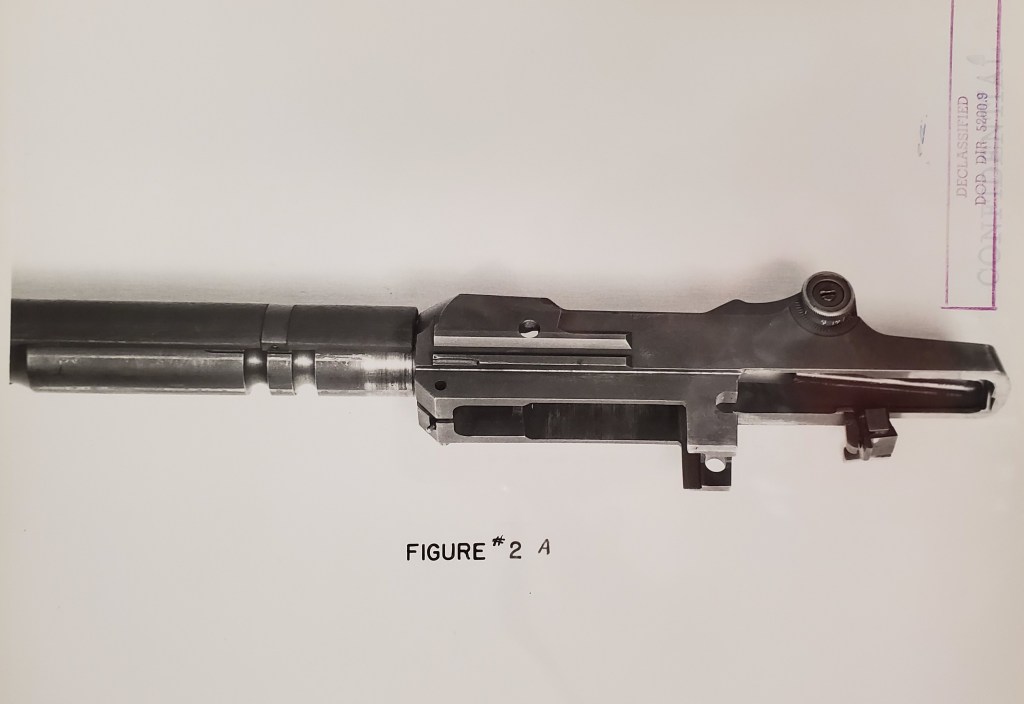
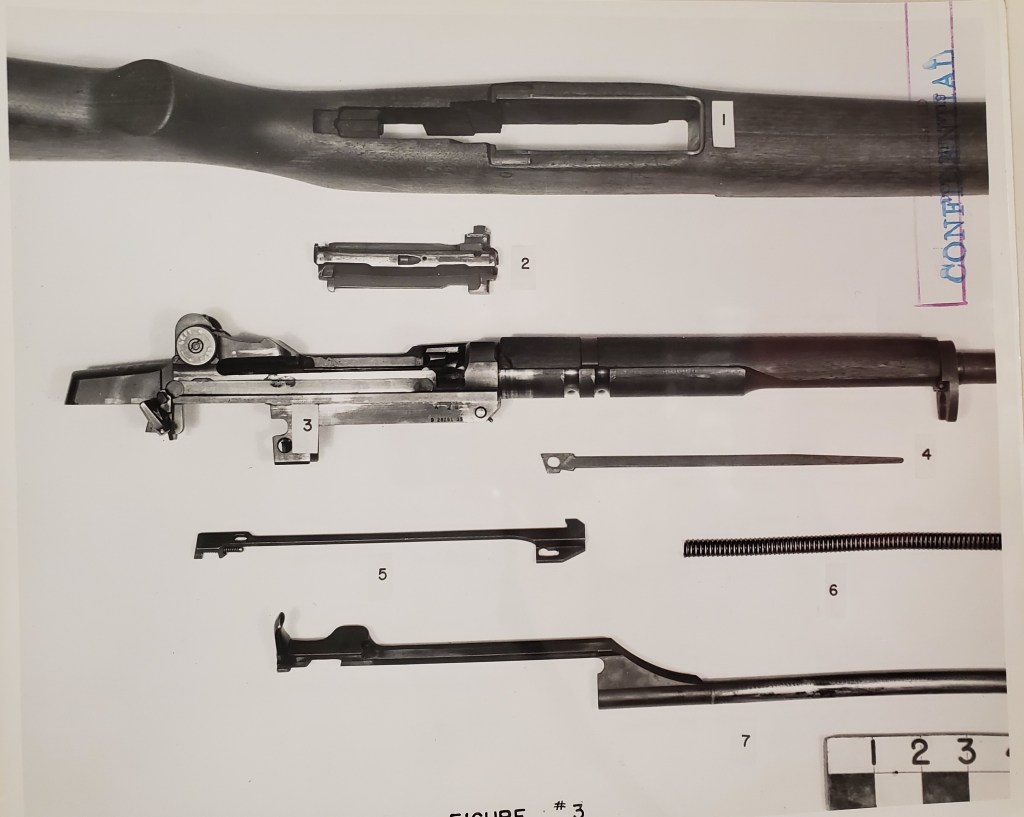
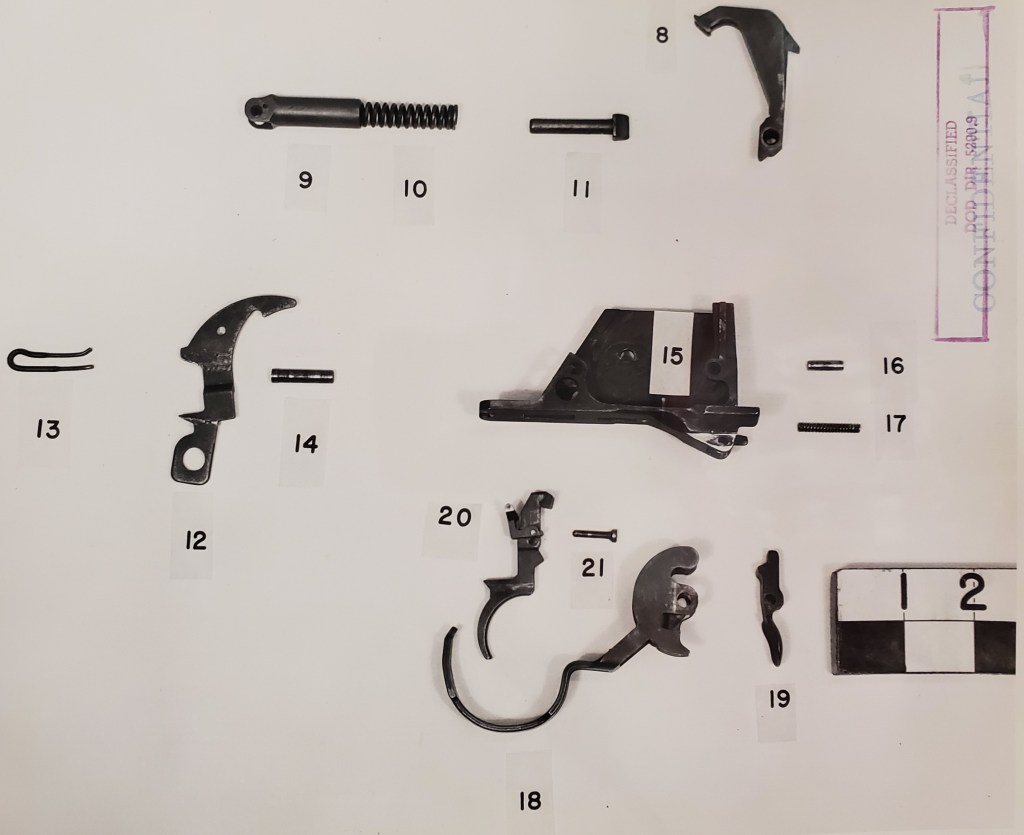
The M14 would evolve from different M1 Garand prototypes (USMC).
During WWII and in the years that followed, the T20 series of rifles would be the first step in the slow march towards creating the M14. These initial rifles were essentially M1 Garands modified to have a fully automatic capability and accep a detachable box magazine. As the T20s progressed, development was forced to make a major course correction as North Atlantic Treaty Organization (NATO) countries decided it would be wise to have a single round used by all members. This decision would number the days of the venerated .30-06 round, and lead to the adoption of the .308 Winchester round as the standard, referred to as the 7.62x51mm NATO. The T44 would be chambered in the new round, culminating in the final test variant, the T44E4 becoming what would be known as the M14 in 1957.


Testing of fully automatic M1 Garands would begin at the end of the World War II era, and culminate with the T44 being adopted as the M14 in 1957 (USMC).
Th Department of Defense would adopt the M14 for all services in 1957, with production beginning in 1959. The M14 would be produced by Springfield Armory, Winchester, Harrington & Richardson, and Thompson-Ramo-Wooldridge (TRW). Unfortunately, production would be delayed due to various flaws experienced in testing and early procurement. The M14 would prove to be nearly uncontrollable when fired fully automatic without a bipod. The Marine Corps would test bipod usage as a solution, but the added weight was considered enough of a deterrent that this option was never fully pursued. Safety issues, including rifles exploding would cause further setbacks, and by the end of 1960 only the 101st Airborne Division was fully equipped with M14s. The Fleet Marine Force would soon follow, being equipped with M14s in 1961. Testing in 1962 would find that the “one size fits all” approach of the M14 was a poor choice, and the M14 was practically useless as an automatic weapon and inferior to the M1 Garand in semi-automatic fire. With newer, significantly lighter rifles such as the Stoner 63 and Colt AR-15 becoming available in the early 1960s, an order by Secretary of Defense Robert McNamara would cease M14 production January 23rd, 1963.

The M14 in Marine Corps service
The M14 had been the primary service rifle of the USMC for four years when the service deployed to Vietnam in large numbers in 1965. Despite initial skepticism, the Marines had warmed to the new rifle in the years that followed. As the 3rd and later 1st Marine Divisions landed in Vietnam, most reports of the M14s combat performance were favorable. The M14 significantly outranged the soviet designed SKS and AK47 rifles of the North Vietnamese Army and Viet Cong guerrillas, which was used to an advantage when the terrain was more open. The opposite could be said when Marine units found themselves in the deep brush and jungles though, as the M14 would prove long and heavy, and the lack of a useful automatic function a disadvantage in close contact.


Marines and their M14s in Vietnam, 1965 (NARA & USMC).

The M14 would serve alongside the Winchester Model 70 in the early years of the Vietnam War (Plowman collection).


Marines in combat with M14s, 1965-1968 (USMC & NARA).
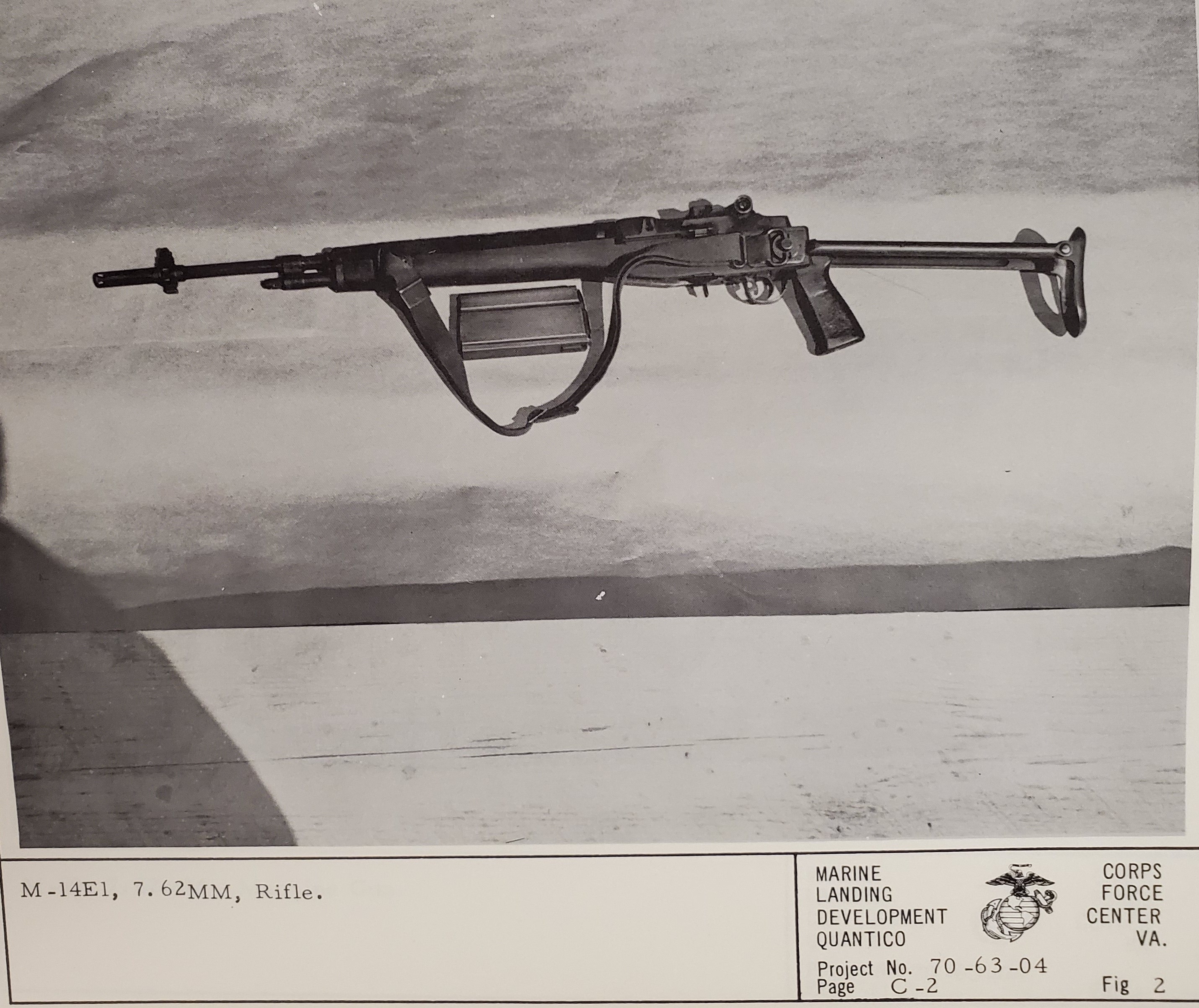
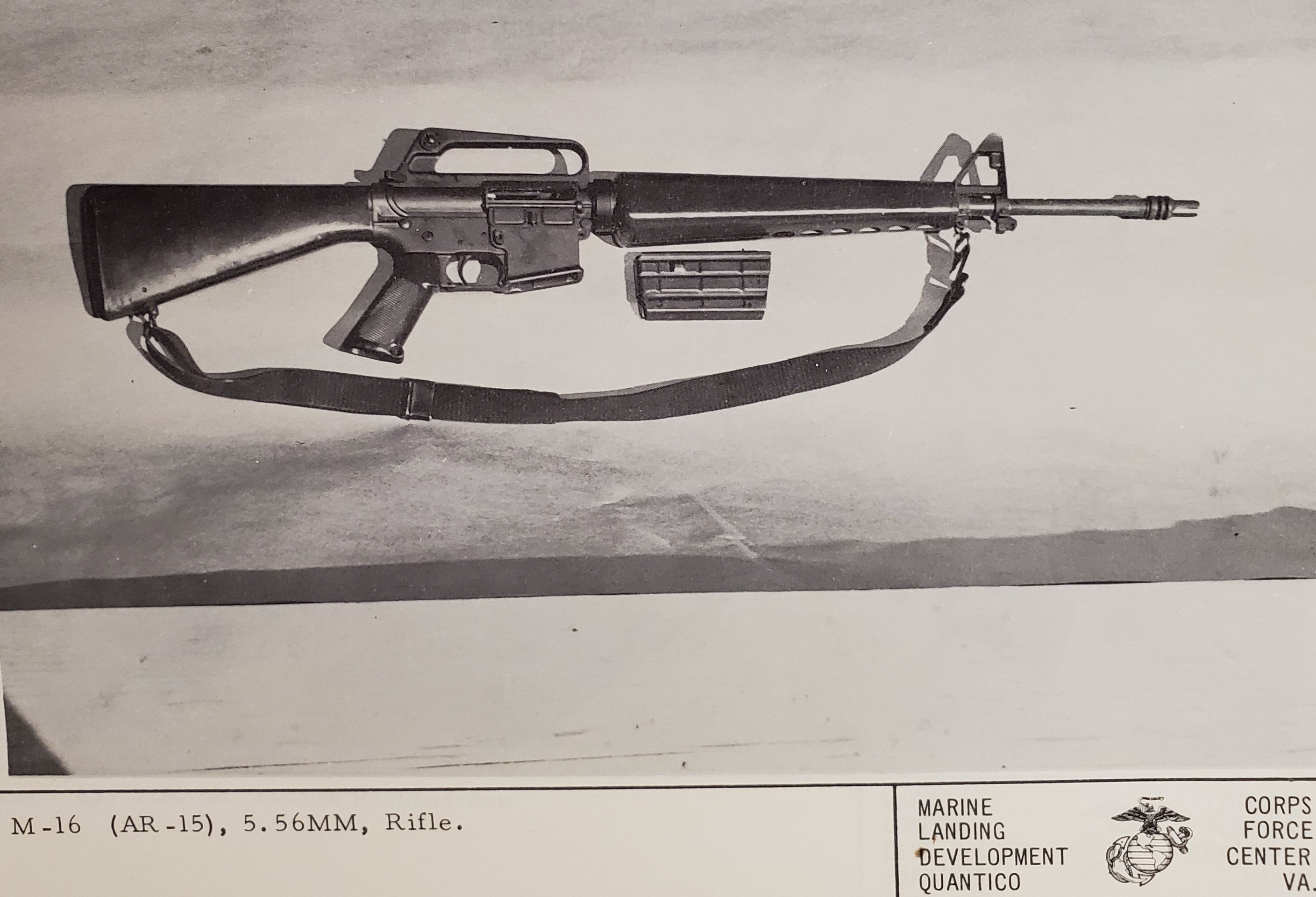
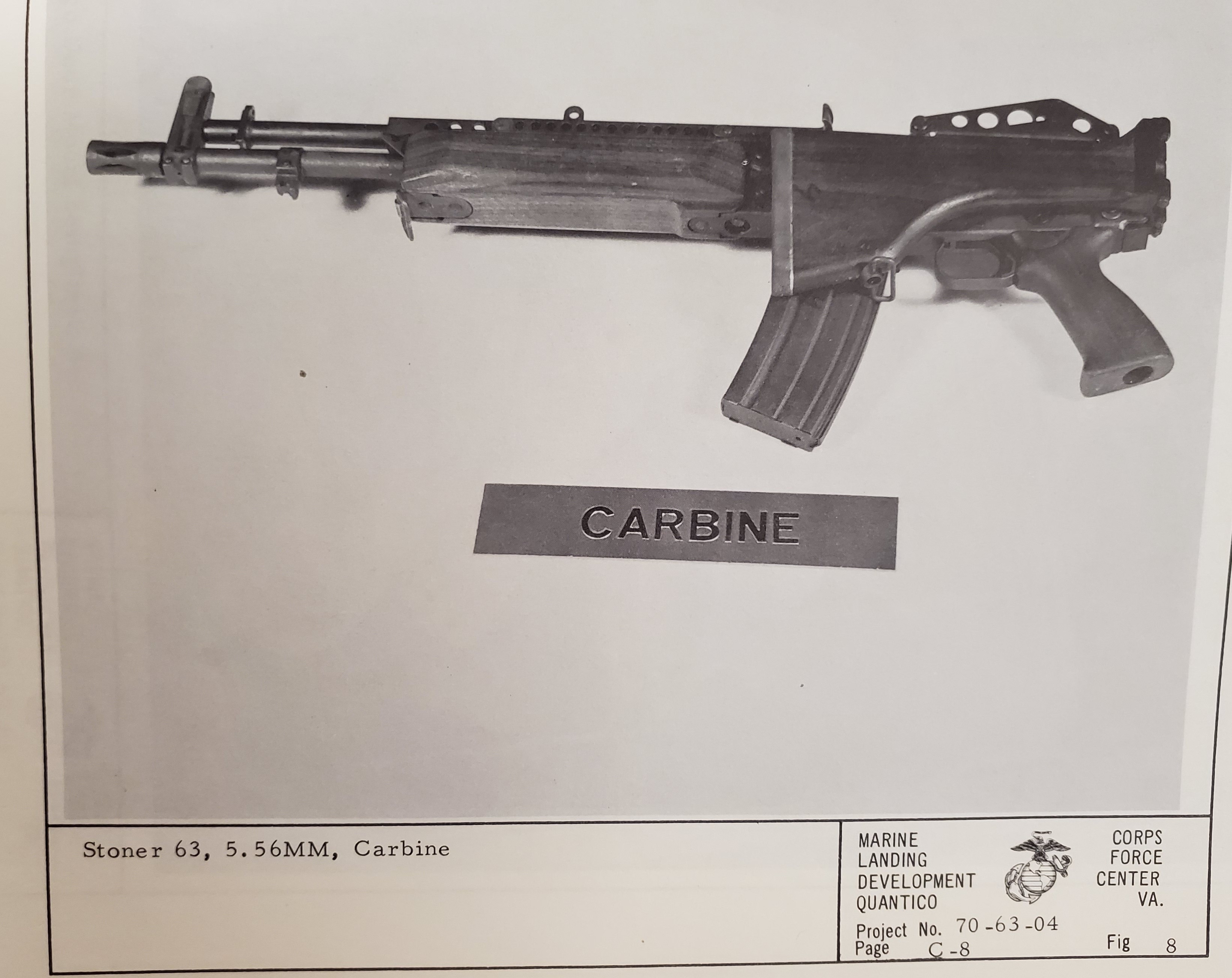
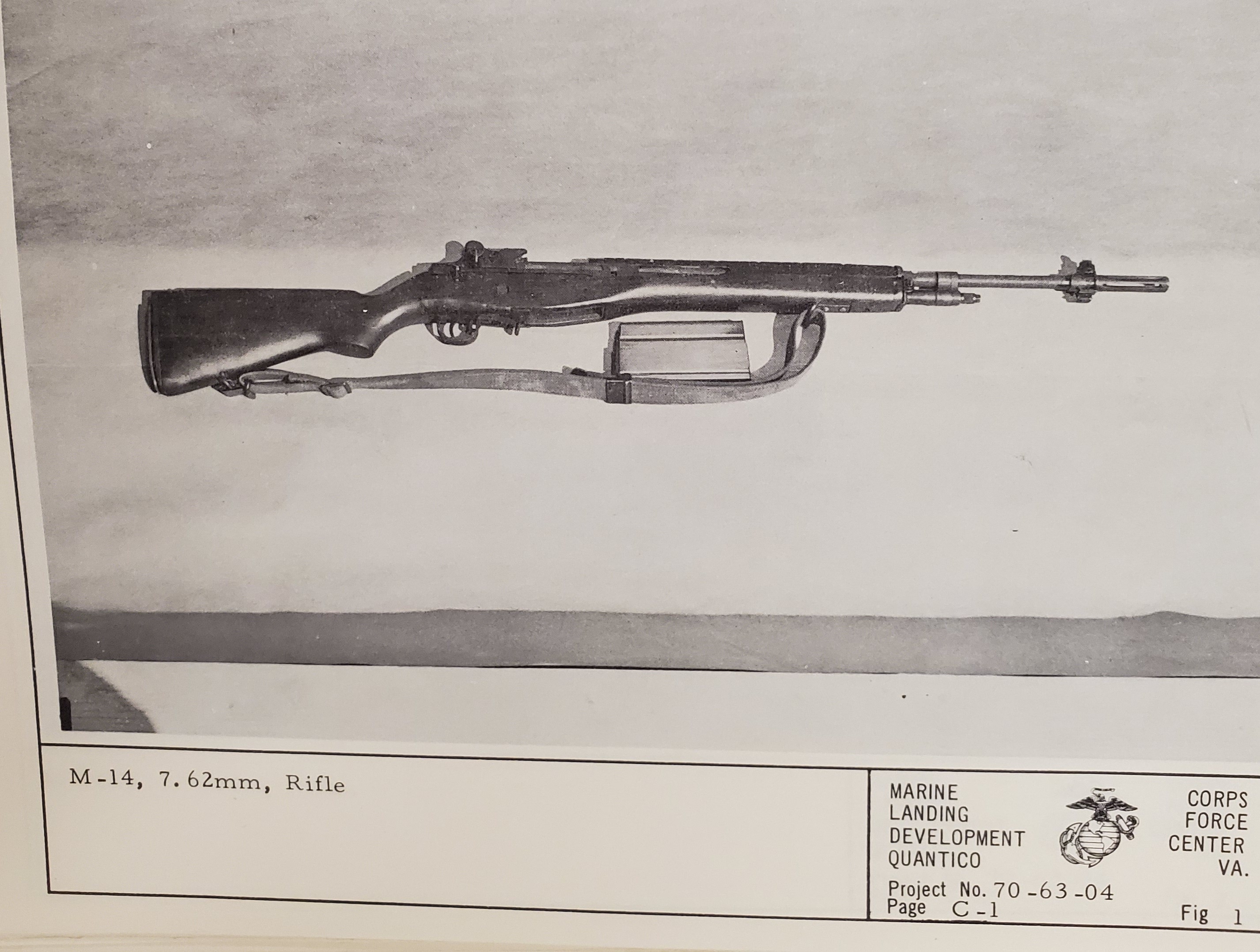
The end of the M14 as the service rifle came nearly as quickly as it began. The Marine Corps tested the M14 against the Colt AR-15, Stoner 63 and a modified M14 prior to deployment to Vietnam, examining whether the rifle should be replaced just 2 years into its service life (USMC)

Even before the first Marine boots hit the shores of Vietnam, the USMC was testing the new .223 Remington (NATO 5.56x45mm) cartridge rifles by Stoner and Colt. The Stoner 63 and Colt AR-15 were significantly lighter weight than the M14, and were controllable in fully automatic fire. While not capable of the distances of the M14, this disadvantage was considered an acceptable concession. By 1965, the Marine Corps had began purchasing the earliest variants of the Colt M16, the XM16E1 for Marine units in Vietnam. Additionally, the Stoner 63A was issued to L Company, 3rd Battalion, 1st Marines. The spring of 1967 would see the large scale replacement of the M14 by the XM16E1 and subsequent M16, rendering the M14 to use by designated marksmen and other support roles. The M16 would have its own adaptation and acceptance problems, leaving many veterans missing the M14. While its role as the primary service rifle of the Marine Corps was brief, The M14 would continue as a marksman’s rifle for another half a century.


The decision to adopt the XM16E1 over the Stoner 63A and M14 for service in Vietnam came in 1966 (USMC).

Identifying a USMC M14

- Much like the M1 Garand, there were no USMC specific modifications to the M14 that would aid in identification.
- Outside of documentation, the only way to determine Marine Corps provenance is through the presence of rebuild marks.
- The Marine Corps began electropenciling M14 rebuilds in 1965.
- “O” for Overhaul was etched onto the receiver, followed by the last two digits of the year the rifle was rebuilt.
- In 1970, an “A” for Albany and a “B” for Barstow was added as well.
- An “M” likely to denote Magnaflux testing, would be engraved on the receiver leg.


Examples of USMC overhaul markings on M14 receivers.


The small “M” on the receiver leg is thought to denote a successful Magnaflux test. Of note, the receiver at right has the “A-O” markings of an Albany overhaul also on the leg instead of the heel. This shows there was some variation in marking practices as the overhaul program continued.
 USMCWEAPONRY.COM