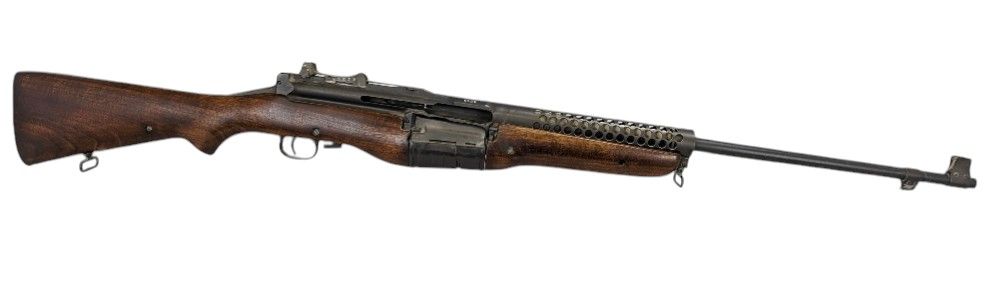
USMC M1941 Johnson Rifle #5391 (USMC History Division).
Designed by Marine Captain Melvin Johnson, the M1941 Johnson would compete with Springfield Armory’s M1 Garand for the job of being America’s first semiautomatic battle rifle. The M1941 would lose out to the M1 Garand in that regard, but it and the M1941 Jonson Light Machine Gun (JLMG) would be procured in limited quantities by the elite Marine Parachute Regiment for combat operations in the South Pacific. With a barrel that easily detached, the M1941 was seemingly tailor-made for airborne operations, offering a compact jump size like an M1A1 Carbine but packing the punch of an M1 Garand.
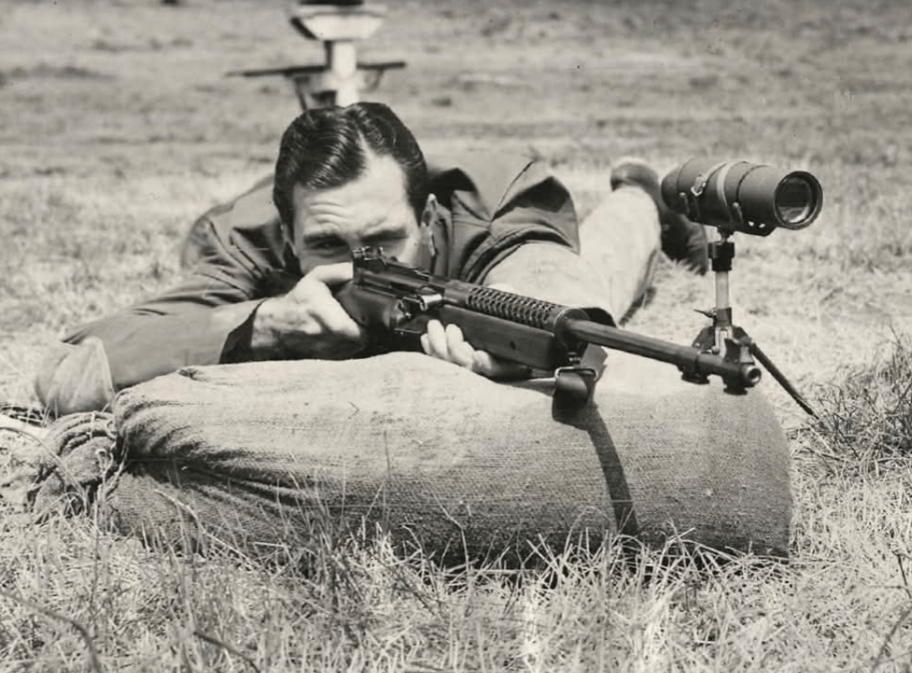
Marine Captain and Distinguished Rifleman Melvin Johnson testing his rifle (NARA).
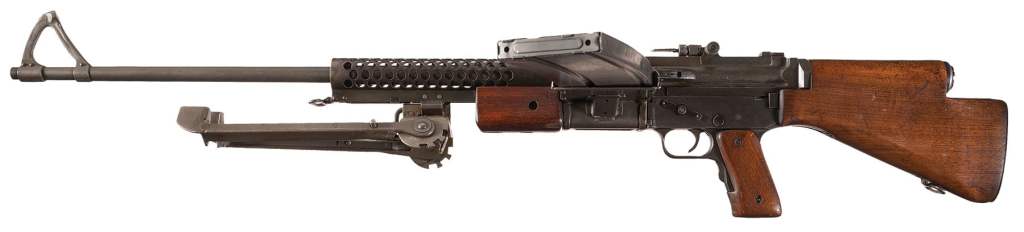
M1941 Johnson Light Machine Gun.
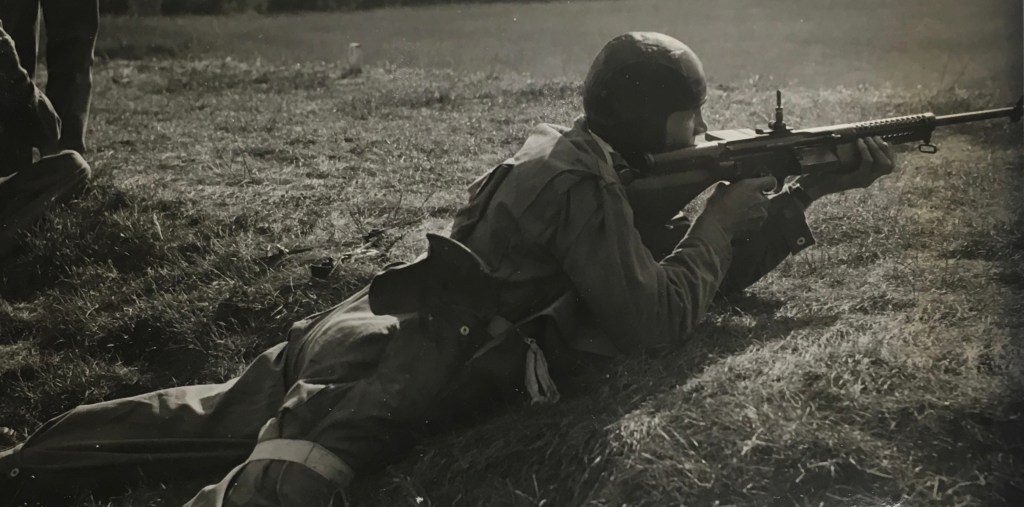
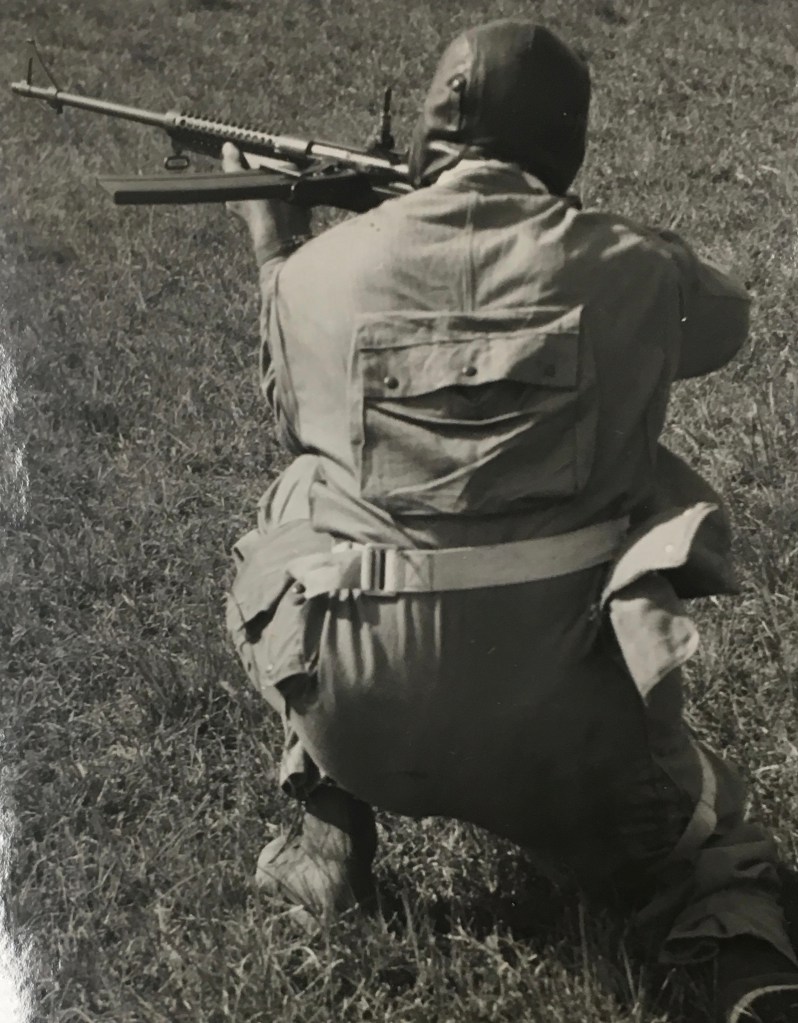
The Johnson Light Machine Gun (JLMG) during testing in 1941 (NARA). Detachable barrels made the Johnson Rifle and JLMG excellent choices for airborne operations.
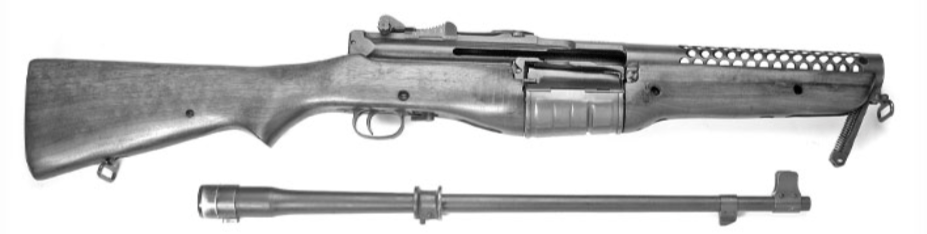

Marines Corps Rifle Range Detachment testing the new weapons of the Parachute Battalion in 1942 (NARA).
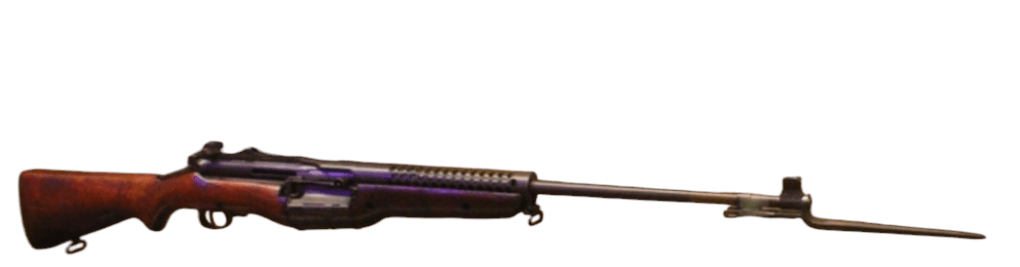
M1941 Johnson #9084, one of 23 given to the 1st Parachute Battalion for use in the Guadalcanal campaign. This rifle is still in USMC possession and on display at the National Museum of the Marine Corps.
The M1941 would first see action with the USMC’s 1st Parachute Battalion on Guadalcanal. Prior to deploying with the 1st Marine Division for the Guadalcanal Campagin, battalion executive officer Captain Harry Torgerson was able to procure 23 M1941s from Johnson Automatics in the spring of 1942. The history of this transaction as well as the serial numbers of the first 23 M1941s the Marine Corps received are documented in Bruce Canfield’s excellent book, “Johnson Rifles and Machine Guns: The Story of Melvin Maynard Johnson, Jr. and His Guns.”
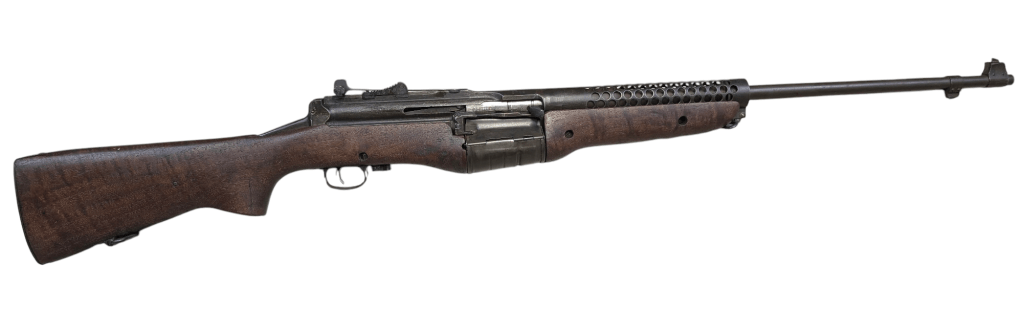
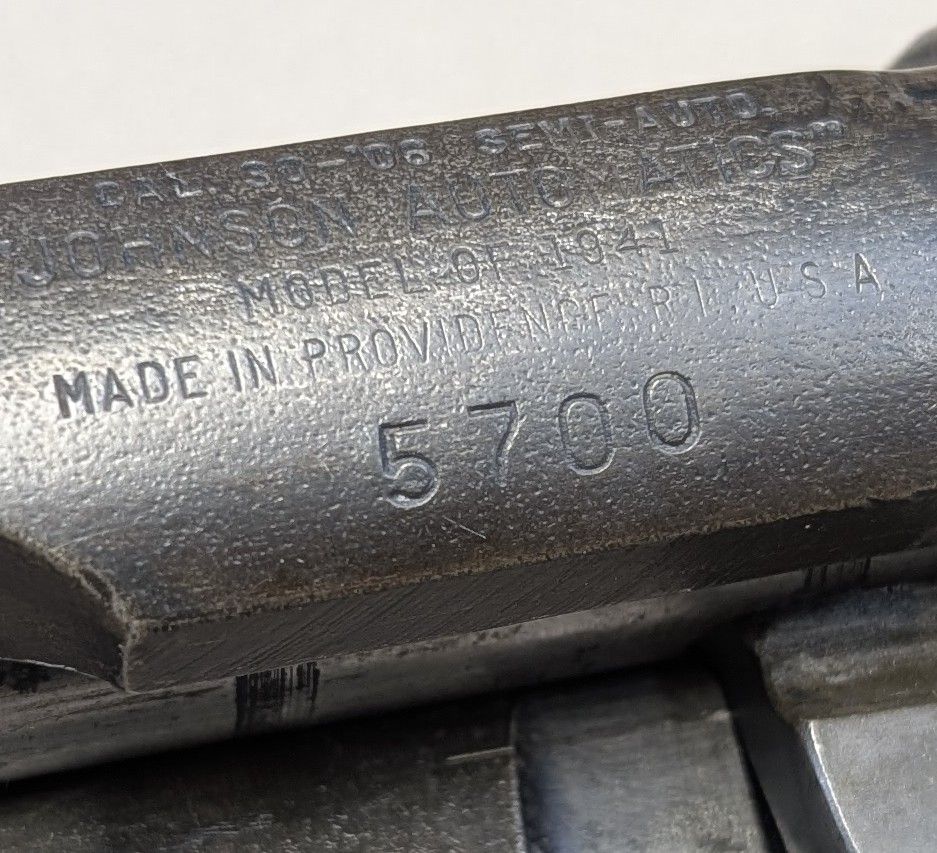
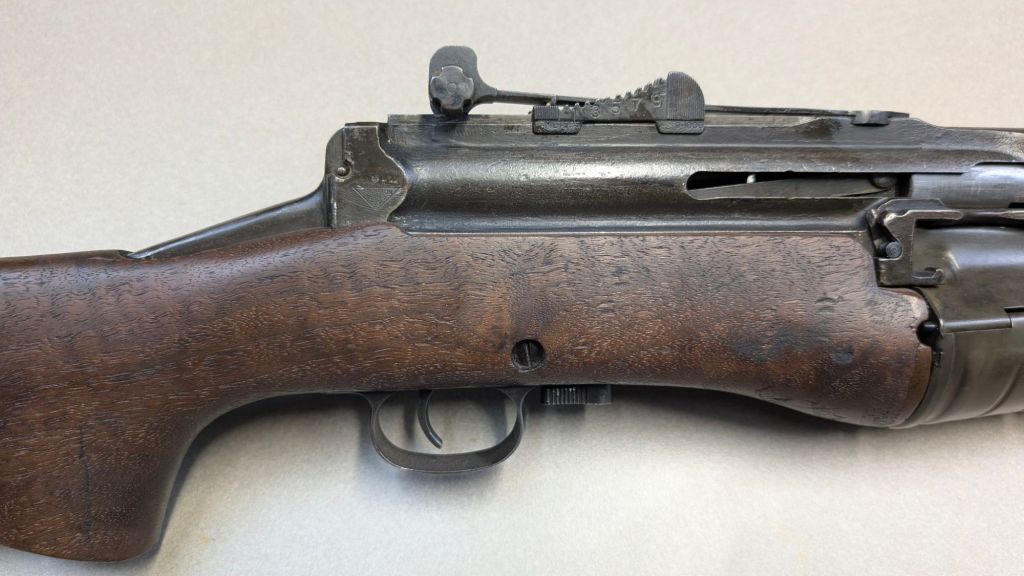
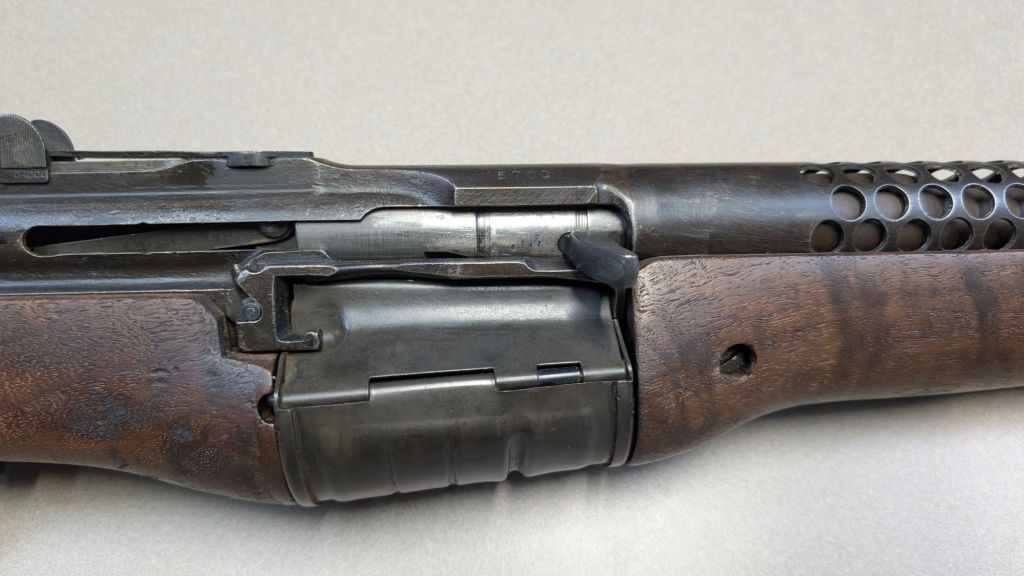
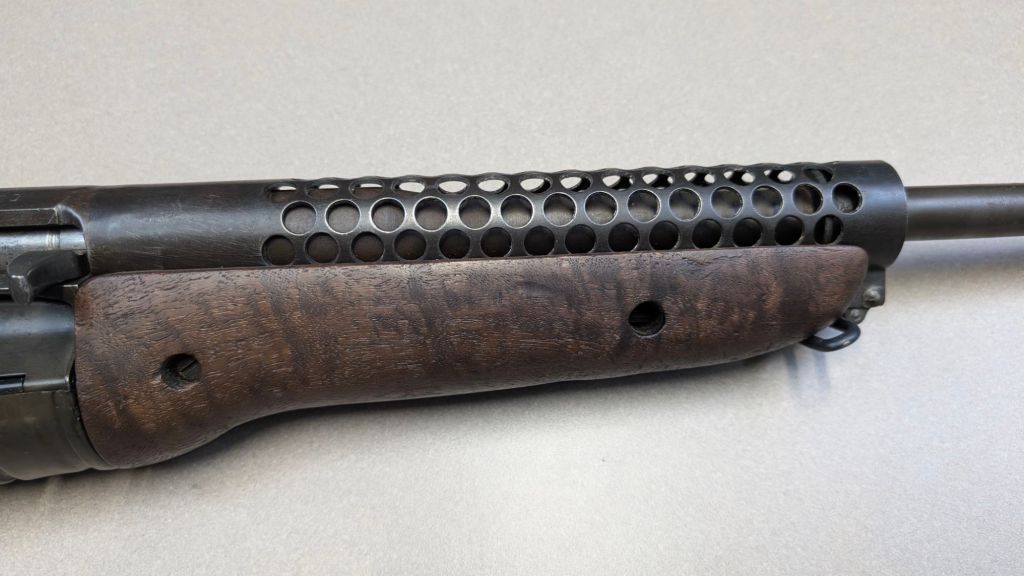
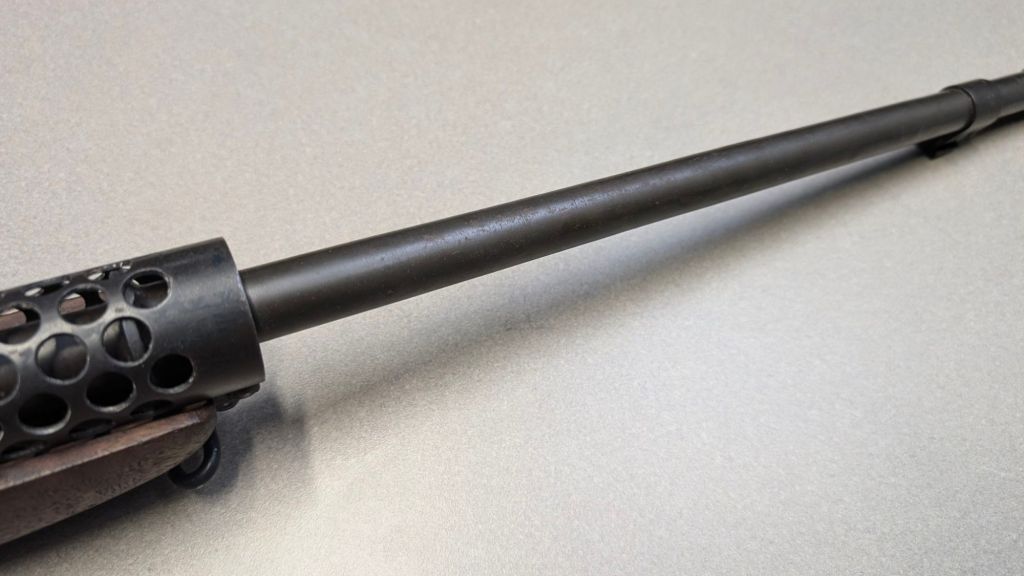
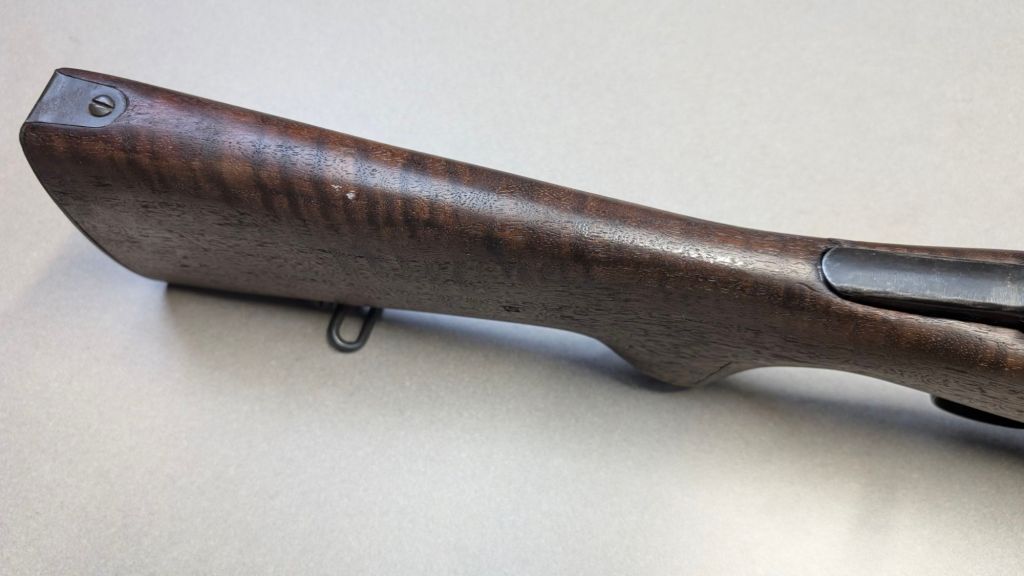
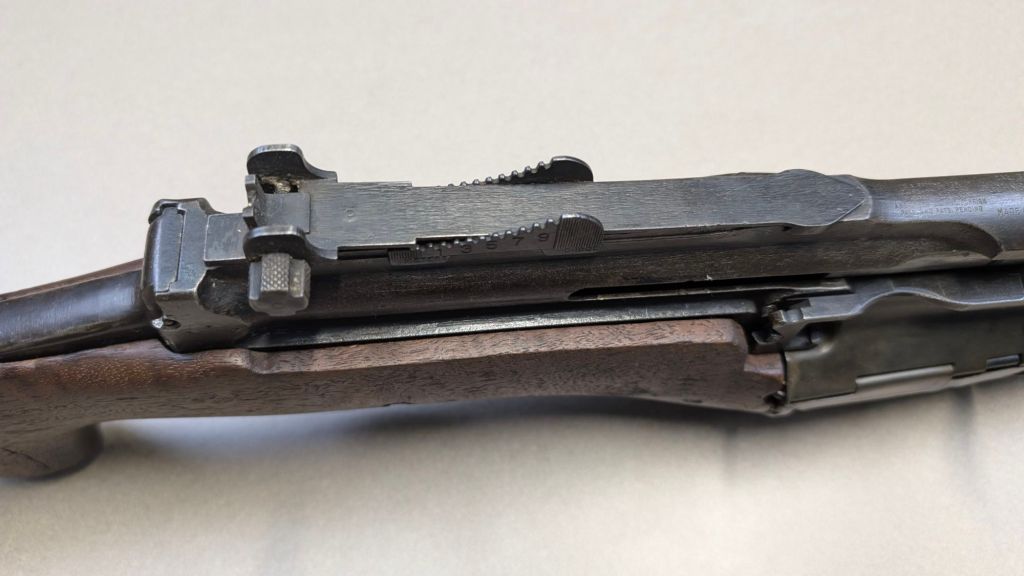
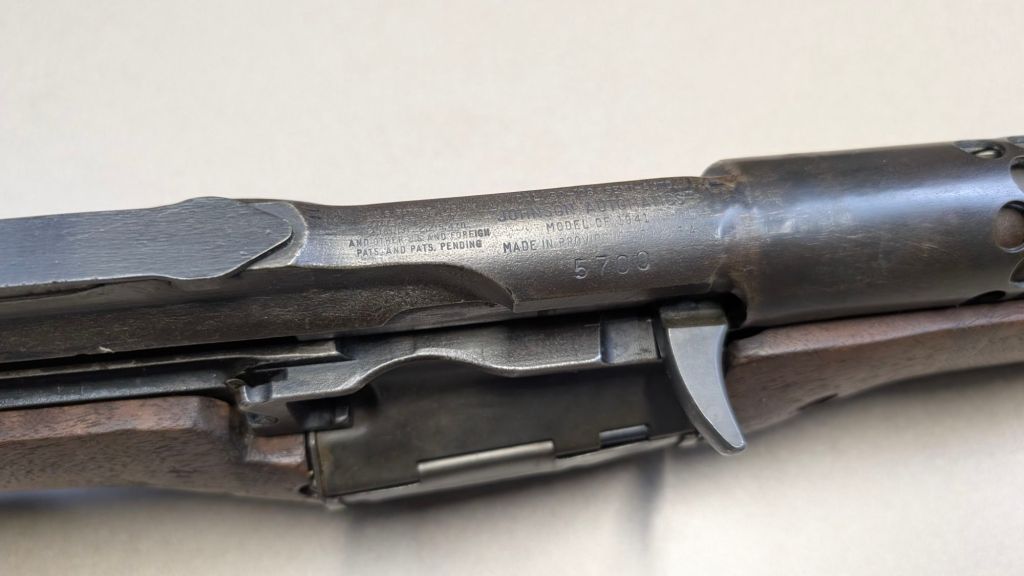
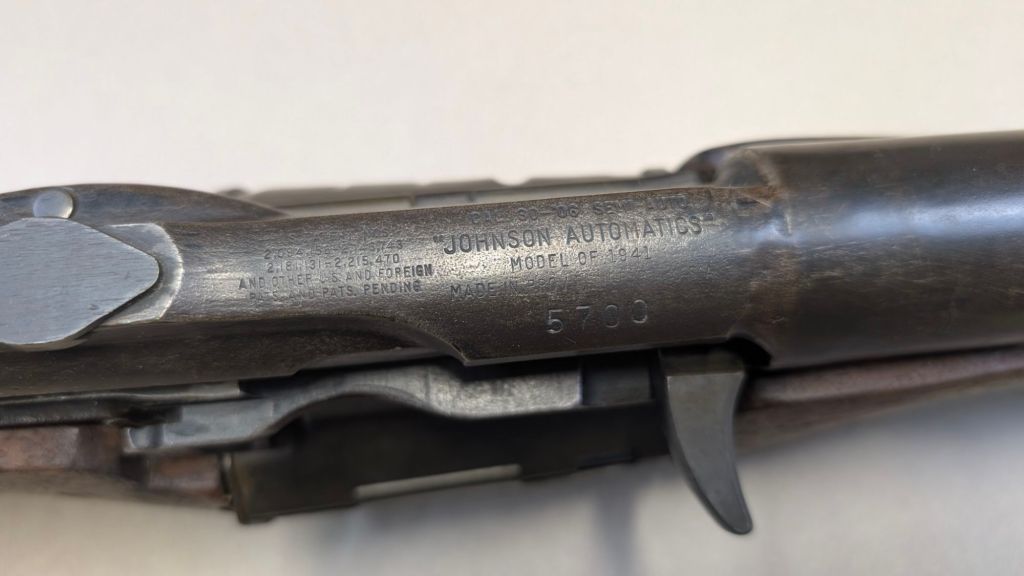
USMC M1941 Johnson #5700, another one of the 23 rifles given to 1st Parachute Battalion by Captain Melvin Johnson for combat during the Guadalcanal Campaign (Plowman collection).
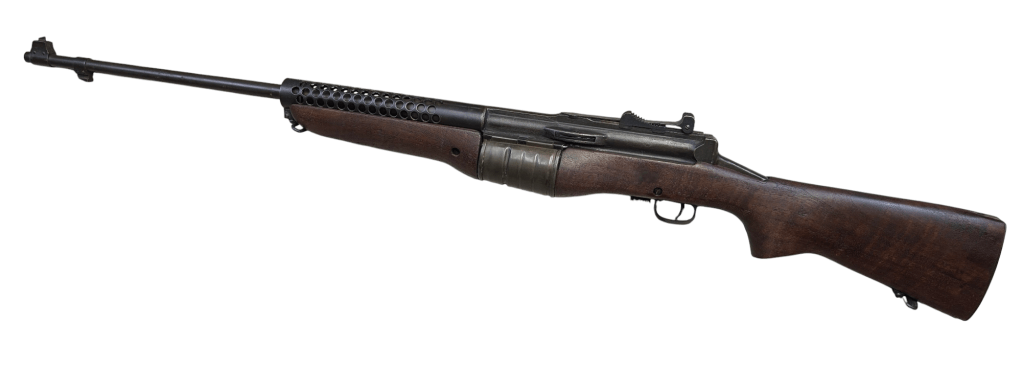
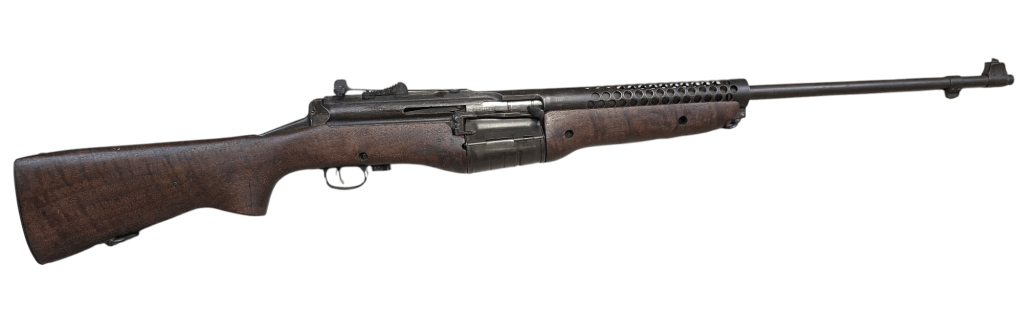
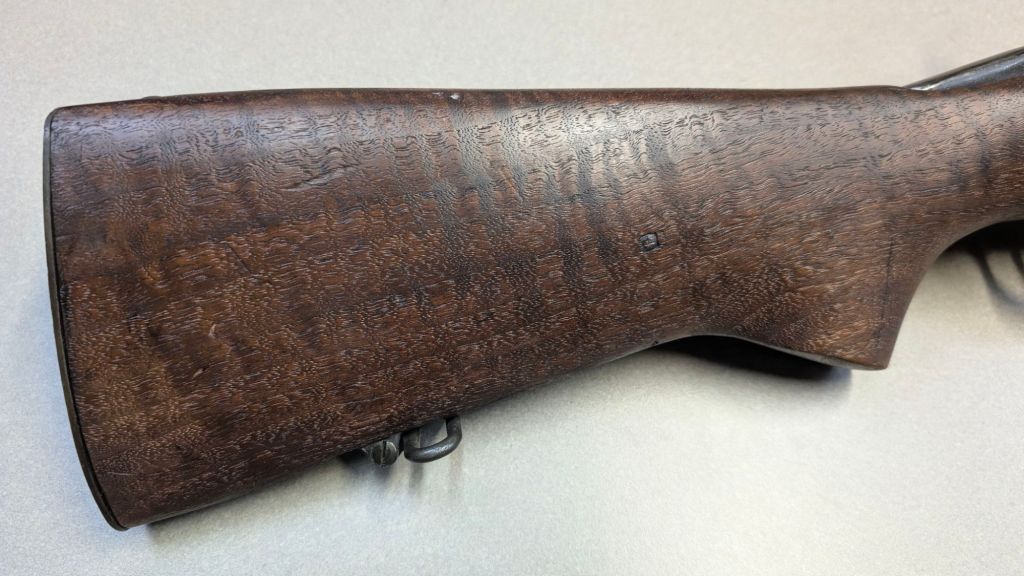
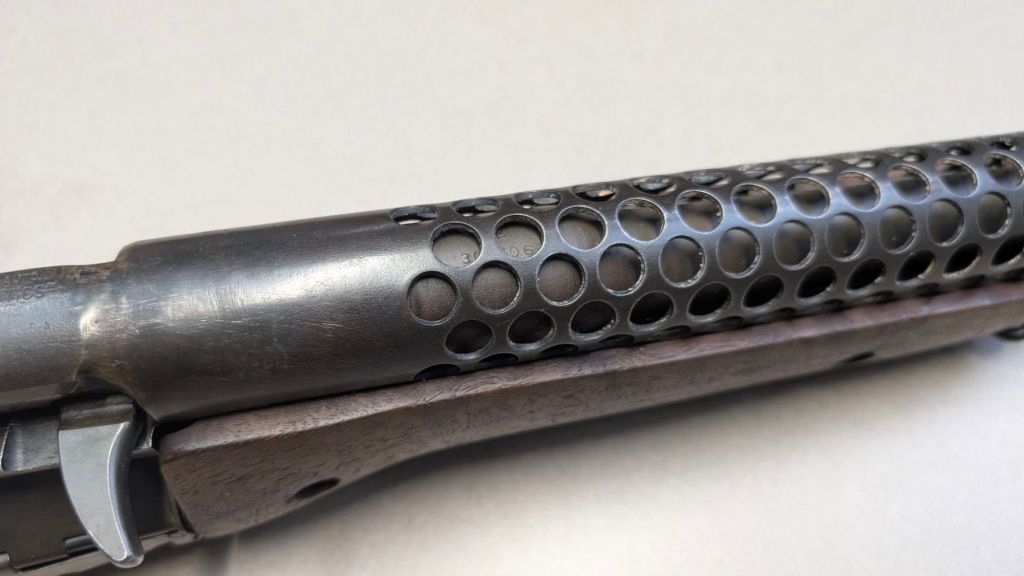
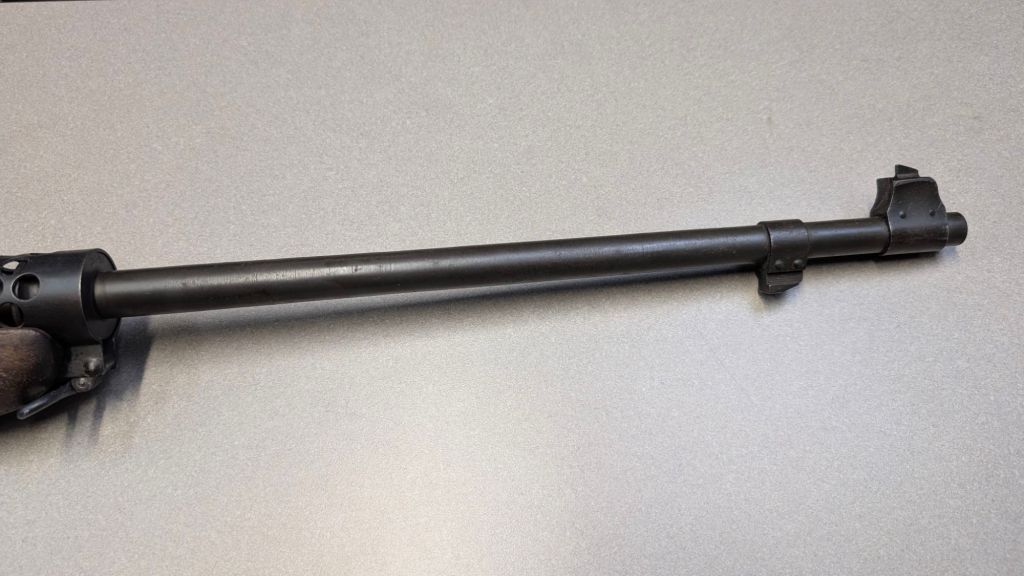
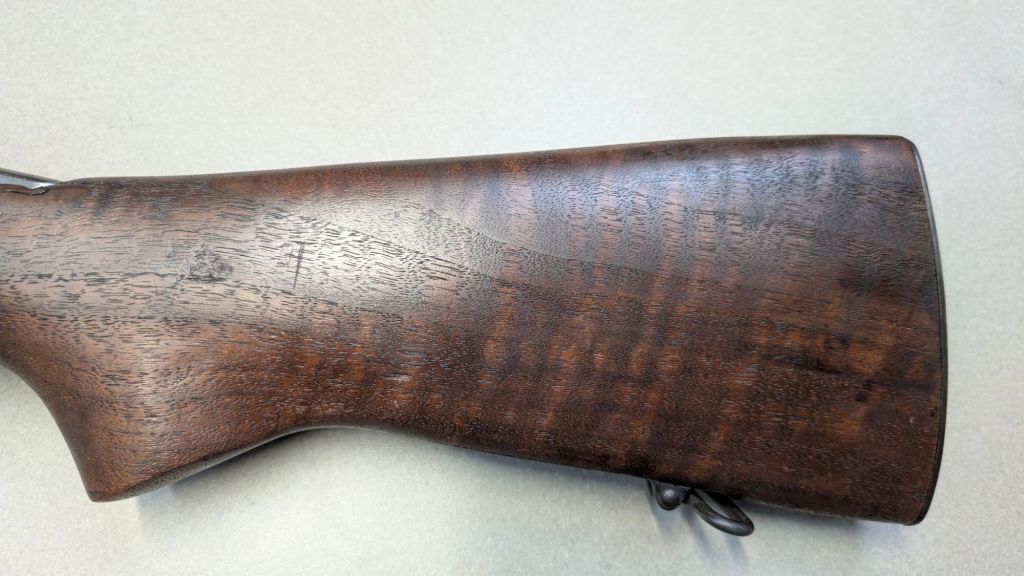
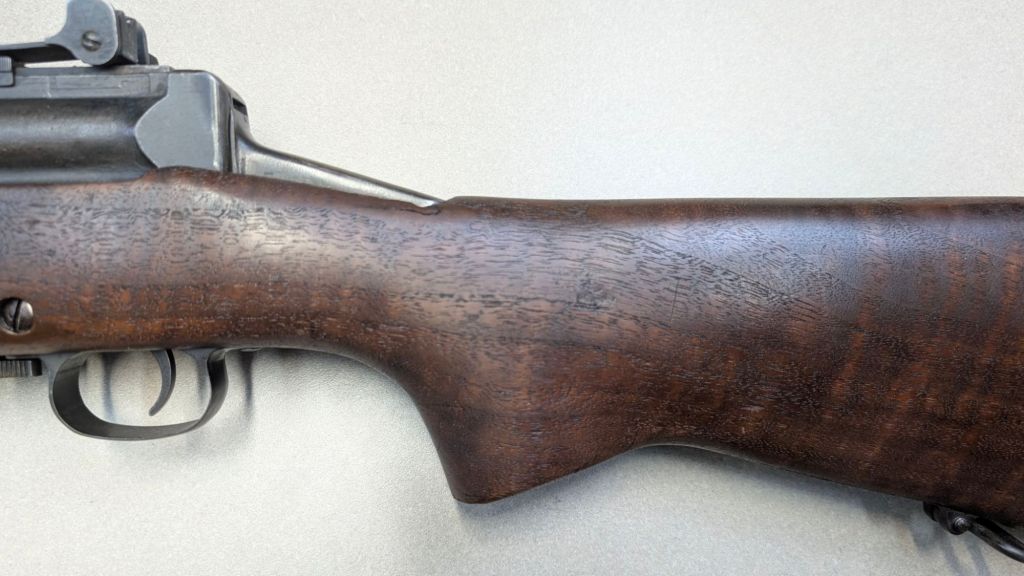
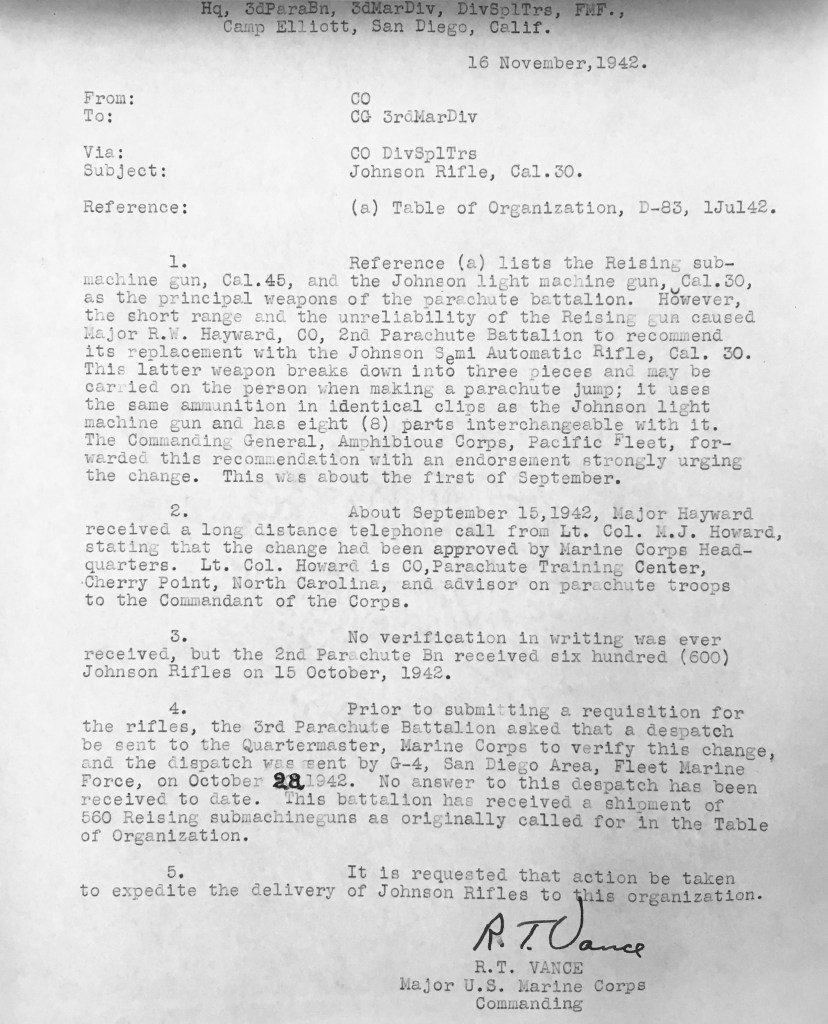
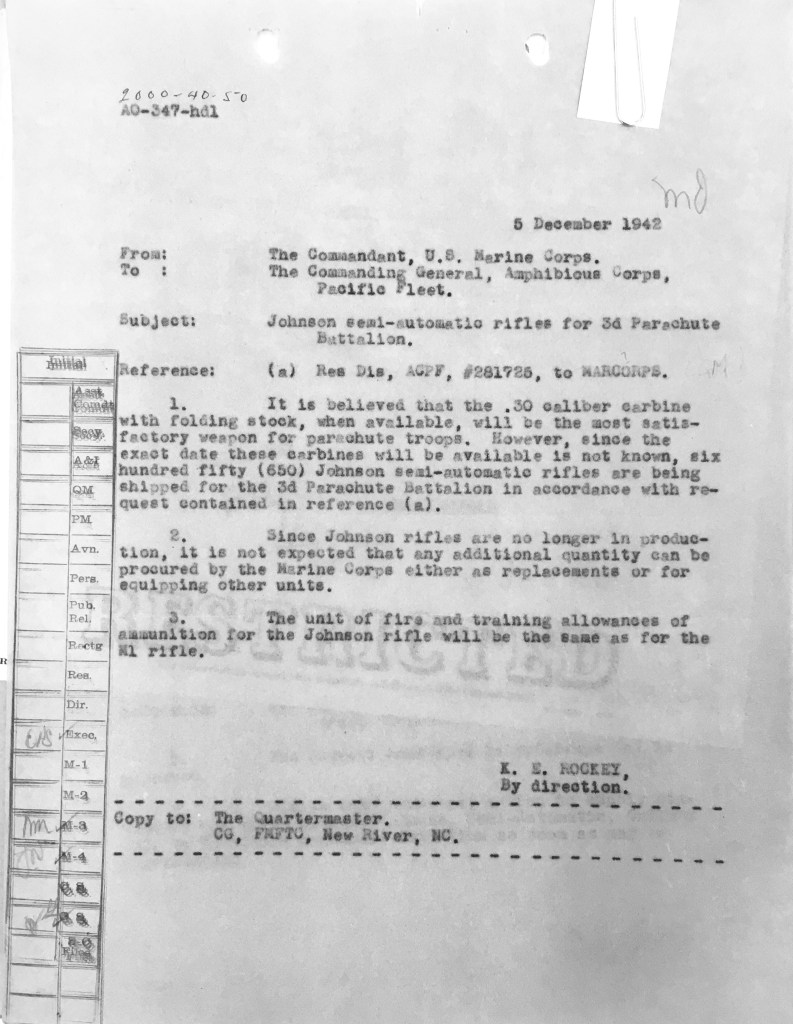
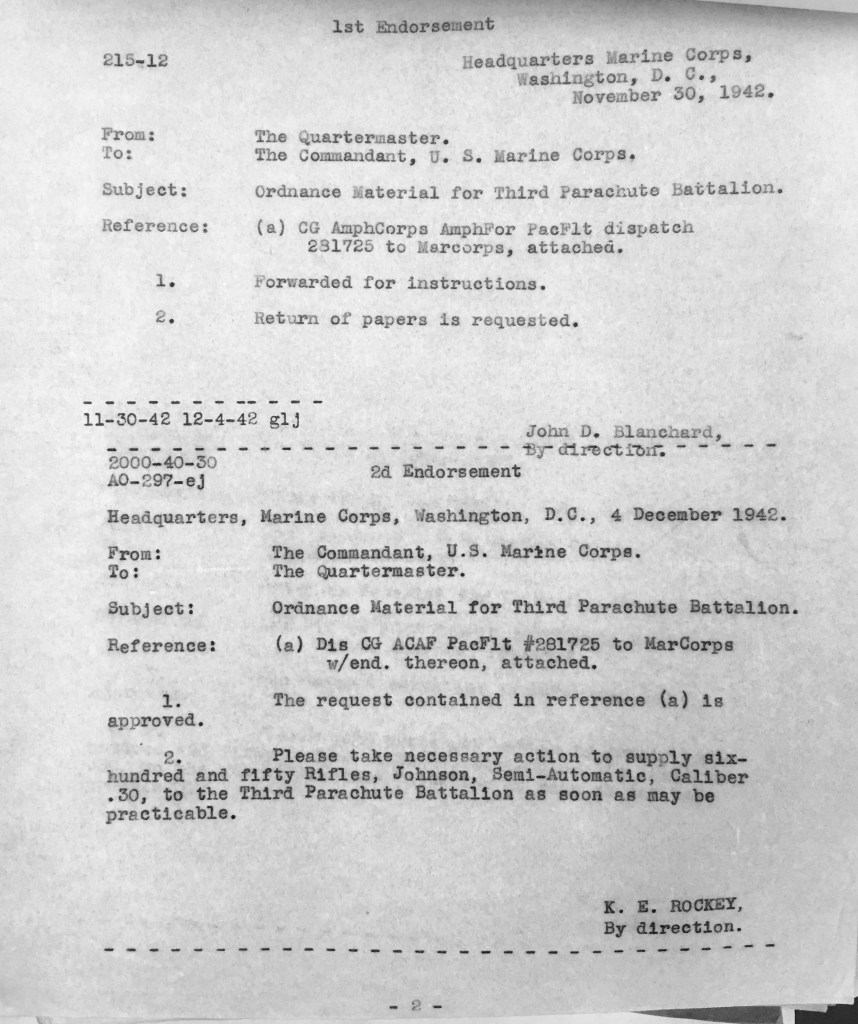
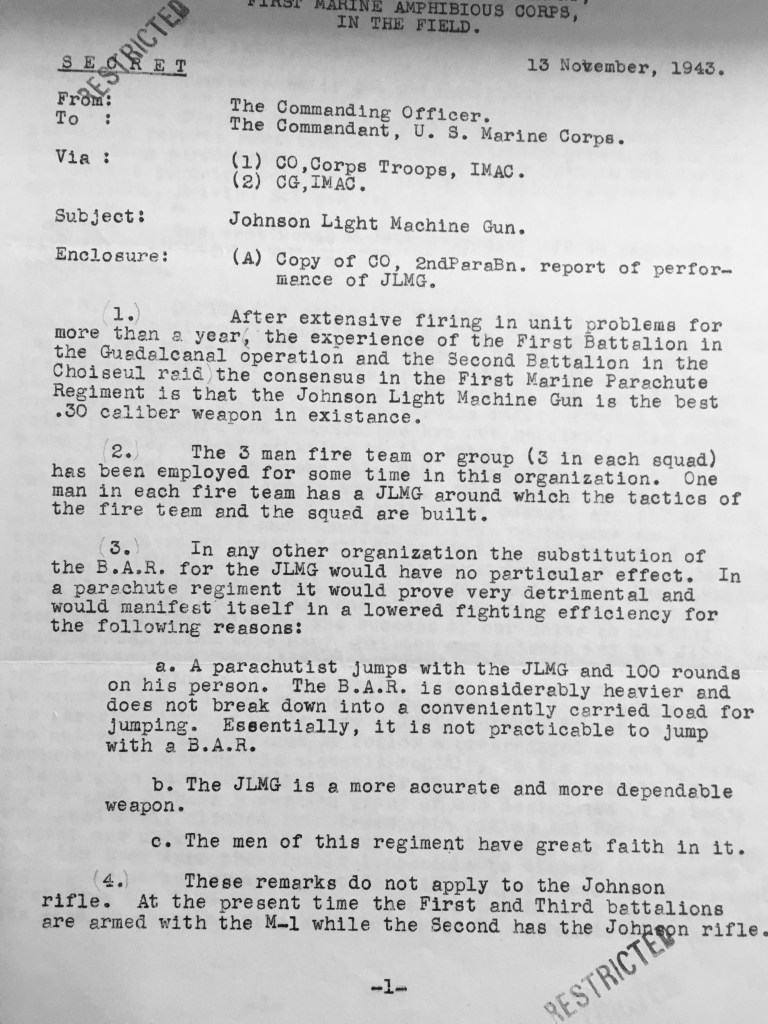

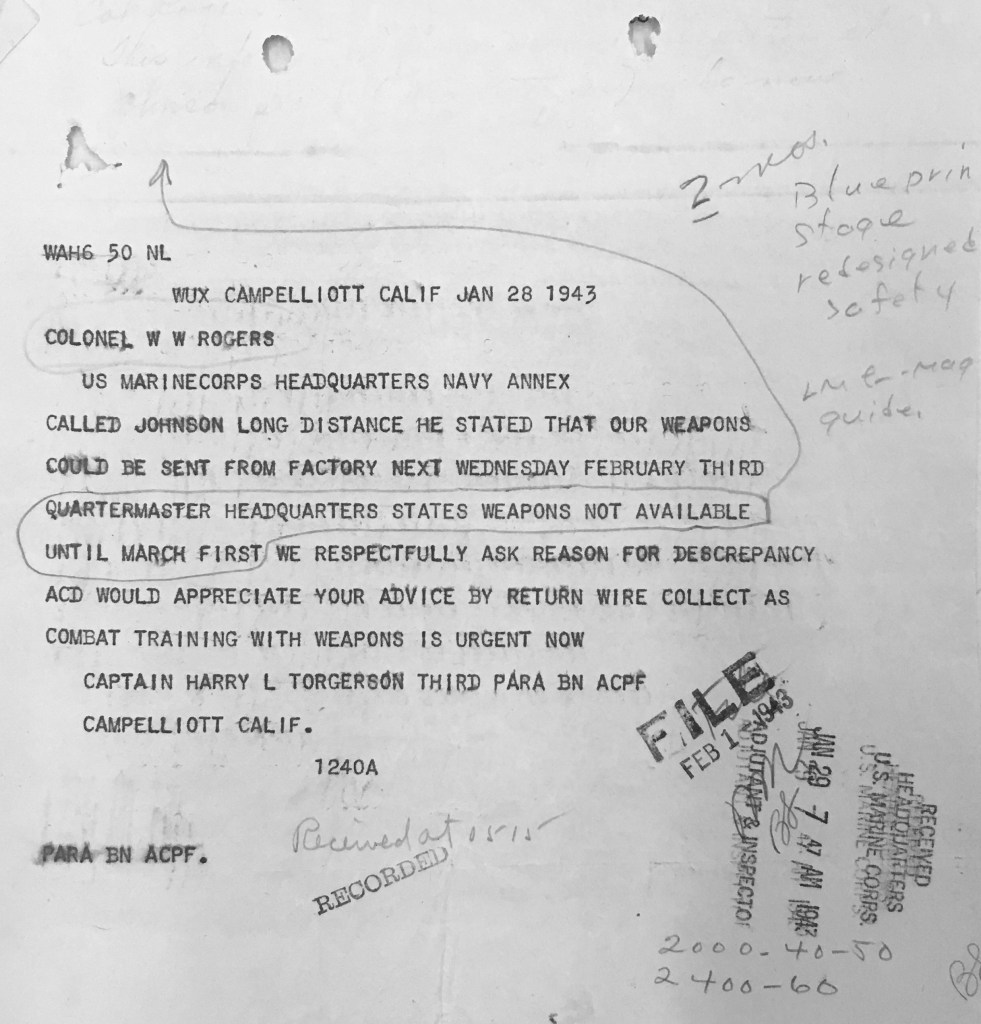
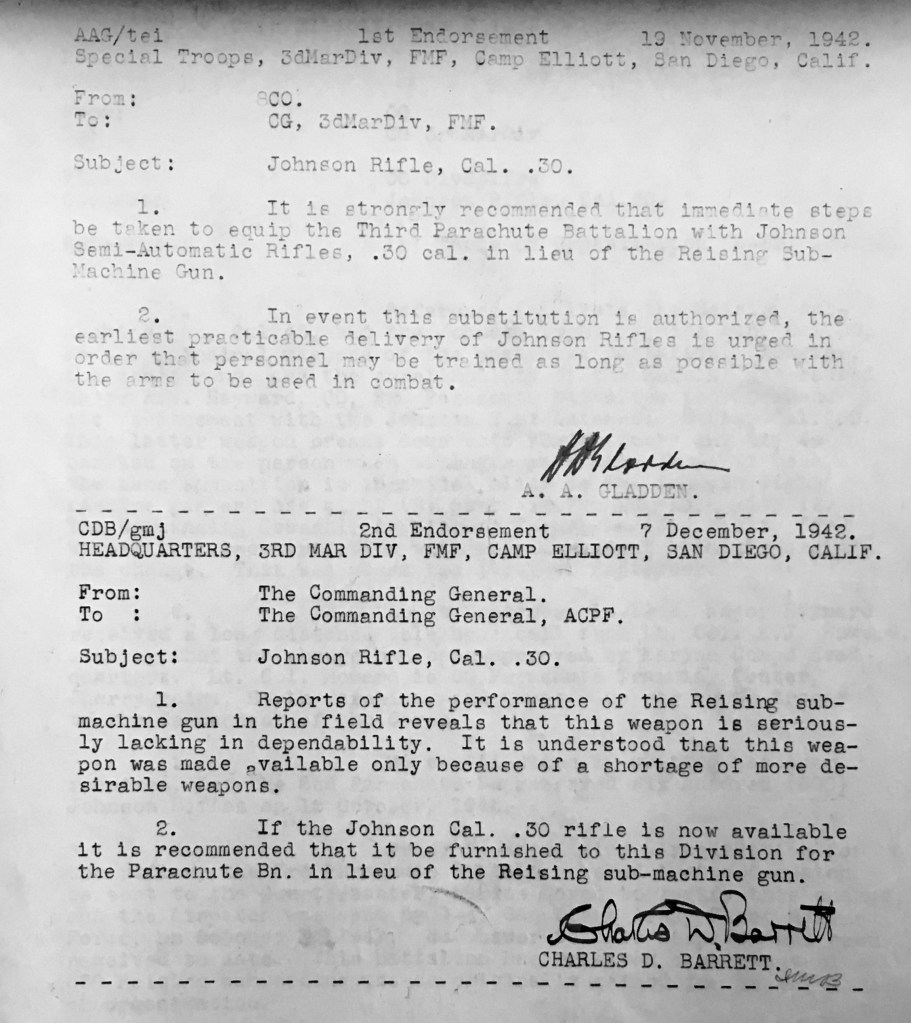
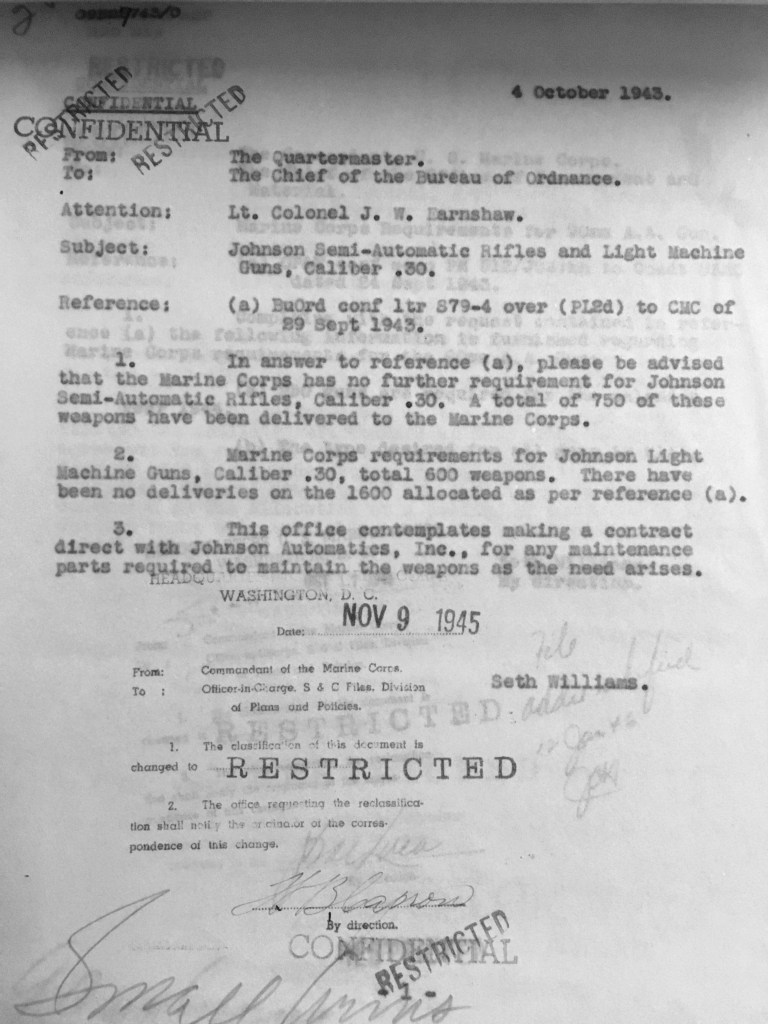
Documents detailing the adoption additional M1941 Johnson Rifles for the Marine Parachute Regiment (NARA).
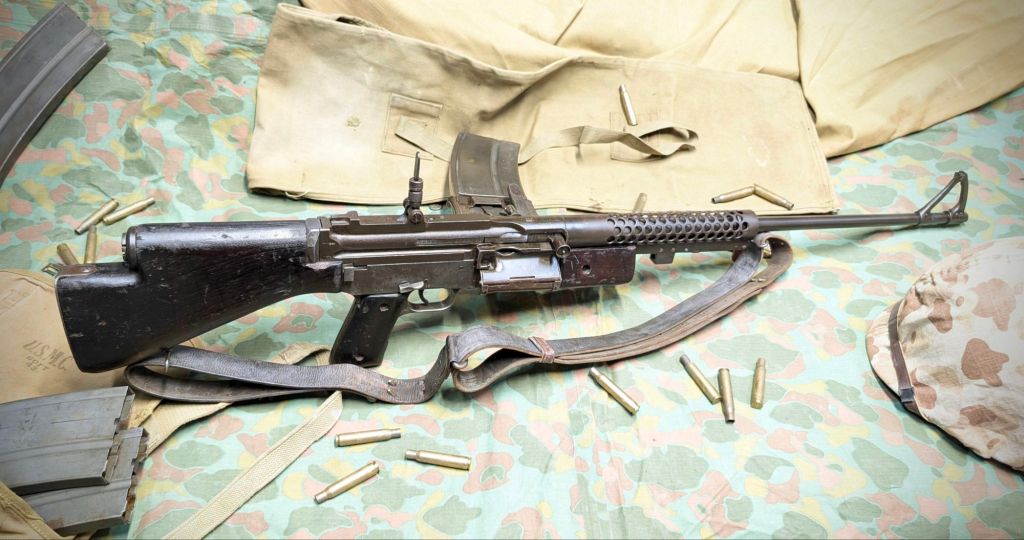
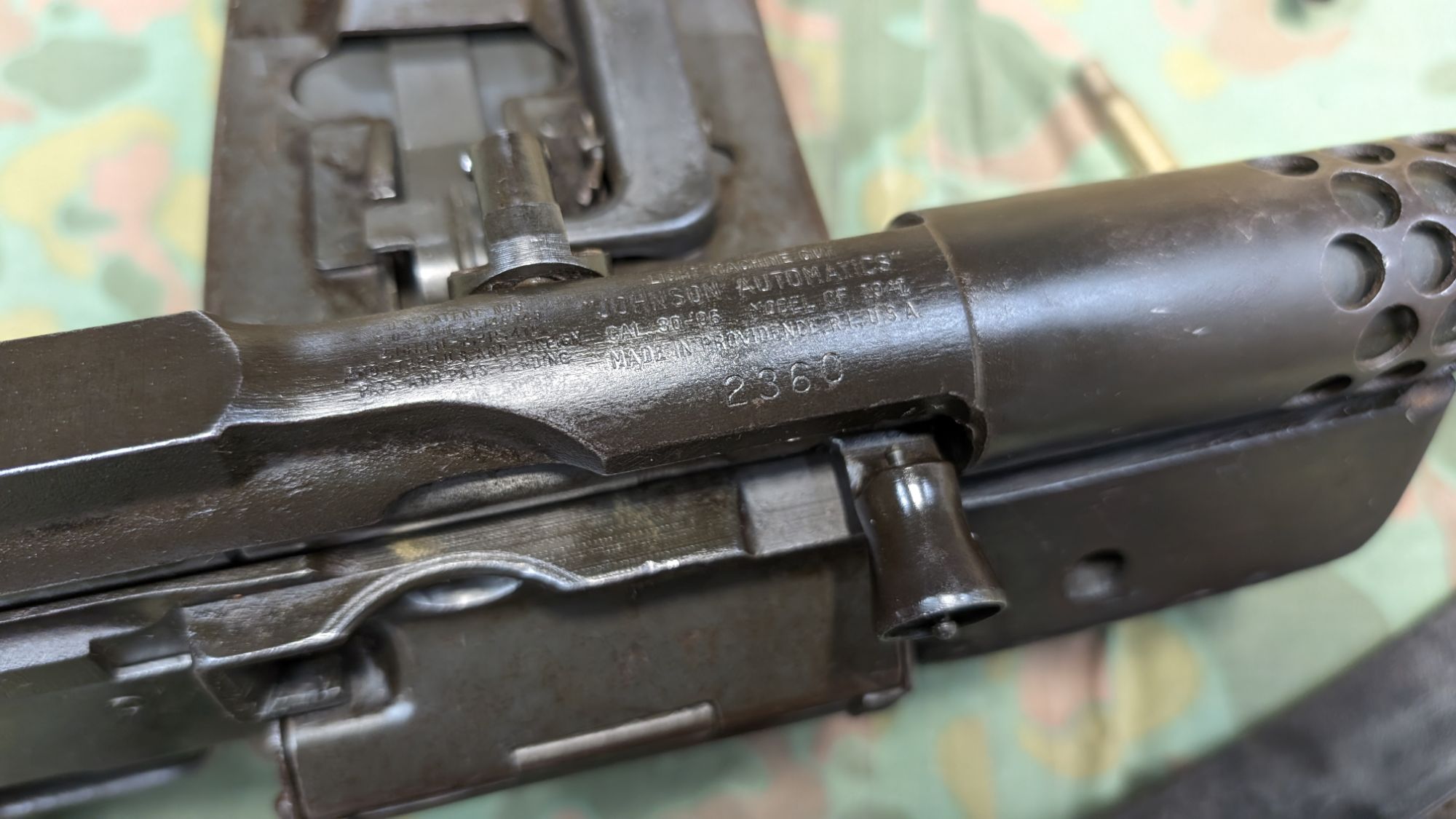
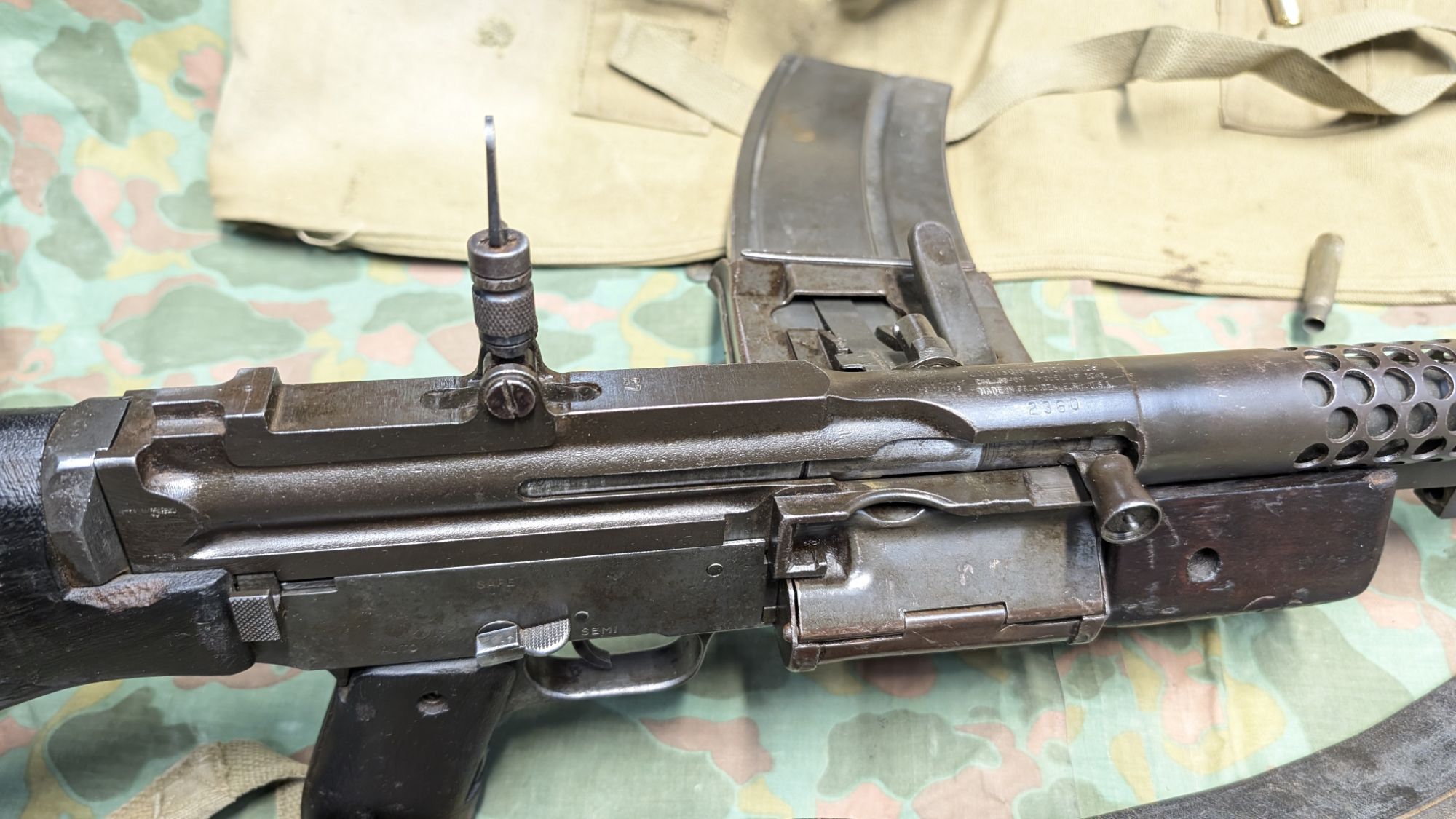
M1941 Johnson Light Machine Gun #2360 (Plowman collection).
The M1941 would first see combat during the 1st Parachute Battalion’s assault of Gavutu Island on August 7th, 1942. While only 23 in number, the M1941 stood out as as both accurate and reliable. Many of the “Paramarines” who assaulted Gavutu were armed with the M55 Reising Submachinegun. The M55 would prove to be notoriously unreliable, creating an urgent need for a sustainable replacement. On the other hand, the JLMB performed exceptionally well in combat on Gavutu and later on Guadalcanal. The JLMG weighed much less than the staple Browning Automatic Rifle (BAR), was more accurate and was easier to maintain. In every regard, the JLMG was superior to the BAR, but with the US military already possessing large quantities of the BAR, adoption of the JLMG would not happen outside of elite units.
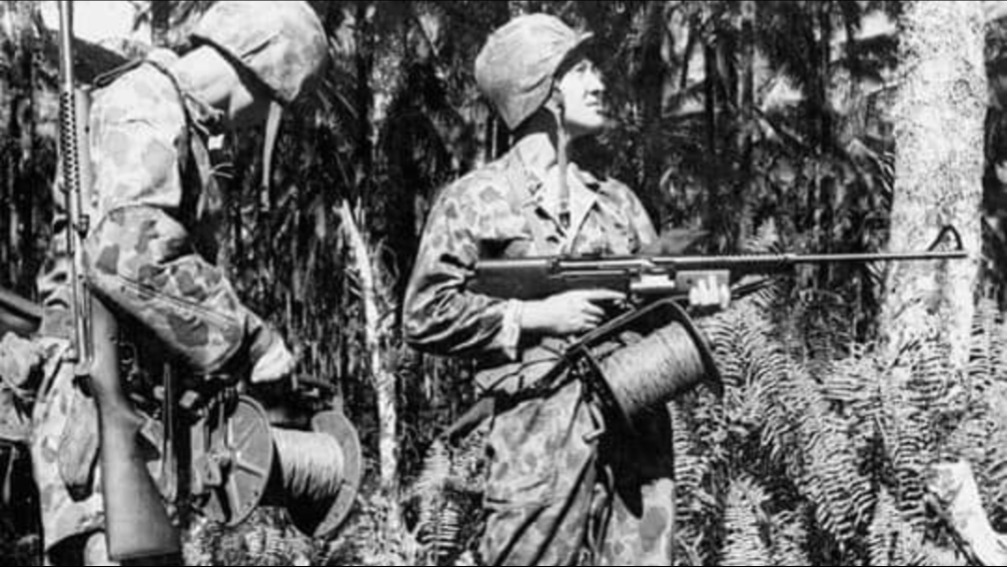
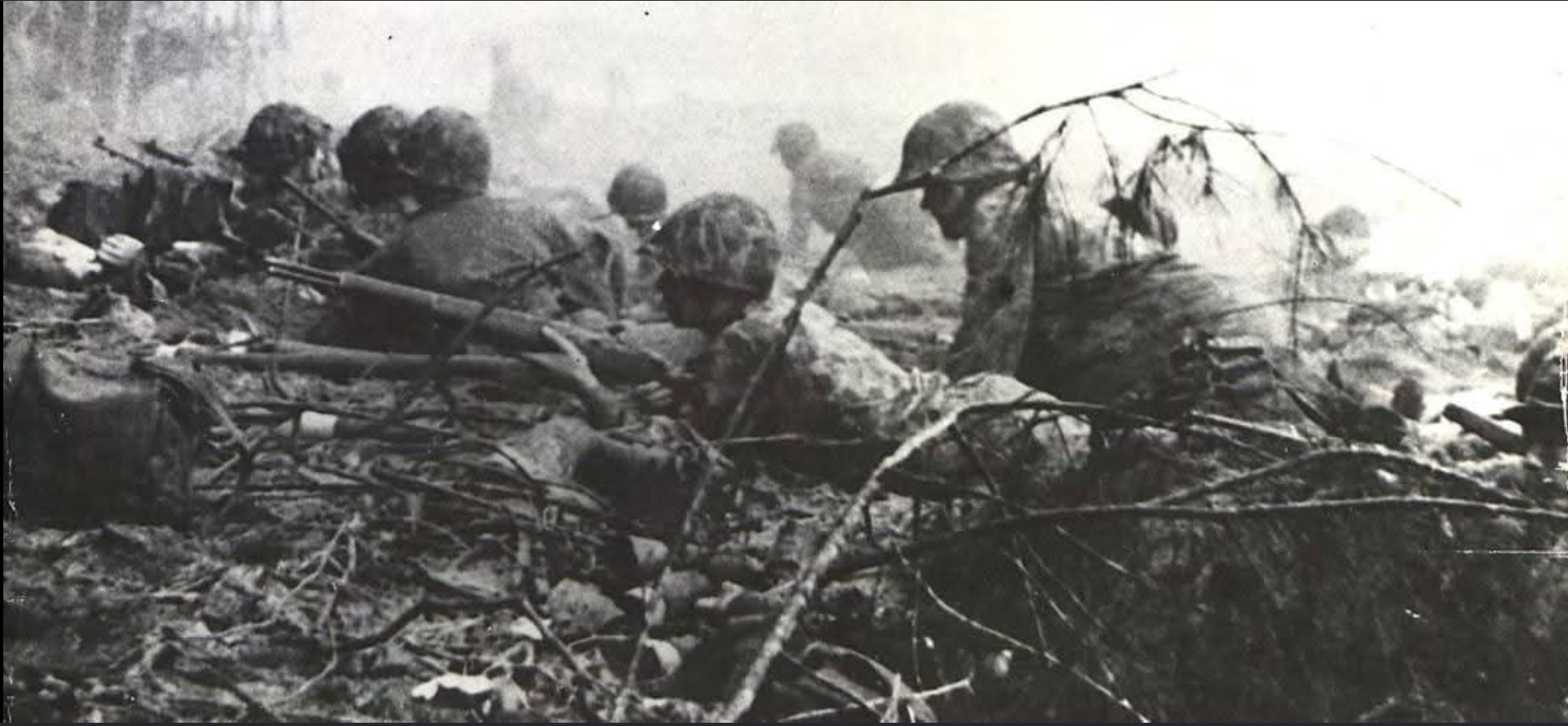
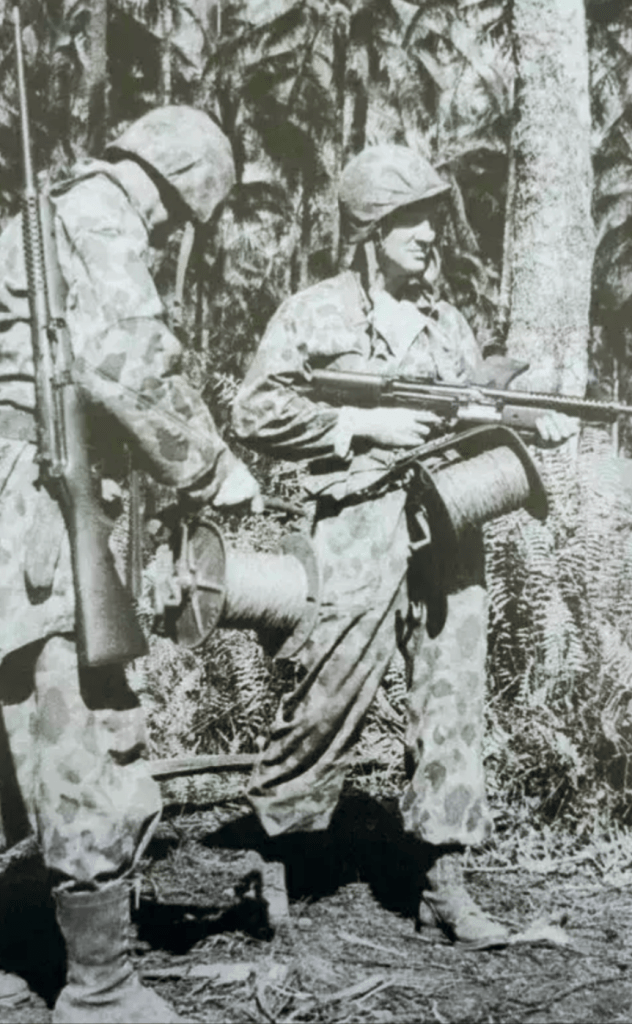
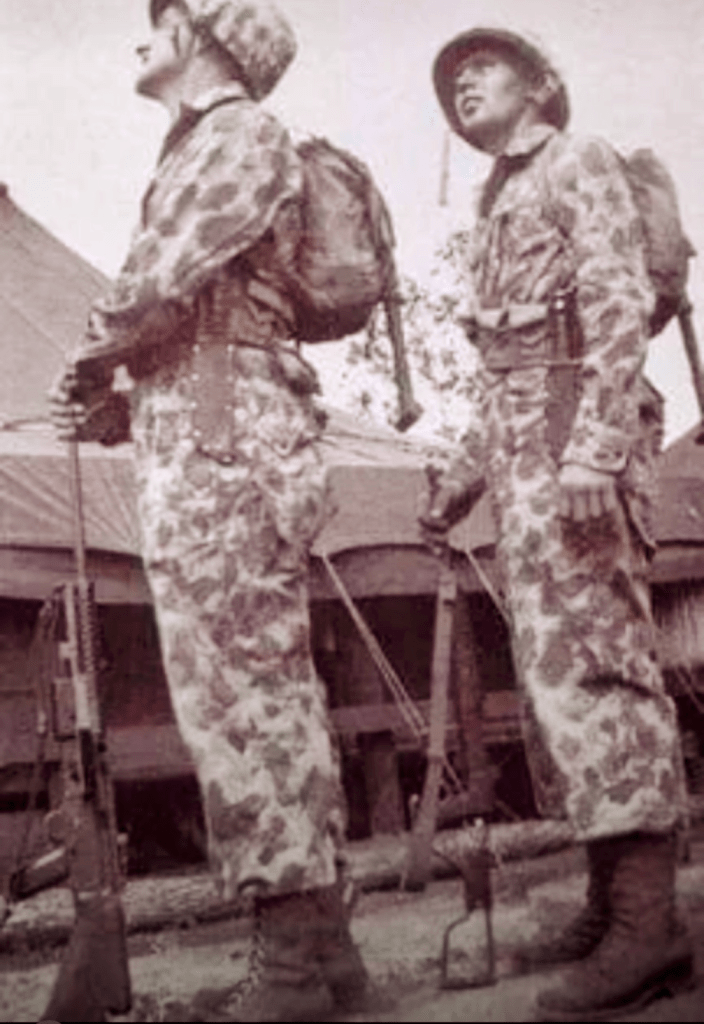
Parachute Battalion Marines on Bougainville in 1943. Due to their small scale use, relatively few photos exist of the M1941 Johnson in operational use. (USMC).
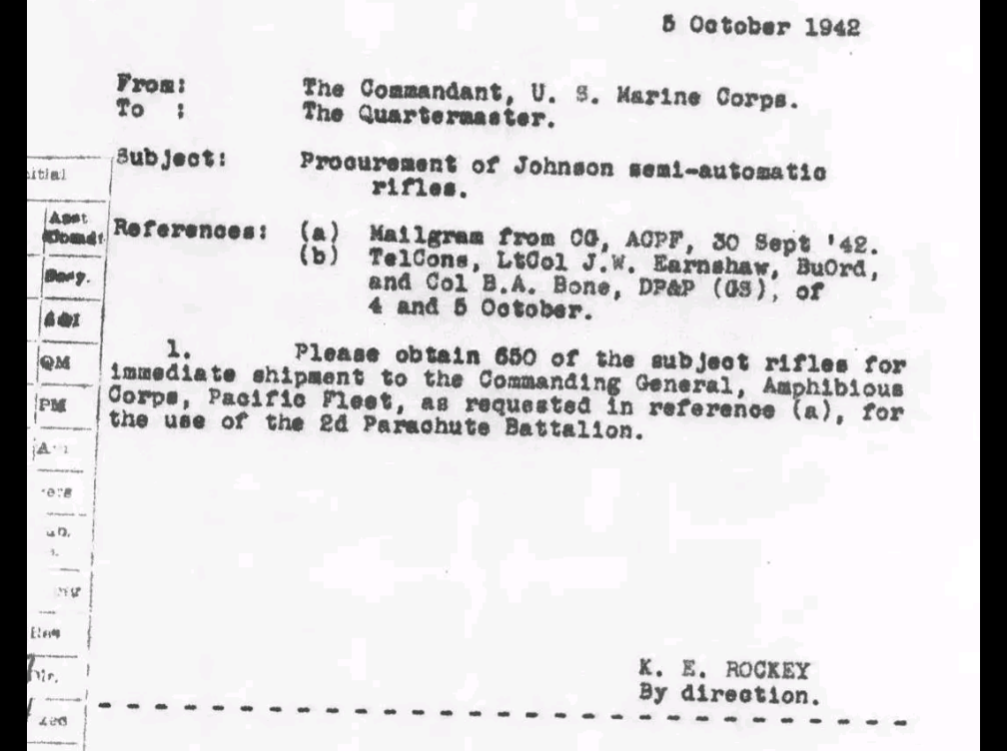

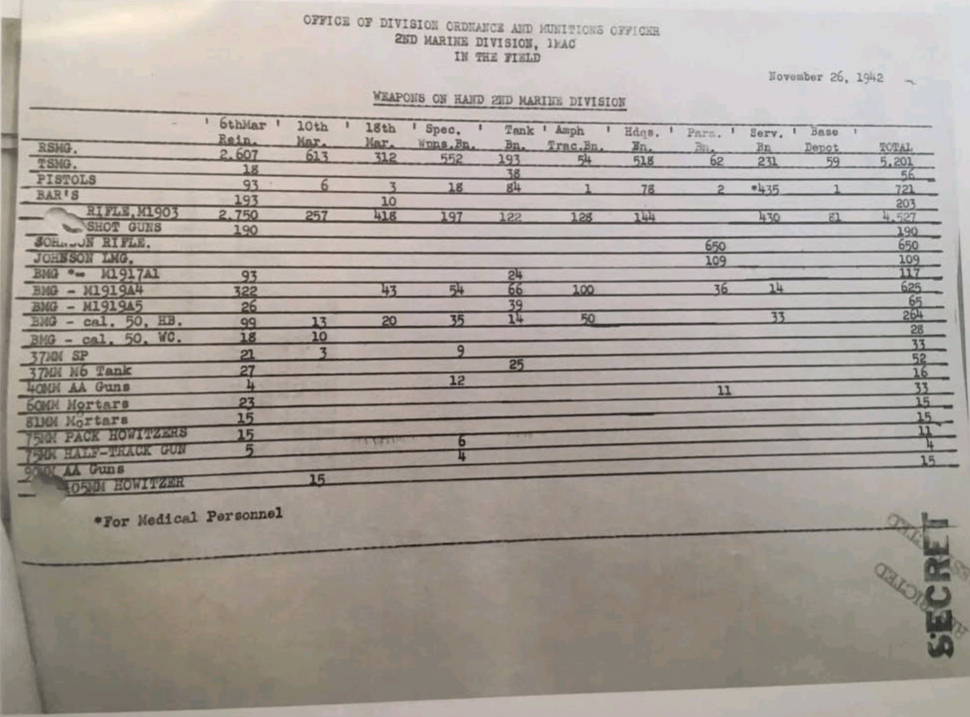
Documents detailing the 2nd Marine Division’s acquisition of 650 M1941 Johnson Rifles for the 2nd Parachute Battalion in 1942 (NARA).
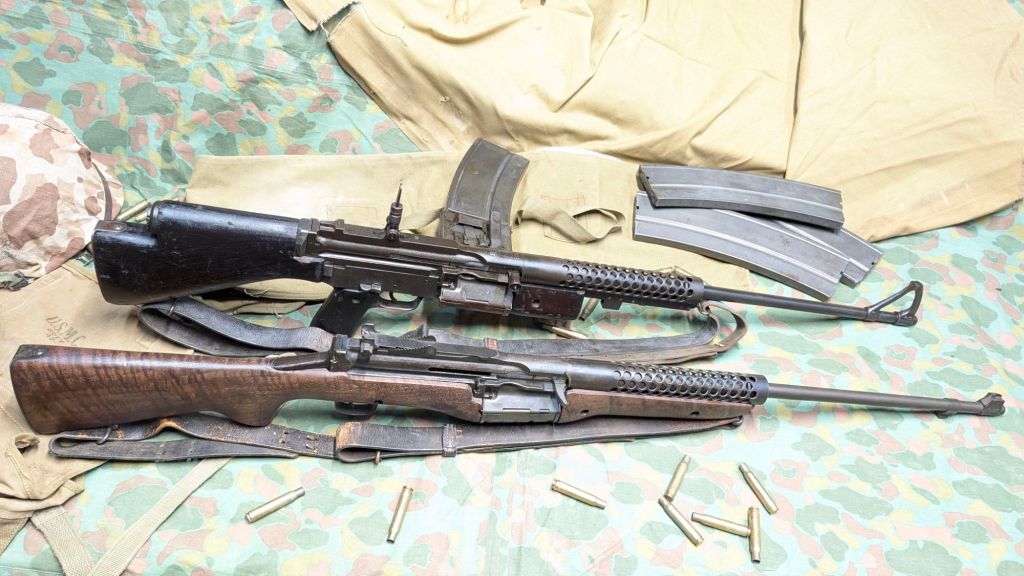
Following the Guadalcanal Campaign, the USMC planned to fully outfit the four battalions of the newly formed Marine Parachute Regiment with the M1941. Documents show that the 2nd Parachute Battalion would receive enough M1941s to be fully equipped, while the other battalions would have varying amounts during the New Georgia Campaign in 1943. All reports were favorable, but the M1941’s end would come in 1944 as the Marine Parachute Regiment was disbanded. Due to a combination of terrain and long range aircraft shortages, the Paramarines never made a jump into combat. This reason would prove to be severely shortsighted, as the islands the Marines would storm in 1944 and 1945 were much more conducive to a parachute insertion. The disbanding of the Raiders and “Chutes” would change the Marine Corps from a pioneering leader in special warfare to a branch that eschewed the idea of such units altogether. It would take over half a century for the Marine Corps to change course on this decision, with the rebirth of the Raider Regiment in Special Operations Command (SOCOM).

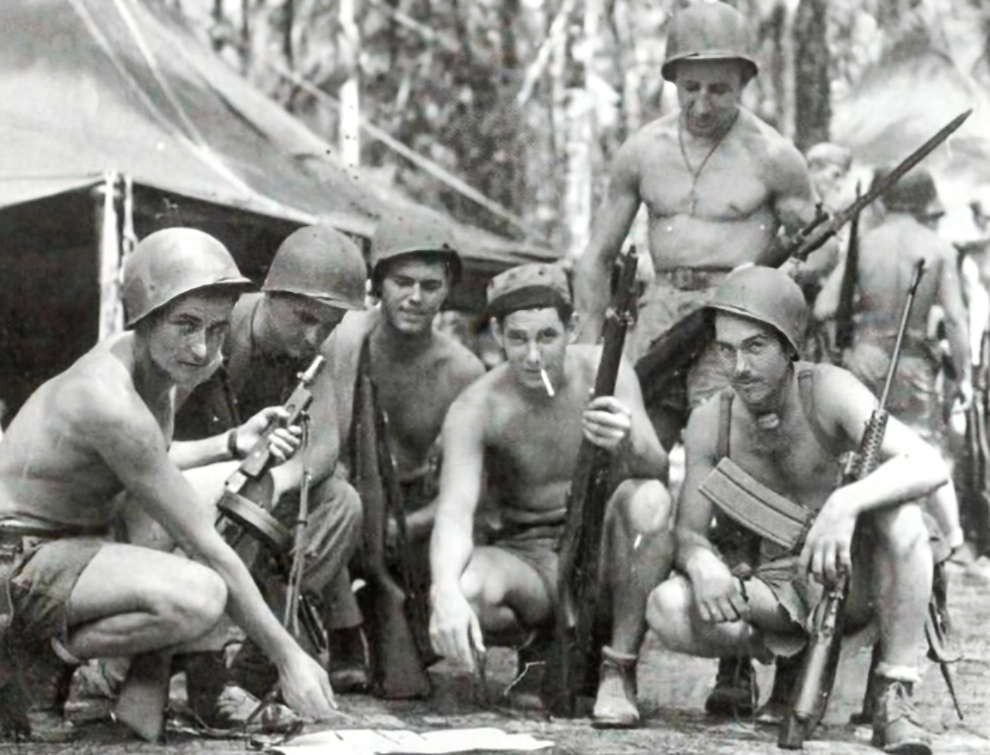
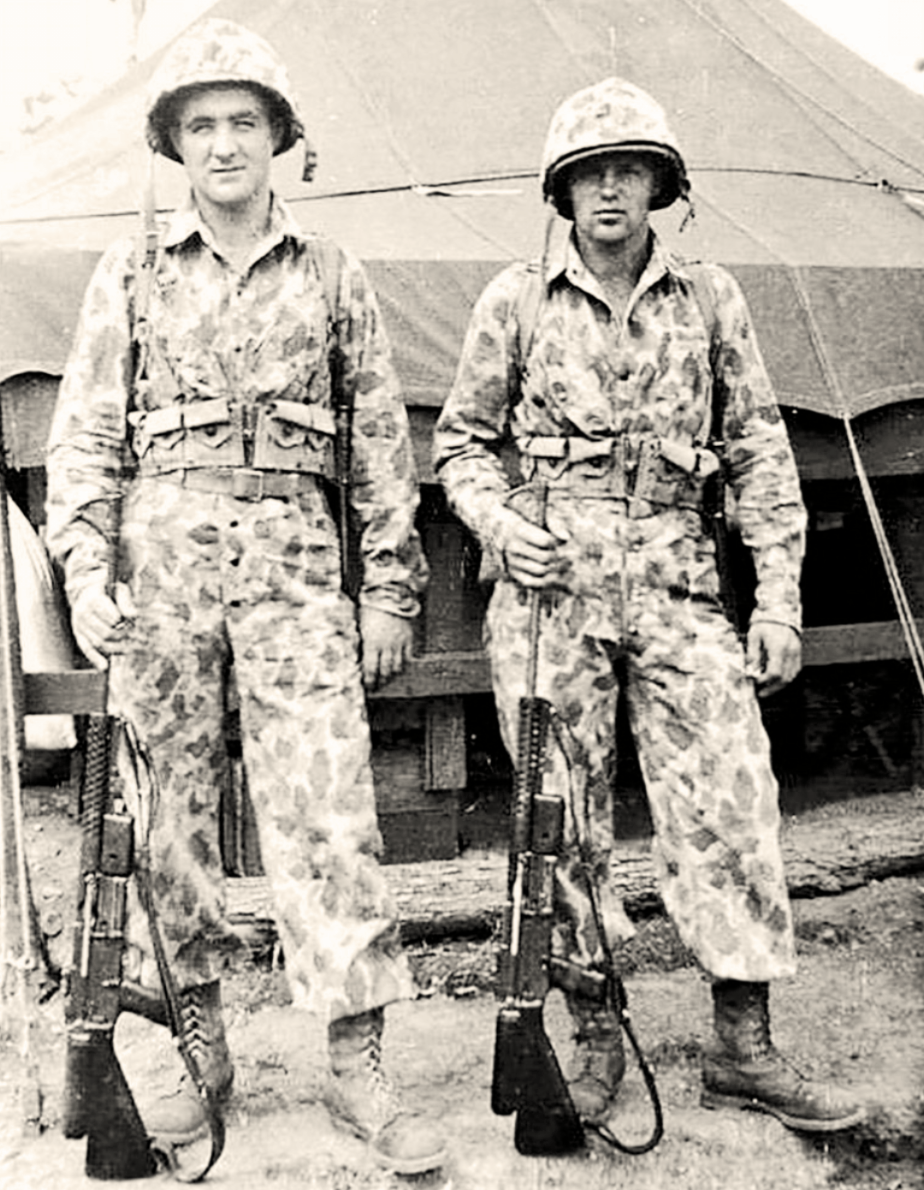
The Marine Parachute Regiment would be equipped with the M1941 Johnson, M1A1 Carbine & M1 Garand as primary weapons in 1943 (Anderson collection).
Identifying USMC M1941 Johnson Rifles
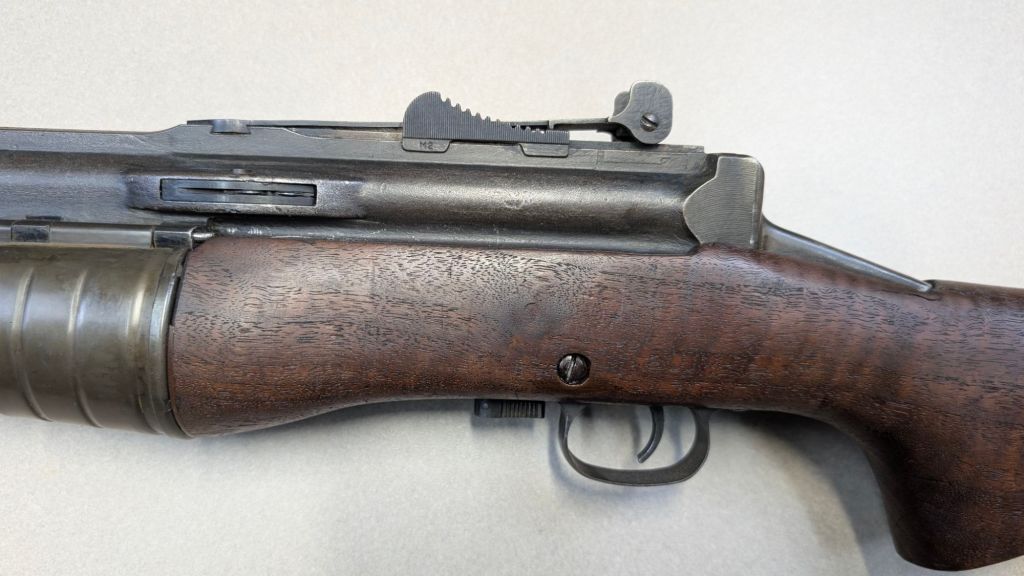
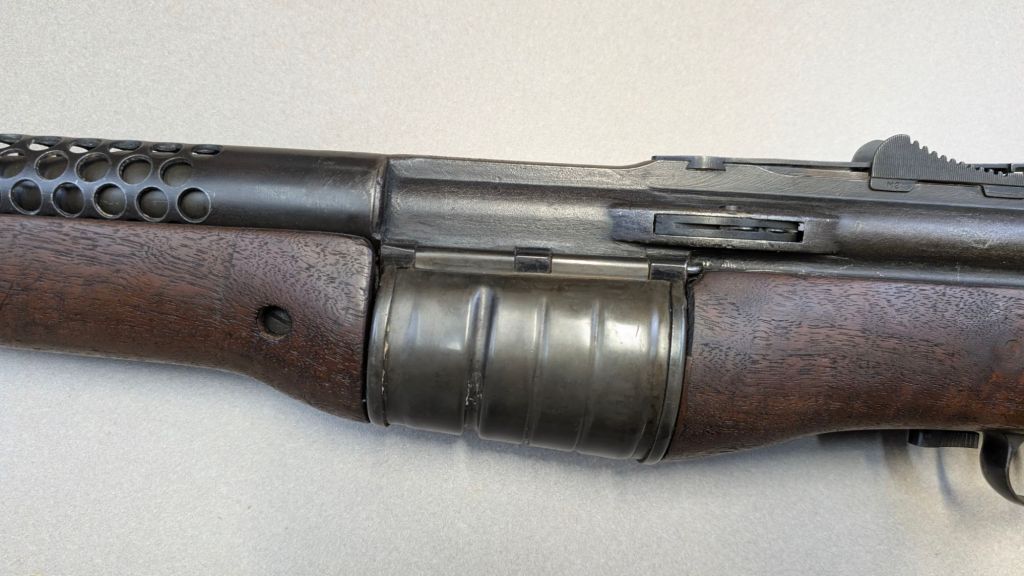
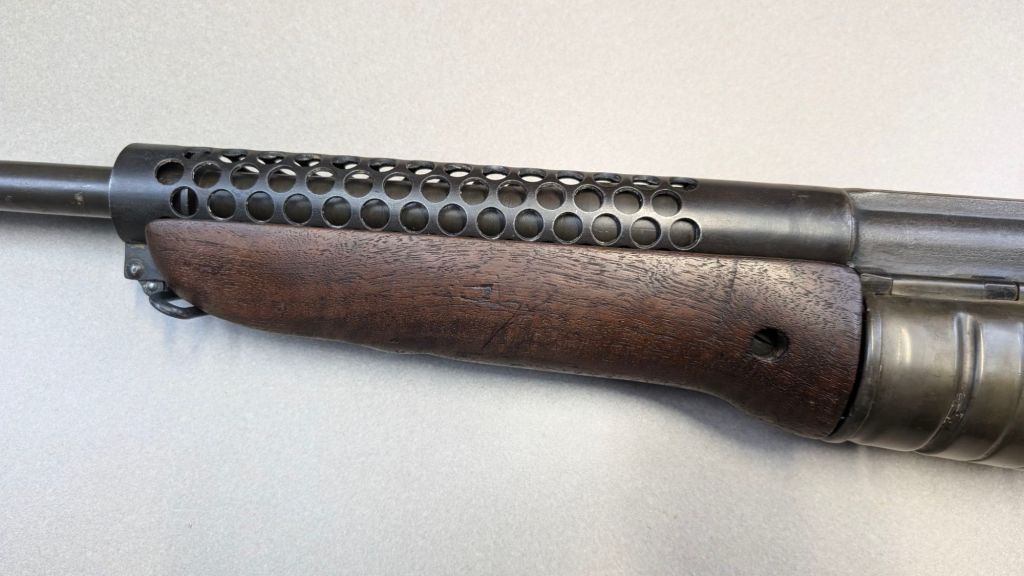
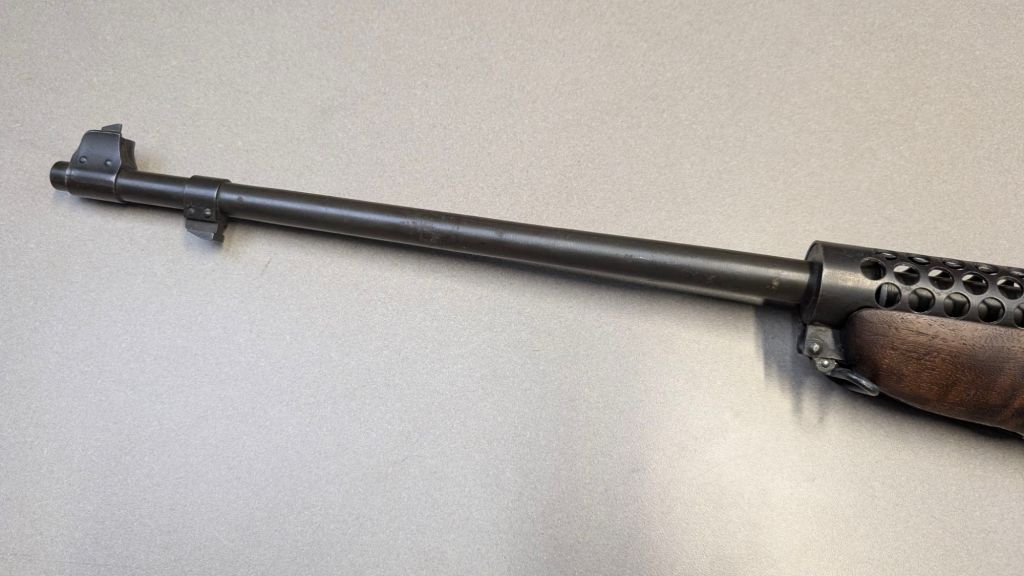
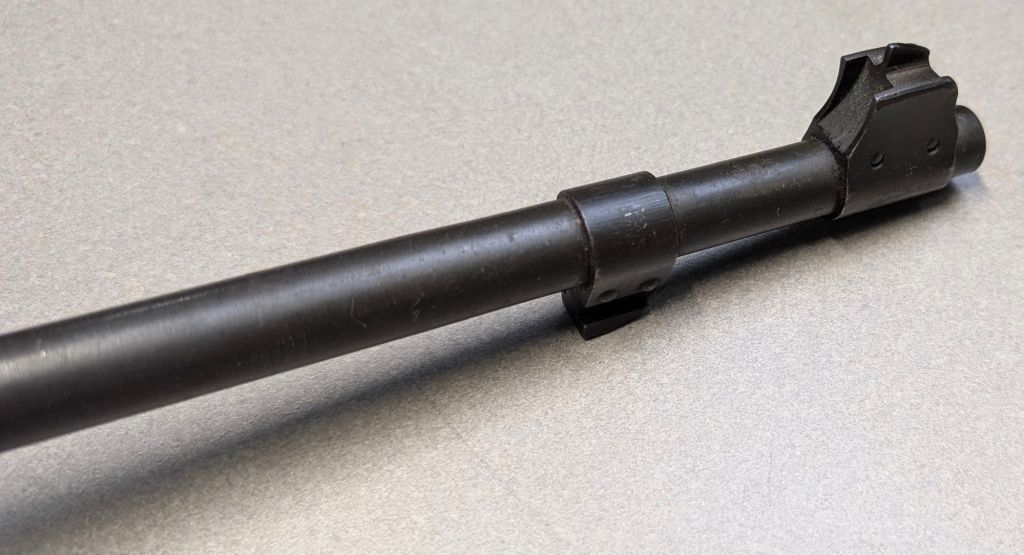
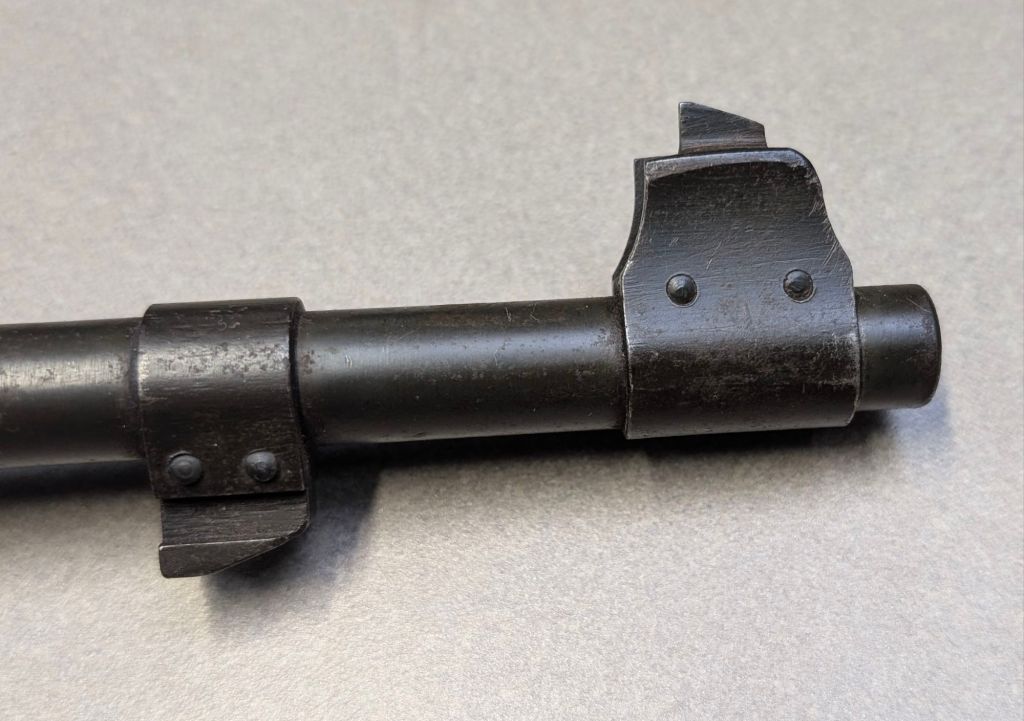
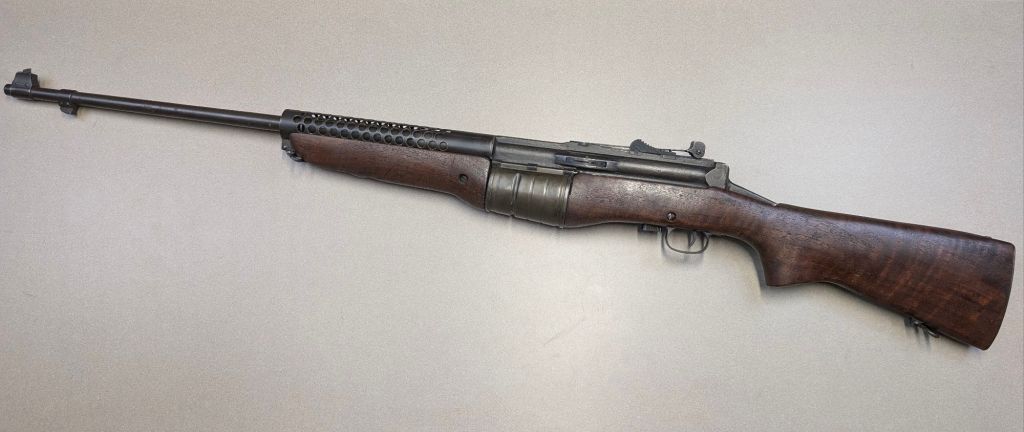
M1941 Johnson rifles can only be identified as Marine Corps in provenance with absolute certainty through documentation, but there do seem to be some modifications associated with the USMC. Marine M1941s are often noticed with front sight ears being removed, and the rear peep sight opened up by a “v” cut. Other modifications have been noticed as well, including charging handles made to resemble those on the M1 Garand. The Marine Corps History Division maintains a handful of M1941s, including two of the original 23 that were used by the 1st Parachute Battalion on Guadalcanal. Most of the others have modifications of some sorts, primarily to the sights. One interesting example has a Johnson Light Machine Gun barrel installed, while another has a barrel that was shortened.
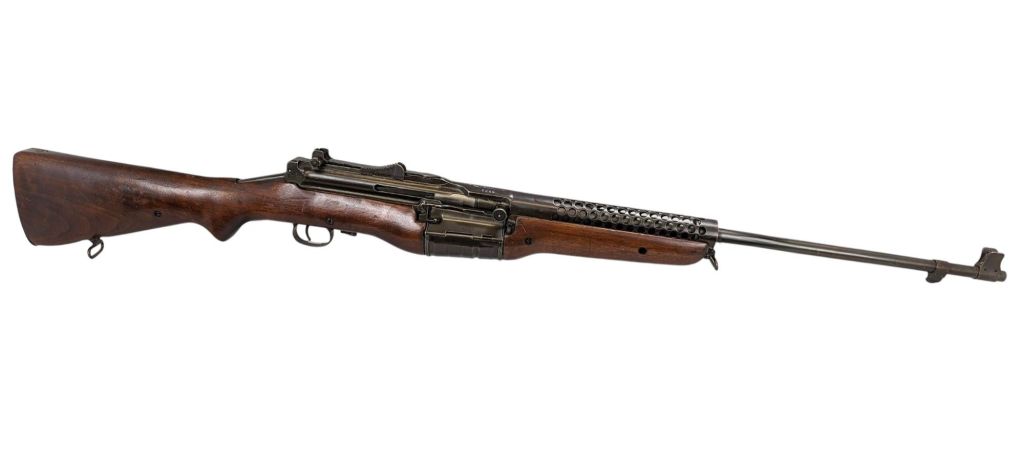
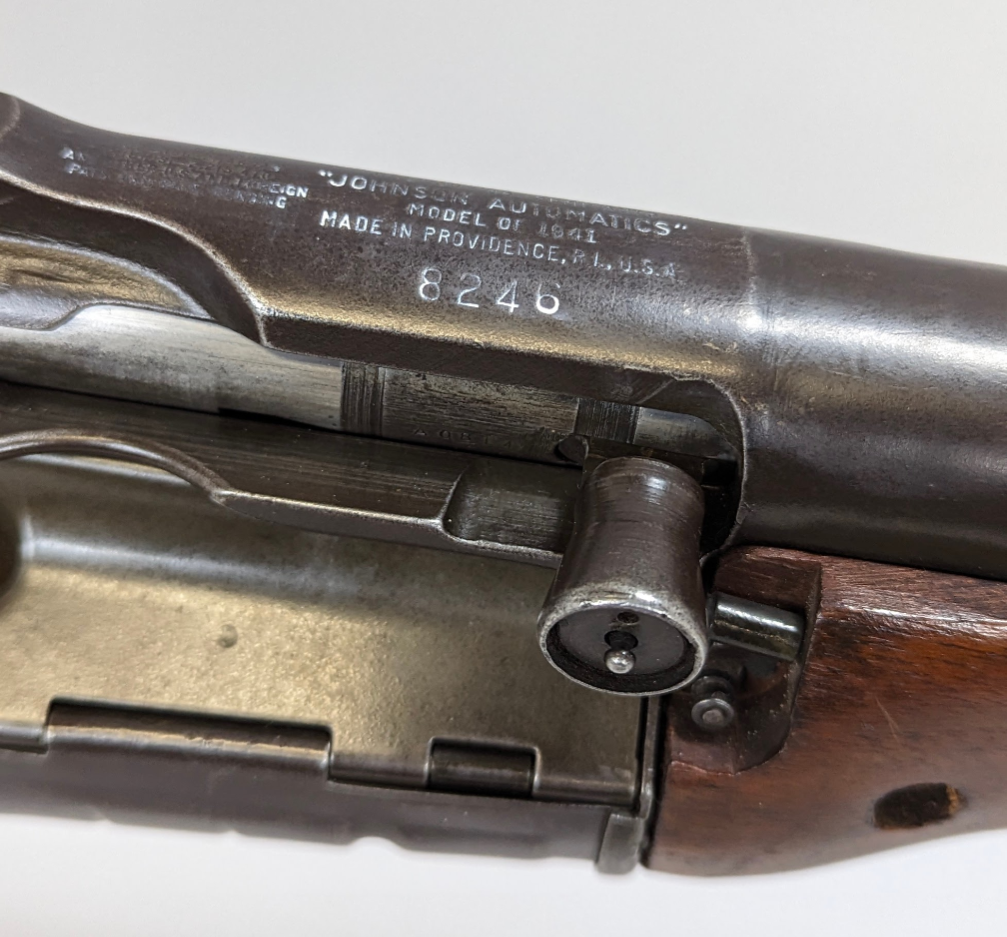
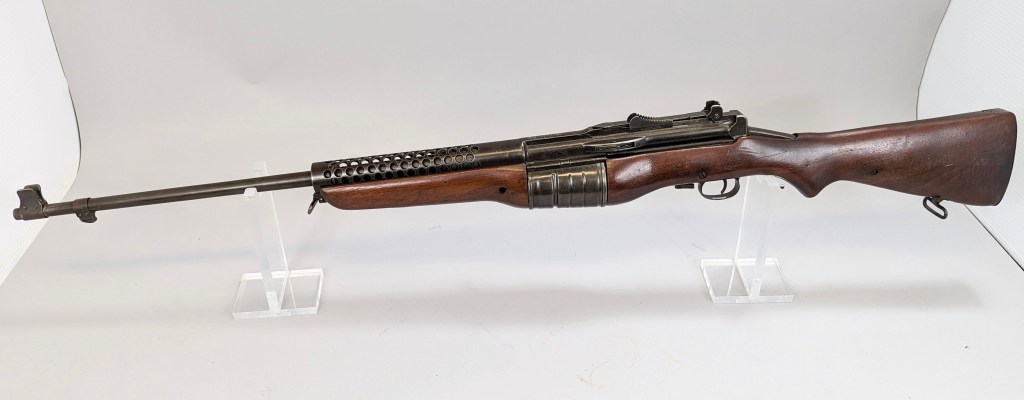
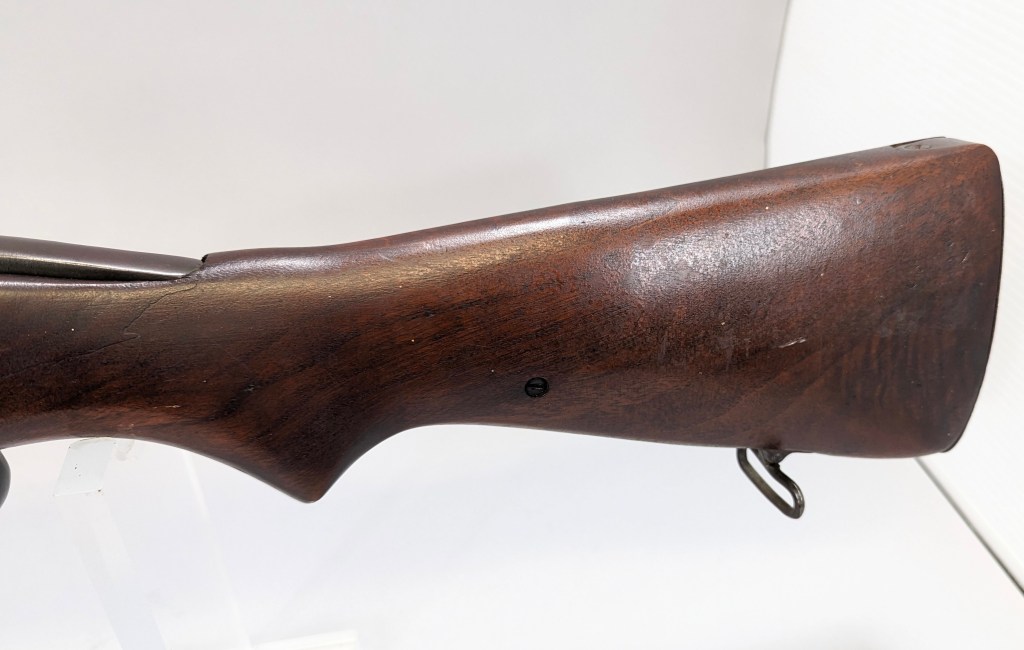
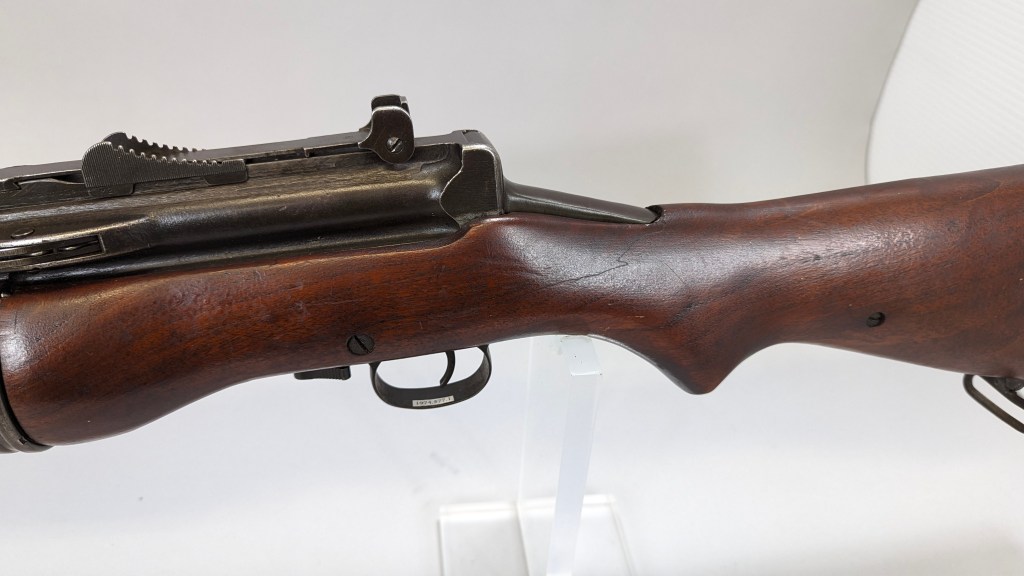
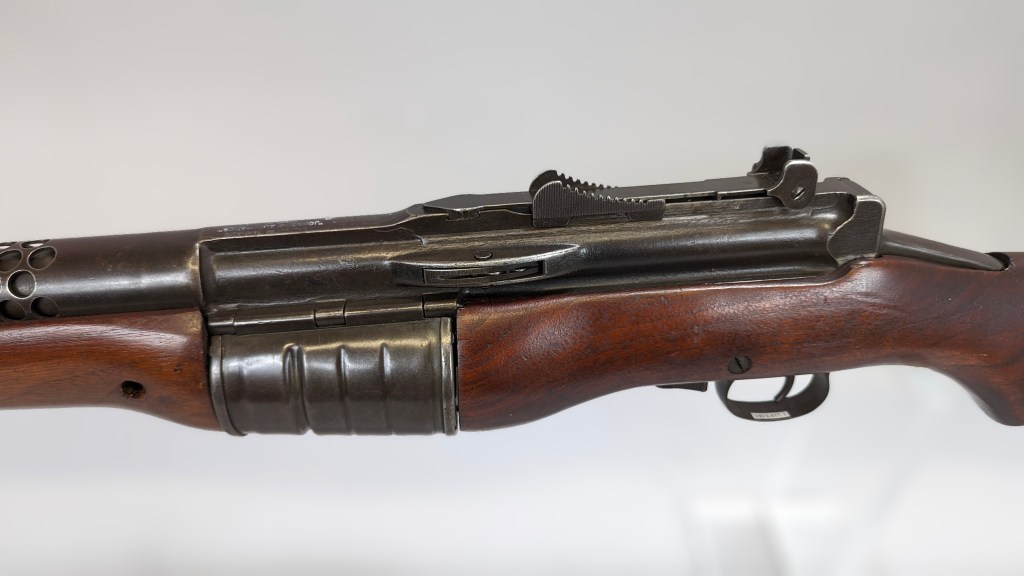
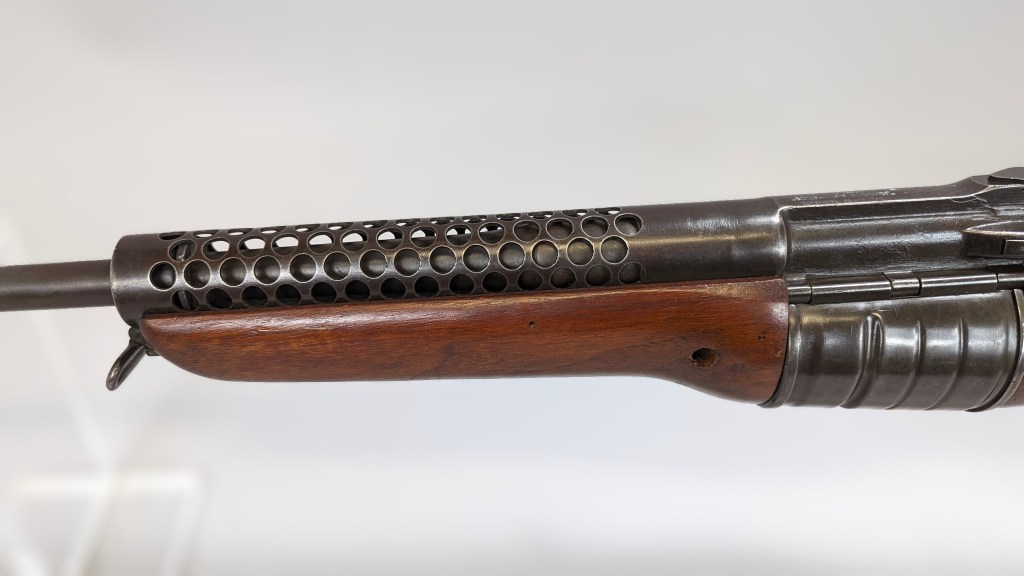
USMC M1941 Johnson Rifle #8246 (USMC History Division).
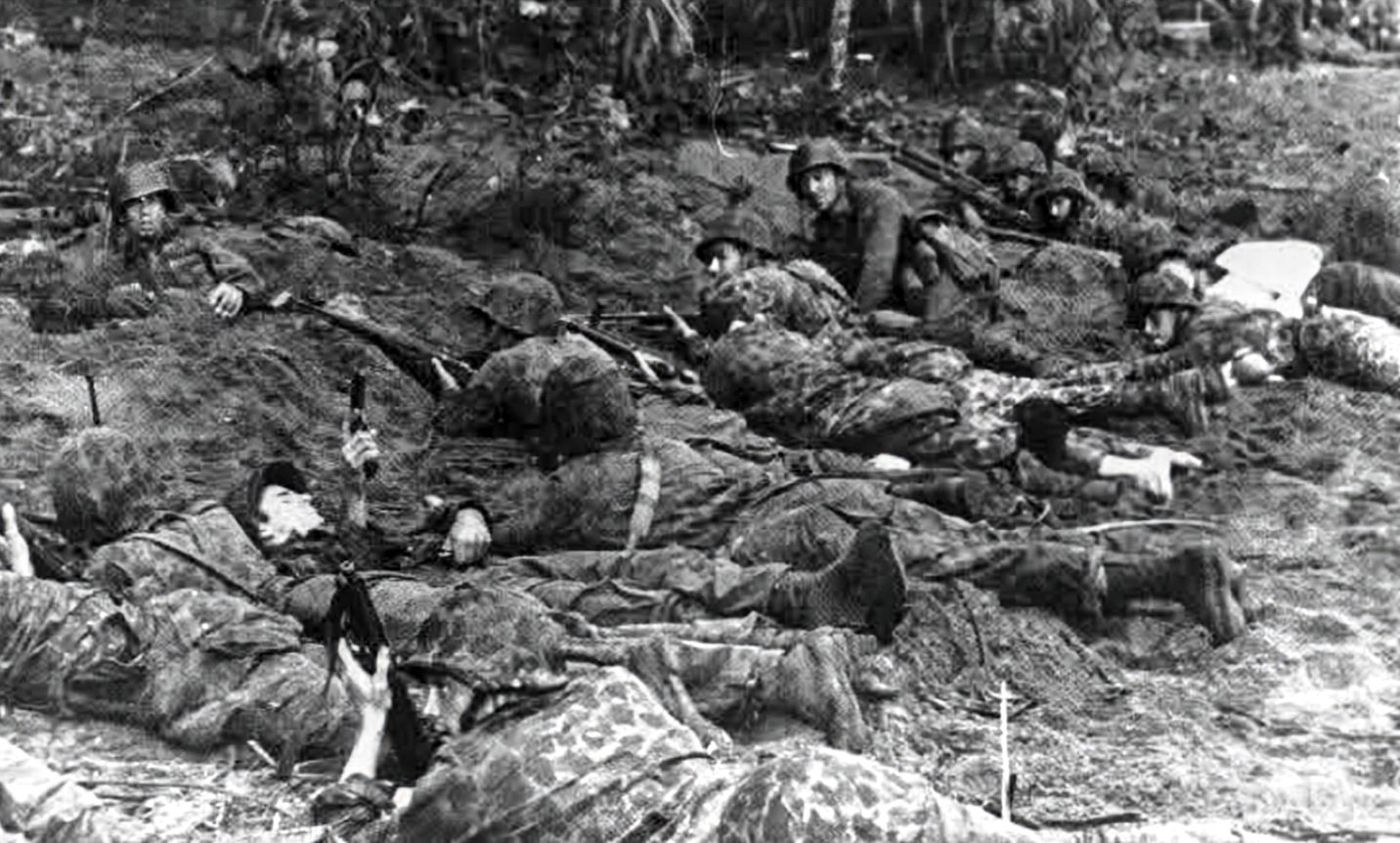
The distinctive profile of a M1941 Johnson Rifle barrel can be seen in the beach landing images above (USMC).
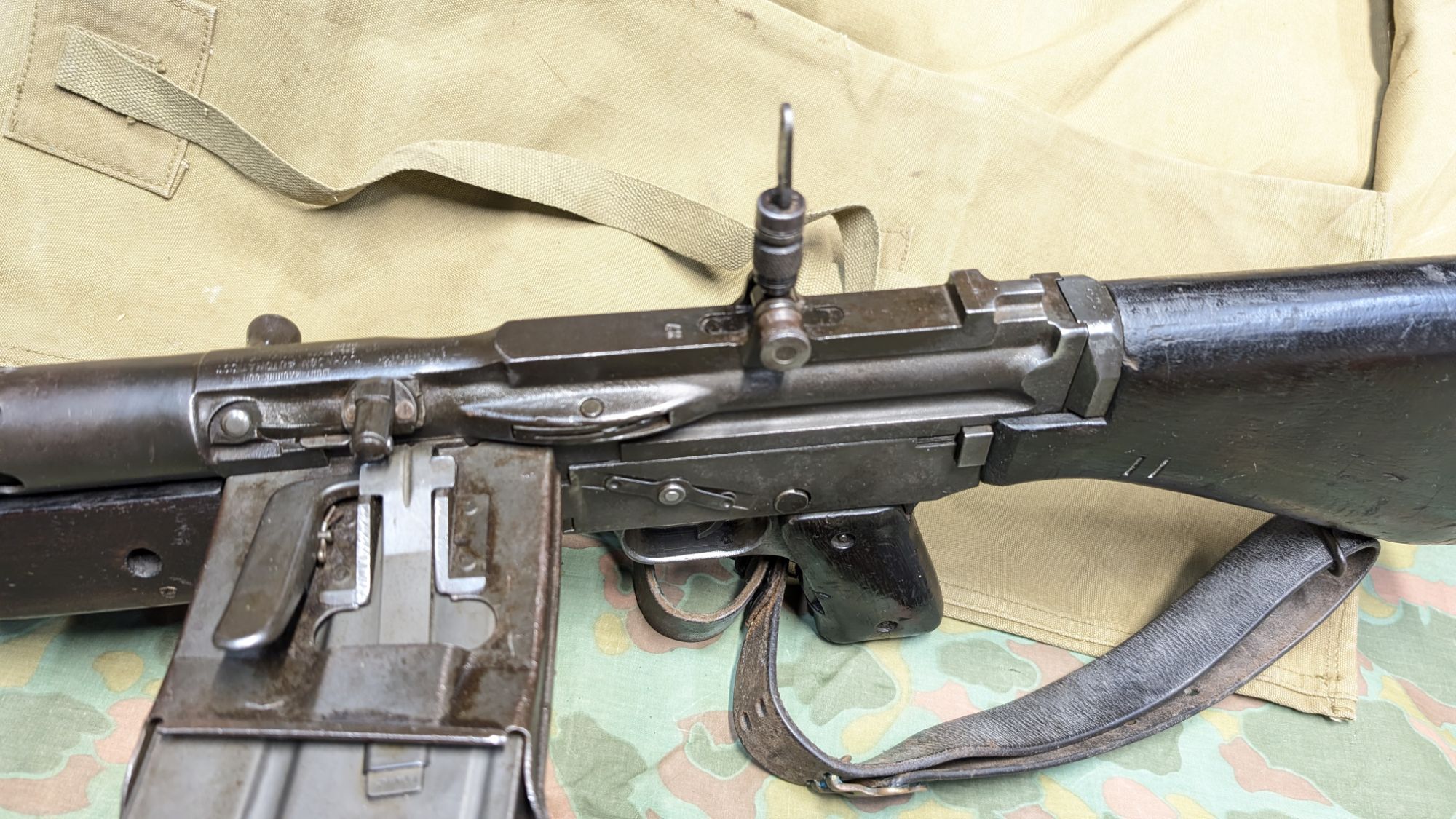
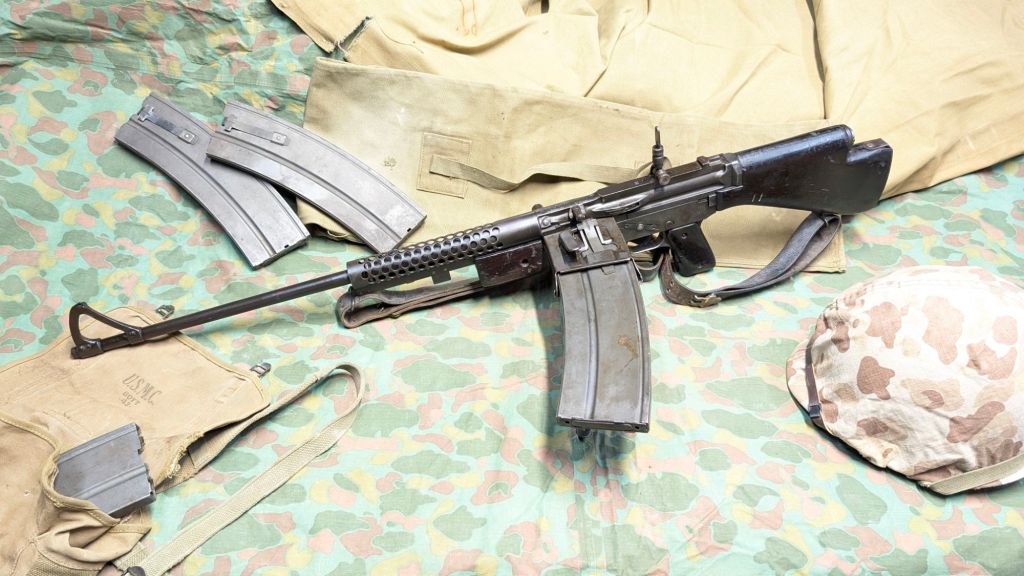
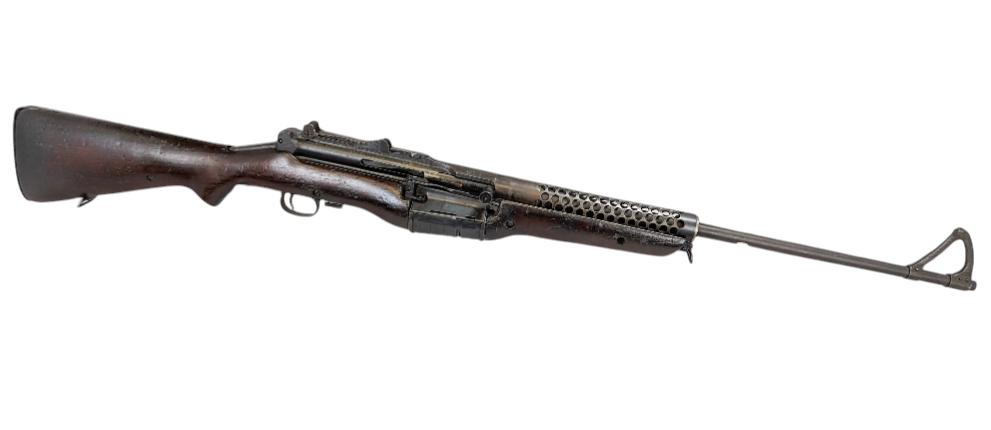
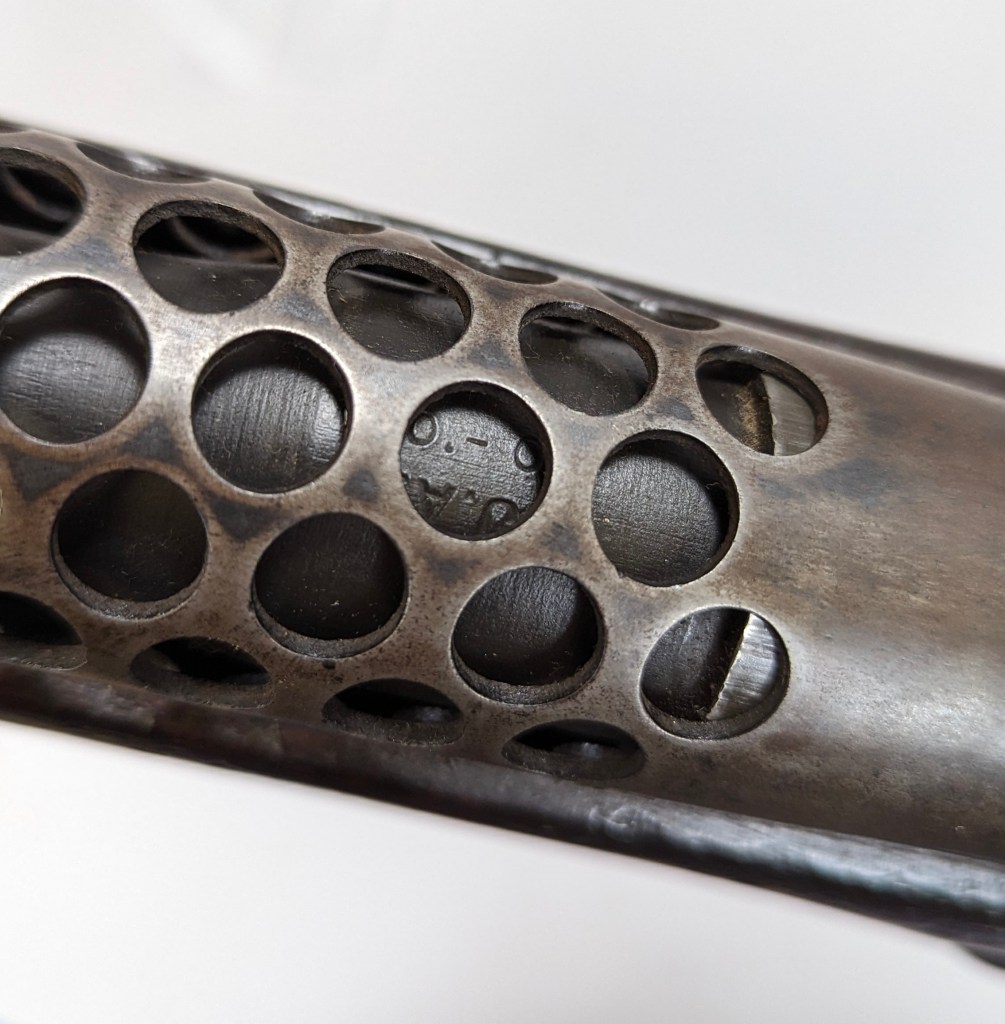
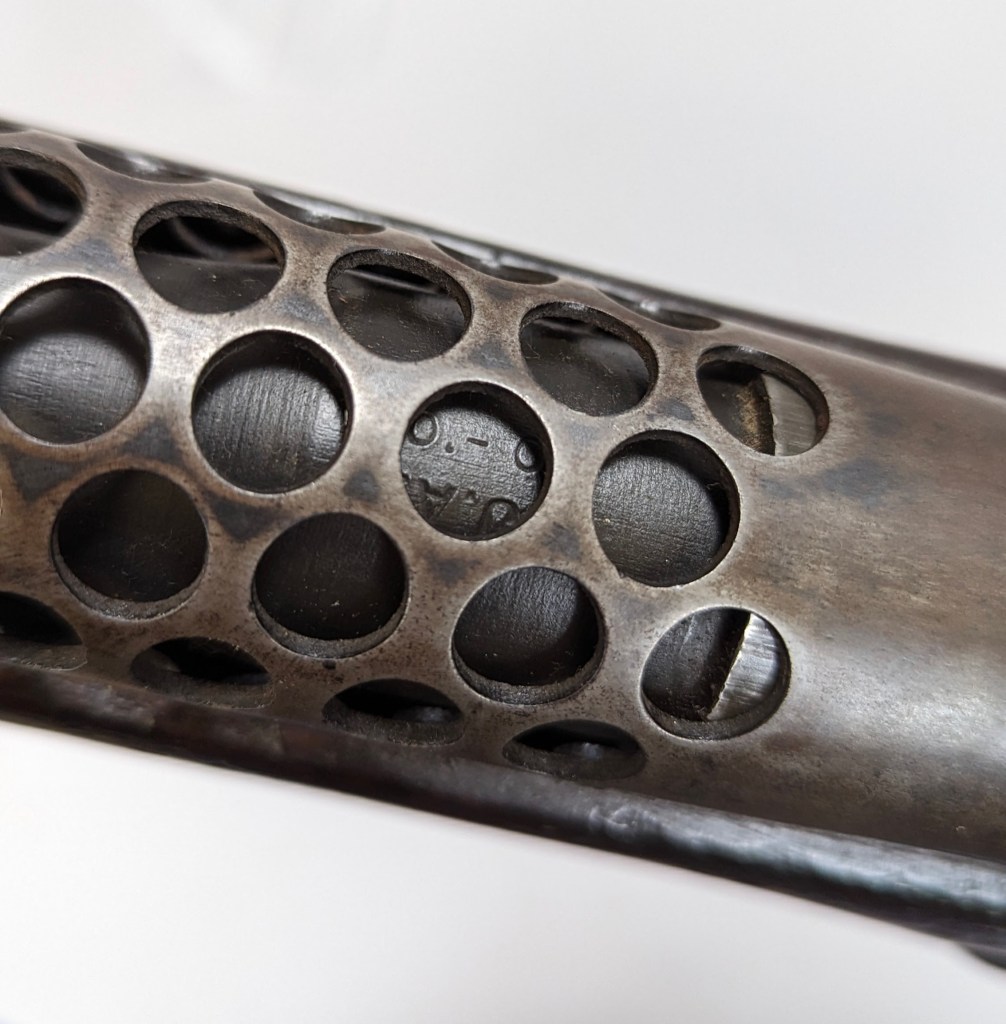
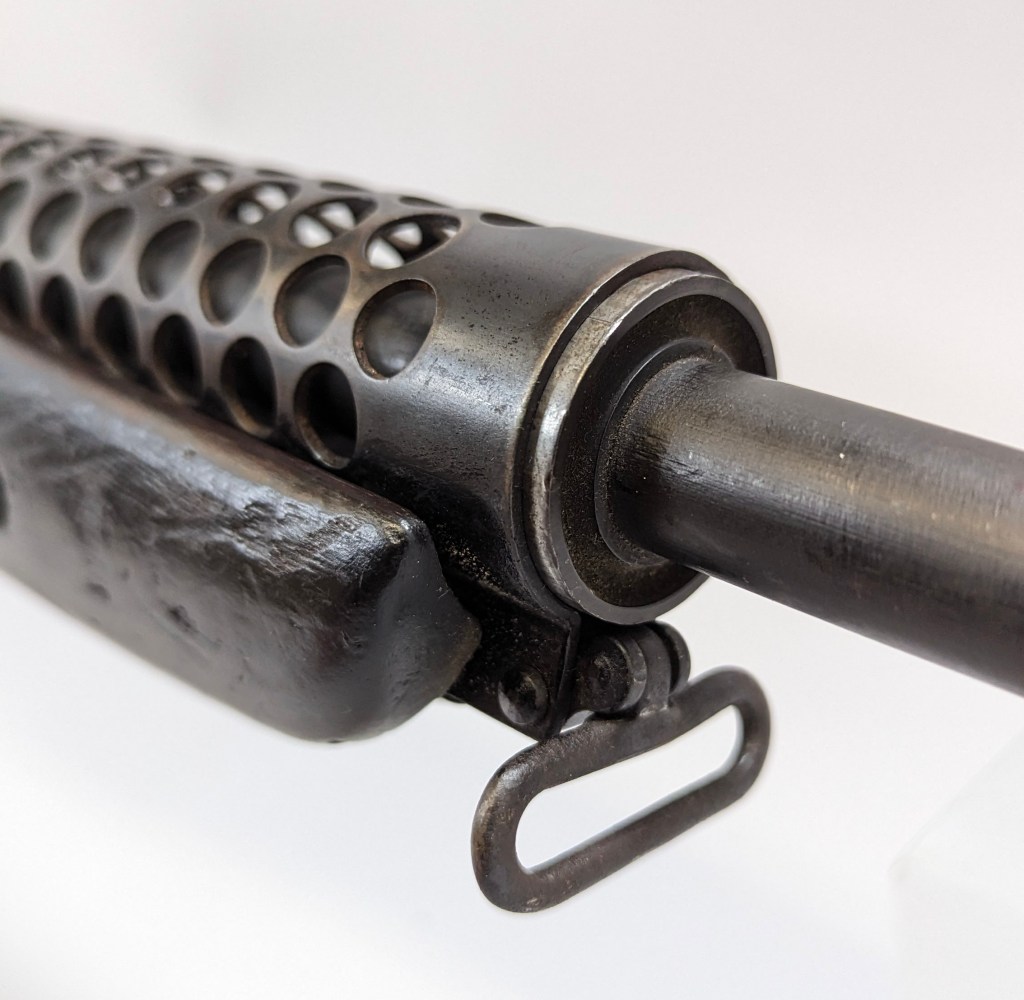
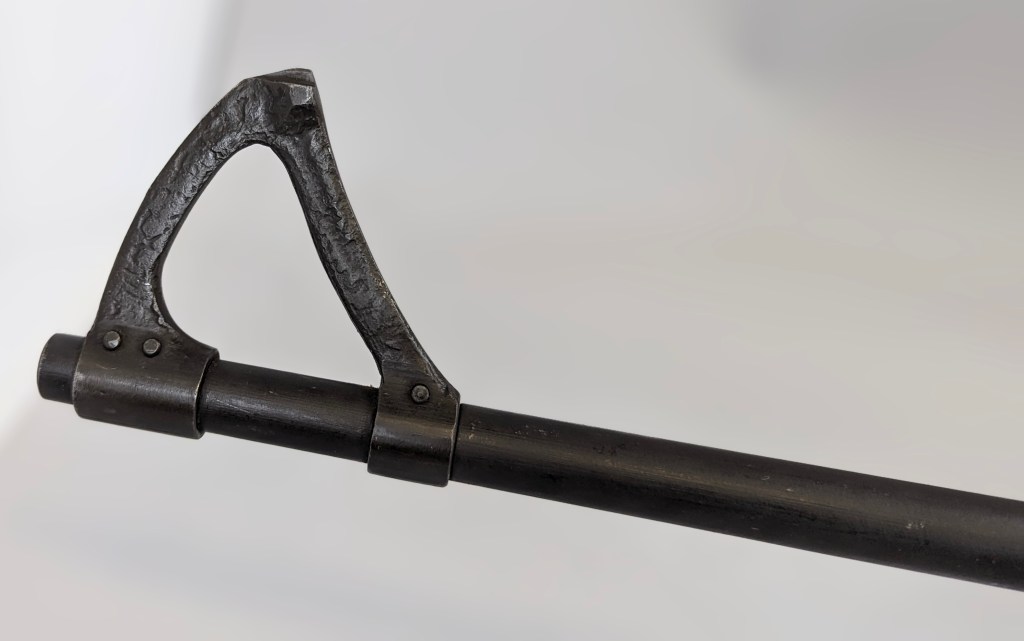
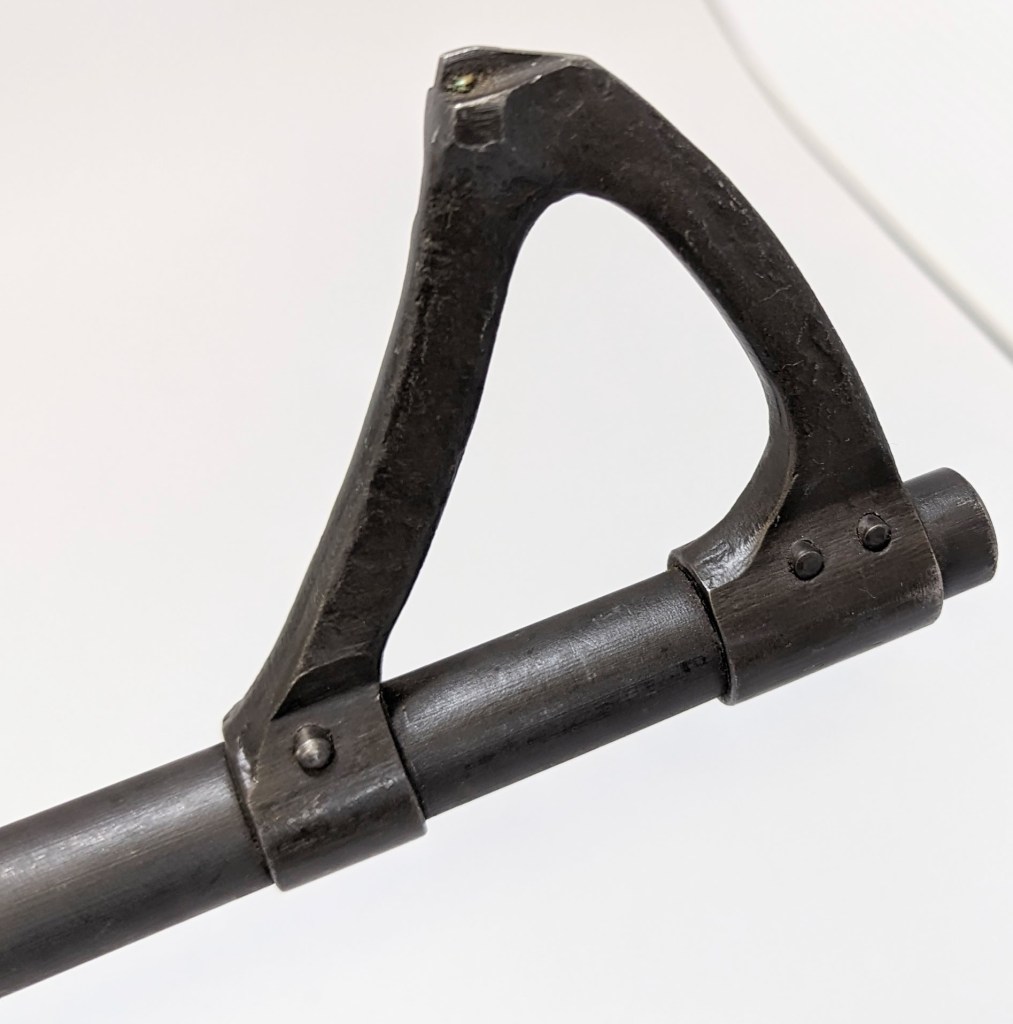
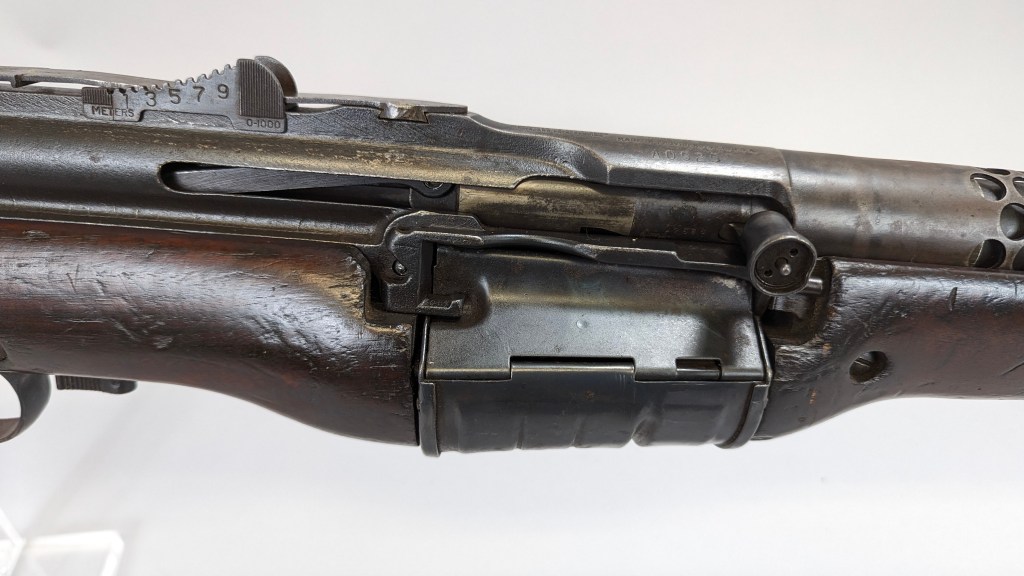
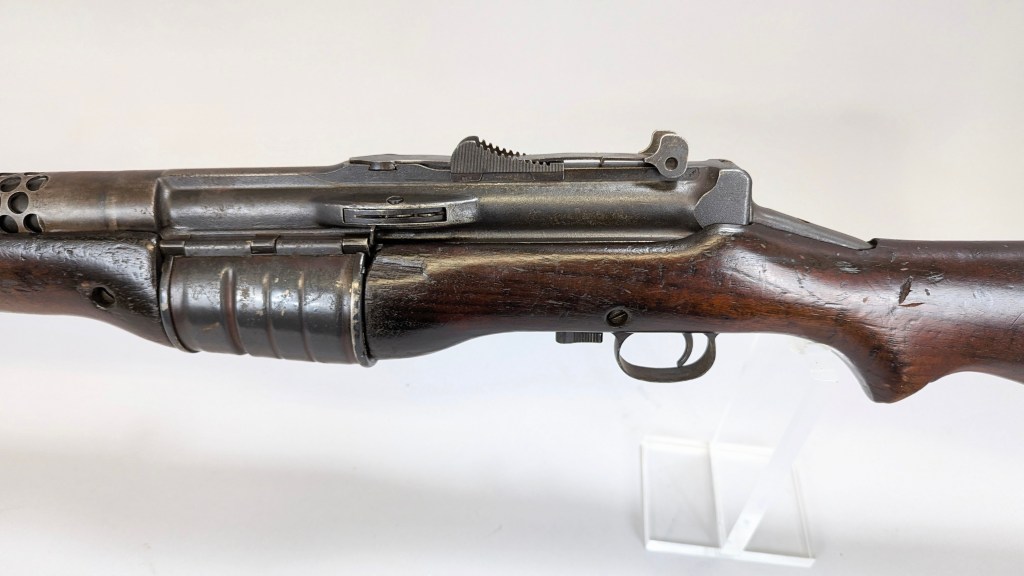
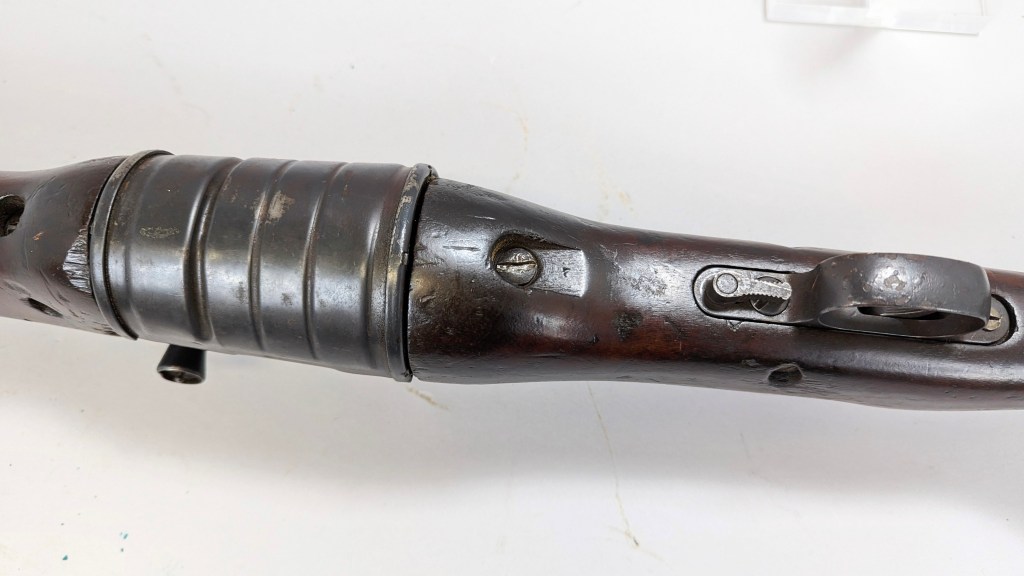
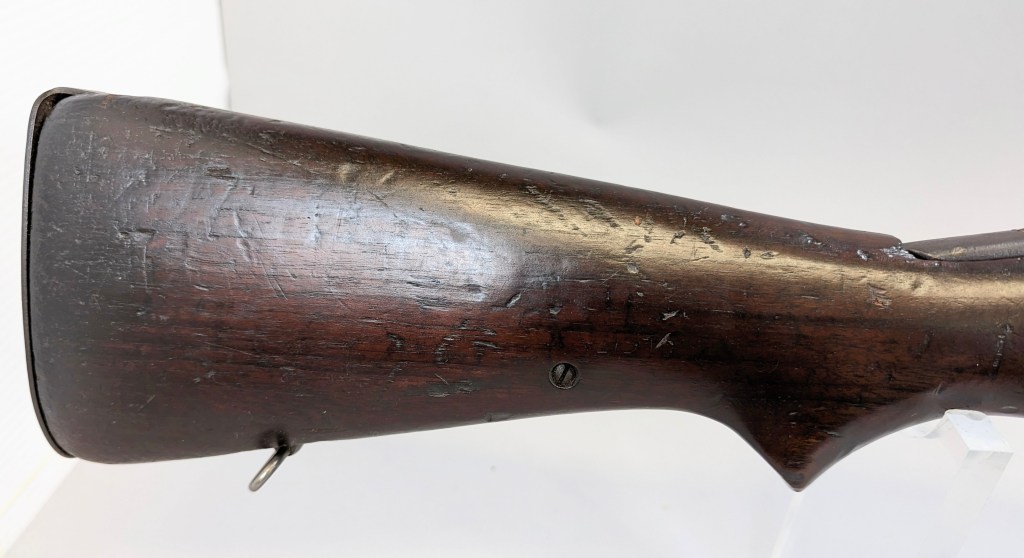
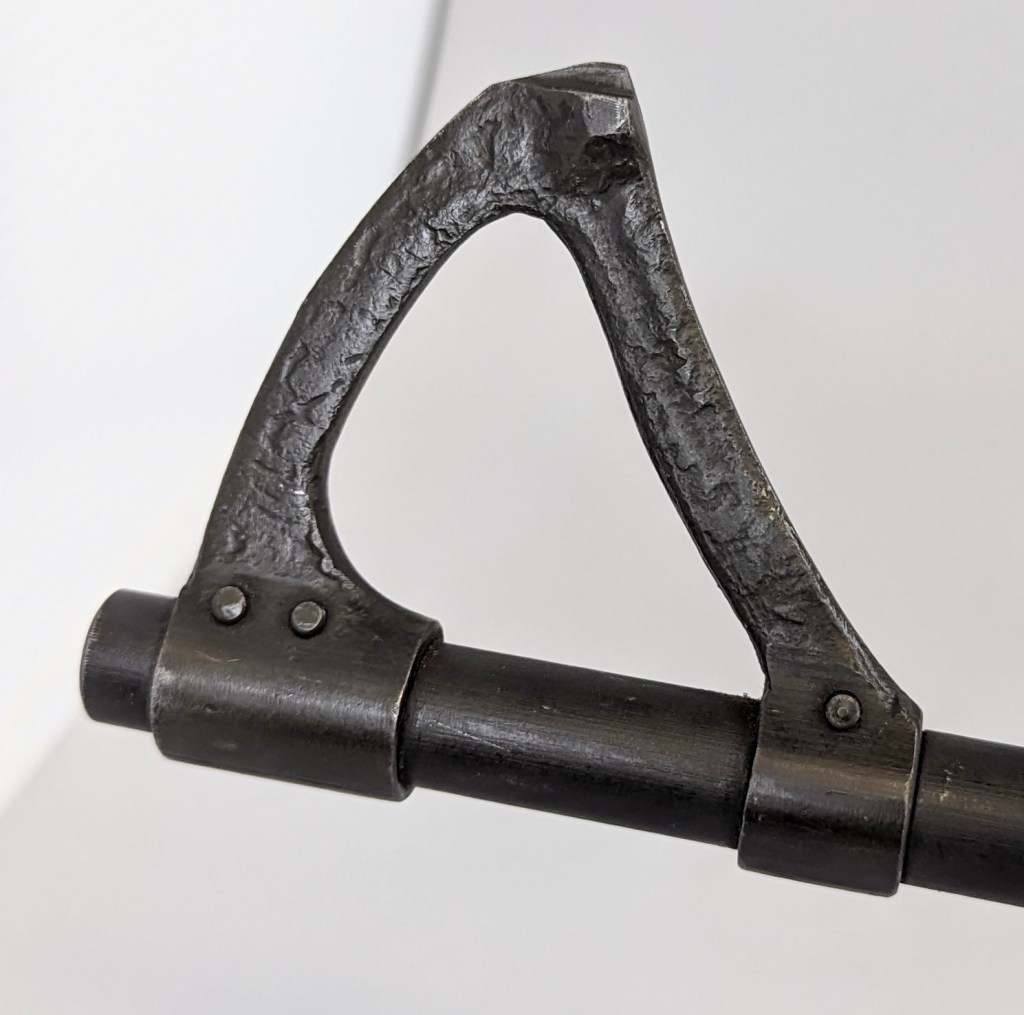
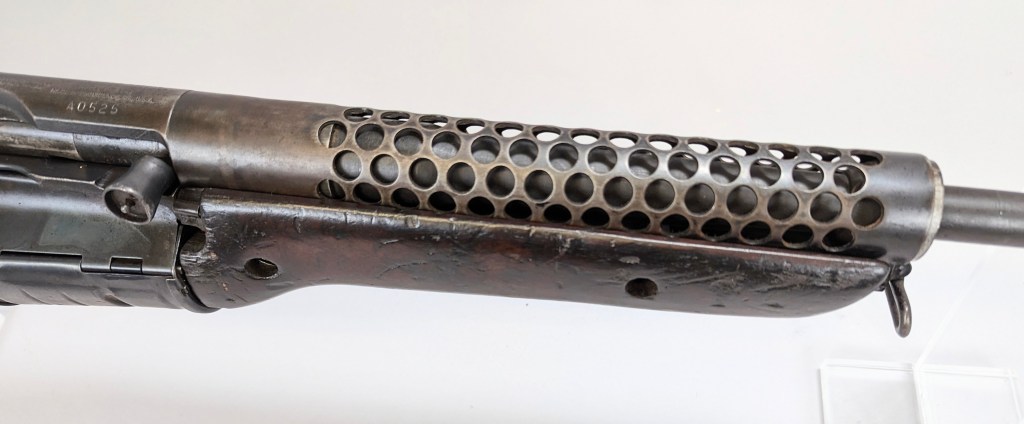
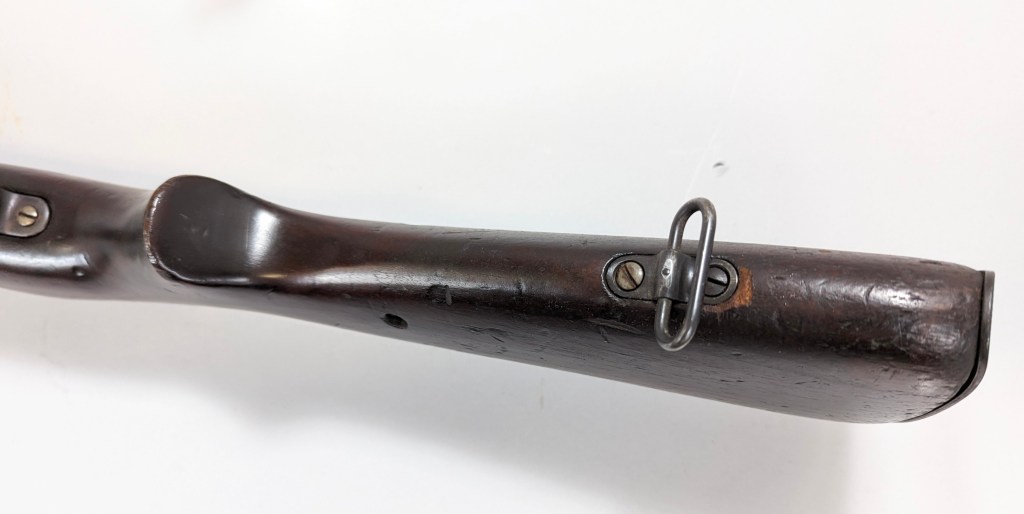
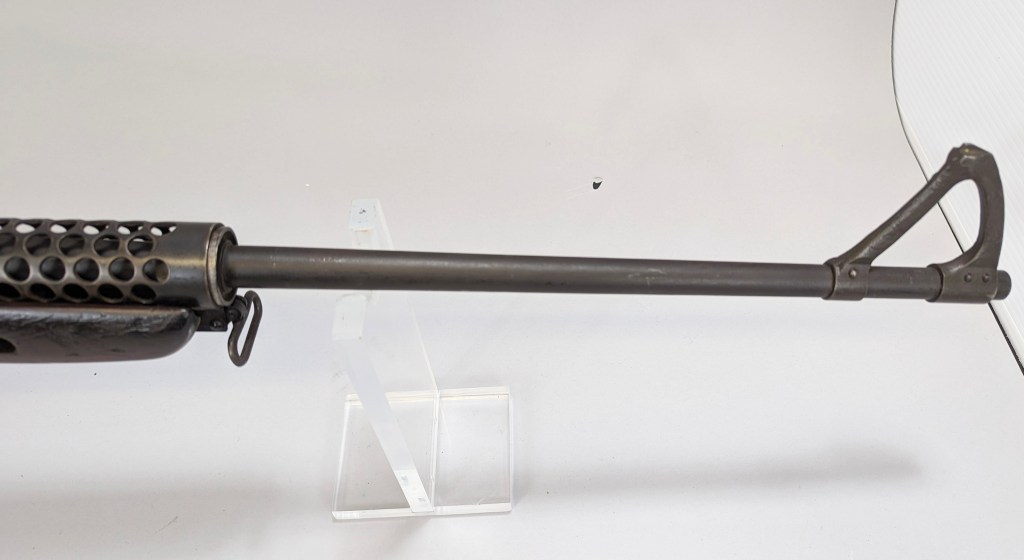
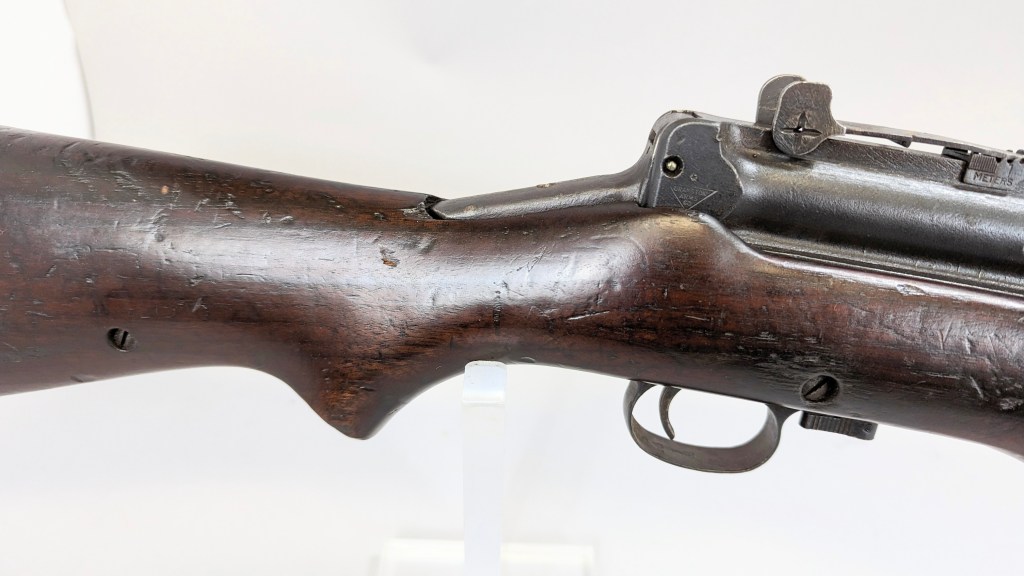
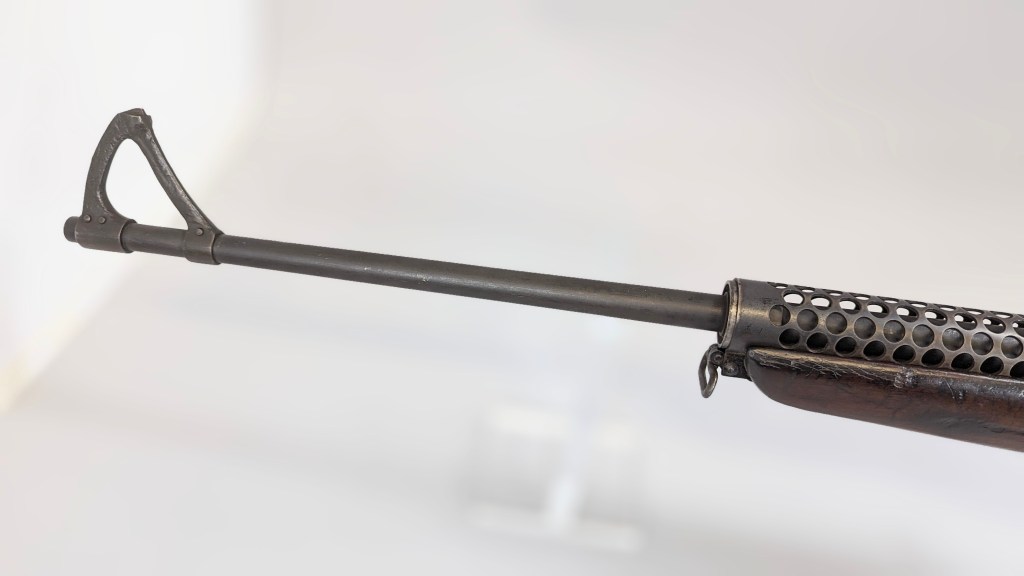
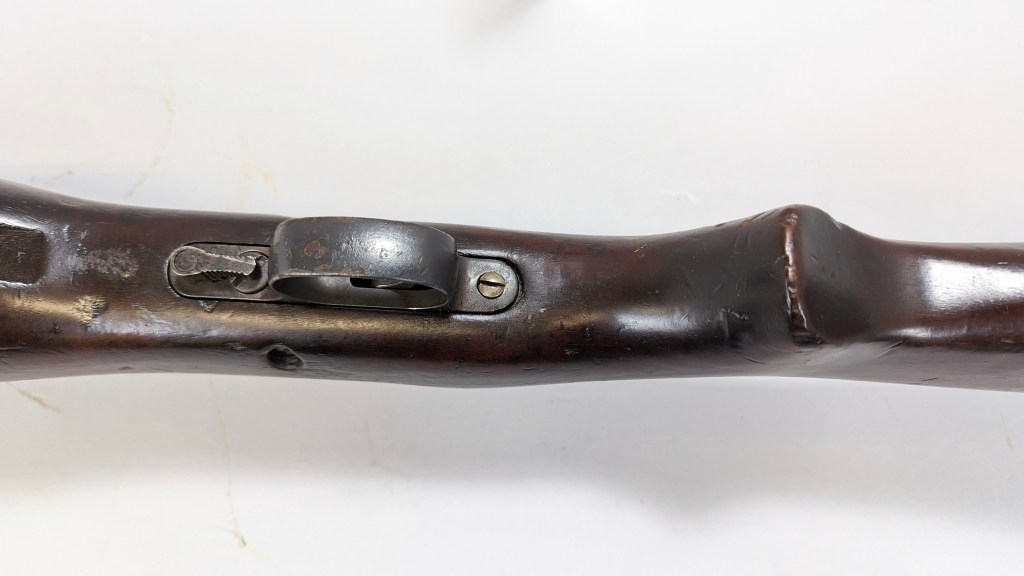


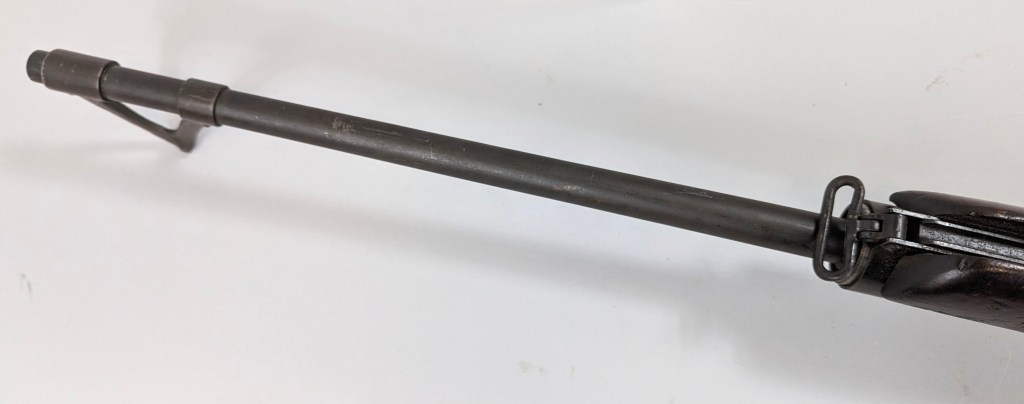
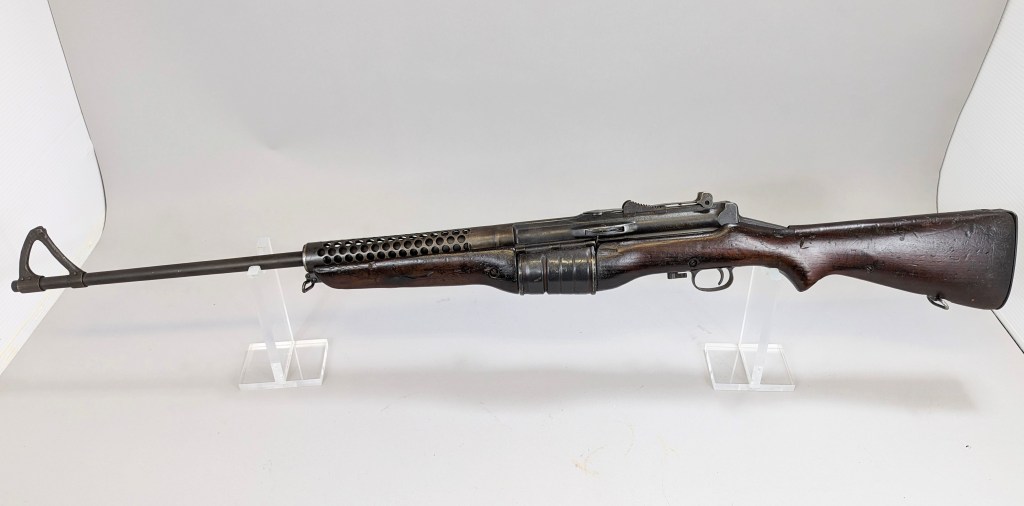
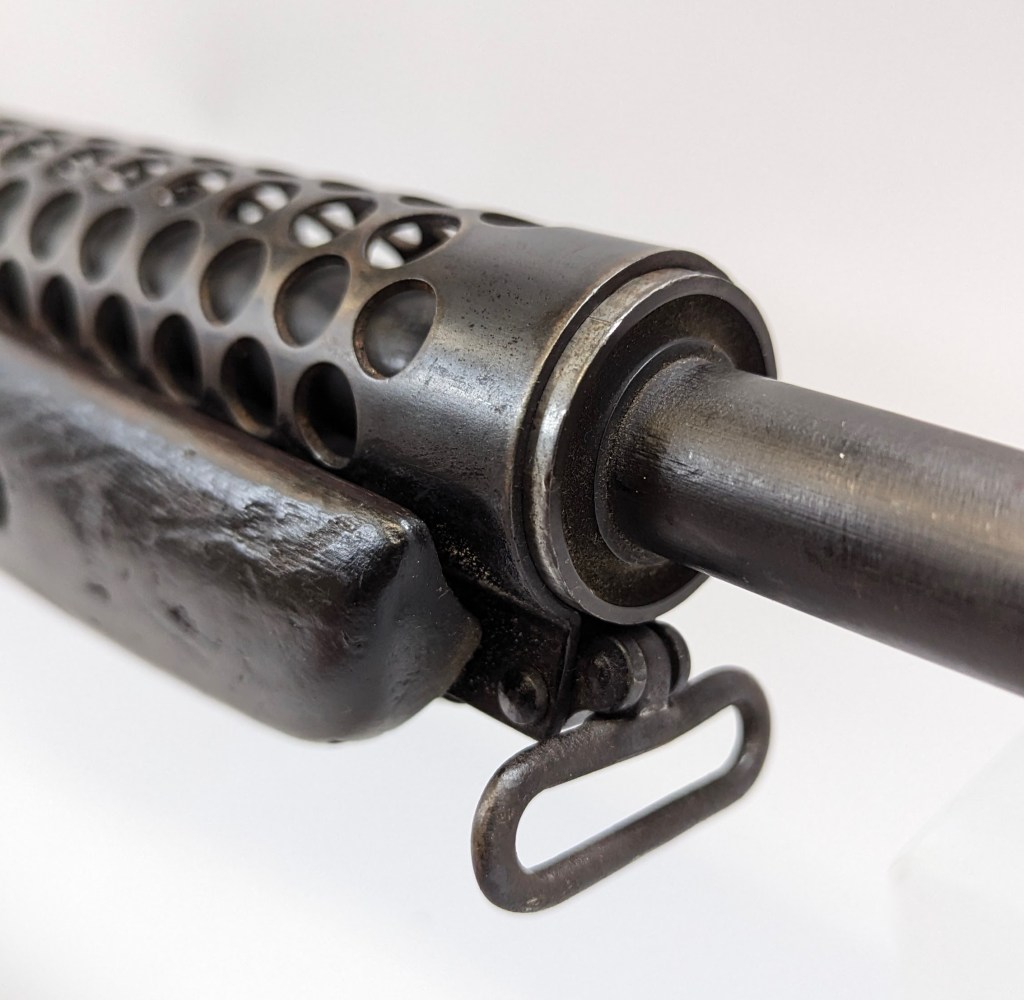
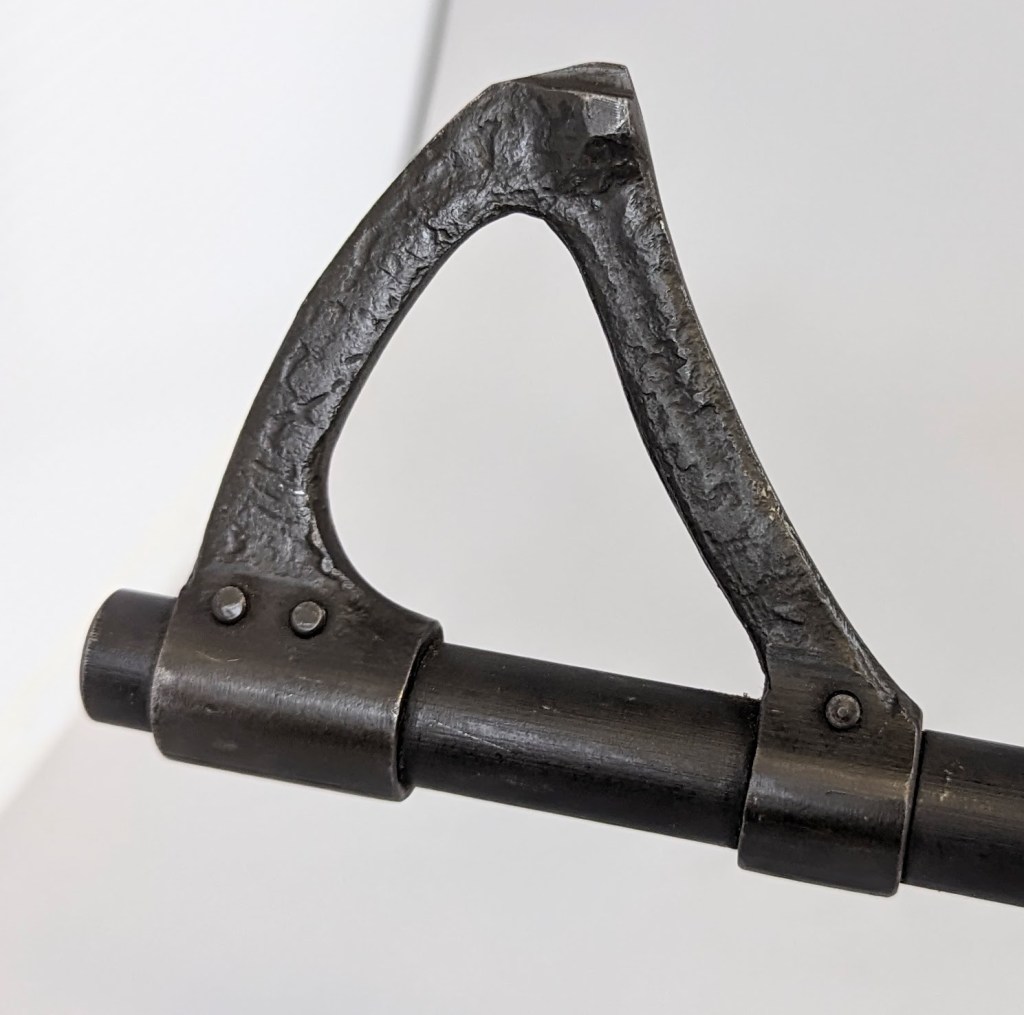

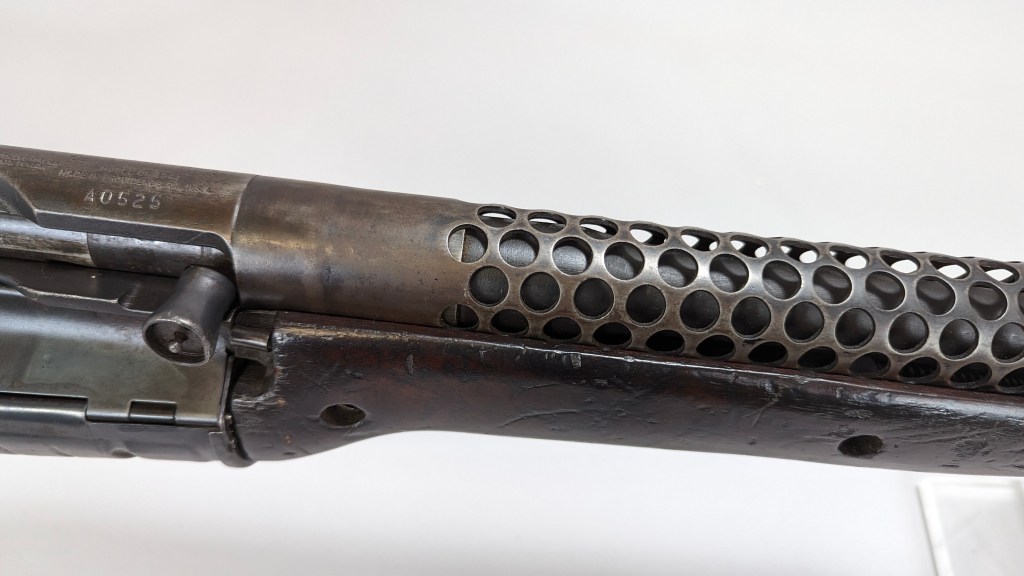
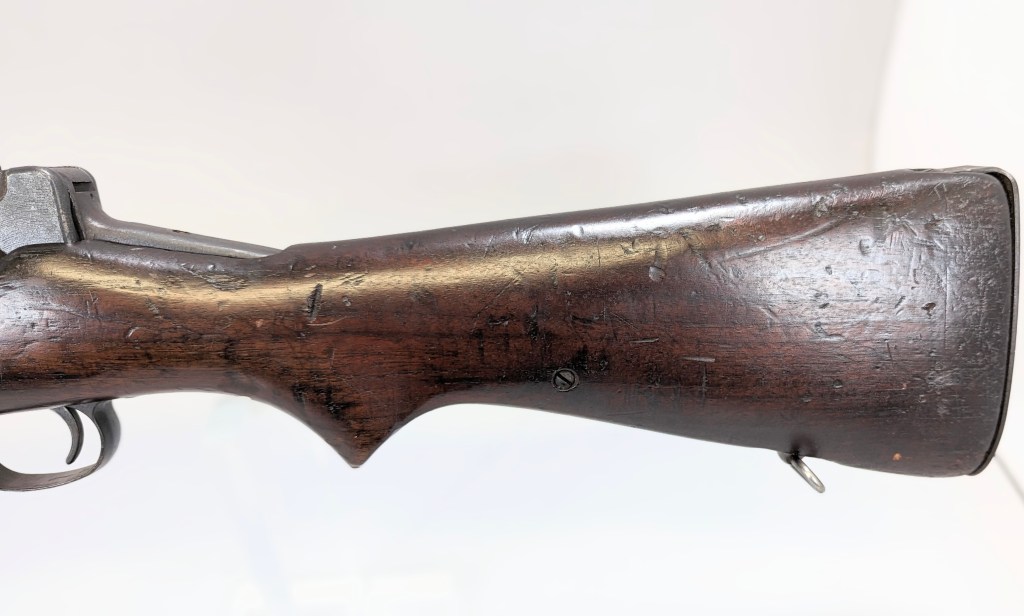
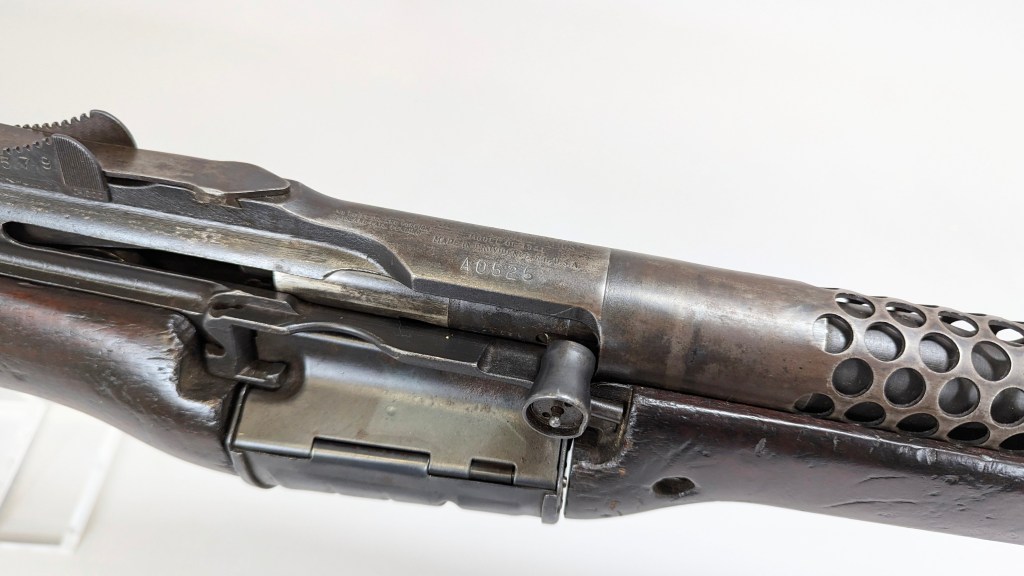
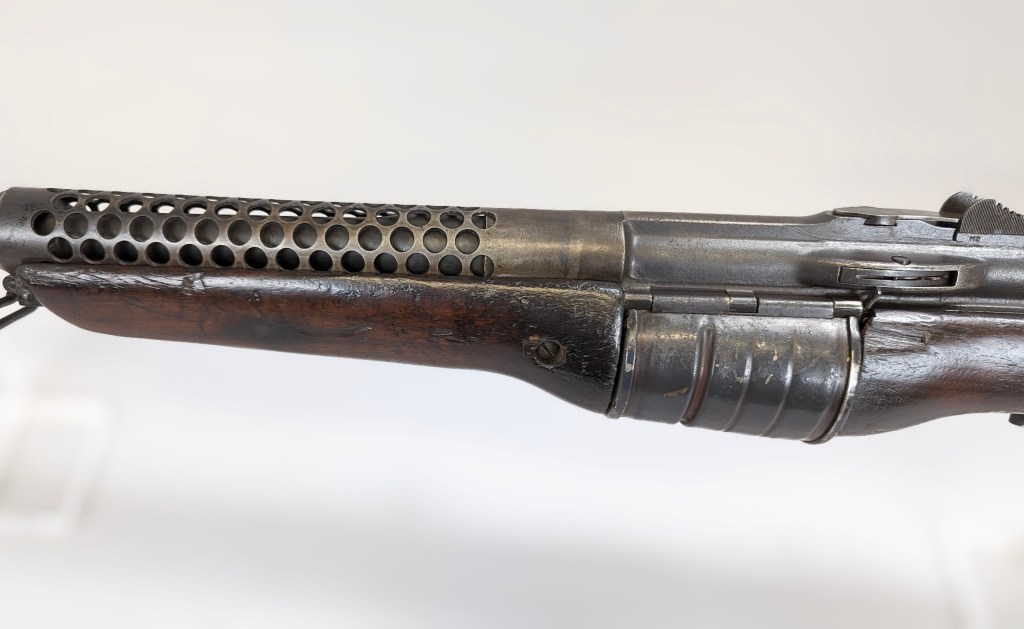
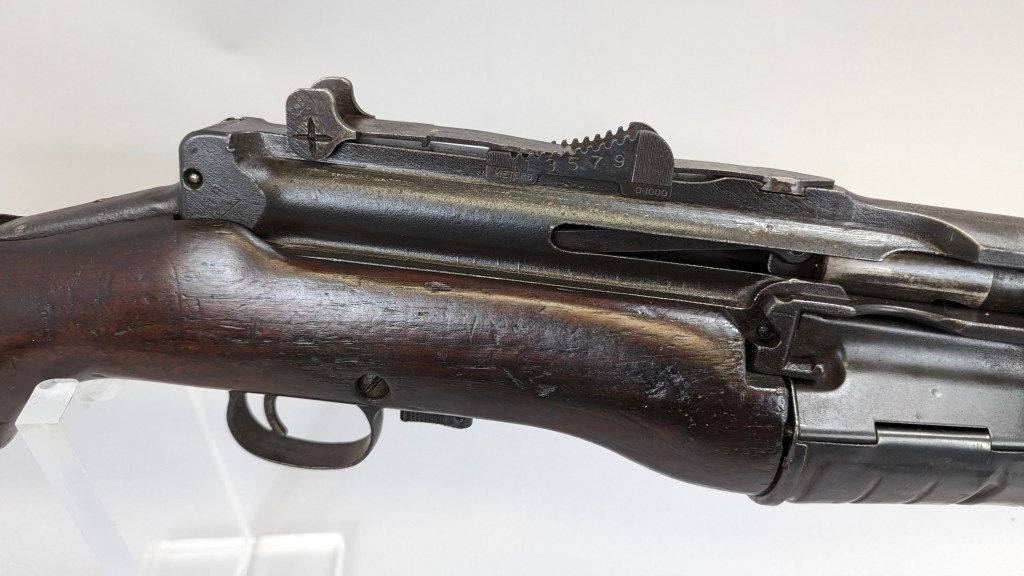
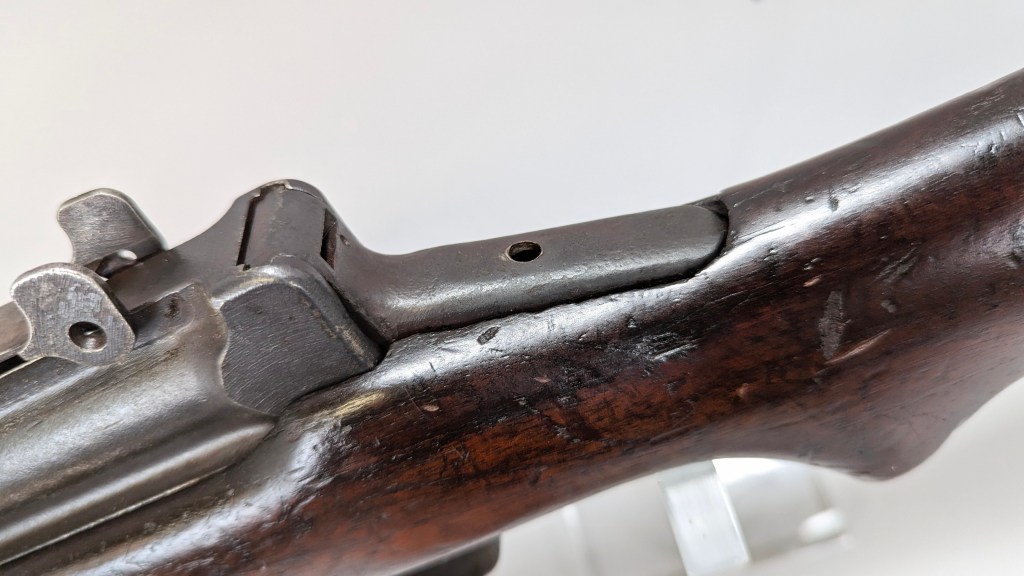
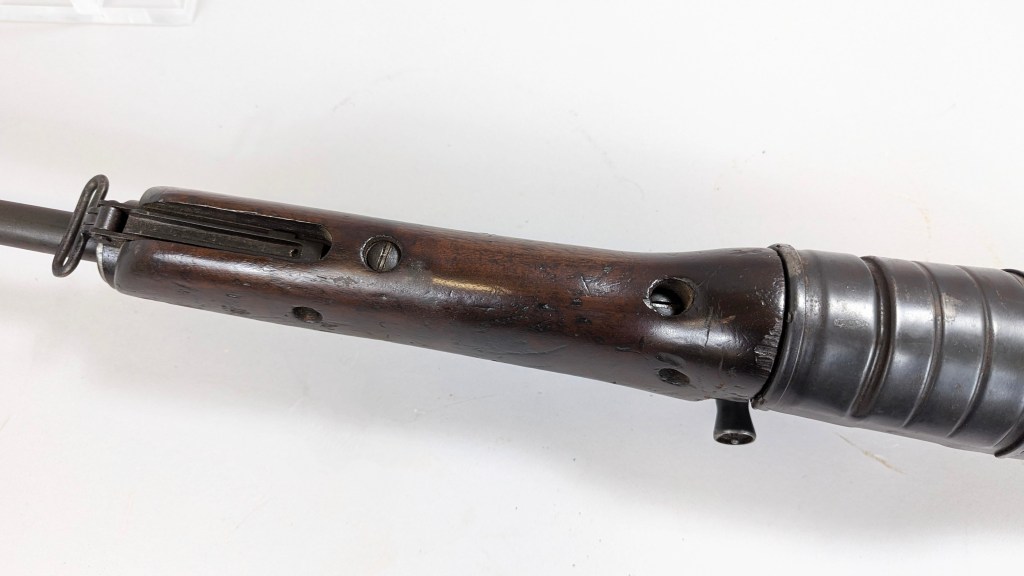
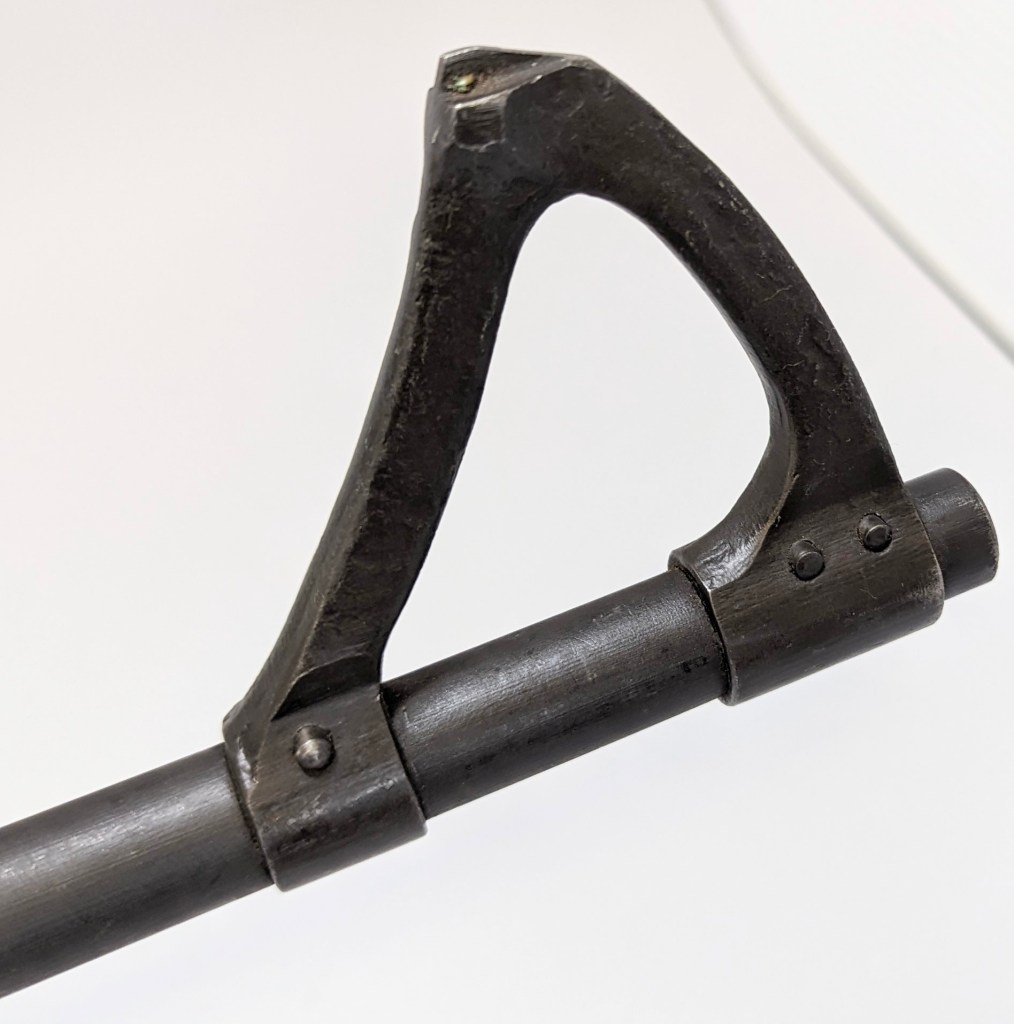
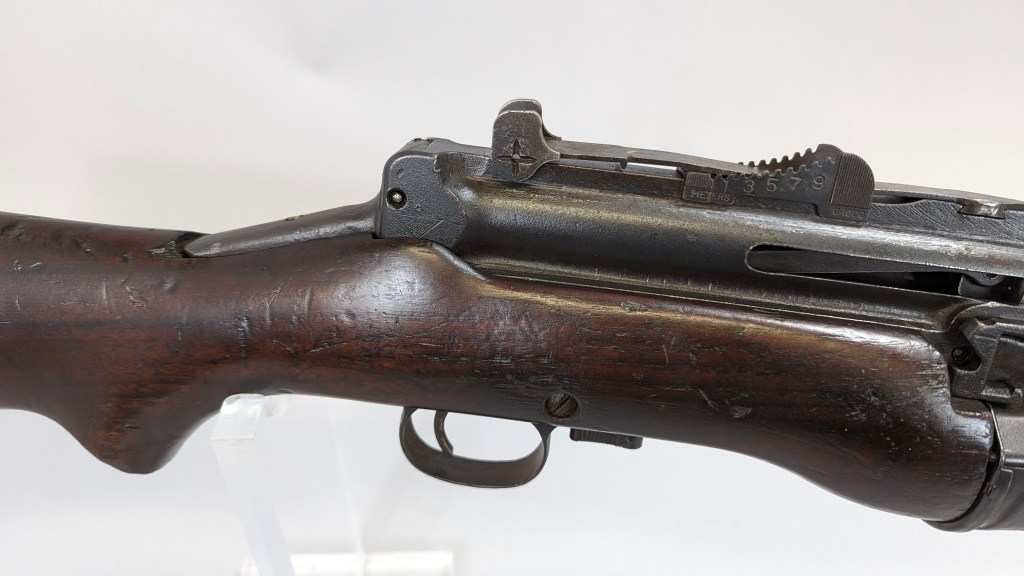
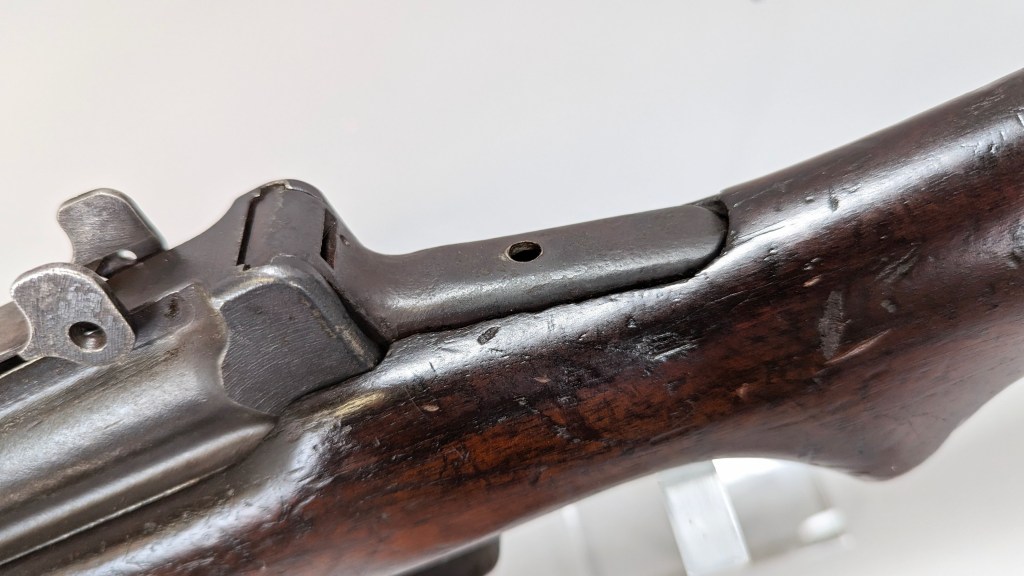

By far the most interesting M1941 remaining in Marine Corps possession, #A0525 has had a Johnson Light Machine Gun barrel installed and the rear sight peep removed entirely (USMC History Division).
USMC provenance M1941s also appear in loose serial number ranges. Of the first 23 rifles acquired by the Marine Corps, 20 of the serial numbers are in the 7xxx through 9xxx range, with only three being earlier. Of two subsequent smaller shipments, the first shows more in that range as well as A-prefix rifles, and the latter the majority are B-prefix rifles. The Marine Corps received 750 M1941s, the majority in a 650 rifle shipment between the first 23 and the first small shipment in October of 1942. Considering several documented bring backs, including the M1941 carried by Medal of Honor recipient Captain Robert Dunlap, it is likely that the majority of the 650 rifle shipment are in the late no-prefix or A-prefix range. All of this said, the M1941 was not produced sequentially and the rifles in the shipment of 650 will span the entirety of Johnson production – but likely have the epicenter mentioned earlier.
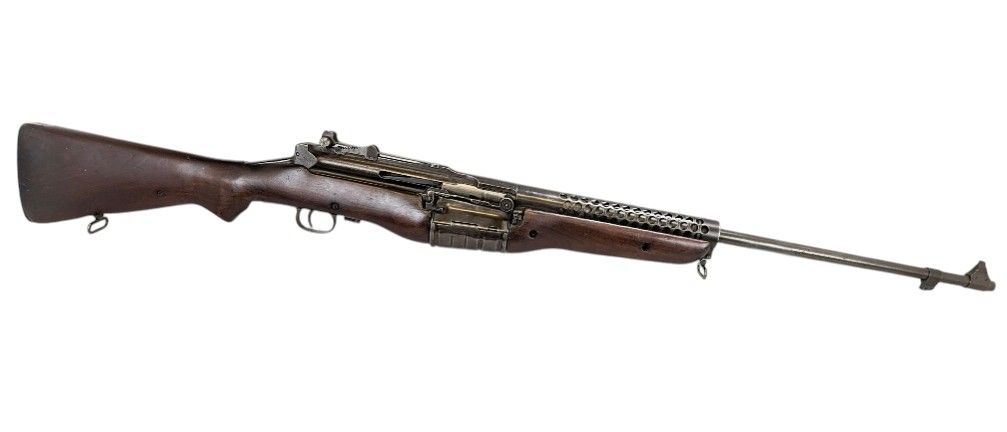
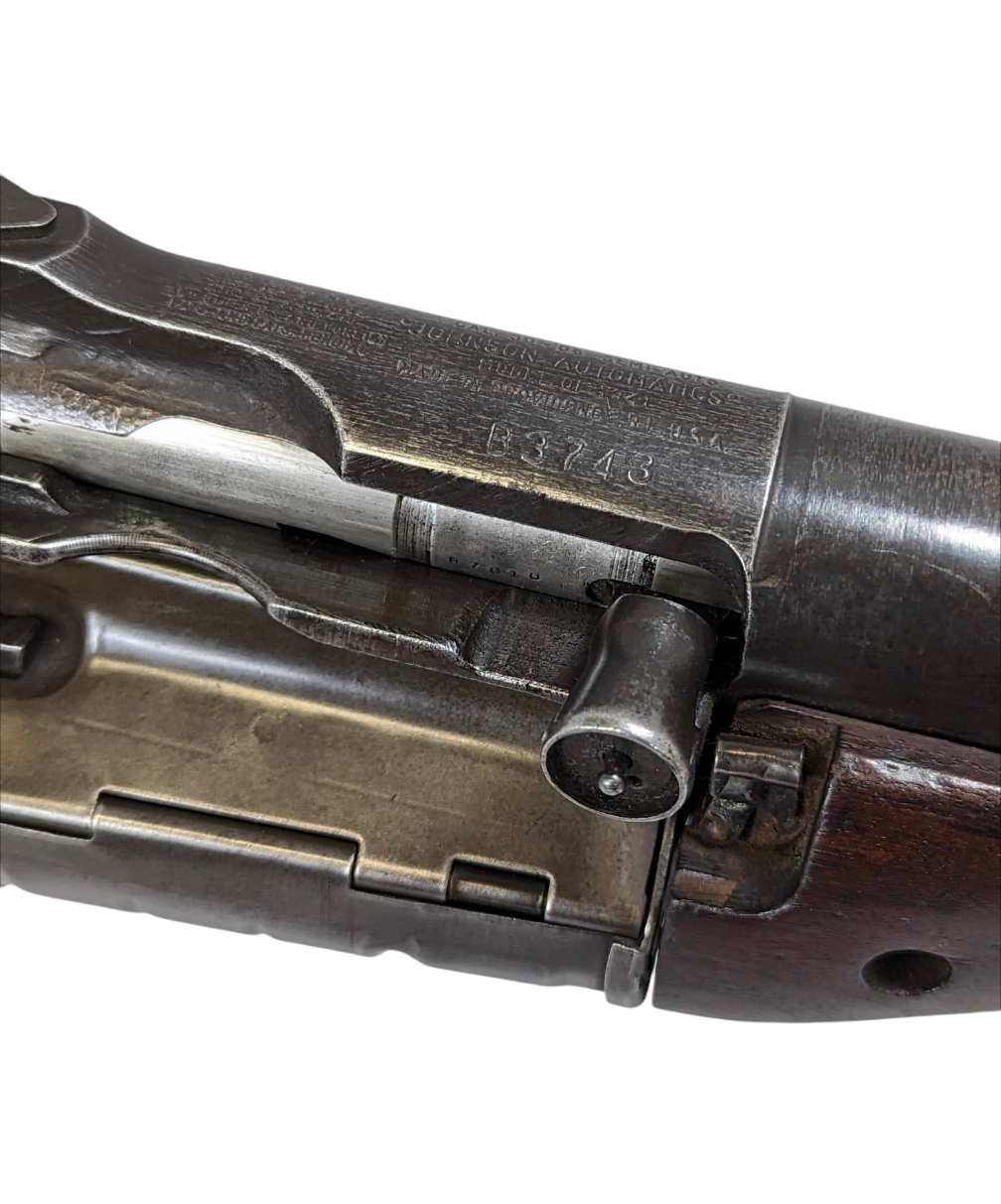
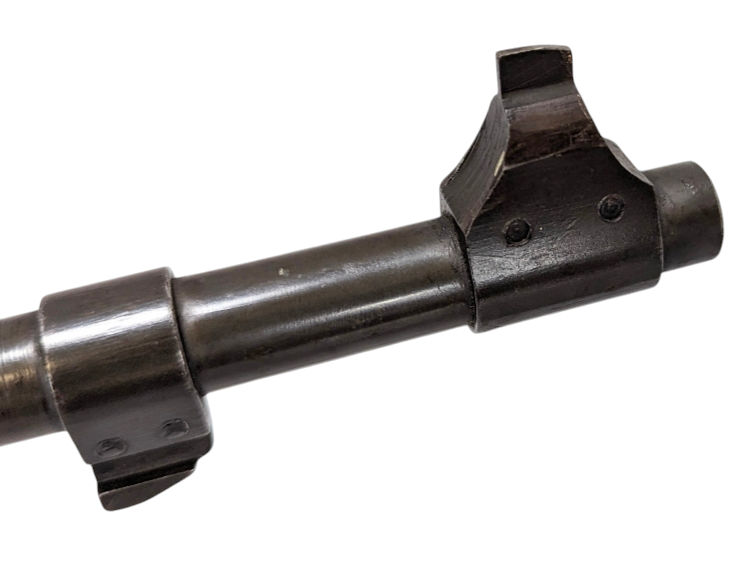
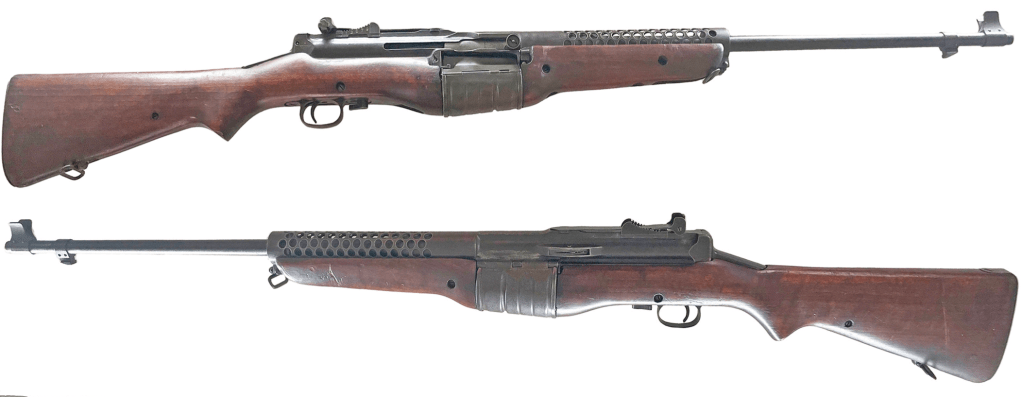
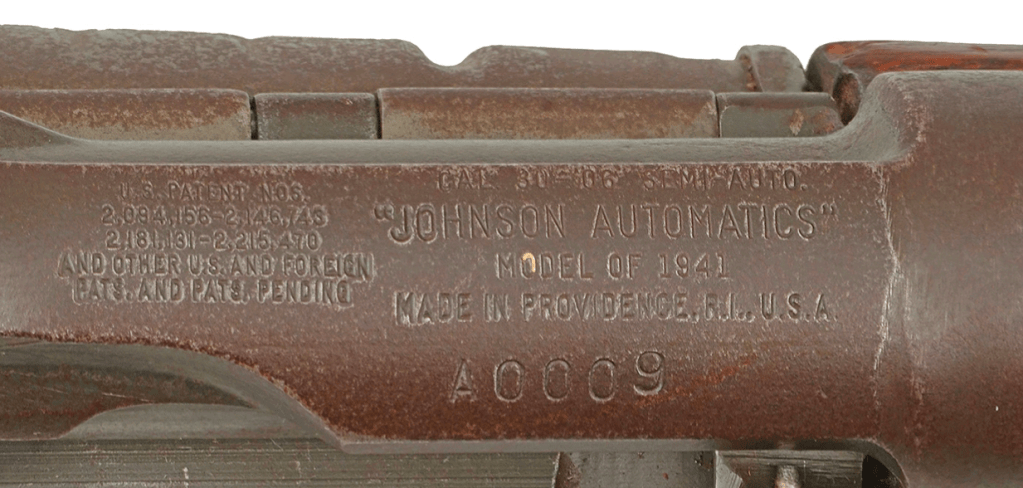
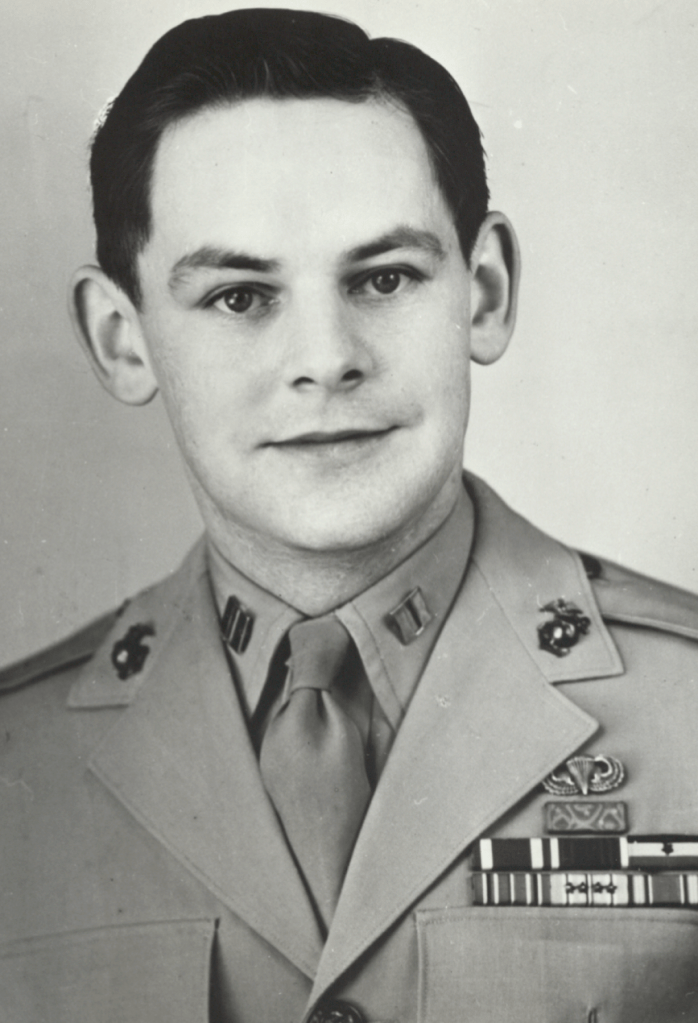

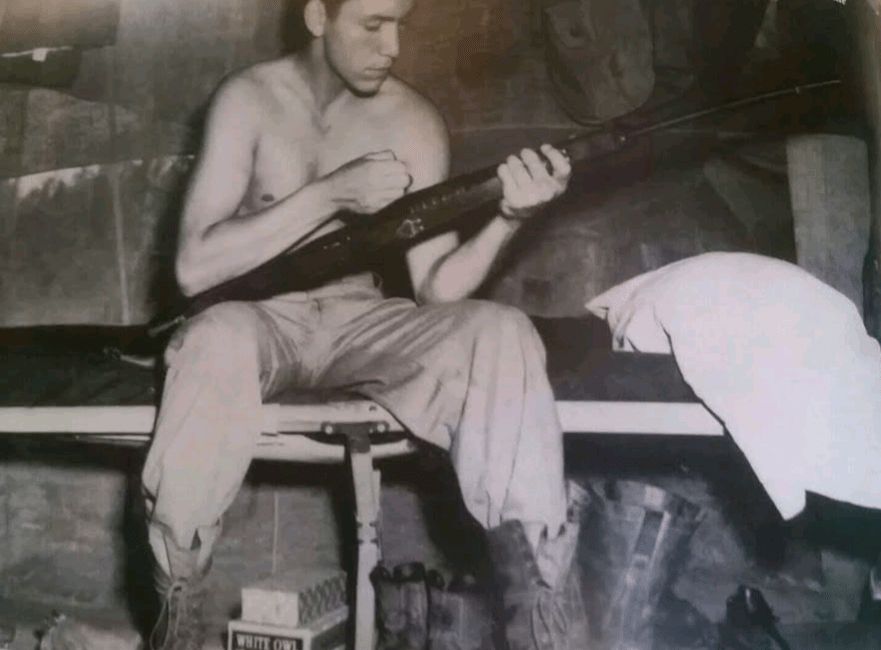
Marine parachutists inspecting his M1941 Johnson Rifle (NARA).
Considering the modifications to the sights on Marine Corps M1941s, it seems rational these were done to increase ease in sight acquisition during nighttime banzai charges. The engagements the Paramarines would encounter on Guadalcanal and in the dense jungles of New Georgia were often at night and very close in range. The sight modifications almost certainly were done to address these realities. While certainly not as solid as actual documentation, they do increase the likelihood of USMC provenance. A documented or USMC likely M1941 Johnson would be the collection centerpiece, as very few examples are known to exist today.
 USMCWEAPONRY.COM