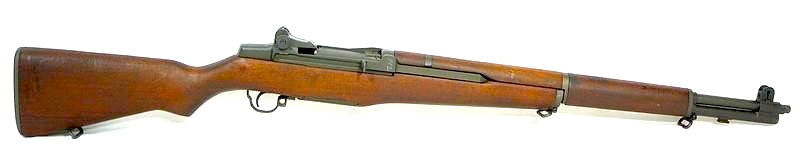
Three large-scale M1 Garand rebuild programs were undertaken by the USMC. The first was took place immediately after World War II, another after the Korean War, and the final rebuild program occurred in the mid-1960s. While the post-World War II and Korean War rebuilds bare few traits to establish a Marine Corps connection, those of the 1960s fortunately do. A considerable amount of 1960s USMC rebuild M1s have been sold by the Civilian Marksmanship Program (CMP). As part of their mission to promote marksmanship, the CMP offers surplus government rifles to the public, the vast majority beimg M1 Garands. From their stores at Anniston, Alabama and Camp Perry, Ohio some excellent USMC M1 Garand turn-ins and rebuilds have been made available, providing an in-depth look at their various forms.
Hang Tag Turn-Ins
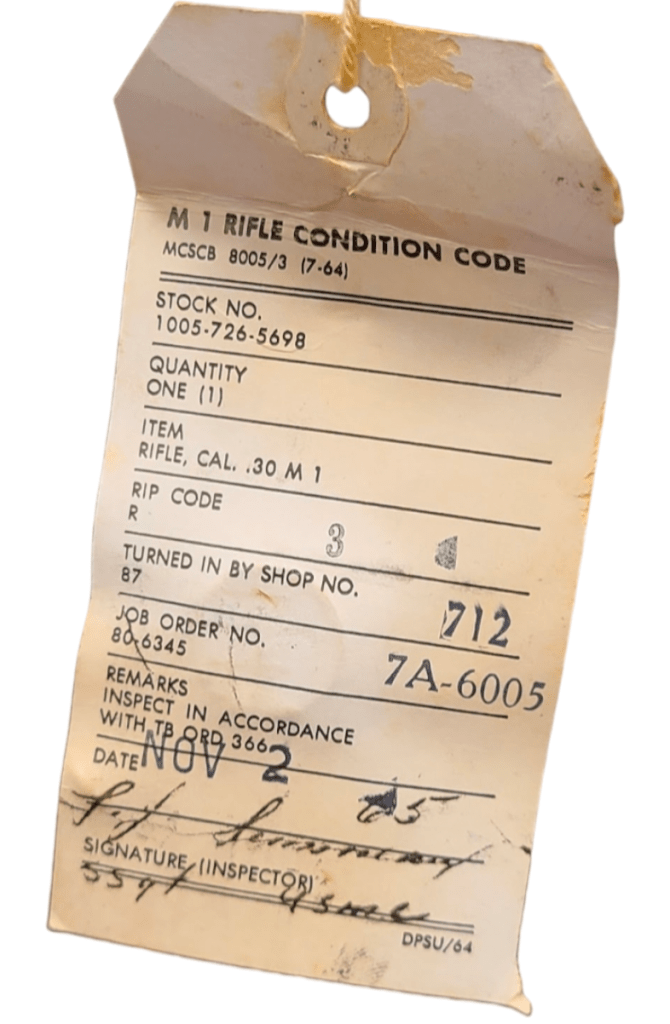
Marine Corps Service Center Barstow M1 Rifle Condition Code “Turn-in Tag”, one of the more common tags encountered on USMC M1 Garands. These tags typically do not include the rifle’s serial number.
NAVMC 1018-SD Inspection Tag. These tags often contain the most information and are serialized. This example shows USMC M1 Garand #4261779 was turned in as unserviceable by Golf Company, 2nd Battalion, 7th Marines.
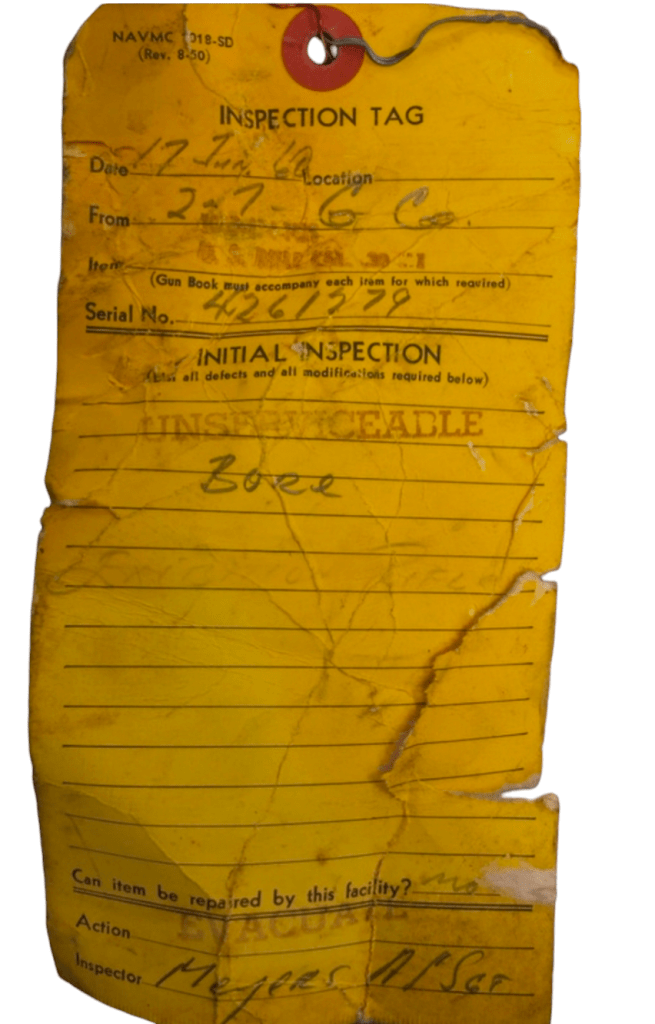
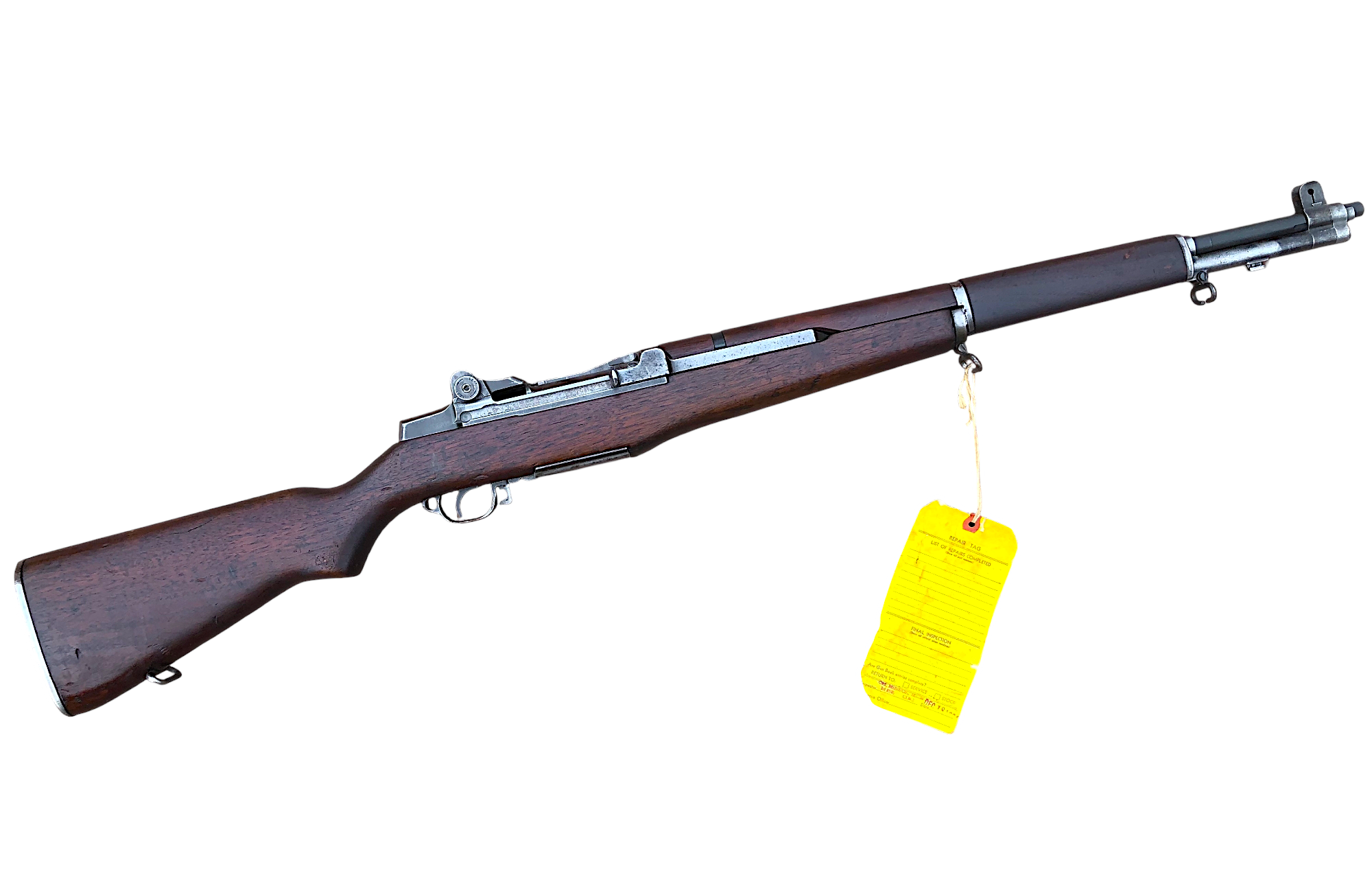
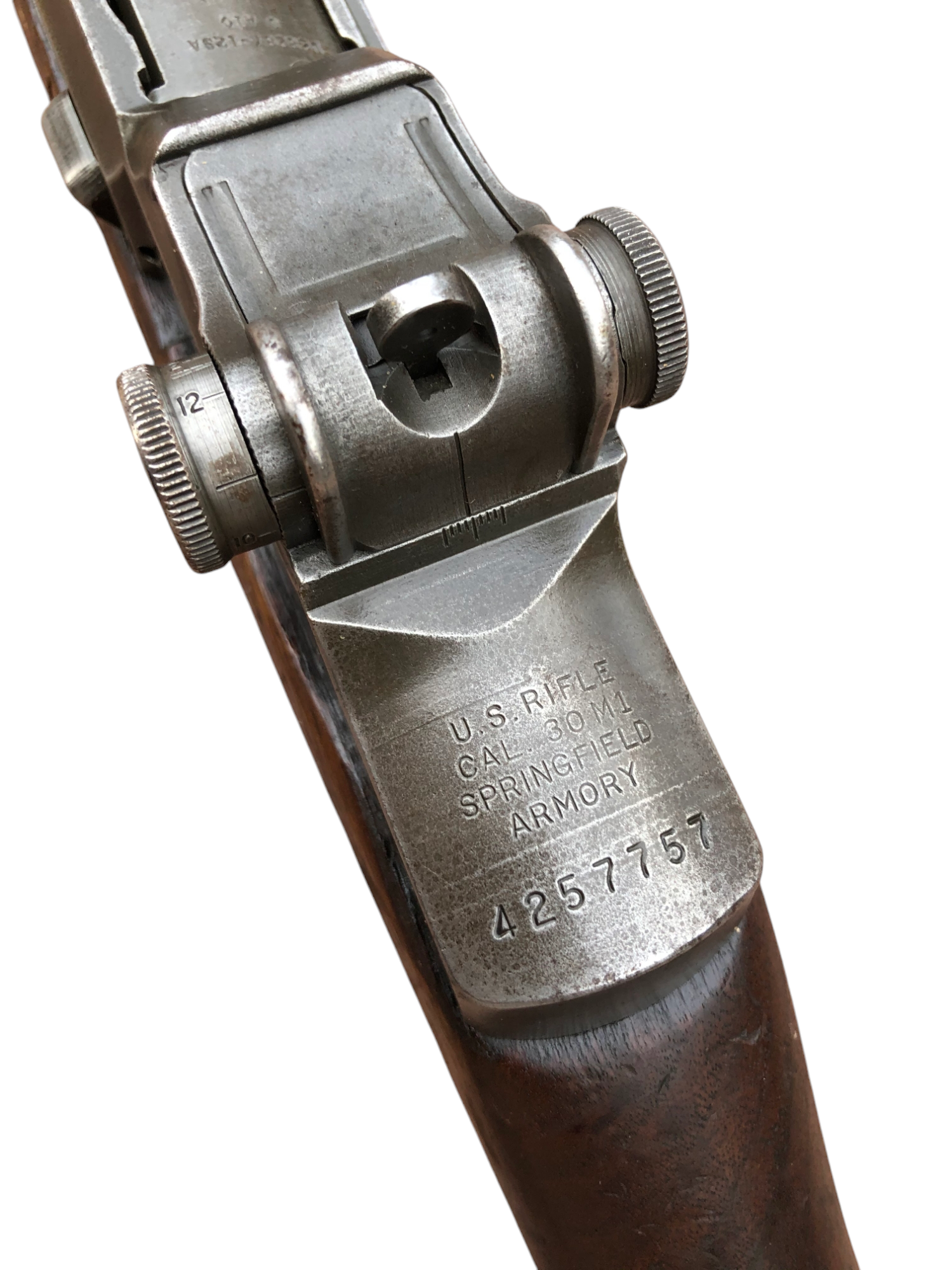
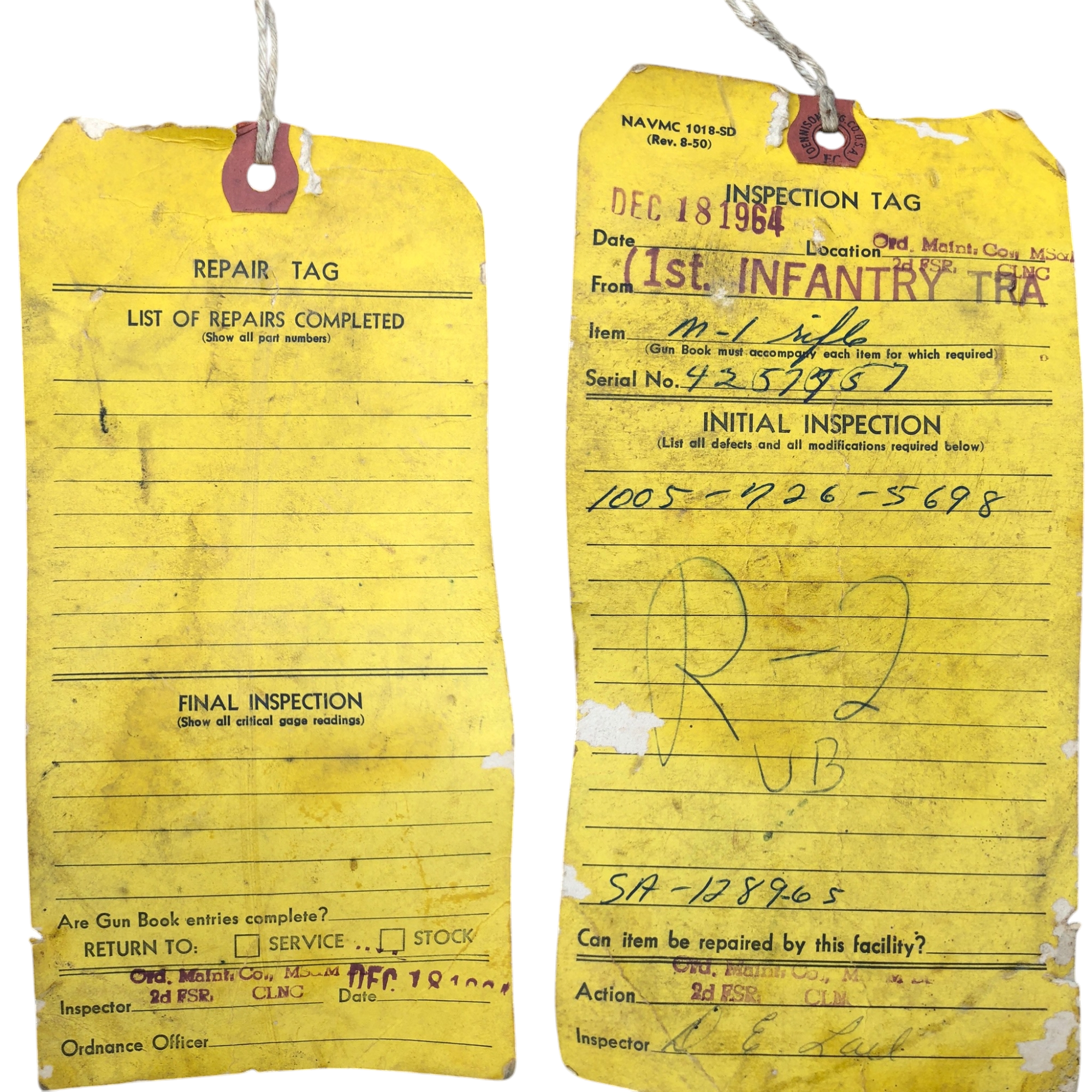
Springfield Armory M1 Garand #4257757 with serialized USMC hang tag. This rifle was turned in by the 1st Infantry Training Regiment to Ordnance Maintenance Company, 2d Fleet Service Regiment on December 18th, 1964 (Plowman collection).
One of the ways USMC M1 Garands can be identified are through the presence of a maintenance or turn-in “hang tag.” The overwhelming majority of hang tags date to 1964 and 1965, but there have been some found much earlier and later. Hang tags from the 1950s and early 1960s are generally NAVMC (Navy/Marine Corps) marked, while mid-60s and later are typically marked MCSCB (Marine Corps Service Center Barstow). Hang tags dating as late as the 1980s have been observed as well, showing the considerable length of time M1s remained at various locations. All hang tags contain small bits of information on a rifle’s condition and origin, with maintenance tags typically having more and turn-in tags having less.
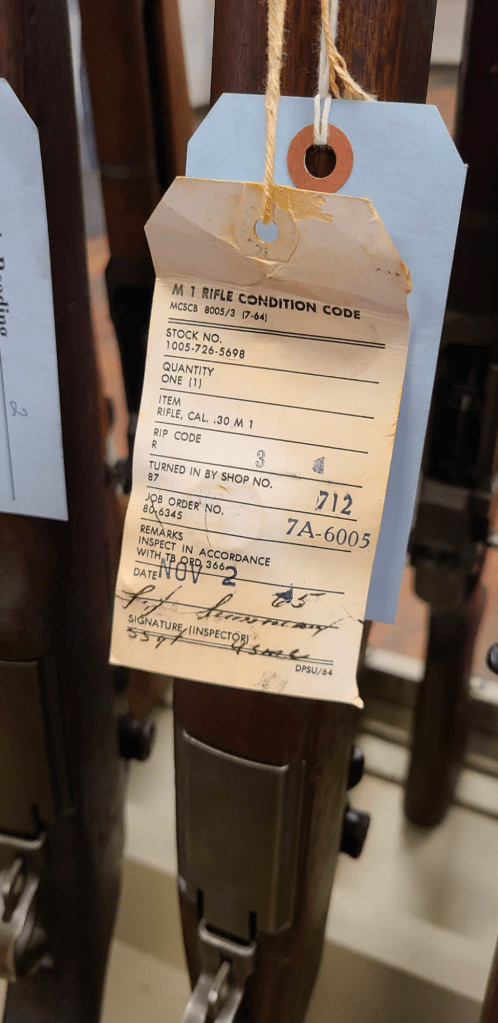
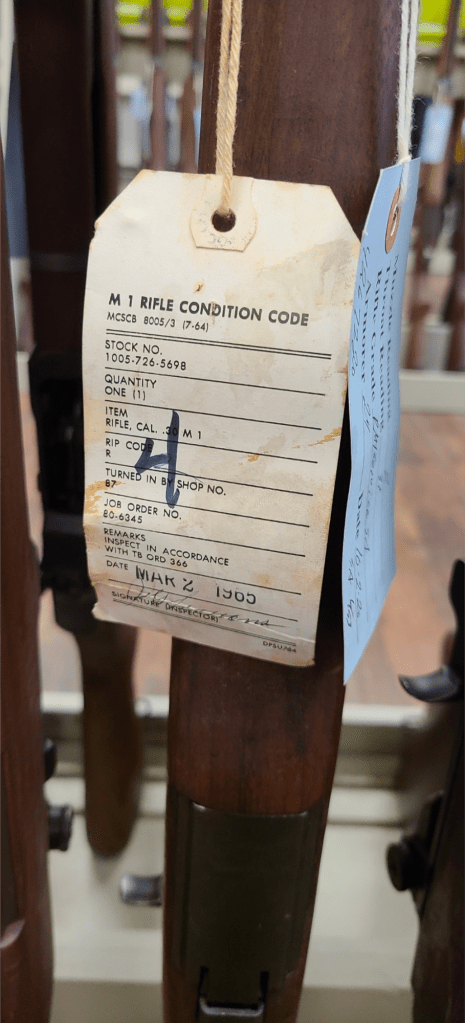
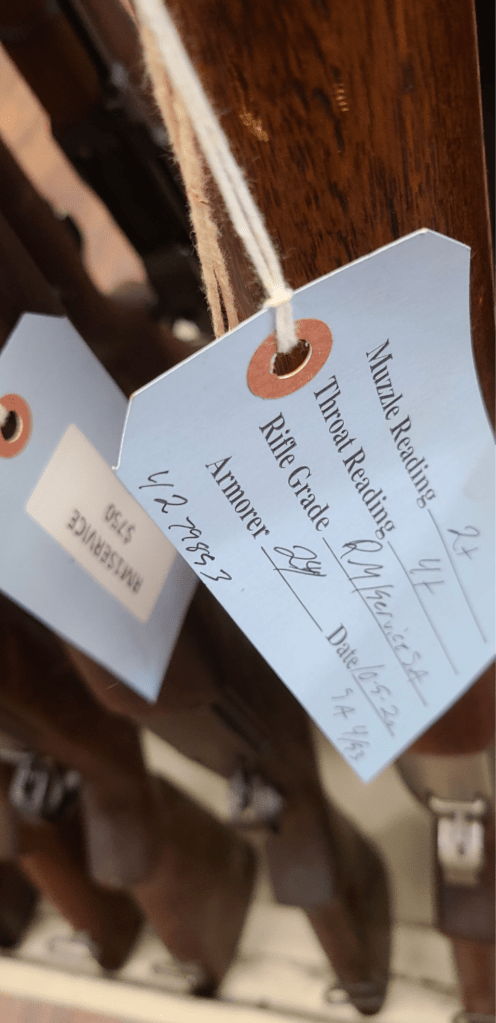
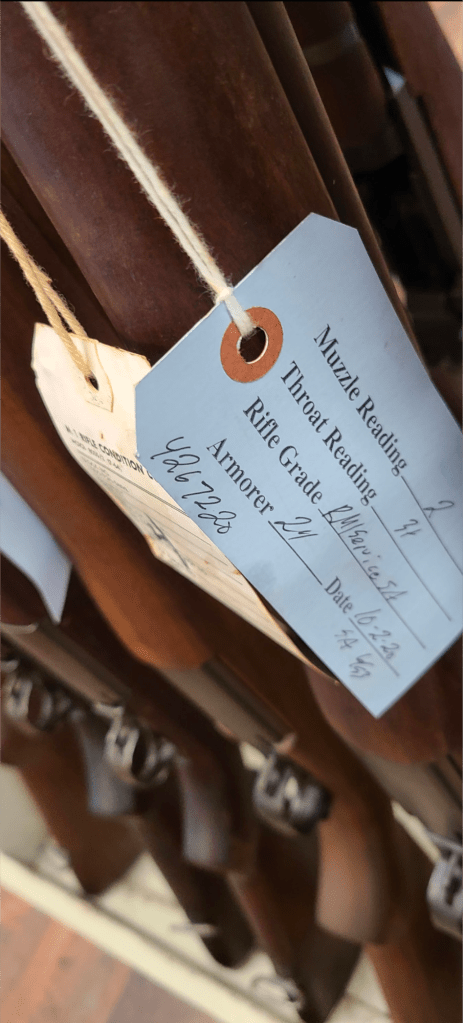
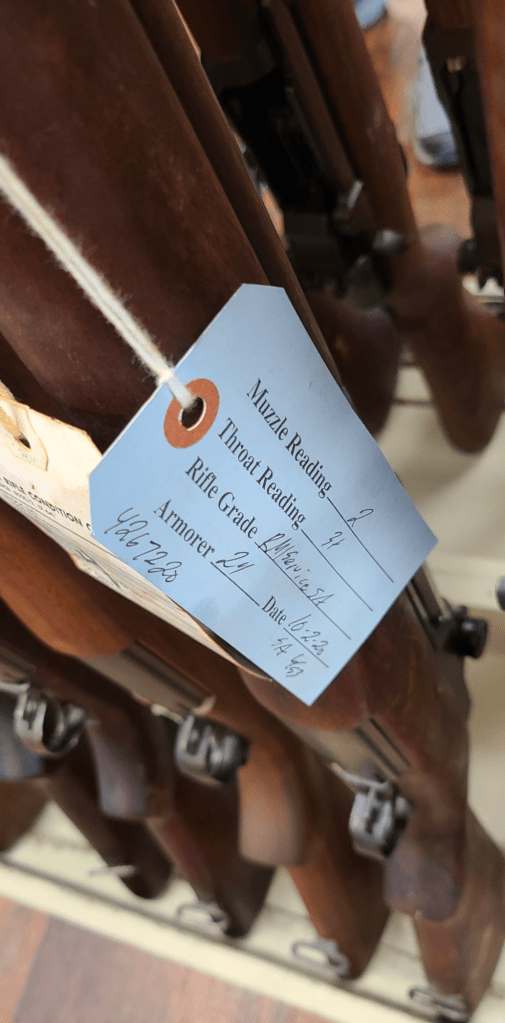
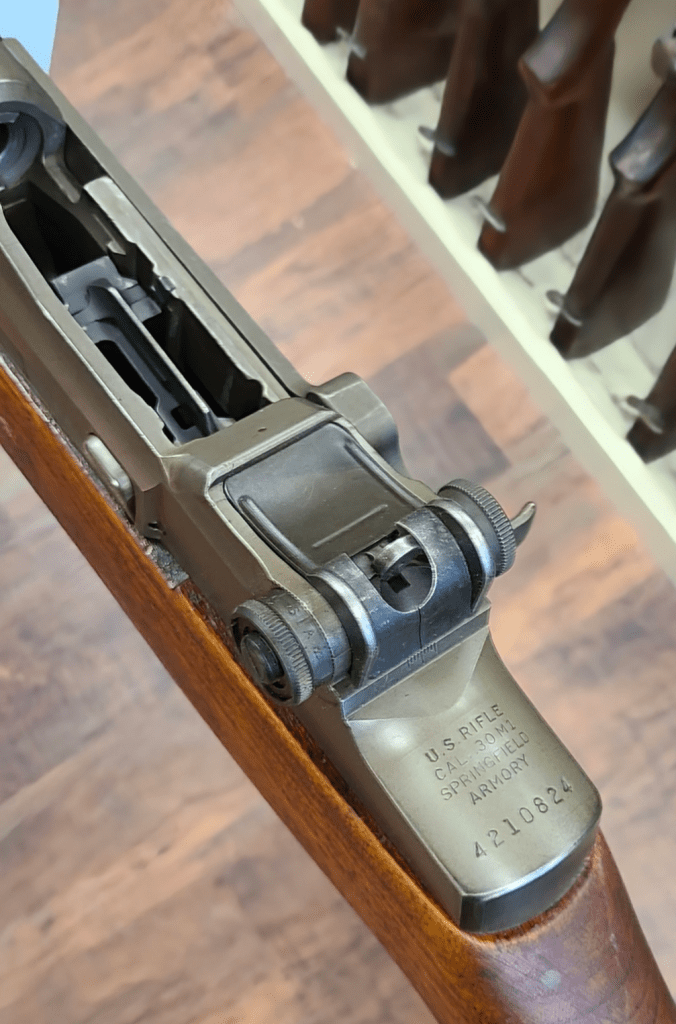
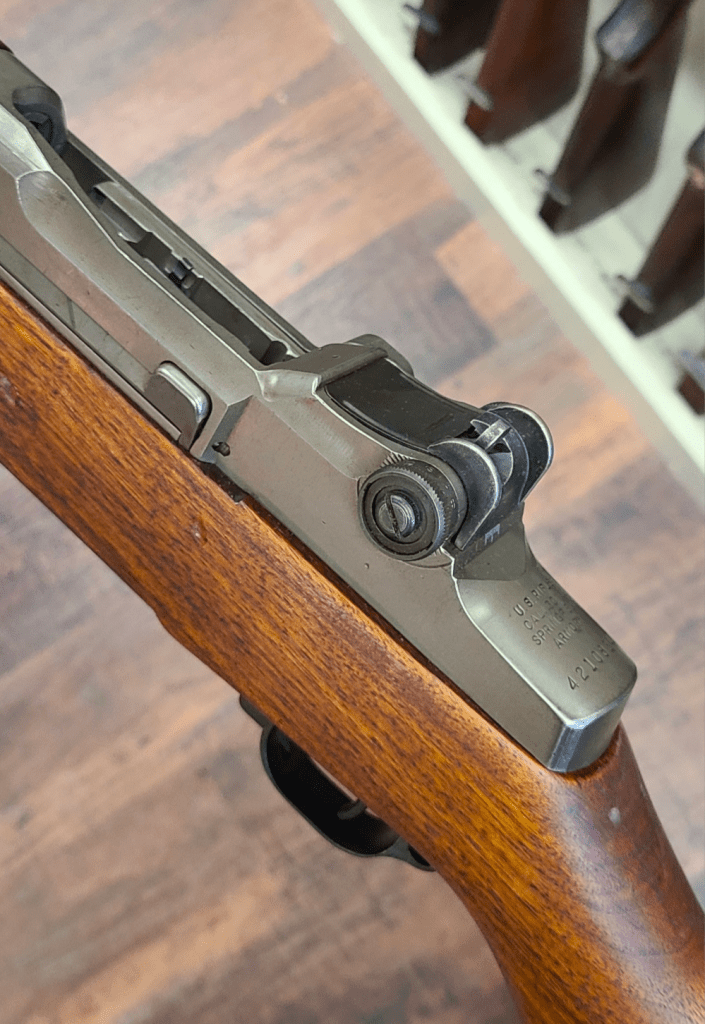
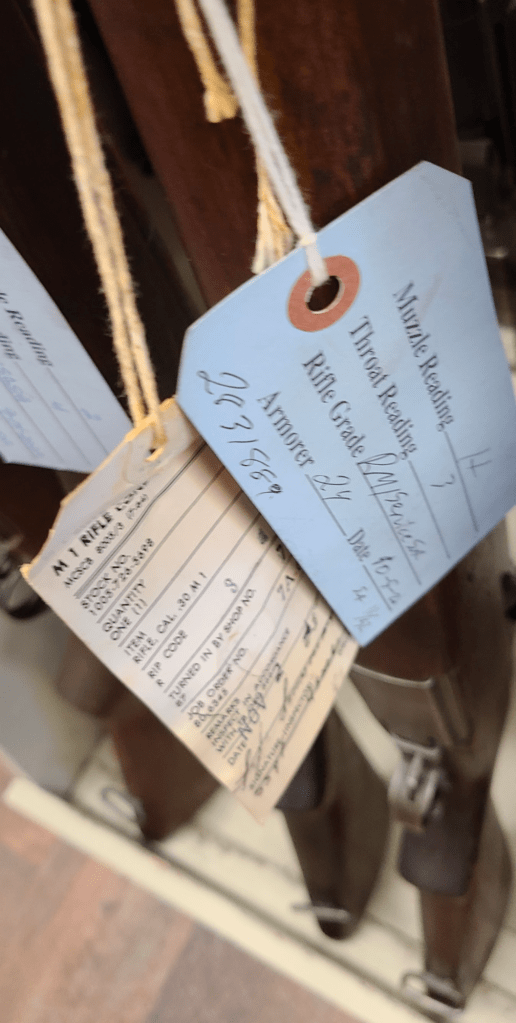
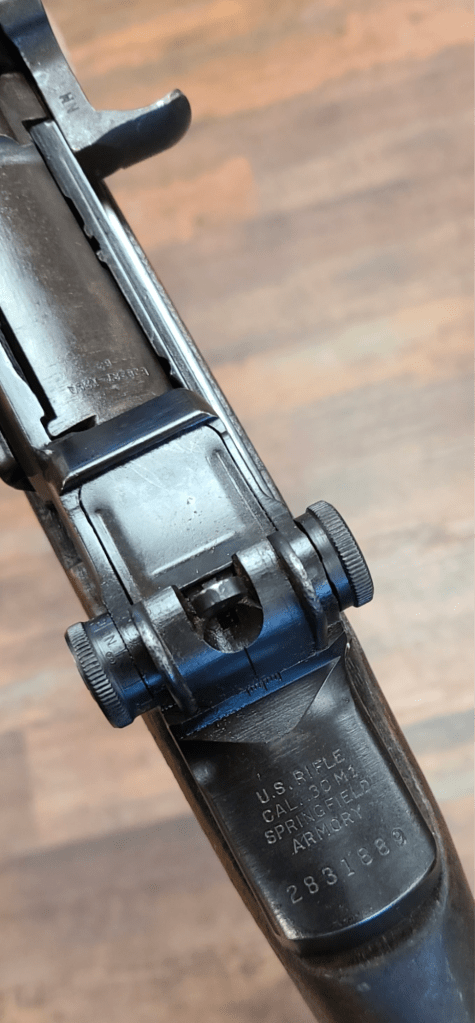
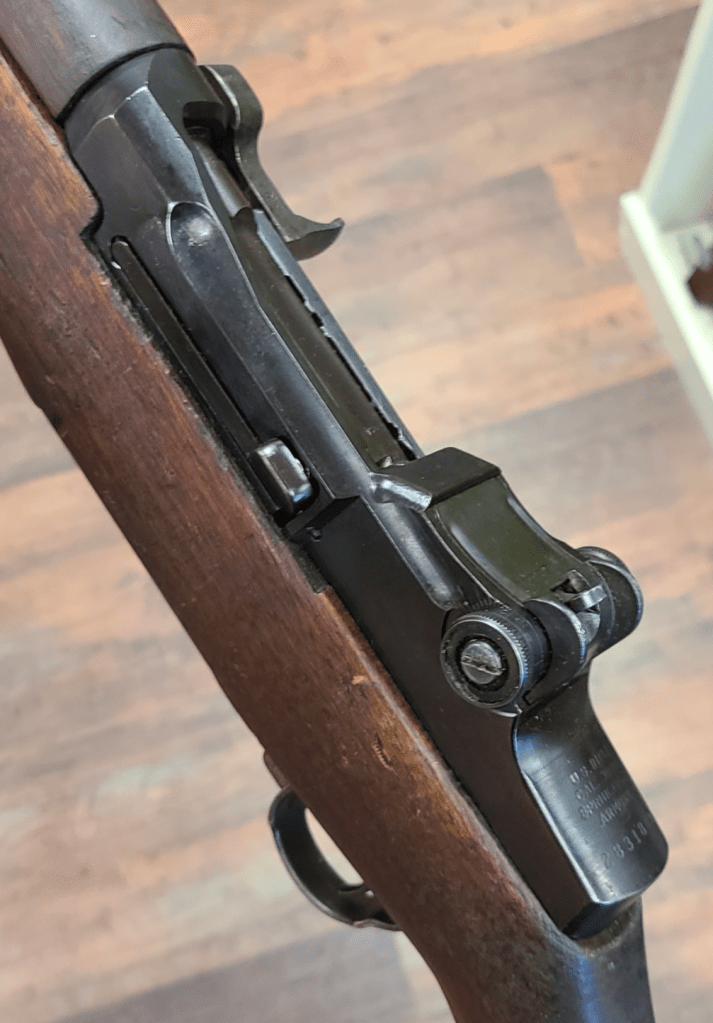
In late 2020 the CMP offered a considerable amount of USMC hang tag turn-in M1 Garands for public sale. These rifles allowed a fantastic view of Marine Corps M1s as they existed in the 1960s.
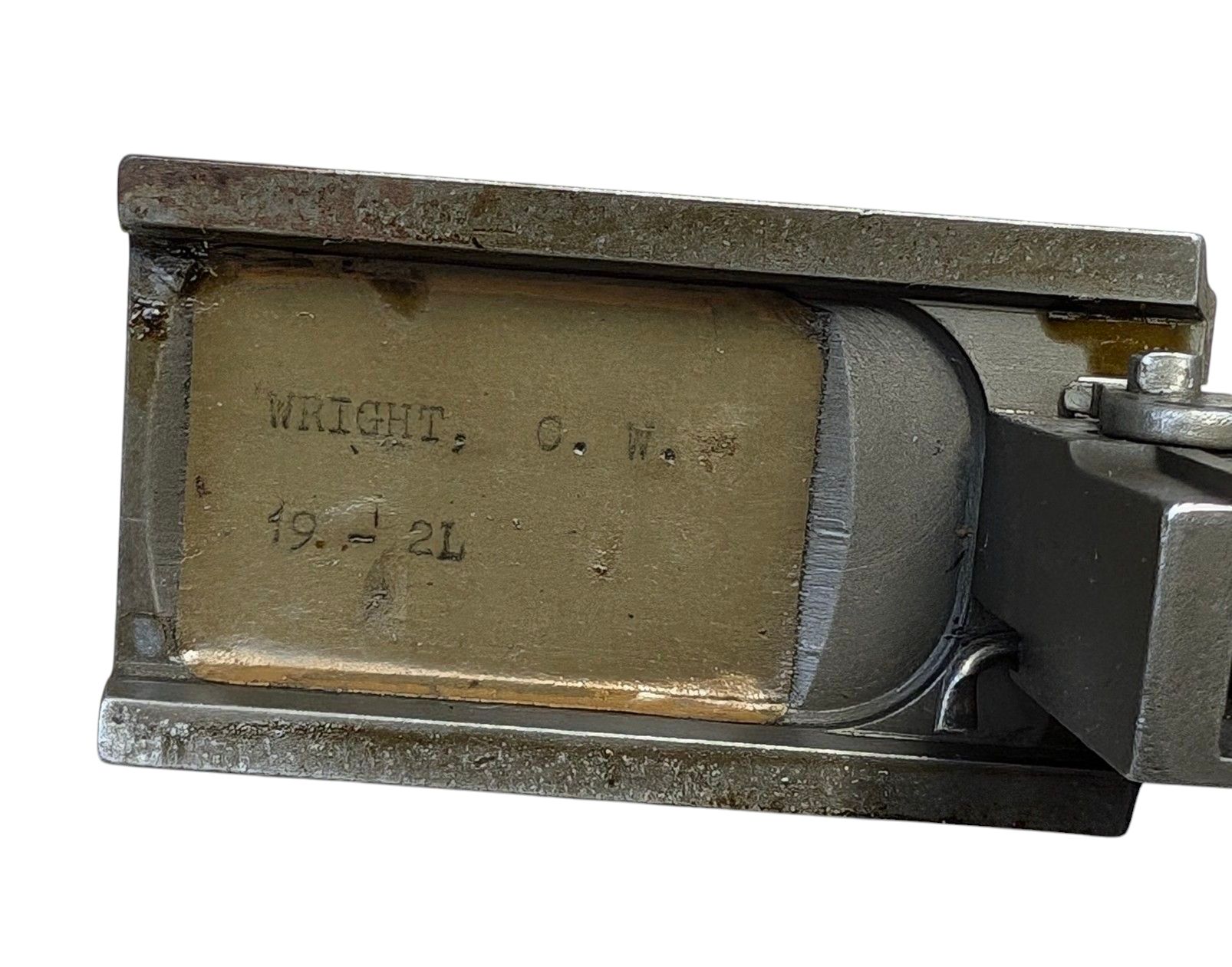
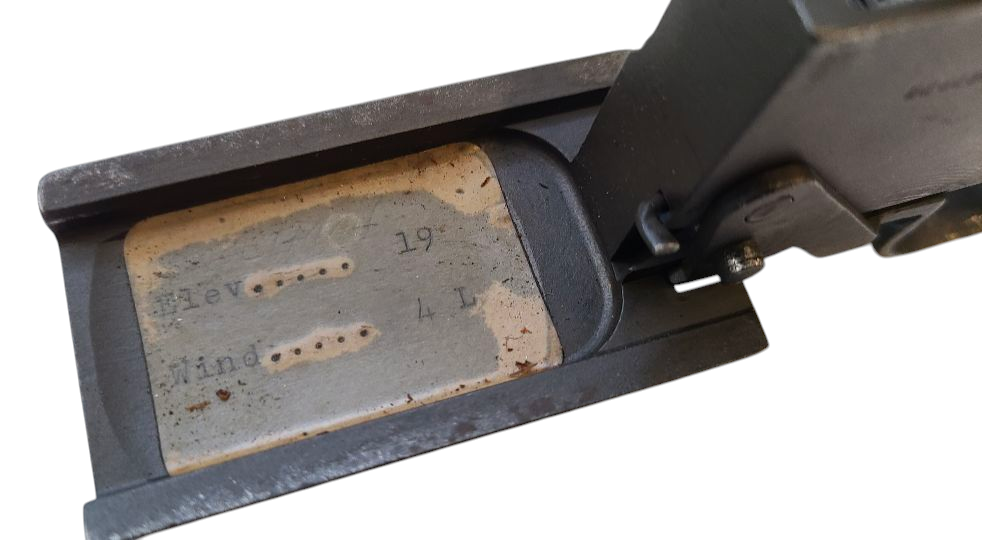
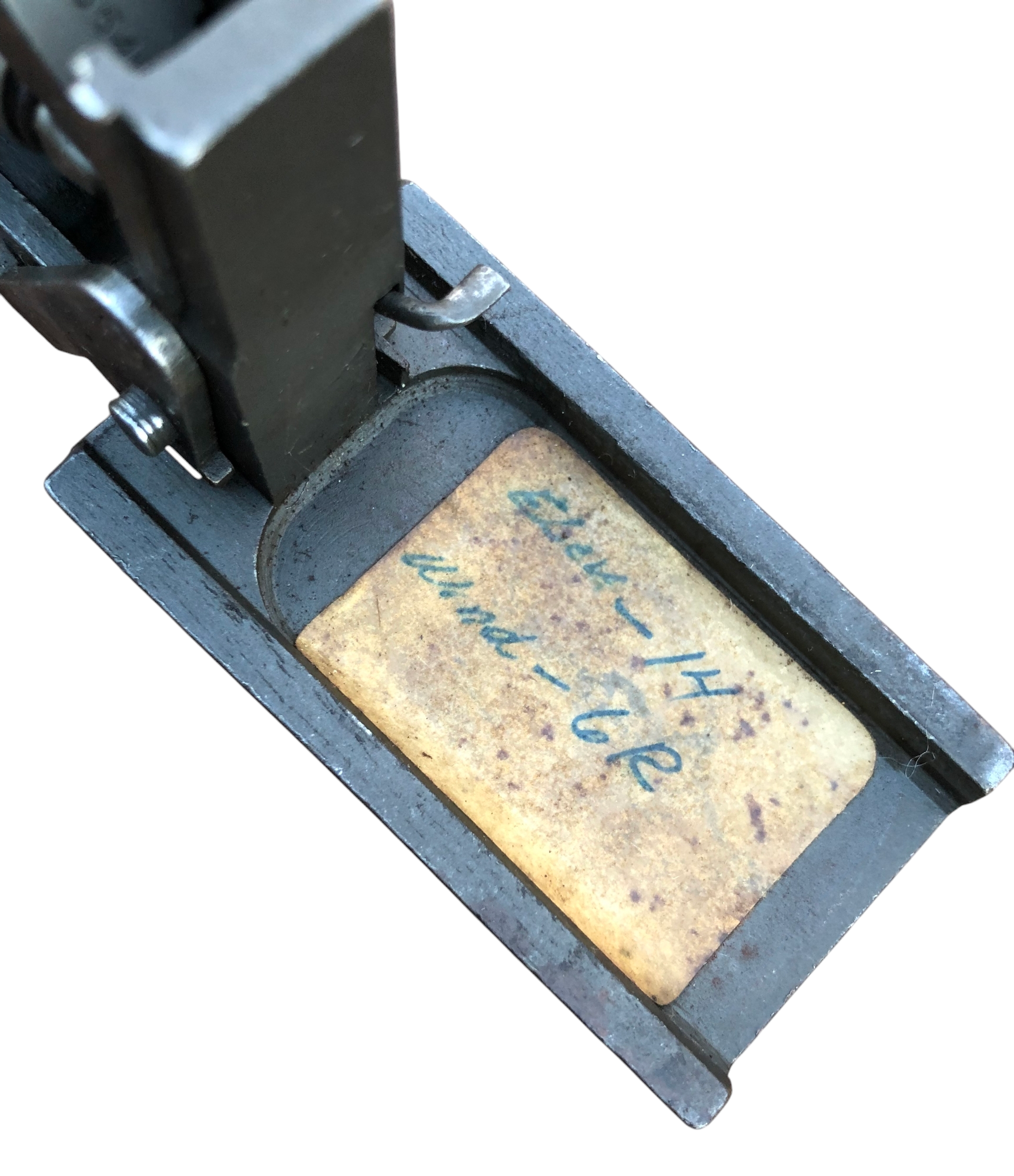
USMC DOPE tags on the inside of M1 Garand trigger housings. Earlier handwritten type common to the World War II & Korean War eras seen at left. This practice evolved into DOPE tags being typewritten, sometimes including the name of the Marine to whom the rifle was issued.
The best hang tags are serialized to the rifle, and a USMC M1 obtained straight from government storage through the CMP has rock solid Marine Corps provenance that is highly desirable. Some serialized hang tag Garands also include unit information, further enriching the rifle’s history. Many hang tags do not include an M1’s serial number, typically due to the rifle having been tagged when turned in and then surplussed from Marine Corps inventory. It is important to understand that CMP armorers often have to replace stocks and the presence of an unserialized USMC hang tag may be the product of a CMP stock swap. That said, it is still more likely than not that an M1 Garand with a USMC hang tag was turned in by the Marine Corps, it just cannot be proven absolutely. The presence of other traits, such as serial number ranges that are dense with Marine Corps rifles, fit and finish, and DOPE tags in the trigger housing also support the likelihood of a non-serialized hang tag Garand being USMC.
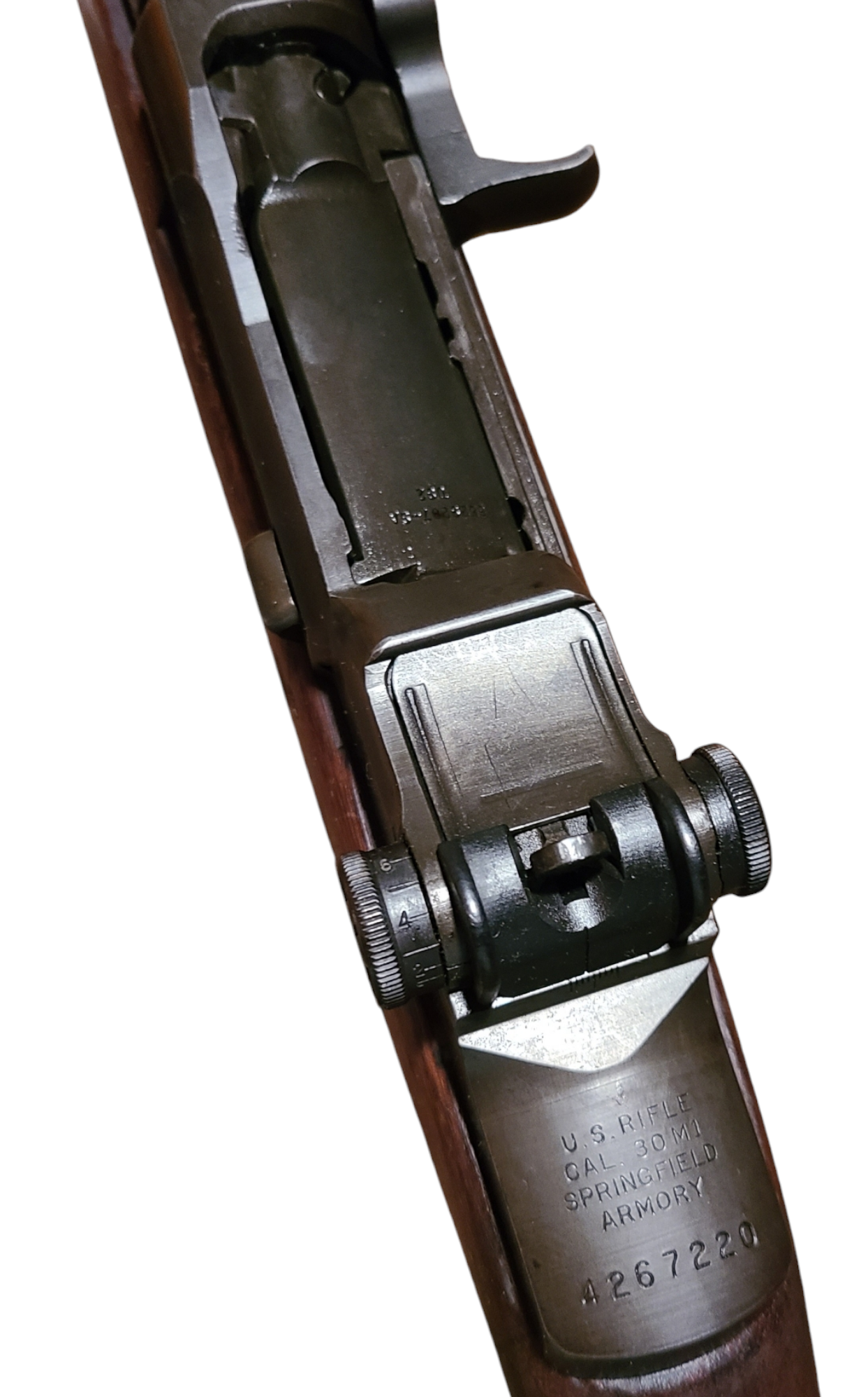
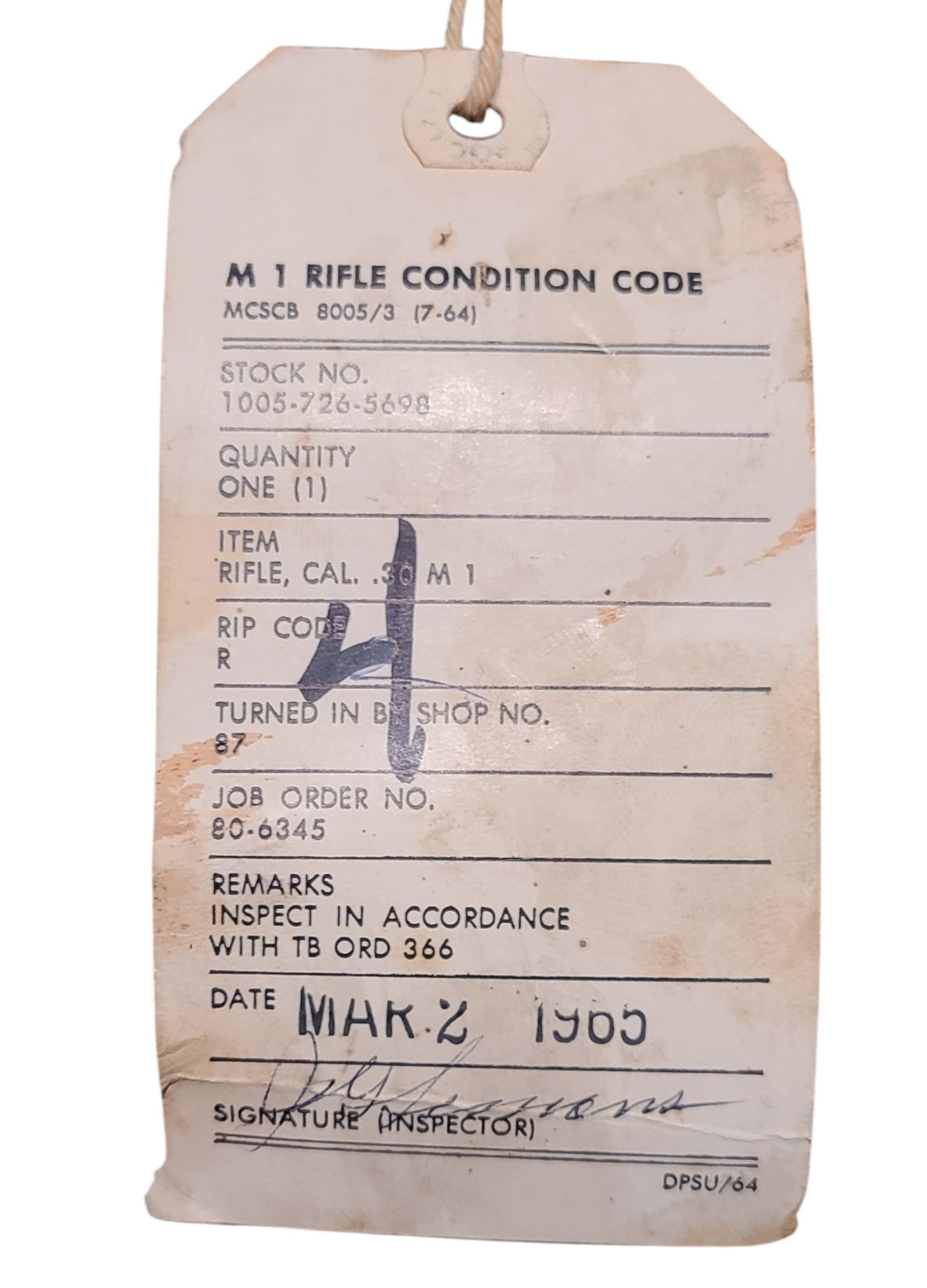
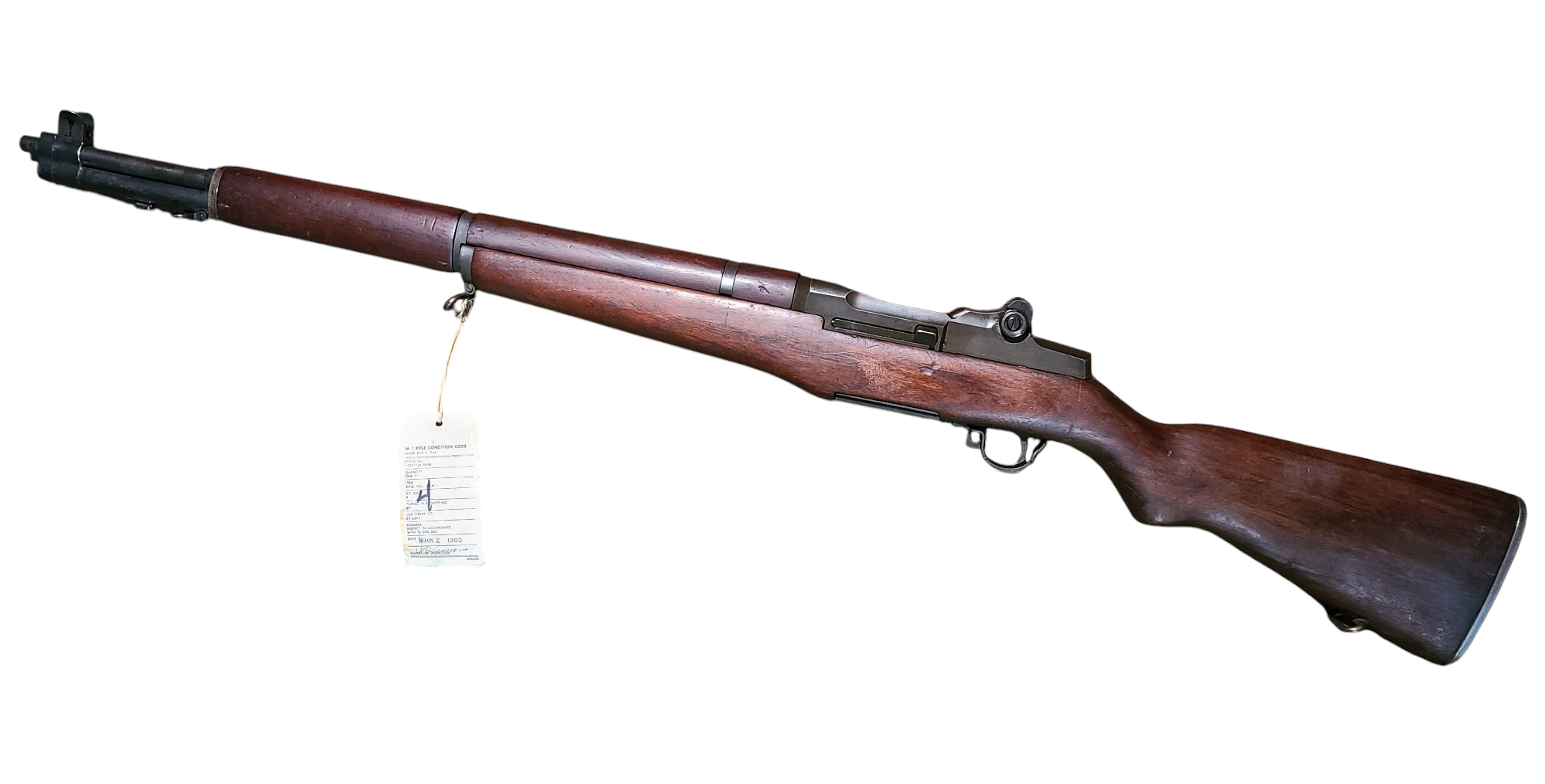
Springfield Armory M1 Garand #4267220, with hang tag showing the rifle was turned in to Marine Corps Service Center Barstow on March 2nd, 1965 (Plowman collection).
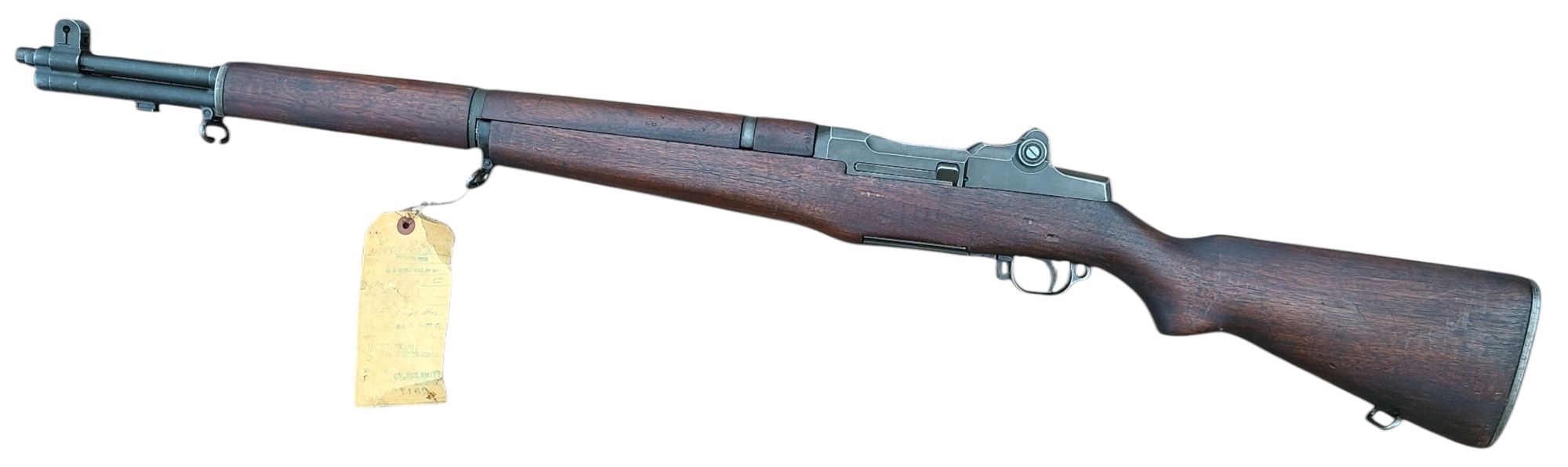
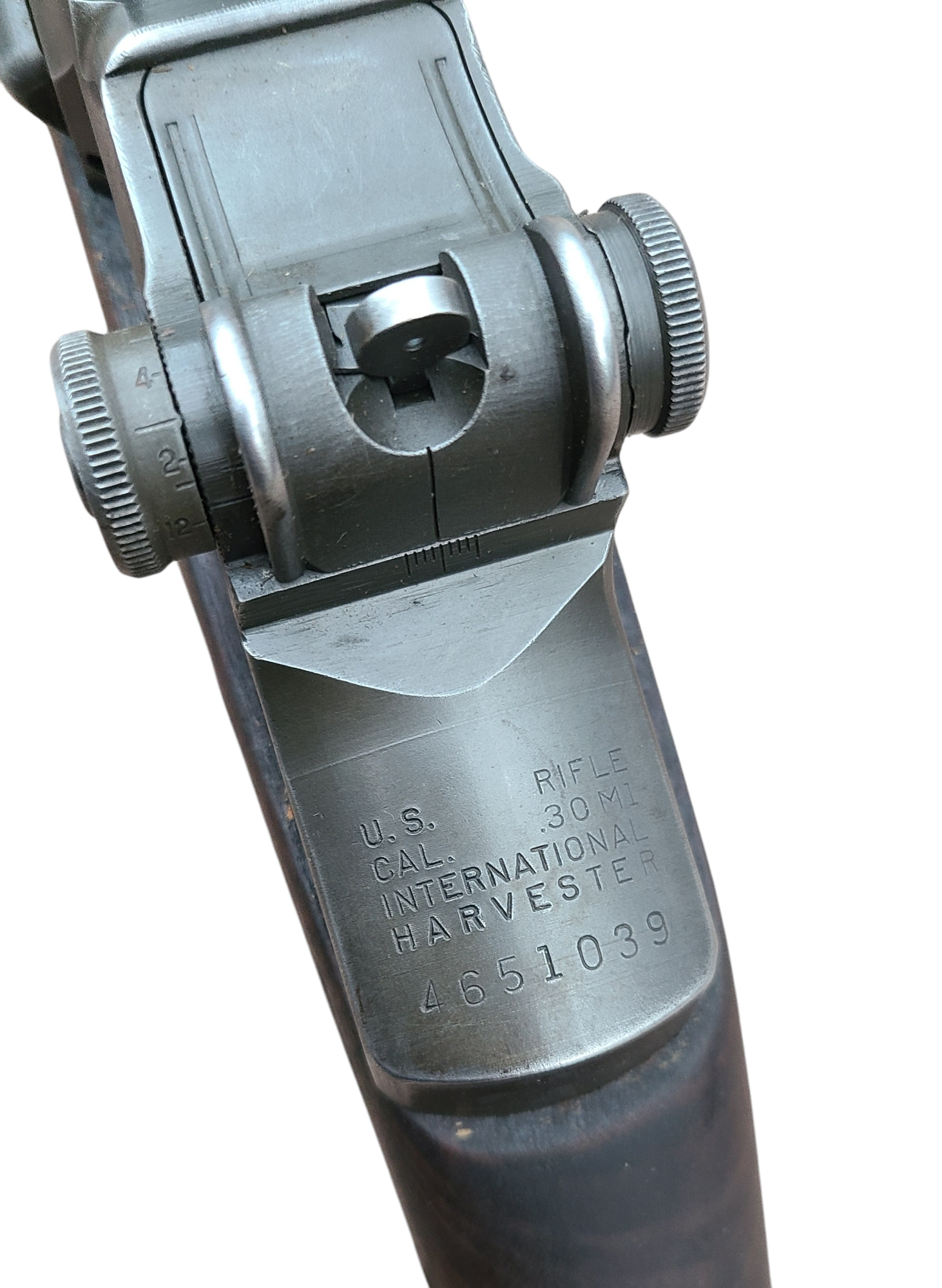
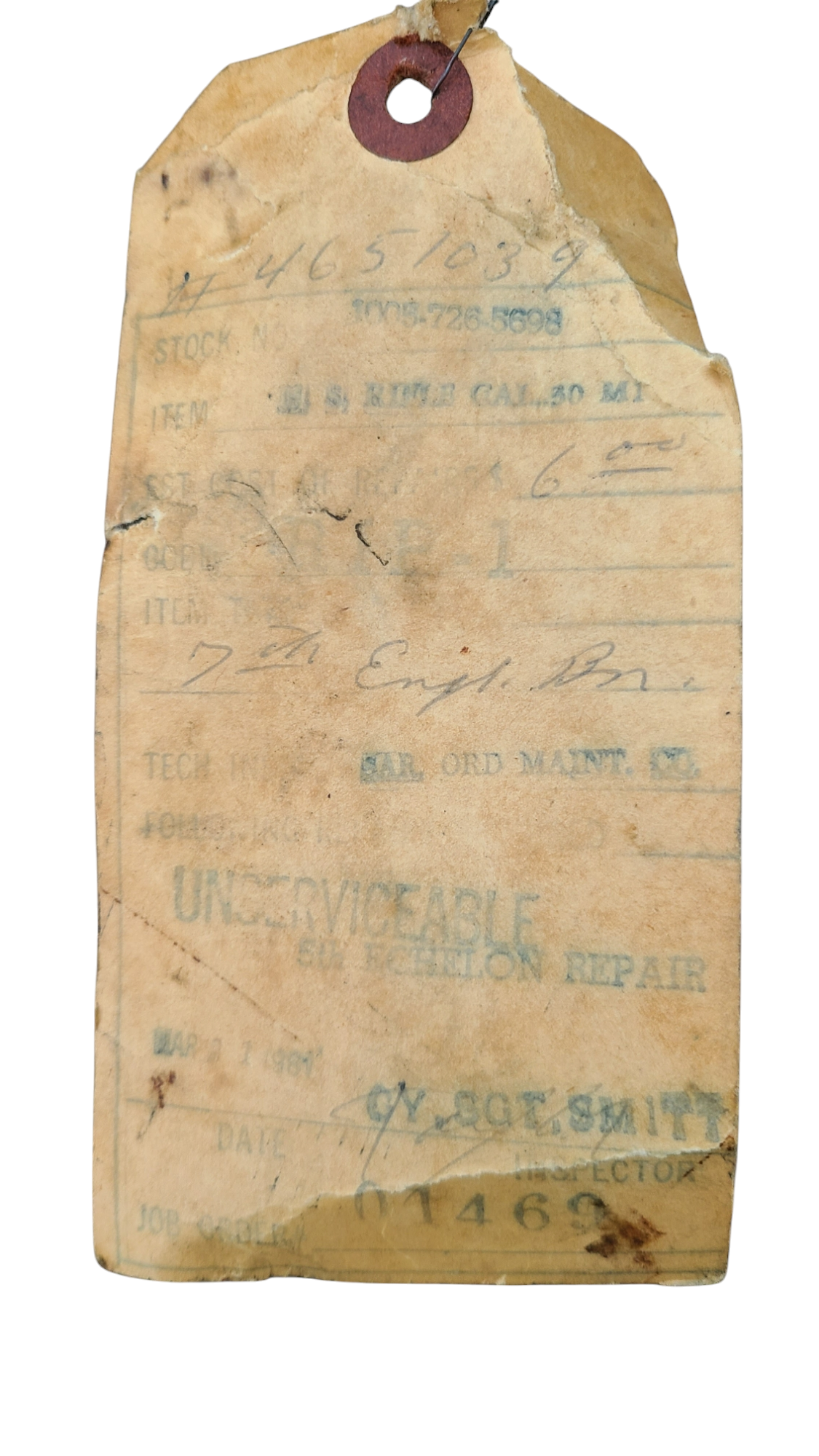
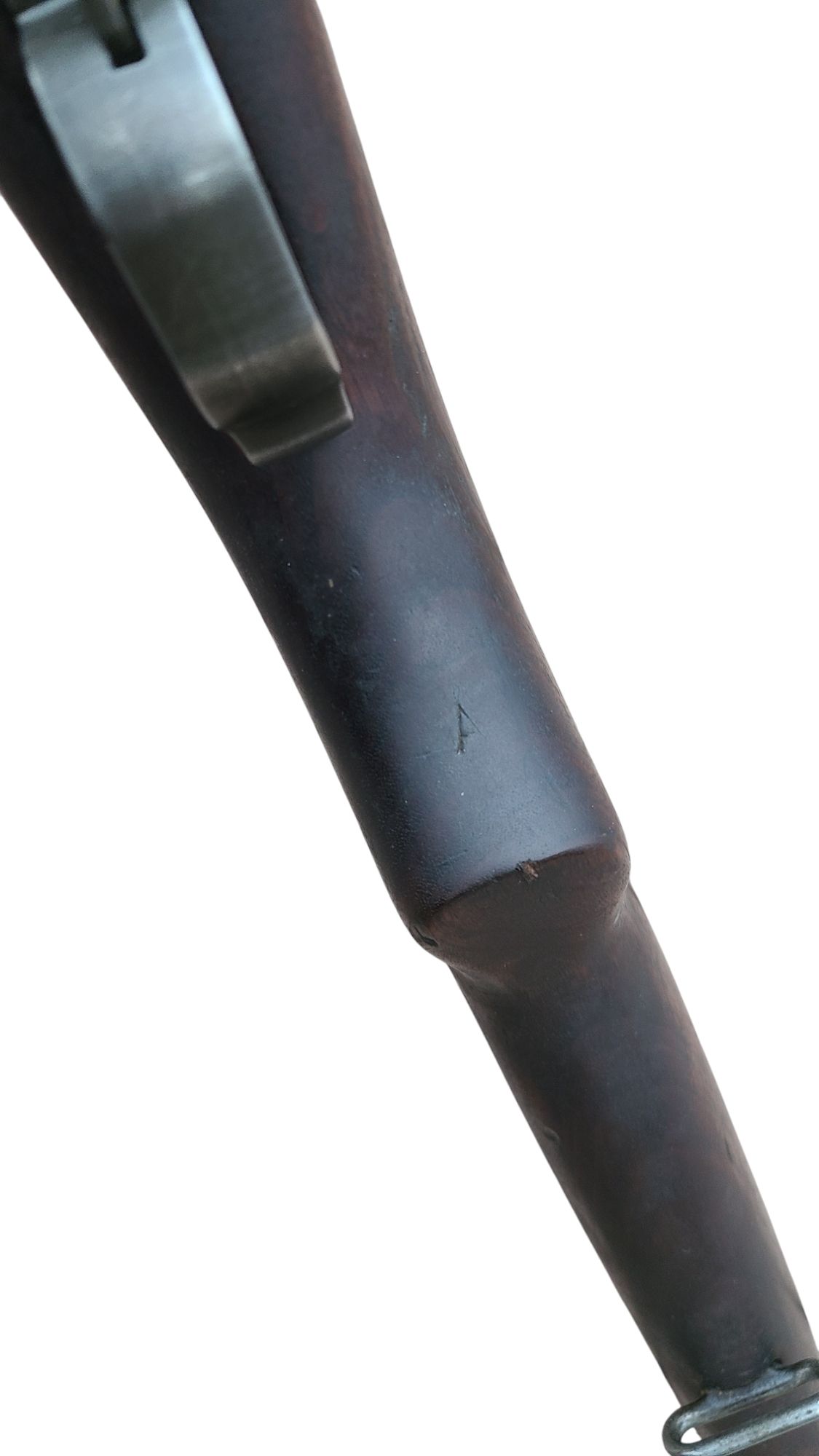
International Harvester “Gap Letter” M1 Garand #4651039, turned in by the 7th Engineer Battalion in 1981 (Plowman collection).
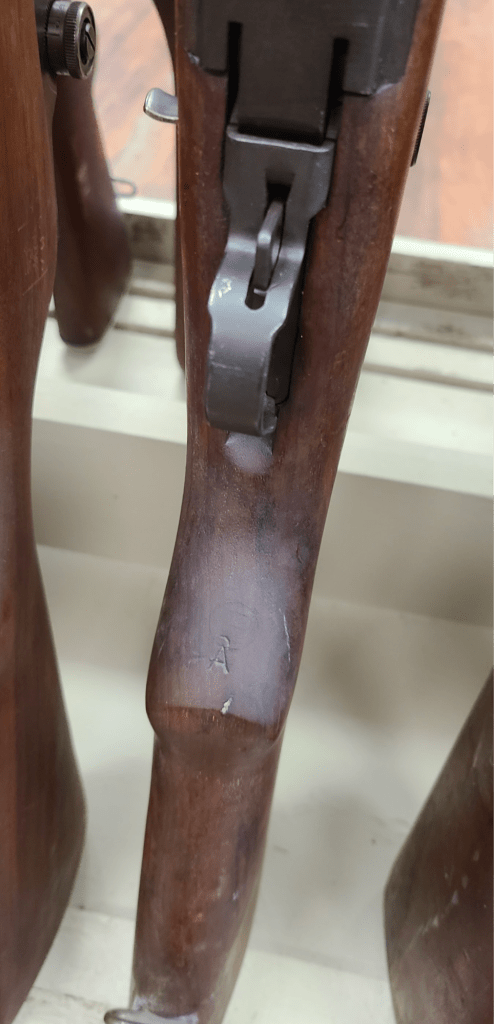
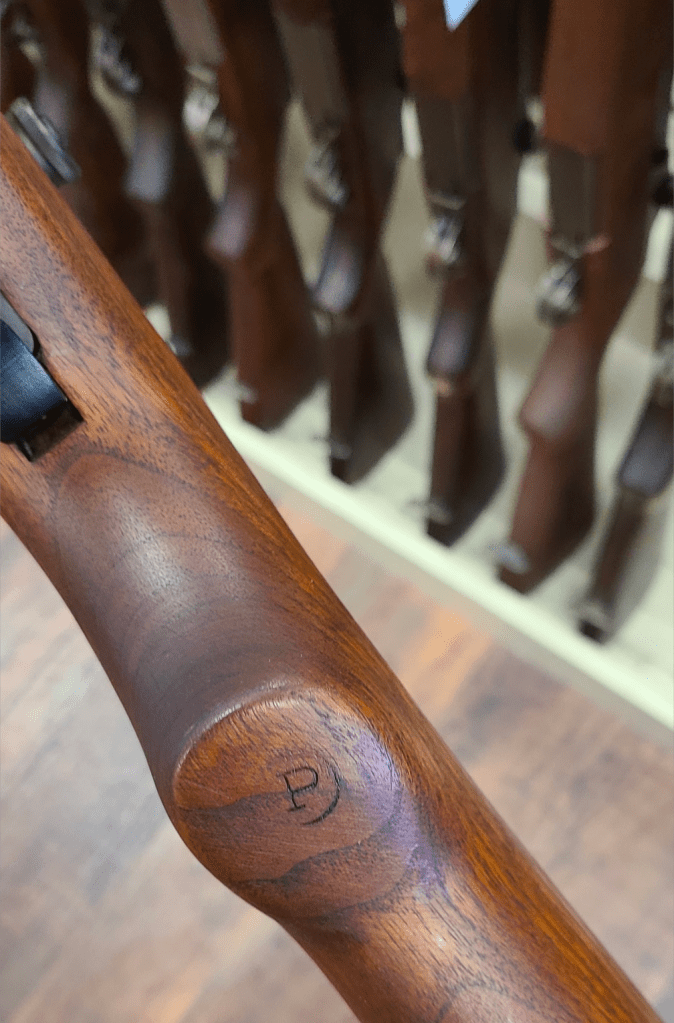
The USMC turn-in M1 Garands that came through the CMP in 2020 did show similarities in attributes. Many had blackened rear sights, rear sight bases, and sight aprons. This is very similar to WWII USMC M1903 rebuilds, as both have sight parts that were refinished black to reduce glare. Also similar is the very light zinc parkerizing seen on all other parts, though a small minority have a very dark finish throughout. Many turn-ins had DOPE tags in the trigger housing, some that were written in pen and others that were done by typewriter. Some contained the name of the Marine the rifle was issued to, providing fantastic further research opportunities. There does seem to be a preference for the wider IHC and WRA front sights as well. Some turn-in stocks have an “A” stamped into the pistol grip denoting a rebuild at Marine Corps Service Center Albany. Others have “P” proof marks, one in particular that appeared frequently was a circled P on the bottom of the pistol grip. It is very likely these were applied at Marine Corps Service Center Barstow.
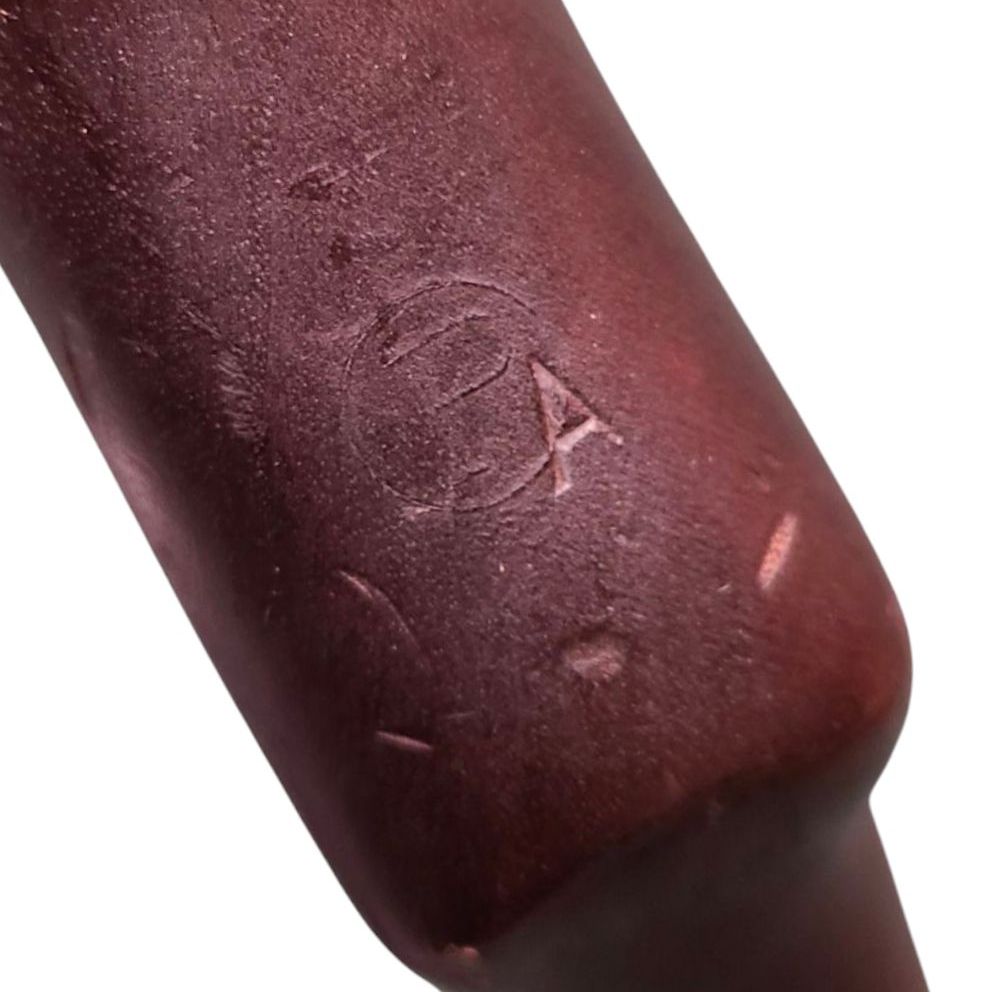
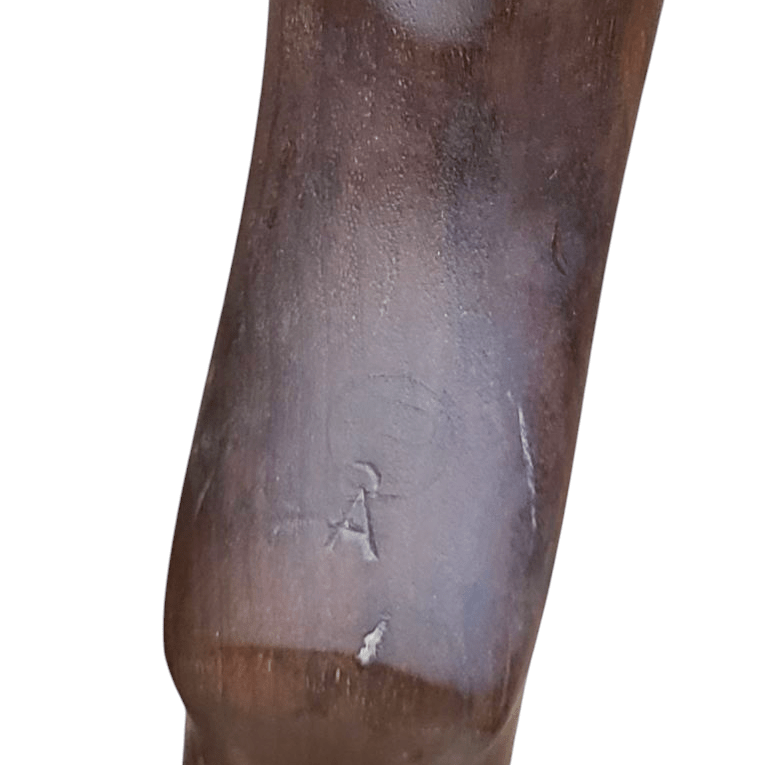
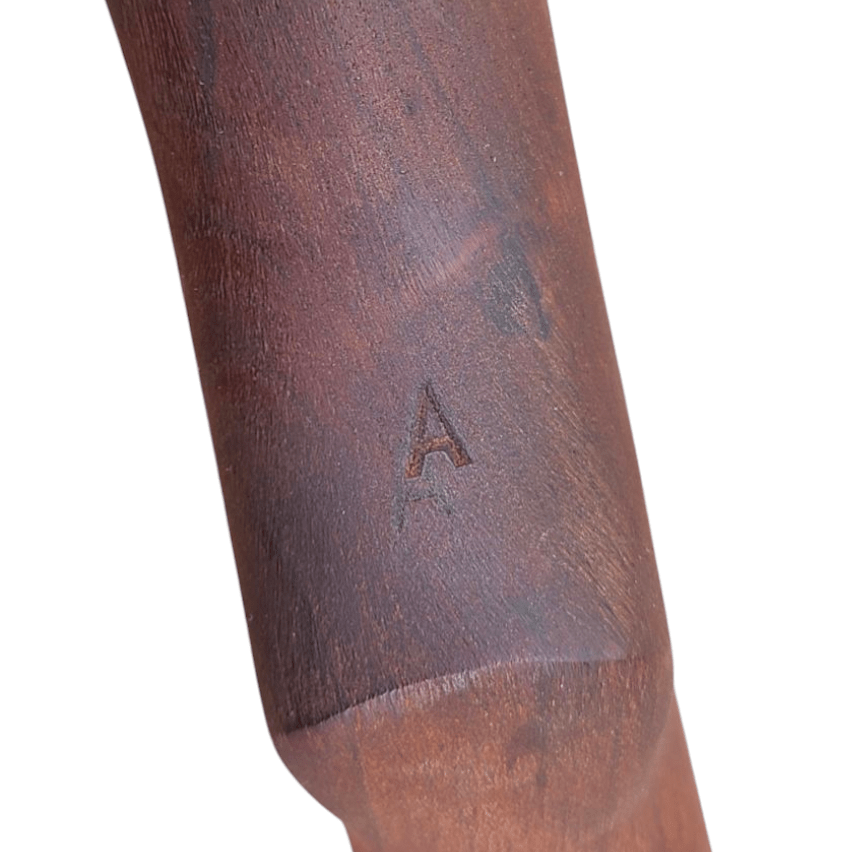
Examples of the “A” stamp seen on the pistol grips of USMC M1 Garands, denoting rebuild at MCSC Albany. Of note, the stock at right has a fresh “A” stamp over an older one.
1960’s “O-6x” Rebuilds

In 1964, the Department of Defense mandated the conditioning of older weapons for war reserve storage. Electro-pencils were used to show a weapon had undergone overhaul, with the receiver of rifles and frames of pistols being marked. On M1 Garands, the army would denote month, year, and place of overhaul on the receiver leg, while the Marine Corps chose to electro-pencil the receiver heel instead. Marine markings were simple, consisting of an “O” for Overhaul, and the last two digits of the year the overhaul took place.
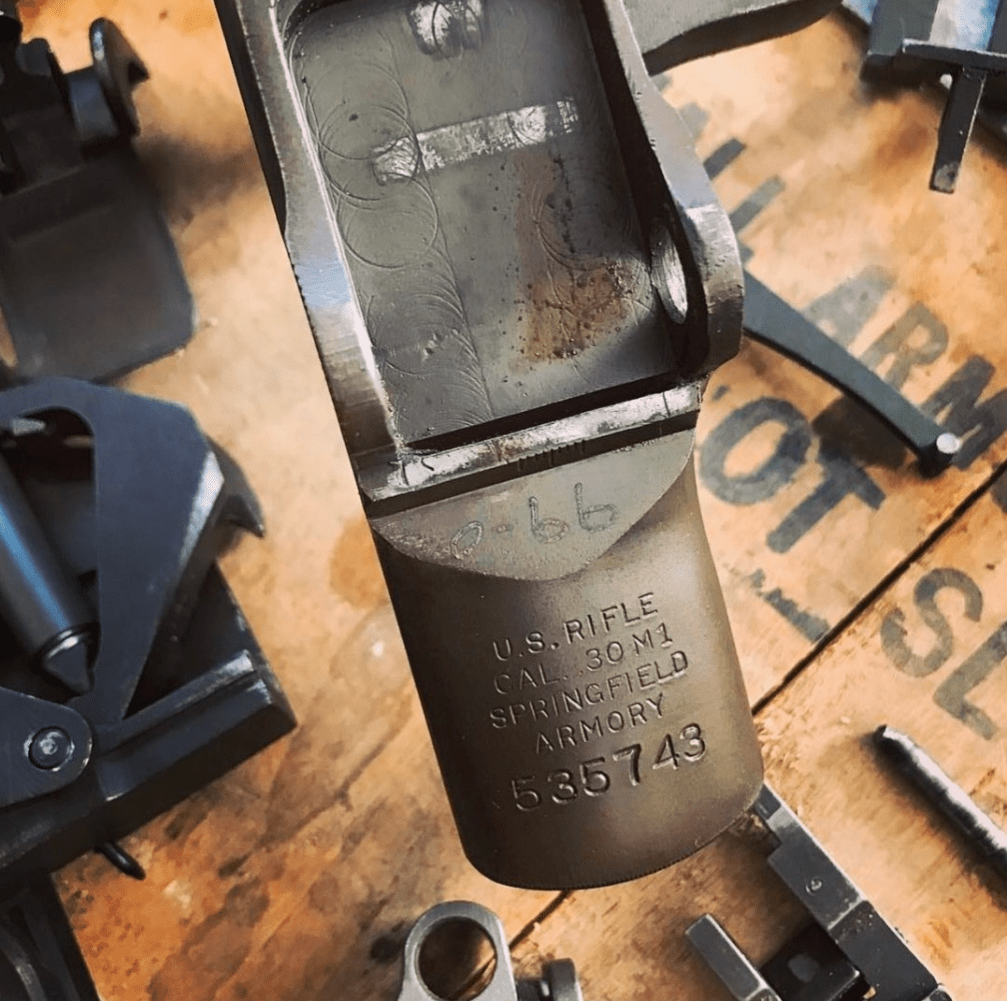

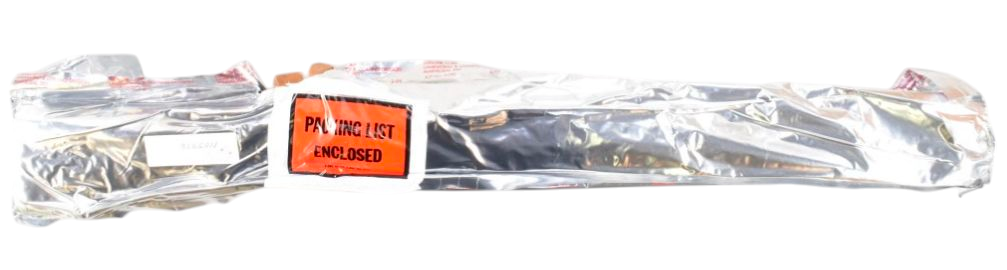
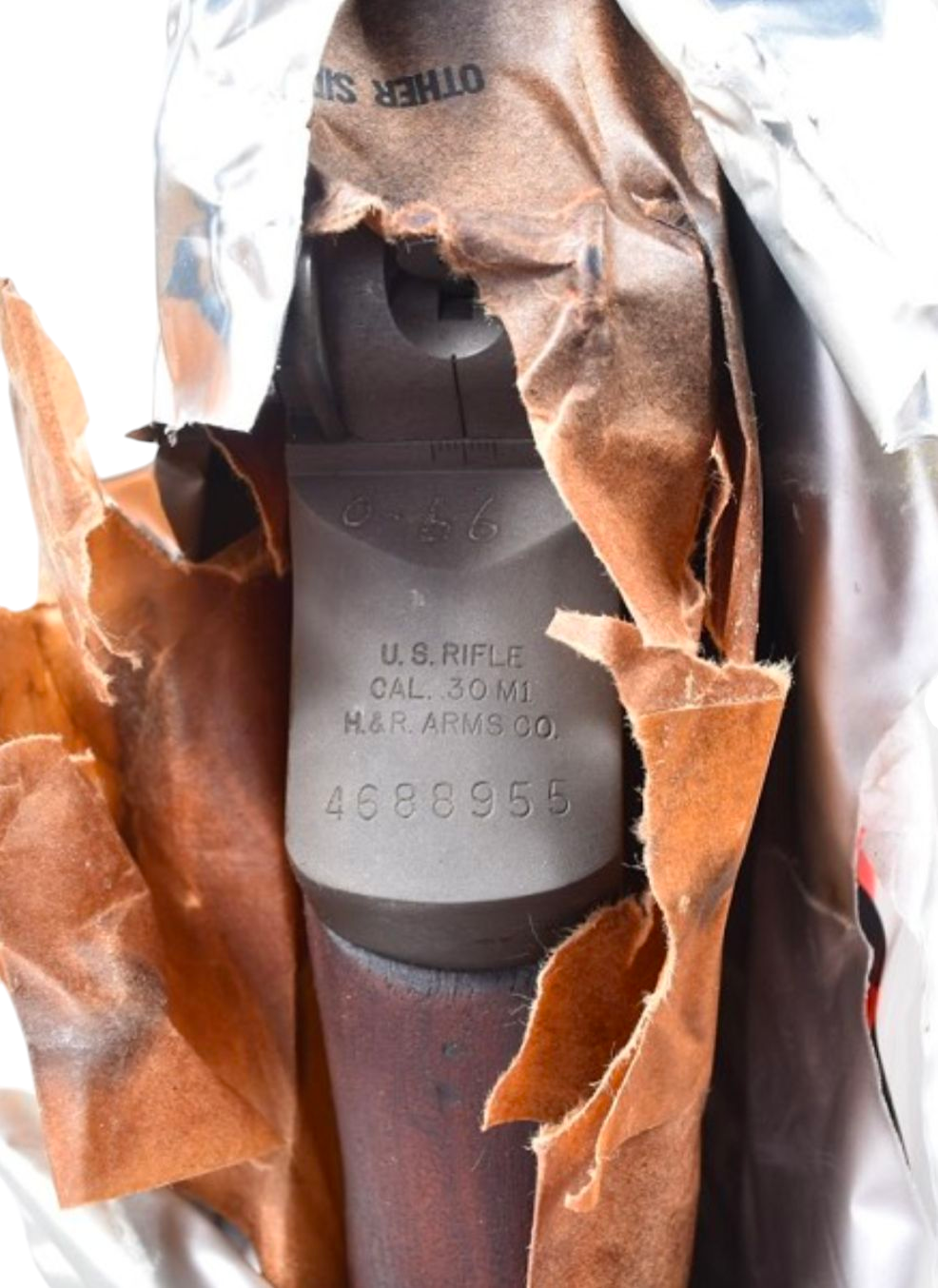
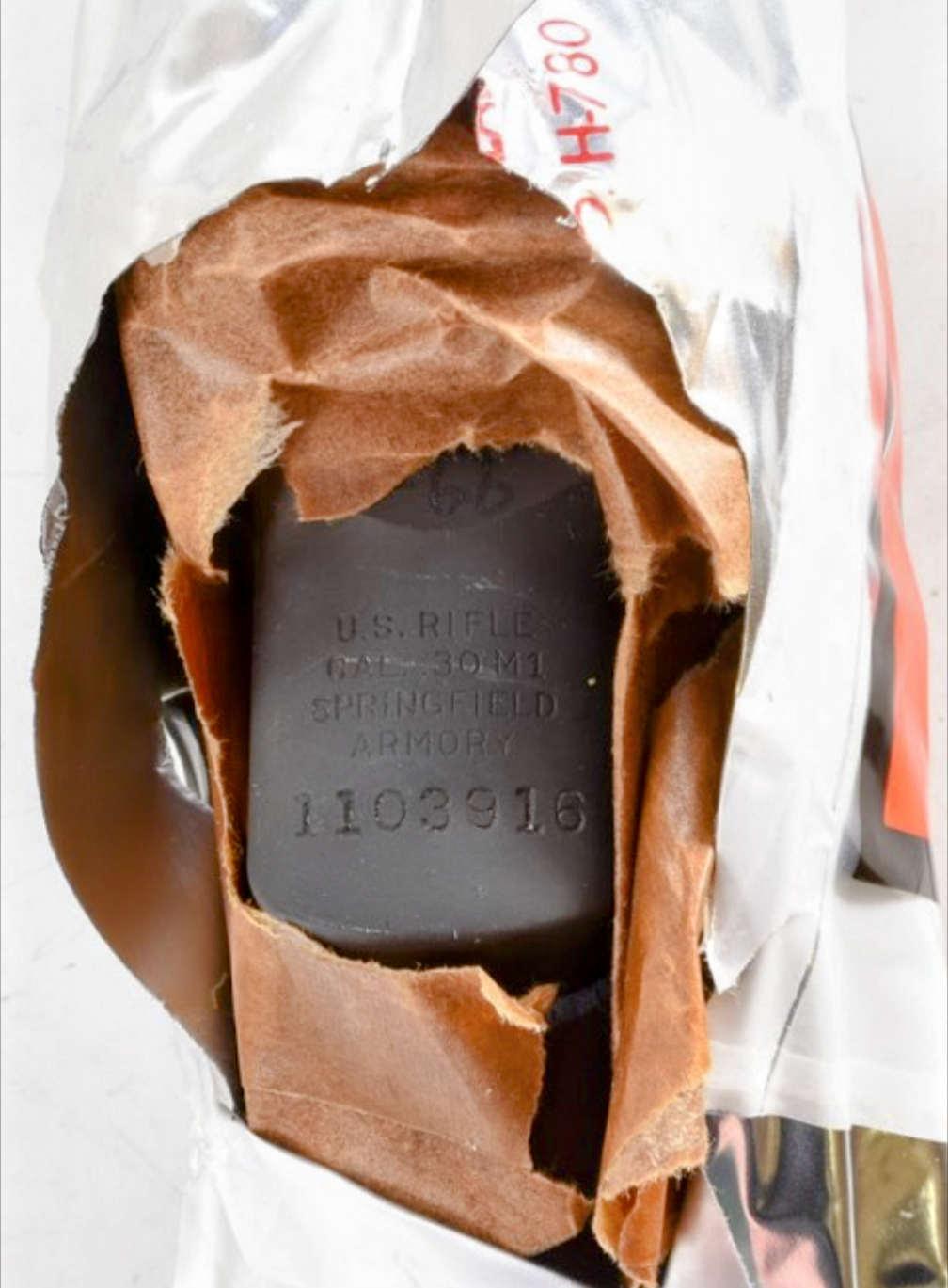
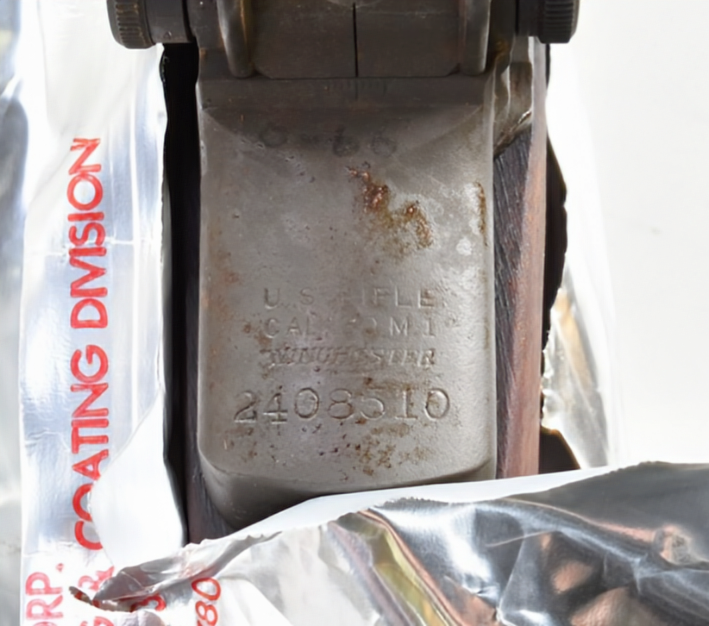
USMC O-66 M1 Garands unissued since rebuild and still in foil wrapping (CMP).
USMC O-6x rebuild M1 Garands have a uniform grey zinc parkerized finish. The last three digits of the serial number were written on the operating rod, trigger housing and stock in yellow grease pencil, though this rarely remains. Stocks and handguards were run through a sander, and have a slightly rough and grainy feel. M1s that were rebuilt at MCSC Albany have an “A” stamped into the pistol grip of the stock. Many O-6x rebuild M1 Garands were later reissued as School of Infantry training rifles or loaned to foreign militaries as part of the Military Assistance Program (MAP). Reissued O-6x rifles may have had stocks and other small parts swapped since their last USMC rebuild, and can vary in appearance.
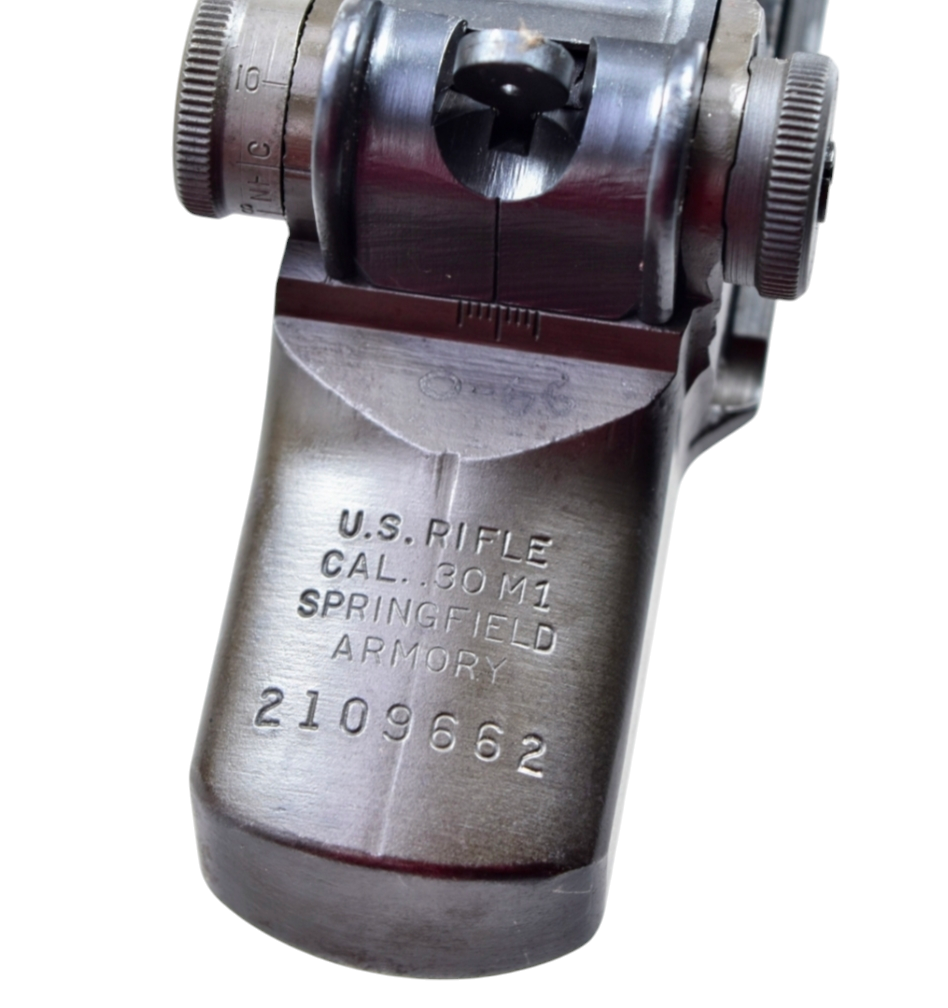
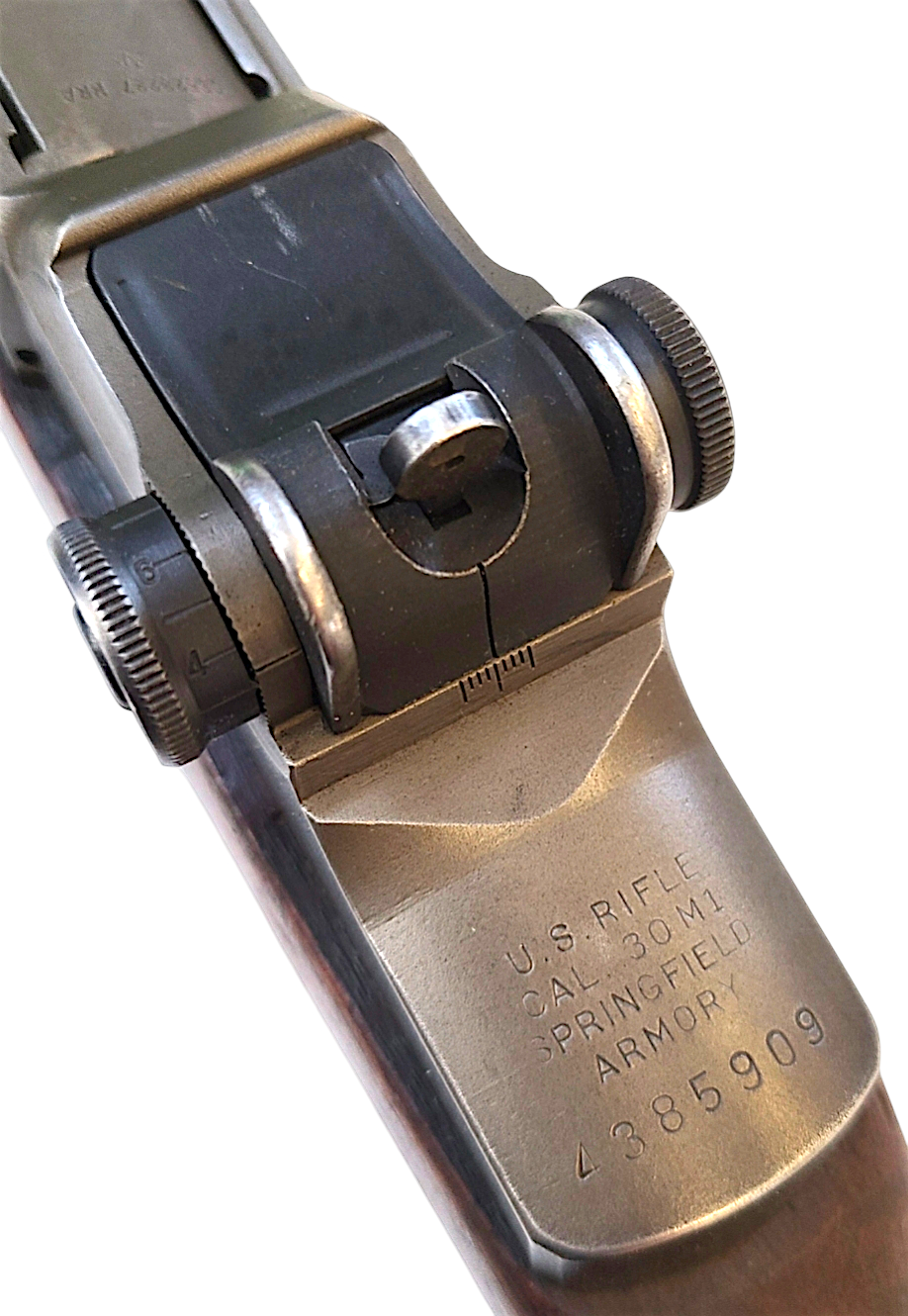
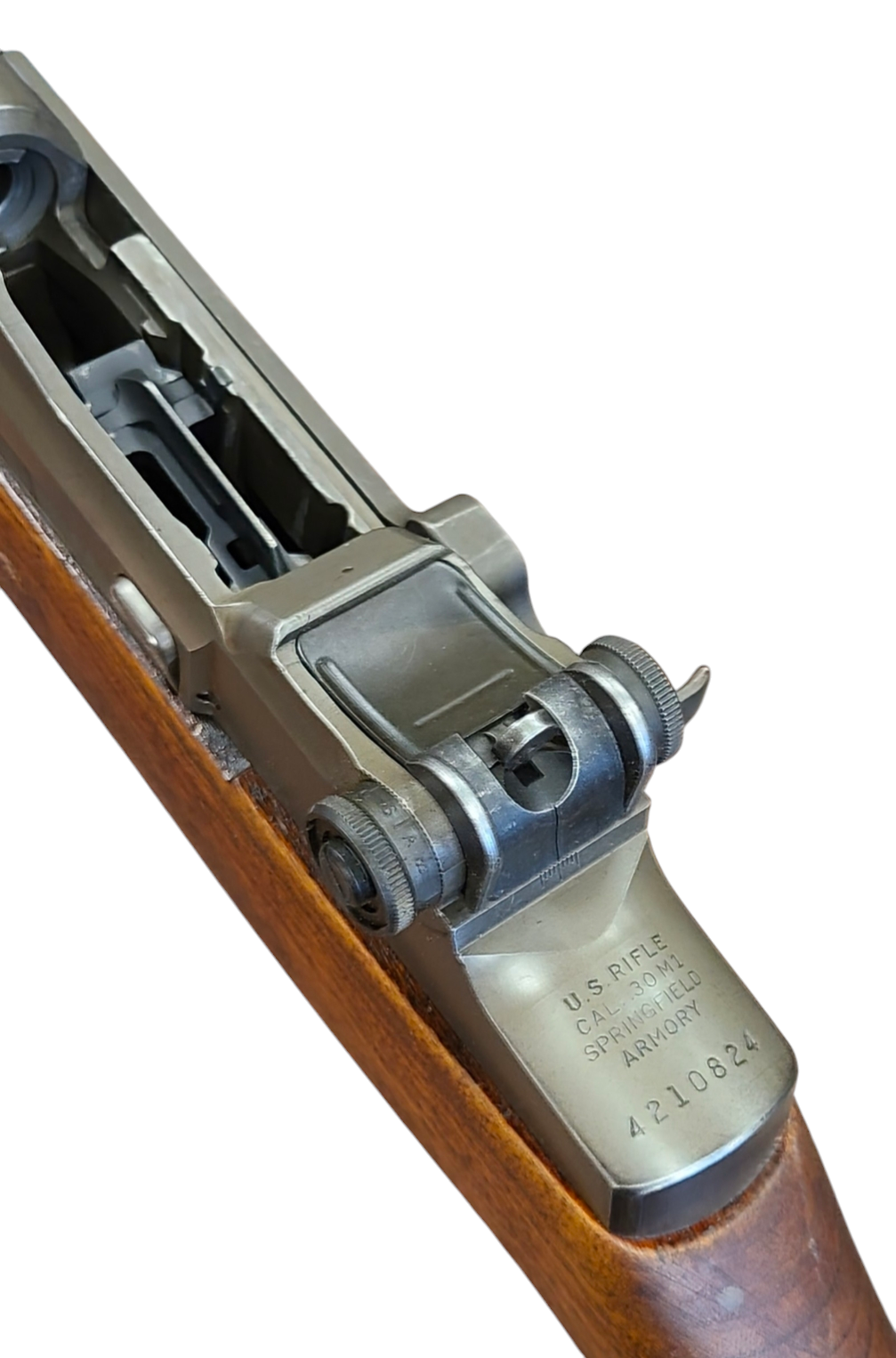
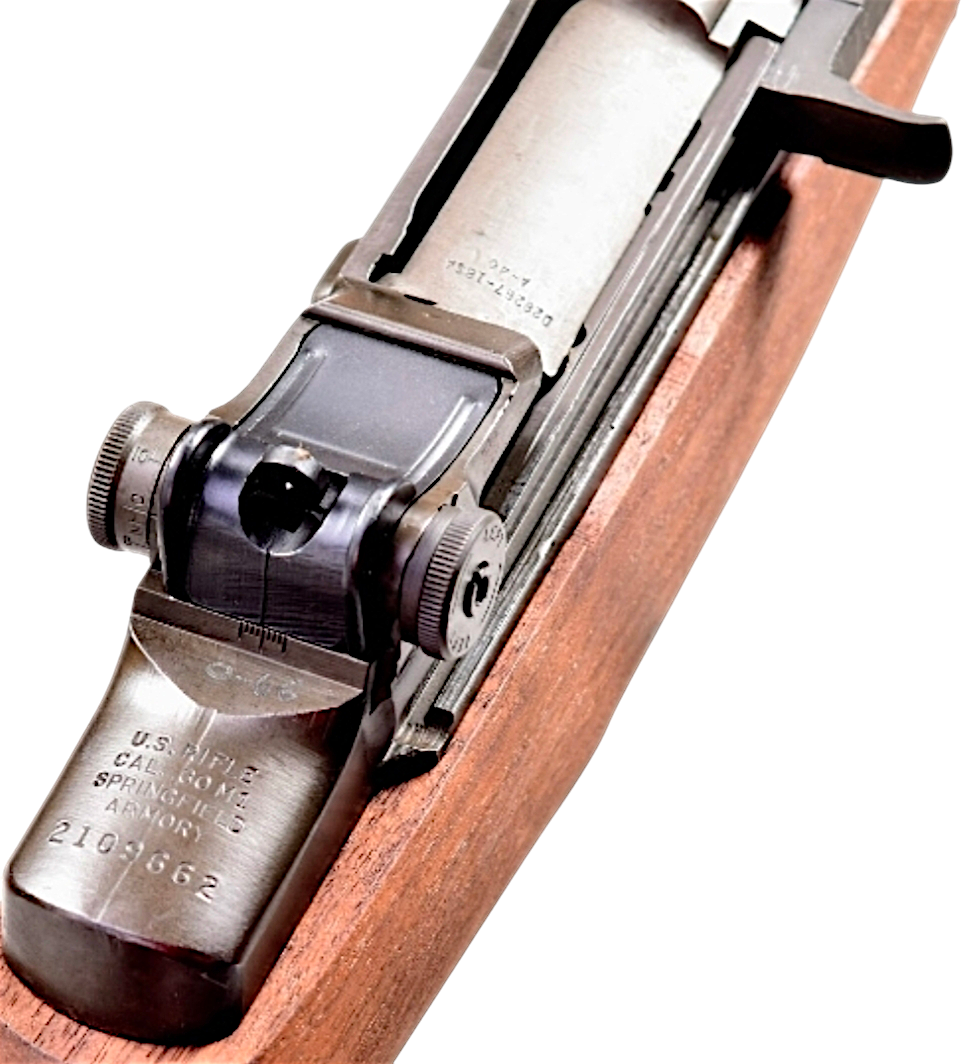
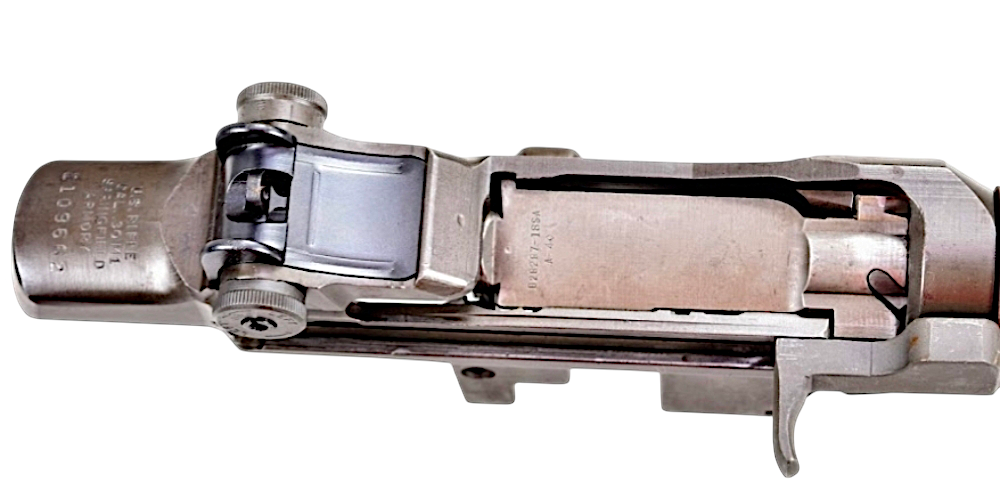
Due to the Marine Corps beginning the rebuild program late in 1964, only a couple O-64 marked rifles have been found thus far. A significant number of O-65s have been seen, but the vast majority of USMC overhauled M1 Garands are marked O-66. 1966 would mark the height of the Marine Corps’ efforts in the M1 Garand rebuild program, and as O-67 marked Garands have proven to be relatively rare, the Marine Corps must have finished M1 overhauls by early 1967. Some examples have be obtained from the Civilian Marksmanship Program are unfired since their overhaul half a century ago, providing an excellent look into the craftsmanship of 5th Echelon Marine Armorers at Marine Corps Service Centers Albany and Barstow. 1960’s USMC M1 Garand rebuilds have taken on a collectibility of their own, and redefine the term “correct” as they are correct and original as-rebuilt despite being a hodgepodge of parts. O-6x rebuilds are one of the very few ways to confirm USMC provenance with an M1 Garand, and there rifle bring a premium to collectors.
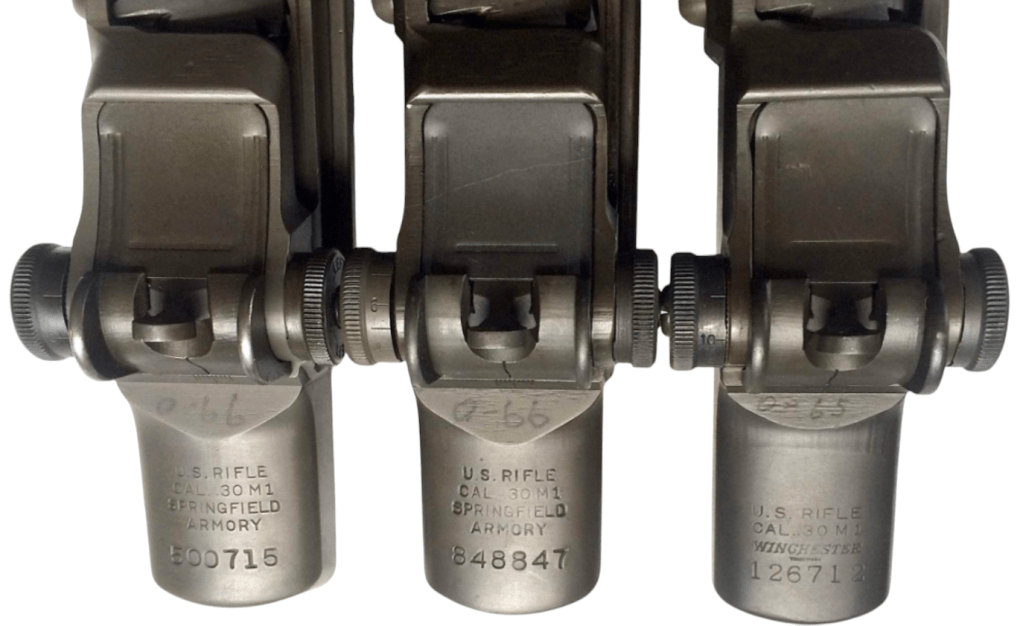
Freshly refinished USMC O-6x rebuilt M1 Garand actions (Griggs & Niederann Collections).
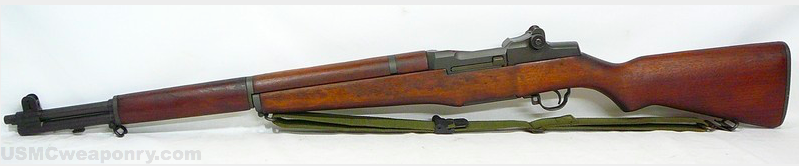
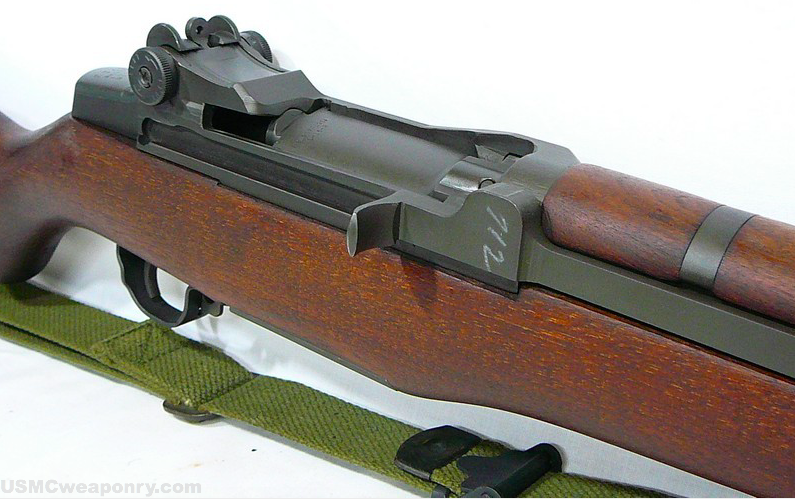
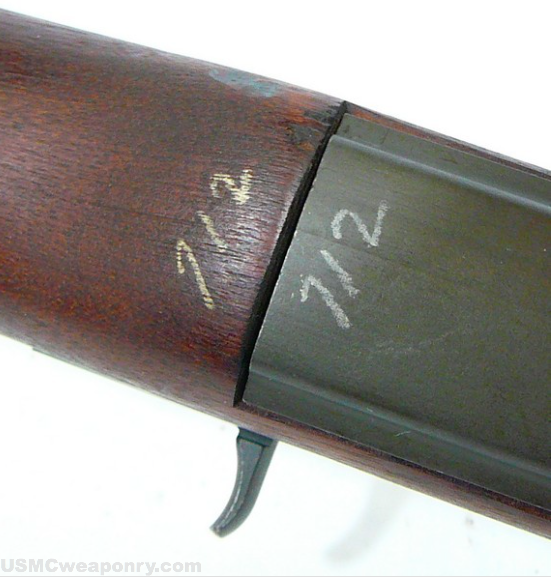
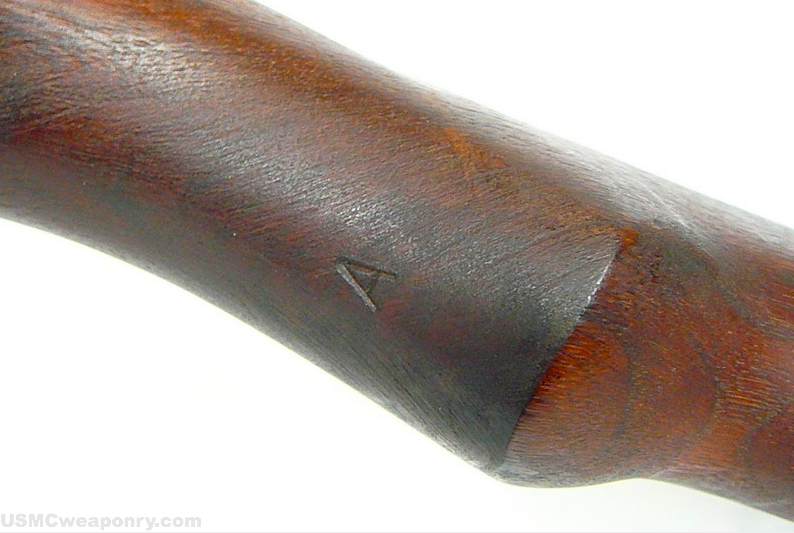
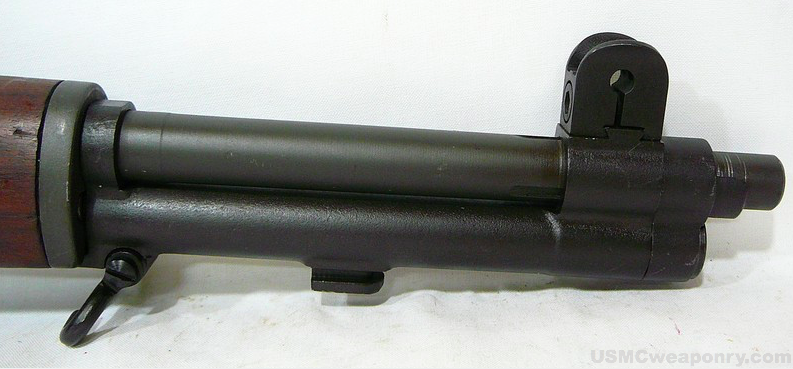
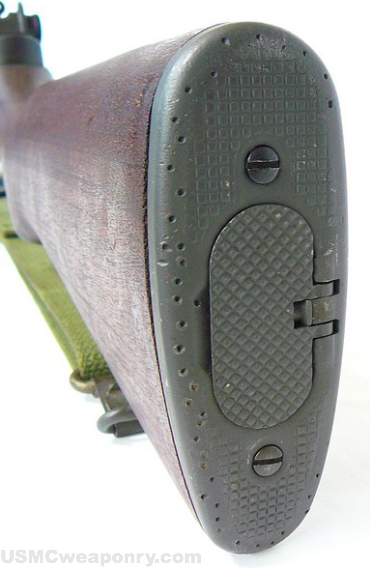

USMC Winchester M1 Garand #126712, a 1965 Marine Corps rebuild that was never issued afterwards (Niederman collection).
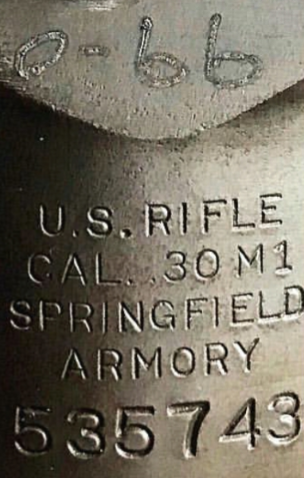
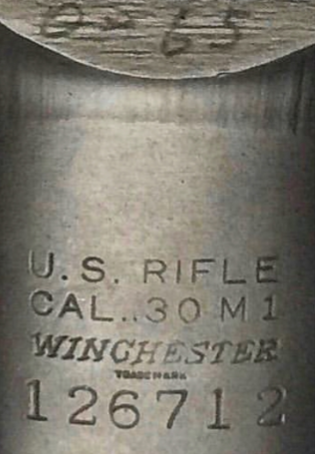
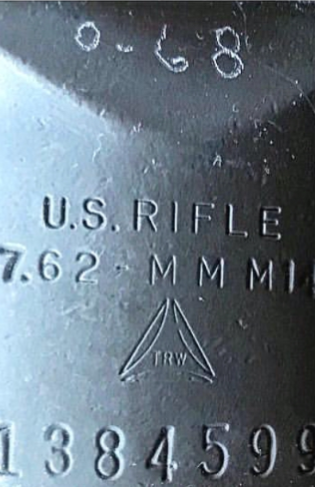
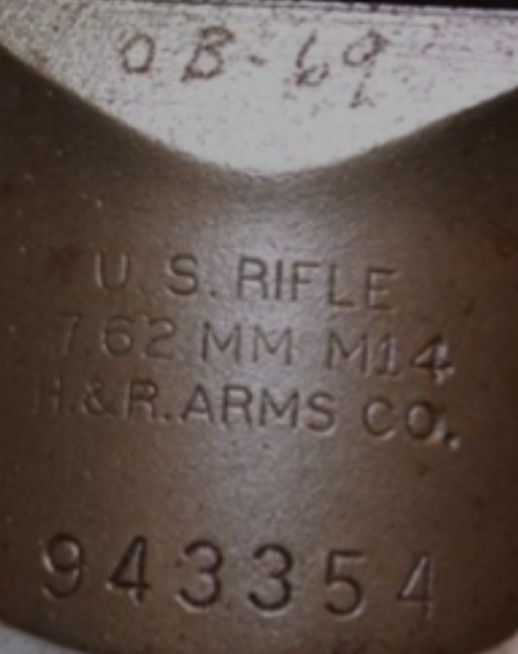
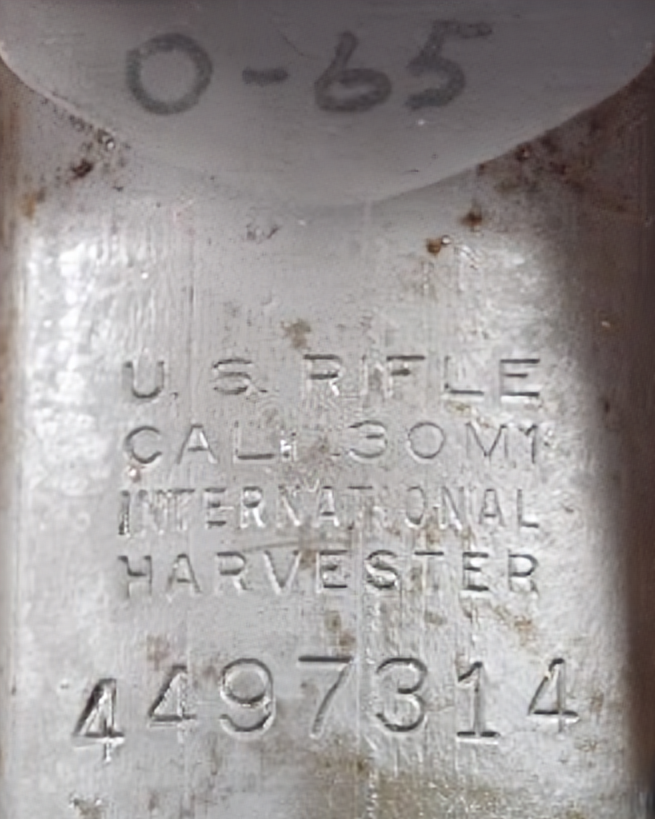
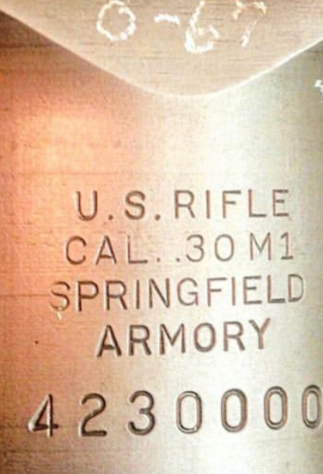
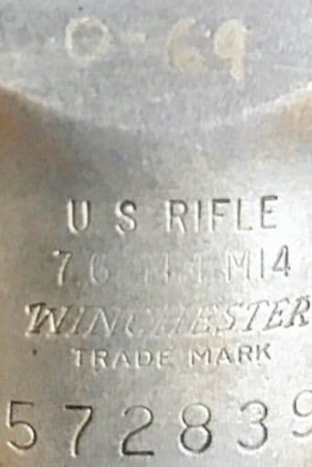
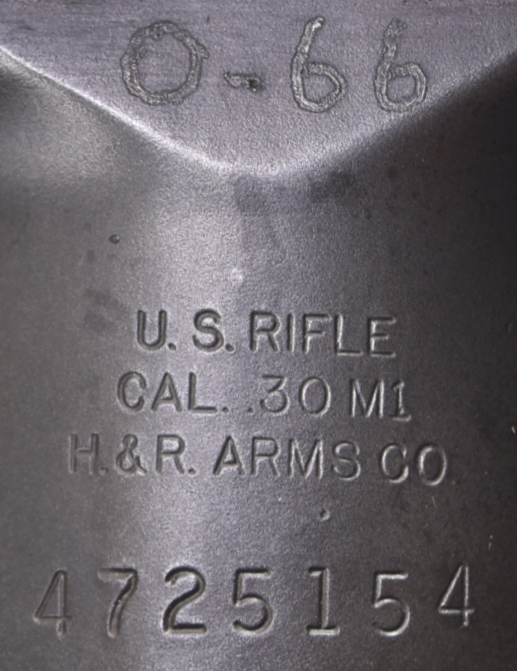
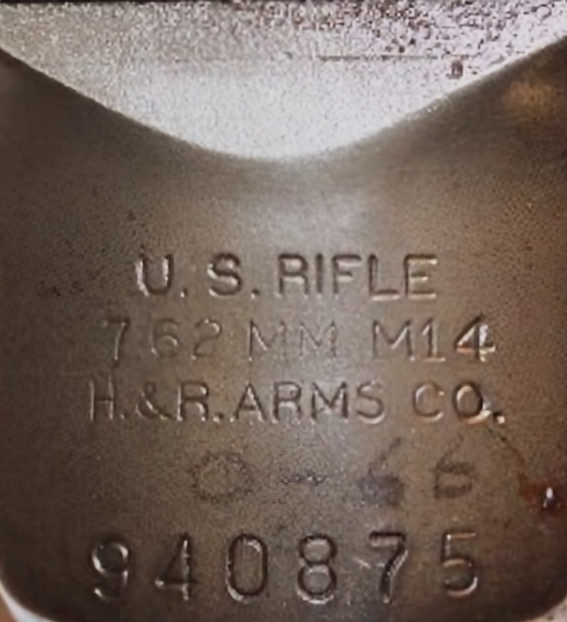
The O-6x Rebuild Program would include M14s as well. By the late 1960s, “OB” would be adopted for rifles rebuilt at Barstow, while “OA” “AO” and ultimately just “A” would denote Albany rebuilds.
 USMCWEAPONRY.COM