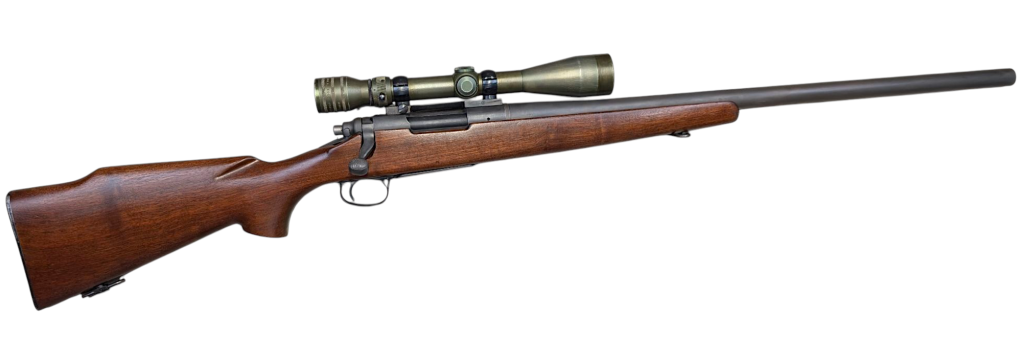
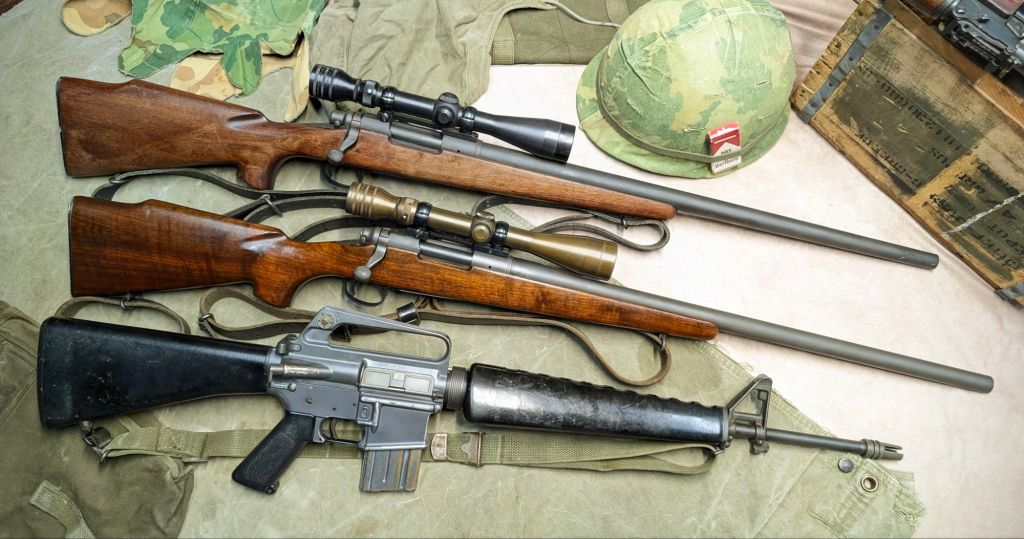
In 1965, the Marine Corps found itself in the middle of a growing war in Vietnam. Once again, the need for a new sniper’s rifle had arisen. The .30-06 chambered Winchester Model 70 was performing very well, but just as in previous wars there was a desire to eliminate specialty ammunition and employ the standard 7.62 NATO round instead. The Marksmanship Training Unit would conduct testing on various rifles and scopes in late 1965, and determine the Remington Model 700/40X chambered in 7.62 paired with a Redfield 3-9x Accu-Range scope was the best option.
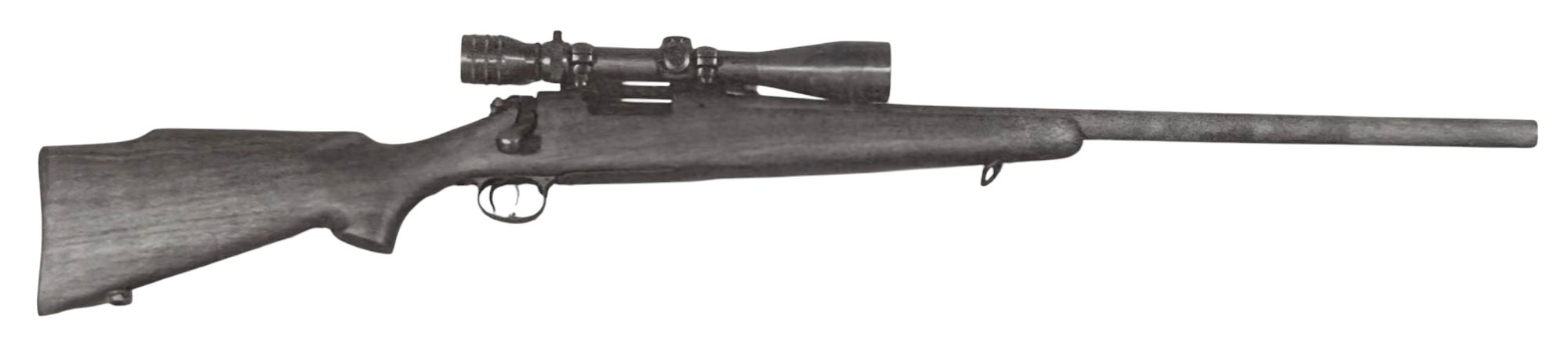
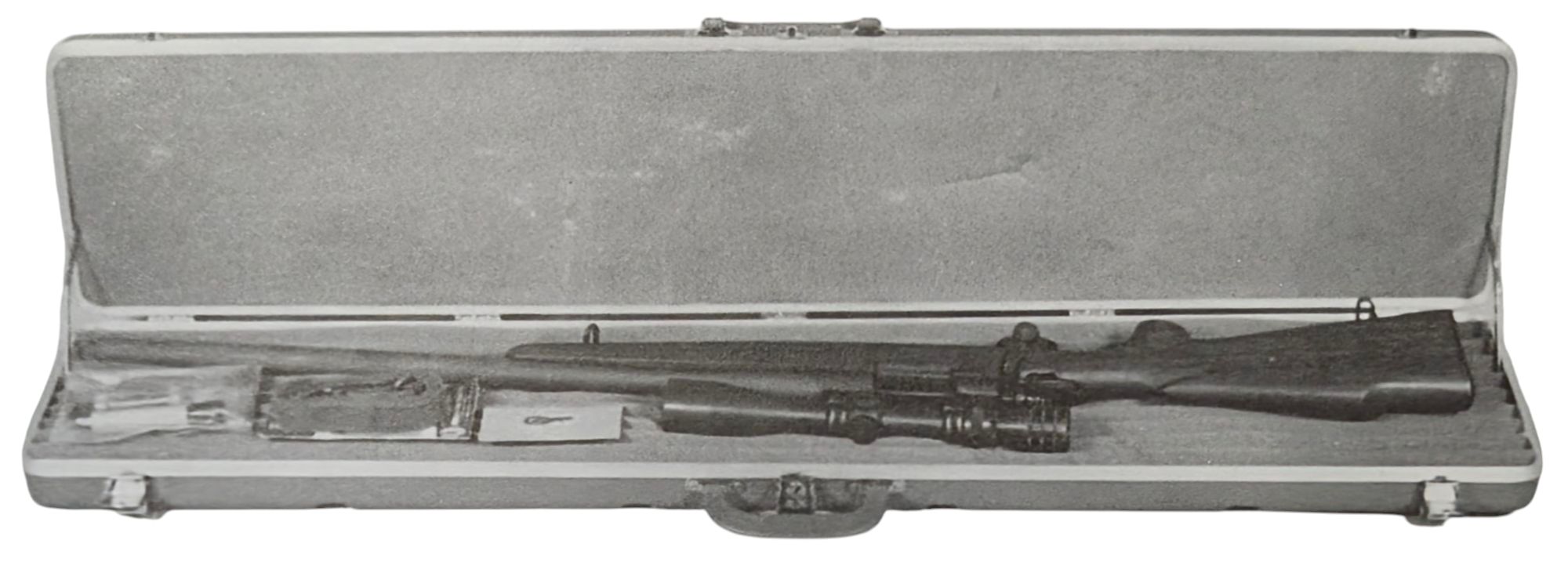
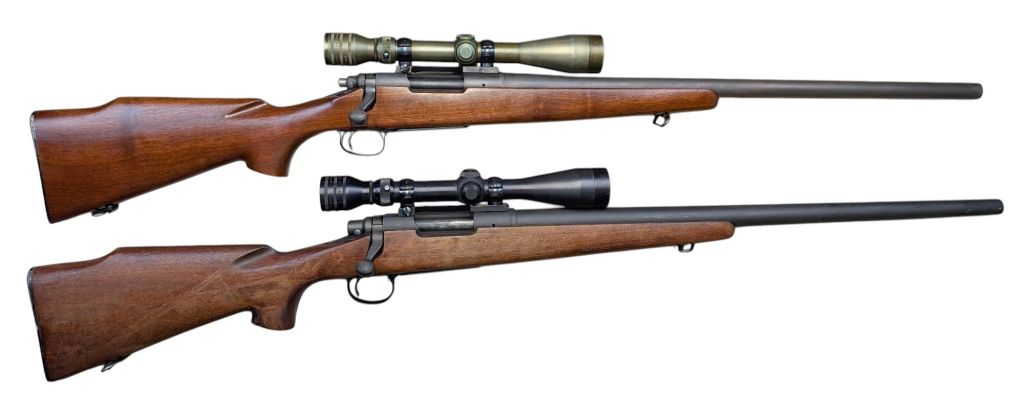
First contract Remington M40 (USMC).
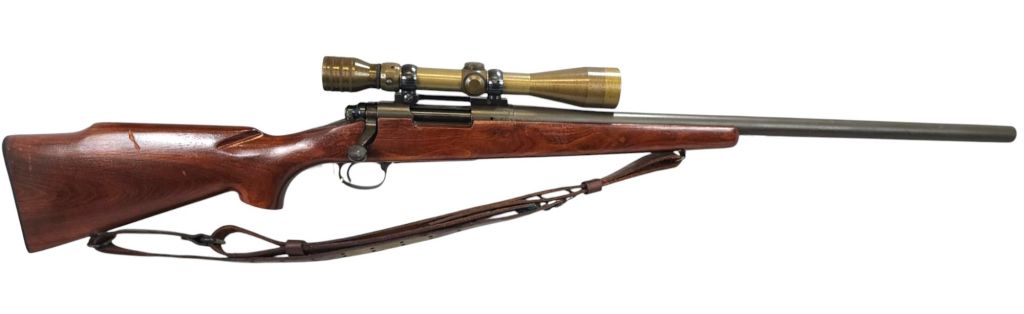
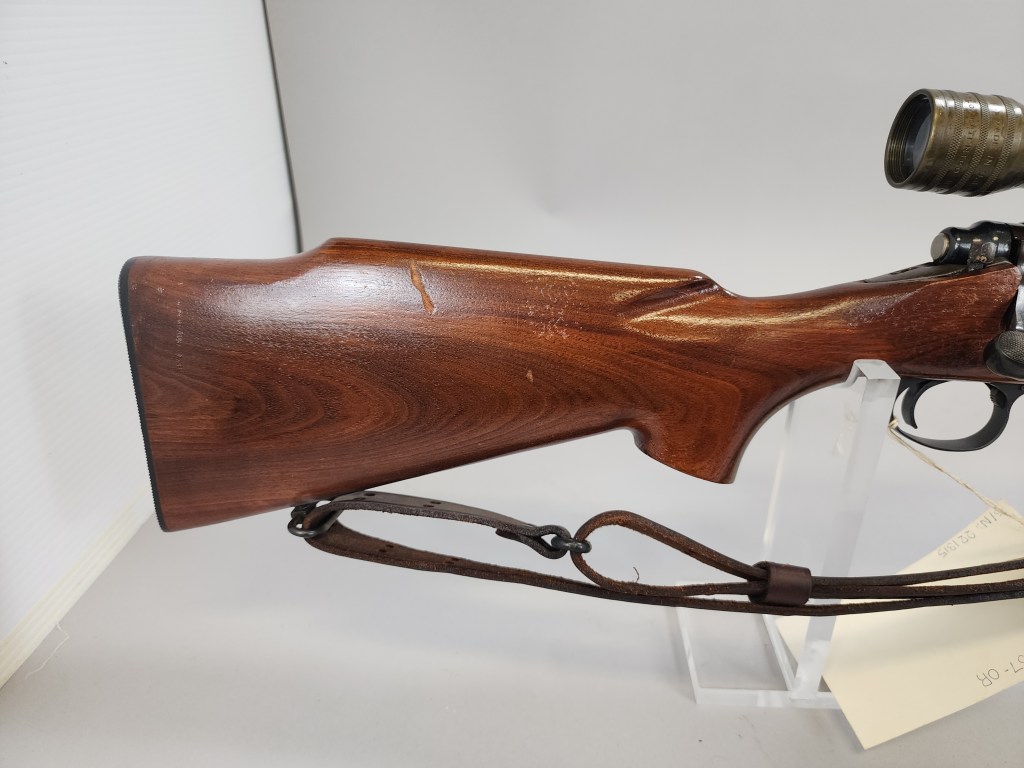
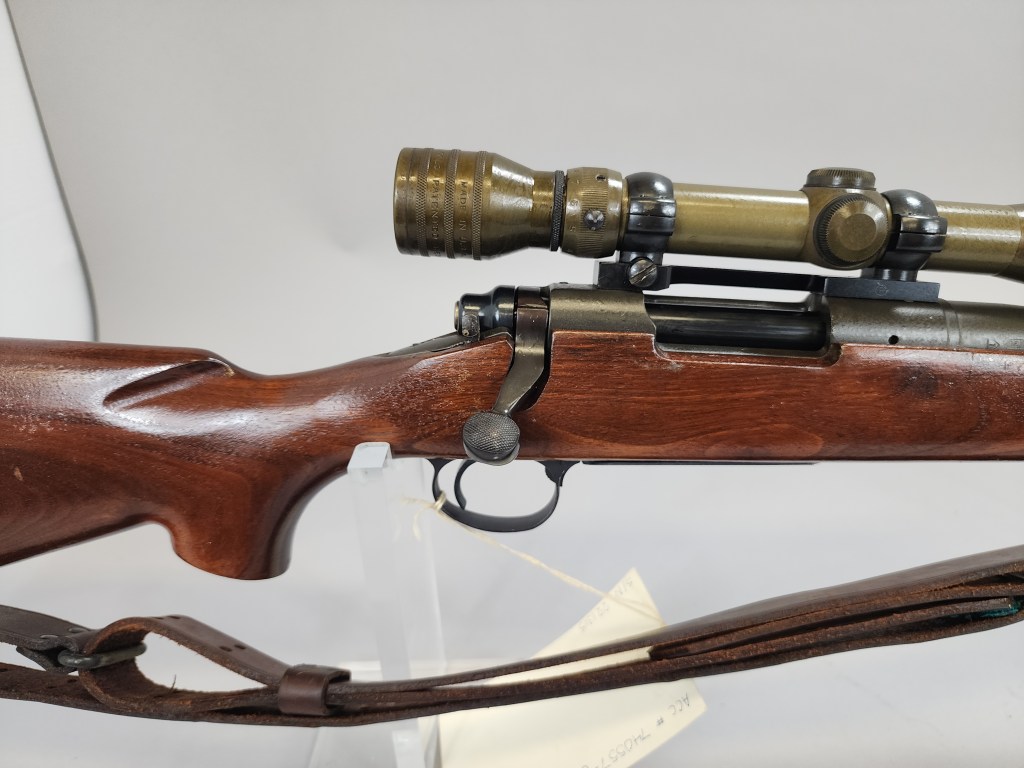
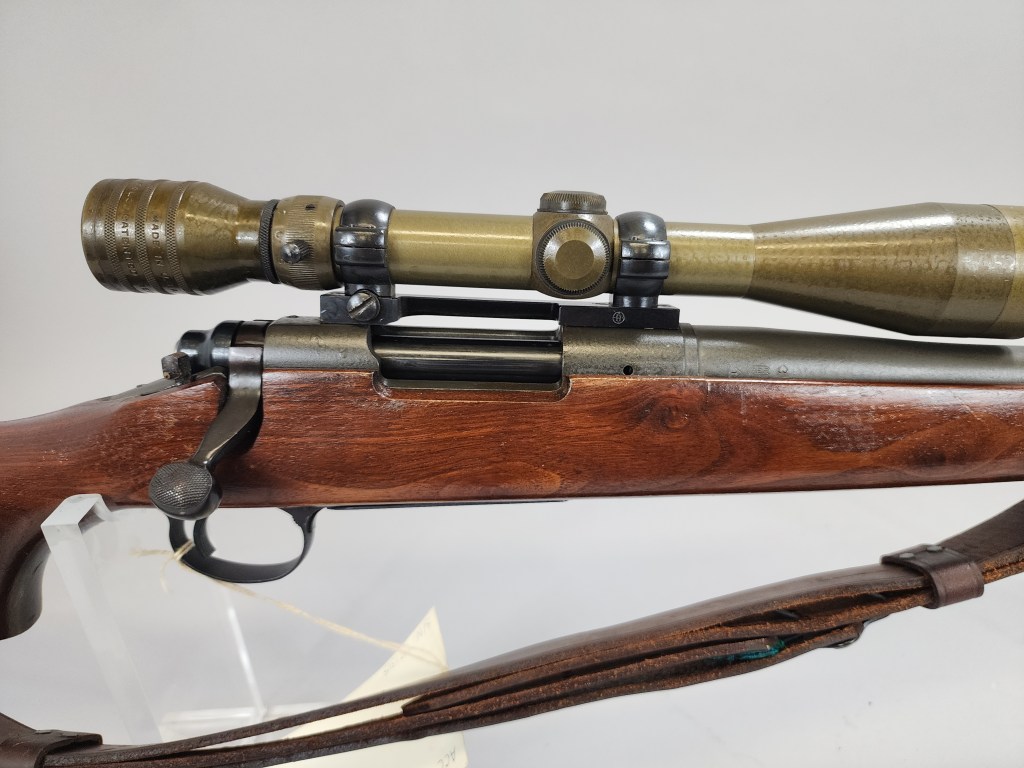
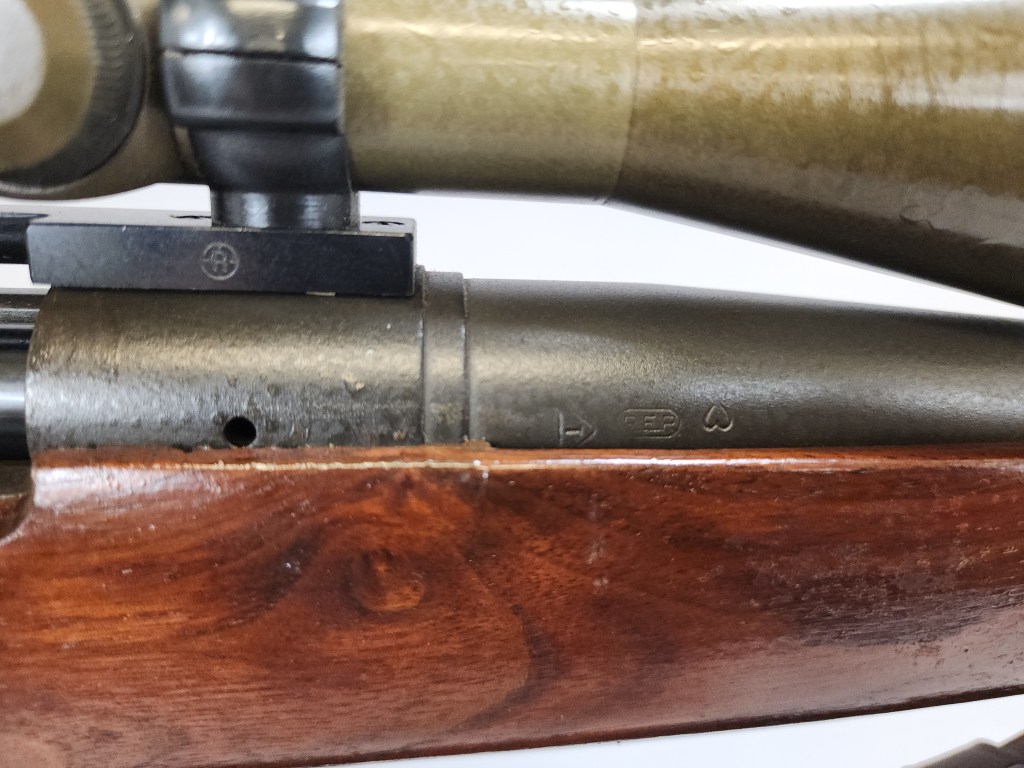
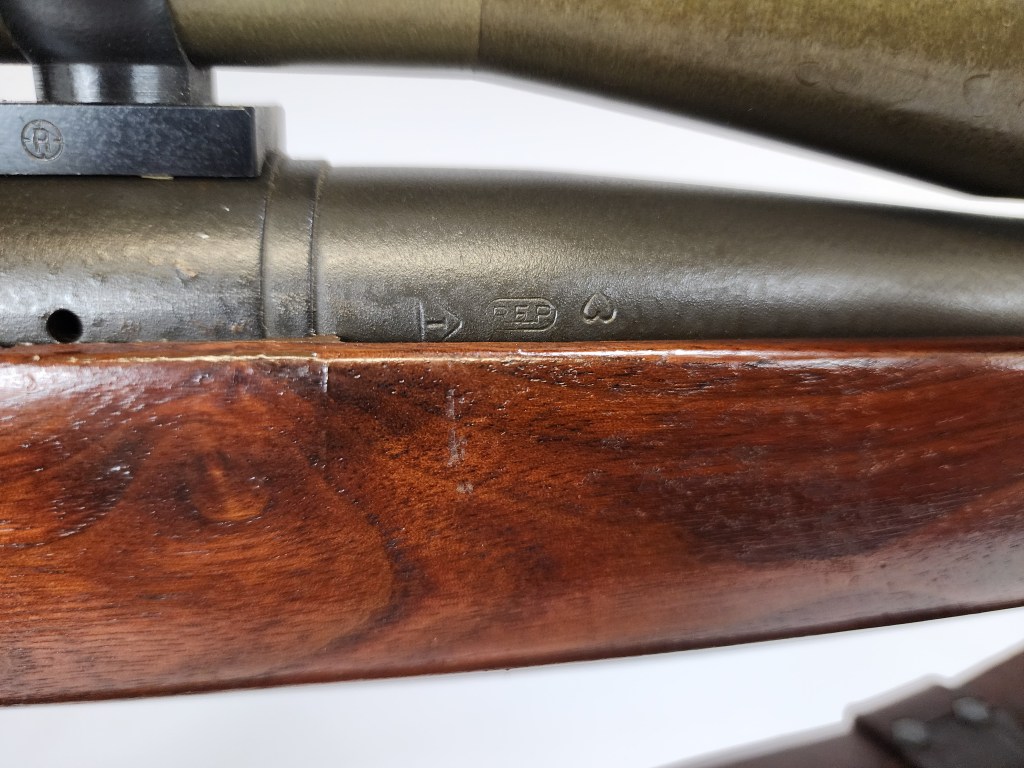
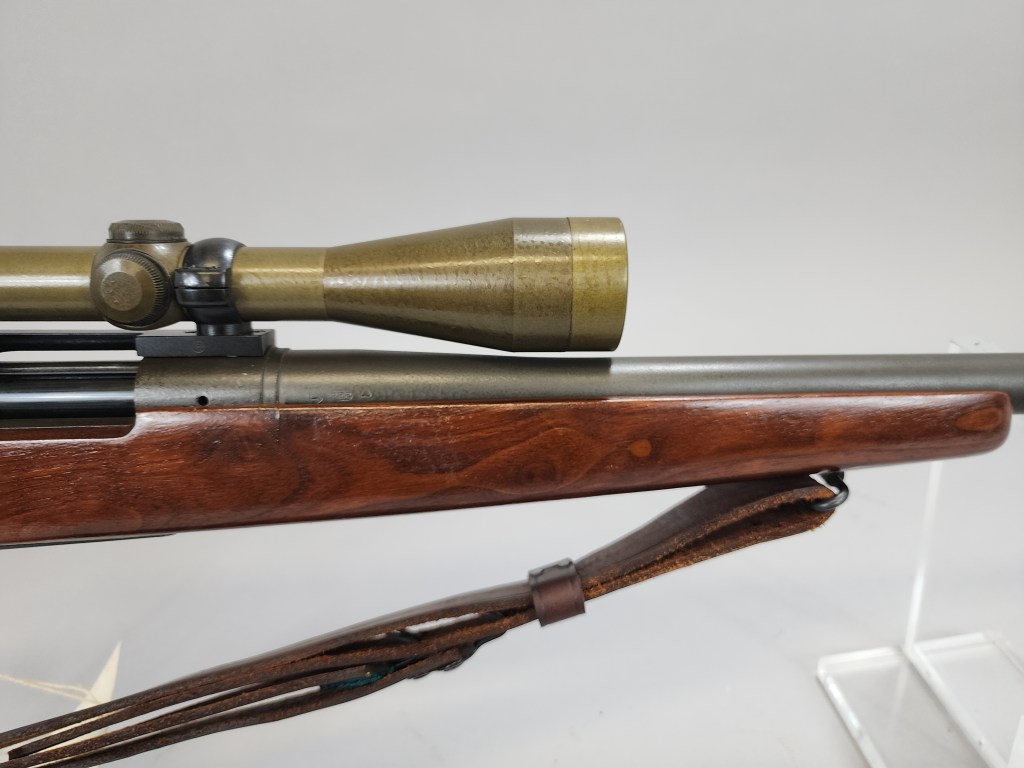
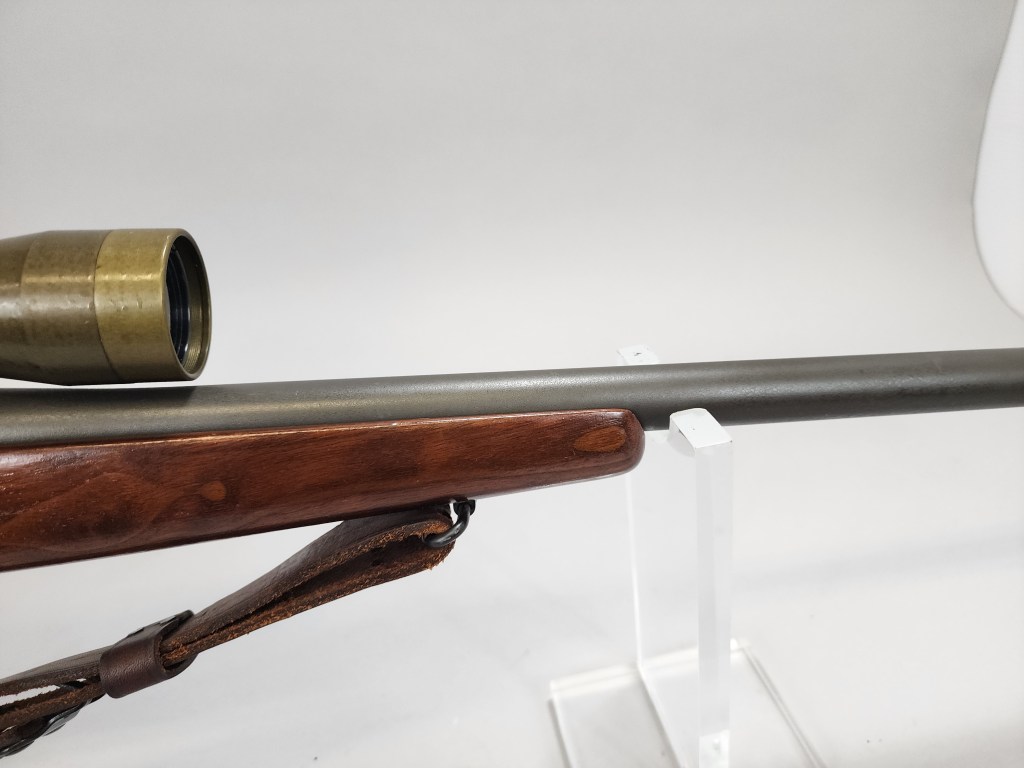
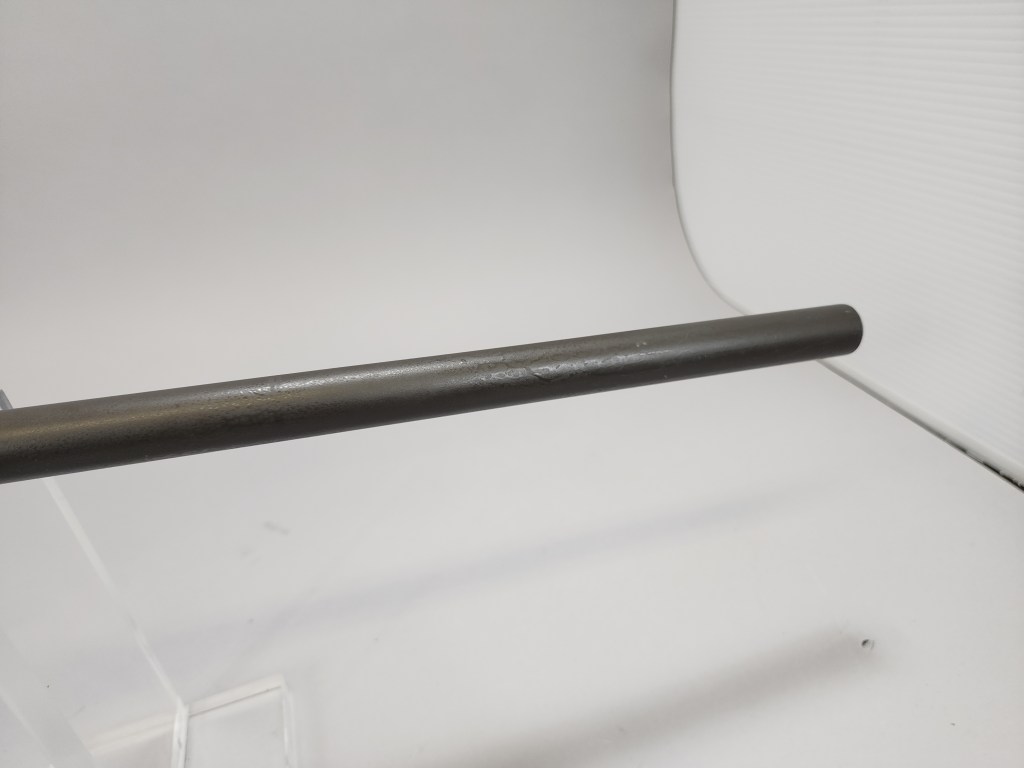
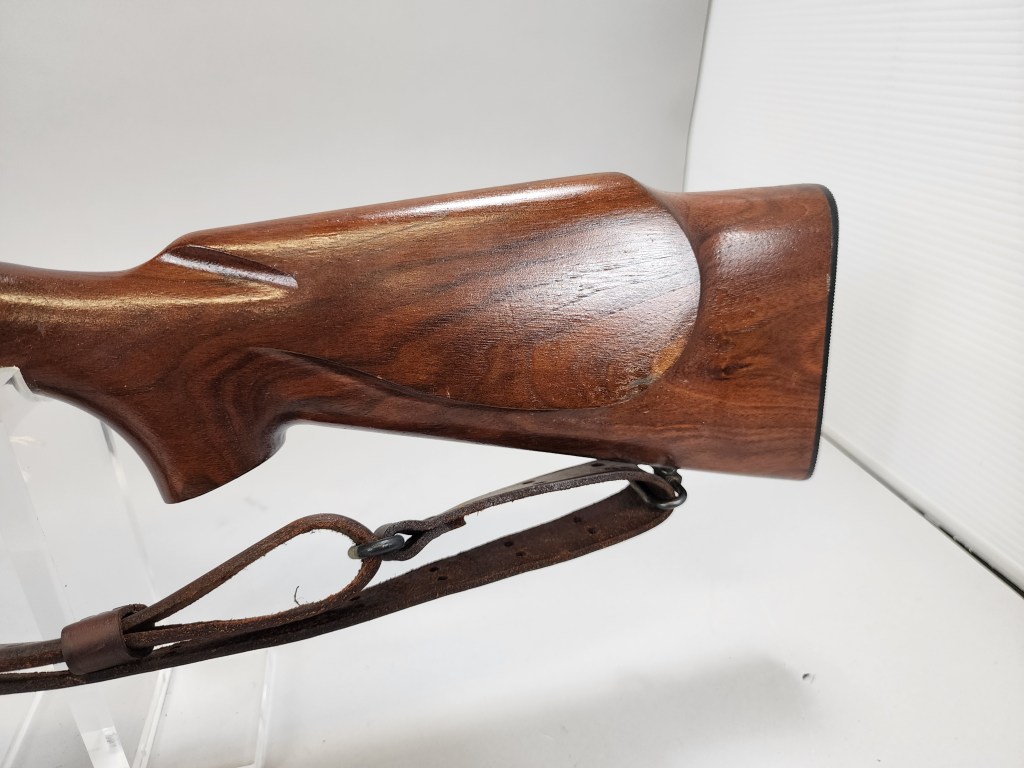
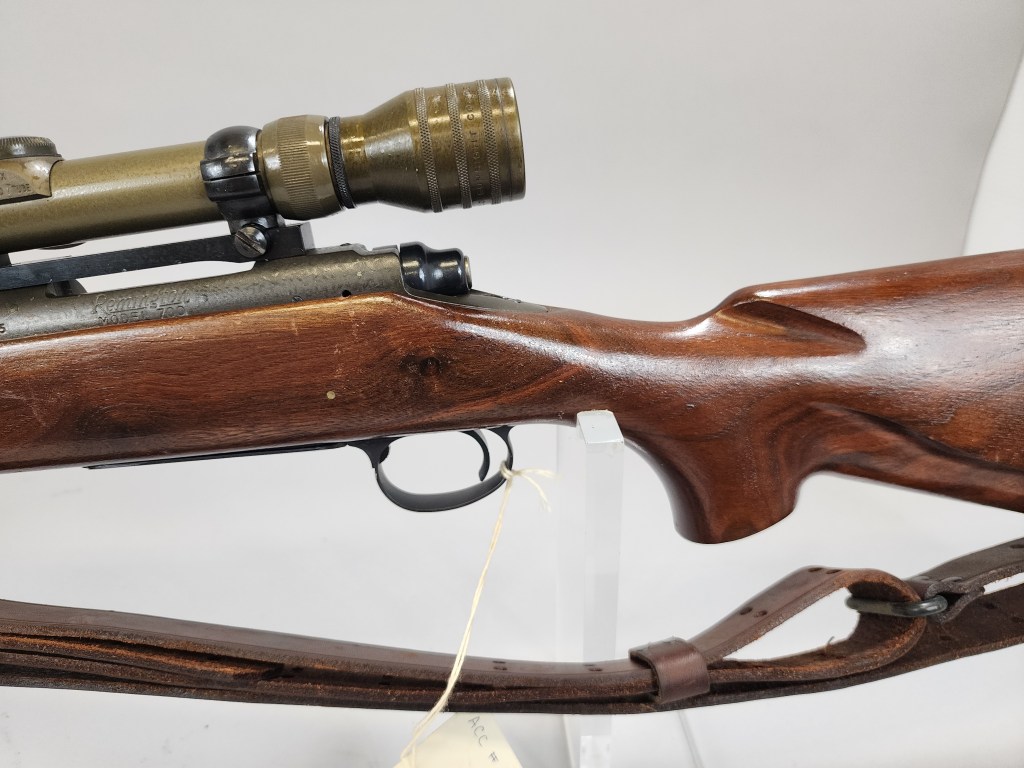
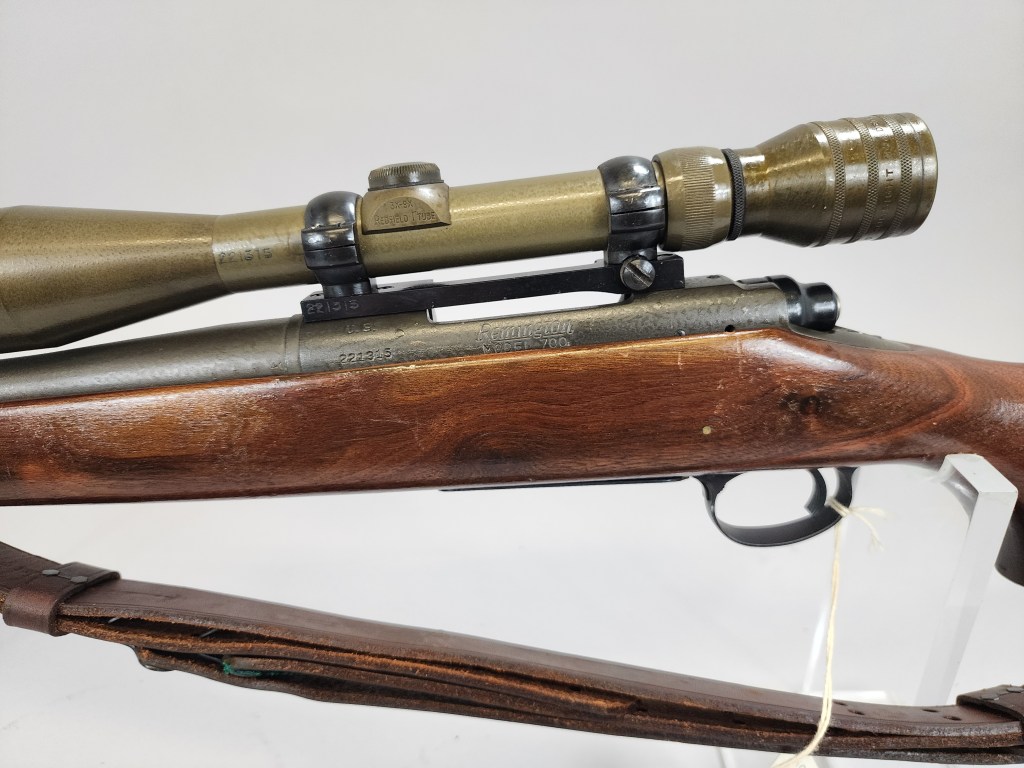
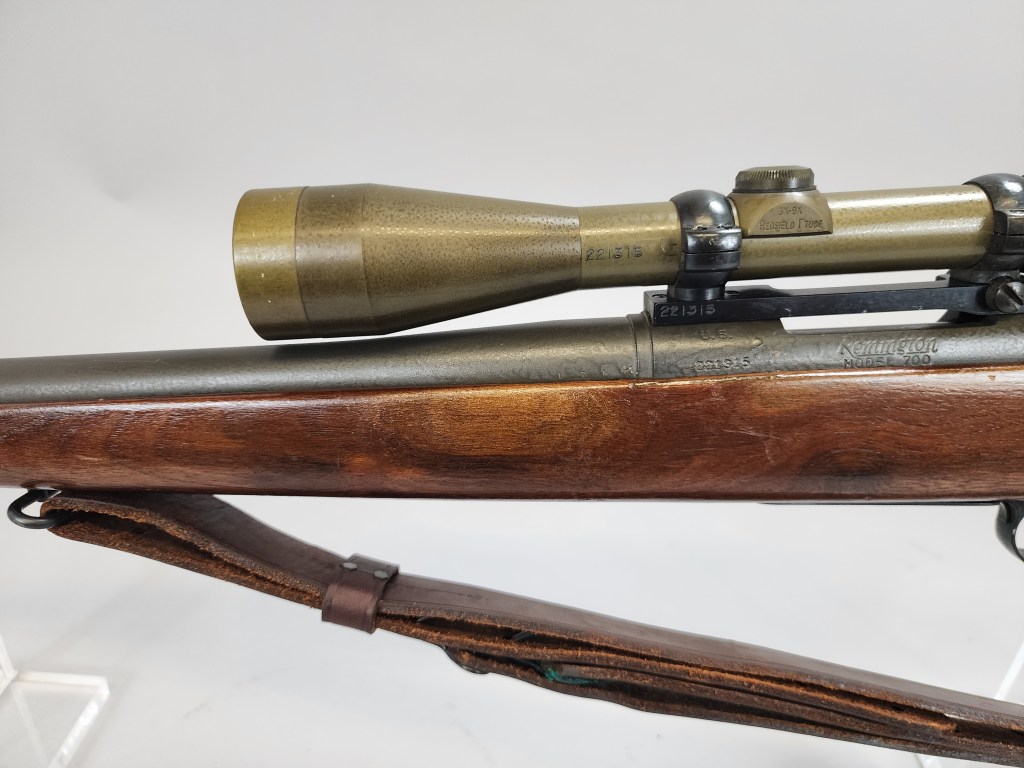
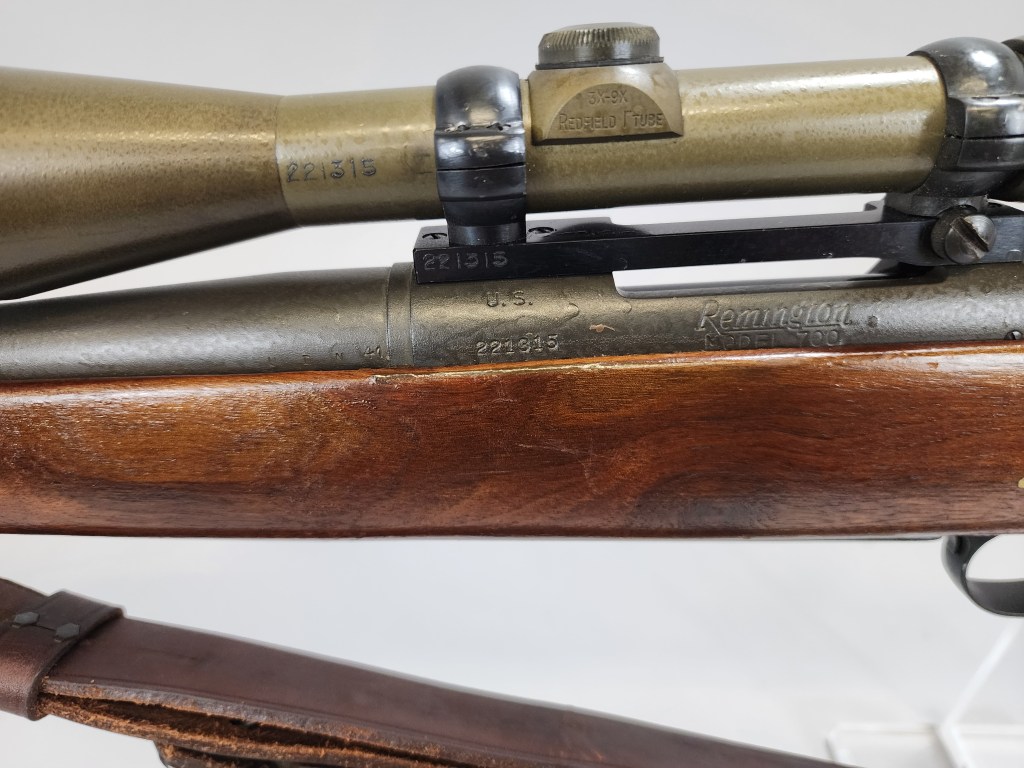
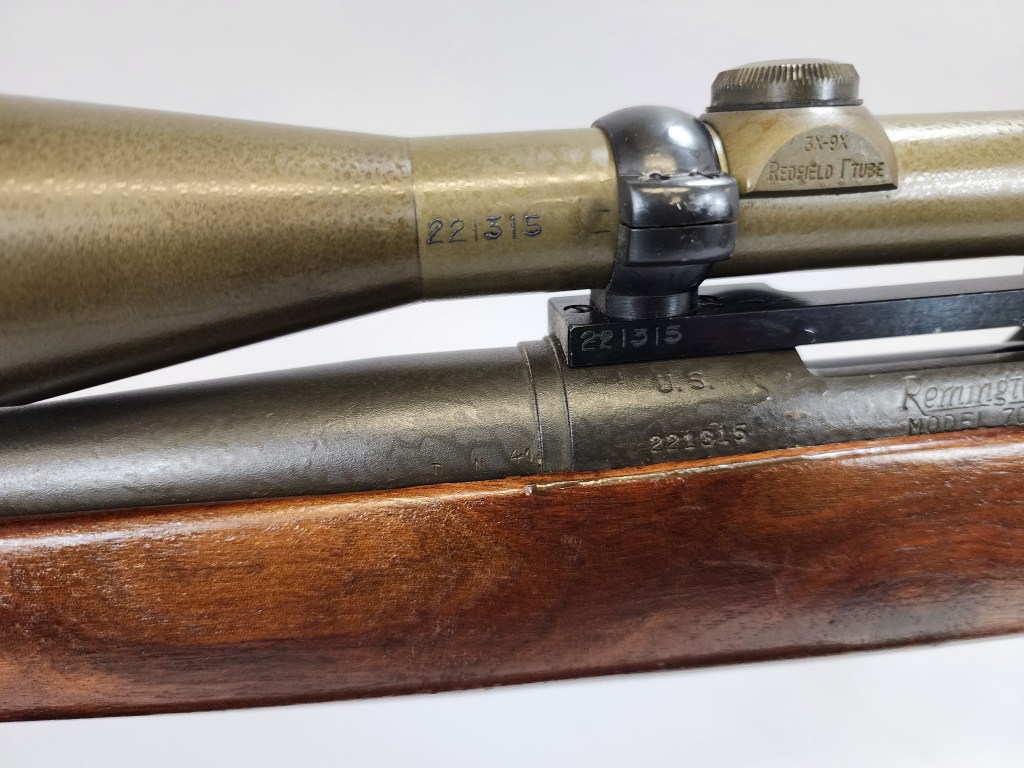
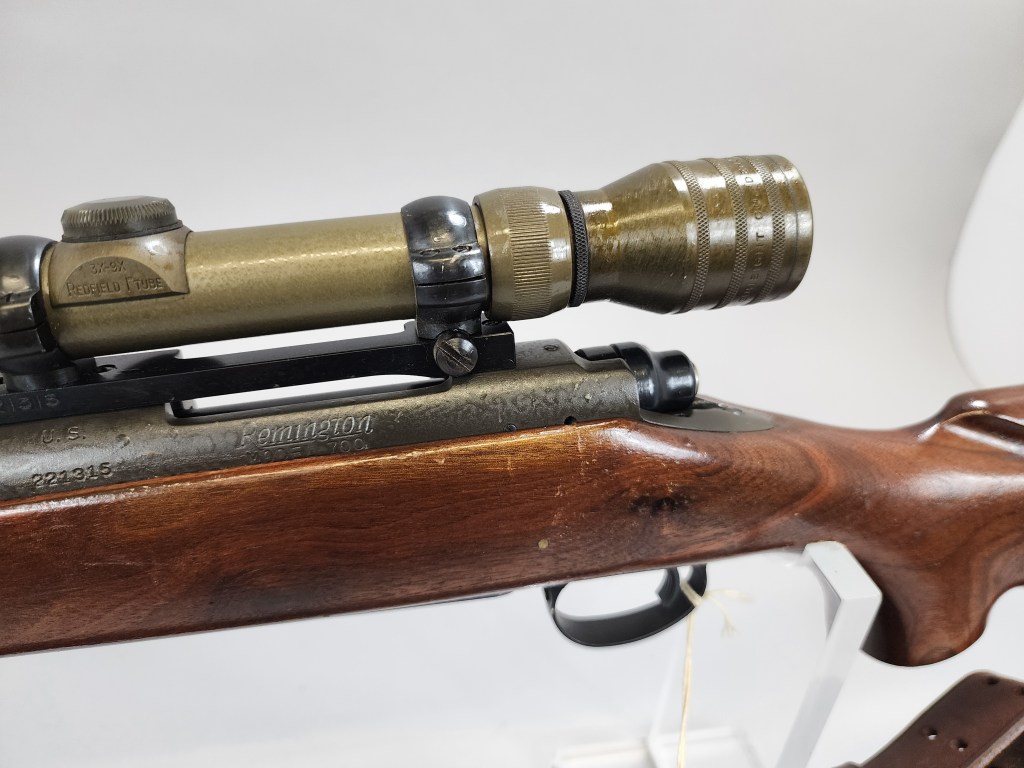

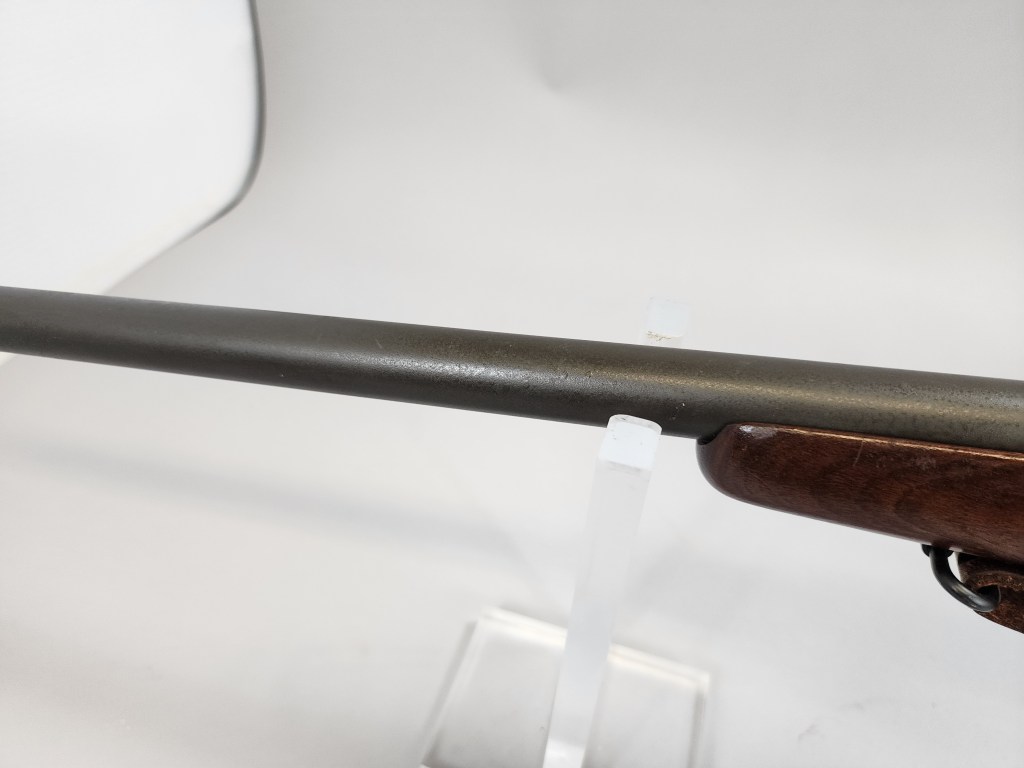
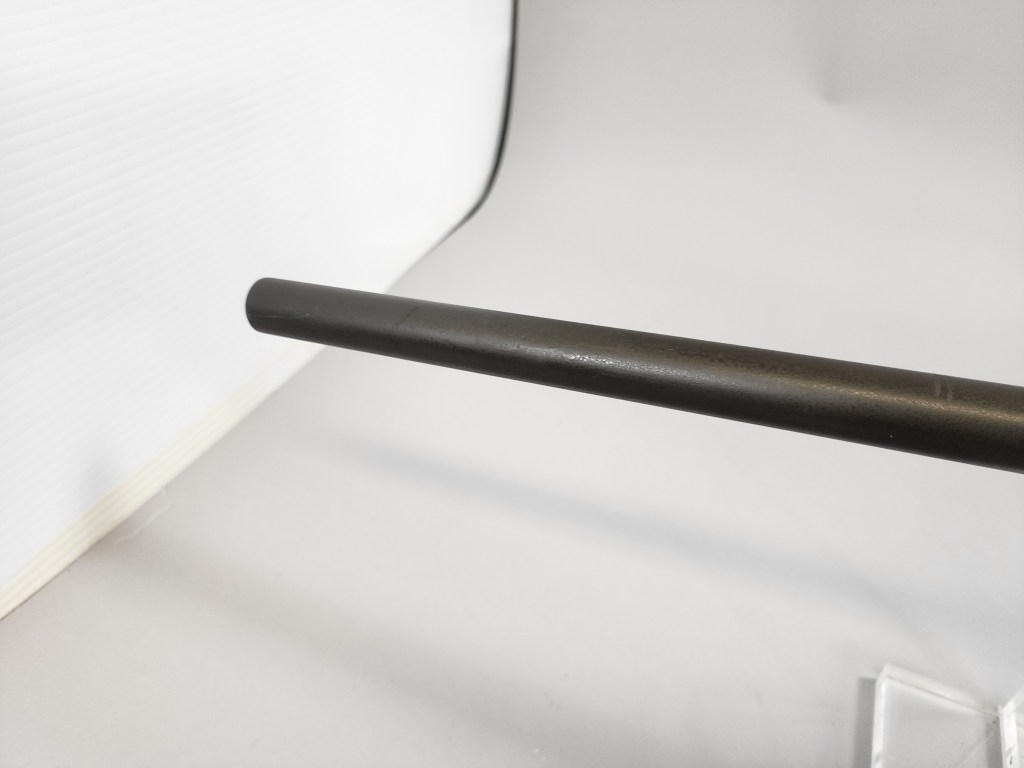
USMC Remington M40 #221315 from the collection of the National Museum of the Marine Corps (NMMC).
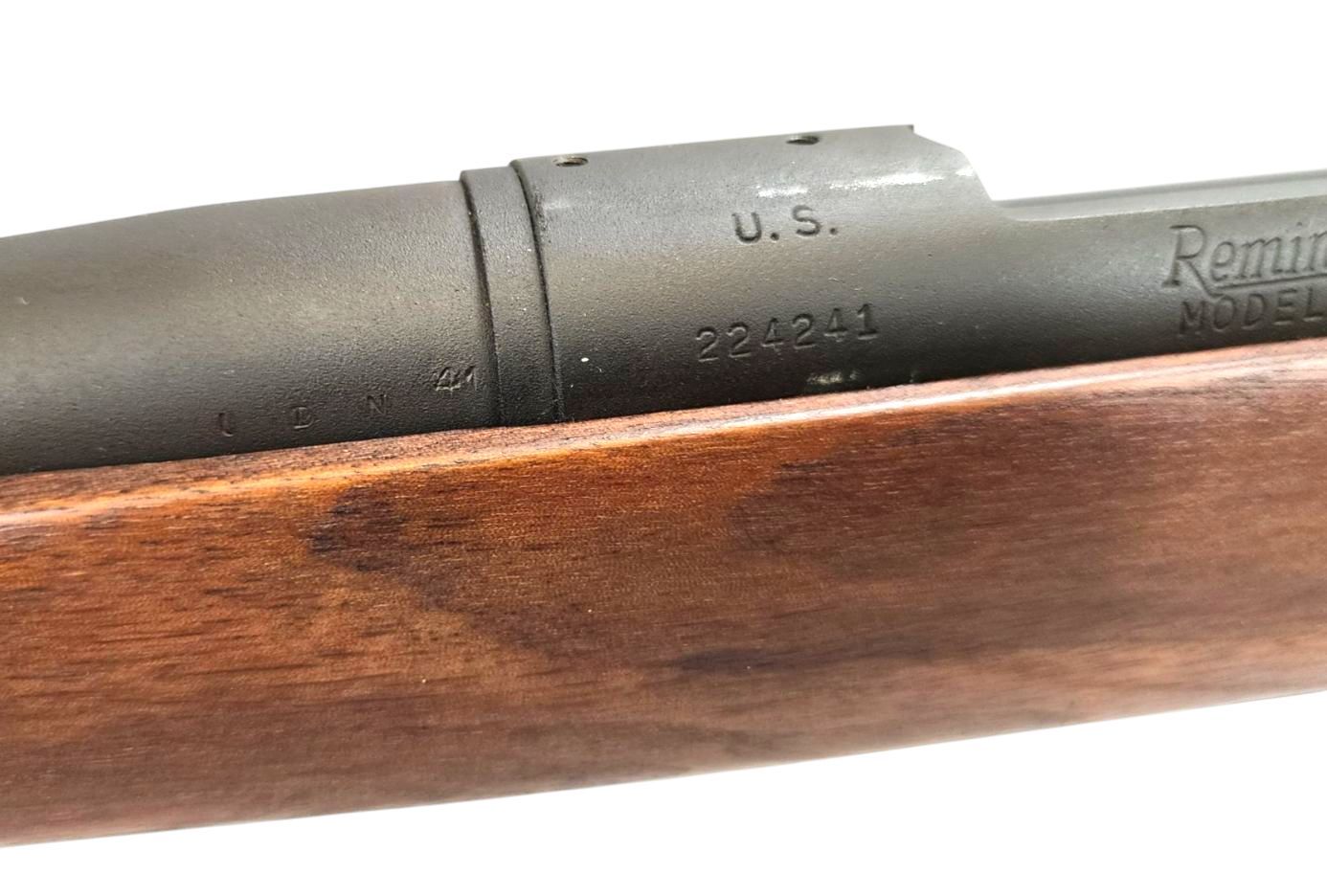
The Marine Corps would receive 700 1966 production M40s with Boston Procurement District contract NOM-73566 (“N” denoting the Department of the Navy, and “OM” a Marine Corps ordnance contract). While it is unlikely that these rifles were delivered in perfectly sequential serial blocks, approximately 425 would be the 221170-221600 range and 275 in the 224110-224390 range. 550 of these rifles would come with factory installed, green anodized Redfield scopes mounted in Redfield Junior 40X mounts and 1-66 scope rings. The scopes and bases of these 550 rifles were serialized to match their rifle, with the entire serial number etched onto the left side. The remaining 150 rifles would be shipped without scopes, and the bases they left the factory with were most likely not serial matched. The Marine Corps sought to receive 250 rifles by the end of the fiscal year, with the additional 450 coming in fiscal year 1967. A simultaneous Boston Procurement District contract would cover spare parts and scopes for the new M40s, and by late August of 1966 the rifles would be delivered.

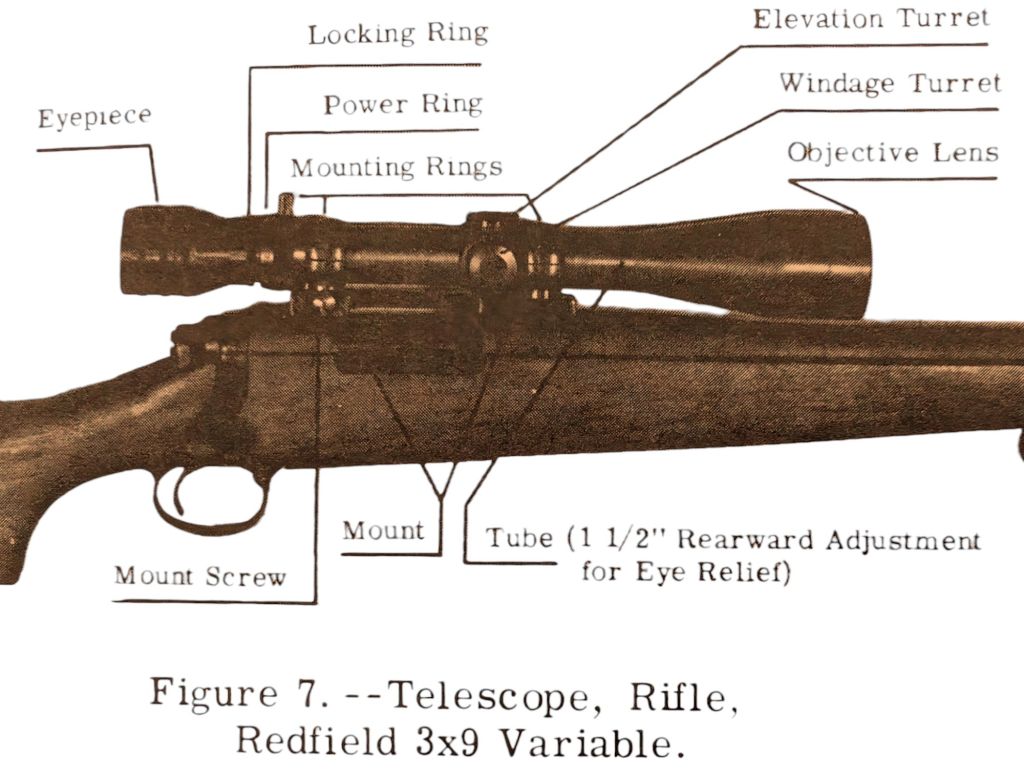
The first generation Redfield 3-9×40 Accu-Range came in an anodized green color, though they often appeared a bronze or brown. These scopes were present on 1966-1968 production M40s (USMC).
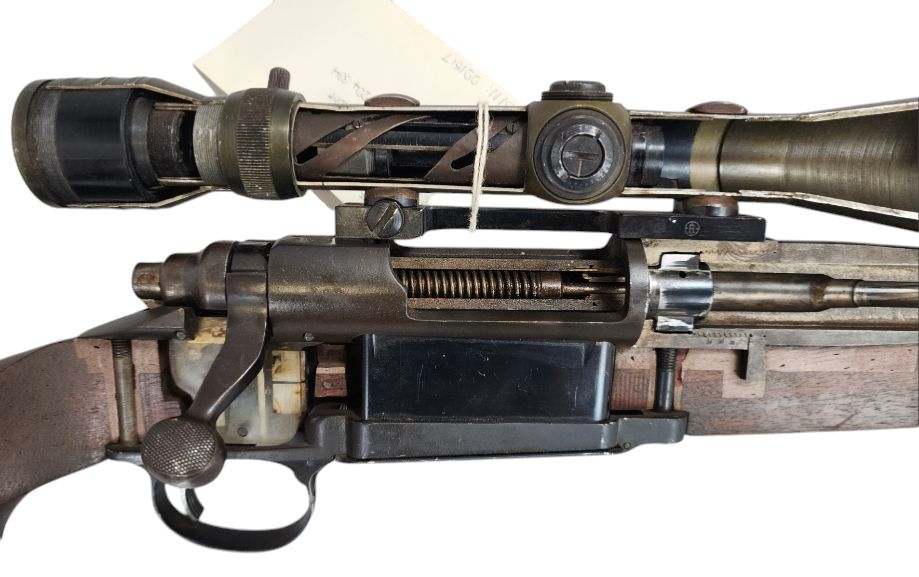
USMC RTE shop cutaway of an M40 (NMMC).
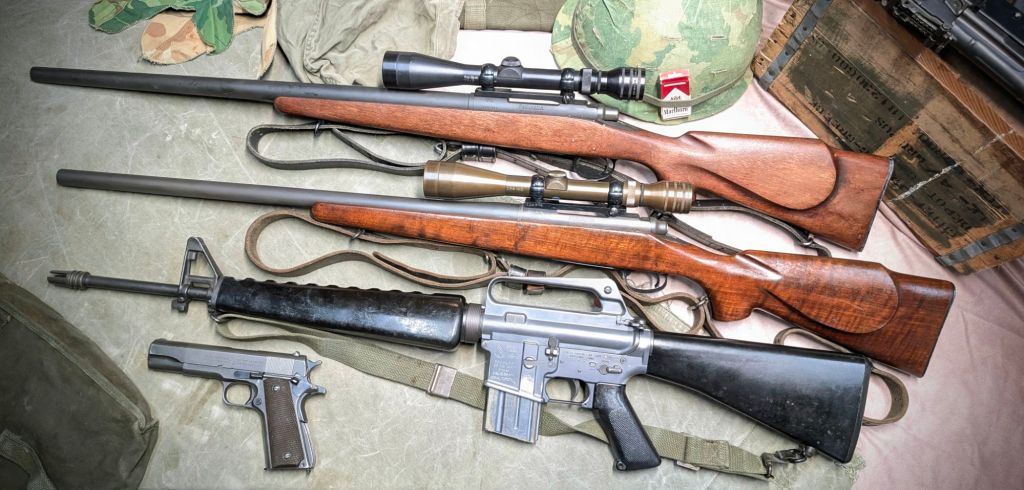
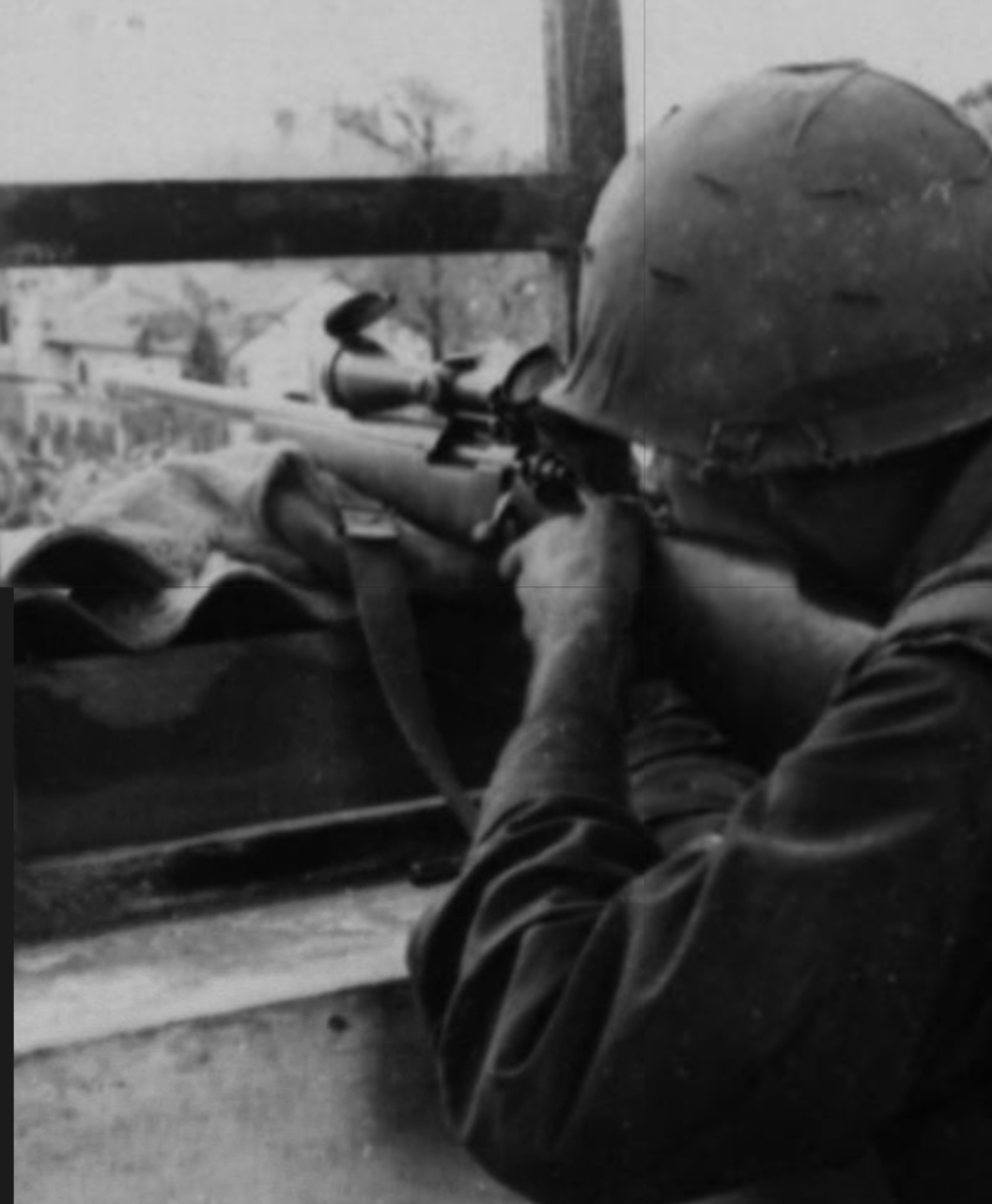
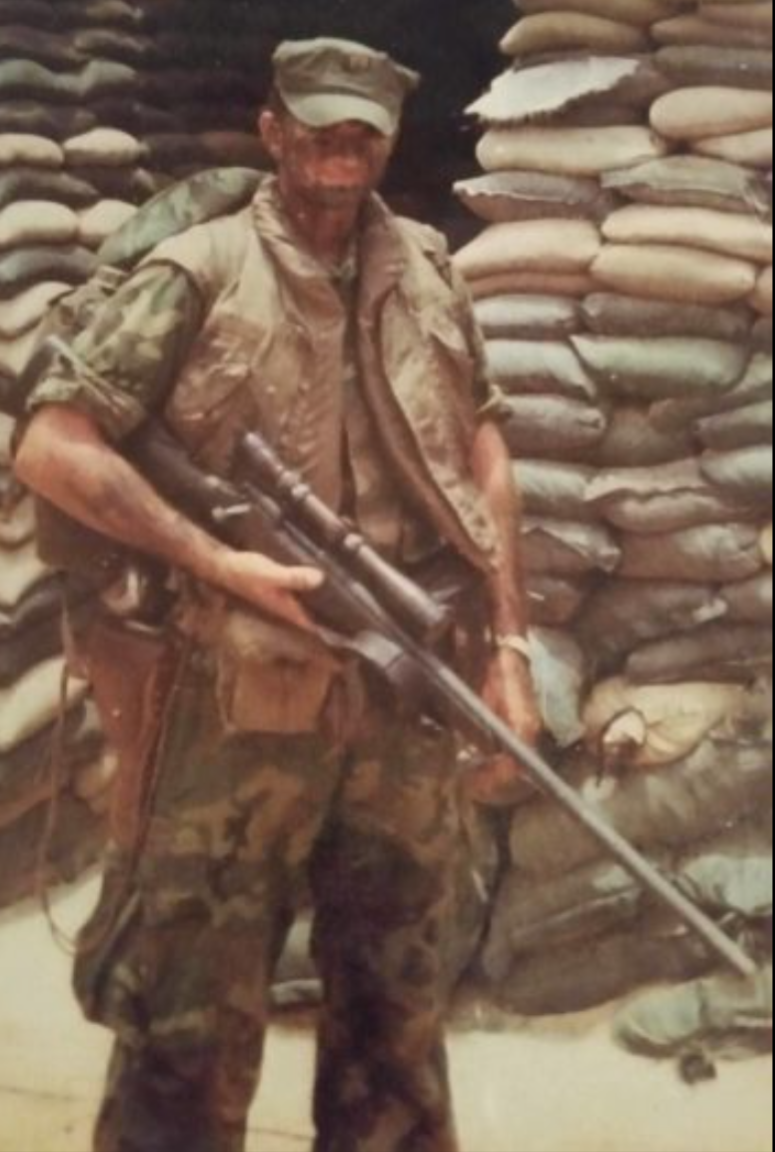
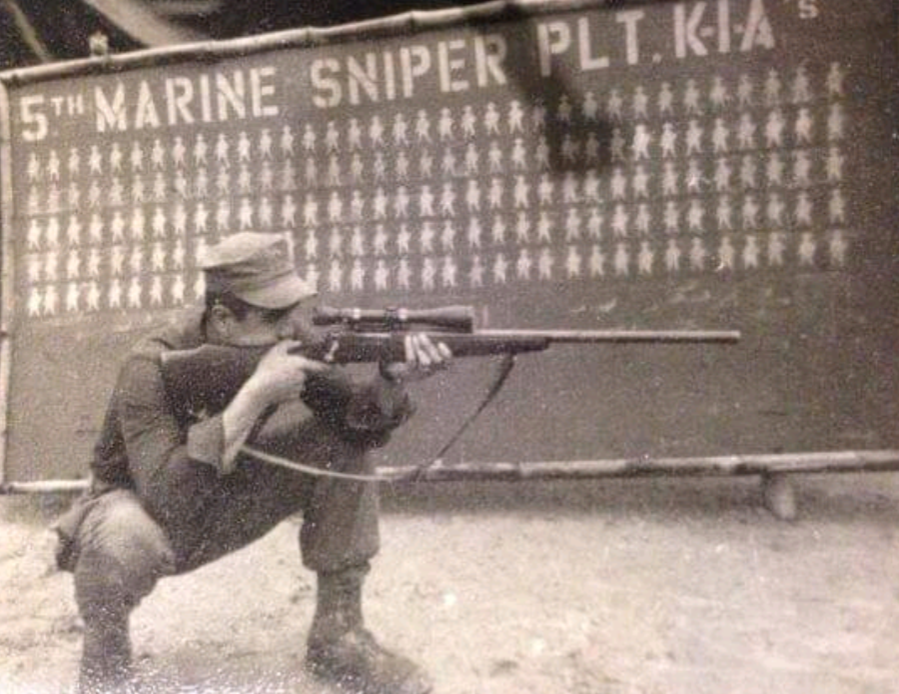
Marine Corps Logistics Base Albany would receive 152 rifles while Marine Corps Logistics Base Barstow would receive 548. These would be the first M40s sent to the 1st and 3rd Marine Divisions in Vietnam. While some rifles may have made it to Vietnam in late 1966, they were being used heavily by early 1967. The M40 had both advantages and downsides compared to the Winchester Model 70 it was replacing. The M40 had a more rugged scope in the 3-9x Redfield Accu-Range compared to Model 70’s 8x Unertl, but it did not have target turrets to allow for easy windage and elevation adjustment. This meant the snipers using the M40 would zero their rifles at 500 yards and have to “hold over” based on distance and wind. Overall, the design of the M40 was more suited to the rigors of the battlefield than that of the Model 70, and legendary Marine snipers like Chuck Mawhinney would employ the M40 with deadly effect in the field.

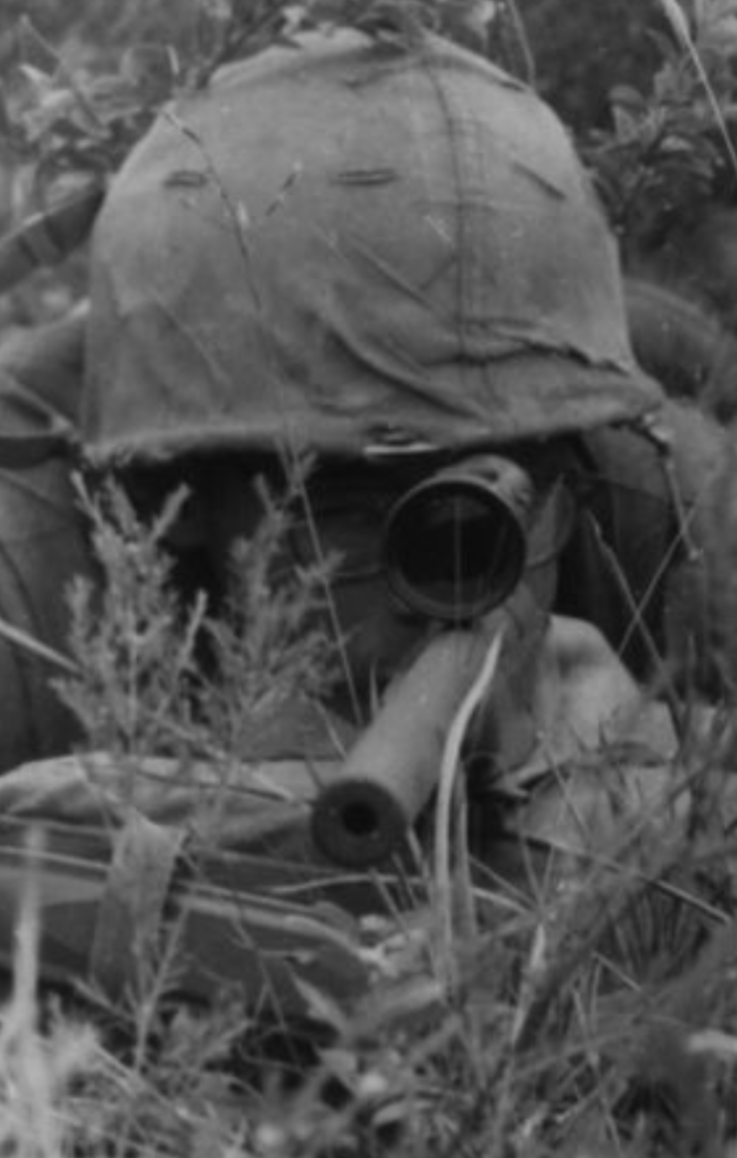
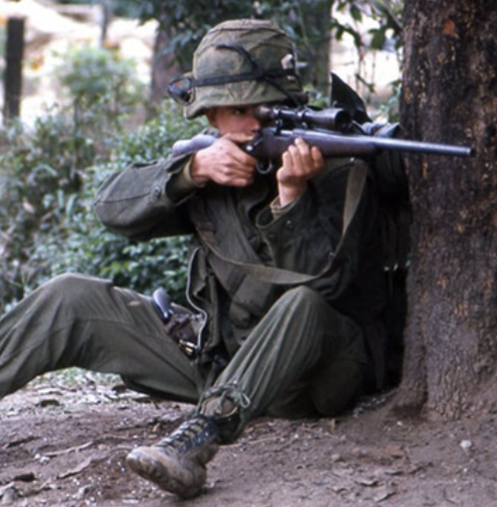
Marine snipers with M40s in Vietnam (USMC).
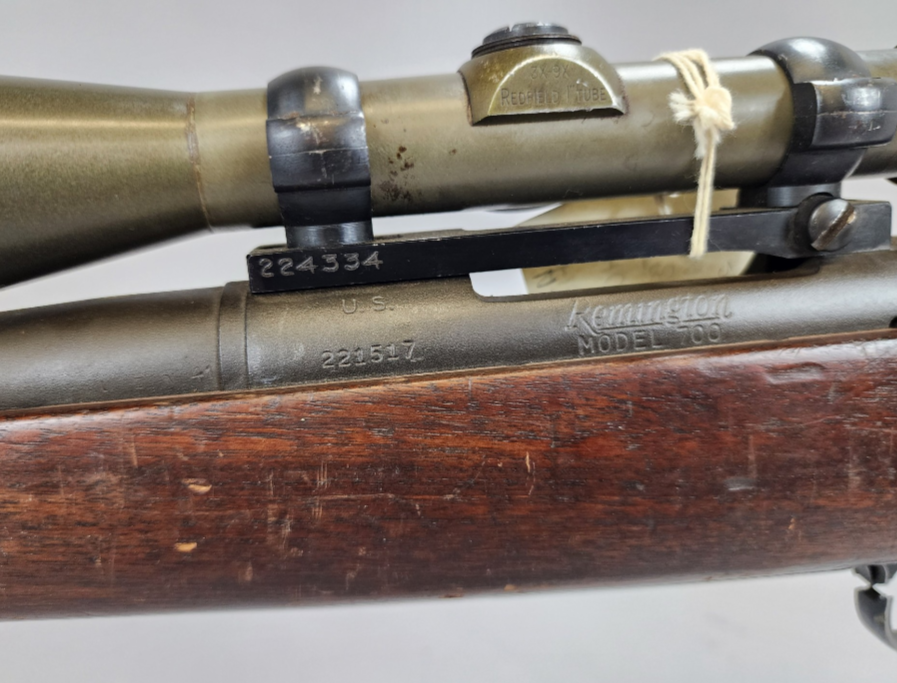
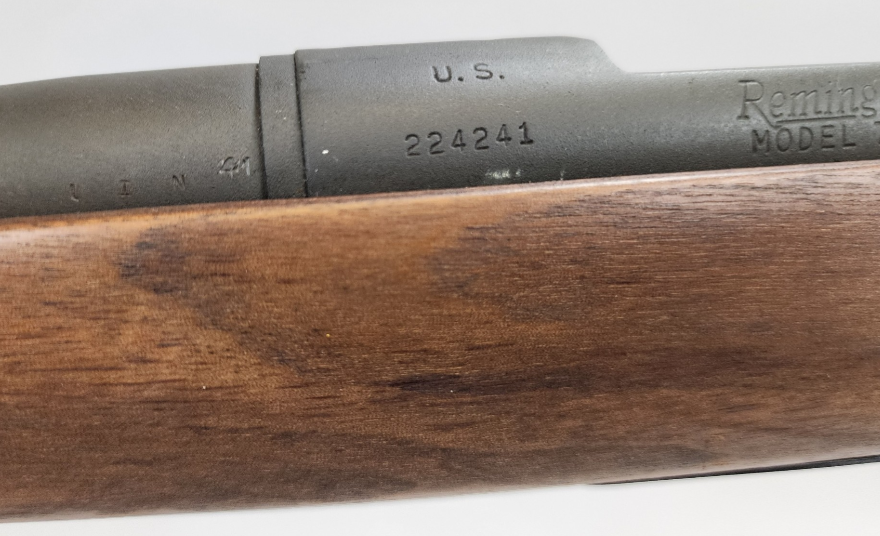
The first contract and vast majority of M40s were rifles in the 221k and 224k serial ranges. While the exact number of M40s the USMC received is unknown, it was less than one thousand. The 221k and 224k serial range M40s totaled 700 (NMMC).
After several years of continuous action and as the Vietnam War peaked in the late 1960s, many M40s had become unserviceable. Just like the Model 70, RTE 2112 armorers serving in Vietnam would bed the stocks with bisonite and experiment with waterproofing methods as the jungle environment led to stock warping. Photos show that some stocks were painted a solid green or camouflage pattern during this process. It is likely serviceable parts and optics from otherwise unserviceable rifles would have been harvested to keep as many rifles functional as possible during this time as the heat and humidity were exacting a heavy toll on the M40s. In January of 1968 contract M002768C0102 was signed for 58 more M40s, with all rifles delivered to Military Airlift Command at Dover Air Force Base. Considering the contract destination, it is very likely these rifles were shipped directly to Vietnam. It is likewise a near certainty that this contract was the source of the 322701-322769 serial number range.
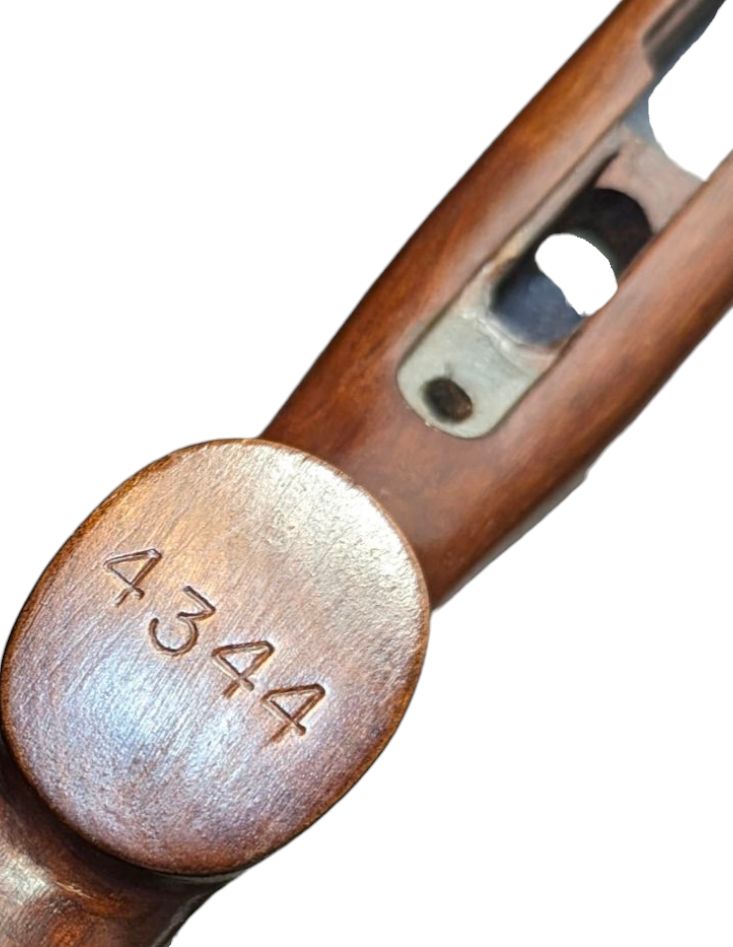
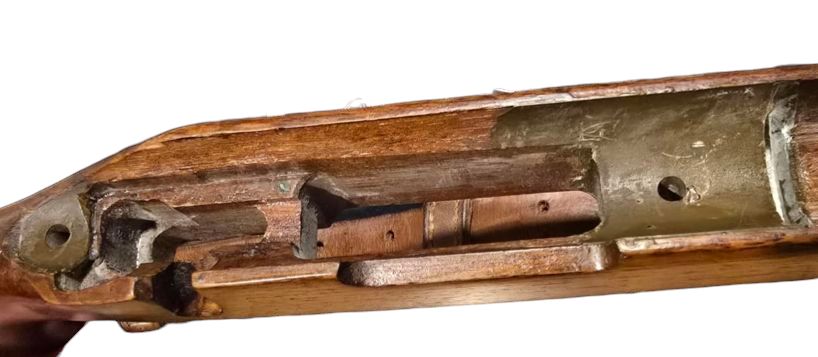
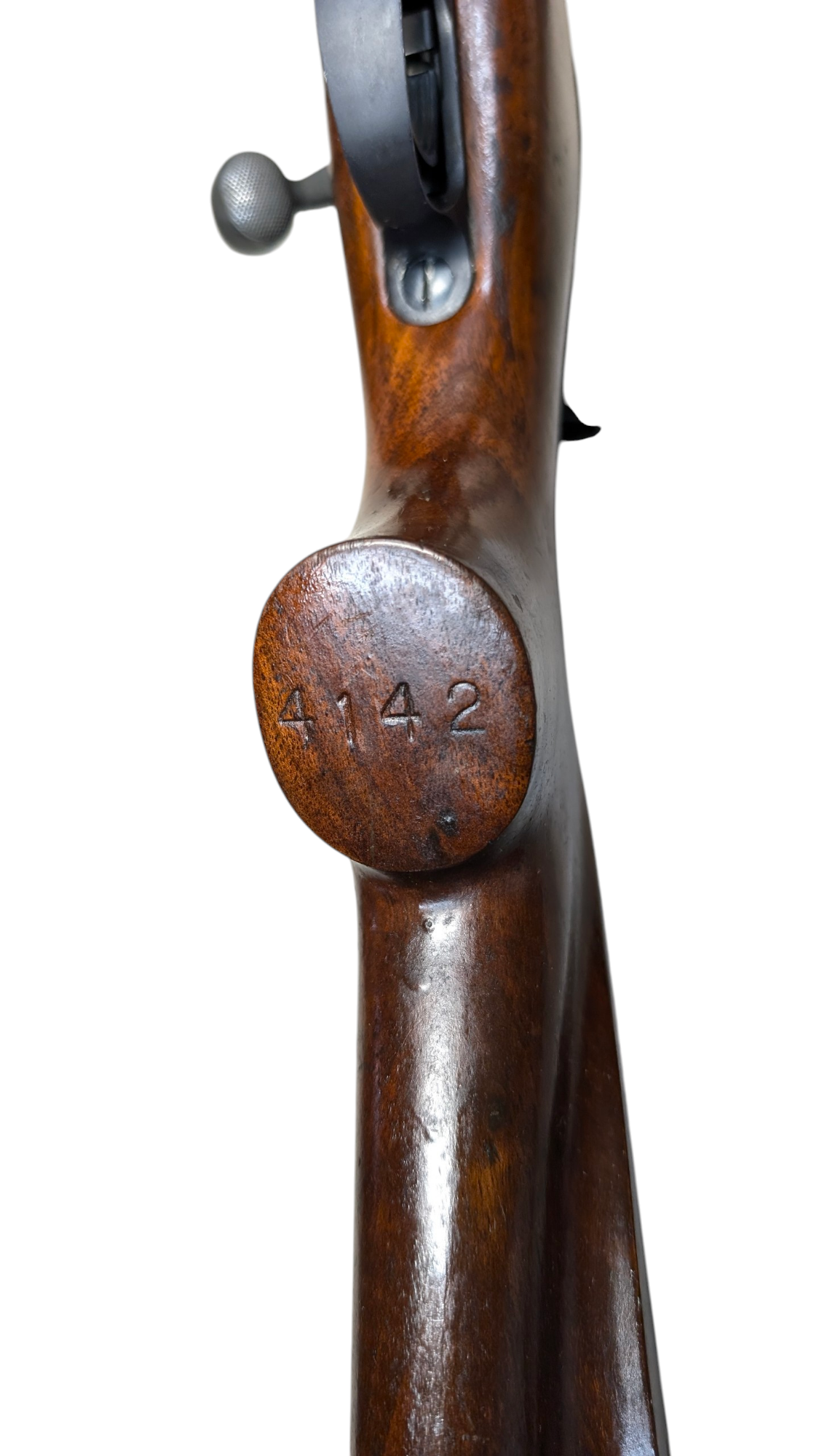
Example of a Vietnam field bedded M40 stock. Some original stocks have had the last four digits of the serial number applied to the bottom of the pistol grip, likely during the glass bedding process (Plowman & Norton collections).


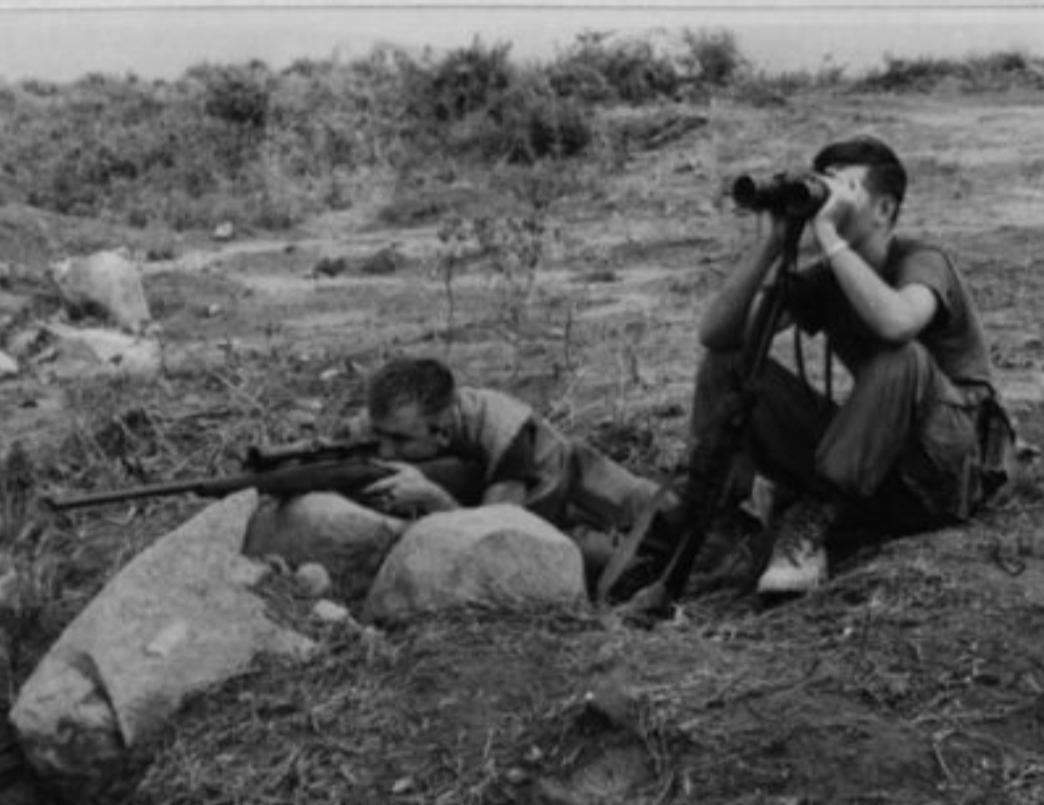
Chuck Mawhinney and other Marine snipers in Vietnam with camouflaged M40 stocks in Vietnam (USMC).

By the spring of 1969, the deteriorating condition of the M40s in Vietnam reached a crisis point. The 1st Marine Division would report on May 6th, 1969 that only 45 rifles of the 82 they were allotted were able to be fielded. Of these 45, just 23 were entirely serviceable with the remaining 22 in questionable shape. Communications with the Headquarters of the Marine Corps took place, and it was determined that evaluations on future improvements to the M40 were in order. Another Boston Procurement District and Navy contract with Remington would be signed the same month, for 105 and 30 rifles respectively. These rifles would be called the “product improvement” or “improved” M40. The rifles themselves were entirely the same as previous contracts, but received the name from the more robust and durable 2nd Generation “black satin” Redfield Acc-Range scopes they had instead.
Remington M40 contracts
| Contractor Name | Contract Number | Year | Number |
| USN Crane | N00164-67-C-0216 | 1966 | 4 |
| COUSN Regnl. Fin. Ctr. | N00164-67-C-0216 | 1966 | 6 |
| OIC USN SPT GRP PAC | N00164-67-C-0216 | 1966 | 6 |
| USN Crane | N00164-67-C-0216 | 1966 | 2 |
| Boston Procurement Dist. | NOM-73566 | 1966 | 700 |
| Boston Procurement Dist. | PO-OM-448-66 | 1966 | Spare Parts |
| Edgewood Arsenal | DAAA15-67-M-6631 | 1967 | 30 |
| USN Crane | N00164-67-M-6486 | 1967 | 2 |
| USN Crane | N00164-67-M-6486 | 1967 | 3 |
| Frankford Arsenal | DAAA25-68-M-D088 | 1967 | 7 |
| USN Wpns. Ctr. China Lake | AM 10043 | 1968 | 6 |
| Air Frt OIC MAC Dover AFB | M002768C0102 | 1968 | 58 |
| USN Wpns. Ctr. China Lake | 3676Y540568 | 1968 | 6 |
| USN Crane | N0016468M5808 | 1968 | 2 |
| Frankford Arsenal | DAAA2569M | 1968 | 9 |
| Boston Procurement Dist. | DAAF03-69-C-0080 | 1969 | 105 |
| USN Trng Ctr San Diego | N00164-69-C-0721 | 1969 | 30 |
| Unknown | Unknown | 1970-71 | Approximately 9 |
Known M40 serial numbers & ranges
- 168179, 16836, 168820, 168889 & 169063
- likely N00164-67-C-0216 contract test rifles
- 221172– 221604
- approximately 425 of the 700 NOM-73566 contract rifles
- 224113 – 224386
- approximately 275 of the 700 NOM-73566 contract rifles
- 322701 – 322769
- approximately 70 rifles, likely from contract M002768C0102 and potentially smaller contracts from 1968
- 225154, 262756, 314169, 353325
- outliers that likely are from smaller contracts in 1967 & 1968
- 6257198 – 6257345
- the 135 rifles manufactured in 1969 under contracts DAAF03-69-C-0080 & N00164-69-C-0721
- 6327882
- various higher serial numbers for the 9 rifles made in 1970-1971 for product testing
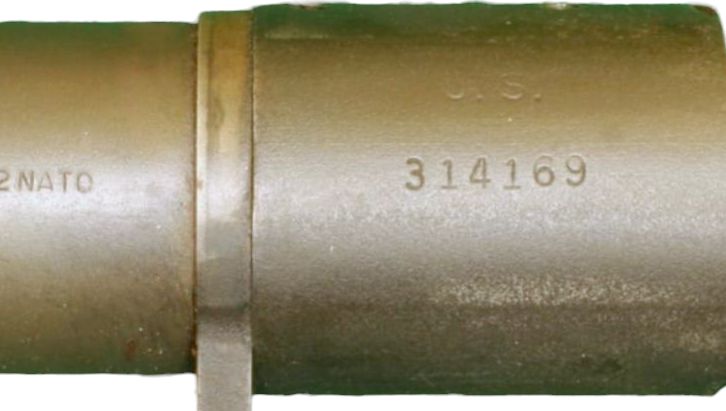
M40 #314169, part of the Remington collection. The serial number of this M40 is slightly outside the well-established 322k range, and highlights how some M40s, particularly those from smaller contracts can have serial numbers virtually anywhere in the 1966-1971 production ranges. It is interesting to note that on this rifle and others, the “U. S.” stamping is relatively light compared to the serial number.

Remington M40 Vietnam War Timeline
April 7th, 1966
- The Remington M40 sniper rifle & Redfield 3-9×40 Accu-Range scope are adopted by the USMC
Spring, 1966
- Boston Procurement District contract NOM-73566 will outfit the USMC with 700 M40 sniper rifles
- 550 M40s supplied with Redfield scopes and Redfield Jr 40-X bases serial matched to their rifle
- 123 shipped to MCLB Albany & 427 to MCLB Barstow
- 150 supplied with Redfield Junior 40-X scope bases only
- 29 shipped to MCLB Albany & 121 shipped to MCLB Barstow
- 550 M40s supplied with Redfield scopes and Redfield Jr 40-X bases serial matched to their rifle
- Boston Procurement District contract NOM-73566 will outfit the USMC with 700 M40 sniper rifles
June – September, 1966
- Remington delivers the 700 rifles and parts from the Boston Procurement District contracts
Winter, 1966/67
- Remington M40s are fielded in Vietnam by the 1st & 3rd Marine Divisions
- Each Division is allotted 82 M40s
- Additional rifles would have been provided for in country sniper schools and reserves
- Remington M40s are fielded in Vietnam by the 1st & 3rd Marine Divisions
1967 – 1968
- 8 contracts are fulfilled, 6 are small and 2 are moderate sized
- The purpose of the small contracts is unknown, but likely for testing purposes
- Contract DAAA15-67-M-6631 for 30 rifles delivered to Edgewood Arsenal
- Contract M002768C0102 for 58 rifles is delivered to Military Airlift Command at Dover AFB, likely to be shipped directly to Vietnam
- 8 contracts are fulfilled, 6 are small and 2 are moderate sized
April-May, 1969
- The 1st Marine Division reports the deterioration of M40s has reached a critical status.
- Of their 82 rifle allowance, only 45 rifles are field worthy
- Of those 45, only 23 are entirely serviceable and 22 are questionable
- The 1st Marine Division reports the deterioration of M40s has reached a critical status.
May, 1969
- Almost certainly in response to the deteriorating condition of M40s in Vietnam, a final two operational contracts are signed.
- Boston Procurement District contract DAAF03-69-C-0080 is signed for 105 product improvement series M40 rifles
- N00164-69-C-0721 is signed for 30 additional product improvement rifles
- Almost certainly in response to the deteriorating condition of M40s in Vietnam, a final two operational contracts are signed.
November, 1969
- The 3rd Marine Division withdraws from Vietnam
June, 1971
- The 1st Marine Division withdraws from Vietnam
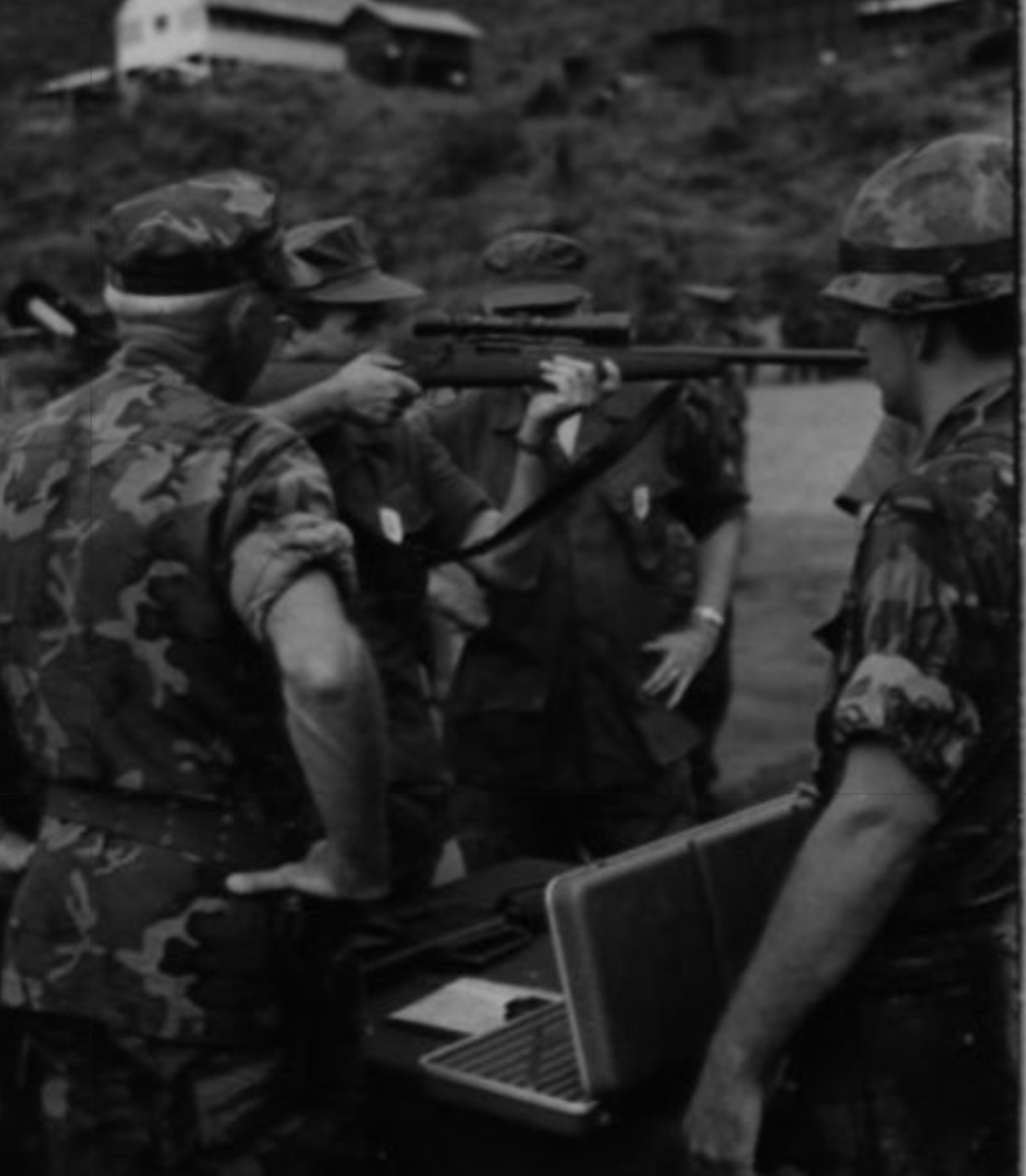

Secretary of the Navy John Chaffee inspecting an M40 in Vietnam, considering the dark coloration and profile of the adjustment turrets it is possible this is a photograph of a new “product improvement series” rifle (USMC).
The use of Improved Series M40s in Vietnam would have been limited, as the 3rd Marine Division would depart in November, 1969. Some photographs from 1969 and later do appear to show the second generation black satin colored Redfield scoped M40s as well as other modifications. One noteworthy photograph shows a rubber buttpad in the field in Vietnam in 1971. Another attributed to Crane in the mid-1970s shows a considerable amount of second generation Redfield scoped M40s, some with painted stocks and rubber buttpads. It is very likely that many of these rifles are from the 1969 contracts. As the 1st Marine Division would withdraw from Vietnam in June of 1971, M40 use would have primarily continued in very limited form with Marine advisors until the complete withdrawal of American forces in 1975.
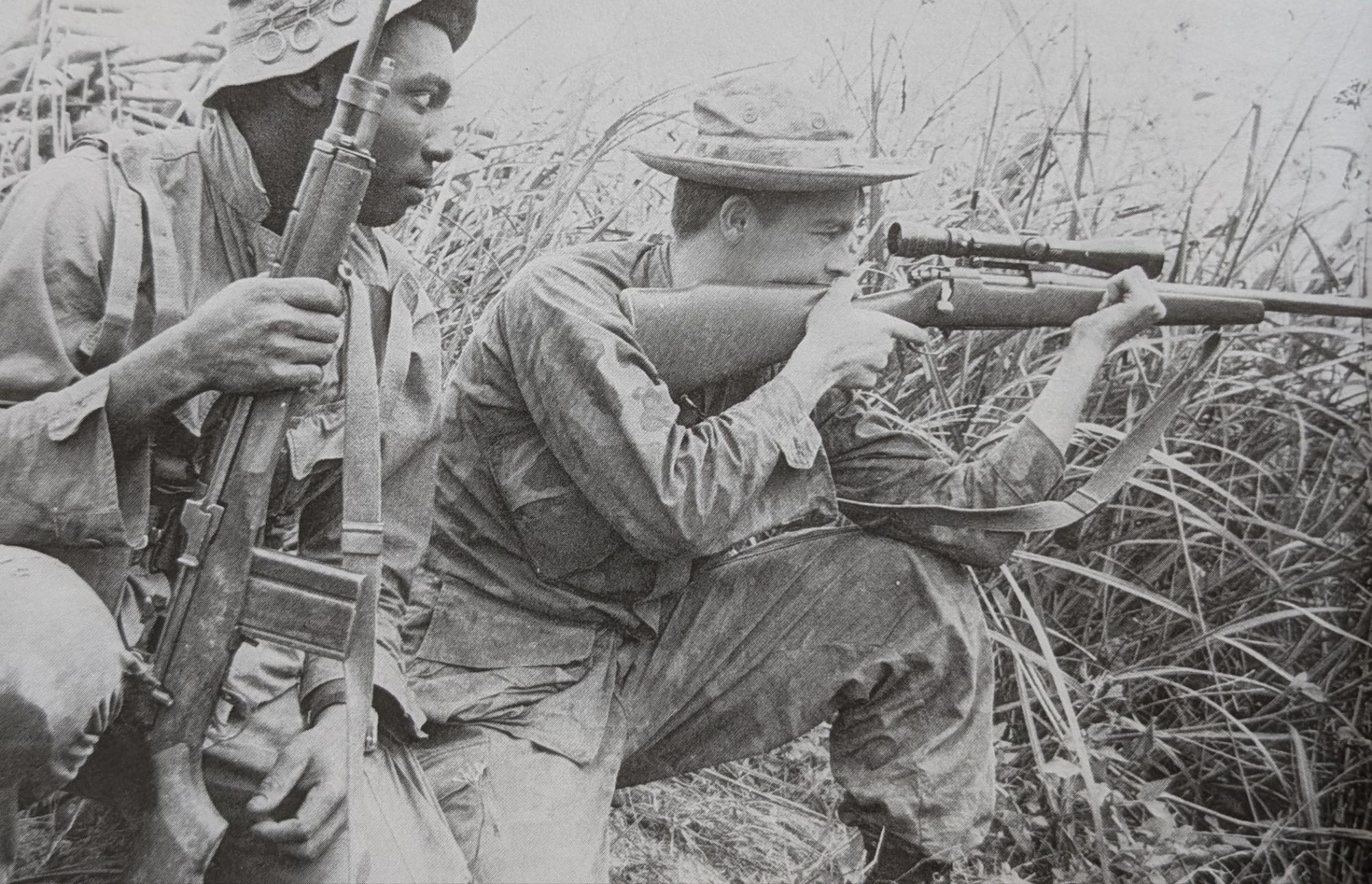
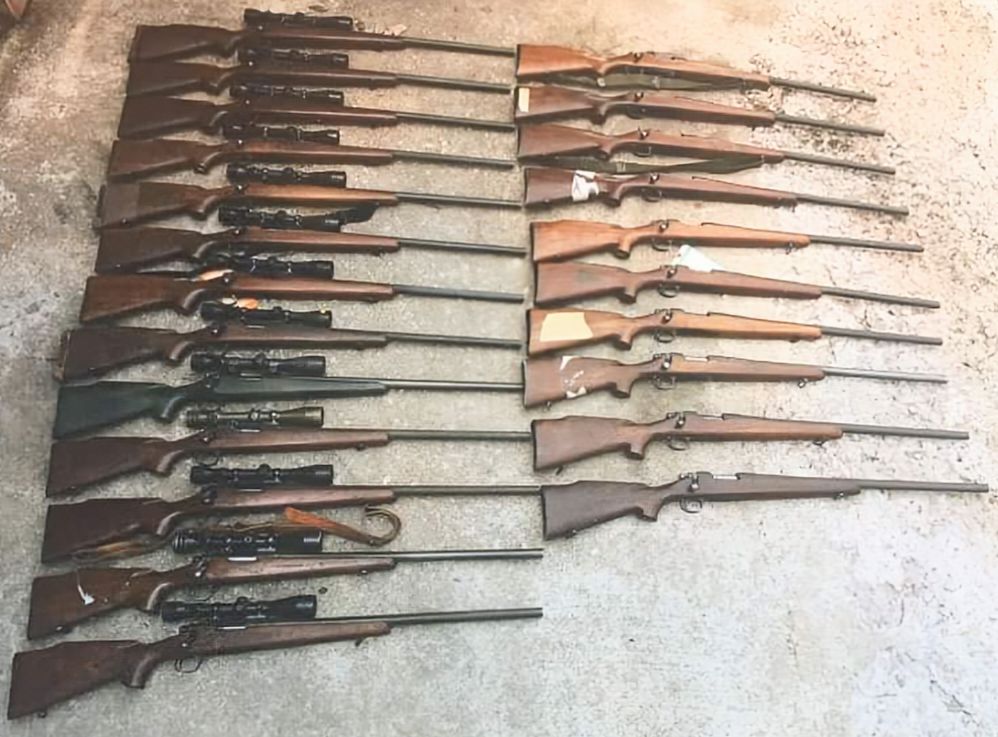
Left: Marine snipers in Vietnam in 1971, with an M40 that has a rubber puttpad installed (USMC). Right: a photograph attributed to Naval Surface Warfare Center Crane, showing a wide variety of M40s with field modifications and both generations of Redfield scopes.
Remington M40 Rebuild program
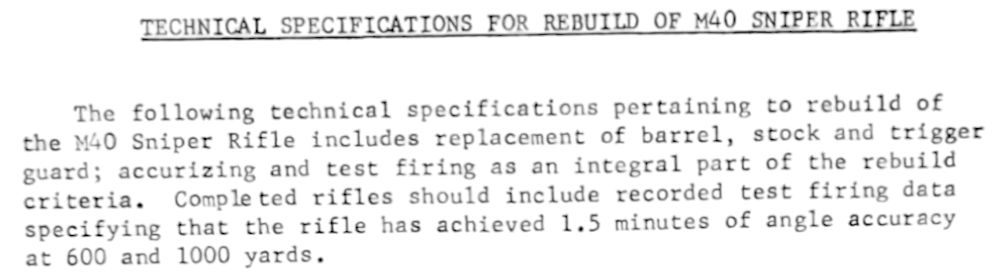
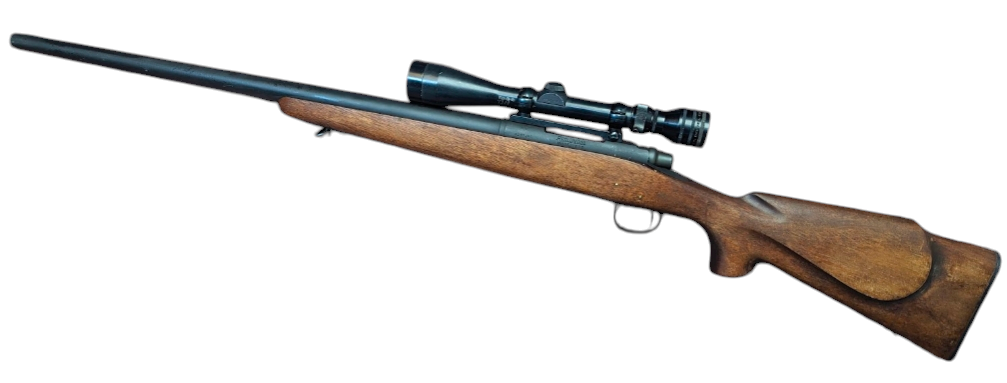
By the early 1970s, the Marine Corps faced a decision on what to do with the M40 program. The USMC received as many as just under 1000 M40s during the course of production, and by the early 1970s only 425 remained. While some certainly were lost to action or left in Vietnam, period photographs from the Department of the Navy’s massive weapons depot at Crane, Indianashow well used M40s from all production runs being turned in, their fate unknown. Many of the 425 rifles the Marine Corps retained were in very poor condition following heavy use in the Vietnam War. The aforementioned 1969 review of the M40 identified significant areas for improvement, and the general consensus was that at minimum a better stock, scope and barrel were necessary. From 1971 through 1973, M40s were rebuilt in a minimal fashion. An official M40 rebuild standards publication was published in the spring of 1973, but cancelled a few months later. The suggested requirements for M40 conditioning in 1969 and the 1973 rebuild specifications do shed some light on what these rifles would appear like, and at least one example exists in the National Museum of the Marine Corps collection.
USMC M40 Rebuild Attributes
- Stock
- Freshly sanded with somewhat grainy feel
- Additional brass pins added as needed
- 40XB stocks were considered, do not appear to have been used
- Barrel channel expanded for 1/16″ free float
- Glass bedded to 1″ forward of the recoil lug
- Barrel
- Stainless (preferred), chrome moly, or original.
- Sandblasted and black oxide finished
- Dull paint used is black oxide fails to adhere
- 24″ length, 1-12 twist, recessed crown
- Trigger
- Screws secured with Locktite rather than staked
- Trigger Guard
- Desired to replace aluminum factory types with stainless steel of the same configuration, does not appear to have occurred

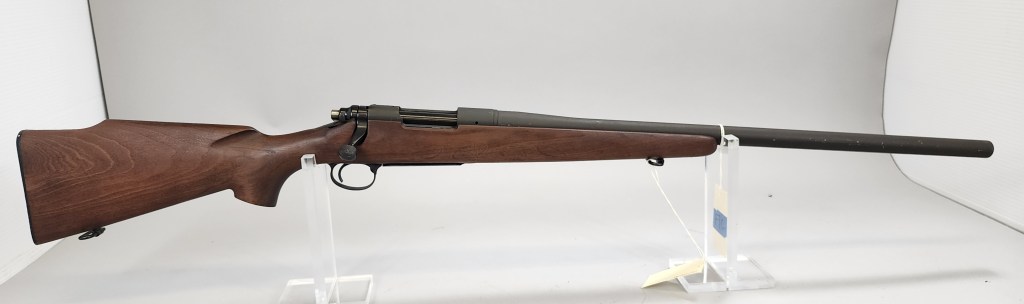
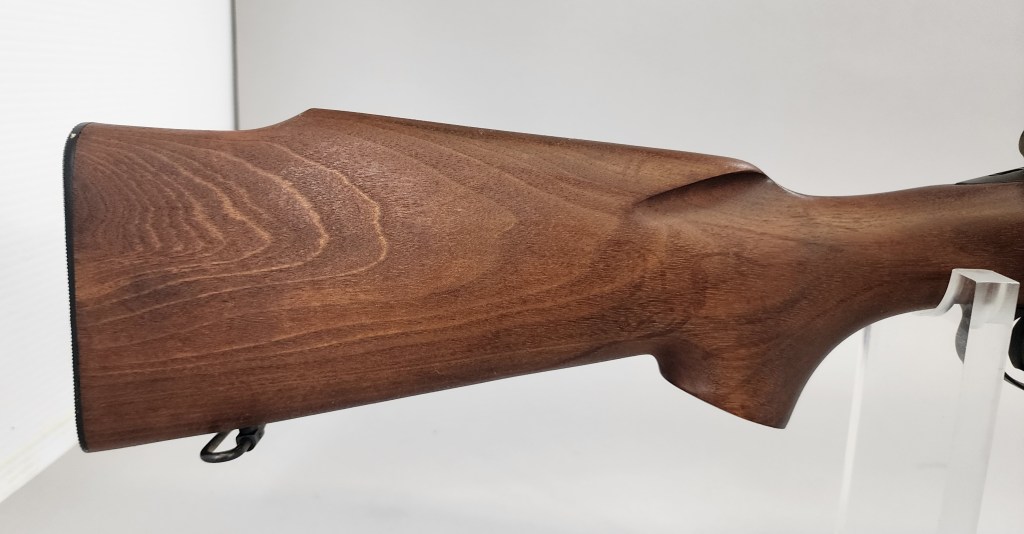
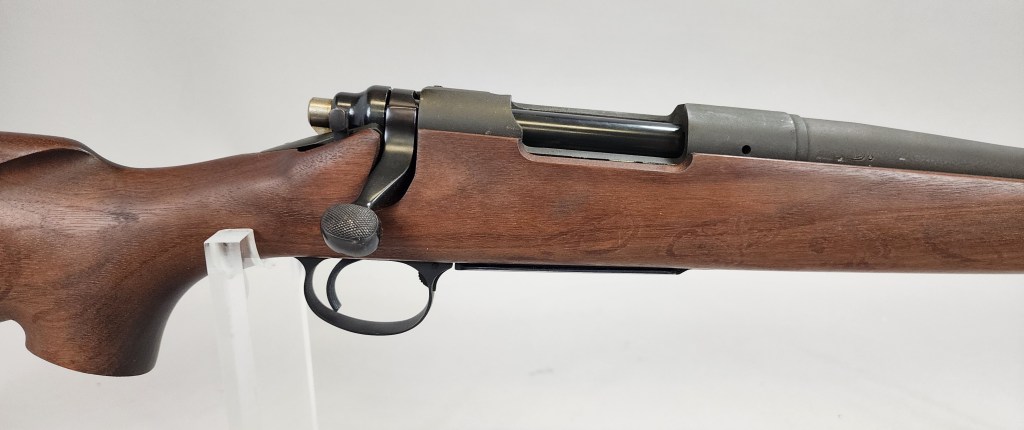
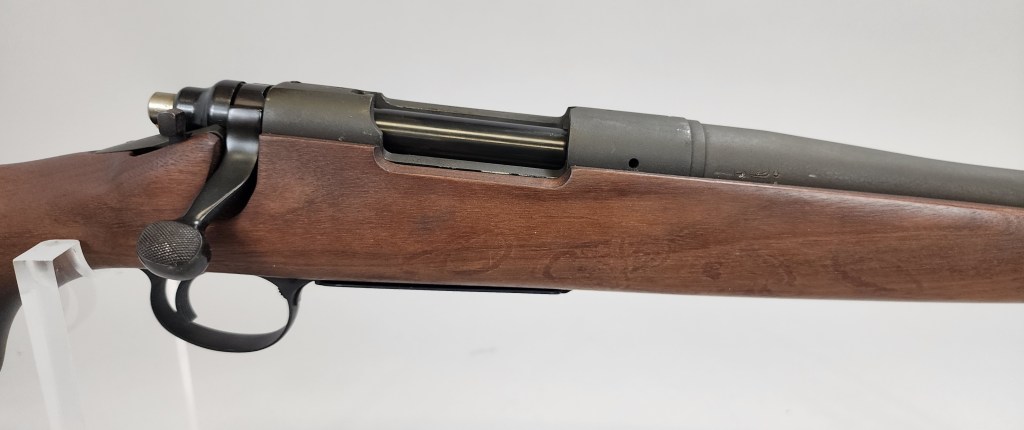
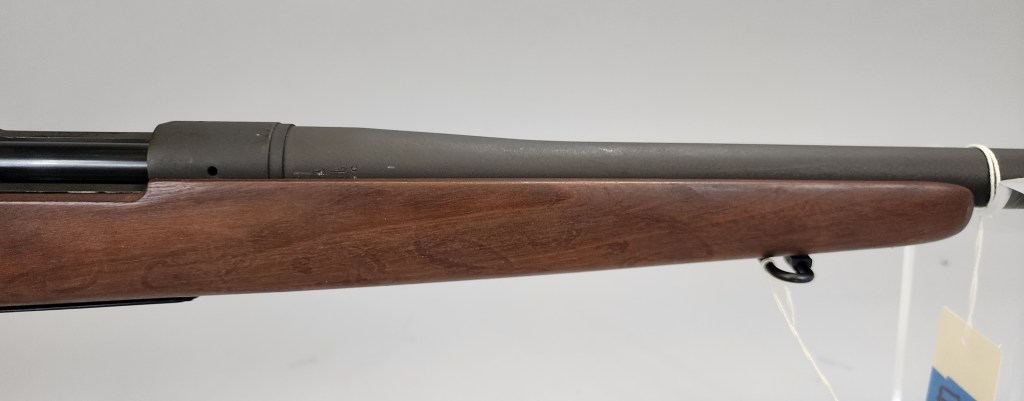
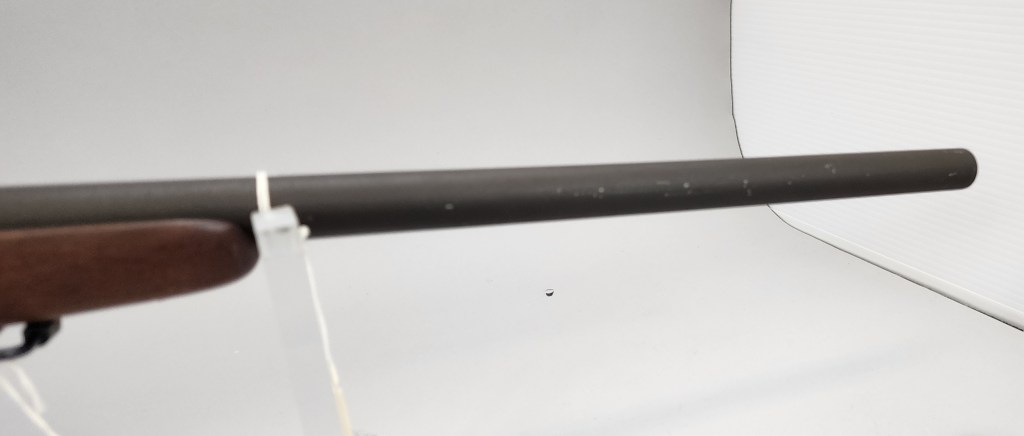
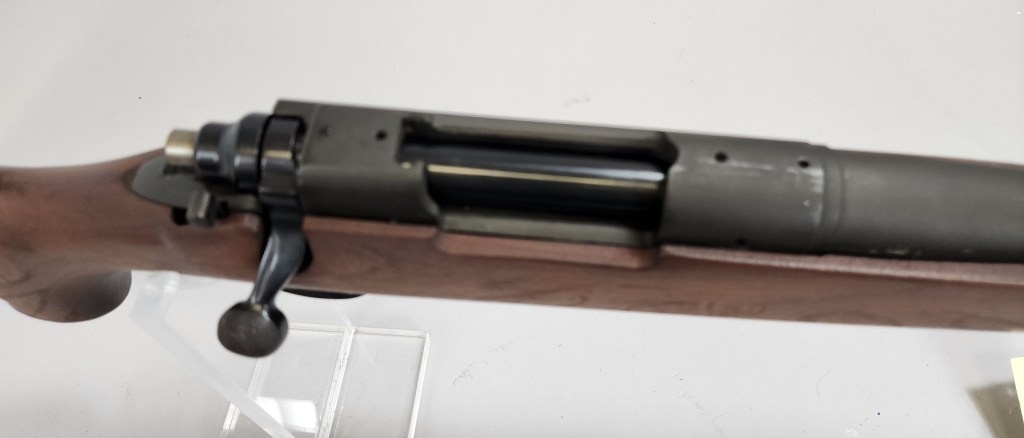
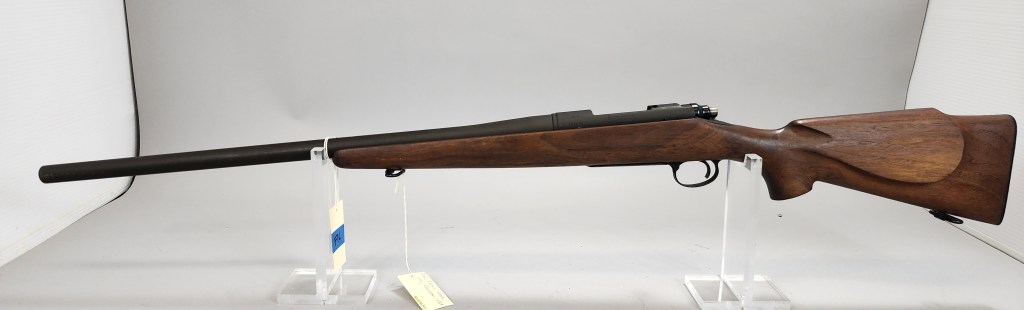
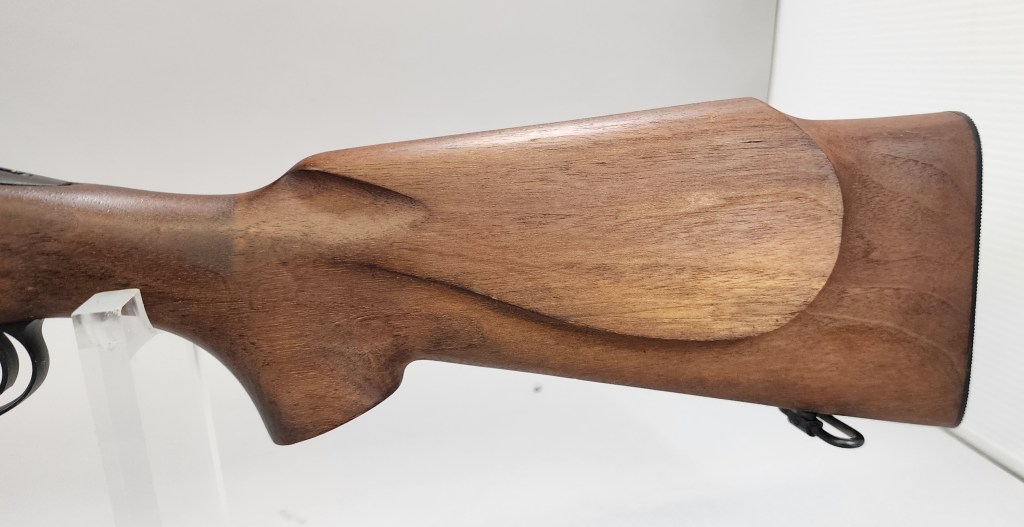
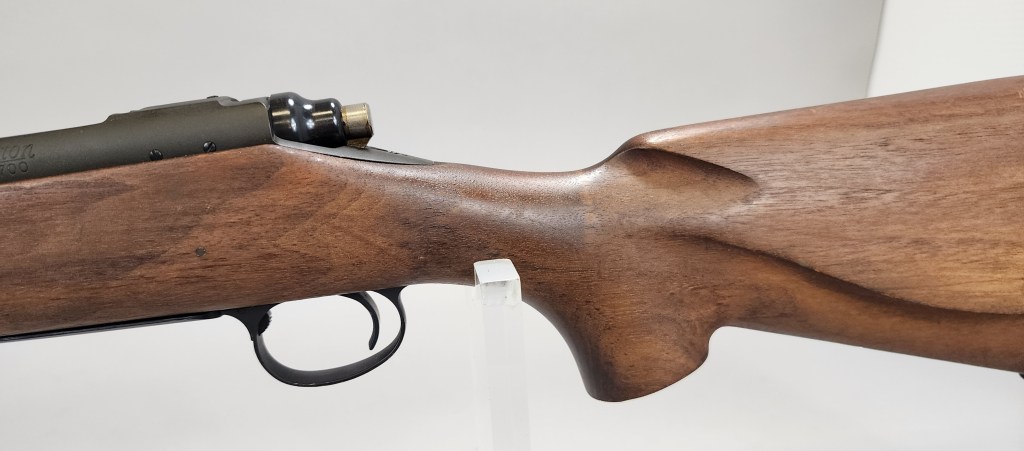
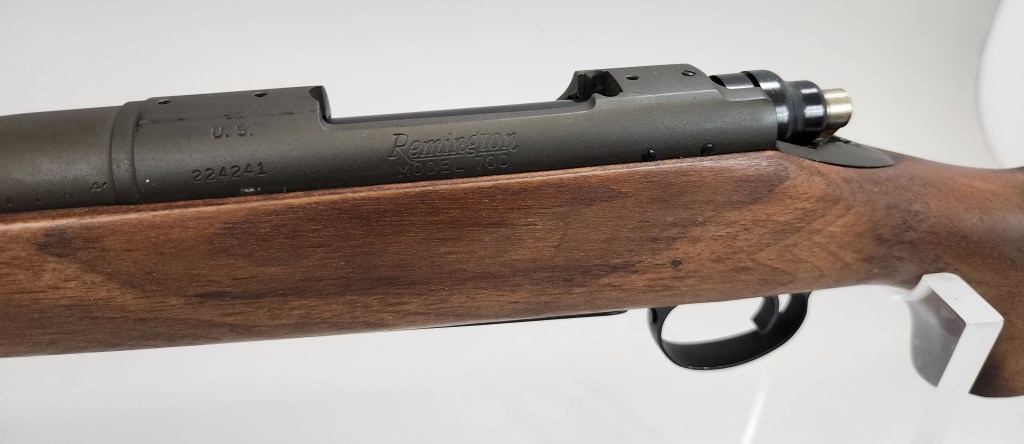
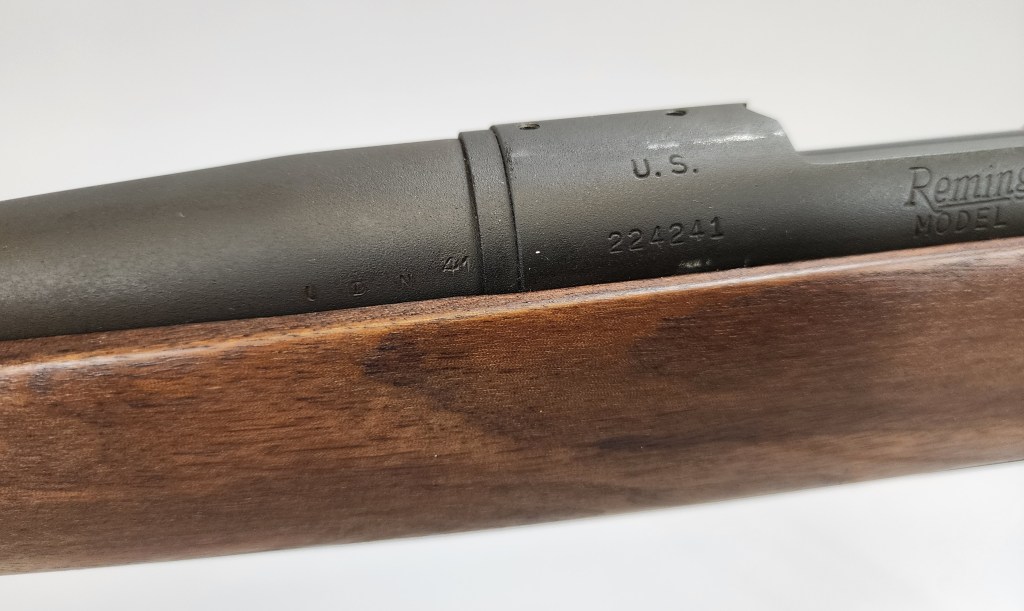
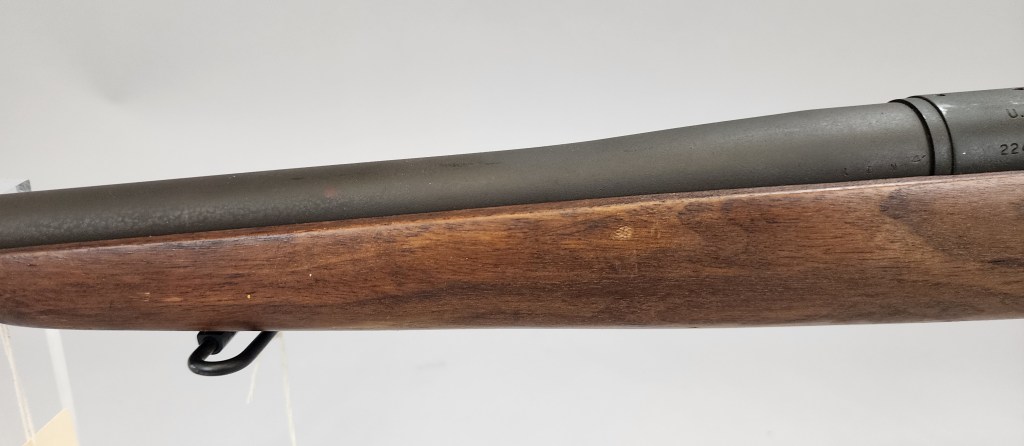
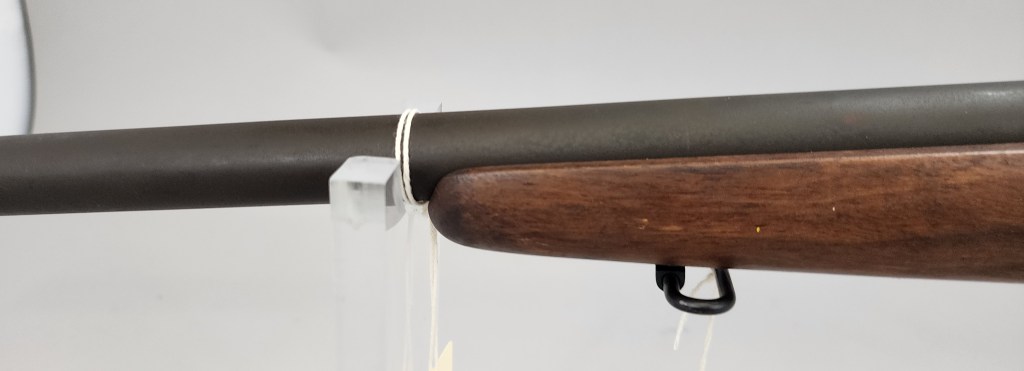
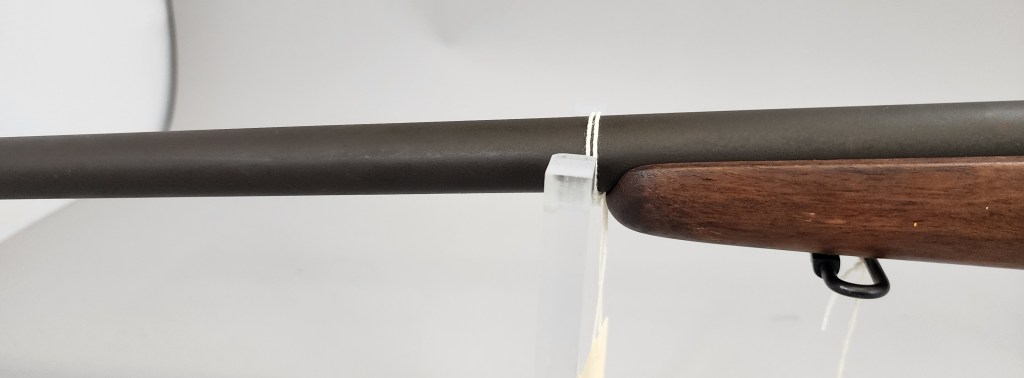
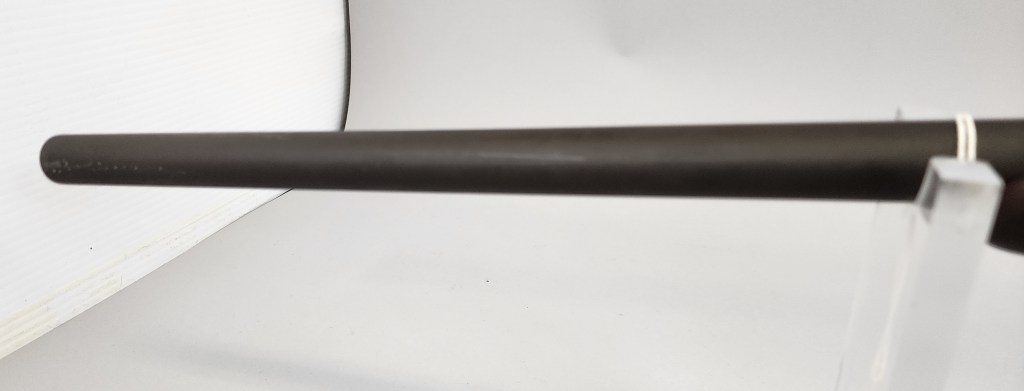
Remington M40 #221303 after rebuild. Rebuilt M40s bear considerable similarity to O-6x rebuild M1 Garands (NMMC).
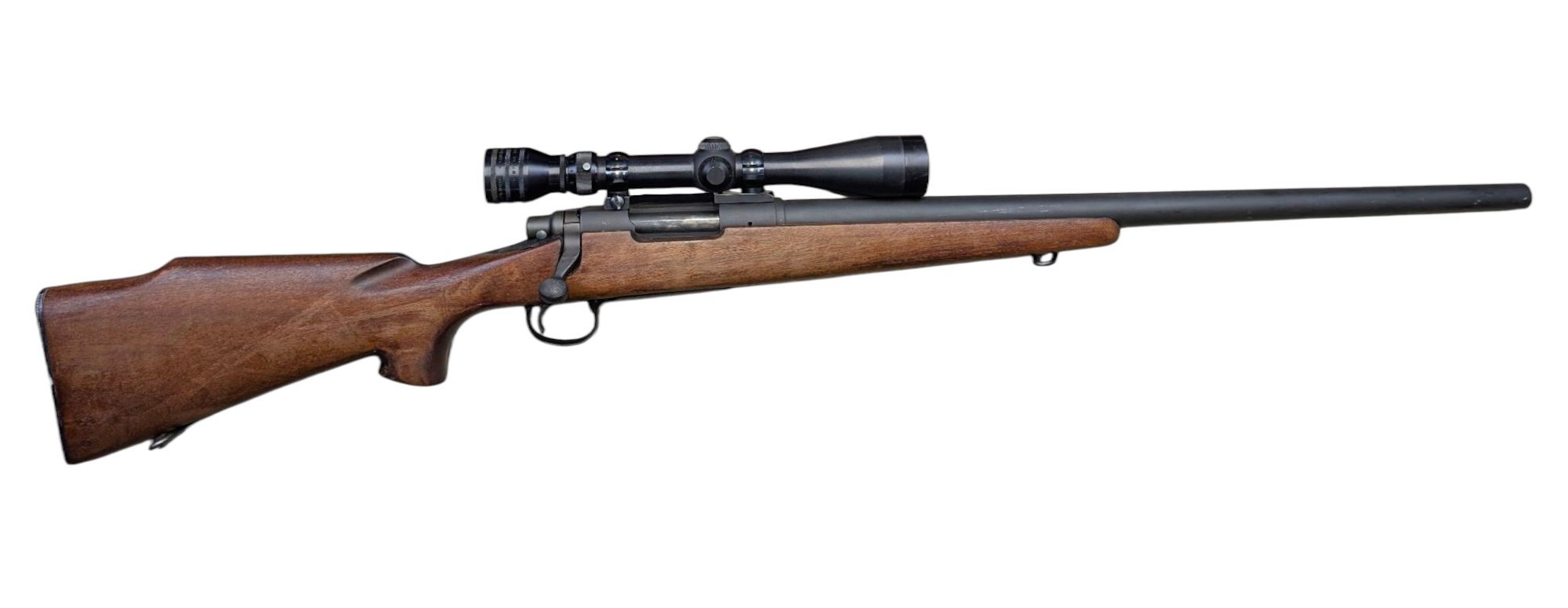
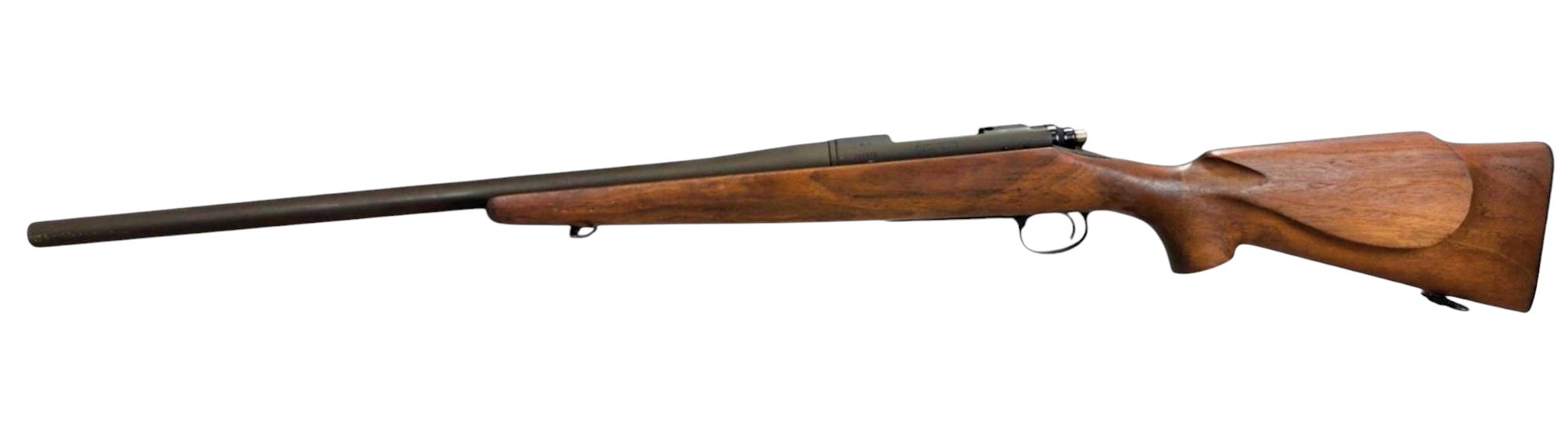
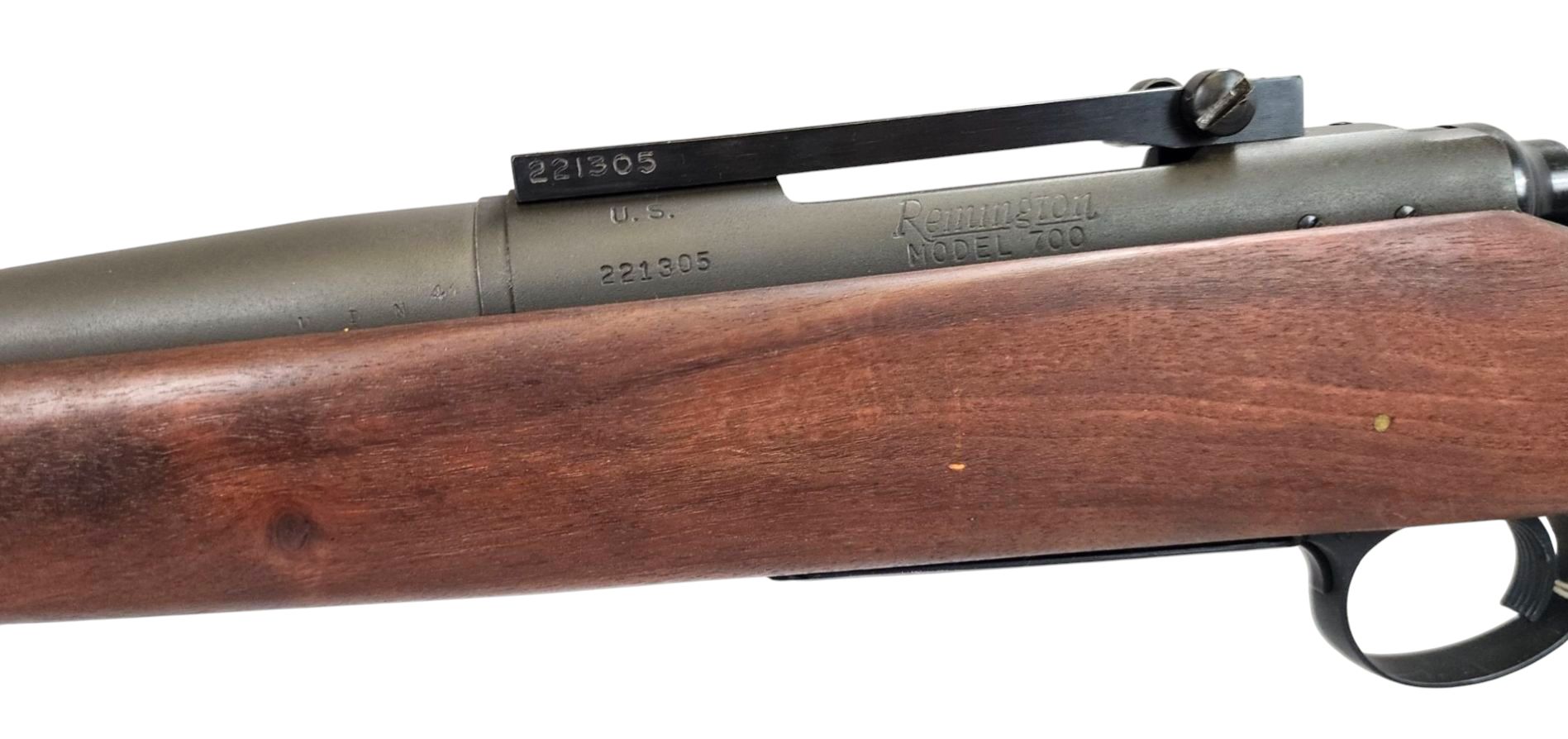
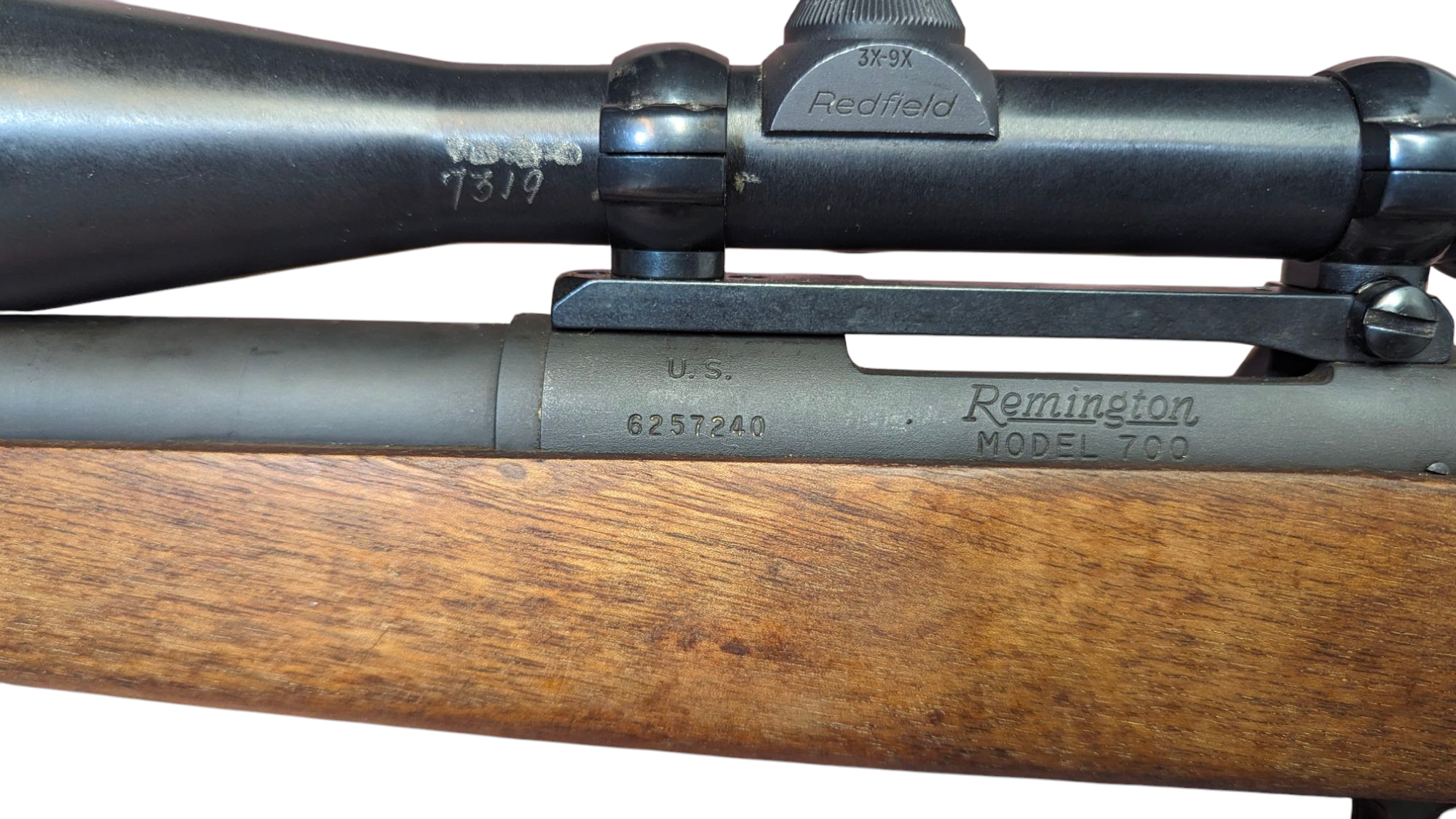
Examples of M40 rebuilds. M40 #6257240, a 1969 “product improvement” series M40, has a black oxide finished stainless steel barrel with recessed crown to 1973 rebuild specification. Stainless steel barrels on early 70s rebuild M40s are uncommon, and are likely the product of testing during the early 1970s.
The M40A1
The years between 1971 and 1976 would include plenty of experimentation and consideration as to the M40s future. Professionally bedded wood stocks, stainless steel barrels, and different optics were all tested. While the improvements were noteworthy, the ultimate solution would come in the form of an in-house build that would transform the M40 into its most iconic version: the M40A1.
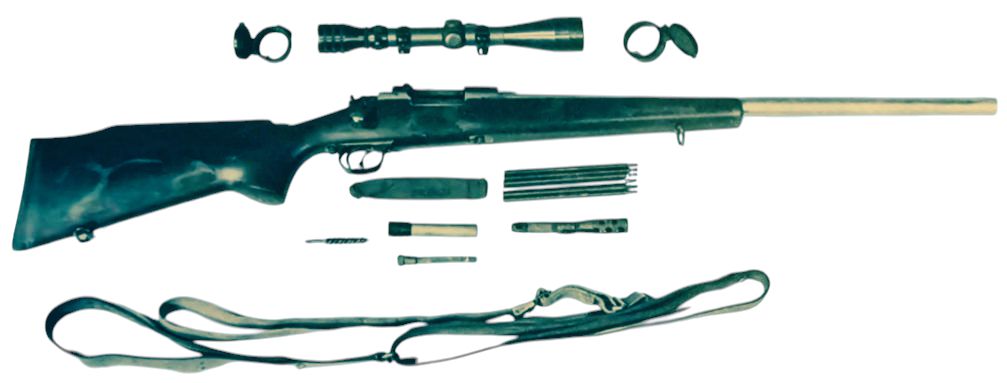
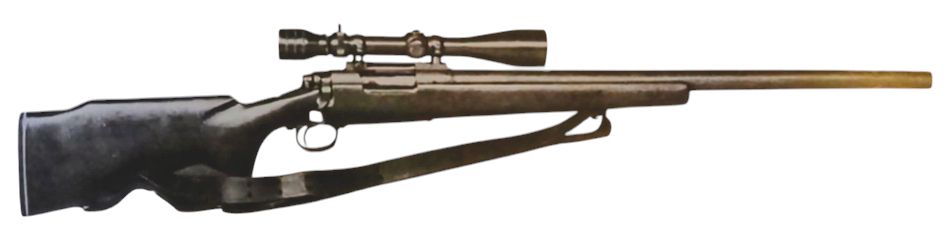
Official USMC testing photos of early M40A1s. Note the white stripe buttpad on the early McMillan stock, as well as stainless steel barrel in the white. The USMC would attempt to black oxide finish stainless steel barrels, and paint them a dull color if the process failed. Both rifles have 1st Generation Green Redfield Accu-Range scopes (USMC).
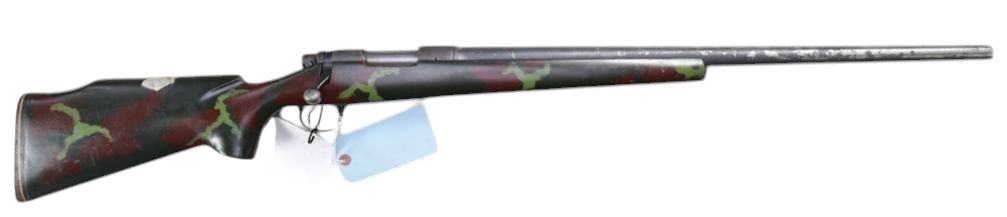
Remington M40A1 McMillan prototype rifle, one of two sold through the Civilian Marksmanship Program auction site in 2024. These rifles have very early McMillan stocks that never left prototype stage, bedded in accordance with the 1973 rebuild guidelines. They both have “MCMILLAN” lightly stamped on the barrel lip in the chamber. The barrels are painted a dull grey, and the buttpads are the earlier white striped type. They do not have Winchester Model 70 bottom metal like a true M40A1, nor modified receivers. Like nearly all CMP-sold M40s, they first appear as having been turned in to the Defense Logistics Agency at USAFB Robbins, Georgia on May 10th, 1978 and eventually transferred to logistics and supply services at Fort Benning. From there, the two prototypes served with Special Forces Training Command prior to transfer to the CMP.
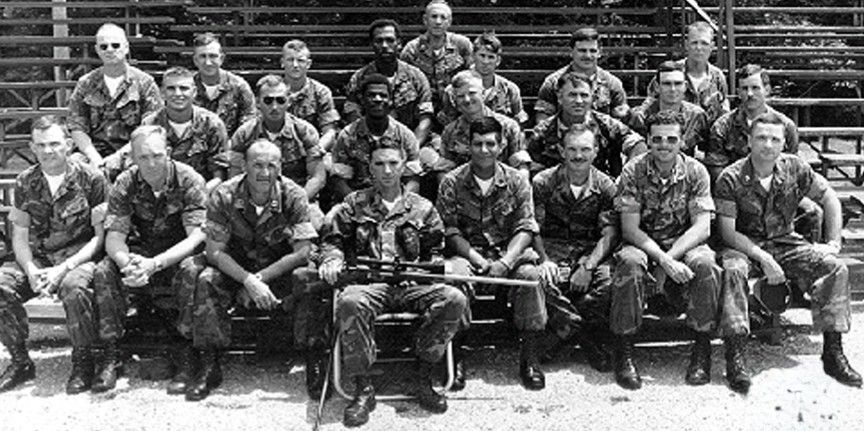
The first Scout Sniper Instructor class in 1977. The very early M40A1 being held by Gunnery Sergeant Carlos Hathcock at center has a bright barrel, as well as a Weaver T-10 scope (USMC).
The USMC’s M40A1 would come to epitomize the purpose-built sniper’s rifle in the late 20th century. The M40 had performed well in Vietnam, and the Marine Corps had thoroughly assessed which areas could be improved upon in the years that followed. The McMillan fiberglass stocks, with their camouflage “smear” pattern would eliminate the warping issues of wood stocks. Cut stainless steel barrels would reduce rusting and pitting, as well as improve accuracy. The Marine Corps had long attempted to get Remington to make a steel trigger housing, to no avail. To remedy this, the 2112s at the Rifle Team Equipment (RTE) shop would take Winchester Model 70 trigger guards and modify them and the M40’s trigger to fit the new McMillian stocks. Originally, the M40A1 would be fit with existing Redfield Accu-Range scopes of either generation, as well as well as very limited use of the Weaver T10 Micro-Track. These would give way to the purpose built Unertl USMC-Sniper 10x, whch would be fielded in 1980. A custom made one piece scope mount would be used with the new Unertl, with this mount requiring a modification to the receiver for an individual fit. Mounts would be serial-matched to the receiver, and the last four digits of the serial number would be stamped on the bridge. Receivers would originally be from original M40s, nearly all of such from the 221k, 224k and 322k serial number ranges. New production receivers would come later, the first of which would be from the C671xxxx range. These receivers were unique in that they had the “U. S.” which was stamped into M40 production receivers electropenciled on in the same location. This practice does not appear to have continued with later commercial receivers the Marine Corps purchased, which spanned a wide variety of ranges.
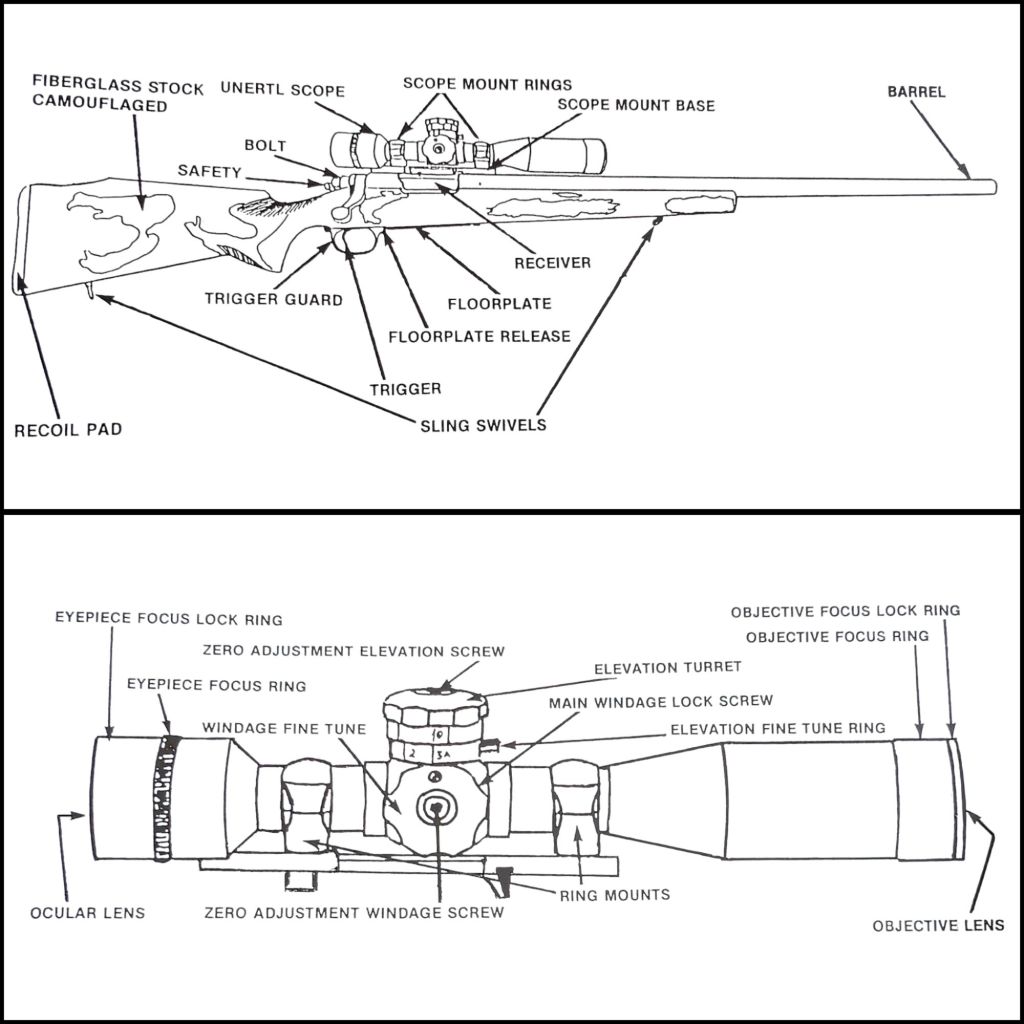
USMC M40A1 Attributes
- Receiver
- Recycled M40 receivers, almost exclusively from the 221k, 224k & 322k serial ranges
- New receivers directly from Remington, not “U. S.” roll stamped, though the earliest were electropenciled “U.S.”
- Modified for custom made RTE/PWS one piece scope mount
- Barrel
- Stainless Steel, 1 – 12 twist, 24 inches
- Blanks procured from reputable contemporary companies like Atkinson, Schneider and Hart
- Crown recessed to spec
- Black oxide finished
- Stock System
- McMillan fiberglas stocks, originally in a “smear” pattern, later a defined tri-color
- Pachmayr butt pads
- Bedded to the action, last four of the serial number inscribed in barrel channel
- Trigger Housing
- Solid steel Winchester Model 70 type, modified to fit a Remington 700 action
- Triggers modified to fit housing
- Scope System
- Earliest models used both generations of the Redfield 3-9x Accu-Range
- Limited early use of the Weaver T-10
- Standardization of the Unertl 10x USMC Sniper scope in 1980
- PWS made custom one piece scope mount used in tandem with Unertl 10x scope
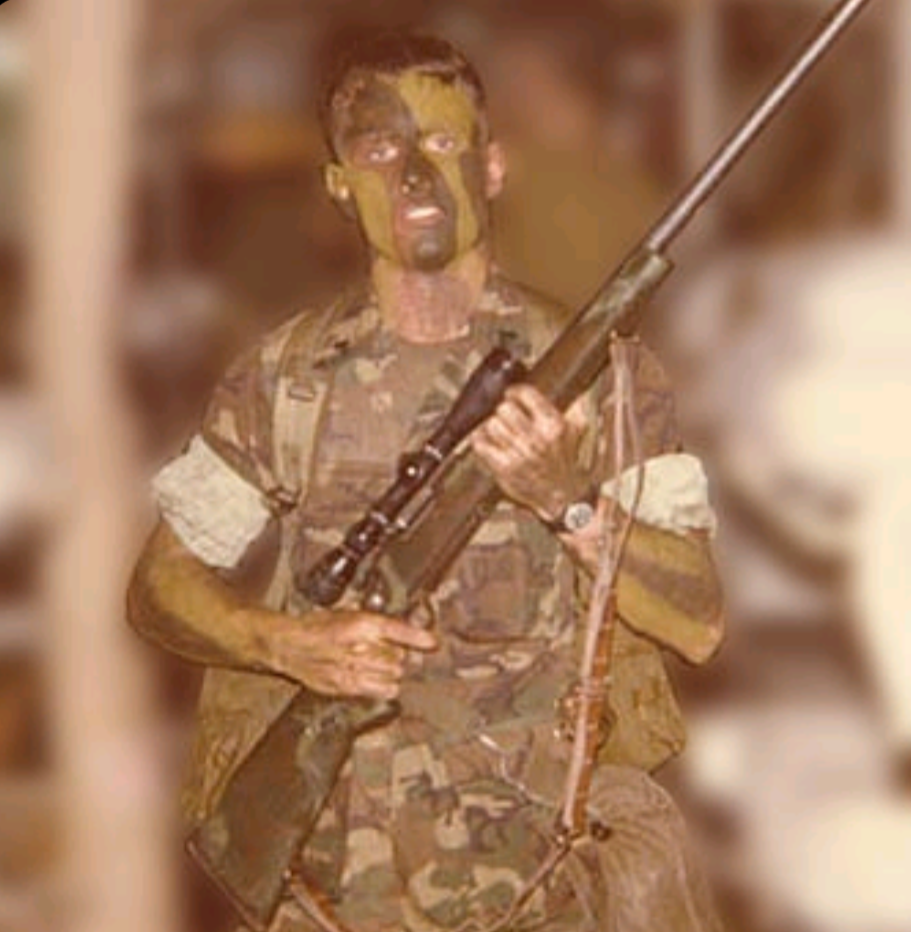
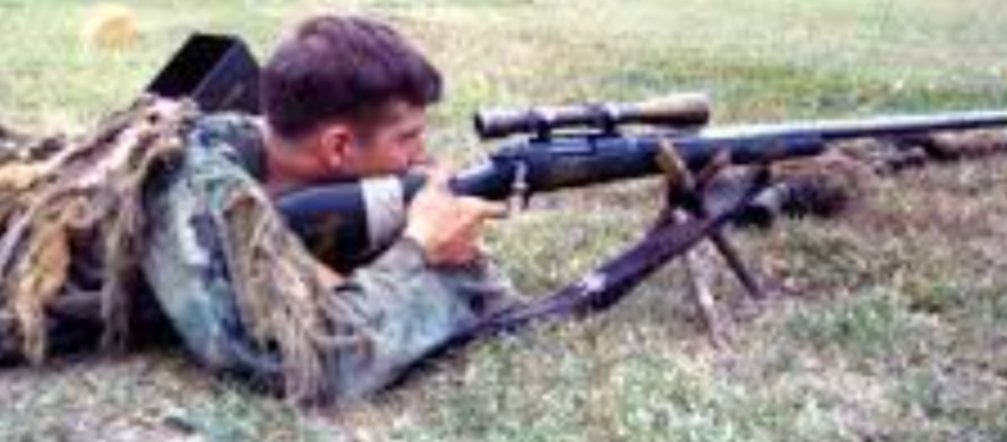
Early M40A1s, one with a 2nd Generation and another with a 1st Generation Redfield Accu-Range scope (USMC).
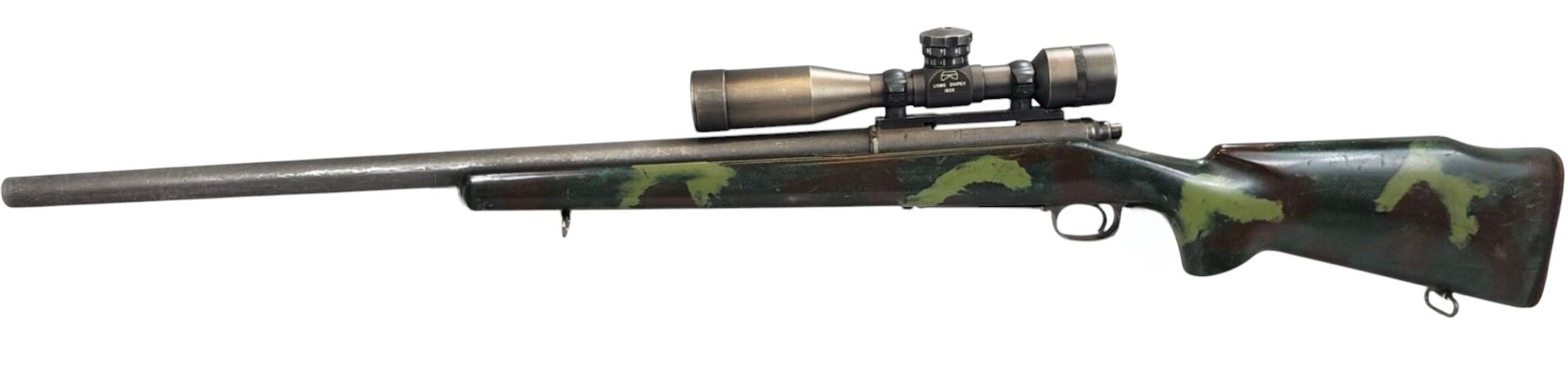
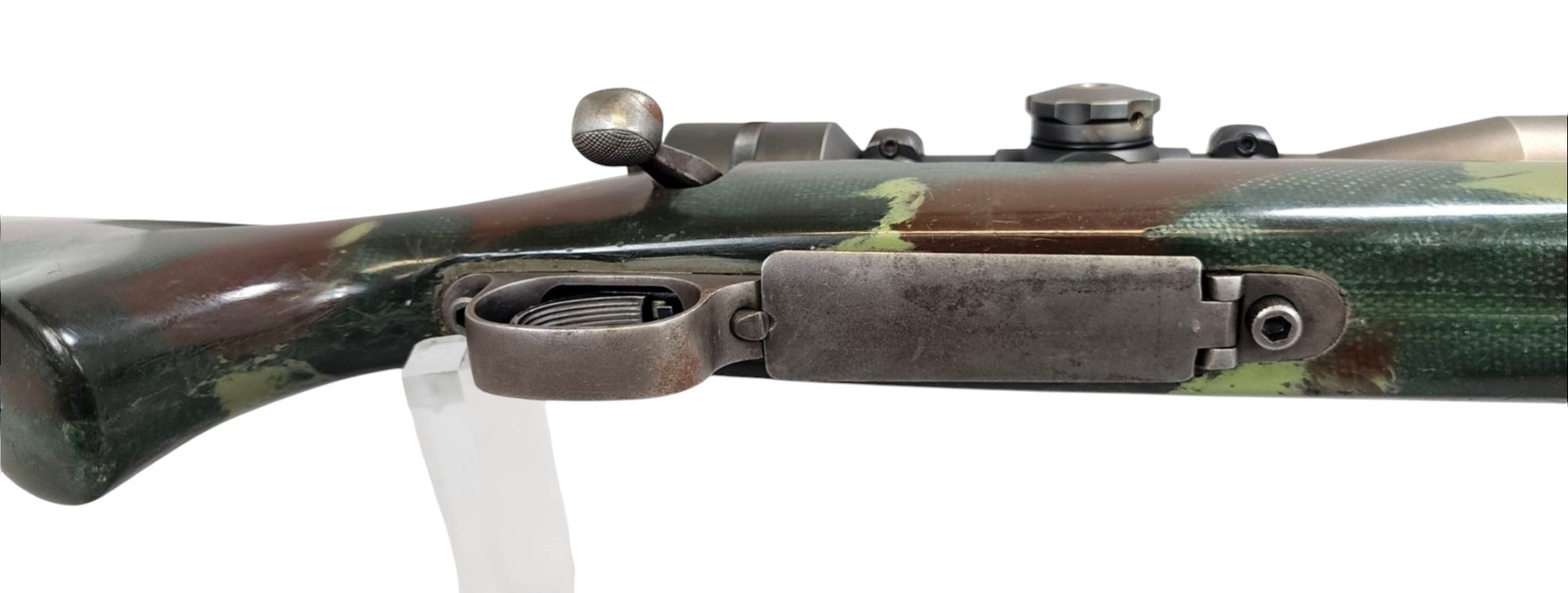
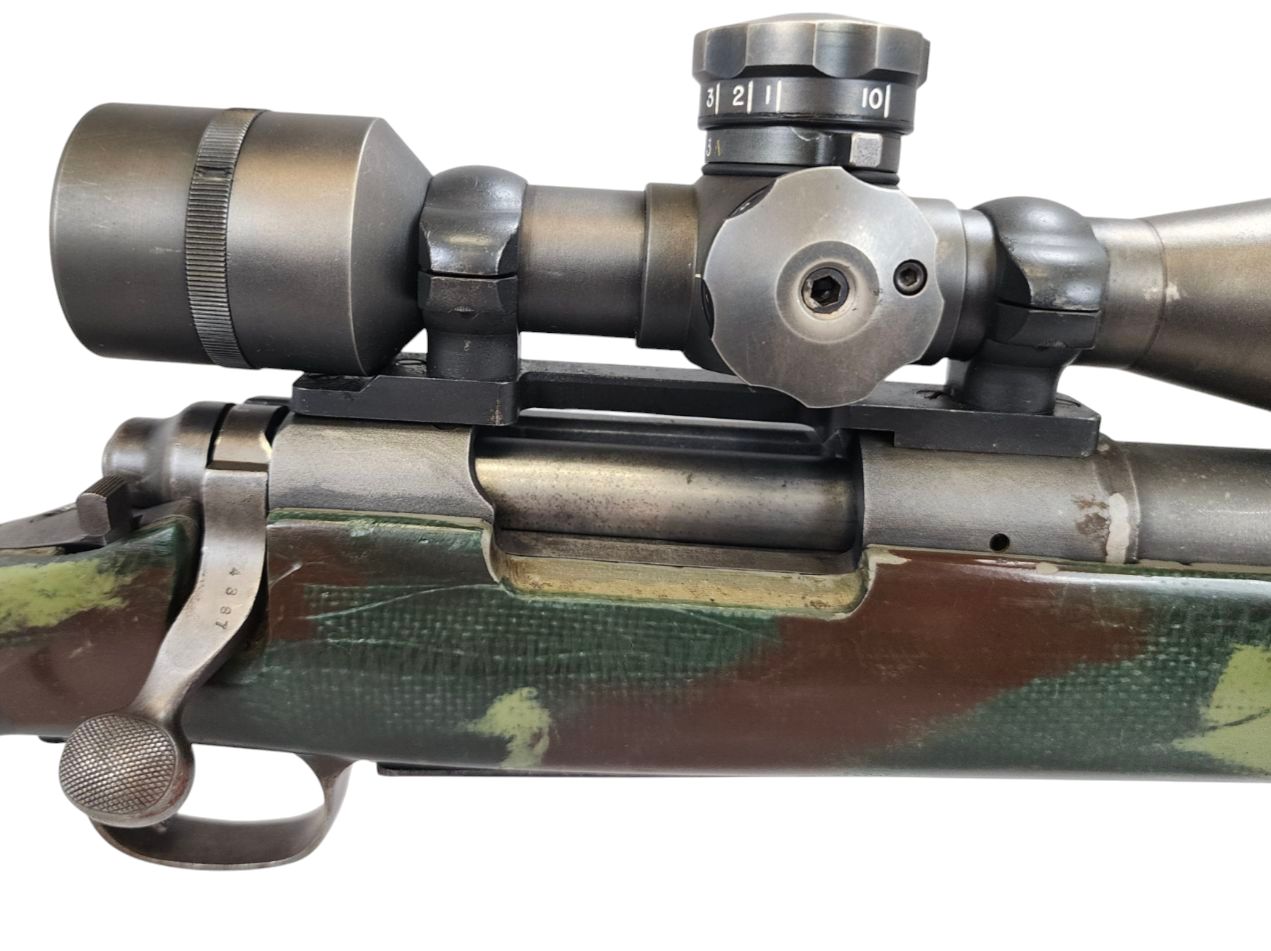
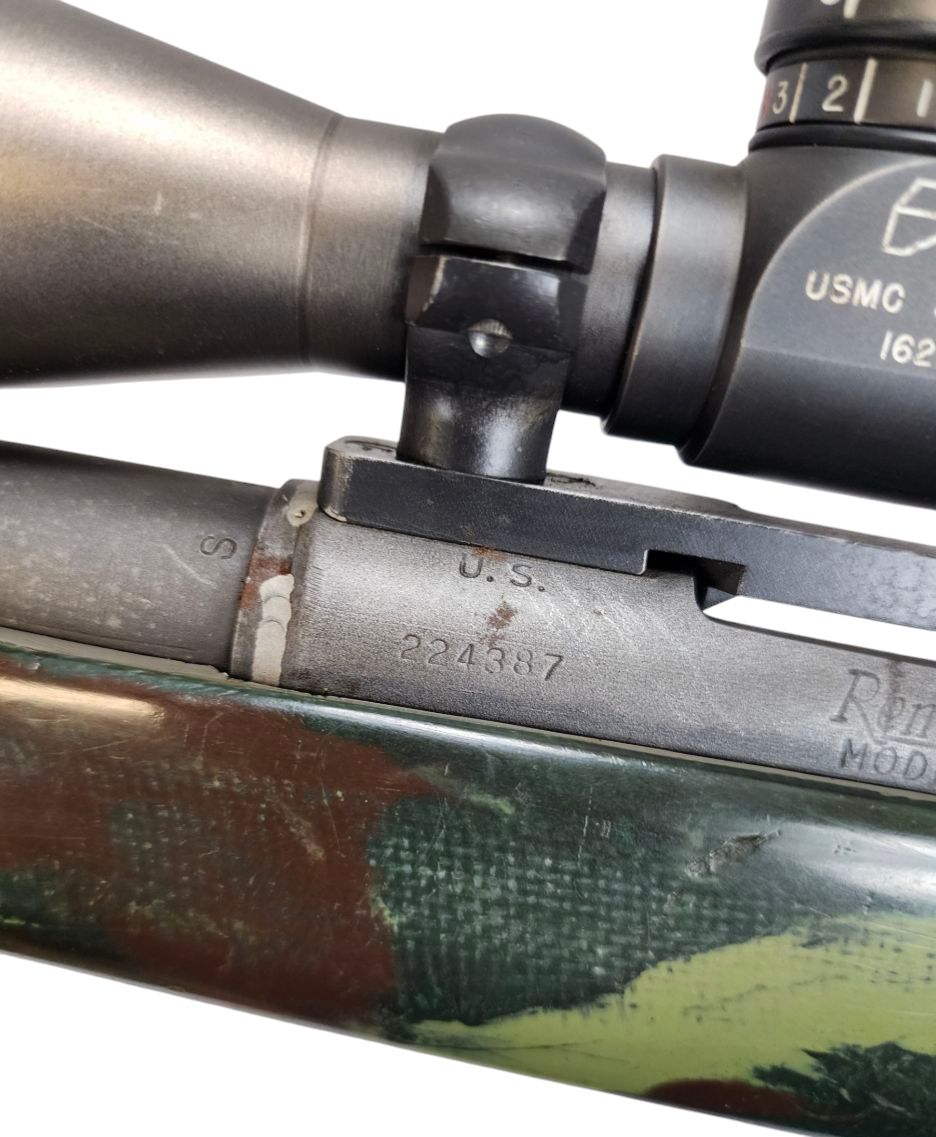
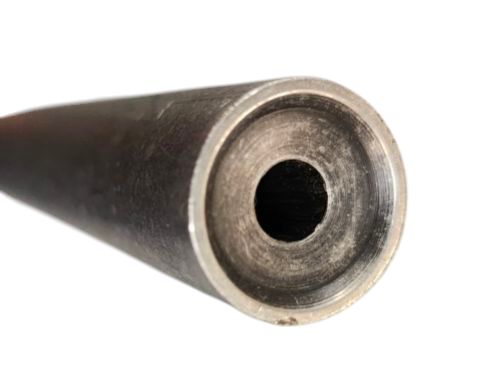
M40A1 #224387, this rifle has had the recoil lug welded to the receiver. The crown of the barrel is recessed to spec and the bolt and scope mount have been stamped with the last four of the serial number (NMMC).
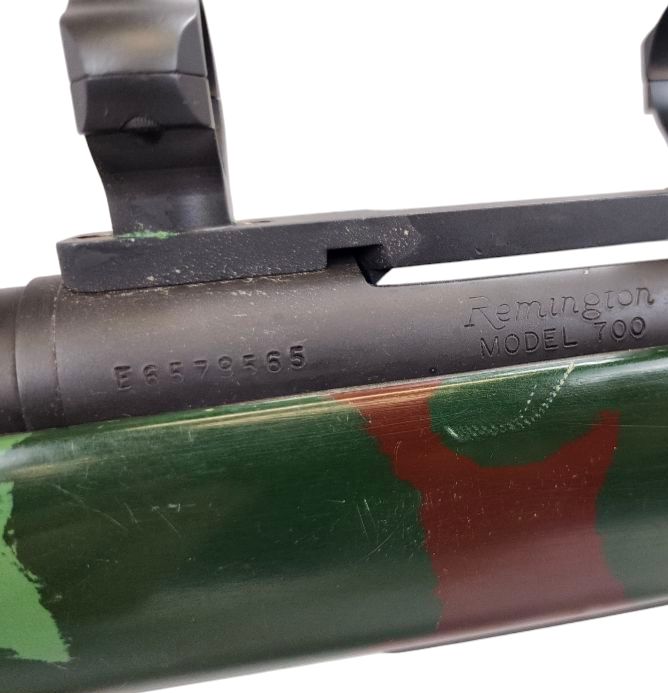
M40A1 SeriaL Number Ranges
Modified from original contract M40s:
- 168xxx
- 169xxx
- 221xxx
- 224xxx
- 322xxx
Built from new Remington receivers
- B671xxxx
- B682xxxx
- C671xxxx
- E637xxxx
- E654xxxx
- E657xxxx
- E670xxxx
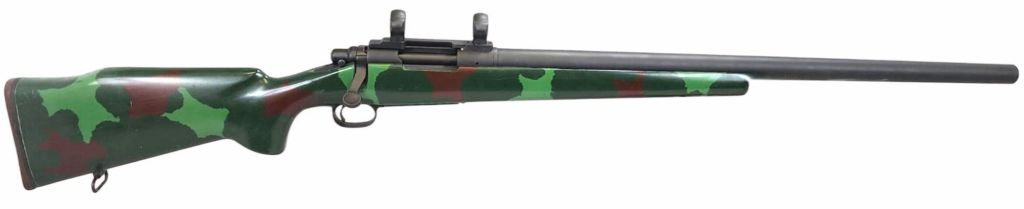
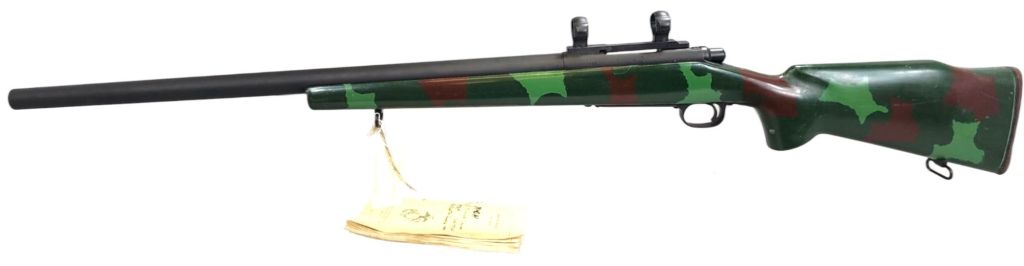
The final M40A1 stock variant from McMillan would see the “smear” pattern replaced by tri-color (NMMC).
 USMCWEAPONRY.COM