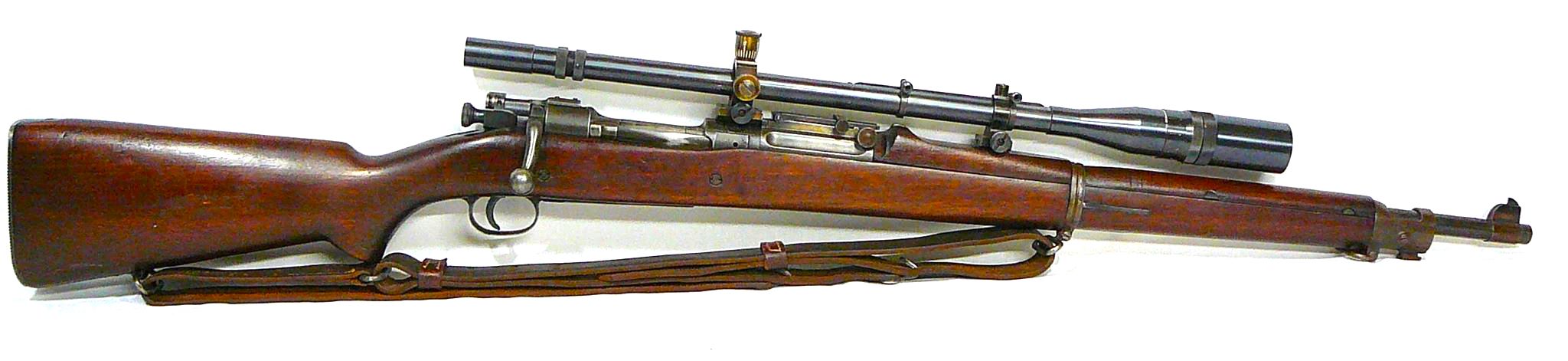
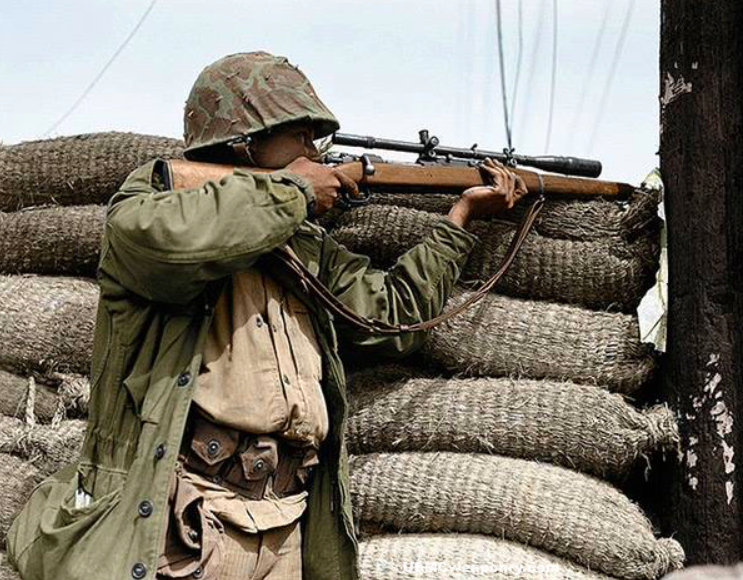
 The USMC M1903 Unertl Sniper Rifle was the primary arm of Marine marksmen in WWII and Korea.
USMC National Match M1903
The story of the M1903 Unertl Sniper Rifle begins on the firing lines of Camp Perry in Port Clinton, Ohio. The mecca of American high power rifle competition, Camp Perry has been host to the vast majority of the National Matches since their inception in 1907. To this day the very the best military and civilian shooters in the nation (and world for that matter) gather for several weeks in the summer heat to compete in the most prestigious events the nation has to offer, and the intense competition to take home Camp Perry’s National Match trophies would lead to the development of the finest sniper rifle of the Second World War.
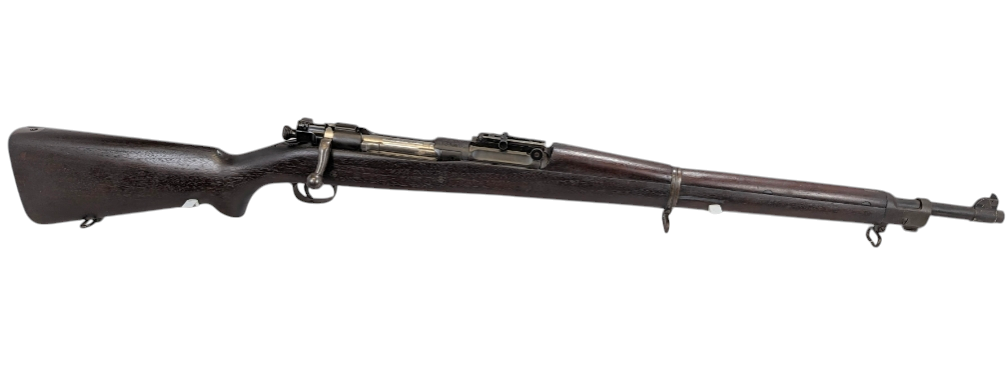


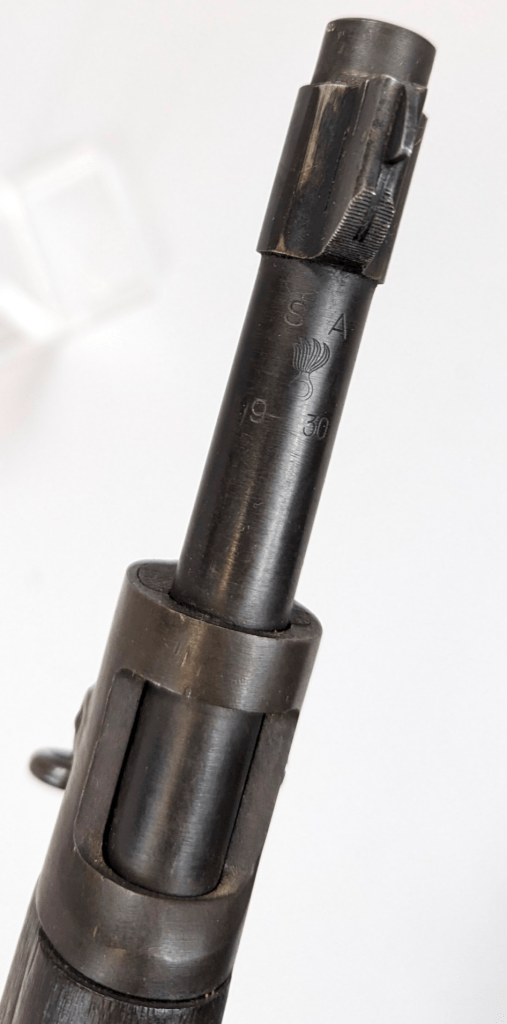
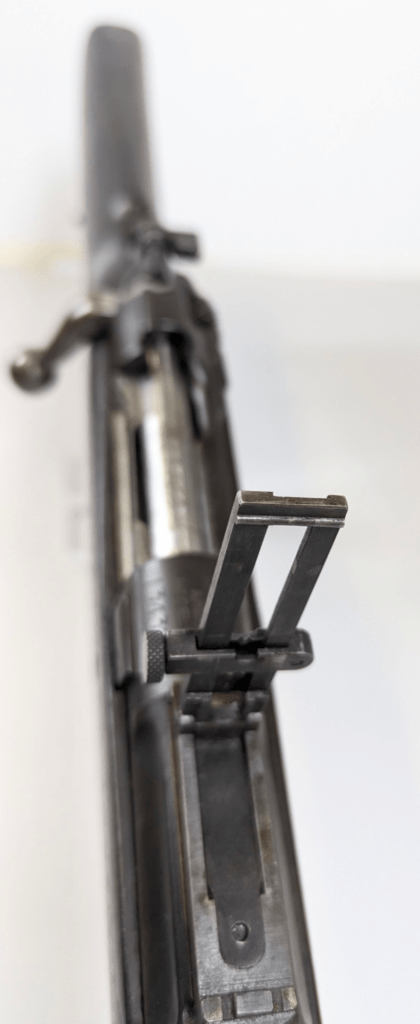

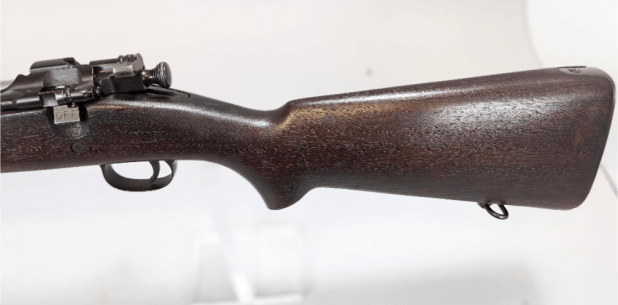
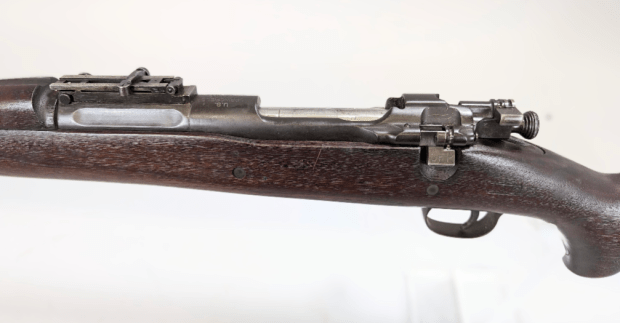

USMC National Match M1903 #1343266. This rifle was used by Major General Merritt Edson during his tenure as the Captain of the Marine Corps Rifle Team. Major General Edson would later command the 1st Marine Raider Battalion, and would be awarded the Medal of Honor for his actions on Guadalcanal (USMC).
By the end of World War I, the Marine Corps had forged a reputation as consummate riflemen capable of devastatingly accurate fire. Much of this was due to the service’s rifle qualification standards and training passed down from the Marine Corps Rifle Team. In the early 20th Century, the National Matches were an extremely popular and competitive event, and public interest in interservice rivalry was high. The availability of National Match M1903s to civilians encouraged many throughout the nation to participate in matches administered by the National Rifle Association (NRA) and National Board for Promotion of Rifle Practice (NBPRP). The years between the World Wars would be the Golden Years at Camp Perry, and the National Match M1903 would be fine tuned to perfection by Springfield Armory.
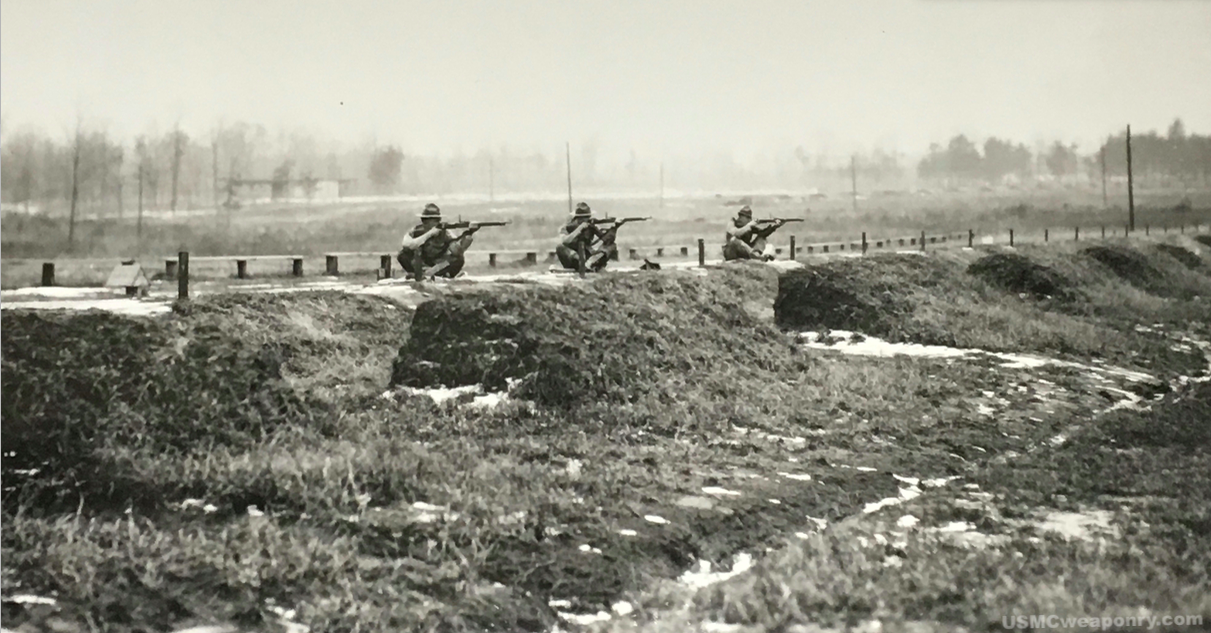 Marine rifle team shooters practicing the 200 yard rapid portion of the National Trophy course of fire, which is executed from the sitting position (NARA).
Special production National Match M1903s date back to a decade prior to World War I, but really came into their own in 1919. National Match M1903s are undoubtedly works of art, and the high craftsmanship standards of the time are apparent in the fit and finish. These “NM” rifles had smooth actions cycled by high polished nickel-steel bolts, match grade triggers, extra coarse buttplates to better grip the jacket of the competition shooter, and most importantly “star gauged” barrels that were remarkably accurate. The National Match M1903 was a thing of beauty aesthetically and in range performance.
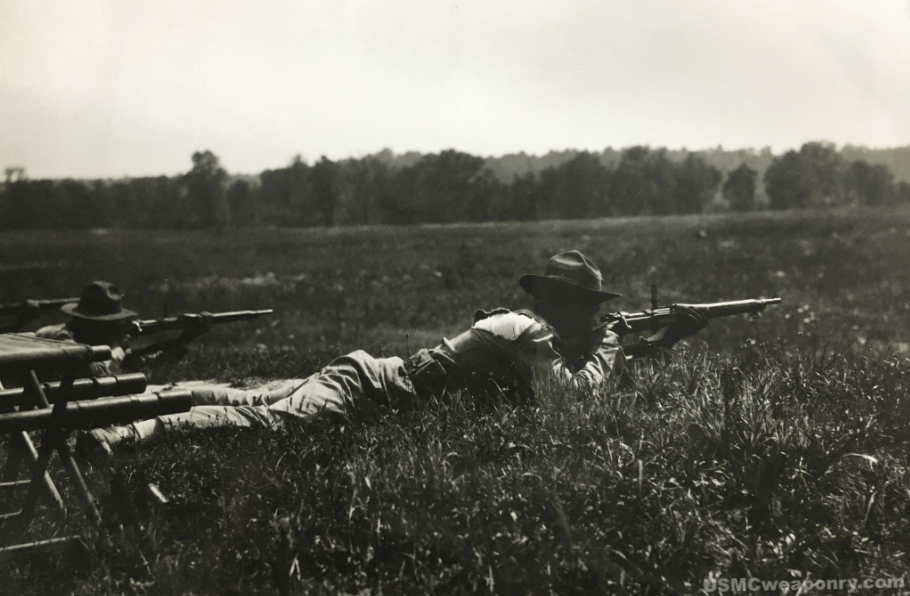

The Marine rifle team on the range, practicing the prone and offhand positions (NARA).
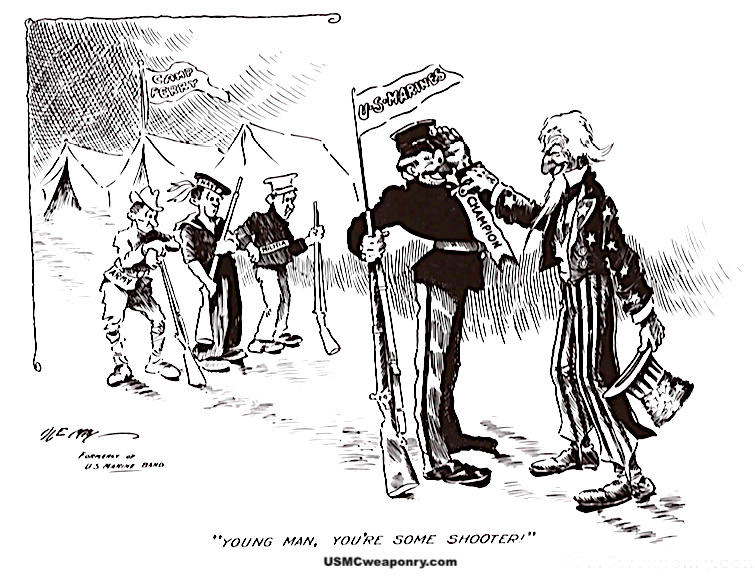
The Marine Corps would order new shipments of several hundred National Match M1903s from Springfield Armory nearly every year in order to have the best and latest models in competition. A host of other small parts were ordered annually, including specialized rear sight slides that were offset to allow precise zeroing of a rifle to the individual Marine. While some of the receivers and other parts inconsequential to performance were of older manufacture, barrels and other performance parts were always fresh from production.
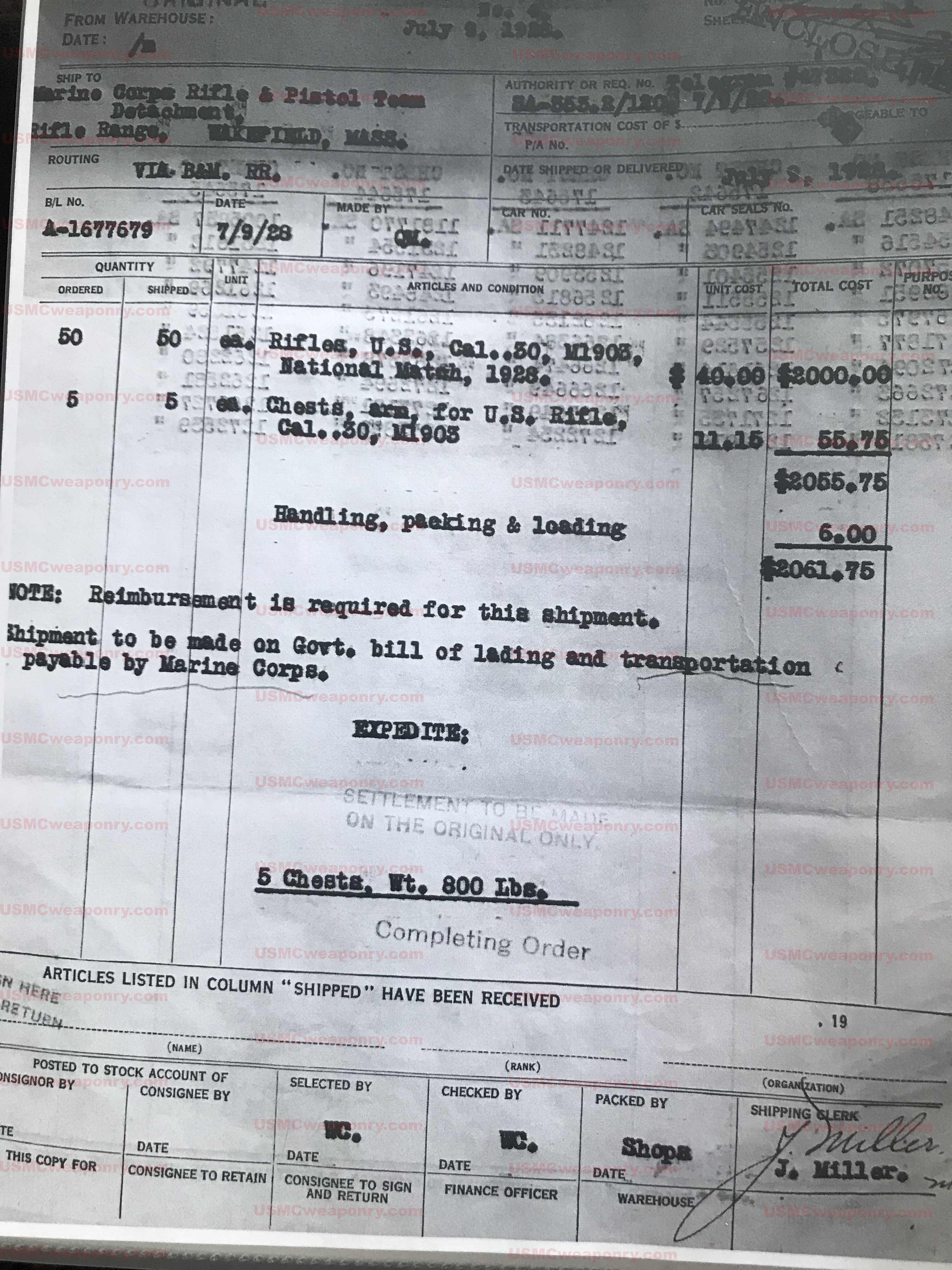
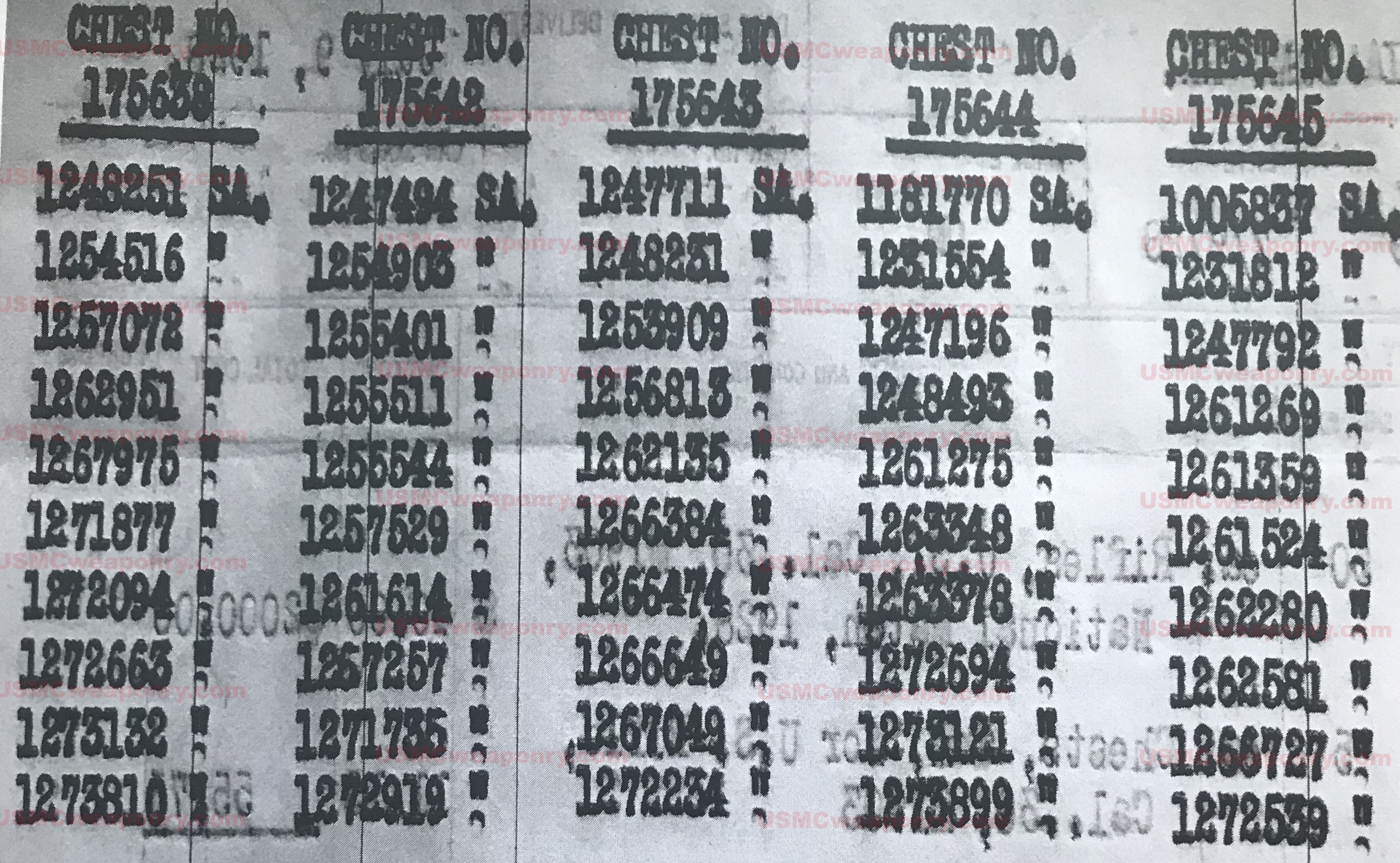
Example of a shipment of National Match M1903s from Springfield Armory to the Marine Corps Rifle Team in 1928. While serial numbers are close together, they were not shipped sequentially (NARA). The rifle below is the first listed in Chest 175644 of the 1928 shipment (Plowman collection).

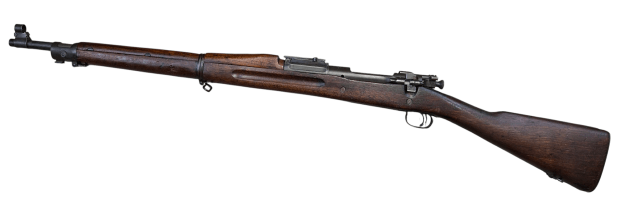
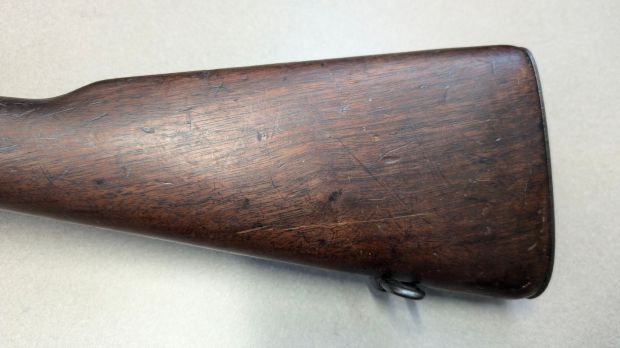
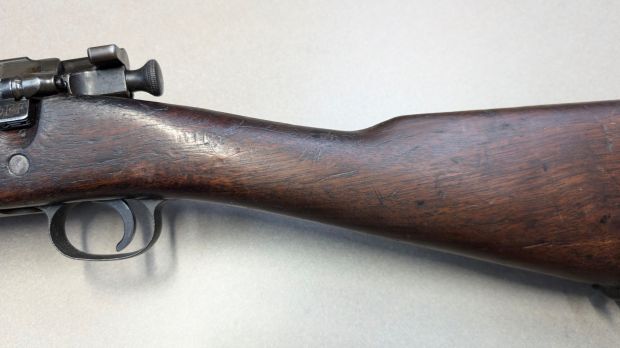
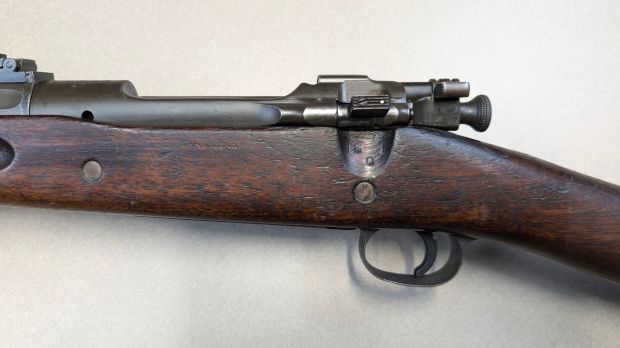
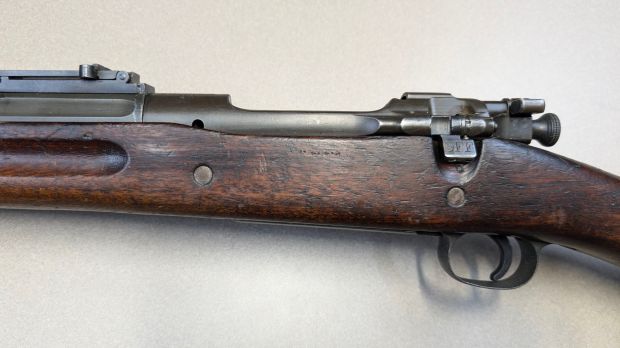
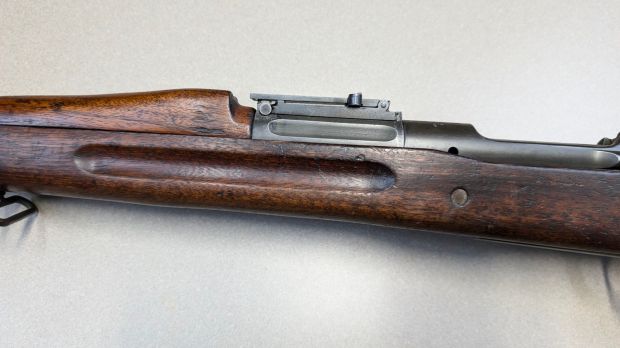
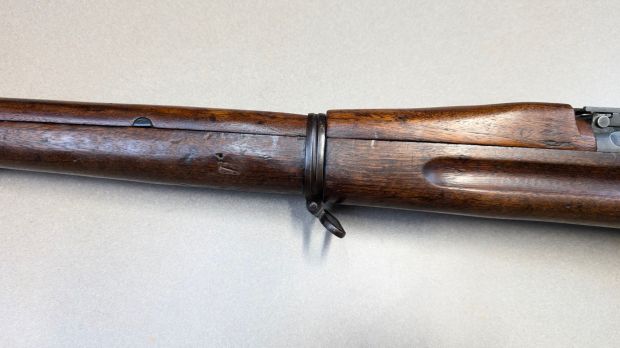
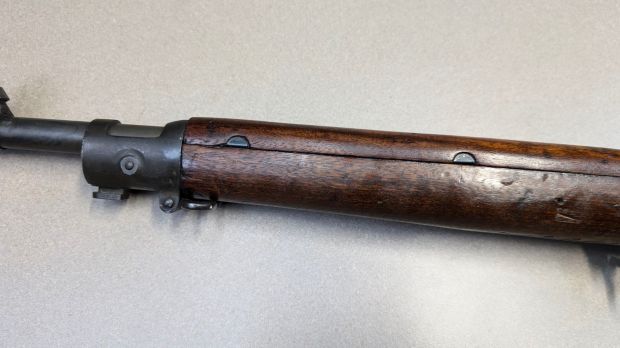
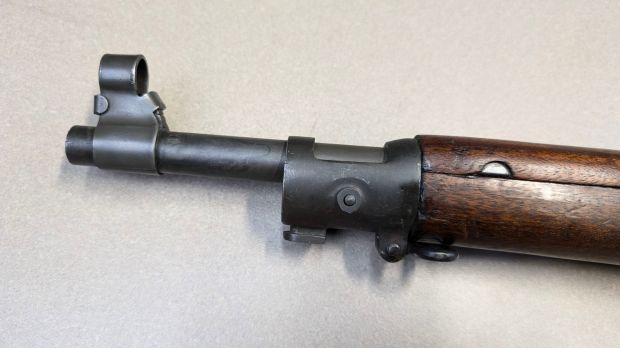
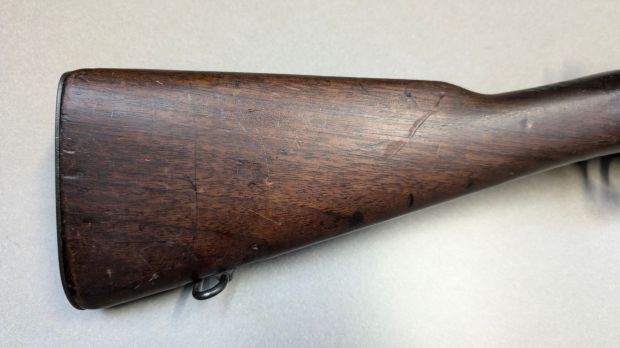
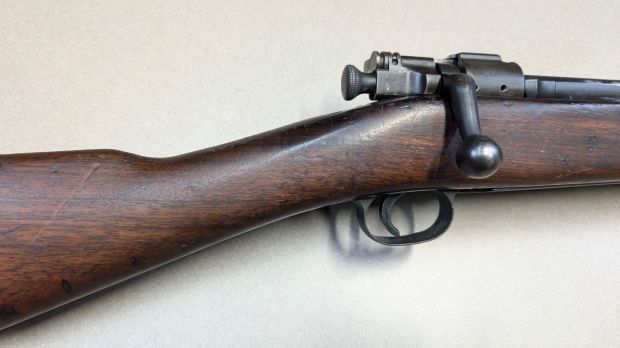


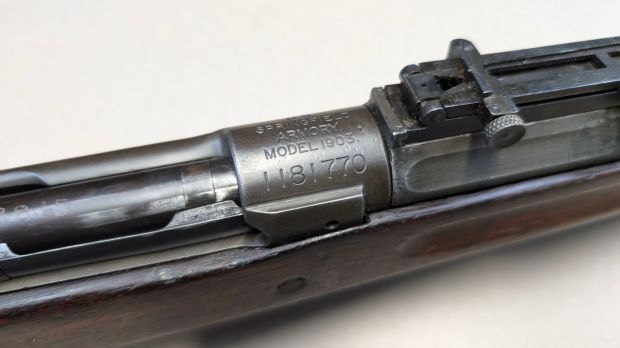
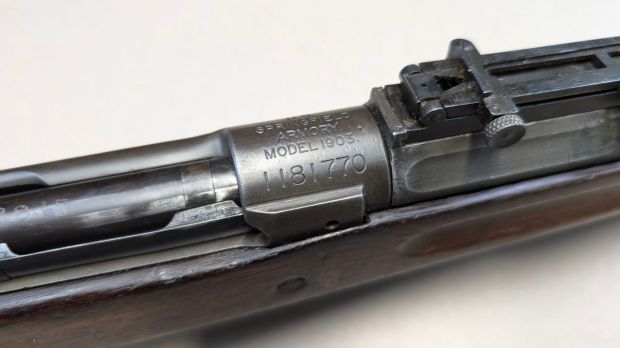
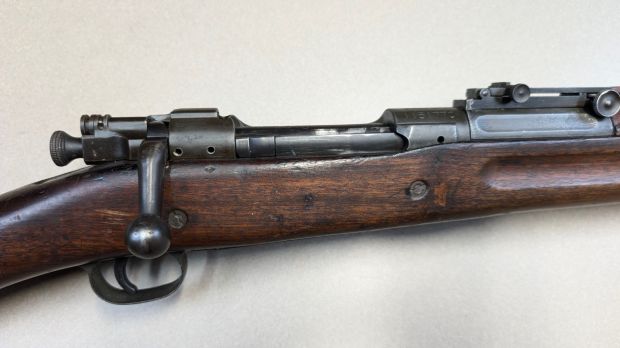
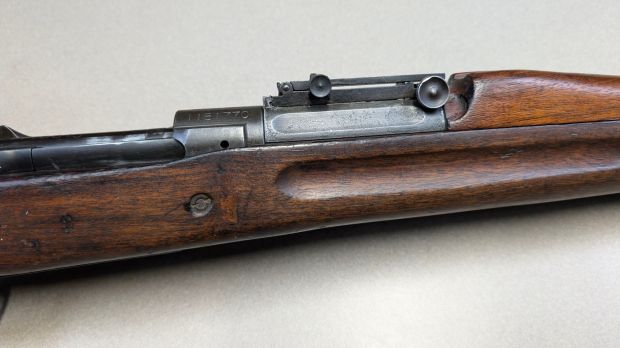
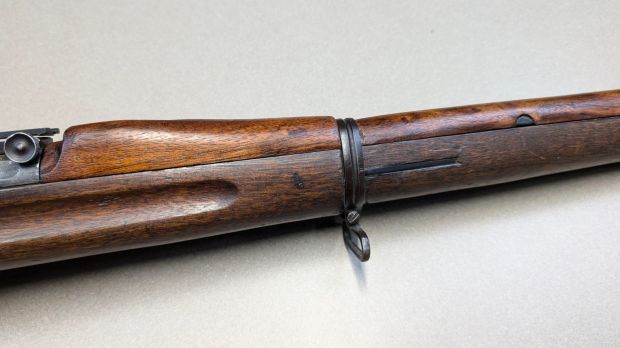

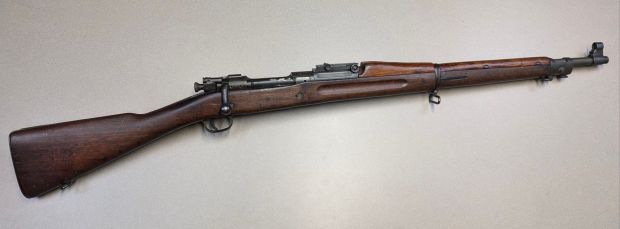
USMC National Match M1903 #1181770, received by the USMC Rifle Team in 1928. This rifle would later be rebuilt into a “Special Target” rifle (Plowman collection).
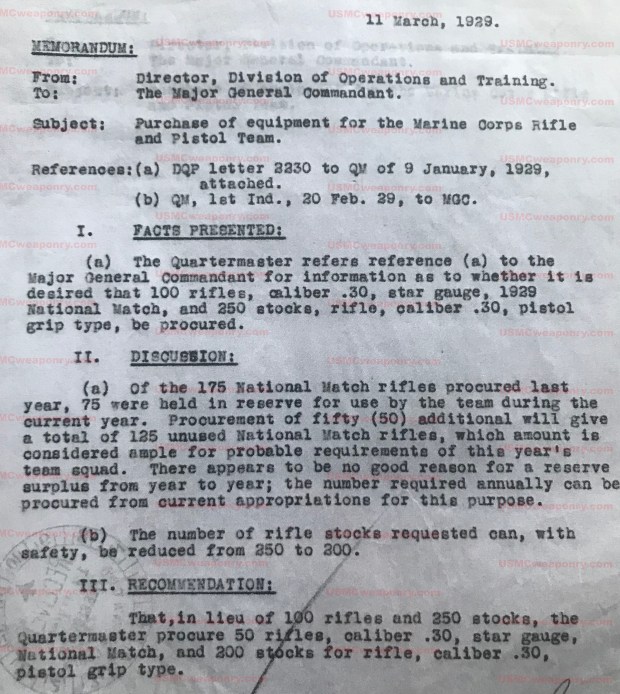

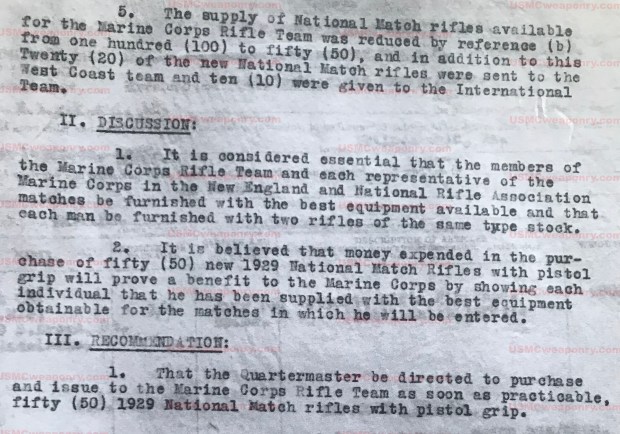

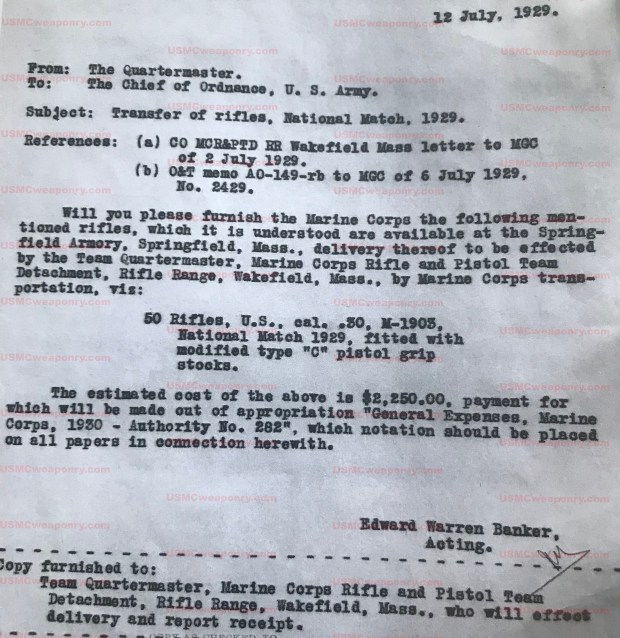
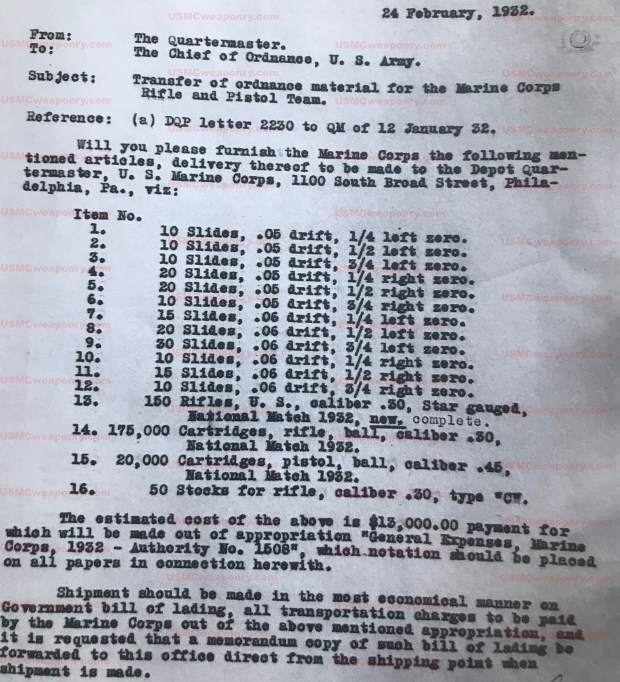
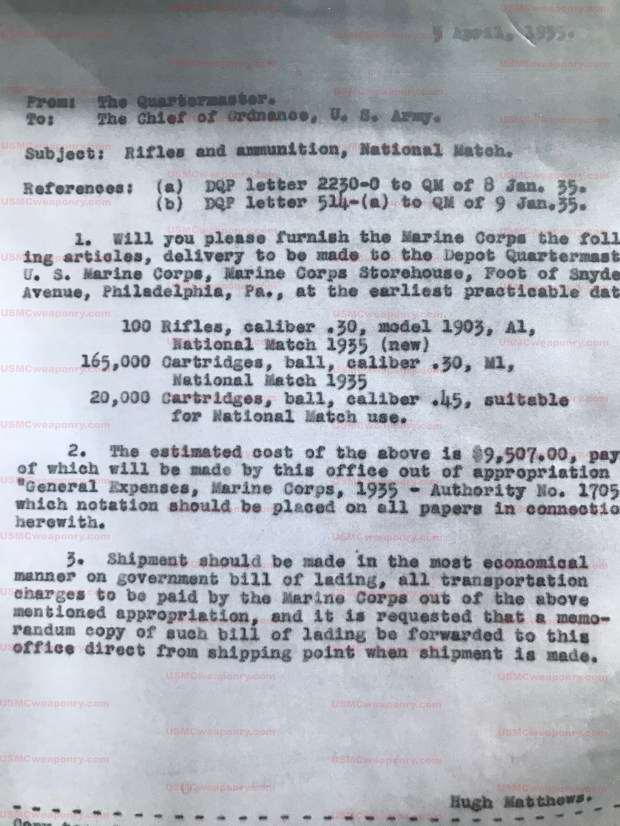
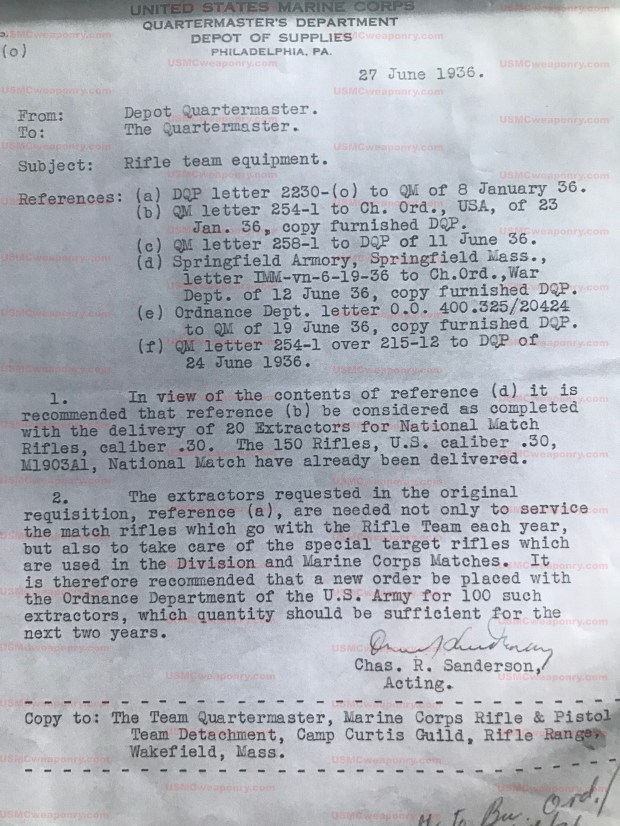
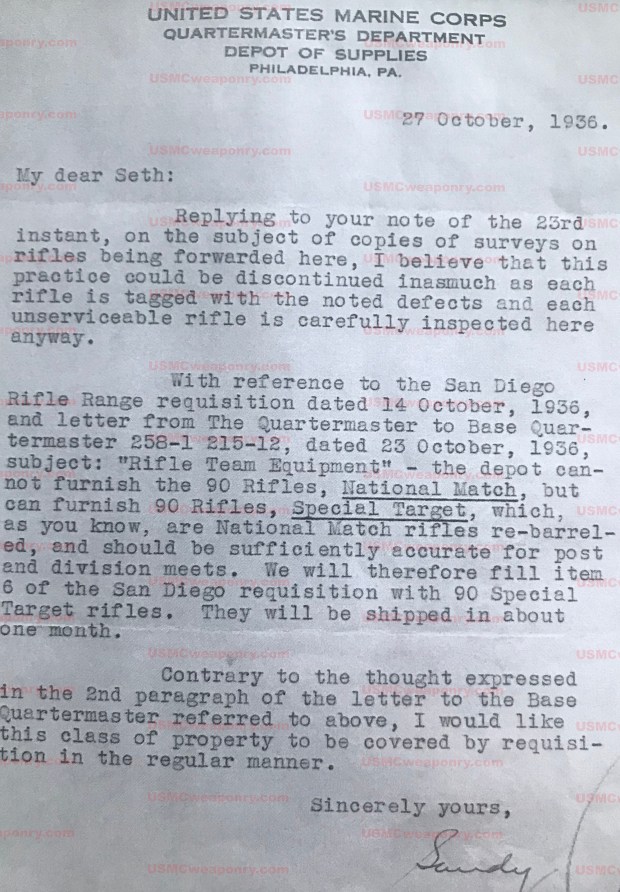
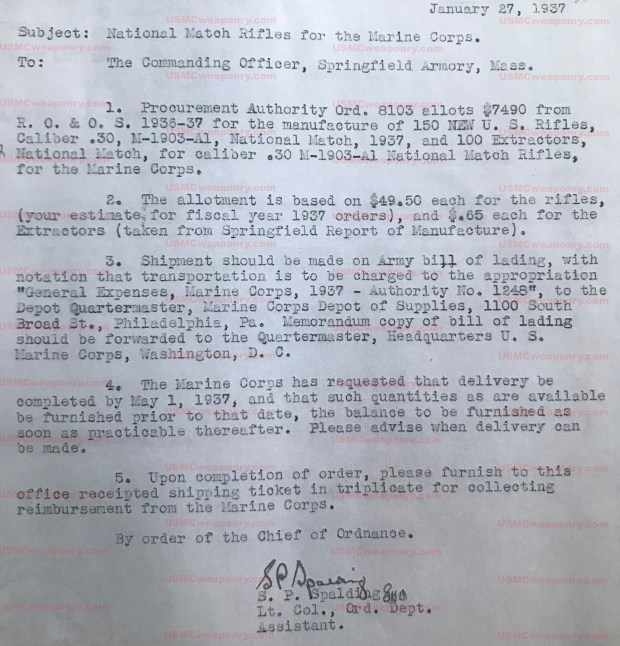
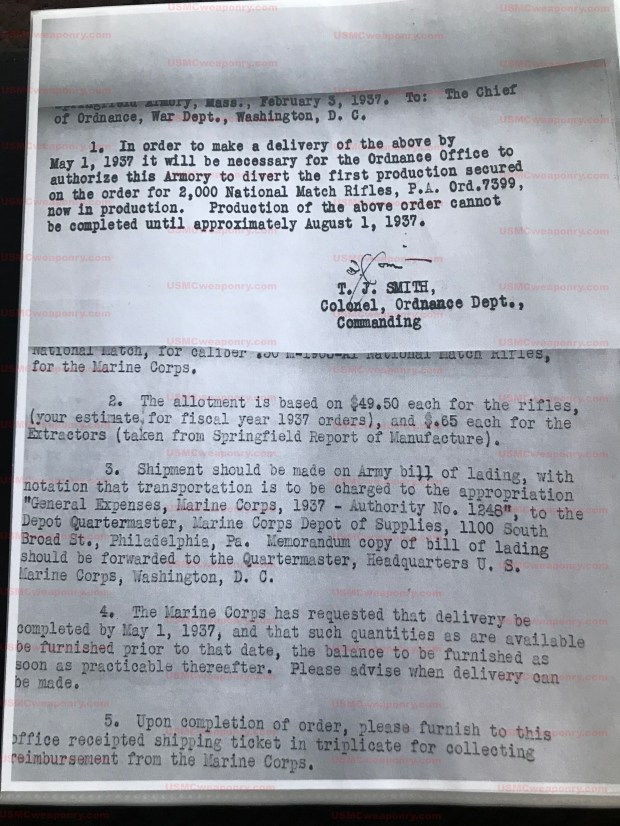
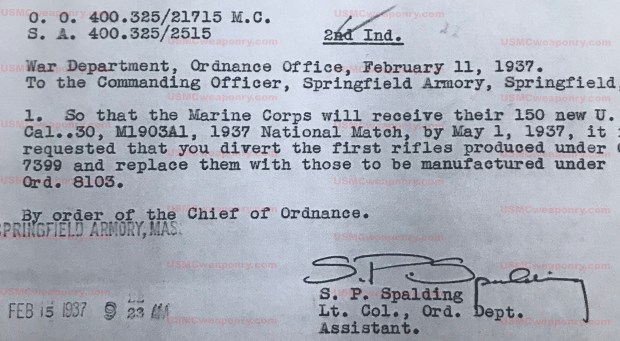
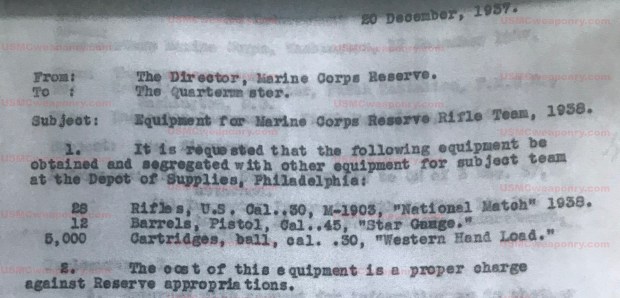
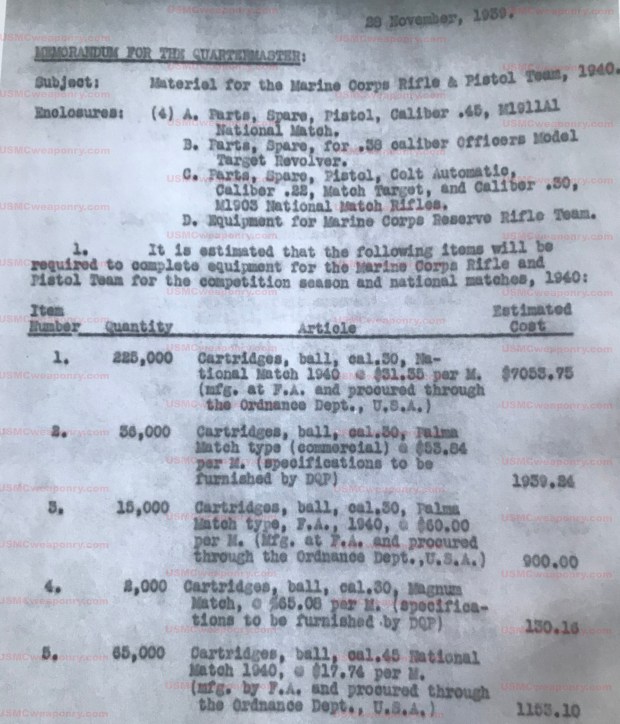
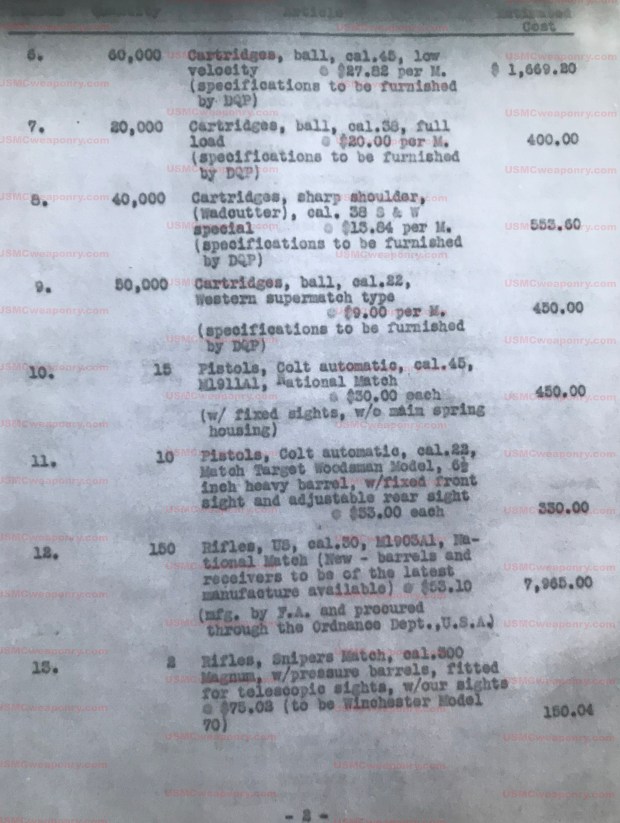
Documents showing the annual orders of National Match M1903s for the Marine Corps (NARA).
A significant ergonomic update to the National Match M1903 would occur in 1929, just before the National Matches at Camp Perry. Addressing previous criticisms of the original design “straight stock,” Springfield Armory’s new “C-stock” incorporated a pistol grip and raised butt stock for a more shooter friendly cheek position. The rifle itself would remain the same, but the change in stock design would see C-stock equipped rifles designated as the M1903A1 by the Ordnance Department. While the army would use this label fairly consistently it was only occasionally used by the Marines. Regardless of official nomenclature, the advent of the C-stock would be welcomed by the Marine Corps rifle team and all National Match rifles would come in the new stock, though some older team shooters chose to retain their original straight stocks due to their familiarity with the older style.

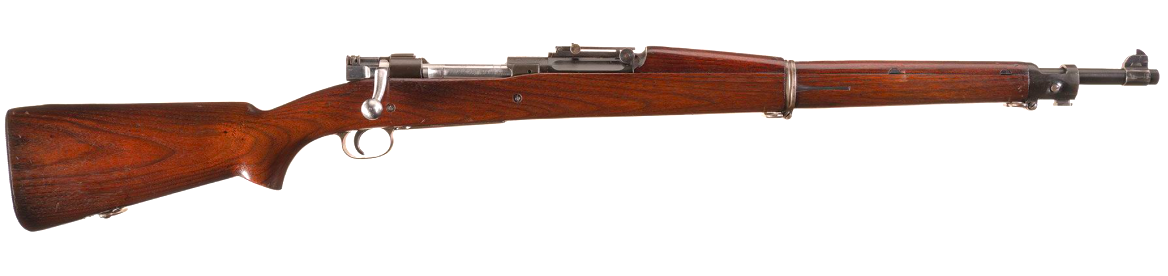
The biggest change to the National Match M1903 came in 1929, with the advent of the pistol-gripped “C” stock. With “bright” bolts that were serialized to the rifle, National Match variants of the M1903 stand out from standard service rifles.
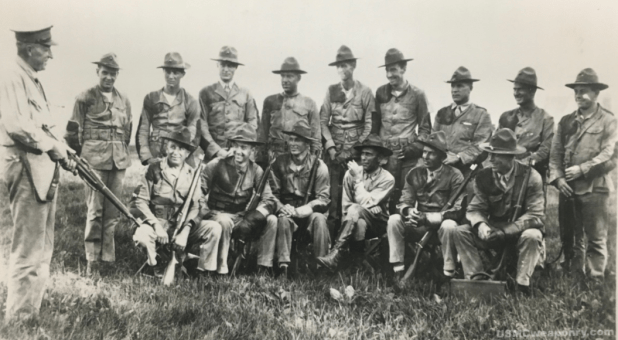
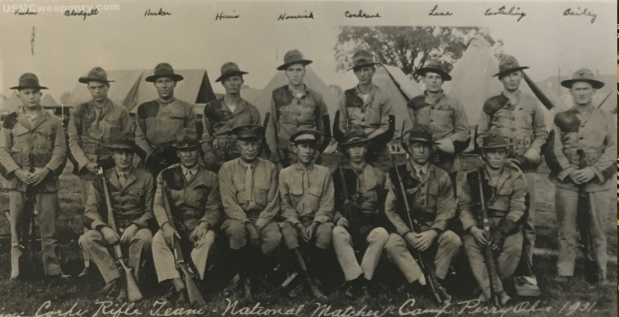
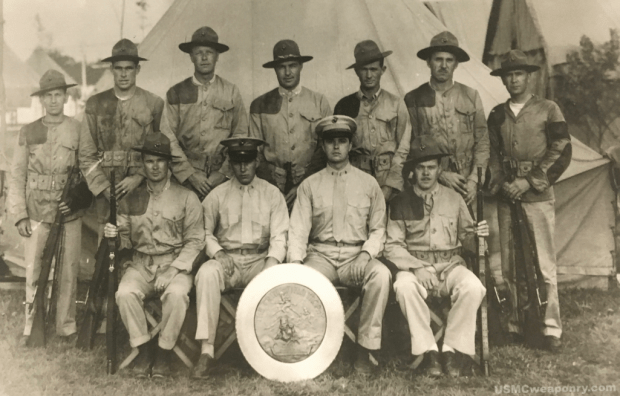
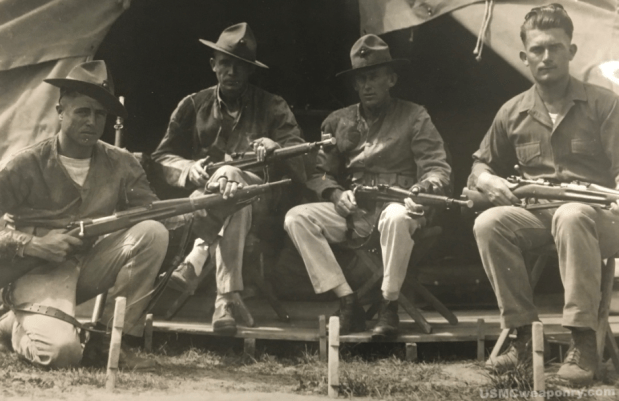
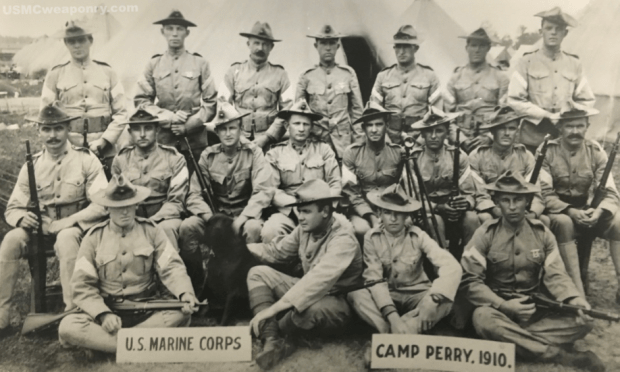
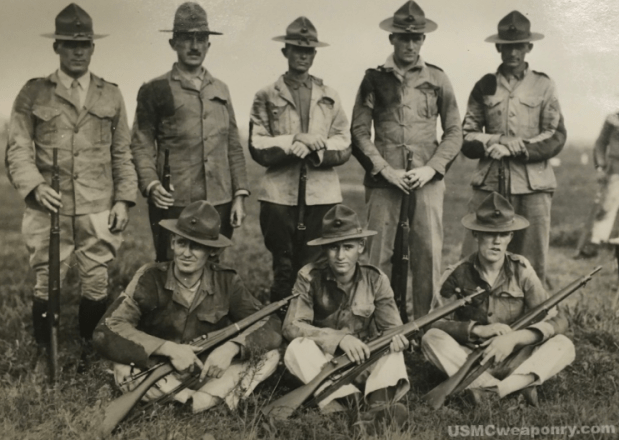
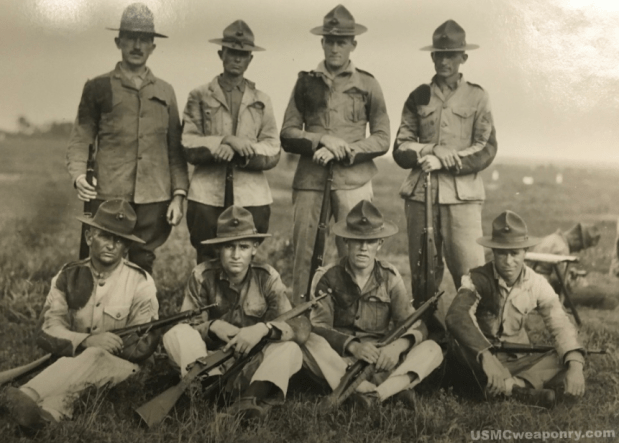
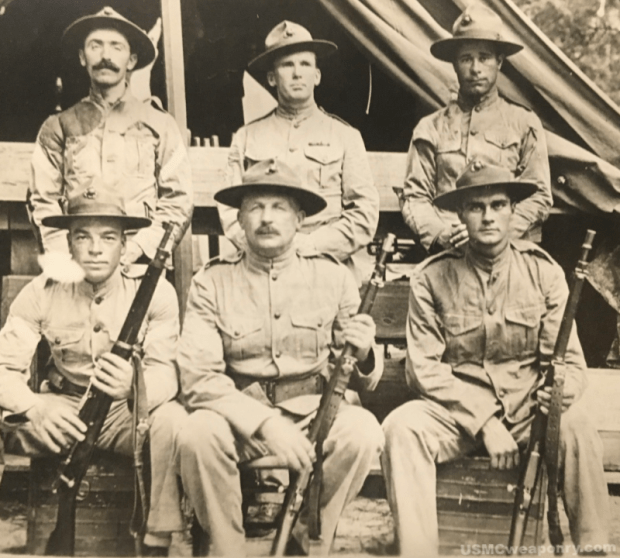
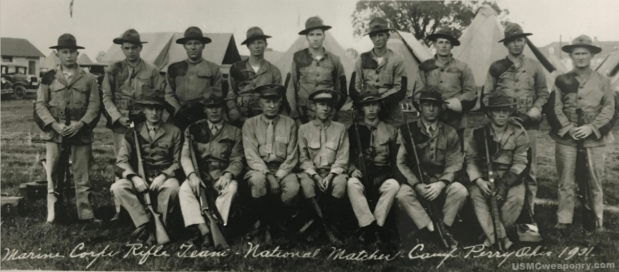
Slideshow of Marine teams throughout the interwar period. While most shooters embraced the new C-stock, some Marine shooters are seen with older style straight-stocked rifles throughout the 1930s (NARA).
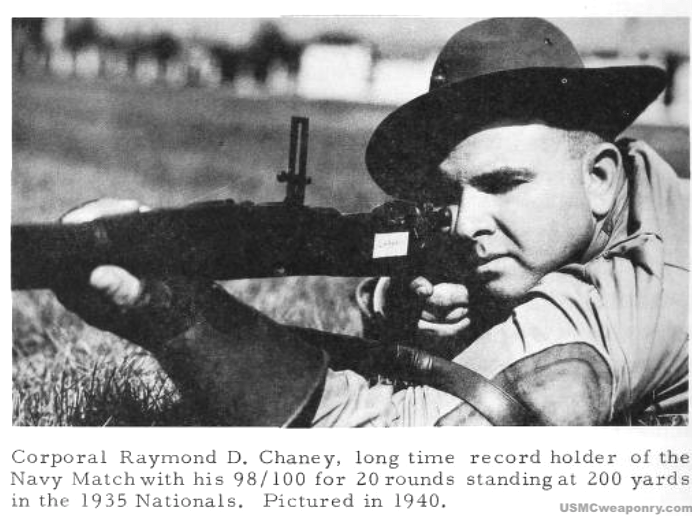
“DOPE” tags on the side of Marine team shooters’ rifles (photos: USMC).
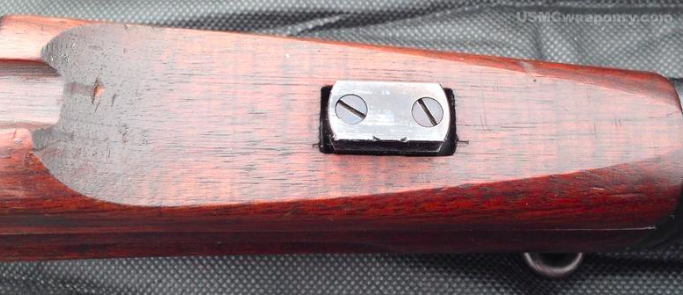
The Marine Corps Rifle Team would take accurizing their National Match M1903s farther than the fine product they received from Springfield Armory. These “in-house” modifications would go on to play a significant role in the identification of Unertl sniper rifles, especially those that are largely original. The most dramatic modification would be referred to as the “6 o’clock bed.” This involved the area surrounding the rear sight collar being milled out so the barrel would only contact the stock at the 6 o’clock position of the front sight band. This very early attempt at free-floating a barrel would would leave the stock very thin around the rear sight collar, and the similarity between stocks which have undergone this modification is noteworthy. Both C-stocks and straight stocks have been found on Unertl snipers with a 6 o’clock bed. Another stock modification performed by the Marine Corps was the milling out of stock underneath the bolt handle. While only a minimal amount of wood would be removed, this ensured the bolt and stock did not make contact, maximizing action smoothness and ensuring the bolt would fully go into battery. This modification has also been seen on regular USMC M1903s, likely a trick learned from team shooters and armorers as they rotated back to regular billets.
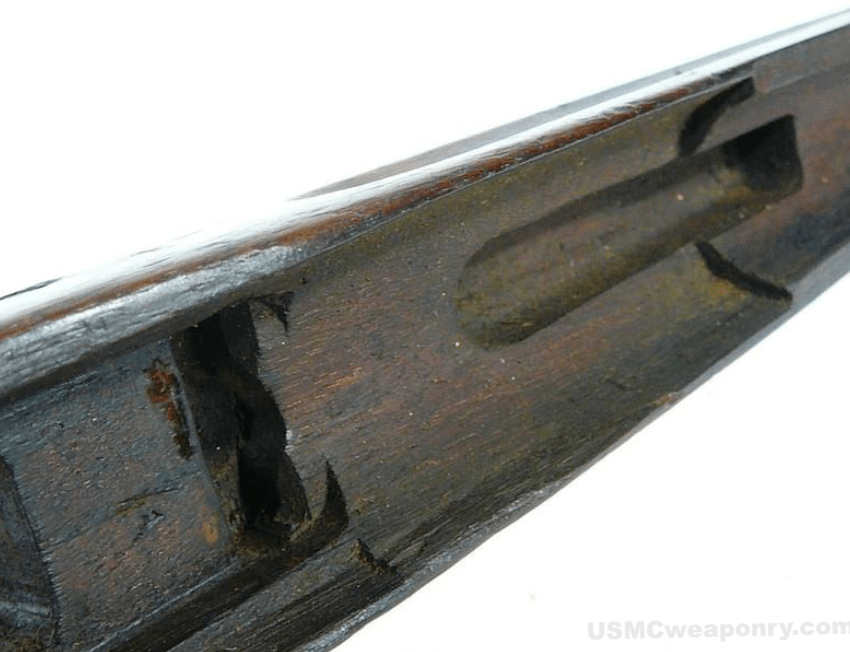
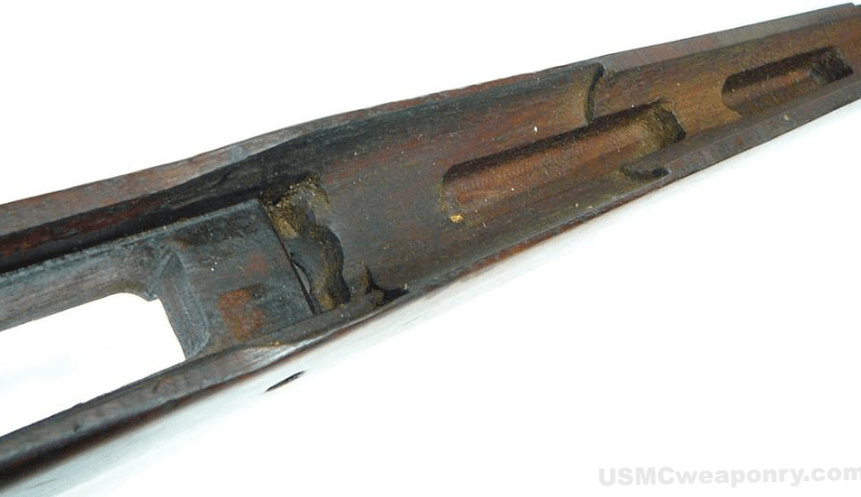
USMC NM 1903 stocks milled out for a “6 o’clock bed” (Norton & Plowman Collections).
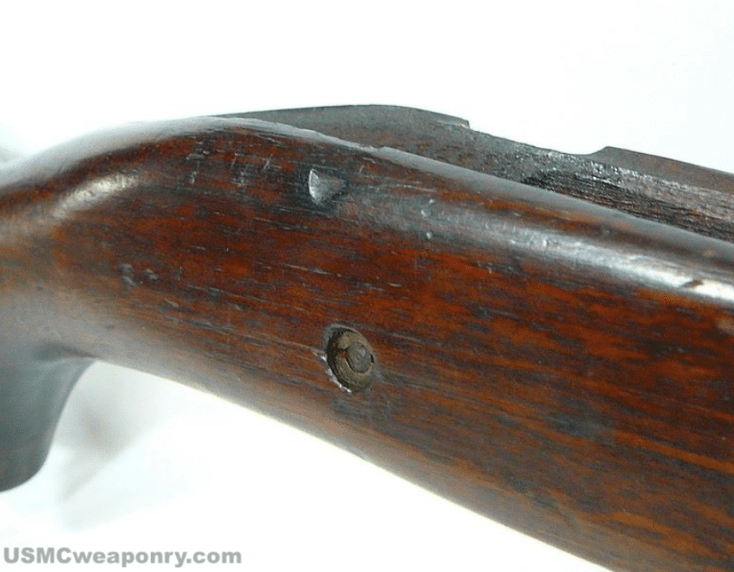
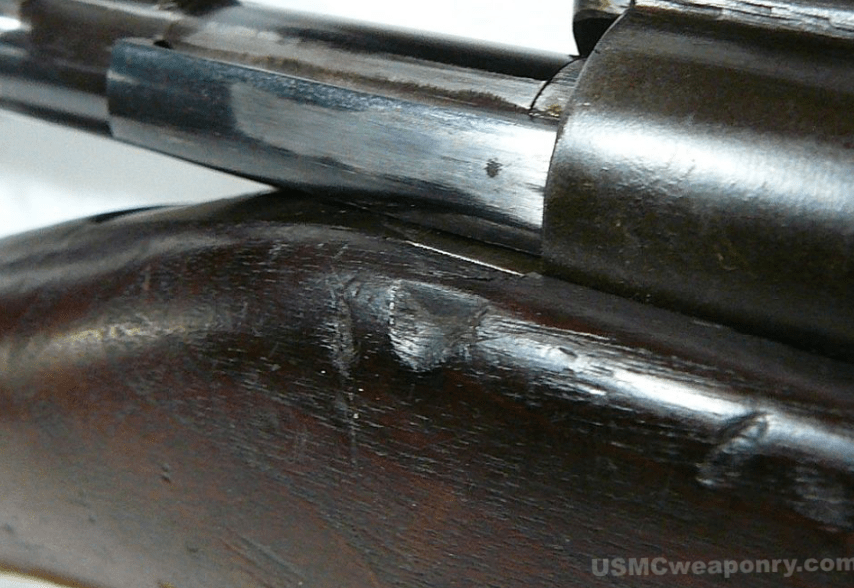
Examples of the bolt handle clearance modification (Steven Norton & Tim Plowman collections).
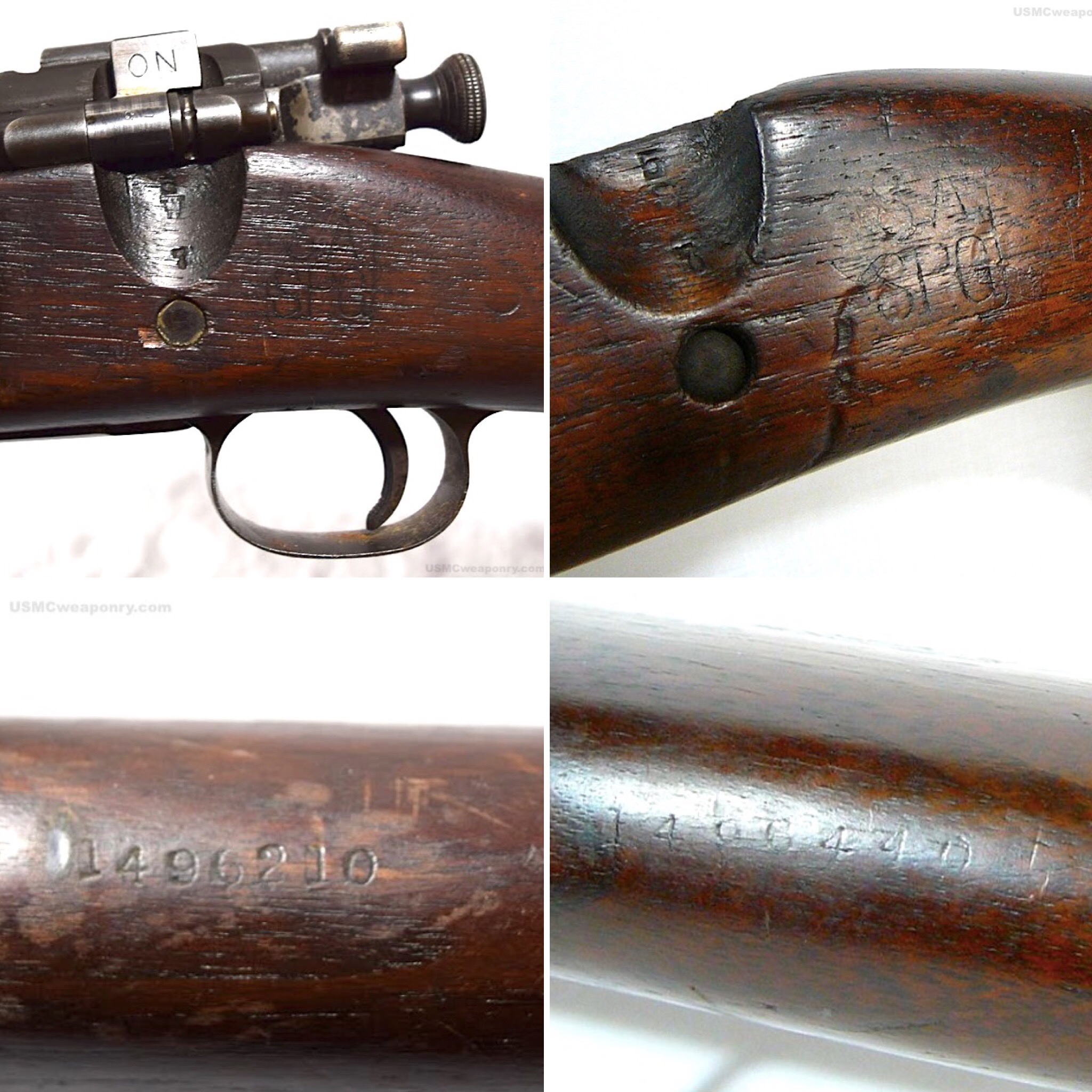
National Match M1903s had the full serial number applied to the underside of the buttstock. The SA/SPG cartouche denotes Springfield Armory manufacture with Stanley P. Gibbs serving as the chief inspector during that time period. The 7 that both rifles have in the magazine cutoff well indicates the year they would have left Springfield Armory. Both rifles were sent to the Marine Corps Rifle Team in the 1937 shipment (Stolinski & Plowman collections).
Outside of the stock, Marine rifle teams would employ a host of other modifications. Front sights have been observed with paint applied, typically to permanently blacken them. Some rifles later converted into sniper rifles have been observed with white paint on the front sight as well, presumably to minimize their visibility from inside the Unertl scope. Trigger housings would be filed to fit their actions, and trigger housing screws staked in place. Screw staking would be another practice from rifle team armorers that would filter down to standard Marine M1903 service rifles. National Match rifles with barrels that were no longer serviceable would be rebarreld with standard barrels and designated “Special Target” rifles. These rifles would be given to unit level rifle teams and set aside for division matches, and often were just as accurate as their National Match counterparts. By the late 1930s, the Marine Corps National Match M1903 was a very finely tuned machine. Decades of match-conditioning and experience would make these rifles just as useful in combat as they were in competition just a few years later.
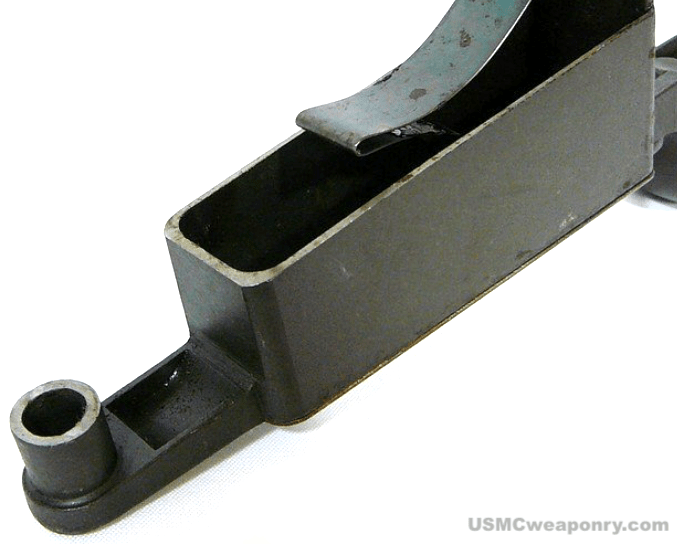
Trigger housings were hand fit to their actions on Marine Corps Rifle Team M1903s (Norton Collection)
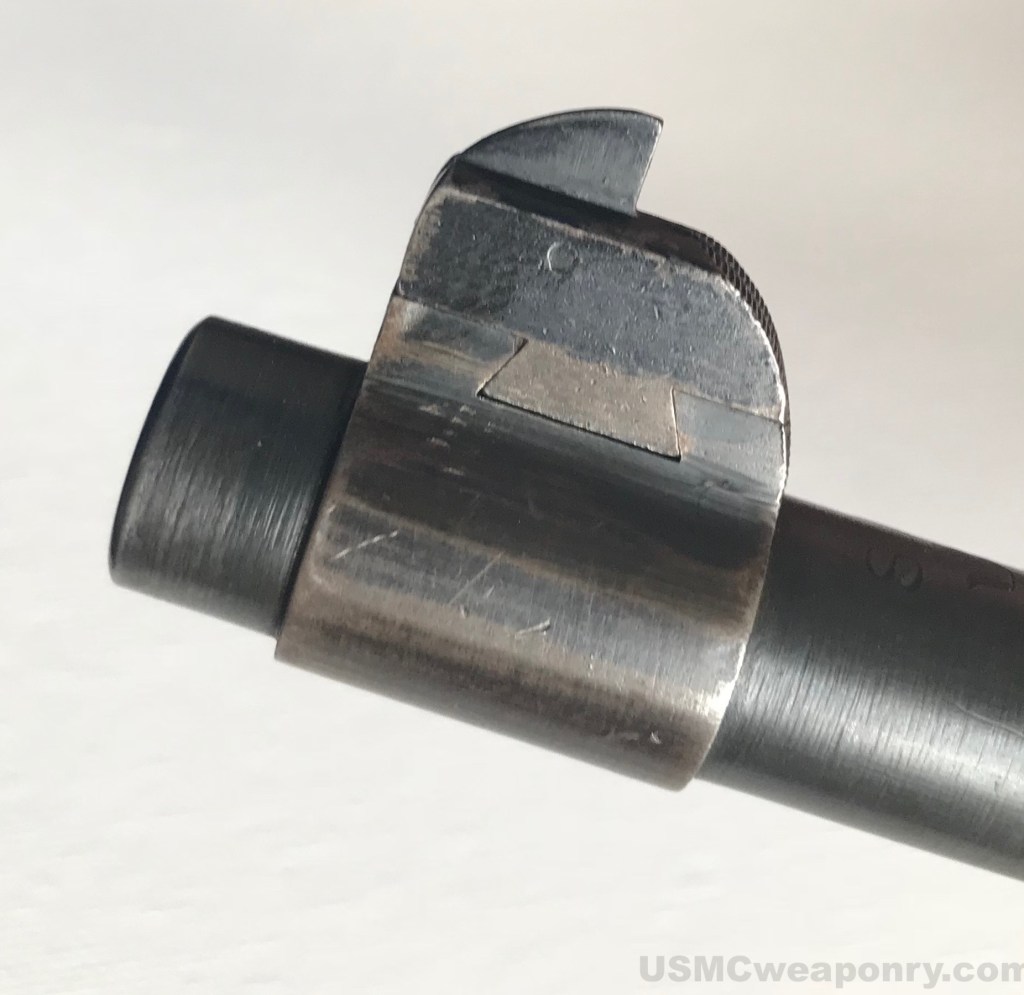
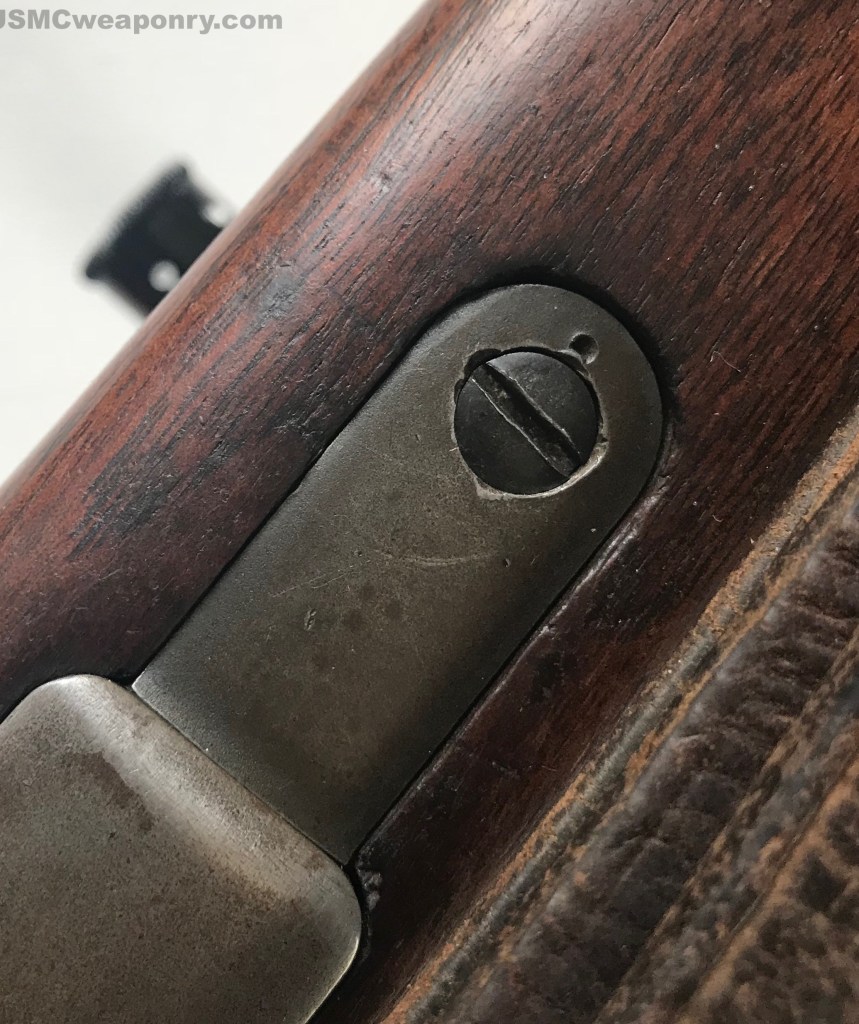
Painted front sights and staked trigger guards observed on USMC NM M1903s (Plowman collection).
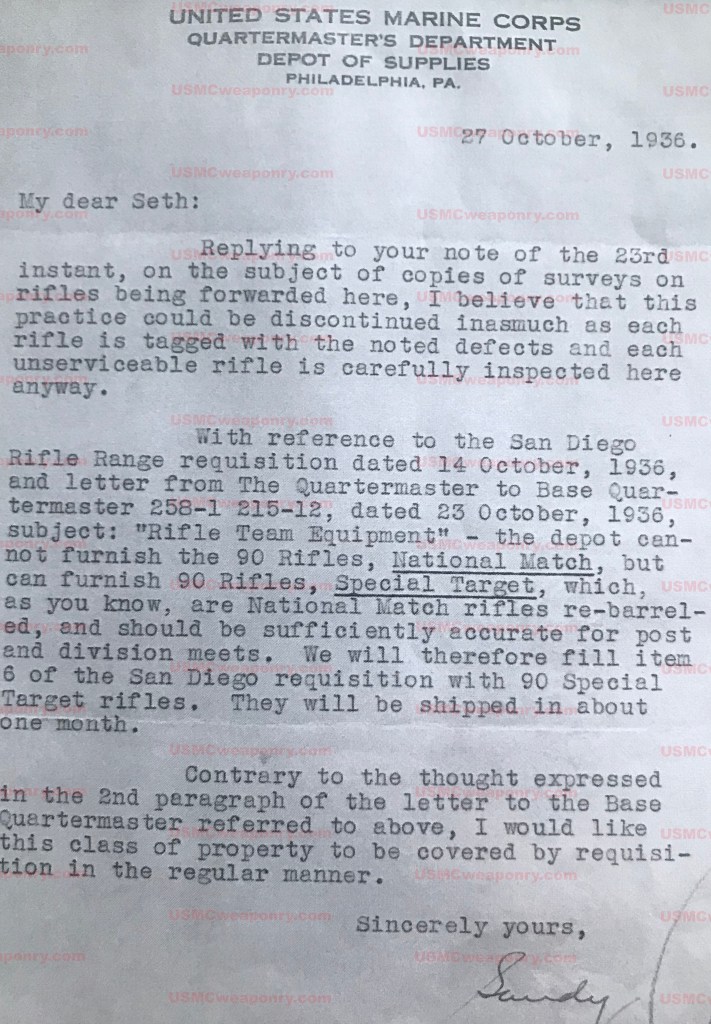
When National Match rifles would have their original star gauged barrels worn out, they would be sent to the overhaul facility in Philadelphia to have a new, standard Springfield Armory barrel installed. These rifles would be referred to as “special target” rifles and given to unit level rifle teams or held for divisional match issue (NARA).

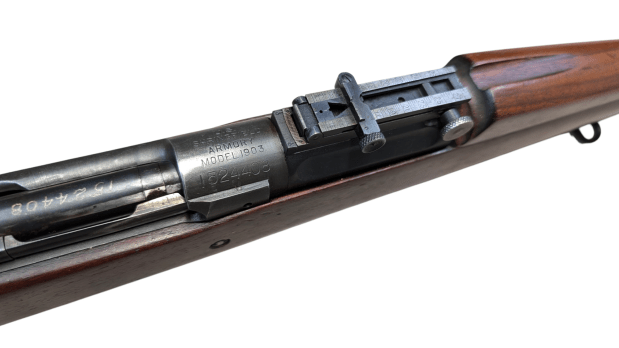
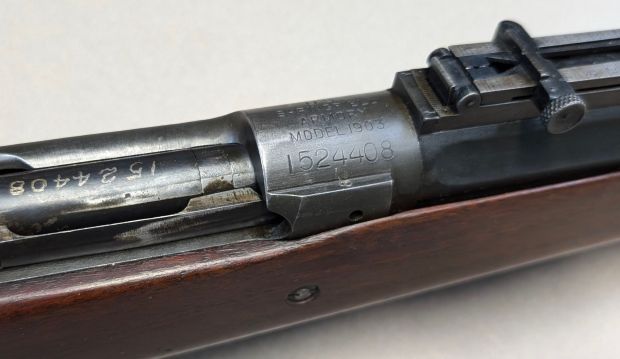
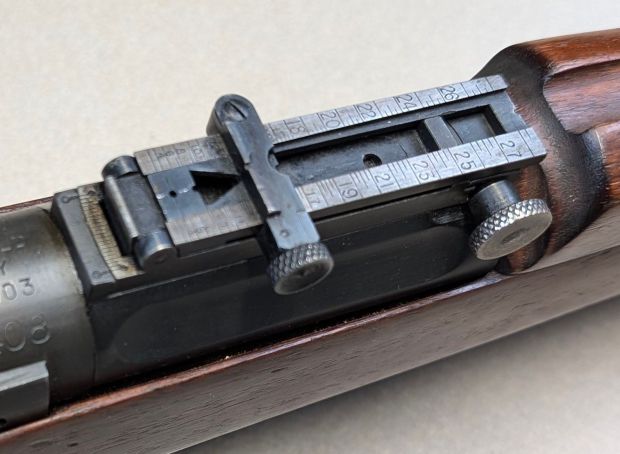
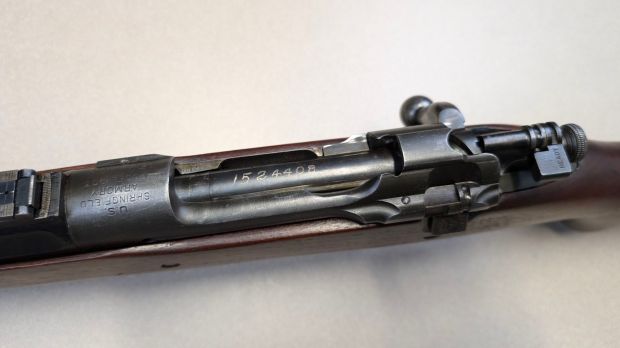
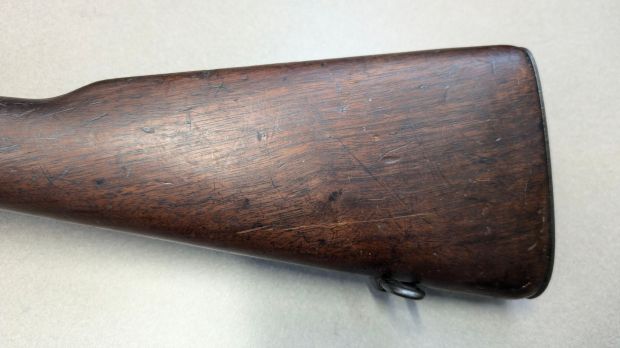
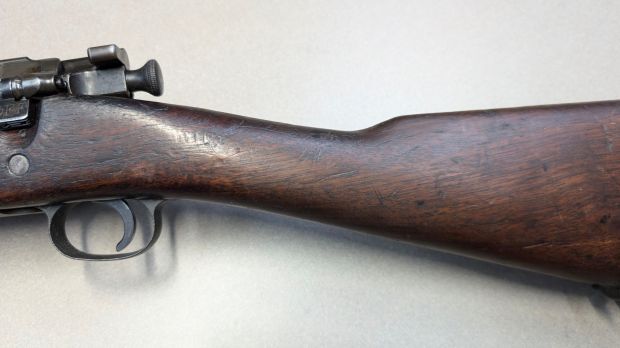
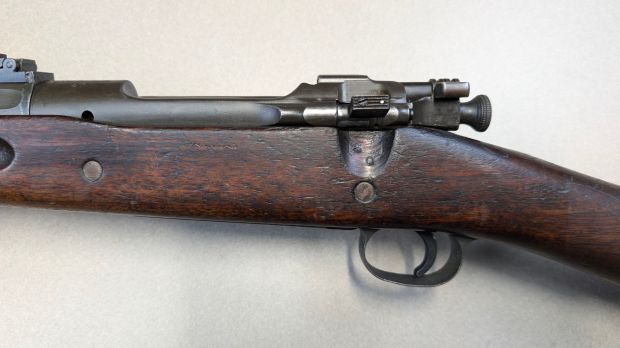
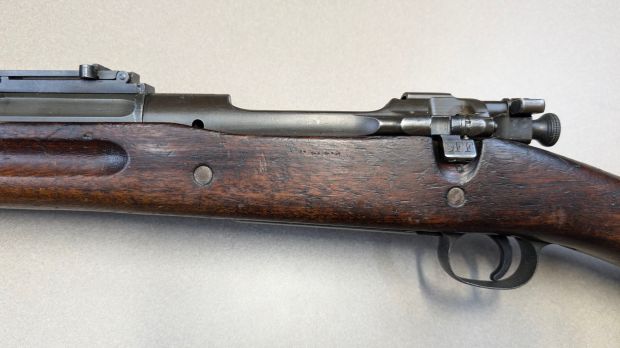
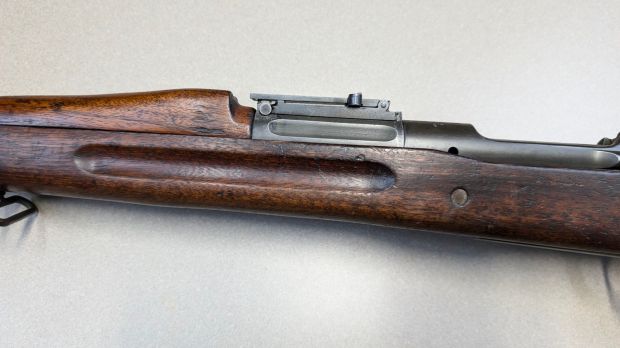
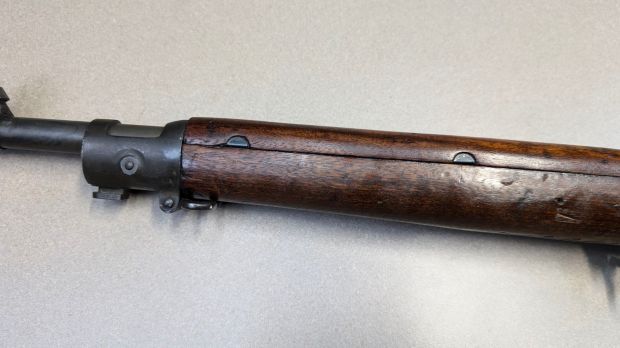
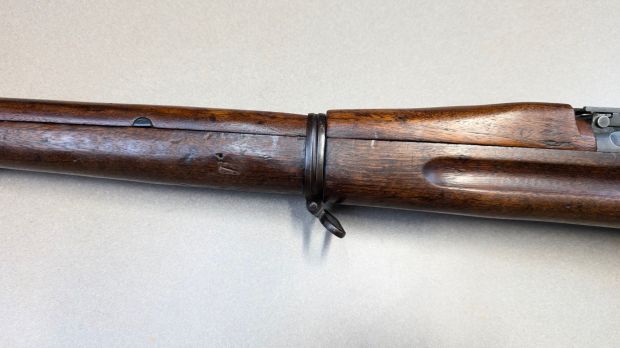
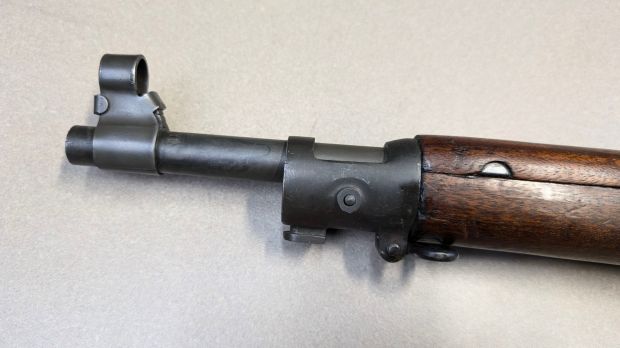
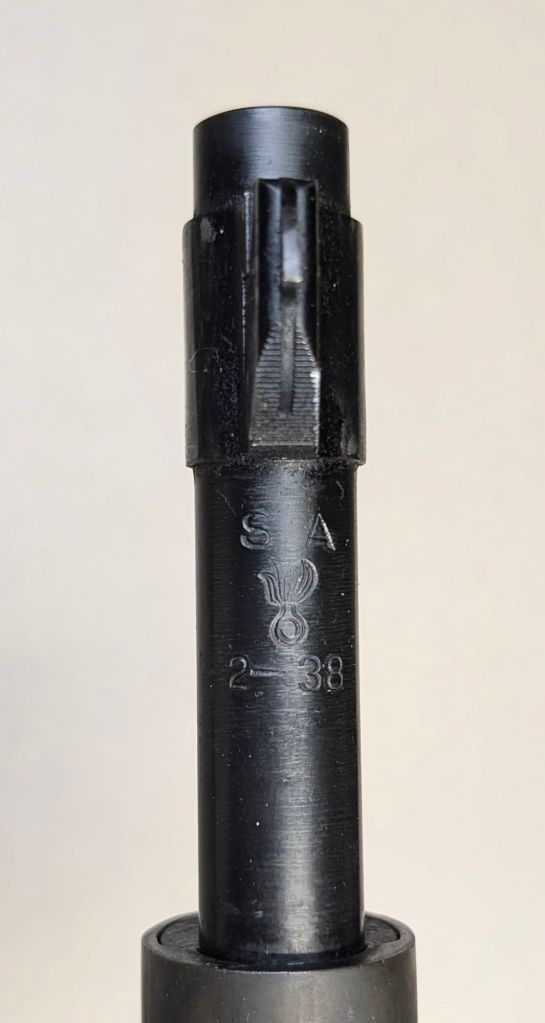
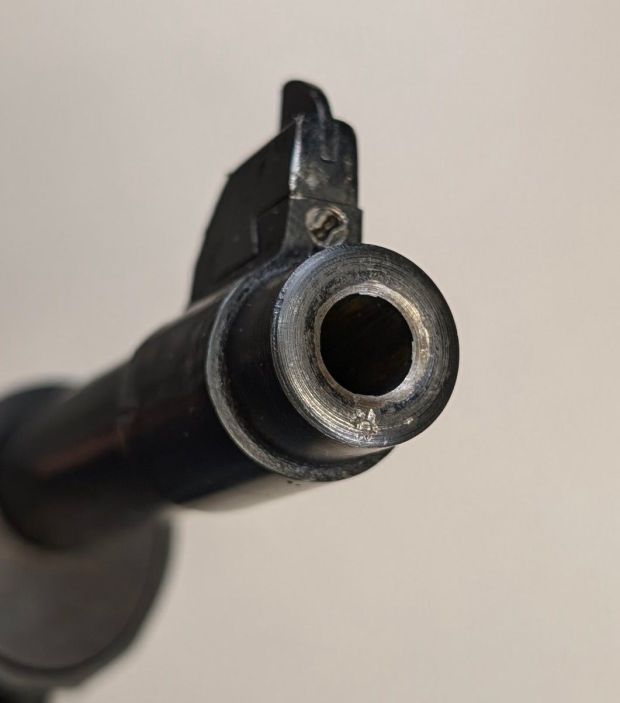
USMC National Match M1903 #1524408. This rifle was one of the 1047 set aside for sniper conversion, but was not selected (Plowman collection).
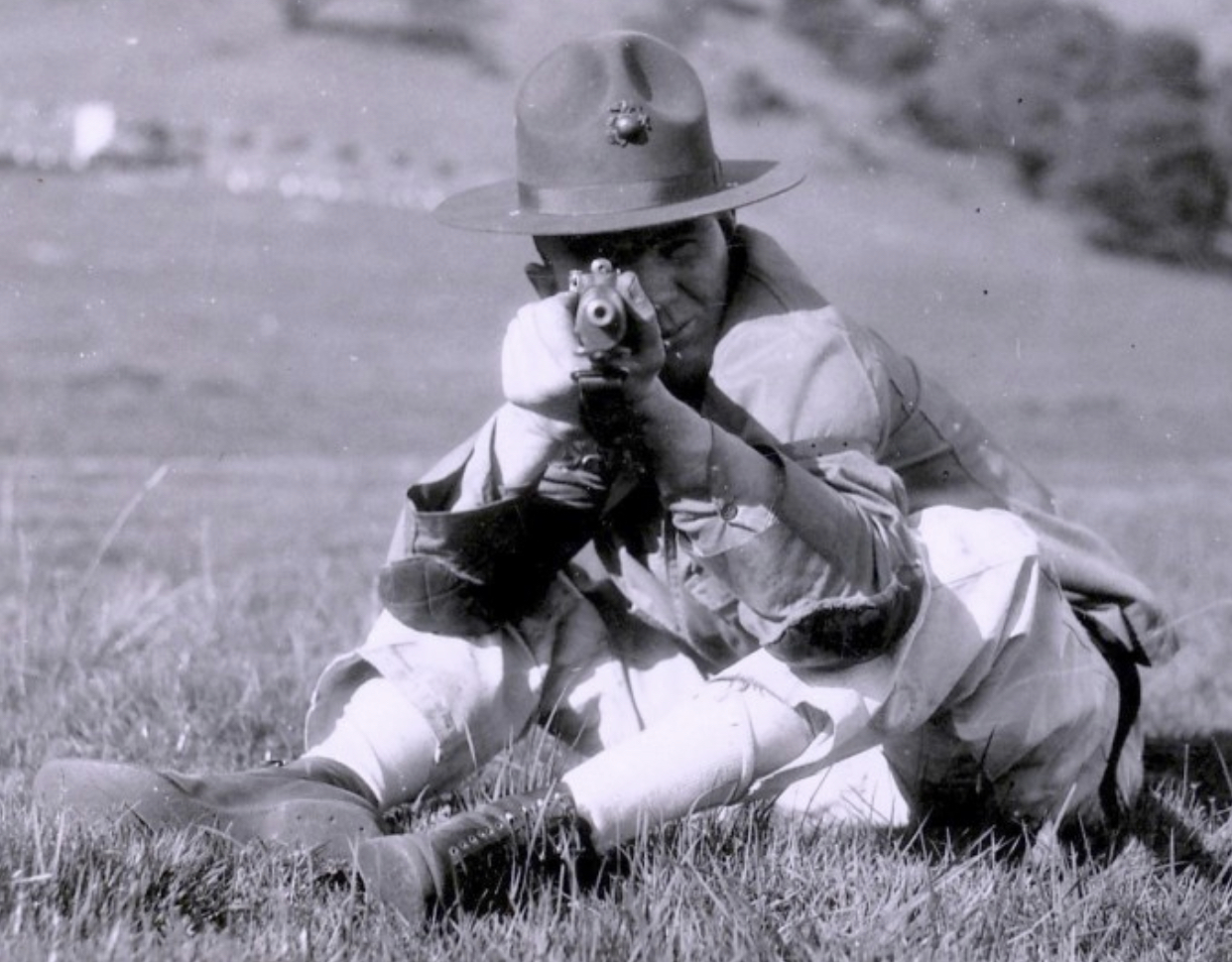
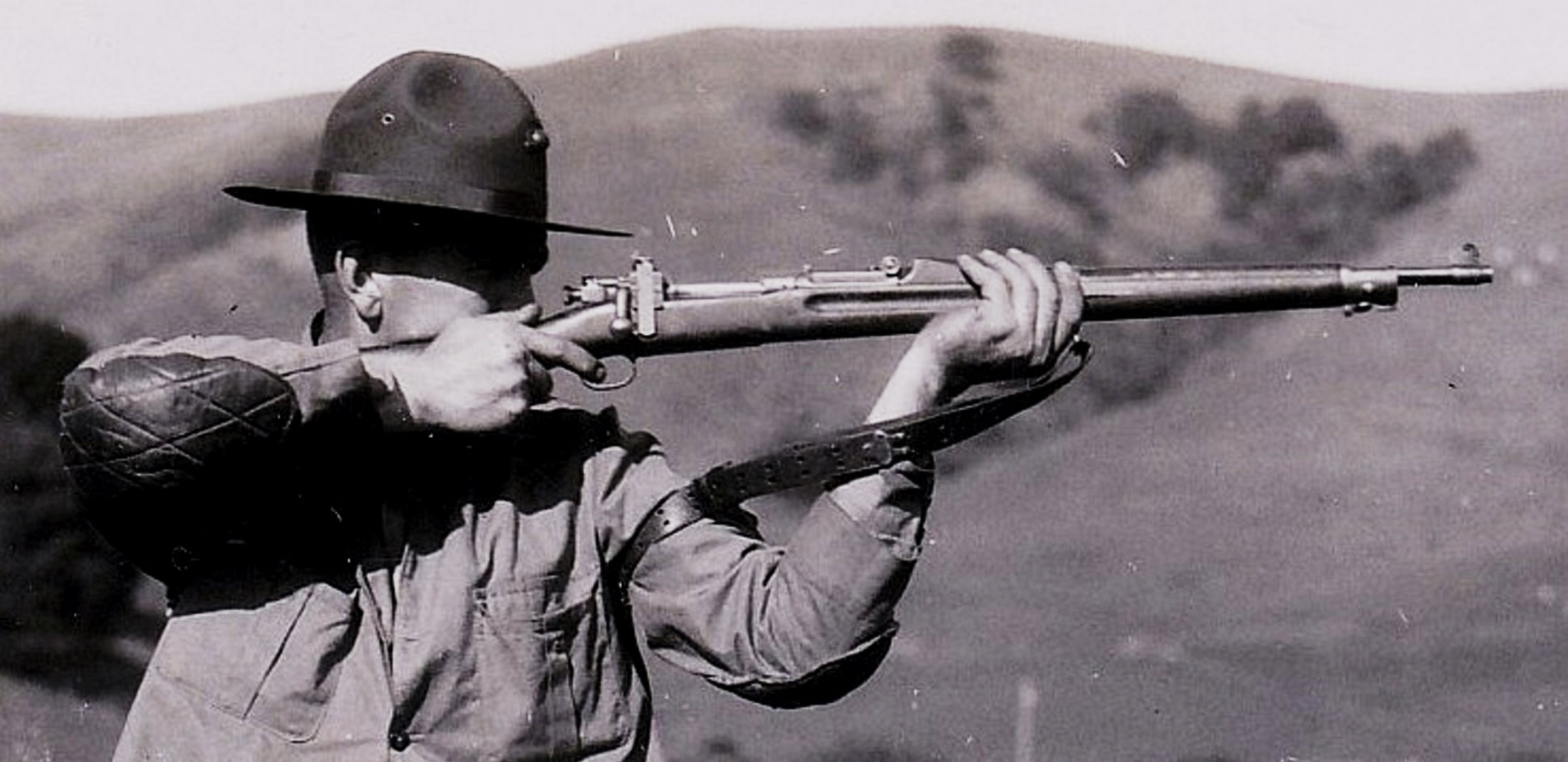
Just like today, the National Matches had several classes that allowed modifications to rifles. A rear, adjustable peep-sight, typically those made by Lyman, were often added to USMC NM M1903s (NARA).
USMC M1903 Unertl Sniper Rifles
As the 1930s came to an end, so would the M1903s run as the National Match service rifle. Springfield Armory’s new semiautomatic M1 Garand was being standardized, and production of the M1903A1 ceased. The rising likelihood of American involvement in the Second World War would spark a renewed interest in sniper rifles as well. Initially, the Marine Corps decided to use their significant stock of deconstructed WWI sniper rifles of the Mann-Niedner and Springfield Marine variety. These rifles employed the Winchester A5 or Lyman 5A scope, and would be used early in the war by the elite Marine Raiders and infantrymen of the 1st and 2nd Marine Divisions. The A5/5A scope was a product of WWI, and as such was antiquated technology. The Marine Corps realized this, and began an earnest search for a better optic in 1941. The work of John Unertl impressed the Marine Corps Equipment Board, which would eventually recommend Unertl’s eight-power USMC Sniper scope as their optic for the new war.
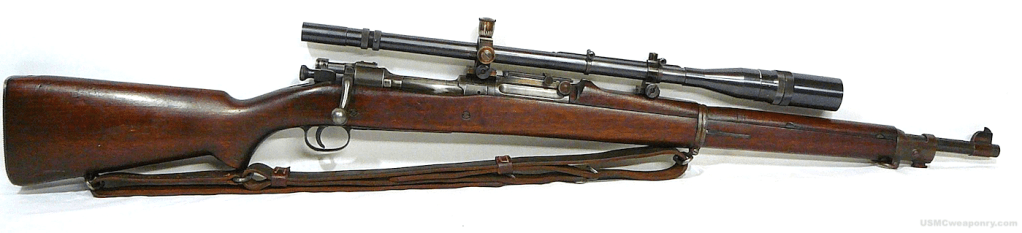
USMC National Match M1903 Unertl Sniper Rifle #1496440 (Plowman collection).
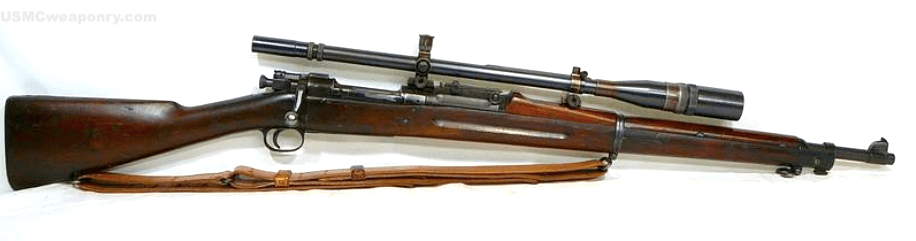
USMC Special Target M1903 Unertl Sniper Rifle #1459600 (Norton collection).
The two types of Unertl Sniper rifles: #1496440 is an original National Match rifle that was delivered to the Marines in 1937, it would have been one of the 359 rifles collected from the active duty rifle team, or one of the 104 collected from the reserve rifle team. #1459600 is a Special Target variant, and would have been one of the 574 that were collected from division teams. Straight stocked and C-stocked variants were both used by Marine snipers in the South Pacific during WWII.
in 1941, the Marine Corps had ordered the collection of all National Match and Special Target M1903s. These rifles were held aside aside should they need to be converted into sniper rifles. The National Match and Special Target M1903s were not however a shoe-in for conversion, as they had competition from the Winchester Model 70. Sleek, accurate, and simple, the Marine Corps had purchased nearly 400 Winchester Model 70s in 1941. Testing by the Marine Corps Equipment Board found the Model 70 to be the best sniping rifle available, and the board recommended the Model 70 over the M1903. Despite this recommendation, the Headquarters of the Marine Corps would ultimately decide that the National Match M1903 was the best choice. Marine infantrymen and lower level armorers were already very familiar with the M1903, and the interchangeability and easy access to parts would allow for hasty repairs in the field. Logistics and familiarity would trump accuracy, and the conversion of the Marine Corps’ National Match and Special Target M1903s into Unertl-mounted sniper rifles would soon follow.
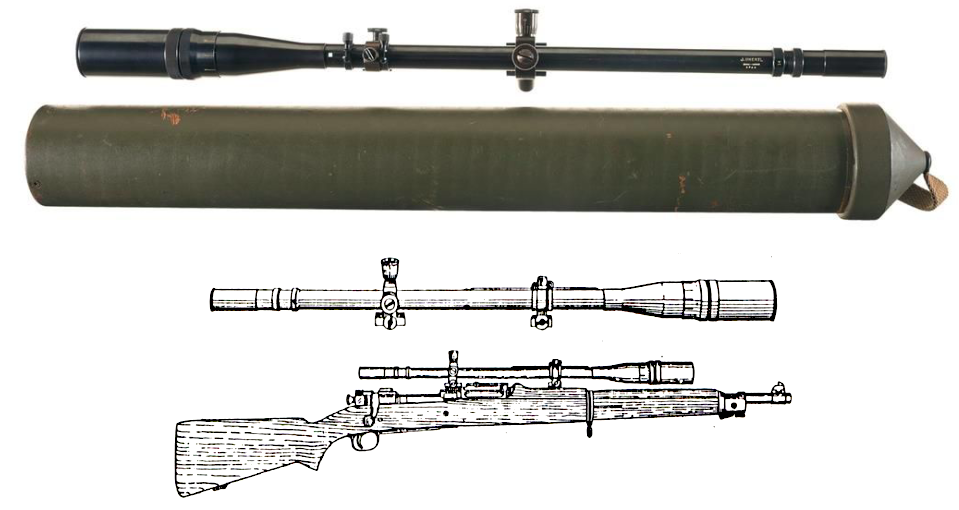
The Unertl 8x USMC Sniper scope was specifically marked and thus is easy to identify. The external surface was blued, but parkerized examples have been found suggesting they were refinished while in service. Original reticles can be identified by the presence of a dot where the lines intersect, allowing the shooter a better focal point. The scope came with a micarta carrying case.
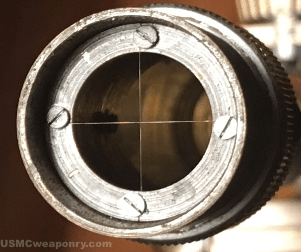
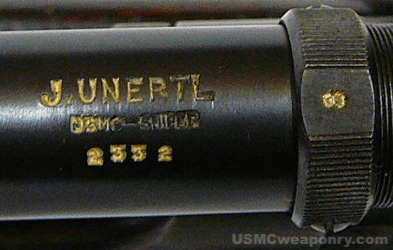
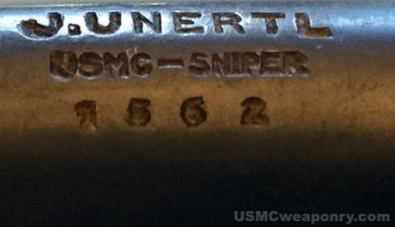
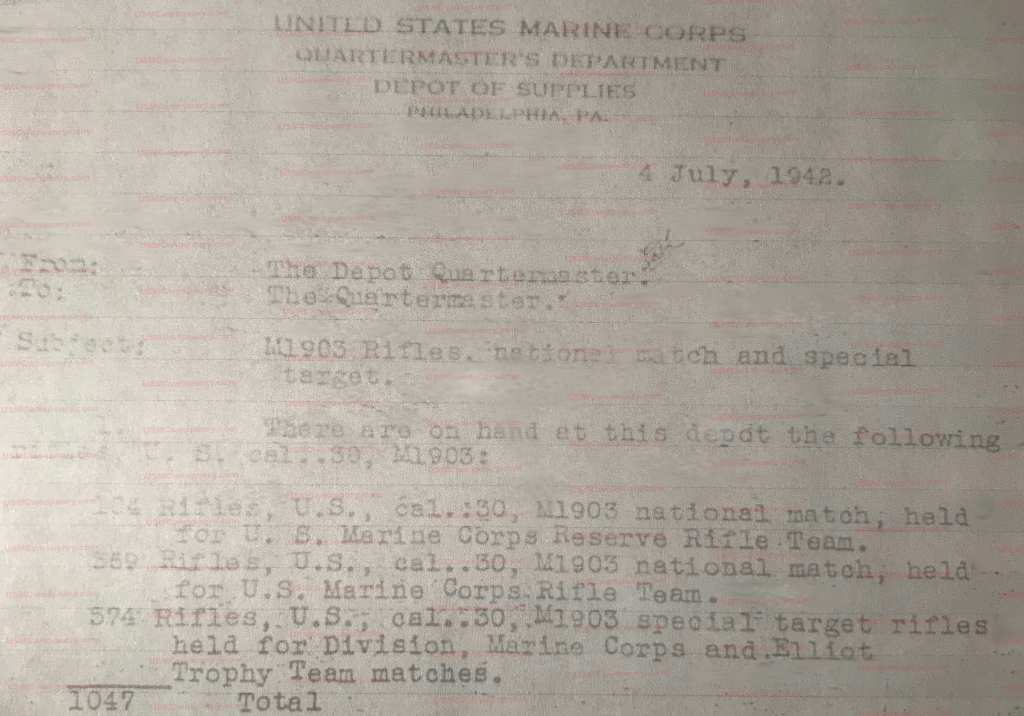
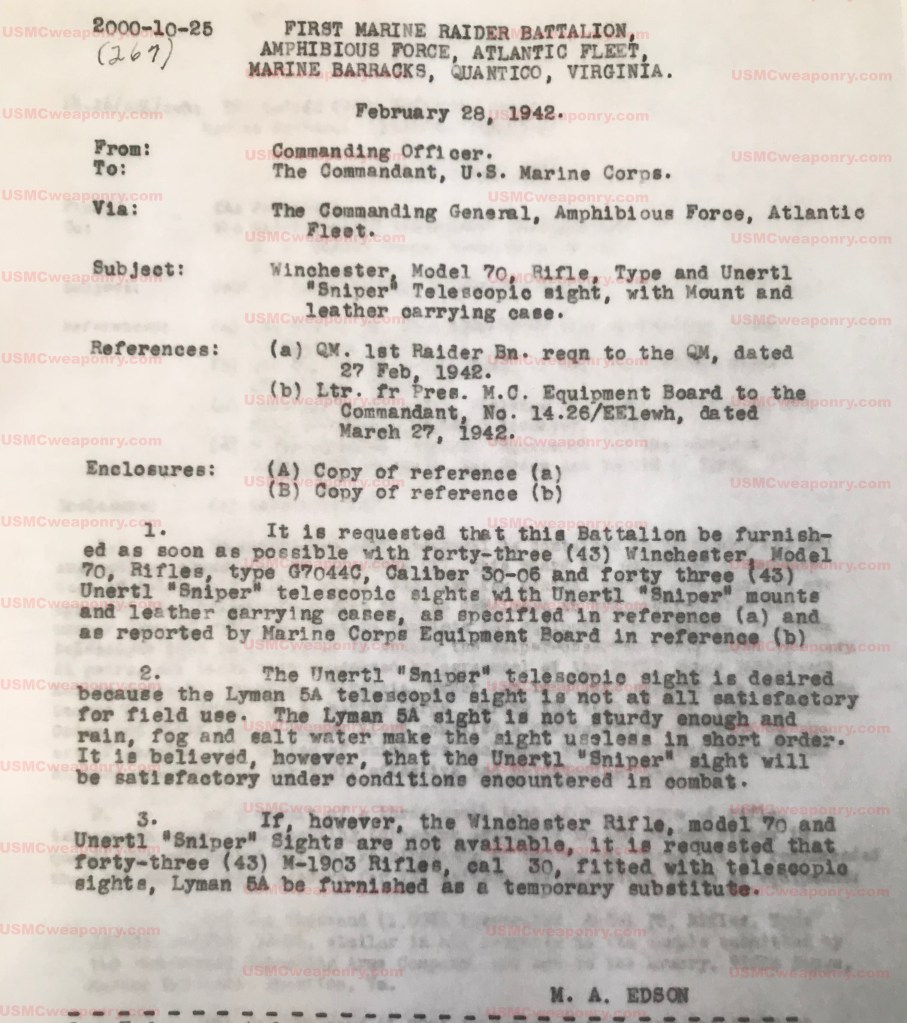
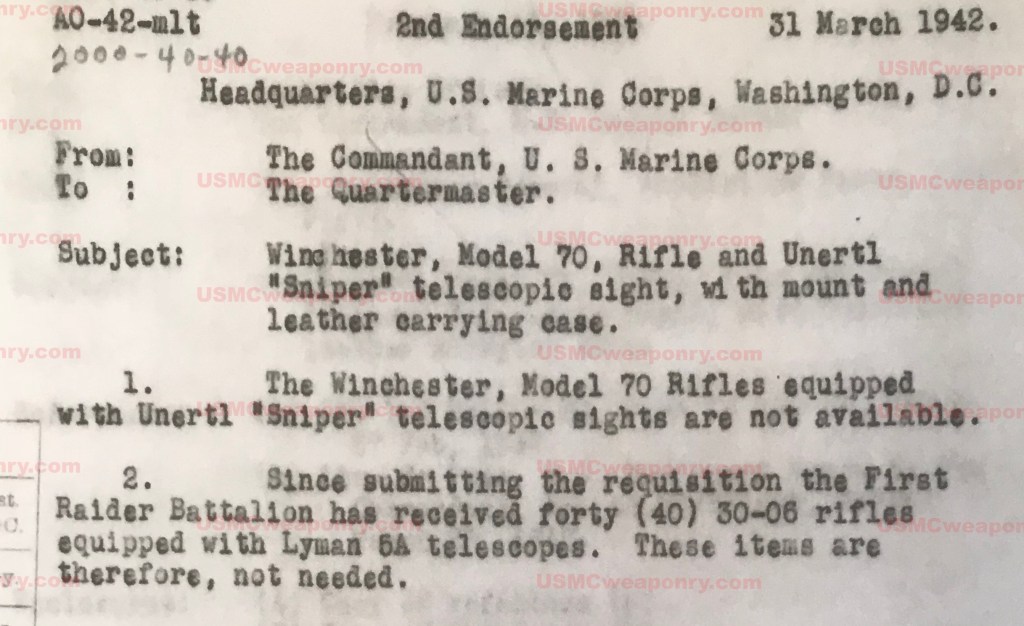

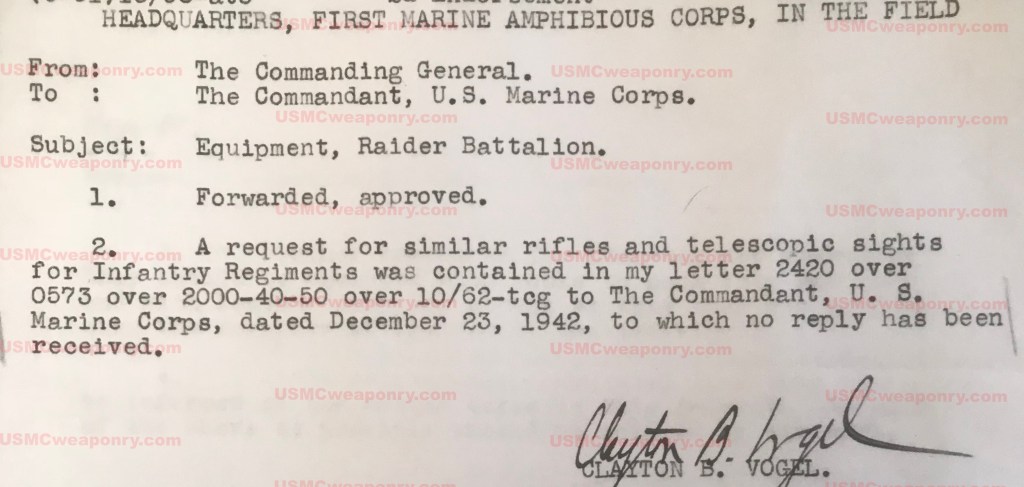
Documents detailing the process of selecting the National Match and Special Target M1903s as the platform for the Unertl 8x USMC Sniper scope (NARA).
The first order in the sniper conversion process was the bluing of the nickel-steel National Match bolts. This process was only marginally successful as the nickel-steel content of the bolts made adhesion difficult, resulting in a unique “watery” blued finish. These bolts often appear as a dark purple color, but can vary from black to bright depending on lighting. Bolt handles are often seen gleaming in the sun in period photos, as heavy use would wear away the bluing in that area in particular. This has created the false impression that Unertl sniper rifles kept their bright bolts before documents detailing the bluing process were uncovered at the National Archives. Close examination of authentic rifles and period photos show the watery blued finish is indeed always present. One of the better ways to notice this is by looking at the extractors, which the bluing adhered to more strongly. Unfortunately, the incorrect belief that bolts were still bright during sniper use led to some original examples having their blued finish removed by subsequent owners, destroying the original finish applied by the USMC.
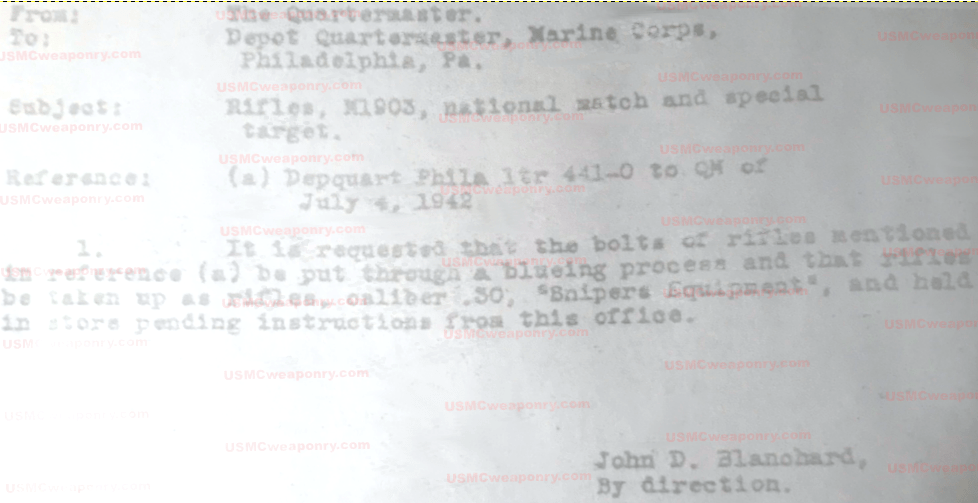
The order to blue the bolts of of all USMC National Match & Special Target rifles (NARA).
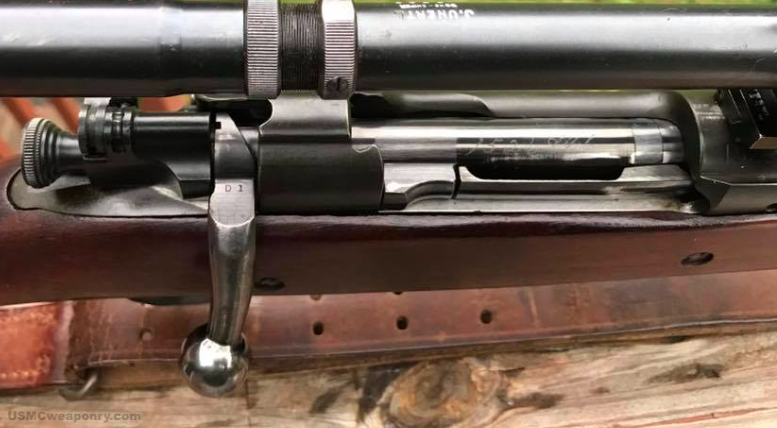
After going through the bluing process, the previously bright National Match bolts would vary from shiny to black depending on the light (Carlson collection).
Beyond the the bluing modification, the NM bolts were also often hand polished in specific areas for a smoother action, existing Unertl sniper rifles with their original bolts typically have a buttery smooth action indicative of the level of care the rifle received during their time with the Marine rifle teams. As such, bolt attributes are an important factor that allow for an easier identification process when examining a potential Unertl sniper rifle.

Example of blued bolt in M1903A1 Sniper rifle in WWII, the extractors in particular show the bluing in period era photos (photo: NARA). In black and white photos in particular, the bolt handle of the blued NM bolts can appear bright, when in fact they are not.

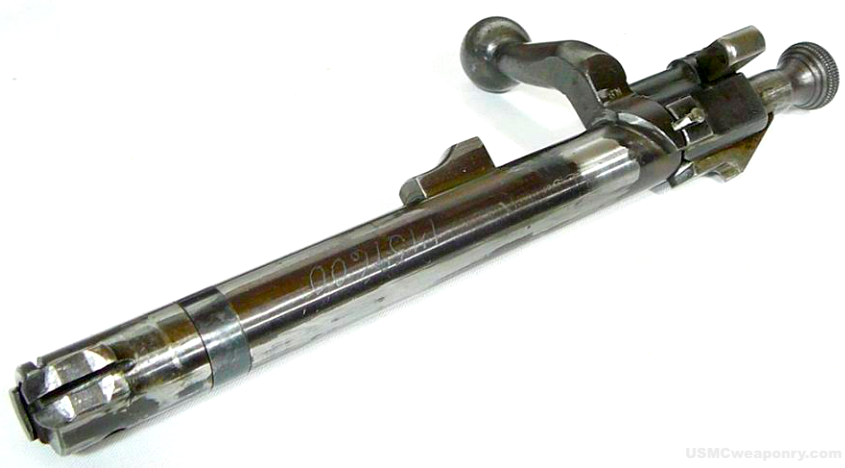
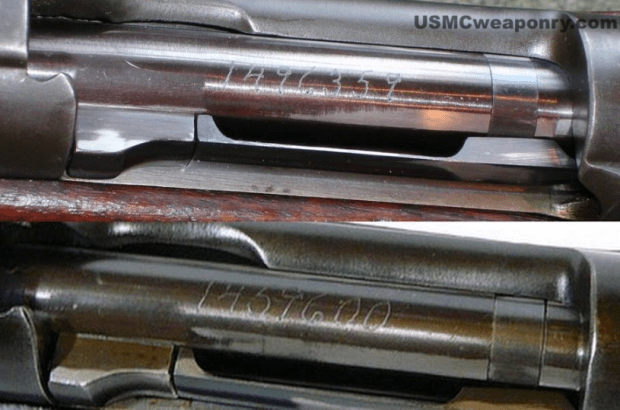
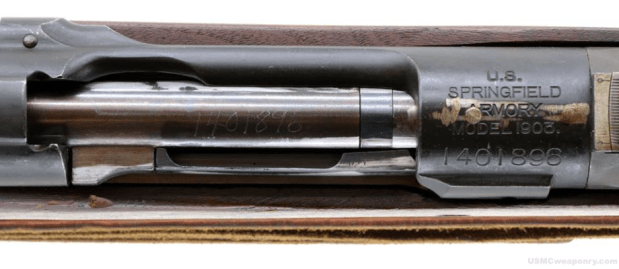
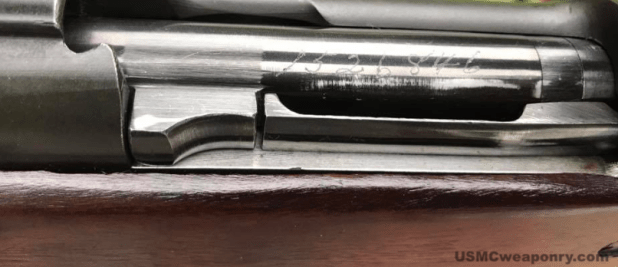
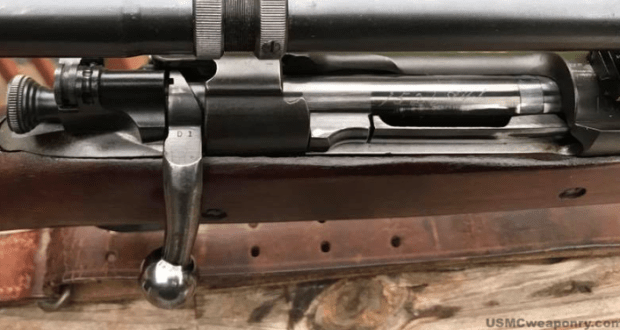
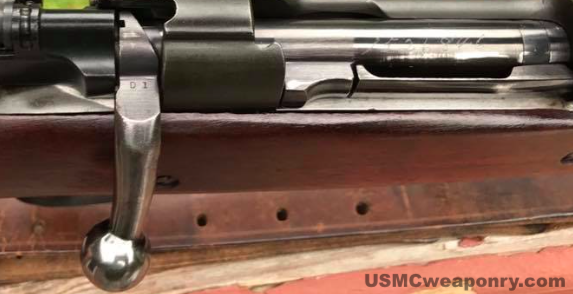
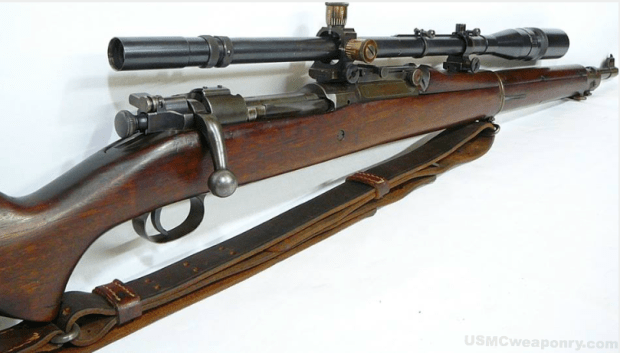
Examples of the unique watery finish that the bluing process produced (Norton, Carlson, Duffy, Oberaigner & Plowman collections).
Another interesting modification would take place with the Marine rifle team precisely fitting each trigger housing to the receiver and stock. The various degrees of which this practice was necessary can be seen in examples that retain their original trigger housing and the various amount of milling that was required. Some trigger housings would be milled on the screw well and the magazine well, while others would only require one of these areas to be modified, showing the precise and individual nature of this modification. Not all Unertl sniper rifles have this modification however, as obviously some trigger housings were a good fit from the get-go, and the trigger housing was also a part that could easily be replaced in the field or during overhaul.
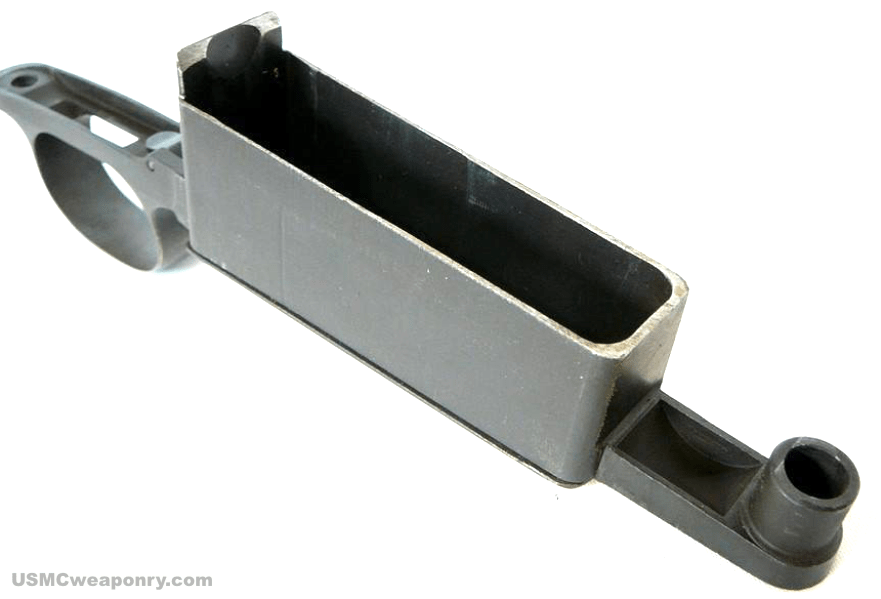
Examples of modified trigger housings that were milled for a more precise fit on Marine team rifles (Norton collection).
A total of 1047 match rifles would be set aside for sniper conversion, 574 of these were designated as Special Targets. As mentioned previously, these were National Match rifles that had been refitted with new, standard issue barrels after their original National Match barrels had become unserviceable. Most Special Targets converted into Unertl sniper rifles have been observed with 1938 dated barrels, though a few other years have also been observed. During the conversion process, no preference was given to rifles with factory National Match barrels, instead rifles were chosen for conversion by group size when test fired from a vise. Most confirmed Unertl sniper rifles are in or around the 1,496,xxx and 1,526,xxx serial number ranges, which corresponds to the final two shipments of National Match rifles the USMC rifle teams received in 1937 and 1939. It stands to reason that the newest National Match rifles with good condition, factory star gauged barrels would be the most accurate, and that is why these two serial number ranges are the densest with confirmed Unertl sniper rifles.

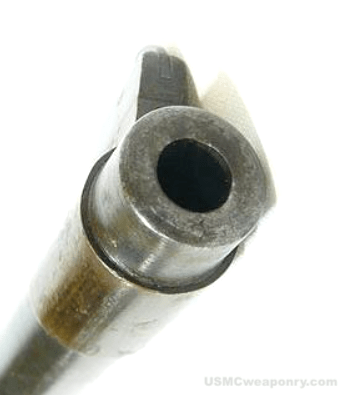

Examples of Unertl sniper rifles with factory star gauged barrels, from left to right: serial numbers 1498646, 1496440, and 1464269 (Duffy, Norton & Plowman collections).
Special Target Unertl snipers spread a wide serial number range, with some having receivers manufactured as far back as the 1920s and as late as the final National Match shipment the Marines received. The noteworthy amount of confirmed Special Target converted sniper rifles show that their standard issue barrels were more than up to the task. The Special Target barrels also have vise marks near the rear sight base, long associated with Marine armorers using a plumber’s wrench during barrel changes. While vise marks on standard M1903s vary in appearance, those observed on Special Target M1903s have a strikingly similar pattern left on the barrel. While this doesn’t mean too much in and of itself it is an interesting coincidence nonetheless, logically indicative of the barrels having been changed on the same equipment in a similar period of time.
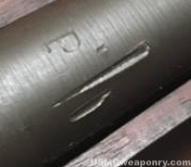
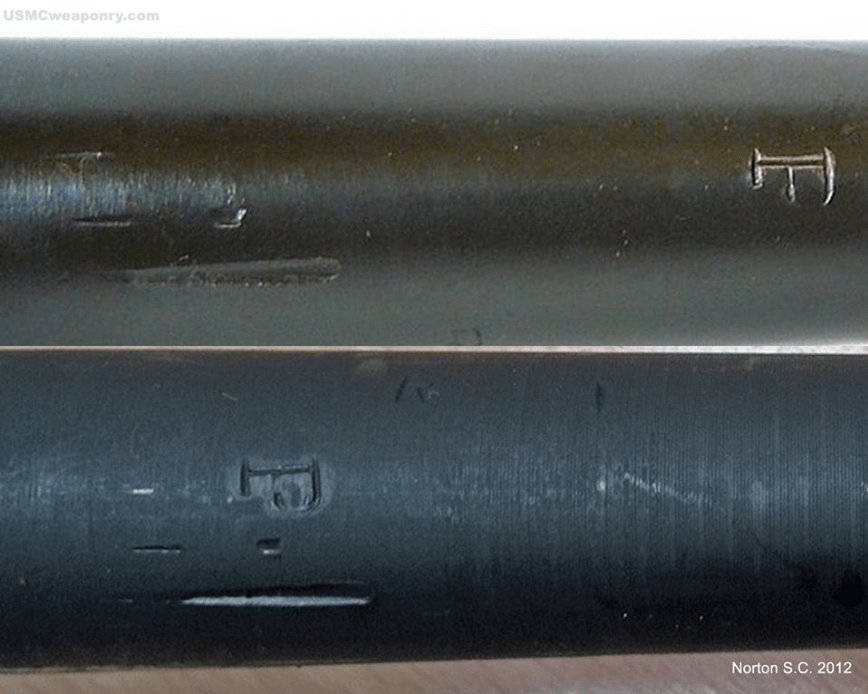
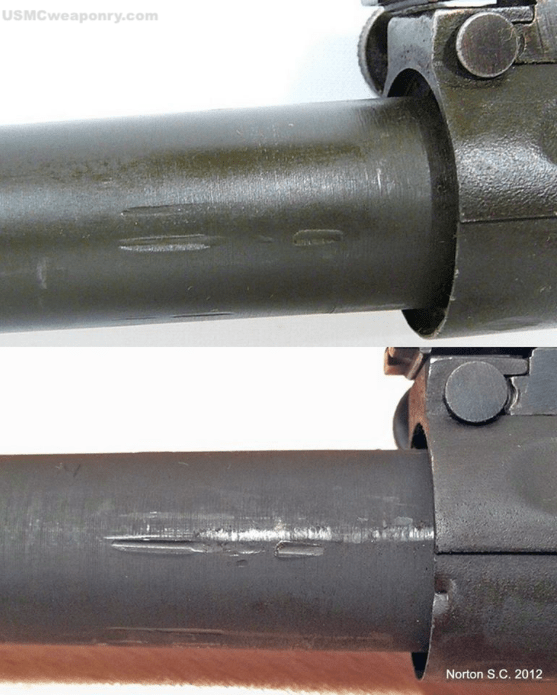
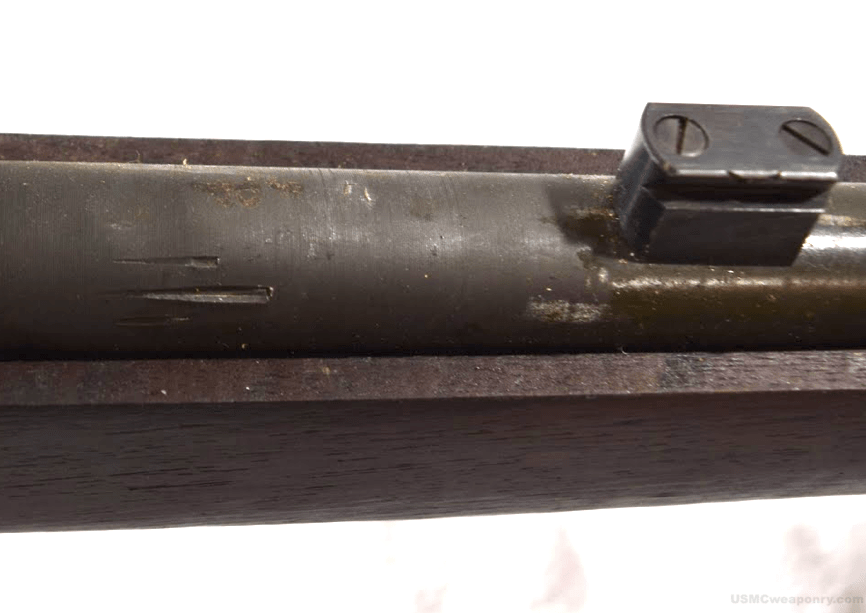
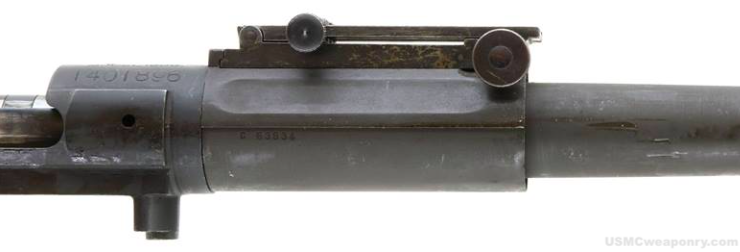
Similarities in the vise marks found on Unertl Sniper rifles with Special Target barrels (Norton & Oberaigner collections).
Some Special Target Unertl sniper rifles have been observed with fake star gauge markings on their muzzle. As with blued bolts that had their finished removed, it was previously thought all Unertl sniper rifles had star gauged barrels, and thus a misguided desire to “correct” these rifles to what used to be considered “correct” has left some genuine examples permanently altered. Documents are constantly being discovered that enhance our understanding of the firearms of yesteryear. Permanent alterations to a rifle in an attempt to make them better fit a contemporary opinion can end up being costly mistakes that can’t be undone.
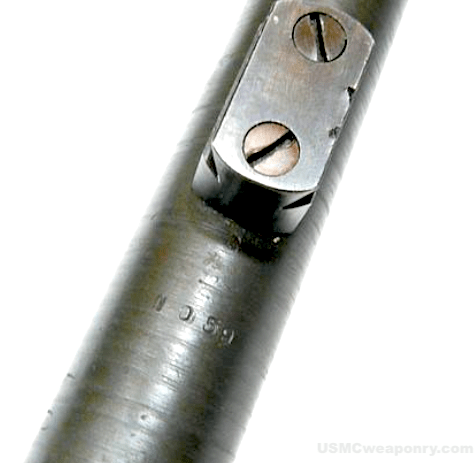
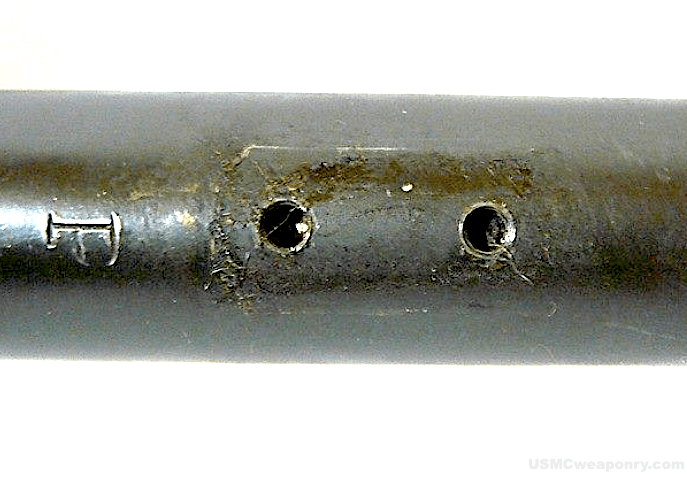
Left: National Match star gauged bareld drilled and tapped, with Unertl block installed. Right: Special Target standard service rifle barrel drilled and tapped, the outline of the Unertl block still present after removal (Norton collection).
After the National Match and Special Target rifles were test fired to determine which were most accurate, the next step was drilling and tapping the receiver and barrel. The spacing between the front and rear mounting blocks was 7.2 inches, the distance needed for the externally adjusted Unertl scope to have half-minute adjustments. The location of the drill work on the the receivers of converted rifles are practically identical. The rear Unertl O block butts up to the rear sight collar nearly to the point of touching.
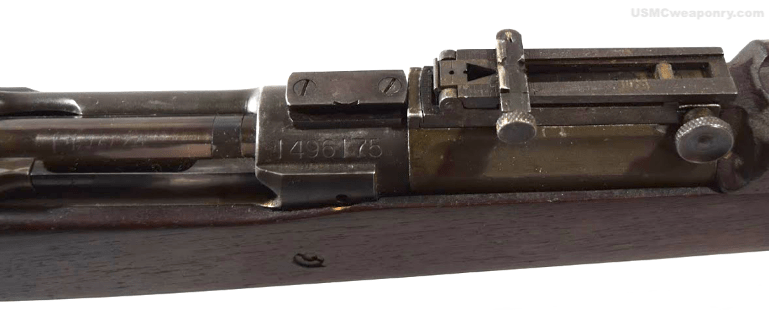
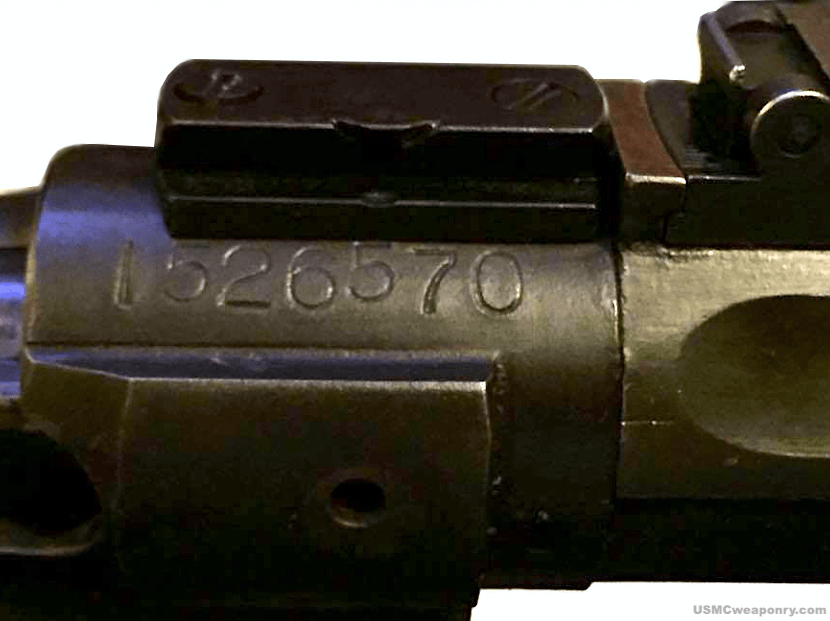
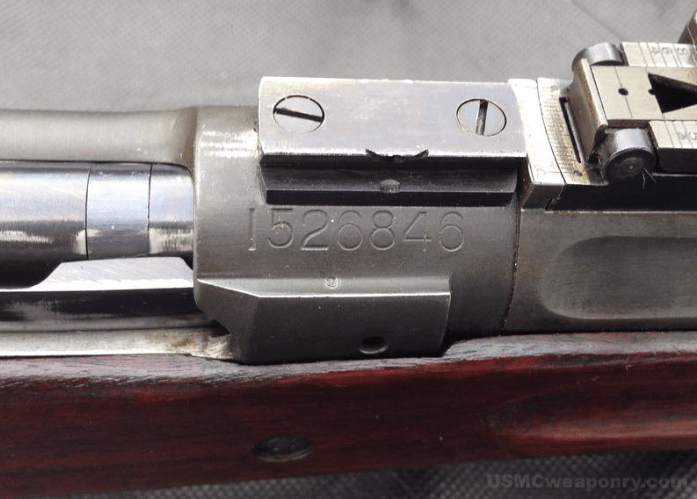
The rear scope block on Unertl sniper rifles typically butts up to the rear sight base, just shy of making contact (Stolinski, Carlson & Guditus collections).
In order to drill and tap each rifle, the barreled receiver would have been removed from the stock and the rest of the parts set aside. Marine armorers would have understood the importance of reassembling these highly accurized rifles with the same parts they came in with, as they had been individually fit during their time with the rifle teams.
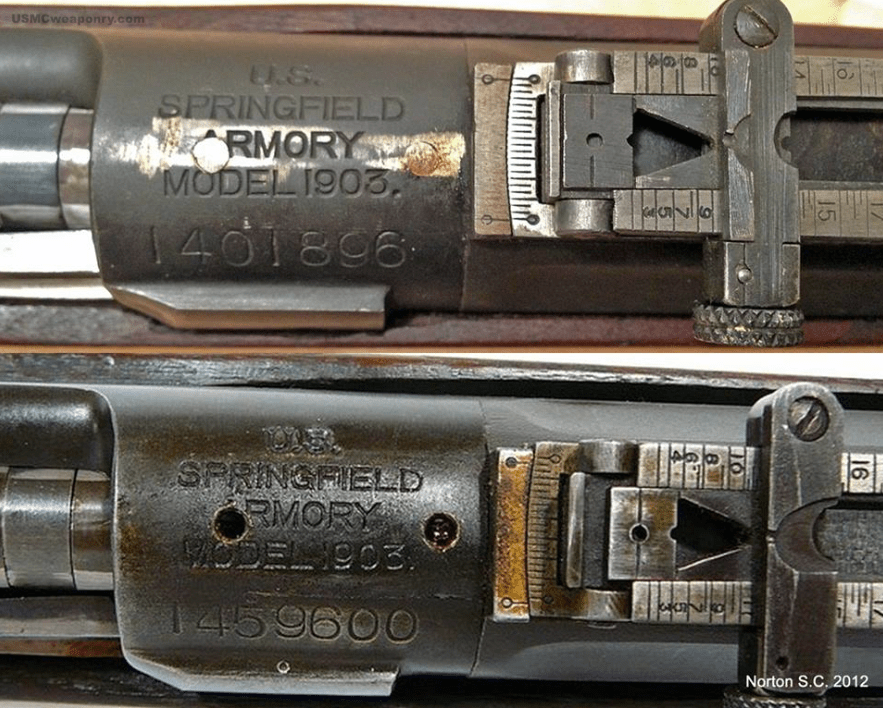
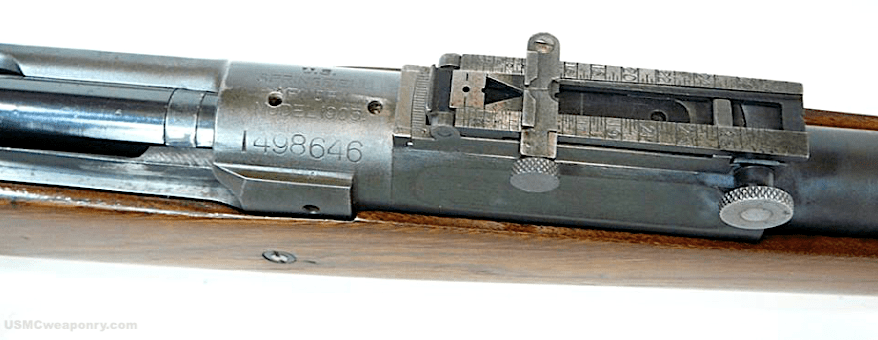
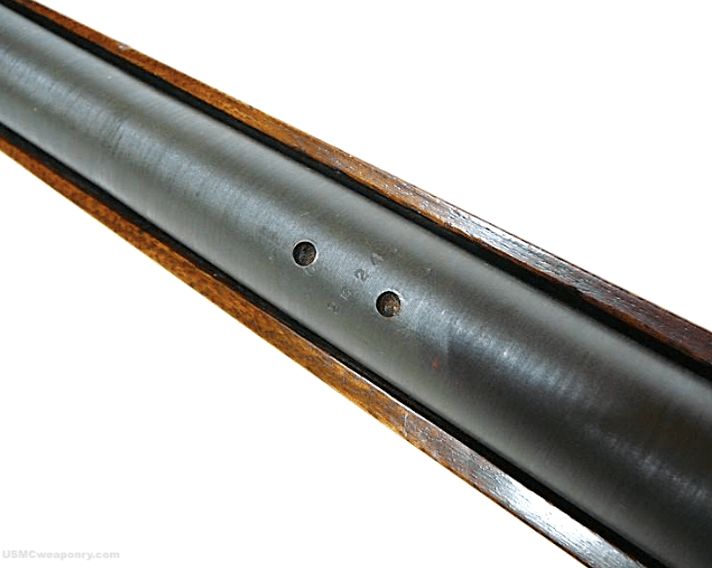
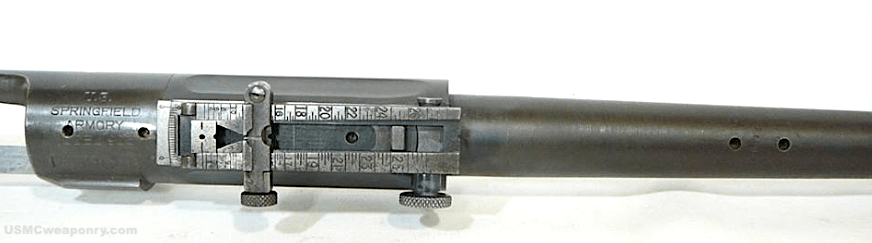
The location where the National Match and Special Target rifles were drilled and tapped during the sniper conversion process is very consistent in original examples. The star gauge markings on the barrel are generally near or under where the front block was mounted on National Match rifles. An interesting example, Unertl sniper rifle #1401896 was reconverted back to a standard issue service rifle at some point. Juxtaposed with Unertl sniper rifle #1459600, the similar location of the drilling and tapping of the receiver is easily seen (Norton & Oberaigner collections).
The final modification during the conversion process was the milling and fitting the handguard. Modified handguards are the most uniform Unertl sniper rifle attribute. The handguards were from the same manufacturer and cut to the same specifications. Perhaps the most intricate detail is the presence of “chatter marks” on the area that was milled down. While varying in depth, original examples have a wavy surface created by the tool used in the milling process. The extended, flat surface area and larger front block hole mirrors that of the late World War I USMC built Mann-Niedner A5 sniper rifles. The larger front block hole made the handguards universal in fit, and the increased risk of moisture making its way onto the barrel appears to have had little effect, as pitting is rarely present on original examples. Age uniformity is the best way to tell an original, aided by close examination of the wood surface and grain.
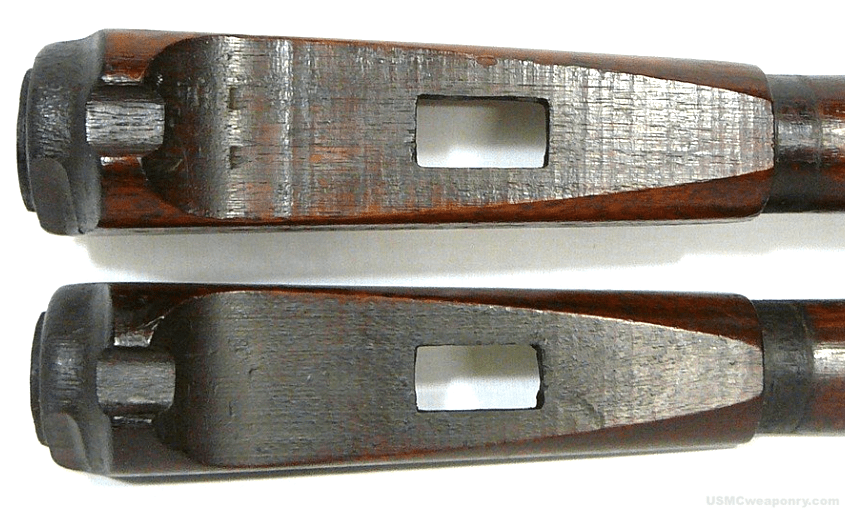
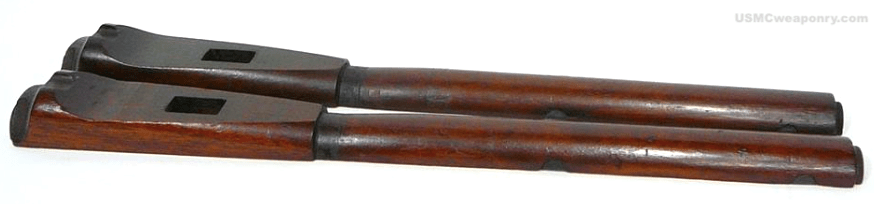


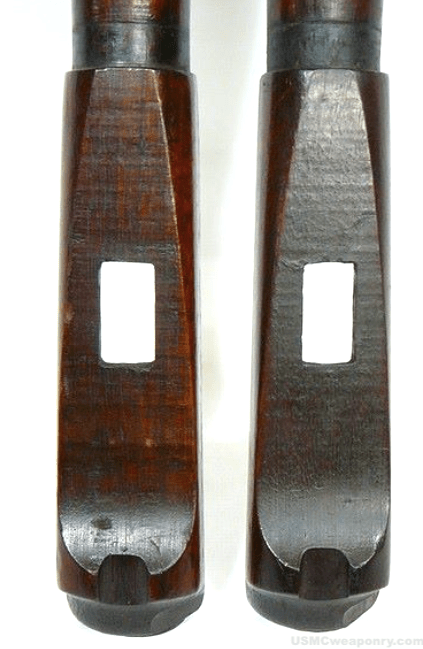
Original Unertl sniper rifle handguards compared side by side. All original examples examined are remarkably similar (Norton, Carlson & Plowman collections).
The sniper rifle conversion process would take a total of six weeks, beginning in January of 1943 with the first rifles shipping out to the 1st and 2nd Marine Divisions in February. The first shipment would initially be for 150 rifles, later increased to 250. Arriving at the First Base Depot in the South Pacific not long after, these rifles would be sent to two very different situations for their combat debut.
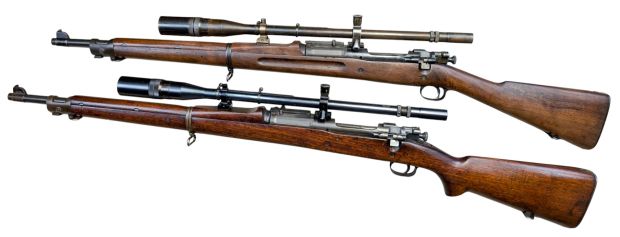
Special Target Match Rifles
An interesting attribute that some Special Target Unertl sniper rifles have is a five pointed star on the top of the barrel near the front barrel band. 1960s Rifle Team Equipment manuals state this star was applied in in the same location on M1 Garands after match conditioning. As no National Match Unertl sniper rifles have been found with this marking, it is very likely it served to denote a Special Target rifle’s match conditioned status.
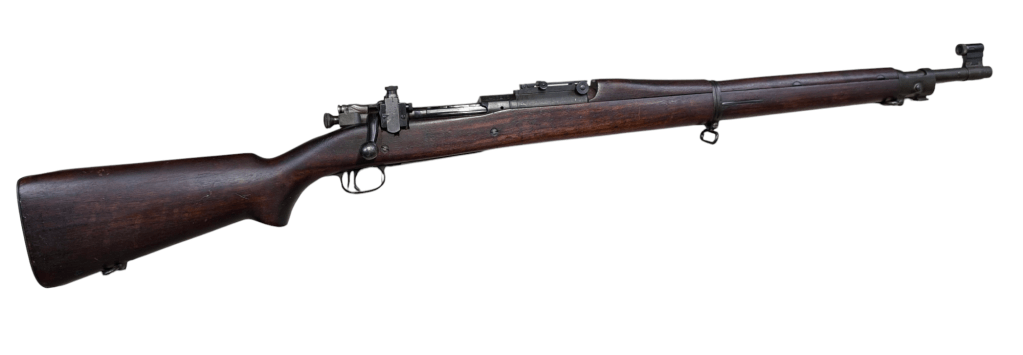
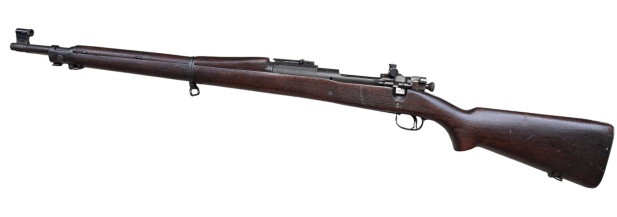
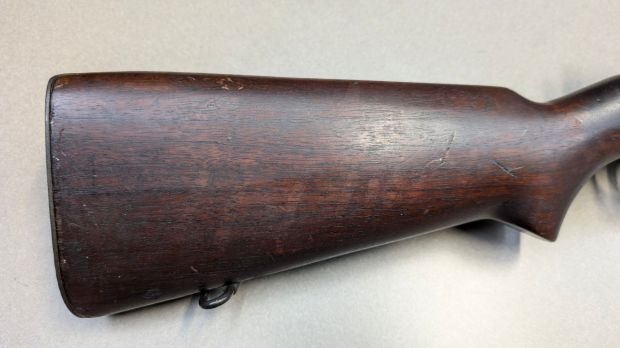
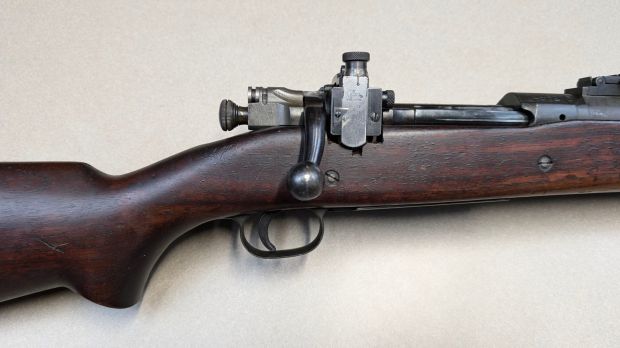
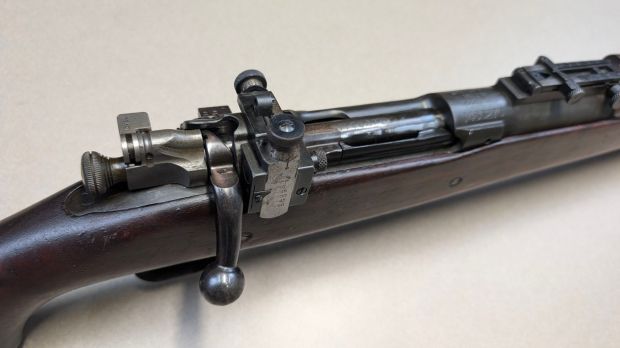
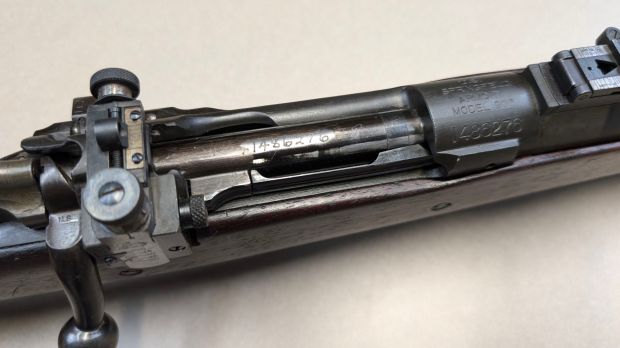
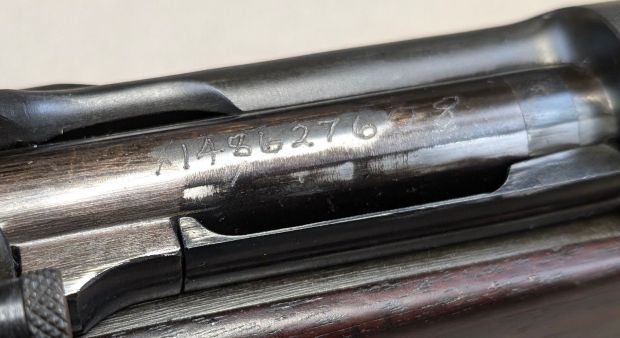
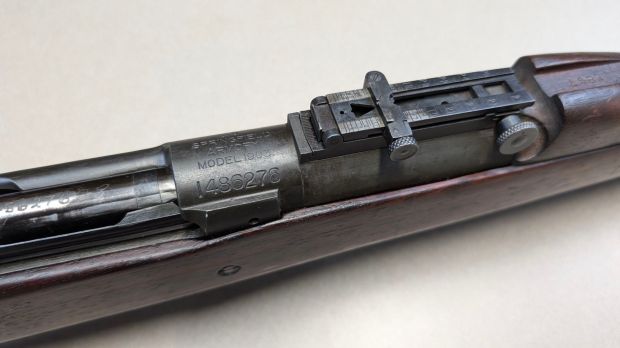
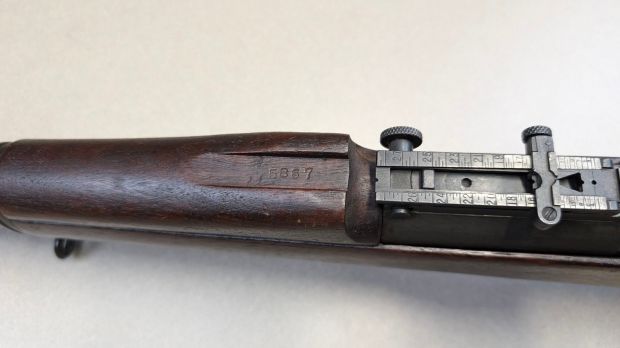
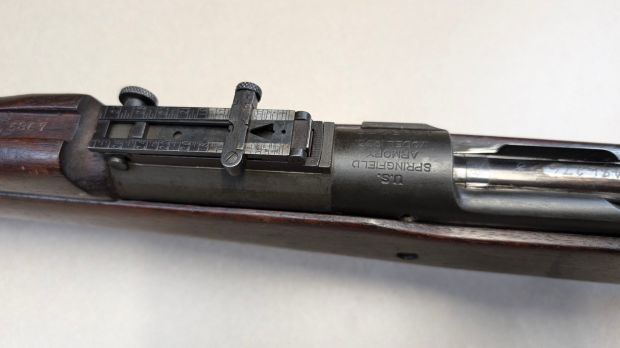
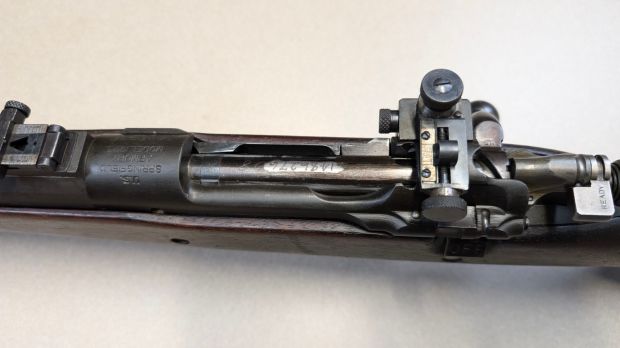
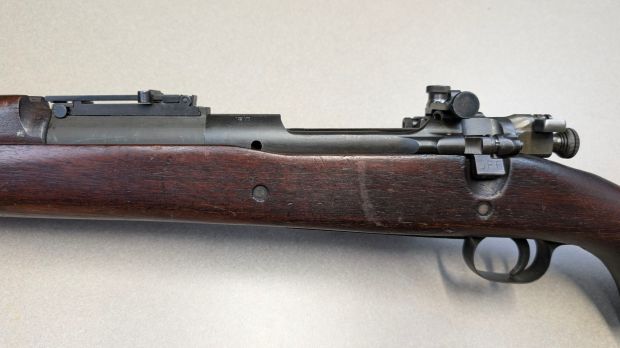
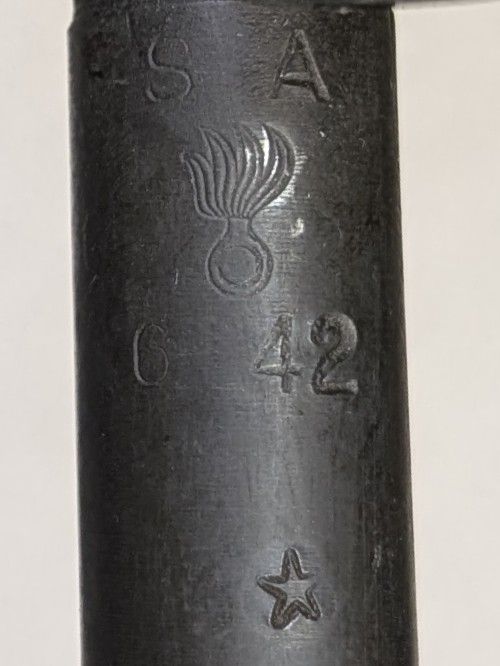
USMC Special Target Match Rifle #1486276. This rifle has a National Match bolt that was blued during the sniper conversion process, and 5 point star on the barrel (Plowman collection).
What is certain is that it has been found on a very peculiar type of rifle that appears to have been assembled after the M1903 was replaced as the standard issue service rifle with the M1 Garand. These rifles, some sort of variant of the Special Target, are often found with serial numbers in the same dense groupings as Unertl sniper rifles, indicating they likely were once USMC National Match rifles. Some of these Special Target rifles have been drilled and tapped for Unertl blocks, and most have 1942 dated barrels with vise marks and 5 point star applied. Their bolts are usually blackened WWII replacements that are polished where the electro-penciled serial number has been applied. The stocks and handguards of these rifles are usually numbered with the last four digits of the rifle’s serial number – another 1960s era match conditioned M1 Garand practice.
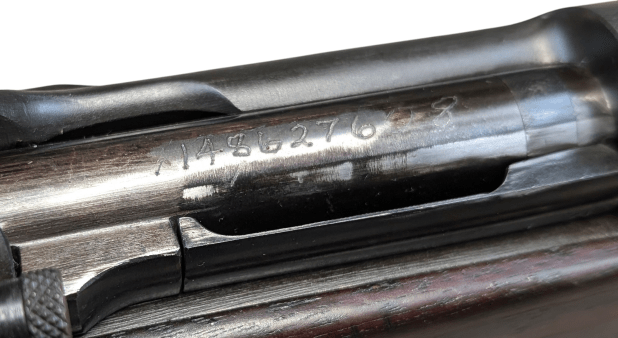
A Special Target Match will typically have a blued National Match bolt polished and engraved with the rifle’s serial number. On this example, at least two previous serial numbers are present (Plowman collection).
Of the 1047 National Match and Special Target rifles set aside for the Unertl sniper rifle program, less than a quarter would be fully built and sent to the Fleet Marine Force. As of now, the best guess is these interesting rifles needed new barrels or other work, and were in the process of being made into Unertl sniper rifles when the war ended. It seems that these Special Target rifles were instead built up for match purposes in the post-war years that followed.
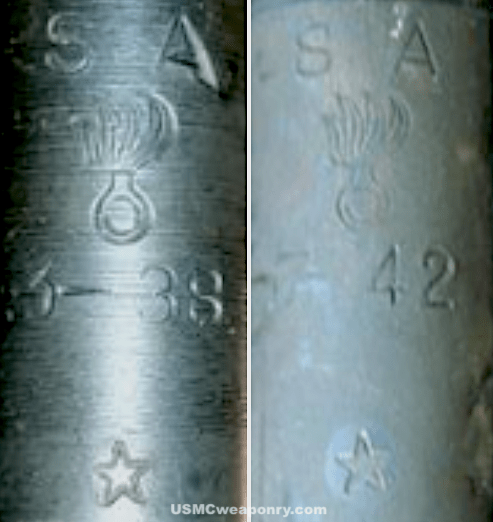
The barrel on the left is on USMC M1903 Unertl sniper rifle #1496175, the barrel on the right is on a Special Target rifle that was never converted into a Unertl sniper rifle. Both have a 5 point star stamped onto them denoting “match conditioning” (Stolinski collection).
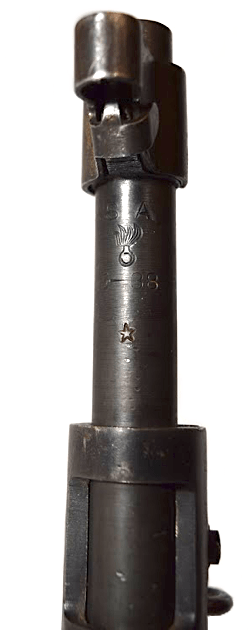

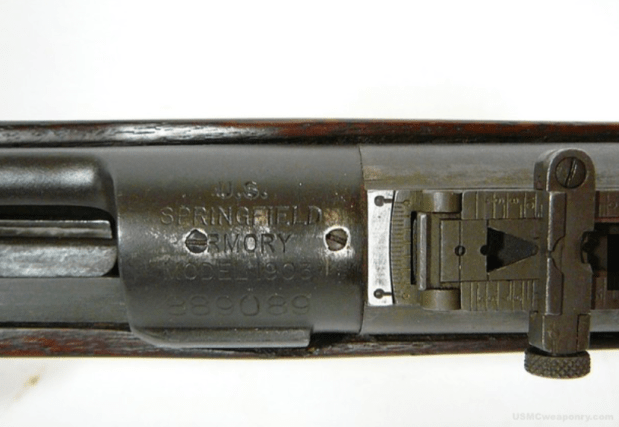
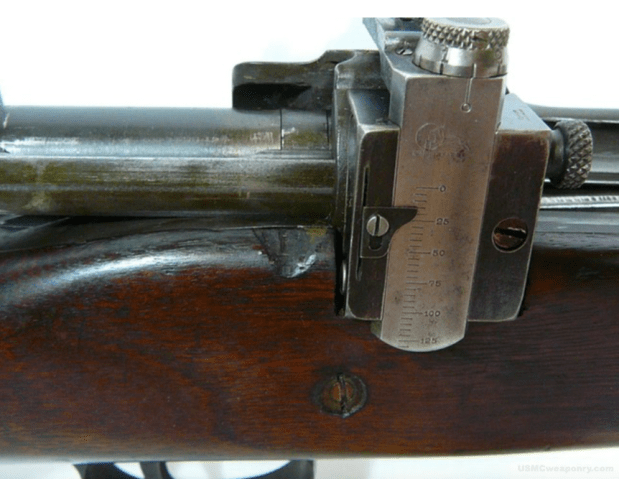
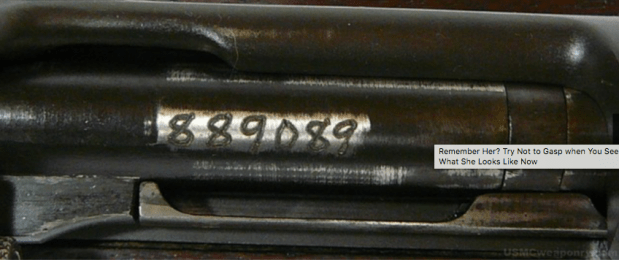
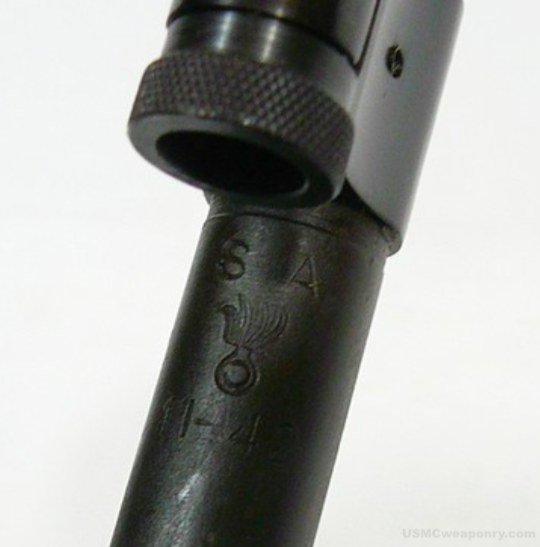

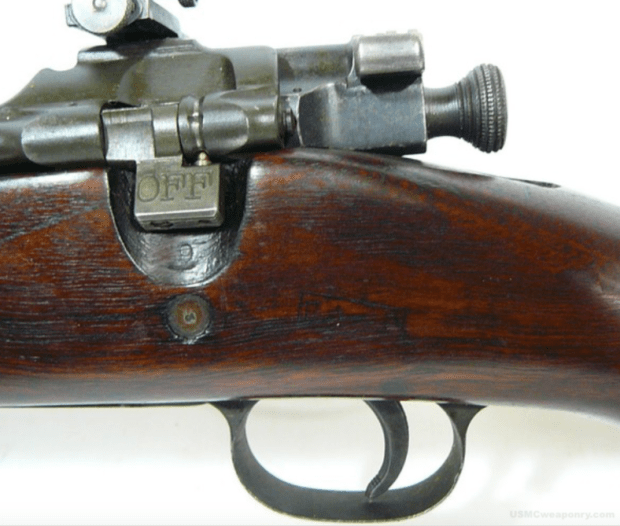
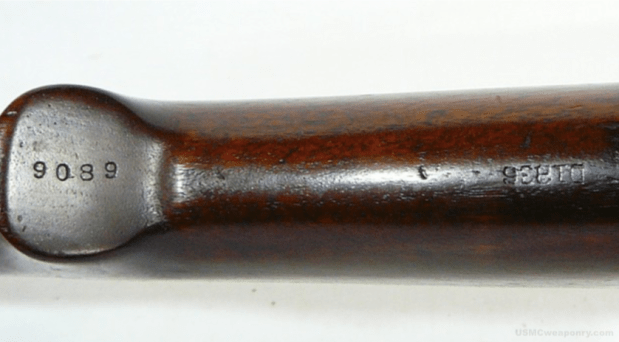
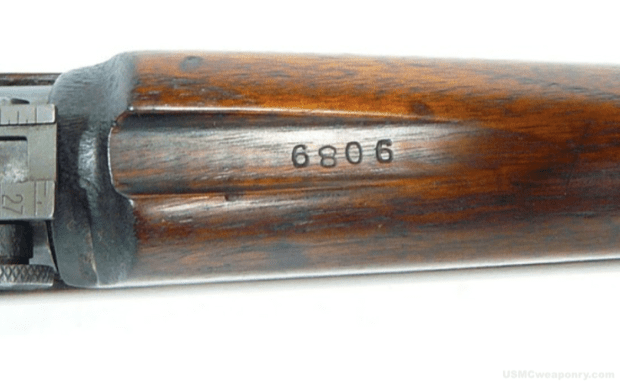

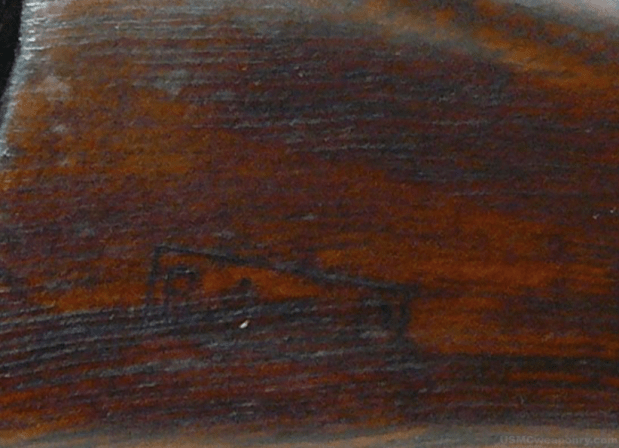
A Post-WWII USMC Special Target M1903. A noteworthy amount of M1903s have surfaced in dense USMC National Match serial clusters and with many USMC traits. These variants appear to have been assembled after WWII from the remnants of the 1047 National Match and Special Target rifles set aside for Unertl sniper conversion, but needed some level of rebuild first (Norton collection). While the attributes of these Special Target variety rifles are often similar, there are some variances. For example, this rifle has had the receiver drilled and tapped for Unertl scope blocks. While most rifles like it have a 5 point star stamped into the barrel, this one does not.
Remington M1903A4 Sniper Rifles

In November of 1942 the 1st Marine Division was ragged and worn out after intense combat on Guadalcanal. The unit was soon sent to Australia for refitting and reinforcement. Due to the precarious logistical situation of the time, the 1st Marine Division would be resupplied by the army instead of the Marine Corps supply system. This afforded the “Old Breed” Division the opportunity to acquire a compliment of the brand new Remington M1903A4 sniper rifles. Equipped with a sturdy one-piece base and 2.5 power Weaver scope, the M1903A4 was seemingly purpose built for the jungle.
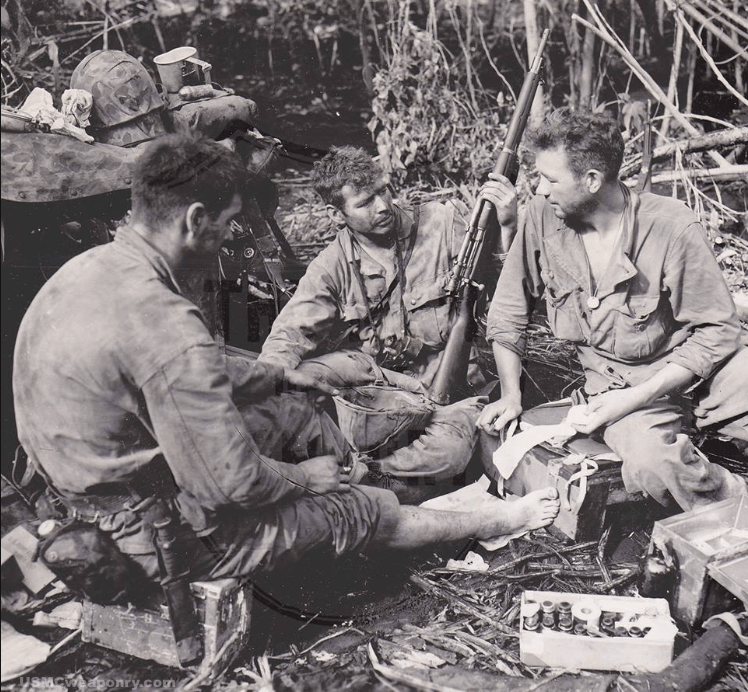
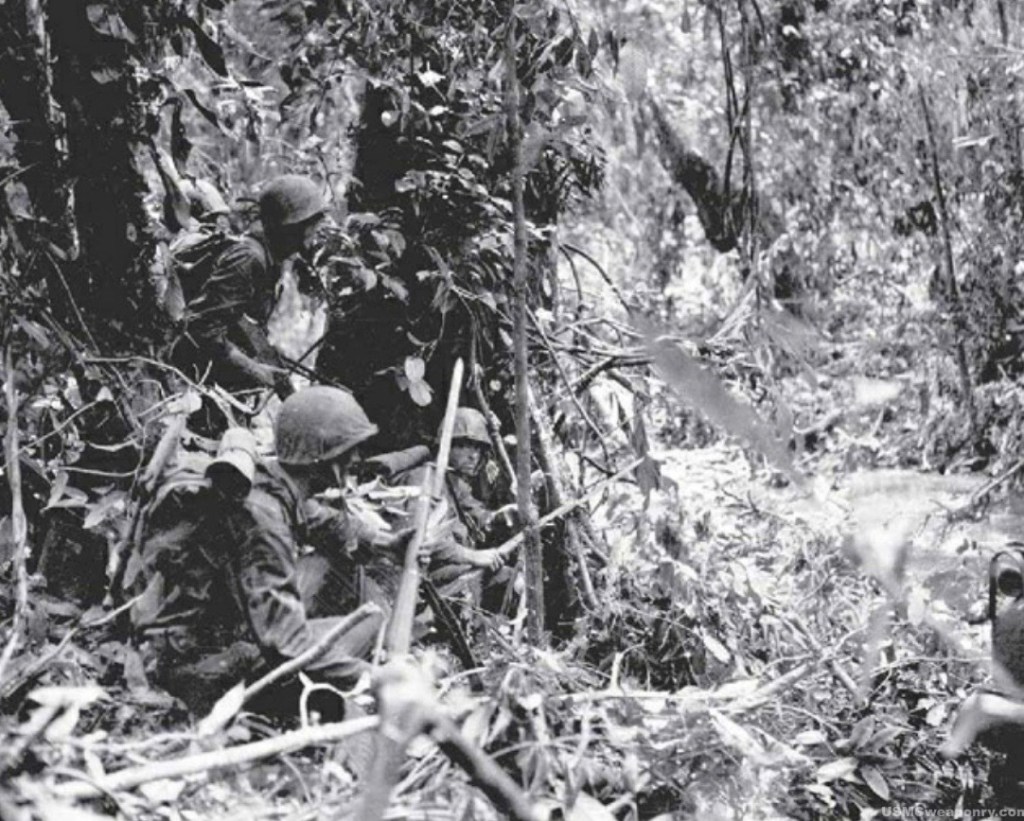
Rugged and durable, the low power M1903A4 performed excellently in the dense jungles of Cape Gloucester, and is pictured in the hands of 1st Marine Division marksmen above. The close quarters nature of the conflict is demonstrated in the photo at right, with a Marine having fixed a bayonet to his M1903A4 in particularly thick vegetation (photos: USMC).
The 1st Marine Division and 1st Raider Regiment would receive their Unertl sniper rifles just prior to being deployed into action again in 1943. Both units would find engagements on Cape Gloucester and the islands of New Georgia to be at distances typically less than 100 yards, making the cumbersome Unertl difficult to employ. The Unertl scope was also prone to fogging in the steamy jungle environment. With the more compact, lower power scope and rugged mounting system, the M1903A4 was deemed a better option at eliminating highly concealed but close range Japanese snipers.
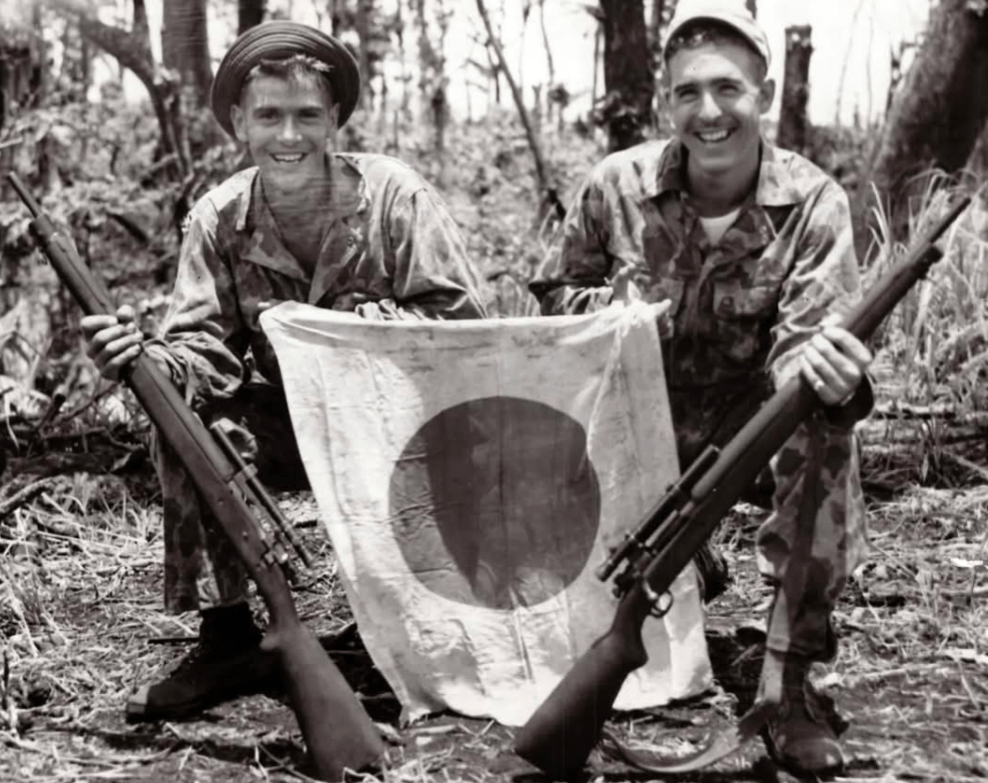
Marine snipers with M1903A4s in 1943 (USMC).
While the 1st Marine Division would be slogging it out through the jungles of the Solomons and New Georgia, the 2nd Marine Division would be tasked with assaulting the heavily defended Tarawa Atoll that November. The approach to training and employment of Unertl sniper rifles was very different between the two divisions. The 1st Marine Division and Marine Raiders would simply hand the weapons out to the best marksmen in their ranks, while the 2nd Marine Division had set up a sniper training program in New Zealand.
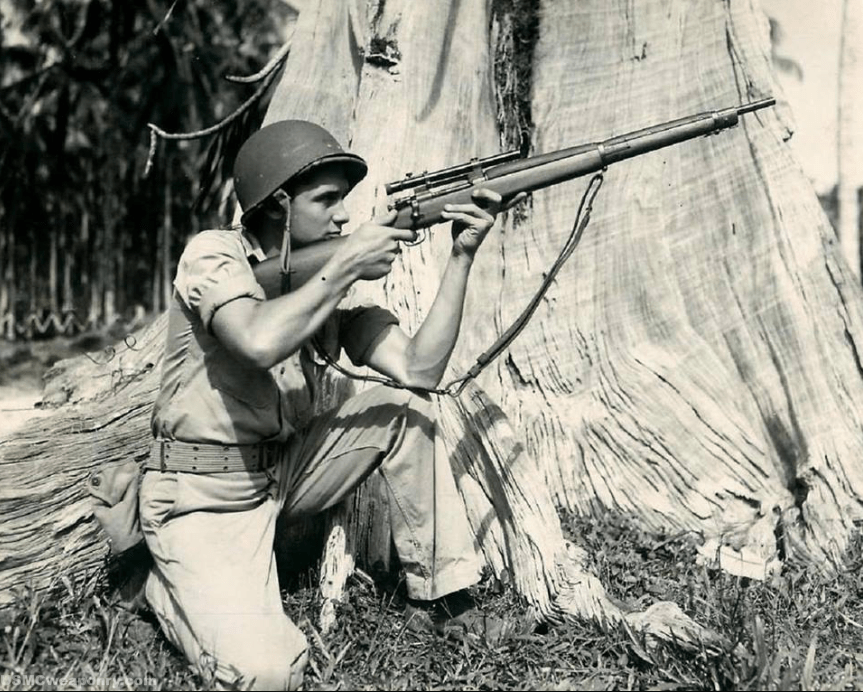
“Old Breed” marksman with Remington M1903A4 in 1943 (NARA).
Not surprisingly the dense, sopping wet jungle campaigns the 1st Marine Division and 1st Marine Raider Regiment encountered led to a poor report for the new Unertl sniper rifle. The long range advantages the Unertl had to offer had proven useless in an environment where most engagements took place at close range. The combat encountered by the 2nd Marine Division on Tarawa was not much more suited for employing the Unertl sniper rifle. The battle was quick and chaotic, and like New Georgia very close in range. Sniper platoons were effective at eliminating Japanese snipers and enemy positions with the Unertl during the three day battle, but ditched their rifles for demolitions on several occasions due to the nature of the fight. Some pictures seem to show Unertl sniper rifles with their scopes removed, certainly due to the close range of the fighting.
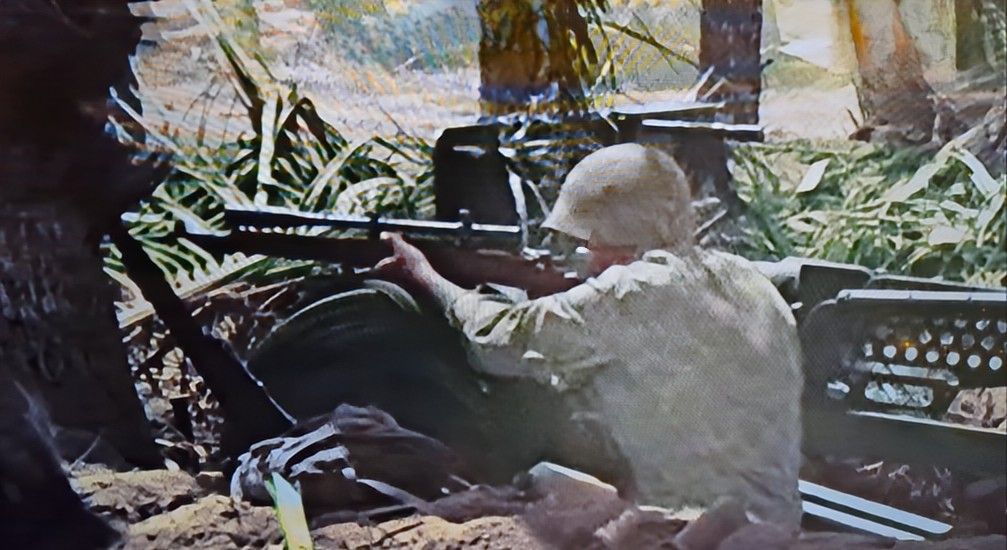
2nd Marine Division Scout Sniper with a C-stocked Unertl sniper rifle in action on Tarawa (USMC).
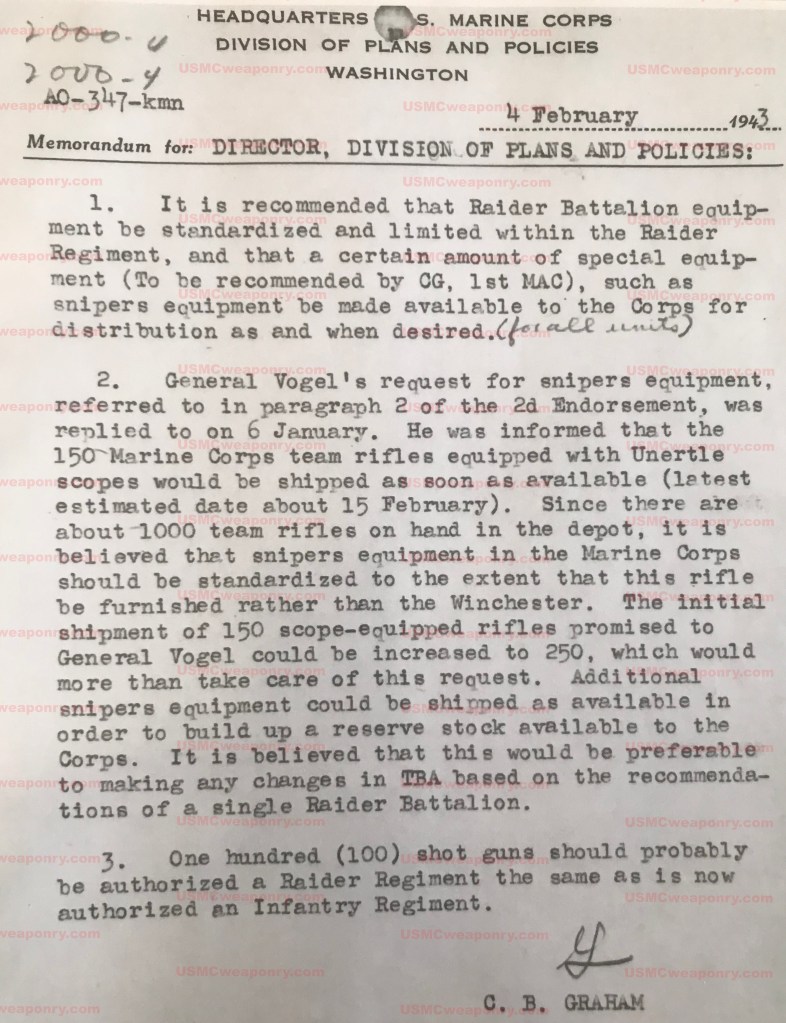
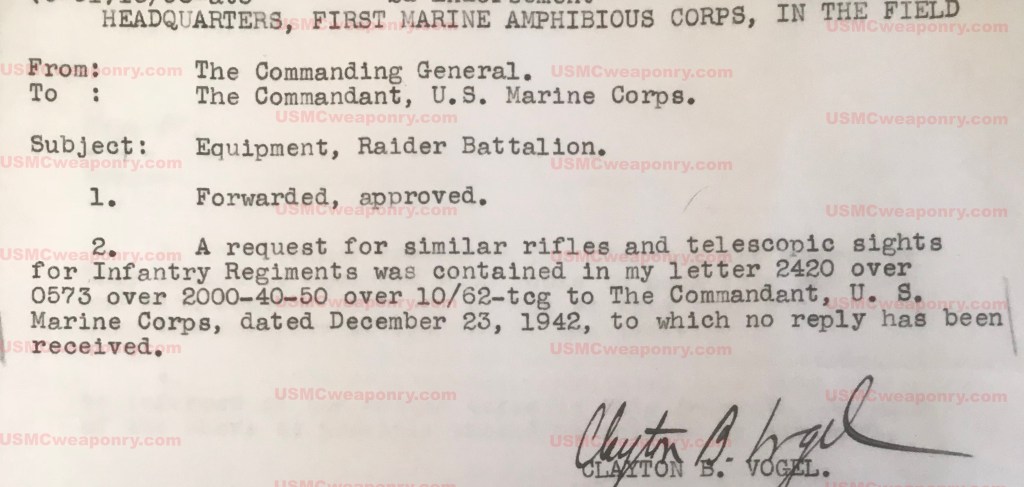
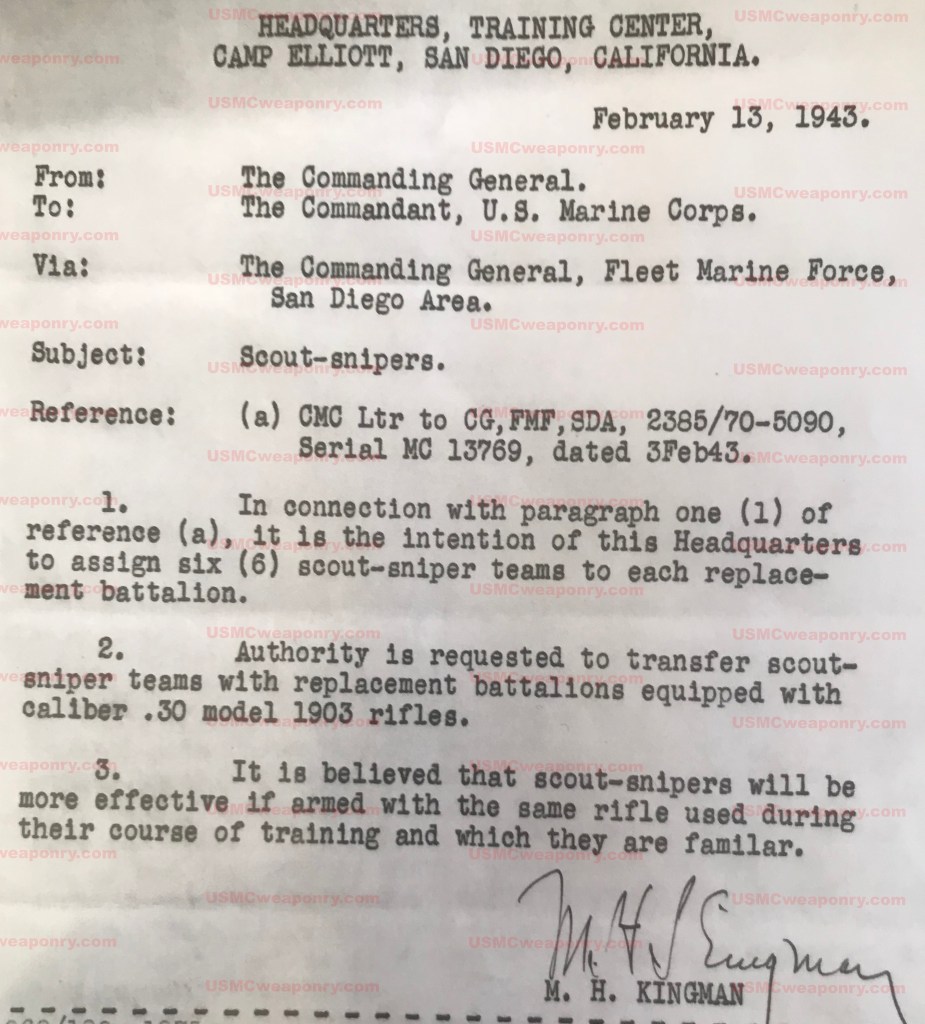
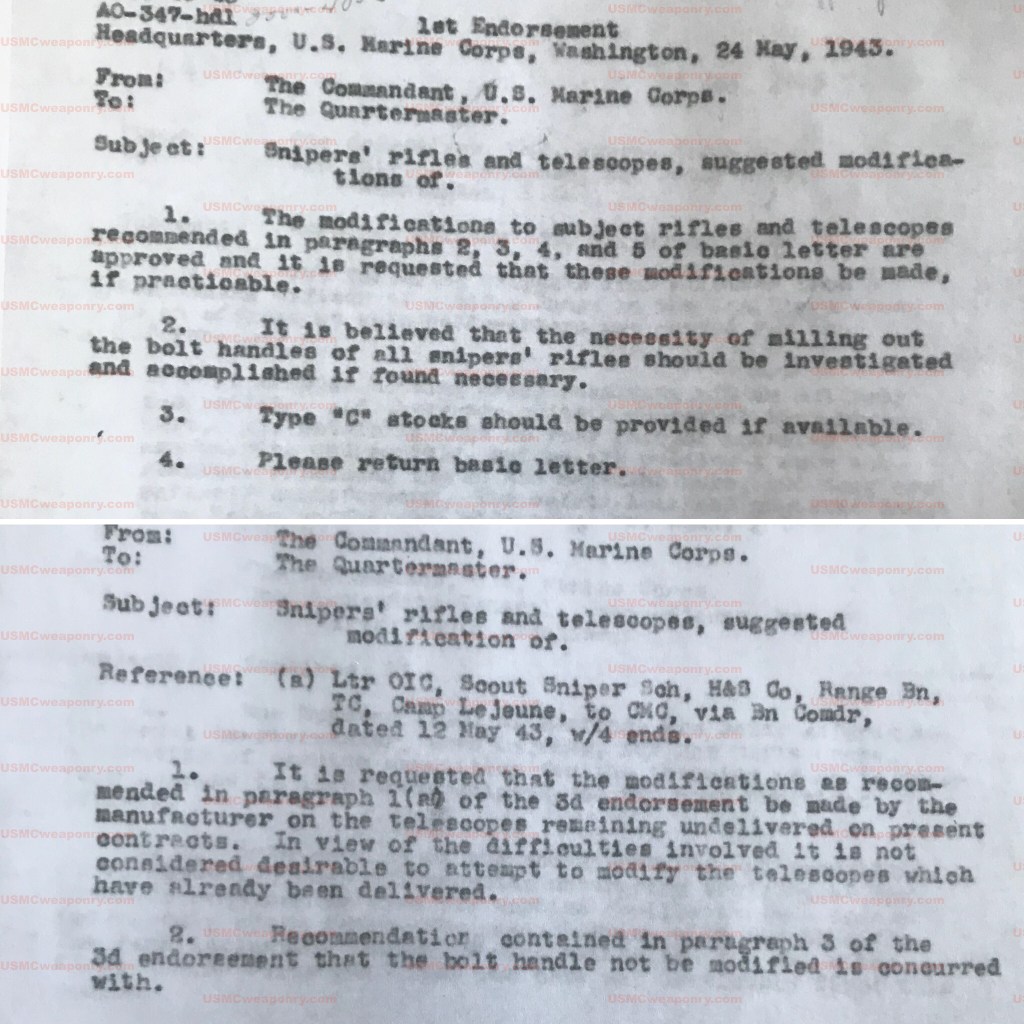
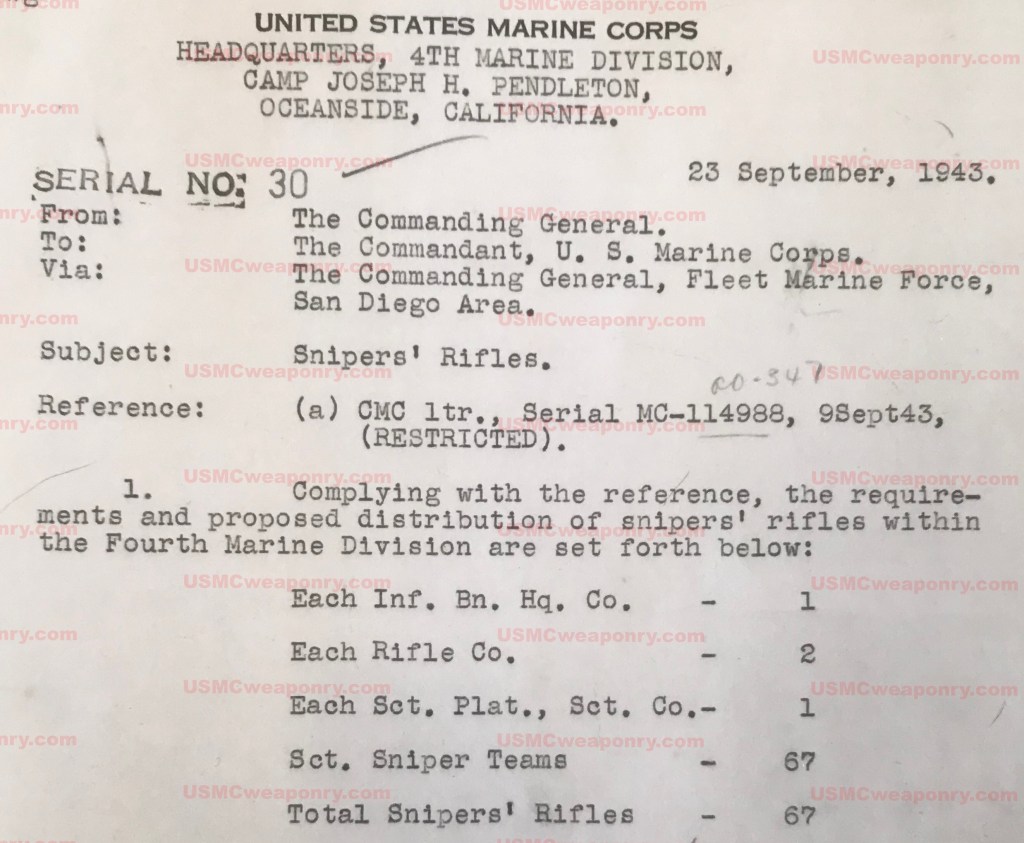

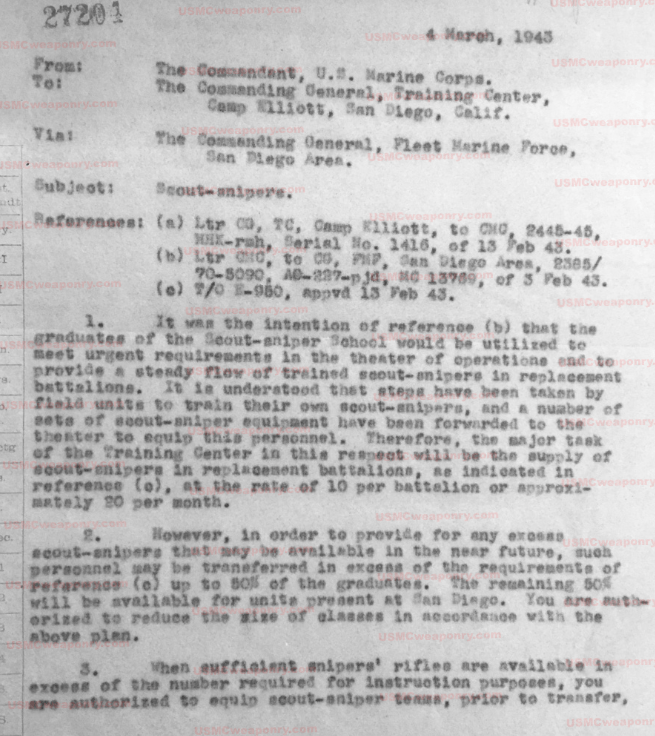
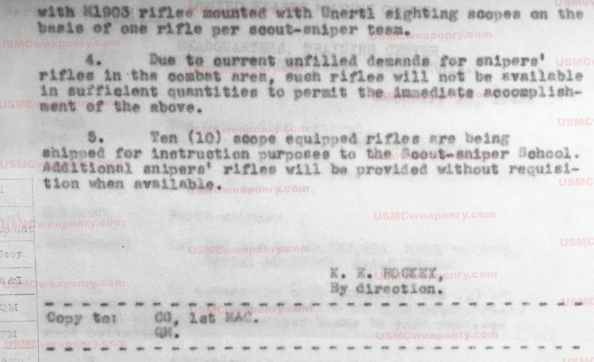
Documents detailing the early days of Unertl sniper rifle procurement (documents: NARA).
In order to better aid the two divisions already deployed, and to outfit the 3rd and 4th Marine Divisions as they were being stood up for combat, qualified Marines would be sent to Camp Elliot in California for sniper school. Here Marines ranging from privates to lieutenants would be trained in the arts of the scout/sniper, using both the Unertl sniper rifle and the WWI era Mann Niedner A5 sniper rifle. These new school trained Marine snipers would rejoin their units or be sent to replacement battalions and given orders to the various divisions they would serve with in combat. The way Marine snipers would be employed varied dramatically from division to division. The 2nd and 4th Marine Divisions would have scout sniper platoons with official tables of organization, while the 1st Marine Division would simply divvy up sniper rifles amongst their rifle platoons. The 3rd Marine Division would be somewhere in the middle, with varying degrees of organization between regiments.
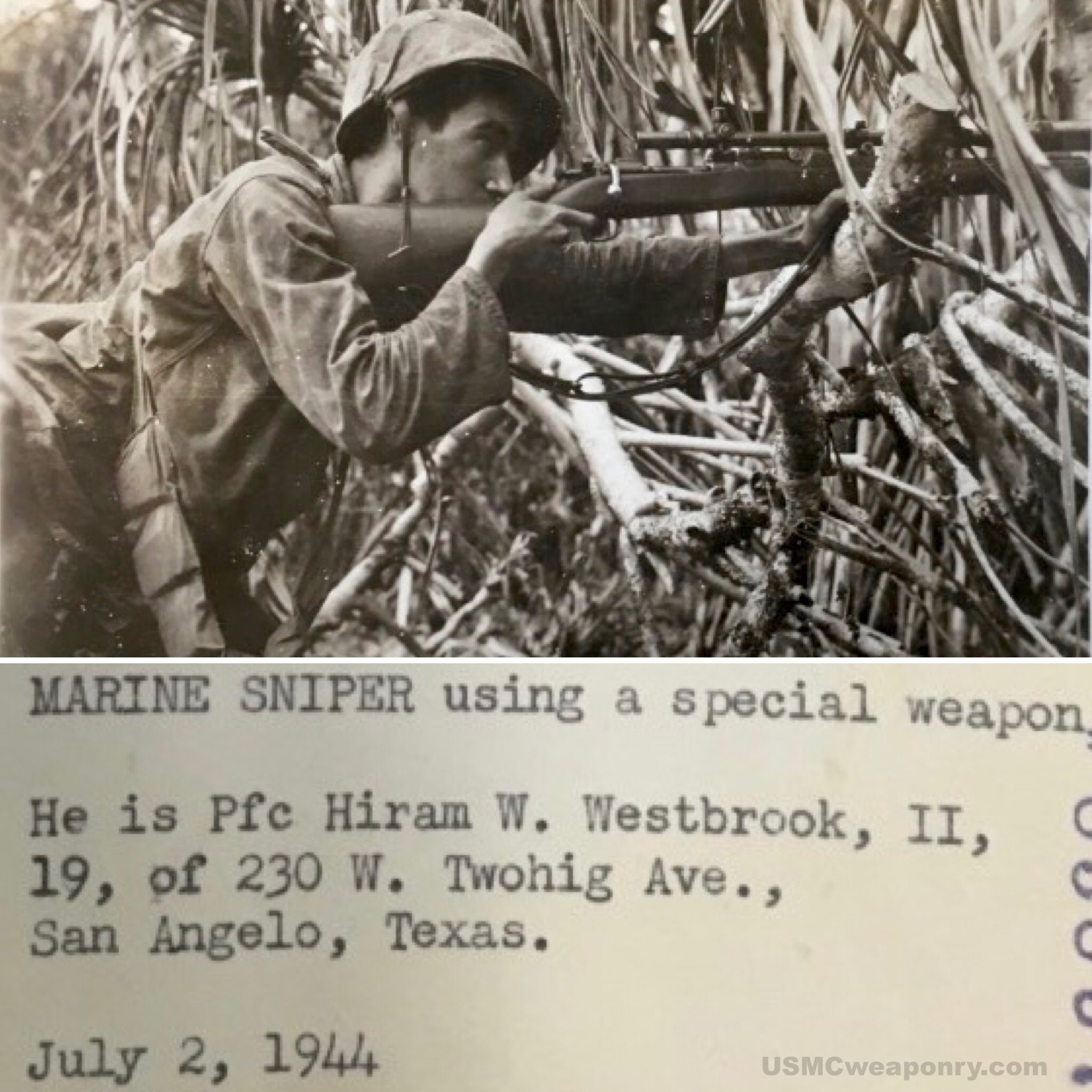
According to inventory reports most divisions would employ between thirty and eighty sniper rifles. The specific type of sniper rifle is usually not specified, meaning this is a combination in most cases. While the Unertl sniper rifle would be the most numerous, we know that the 1st Marine Division would have some Remington M1903A4s. There also would be at least eighty of the earlier A5 sniper rifles to account for. Eighty A5 snipers had been put together in 1941 with the Raiders receiving forty of them, the 5th Marine Regiment receiving twenty, and the others assumed to have been assigned to training commands or various units. Most, if not all regiments would have had WWI era A5 sniper rifles already in inventory as well. The lack of standard nomenclature makes determining the exact number of Unertl sniper rifles on hand impossible to determine.
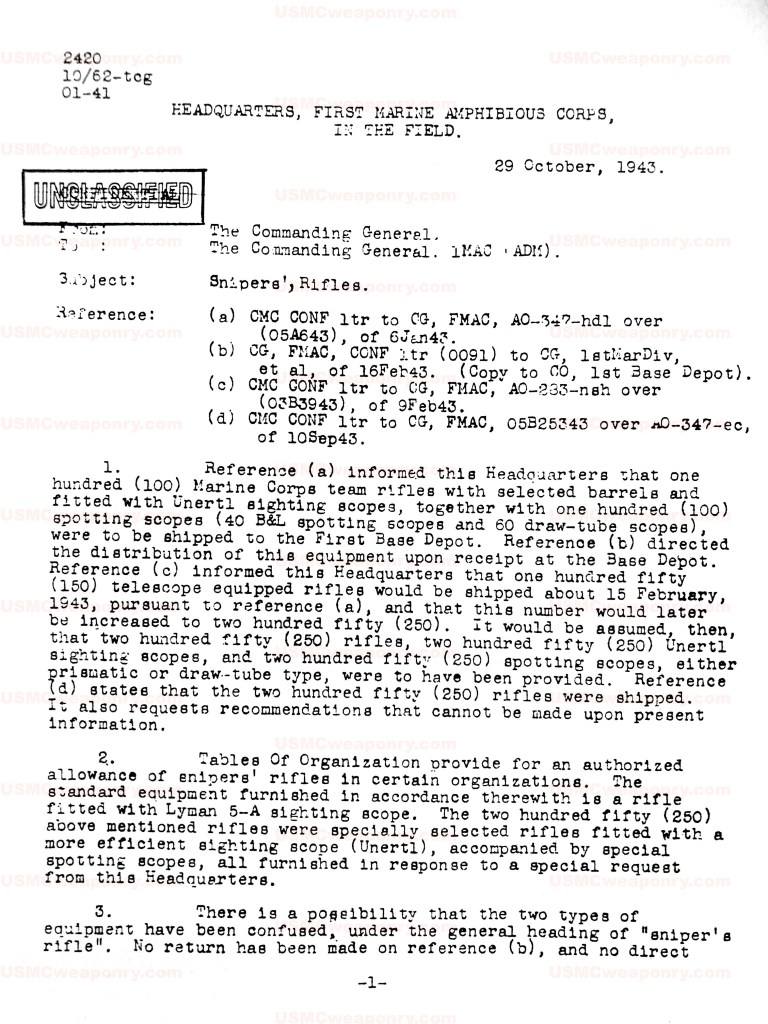
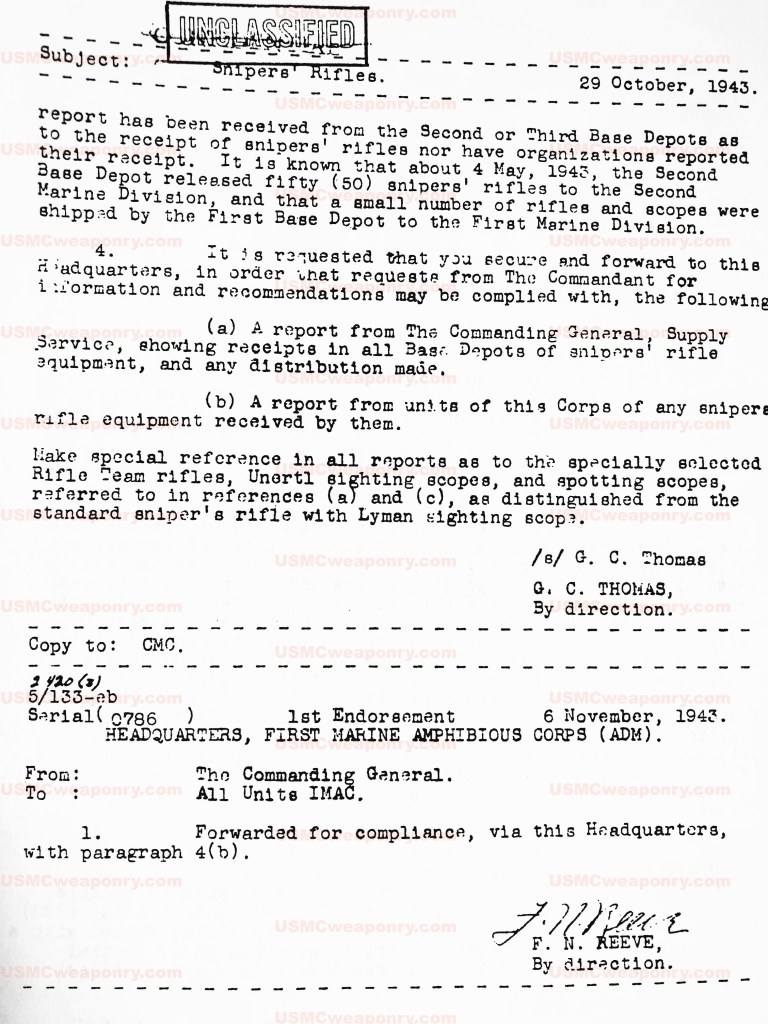
Examples sniper rifle nomenclature in official USMC reports (NARA).
A good example of nomenclature confusion exists with the 4th Marine Division. This division would create a table of organization and equipment for Unertl sniper rifle allocation, and requested to be outfit with them prior to deployment. While it is unclear if this took place stateside or they drew them from the 250 that had already been sent to the South Pacific, there is no mention of the division ever receiving the A5 sniper rifles. Despite this, the 4th Marine Division lists A5 sniper rifles as expended in combat during the fighting on Roi-Namur. Photographs from that battle show 4th Marine Division snipers using Unertl sniper rifles, but no Unertl sniper rifles are listed on the report. This is an example of the nomenclature issues with sniper rifles that would plague the Marine Corps for the entirety of WWII, eventually being addressed by the office of the Commandant as the ambiguity was complicating logistics.
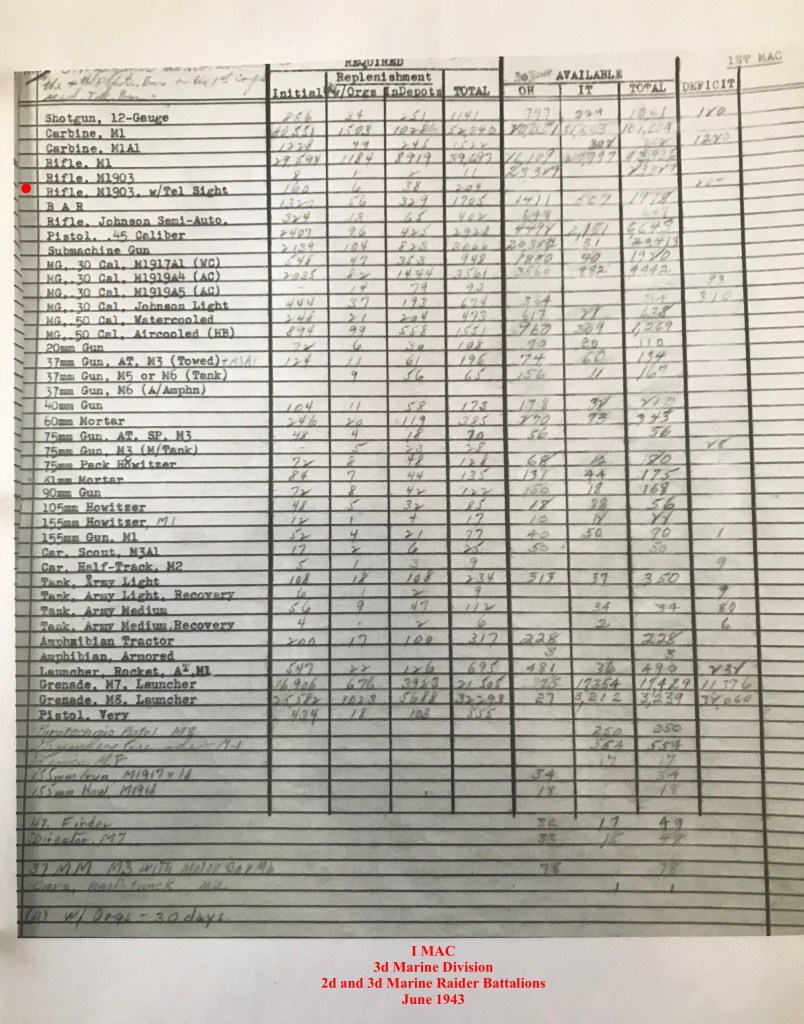

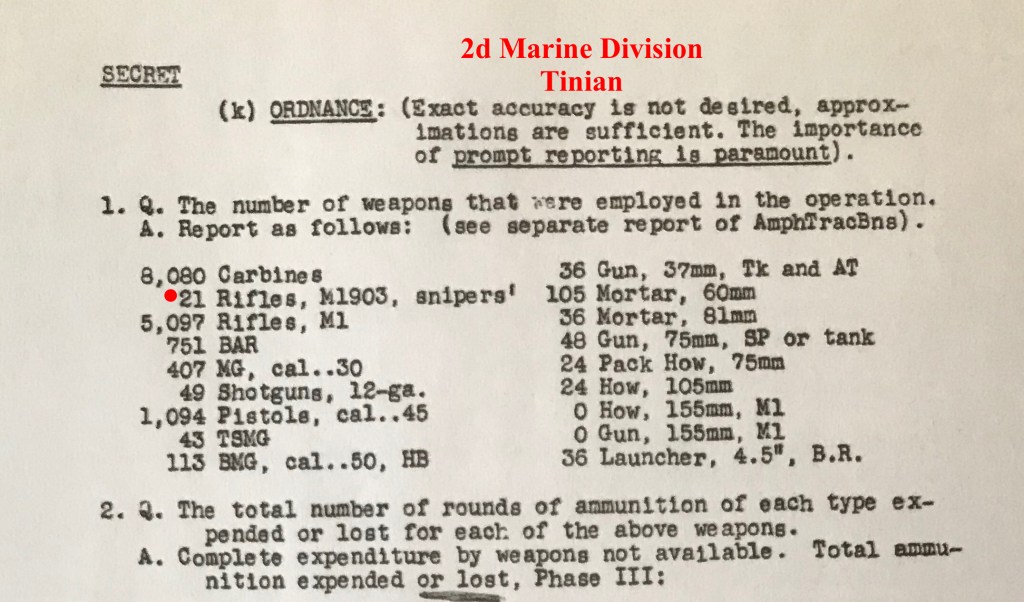
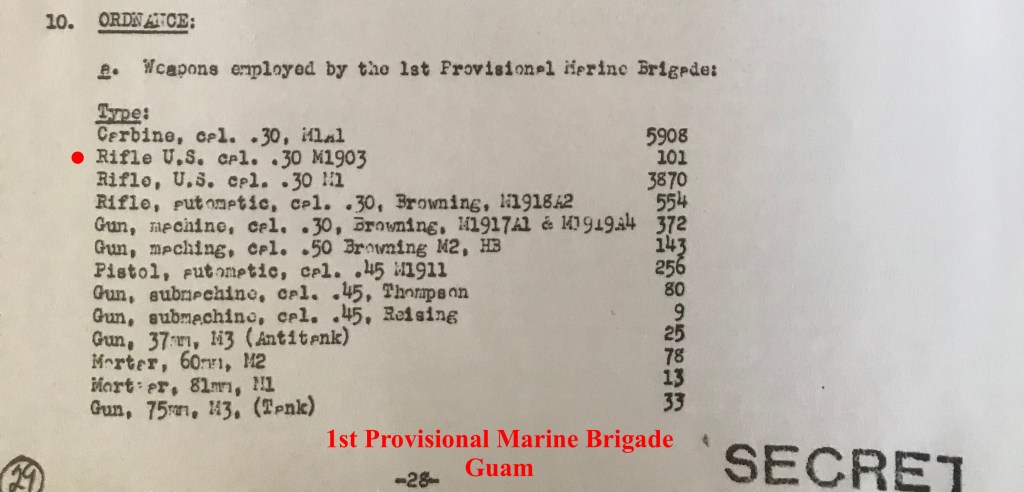
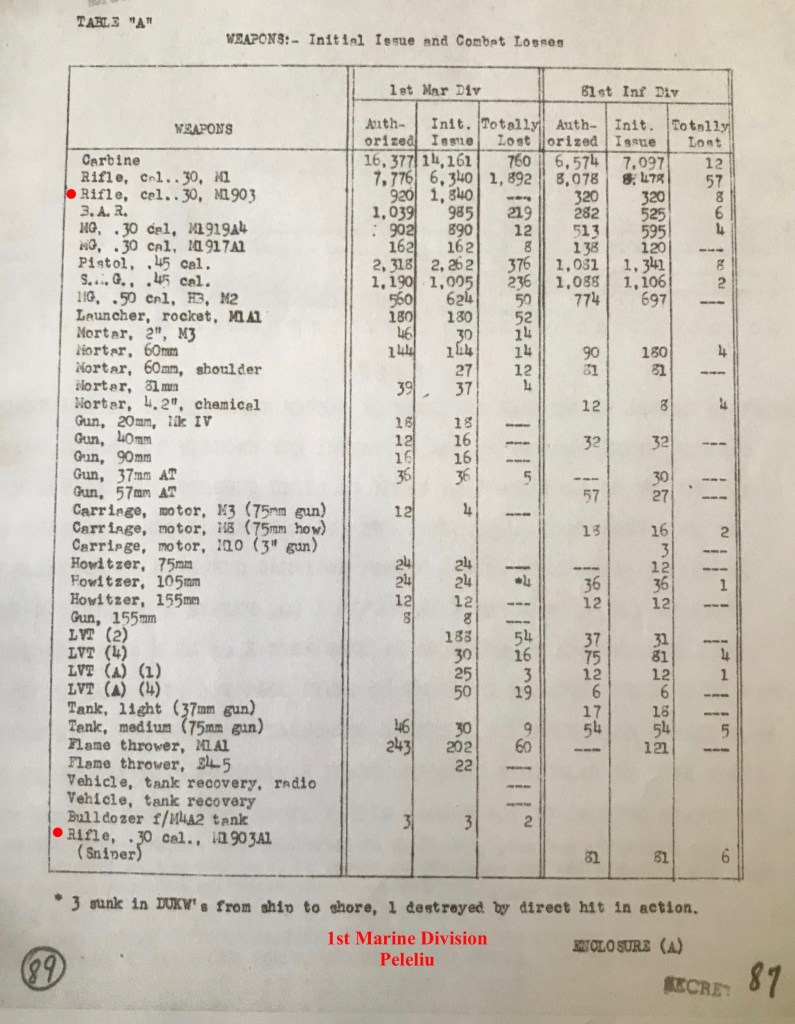
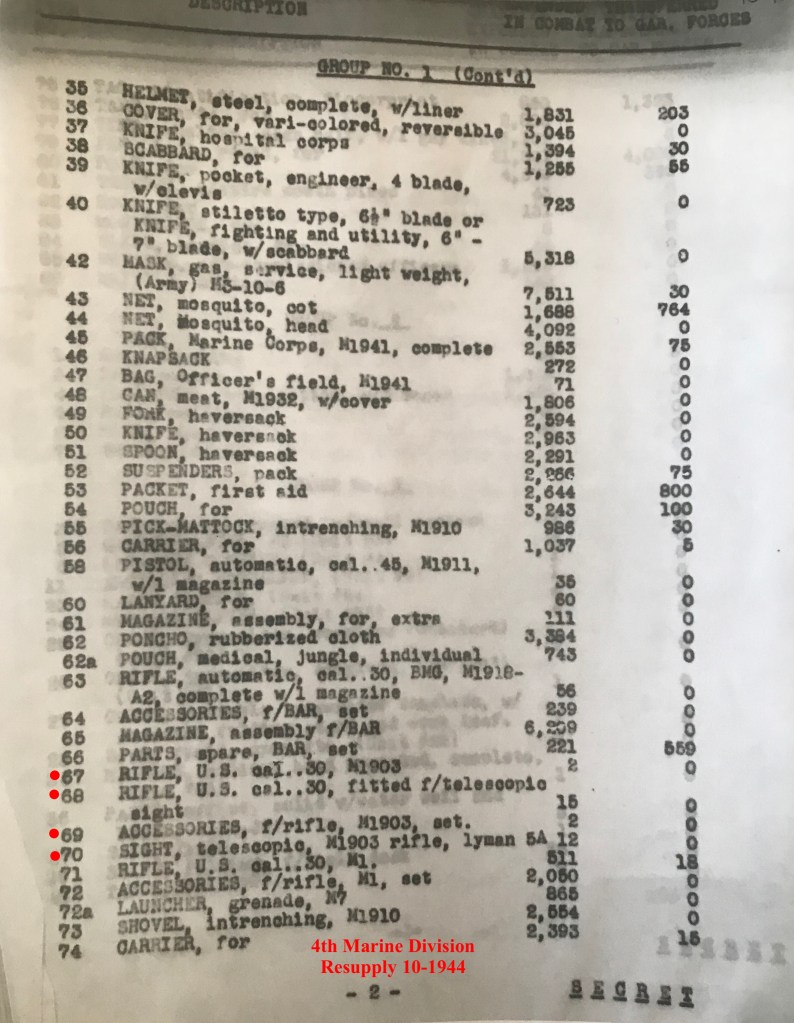
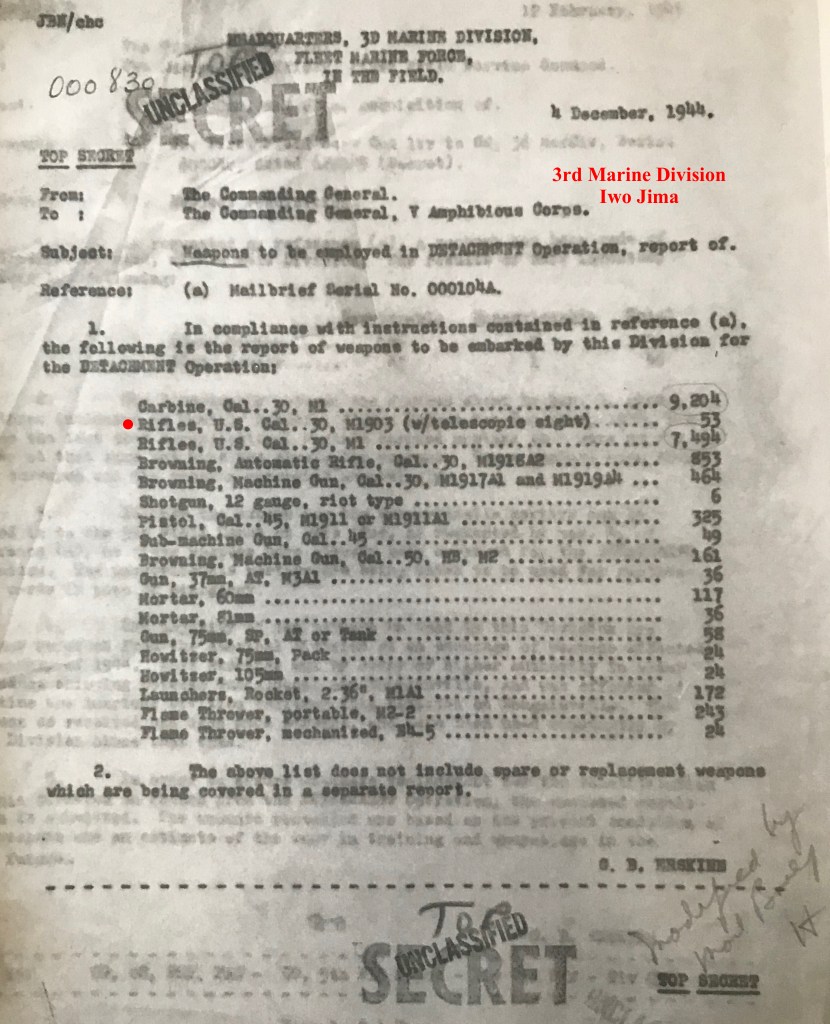
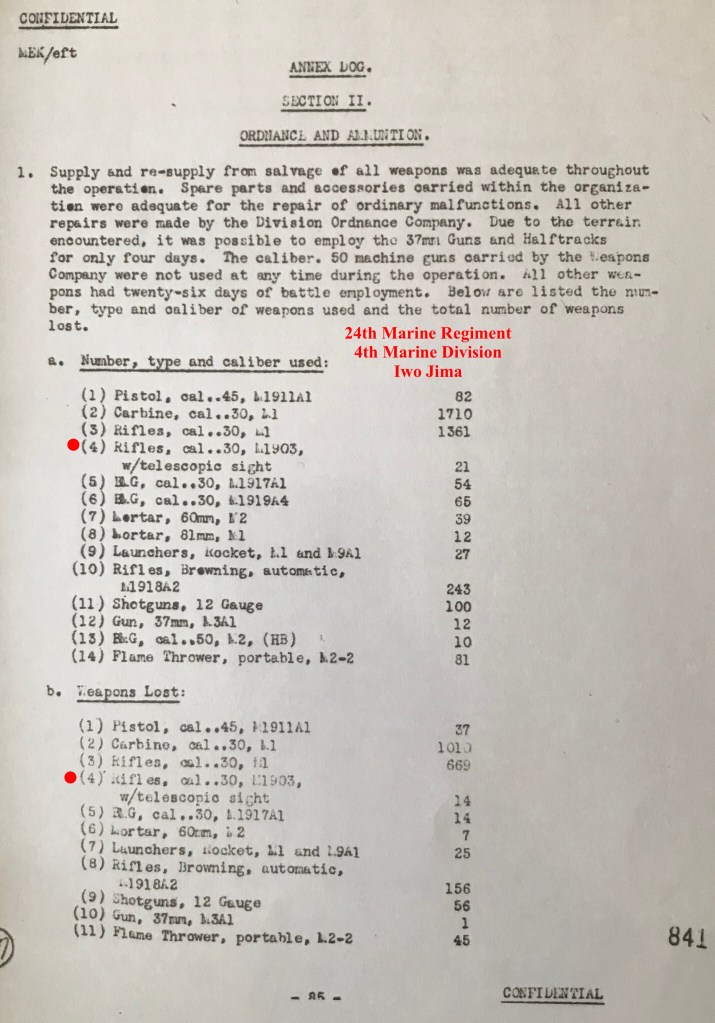
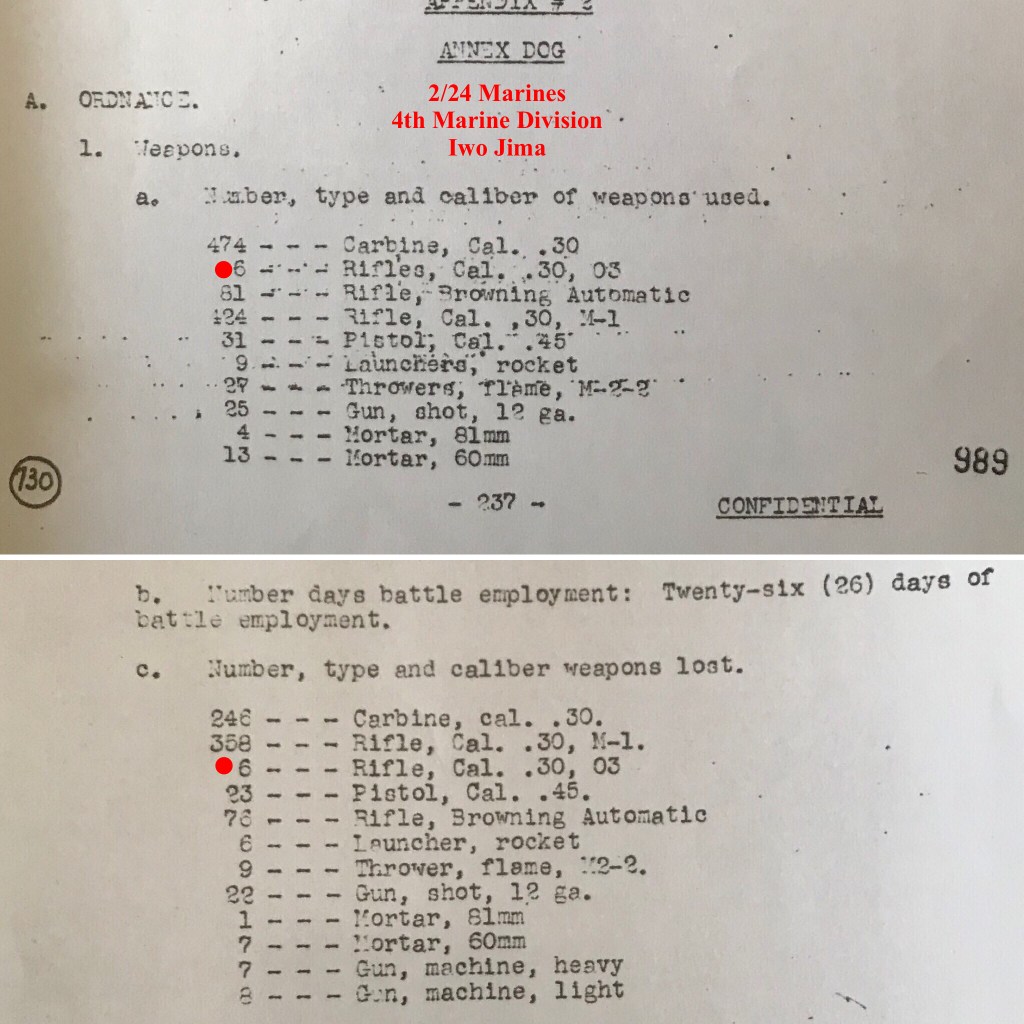
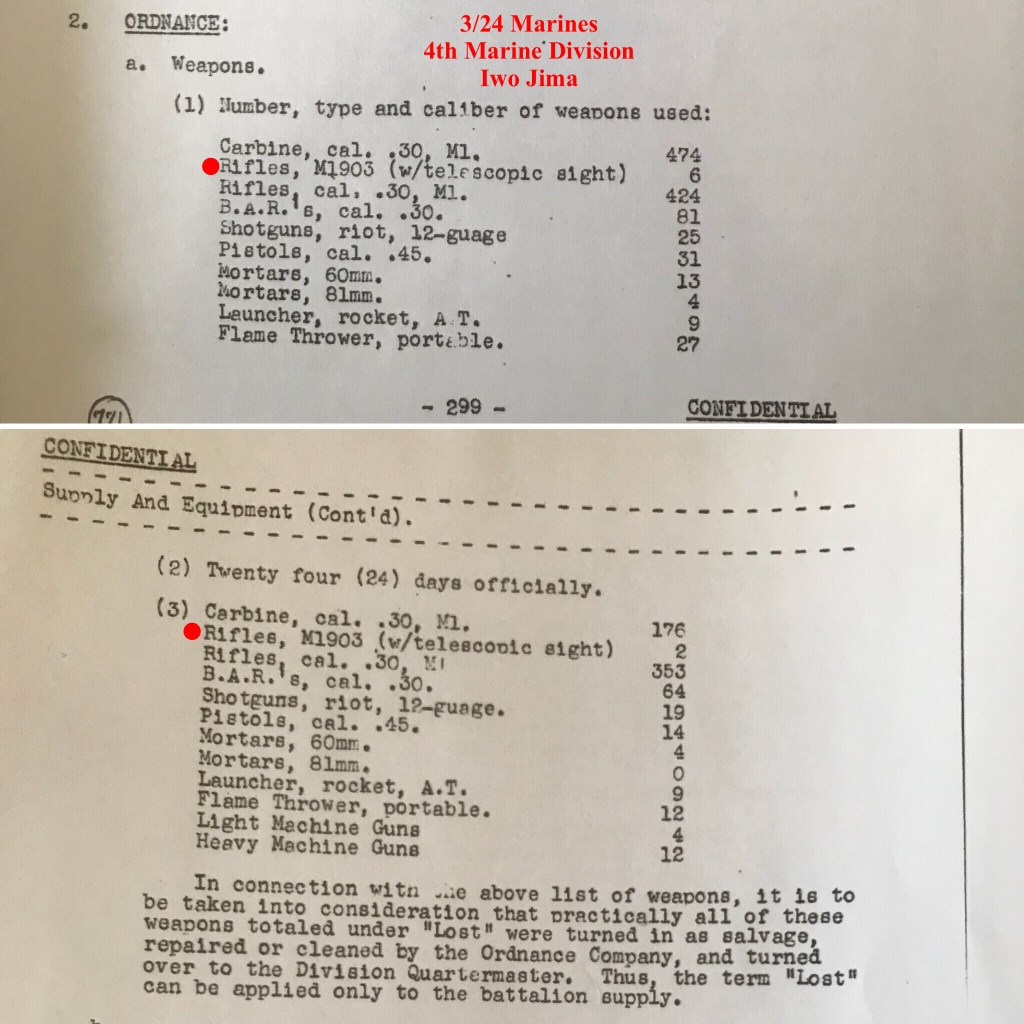
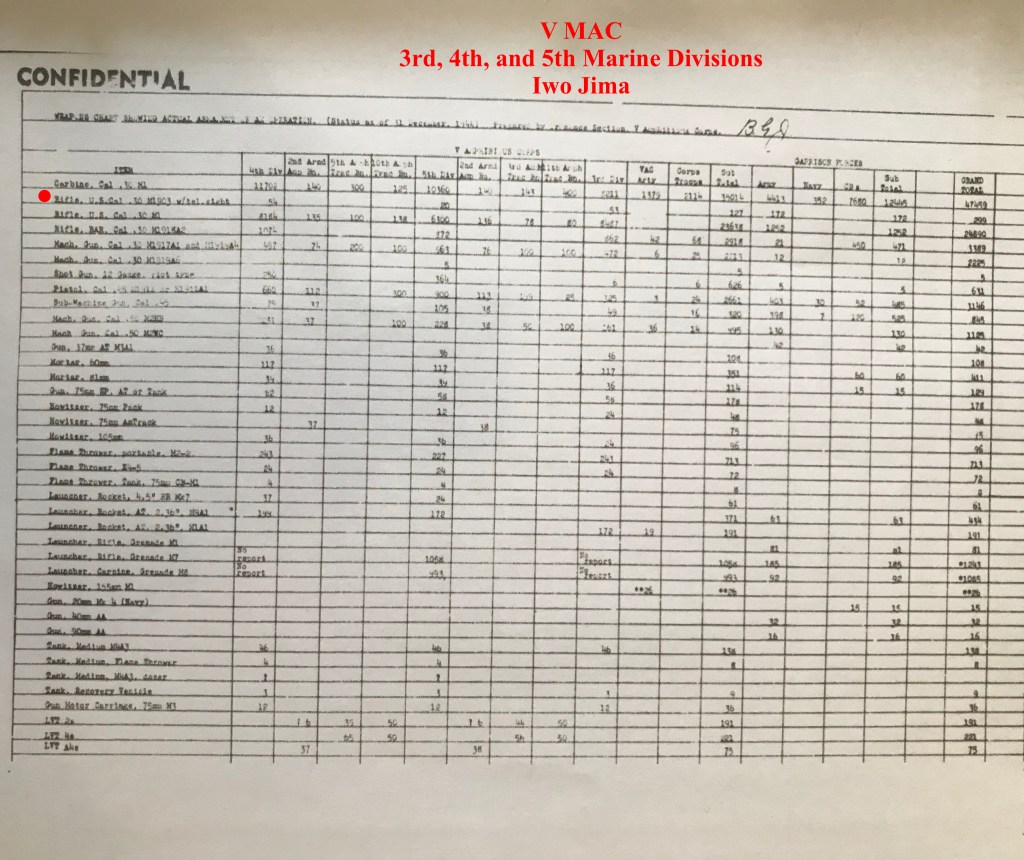
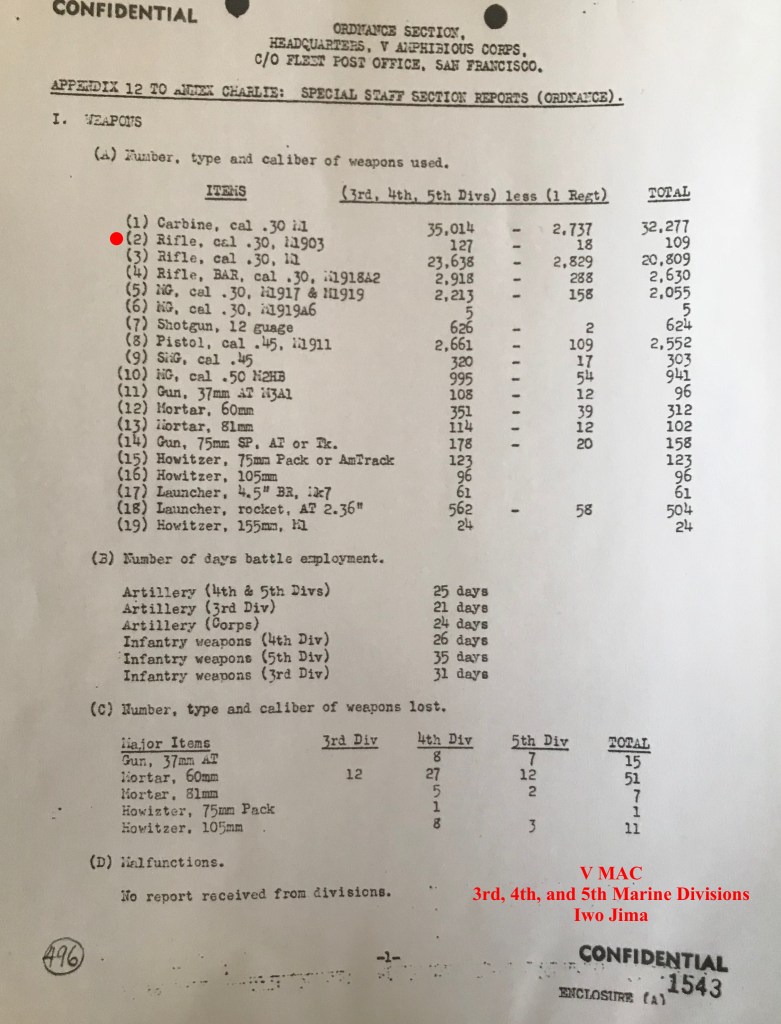
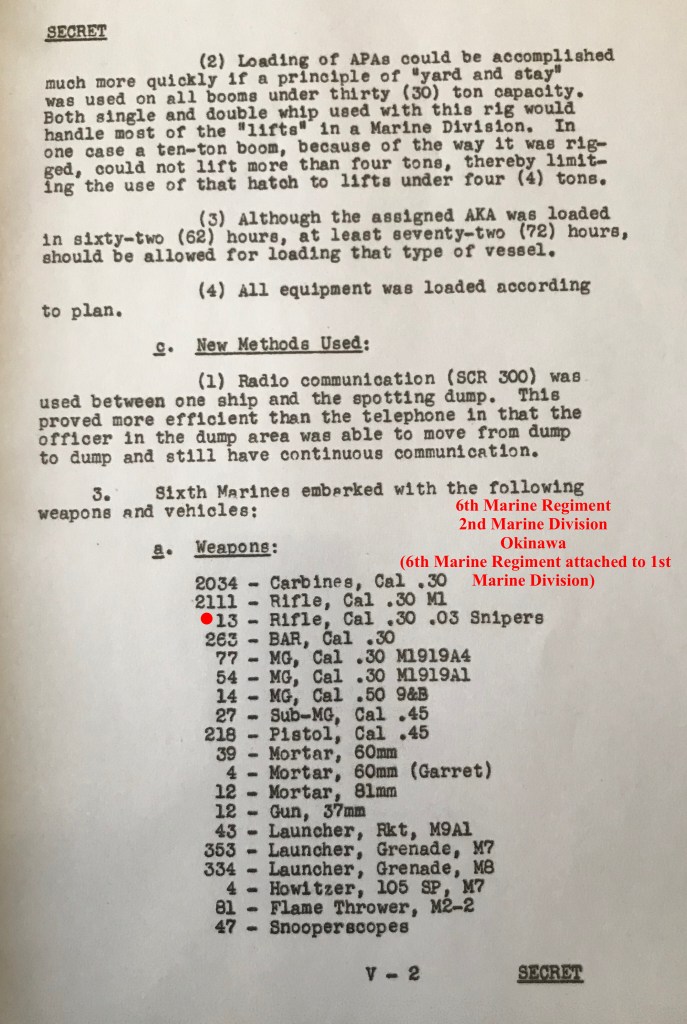
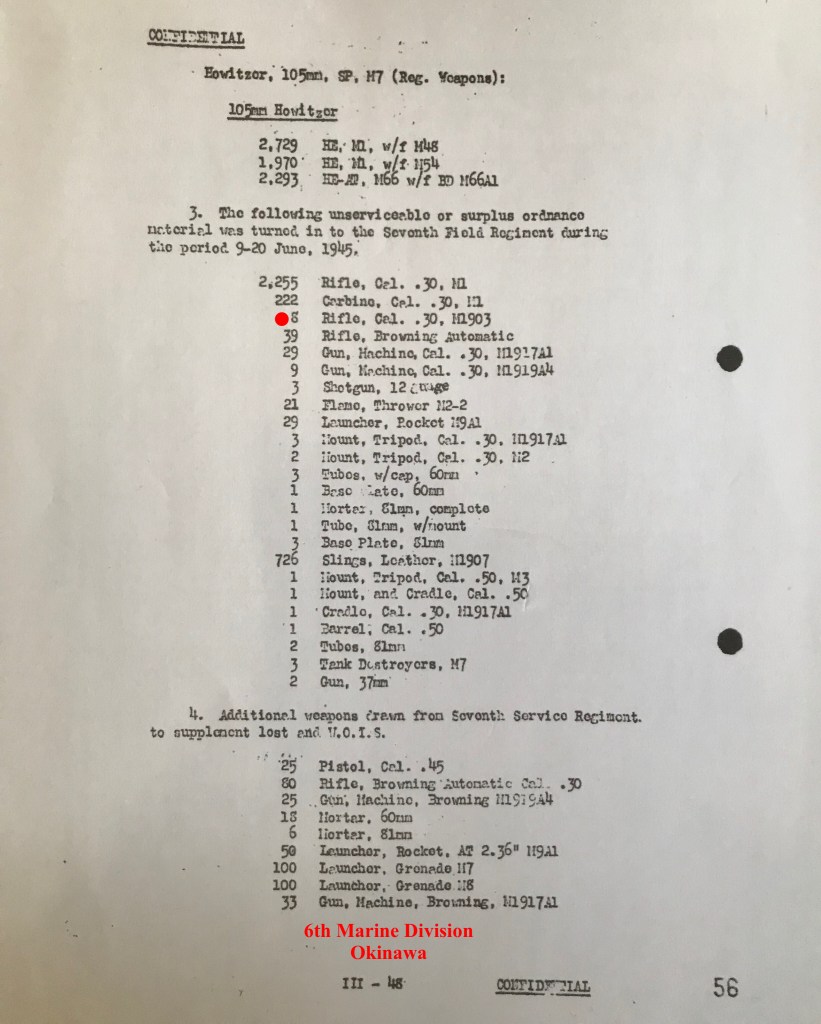
Ordnance reports from various Marine units detailing the quantity of their sniper rifles in WWII (USMC & NARA).
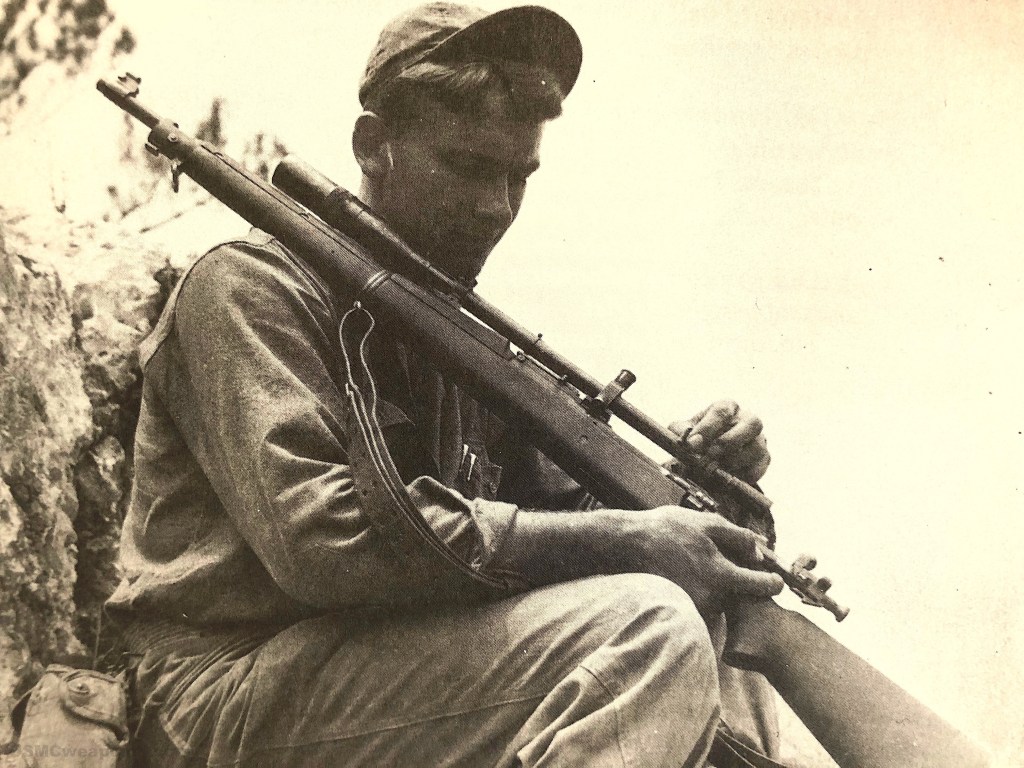
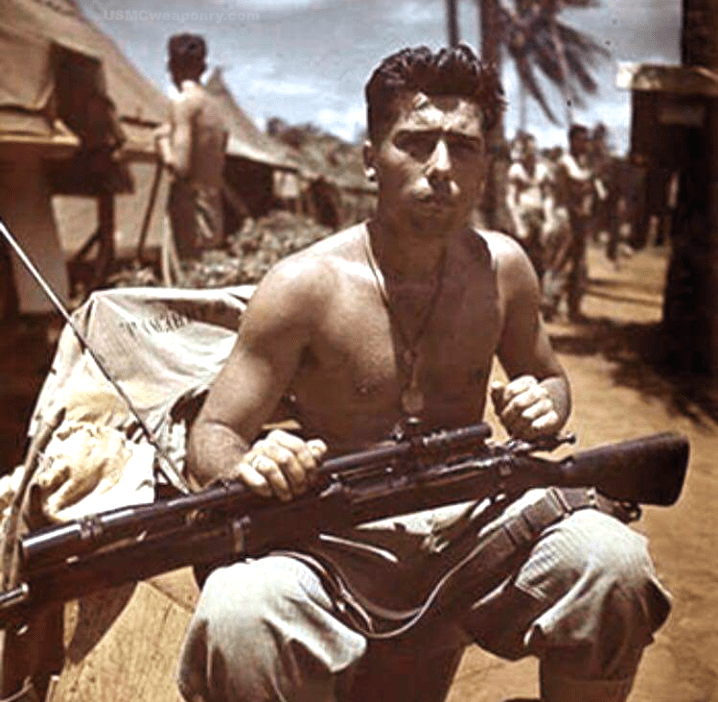
Maintenance on Unertl sniper rifles was time intensive. The blued scope was prone to rusting, and the scope mounts would come loose. Coupled with the standard barrel maintenance demanded by corrosive ammunition and the South Pacific humidity, and it didn’t take long for those assigned a Unertl sniper rifle to become well versed in their upkeep (photos: USMC).
The 5th and 6th Marine Division would report a smaller amount of sniper rifles, and according to several accounts were a mixed bag of Unertl and A5 types. These divisions included the former Marine Raiders, who were disbanded in early 1944. The Raiders had been issued A5 sniper rifles prior to World War II, and were the first to receive the Unertl sniper rifle. As a regiment with priority in weapons procurement, the Raiders could have brought any number of weapons to the 5th and 6th Marine Divisions after their disbanding.
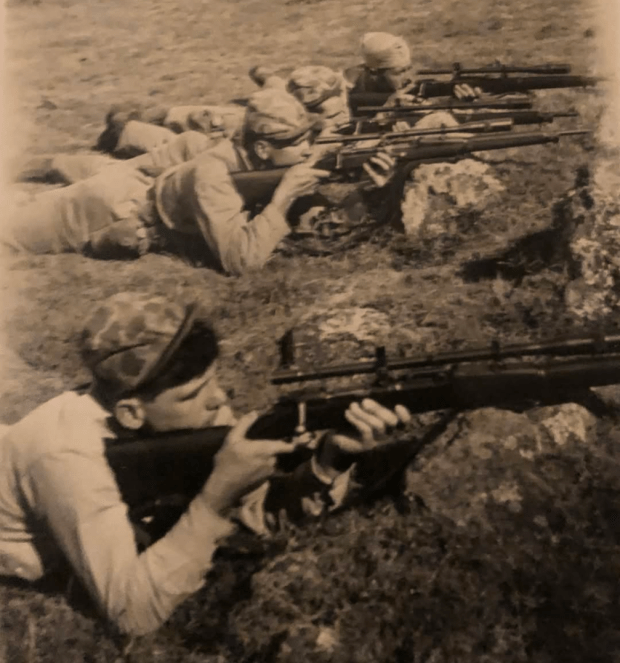
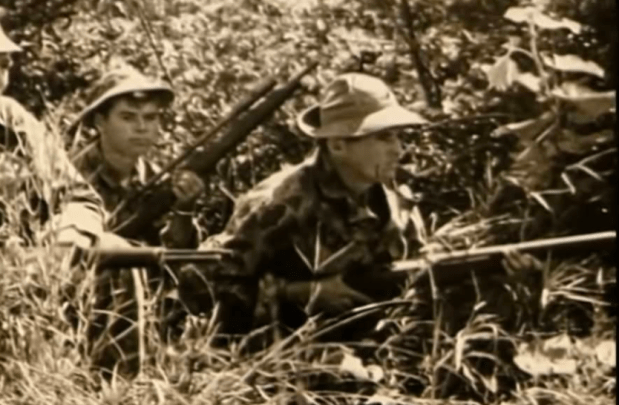
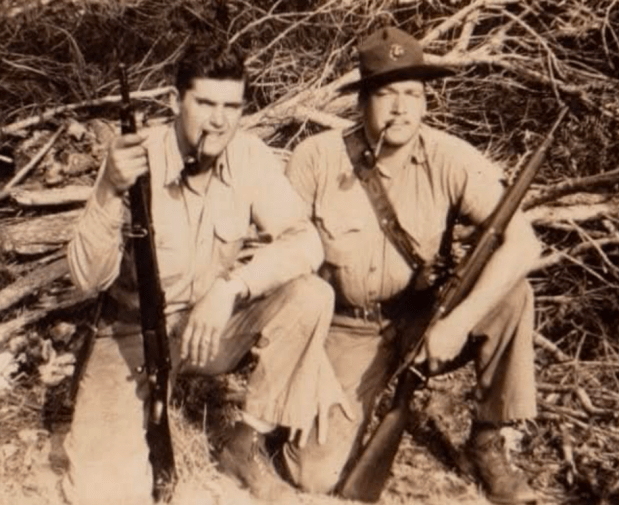
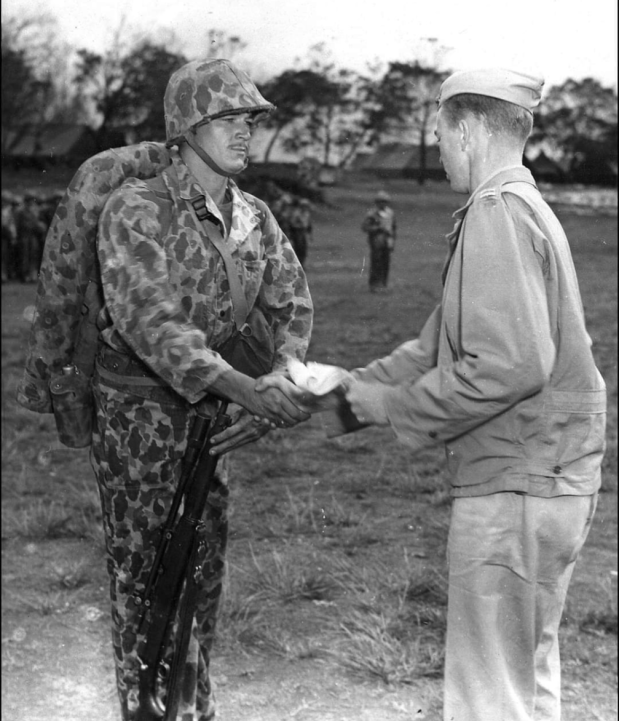
1944 would prove to be great success for the Unertl sniper rifle. The 2nd, 3rd, and 4th Marine Divisions would have excellent sniper organizations within their ranks, and the combat on Roi-Namur, Saipan, Tinian, and Guam was favorable for employment. Reports of the Unertl’s success in 1944 drowned out those of the rifle’s poor performance the soggy jungles of 1943. Following combat on Iwo Jima and Okinawa where the Unertl sniper rifle was again effective, the Marine Corps decided to officially adopt the Unertl sniper rifle with a quota of 108 rifles per division. However, not long after the order was issued World War II would come to an end. It is nearly certain that this quota was not filled for the six Marine divisions, as the 1st and 2nd Marine Divisions would be the only ones to exist following post-war downsizing.

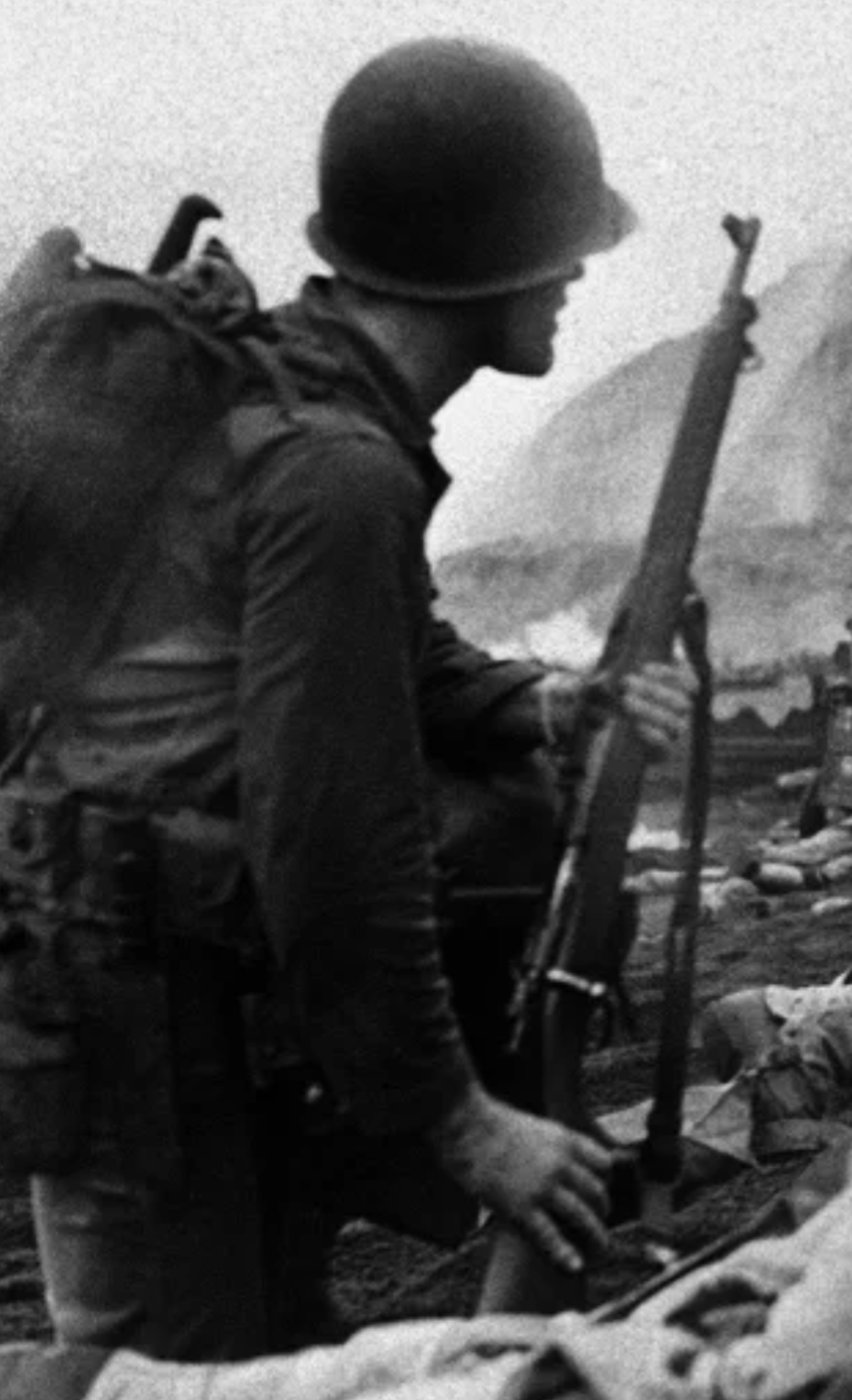
M1903A1 Unertl sniper rifle without scope shortly after landing on Iwo Jima (USMC).
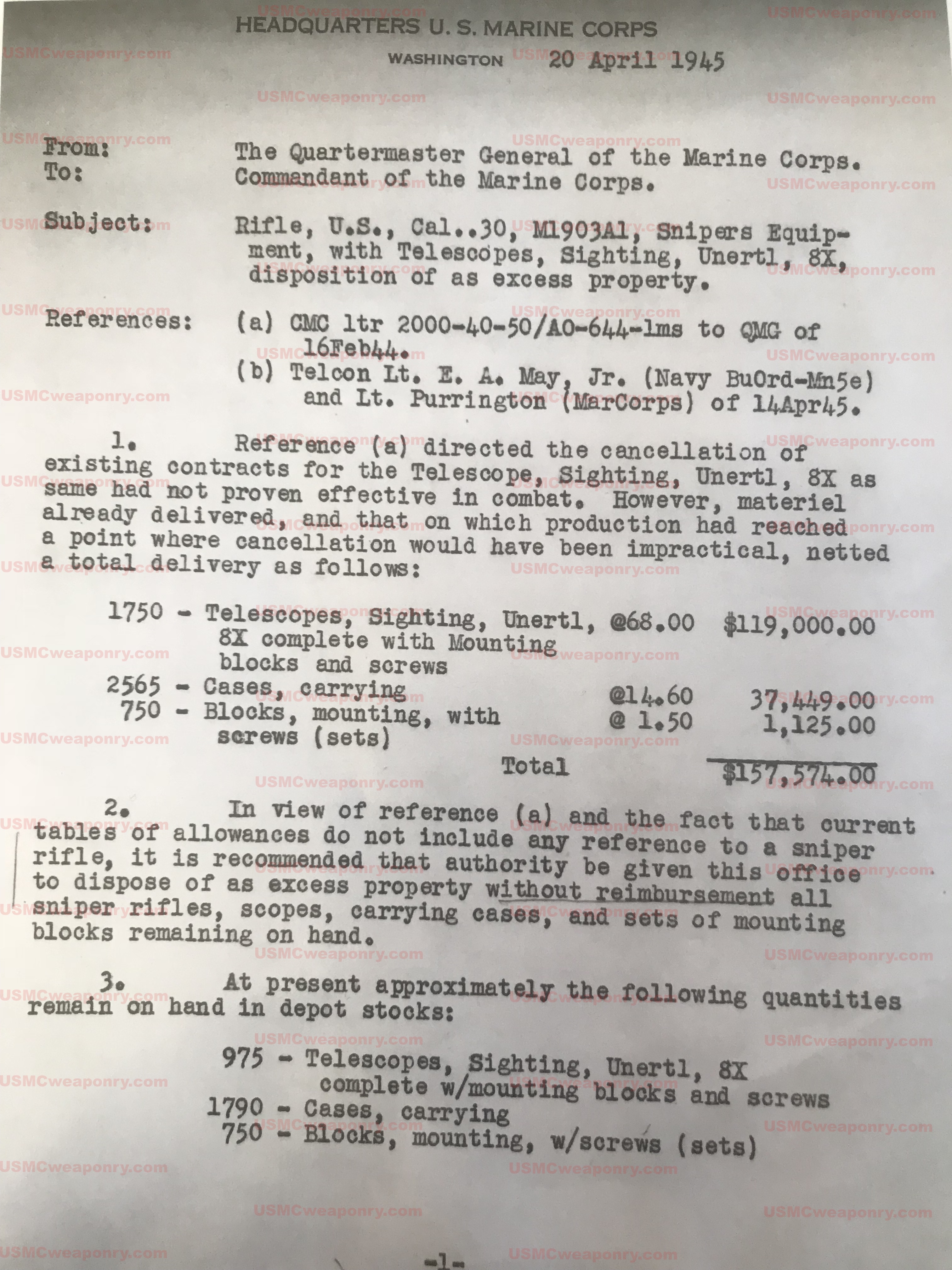
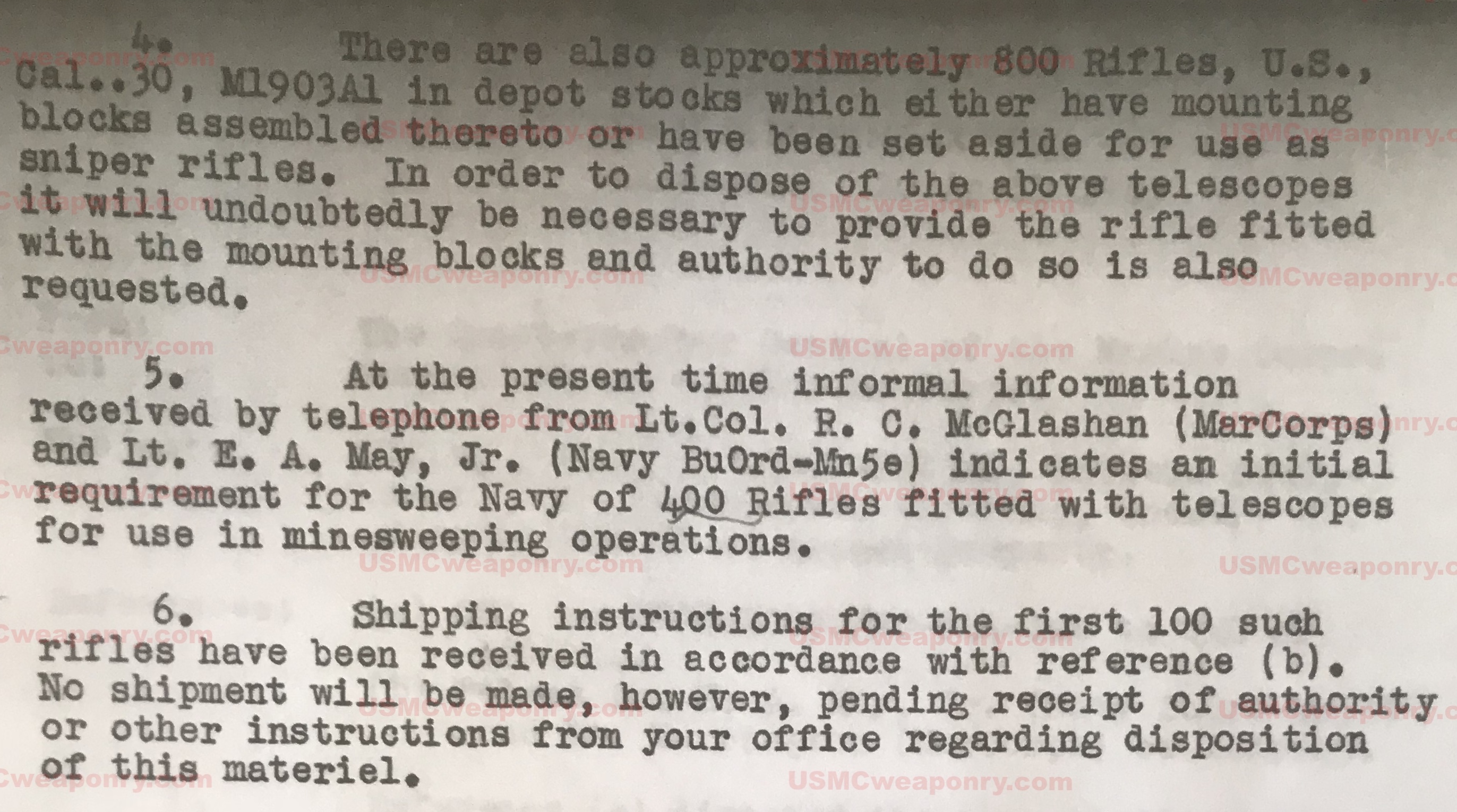
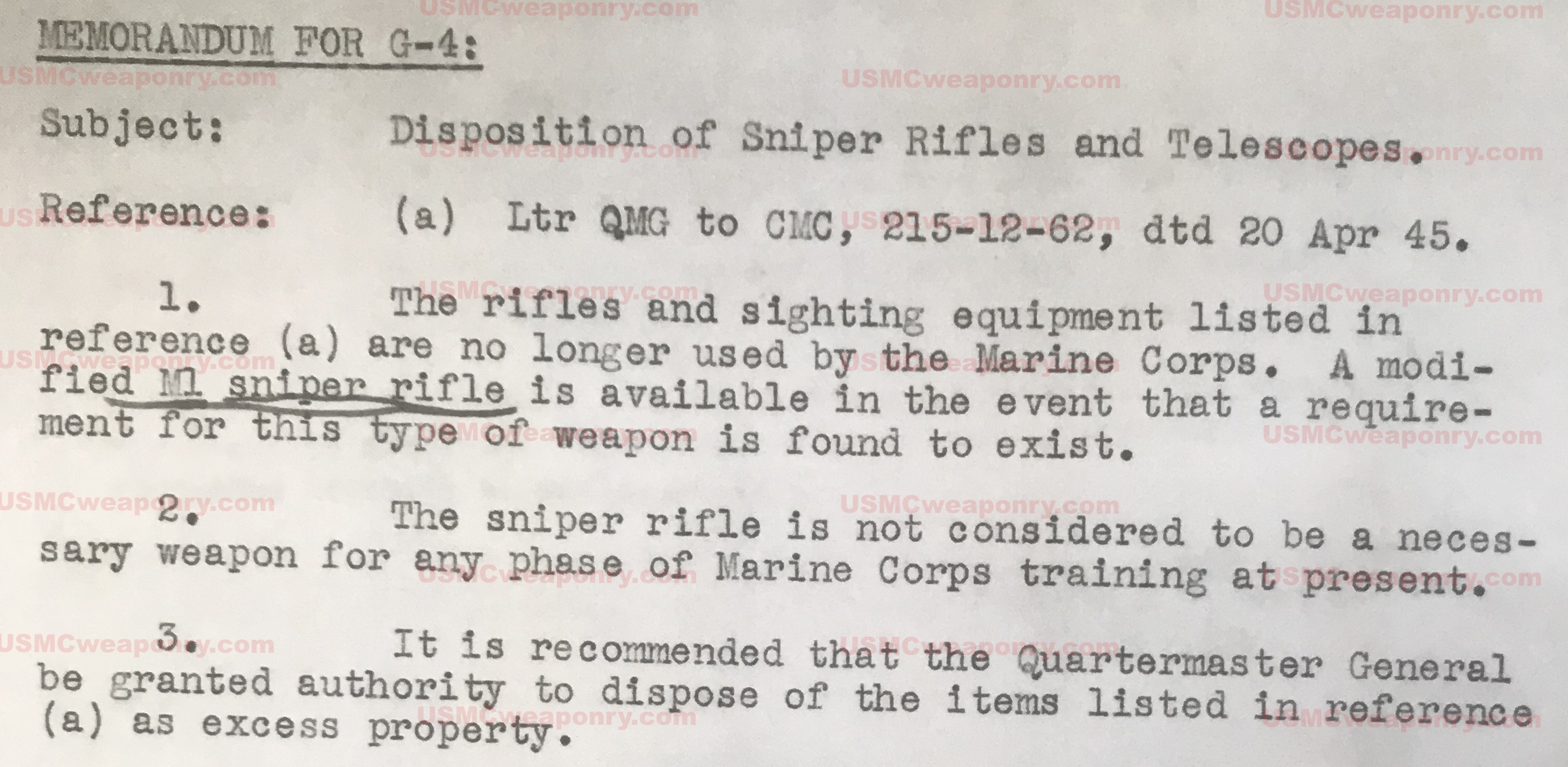
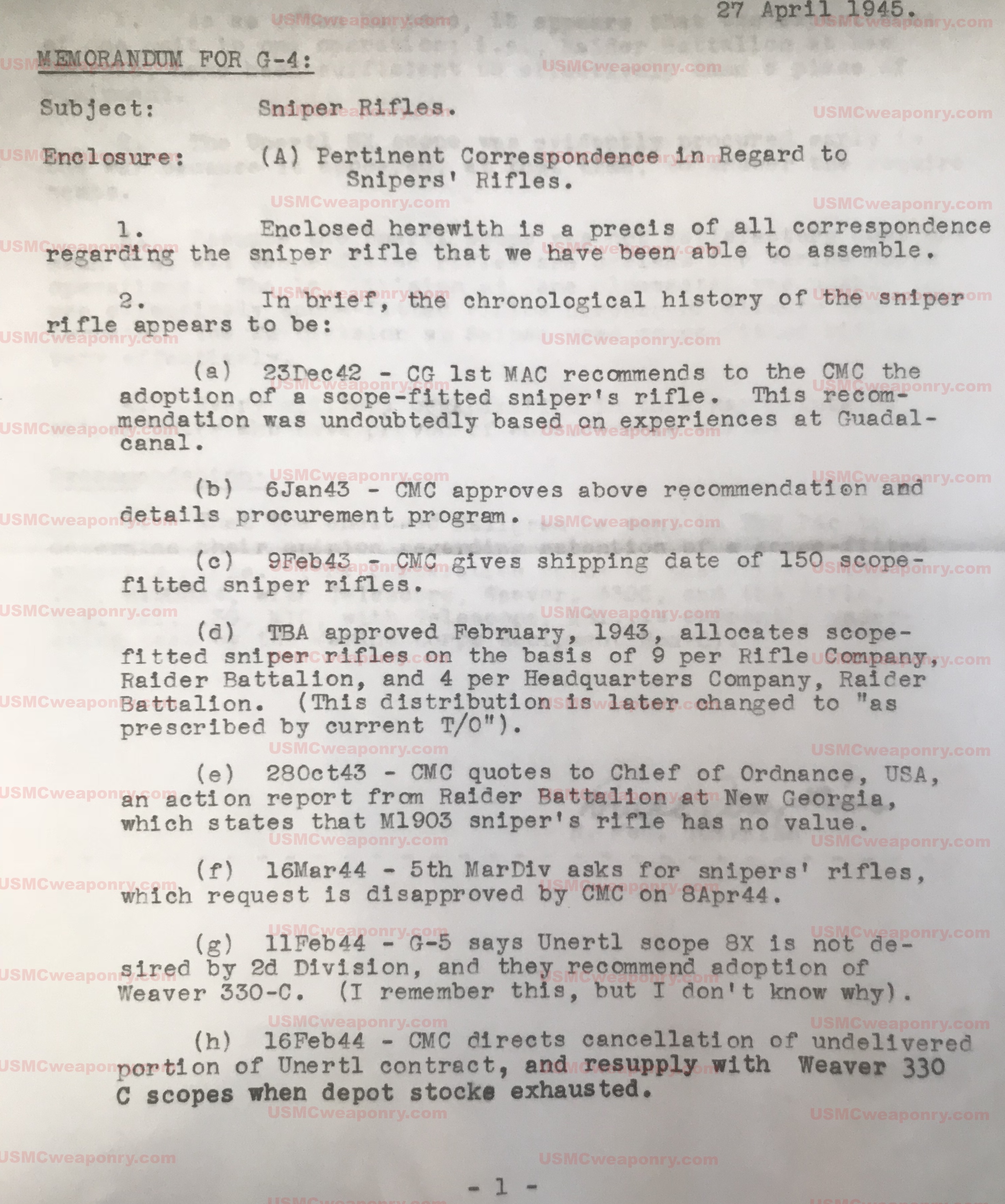
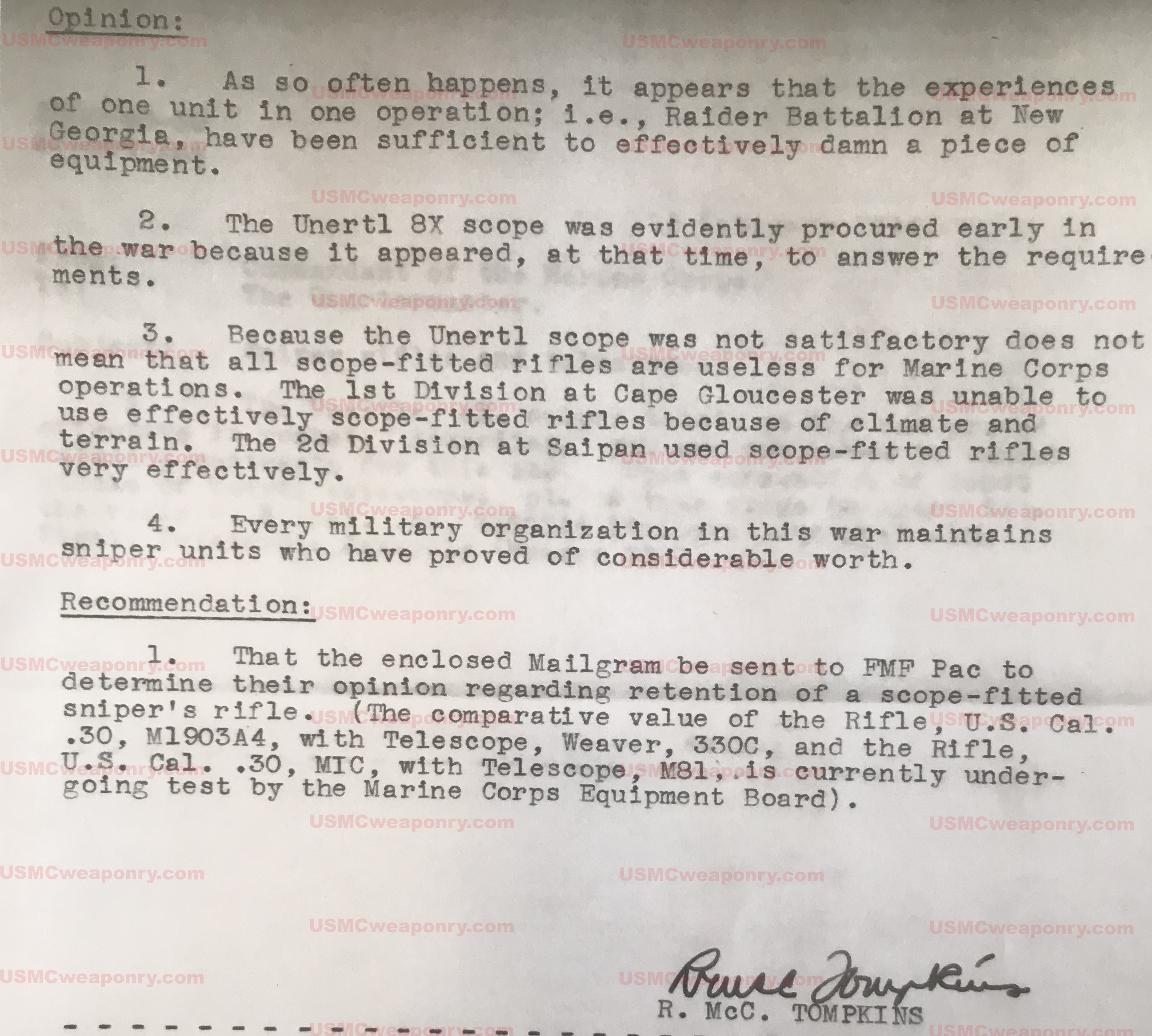
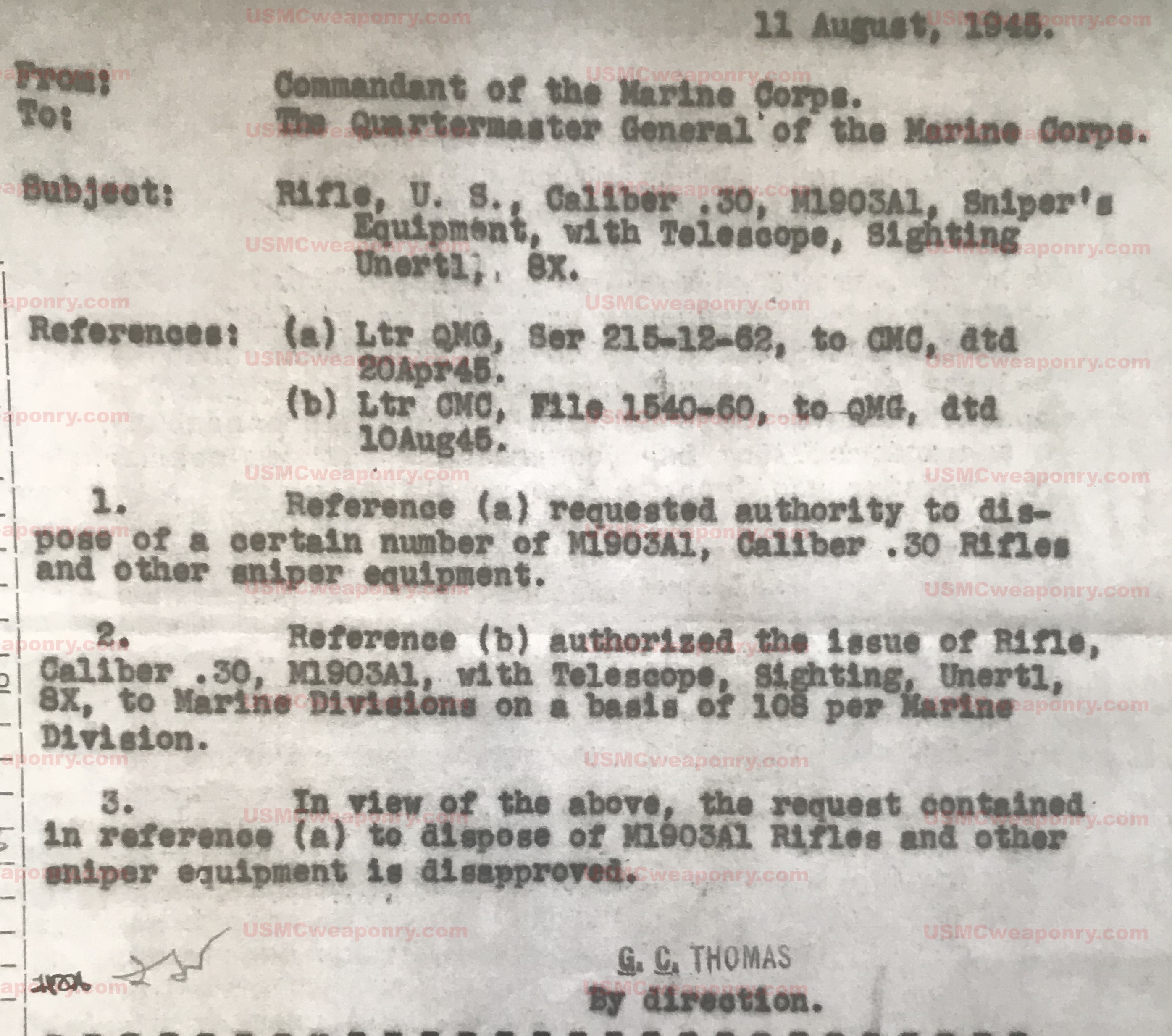
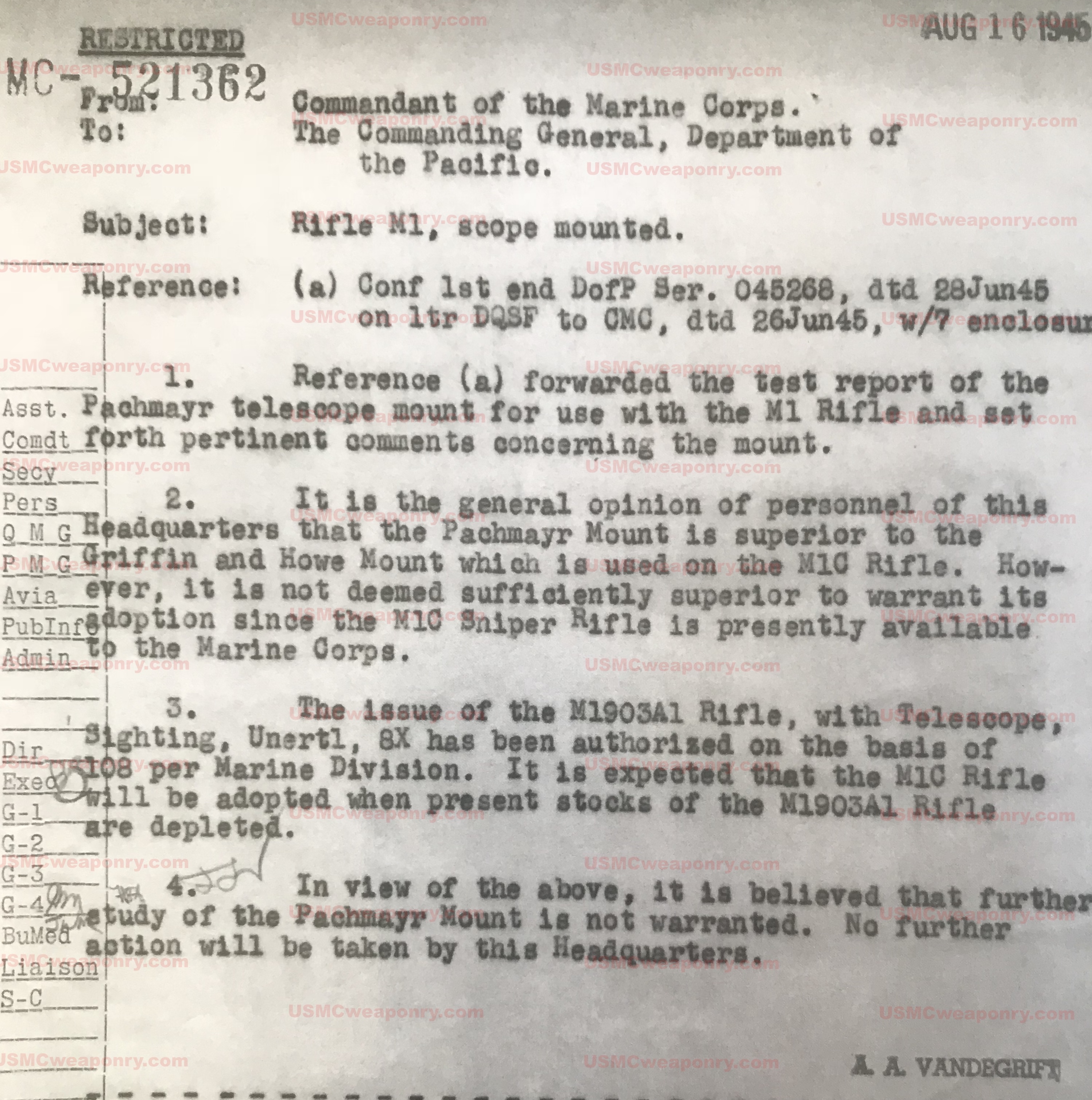
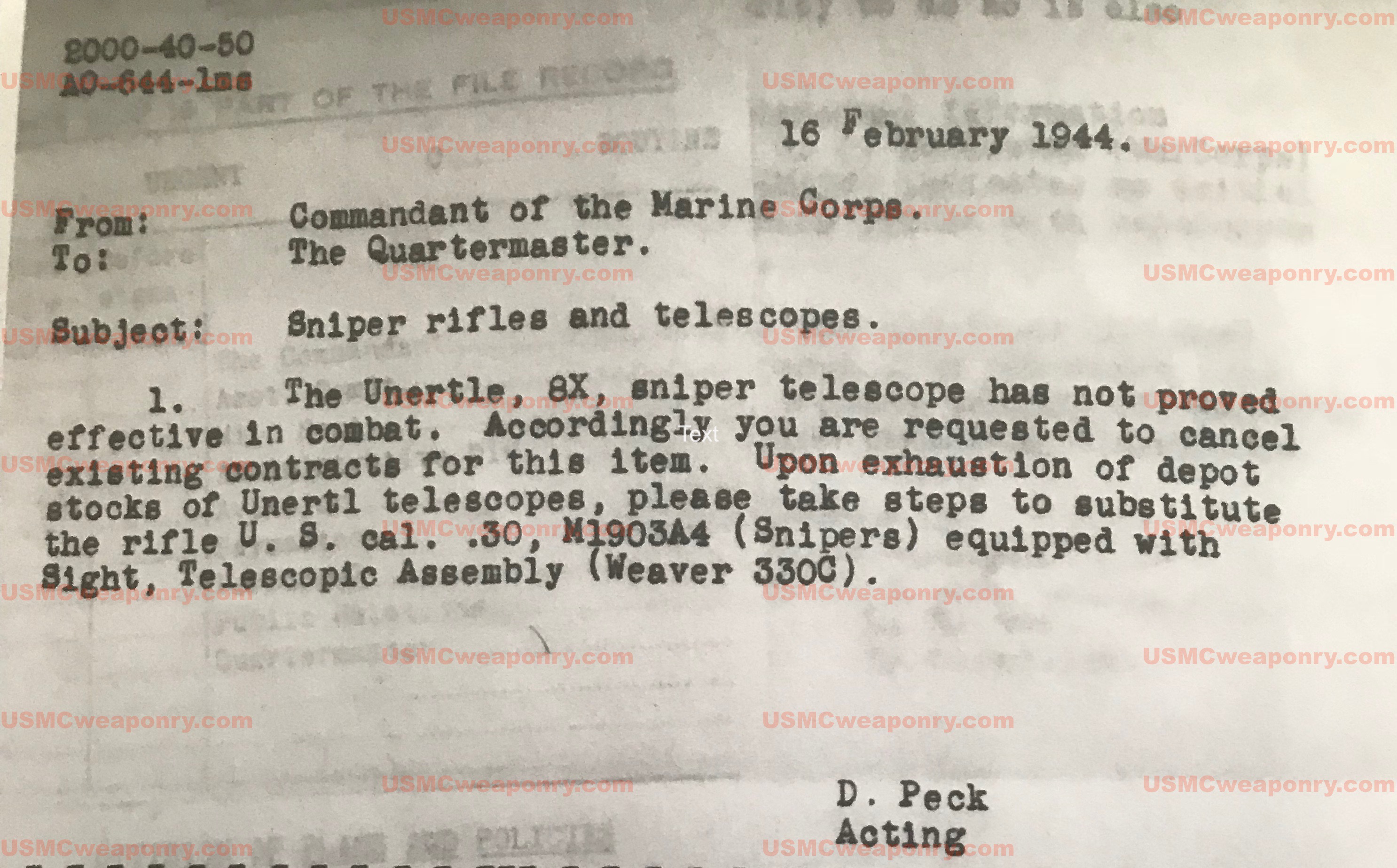
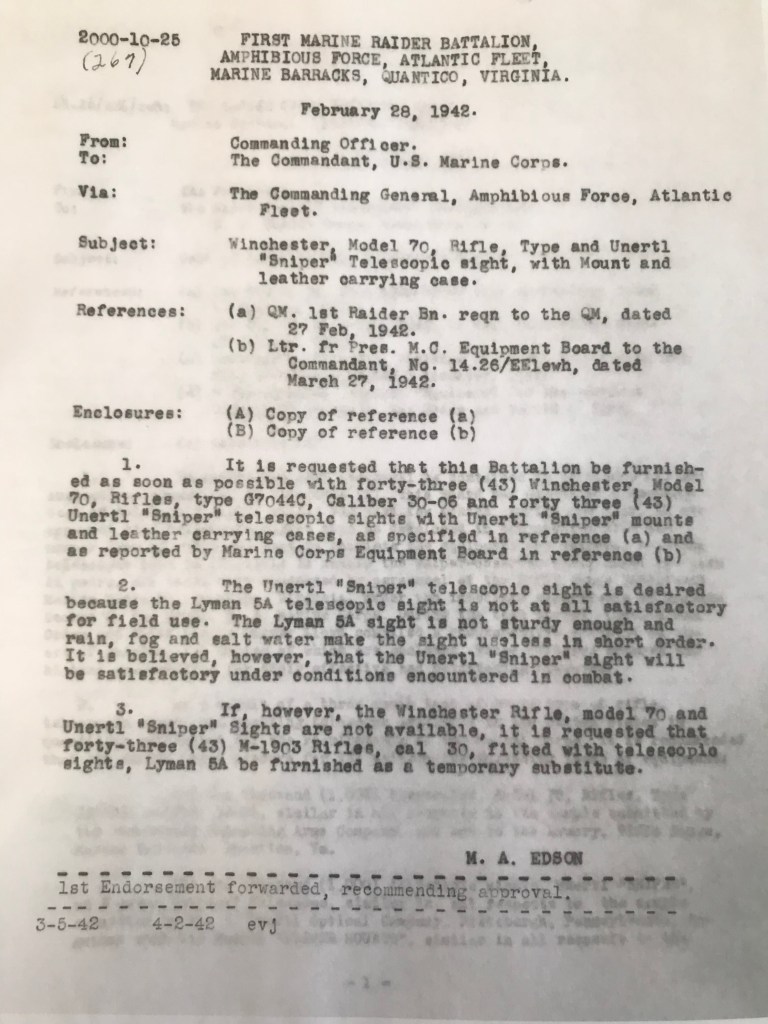
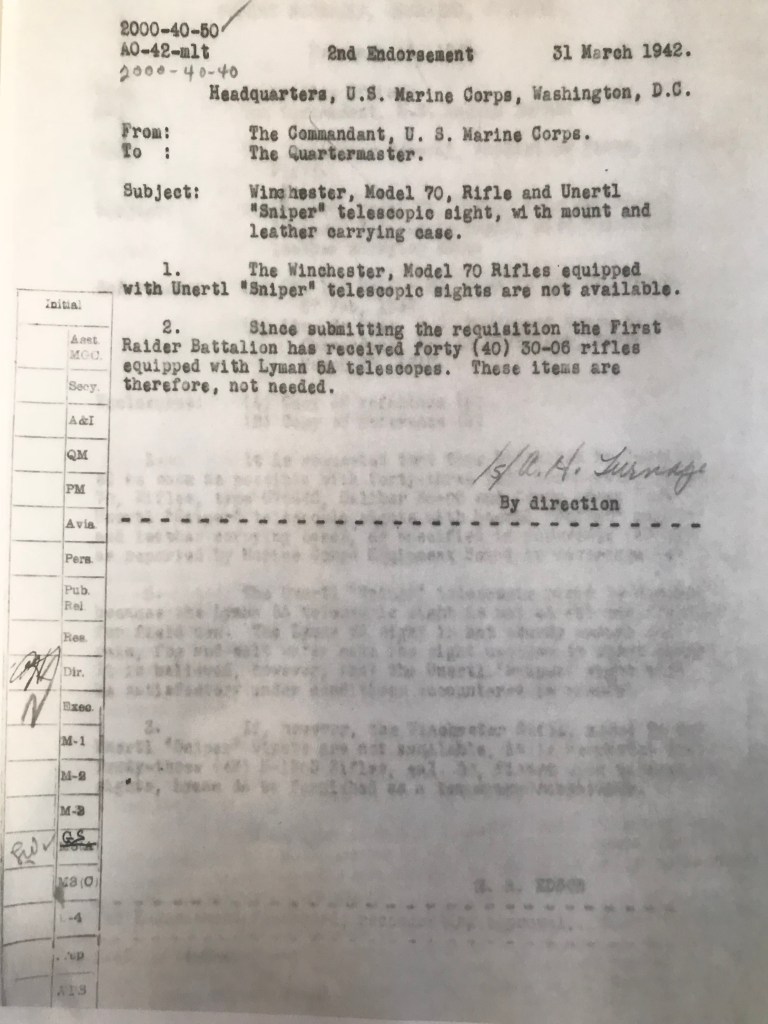
Documents detailing the higher Marine Corps debate on the validity of the Unertl sniper rifle and Marine sniper program in general in 1944-45 (NARA).

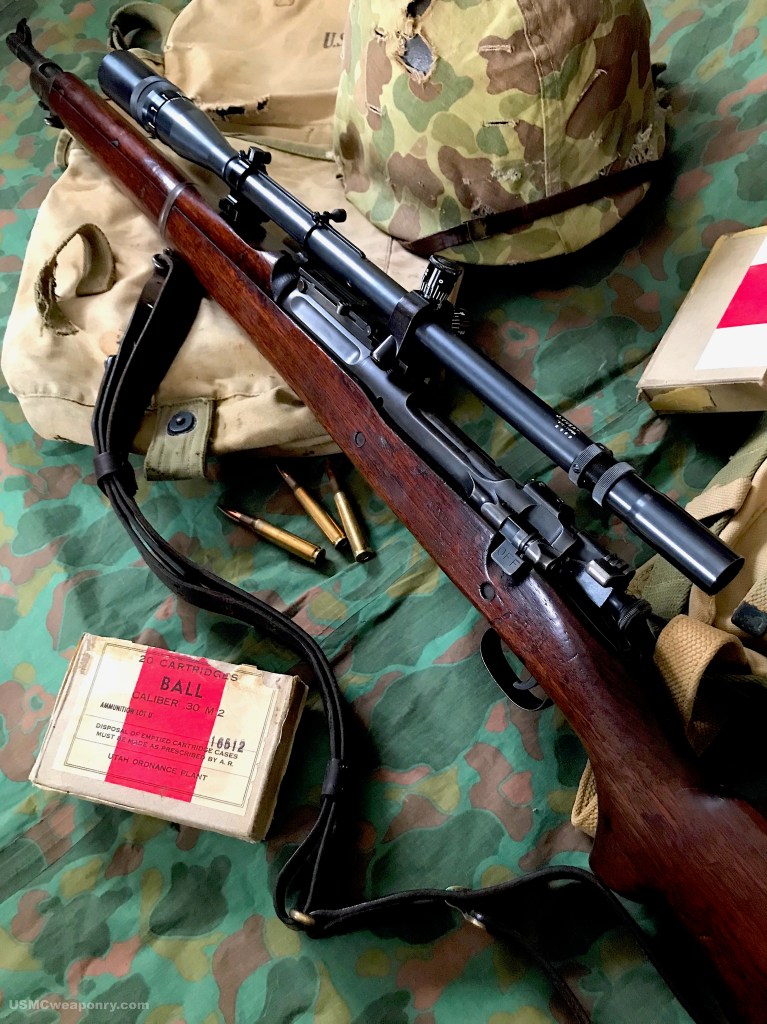
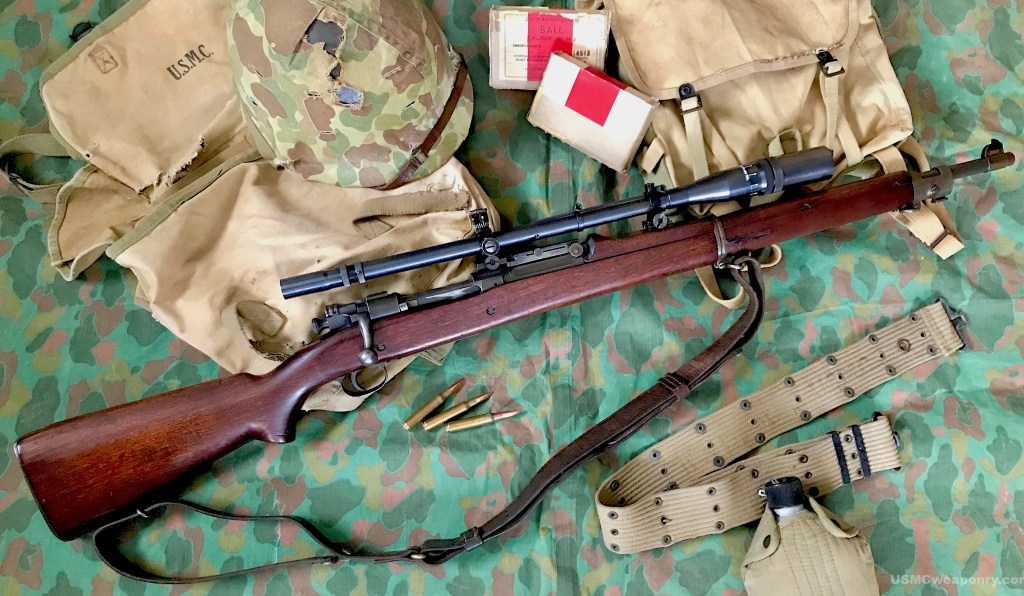
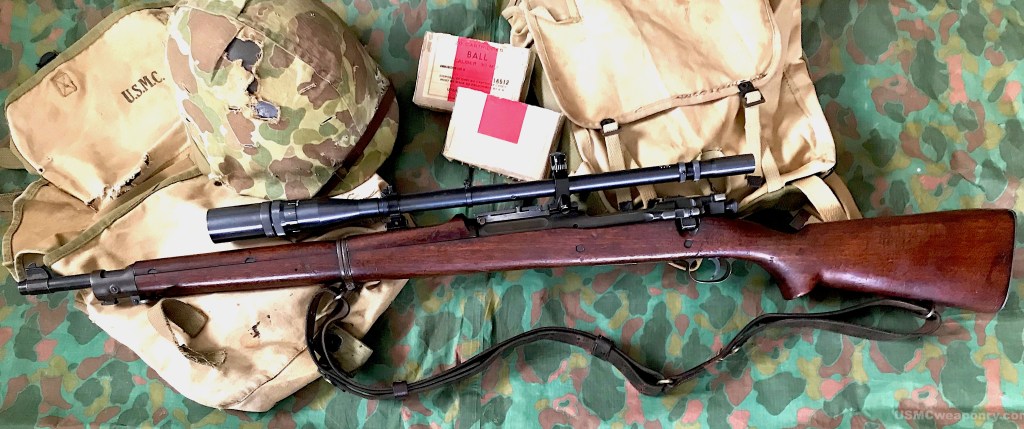
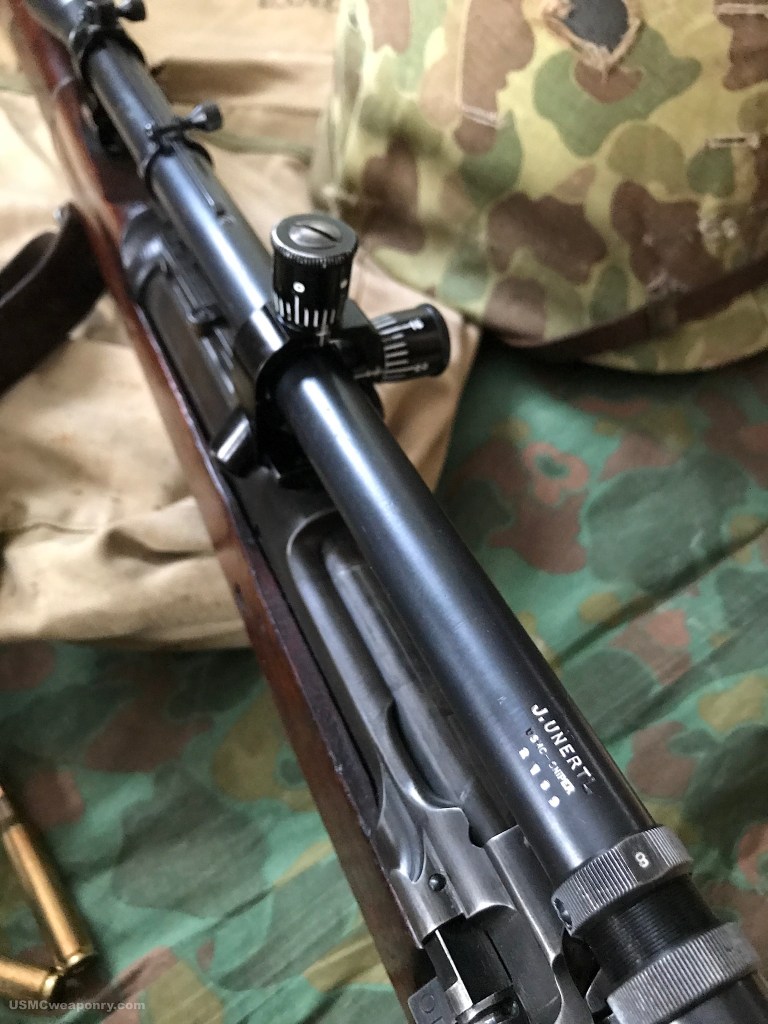
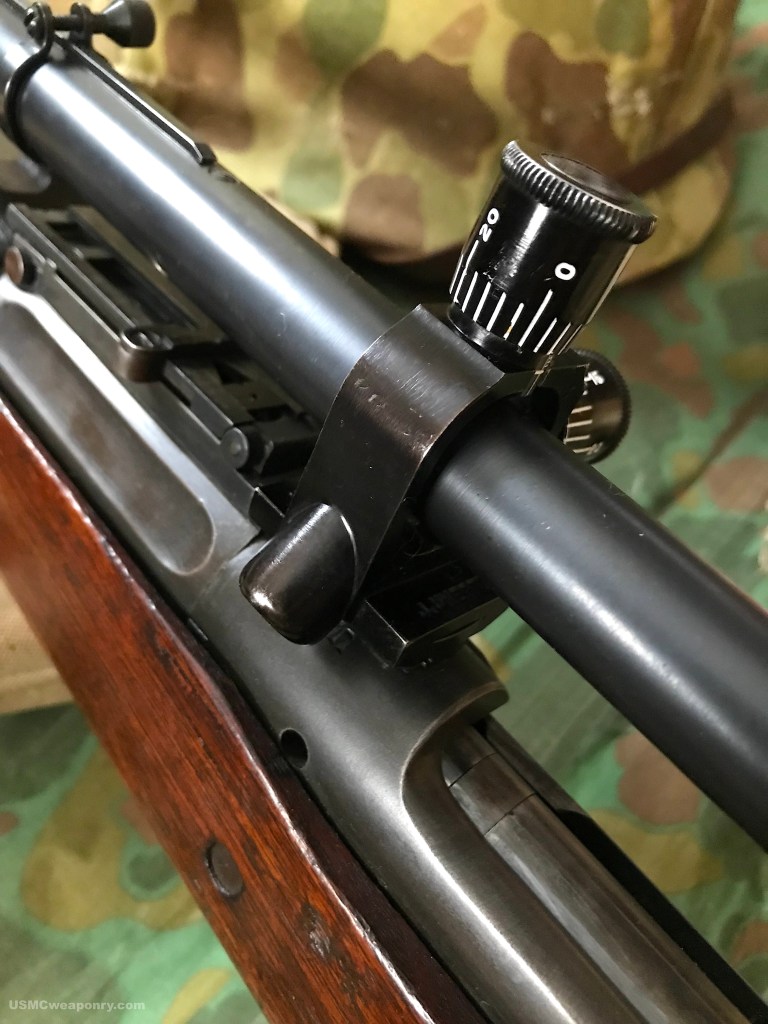
With standard ball ammo the M1903A1 Unertl Sniper Rifle was expected to hold 1.5 minutes of angle, or roughly 1.5 inches at 100 yards, doubling in diameter every 100 yards farther in distance (Plowman collection).
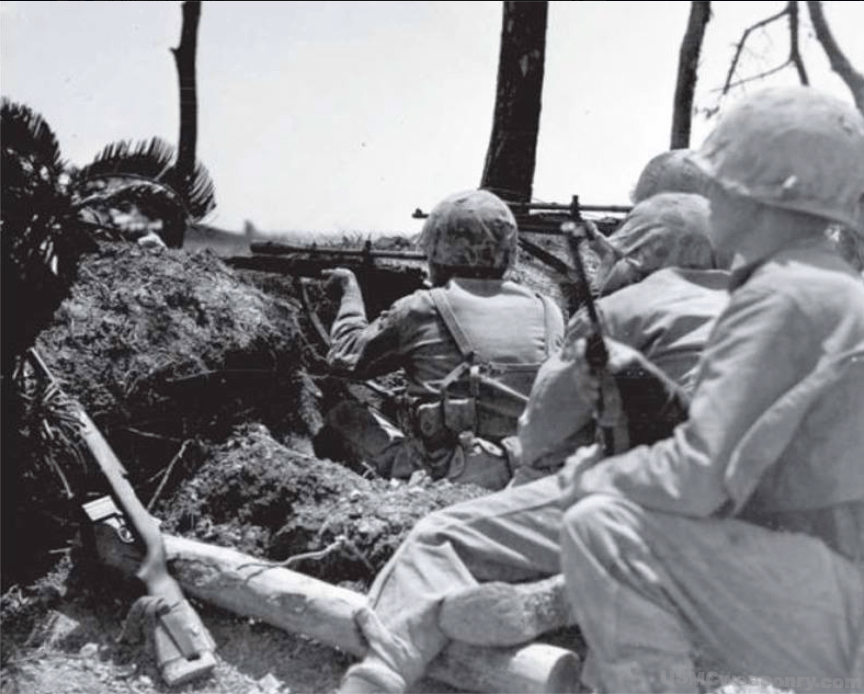
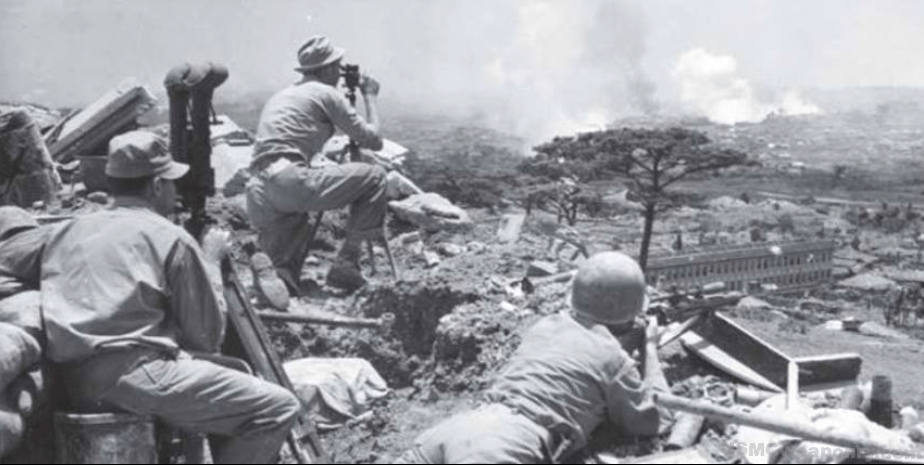
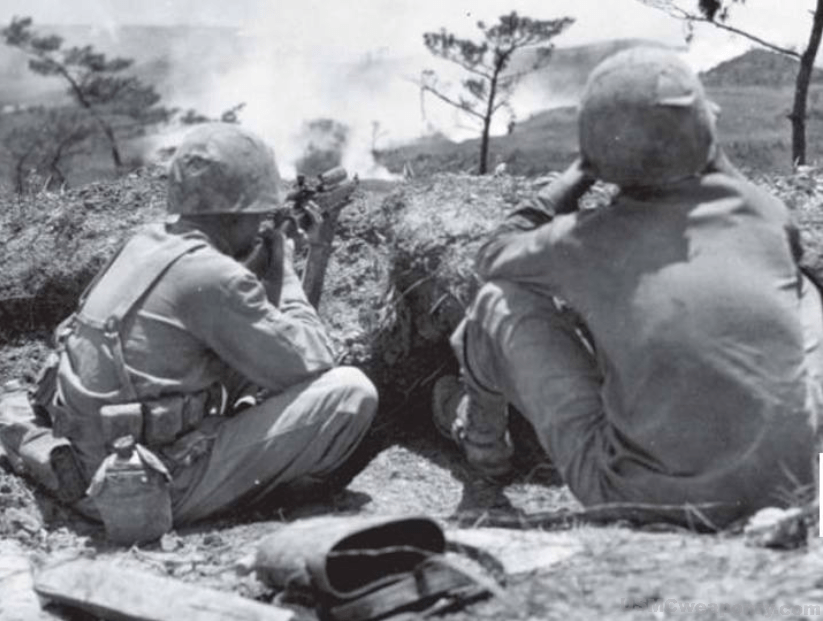
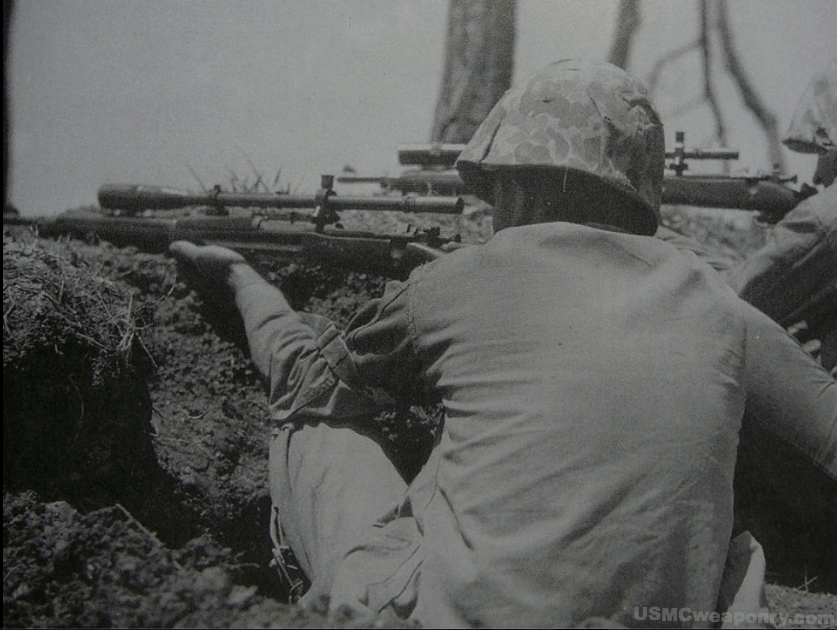
Marine Snipers in action on Okinawa. These photos are noteworthy as they show Unertl sniper rifles of the straight stocked variety in action, the only such photos that exist (NARA & USMC).
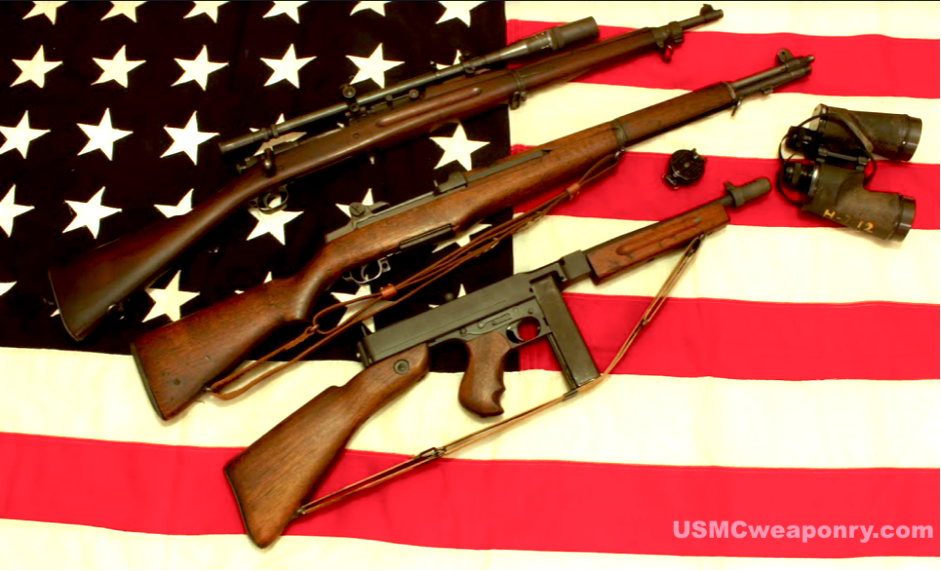
USMC M1903 Unertl Sniper Rifle #1464269, with the standard weapons that would accompany a Marine sniper team in the South Pacific (Neil Duffy collection).
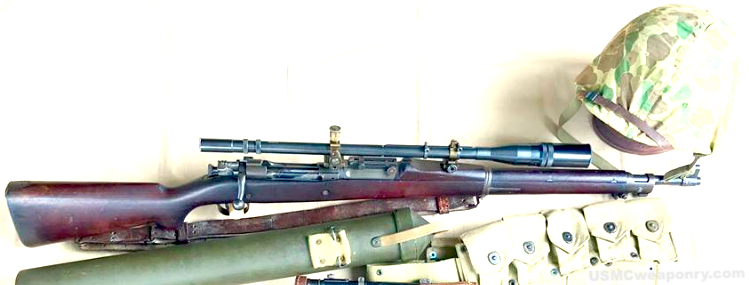
USMC M1903A1 Sniper Rifle #1497141 (Matt Darnall collection).
When the Korean War broke out in 1950 the Marines were once again in an uncertain spot in regards to sniper rifles, and sniping in general. In WWII the army had become deeply invested in the success of sniper variants of the M1 Garand, known as the M1C and M1D. Both of these programs struggled to prove of great benefit in regards to accuracy, chiefly due to design flaws and the limitations of the off-center mounted scope. This would tamp down Marine enthusiasm for the Garand snipers, but some were procured for evaluation. When the 1st Marine Division deployed to Korea, there were ample M1903 Unertl sniper rifles to draw from as well as a small compliment of M1Cs, but the men to whom they were issued varied widely.
Continuing 1st Marine Division policy in WWII, sniper rifles were distributed throughout the ranks at the discretion of the small unit commander, typically to those that were already accomplished marksmen. While little is recorded about 1st Marine Division snipers in WWII, much is found on “Old Breed” snipers in Korea. As was the case in the prior war, mixed results and the debate on the need for snipers in general would continue until the end of hostilities.
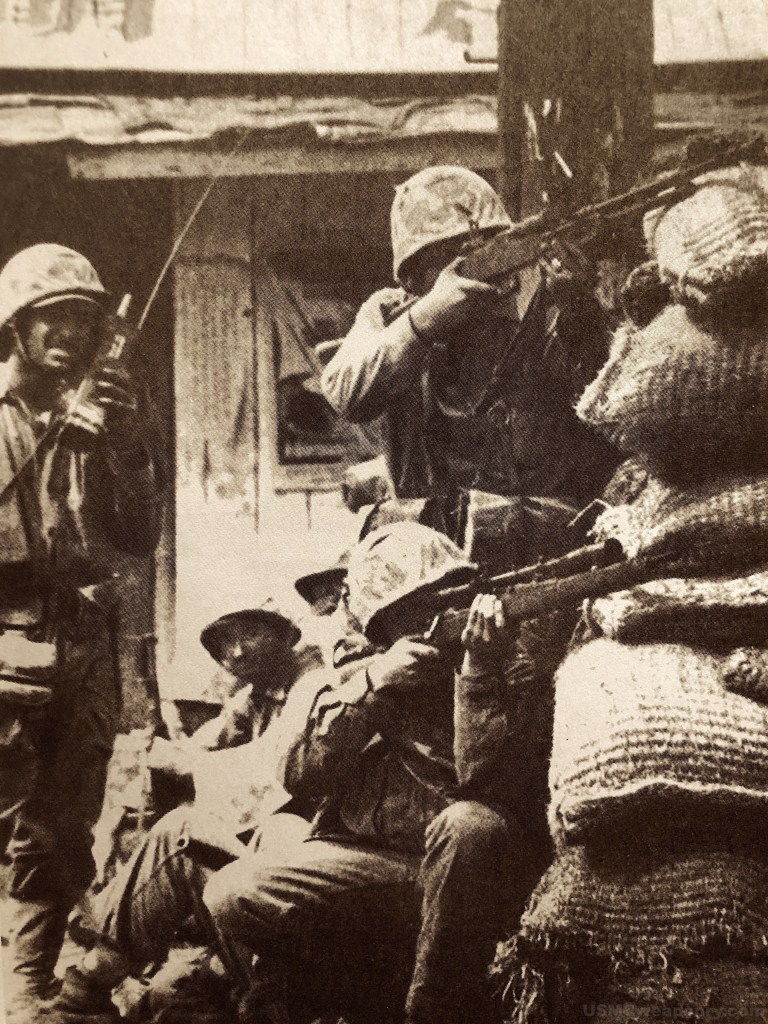
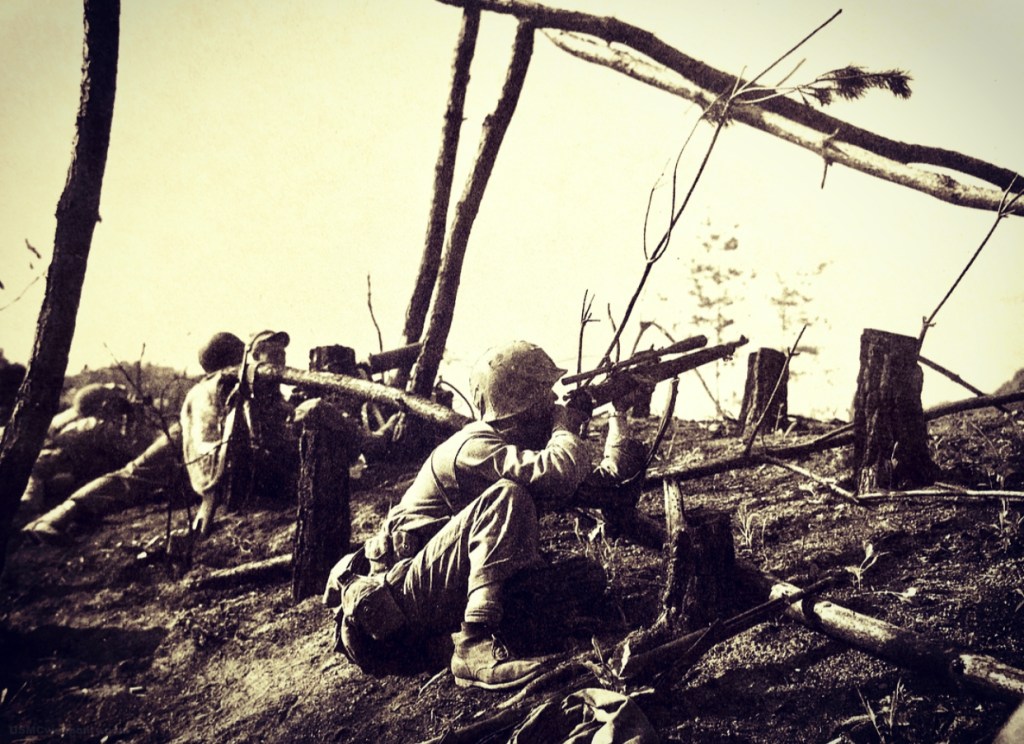
Marine snipers with their M1903A1 Unertl sniper rifles in action in Korea (photos: USMC).

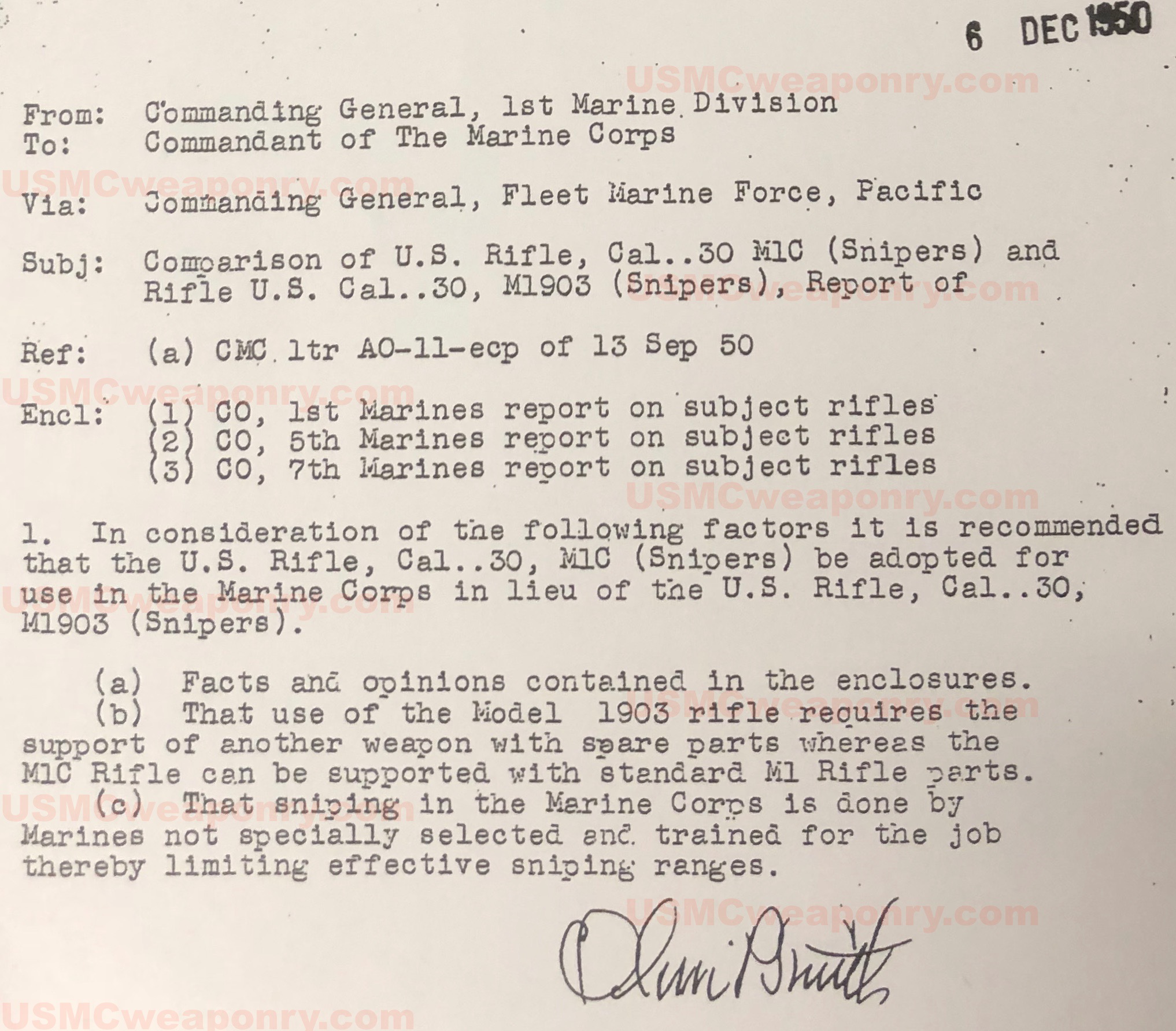
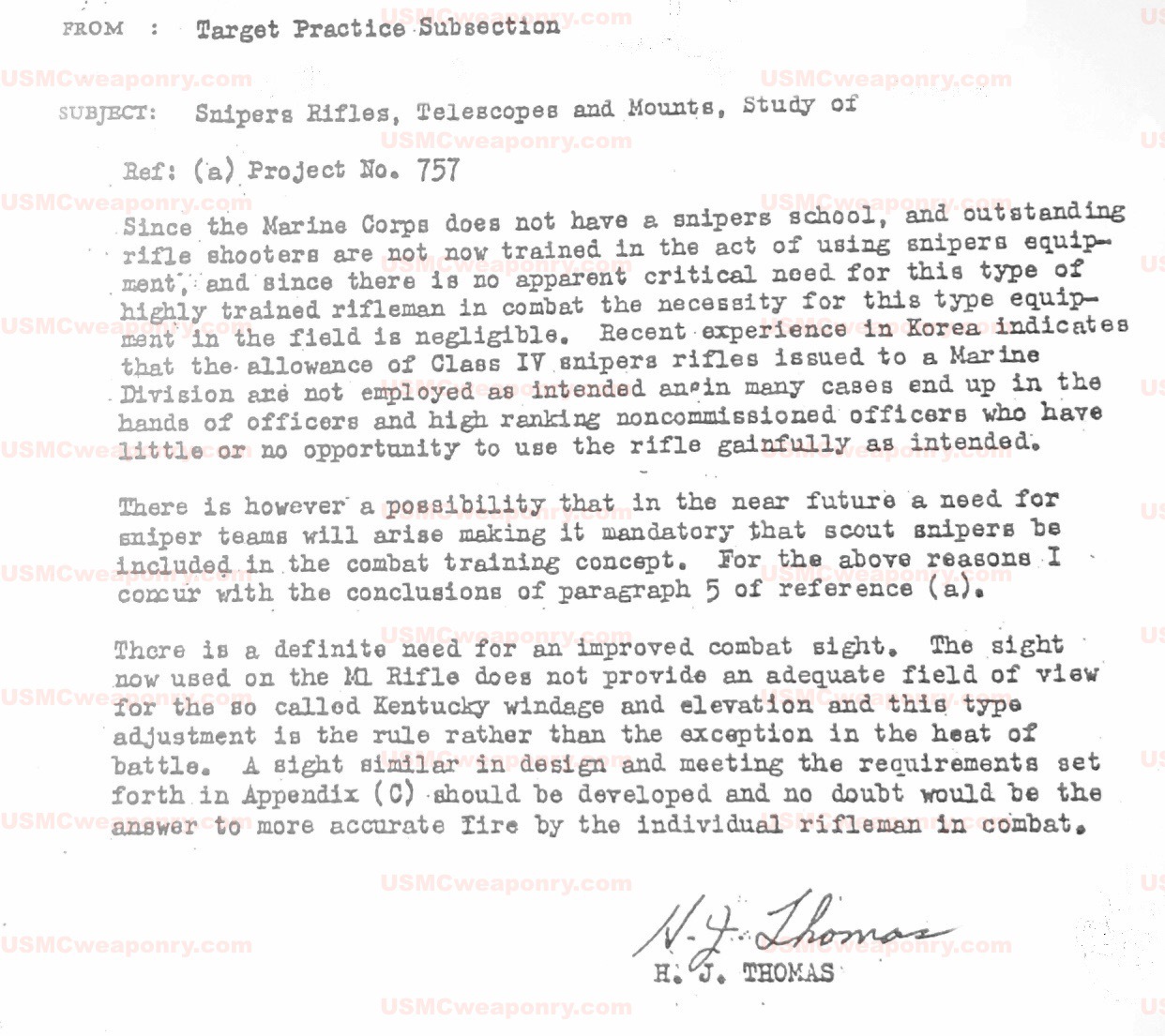
Documents on the performance of the 1st Marine Division’s sniper rifles in Korea (NARA).
Many photos of Unertl snipers in Korea exist, and one interesting note is the absence of straight stocked rifles. The reason behind this is unknown, and could be as simple as the fact that most of the 1047 rifles set aside for conversion would have been in C stocks. While WWII Unertl sniper rifle photos are relatively scarce, two straight stocked examples are seen next to each other on Okinawa. It is also possible that the Unertl sniper rifles used by the 1st Marine Division in Korea were specifically selected from existing stores, with only those in C stocks being utilized. Documents indicate roughly 200 M1903A1 Unertl sniper rifles were available during the Korean War, more than enough to fulfill specific requests by the division.
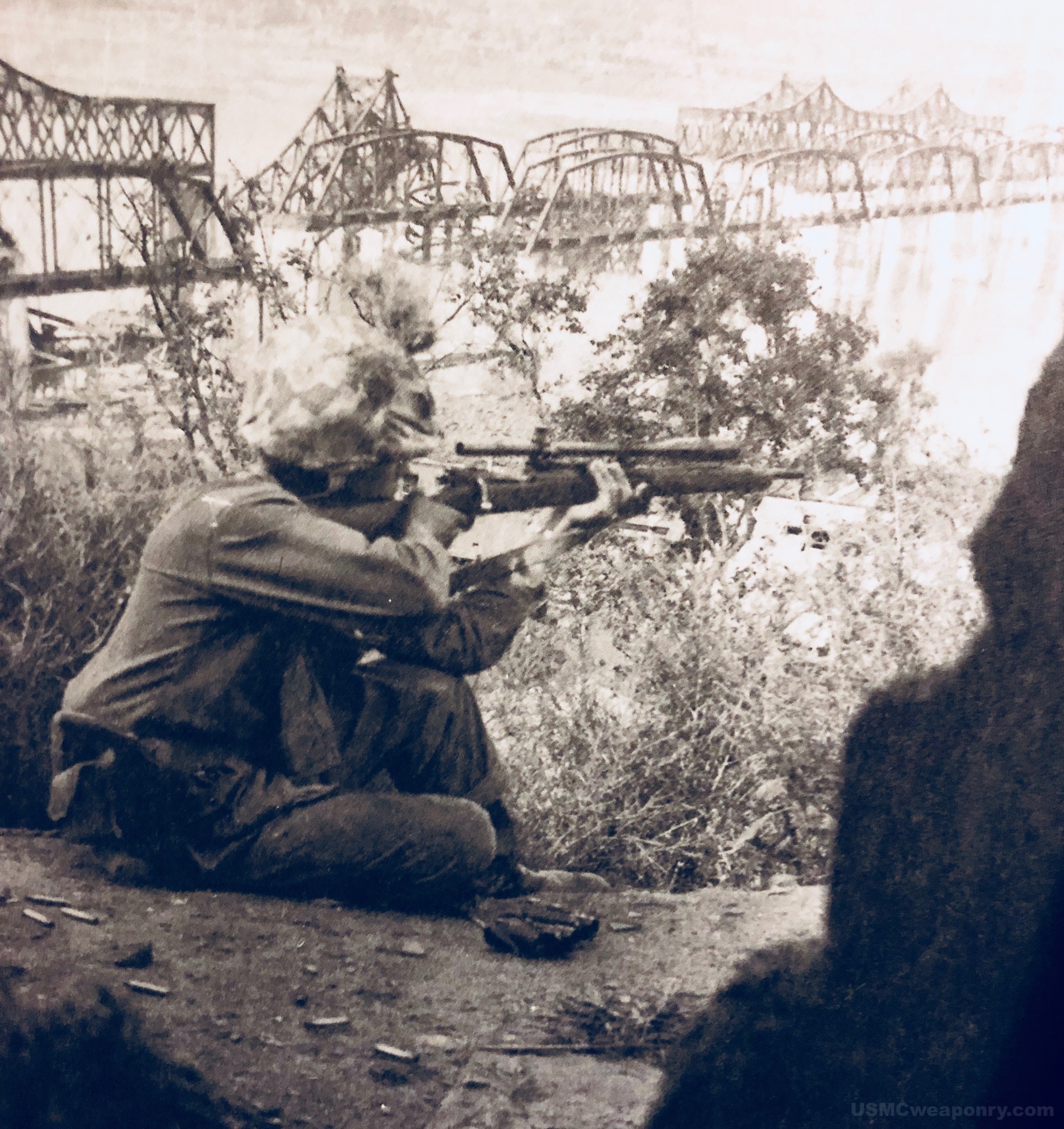
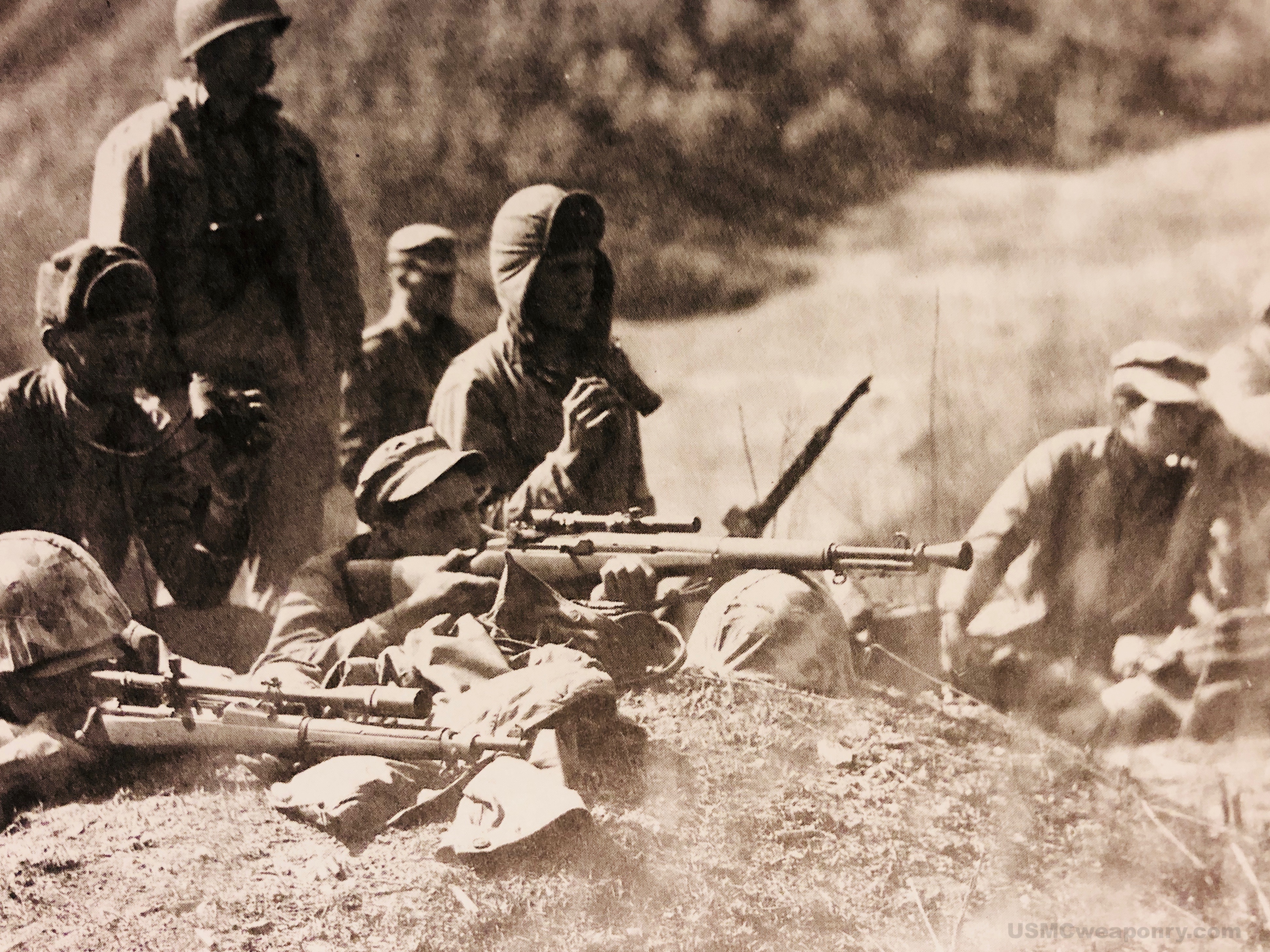

The terrain in Korea made for excellent long distance sniping opportunities (USMC).
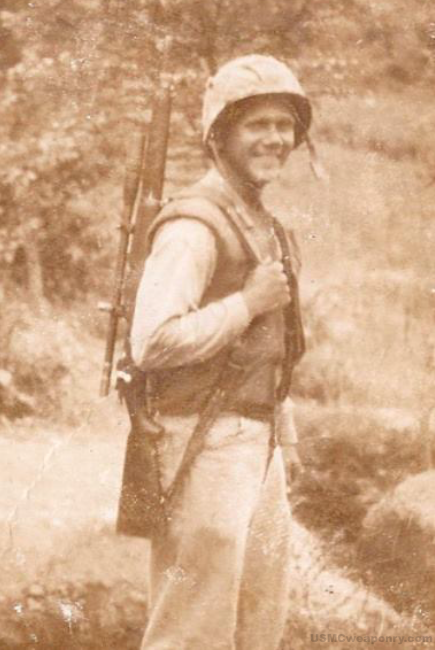
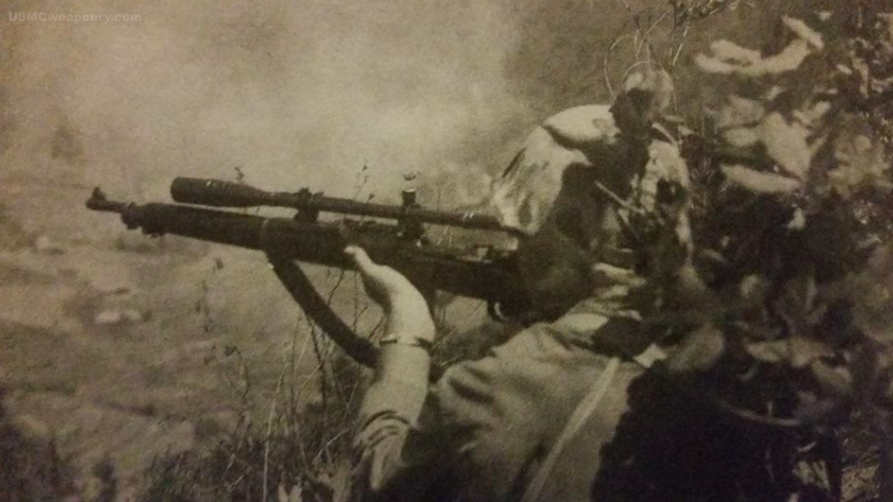
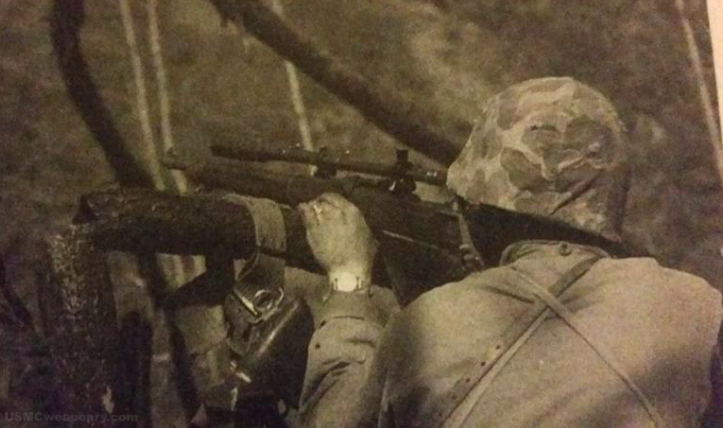
Despite limitations in range and accuracy, the Marine Corps would consider replacing the Unertl with the M1C early into the conflict. For the same reasons that the Marines adopted the M1903 over the Winchester M70, the M1C was now more advantageous logistically. The availably of parts from standard M1 Garand service rifles made the M1C an attractive choice. This would eventually lead to the Marine Corps adopting the Kollmorgen MC-1 scope and a new mount for the M1C, for what would be referred to as the “M1952 sniper rifle.” The M1952 sniper rifle program would not come to fruition in time to see action in Korea, but would relegate the Unertl sniper rifle obsolete in the mid 1950s. From there, the Unertl snipers would have their scopes removed and be sent to morale and welfare clubs throughout the Corps for recreational use. The Unertl scopes that had been on M1903 snipers through WWII and Korea would eventually be mounted on the same Winchester M70s the Marines had decided not to use twenty years prior. In this form the Unertl 8x USMC Sniper scope would see the genesis of a professional cadre of Scout Snipers be born during the Vietnam War.

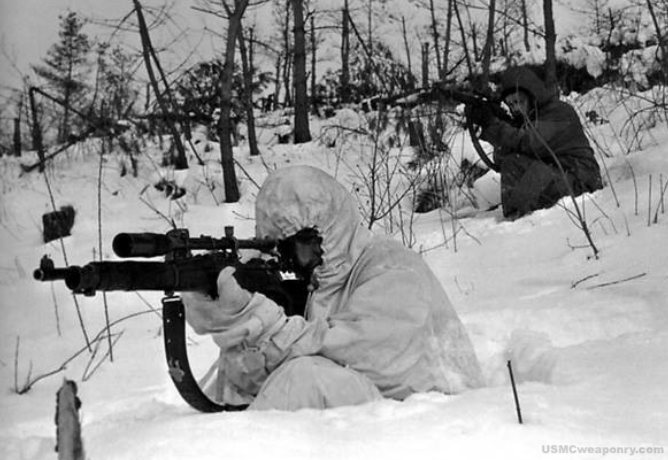
Marine snipers often worked in tandem in Korea, one armed with a M1903A1 Unertl sniper rifle, the other an M1C Garand sniper rifle (photo: USMC).
During the base recreational club phase of the Unertl sniper rifle’s history some were sporterized to varying levels. A handful of genuine rifles have been found drilled and tapped for Redfield bases, others have been found with various sporterizations to stocks and handguards. Some have been found in stocks that while military in nature would not have been available when they left the Philadelphia Depot, as well outfit with M1903A3 parts. Of course all of these things could have been done later in civilian hands, but the similarities between the work suggest it was done while in Marine custody. The M1903 Unertl sniper rifles would eventually be sold to interested Marines and at the base PX. This is the reason why a noteworthy amount of Unertl sniper rifles have been found today. This is very fortunate as these rifles could have been destroyed during the government obsolete arms reduction programs of the 1990s. Having an authentic Unertl sniper rifle is a rare opportunity afforded to collectors and historians today, and these rifles are highly valuable commanding significant premiums on the rare occasion they are sold.
Page acknowledgments:
A special thanks to Steven Norton for his tireless work on the subject of USMC sniper rifles of the World Wars.
 USMCWEAPONRY.COM