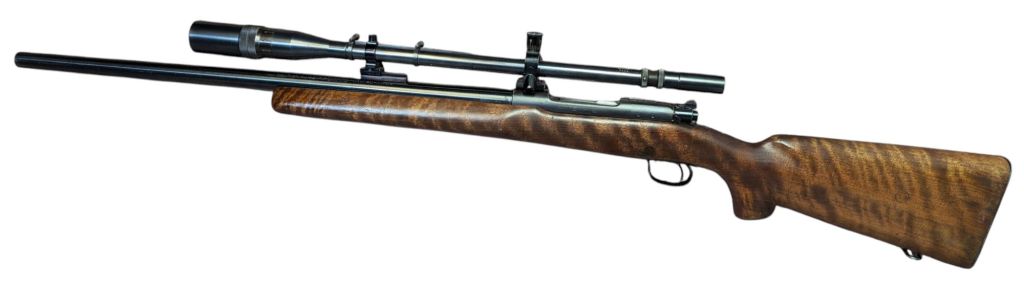
The story of the Winchester Model 70 in Marine Corps service begins in the early 1940s as the branch began evaluating a platform to replace the M1903 A5 Sniper Rifle. Tests in 1941 by the The Marine Corps Equipment Board recommended the procurement of 1000 Winchester Model 70s, which would be paired with the new Unertl 8x USMC -SNIPER telescope to create the branch’s new sniper rifle. The Winchester Model 70 had strong advocates amongst the cadre of officers with National Match experience, namely Captain George Van Orden, Gunner Calvin Lloyd and Lieutenant Colonel Merritt Edson. Their recommendations were based on obvious reasons: the Model 70 was a sleeker, far less complicated design with minimal barrel contact. The Model 70 would provide Marine snipers with the most accurate rifle available in the looming Second World War.
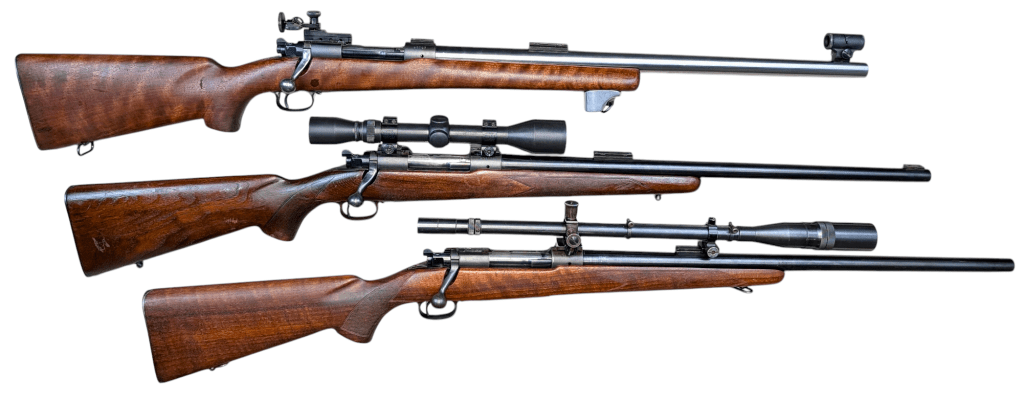
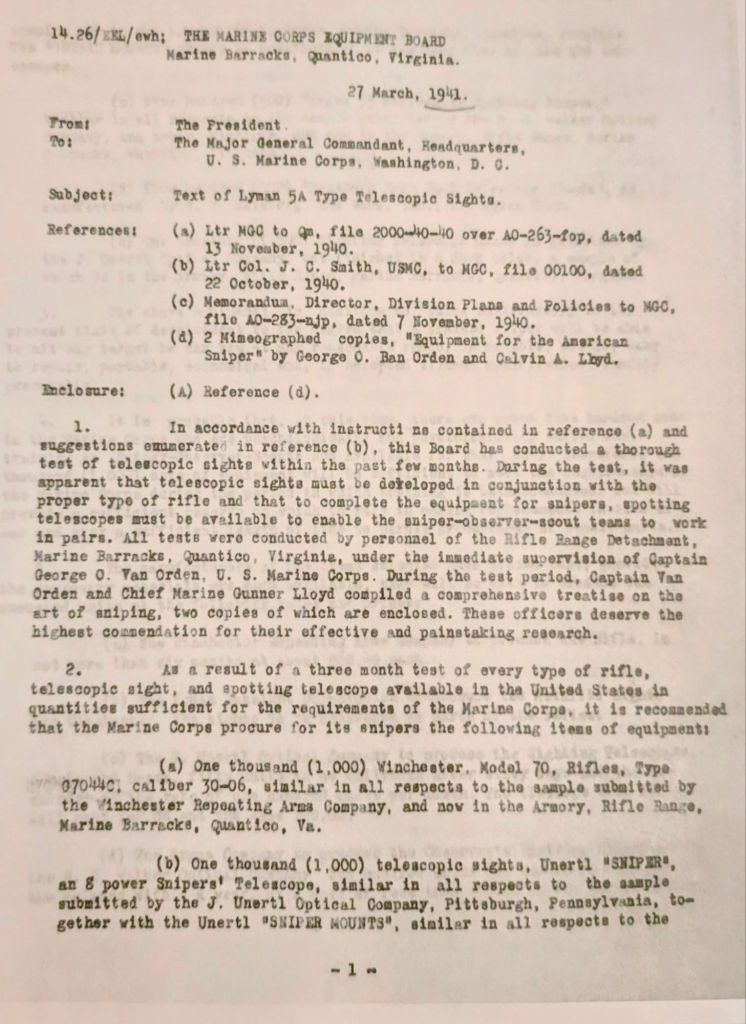
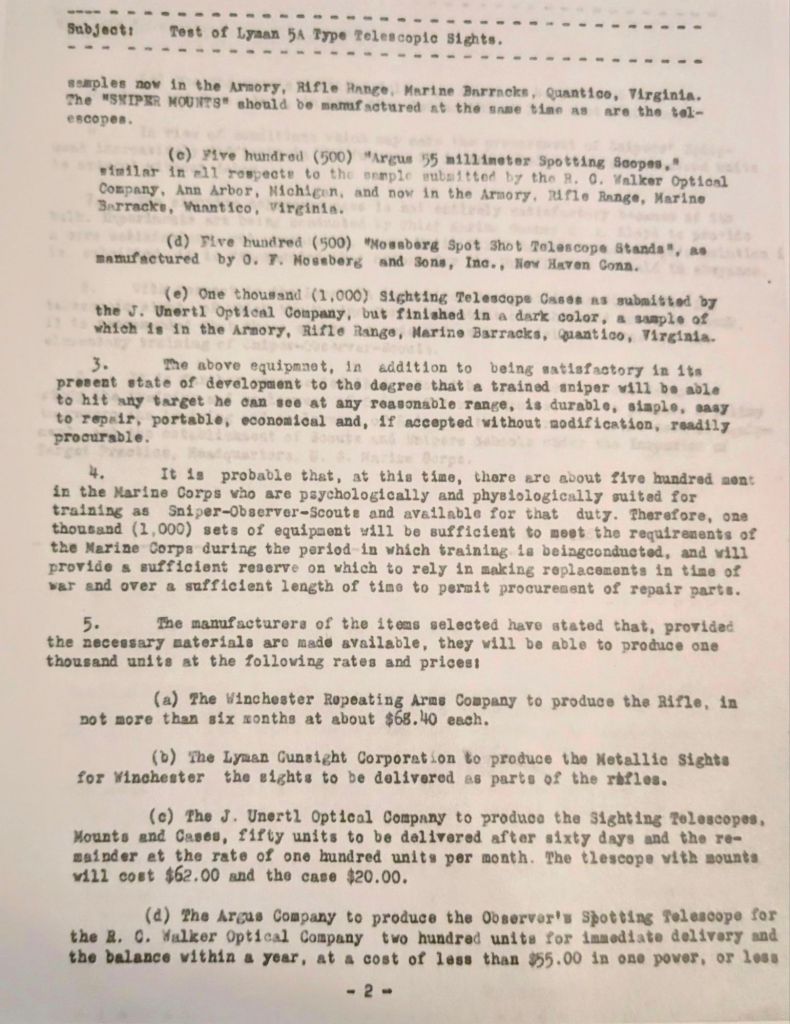
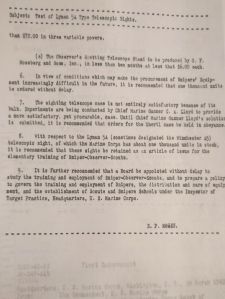
As the evaluation of a new sniper rifle continued, the Marine Corps would procure a considerable number of Winchester Model 70s. Despite the rifle’s availability and superior accuracy, the service would ultimately choose the National Match model of the venerable Springfield 1903 as their new sniper platform. The availability of spare parts coupled with small-unit knowledge was deemed the prevailing benefit, and the Winchester Model 70 would be shelved for the time being.
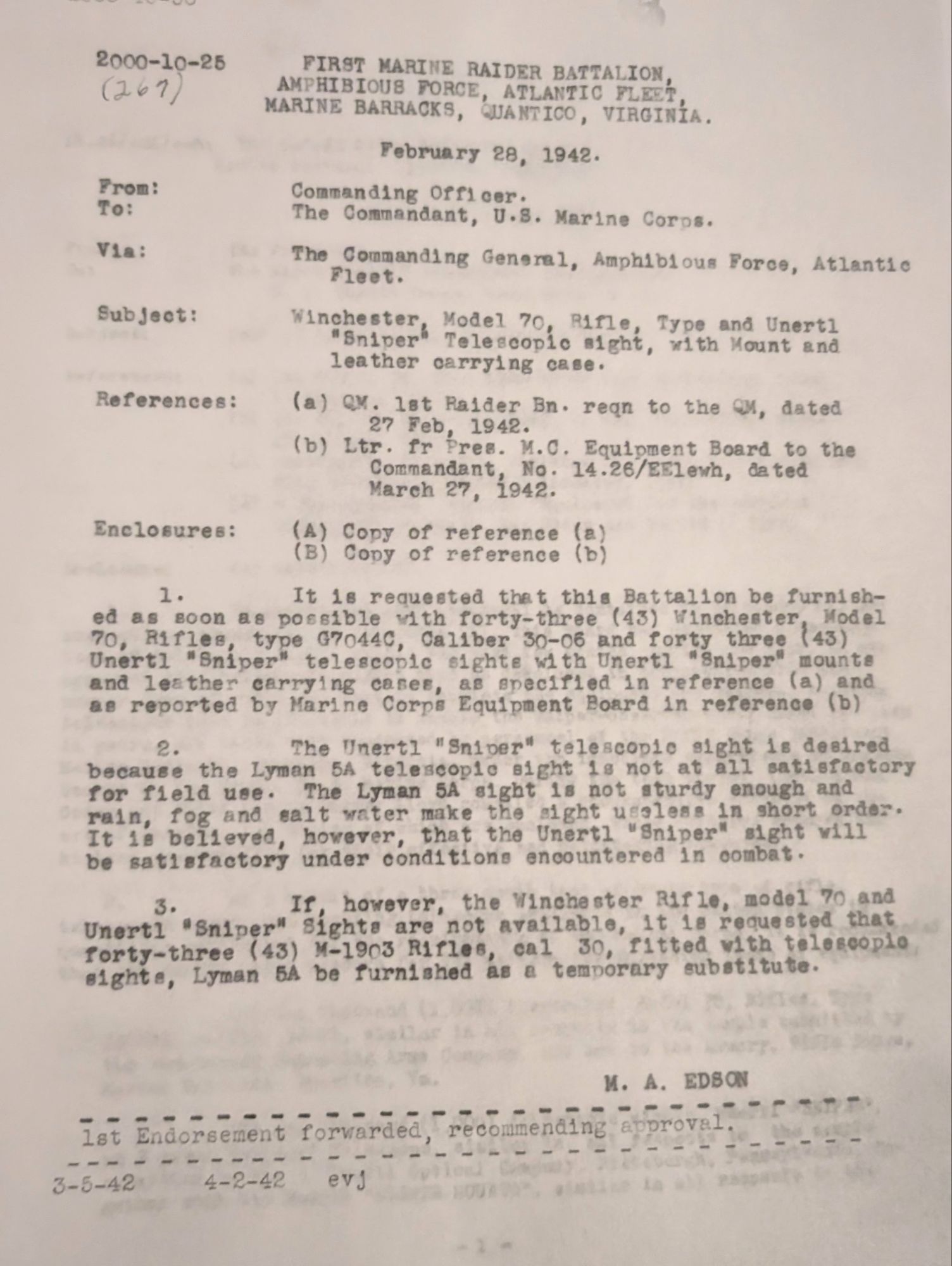
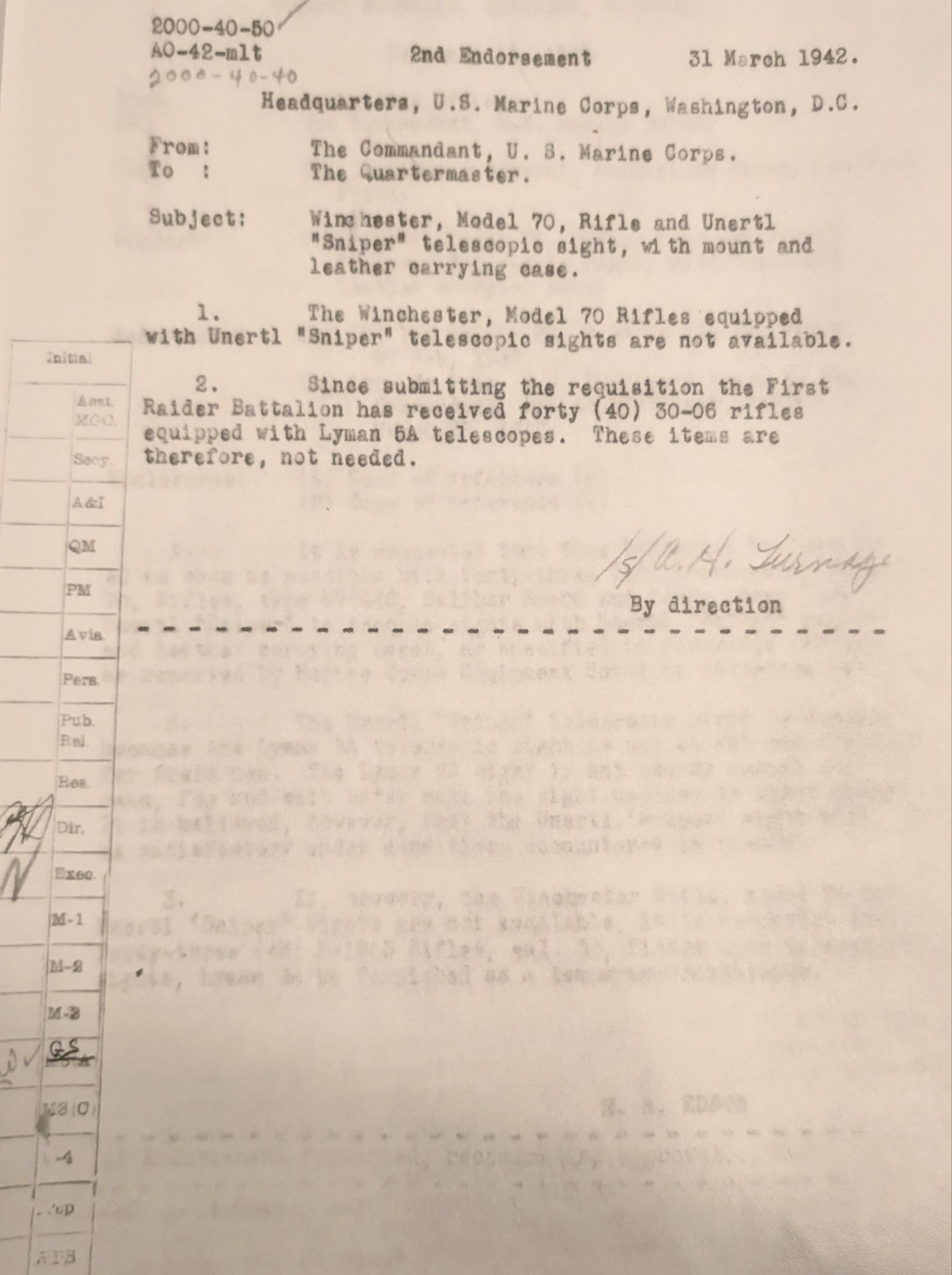
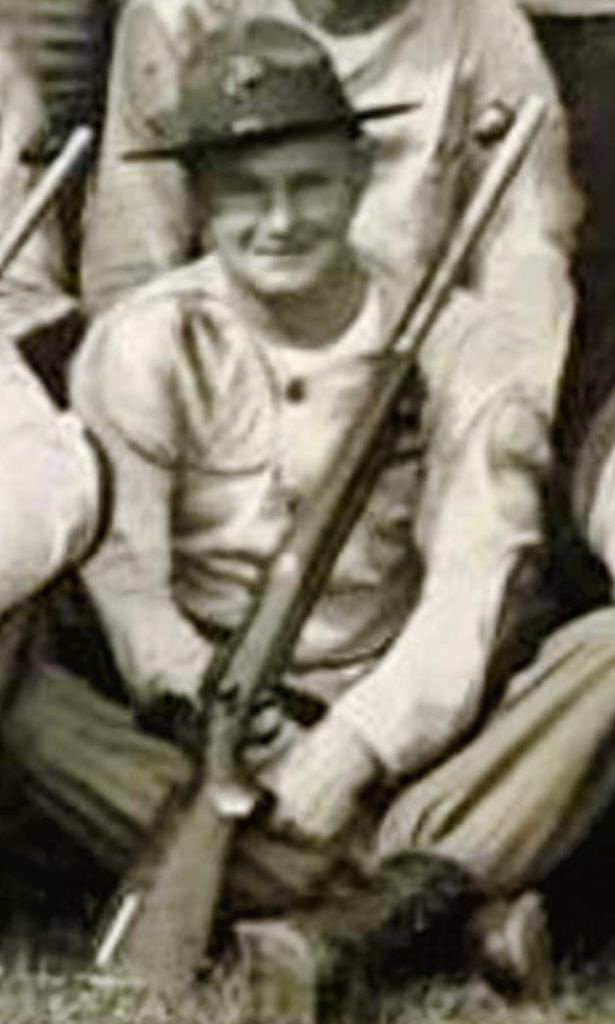
A late request from Lt. Col. Merritt Edson to equip his 1st Raider Battalion with Model 70s was denied as the USMC had decided on the Springfield M1903 as their sniper rifle for WWII (NARA).

Following WWII, the Model 70 would once again find relevance with the resumption of High Power Rifle matches. As a match rifle, the Model 70 would perform admirably, becoming a favorite of many national champions in the 1950s and 1960s. Marine marksmen would compete in matches up to 1000 yards with their Model 70s, gathering considerable skill and transferable knowledge in the art of employing the rifle – as well as match conditioning it. These skills would make their way from the firing lines of Camp Perry to the battlefields of Vietnam in 1965.
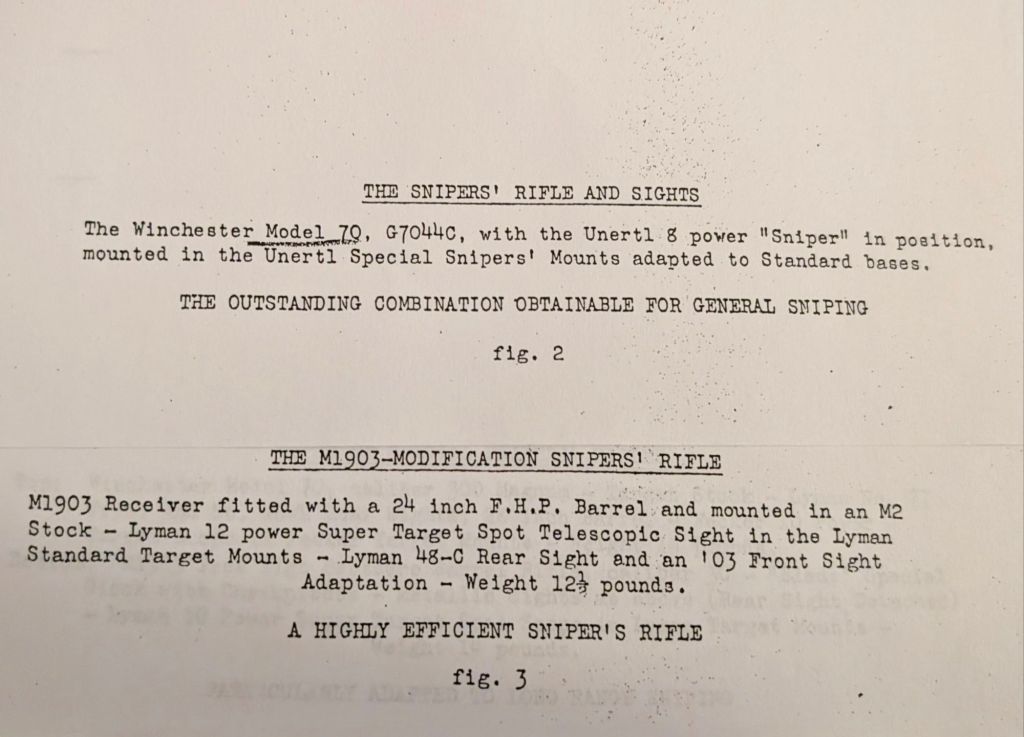
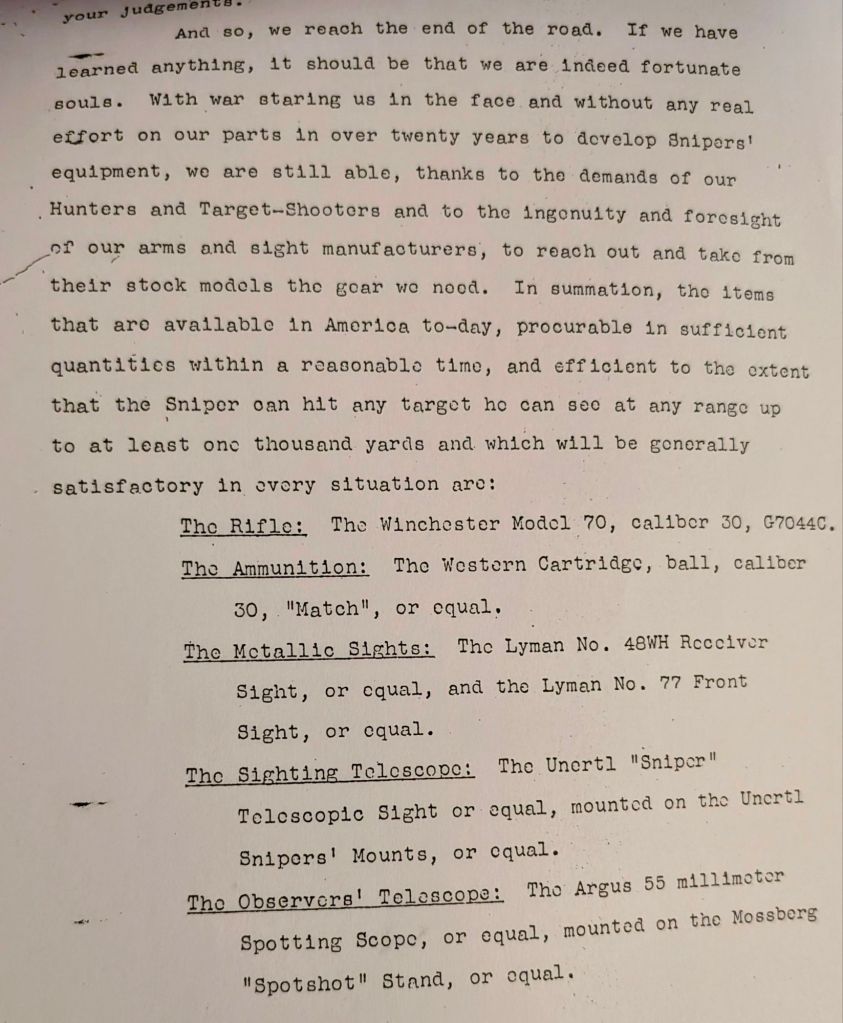
Following the Korean War, the Model 70 was once again deemed to be the best option for a USMC sniper rifle (USMC).
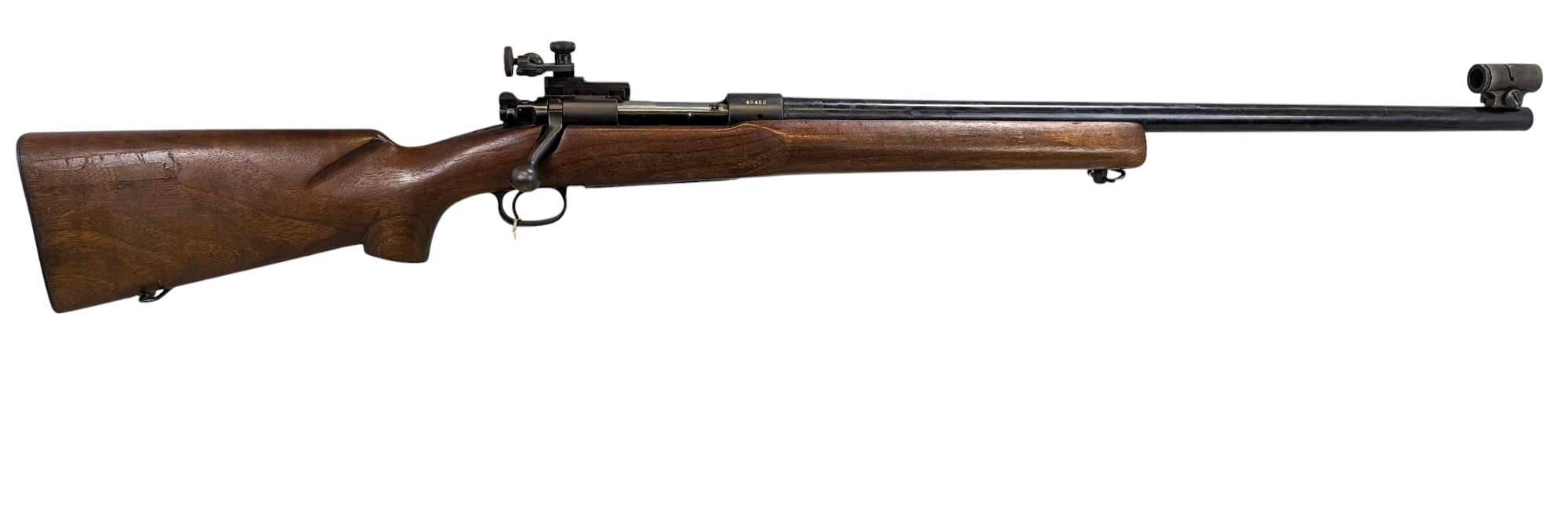
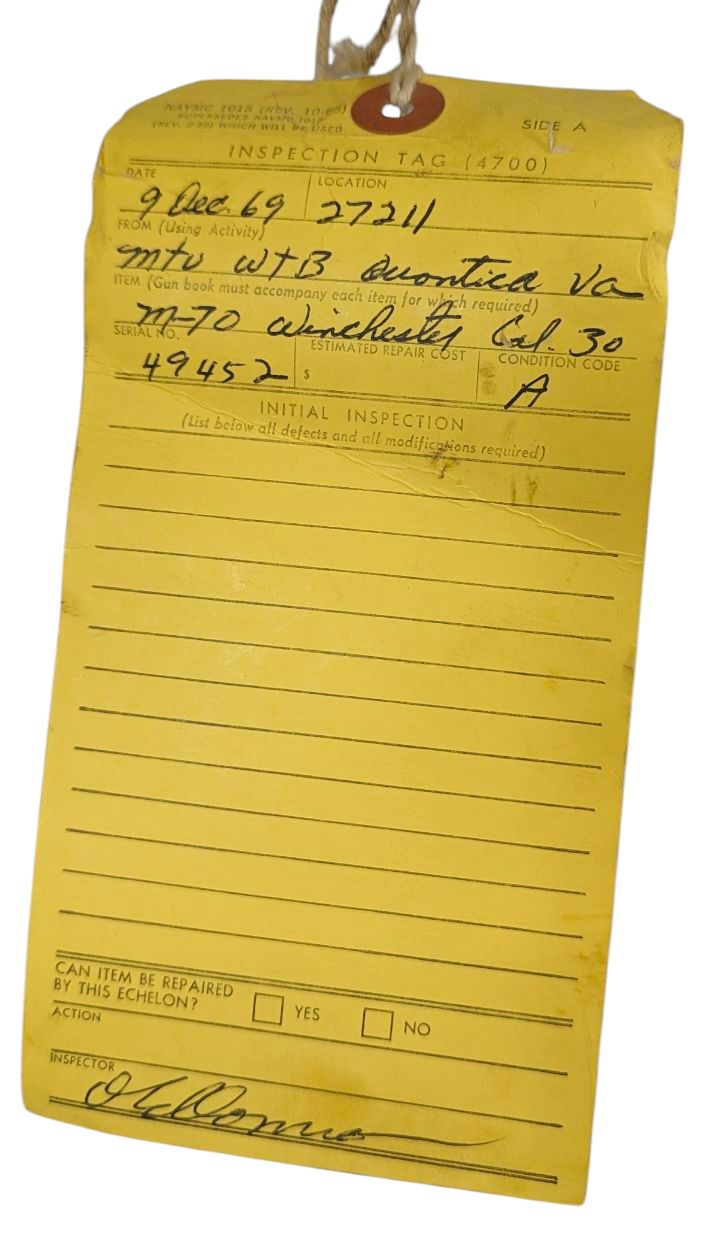
USMC 70 Target Rifle #49452 used by the Marine Corps Rifle Team (USMC).
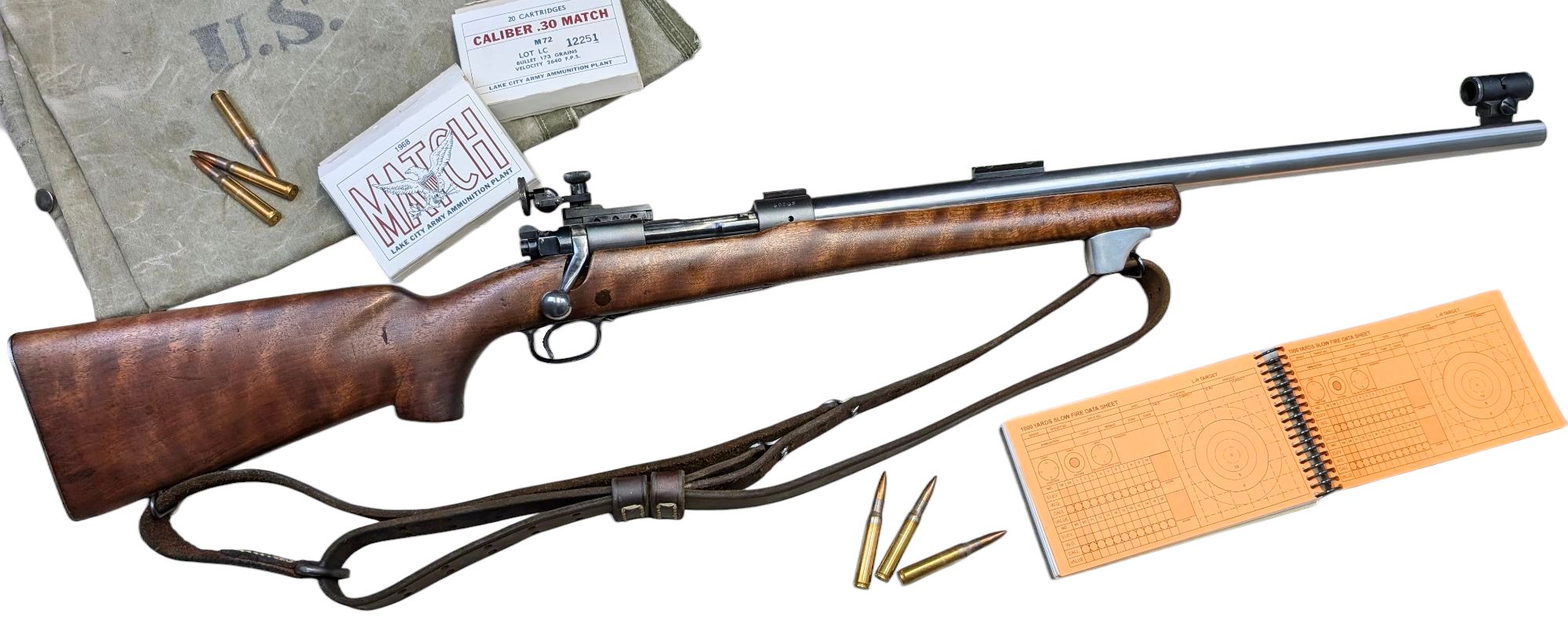
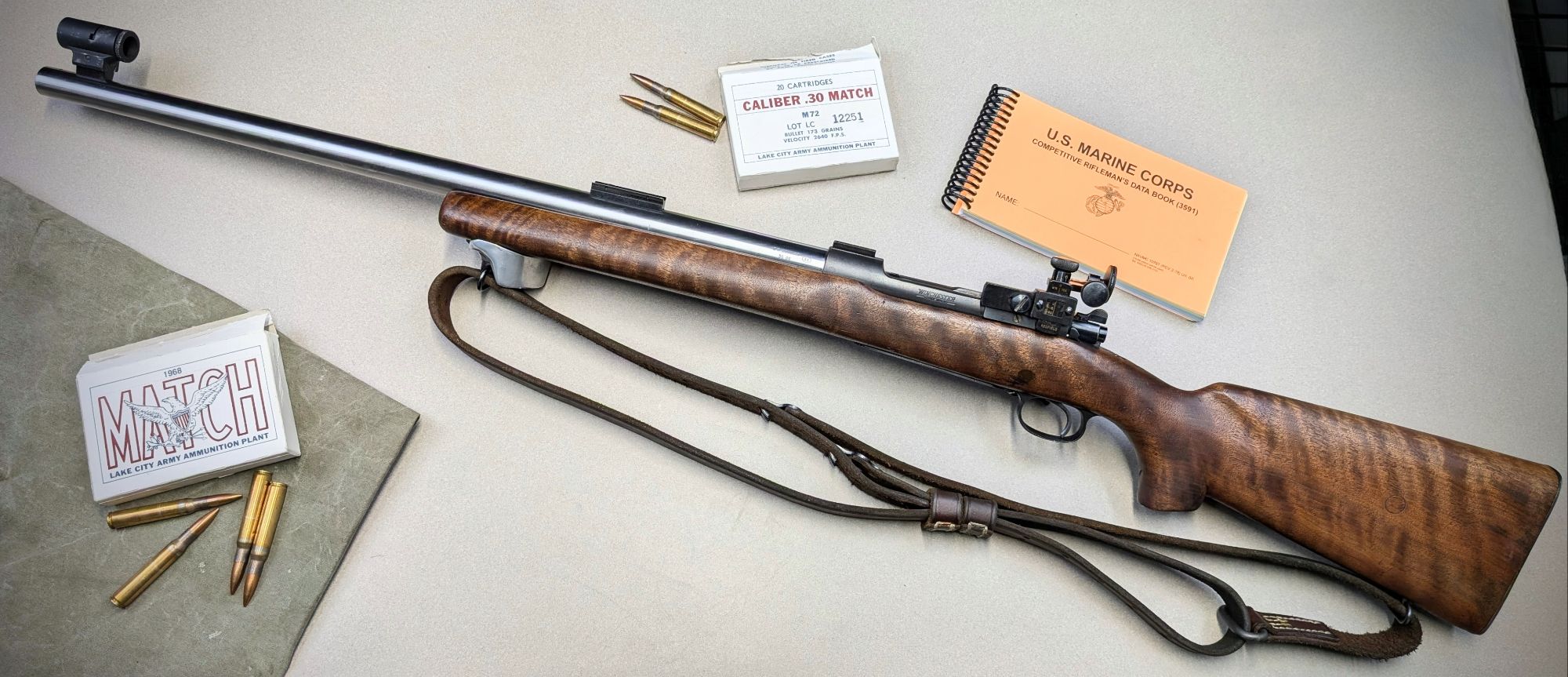
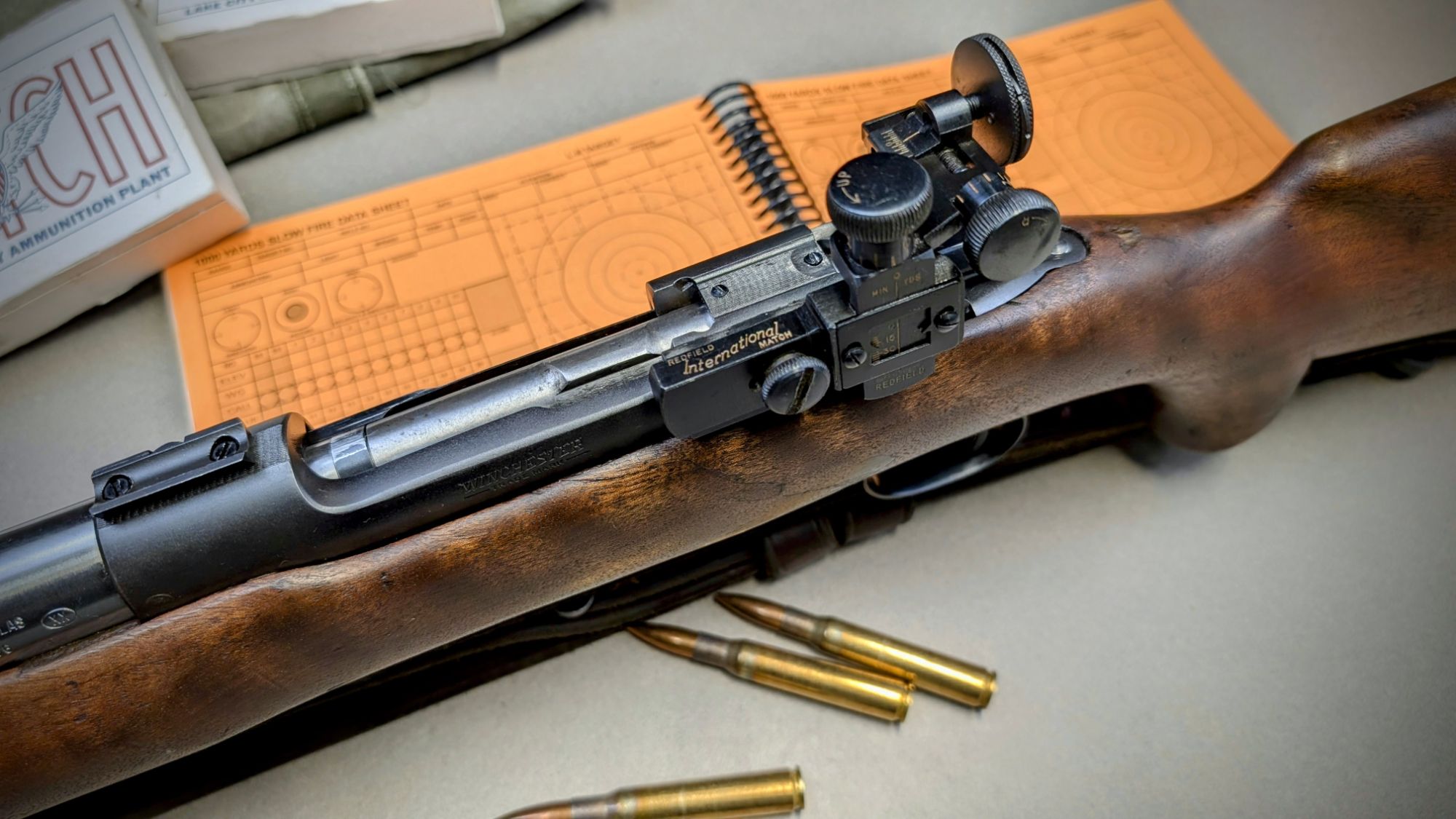
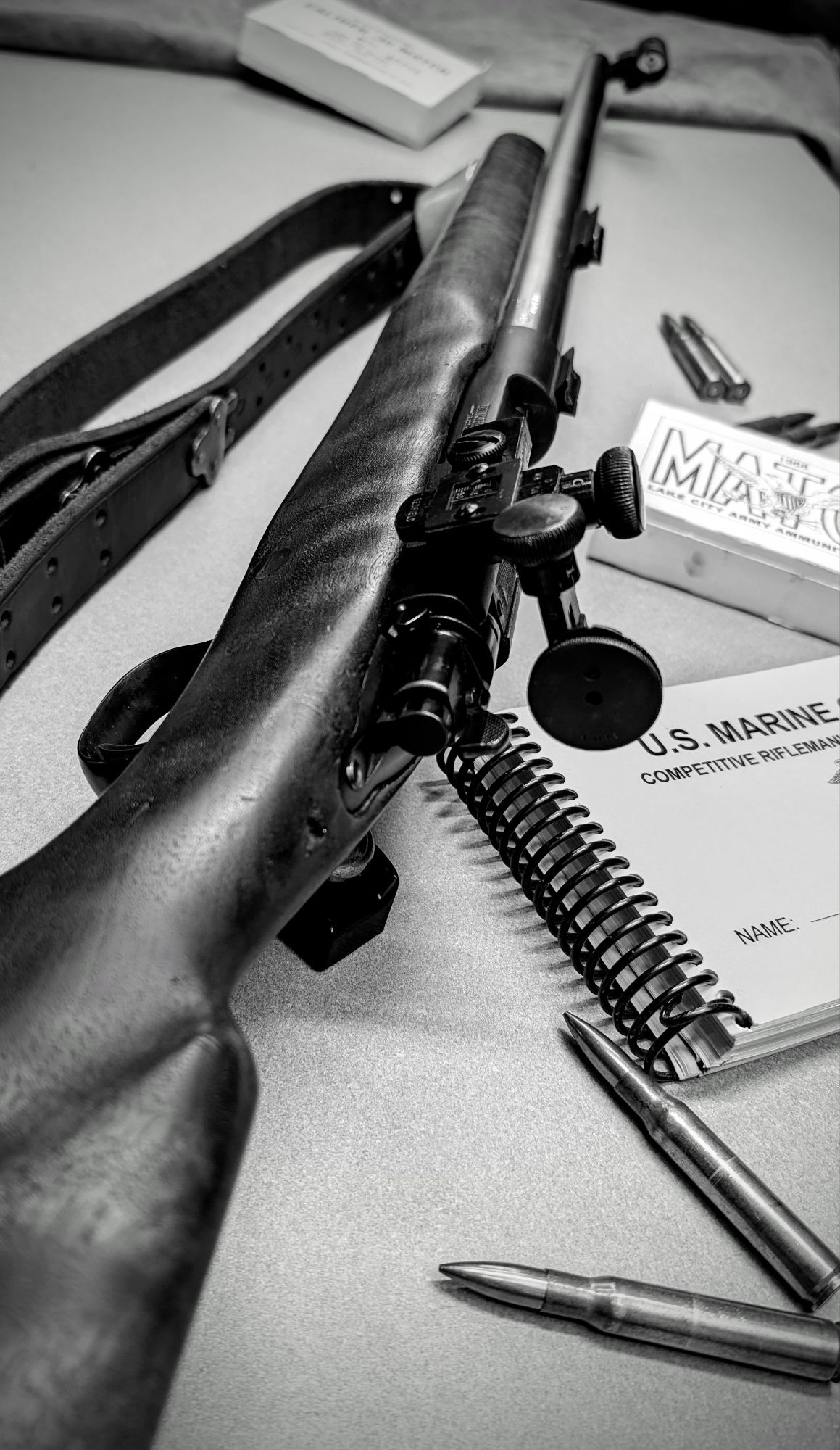
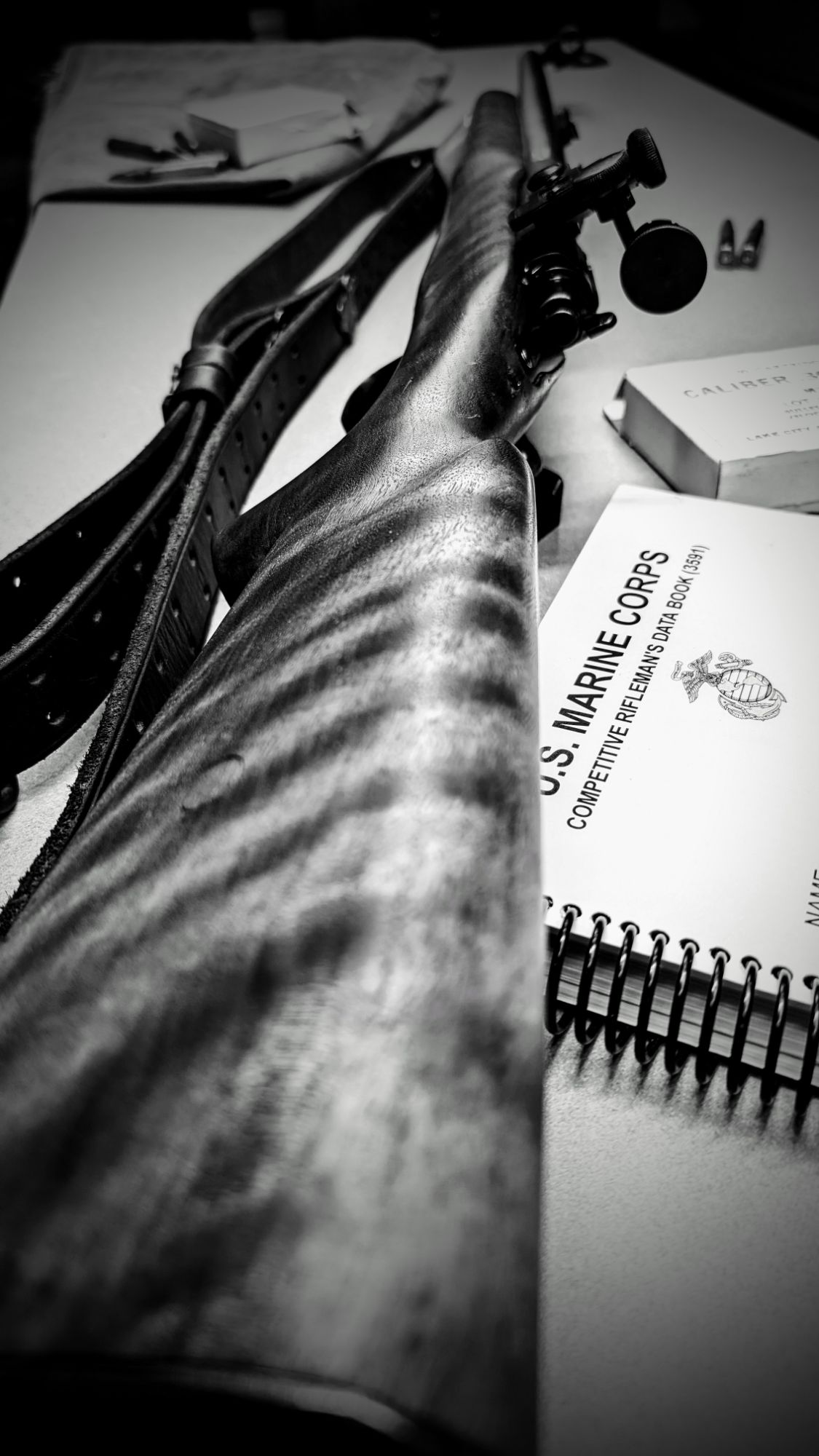
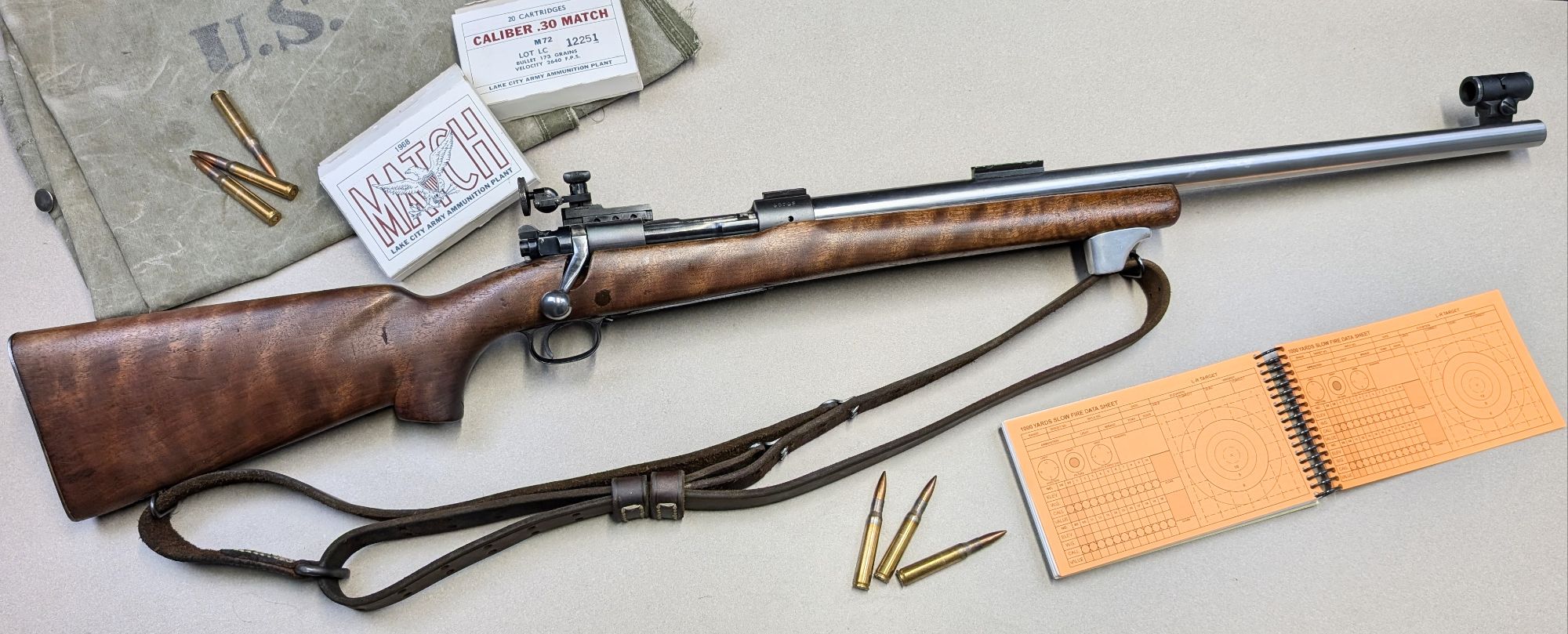
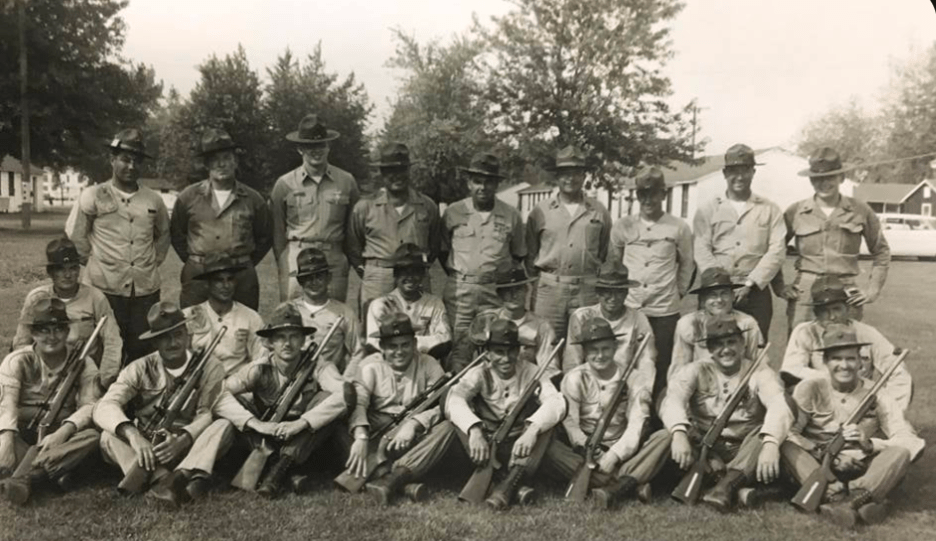
The earliest Marine snipers in Vietnam were with the 3rd Marine Division, arriving in 1965. As no official USMC sniper program existed, these men were Distinguished Rifleman and Highpower Rifle shooters. They brought with them the Winchester Model 70, a rifle long referred to as “the Rifleman’s Rifle.” These Model 70s were from division stock and used for match purposes. They had heavy stainless steel bull barrels and Redfield International Match iron sights, hardly the sights a marksman would want to use in combat.
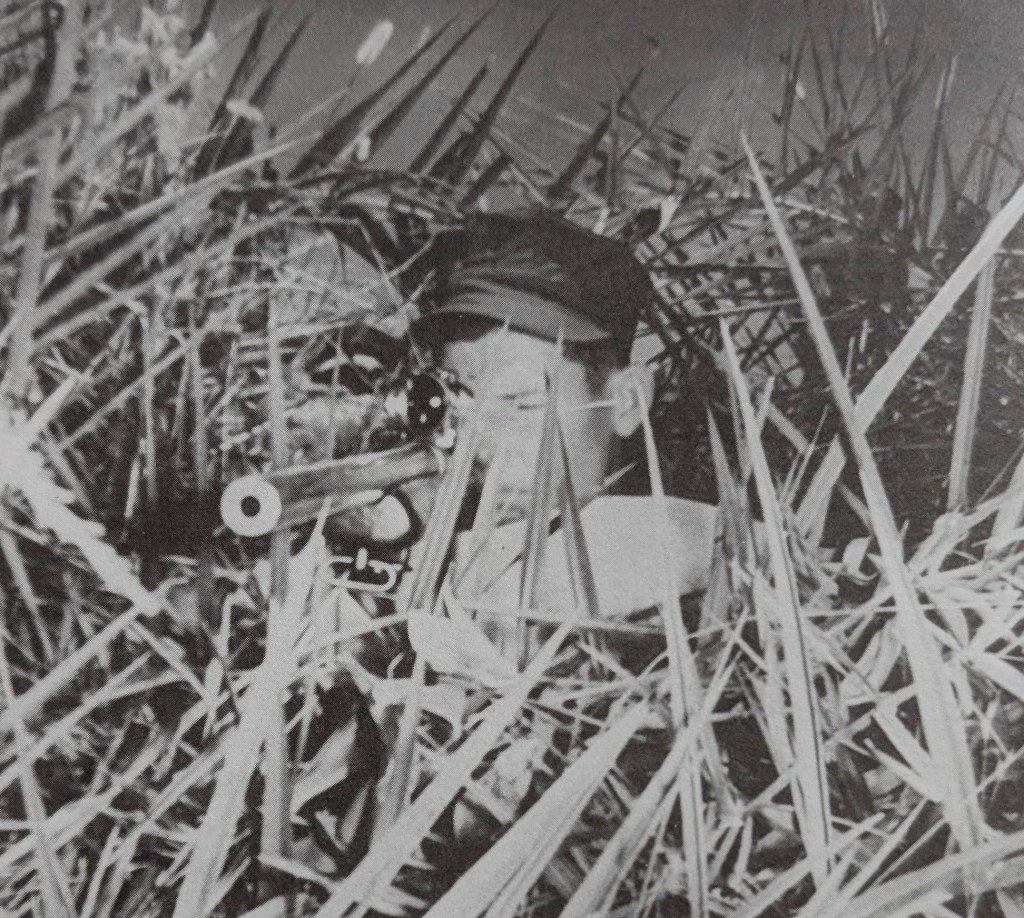
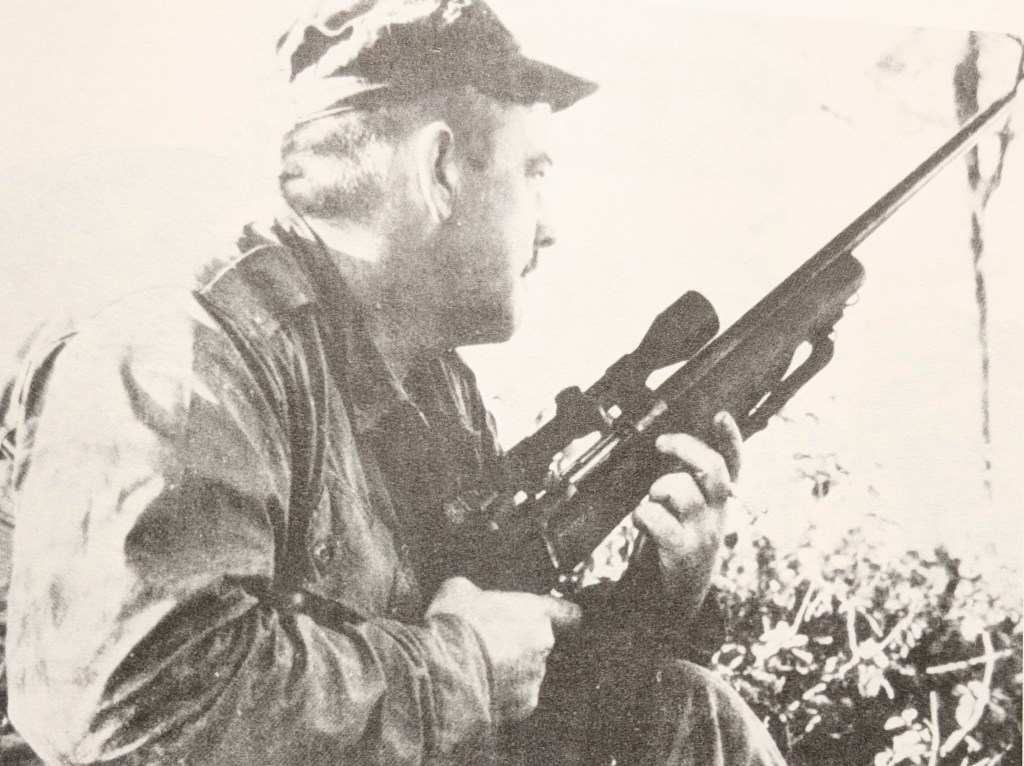
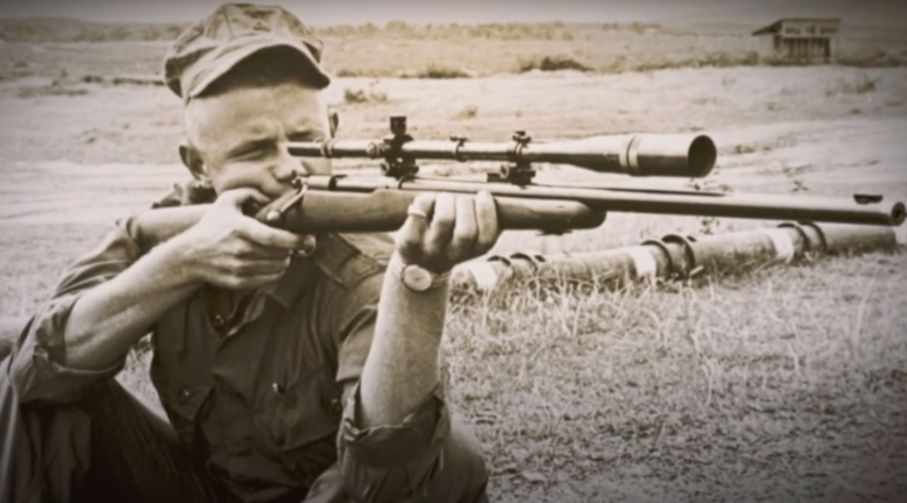
A stop at an Okinawa PX on the way to Vietnam provided an opportunity to purchase scopes for these match Model 70s. The PX scopes were Japanese made 3-9x40s and marked “Marine”. They had a simple post reticle, and from all accounts they appear to have worked pretty well. Eventually, a shipment of the standard USMC Unertl 8x scopes that were mothballed since 1946 would make their way to Vietnam, giving birth to the most iconic version of the USMC Model 70 sniper rifle. The Marine scope would continue in service in some quantity until at least 1966, and while virtually unknown to history would be the scope that zeroed in on the first confirmed kills by Marine marksmen in the Vietnam War.
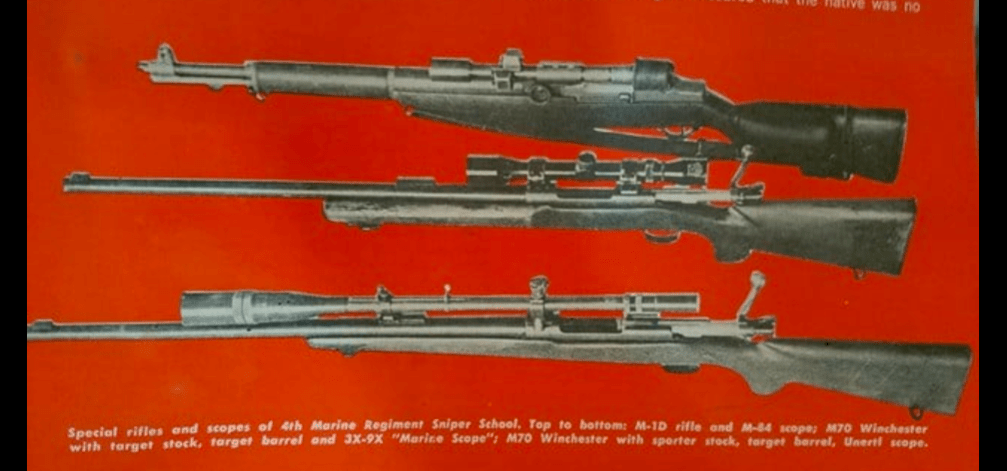
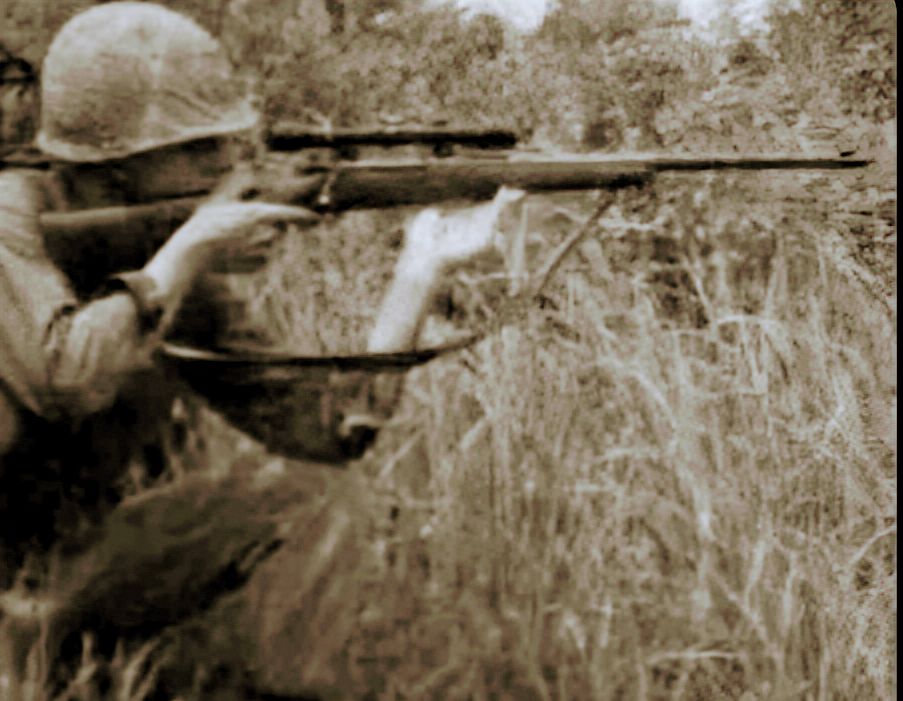
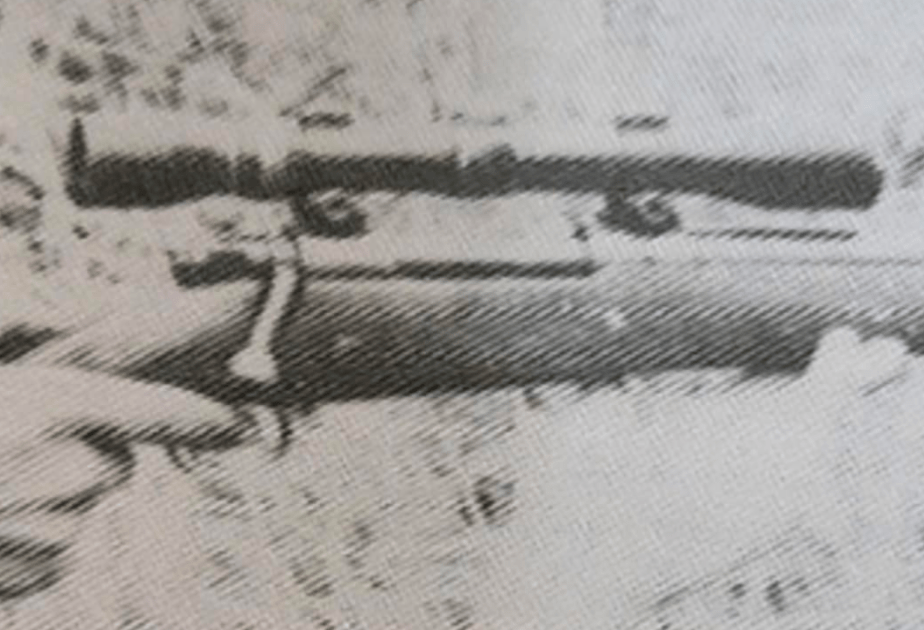
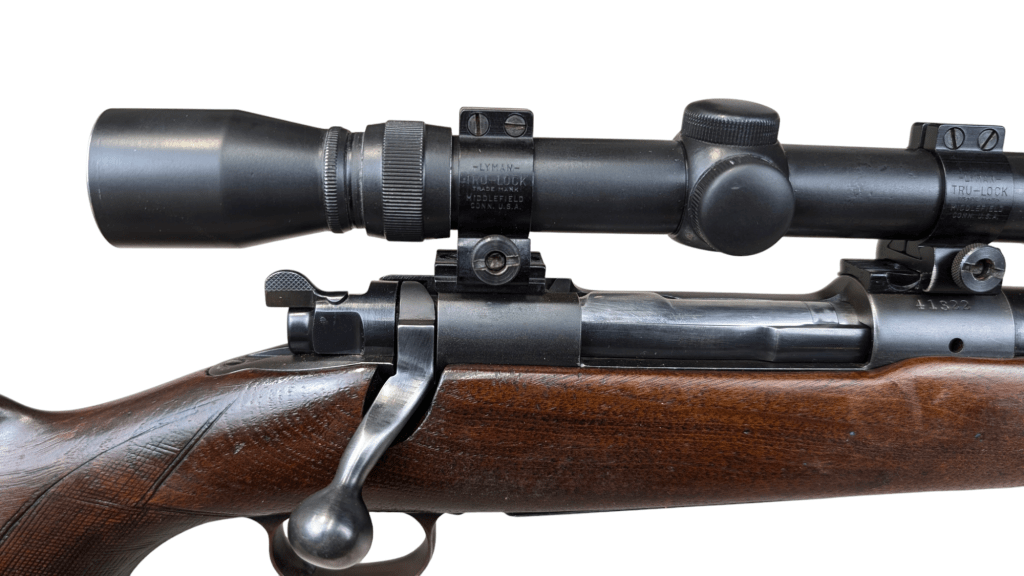
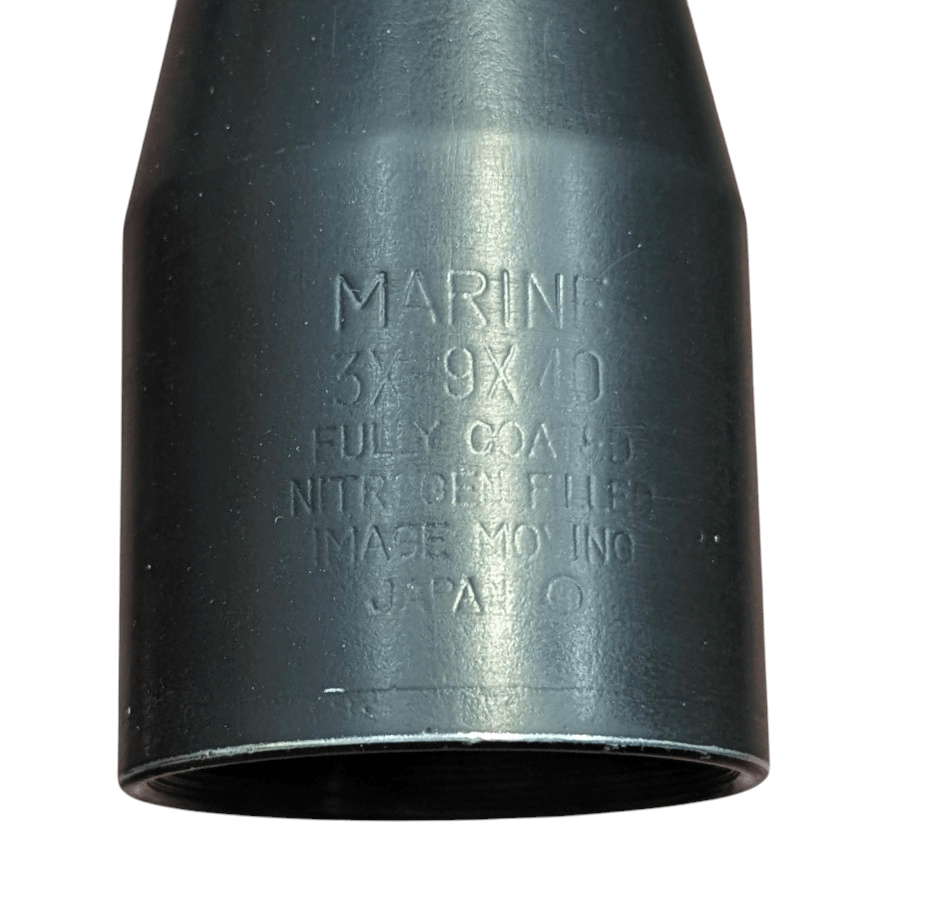
The USMC used several mounts for the Marine scope, including the Lyman Tru-Lock (USMC).
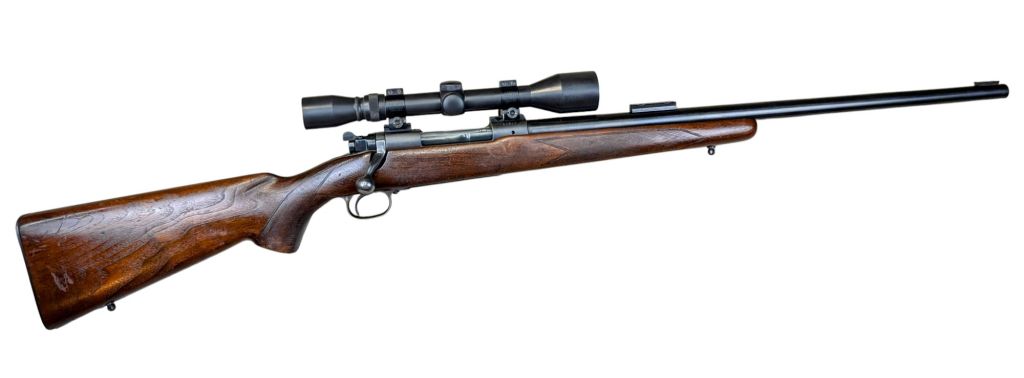
Not long after the Distinguished Riflemen of the 3rd Marine Division became de facto snipers with their Marine scoped Model 70s, an in-country sniping school would arrive – as would the iconic Unertl 8x USMC Sniper riflescope. With more supplies came additional shipments of Model 70 rifles. While the earliest rifles used by the 3rd Marine Division included heavy Douglas bull barrels in bulky target stocks, the lighter medium-heavy target profile WRA barrels in sporter stocks became the preferred variant and appear to be the most common type used for sniping. The WRA barrels also had the benefit of coming blued from the factory, much more advantageous than the “in the white” Douglas heavy barrels for concealment.
Timeline of USMC Model 70 Sniper Rifle Service in Vietnam
Mid 1965
The 3rd Marine Division arrives with 12 Winchester Model 70 Match Rifles with heavy barrels (some in the white), fitted with Marine 3-9x scopes procured from the PX in Okinawa.
Late 1965
The 1st Marine Division arrives with 20 Springfield Armory M1D sniper rifles.
Late 1965
The 1st and 3rd Marine Divisions are sent 53 Winchester Model 70s from the Marksmanship Training Unit, 59 Unertl USMC-Sniper 8x scopes, and an additional 20 M1D sniper rifles. The Model 70s have medium weight Winchester barrels and lighter weight “sporter” stocks, which are bedded in country.
Early 1967
The Remington M40 sniper rifle replaces the 65 Winchester Model 70s as the primary Marine sniper rifle in Vietnam.
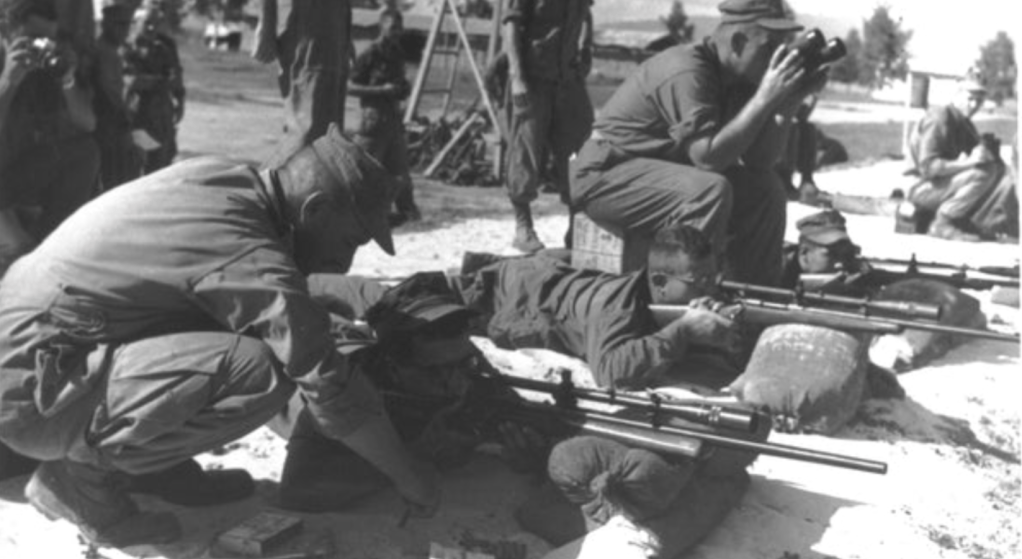
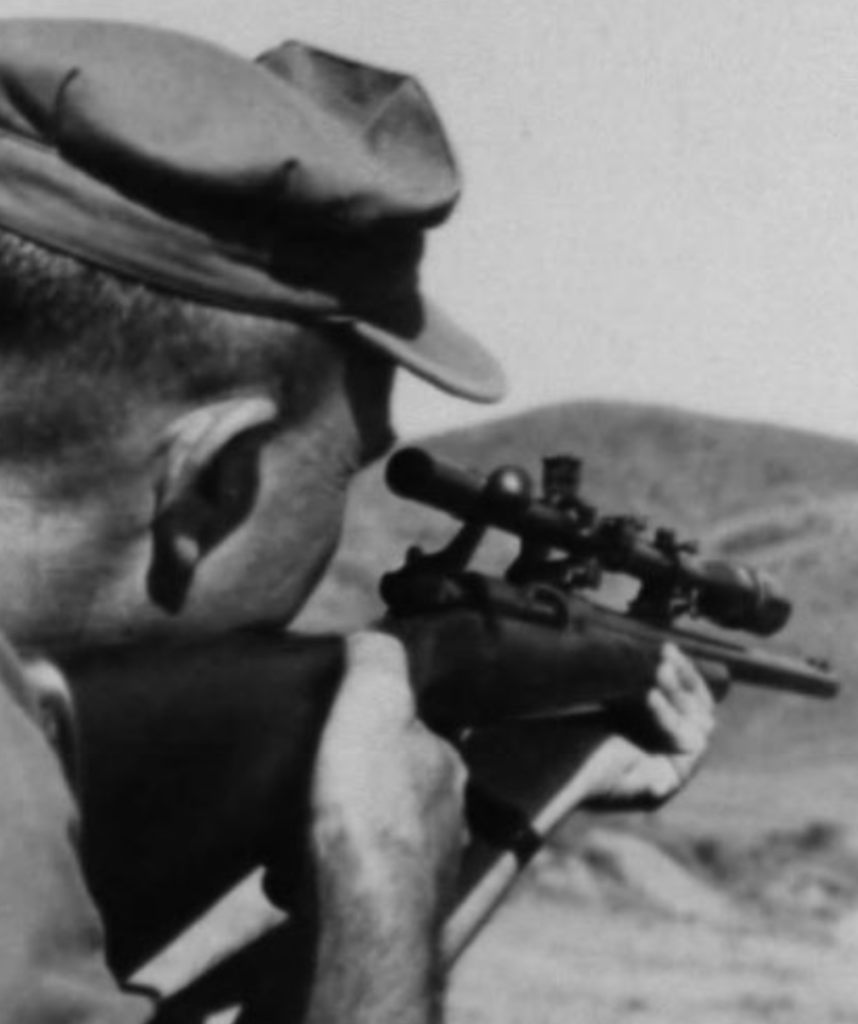
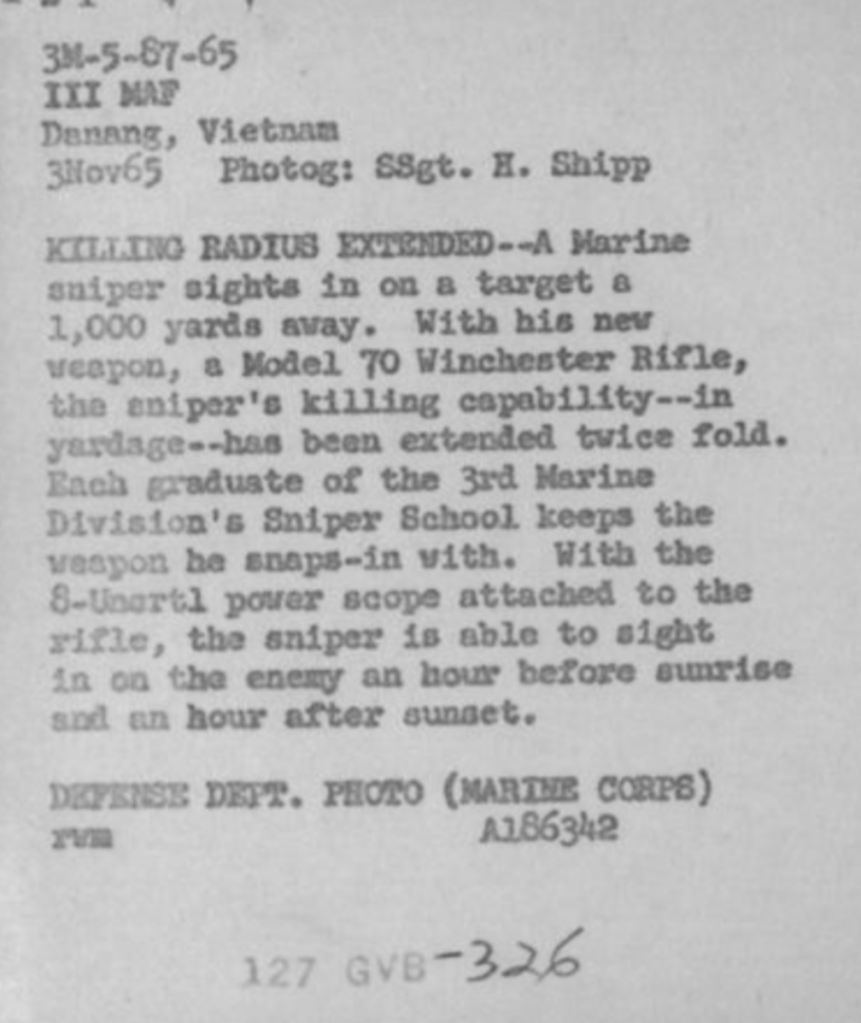
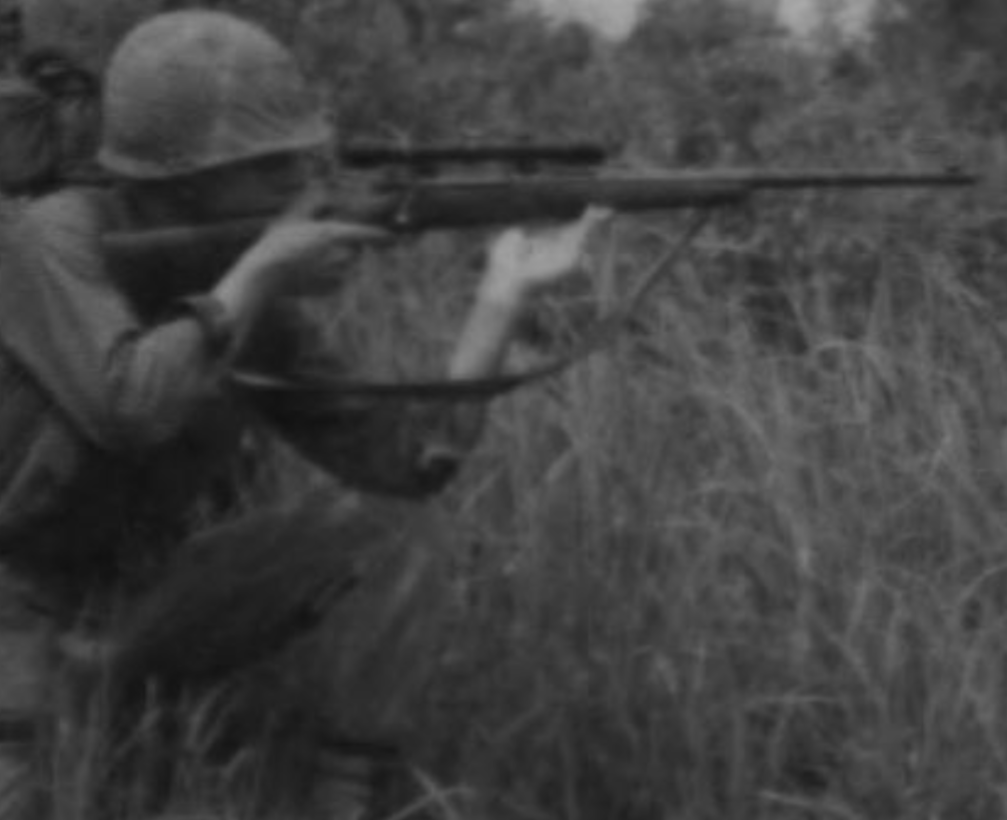
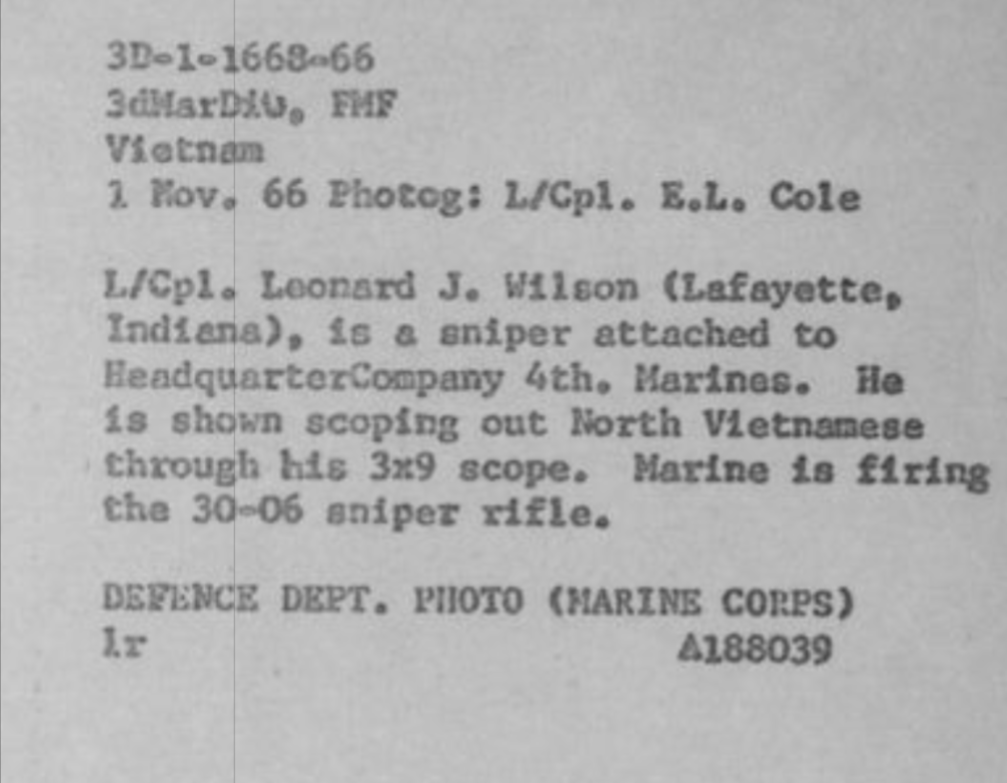
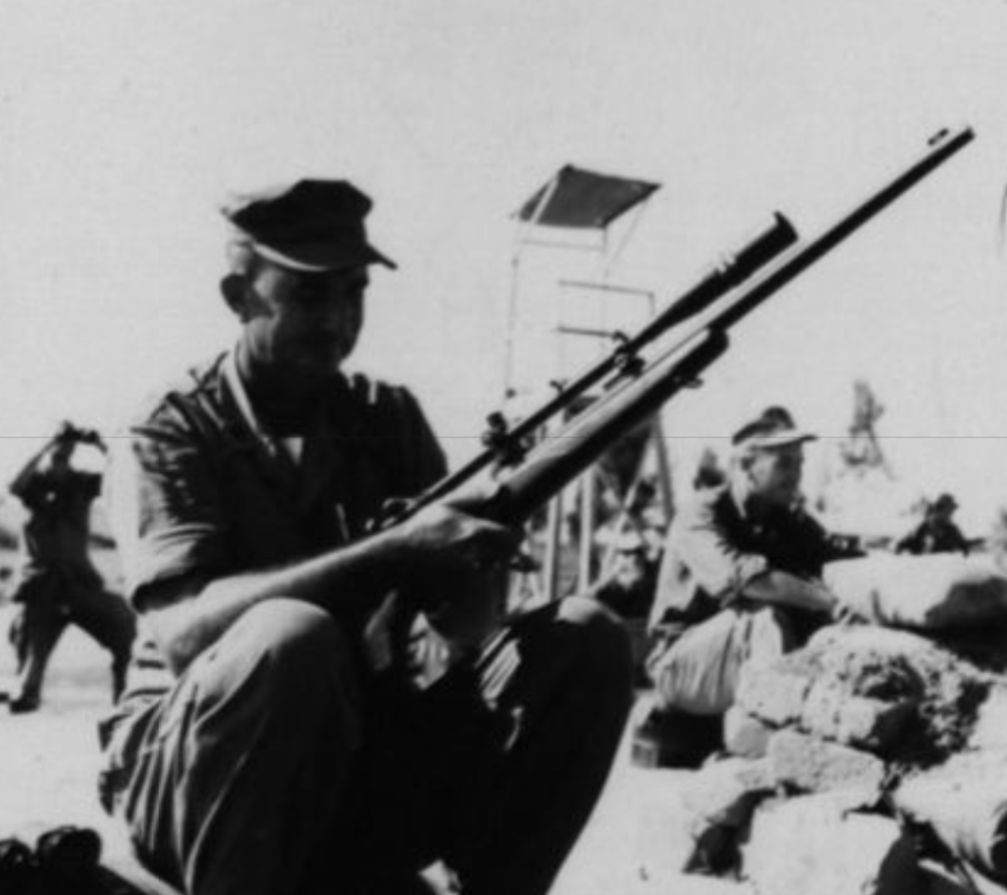
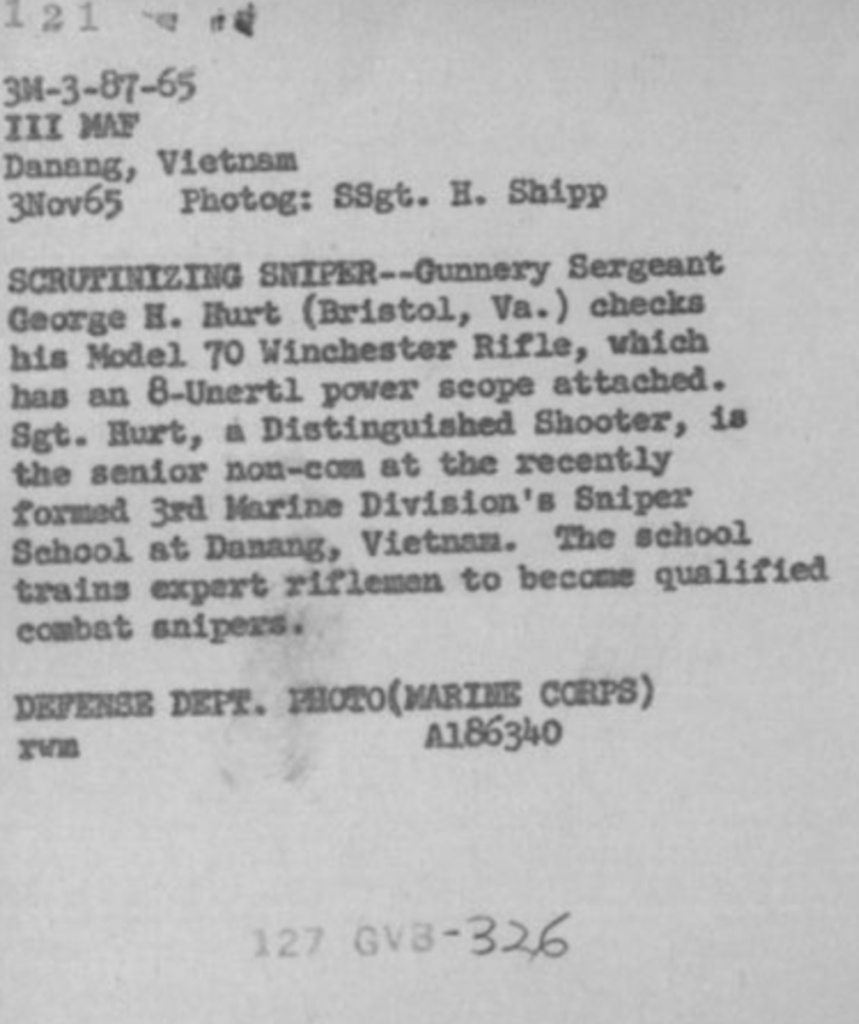
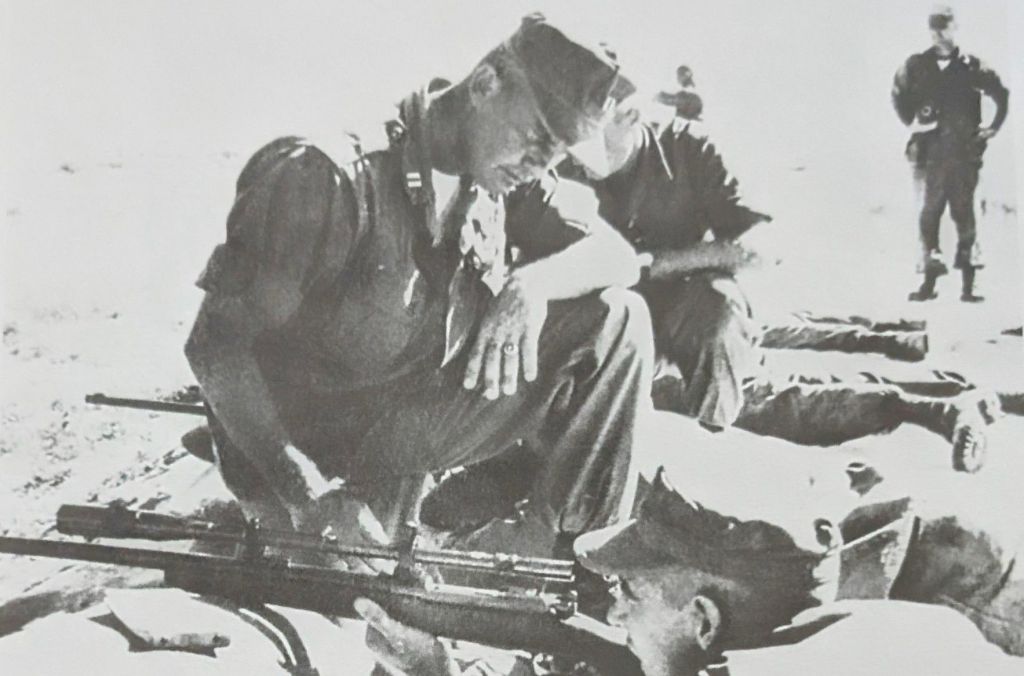
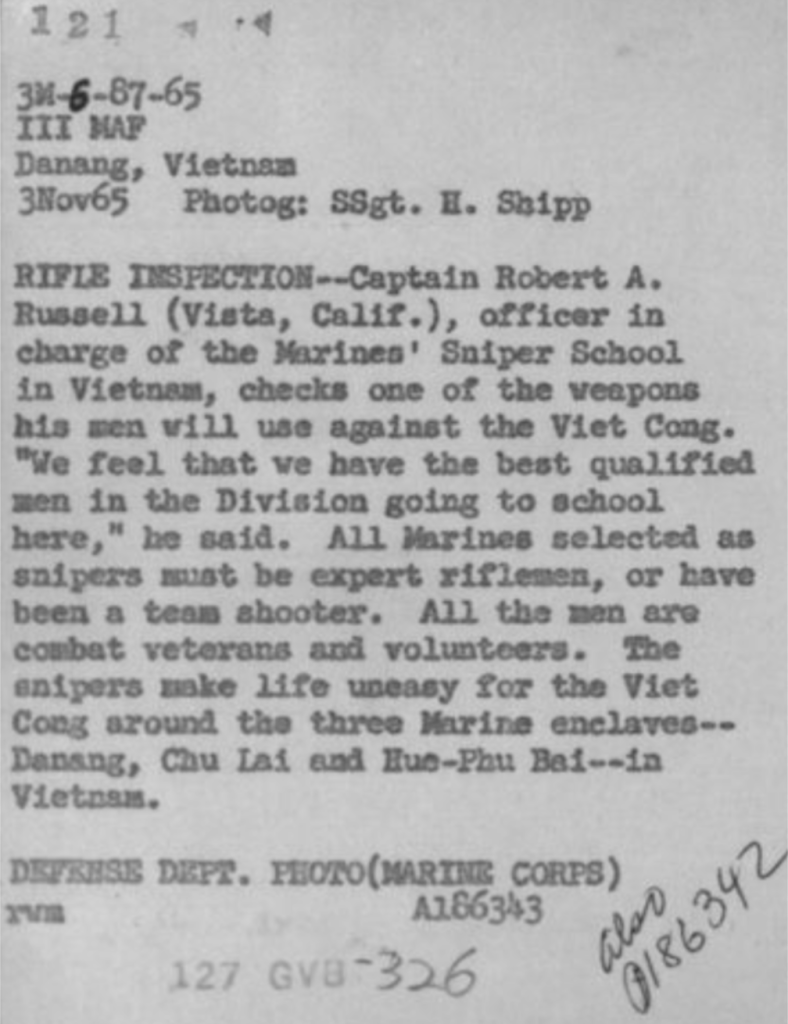
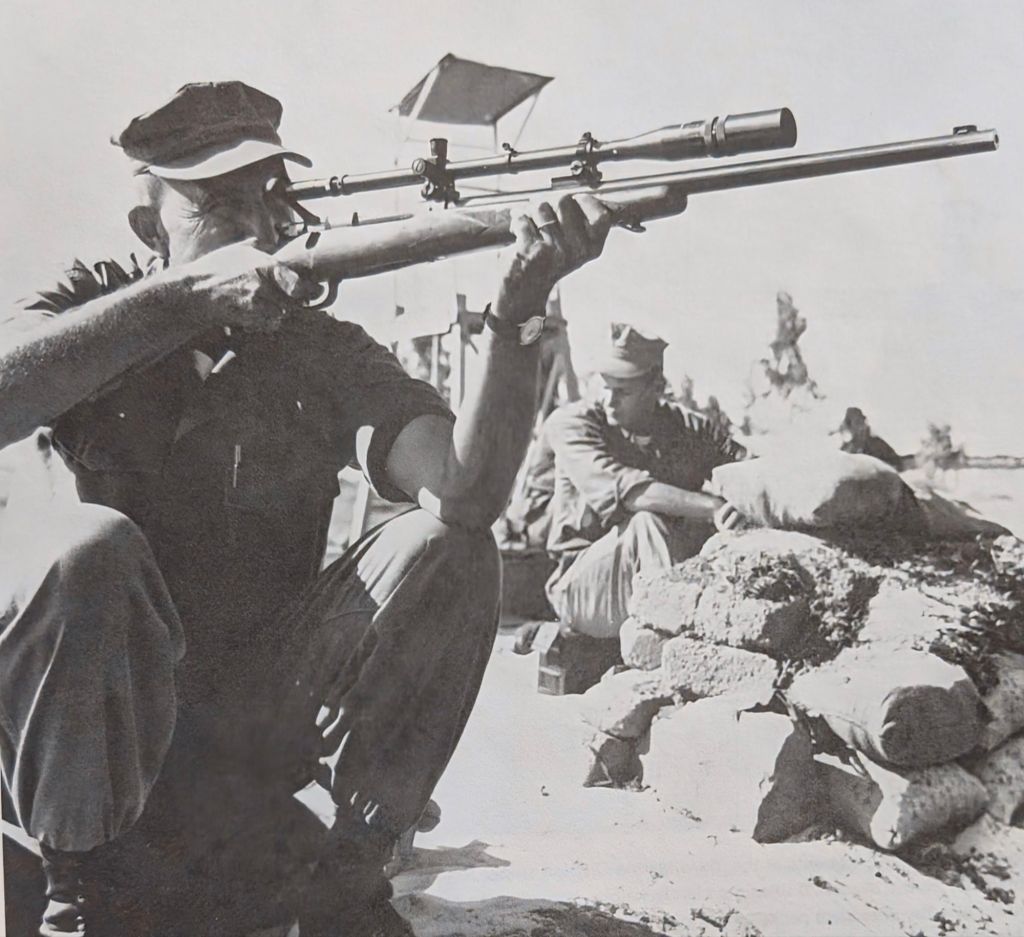
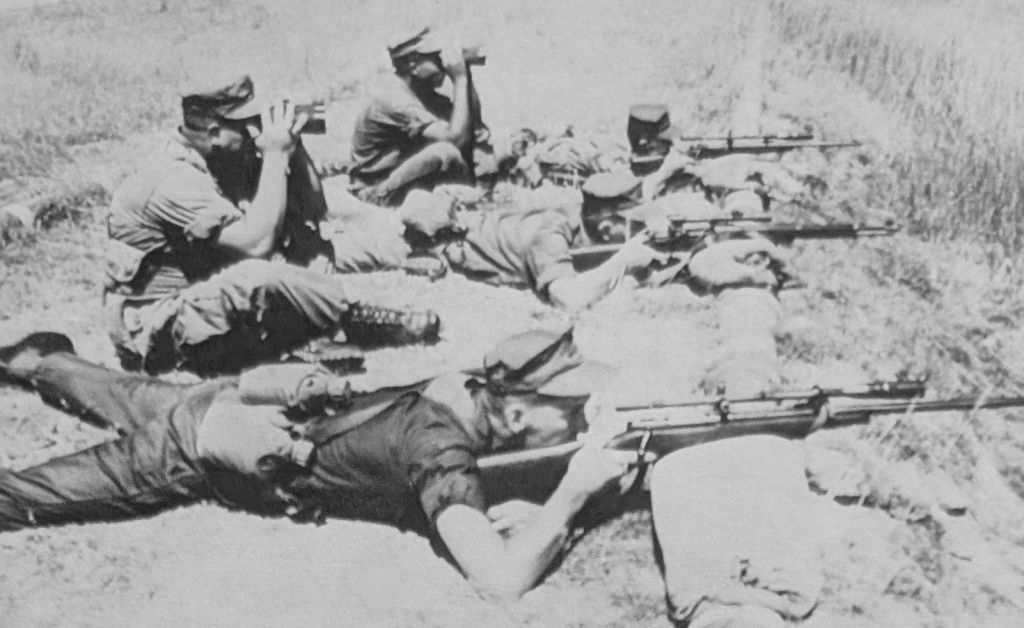
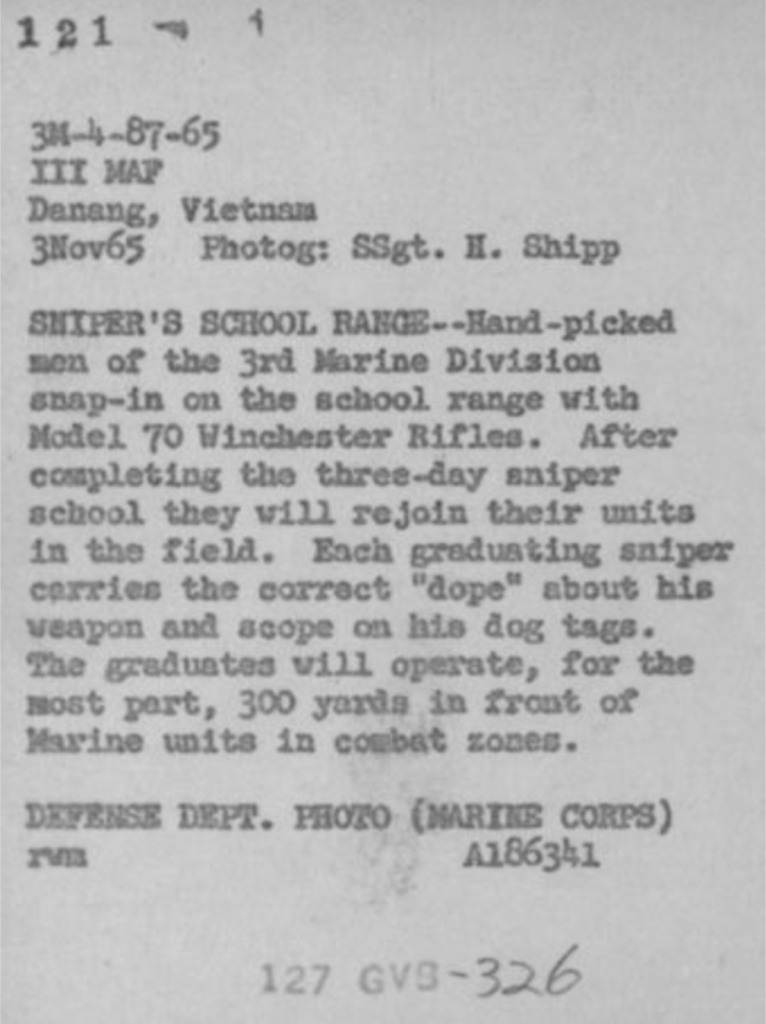
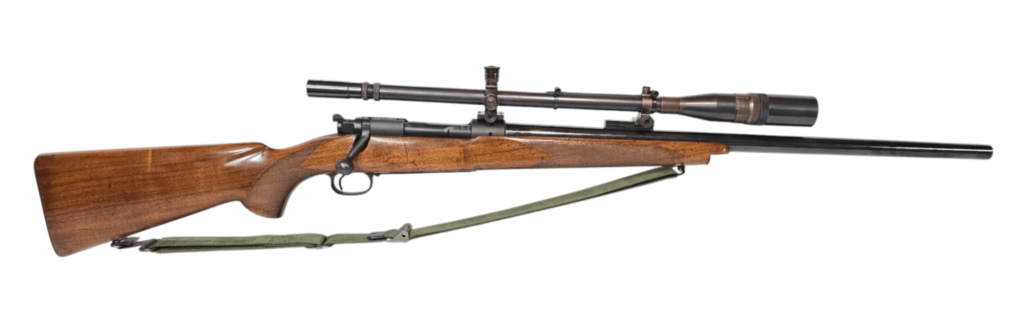
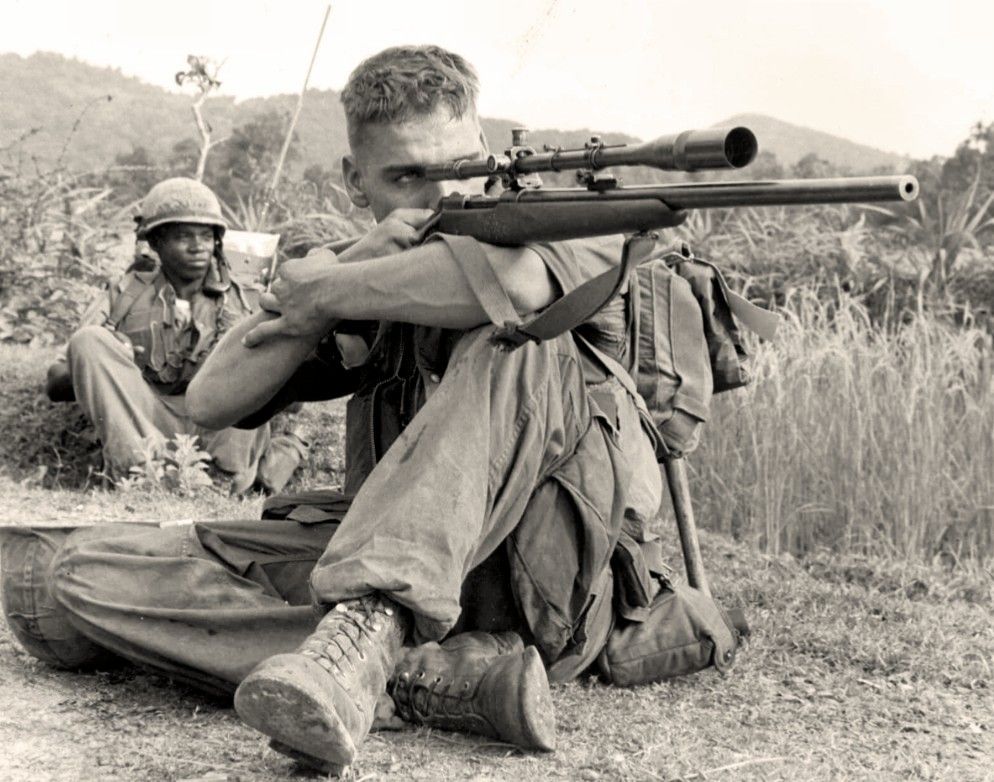
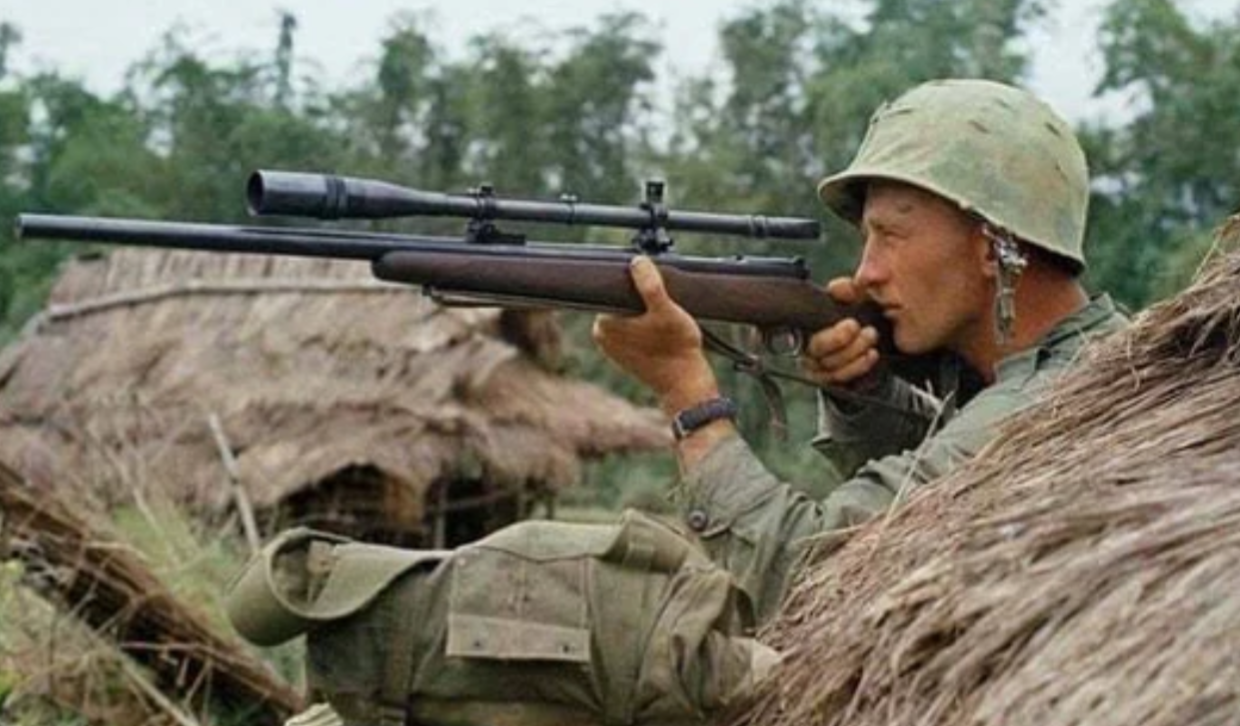
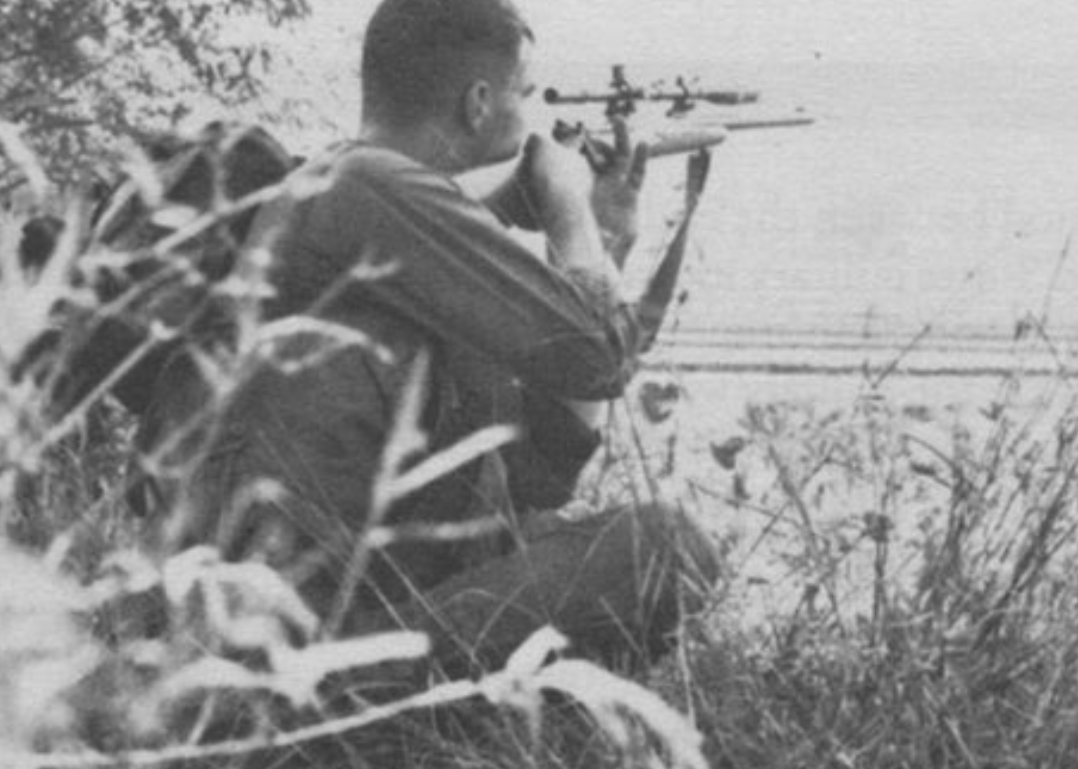
The 1st Marine Division would join the 3rd Marine Division “in country” in 1965, and snipers from both divisions would employ their Model 70s with National Match ammunition in combat. Hits were scored at distances up to 1000 yards, and the reports of the Unertl-mounted Model 70s were very favorable. As the Marine snipers in Vietnam transformed from Distinguished Riflemen to school trained professionals, a search for a new sniper rifle began, one less influenced by the needs of a known distance competitor on a rifle range and more influenced by the needs of a professional sniper in rugged terrain. The result would be the adoption of the Remington M40 in 1967. While the Model 70s use in combat would be relatively brief, it certainly left a lasting mark. Model 70 equipped Marine snipers like Carlos Hathcock would cement a legacy of professional accuracy and lethality that would be taught from one generation of Scout Snipers to the next.
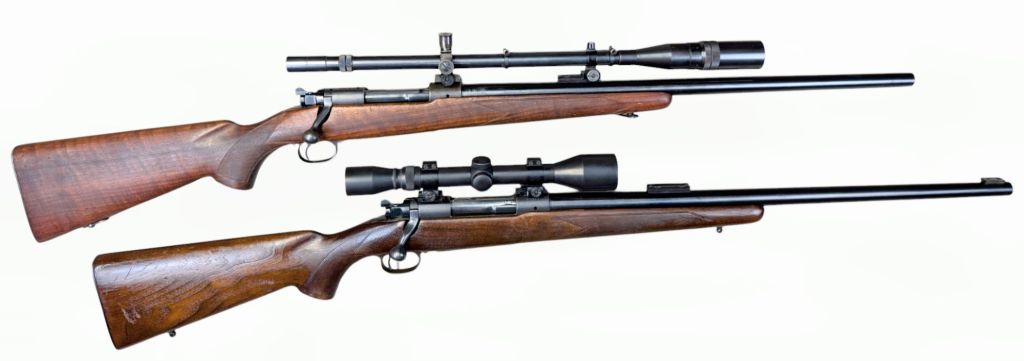
Identifying a USMC Model 70
USMC Model 70s fall into a particular serial number range, but absent official documentation are impossible to positively identify as Marine. Some documented USMC Model 70s are in private hands, indicating at least some of these rifles were sold as surplus. Most are from the list of rifles that were in Marine inventory in the late 1970s, as preserved by Colonel Norman Chandler in his book “Death from Afar: Volume I”. Some Model 70s were awarded by the Secretary of the Navy and USMC as trophy rifles to various match winners as well.
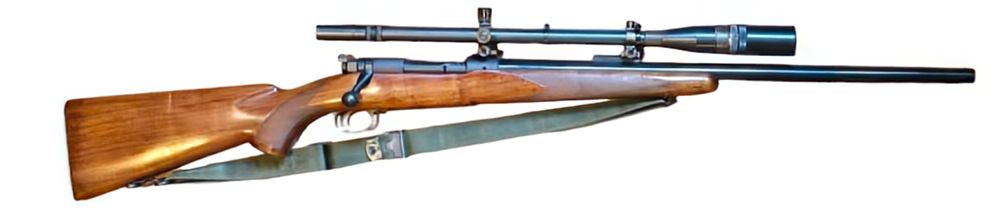
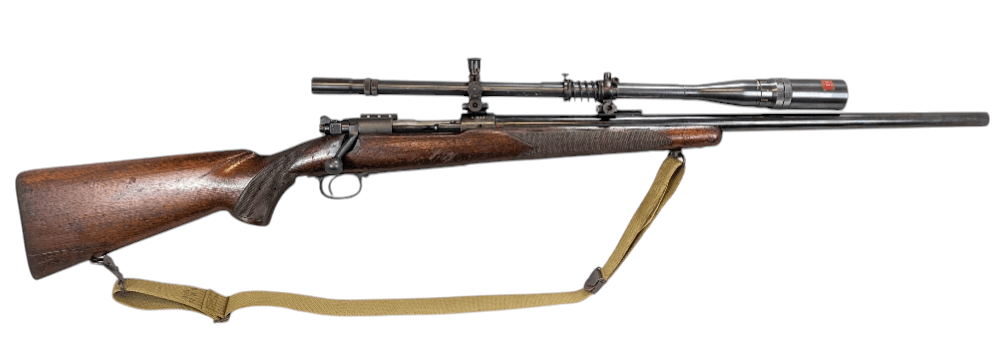
The Marine Corps maintains a collection of historic weapons, and examining these in person does show some consistencies in USMC Model 70s:
- 1941-1945 production serial numbers (41,000 through 50,000)
- Winchester blued 24″ medium-heavy target barrels
- Sporter stocks with modified barrel channels to accommodate the larger profile barrels
- Target stocks glass bedded to the action
- The last 4 digits of the serial number applied to stock bedded to a specific receiver
- Some have “U.S. PROPERTY” electropenciled into the receiver, some do not
- Some barrels have vise markings from being changed
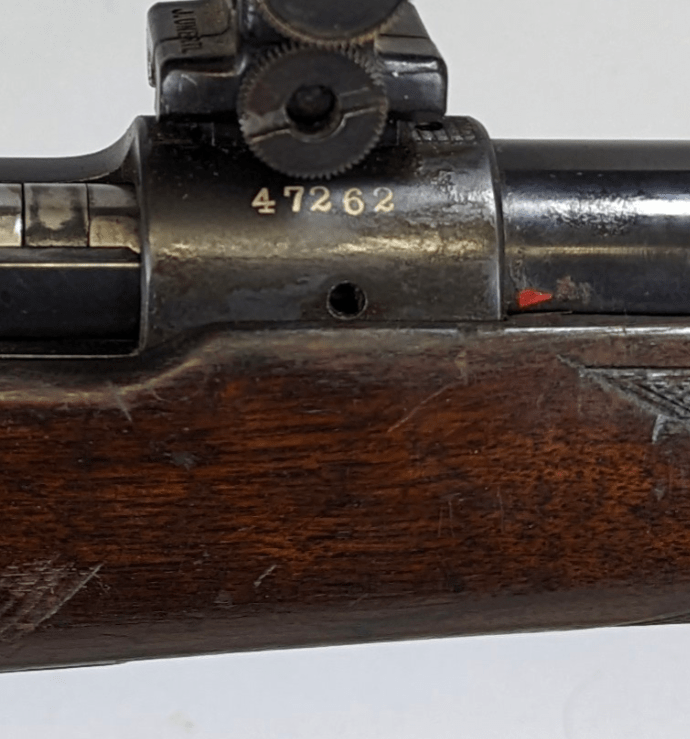
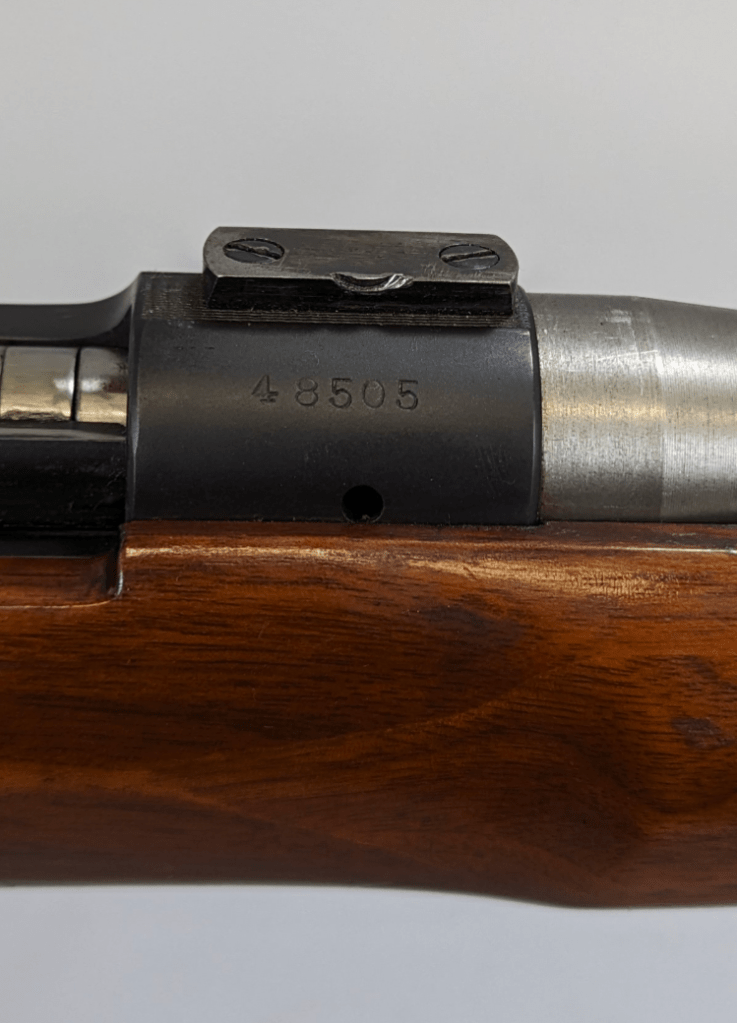
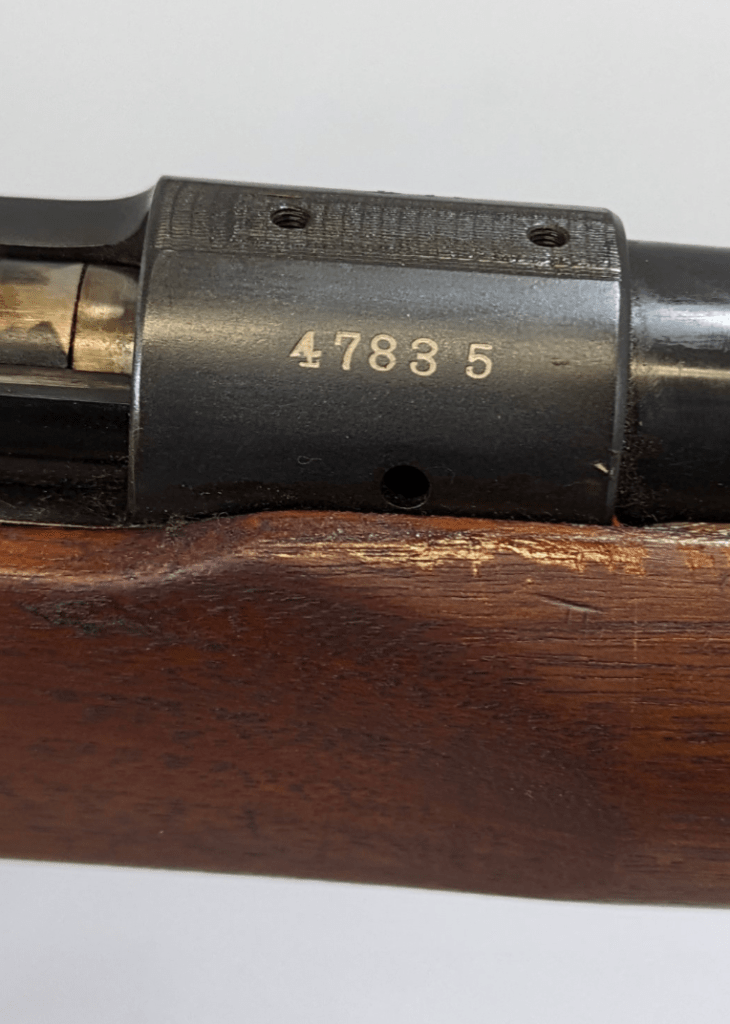
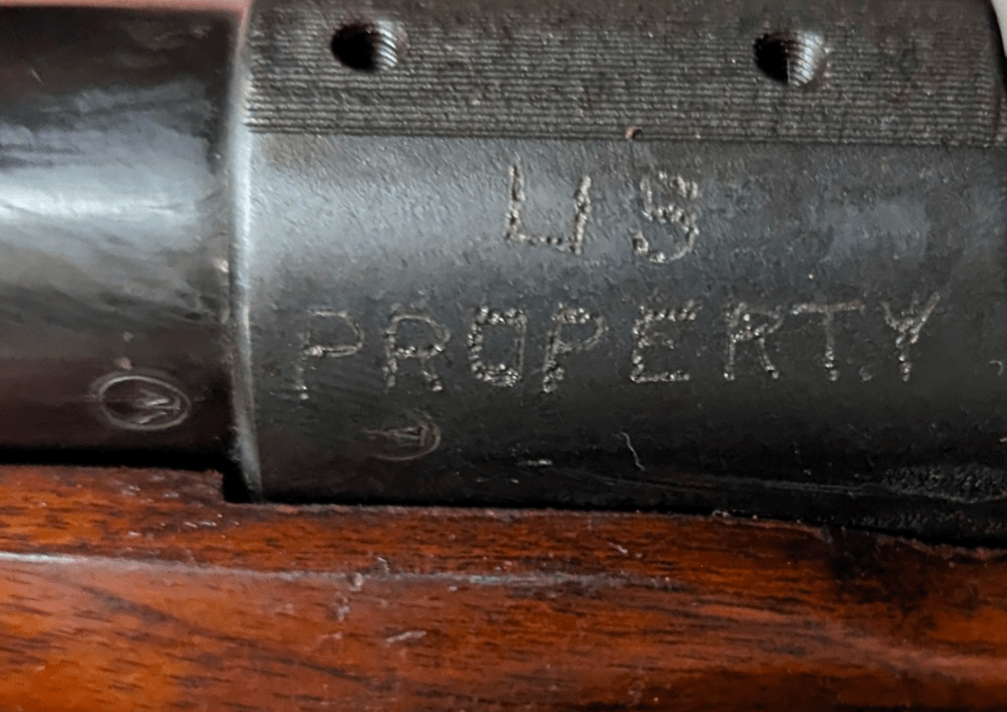
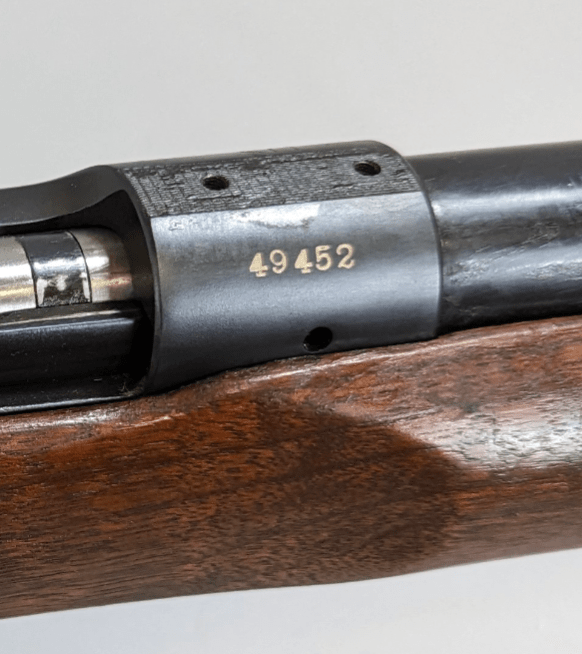
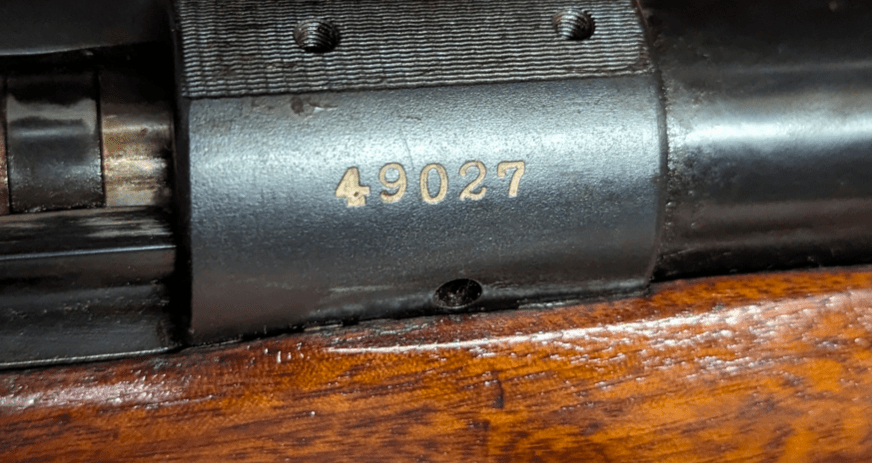
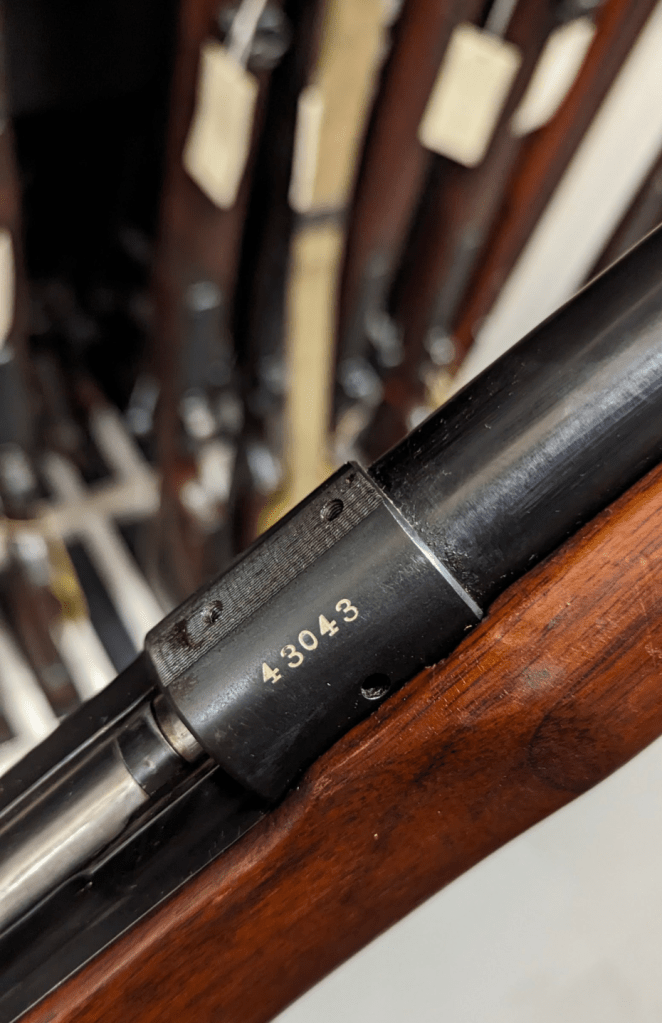
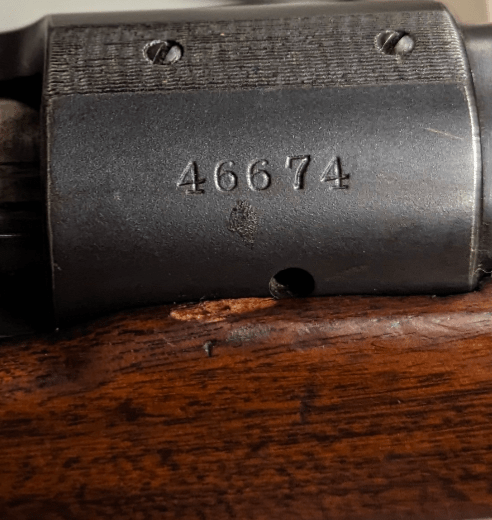
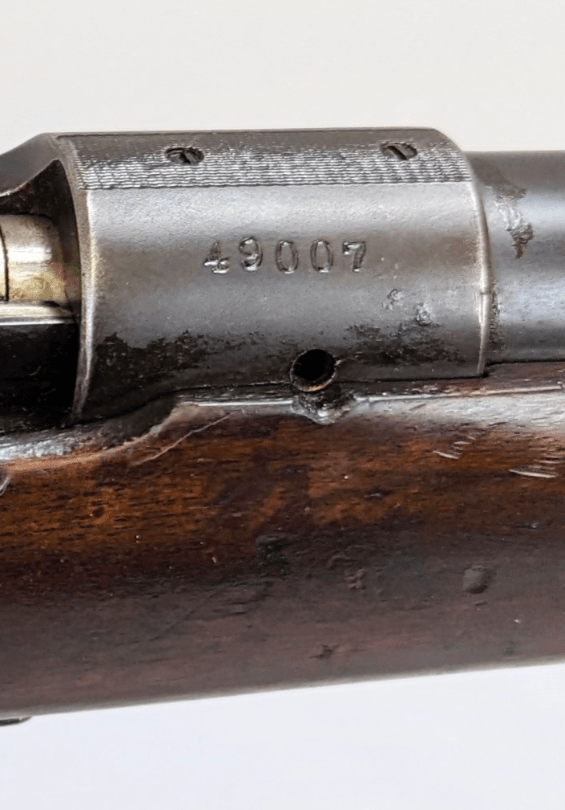
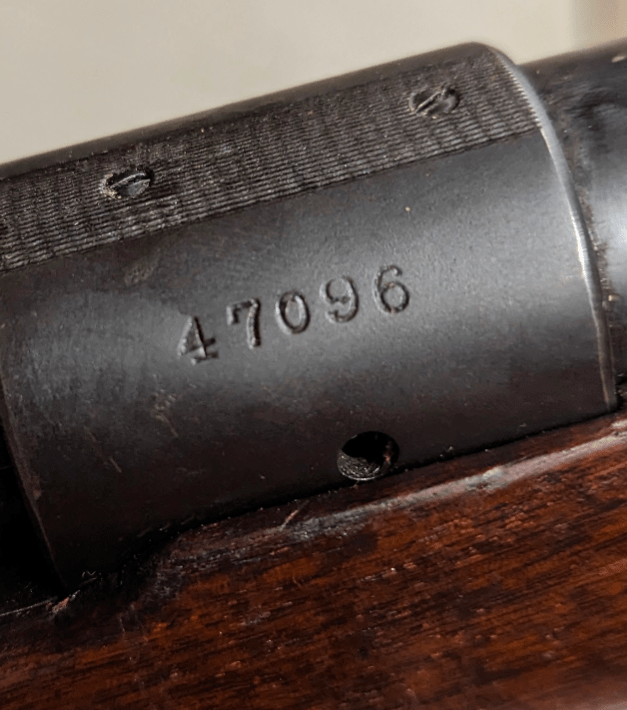
USMC Rifle Team Model 70s that remain in Marine Corps possession (USMC).
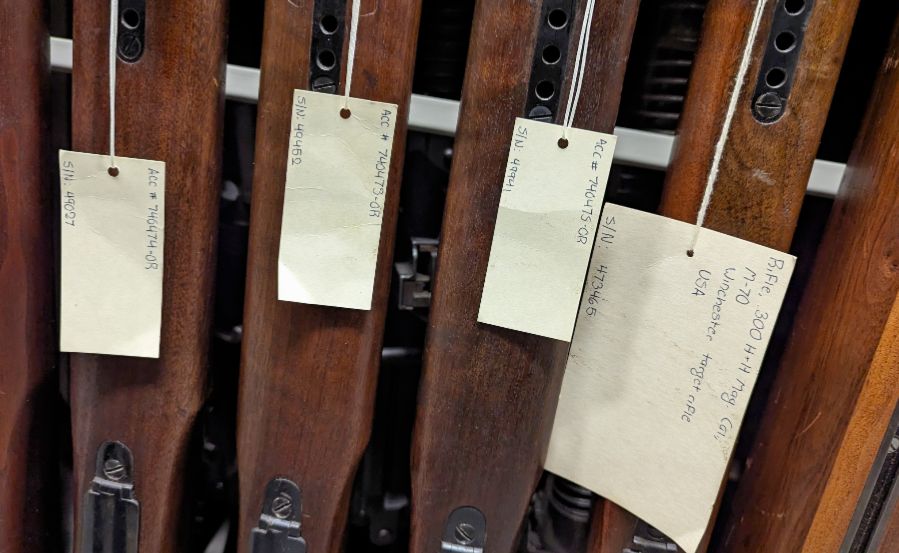
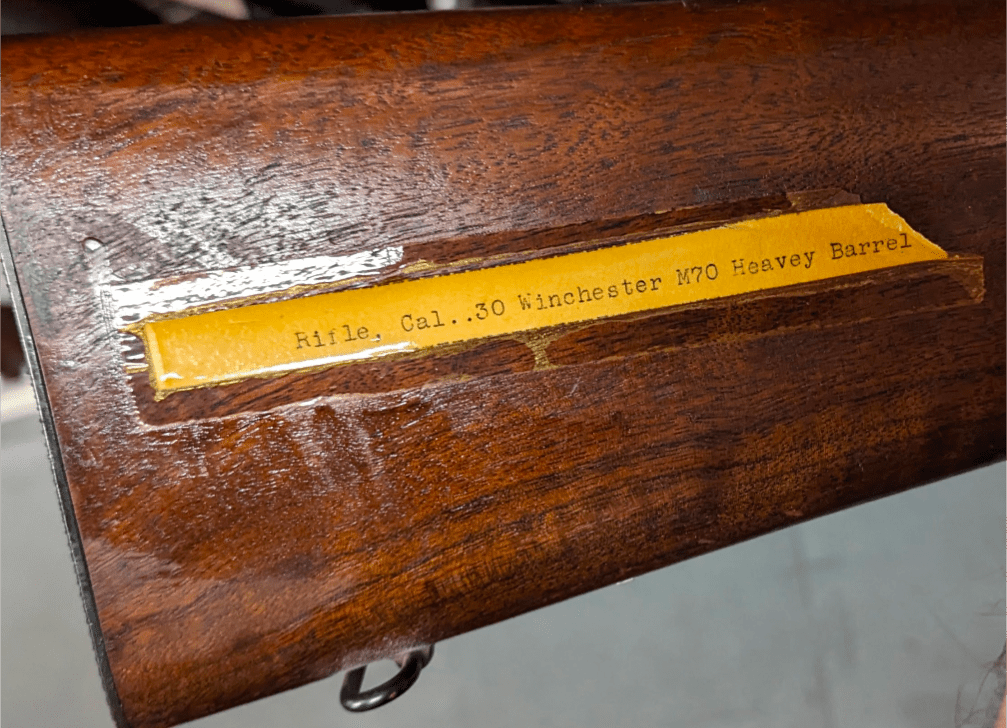
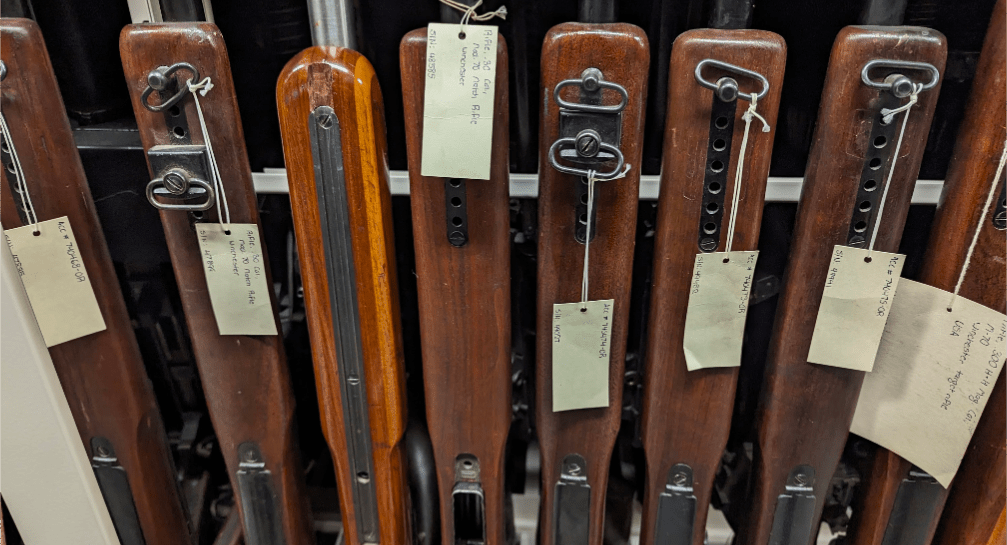
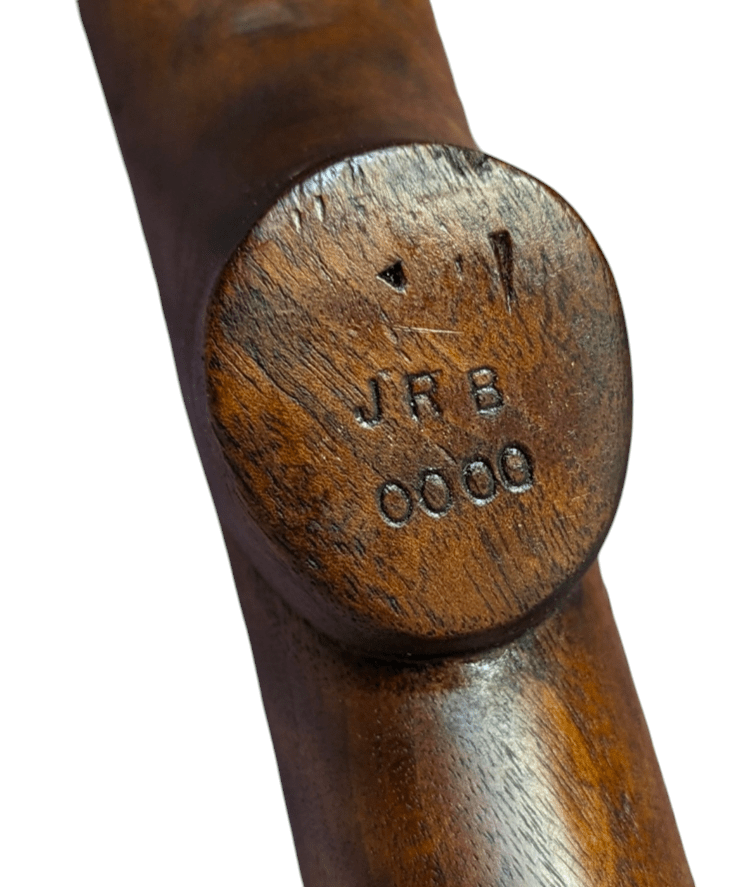
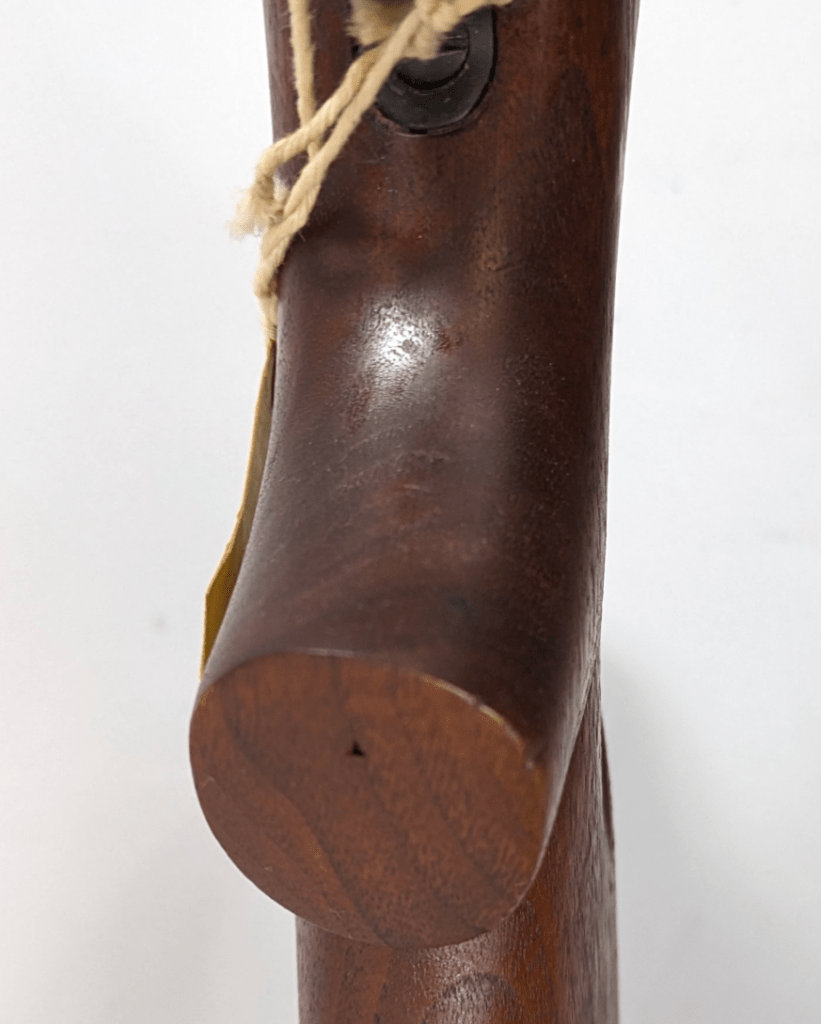
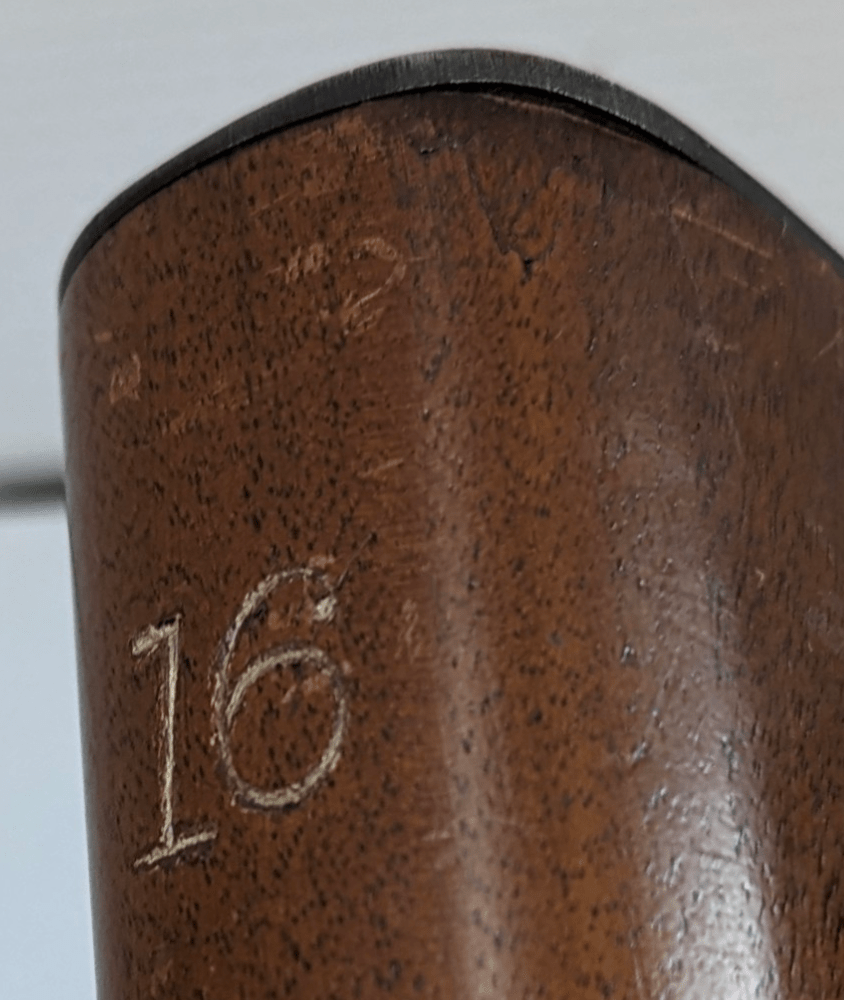
Various USMC Model 70 Stocks. Some have rack numbers, some have a triangular indent from a thumbtack inventory tag. The last four digits were sometimes applied to match-conditioned stocks. In this example, it is almost certain the serial number was 50,000. This stock was on the Model 70 issued to Lieutenant James R. Bowen in the 1960s (USMC & Plowman collection).
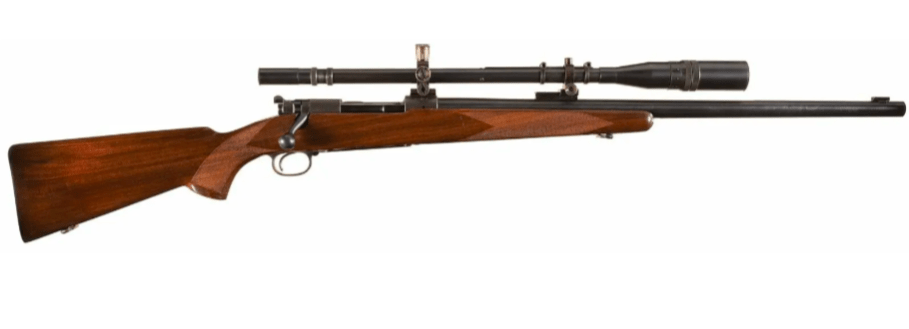
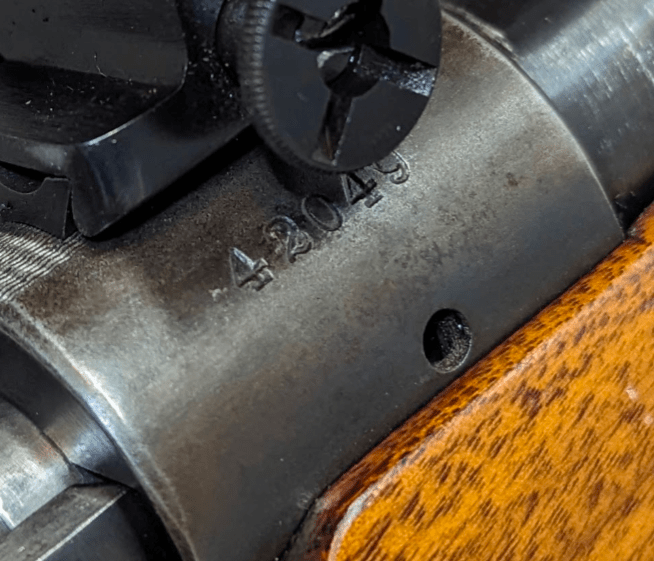
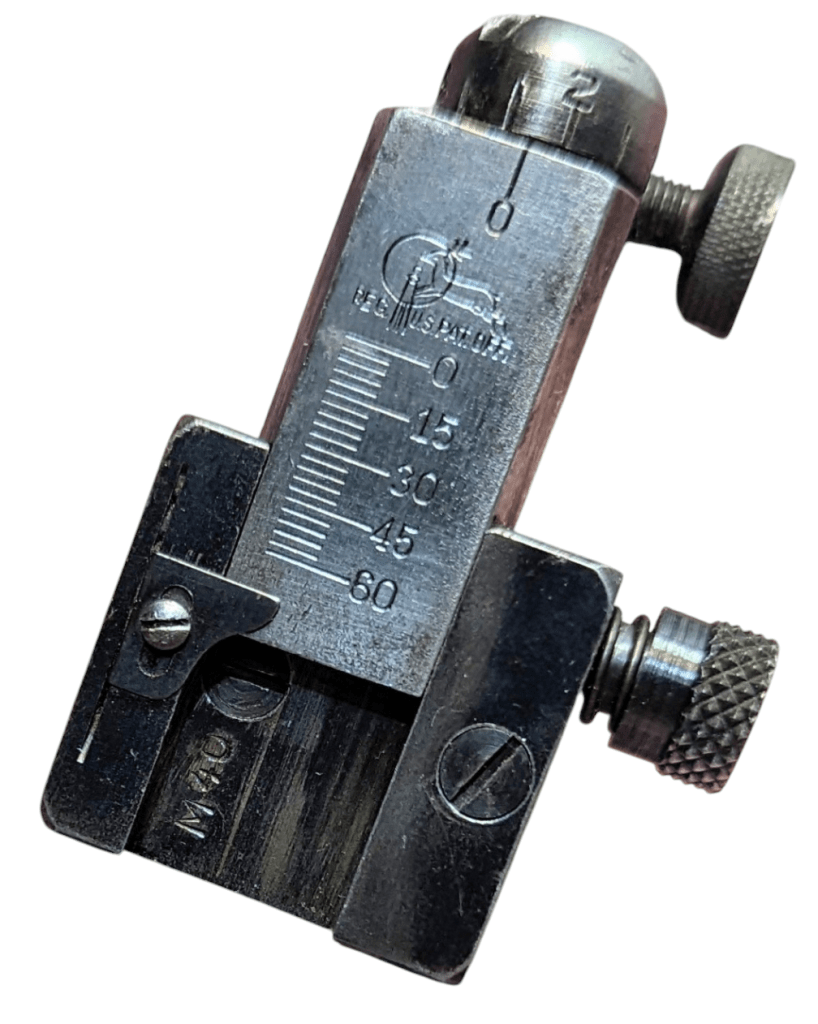
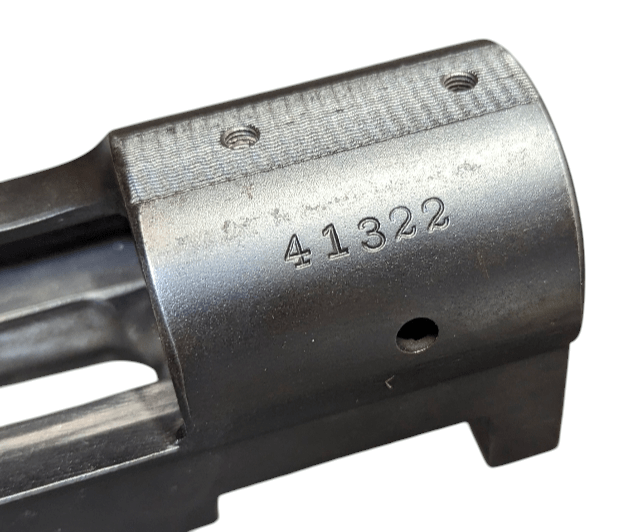

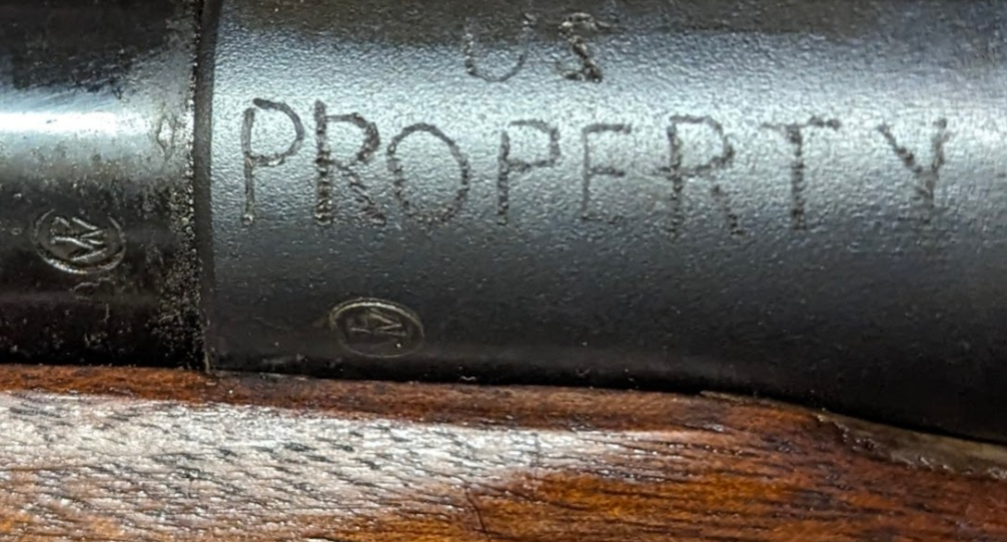
(Left): USMC Model 70 take-off barrel with vise marks. (Right): Some USMC Model 70s have “US PROPERTY electropenciled on the receiver (USMC).
 USMCWEAPONRY.COM