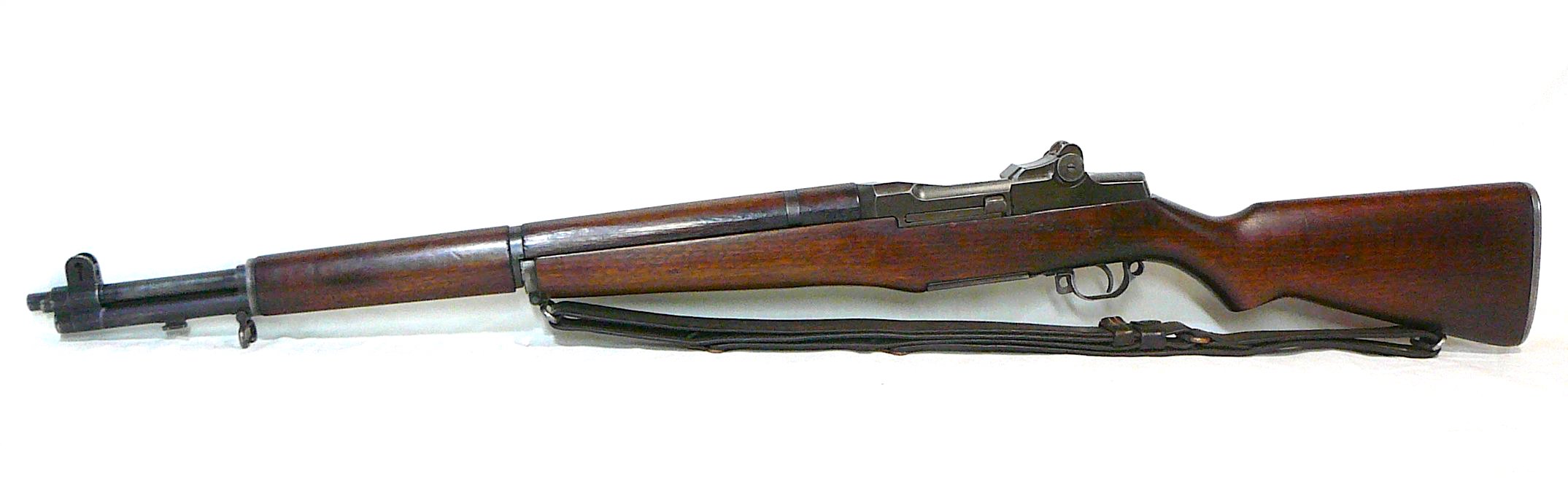
The story of the M1 Garand begins during the rough years of the Great Depression. John C. Garand’s autoloading rifle was an innovative and forward thinking design, offering superior firepower against its bolt-action peers. In the late 1930s, Springfield Armory would transition from research and development to production as the prospect of of a second world war began to rise. The potential for the American serviceman to be armed with a semiautomatic rifle with a larger capacity had the War Department’s support as the advantages in combat could be decisive. As per usual, the Marines displayed a healthy skepticism towards the new rifle, though they monitored the testing closely and were eager to get their hands on the new M1 for testing of their own.
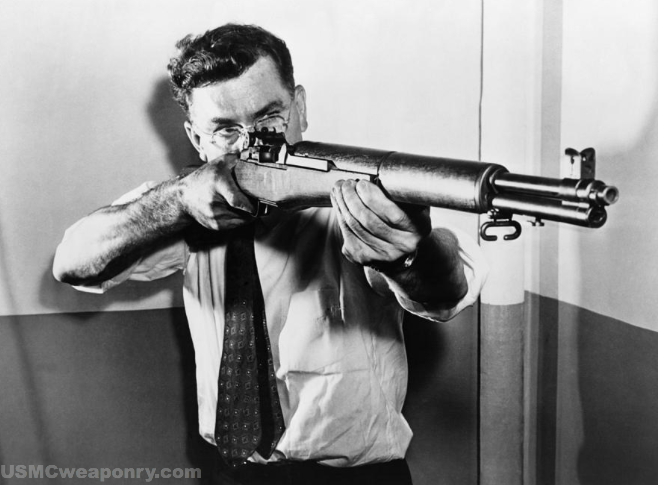
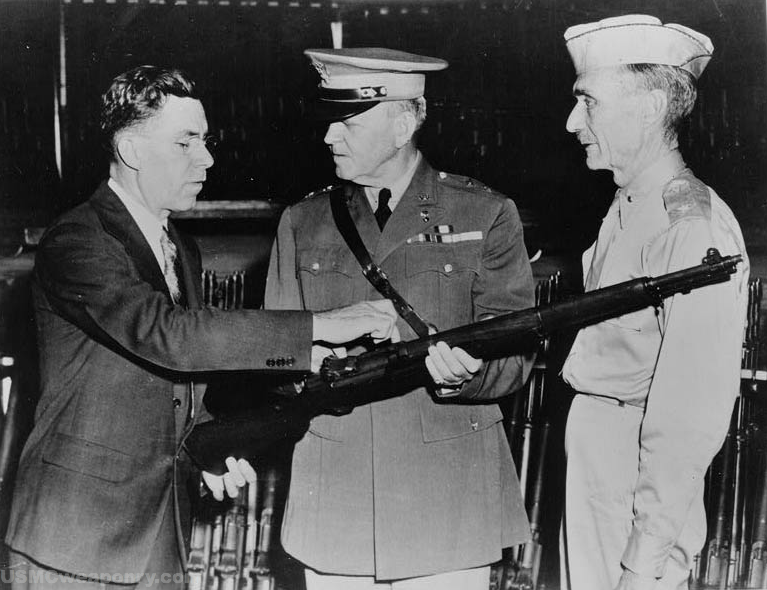
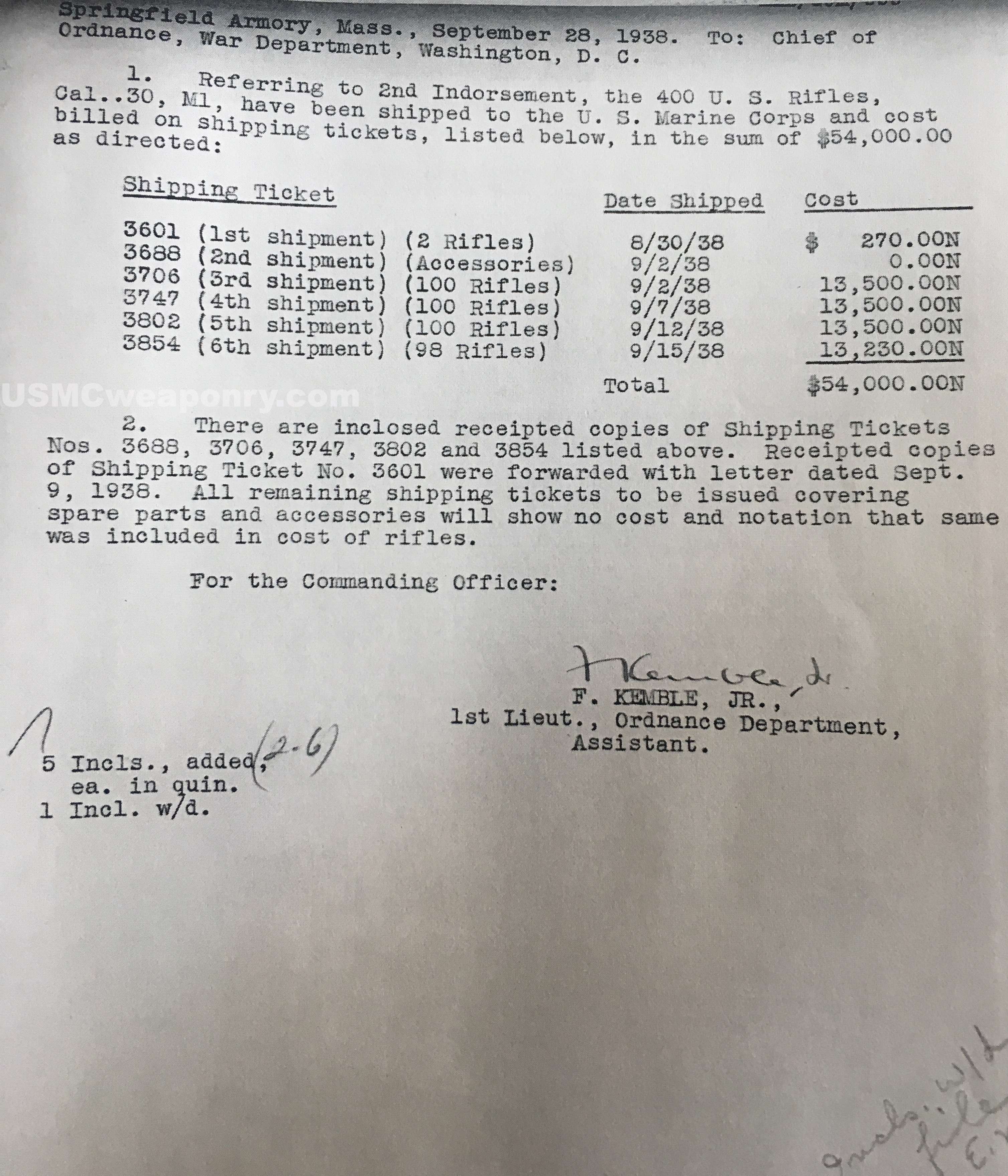
Pictured is John C. Garand, the inventor of the US Rifle, Cal .30, M1, and the first order of the rifle sent to the Marines for testing (NARA).
The Marine Corps would receive its first shipment of M1 Garands in 1938. 400 M1s would be received in all, with the majority in the 2000 through 4000 serial number range. The new “Gas Trap” Garands (called such due to their method of “trapping” the discharge of gas to cycle the action) would be put through rigorous field testing. The Marines were quick to pick up on several key flaws in the Gas Trap Garands, most notably an impediment in the chambering of the seventh round loaded into an en bloc clip. Stock strength was another area of concern, as well as issues with the gas trap system itself. The first tests would show plenty of promise, but the Marine Corps would doubt the operational status of the rifle until improvements could be made. The venerable standard issue M1903 Springfield rifle was much beloved by the USMC for its accuracy and durability. The contemporarily complex design and belief an autoloading rifle would have difficulties operating on sandy beaches heavily weighed upon the policy makers at Marine Headquarters, and for the time being the M1903 would remain the official service rifle. With testing complete, the 400 M1s would be split up for issue, the majority going to the 1st Battalion, 6th Marine Regiment, another portion to 1st Battalion, 5th Marine Regiment, and the rest to the Marine infantry and officer schools. It was hoped that under routine usage more knowledge on the new rifle could be attained.
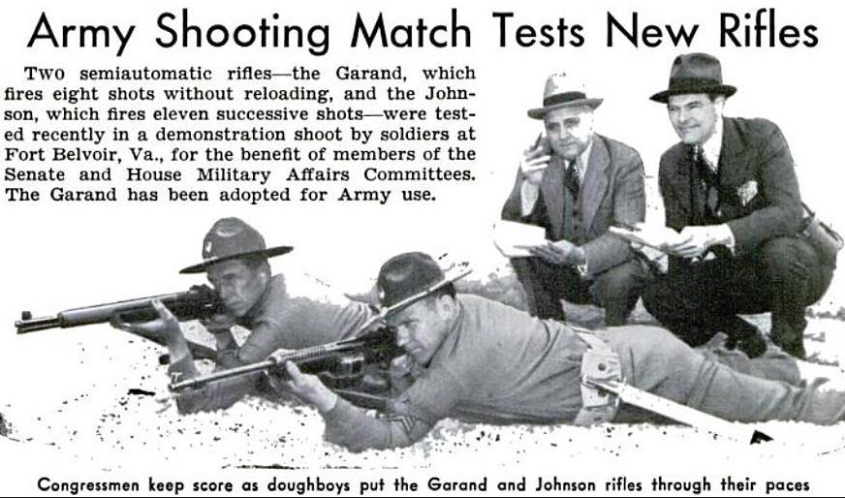
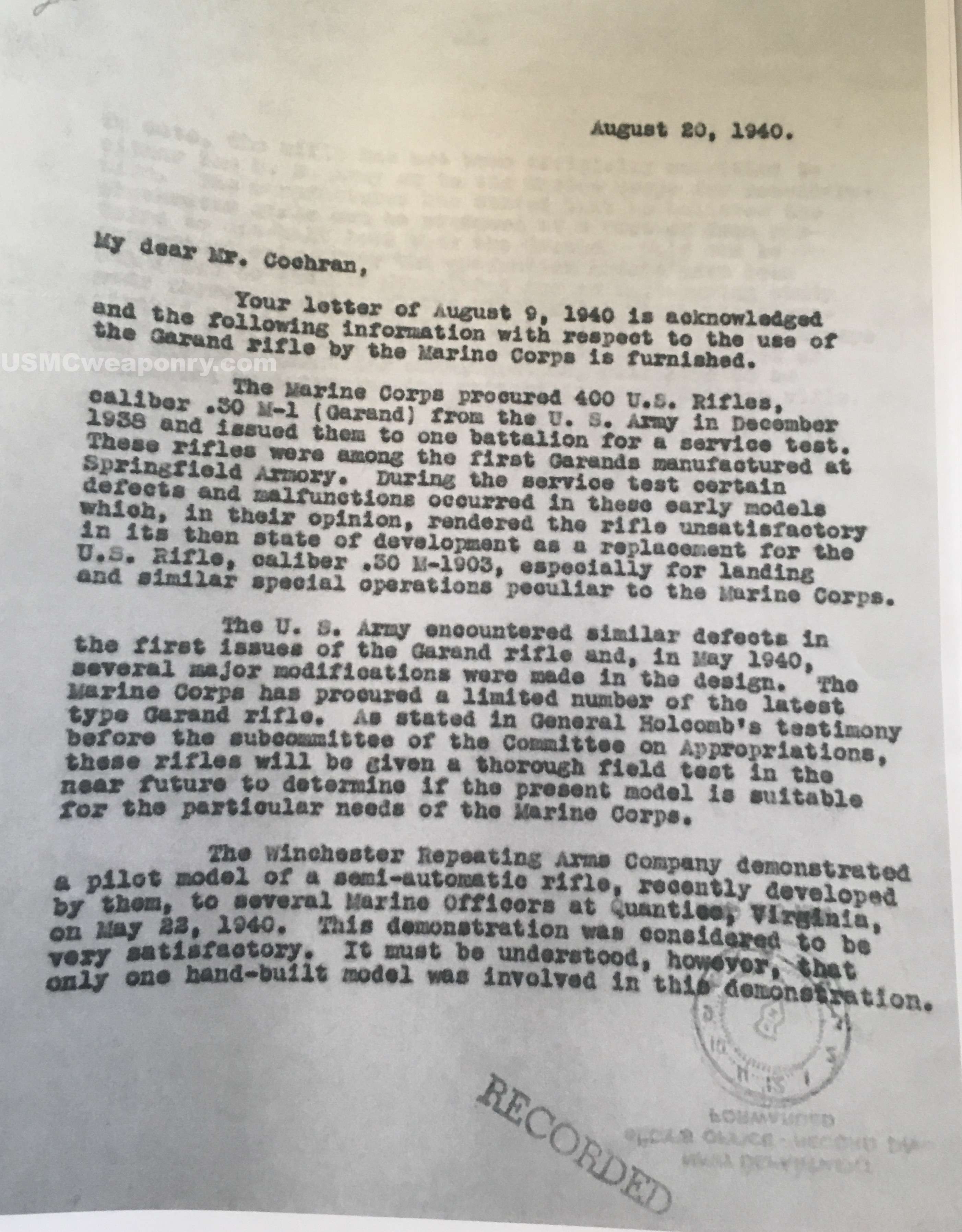

The Marines weren’t the only ones involved in a major decision on future service rifles in the late 1930s. The competition between Marine Captain Melvin Johnson’s M1941 semiautomatic rifle and the M1 Garand would include the highest levels of US government (NARA).
Still uncertain about replacing the M1903, the Marine Corps would decide to do a comparison of four leading rifles to determine which would best suit the needs of the Corps in the 1940s. Springfield Armory supplied the newest version of the M1, which had an improved gas cylinder design and a host of other modifications. Winchester would provide their semi-automatic G30 rifle, and Marine Captain Melvin Johnson provided his unique M1941 semi-automatic rifle. The control for the test would be the standard issue USMC M1903 Springfield. Under the watchful eye of leading Marine infantry, marksmanship, and ordnance officers, all four rifles would be employed practically and put through scenarios that involved function after exposure to different elements. The results of the test found that the M1 was much better than the other two autoloading designs, but that the always reliable M1903 was, at least in the eyes of the Corps, a better option for the infantry regiments of the Marine Divisions. With this taken into account, on February 1st, 1941 the M1 Garand would be adopted as the official service rifle of the Marine Corps, but the Marine Divisions would remain armed with the M1903 until the M1 was further improved by continued updates in it’s production.
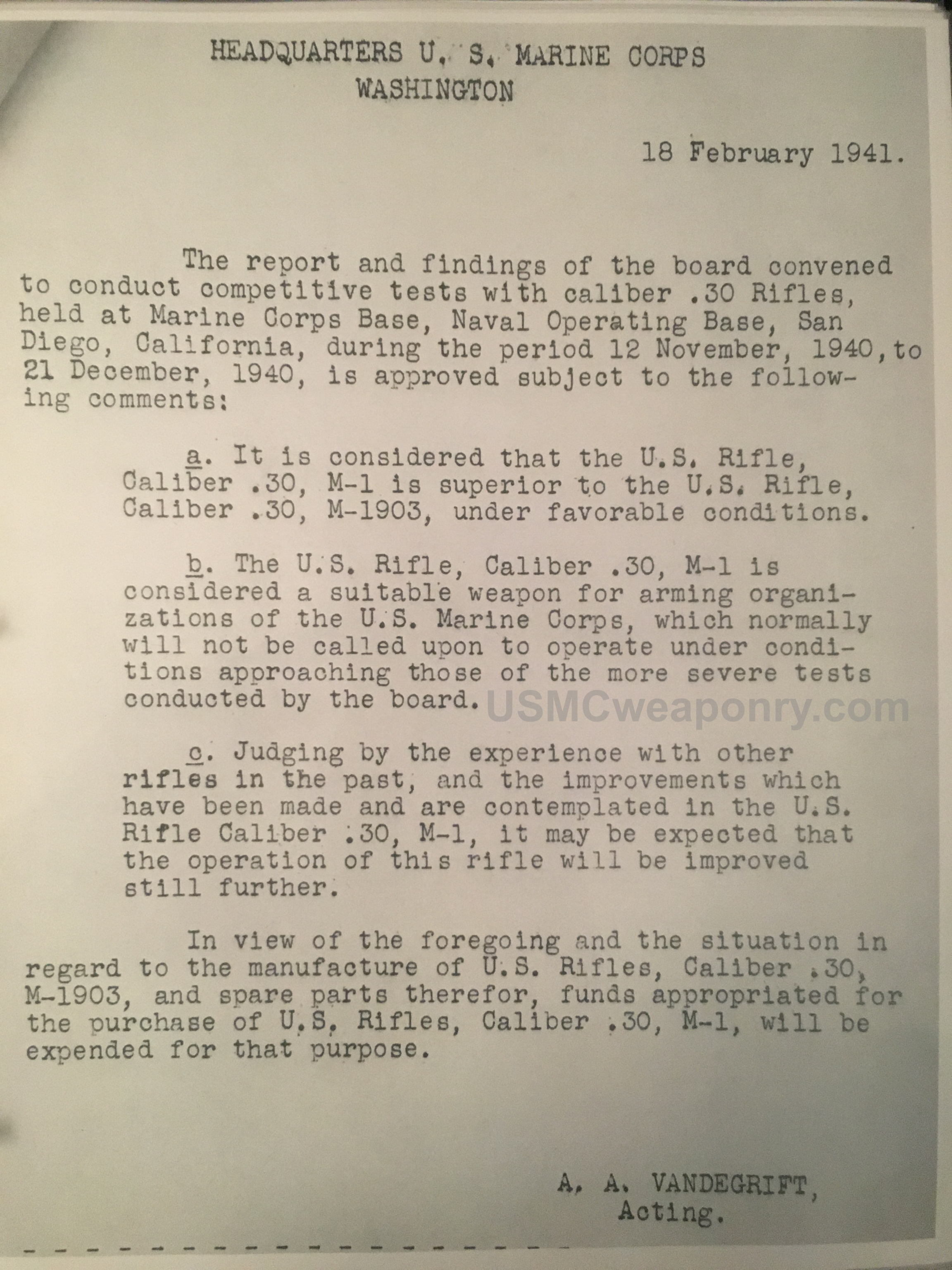
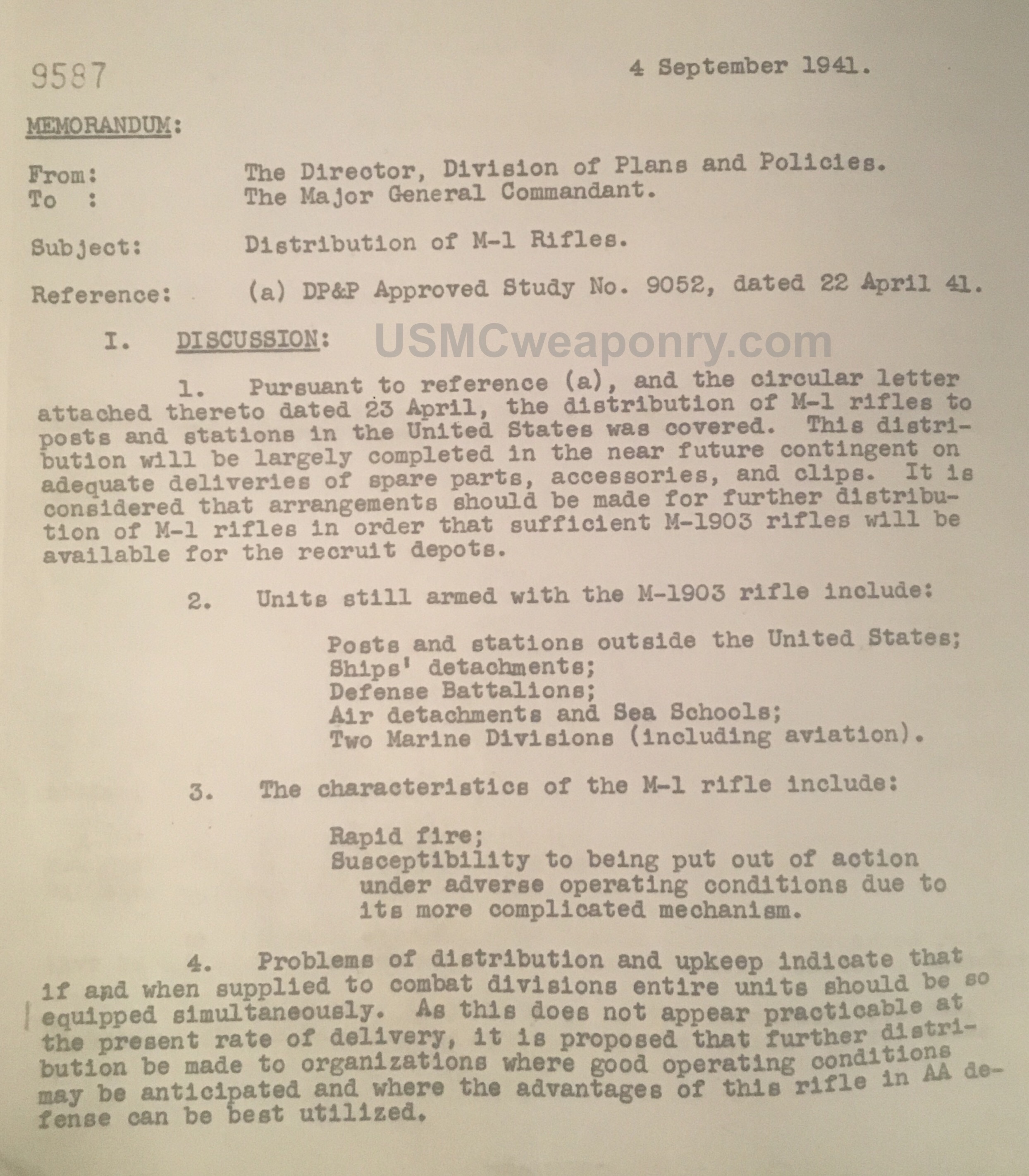
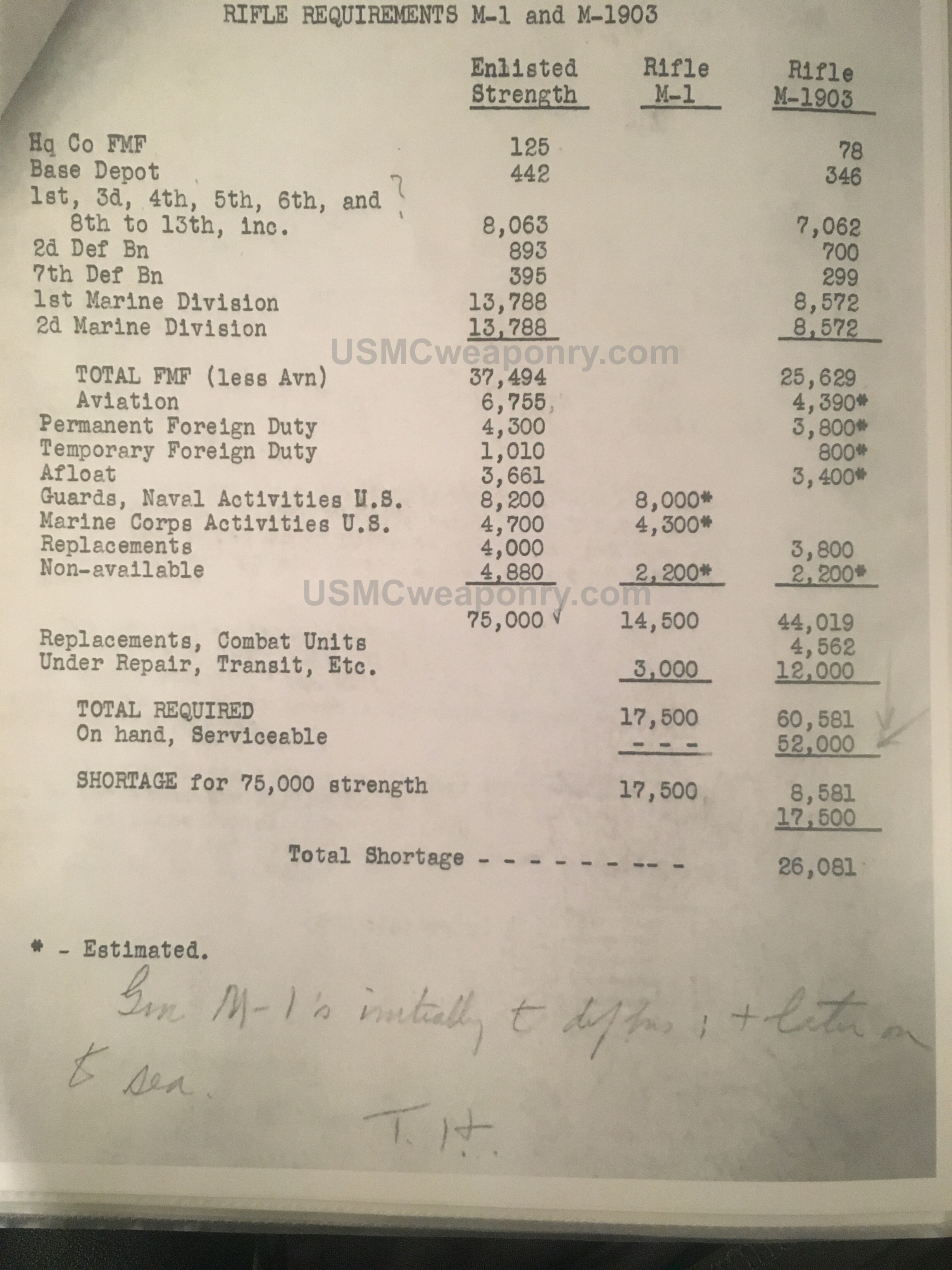
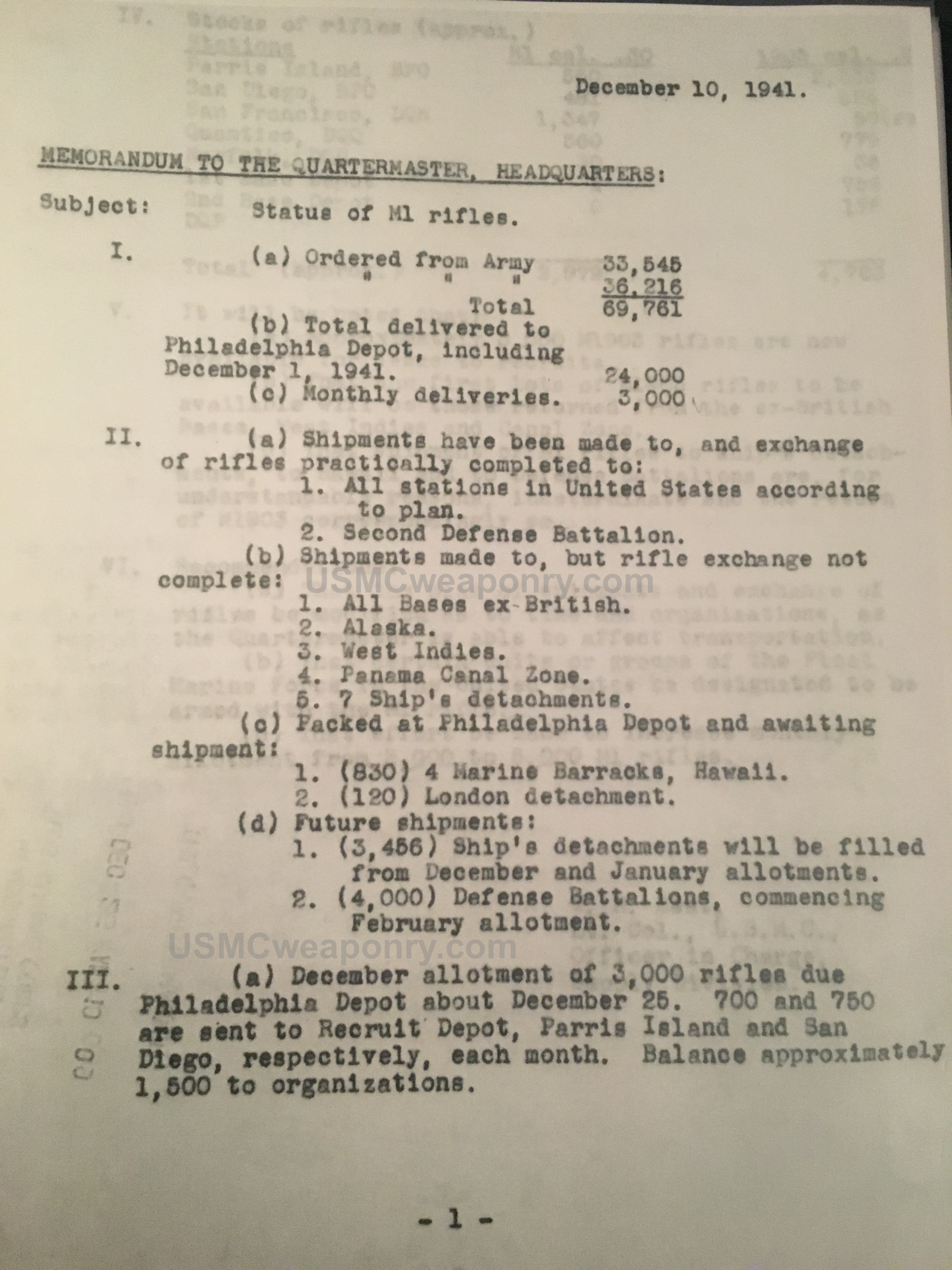
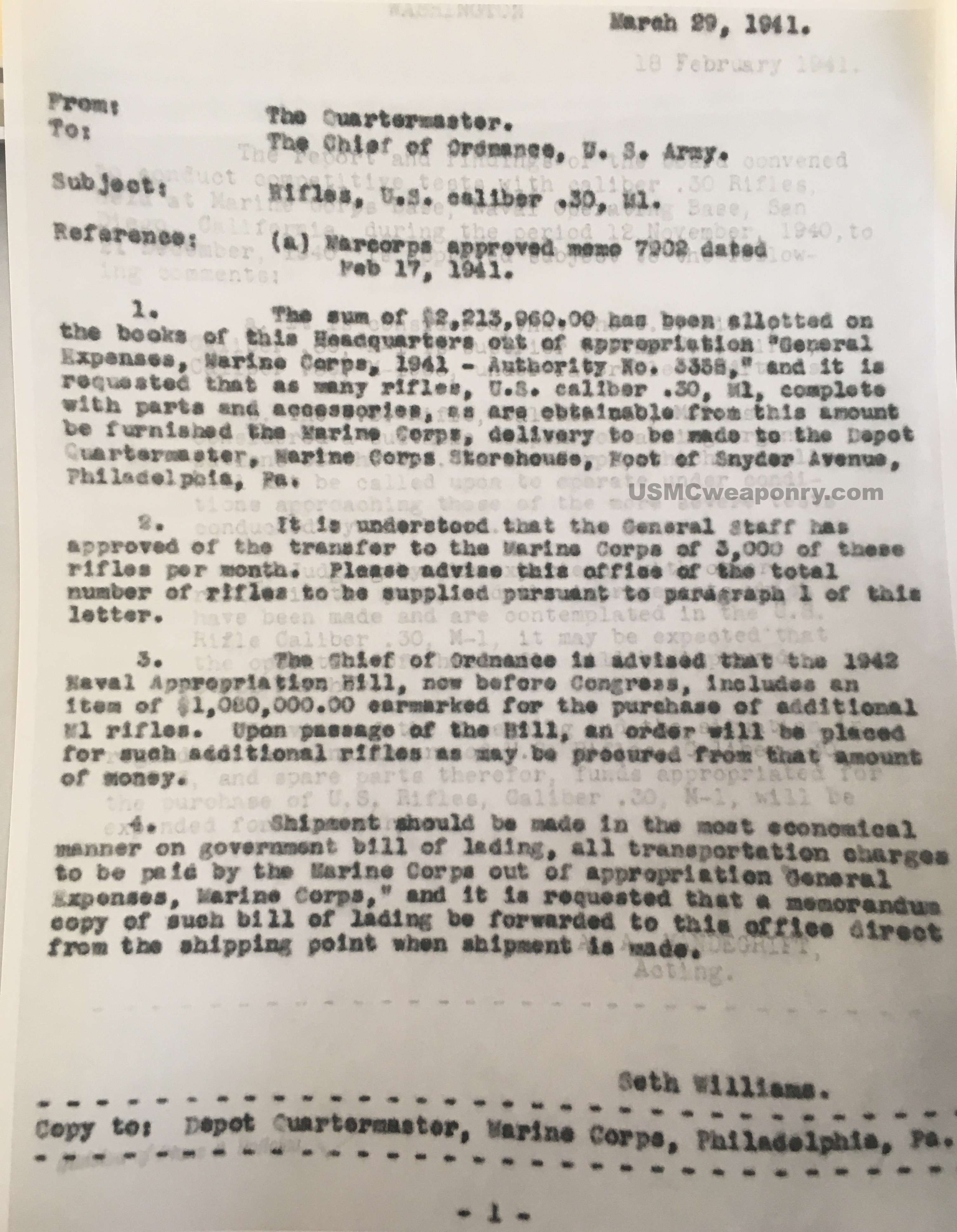
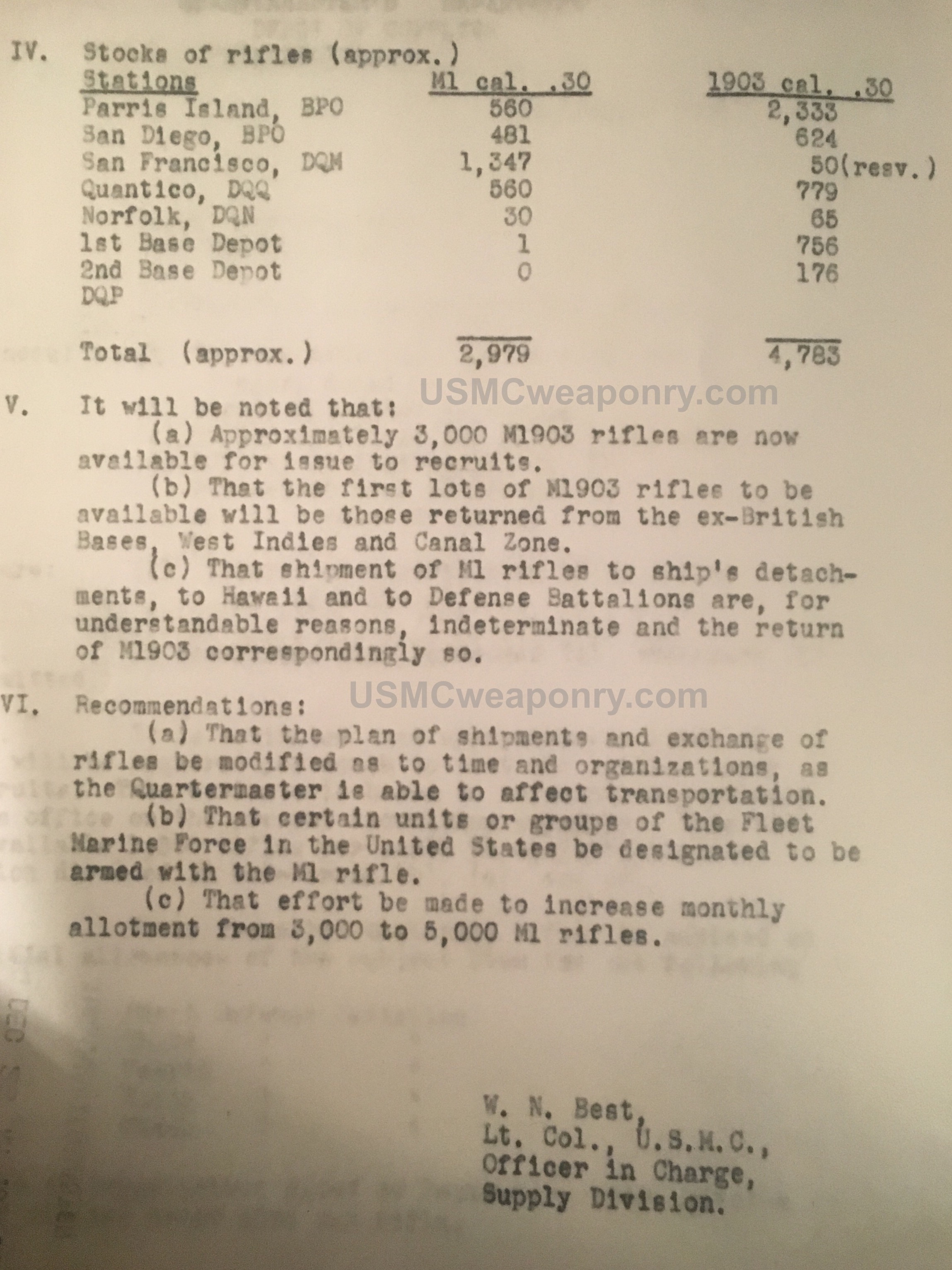
Documents detailing the adoption and implementation of the M1 Garand by the Marine Corps. The M1 was officially adopted in February of 1941, and the first units to be armed would be stateside guard units. Not long after, larger acquisition and broader issue of the M1 was recommended (NARA).
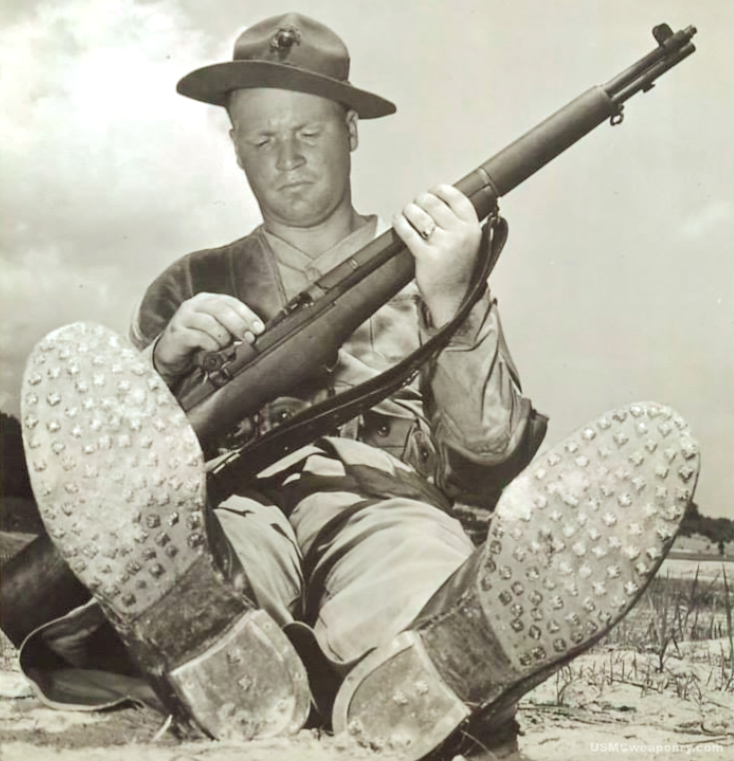
Marine with an early M1 Garand, as evident by the “flush-nut” rear sights (NARA).
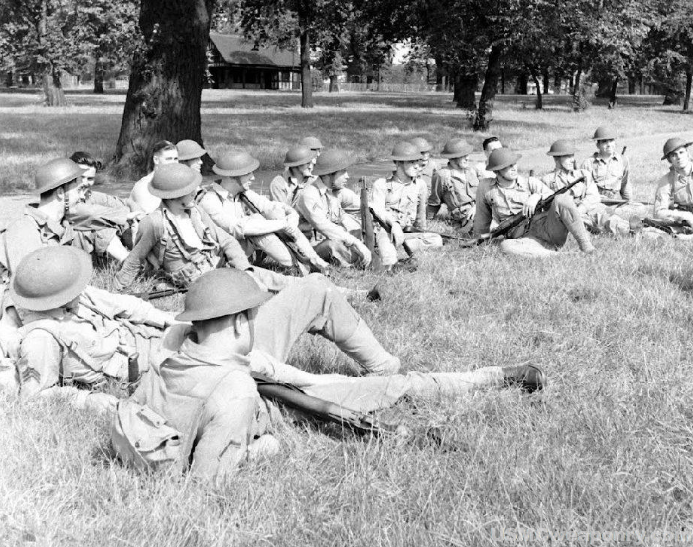
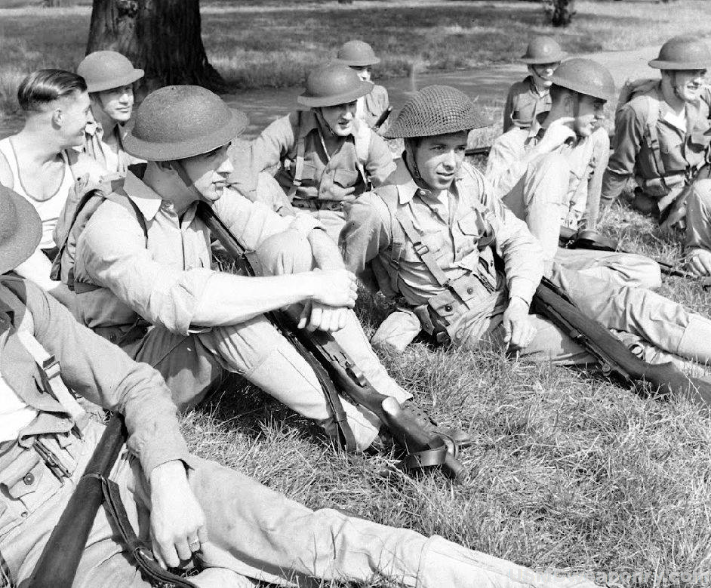
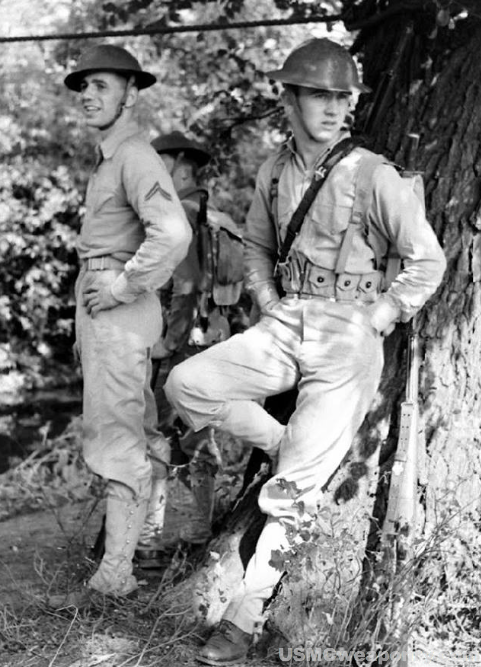
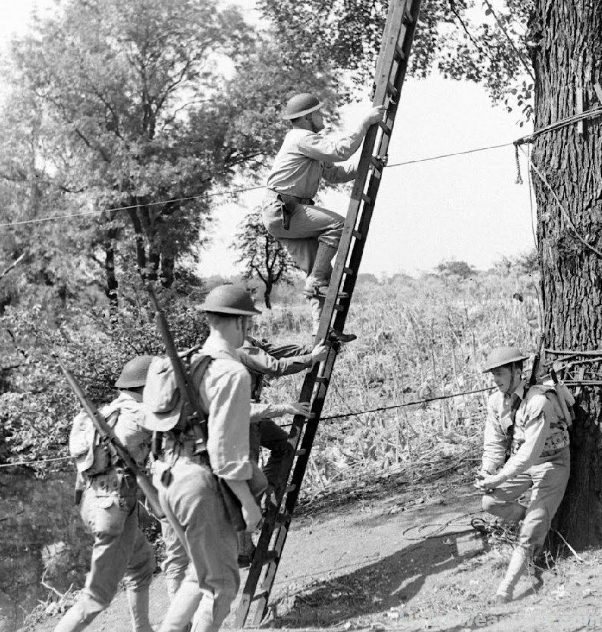
Marines with M1 Garands early in the early WWII era (Life Magazine).
Initially, Marine Corps Headquarters decided on a schedule of implementation for the M1 Garand that would work towards the ‘front line from the rear’. Beginning in April of 1941 an allocation of 3,000 M1s per month would start to outfit units that were assigned guard duties inside the continental United States. The clean environment and added benefit of a semiautomatic weapon to a sentry made the men guarding military installations excellent candidates for the new rifles in the eyes of the Corps, as the likelihood of a malfunction would be exceedingly low. Marines stationed in barracks across the world and on navy ships would follow, and eventually support units in the Fleet Marine Force.
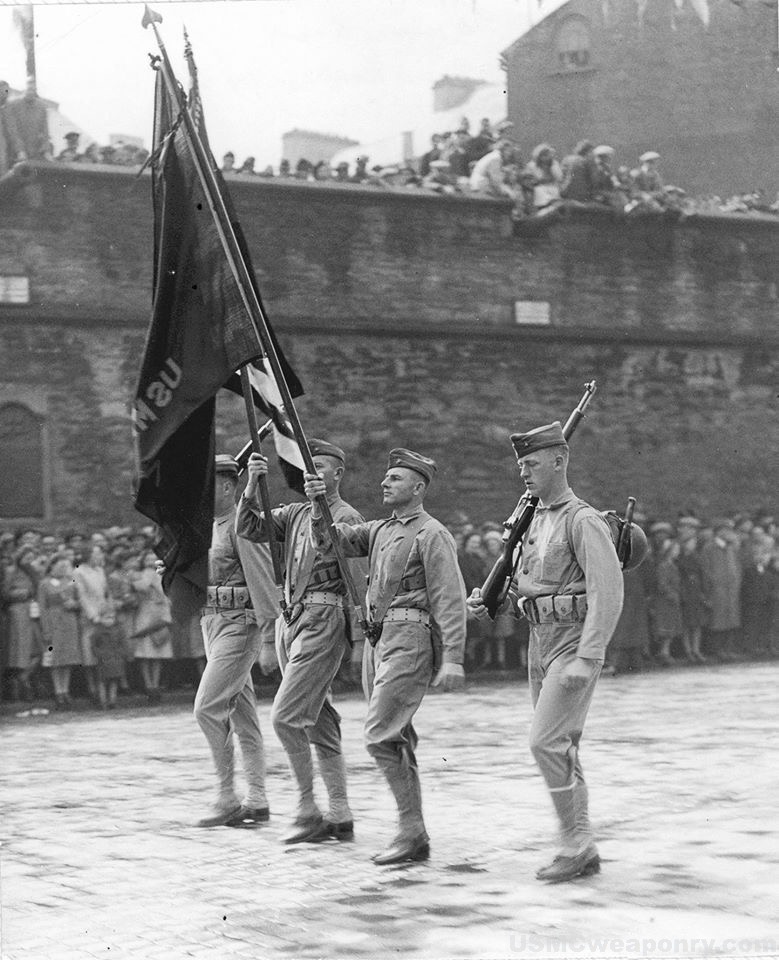

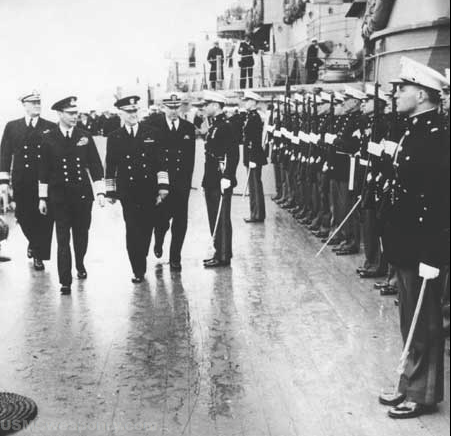
Marines of the London Detachment with their new M1 Garands in 1941, and being inspected by King George in 1942 (NARA & Rick Slater).

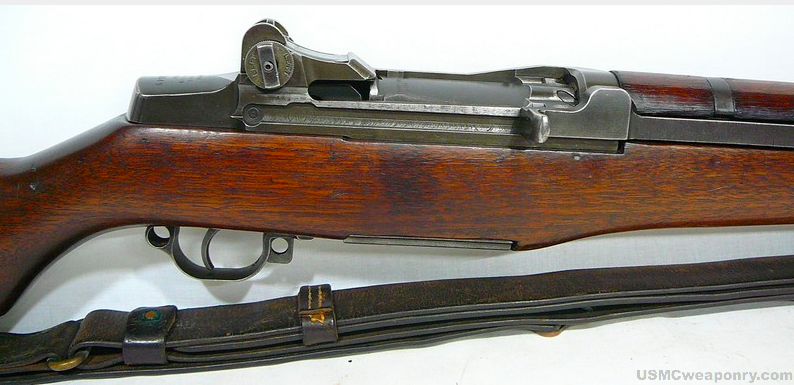
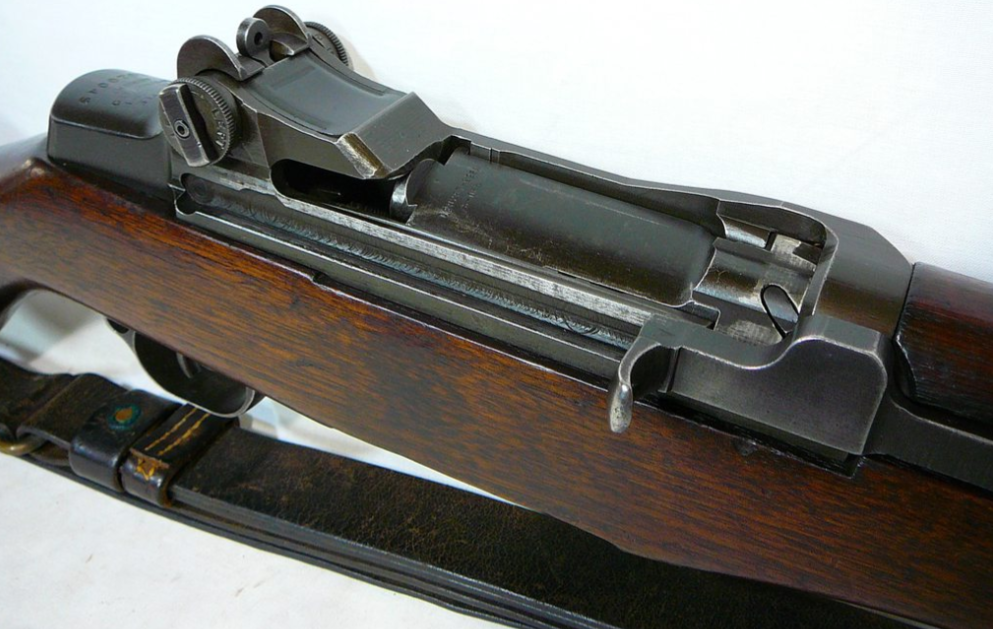
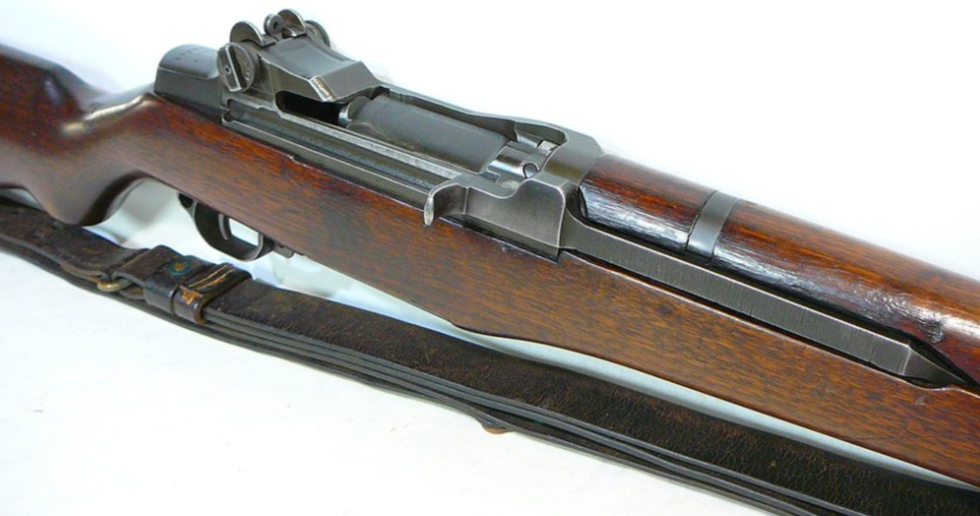
Early Springfield Armory M1 Garand with “flush nut” rear sights and improved gas cylinder (Norton collection).
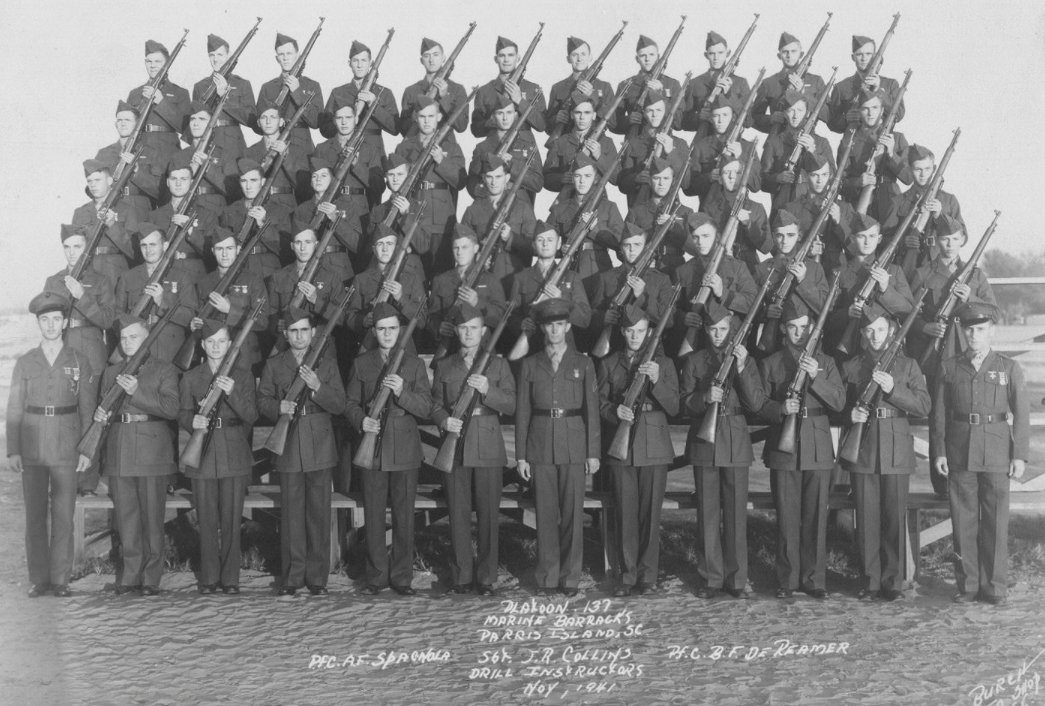 A Photo from November of 1941 showing a platoon of Marine recruits with a mixed compliment of M1 Garands and M1903 Springfields. The men with the M1903s would be heading to the Marine Corps’ Fleet Marine Force divisions, while the men armed with M1s were bound to all other units (USMC).
The first shipment of 2,930 M1s arrived in San Diego on April 29th, and additional shipments to guard units and Marine barracks across the country would continue until early November. Marine detachments aboard naval warships began receiving M1s in mid-November, with one noteworthy exception: the entire compliment of M1s bound for Marine units and ship’s detachments in Hawaii was delayed, and waiting to leave port at the first opportunity. This small logistical hangup meant that the Marines at Pearl Harbor were not armed with M1s when the Japanese attacked on December 7th, 1941. Following Pearl Harbor, the Marine Corps completed outfitting ship’s detachments, and began supplying M1s to Marine defense battalions. Due to a precarious logistical situation, the 1st Defense Battalion at Wake Island was not able to be equipped and instead would undertake their heroic stand with their trusty M1903s. The men of the 6th Defense Battalion would be amongst the first Marines to employ the M1 in combat, as they would engage Japanese aircraft from defensive positions during the bombardment of Midway Island on June 4th, 1942. Not long after the pivotal US Naval victory that followed, on June 26th, 1942 the Marine Corps wold officially adopt the M1 Garand as their standard service rifle for all units. By this time the majority of the Marine Corps’ vanguard regiments were well on their way to battlefields in the South Pacific.
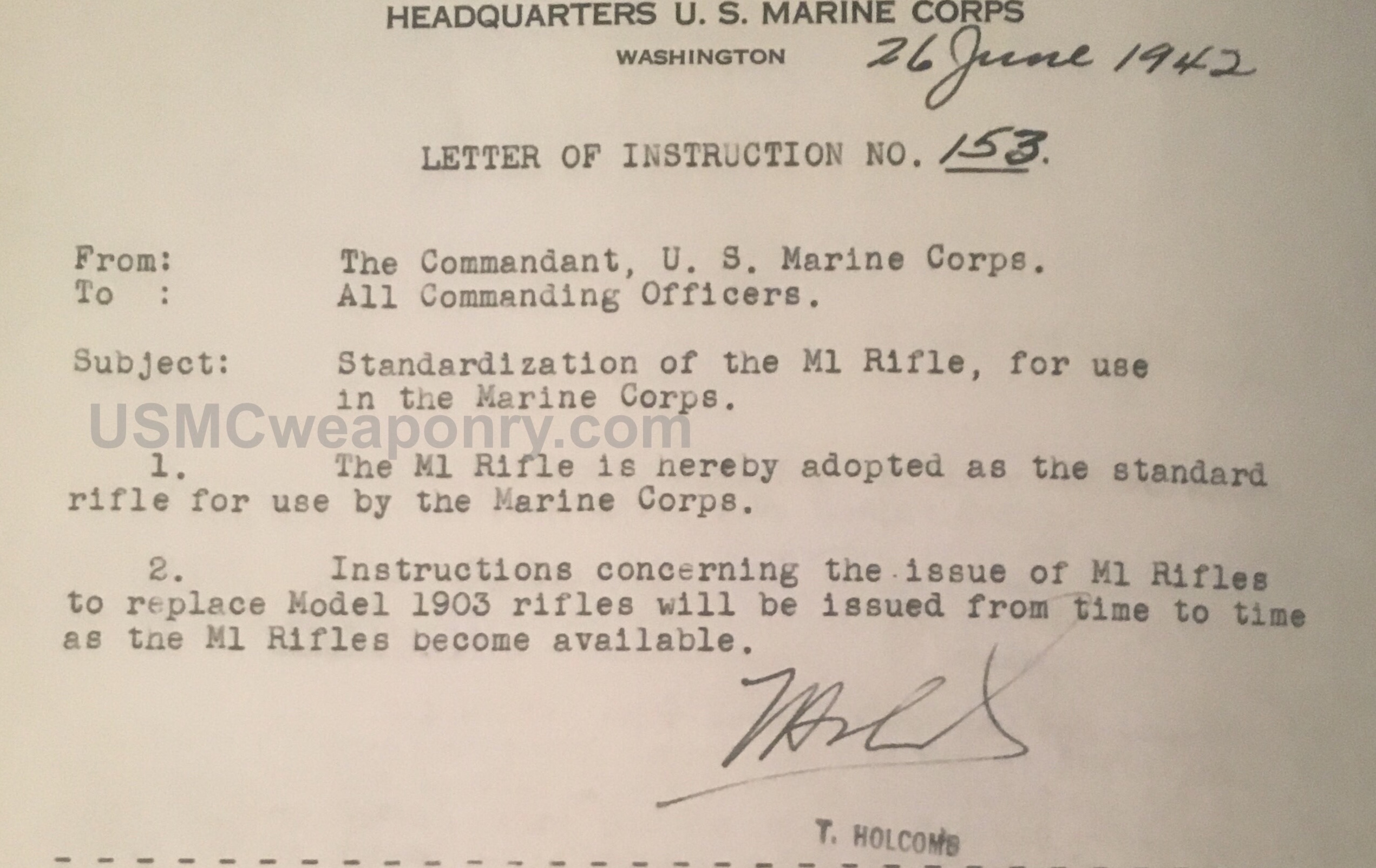 Order from the Commandant of the Marine Corps officially adopting the M1 Garand as the standard service rifle for all units on June 26, 1942 (NARA).
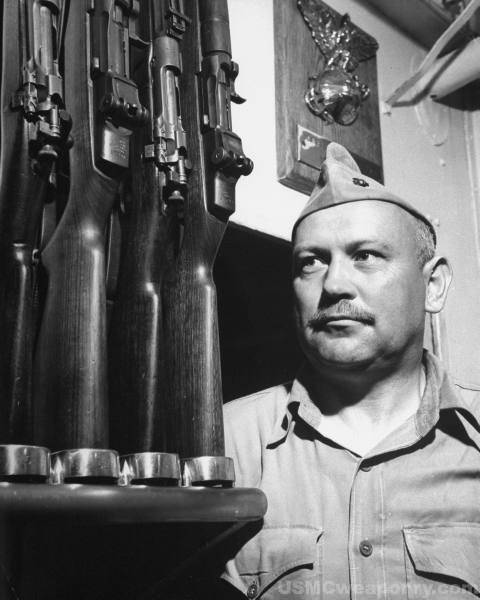
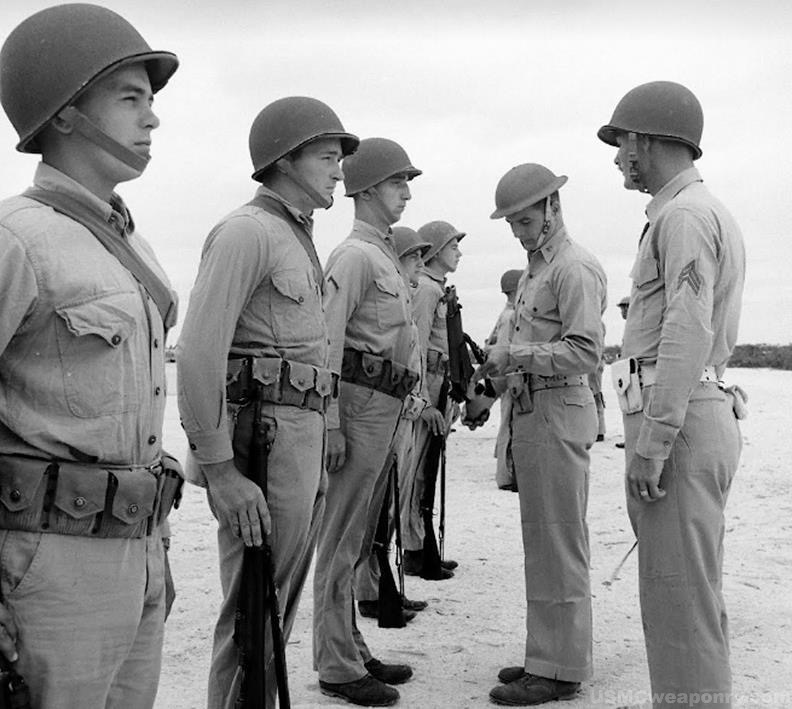
Left: A mix of rifles with a Marine ship detachment very early in WWII. Right: Marines of the 6th Defense Battalion were equipped with the M1 Garand prior to the Battle of Midway. Here, they are being inspected by their commanding officer (Life Magazine). In John Ford’s video of the attack, the Marine defenders can be seen employing their M1s in combat for the first time (USMC & Life Magazine).
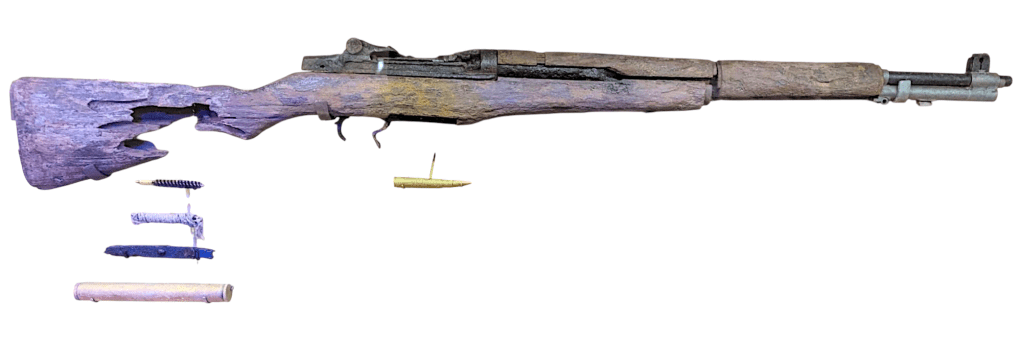
Recovered USMC M1 Garand used by the 2nd Raiders during the Makin Raid on August 7th and 18th, 1942 (USMC).
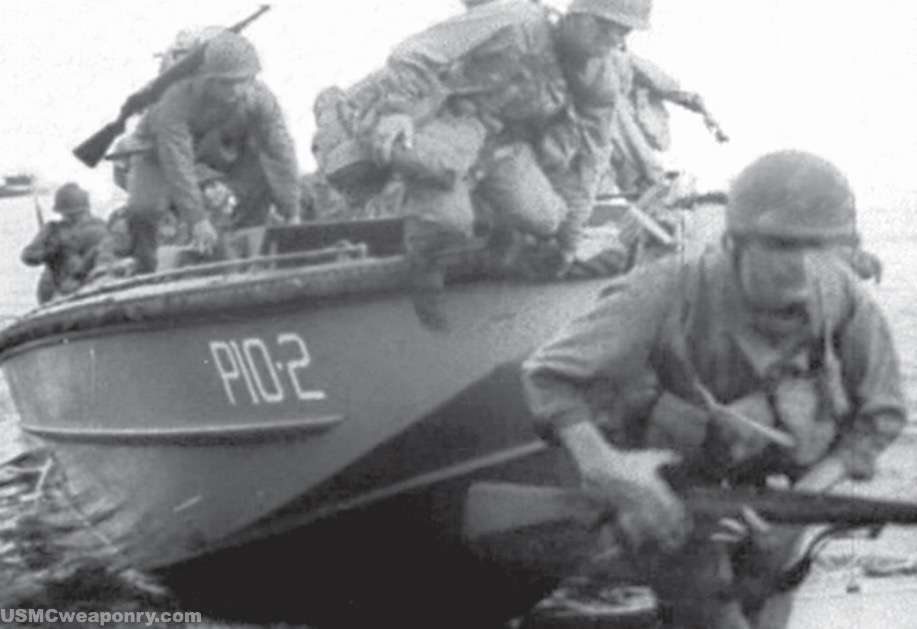
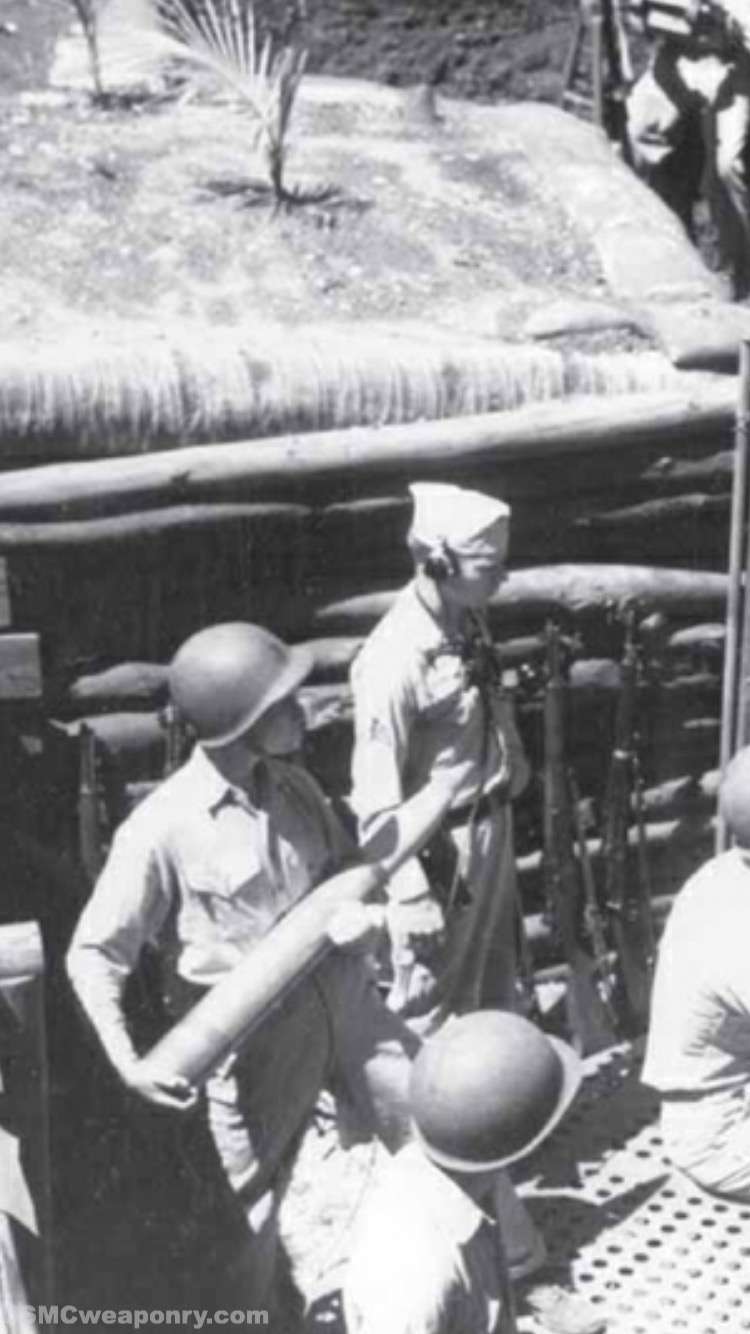
Left: The Marines of the 3rd Defense Battalion land on August 7th, 1942 on Guadalcanal. These men would be the first Marines substantially equipped with the M1 in a ground combat environment. Right: The artillerymen of the 11th Marine Regiment came ashore with a small number of M1 Garands as well (USMC).
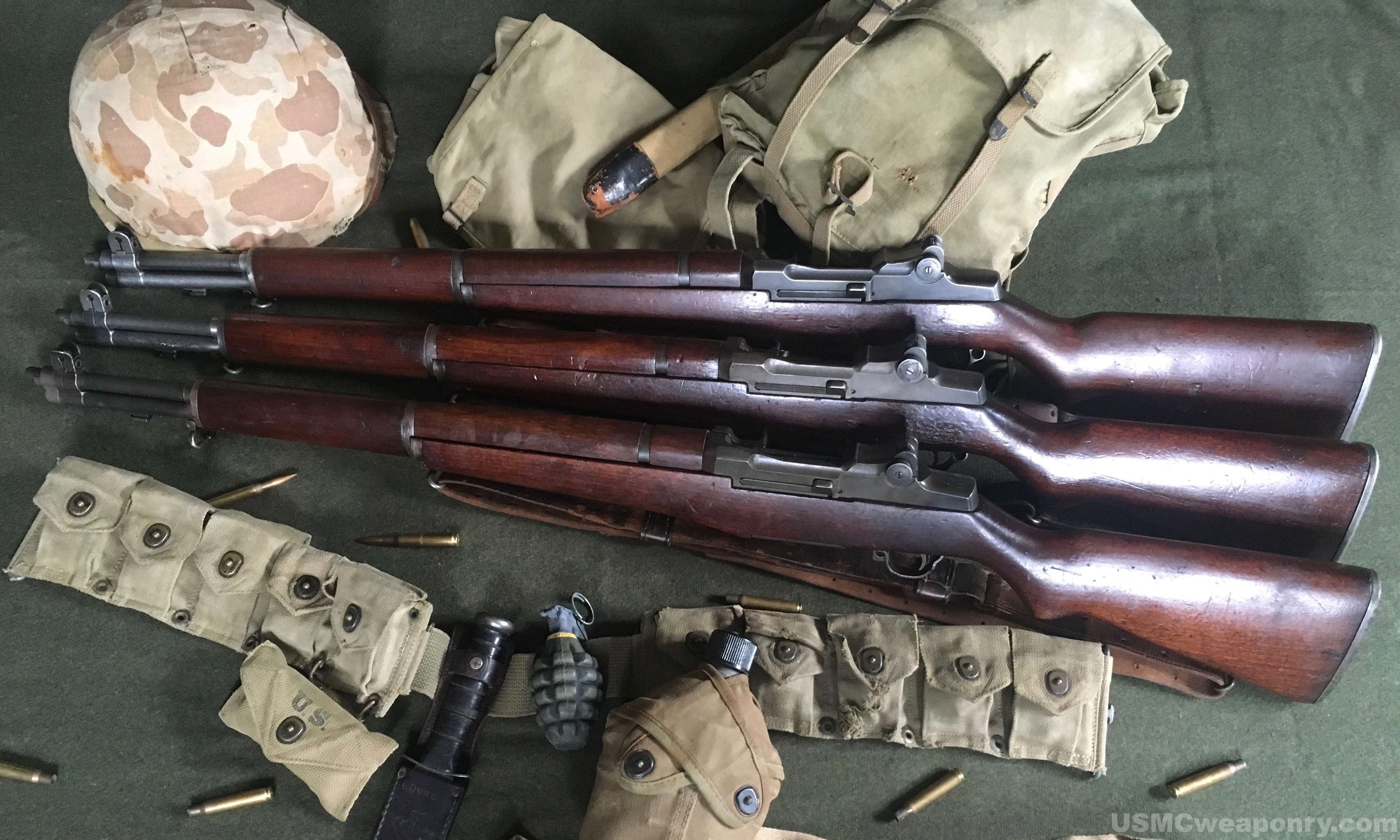
The 1st Marine Division landed on Guadalcanal on August 7th, 1942, and contrary to common myth Marines carrying M1 Garands were amongst them. The 3rd Defense Battalion would carry ashore 250 M1s, while the 1st Marine Raider Battalion, 2nd Marine Regiment and artillerymen of the 11th Marine Regiment reported smaller amounts. One reason the belief the Marines did not have M1s on Guadalcanal persists is that the 1st, 5th, and 7th Marine Regiments (the three infantry regiments of the 1st Marine Division) did not have any M1s issued during the campaign. Its easy to understand how the majority of Marines on the line, especially in the early days of the campaign never saw an M1, instead only operating with their M1903s or unit issued weapons. The memoirs, biographies, and photos of these Marines reflect this, and the M1 is duly absent in these accounts. As mentioned previously, this was by design and the work of a policy that was a year and half old. The late June order officially adopted the M1 for all units was far too late to have an effect on the men of the 1st Marine Division who were already halfway around the world. While certainly limited in scope, the truth is the M1 Garand accompanied Marines on Guadalcanal from the first moment their boots hit the shore.
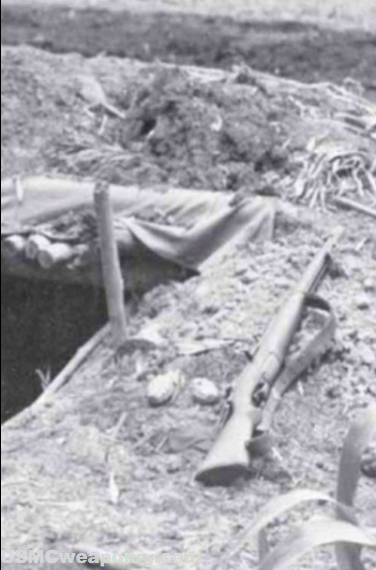
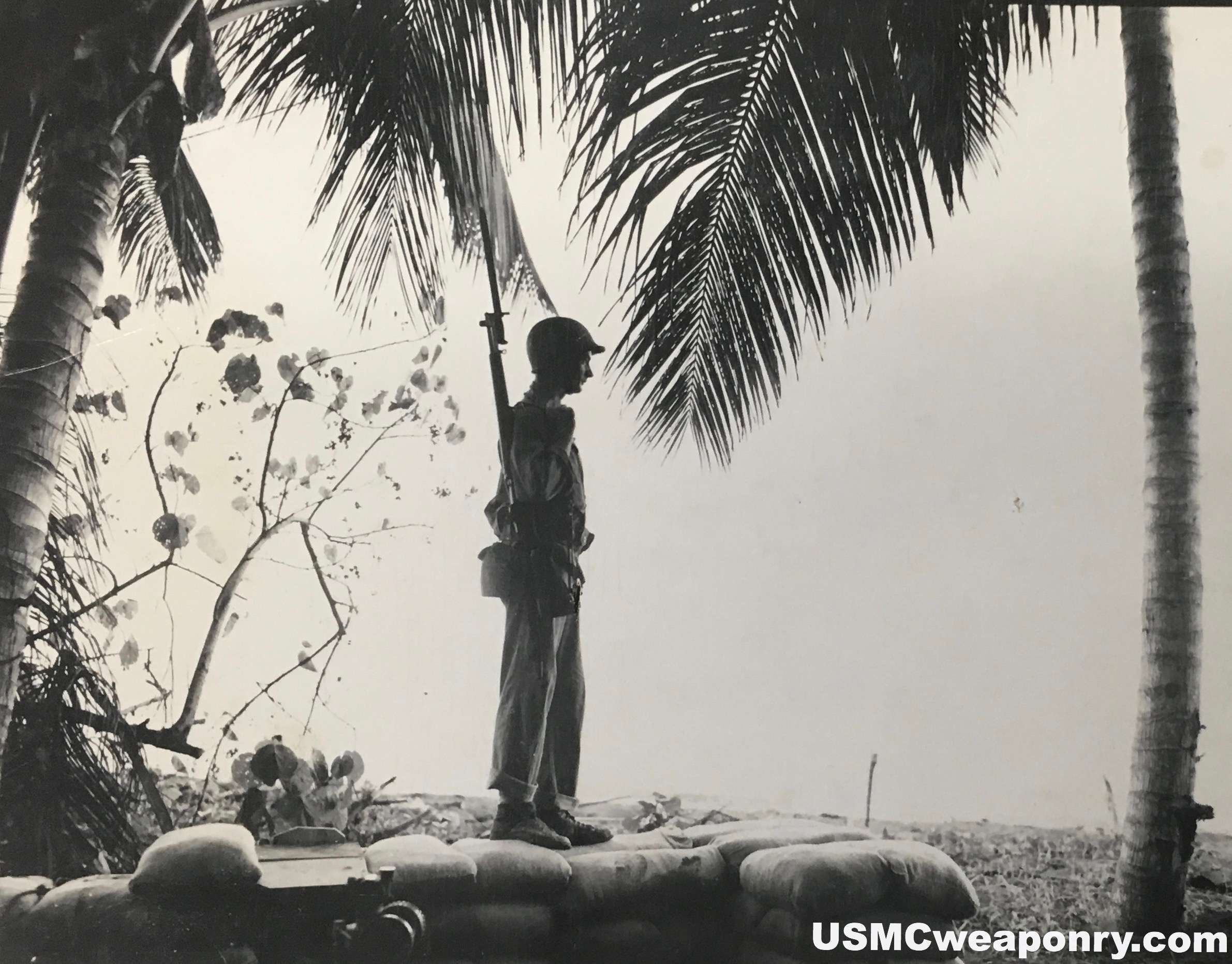
Left: A fighting hole of the 3rd Battalion, 1st Marine Regiment during the Battle of Edson’s Ridge, with M1 Garand outside despite 3/1 never being officially armed with the rifle. Right: A Marine sentry on Guadalcanal with his M1 (photos: USMC & NARA).
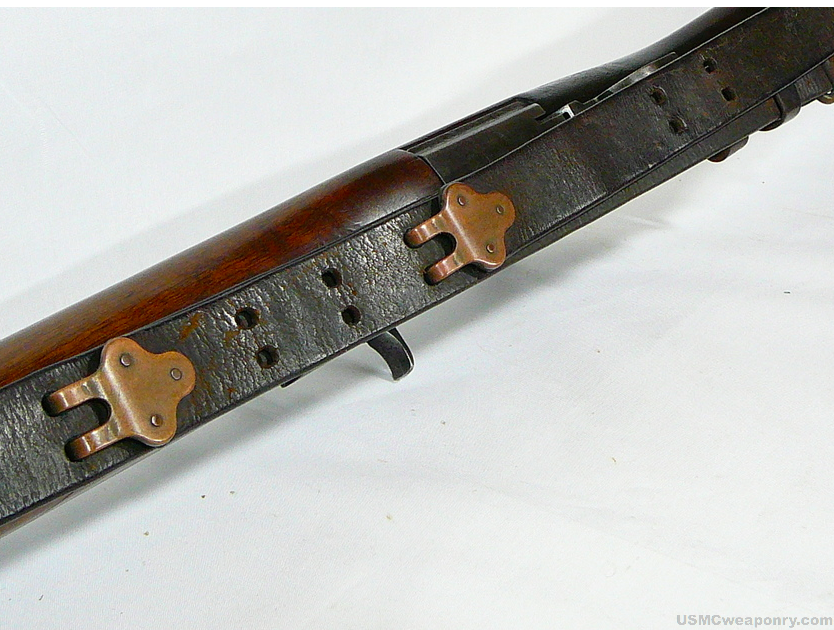
Hindsight being what it is, its very safe to say any potential issues the M1 was thought to have in amphibious operations were greatly overestimated during USMC testing in 1940 & 1941. The Marines indeed had the ability and rifles available to have fully equipped the infantrymen of the 1st Marine Division with M1s had they so chosen, and the added fire power would have been quite welcome against the Japanese banzai charge. To that regard, there are photos of a 3rd Battalion, 1st Marine Regiment (3/1) fighting hole with an M1 Garand resting outside on the day after the Battle of Edson’s Ridge. 3/1 was never issued M1 Garands, leaving the most source of this rifle by unknown means within the 1st Marine Division. While stories of M1s being “acquired” from the army’s 164th Infantry Regiment have long been told, the army was yet to land on Guadalcanal, leaving the source of the unlikely Garand (which also is fitted with a unique USMC depot made M1907 sling) solely Marine Corps in origin. It is a practical certainty though that Marines did get “resourceful” in adding the new rifle on their own accord from army supplies later in the campaign when the chance arose.
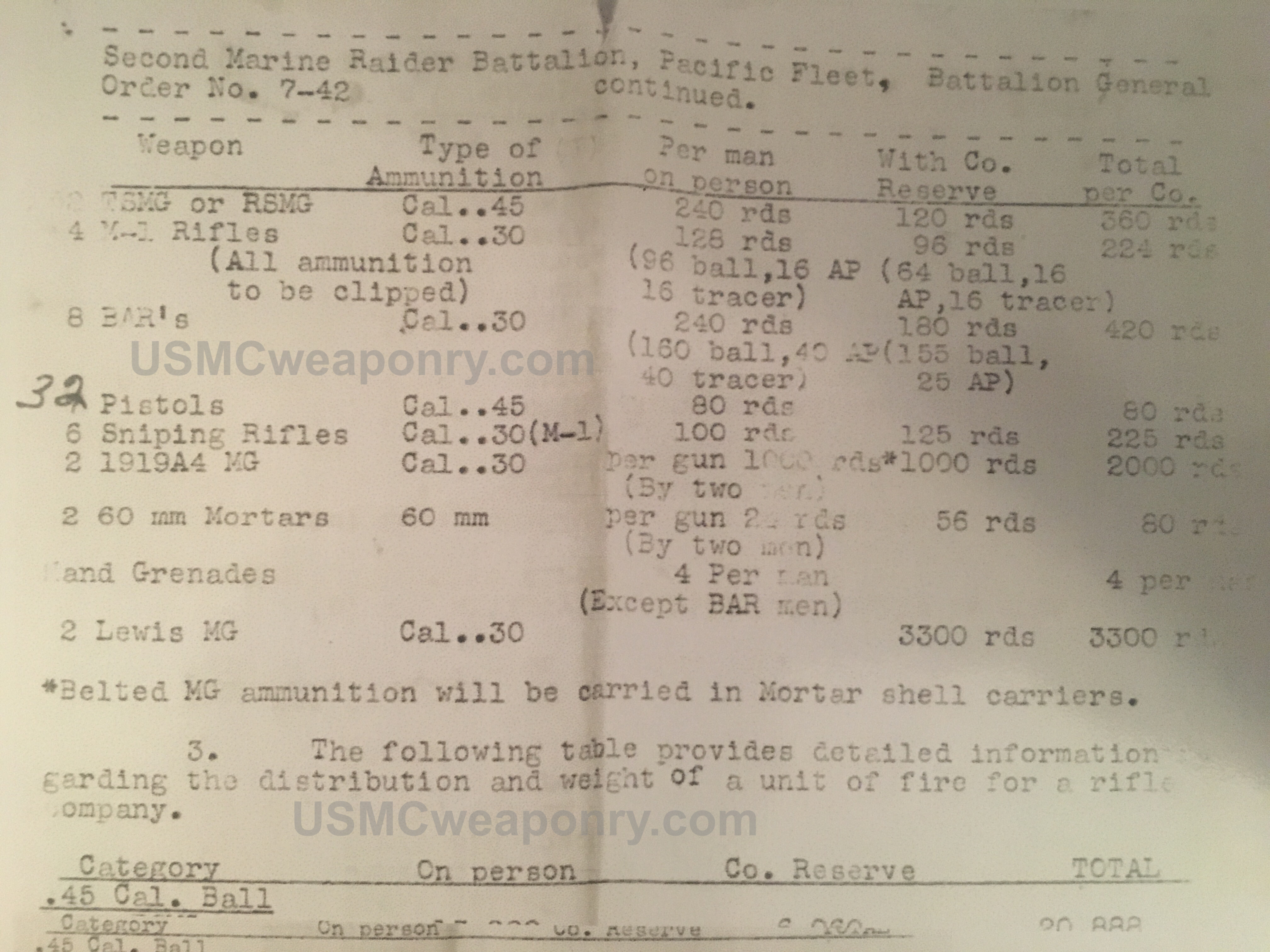

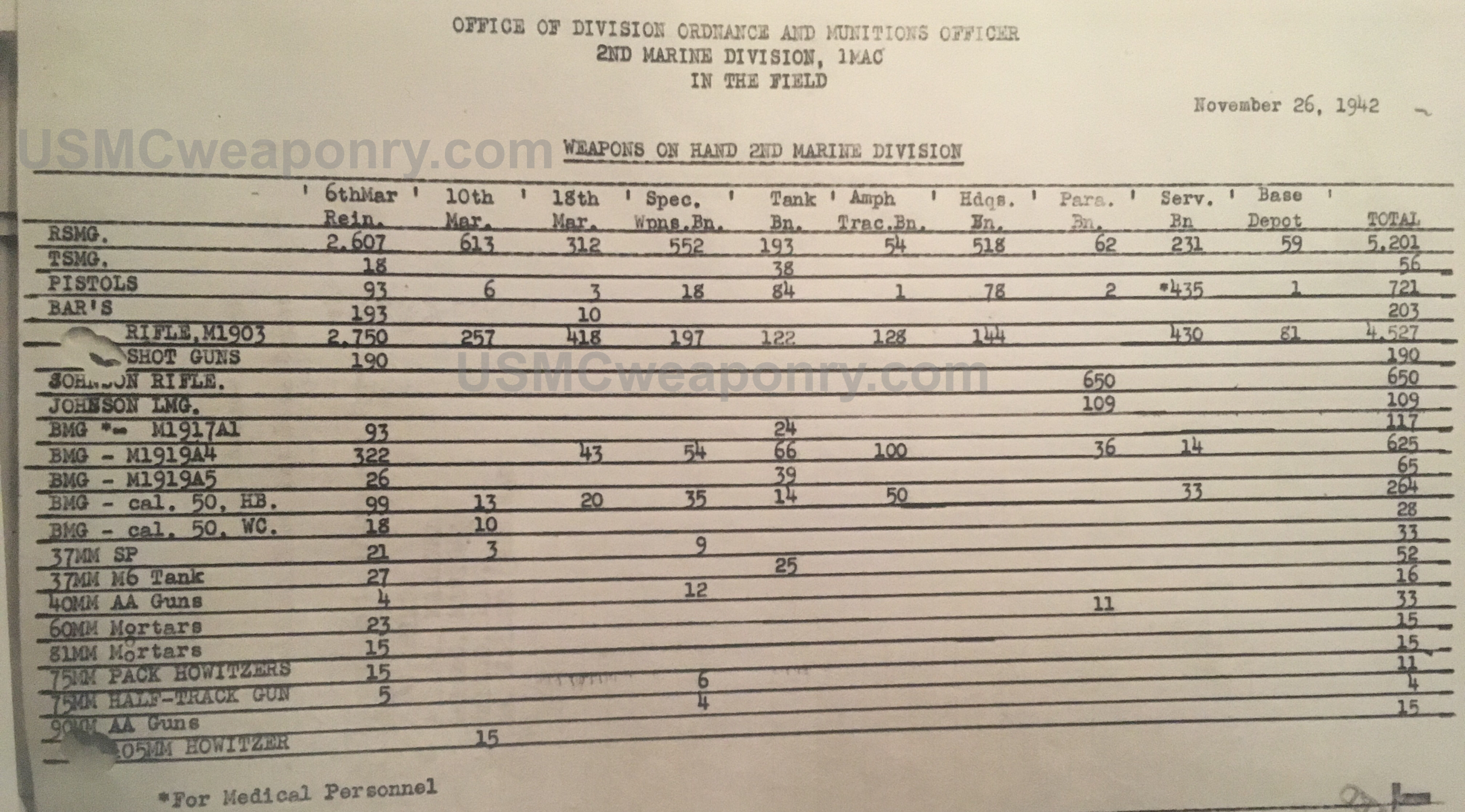
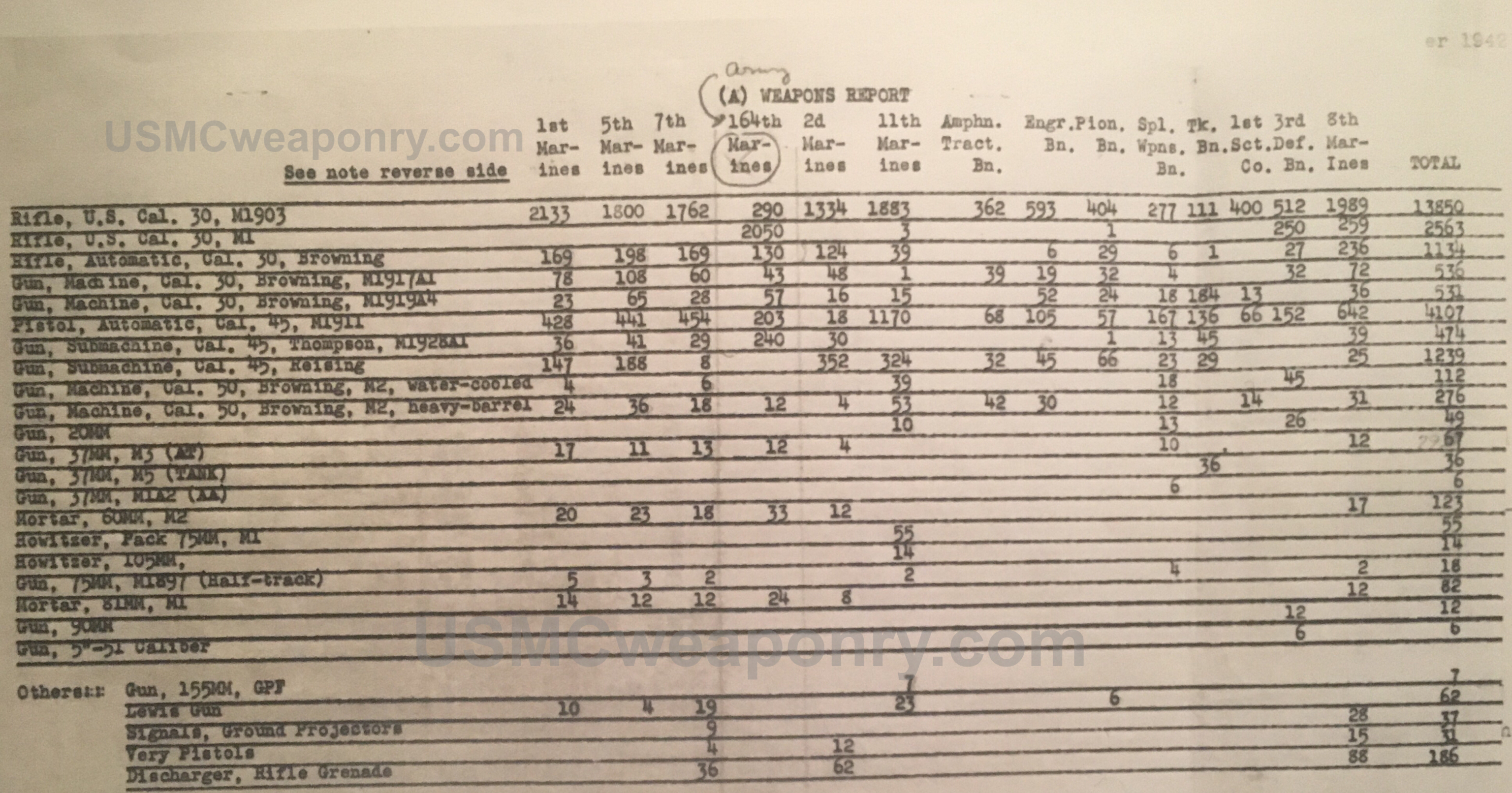
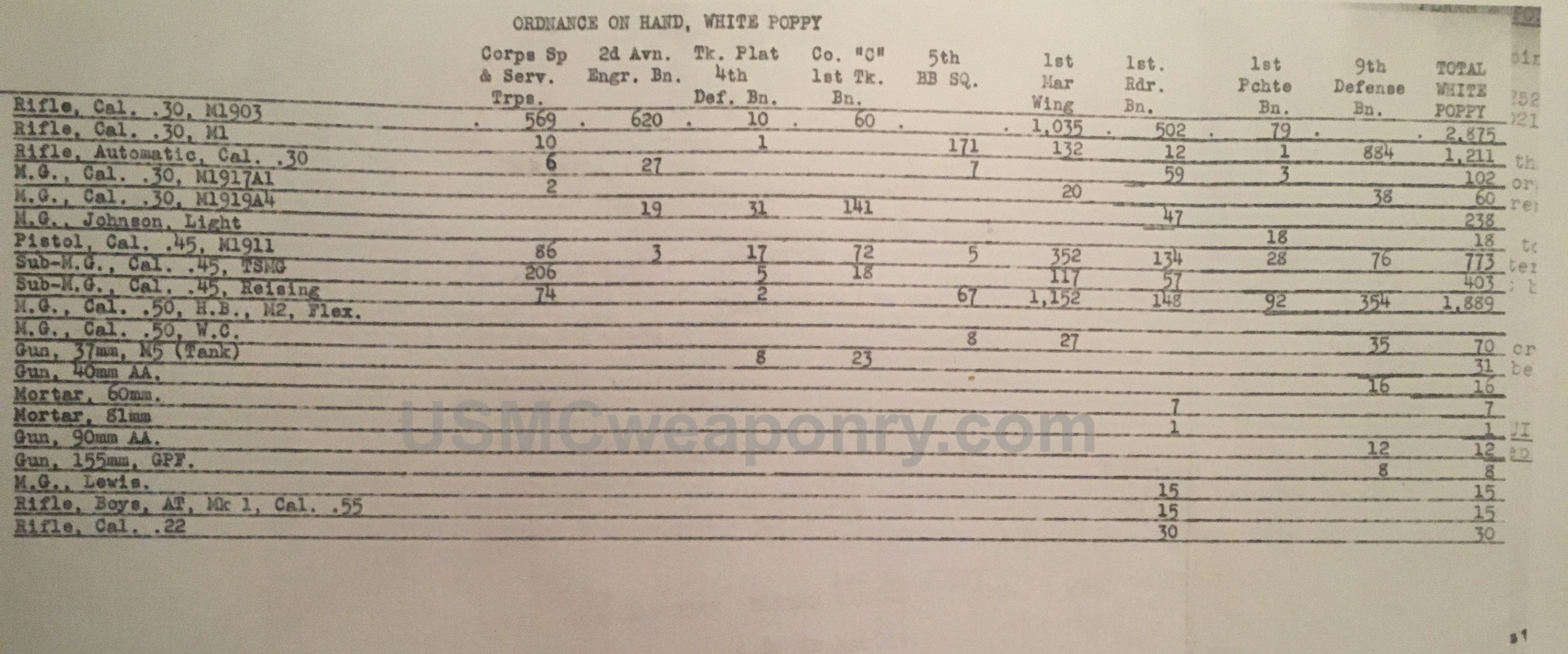
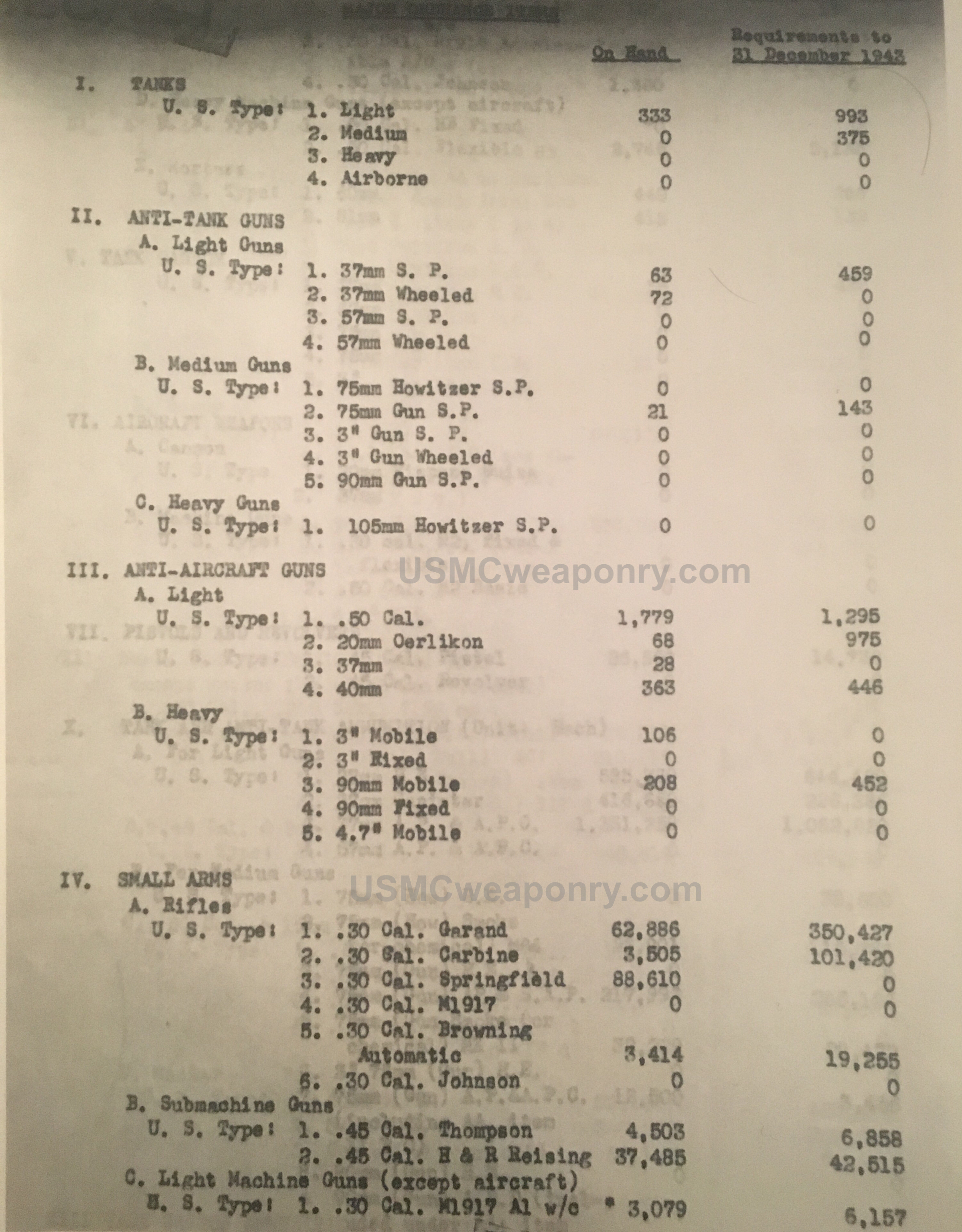
Weapons counts from Guadalcanal, showing the distribution of M1 Garands amongst units. The last document details the total amount of M1 Garands in USMC possession by the end of fiscal year 1942 as being 62,886. The ordnance department would allocate the Marines 22,000 M1s per month for the first three months of 1943, with a disproportionate amount falling in the Springfield Armory 1.14 million serial number range (NARA).
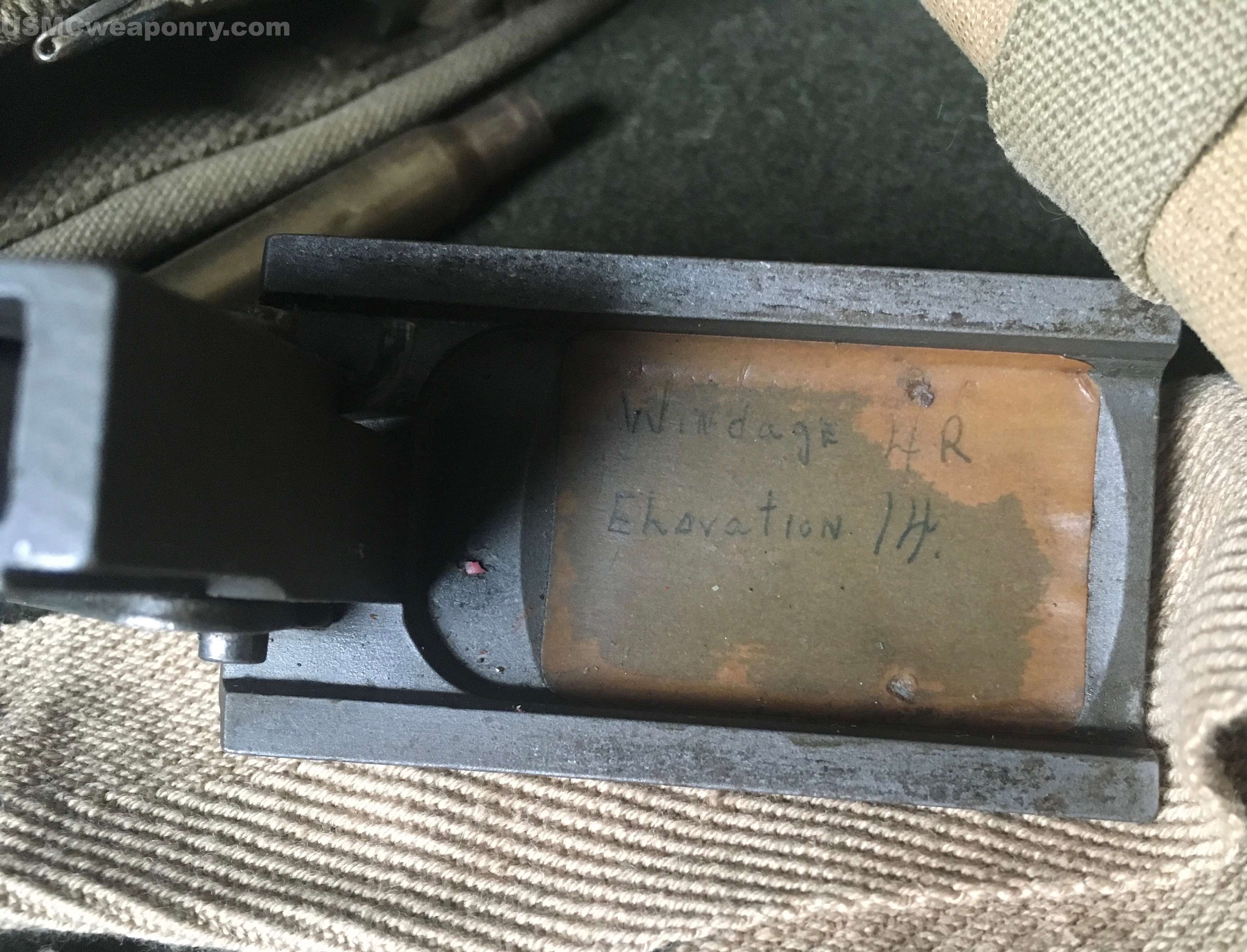
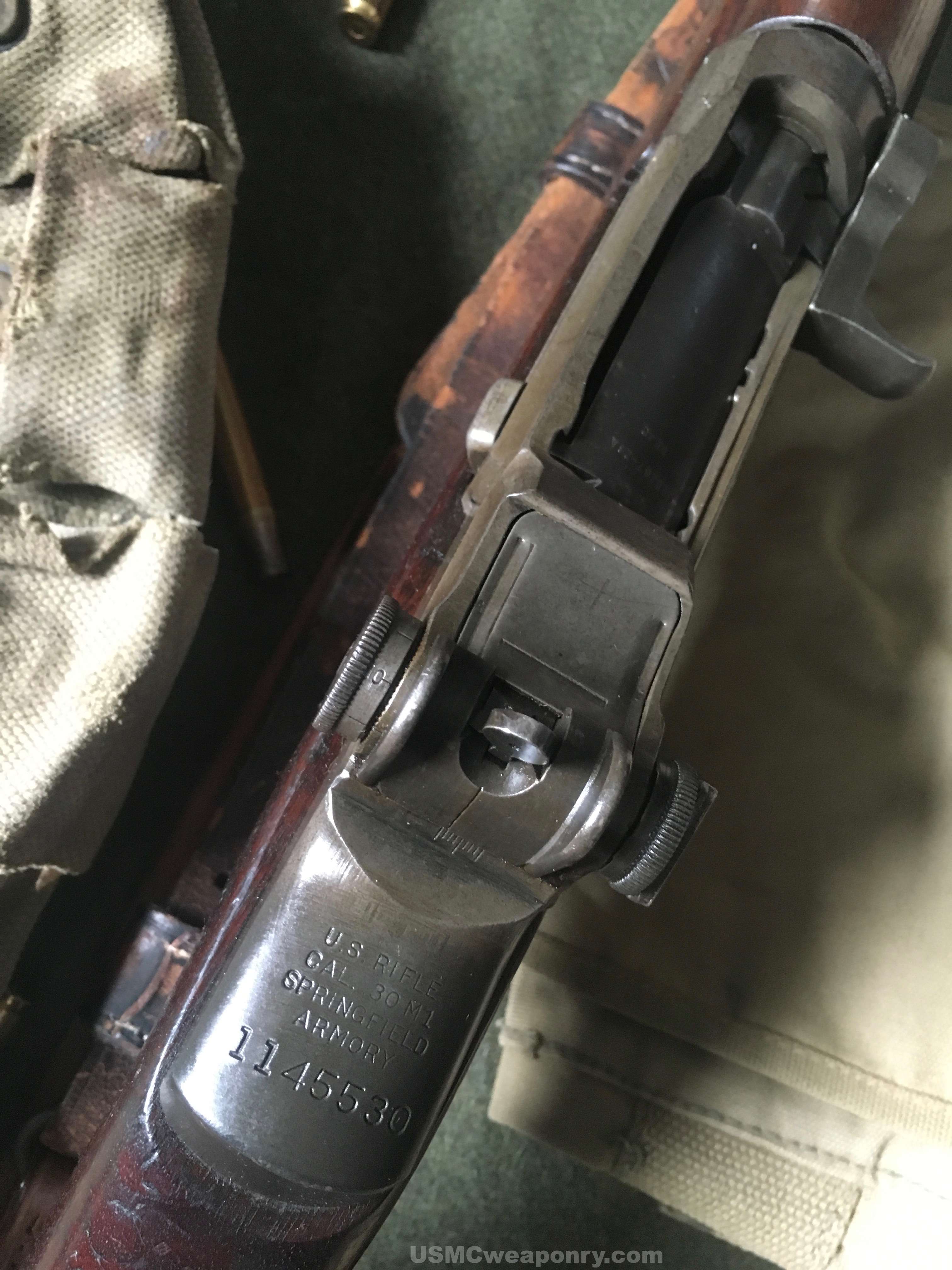

USMC 1.14 million range Springfield Armory M1 Garand, with “DOPE” tag stating the Marine’s Battle Sight Zero (BZO) on the inside of the trigger housing. The Marines practiced including a dope tag with every M1 Garand and a variety of types have been seen, most commonly in the butt trap or the trigger housing.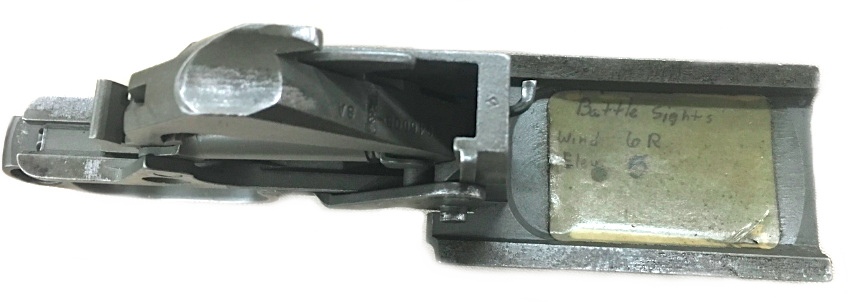
The infantry regiments of the 2nd Marine Division would arrive on Guadalcanal in piecemeal, and all would bring varying amounts of M1 Garands. The 2nd Marine Regiment had been attached to the 1st Marine Division since the onset of combat to help make up for the late arrival of the 7th Marines, who had been in Samoa. The 2nd Marines brought with them a small supply of M1s, though weapons counts appear to show these rifles having been left with the rear element. The 8th Marines would land with the bulk of the 2nd Marine Division on the fourth of November, 1942. With them came around 250 M1s complimenting their large supply of M1903s. The 8th Marines appear to have received their Garands early and out of turn in regards to the USMC HQ implementation plan due to necessity. In January of 1942, a survey found roughly 200 of their M1903s needed overhaul, and the unit was slated to deploy within the next few weeks. The crush of new recruits after Pearl Harbor left the Corps short of M1903s, and the 8th Marines were told that obtaining more of the old Springfield rifles would be a tall order. However, it was noted that the Marine Recruit Depot in San Diego would soon be receiving a hefty shipment of M1s to arm Marine recruits. While no documentation has yet been discovered finalizing this as a solution, the fact that the 8th Marines received 250 M1 Garands in the following weeks makes it highly likely they were issued to replace the worn out M1903s.
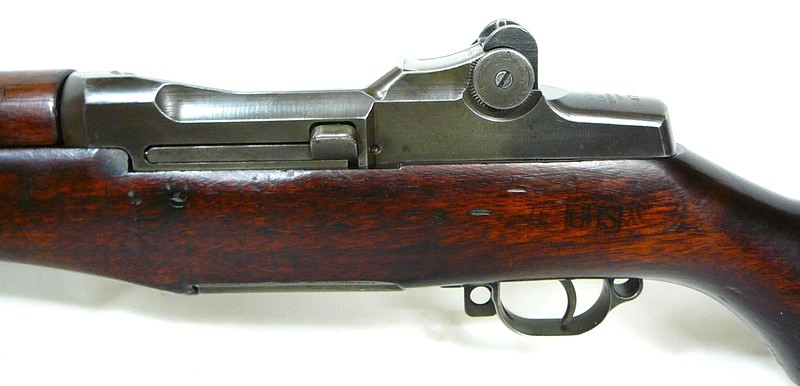

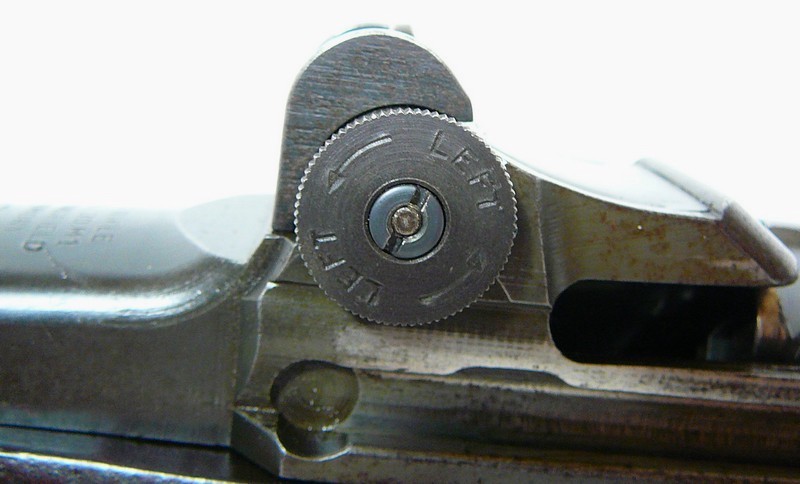
The earliest version of the M1 Garand rear sight, known as the “flush nut” sight, which performed poorly in combat. Often rubbing on an infantryman’s web gear while the rifle was slung over the shoulder, it would come loose and fall off. The solution to this was the implementation of the “lock bar” rear sight system, which firmly locked the rear sights in place (Norton collection).
In contrast to the atypical situation of the 8th Marines, the 2nd Raider Battalion which also landed on Guadalcanal on November 4th had M1s by design. Battalion Commander Lieutenant Colonel Evans Carlson was fond of the Garand, and his Raiders had employed them successfully during the Makin raid in mid August. The 2nd Raiders would use a mixture of M1s and M1903s during the “Long Patrol” on Guadalcanal, with after action reports praising the function of the new rifle in all conditions. In January of 1943 the 2nd Marine Division would reach full strength with the arrival of the 6th Marine Regiment. The 6th Marines had only a small percentage of M1s and as it was with the 2nd Marines, it is unclear if they were issued to infantry companies. The Guadalcanal Campaign was vastly different by 1943; the 1st Marine Division had departed to refit in Australia, and most operations by the 2nd Marine Division consisted of mopping up the remnants of the shattered Japanese forces. The fighting would not decrease in brutality though, and would rage on until the 6th Marines landed a fatal blow on the last vestiges of enemy resistance in early 1943.
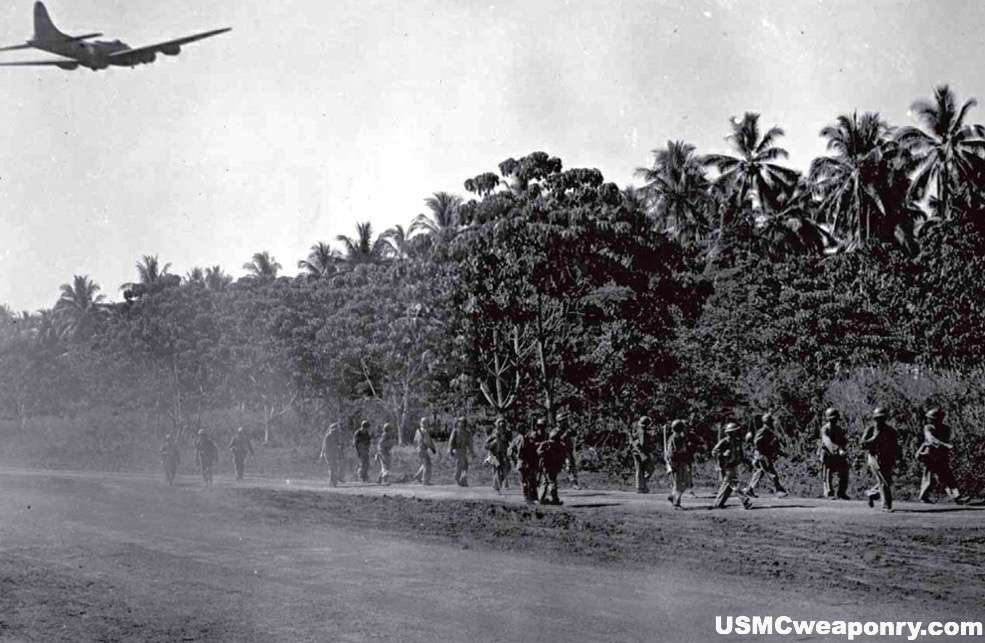
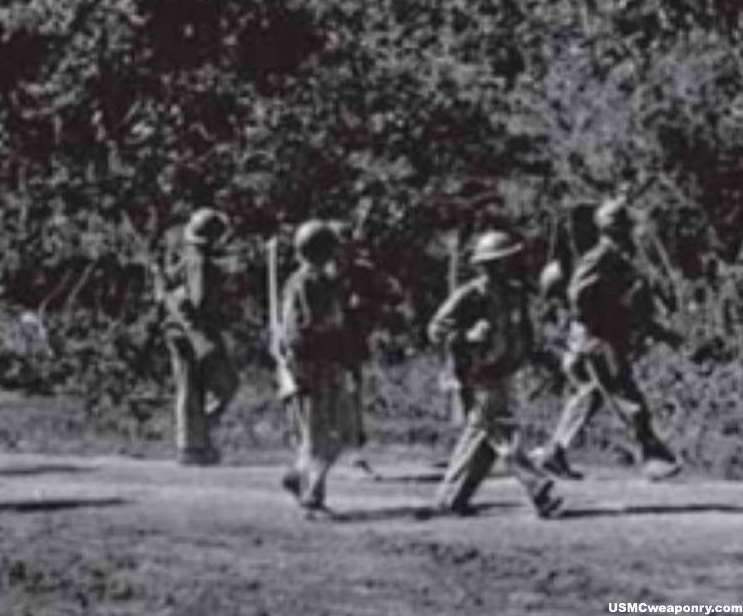
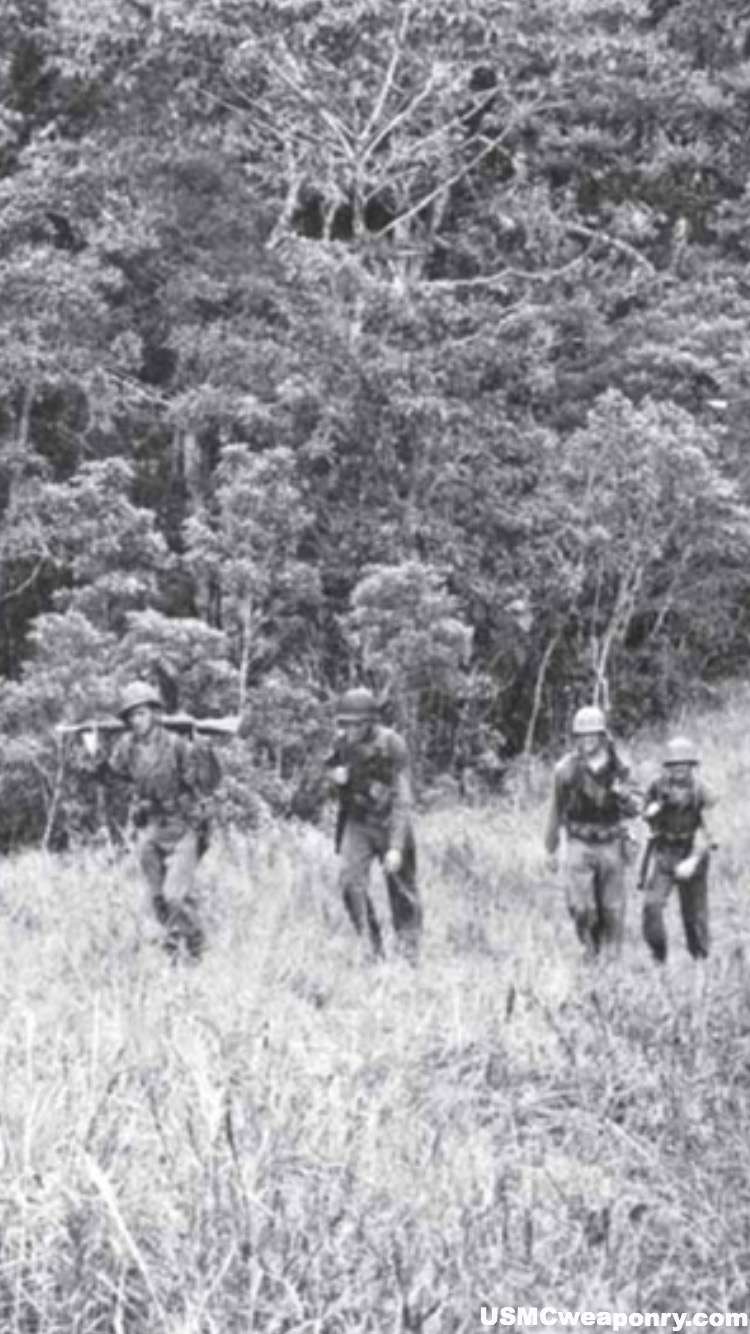
Left: The 8th Marine Regiment with a mix of M1 Garands and M1903s, as well as a mix of old M1917A1 Kelly Helmets and the new M1 design. By the time they 8th Marines landed on Guadalcanal in November, they were a crack unit with 10 months of jungle training in Samoa under their belt. Right: the 2nd Raiders on patrol, M1 Garand noticeably draped across the shoulders of the infantryman to left (NARA & USMC).
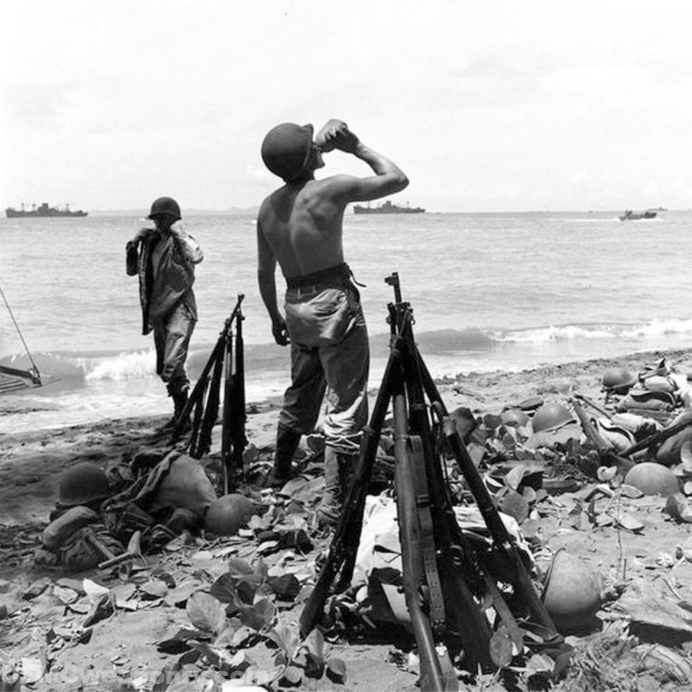
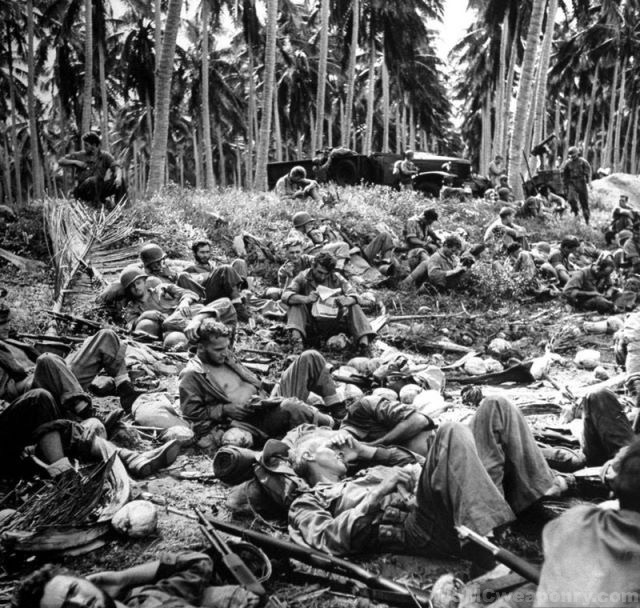
The infantrymen of the 6th and 8th Marine Regiments fought hard until the end of the Marine Corps’ involvement in the Guadalcanal Campaign. M1 Garands can be seen in both photographs (NARA & USMC).
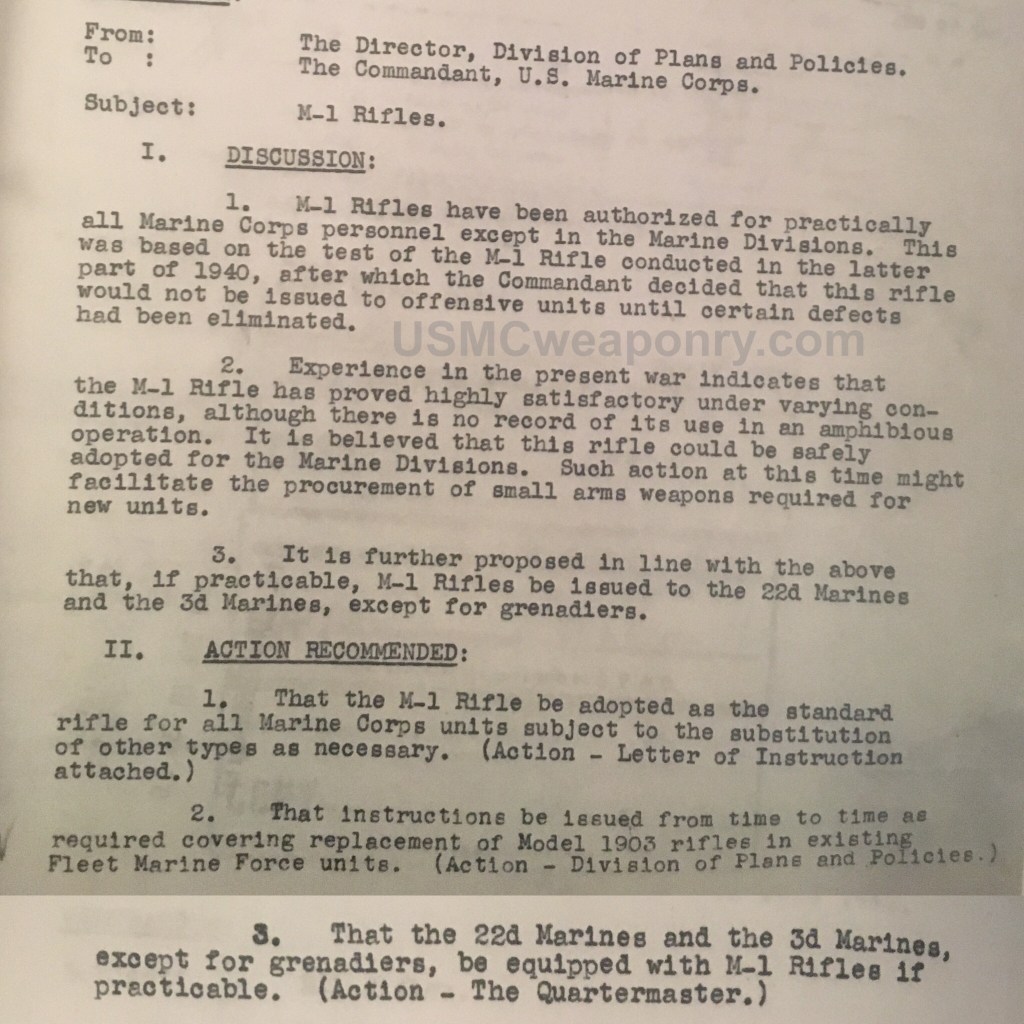
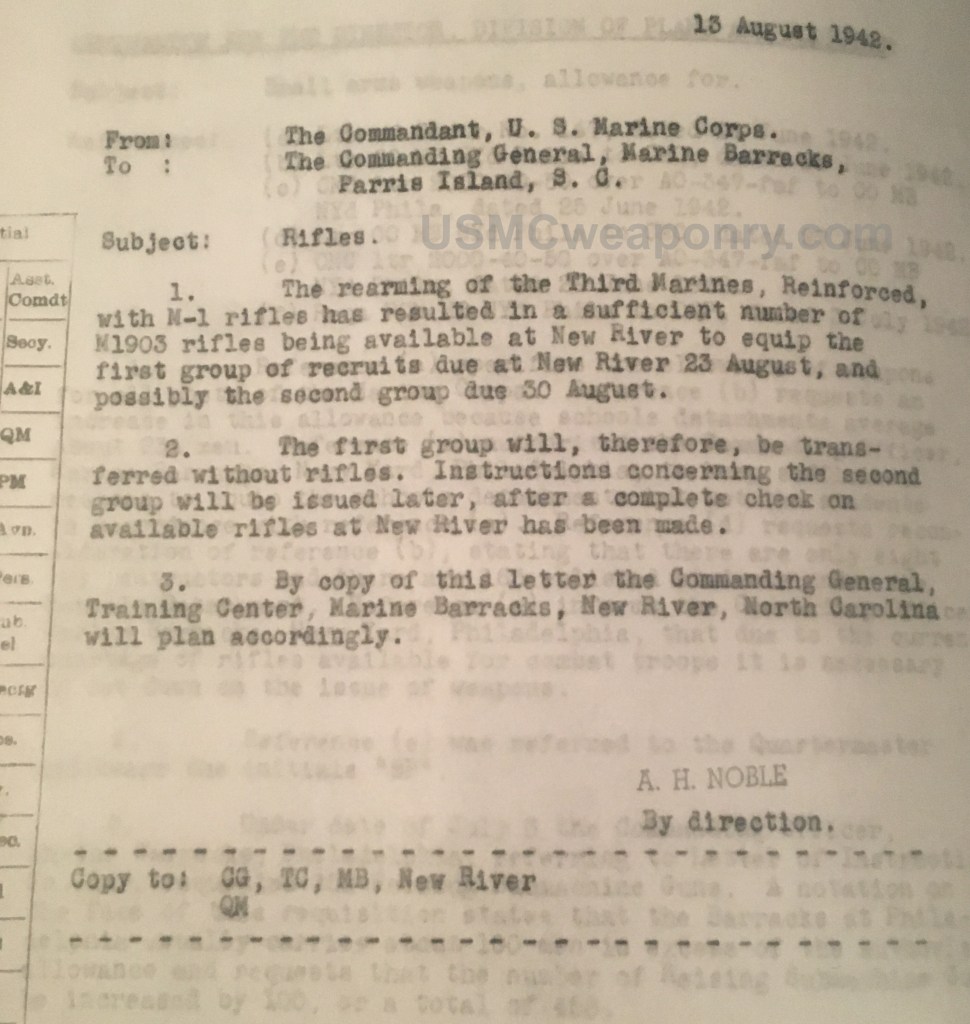
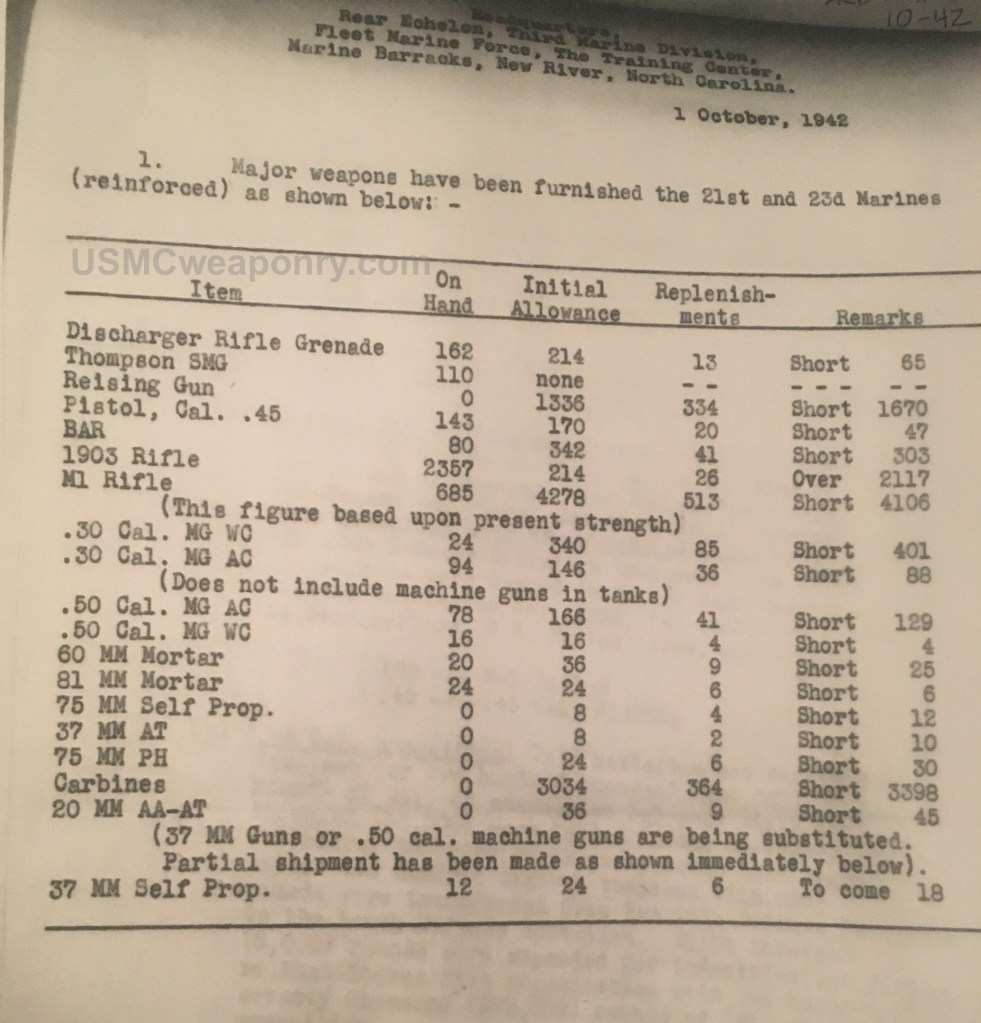
The 3rd Marine Division would be the first to be fully equipped with the M1 Garand (NARA).
The first benefactors of the June 26th, 1942 order to arm all units with the M1 Garand would be the fledgling 3rd Marine Division. The new division began receiving M1s in the fall of 1942 while it was training stateside, and would be fully equipped before the end of the year. Switching to the new rifle would not be quite as easy for the divisions already deployed, and the resupply situation with the 1st Marine Division after Guadalcanal would be unique. Due to logistical necessities, the army would fully equip the men of the “Old Breed” with weapons, clothing, and all other gear. As such, identifying serial number groupings of early 1st Marine Division M1s has been difficult compared to other units. The next action for or the 1st Marine Division would be at Cape Gloucester, and the evidence of their army refit is fully on display. Many photos show the 1st Marine Division in army utilities and carrying a variety of weapons more commonly seen in the hands of soldiers, such as the M1 Thompson submachine gun, M1903A4 sniper rifle and the M3 fighting knife.
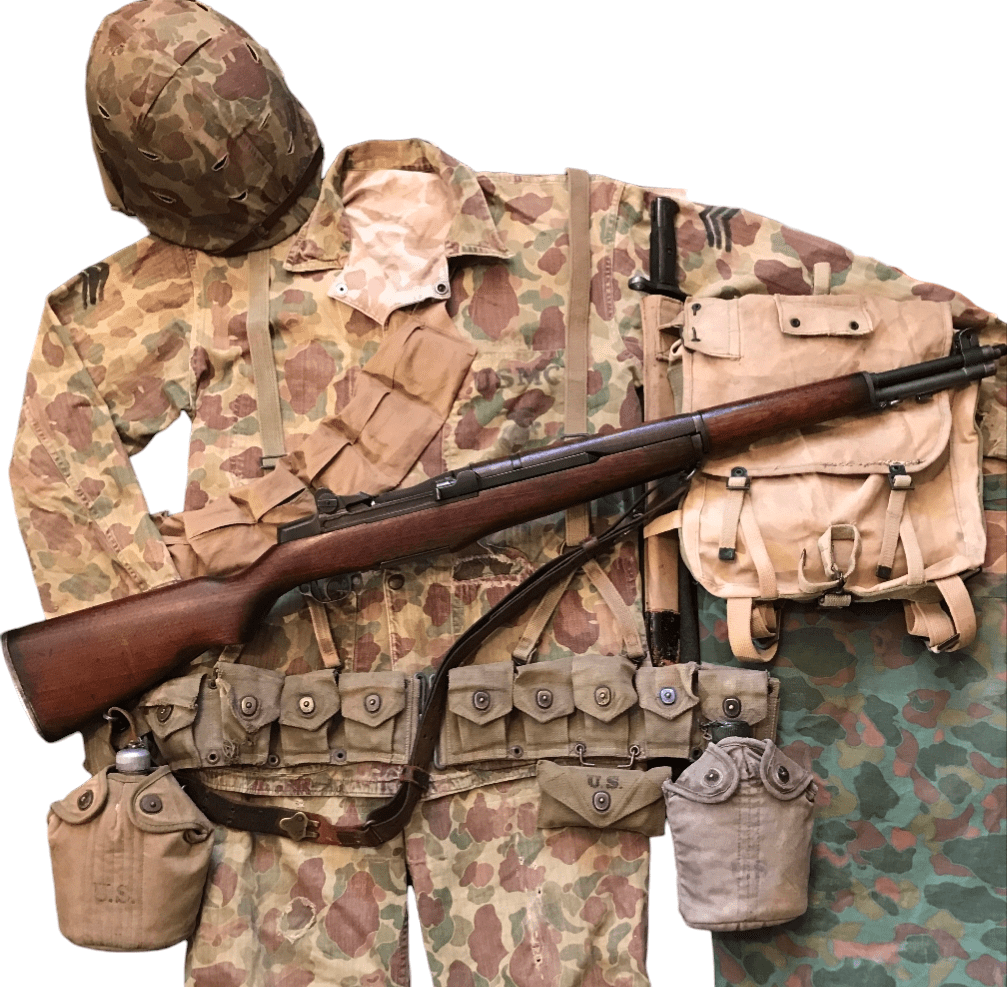
The Marine Corps would embark on campaigns all over the South Pacific in the fall of 1943 as part of the “island hopping” strategy. The the 1st Marine Division would occupy the soaked jungles of Cape Gloucester while the 2nd Marine Division would assault the Tarawa Atoll. The 3rd Marine Division’s combat debut would take place on the island of Bougainville. The Marines who fought in those campaigns were fully armed with the M1 Garand, as the venerable M1903 Springfield had been officially relegated to secondary roles in all units. To be ready for the island hopping campaigns, January through April of 1943 saw the Marine Corps allotted 22,000 M1s per month, a priority amount considering the service’s smaller size. A majority of these rifles would be in the Springfield Armory 1.14 through 1.15 million serial number range, the first of several significant groupings of USMC M1s identified. Later shipments often included Springfield Armory Garands from the 1.56 and 1.86 ranges, particularly amongst the 3rd and 5th Marine Divisions. The early 2 million serial number range is dense with USMC issue M1s, as well as the late 1944 3.2 million range. By late 1943, the M1 Garand had come of age as the Marine Corps’ main battle rifle of the Second World War. Many a grunt would come to appreciate the M1’s excellent performance and volume of fire, taking full advantage of a the Garand’s superiority over the bolt action Japanese Arisaka.
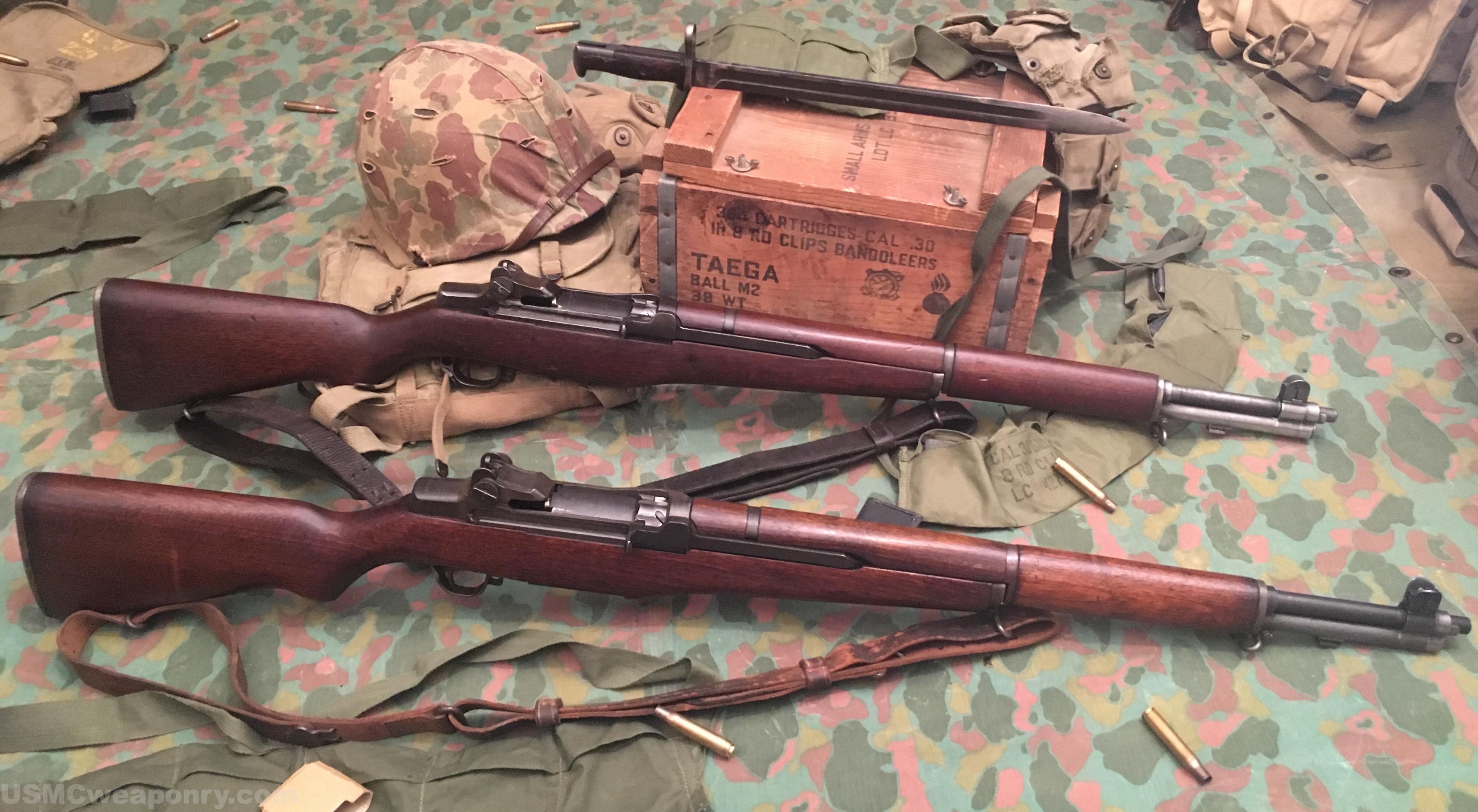
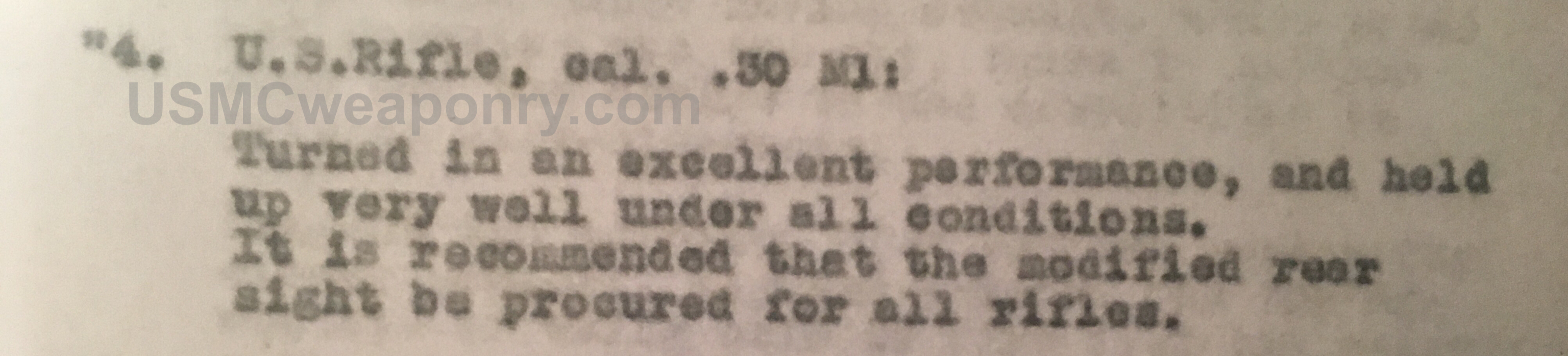
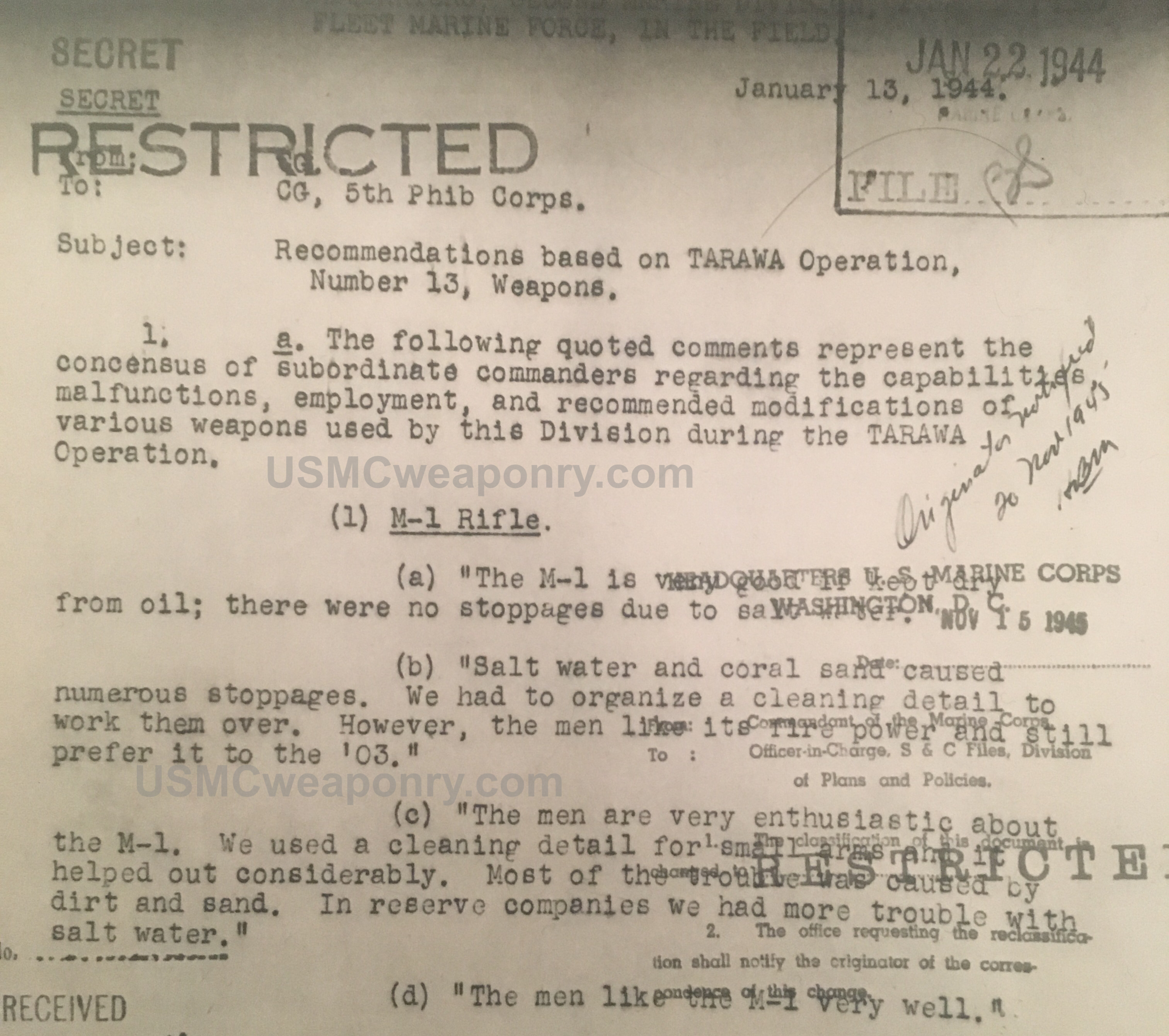
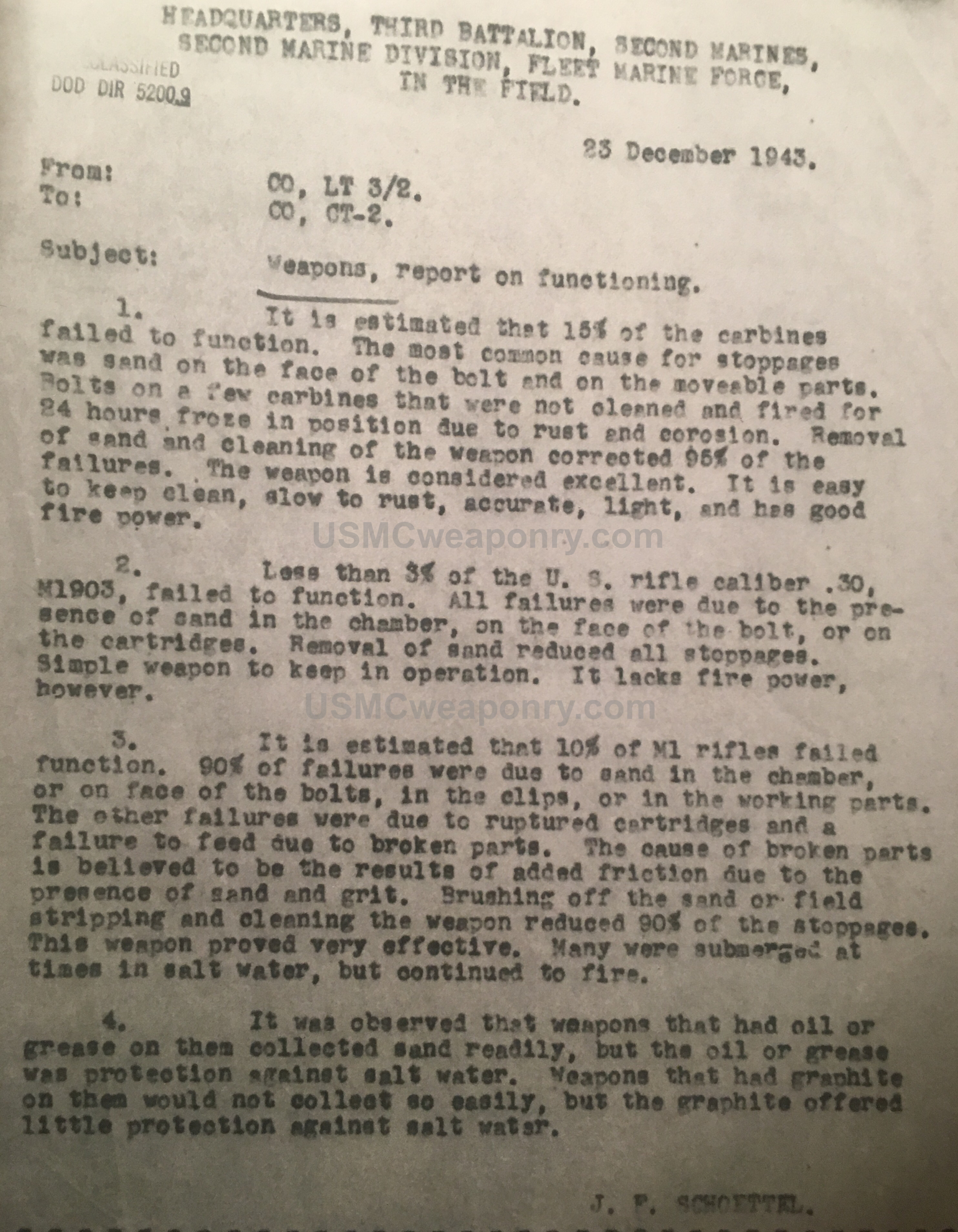
Top: After Action Report from the Marine Raiders on New Georgia; the modification referred to is either the cutting of a V shaped notch into the rear sight aperture, or enlarging it. Bottom: The Battle of Tarawa was a marquee engagement at the heart of the Marine Corps’ amphibious mission, and the reports of the M1 Garand’s performance in a gritty, salty environment showed it was more than up to the task (NARA).
On November 20th, 1943 the 2nd Marine Division would storm the beaches of Tarawa in a marquee amphibious battle. The Japanese admiral in charge of defenses claimed “it would take one million men one hundred years” to conquer the island; the Marine Corps would accomplish the task in three bloody days. The Marines that came ashore looked very different than the men of the Guadalcanal campaign. Wearing new camouflage uniforms and equipped with modern weaponry, the M1 Garand and new M1 Carbine were now the primary arms of the Corps. Both had proven up to the task in the jungles of Bougainville and New Georgia, and the salty, sandy environment of Tarawa would be no different. In the harsh amphibious scenario that previously led to the Marine Corps rejecting the M1 Garand, the rifle performed very well. On the occasion that sand would clog the action, remedial clearing steps were almost always effective. Following Tarawa, the M1 Garand had proved it was every bit the right rifle for the job of amphibious warfare.
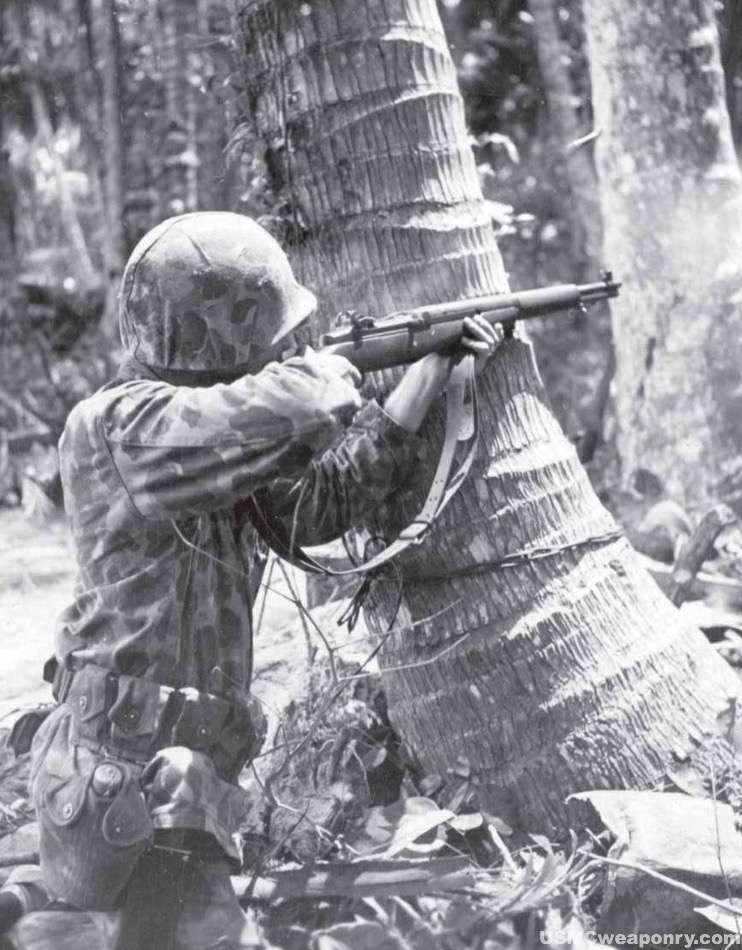
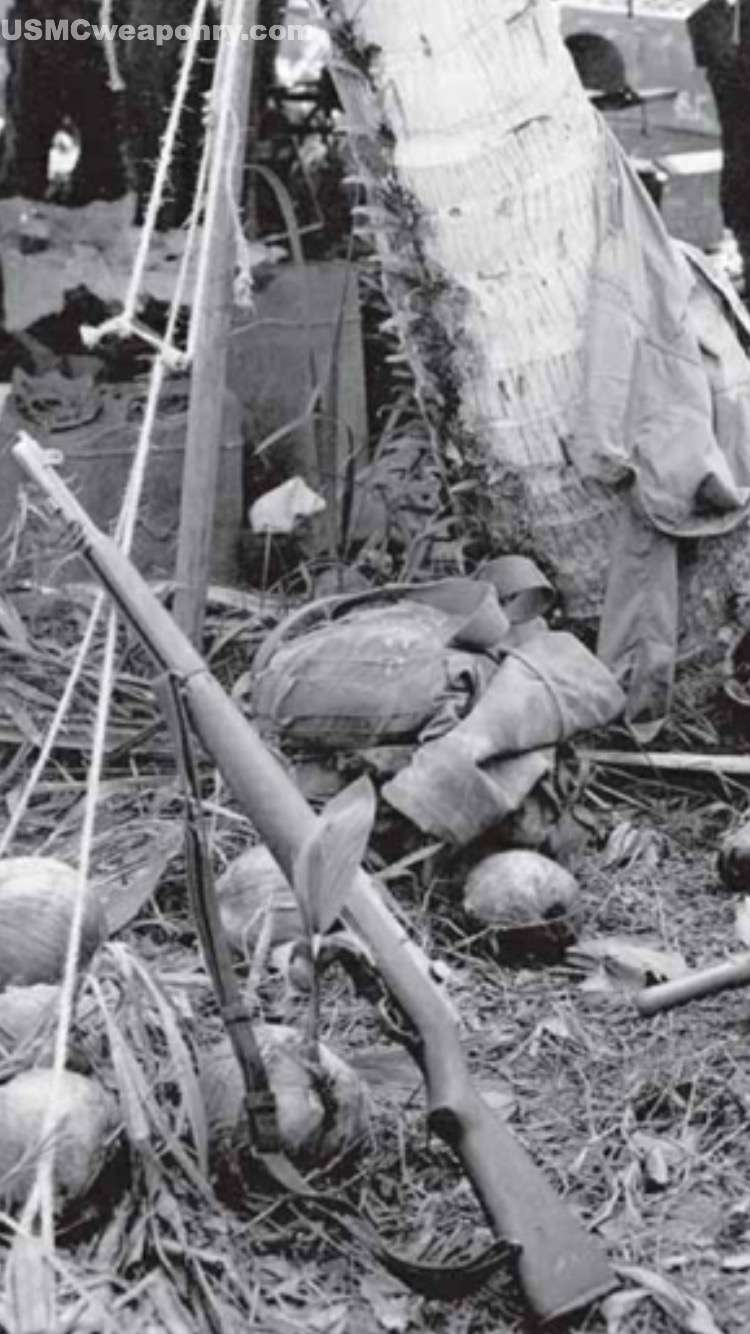
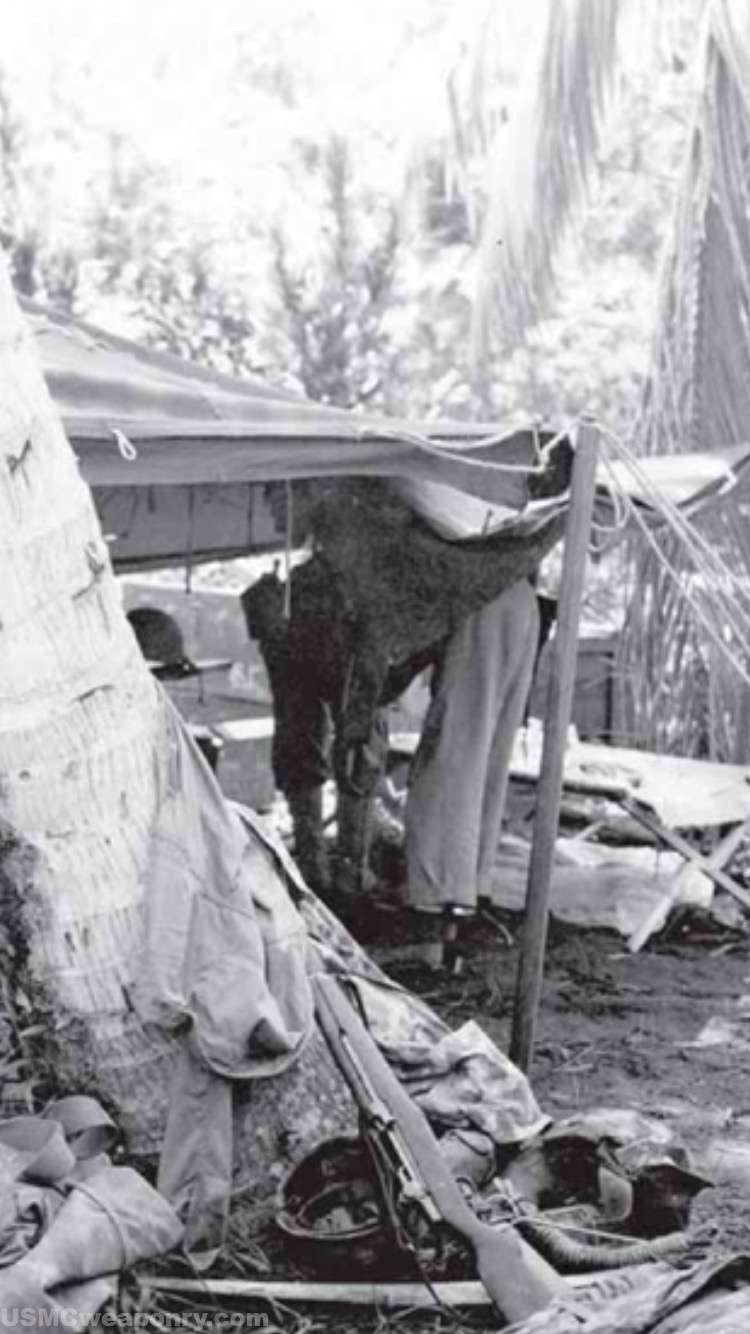
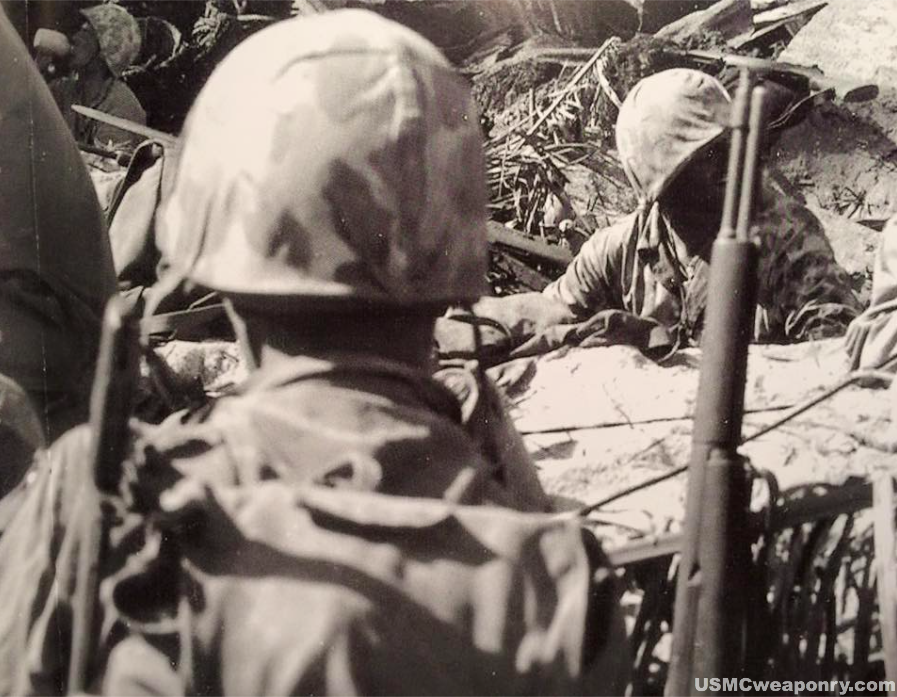
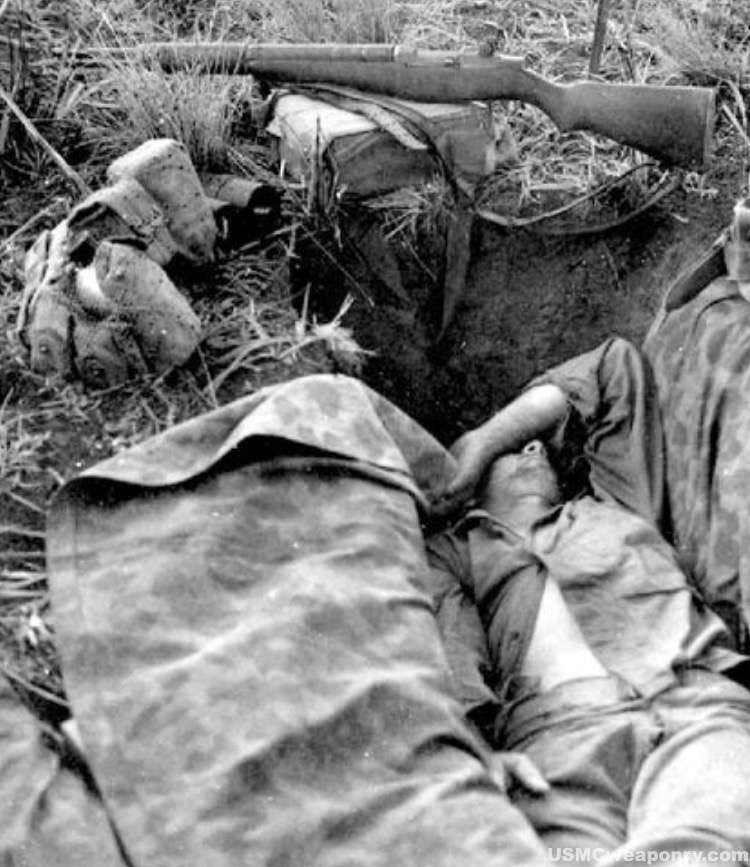
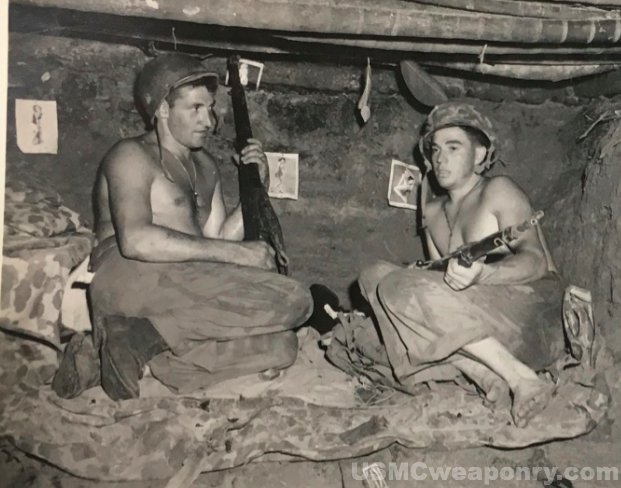
Marines in combat with their M1 Garands, 1943 (USMC & NARA).
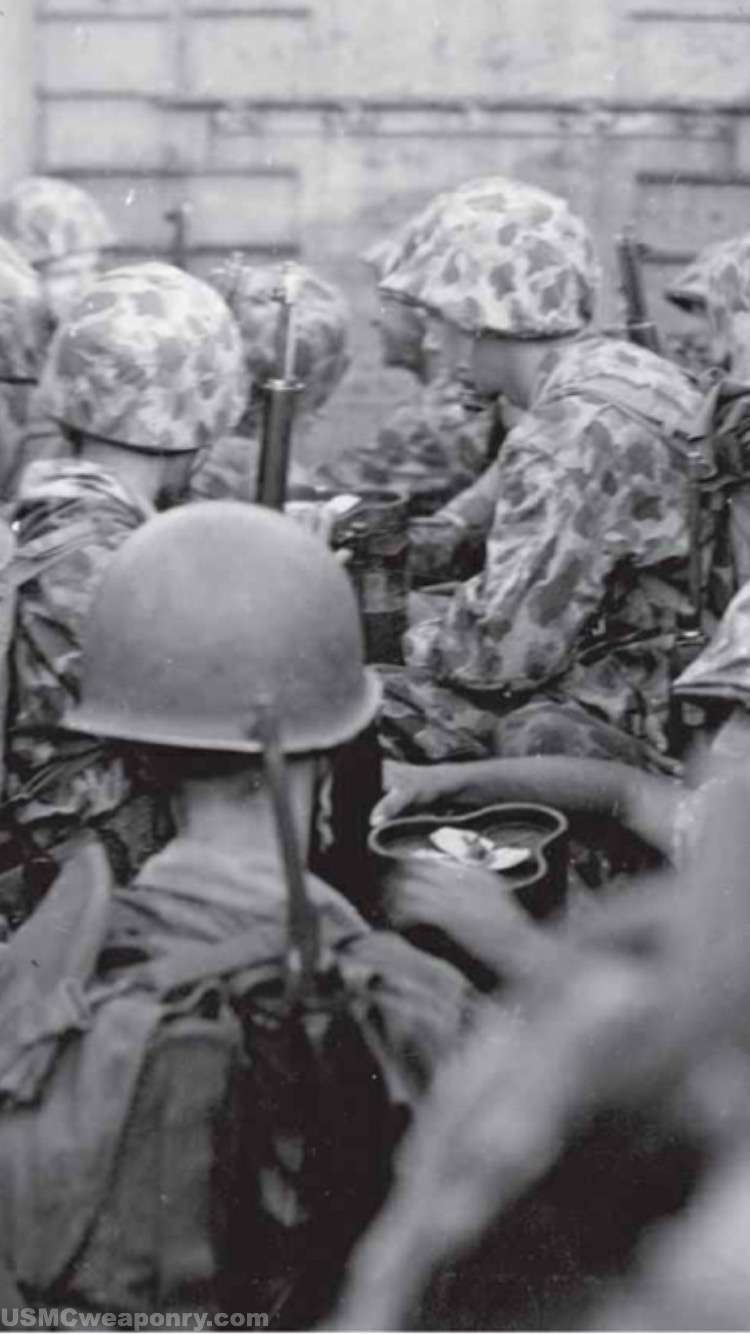
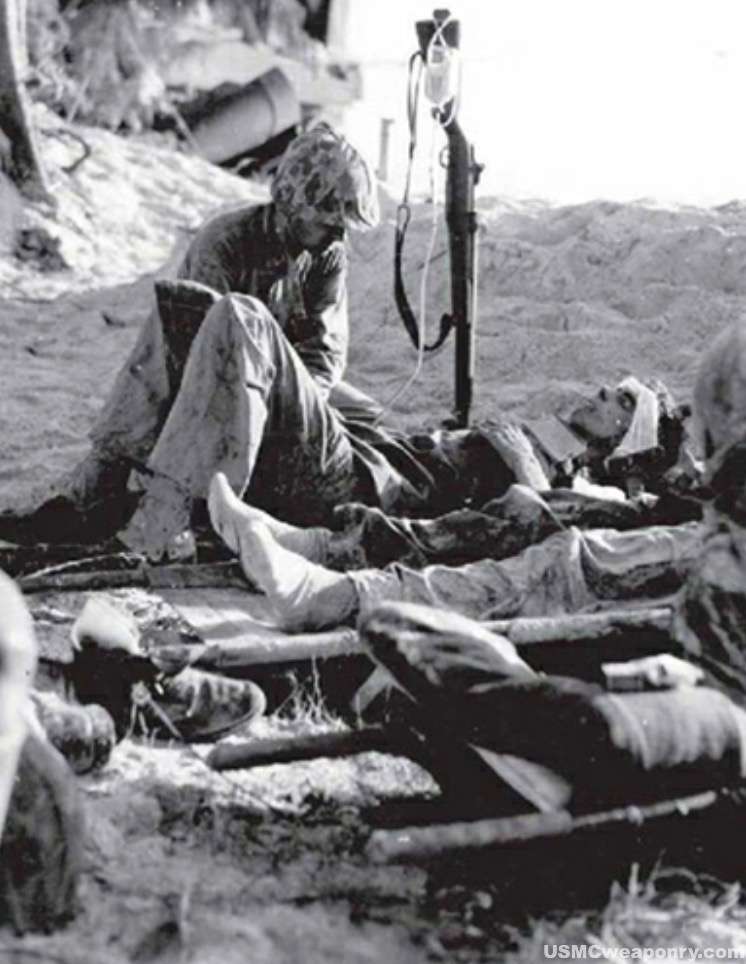
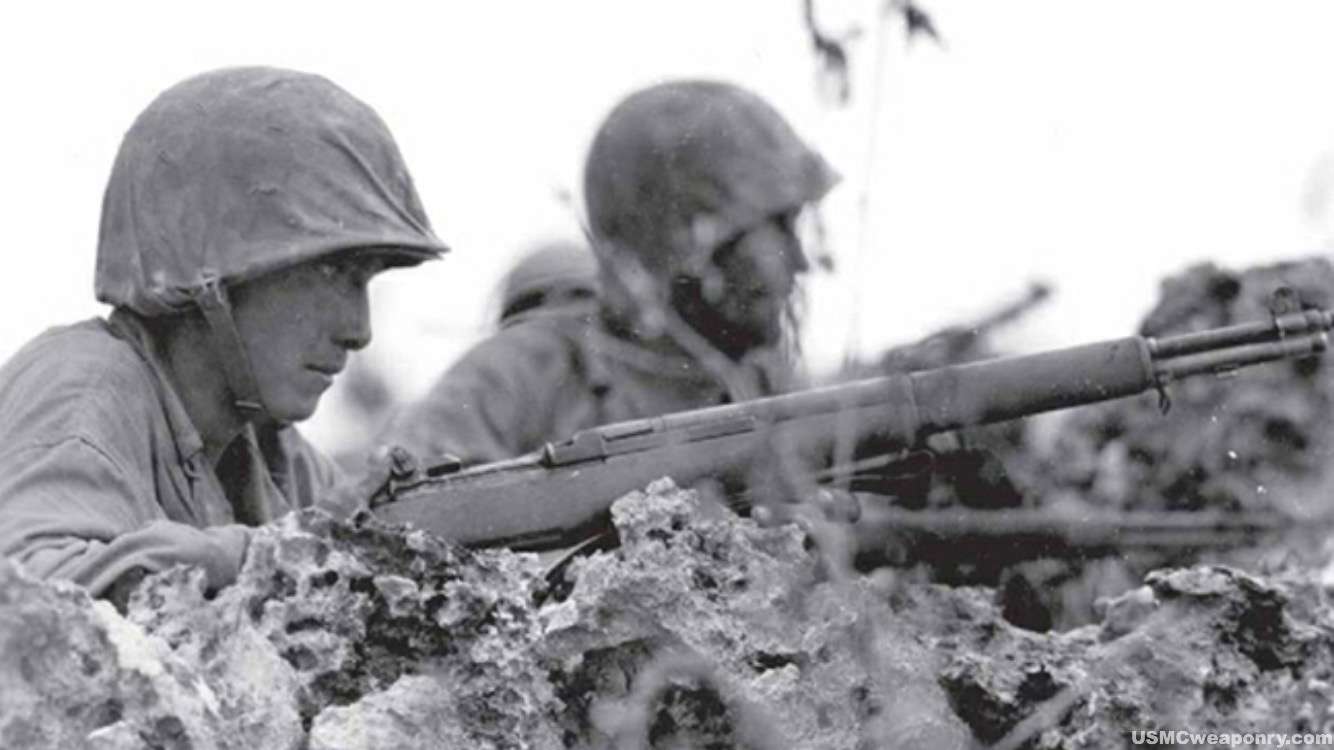

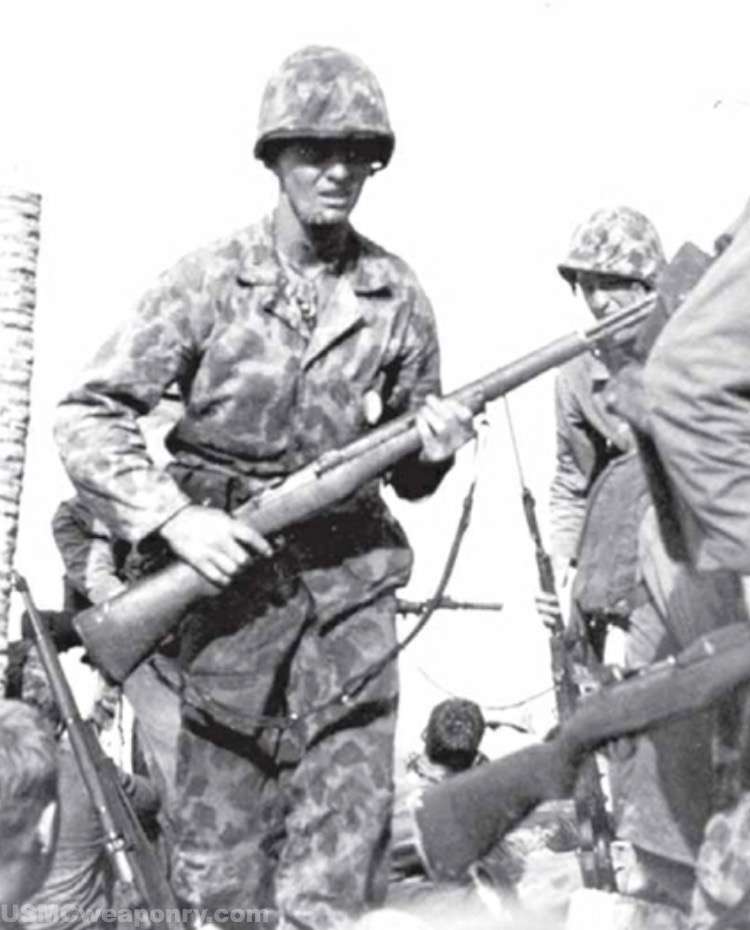
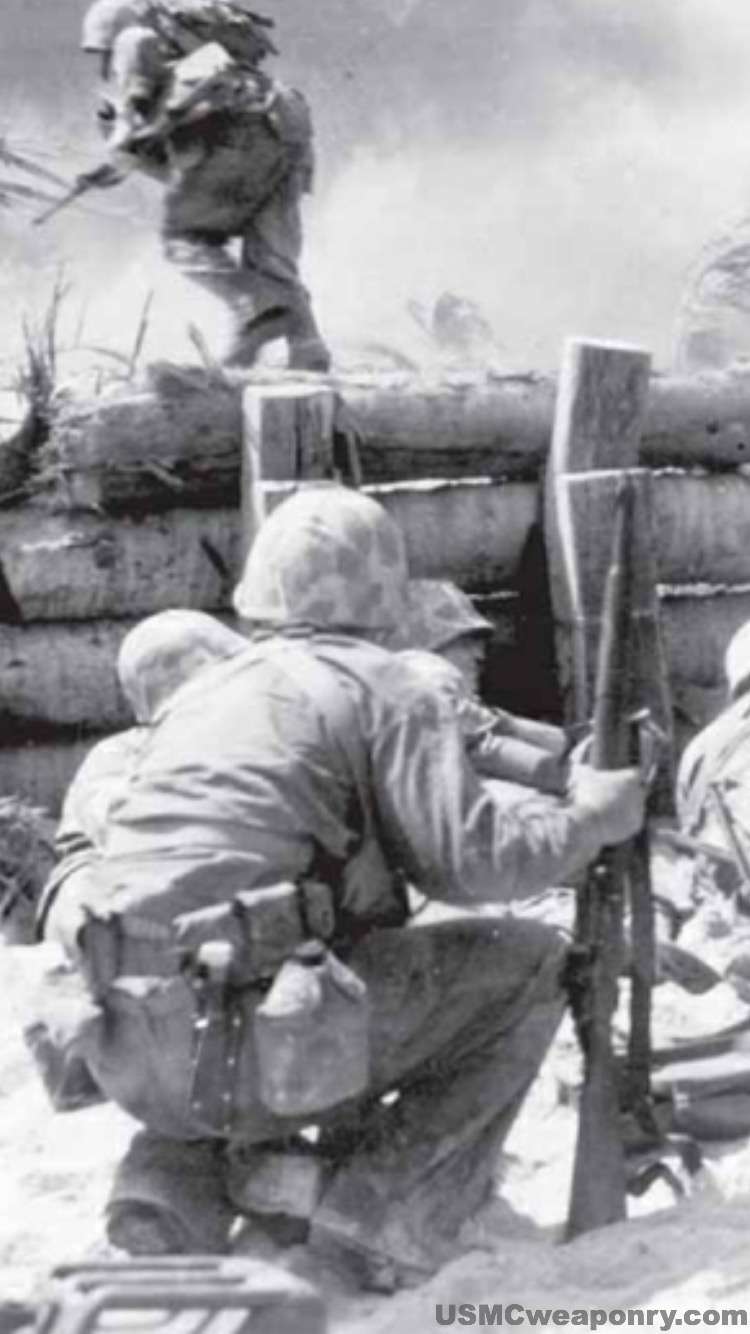
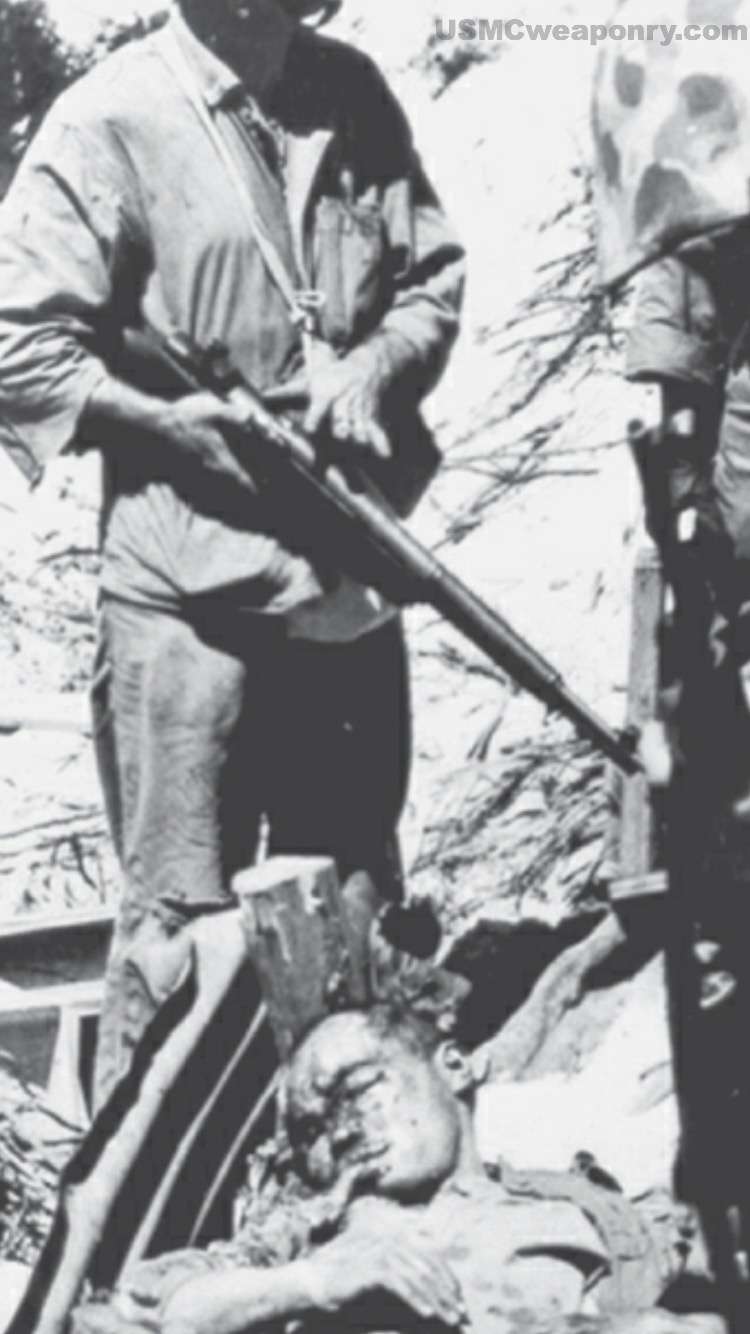
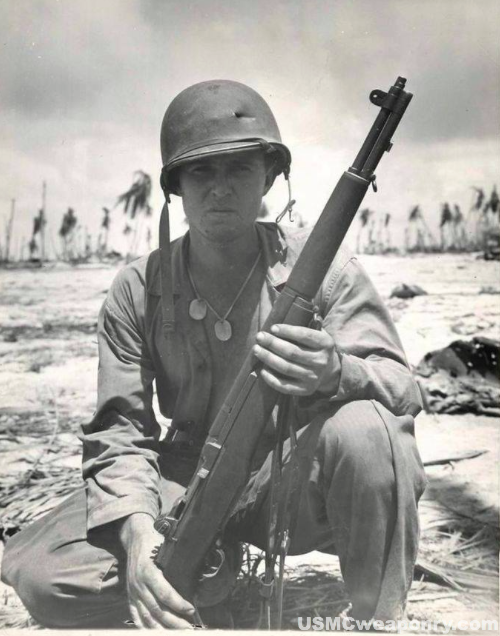
The M1 Garand proved very much up to job during the three days of vicious fighting at Tarawa (USMC & NARA).
Following Tarawa, the M1 Garand would continue to receive outstanding ratings from during campaigns on Guam, Tinian and Saipan, as well as the 1st Marine Division’s Battle for Peleliu. No unique field modifications were done at this time, older parts that were worn out were replaced by lower level armorers and M1s were quickly returned back to their units. Considering the length of World War II and the salty, humid environments the Marines fought in, it is not uncommon to find M1s with field replacement barrels. Parts swapping occurred for a variety of reasons, from cleaning parties to minor overhauls. As such, finding a World War II M1 Garand that saw combat and remains original is very rare.

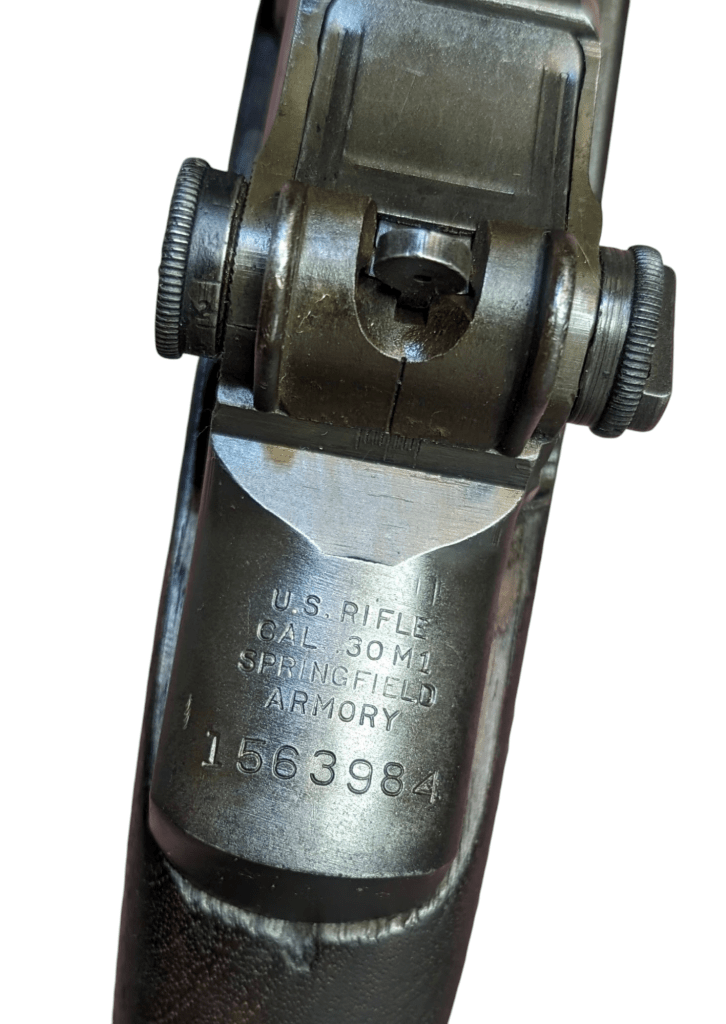
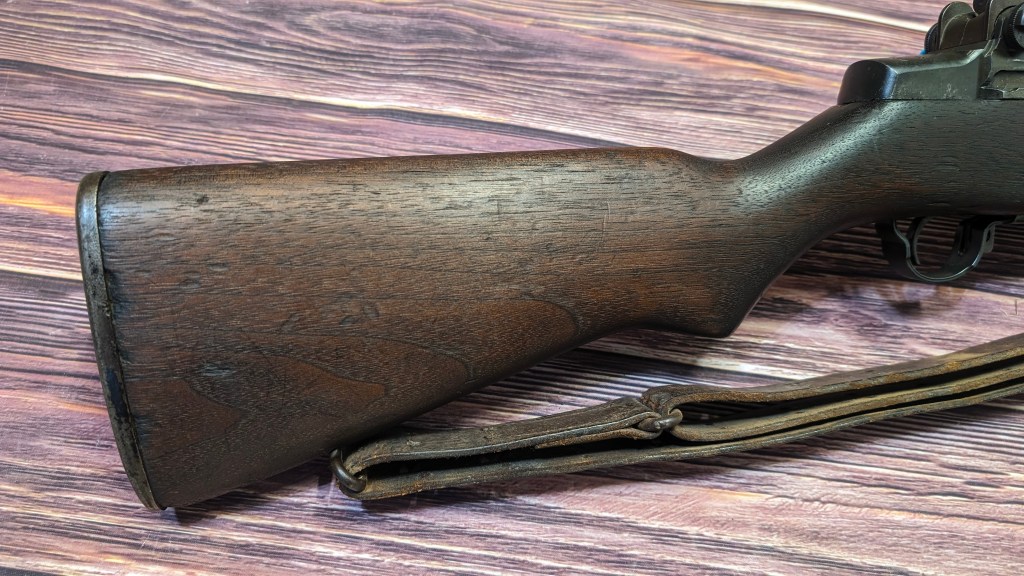
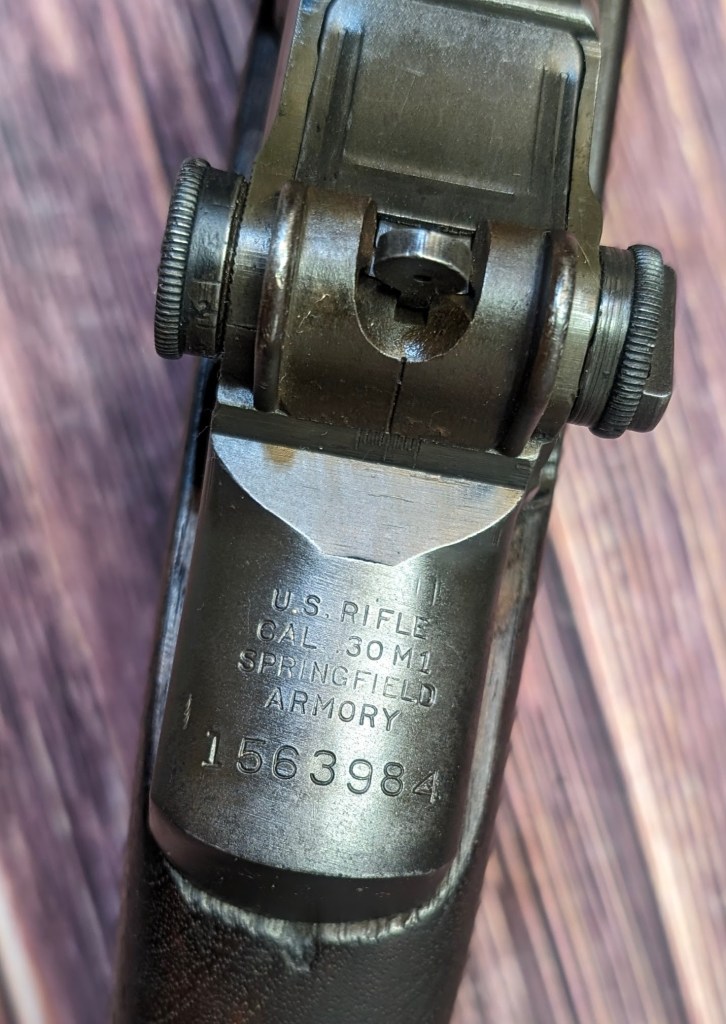
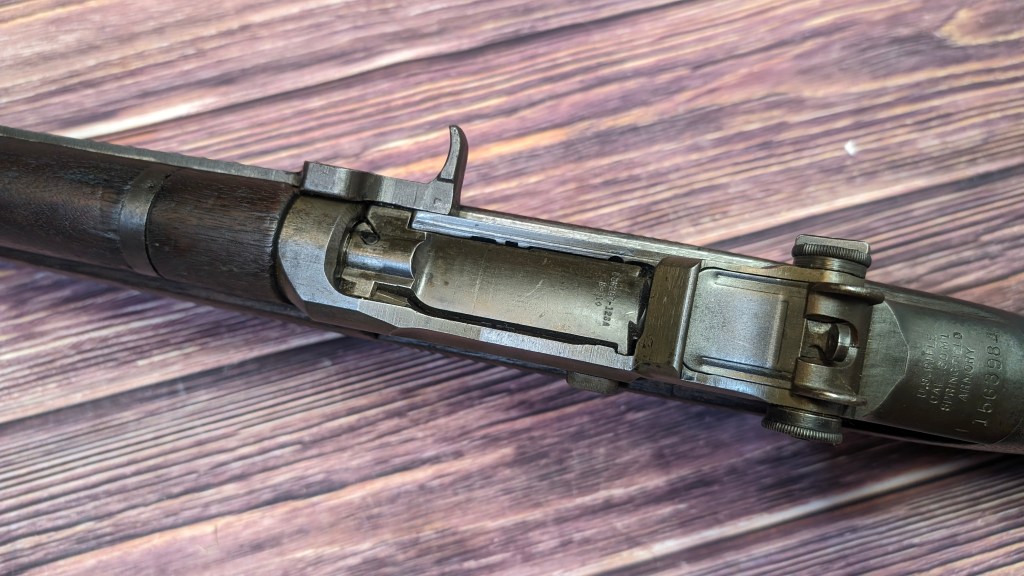
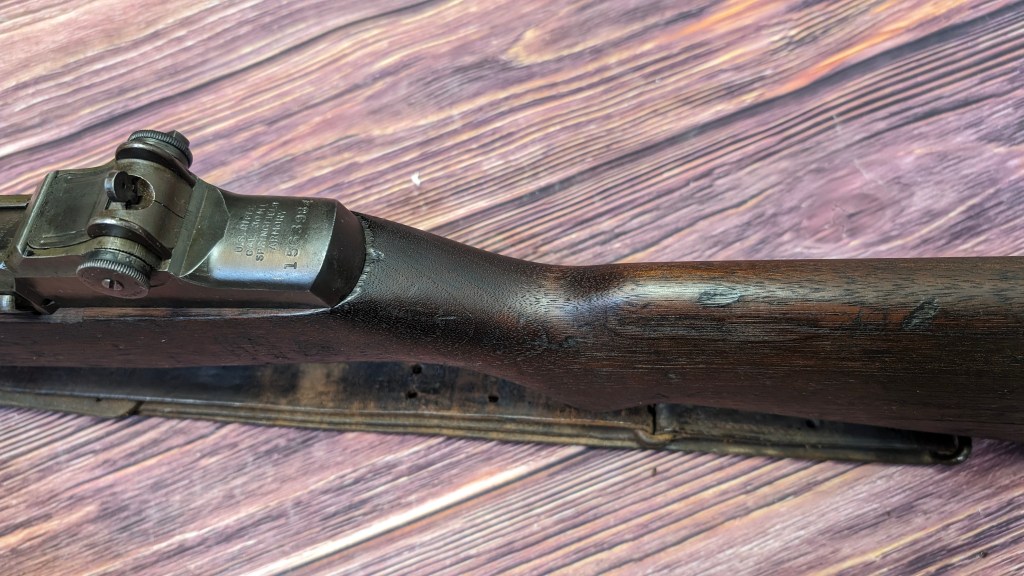
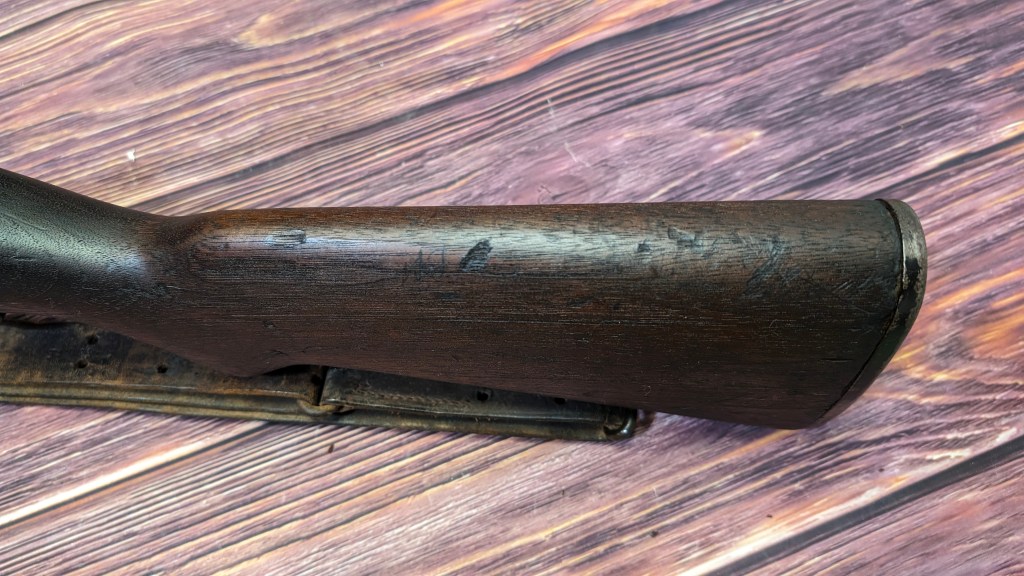
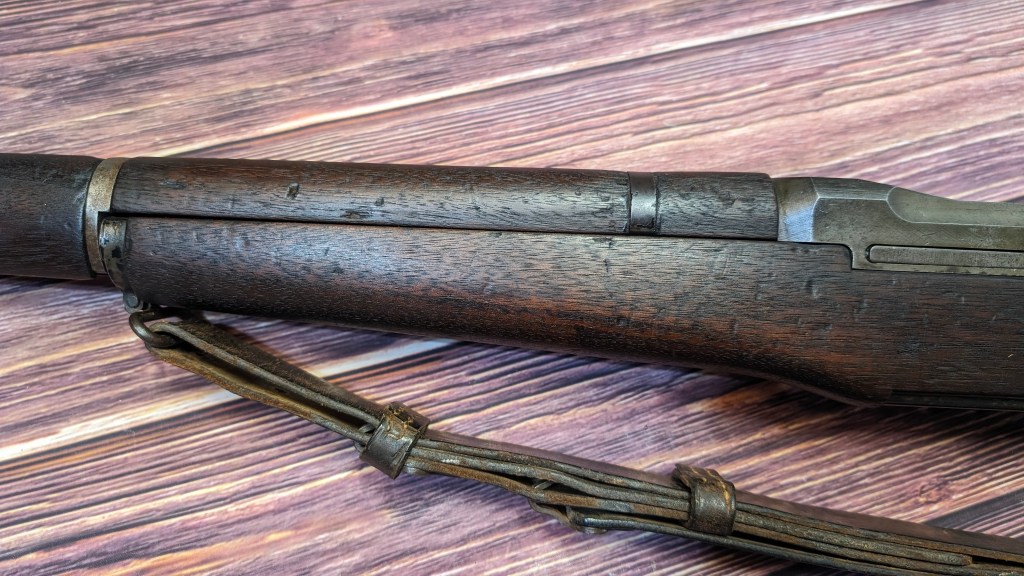
USMC Springfied Armory M1 Garand #1563984, one of 30 “Guam Garands” used by the Guamanian Local Security Patrol Force (LSPF) who worked in tandem with the Marines to clear Japanese resistance following the battle. Overwhelming evidence suggests these 30 rifles were given to the LSPF by the 3rd Marine Division. Either original or WWII field rebuilds, the Guam Garands are exceptional time capsules in rare company as they can be tied to a specific Marine Corps battle. Renowned author Scott Duff’s research on the Guam Garands can be viewed here (Plowman collection).

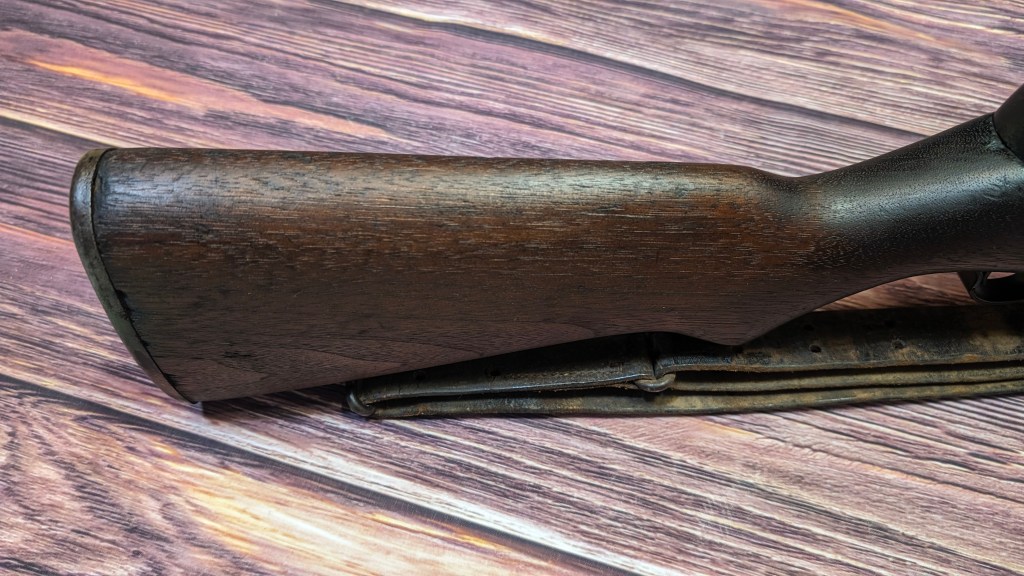

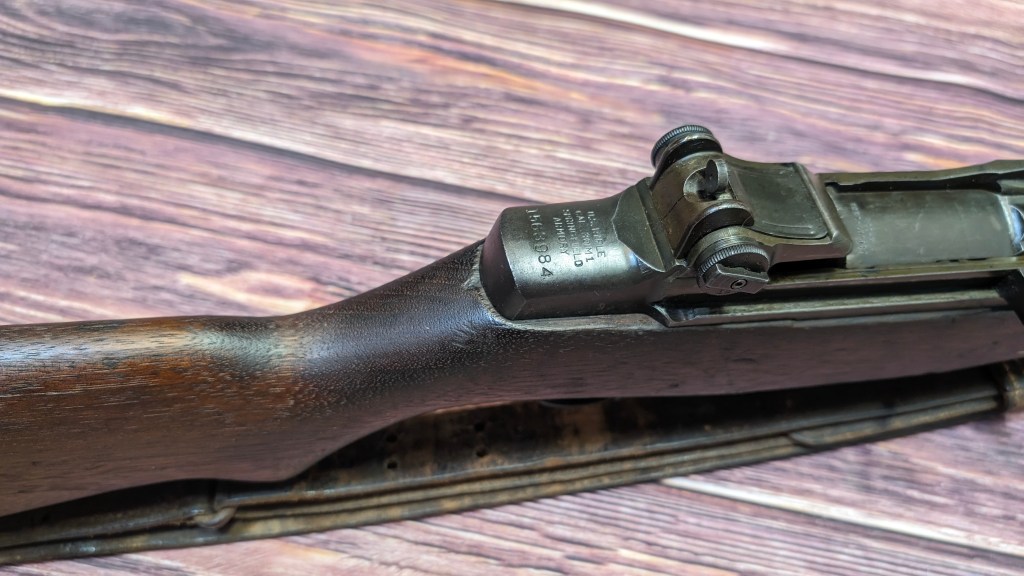
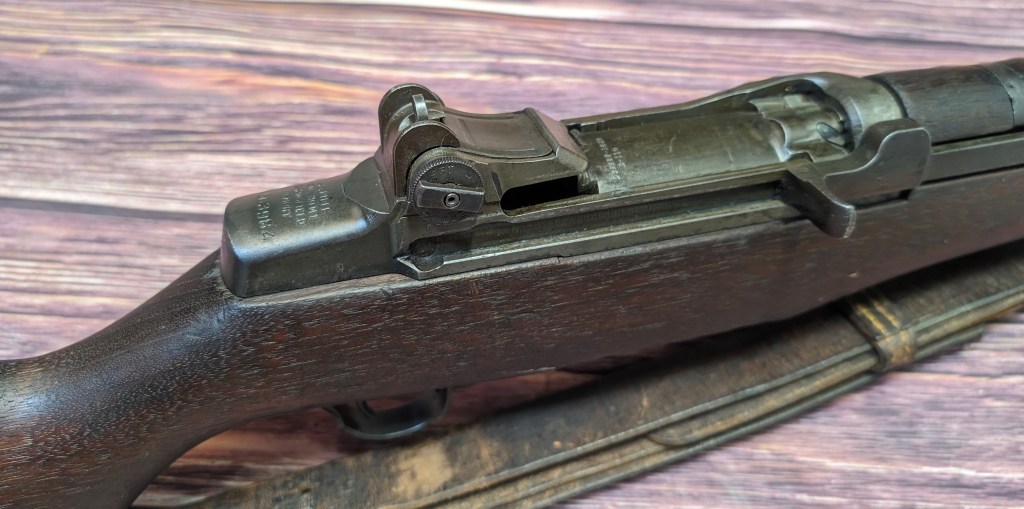

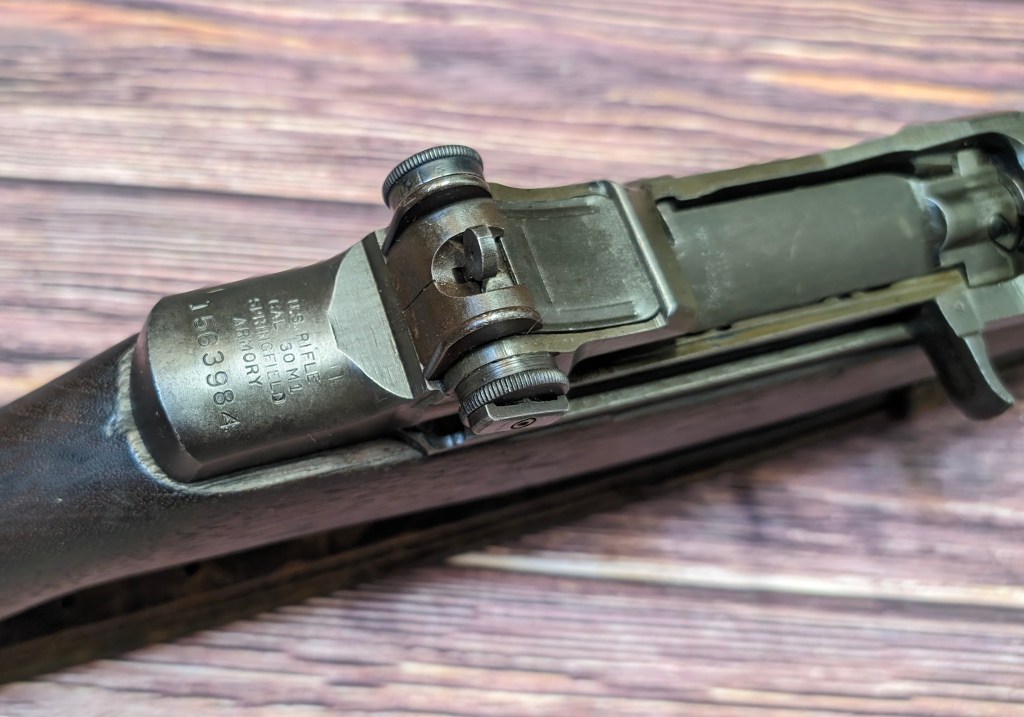
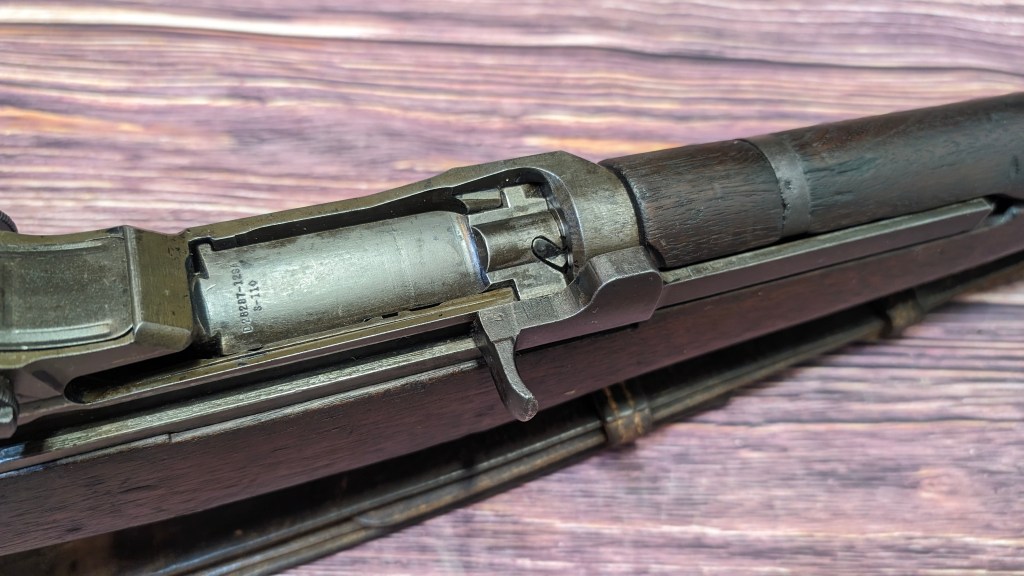
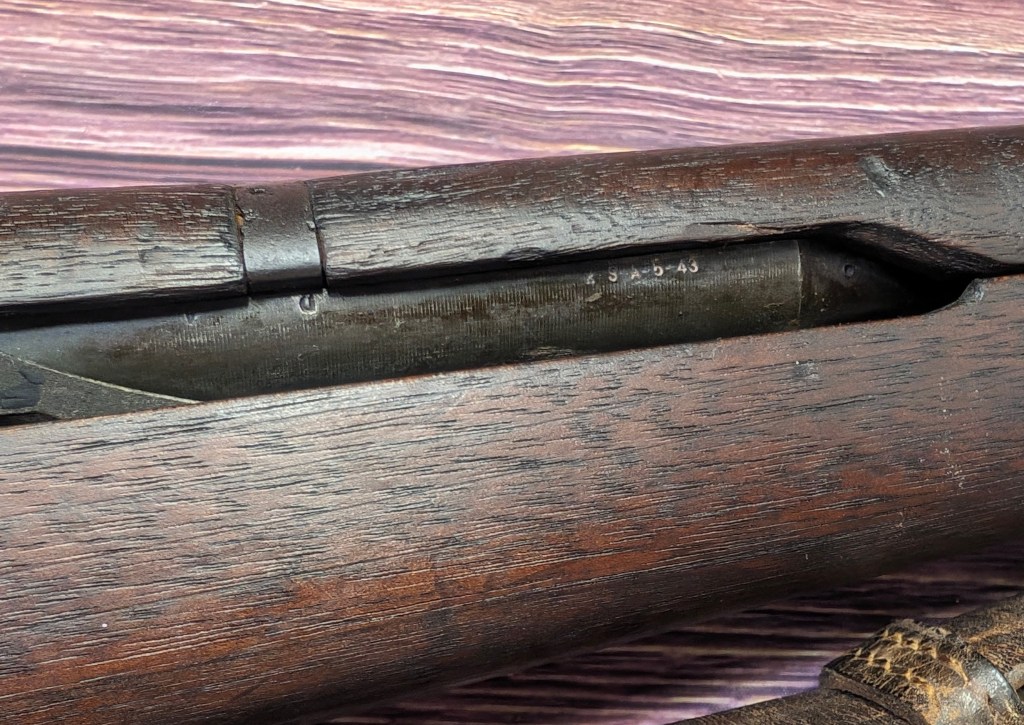
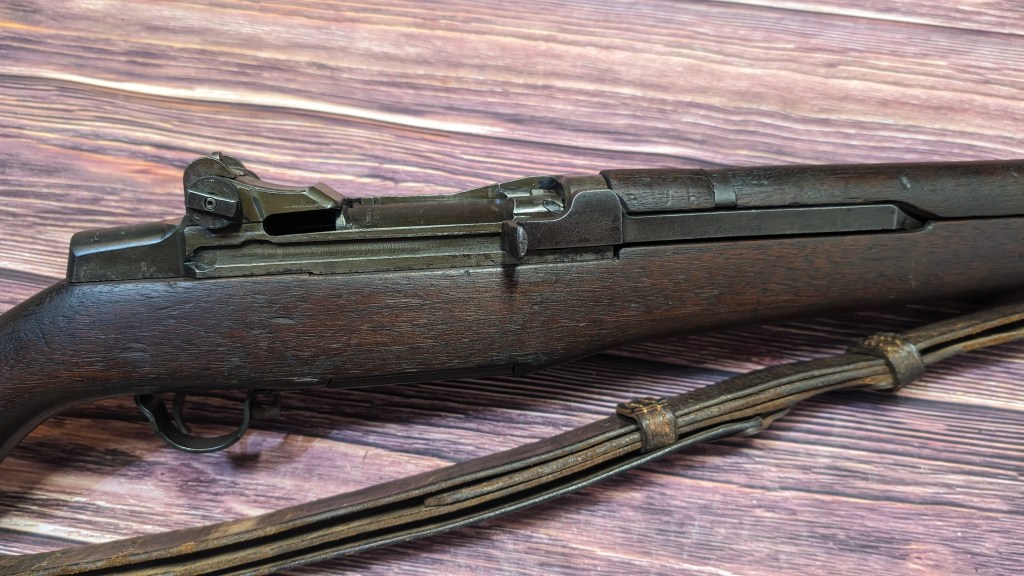


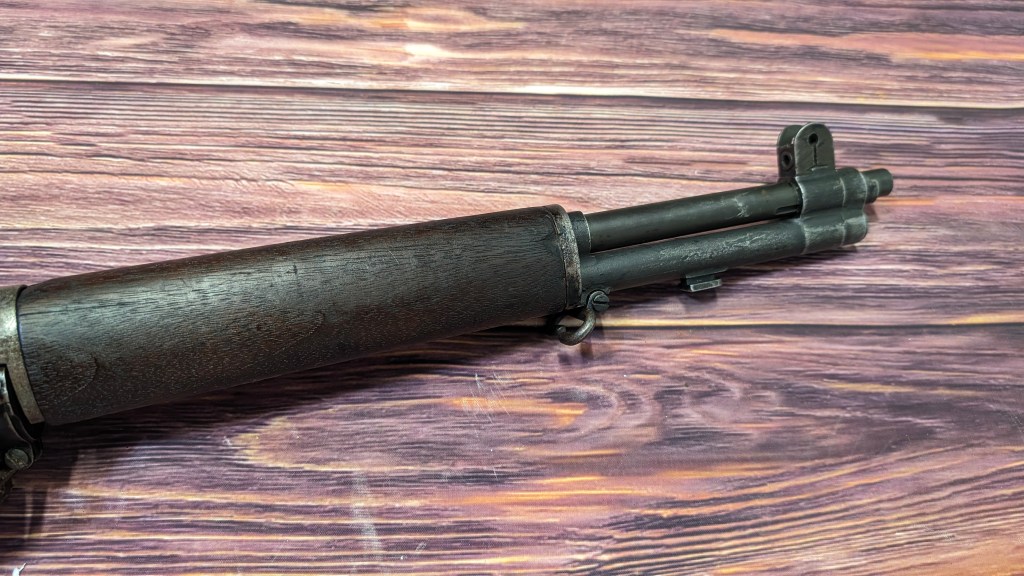
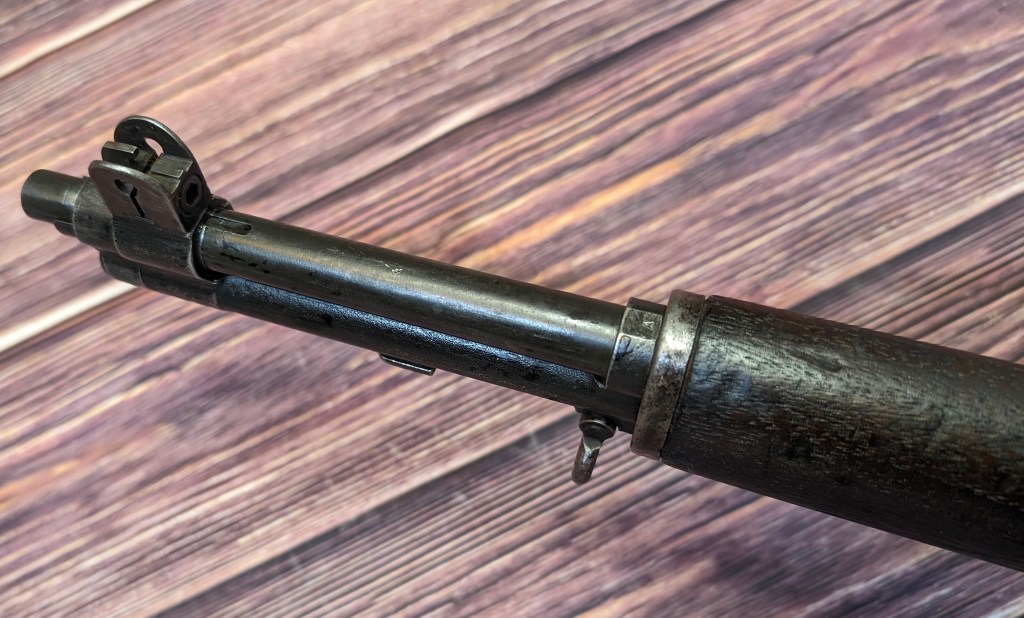

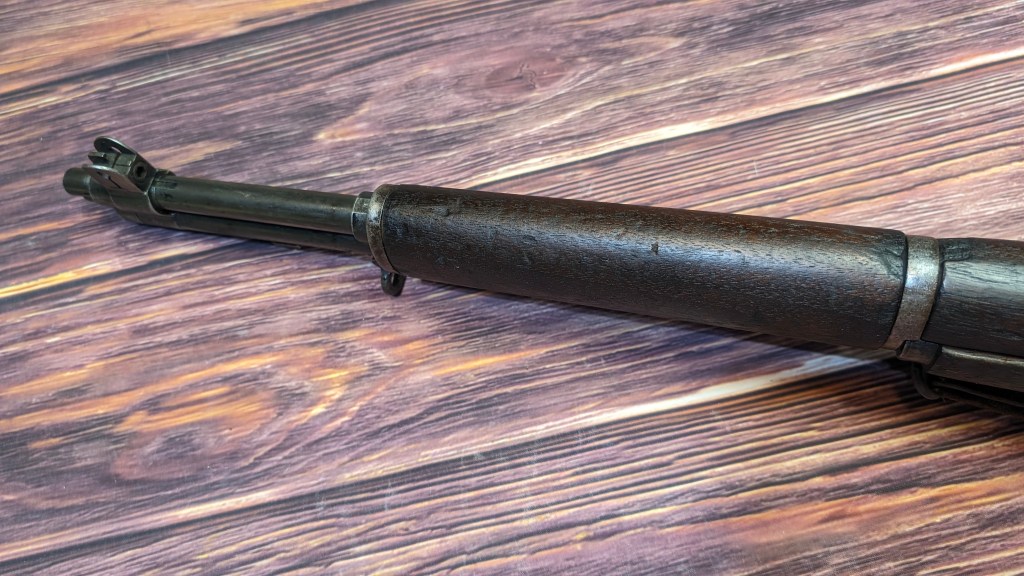

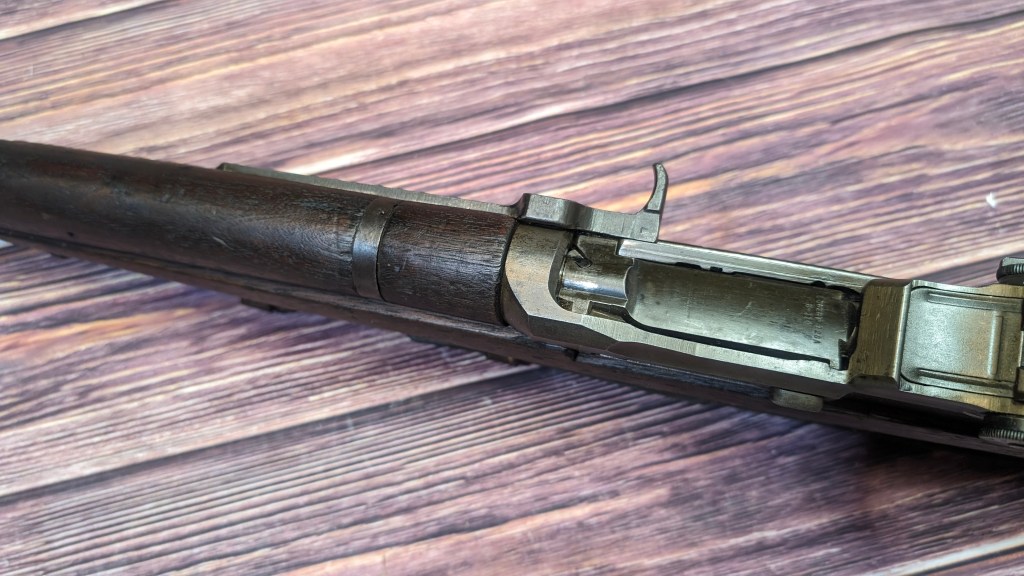




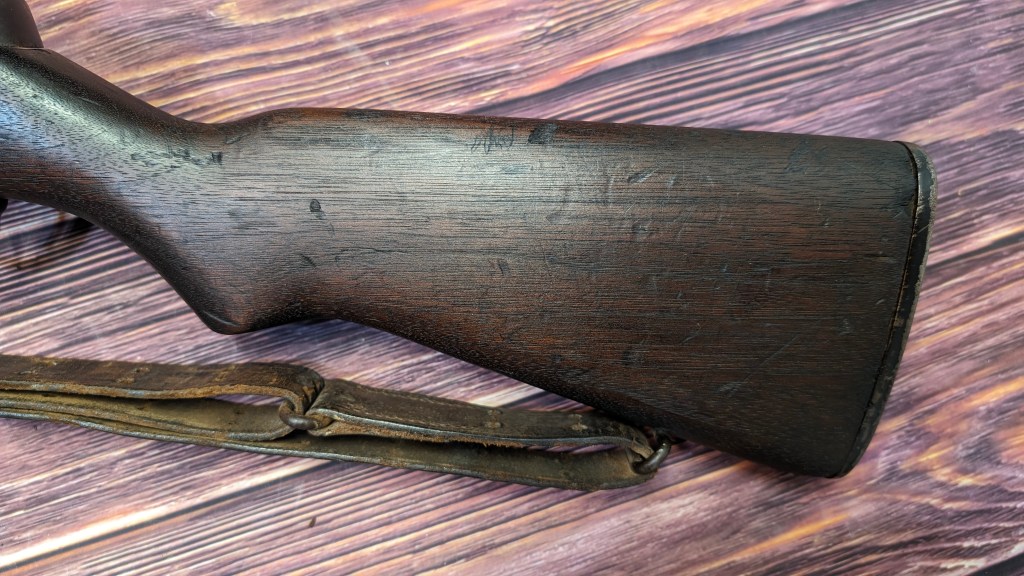
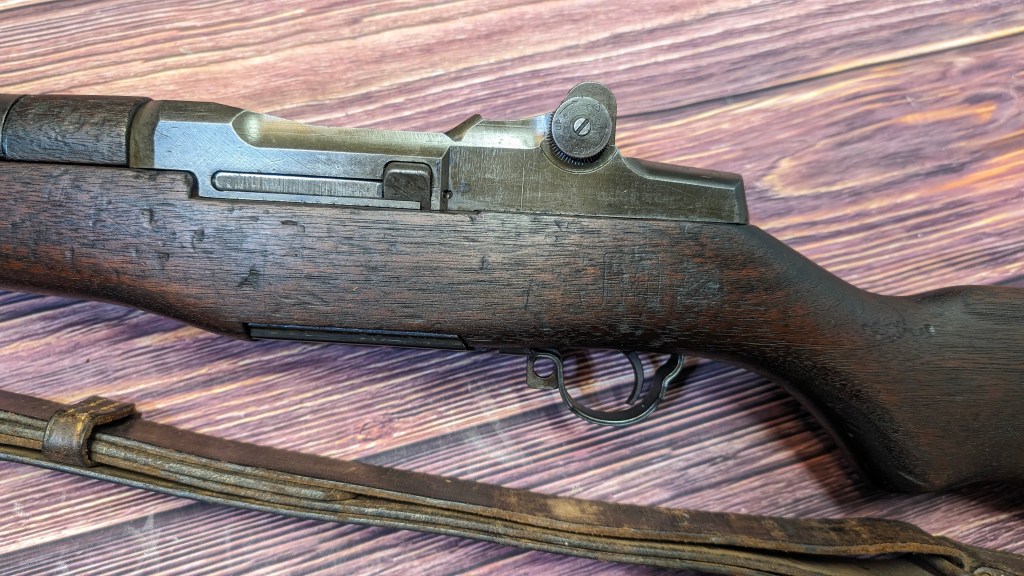
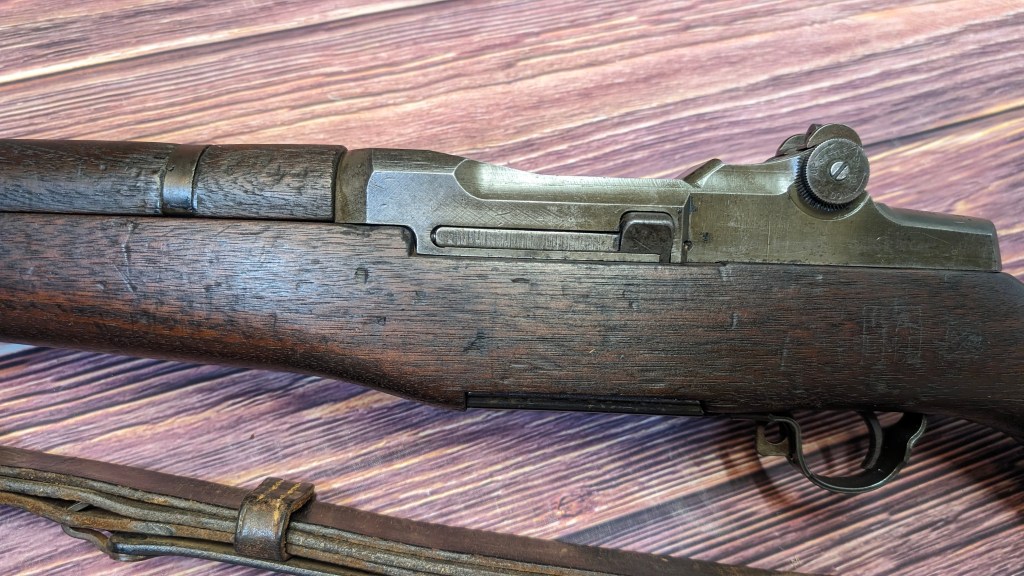
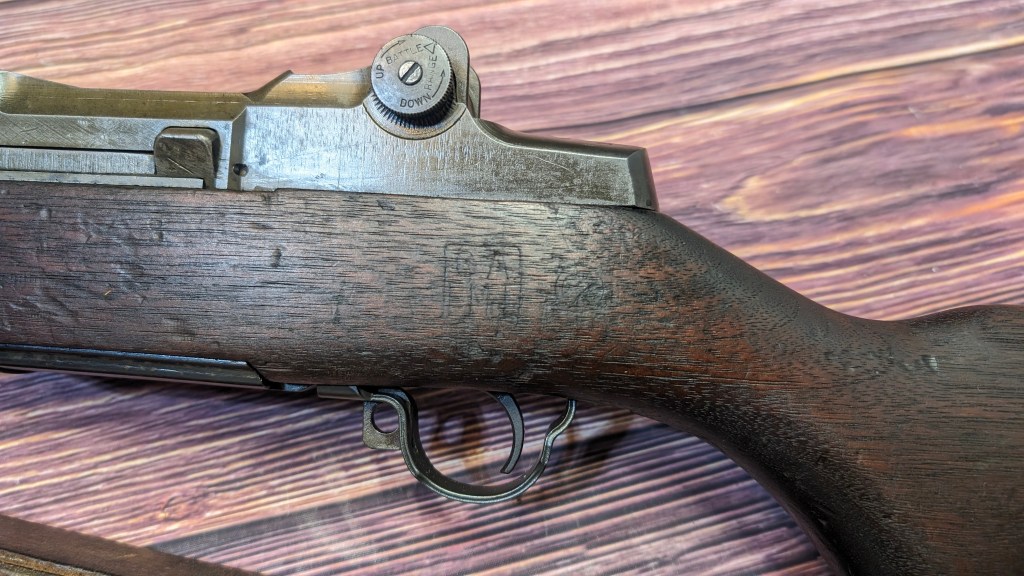
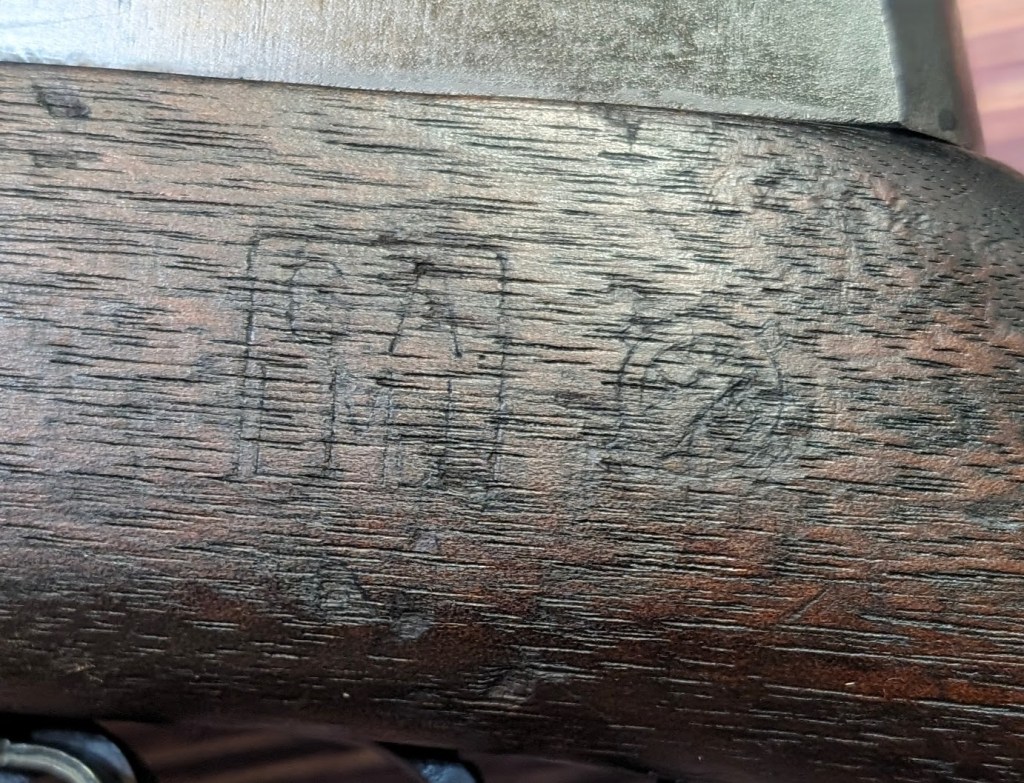
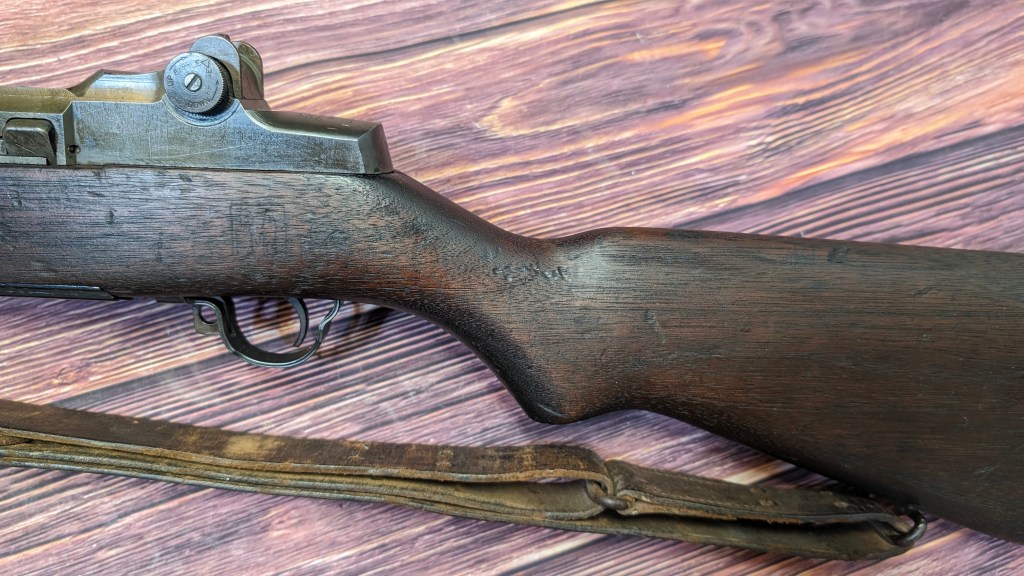
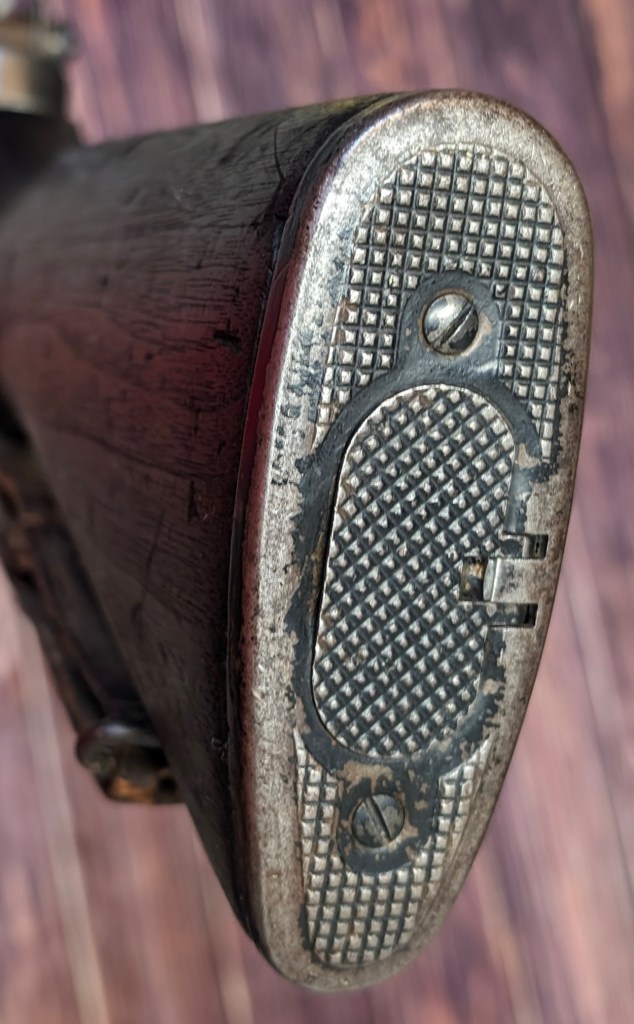
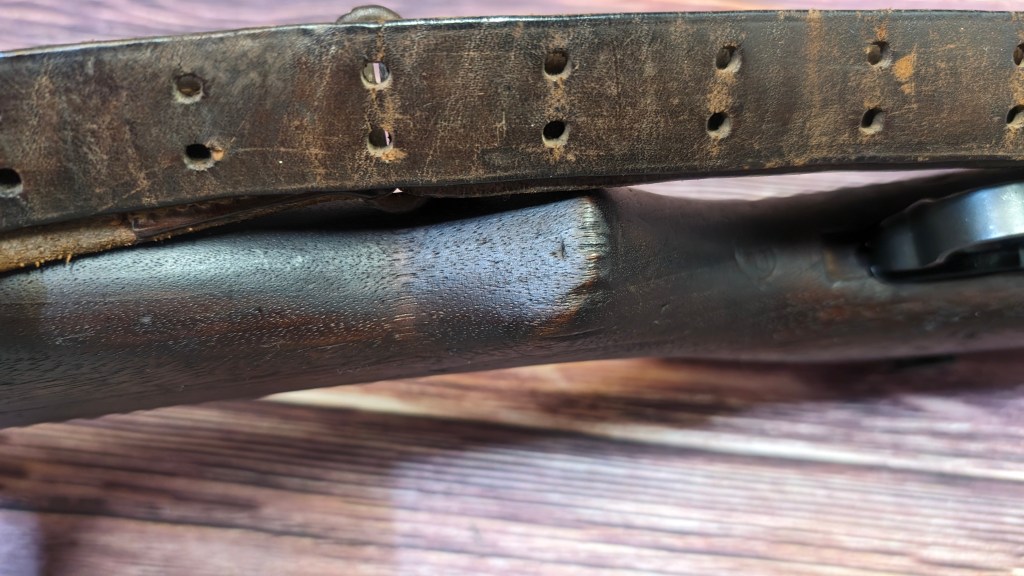


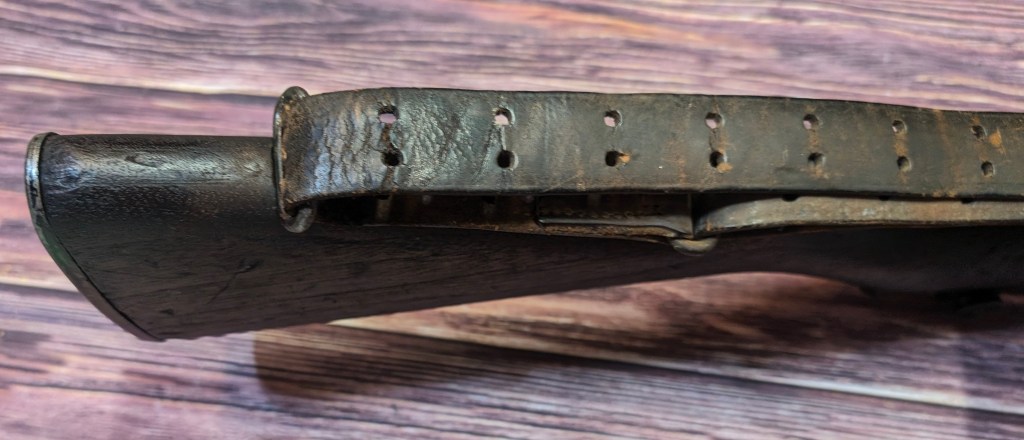

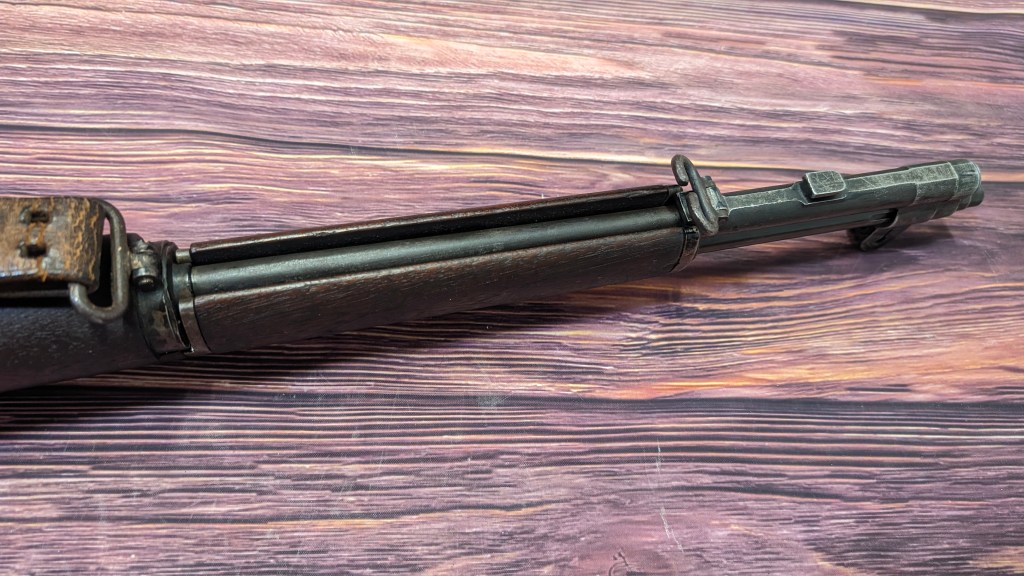
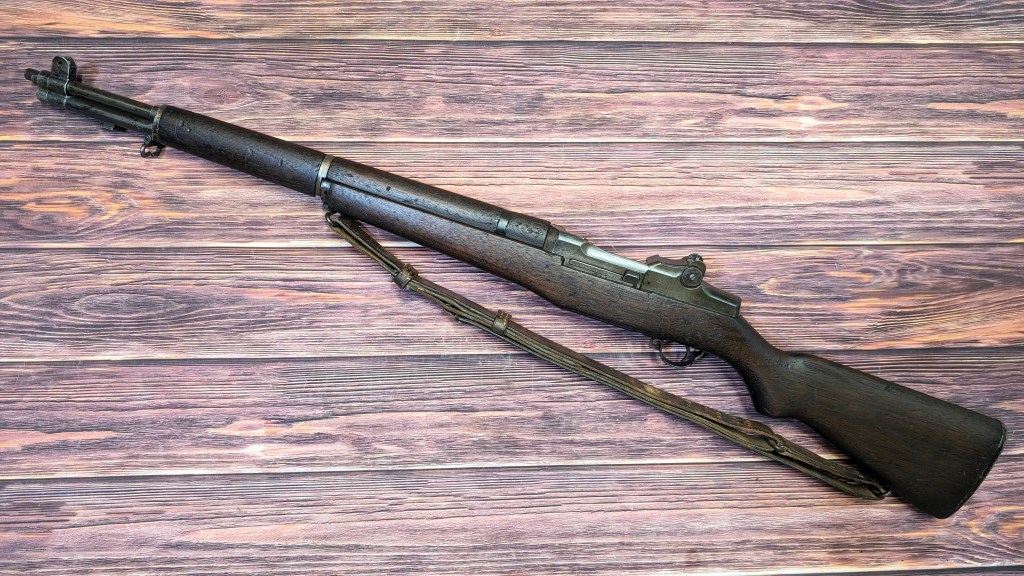
The M1 was a sturdy, reliable rifle and the need for major updates were nonexistent. Some slight changes continued during the course of the war however. The replacement of the solid gas screw allowed the M1 Garand to become more adept at firing of rifle grenades, a change that would pay dividends in the rocky mountains of Peleliu. Many pictures exist of the 1st Marine Division with grenade launching devices fixed to their rifles during the battle, as rifle grenades became invaluable in clearing entrenched Japanese defenders.
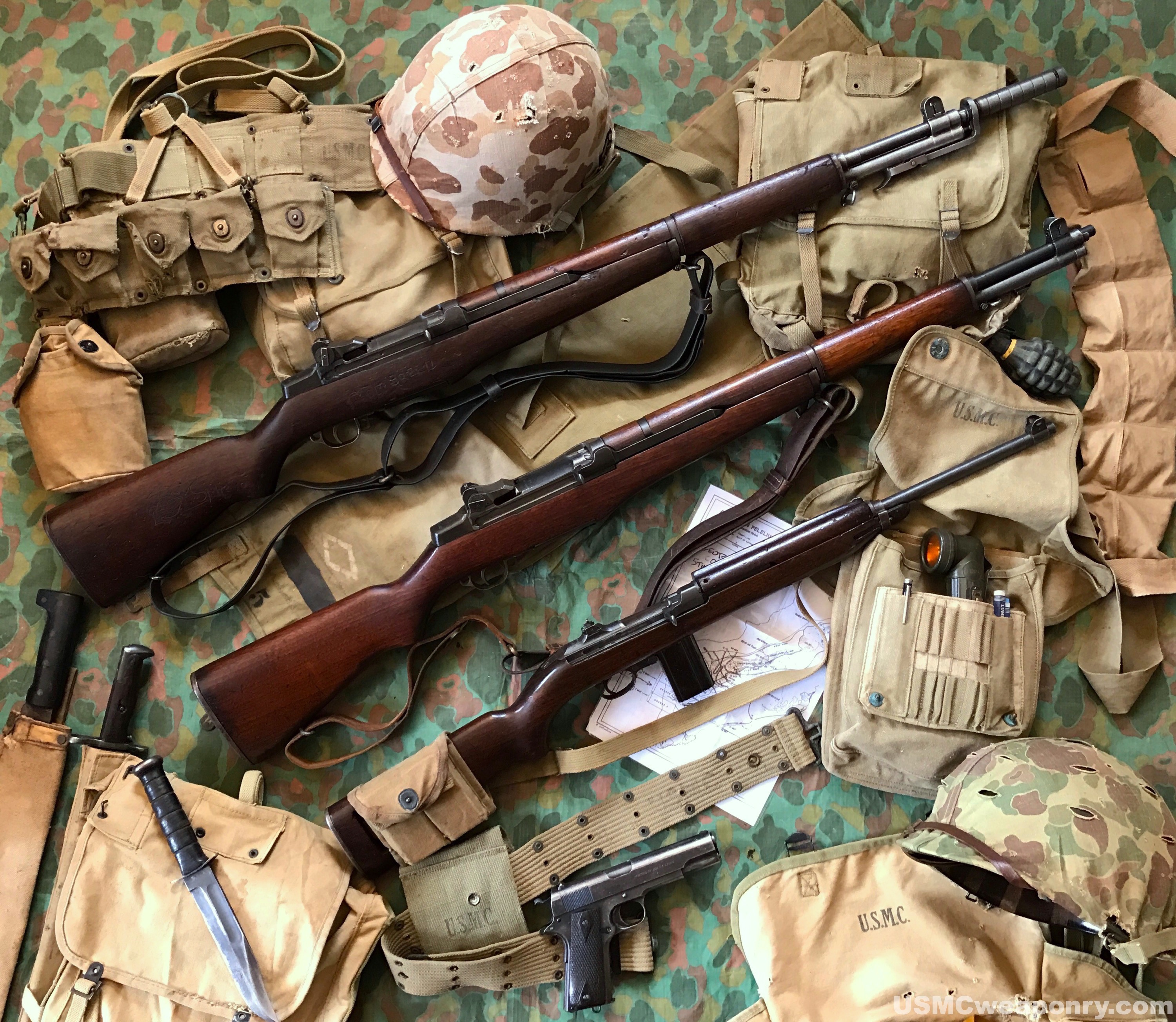
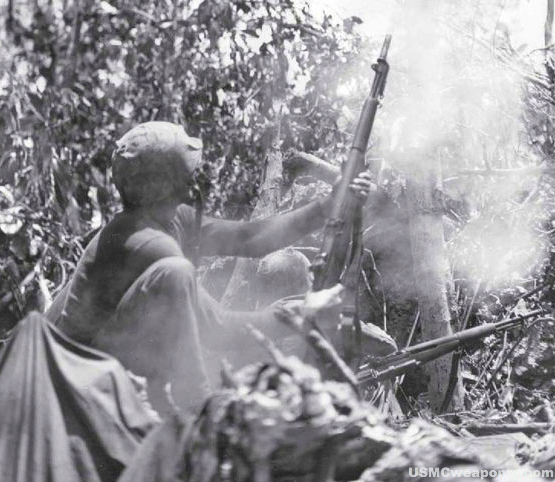
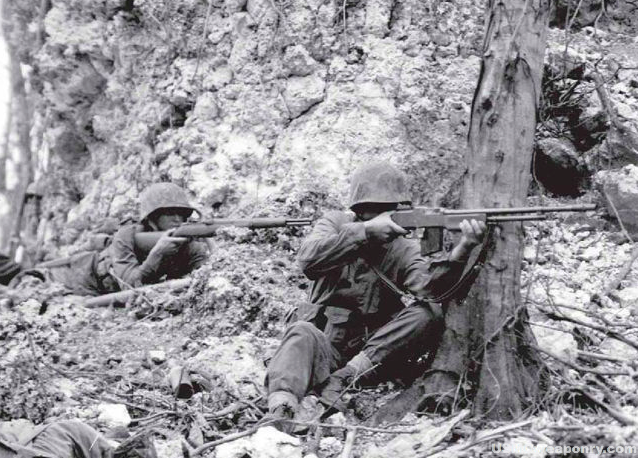
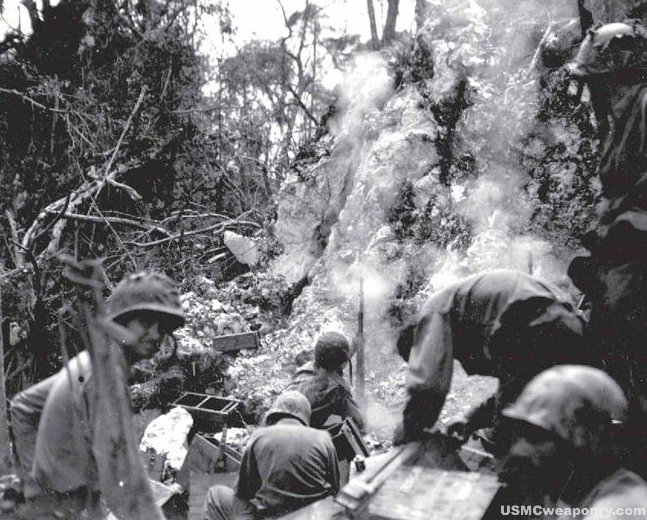
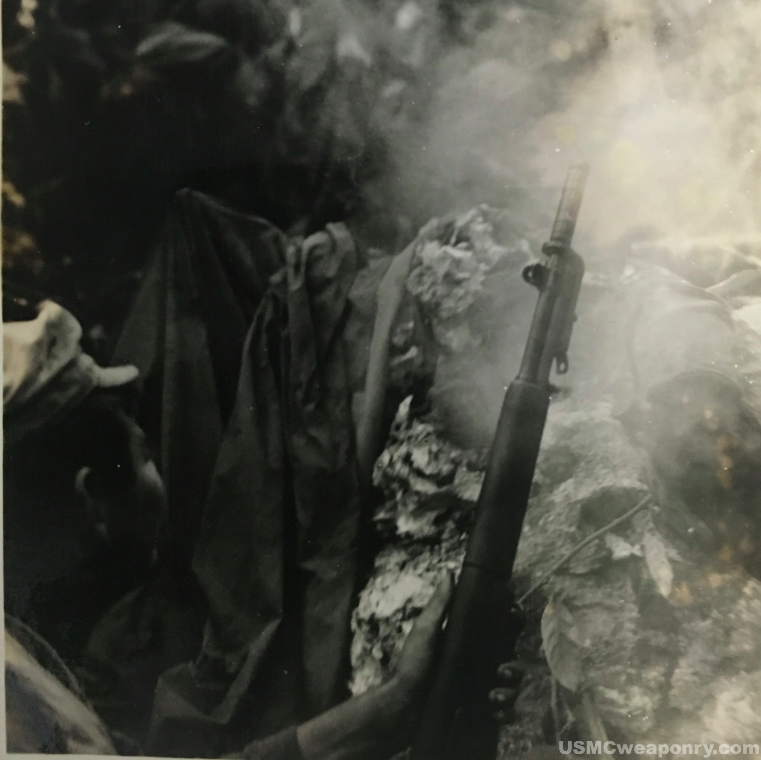
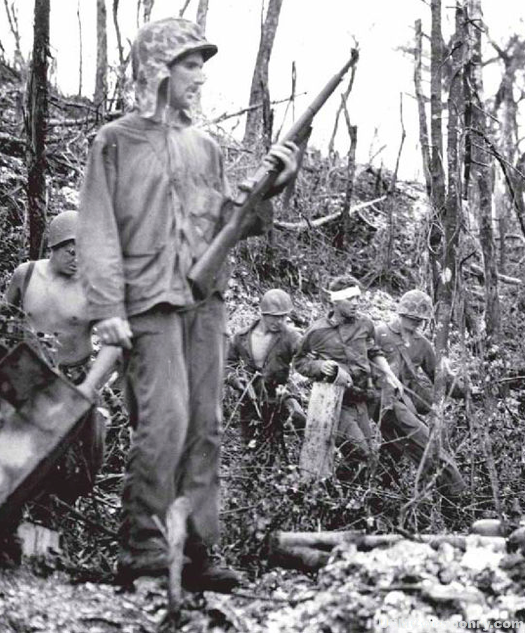
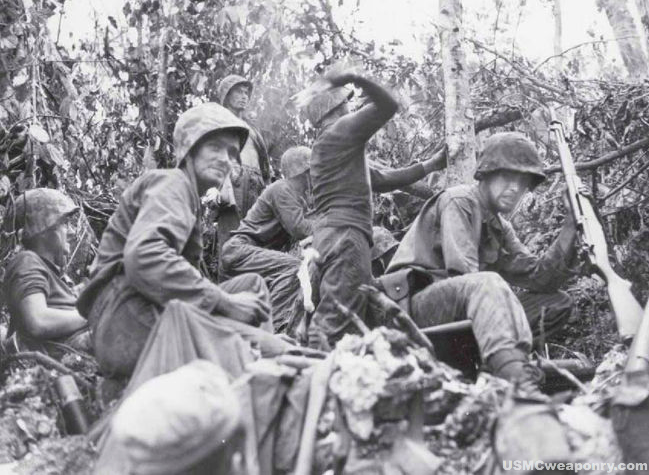
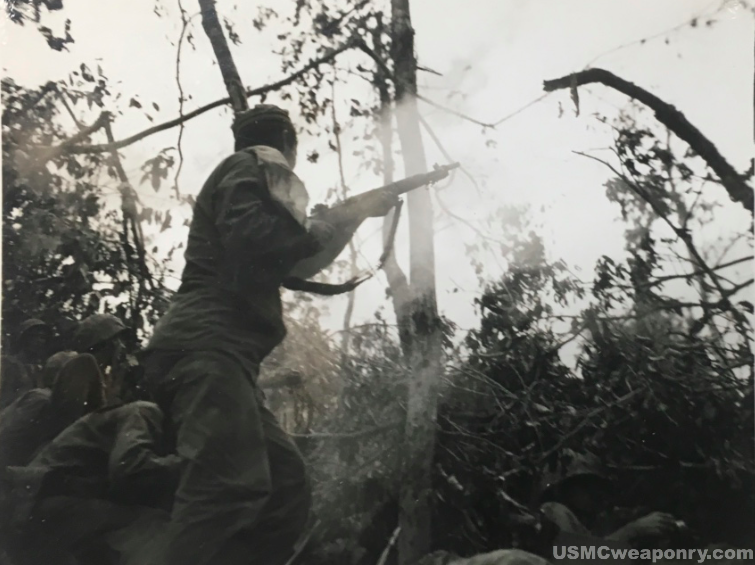
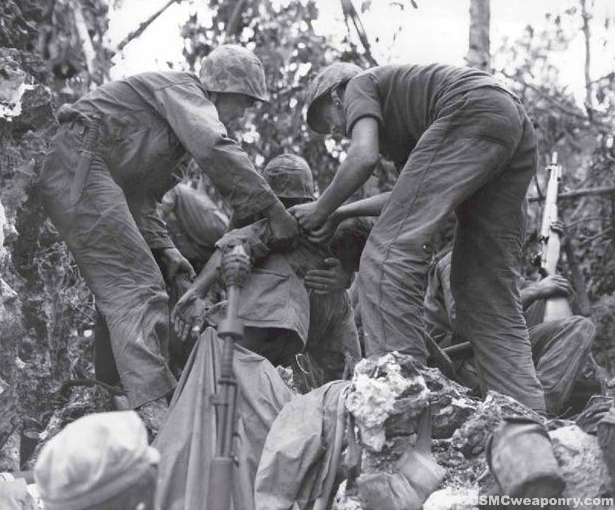
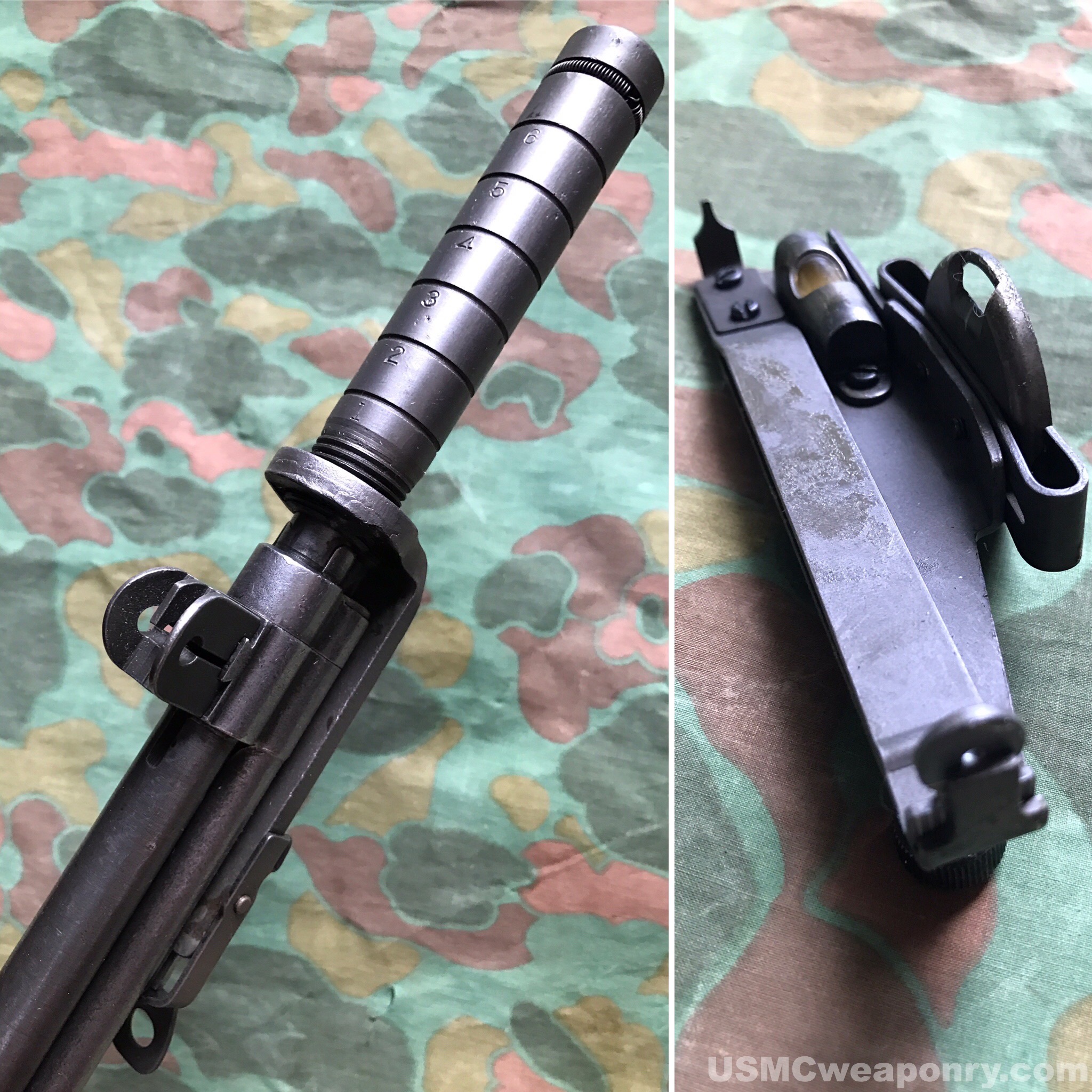
The 1st Marine Division frequently employed the M1 Garand in its secondary role as a rifle grenade launcher in the Umurbrogol Mountains of Peleliu (photos: USMC & NARA).
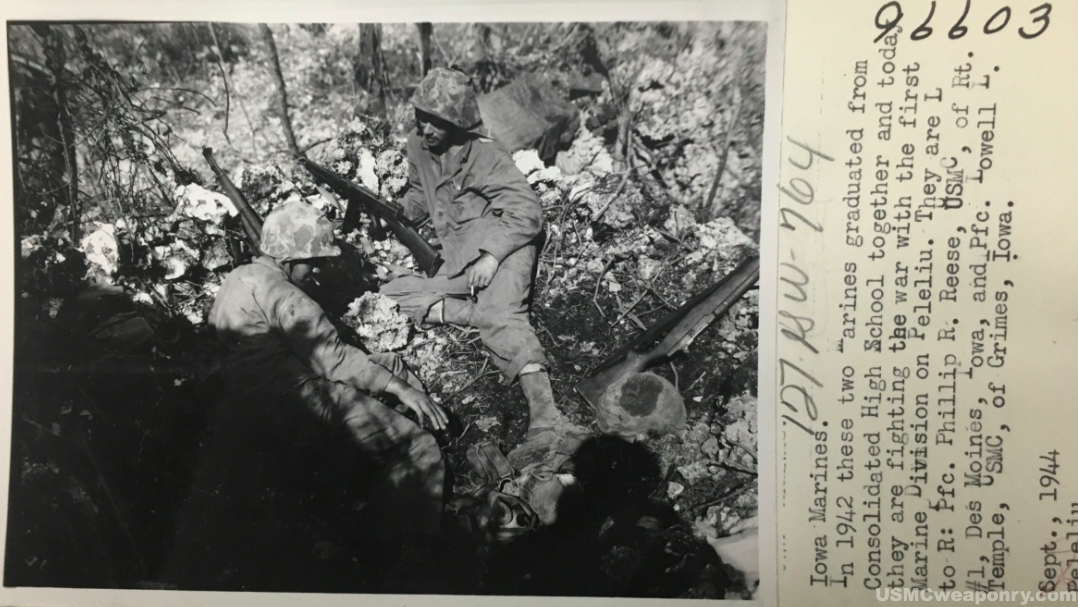
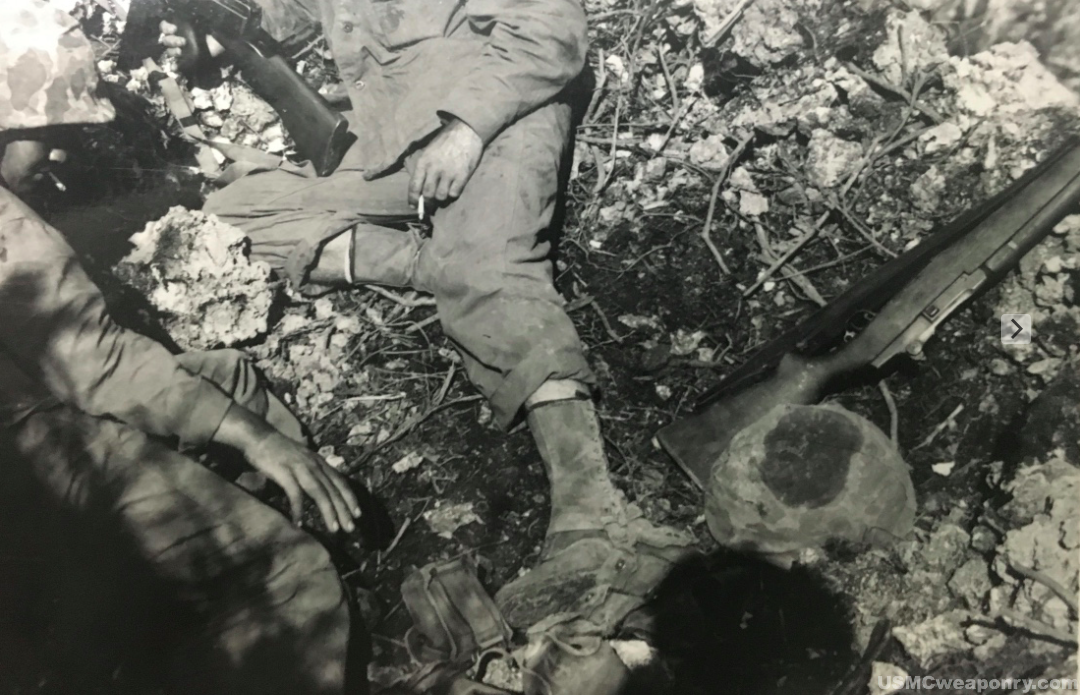
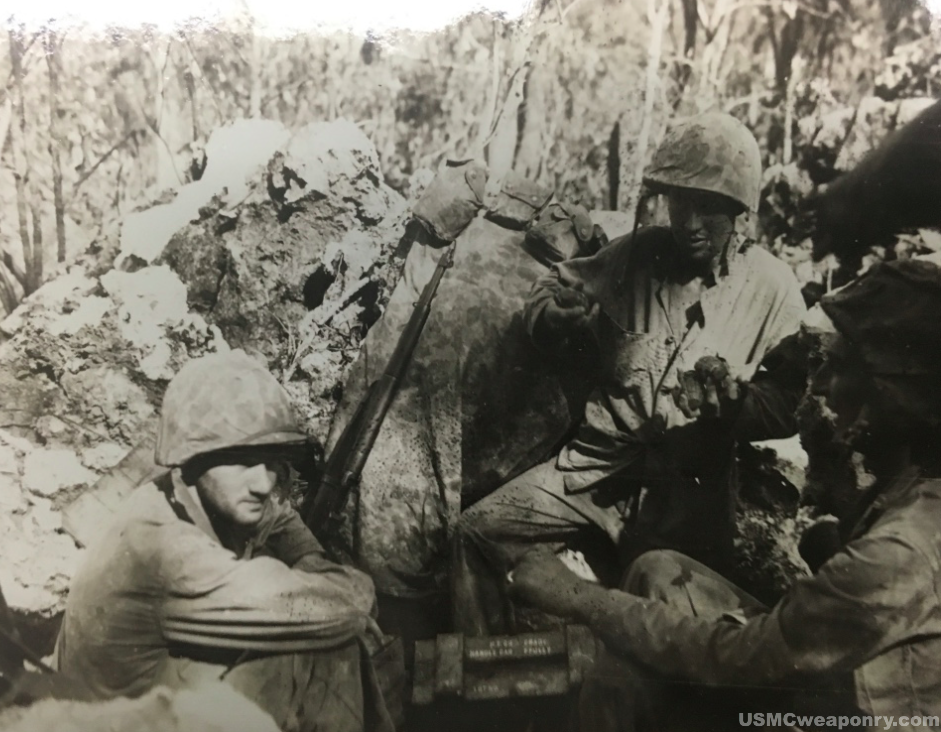
Marines with M1 Garands fighting in the jagged crags of the mountains on Peleliu, places with name like Suicide Ridge and Bloody Nose Ridge (NARA).
The M1 Garand would be heavily employed with great effect by the final two Marine Divisions to be formed in the campaigns of 1945. The 5th Marine Division was formed with a strong nucleus of combat veterans, many from the disbanded Marine Parachute Regiment. The former Paramarines and other veterans of conflicts in the South Pacific in the 5th Marine Division would join the 3rd and 4th Marine Divisions to storm the shores of Iwo Jima on February 19th, 1945. The M1 would be given high marks by all three divisions during the monthlong battle, particularly for its ability to engage Japanese defenders at considerable range.

Arguably the most iconic photograph of the war, the M1 Garand can be seen prominently slung over the shoulder of PFC Harold Schultz (NARA).
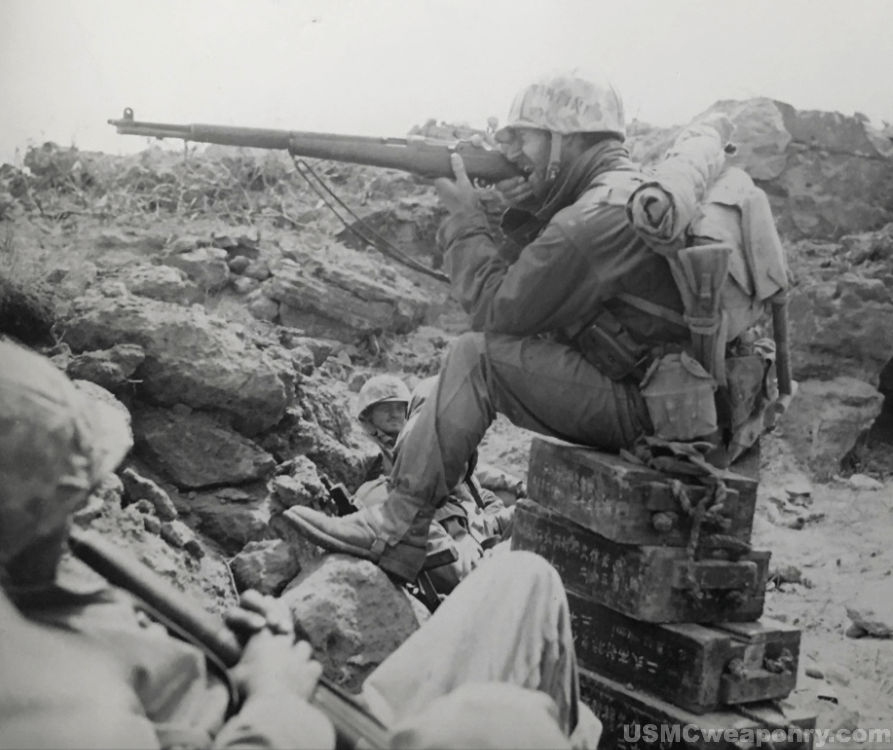
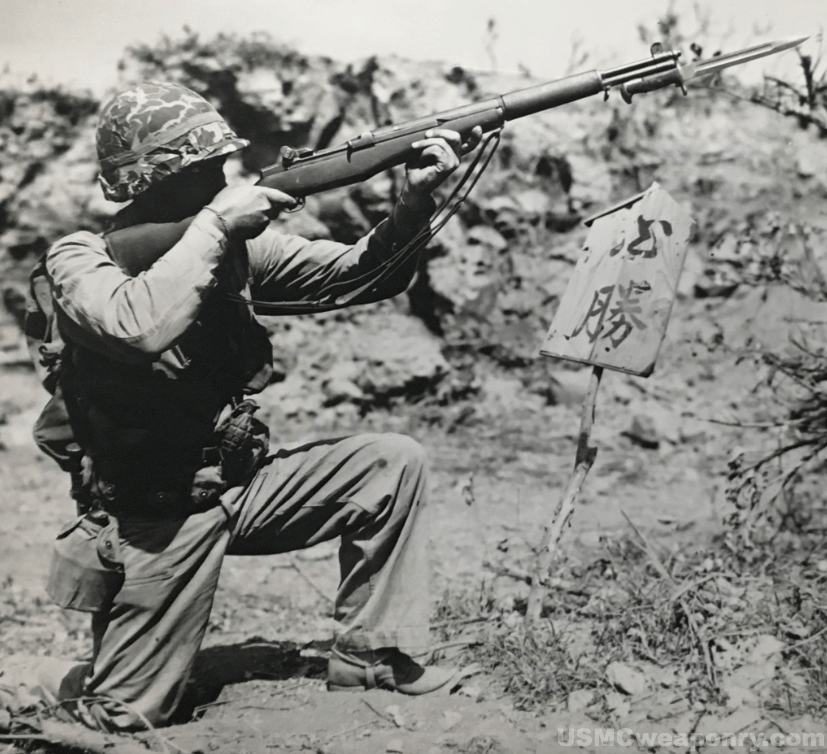
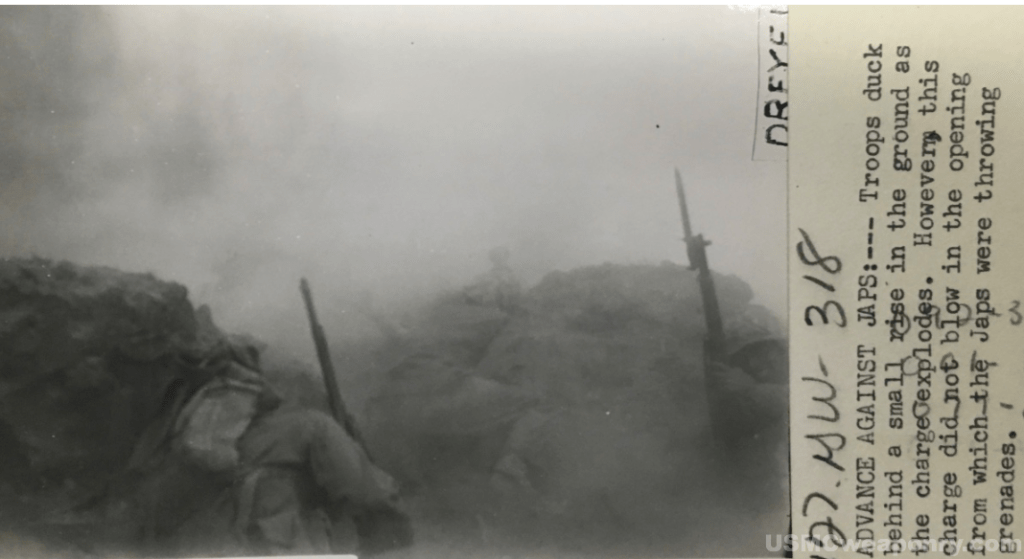


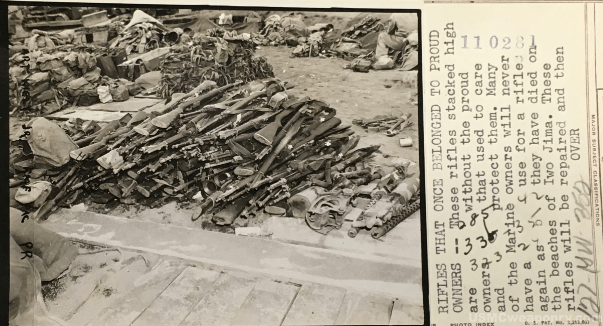
M1 Garands in the hands of Marine riflemen during the Battle of Iwo Jima. The piles of weapons stacked high would be fixed, cleaned and reissued to the men on the front lines during the battle (NARA).
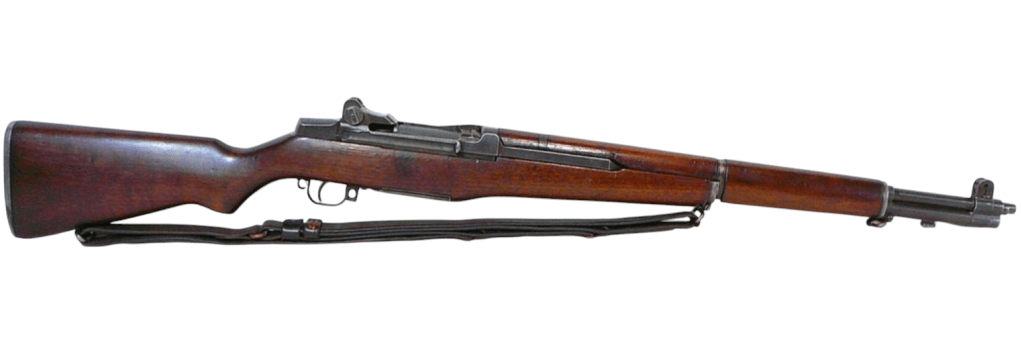
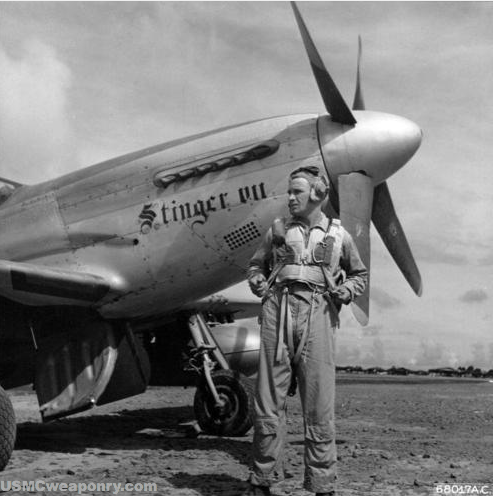
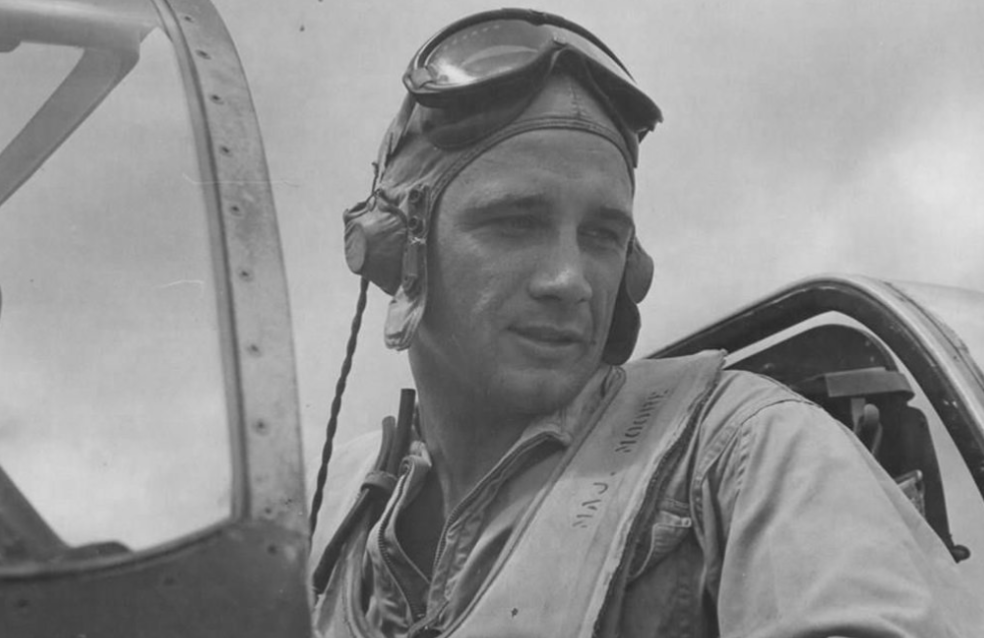
A first rate bring back: P-51 Mustang ace and commanding officer of the 45th Fighter Group, Major Robert Moore acquired this M1 Garand during the Battle for Iwo Jima. USMC Springfield Armory M1 Garand #2020049 is featured in the Fall 2013 edition of the Garand Collector’s Association journal.
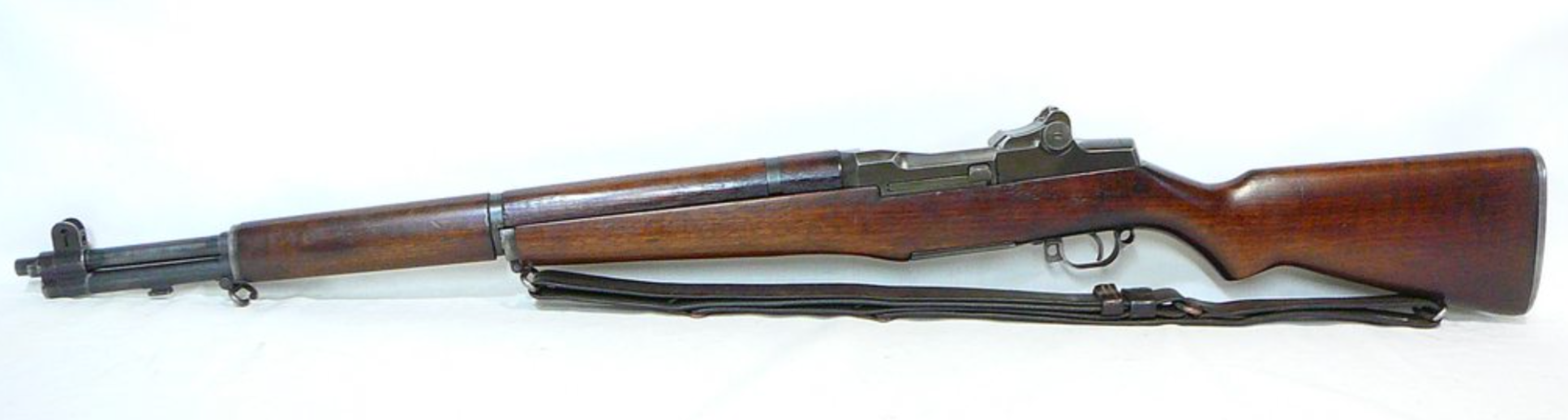
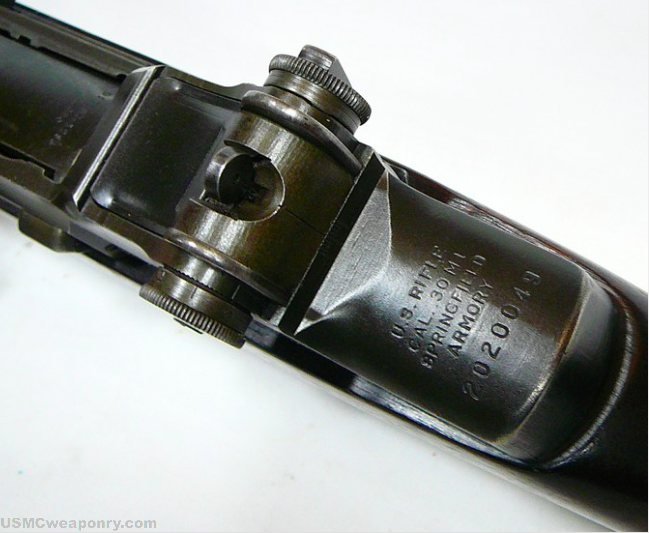
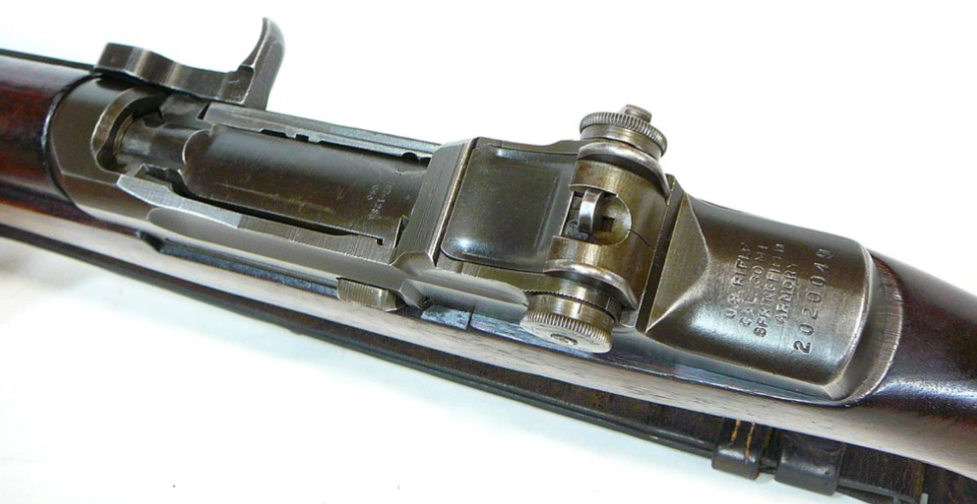
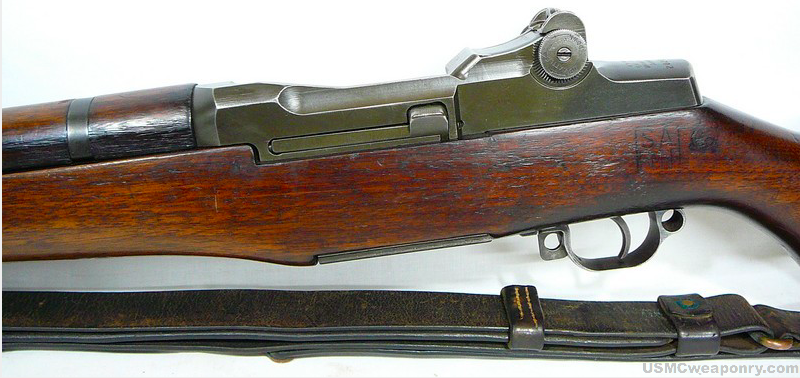
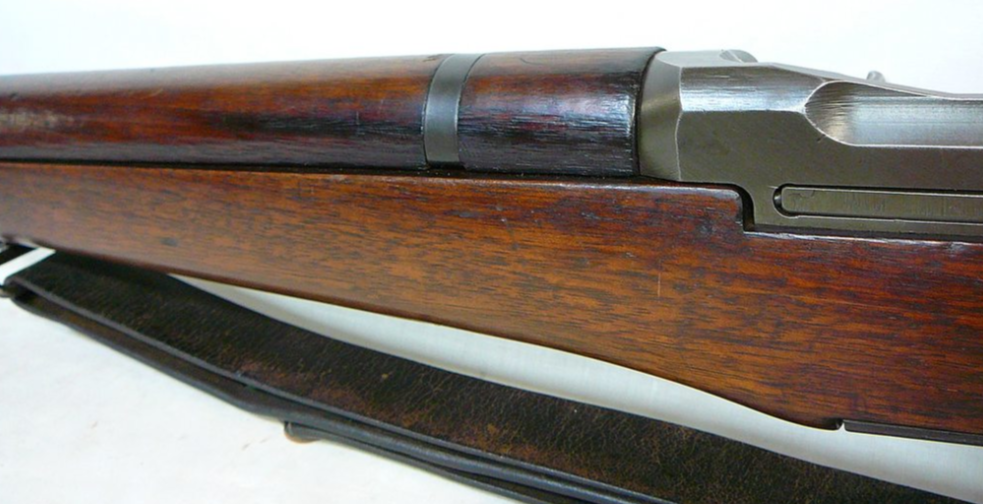
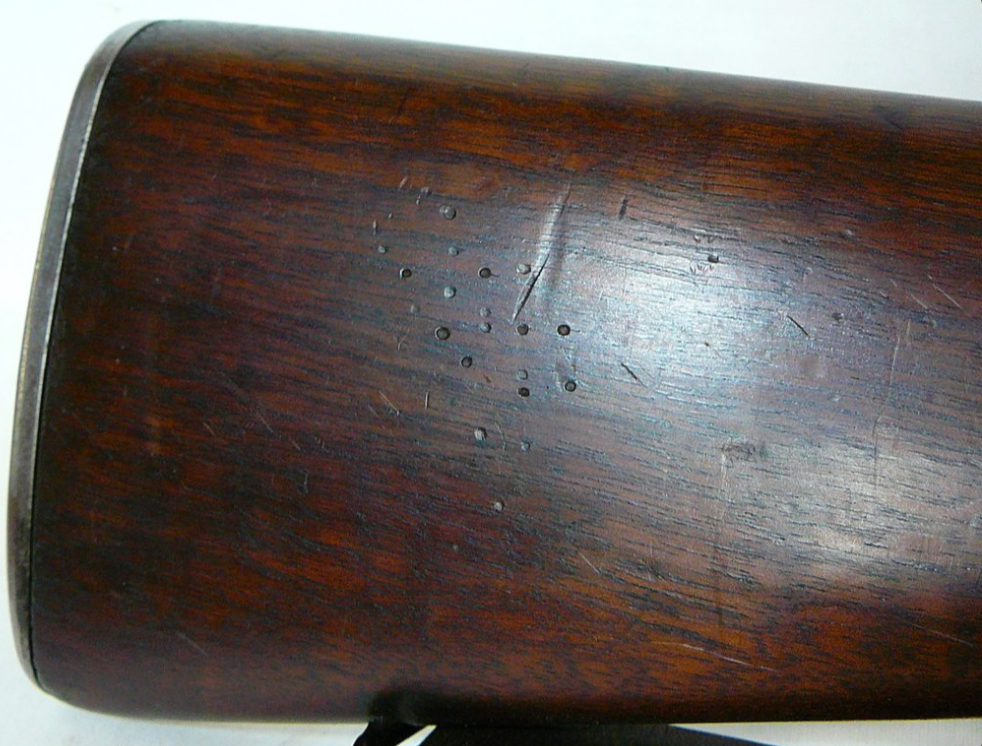
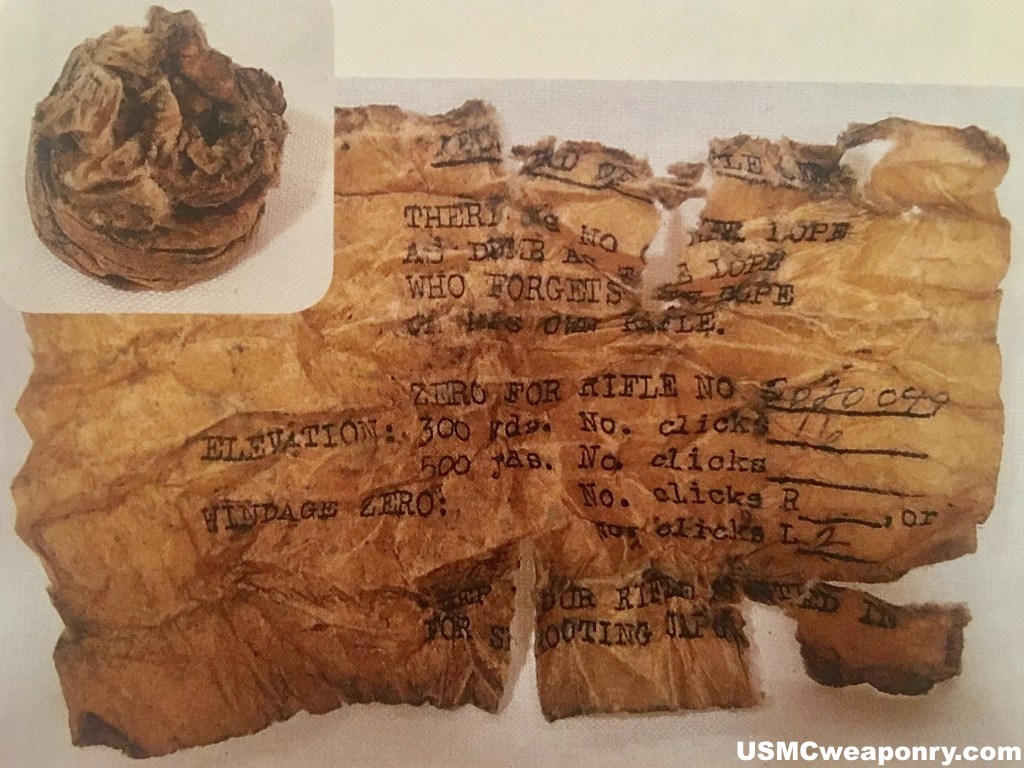
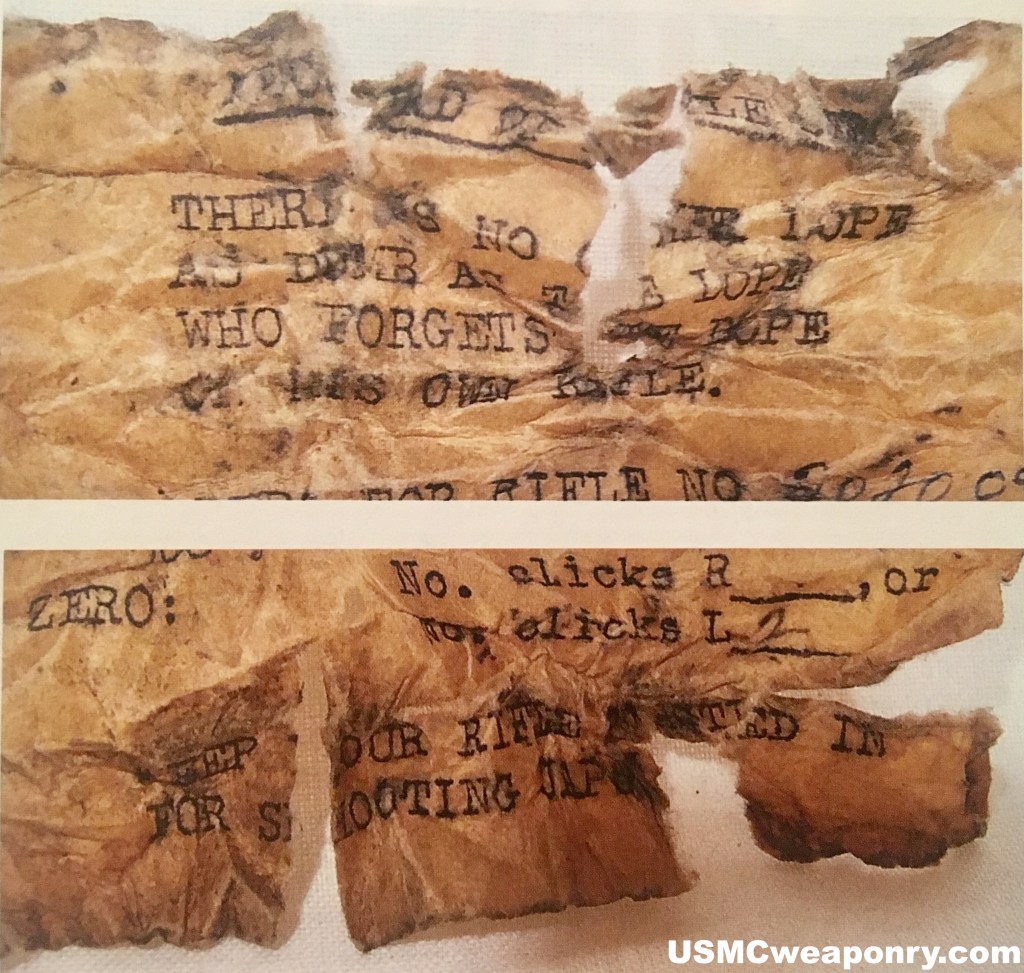
Another excellent example of USMC M1 Garand DOPE tags, this piece of paper recording the Marine’s rifle zero was discovered in Major Moore’s M1 Garand’s stock. Wedged into the trap hollowed out for cleaning gear, it reads “There is no other dope as dumb as the dope who forgets the DOPE on his rifle,” and on the bottom “keep your rifle sighted in for shooting Japs,” as well as the zero and M1’s serial number.
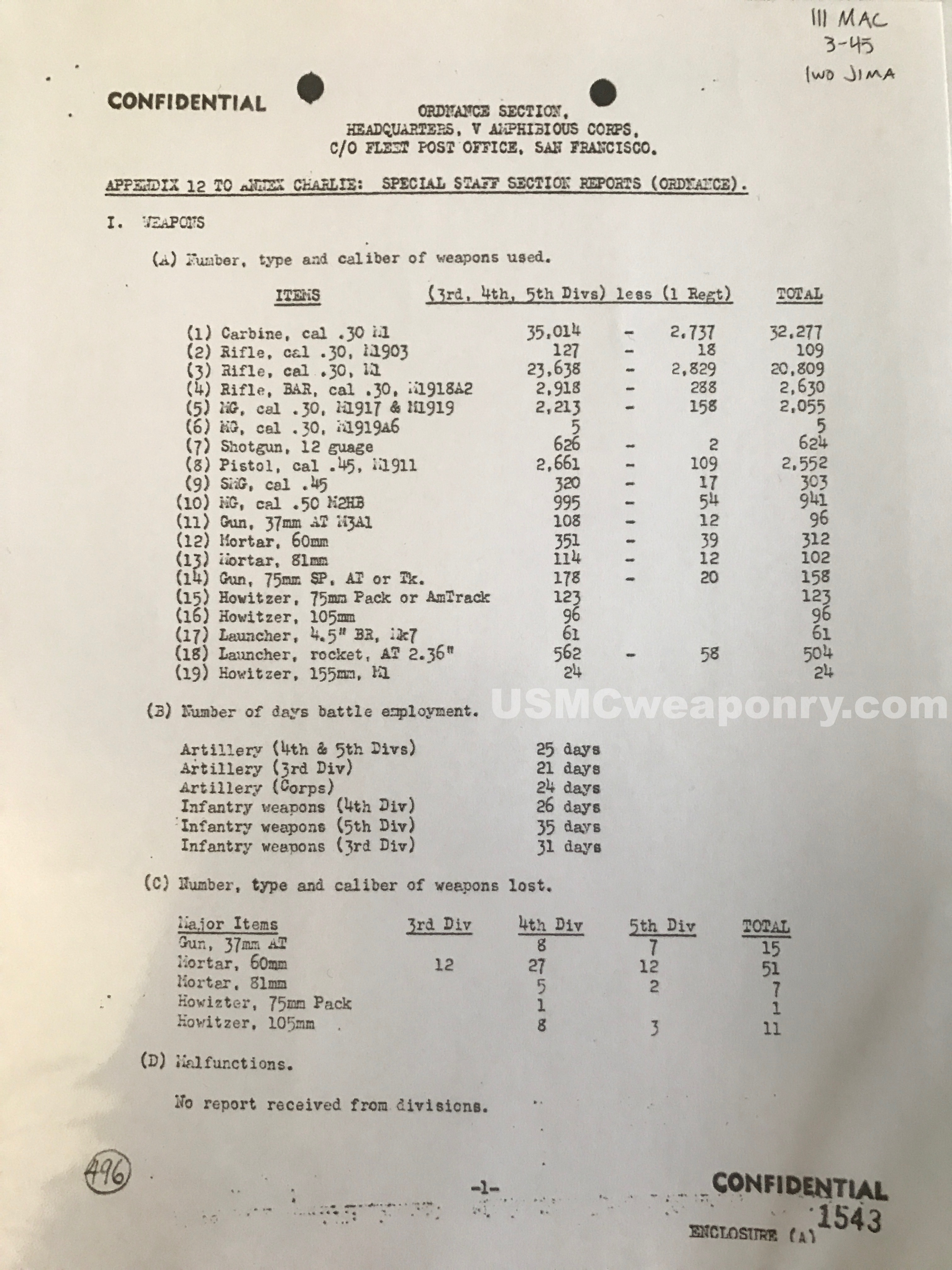
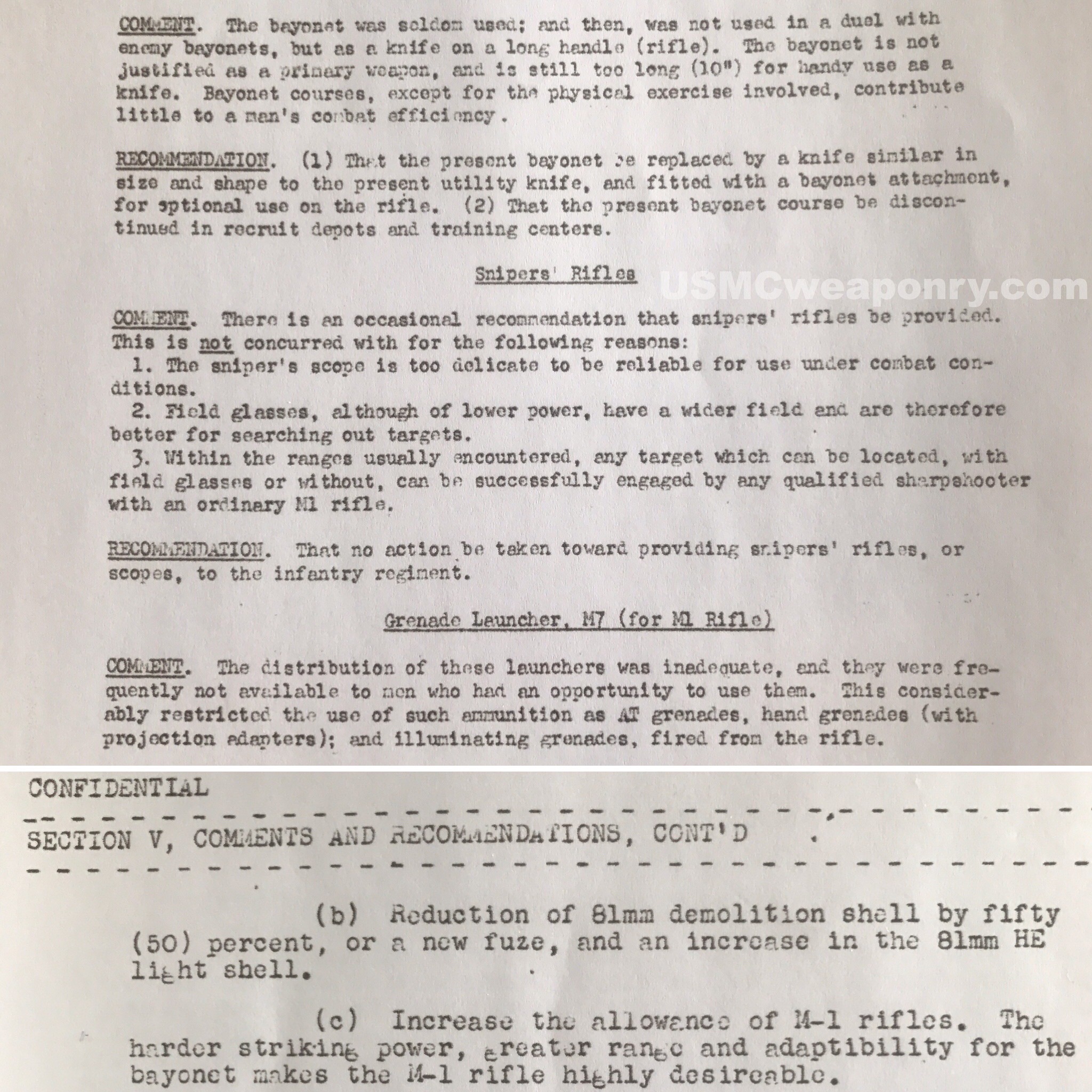
After action reports from the 5th Marine Division following the Battle of Iwo Jima (docs: NARA).
The M1 Garand would receive very few comments related to needed changes from the battlefield. Most would revolve around its attachments, namely the bayonet and grenade launching adapters. The realities of how the bayonet was used led to a continuous shortening, with the 16 inch M1905 bayonet being shortened to 10 inches, and later to 7. While both 16 and 10 inch bayonets are observed on Iwo Jima, the 10 inch version is a bit more prevalent in photographs The M7 grenade launcher was well received, and most comments about it were about there not being enough to go around, as small unit leaders believed it would be best for there to be one per squad. The early M7 grenade launcher was a stand-alone design that required the shooter to use “Kentucky windage,” thus guessing the appropriate arc when firing. Late in the war the M15 sight was developed, implementing a level and peep sight system. Most M15s were too late for World War II issue however, and the M7 would be employed until the end of combat operations.
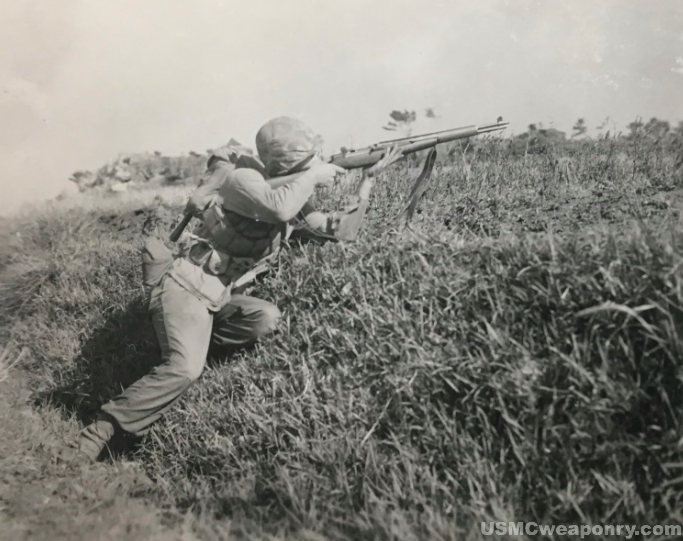
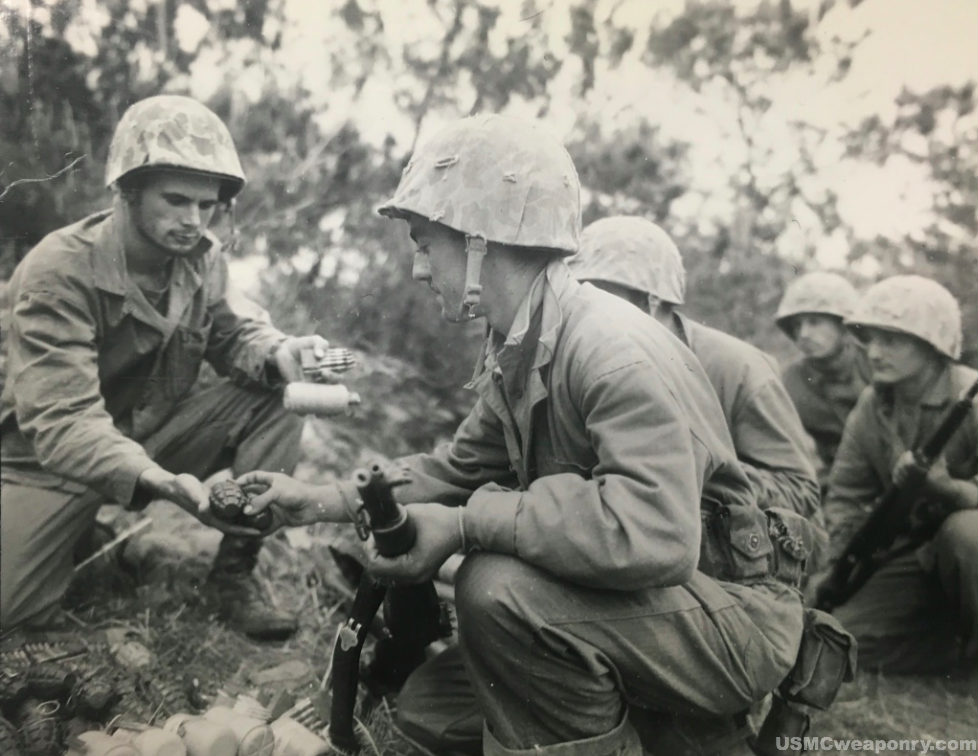
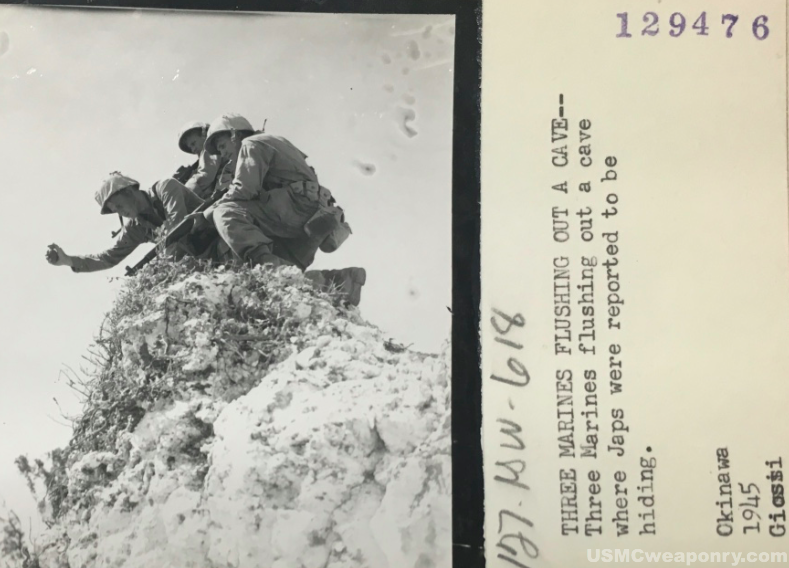

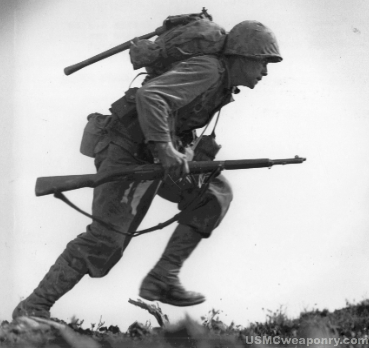

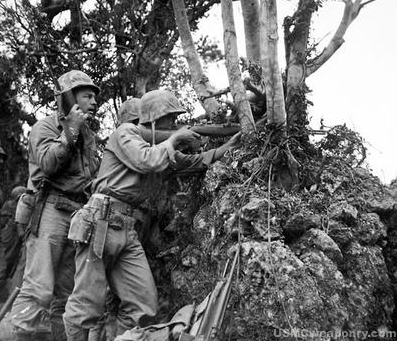
Marines fight on during the Battle of Okinawa, the final major campaign for the US Marines in WWII (NARA).

The exhaustive fight on Okinawa would mark the final campaign for the Marine Corps in WWII, with the veteran 1st Marine Division and newly formed 6th Marine Division slugging it out in the rain and mud against fanatical Japanese resistance. The 6th Marine Division had a substantial number of veterans, as the recently disbanded Marine Raider Battalions were used to reconstitute the 4th Marine Regiment. A disproportionate number of 6th Marine Division M1 serial numbers have been found in recent years, with a noteworthy cluster being late 1944 Springfield Armory production, mostly in the 3.2 million range. Other 6th Marine Division M1s are early six digit Springfield Armory Garands likely carried over from the Raiders, who received their rifles early. The M1 Garand once again proved itself a fantastic battle rifle on Okinawa, and the success of the Marine rifleman in World War II was in part due to the M1’s performance.
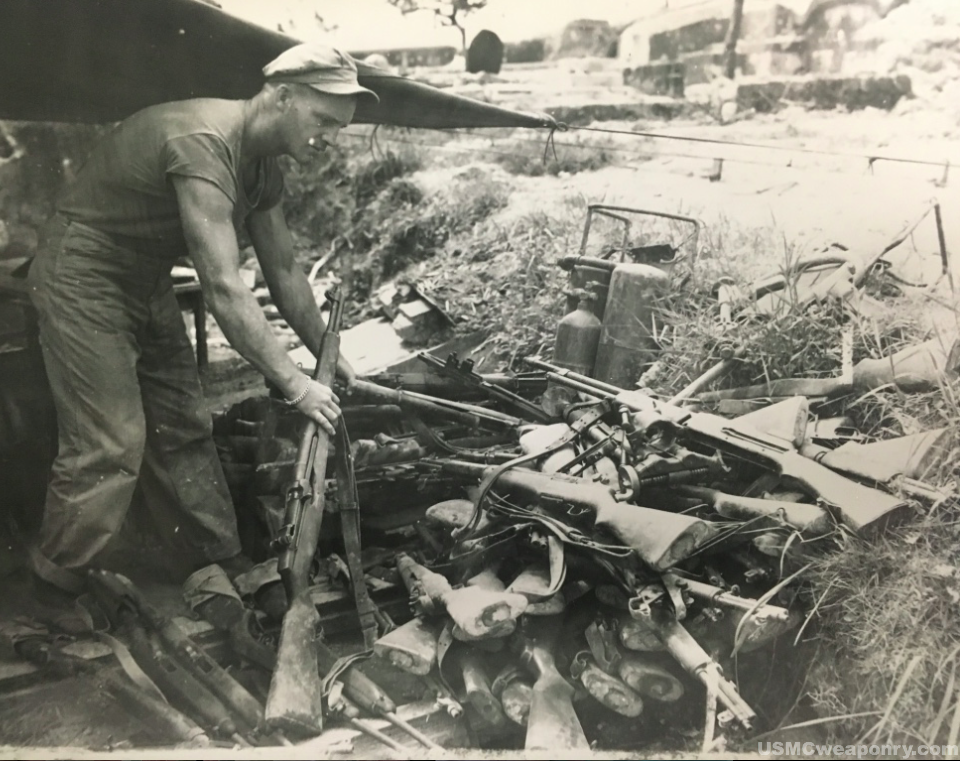
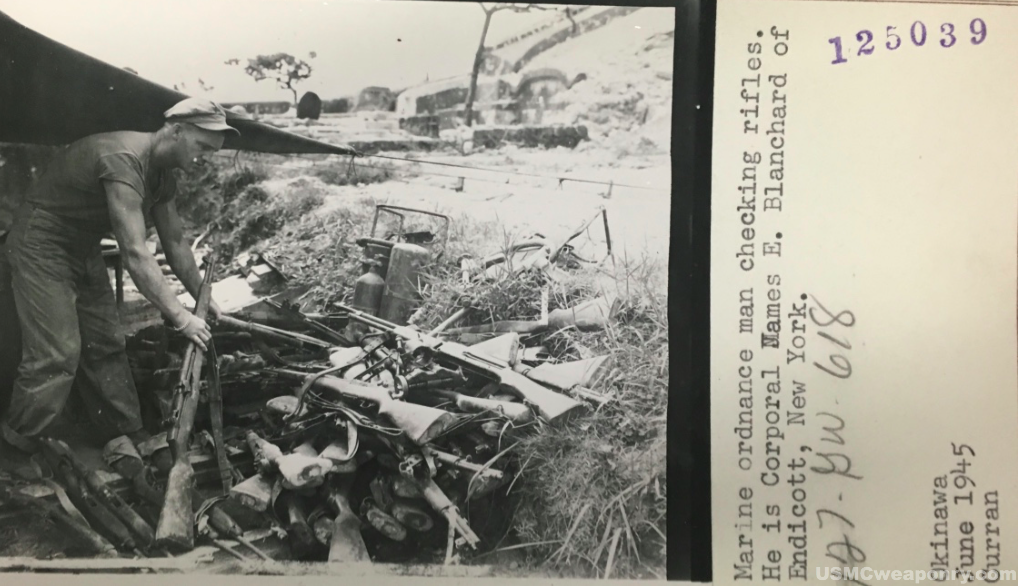
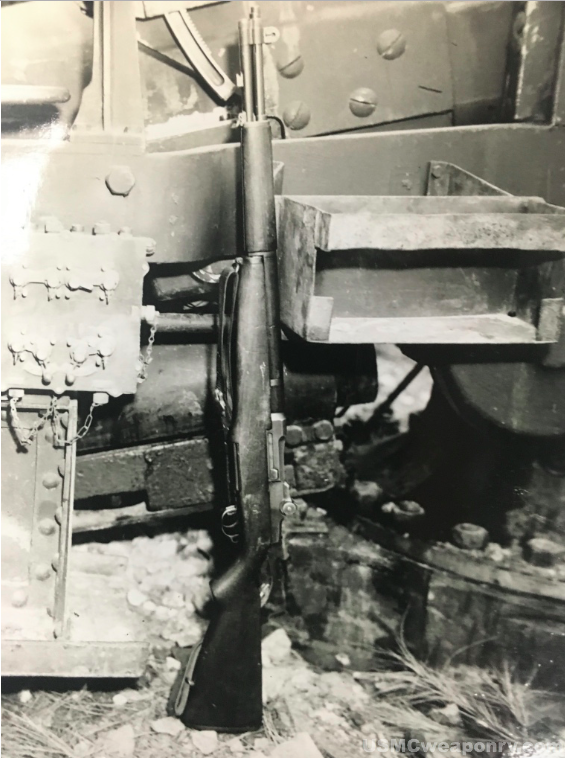
Weapons pilled at field repair depots waiting to be serviced and brought back to working order (NARA).
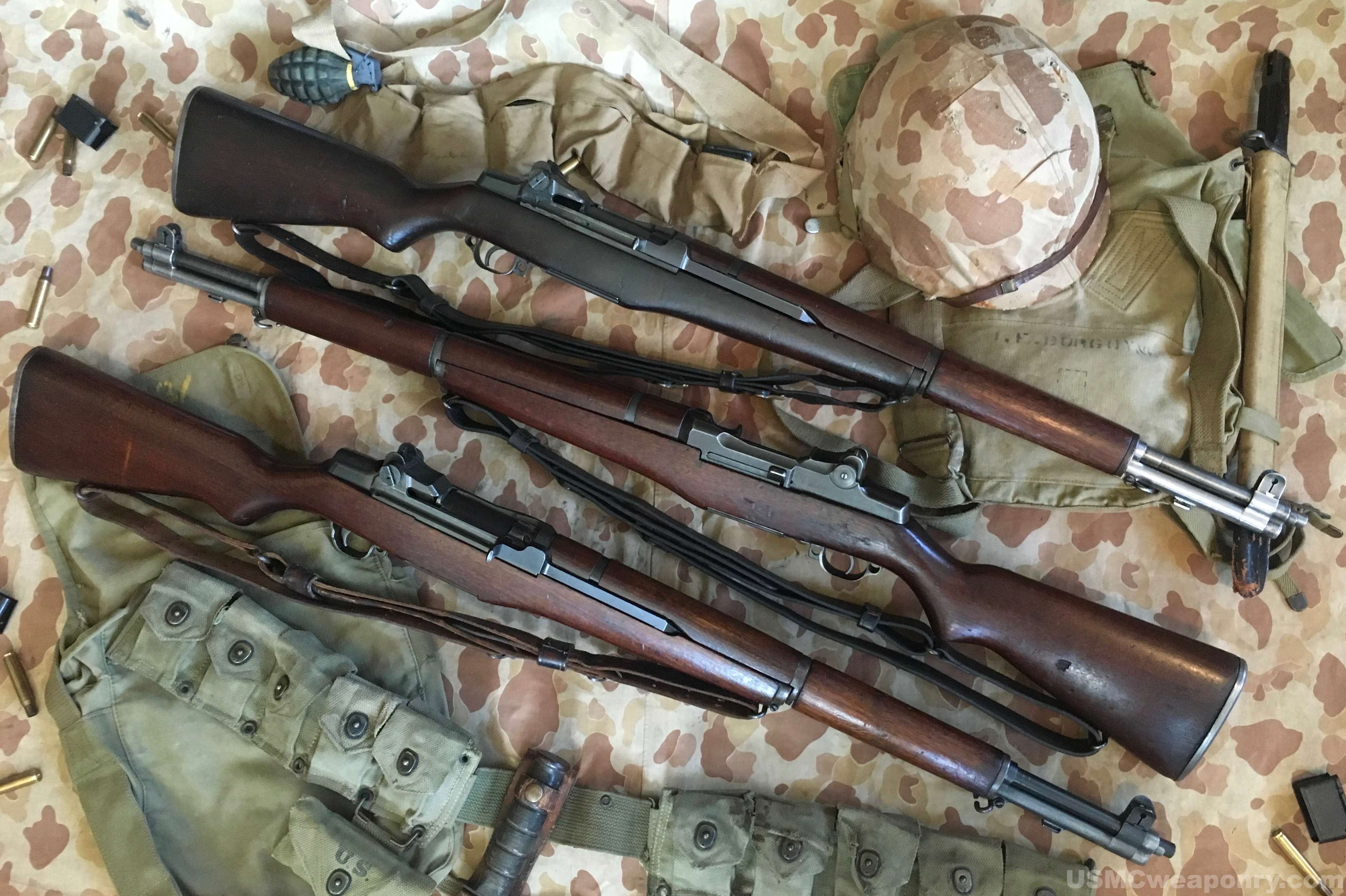
The USMC M1 Garands of the Korean War were practically identical to the ones of World War II. The M1 rebuilds following the war’s end were with standard parts, and it does not appear the Marine Corps used any rebuild markings at this time. Perhaps the only noticeable difference between a USMC M1 Garand in the Korean War and those of the army were the rear sights. The Marine Corps continued to use the lock bar sight throughout Korea, believing this would better ensure a secure zero that could be be accidentally moved out of place. This practice eventually went away in the mid-50s, and the T105 sight would be used on the last rebuilds of Marine M1s.
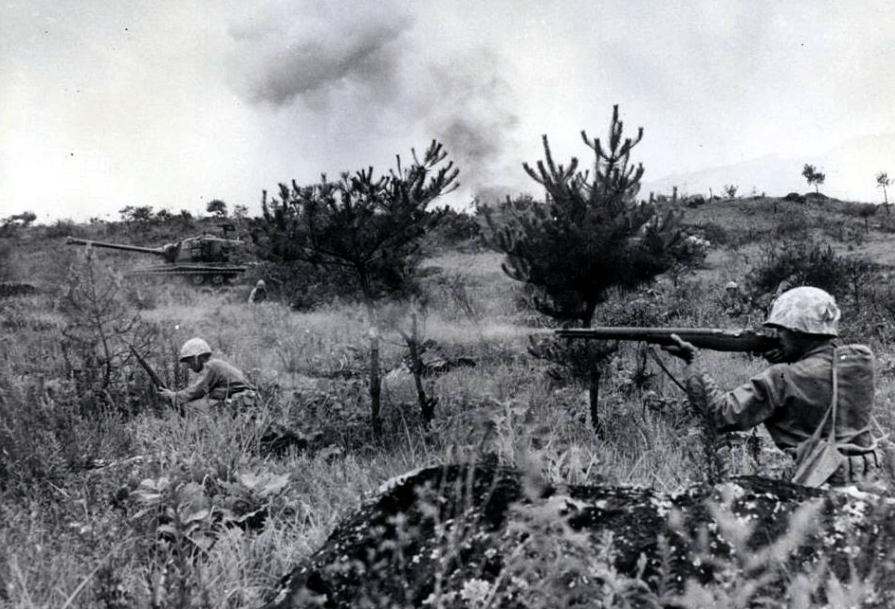
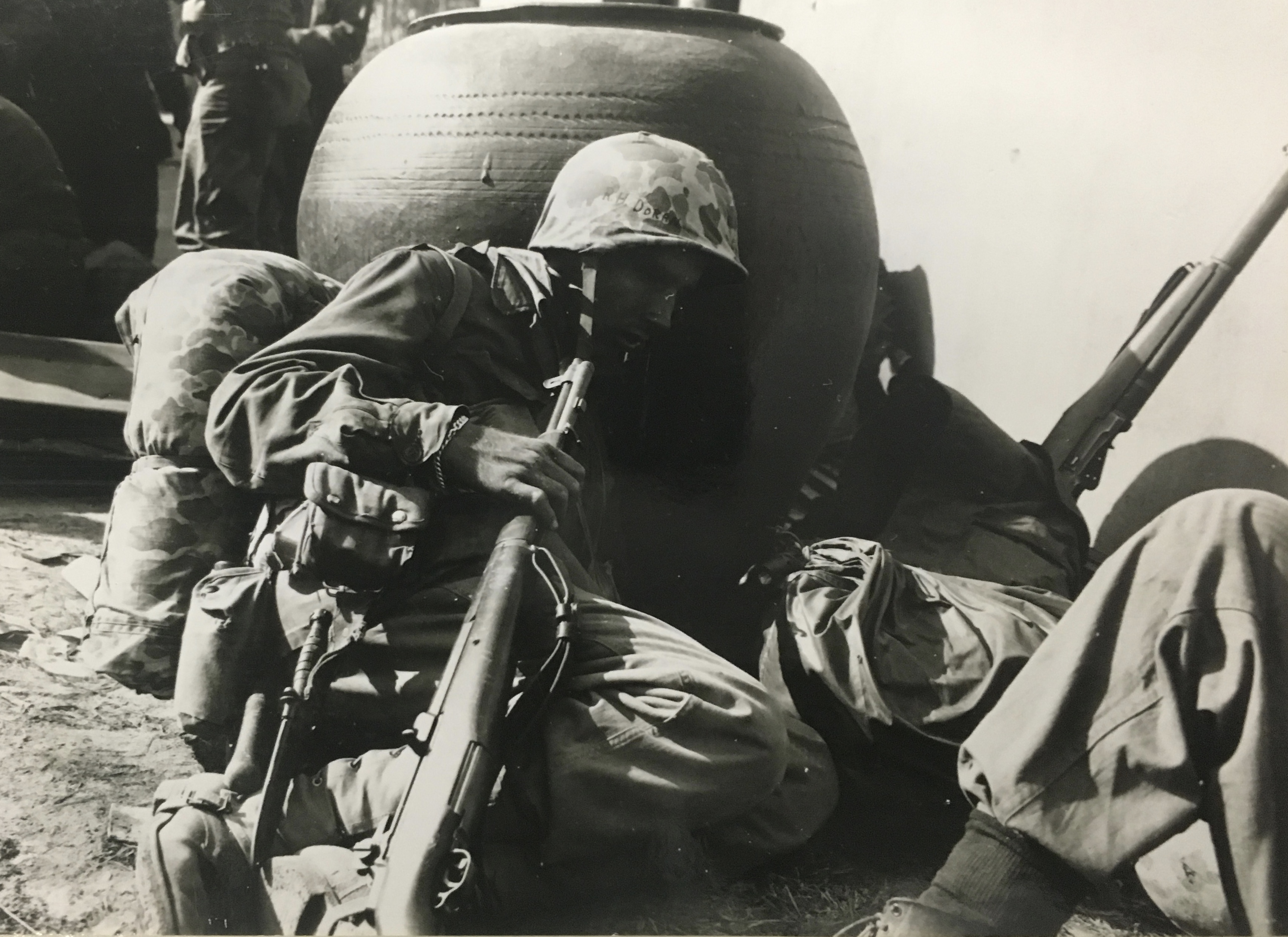
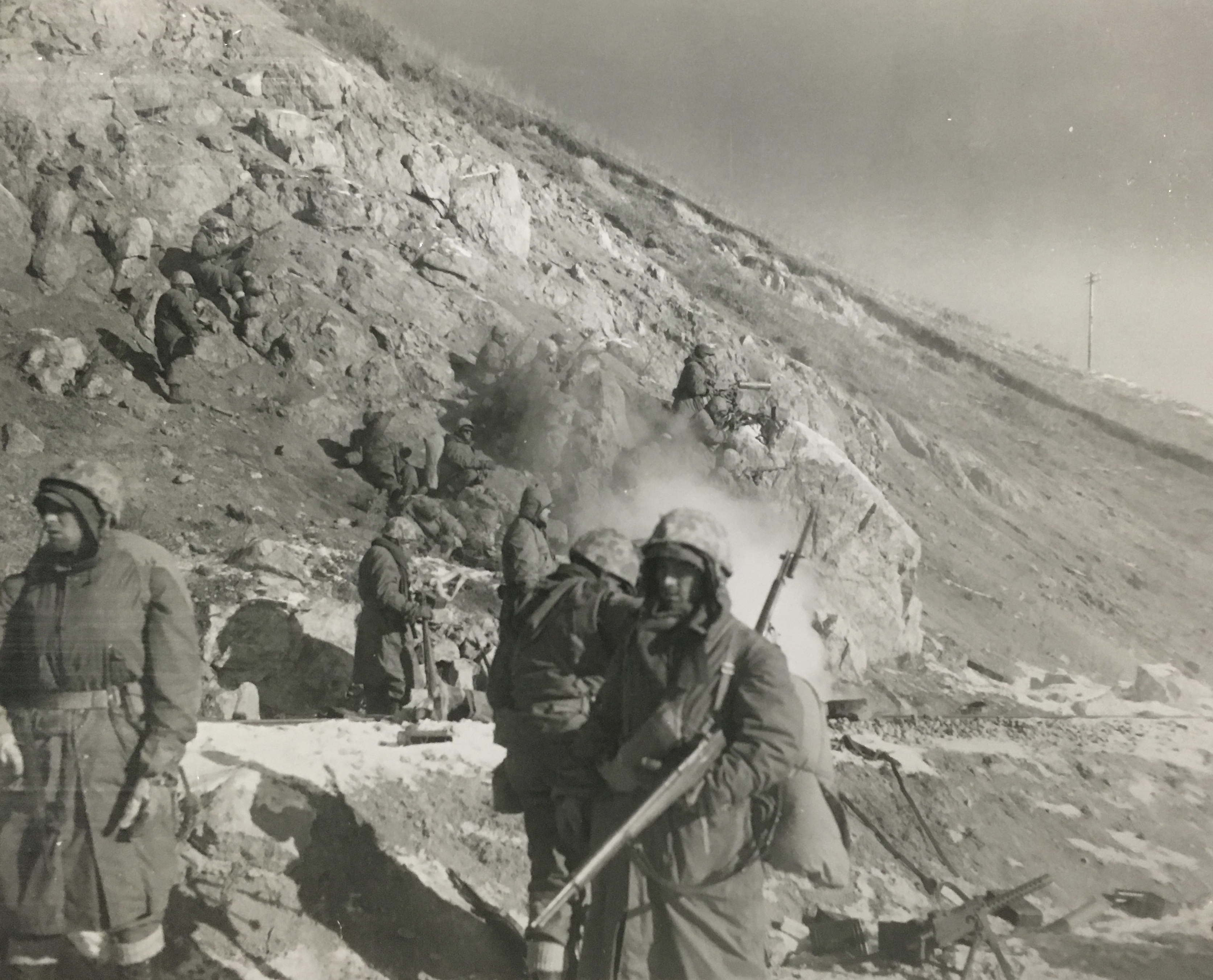
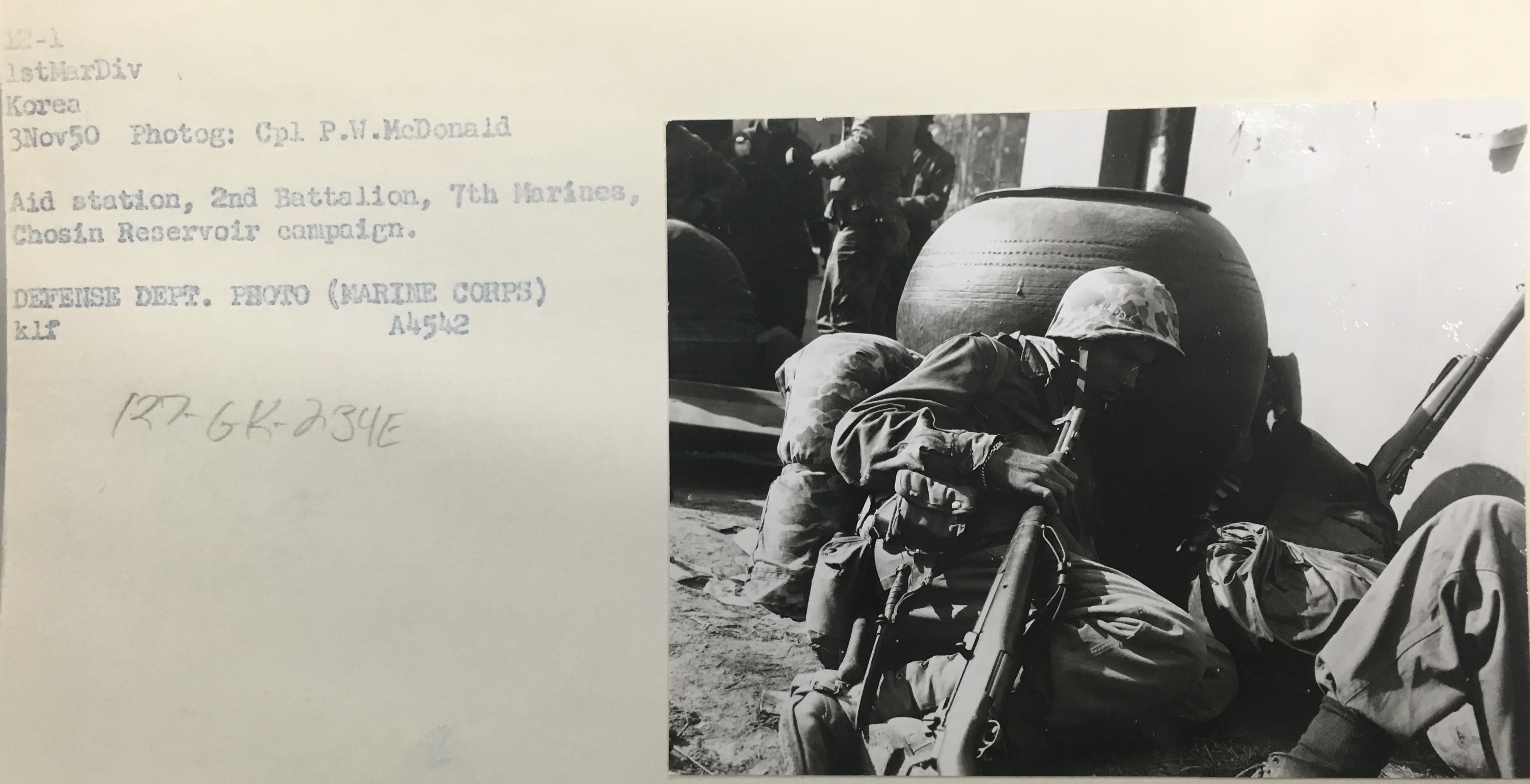
Marines in Korea, note the Winchester operating rod and Type III lock bar rear sights (NARA).
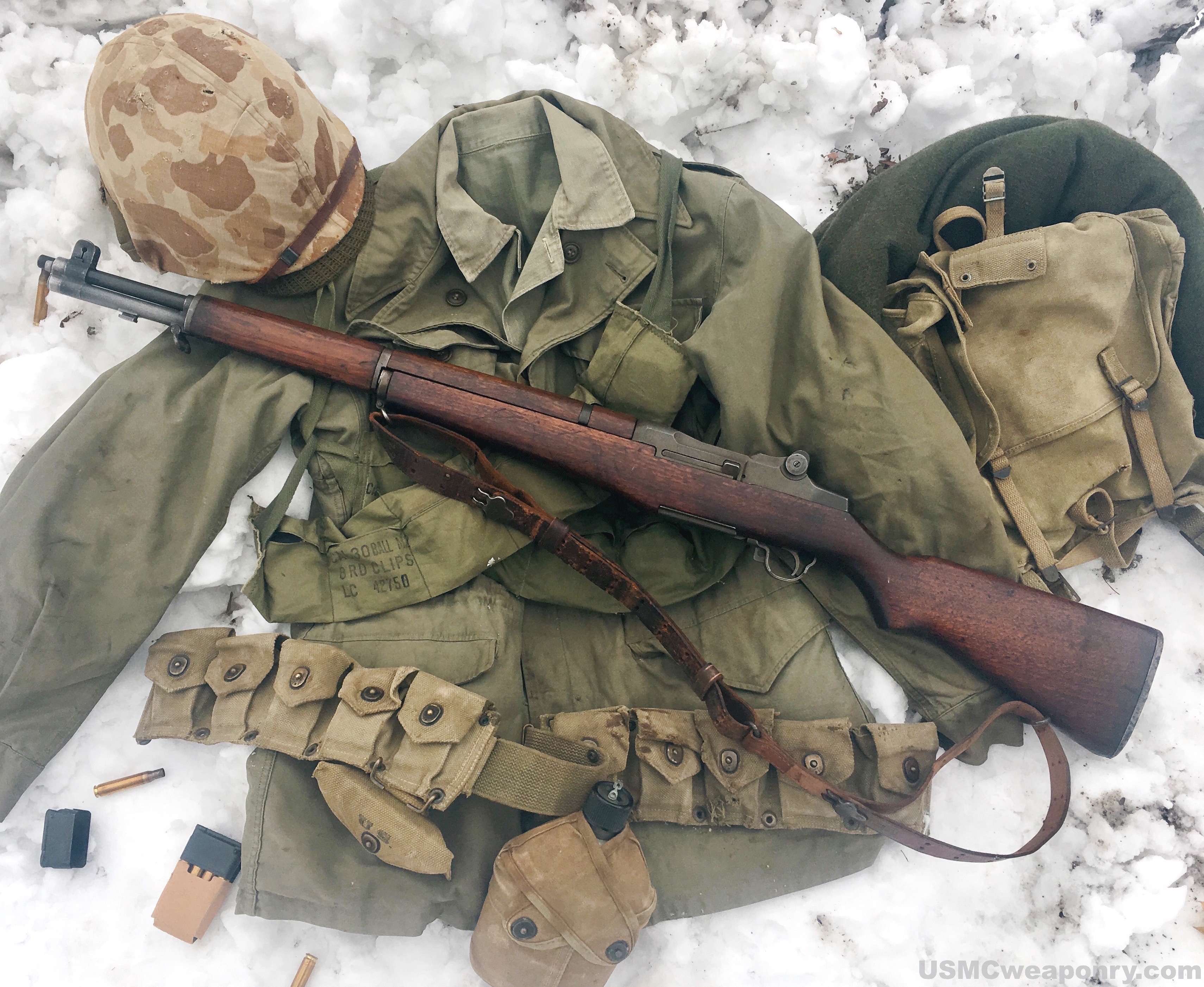
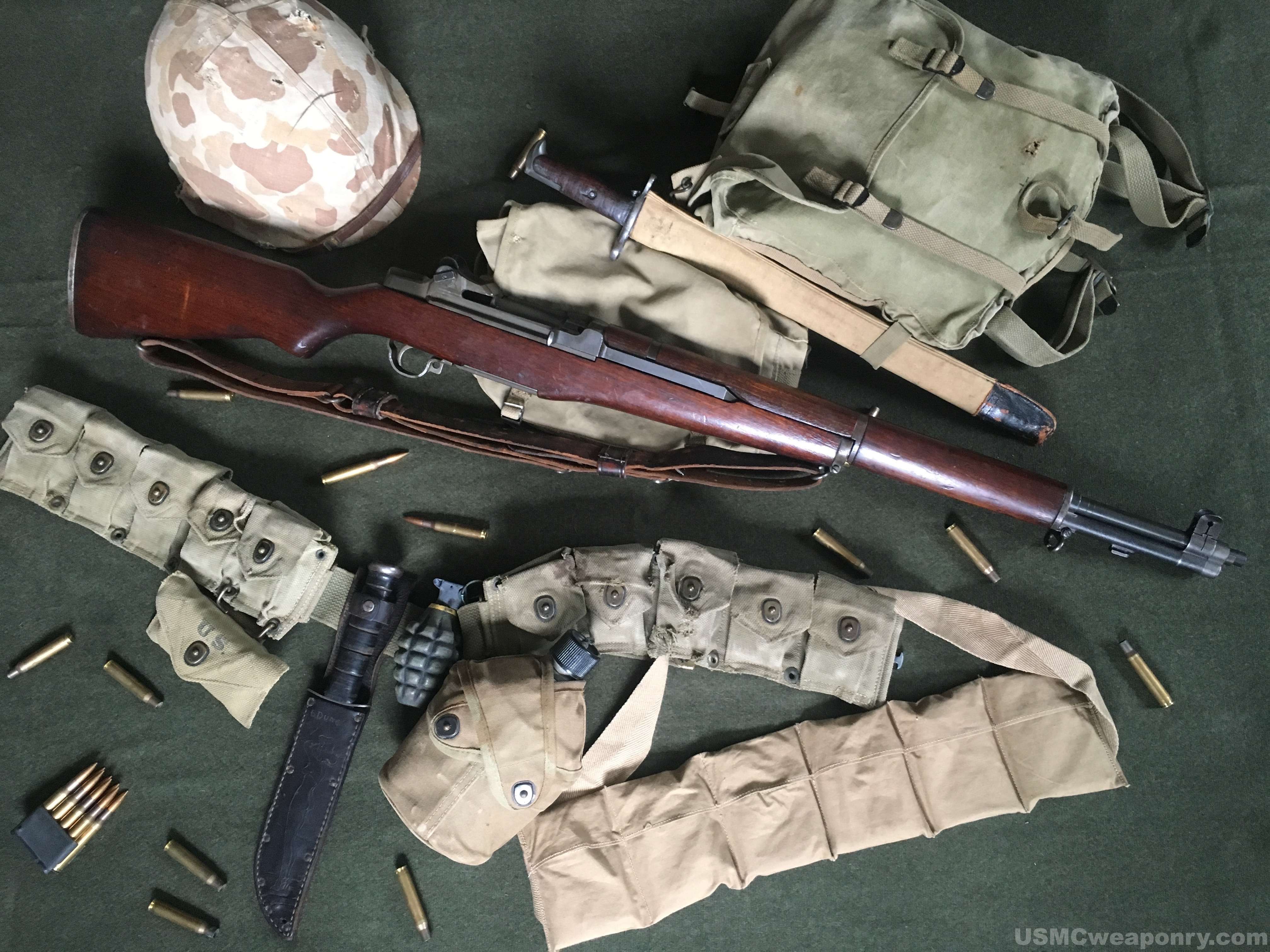
The kit of a Marine Rifleman during the Battle of the Chosin Reservoir, November 27th through December 13th, 1950.
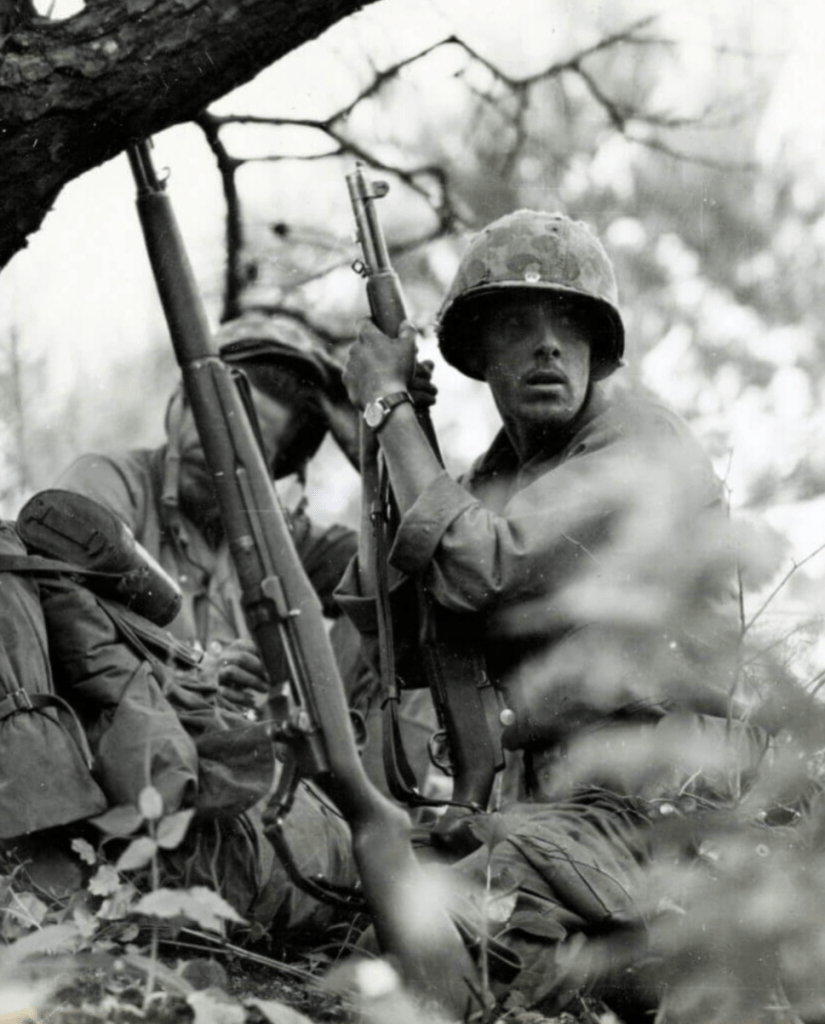
Photo of Marine infantrymen in combat in Korea in 1952. The Marine Corps continued to use lock bar sights during the Korean War (NARA).
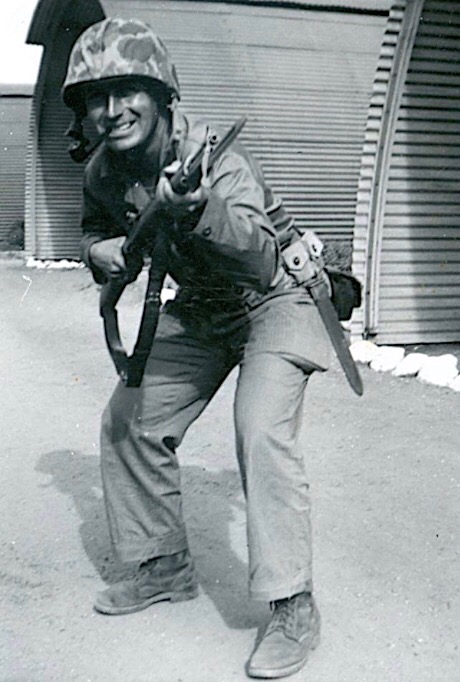
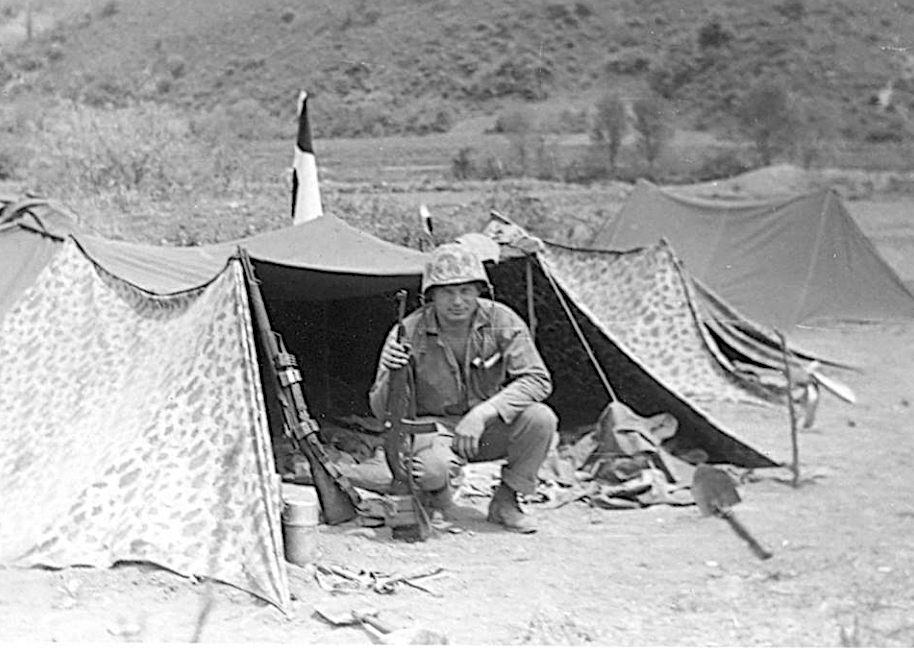

Sgt George Zurlinden Jr, a radio operator with the 5th Marines during combat in Korea (Cook family collection)
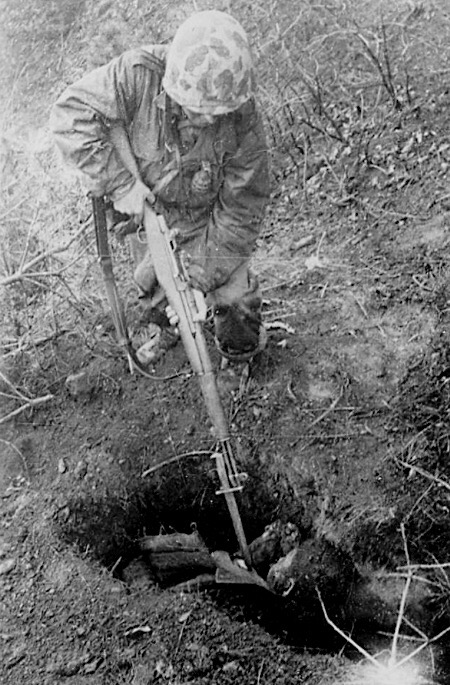
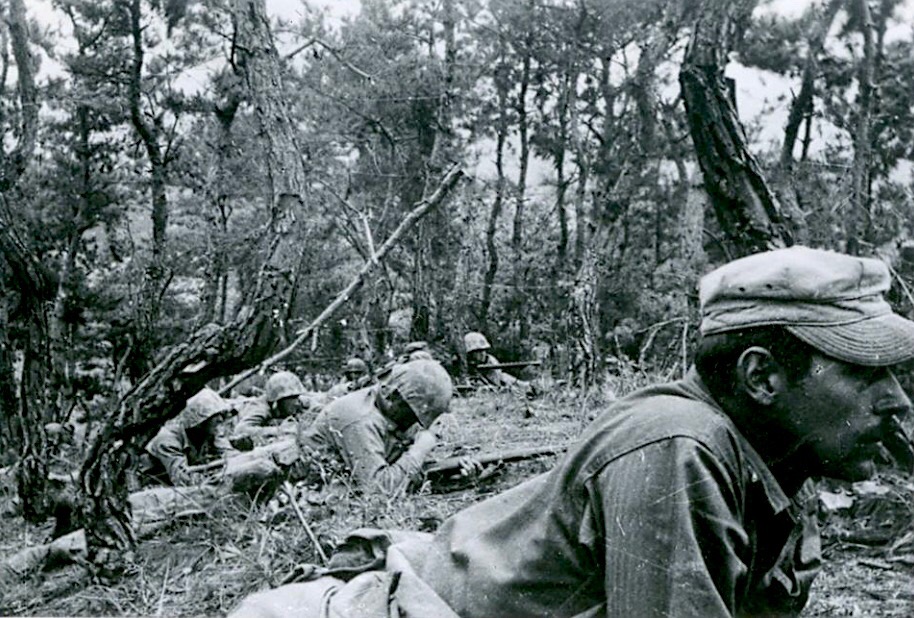
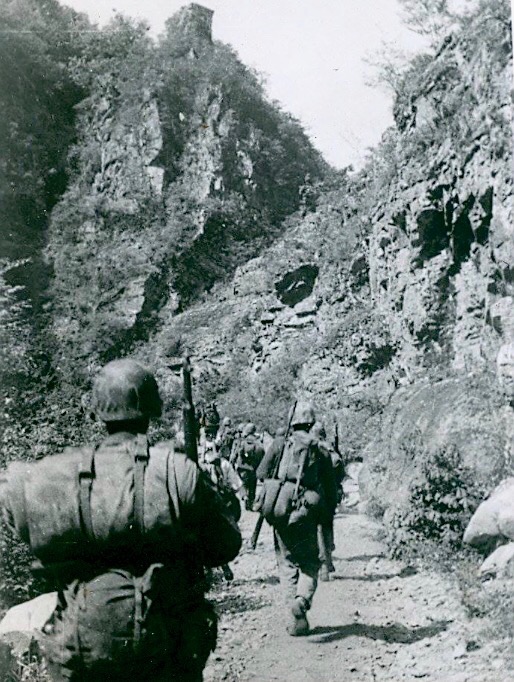
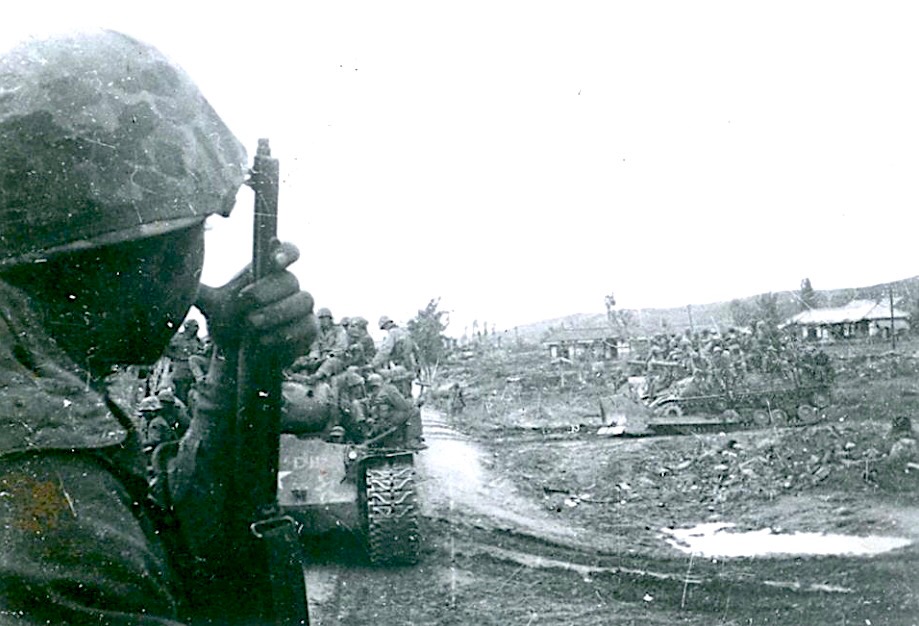
The ‘Fighting Fifth’ Marine Regiment during combat operations in Korea, circa 1951-1952 as photographed by Sergeant George Zurlinden Jr (Cook Family Collection).
 USMCWEAPONRY.COM